Collection
Classical
2026.09.27
Distinguishing Woodwind Instruments by Breath Quality
Comparing the sound and range of flute, oboe, clarinet, and bassoon with actual solo recordings
Woodwind instruments all produce sound using the player's breath, but the way the air passes through them differs. The flute directs air against an edge, while the oboe and bassoon vibrate two overlapping reeds, and the clarinet creates a broad and warm sound using a single reed. Even without knowing the names of the instruments, you can distinguish their character by listening to the different attack and decay of the same pitch.
This list connects concertos and sonatas for these four instruments to actual recordings. It spans from Mozart's classical concertos to the modern colors of Debussy and Poulenc, and even the rhythms of Villa-Lobos. Rather than focusing on fast techniques, this selection highlights the length of breath, the connection between low and high notes, and points where the timbre mixes with piano or strings, allowing for a concrete listening experience of the differences among woodwinds.
This list connects concertos and sonatas for these four instruments to actual recordings. It spans from Mozart's classical concertos to the modern colors of Debussy and Poulenc, and even the rhythms of Villa-Lobos. Rather than focusing on fast techniques, this selection highlights the length of breath, the connection between low and high notes, and points where the timbre mixes with piano or strings, allowing for a concrete listening experience of the differences among woodwinds.
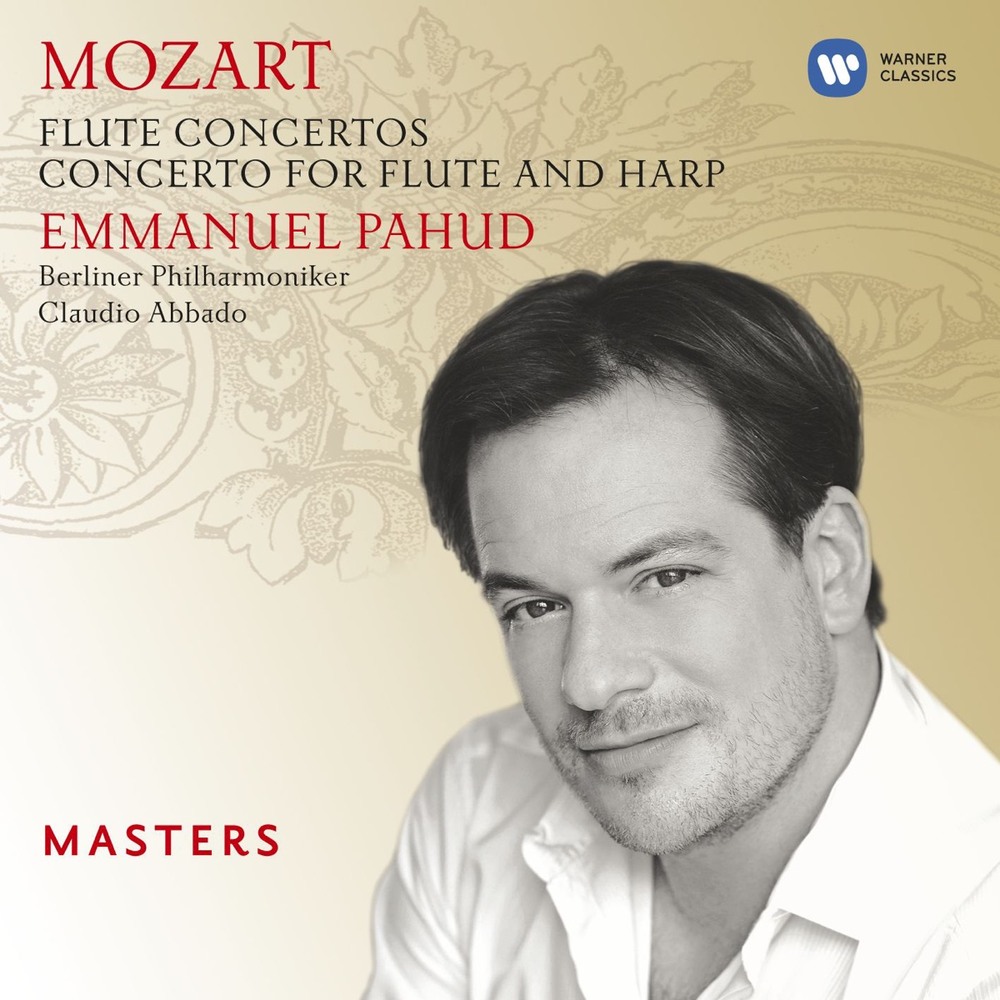
Mozart Flute Concerto No. 1 Movement 1 — Pahud · Abbado
Mozart Flute Concerto No. 1, 1st Movement — Pahud · Abbado
Listen closely as the soloist takes over the theme from the orchestra, paying attention to the ornamentation and breath placement. On the first listening of 'Mozart Flute Concerto No. 1, 1st Movement — Pahud · Abbado', follow the guidepoints, and on the second, broaden your focus to include the low notes and inner parts. This reveals the structure of Flute Concerto No. 1: I. Allegro maestoso as well as the selected phrase lengths by the Berlin Philharmonic, Claudio Abbado, and Emmanuel Pahud. Instead of waiting for famous moments, mark down when the timbre shifts to stay connected to the work's direction.
The track connecting 'Mozart Flute Concerto No. 1, 1st Movement — Pahud · Abbado' to Flute Concerto No. 1: I. Allegro maestoso is an actual recording found on the album 'Mozart: Flute Concertos,' and it was included here based on the selection criteria for 'Distinguishing Woodwind Instruments by Breath Quality.' The performances shown in Apple Music for 'Mozart Flute Concerto No. 1, 1st Movement — Pahud · Abbado' feature the Berlin Philharmonic, Claudio Abbado, and Emmanuel Pahud, released in 1997. This date may differ from when Wolfgang Amadeus Mozart composed the piece, so we only use recording information for 'Distinguishing Woodwind Instruments by Breath Quality.' When looking for different versions of a work like 'Mozart Flute Concerto No. 1, 1st Movement — Pahud · Abbado,' it’s important to check the work's title, performers, and album to avoid confusion between recordings and reissues while ensuring the context of 'Distinguishing Woodwind Instruments by Breath Quality' is also clear.
The track connecting 'Mozart Flute Concerto No. 1, 1st Movement — Pahud · Abbado' to Flute Concerto No. 1: I. Allegro maestoso is an actual recording found on the album 'Mozart: Flute Concertos,' and it was included here based on the selection criteria for 'Distinguishing Woodwind Instruments by Breath Quality.' The performances shown in Apple Music for 'Mozart Flute Concerto No. 1, 1st Movement — Pahud · Abbado' feature the Berlin Philharmonic, Claudio Abbado, and Emmanuel Pahud, released in 1997. This date may differ from when Wolfgang Amadeus Mozart composed the piece, so we only use recording information for 'Distinguishing Woodwind Instruments by Breath Quality.' When looking for different versions of a work like 'Mozart Flute Concerto No. 1, 1st Movement — Pahud · Abbado,' it’s important to check the work's title, performers, and album to avoid confusion between recordings and reissues while ensuring the context of 'Distinguishing Woodwind Instruments by Breath Quality' is also clear.
연주자 Berlin Philharmonic, Claudio Abbado & Emmanuel Pahud
작곡가 Wolfgang Amadeus Mozart
작품 Flute Concerto No. 1: I. Allegro maestoso
표시 발매 연도 1997
수록 음반 Mozart: Flute Concertos
형식 음원
감상 포인트 맑은 고음과 빠른 음형이 플루트의 가벼운 발음과 긴 호흡을 함께 보여준다.
듣기 팁 독주가 오케스트라의 주제를 이어받을 때 장식과 숨의 위치를 들어보자.
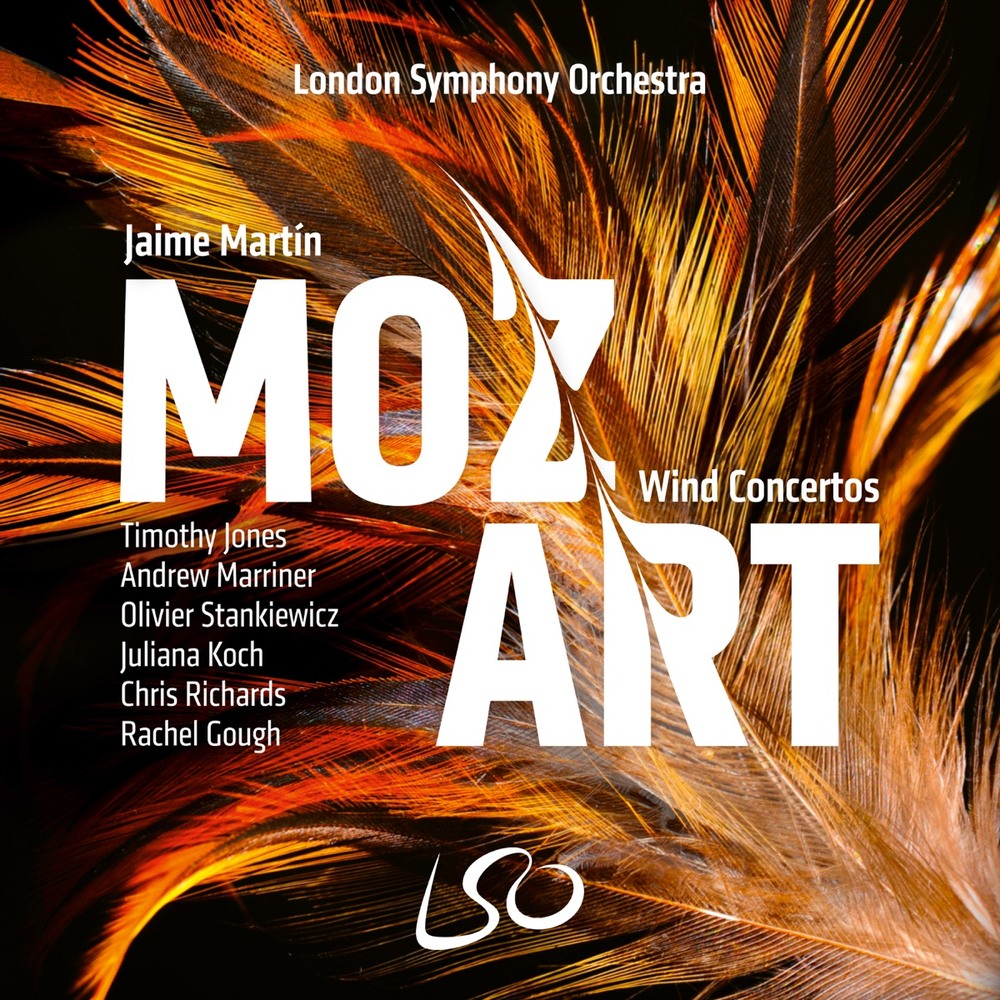
Mozart Oboe Concerto Movement 1 — Stankiewicz · London Symphony
Mozart Oboe Concerto, 1st Movement — Stankiewicz · London Symphony
As you repeat the same note, listen to how your tongue's articulation and breath divide the phrases. In 'Mozart Oboe Concerto, 1st Movement — Stankiewicz · London Symphony,' check if the range and stresses change when the same motif returns. The performance by Jaime Martín, Olivier Stankiewicz, and the London Symphony Orchestra presents the flowing structure of Oboe Concerto in C Major: I. Allegro aperto through the connections of each part rather than exaggerating it. At the end, return to the beginning of 'Mozart Oboe Concerto, 1st Movement — Stankiewicz · London Symphony' and compare how your first impression has changed to clarify the structure.
The track connecting 'Mozart Oboe Concerto, 1st Movement — Stankiewicz · London Symphony' to Oboe Concerto in C Major: I. Allegro aperto is an actual recording found on the album 'Mozart: Wind Concertos,' included based on the selection criteria for 'Distinguishing Woodwind Instruments by Breath Quality.' The performances shown in Apple Music for 'Mozart Oboe Concerto, 1st Movement — Stankiewicz · London Symphony' feature Jaime Martín, Olivier Stankiewicz, and the London Symphony Orchestra, released in 2021. This date may differ from when Wolfgang Amadeus Mozart composed the piece, so we only use recording information for 'Distinguishing Woodwind Instruments by Breath Quality.' When looking for different versions of a work like 'Mozart Oboe Concerto, 1st Movement — Stankiewicz · London Symphony,' remember to check the work's title, performers, and album to avoid confusion with recordings and reissues, while also ensuring the context of 'Distinguishing Woodwind Instruments by Breath Quality' is maintained.
The track connecting 'Mozart Oboe Concerto, 1st Movement — Stankiewicz · London Symphony' to Oboe Concerto in C Major: I. Allegro aperto is an actual recording found on the album 'Mozart: Wind Concertos,' included based on the selection criteria for 'Distinguishing Woodwind Instruments by Breath Quality.' The performances shown in Apple Music for 'Mozart Oboe Concerto, 1st Movement — Stankiewicz · London Symphony' feature Jaime Martín, Olivier Stankiewicz, and the London Symphony Orchestra, released in 2021. This date may differ from when Wolfgang Amadeus Mozart composed the piece, so we only use recording information for 'Distinguishing Woodwind Instruments by Breath Quality.' When looking for different versions of a work like 'Mozart Oboe Concerto, 1st Movement — Stankiewicz · London Symphony,' remember to check the work's title, performers, and album to avoid confusion with recordings and reissues, while also ensuring the context of 'Distinguishing Woodwind Instruments by Breath Quality' is maintained.
연주자 Jaime Martín, Olivier Stankiewicz & London Symphony Orchestra
작곡가 Wolfgang Amadeus Mozart
작품 Oboe Concerto in C Major: I. Allegro aperto
표시 발매 연도 2021
수록 음반 Mozart: Wind Concertos
형식 음원
감상 포인트 집중된 리드 음색과 짧은 아티큘레이션이 밝은 선율의 윤곽을 세운다.
듣기 팁 같은 음을 반복할 때 혀의 발음과 호흡이 어떻게 문장을 나누는지 들어보자.

Mozart Clarinet Concerto Adagio — Ottensamer
Mozart Clarinet Concerto, Adagio — Ottensamer
Follow how the timbre darkens when the melody descends. When you listen to this recording again, focus on the order of the overlapping sounds and empty spaces rather than the tempo. Finding where the repeated material of Clarinet Concerto: Adagio moves to different parts will also reveal the balance achieved by Ernst Ottensamer, Johannes Wildner, and the Vienna Mozart Academy. Comparing the resonance left at the end of 'Mozart Clarinet Concerto, Adagio — Ottensamer' with the first phrase clarifies the emotional change within the structure.
The track connecting 'Mozart Clarinet Concerto, Adagio — Ottensamer' to Clarinet Concerto: Adagio is an actual recording found on the album 'The Very Best of Mozart,' and it was included in accordance with the selection criteria for 'Distinguishing Woodwind Instruments by Breath Quality.' The performances shown in Apple Music for 'Mozart Clarinet Concerto, Adagio — Ottensamer' feature Ernst Ottensamer, Johannes Wildner, and the Vienna Mozart Academy, released in 1987. This date may differ from when Wolfgang Amadeus Mozart composed the piece, so we only use recording information for 'Distinguishing Woodwind Instruments by Breath Quality.' When looking for different versions of a work like 'Mozart Clarinet Concerto, Adagio — Ottensamer,' make sure to check the work's title, performers, and album together to avoid confusion with recordings and reissues, while also checking the context of 'Distinguishing Woodwind Instruments by Breath Quality.'
The track connecting 'Mozart Clarinet Concerto, Adagio — Ottensamer' to Clarinet Concerto: Adagio is an actual recording found on the album 'The Very Best of Mozart,' and it was included in accordance with the selection criteria for 'Distinguishing Woodwind Instruments by Breath Quality.' The performances shown in Apple Music for 'Mozart Clarinet Concerto, Adagio — Ottensamer' feature Ernst Ottensamer, Johannes Wildner, and the Vienna Mozart Academy, released in 1987. This date may differ from when Wolfgang Amadeus Mozart composed the piece, so we only use recording information for 'Distinguishing Woodwind Instruments by Breath Quality.' When looking for different versions of a work like 'Mozart Clarinet Concerto, Adagio — Ottensamer,' make sure to check the work's title, performers, and album together to avoid confusion with recordings and reissues, while also checking the context of 'Distinguishing Woodwind Instruments by Breath Quality.'
연주자 Ernst Ottensamer, Johannes Wildner & Vienna Mozart Academy
작곡가 Wolfgang Amadeus Mozart
작품 Clarinet Concerto: Adagio
표시 발매 연도 1987
수록 음반 The Very Best of Mozart
형식 음원
감상 포인트 낮은 음역의 온기와 높은 음역의 투명함이 한 선율 안에서 자연스럽게 연결된다.
듣기 팁 선율이 아래로 내려갈 때 음색이 어두워지는 정도를 따라가 보자.
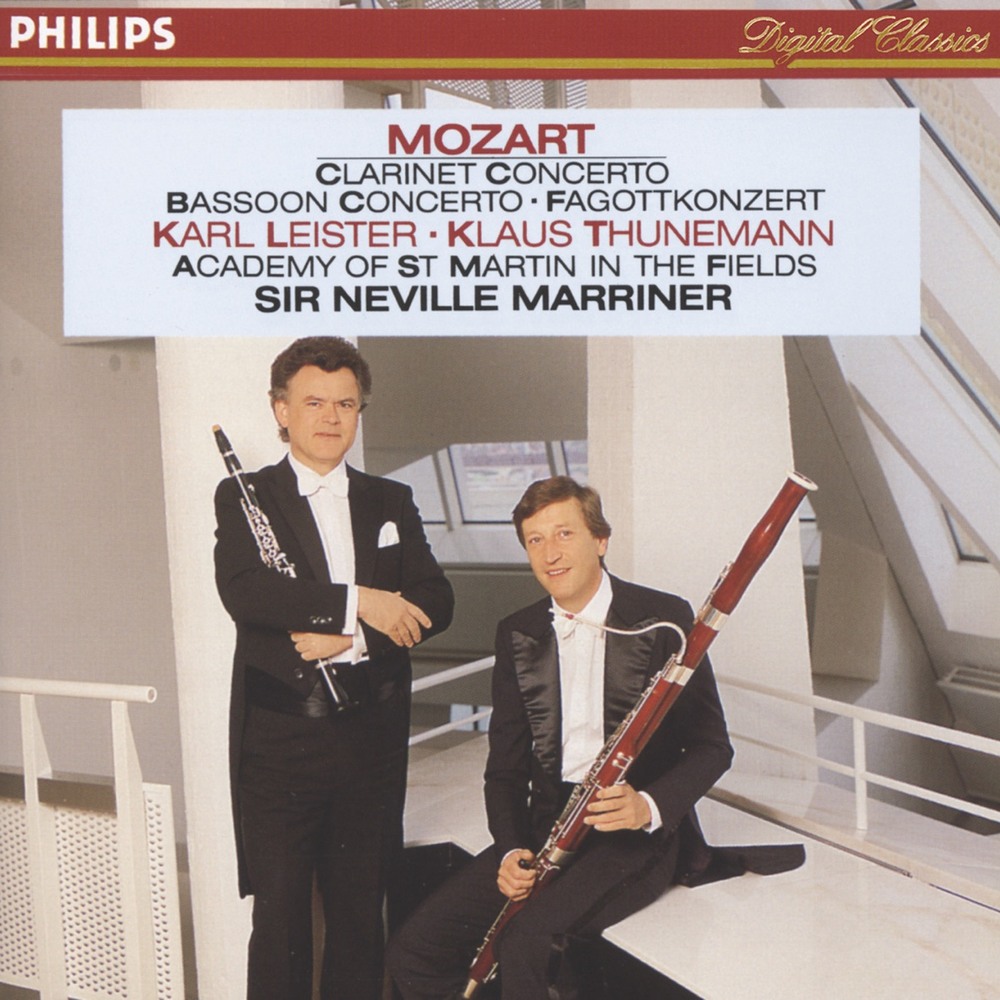
Mozart Bassoon Concerto Movement 1 — Thunemann · Marriner
Mozart Bassoon Concerto, 1st Movement — Thunemann · Marriner
Check if the wood-like texture of the low notes remains even in the higher range. Next, listen to what the accompaniment and background parts are doing simultaneously in 'Mozart Bassoon Concerto, 1st Movement — Thunemann · Marriner.' Following the process as the earlier materials return with different instruments and ranges will help you see the design of Bassoon Concerto in B-Flat: I. Allegro naturally. Indicating where Klaus Thunemann, the Academy of St. Martin in the Fields, and Neville Marriner place their accents will also give you a standard for comparing with other performances.
The track connecting 'Mozart Bassoon Concerto, 1st Movement — Thunemann · Marriner' to Bassoon Concerto in B-Flat: I. Allegro is an actual recording found on the album 'Mozart: Clarinet & Bassoon Concertos,' and it was introduced here per the selection criteria for 'Distinguishing Woodwind Instruments by Breath Quality.' The performances shown in Apple Music for 'Mozart Bassoon Concerto, 1st Movement — Thunemann · Marriner' feature Klaus Thunemann, the Academy of St. Martin in the Fields, and Neville Marriner, released in 1989. This date may differ from when Wolfgang Amadeus Mozart composed the piece, so we only use recording information for 'Distinguishing Woodwind Instruments by Breath Quality.' When looking for different versions of a work like 'Mozart Bassoon Concerto, 1st Movement — Thunemann · Marriner,' check the work's title, performers, and album together to avoid confusion with recordings and reissues, while also ensuring the context of 'Distinguishing Woodwind Instruments by Breath Quality' is verified.
The track connecting 'Mozart Bassoon Concerto, 1st Movement — Thunemann · Marriner' to Bassoon Concerto in B-Flat: I. Allegro is an actual recording found on the album 'Mozart: Clarinet & Bassoon Concertos,' and it was introduced here per the selection criteria for 'Distinguishing Woodwind Instruments by Breath Quality.' The performances shown in Apple Music for 'Mozart Bassoon Concerto, 1st Movement — Thunemann · Marriner' feature Klaus Thunemann, the Academy of St. Martin in the Fields, and Neville Marriner, released in 1989. This date may differ from when Wolfgang Amadeus Mozart composed the piece, so we only use recording information for 'Distinguishing Woodwind Instruments by Breath Quality.' When looking for different versions of a work like 'Mozart Bassoon Concerto, 1st Movement — Thunemann · Marriner,' check the work's title, performers, and album together to avoid confusion with recordings and reissues, while also ensuring the context of 'Distinguishing Woodwind Instruments by Breath Quality' is verified.
연주자 Klaus Thunemann, Academy of St Martin in the Fields & Neville Marriner
작곡가 Wolfgang Amadeus Mozart
작품 Bassoon Concerto in B-Flat: I. Allegro
표시 발매 연도 1989
수록 음반 Mozart: Clarinet & Bassoon Concertos
형식 음원
감상 포인트 도약하는 저음과 재치 있는 짧은 음표가 바순의 말하는 듯한 성격을 만든다.
듣기 팁 높은 음역에서도 저음의 나무 같은 질감이 남는지 확인해보자.
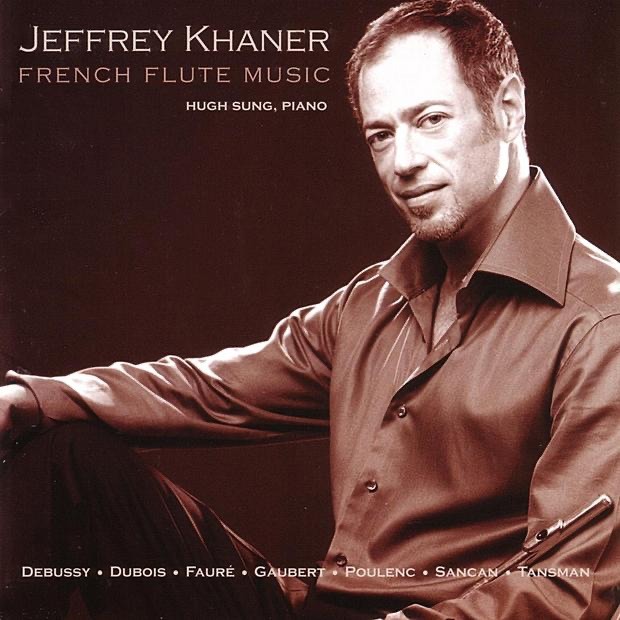
Debussy 'Syrinx' — Jeffrey Khaner
Debussy Syrinx — Khaner
Listen to the silence that remains after a phrase ends as if it’s part of the following note. When you listen to 'Debussy Syrinx — Khaner' again, try to find the lowest note and the longest note respectively. The point where these two elements meet determines the tension and release in Syrinx and reveals Jeffrey Khaner's interpretation. By comparing the length of breath and resonance rather than just the volume in 'Debussy Syrinx — Khaner,' the reason for choosing this version becomes clear.
The track connecting 'Debussy Syrinx — Khaner' to Syrinx is an actual recording found on the album 'French Flute Music,' and it was included here based on the selection criteria for 'Distinguishing Woodwind Instruments by Breath Quality.' The performances shown in Apple Music for 'Debussy Syrinx — Khaner' feature Jeffrey Khaner, released in 2003. This date may differ from when Claude Debussy composed the piece, so we only use recording information for 'Distinguishing Woodwind Instruments by Breath Quality.' When looking for different versions of a work like 'Debussy Syrinx — Khaner,' be sure to check the work's title, performers, and album together to avoid confusion with recordings and reissues, while also confirming the context of 'Distinguishing Woodwind Instruments by Breath Quality.'
The track connecting 'Debussy Syrinx — Khaner' to Syrinx is an actual recording found on the album 'French Flute Music,' and it was included here based on the selection criteria for 'Distinguishing Woodwind Instruments by Breath Quality.' The performances shown in Apple Music for 'Debussy Syrinx — Khaner' feature Jeffrey Khaner, released in 2003. This date may differ from when Claude Debussy composed the piece, so we only use recording information for 'Distinguishing Woodwind Instruments by Breath Quality.' When looking for different versions of a work like 'Debussy Syrinx — Khaner,' be sure to check the work's title, performers, and album together to avoid confusion with recordings and reissues, while also confirming the context of 'Distinguishing Woodwind Instruments by Breath Quality.'
연주자 Jeffrey Khaner
작곡가 Claude Debussy
작품 Syrinx
표시 발매 연도 2003
수록 음반 French Flute Music
형식 음원
감상 포인트 반주 없는 한 줄 선율이 호흡과 침묵만으로 먼 신화적 공간을 만든다.
듣기 팁 프레이즈가 끝난 뒤 남는 침묵을 다음 음의 일부처럼 들어보자.

Saint-Saëns Oboe Sonata Movement 1 — Moinet · Uhlig
Saint-Saëns Oboe Sonata, 1st Movement — Moinet · Uhlig
Listen closely at the end of the long notes to see if the vibrato and the piano harmony fade together. Then check if the instrument that starts the theme of 'Saint-Saëns Oboe Sonata, 1st Movement — Moinet · Uhlig' is the same as the one that concludes it. Oboe Sonata in D Major: I. Andantino proceeds by repeating small movements while changing the density of the background. Hearing where Céline Moinet and Florian Uhlig emphasize those changes goes beyond simple mood appreciation and can describe the character of this version.
The track connecting 'Saint-Saëns Oboe Sonata, 1st Movement — Moinet · Uhlig' to Oboe Sonata in D Major: I. Andantino is an actual recording found on the album 'Lumière,' and it was included here according to the selection criteria for 'Distinguishing Woodwind Instruments by Breath Quality.' The performances shown in Apple Music for 'Saint-Saëns Oboe Sonata, 1st Movement — Moinet · Uhlig' feature Céline Moinet and Florian Uhlig, released in 2022. This date may differ from when Camille Saint-Saëns composed the piece, so we only use recording information for 'Distinguishing Woodwind Instruments by Breath Quality.' When searching for other versions of a work like 'Saint-Saëns Oboe Sonata, 1st Movement — Moinet · Uhlig,' check the title, performers, and album together to avoid confusion with recordings and reissues, while also confirming the context of 'Distinguishing Woodwind Instruments by Breath Quality.'
The track connecting 'Saint-Saëns Oboe Sonata, 1st Movement — Moinet · Uhlig' to Oboe Sonata in D Major: I. Andantino is an actual recording found on the album 'Lumière,' and it was included here according to the selection criteria for 'Distinguishing Woodwind Instruments by Breath Quality.' The performances shown in Apple Music for 'Saint-Saëns Oboe Sonata, 1st Movement — Moinet · Uhlig' feature Céline Moinet and Florian Uhlig, released in 2022. This date may differ from when Camille Saint-Saëns composed the piece, so we only use recording information for 'Distinguishing Woodwind Instruments by Breath Quality.' When searching for other versions of a work like 'Saint-Saëns Oboe Sonata, 1st Movement — Moinet · Uhlig,' check the title, performers, and album together to avoid confusion with recordings and reissues, while also confirming the context of 'Distinguishing Woodwind Instruments by Breath Quality.'
연주자 Céline Moinet & Florian Uhlig
작곡가 Camille Saint-Saëns
작품 Oboe Sonata in D Major: I. Andantino
표시 발매 연도 2022
수록 음반 Lumière
형식 음원
감상 포인트 오보에의 노래와 피아노의 얇은 반주가 후기 작품의 담백한 서정을 만든다.
듣기 팁 긴 음 끝에서 비브라토와 피아노 화음이 함께 사라지는지 들어보자.
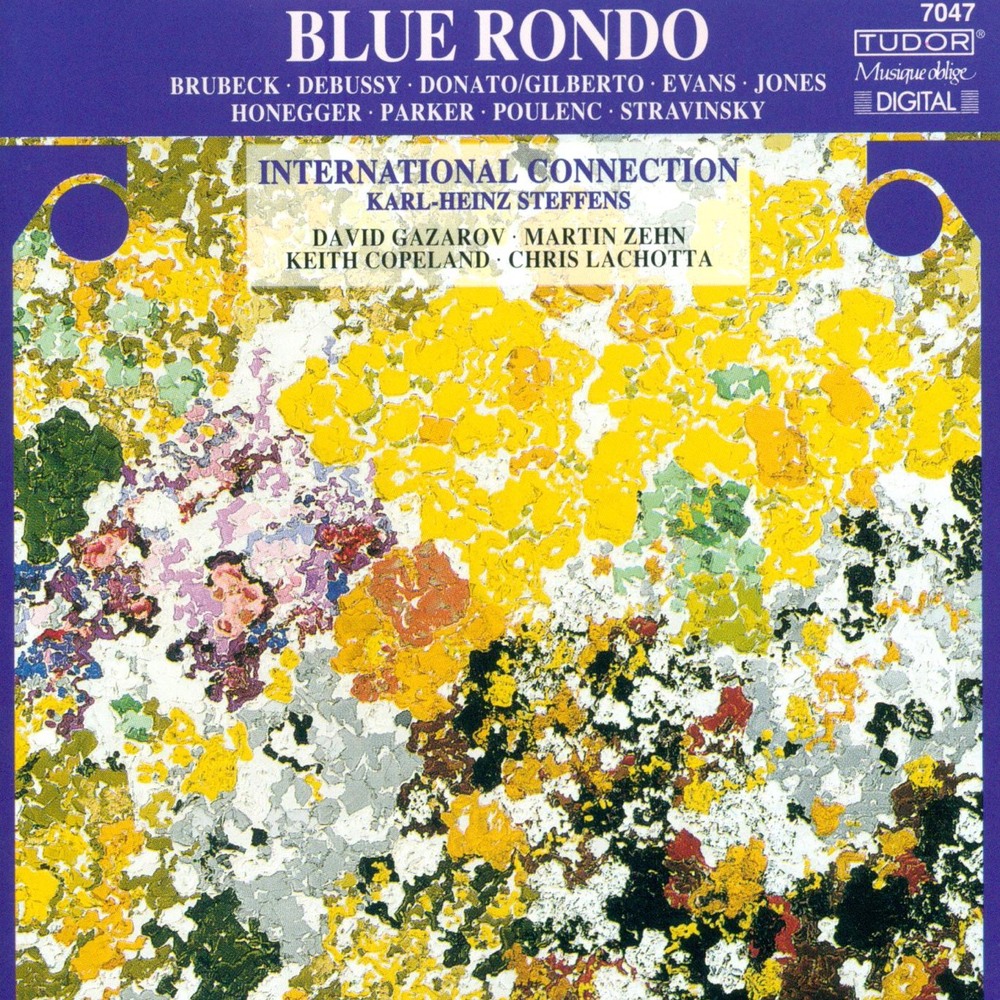
Poulenc Clarinet Sonata Movement 1 — Steffens · Zehn
Poulenc Clarinet Sonata, 1st Movement — Steffens · Zehn
Observe how the center of the timbre shifts between fast and slow sections. In 'Poulenc Clarinet Sonata, 1st Movement — Steffens · Zehn,' when the same phrase repeats, decide on one aspect based on tempo and dynamics for comparison. Narrowing your focus on the choices made by Karl-Heinz Steffens and Martin Zehn will help ensure you don't miss the inner parts and rhythms of Clarinet Sonata: I. Allegro tristamente. At the end, listen again to the overall flow of 'Poulenc Clarinet Sonata, 1st Movement — Steffens · Zehn' to verify the impact of the details on the piece's impression.
The track connecting 'Poulenc Clarinet Sonata, 1st Movement — Steffens · Zehn' to Clarinet Sonata: I. Allegro tristamente is an actual recording found on the album 'International Connection: Honegger: Clarinet Sonatina - Stravinsky: 3 Pieces for Solo Clarinet - Poulenc: Clarinet Sonata,' and it was introduced here as per the selection criteria for 'Distinguishing Woodwind Instruments by Breath Quality.' The performances shown in Apple Music for 'Poulenc Clarinet Sonata, 1st Movement — Steffens · Zehn' feature Karl-Heinz Steffens and Martin Zehn, released in 1997. This date may differ from when Francis Poulenc composed the piece, so we only use recording information for 'Distinguishing Woodwind Instruments by Breath Quality.' When searching for alternative versions of a work like 'Poulenc Clarinet Sonata, 1st Movement — Steffens · Zehn,' it's crucial to check the title, performers, and the album together to avoid confusion with recordings and reissues, while also ensuring the context of 'Distinguishing Woodwind Instruments by Breath Quality' is maintained.
The track connecting 'Poulenc Clarinet Sonata, 1st Movement — Steffens · Zehn' to Clarinet Sonata: I. Allegro tristamente is an actual recording found on the album 'International Connection: Honegger: Clarinet Sonatina - Stravinsky: 3 Pieces for Solo Clarinet - Poulenc: Clarinet Sonata,' and it was introduced here as per the selection criteria for 'Distinguishing Woodwind Instruments by Breath Quality.' The performances shown in Apple Music for 'Poulenc Clarinet Sonata, 1st Movement — Steffens · Zehn' feature Karl-Heinz Steffens and Martin Zehn, released in 1997. This date may differ from when Francis Poulenc composed the piece, so we only use recording information for 'Distinguishing Woodwind Instruments by Breath Quality.' When searching for alternative versions of a work like 'Poulenc Clarinet Sonata, 1st Movement — Steffens · Zehn,' it's crucial to check the title, performers, and the album together to avoid confusion with recordings and reissues, while also ensuring the context of 'Distinguishing Woodwind Instruments by Breath Quality' is maintained.
연주자 Karl-Heinz Steffens & Martin Zehn
작곡가 Francis Poulenc
작품 Clarinet Sonata: I. Allegro tristamente
표시 발매 연도 1997
수록 음반 International Connection: Honegger: Clarinet Sonatina - Stravinsky: 3 Pieces for Solo Clarinet - Poulenc: Clarinet Sonata
형식 음원
감상 포인트 날카로운 리듬과 갑작스러운 서정이 클라리넷의 넓은 표정 변화를 드러낸다.
듣기 팁 빠른 부분과 느린 부분 사이에서 음색의 중심이 어떻게 바뀌는지 살펴보자.
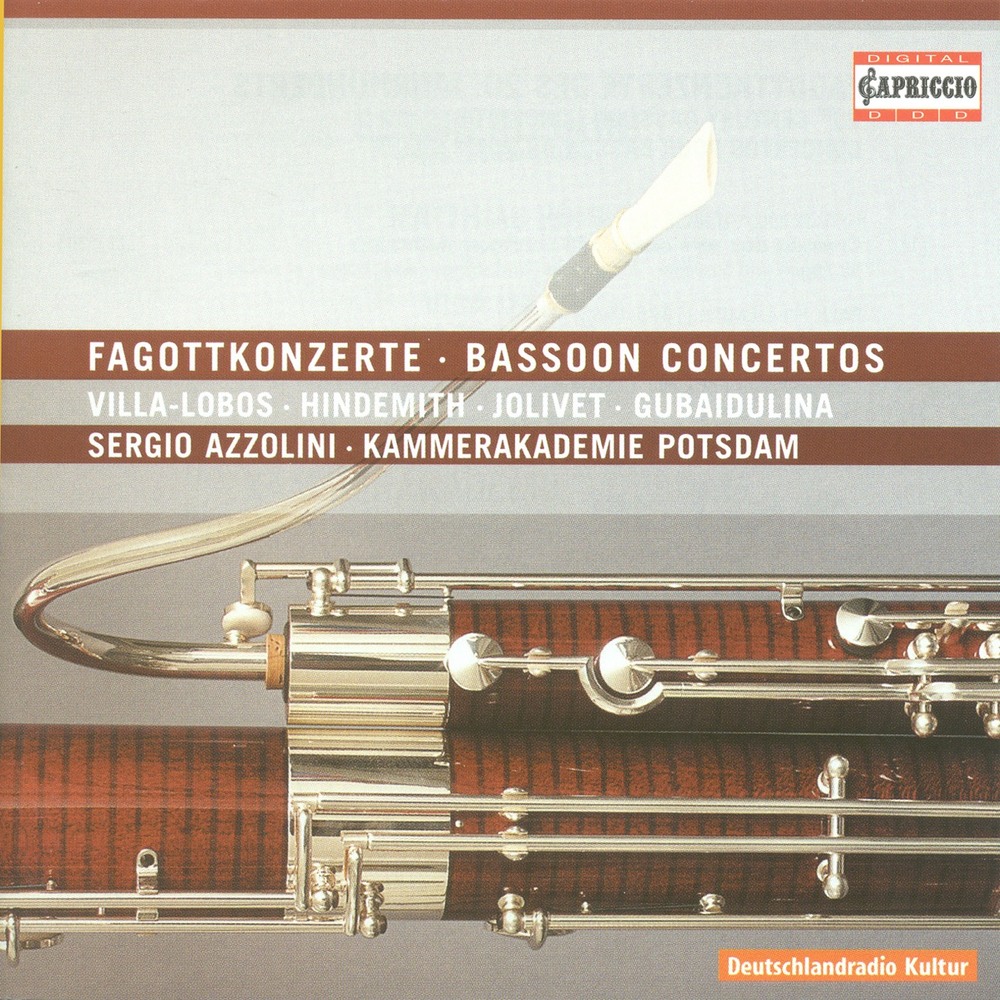
Villa-Lobos 'Dance of the Seven Notes' — Bourgue · Azzolini
Let's explore the moment when the seven-note motif transforms and returns. In the first listening of 'Villa-Lobos 'Dance of the Seven Notes' — Bourgue · Azzolini', try to identify one guiding sound, and in the next listening, add the surrounding voices and silences. You can hear how Maurice Bourgue, Sergio Azzolini & Kammerakademie Potsdam manage tempo and timbre as 'Ciranda das Sete Notas' progresses toward its climax. By comparing the beginning and ending resonances of 'Villa-Lobos 'Dance of the Seven Notes' — Bourgue · Azzolini', you can concretely feel the distance and sense of time created by the piece.
The track 'Ciranda das Sete Notas', connected to 'Villa-Lobos 'Dance of the Seven Notes' — Bourgue · Azzolini', is a recording from the album 'Villa-Lobos, Hindemith, Jolivet & Gubaidulina: Bassoon Concertos' and it has been featured based on the selection criteria of 'woodwind masterpieces that distinguish instruments solely by the breath'. The performers listed for 'Villa-Lobos 'Dance of the Seven Notes' — Bourgue · Azzolini' on Apple Music are Maurice Bourgue, Sergio Azzolini & Kammerakademie Potsdam, and the release year is 2005. Please note that this date may differ from when Heitor Villa-Lobos composed the piece, so in the context of 'woodwind masterpieces that distinguish instruments solely by the breath', it is used merely as recording information. When searching for different versions of a work like 'Villa-Lobos 'Dance of the Seven Notes' — Bourgue · Azzolini', it's essential to check the piece name, performers, and the album it is included in, to avoid confusing the same recording and reissues and to also confirm the context of 'woodwind masterpieces that distinguish instruments solely by the breath'.
The track 'Ciranda das Sete Notas', connected to 'Villa-Lobos 'Dance of the Seven Notes' — Bourgue · Azzolini', is a recording from the album 'Villa-Lobos, Hindemith, Jolivet & Gubaidulina: Bassoon Concertos' and it has been featured based on the selection criteria of 'woodwind masterpieces that distinguish instruments solely by the breath'. The performers listed for 'Villa-Lobos 'Dance of the Seven Notes' — Bourgue · Azzolini' on Apple Music are Maurice Bourgue, Sergio Azzolini & Kammerakademie Potsdam, and the release year is 2005. Please note that this date may differ from when Heitor Villa-Lobos composed the piece, so in the context of 'woodwind masterpieces that distinguish instruments solely by the breath', it is used merely as recording information. When searching for different versions of a work like 'Villa-Lobos 'Dance of the Seven Notes' — Bourgue · Azzolini', it's essential to check the piece name, performers, and the album it is included in, to avoid confusing the same recording and reissues and to also confirm the context of 'woodwind masterpieces that distinguish instruments solely by the breath'.
연주자 Maurice Bourgue, Sergio Azzolini & Kammerakademie Potsdam
작곡가 Heitor Villa-Lobos
작품 Ciranda das Sete Notas
표시 발매 연도 2005
수록 음반 Villa-Lobos, Hindemith, Jolivet & Gubaidulina: Bassoon Concertos
형식 음원
감상 포인트 바순의 민첩한 음형과 현악의 반복 리듬이 저음 악기의 독주 가능성을 넓힌다.
듣기 팁 일곱 음 동기가 형태를 바꾸며 돌아오는 순간을 찾아보자.
When trying to distinguish woodwinds, start with how the sound begins rather than the melody. The flute has a soft, blended beginning, the oboe has a thin and focused center, the clarinet varies greatly depending on the range, and the bassoon has a low, speech-like, interrupted quality. Since the impression of the same instrument can change based on the player's breath, the reeds, and the recording space, it’s best not to fixate on the timbre from a single piece.
The release year indicated refers to the recording or reissue information, not when the work was composed. In concertos, pay attention to when the soloist breaks away from the ensemble; in sonatas, examine how the piano shares the phrasing; and in unaccompanied works, compare silence and breath. If you find an instrument you like, listening to pieces in both lower and higher ranges will reveal the various voices hidden within the same instrument.
The release year indicated refers to the recording or reissue information, not when the work was composed. In concertos, pay attention to when the soloist breaks away from the ensemble; in sonatas, examine how the piano shares the phrasing; and in unaccompanied works, compare silence and breath. If you find an instrument you like, listening to pieces in both lower and higher ranges will reveal the various voices hidden within the same instrument.
한눈에 보기
8개
Mozart Flute Concerto No. 1 Movement 1 — Pahud · Abbado
Berlin Philharmonic, Claudio Abbado & Emmanuel Pahud · Wolfgang Amadeus Mozart · Flute Concerto No. 1: I. Allegro maestoso · 1997 · Mozart: Flute Concertos · 음원 · 맑은 고음과 빠른 음형이 플루트의 가벼운 발음과 긴 호흡을 함께 보여준다. · 독주가 오케스트라의 주제를 이어받을 때 장식과 숨의 위치를 들어보자.
Mozart Oboe Concerto Movement 1 — Stankiewicz · London Symphony
Jaime Martín, Olivier Stankiewicz & London Symphony Orchestra · Wolfgang Amadeus Mozart · Oboe Concerto in C Major: I. Allegro aperto · 2021 · Mozart: Wind Concertos · 음원 · 집중된 리드 음색과 짧은 아티큘레이션이 밝은 선율의 윤곽을 세운다. · 같은 음을 반복할 때 혀의 발음과 호흡이 어떻게 문장을 나누는지 들어보자.
Mozart Clarinet Concerto Adagio — Ottensamer
Ernst Ottensamer, Johannes Wildner & Vienna Mozart Academy · Wolfgang Amadeus Mozart · Clarinet Concerto: Adagio · 1987 · The Very Best of Mozart · 음원 · 낮은 음역의 온기와 높은 음역의 투명함이 한 선율 안에서 자연스럽게 연결된다. · 선율이 아래로 내려갈 때 음색이 어두워지는 정도를 따라가 보자.
Mozart Bassoon Concerto Movement 1 — Thunemann · Marriner
Klaus Thunemann, Academy of St Martin in the Fields & Neville Marriner · Wolfgang Amadeus Mozart · Bassoon Concerto in B-Flat: I. Allegro · 1989 · Mozart: Clarinet & Bassoon Concertos · 음원 · 도약하는 저음과 재치 있는 짧은 음표가 바순의 말하는 듯한 성격을 만든다. · 높은 음역에서도 저음의 나무 같은 질감이 남는지 확인해보자.
Debussy 'Syrinx' — Jeffrey Khaner
Jeffrey Khaner · Claude Debussy · Syrinx · 2003 · French Flute Music · 음원 · 반주 없는 한 줄 선율이 호흡과 침묵만으로 먼 신화적 공간을 만든다. · 프레이즈가 끝난 뒤 남는 침묵을 다음 음의 일부처럼 들어보자.
Saint-Saëns Oboe Sonata Movement 1 — Moinet · Uhlig
Céline Moinet & Florian Uhlig · Camille Saint-Saëns · Oboe Sonata in D Major: I. Andantino · 2022 · Lumière · 음원 · 오보에의 노래와 피아노의 얇은 반주가 후기 작품의 담백한 서정을 만든다. · 긴 음 끝에서 비브라토와 피아노 화음이 함께 사라지는지 들어보자.
Poulenc Clarinet Sonata Movement 1 — Steffens · Zehn
Karl-Heinz Steffens & Martin Zehn · Francis Poulenc · Clarinet Sonata: I. Allegro tristamente · 1997 · International Connection: Honegger: Clarinet Sonatina - Stravinsky: 3 Pieces for Solo Clarinet - Poulenc: Clarinet Sonata · 음원 · 날카로운 리듬과 갑작스러운 서정이 클라리넷의 넓은 표정 변화를 드러낸다. · 빠른 부분과 느린 부분 사이에서 음색의 중심이 어떻게 바뀌는지 살펴보자.
Villa-Lobos 'Dance of the Seven Notes' — Bourgue · Azzolini
Maurice Bourgue, Sergio Azzolini & Kammerakademie Potsdam · Heitor Villa-Lobos · Ciranda das Sete Notas · 2005 · Villa-Lobos, Hindemith, Jolivet & Gubaidulina: Bassoon Concertos · 음원 · 바순의 민첩한 음형과 현악의 반복 리듬이 저음 악기의 독주 가능성을 넓힌다. · 일곱 음 동기가 형태를 바꾸며 돌아오는 순간을 찾아보자.
이 포스팅은 쿠팡 파트너스 활동의 일환으로, 이에 따른 일정액의 수수료를 제공받습니다.
댓글 0
로그인 후 댓글을 작성할 수 있습니다.
첫 댓글을 남겨보세요.
이런 리스트는 어때요?


이런 리스트도 추천해요


🎲
여기서 멈추기엔 아쉽잖아?
다음에 뭘 볼지 고민하는 시간이 제일 아까워.
주사위가 대신 골라줄게 — 무슨 리스트가 튀어나올지는 굴려봐야 알지.
안 누르면… 평생 궁금하지 않겠어? 👀