
Classic Harp Pieces That Ripple with Waves and Light When Plucked
Listening to the actual performances of the rich harmonies, low tones, and reverberations beyond glissando in solos, chamber music, and concertos.
This list includes Debussy and Ravel's impressionistic chamber music, Mozart and Glière’s concerto works, and solo pieces by Fauré, Salzedo, Britten, and Tournier. I chose versions where the harp takes center stage for melody, rhythm, and harmony, rather than just embellishing the orchestra. Each source is a guide to first listen for the low tones rather than glissandos, how to interrupt the sound, and the boundaries where it mixes with other instruments.
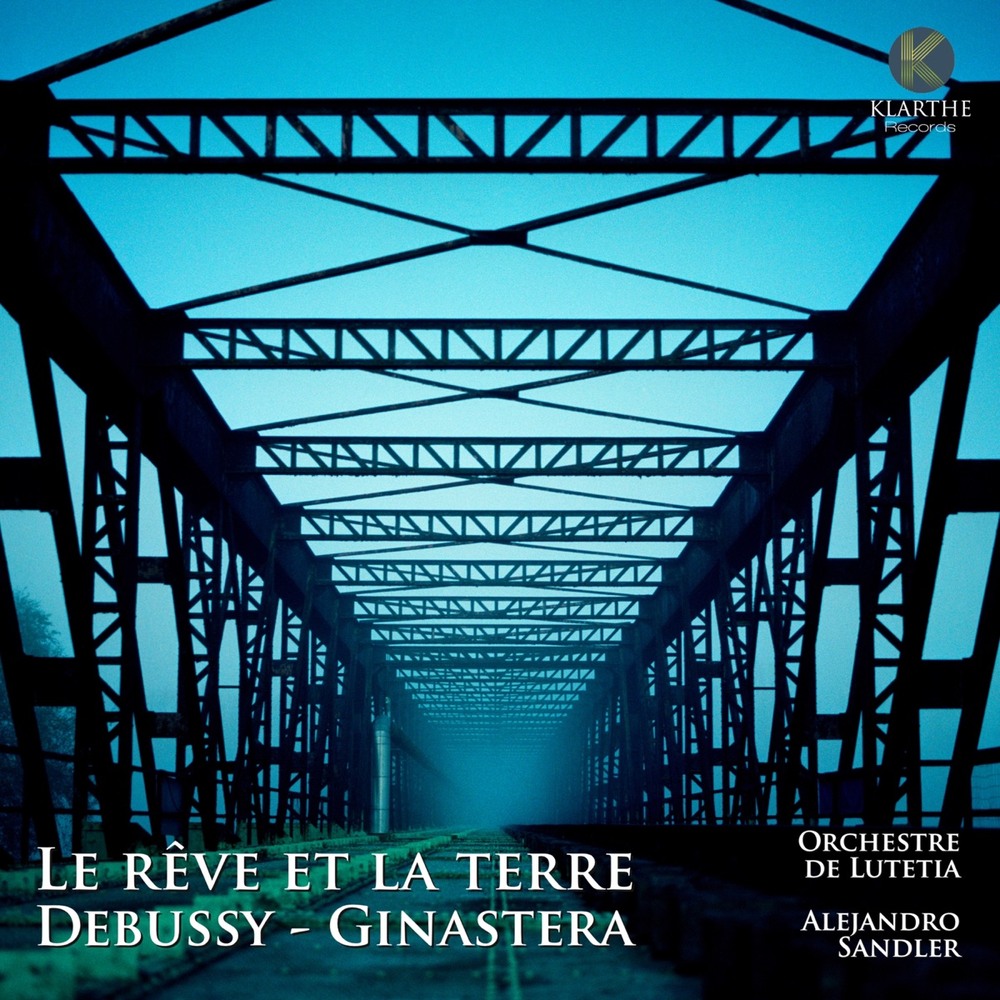
Debussy 'Danse sacrée' — Lieby, Orchestre de Lutetia
Debussy “Sacred Dance” — Lieby & Orchestre de Lutetia
The Danse sacrée et danse profane: I. Danse sacrée track linked to ‘Debussy “Sacred Dance” — Lieby & Orchestre de Lutetia’ is a real recording from “Le rêve et la terre,” introduced as the ‘Debussy “Sacred Dance” — Lieby & Orchestre de Lutetia’ entry to fit the selection criteria of ‘Harp masterpieces where ripples and light spread with every plucked string’. The performer credited on Apple Music for ‘Debussy “Sacred Dance” — Lieby & Orchestre de Lutetia’ is Alejandro Sandler, Orchestre de Lutetia & Caroline Lieby, and the release year is 2019; since this date may differ from when Claude Debussy wrote the piece, in this list we use it only as recording information. When looking for other versions of the same work as ‘Debussy “Sacred Dance” — Lieby & Orchestre de Lutetia’, check the title, performer, and album together so you don't confuse the same recording with a reissue, and so you can also keep the list's context in mind.
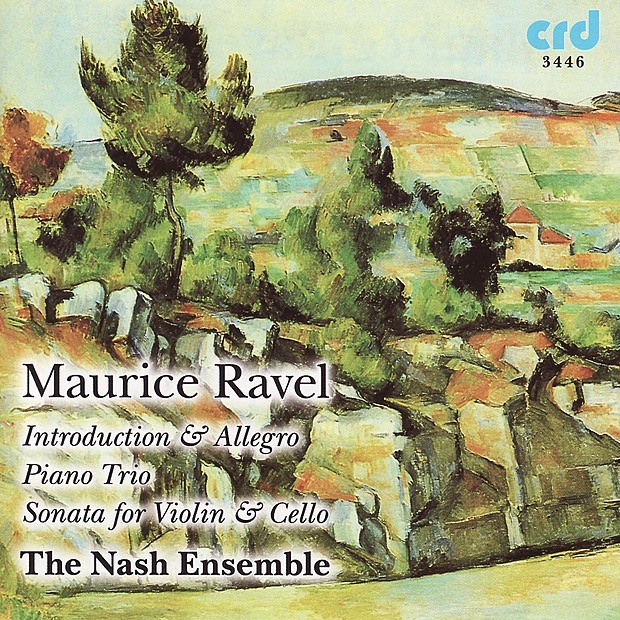
Ravel 'Introduction and Allegro' — Skaila Kanga, Nash Ensemble
Ravel “Introduction and Allegro” — Skaila Kanga & The Nash Ensemble
The Introduction and Allegro track linked to ‘Ravel “Introduction and Allegro” — Skaila Kanga & The Nash Ensemble’ is a real recording from “Ravel: Introduction & Allegro, Piano Trio, Sonata for Violin & Cello,” introduced as the ‘Ravel “Introduction and Allegro” — Skaila Kanga & The Nash Ensemble’ entry to fit the selection criteria of ‘Harp masterpieces where ripples and light spread with every plucked string’. The performer credited on Apple Music for ‘Ravel “Introduction and Allegro” — Skaila Kanga & The Nash Ensemble’ is Michael Collins, Philippa Davies, Skaila Kanga & The Nash Ensemble, and the release year is 1996; since this date may differ from when Maurice Ravel wrote the piece, it is used only as recording information. When looking for other versions of the same work as ‘Ravel “Introduction and Allegro” — Skaila Kanga & The Nash Ensemble’, check the title, performer, and album together so you don't confuse the same recording with a reissue, and so you can also keep this list's context in mind.
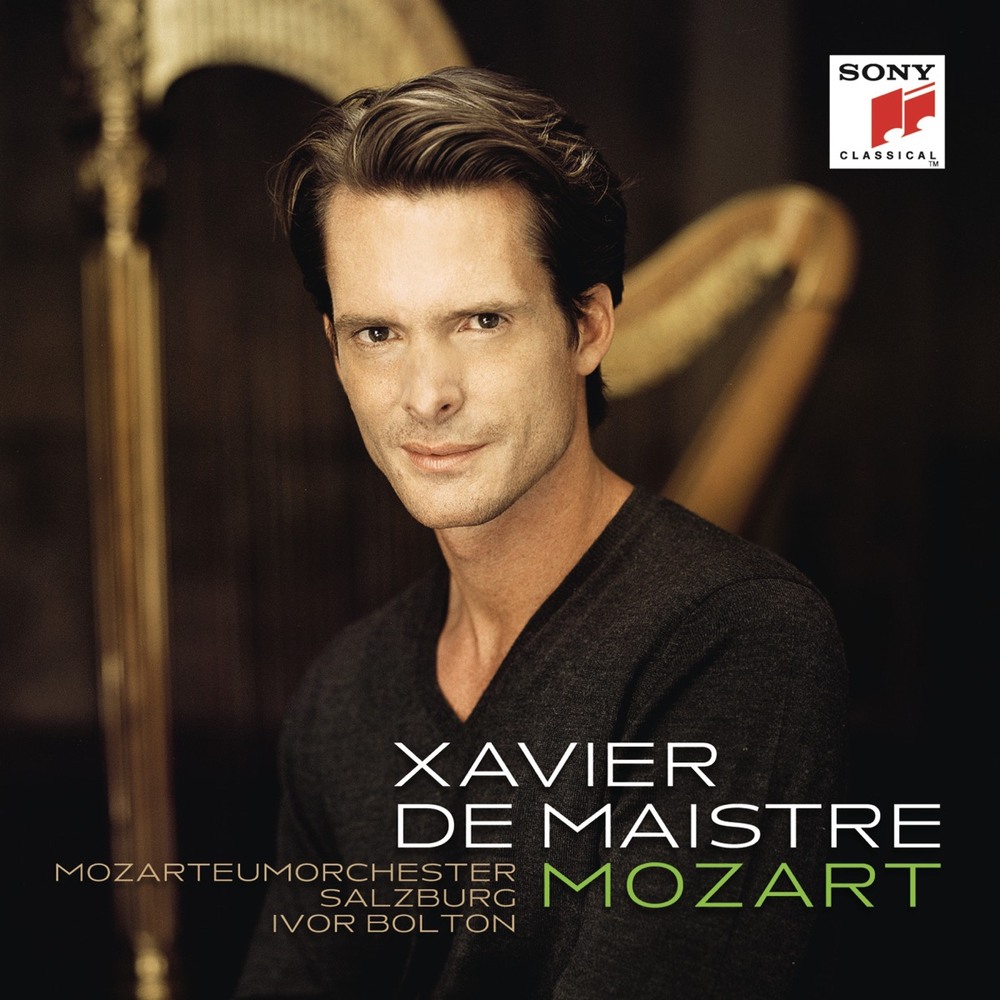
Mozart Flute and Harp Concerto Andantino — de Maistre et al.
Mozart Flute and Harp Concerto, Andantino — de Maistre and others
The Concerto for Flute and Harp: II. Andantino track linked to ‘Mozart Flute and Harp Concerto, Andantino — de Maistre and others’ is a real recording from “Mozart,” introduced as the ‘Mozart Flute and Harp Concerto, Andantino — de Maistre and others’ entry to fit the selection criteria of ‘Harp masterpieces where ripples and light spread with every plucked string’. The performer credited on Apple Music for ‘Mozart Flute and Harp Concerto, Andantino — de Maistre and others’ is Xavier de Maistre, Mozarteum Orchestra Salzburg, Ivor Bolton & Magali Mosnier, and the release year is 2013; since this date may differ from when Wolfgang Amadeus Mozart wrote the piece, here we use it only as recording information. When looking for other versions of the same work as ‘Mozart Flute and Harp Concerto, Andantino — de Maistre and others’, check the title, performer, and album together so you don't confuse the same recording with a reissue, and so you can also keep this list's context in mind.
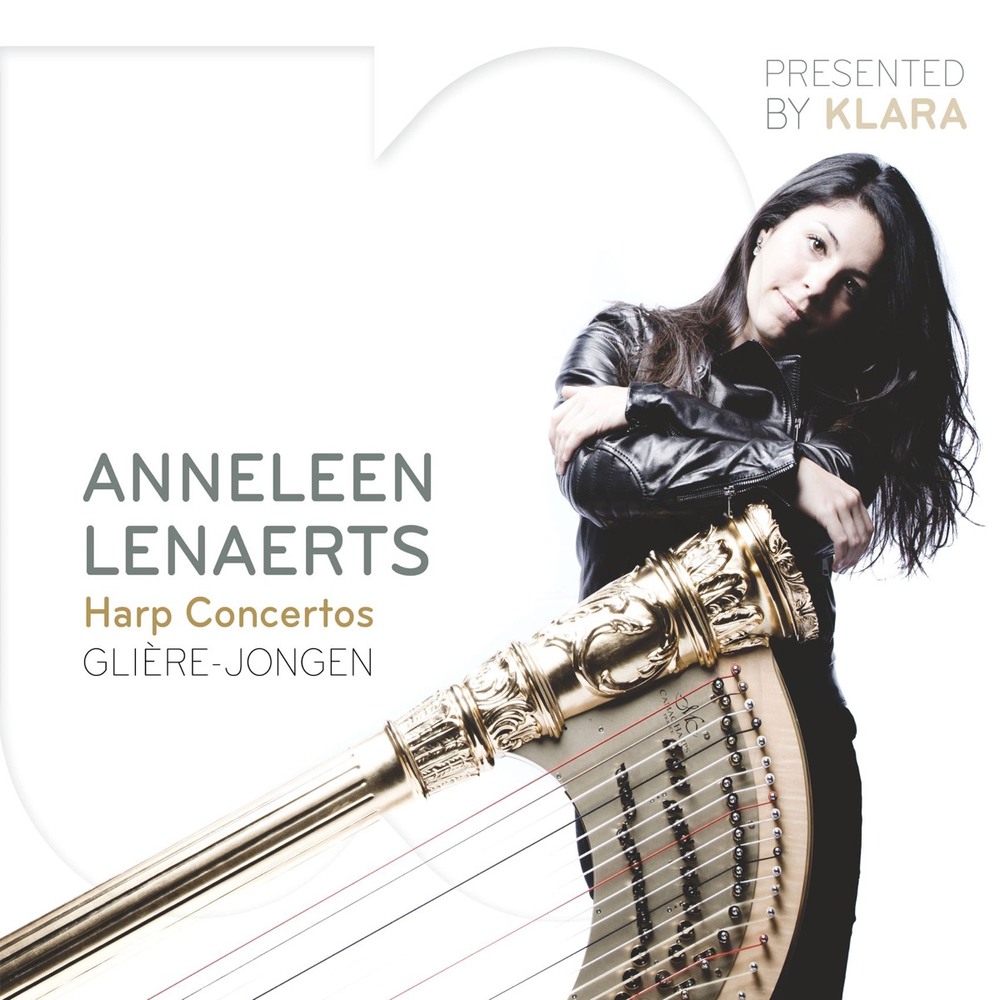
Glière Harp Concerto Movement 1 — Lenaerts, Brussels Phil
Glière Harp Concerto, 1st Movement — Lenaerts & Brussels Philharmonic
The Harp Concerto: I. Moderato track linked to ‘Glière Harp Concerto, 1st Movement — Lenaerts & Brussels Philharmonic’ is a real recording from “Gliere: Harp Concertos,” introduced as the ‘Glière Harp Concerto, 1st Movement — Lenaerts & Brussels Philharmonic’ entry to fit the selection criteria of ‘Harp masterpieces where ripples and light spread with every plucked string’. The performer credited on Apple Music for ‘Glière Harp Concerto, 1st Movement — Lenaerts & Brussels Philharmonic’ is Anneleen Lenaerts, Brussels Philharmonic & Michel Tabachnik, and the release year is 2014; since this date may differ from when Reinhold Glière wrote the piece, it is used only as recording information. When looking for other versions of the same work as ‘Glière Harp Concerto, 1st Movement — Lenaerts & Brussels Philharmonic’, check the title, performer, and album together so you don't confuse the same recording with a reissue, and so you can also keep this list's context in mind.
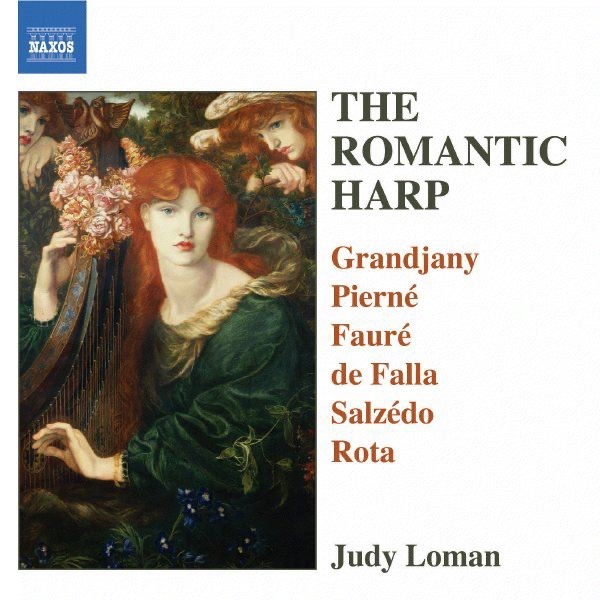
Fauré Harp Impromptu Op.86 — Judy Loman
Fauré Impromptu for Harp, Op.86 — Judy Loman
The Impromptu, Op. 86 track linked to ‘Fauré Impromptu for Harp, Op.86 — Judy Loman’ is a real recording from “The Romantic Harp,” introduced as the ‘Fauré Impromptu for Harp, Op.86 — Judy Loman’ entry to fit the selection criteria of ‘Harp masterpieces where ripples and light spread with every plucked string’. The performer credited on Apple Music for ‘Fauré Impromptu for Harp, Op.86 — Judy Loman’ is Judy Loman, and the release year is 2005; since this date may differ from when Gabriel Fauré wrote the piece, it is used only as recording information. When looking for other versions of the same work as ‘Fauré Impromptu for Harp, Op.86 — Judy Loman’, check the title, performer, and album together so you don't confuse the same recording with a reissue, and so you can also keep the list's context in mind.
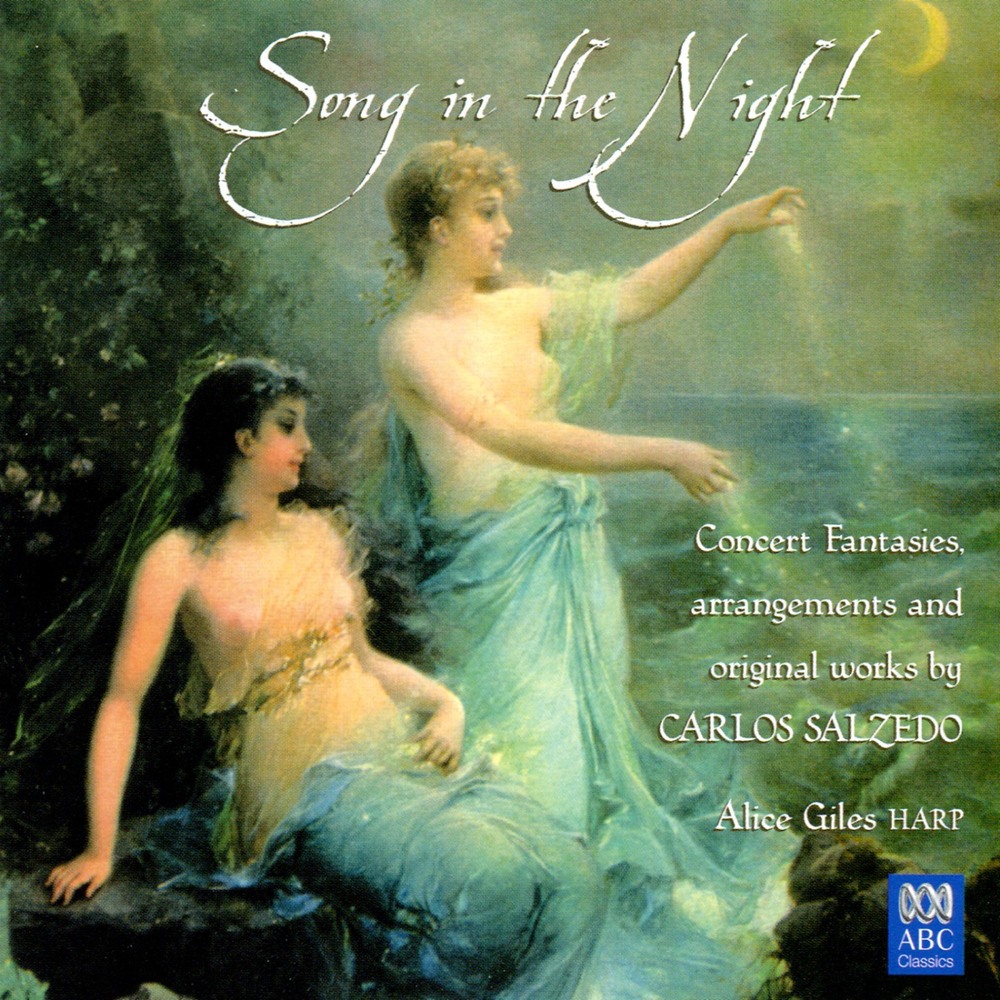
Salzedo 'Chanson dans la nuit' — Alice Giles
Salzedo “Song in the Night” — Alice Giles
The Chanson dans la nuit track linked to ‘Salzedo “Song in the Night” — Alice Giles’ is a real recording from “Song in the Night,” introduced as the ‘Salzedo “Song in the Night” — Alice Giles’ entry to fit the selection criteria of ‘Harp masterpieces where ripples and light spread with every plucked string’. The performer credited on Apple Music for ‘Salzedo “Song in the Night” — Alice Giles’ is Alice Giles, and the release year is 2006; since this date may differ from when Carlos Salzedo wrote the piece, it is used only as recording information. When looking for other versions of the same work as ‘Salzedo “Song in the Night” — Alice Giles’, check the title, performer, and album together so you don't confuse the same recording with a reissue, and so you can also keep the list's context in mind.
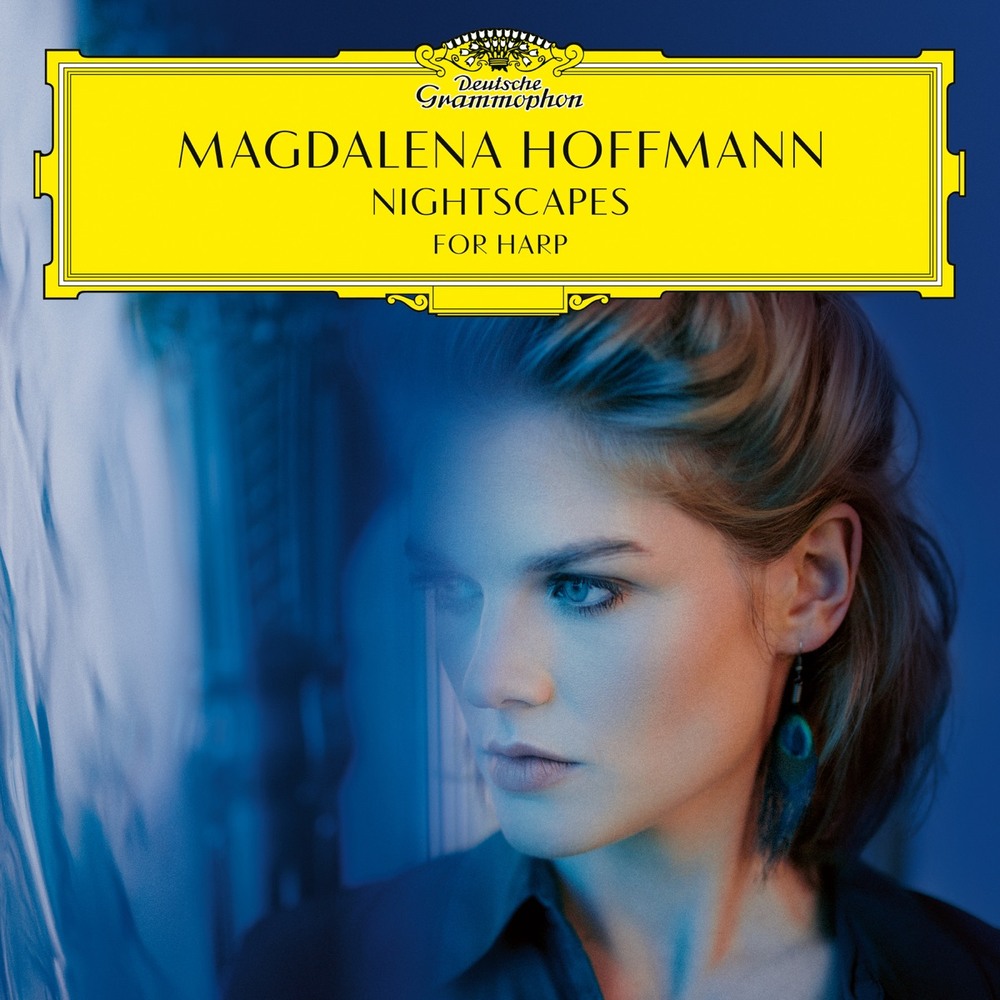
Britten Harp Suite 'Overture' — Magdalena Hoffmann
Britten Harp Suite ‘Overture’ — Magdalena Hoffmann
The track for Suite for Harp: I. Overture connected to 'Britten Harp Suite ‘Overture’ — Magdalena Hoffmann' is an actual source included in 《Nightscapes》 and introduced under the 'Classic Harp Pieces That Ripple with Waves and Light When Plucked' criteria. The performer displayed on Apple Music for 'Britten Harp Suite ‘Overture’ — Magdalena Hoffmann' is Magdalena Hoffmann, with a release year of 2022, which may differ from Benjamin Britten’s composition period, hence only used as recording information here. When searching for different versions of works like 'Britten Harp Suite ‘Overture’ — Magdalena Hoffmann', make sure to check the piece title, performers, and the album to avoid mixing up the same recordings and re-releases while also confirming the context of this list.
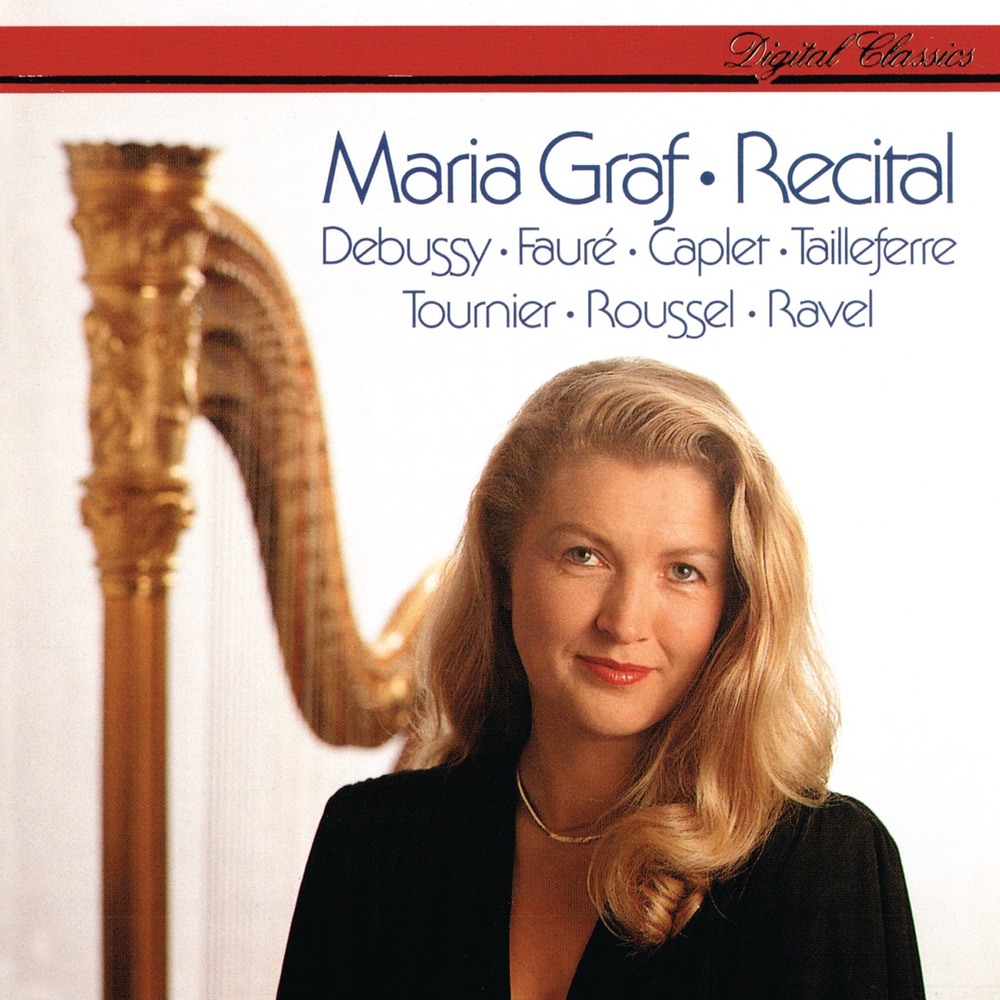
Tournier 'Au matin' — Maria Graf
Tournier “In the Morning” — Maria Graf
The Au matin track linked to ‘Tournier “In the Morning” — Maria Graf’ is a real recording from “Harp Recital,” introduced as the ‘Tournier “In the Morning” — Maria Graf’ entry to fit the selection criteria of ‘Harp masterpieces where ripples and light spread with every plucked string’. The performer credited on Apple Music for ‘Tournier “In the Morning” — Maria Graf’ is Maria Graf, and the release year is 1991; since this date may differ from when Marcel Tournier wrote the piece, here we use it only as recording information. When looking for other versions of the same work as ‘Tournier “In the Morning” — Maria Graf’, check the title, performer, and album together so you don't confuse the same recording with a reissue, and so you can also keep the list's context in mind.
The linked release years refer not to the time of composition but to the recording and re-release information. For solos and concertos, the amount of low tones can vary significantly depending on microphone distance and space, so it's best not to judge the instrument's size with just one piece. If you enjoy a work, you can check the range and pedal movements of both hands while watching the performance video. Transitions that you couldn’t hear before will come into clearer focus.
As part of the Coupang Partners program, this post may earn a commission from qualifying purchases.
Comments 0
Log in to leave a comment.
Be the first to comment.
How about these lists?


You might also like


Not ready to stop here?
Wondering what to read next is the biggest waste of time.
Let the dice decide — you won't know what pops up until you roll.
If you don't press it… won't you wonder forever? 👀
