Collection
Classical
2026.09.28
One Bow, Multiple Voices: Unaccompanied Violin
A True Solo Recording Completing Harmony, Fugue, and Rhythm from Baroque to 20th Century
Unaccompanied violin makes you imagine harmonies and bass lines, as well as conversations among multiple voices with just one melody instrument. Using only four strings and one bow, one can draw across multiple strings at once or sustain a note while moving another melody, creating a wide structure within a small instrument. Hearing the return of lower notes and the order of harmonies unravels the depth of music played solo, making it clearly perceptible.
This list spans from the Baroque style of Bach, Biber, and Telemann to the virtuosity of Paganini, the compressed narratives of Ysaÿe, and the modern rhythms of Bartók and Prokofiev. Only actual unaccompanied violin recordings have been selected, with points of appreciation added for each item to distinguish how the same instrument tackles fugues, variations, dances, and songs. The piece is structured so that the player's bow speed and silence can be heard as part of the work.
This list spans from the Baroque style of Bach, Biber, and Telemann to the virtuosity of Paganini, the compressed narratives of Ysaÿe, and the modern rhythms of Bartók and Prokofiev. Only actual unaccompanied violin recordings have been selected, with points of appreciation added for each item to distinguish how the same instrument tackles fugues, variations, dances, and songs. The piece is structured so that the player's bow speed and silence can be heard as part of the work.
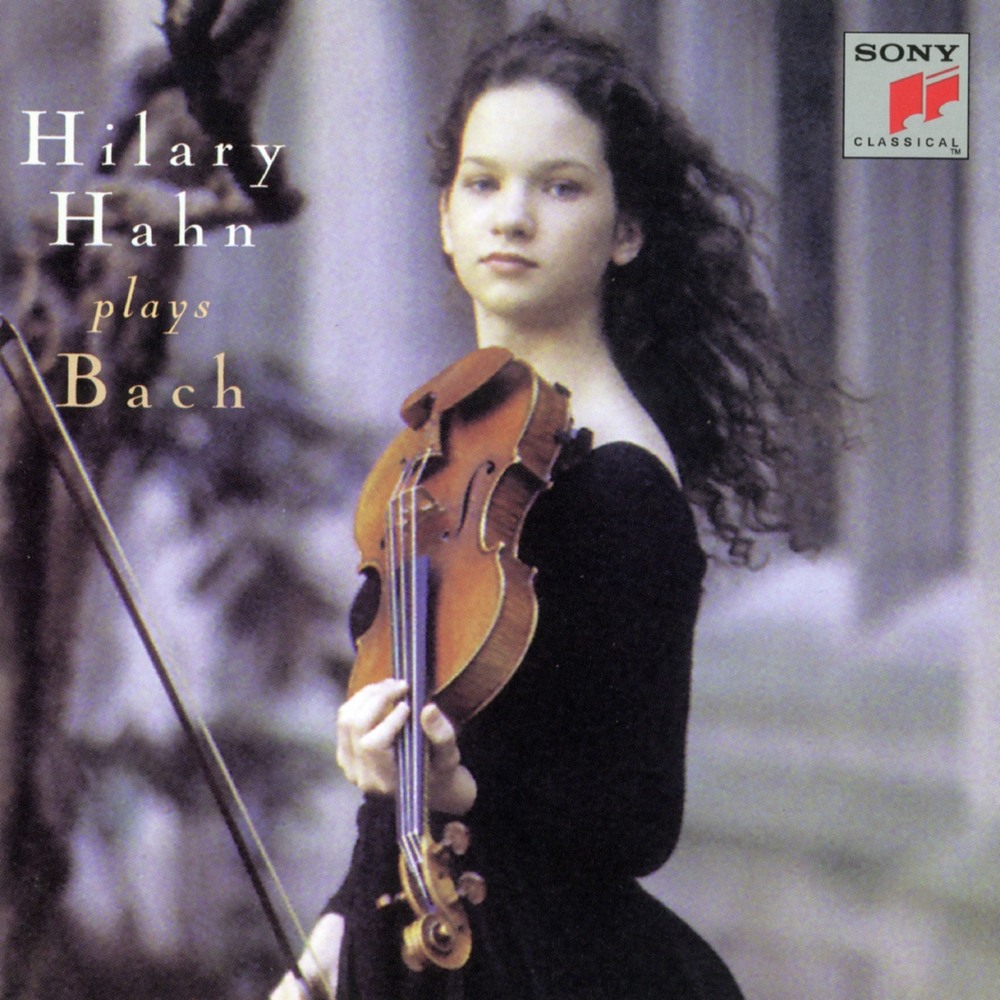
Bach Partita No. 2 ‘Chaconne’ — Hilary Hahn
Bach Partita No. 2 'Chaconne' — Hilary Hahn
Listen to how the harmonic progression of the first four measures brightens in the major section. In the first listen of 'Bach Partita No. 2 'Chaconne' — Hilary Hahn', follow the guided points, and during the second listen, expand your range to include the low notes and inner voices. This way, the structure of Violin Partita No. 2: V. Chaconne and the lengths of phrases selected by Hilary Hahn will emerge together. Instead of waiting for the famous passages, marking the moments when timbre changes helps maintain the direction of the piece.
The track connected to 'Bach Partita No. 2 'Chaconne' — Hilary Hahn' is the actual recording featured in 'Hilary Hahn Plays Bach', introduced here under 'One Bow, Multiple Voices: Unaccompanied Violin'. The Apple Music displayed performer for 'Bach Partita No. 2 'Chaconne' — Hilary Hahn' is Hilary Hahn, with a release year of 1997. This date may differ from the time Johann Sebastian Bach wrote the work, so it is used solely for recording information in 'One Bow, Multiple Voices: Unaccompanied Violin'. When searching for other versions of 'Bach Partita No. 2 'Chaconne' — Hilary Hahn', be sure to check the work's name, performer, and recording album to avoid confusion with identical recordings and re-releases, as well as to grasp the context within 'One Bow, Multiple Voices: Unaccompanied Violin'.
The track connected to 'Bach Partita No. 2 'Chaconne' — Hilary Hahn' is the actual recording featured in 'Hilary Hahn Plays Bach', introduced here under 'One Bow, Multiple Voices: Unaccompanied Violin'. The Apple Music displayed performer for 'Bach Partita No. 2 'Chaconne' — Hilary Hahn' is Hilary Hahn, with a release year of 1997. This date may differ from the time Johann Sebastian Bach wrote the work, so it is used solely for recording information in 'One Bow, Multiple Voices: Unaccompanied Violin'. When searching for other versions of 'Bach Partita No. 2 'Chaconne' — Hilary Hahn', be sure to check the work's name, performer, and recording album to avoid confusion with identical recordings and re-releases, as well as to grasp the context within 'One Bow, Multiple Voices: Unaccompanied Violin'.
연주자 Hilary Hahn
작곡가 Johann Sebastian Bach
작품 Violin Partita No. 2: V. Chaconne
표시 발매 연도 1997
수록 음반 Hilary Hahn Plays Bach
형식 음원
감상 포인트 반복되는 베이스와 화음 변주가 한 악기로 거대한 건축을 세운다.
듣기 팁 초반 네 마디의 화성 진행이 장조 구간에서 어떻게 밝아지는지 들어보자.
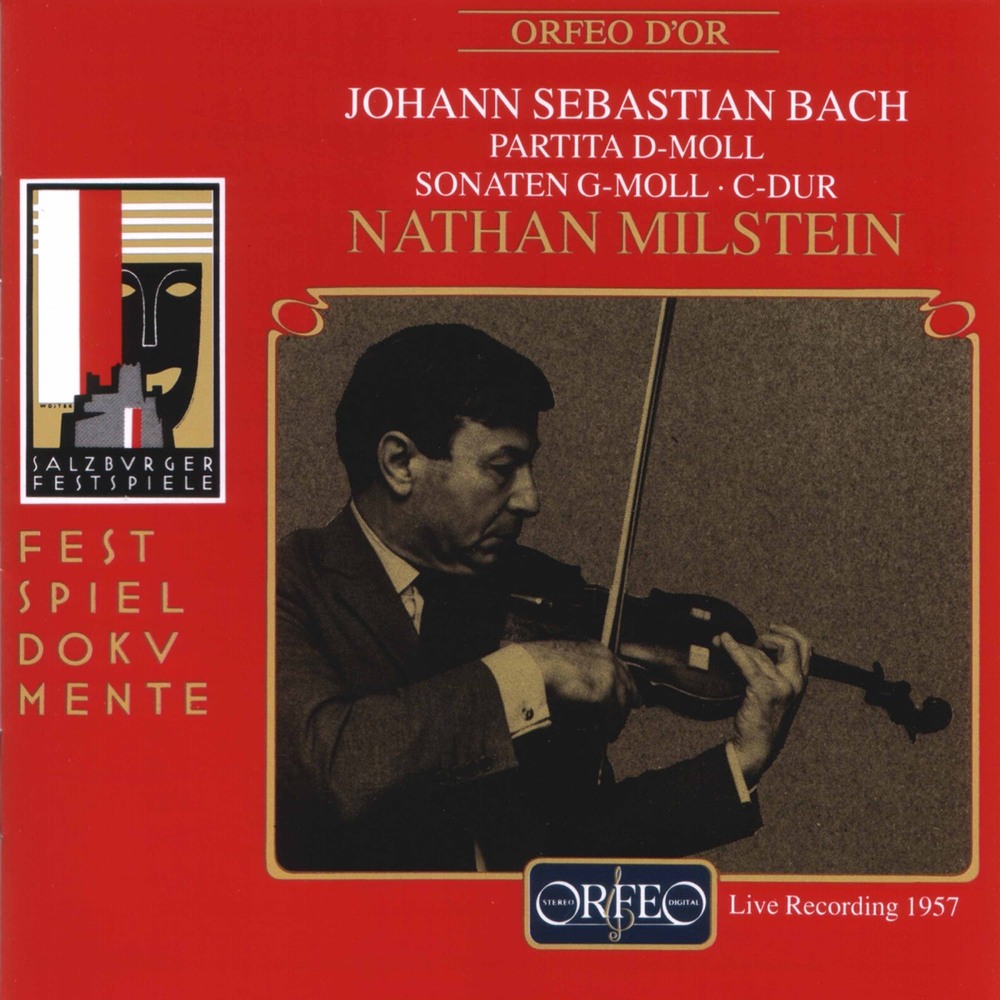
Bach Sonata No. 1 Fuga — Nathan Milstein
Bach Sonata No. 1 Fugue — Nathan Milstein
Let’s hear how the bow's articulation changes when the subject moves between lower and higher notes. In 'Bach Sonata No. 1 Fugue — Nathan Milstein', see if the same motif returns with different pitches and accents. Nathan Milstein’s performance shows the larger flow of Violin Sonata No. 1: II. Fuga not by exaggeration but through the connection of each voice. To wrap it up, return to the beginning of 'Bach Sonata No. 1 Fugue — Nathan Milstein' and compare any changes from your initial impression to clarify the structure further.
The track connected to 'Bach Sonata No. 1 Fugue — Nathan Milstein' is the actual recording featured in 'Bach: Works for Solo Violin (Live)', introduced here under 'One Bow, Multiple Voices: Unaccompanied Violin'. The Apple Music displayed performer for 'Bach Sonata No. 1 Fugue — Nathan Milstein' is Nathan Milstein, with a release year of 2018. This date may differ from the time Johann Sebastian Bach wrote the work, so it is used solely for recording information in 'One Bow, Multiple Voices: Unaccompanied Violin'. When searching for other versions of 'Bach Sonata No. 1 Fugue — Nathan Milstein', be sure to check the work's name, performer, and recording album to avoid confusion with identical recordings and re-releases, as well as to grasp the context within 'One Bow, Multiple Voices: Unaccompanied Violin'.
The track connected to 'Bach Sonata No. 1 Fugue — Nathan Milstein' is the actual recording featured in 'Bach: Works for Solo Violin (Live)', introduced here under 'One Bow, Multiple Voices: Unaccompanied Violin'. The Apple Music displayed performer for 'Bach Sonata No. 1 Fugue — Nathan Milstein' is Nathan Milstein, with a release year of 2018. This date may differ from the time Johann Sebastian Bach wrote the work, so it is used solely for recording information in 'One Bow, Multiple Voices: Unaccompanied Violin'. When searching for other versions of 'Bach Sonata No. 1 Fugue — Nathan Milstein', be sure to check the work's name, performer, and recording album to avoid confusion with identical recordings and re-releases, as well as to grasp the context within 'One Bow, Multiple Voices: Unaccompanied Violin'.
연주자 Nathan Milstein
작곡가 Johann Sebastian Bach
작품 Violin Sonata No. 1: II. Fuga
표시 발매 연도 2018
수록 음반 Bach: Works for Solo Violin (Live)
형식 음원
감상 포인트 짧은 주제가 여러 음역에서 겹치며 보이지 않는 다성부를 만든다.
듣기 팁 주제가 저음과 고음으로 옮겨갈 때 활의 발음이 달라지는지 들어보자.
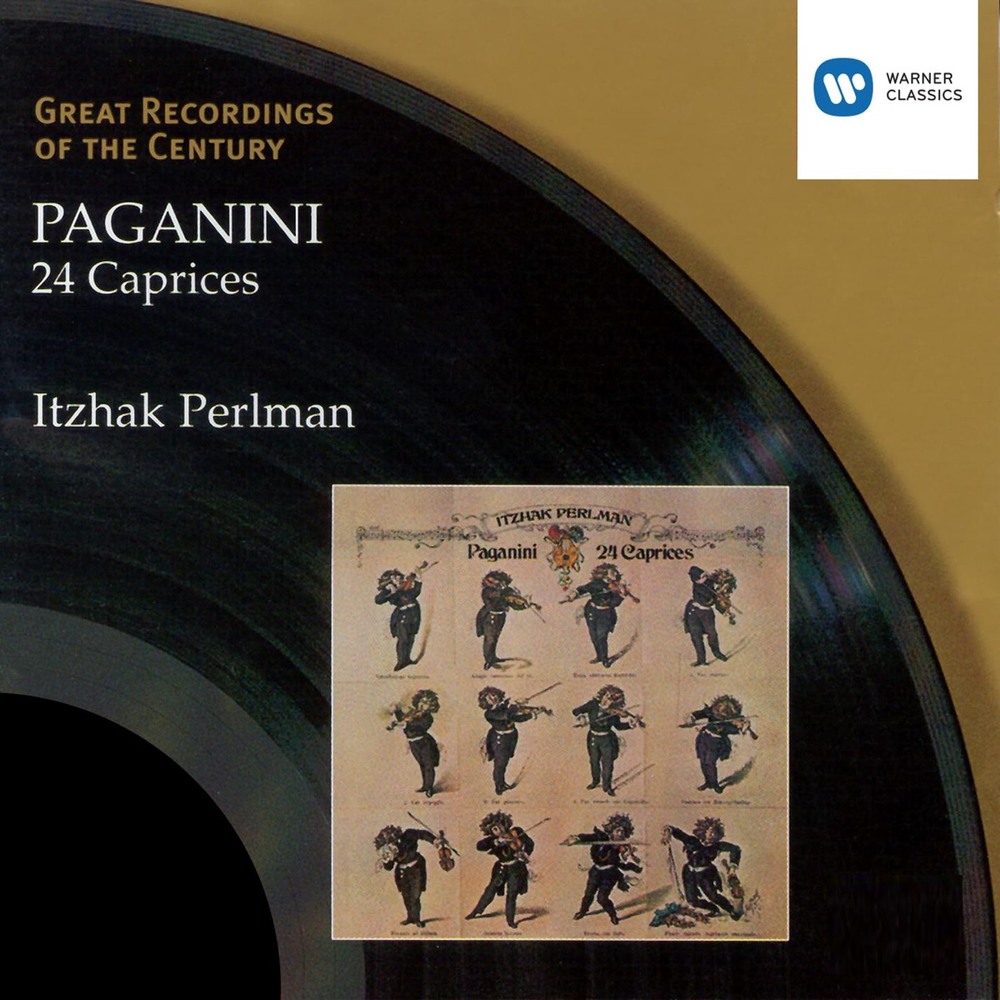
Paganini Caprice No. 24 — Itzhak Perlman
In each variation, pick one among rhythm, technique, or pitch to see what changes. When listening to this audio again, focus on the order of sounds overlapping and emptying rather than the tempo. Identifying where the repeated material of Caprice No. 24 in A Minor moves reveals Itzhak Perlman's sense of balance. When comparing the resonance left at the end of 'Paganini Caprice No. 24 — Itzhak Perlman' with the opening phrase, the emotional shifts can be understood within the structure.
The track connected to 'Paganini Caprice No. 24 — Itzhak Perlman' is the actual recording featured in 'Paganini: 24 Caprices', introduced here under 'One Bow, Multiple Voices: Unaccompanied Violin'. The Apple Music displayed performer for 'Paganini Caprice No. 24 — Itzhak Perlman' is Itzhak Perlman, with a release year of 1972. This date may differ from the time Niccolò Paganini wrote the work, so it is used solely for recording information in 'One Bow, Multiple Voices: Unaccompanied Violin'. When searching for other versions of 'Paganini Caprice No. 24 — Itzhak Perlman', be sure to check the work's name, performer, and recording album to avoid confusion with identical recordings and re-releases, as well as to grasp the context within 'One Bow, Multiple Voices: Unaccompanied Violin'.
The track connected to 'Paganini Caprice No. 24 — Itzhak Perlman' is the actual recording featured in 'Paganini: 24 Caprices', introduced here under 'One Bow, Multiple Voices: Unaccompanied Violin'. The Apple Music displayed performer for 'Paganini Caprice No. 24 — Itzhak Perlman' is Itzhak Perlman, with a release year of 1972. This date may differ from the time Niccolò Paganini wrote the work, so it is used solely for recording information in 'One Bow, Multiple Voices: Unaccompanied Violin'. When searching for other versions of 'Paganini Caprice No. 24 — Itzhak Perlman', be sure to check the work's name, performer, and recording album to avoid confusion with identical recordings and re-releases, as well as to grasp the context within 'One Bow, Multiple Voices: Unaccompanied Violin'.
연주자 Itzhak Perlman
작곡가 Niccolò Paganini
작품 Caprice No. 24 in A Minor
표시 발매 연도 1972
수록 음반 Paganini: 24 Caprices
형식 음원
감상 포인트 단순한 주제가 활과 왼손의 다양한 기교로 빠르게 변신한다.
듣기 팁 각 변주에서 리듬·주법·음역 중 무엇이 바뀌는지 하나씩 골라보자.
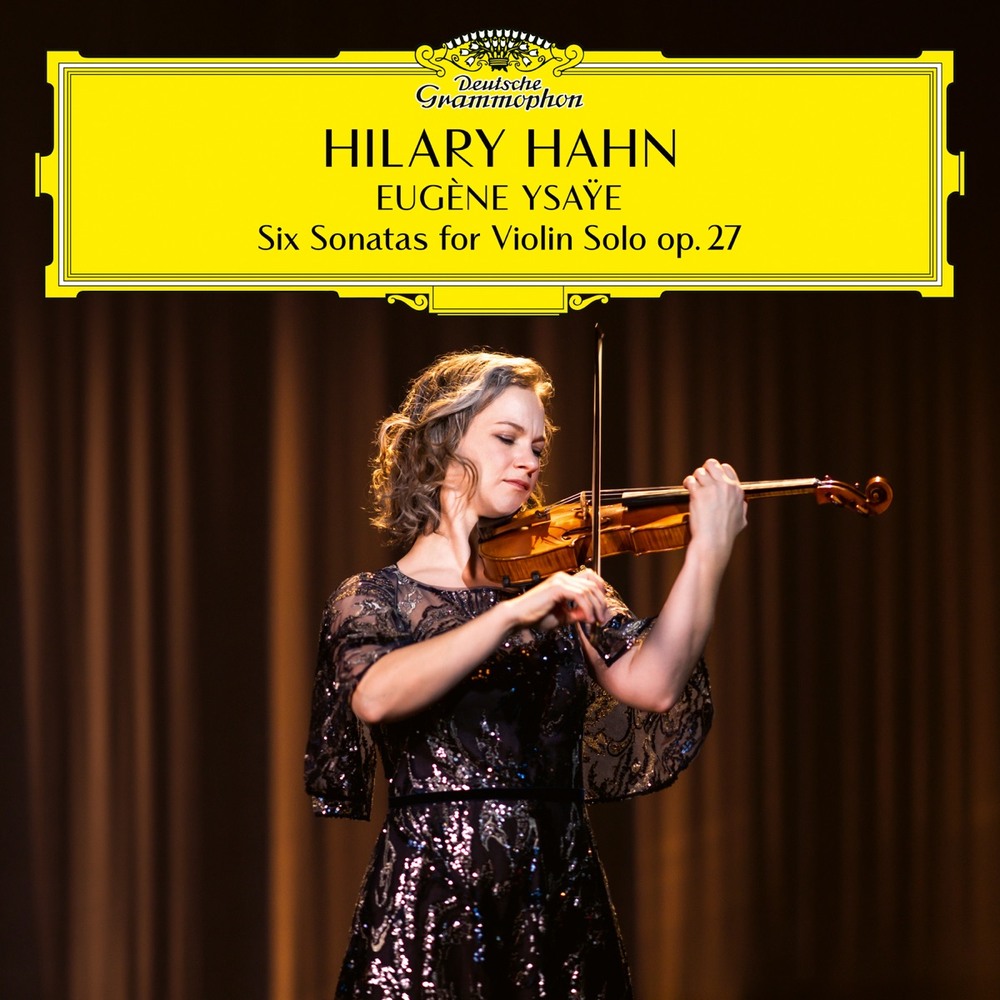
Ysaÿe Solo Violin Sonata No. 3 ‘Ballade’ — Hilary Hahn
Ysaÿe Solo Sonata No. 3 'Ballade' — Hilary Hahn
Listen to how the harmonic motif from the introduction leaves traces in the fast sections. Next, pay attention to what the accompaniment and background voices are doing simultaneously in 'Ysaÿe Solo Sonata No. 3 'Ballade' — Hilary Hahn'. Tracking how previously heard materials return in different instruments and ranges makes the design of Solo Violin Sonata No. 3 'Ballade' naturally visible. Marking where Hilary Hahn places her accents provides a basis for comparing with other performances.
The track connected to 'Ysaÿe Solo Sonata No. 3 'Ballade' — Hilary Hahn' is the actual recording featured in 'Ysaÿe: 6 Sonatas for Violin Solo, Op. 27', introduced here under 'One Bow, Multiple Voices: Unaccompanied Violin'. The Apple Music displayed performer for 'Ysaÿe Solo Sonata No. 3 'Ballade' — Hilary Hahn' is Hilary Hahn, with a release year of 2023. This date may differ from the time Eugène Ysaÿe wrote the work, so it is used solely for recording information in 'One Bow, Multiple Voices: Unaccompanied Violin'. When searching for other versions of 'Ysaÿe Solo Sonata No. 3 'Ballade' — Hilary Hahn', be sure to check the work's name, performer, and recording album to avoid confusion with identical recordings and re-releases, as well as to grasp the context within 'One Bow, Multiple Voices: Unaccompanied Violin'.
The track connected to 'Ysaÿe Solo Sonata No. 3 'Ballade' — Hilary Hahn' is the actual recording featured in 'Ysaÿe: 6 Sonatas for Violin Solo, Op. 27', introduced here under 'One Bow, Multiple Voices: Unaccompanied Violin'. The Apple Music displayed performer for 'Ysaÿe Solo Sonata No. 3 'Ballade' — Hilary Hahn' is Hilary Hahn, with a release year of 2023. This date may differ from the time Eugène Ysaÿe wrote the work, so it is used solely for recording information in 'One Bow, Multiple Voices: Unaccompanied Violin'. When searching for other versions of 'Ysaÿe Solo Sonata No. 3 'Ballade' — Hilary Hahn', be sure to check the work's name, performer, and recording album to avoid confusion with identical recordings and re-releases, as well as to grasp the context within 'One Bow, Multiple Voices: Unaccompanied Violin'.
연주자 Hilary Hahn
작곡가 Eugène Ysaÿe
작품 Solo Violin Sonata No. 3 'Ballade'
표시 발매 연도 2023
수록 음반 Ysaÿe: 6 Sonatas for Violin Solo, Op. 27
형식 음원
감상 포인트 느린 독백과 격렬한 질주가 끊김 없이 이어져 짧은 서사를 만든다.
듣기 팁 도입의 화음 동기가 빠른 구간에서 어떤 흔적으로 남는지 찾아보자.
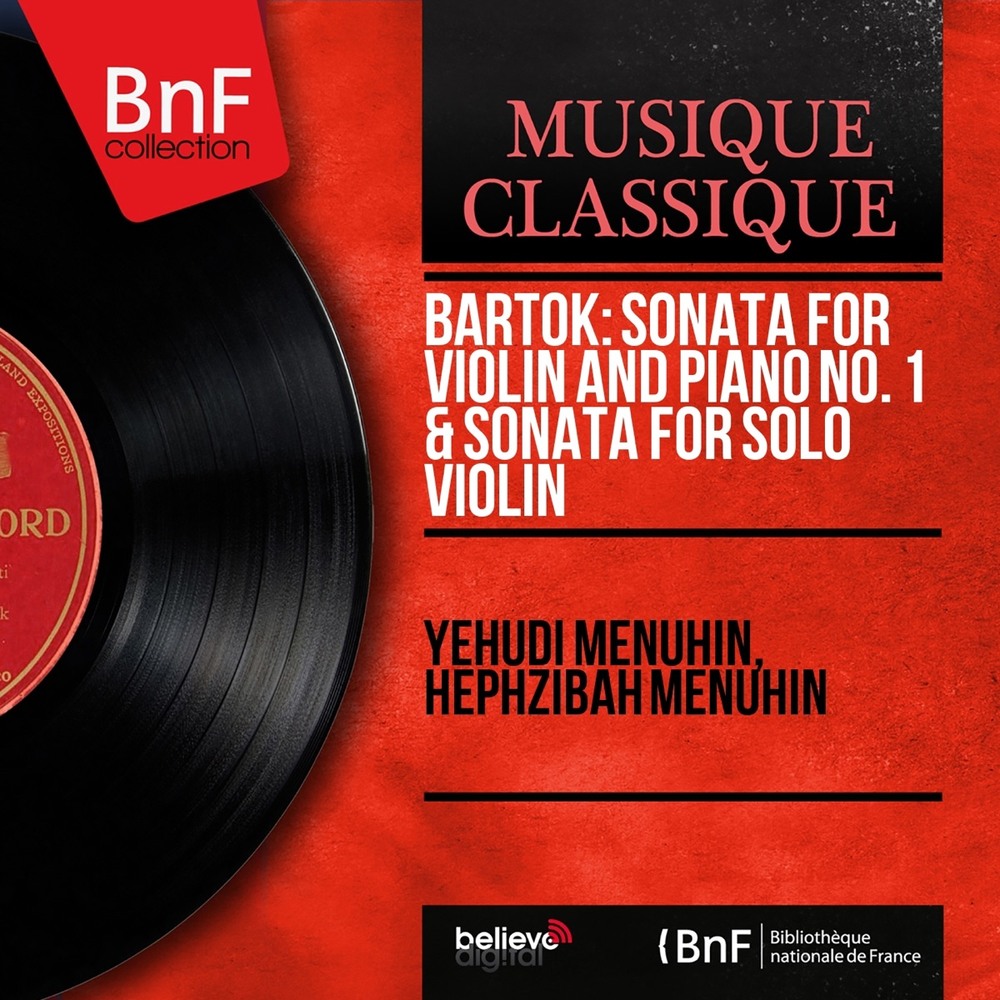
Bartók Sonata for Solo Violin ‘Melodia’ — Yehudi Menuhin
Bartók Solo Violin Sonata 'Melodia' — Yehudi Menuhin
Listen for the placement of decorations following long notes and the length of silence. When listening to 'Bartók Solo Violin Sonata 'Melodia' — Yehudi Menuhin' again, try to identify both the lowest and the longest notes. The point where these two elements meet determines the tension and relaxation in Sonata for Solo Violin: III. Melodia and also clarifies Yehudi Menuhin's interpretation. By comparing the breath and resonance lengths in 'Bartók Solo Violin Sonata 'Melodia' — Yehudi Menuhin', the reason for selecting this version becomes clearer than merely its volume.
The track connected to 'Bartók Solo Violin Sonata 'Melodia' — Yehudi Menuhin' is the actual recording featured in 'Bartók: Sonata for Violin and Piano No. 1 & Sonata for Solo Violin (Mono Version)', introduced here under 'One Bow, Multiple Voices: Unaccompanied Violin'. The Apple Music displayed performer for 'Bartók Solo Violin Sonata 'Melodia' — Yehudi Menuhin' is Yehudi Menuhin, with a release year of 1960. This date may differ from the time Béla Bartók wrote the work, so it is used solely for recording information in 'One Bow, Multiple Voices: Unaccompanied Violin'. When searching for other versions of 'Bartók Solo Violin Sonata 'Melodia' — Yehudi Menuhin', be sure to check the work's name, performer, and recording album to avoid confusion with identical recordings and re-releases, as well as to grasp the context within 'One Bow, Multiple Voices: Unaccompanied Violin'.
The track connected to 'Bartók Solo Violin Sonata 'Melodia' — Yehudi Menuhin' is the actual recording featured in 'Bartók: Sonata for Violin and Piano No. 1 & Sonata for Solo Violin (Mono Version)', introduced here under 'One Bow, Multiple Voices: Unaccompanied Violin'. The Apple Music displayed performer for 'Bartók Solo Violin Sonata 'Melodia' — Yehudi Menuhin' is Yehudi Menuhin, with a release year of 1960. This date may differ from the time Béla Bartók wrote the work, so it is used solely for recording information in 'One Bow, Multiple Voices: Unaccompanied Violin'. When searching for other versions of 'Bartók Solo Violin Sonata 'Melodia' — Yehudi Menuhin', be sure to check the work's name, performer, and recording album to avoid confusion with identical recordings and re-releases, as well as to grasp the context within 'One Bow, Multiple Voices: Unaccompanied Violin'.
연주자 Yehudi Menuhin
작곡가 Béla Bartók
작품 Sonata for Solo Violin: III. Melodia
표시 발매 연도 1960
수록 음반 Bartók: Sonata for Violin and Piano No. 1 & Sonata for Solo Violin (Mono Version)
형식 음원
감상 포인트 넓은 음역의 고독한 선율과 미세한 장식이 민요 같은 표정을 만든다.
듣기 팁 긴 음 뒤 장식이 붙는 위치와 침묵의 길이를 들어보자.
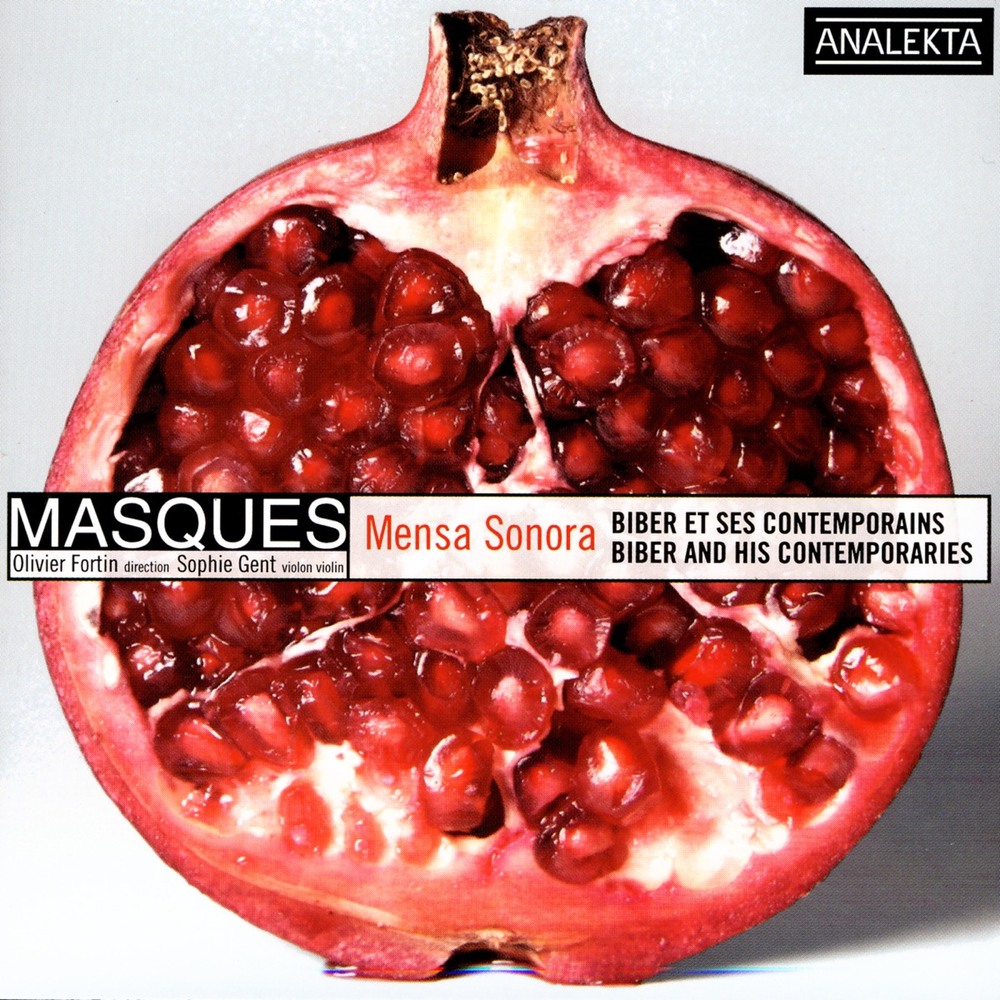
Biber Passacaglia in G Minor — Masques Ensemble
Let’s see if the four-note descending bass is audible even within higher voices. Afterward, examine whether the instruments that start and conclude 'Biber Passacaglia in G Minor — Masques Ensemble' are the same. Passacaglia for Solo Violin moves forward while repeating small gestures and changing the density of the background. Listening to where Masques emphasizes that change allows you to describe the character of the version beyond simple mood appreciation.
The track connected to 'Biber Passacaglia in G Minor — Masques Ensemble' is the actual recording featured in 'Mensa Sonora - Biber and His Contemporaries', introduced here under 'One Bow, Multiple Voices: Unaccompanied Violin'. The Apple Music displayed performer for 'Biber Passacaglia in G Minor — Masques Ensemble' is Masques, with a release year of 2006. This date may differ from the time Heinrich Ignaz Franz Biber wrote the work, so it is used solely for recording information in 'One Bow, Multiple Voices: Unaccompanied Violin'. When searching for other versions of 'Biber Passacaglia in G Minor — Masques Ensemble', be sure to check the work's name, performer, and recording album to avoid confusion with identical recordings and re-releases, as well as to grasp the context within 'One Bow, Multiple Voices: Unaccompanied Violin'.
The track connected to 'Biber Passacaglia in G Minor — Masques Ensemble' is the actual recording featured in 'Mensa Sonora - Biber and His Contemporaries', introduced here under 'One Bow, Multiple Voices: Unaccompanied Violin'. The Apple Music displayed performer for 'Biber Passacaglia in G Minor — Masques Ensemble' is Masques, with a release year of 2006. This date may differ from the time Heinrich Ignaz Franz Biber wrote the work, so it is used solely for recording information in 'One Bow, Multiple Voices: Unaccompanied Violin'. When searching for other versions of 'Biber Passacaglia in G Minor — Masques Ensemble', be sure to check the work's name, performer, and recording album to avoid confusion with identical recordings and re-releases, as well as to grasp the context within 'One Bow, Multiple Voices: Unaccompanied Violin'.
연주자 Masques
작곡가 Heinrich Ignaz Franz Biber
작품 Passacaglia for Solo Violin
표시 발매 연도 2006
수록 음반 Mensa Sonora - Biber and His Contemporaries
형식 음원
감상 포인트 반복 저음 위에 기도처럼 이어지는 변주가 바로크 독주의 깊이를 보여준다.
듣기 팁 네 음의 하행 베이스가 높은 성부 안에서도 들리는지 따라가 보자.
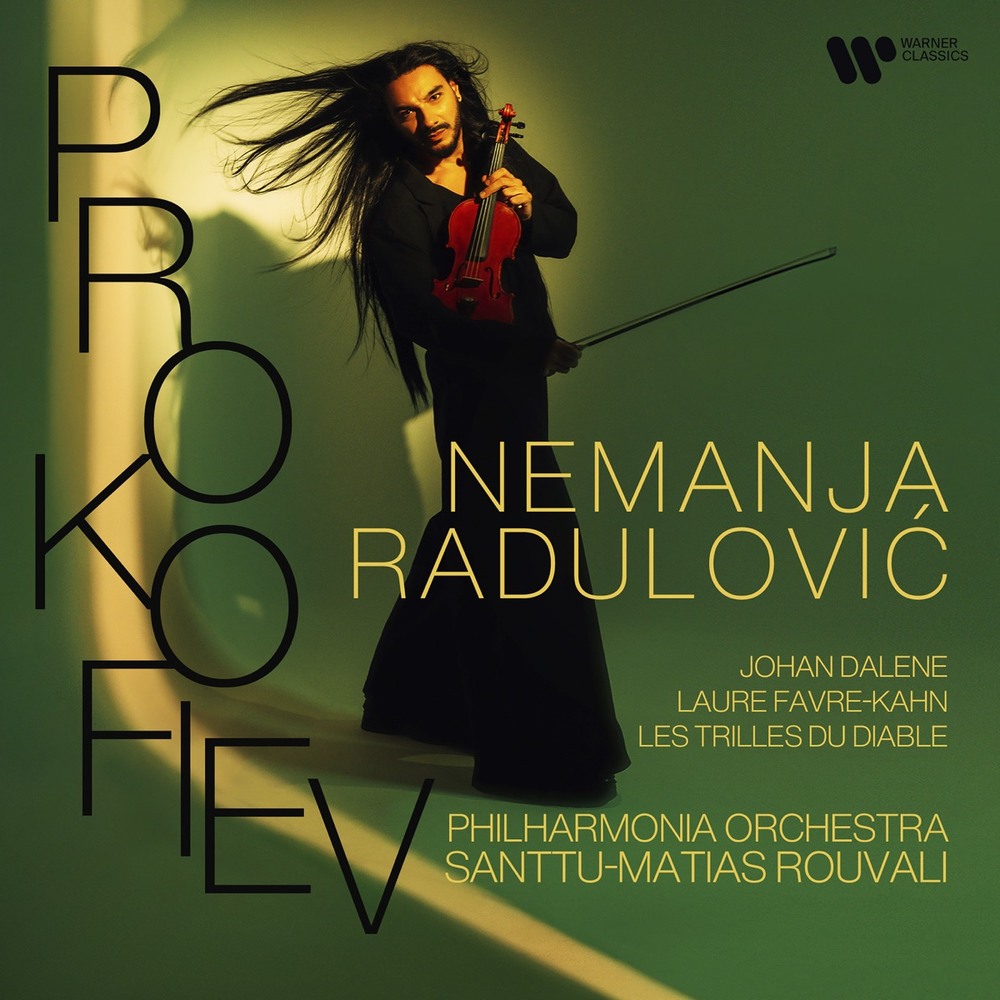
Prokofiev Sonata for Solo Violin: II. Theme and Variations — Nemanja Radulović
Prokofiev Solo Sonata 2nd Movement — Nemanja Radulović
Compare how the bow's contact and the lengths of notes change with each variation. In 'Prokofiev Solo Sonata 2nd Movement — Nemanja Radulović', when the same phrase repeats, try selecting either speed or dynamics to compare. Narrowing down your listening to Nemanja Radulović's choices will help avoid missing the inner voices and rhythms of Sonata for Solo Violin: II. Theme and Variations. Finally, listen again to the overall flow of 'Prokofiev Solo Sonata 2nd Movement — Nemanja Radulović' and see how the details impact the piece’s impression.
The track connected to 'Prokofiev Solo Sonata 2nd Movement — Nemanja Radulović' is the actual recording featured in 'Prokofiev', introduced here under 'One Bow, Multiple Voices: Unaccompanied Violin'. The Apple Music displayed performer for 'Prokofiev Solo Sonata 2nd Movement — Nemanja Radulović' is Nemanja Radulović, with a release year of 2026. This date may differ from the time Sergei Prokofiev wrote the work, so it is used solely for recording information in 'One Bow, Multiple Voices: Unaccompanied Violin'. When searching for other versions of 'Prokofiev Solo Sonata 2nd Movement — Nemanja Radulović', be sure to check the work's name, performer, and recording album to avoid confusion with identical recordings and re-releases, as well as to grasp the context within 'One Bow, Multiple Voices: Unaccompanied Violin'.
The track connected to 'Prokofiev Solo Sonata 2nd Movement — Nemanja Radulović' is the actual recording featured in 'Prokofiev', introduced here under 'One Bow, Multiple Voices: Unaccompanied Violin'. The Apple Music displayed performer for 'Prokofiev Solo Sonata 2nd Movement — Nemanja Radulović' is Nemanja Radulović, with a release year of 2026. This date may differ from the time Sergei Prokofiev wrote the work, so it is used solely for recording information in 'One Bow, Multiple Voices: Unaccompanied Violin'. When searching for other versions of 'Prokofiev Solo Sonata 2nd Movement — Nemanja Radulović', be sure to check the work's name, performer, and recording album to avoid confusion with identical recordings and re-releases, as well as to grasp the context within 'One Bow, Multiple Voices: Unaccompanied Violin'.
연주자 Nemanja Radulović
작곡가 Sergei Prokofiev
작품 Sonata for Solo Violin: II. Theme and Variations
표시 발매 연도 2026
수록 음반 Prokofiev
형식 음원
감상 포인트 간결한 주제가 리듬과 음색을 바꾸며 고전적 균형과 현대적 긴장을 오간다.
듣기 팁 변주마다 활의 접촉과 음의 길이가 어떻게 바뀌는지 비교해보자.
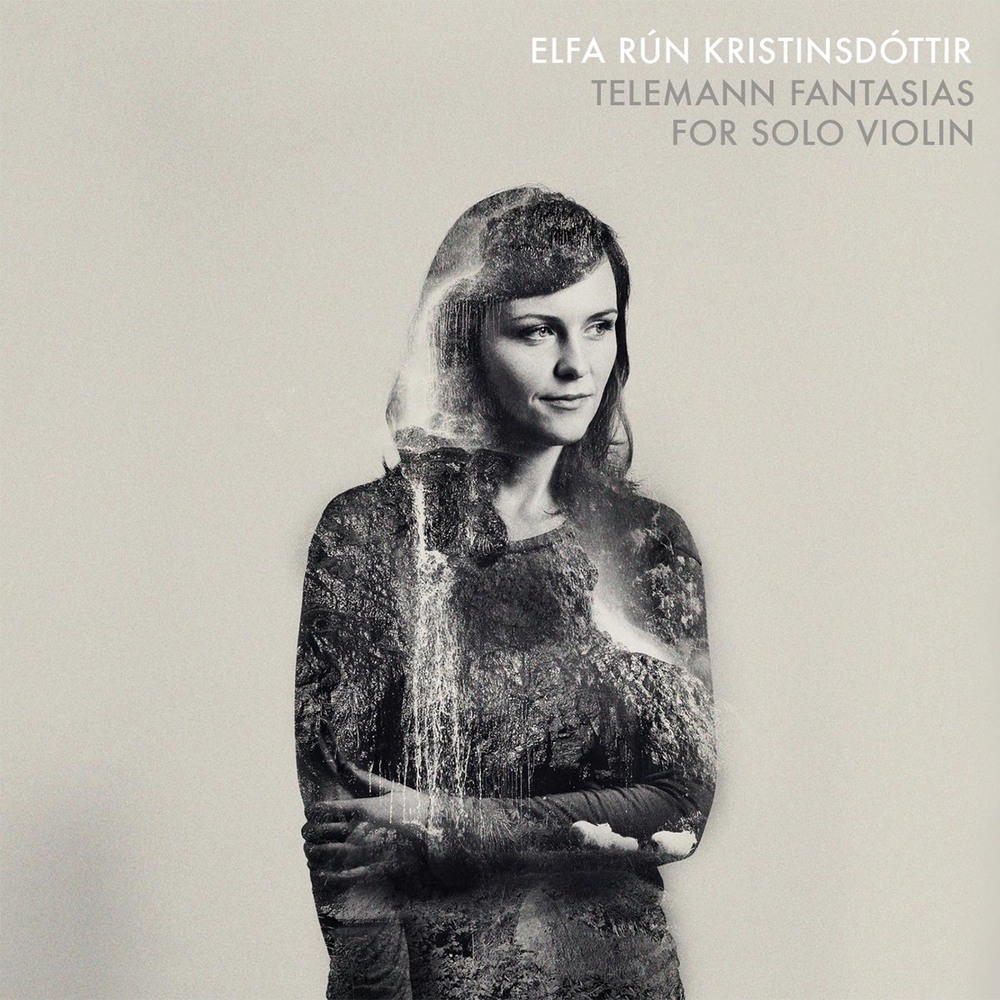
Telemann Fantasia No. 1 — Elfa Run Kristinsdottir
Telemann Solo Fantasia No. 1 — Elfa Run Kristinsdottir
Listen to how the harmonies of the slow section lead into the fast allegro theme. In the first listen of 'Telemann Solo Fantasia No. 1 — Elfa Run Kristinsdottir', find the one sound I guided you to, and in the next listen, add surrounding voices and silence. You can hear how Elfa Run Kristinsdottir adjusts tempo and timbre as Fantasia No. 1 for Solo Violin approaches its climax. By comparing the resonances at the beginning and end of 'Telemann Solo Fantasia No. 1 — Elfa Run Kristinsdottir', the distance and sense of time created by the piece becomes concrete.
The track connected to 'Telemann Solo Fantasia No. 1 — Elfa Run Kristinsdottir' is the actual recording featured in 'Telemann Fantasias for Solo Violin', introduced here under 'One Bow, Multiple Voices: Unaccompanied Violin'. The Apple Music displayed performer for 'Telemann Solo Fantasia No. 1 — Elfa Run Kristinsdottir' is Elfa Run Kristinsdottir, with a release year of 2014. This date may differ from the time Georg Philipp Telemann wrote the work, so it is used solely for recording information in 'One Bow, Multiple Voices: Unaccompanied Violin'. When searching for other versions of 'Telemann Solo Fantasia No. 1 — Elfa Run Kristinsdottir', be sure to check the work's name, performer, and recording album to avoid confusion with identical recordings and re-releases, as well as to grasp the context within 'One Bow, Multiple Voices: Unaccompanied Violin'.
The track connected to 'Telemann Solo Fantasia No. 1 — Elfa Run Kristinsdottir' is the actual recording featured in 'Telemann Fantasias for Solo Violin', introduced here under 'One Bow, Multiple Voices: Unaccompanied Violin'. The Apple Music displayed performer for 'Telemann Solo Fantasia No. 1 — Elfa Run Kristinsdottir' is Elfa Run Kristinsdottir, with a release year of 2014. This date may differ from the time Georg Philipp Telemann wrote the work, so it is used solely for recording information in 'One Bow, Multiple Voices: Unaccompanied Violin'. When searching for other versions of 'Telemann Solo Fantasia No. 1 — Elfa Run Kristinsdottir', be sure to check the work's name, performer, and recording album to avoid confusion with identical recordings and re-releases, as well as to grasp the context within 'One Bow, Multiple Voices: Unaccompanied Violin'.
연주자 Elfa Run Kristinsdottir
작곡가 Georg Philipp Telemann
작품 Fantasia No. 1 for Solo Violin
표시 발매 연도 2014
수록 음반 Telemann Fantasias for Solo Violin
형식 음원
감상 포인트 느린 화음과 빠른 모방이 짧은 악장 안에서 즉흥과 대위를 연결한다.
듣기 팁 느린 부분의 화음이 빠른 알레그로 주제로 이어지는 방식을 들어보자.
When listening to the unaccompanied violin, try not to focus solely on the highest melodies; look for the recurring low notes and open strings. It’s important to notice whether the harmonies unfold quickly to sound like multiple voices or if silence after one note prepares for the next phrase. The bow’s friction is easily audible on earphones, while the resonance of the harmonies spreads beautifully through speakers, so feel free to compare both environments.
The displayed year indicates not when the work was written but the information from the recording or re-release being presented. Even the same Bach piece can vary greatly based on the bow's length, vibrato, and the speed of the dance, so it’s best to check out the score video for the simultaneous and sequential sounds and then listen again. It becomes clear that virtuosity is not just a showcase of brilliance but a grammar that separates various voices.
The displayed year indicates not when the work was written but the information from the recording or re-release being presented. Even the same Bach piece can vary greatly based on the bow's length, vibrato, and the speed of the dance, so it’s best to check out the score video for the simultaneous and sequential sounds and then listen again. It becomes clear that virtuosity is not just a showcase of brilliance but a grammar that separates various voices.
한눈에 보기
8개
Bach Partita No. 2 ‘Chaconne’ — Hilary Hahn
Hilary Hahn · Johann Sebastian Bach · Violin Partita No. 2: V. Chaconne · 1997 · Hilary Hahn Plays Bach · 음원 · 반복되는 베이스와 화음 변주가 한 악기로 거대한 건축을 세운다. · 초반 네 마디의 화성 진행이 장조 구간에서 어떻게 밝아지는지 들어보자.
Bach Sonata No. 1 Fuga — Nathan Milstein
Nathan Milstein · Johann Sebastian Bach · Violin Sonata No. 1: II. Fuga · 2018 · Bach: Works for Solo Violin (Live) · 음원 · 짧은 주제가 여러 음역에서 겹치며 보이지 않는 다성부를 만든다. · 주제가 저음과 고음으로 옮겨갈 때 활의 발음이 달라지는지 들어보자.
Paganini Caprice No. 24 — Itzhak Perlman
Itzhak Perlman · Niccolò Paganini · Caprice No. 24 in A Minor · 1972 · Paganini: 24 Caprices · 음원 · 단순한 주제가 활과 왼손의 다양한 기교로 빠르게 변신한다. · 각 변주에서 리듬·주법·음역 중 무엇이 바뀌는지 하나씩 골라보자.
Ysaÿe Solo Violin Sonata No. 3 ‘Ballade’ — Hilary Hahn
Hilary Hahn · Eugène Ysaÿe · Solo Violin Sonata No. 3 'Ballade' · 2023 · Ysaÿe: 6 Sonatas for Violin Solo, Op. 27 · 음원 · 느린 독백과 격렬한 질주가 끊김 없이 이어져 짧은 서사를 만든다. · 도입의 화음 동기가 빠른 구간에서 어떤 흔적으로 남는지 찾아보자.
Bartók Sonata for Solo Violin ‘Melodia’ — Yehudi Menuhin
Yehudi Menuhin · Béla Bartók · Sonata for Solo Violin: III. Melodia · 1960 · Bartók: Sonata for Violin and Piano No. 1 & Sonata for Solo Violin (Mono Version) · 음원 · 넓은 음역의 고독한 선율과 미세한 장식이 민요 같은 표정을 만든다. · 긴 음 뒤 장식이 붙는 위치와 침묵의 길이를 들어보자.
Biber Passacaglia in G Minor — Masques Ensemble
Masques · Heinrich Ignaz Franz Biber · Passacaglia for Solo Violin · 2006 · Mensa Sonora - Biber and His Contemporaries · 음원 · 반복 저음 위에 기도처럼 이어지는 변주가 바로크 독주의 깊이를 보여준다. · 네 음의 하행 베이스가 높은 성부 안에서도 들리는지 따라가 보자.
Prokofiev Sonata for Solo Violin: II. Theme and Variations — Nemanja Radulović
Nemanja Radulović · Sergei Prokofiev · Sonata for Solo Violin: II. Theme and Variations · 2026 · Prokofiev · 음원 · 간결한 주제가 리듬과 음색을 바꾸며 고전적 균형과 현대적 긴장을 오간다. · 변주마다 활의 접촉과 음의 길이가 어떻게 바뀌는지 비교해보자.
Telemann Fantasia No. 1 — Elfa Run Kristinsdottir
Elfa Run Kristinsdottir · Georg Philipp Telemann · Fantasia No. 1 for Solo Violin · 2014 · Telemann Fantasias for Solo Violin · 음원 · 느린 화음과 빠른 모방이 짧은 악장 안에서 즉흥과 대위를 연결한다. · 느린 부분의 화음이 빠른 알레그로 주제로 이어지는 방식을 들어보자.
이 포스팅은 쿠팡 파트너스 활동의 일환으로, 이에 따른 일정액의 수수료를 제공받습니다.
댓글 0
로그인 후 댓글을 작성할 수 있습니다.
첫 댓글을 남겨보세요.
이런 리스트는 어때요?


이런 리스트도 추천해요


🎲
여기서 멈추기엔 아쉽잖아?
다음에 뭘 볼지 고민하는 시간이 제일 아까워.
주사위가 대신 골라줄게 — 무슨 리스트가 튀어나올지는 굴려봐야 알지.
안 누르면… 평생 궁금하지 않겠어? 👀