Nocturnes Expanding the Expression of Night Beyond Chopin
Encountering real night music from serene monologues to clouds, insects, and the darkness of strings
This list starts from the lineage of piano nocturnes and connects Debussy's orchestral night, Borodin's string songs, Bartók's actual natural sounds, Britten's night poems, and Dutilleux's modern shadows. Rather than simply compiling calm pieces, it compares how different ensembles and eras express both the light and darkness of the night. Each audio source highlights points of appreciation not only in melody but also in accompaniment, resonance, silence, and distant-sounding timbres.
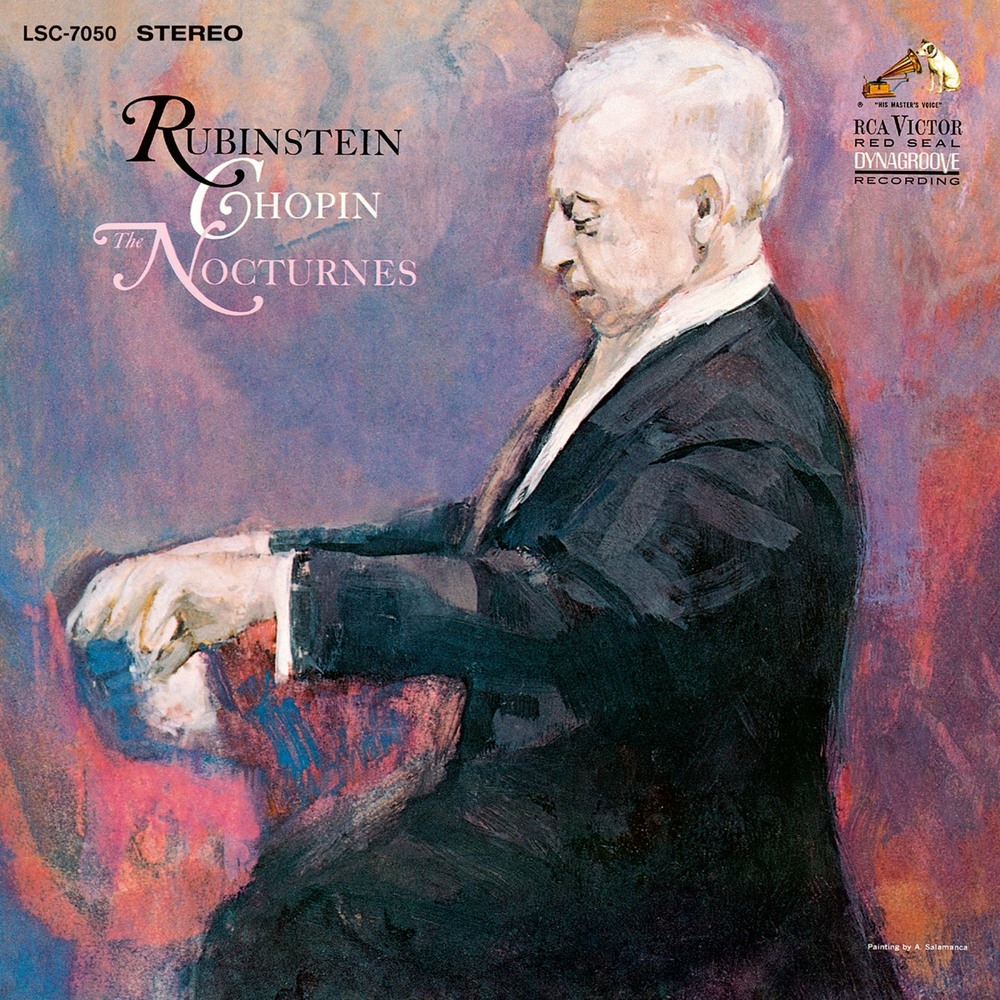
Chopin: Nocturne Op.9 No.2 — Arthur Rubinstein
Chopin Nocturne Op. 9 No. 2 — Arthur Rubinstein
The Nocturne in E-Flat Major, Op. 9 No. 2 track linked to “Chopin Nocturne Op. 9 No. 2 — Arthur Rubinstein” is a real recording from the album “Chopin: Nocturnes,” introduced as the “Chopin Nocturne Op. 9 No. 2 — Arthur Rubinstein” entry according to the selection criteria of “Nocturnes That Widen the Moods of the Night Beyond Chopin.” On Apple Music, the performers of “Chopin Nocturne Op. 9 No. 2 — Arthur Rubinstein” are listed as Arthur Rubinstein, and the release year is 1967; since this date may differ from when Frédéric Chopin wrote the piece, in this list it's used only as recording information. When looking for other versions of the same work as “Chopin Nocturne Op. 9 No. 2 — Arthur Rubinstein,” check the title, performers, and album together so you don't confuse the same recording with a reissue, and so you can also see the context of the list.
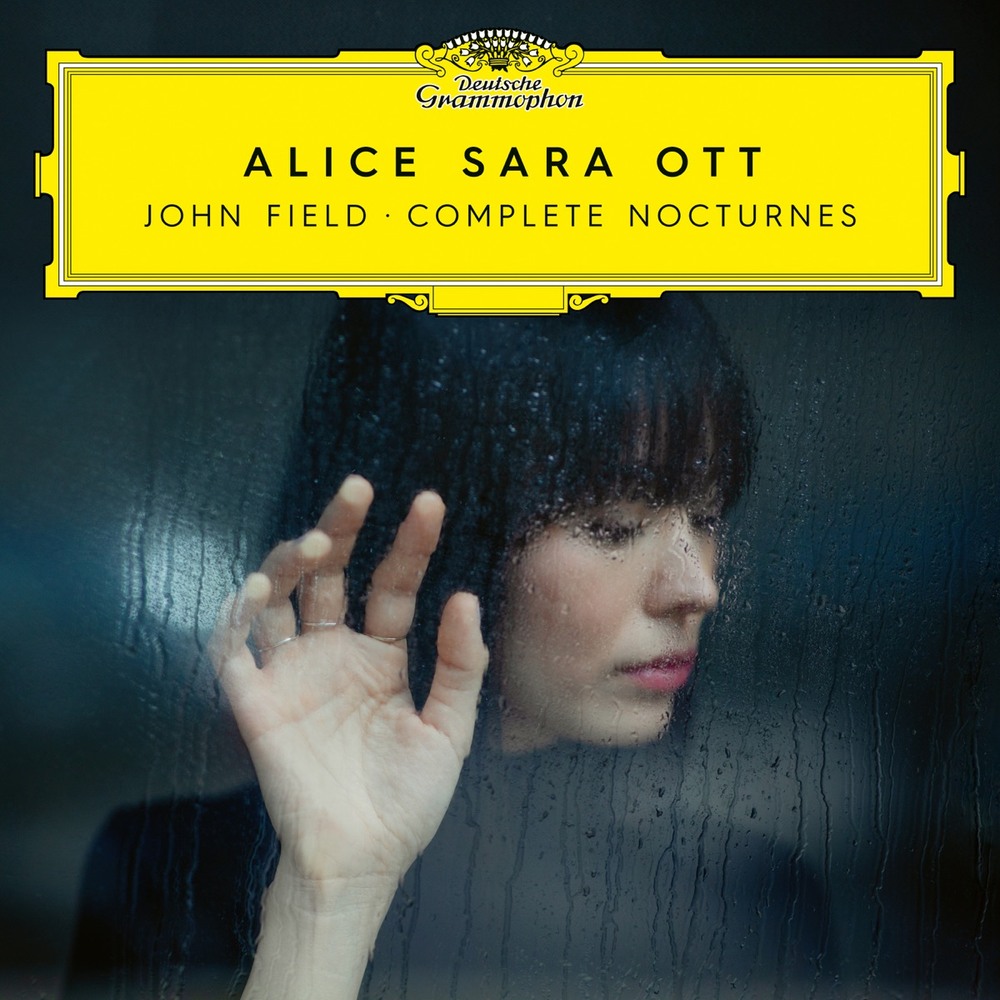
Field: Nocturne No. 5 — Alice Sara Ott
John Field Nocturne No. 5 — Alice Sara Ott
The Nocturne No. 5 in B-Flat Major, H. 37 track linked to “John Field Nocturne No. 5 — Alice Sara Ott” is a real recording from the album “John Field: Complete Nocturnes,” introduced as the “John Field Nocturne No. 5 — Alice Sara Ott” entry according to the selection criteria of “Nocturnes That Widen the Moods of the Night Beyond Chopin.” On Apple Music, the performers of “John Field Nocturne No. 5 — Alice Sara Ott” are listed as Alice Sara Ott, and the release year is 2025; since this date may differ from when John Field wrote the piece, it's used only as recording information. When looking for other versions of the same work as “John Field Nocturne No. 5 — Alice Sara Ott,” check the title, performers, and album together so you don't confuse the same recording with a reissue, and so you can also see the context of this collection.

Fauré: Nocturne No. 6 — Kit Armstrong
Fauré Nocturne No. 6 — Kit Armstrong
The Nocturne No. 6 in D-Flat Major, Op. 63 track linked to “Fauré Nocturne No. 6 — Kit Armstrong” is a real recording from the album “Piano Chronicles (Live),” introduced as the “Fauré Nocturne No. 6 — Kit Armstrong” entry according to the selection criteria of “Nocturnes That Widen the Moods of the Night Beyond Chopin.” On Apple Music, the performers of “Fauré Nocturne No. 6 — Kit Armstrong” are listed as Kit Armstrong, and the release year is 2026; since this date may differ from when Gabriel Fauré wrote the piece, here it's used only as recording information. When looking for other versions of the same work as “Fauré Nocturne No. 6 — Kit Armstrong,” check the title, performers, and album together so you don't confuse the same recording with a reissue, and so you can also see the context of this collection.
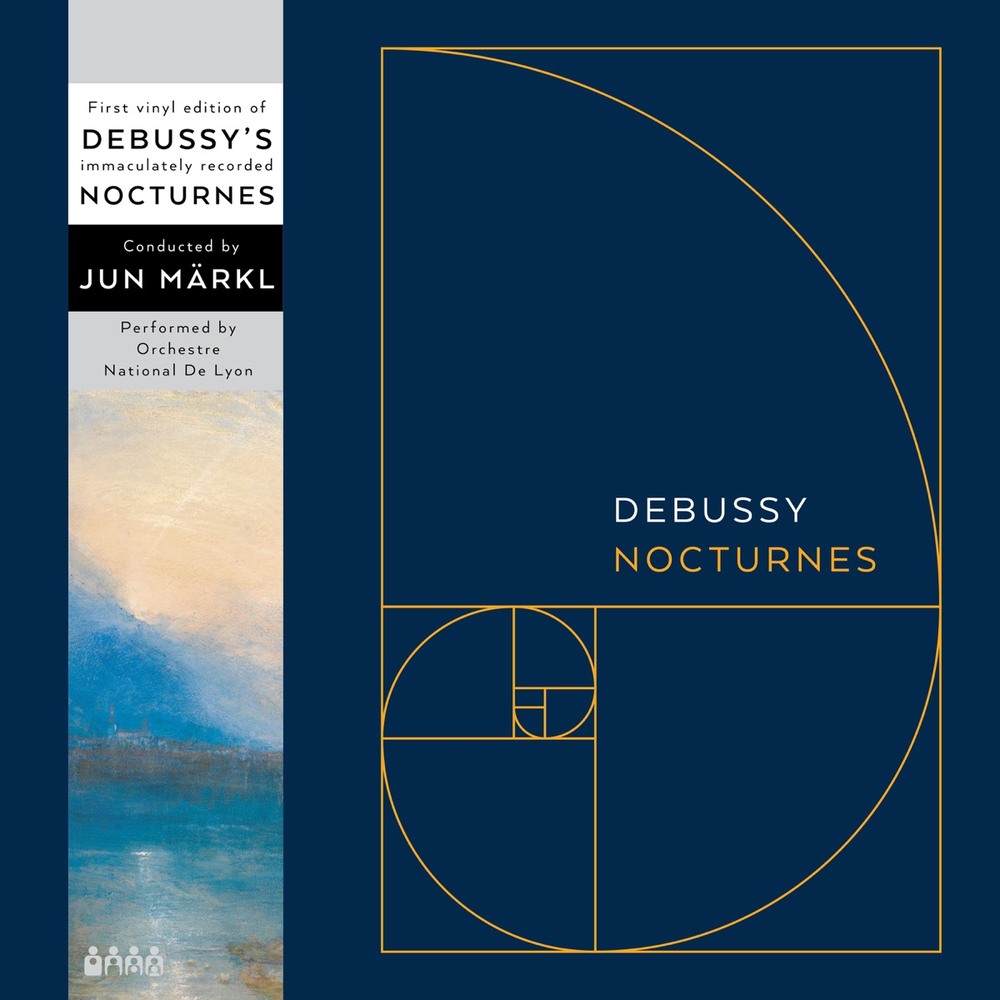
Debussy: Nocturne 'Clouds' — Märkl, Orchestre National de Lyon
Debussy Nocturne 'Nuages' — Jun Märkl, Orchestre National de Lyon
The track linked to ‘Debussy Nocturne 'Nuages' — Jun Märkl, Orchestre National de Lyon’ is an actual recording included in 'Nocturnes - EP', introduced here under the criteria for expanding the expression of night beyond Chopin. The Apple Music artist for ‘Debussy Nocturne 'Nuages' — Jun Märkl, Orchestre National de Lyon’ is Claude Debussy, Jun Märkl & Orchestre National de Lyon, and the release year is 2019, which may differ from when Claude Debussy composed the work, hence this date is used only as recording information for ‘Nocturnes Expanding the Expression of Night Beyond Chopin’. When looking for other versions of ‘Debussy Nocturne 'Nuages' — Jun Märkl, Orchestre National de Lyon’, one should check the work title, performer, and album to avoid confusion with the same recording or reissue and to also understand the context of this list.
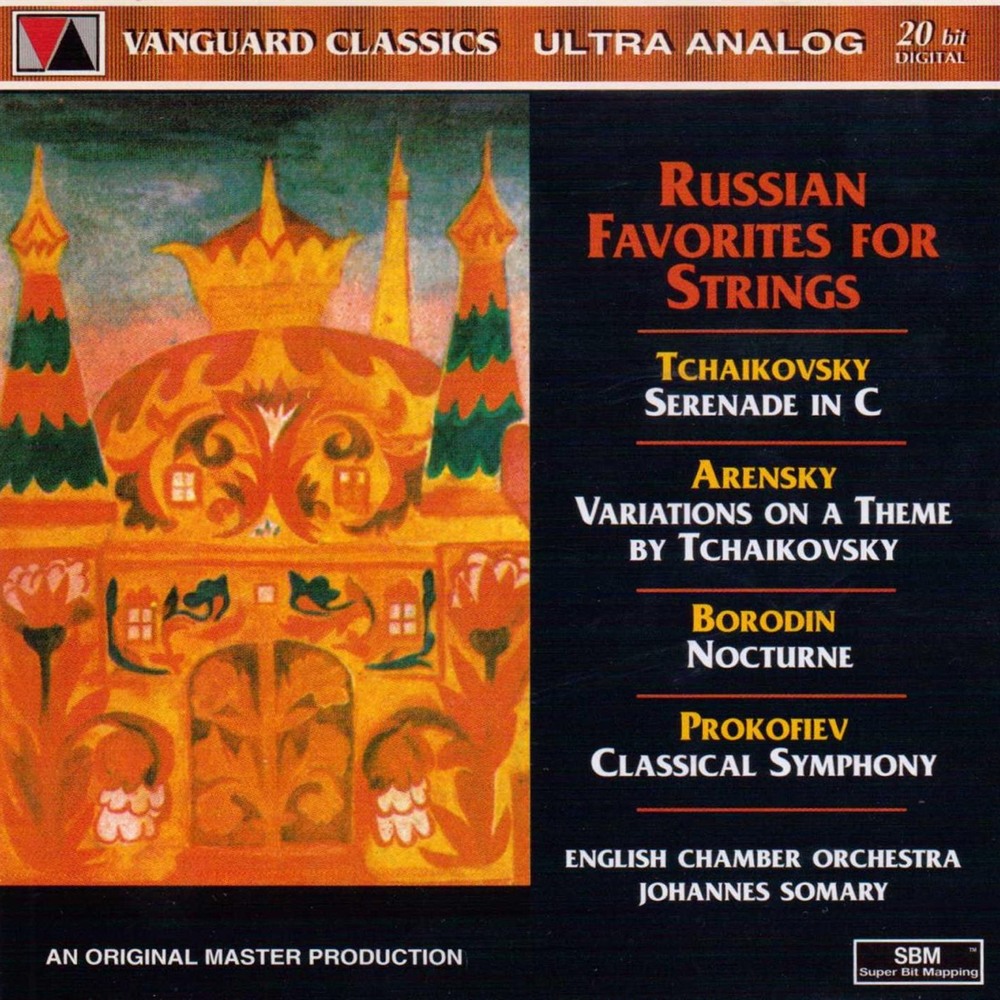
Borodin: String Quartet No. 2 'Nocturne' — English Chamber Orchestra
Borodin String Quartet No. 2 'Nocturne' — English Chamber Orchestra
The track linked to ‘Borodin String Quartet No. 2 'Nocturne' — English Chamber Orchestra’ is an actual recording included in 'Russian Favorites for Strings', introduced here under the criteria for expanding the expression of night beyond Chopin. The Apple Music artist for ‘Borodin String Quartet No. 2 'Nocturne' — English Chamber Orchestra’ is Johannes Somary & English Chamber Orchestra, and the release year is 2008, which may differ from when Alexander Borodin composed the work, hence this date is used only as recording information for ‘Nocturnes Expanding the Expression of Night Beyond Chopin’. When searching for other editions of works like ‘Borodin String Quartet No. 2 'Nocturne' — English Chamber Orchestra’, one should verify the work title, performer, and album to avoid confusion with the same recording or reissue and to also understand this list's context.
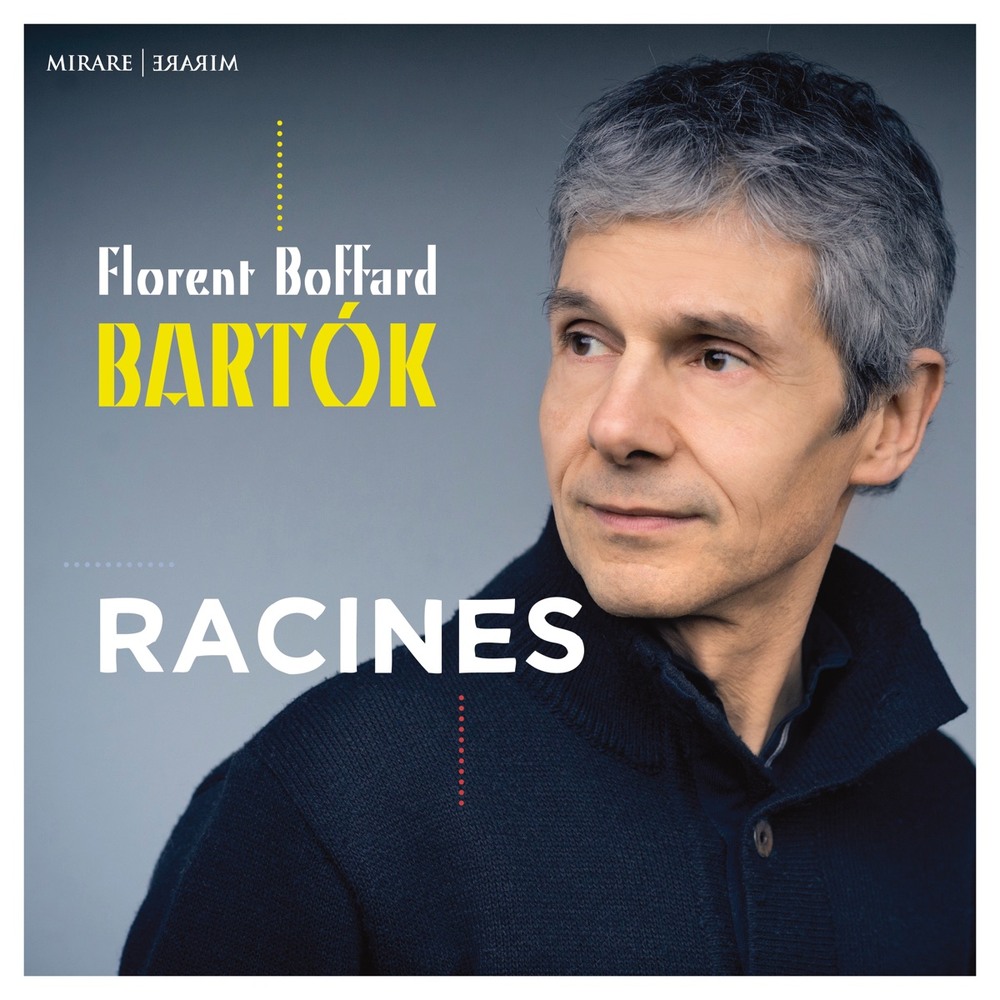
Bartók: Out of Doors, 'Night's Music' — Florent Boffard
Bartók Out of Doors 'The Night's Music' — Florent Boffard
The track linked to ‘Bartók Out of Doors 'The Night's Music' — Florent Boffard’ is an actual recording included in 'Racines', introduced here under the criteria for expanding the expression of night beyond Chopin. The Apple Music artist for ‘Bartók Out of Doors 'The Night's Music' — Florent Boffard’ is Florent Boffard, and the release year is 2018, which may differ from when Béla Bartók composed the work, hence this date is used only as recording information for ‘Nocturnes Expanding the Expression of Night Beyond Chopin’. When looking for other versions of ‘Bartók Out of Doors 'The Night's Music' — Florent Boffard’, one should verify the work title, performer, and album to avoid confusion with the same recording or reissue and to also understand the context of the list.
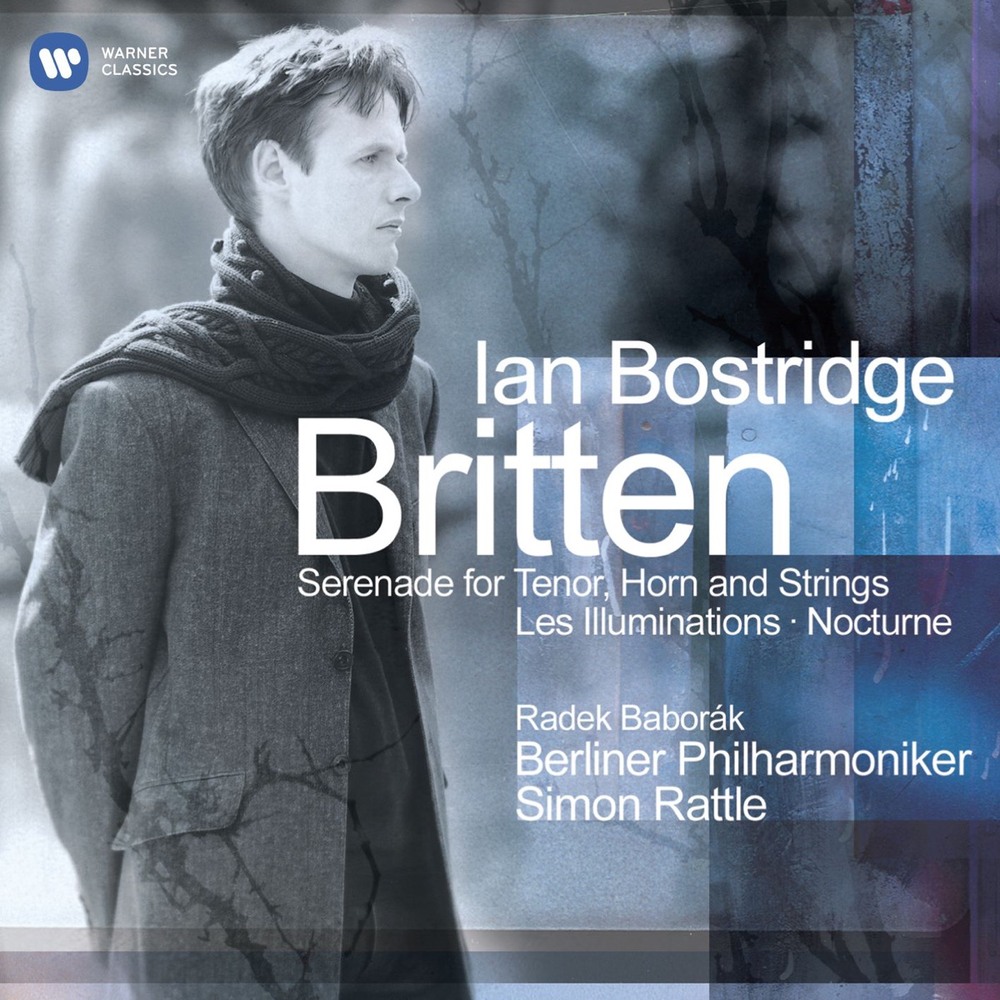
Britten: Serenade for Tenor, Horn and Strings, Prologue — Bostridge, Rattle
Britten's Serenade for Tenor, Horn and Strings, Prologue — Bostridge & Rattle
The Serenade for Tenor, Horn and Strings: Prologue track linked to “Britten's Serenade for Tenor, Horn and Strings, Prologue — Bostridge & Rattle” is a real recording from the album “Britten: Serenade for Tenor, Horn & Strings - Les Illuminations - Nocturne,” introduced as the “Britten's Serenade for Tenor, Horn and Strings, Prologue — Bostridge & Rattle” entry according to the selection criteria of “Nocturnes That Widen the Moods of the Night Beyond Chopin.” On Apple Music, the performers of “Britten's Serenade for Tenor, Horn and Strings, Prologue — Bostridge & Rattle” are listed as Berlin Philharmonic, Sir Simon Rattle & Ian Bostridge, and the release year is 2005; since this date may differ from when Benjamin Britten wrote the piece, here it's used only as recording information. When looking for other versions of the same work as “Britten's Serenade for Tenor, Horn and Strings, Prologue — Bostridge & Rattle,” check the title, performers, and album together so you don't confuse the same recording with a reissue, and so you can also see the context of the collection.
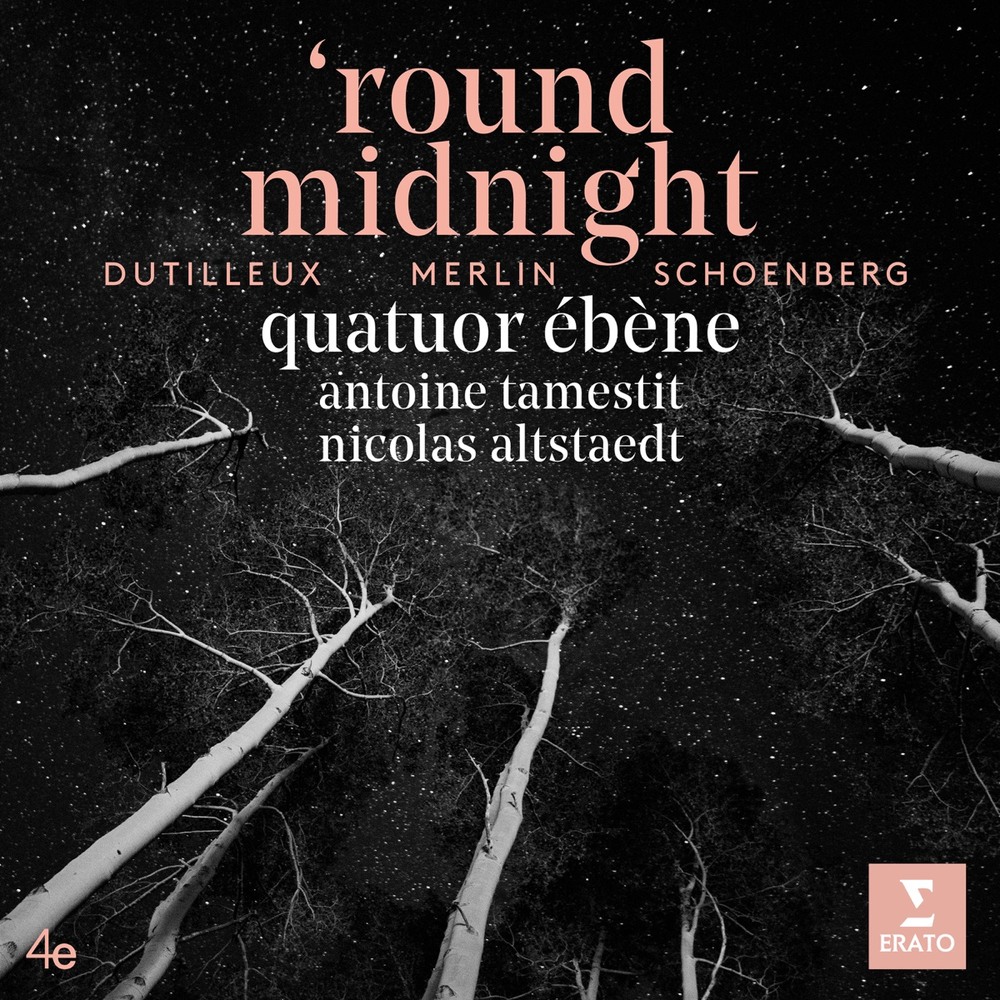
Dutilleux: Ainsi la Nuit, Nocturne 1 — Ébène Quartet
Dutilleux's Ainsi la nuit, Nocturne 1 — Quatuor Ébène
The Ainsi la Nuit: I. Nocturne 1 track linked to “Dutilleux's Ainsi la nuit, Nocturne 1 — Quatuor Ébène” is a real recording from the album “'Round Midnight,” introduced as the “Dutilleux's Ainsi la nuit, Nocturne 1 — Quatuor Ébène” entry according to the selection criteria of “Nocturnes That Widen the Moods of the Night Beyond Chopin.” On Apple Music, the performers of “Dutilleux's Ainsi la nuit, Nocturne 1 — Quatuor Ébène” are listed as Quatuor Ébène, and the release year is 2021; since this date may differ from when Henri Dutilleux wrote the piece, here it's used only as recording information. When looking for other versions of the same work as “Dutilleux's Ainsi la nuit, Nocturne 1 — Quatuor Ébène,” check the title, performers, and album together so you don't confuse the same recording with a reissue, and so you can also see the context of the list.
Each link features actual recordings with performer and album information, and the year indicated is for the release rather than when the piece was composed. Works that expand the musical grammar of night are included, even if they do not bear the title 'nocturne.' Feel free to listen to favored pieces both during the day and night and compare how the noise of the space and the level of concentration alter impressions. Often, the way sound fades determines the character of the night more than the slow tempo.
As part of the Coupang Partners program, this post may earn a commission from qualifying purchases.
Comments 0
Log in to leave a comment.
Be the first to comment.
How about these lists?


You might also like


Not ready to stop here?
Wondering what to read next is the biggest waste of time.
Let the dice decide — you won't know what pops up until you roll.
If you don't press it… won't you wonder forever? 👀