Classical Percussion that Changes Pitch and Space with a Hit
Collection Classical 2026.09.27

Classical Percussion that Changes Pitch and Space with a Hit

Real performances where drums, marimbas, water, metal, and two pianos create colors beyond rhythm

It's easy to think of percussion as merely being an auxiliary instrument that emphasizes rhythm, but since the 20th century, they have become the protagonists leading melody, harmony, and the spatiality of the stage. The location of striking the drum, the resonance of wood and metal, the pitches of the marimba, and the changes in pitch of submerged instruments create a musical form that is entirely different from strings or winds. Listening to what is being struck and how long the sound lingers reveals information beyond rhythm.

This list includes Bartók's Sonata for Two Pianos and Percussion, Xenakis's solo drum piece, Reich's phase and repetition, Varèse's percussion ensemble, Takemitsu's concert-like space, Cage's household items, marimba solo, and the waves of large orchestras. Each audio source clarifies the instrumentation and listening points, making it easier to approach modern music from the materials of sound. One can follow not just for big crashes but also the nuances of resonance and pitch changes.
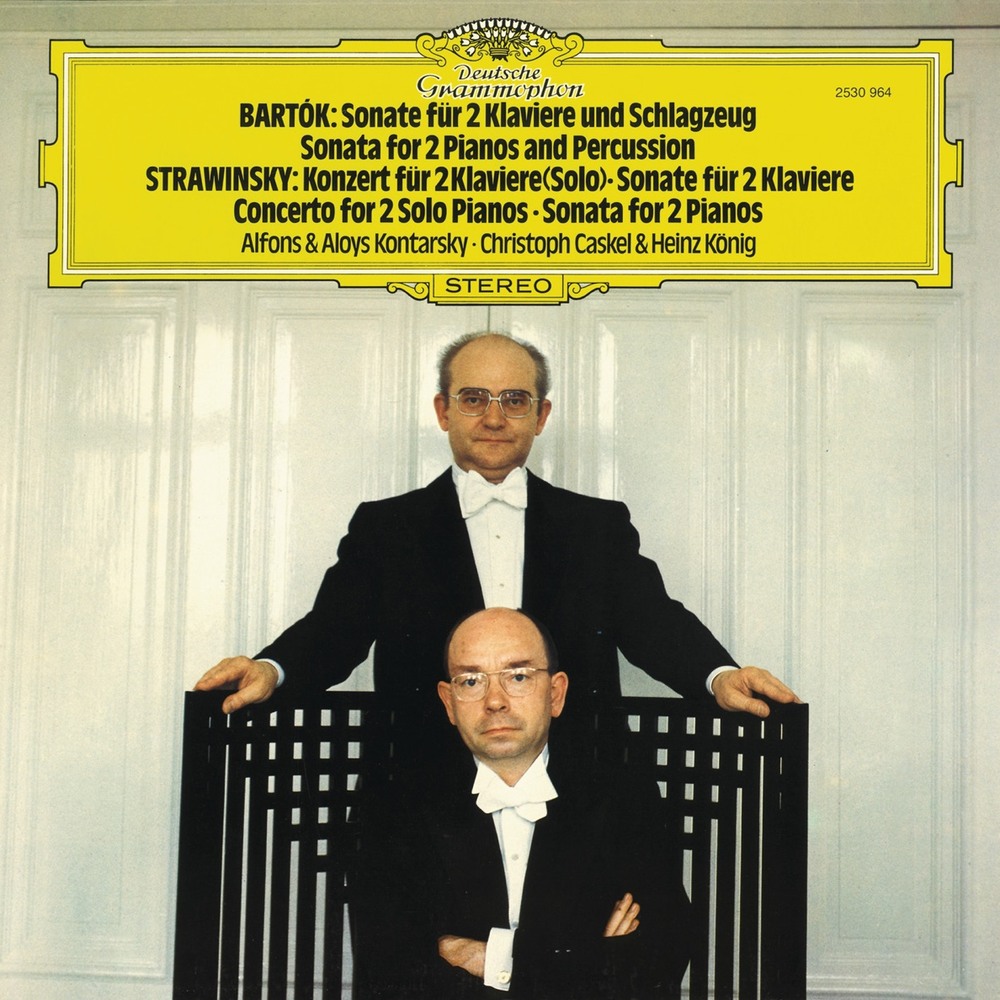
Bartók Sonata for Two Pianos and Percussion Movement III — Kontarsky et al.

Bartók Sonata for Two Pianos and Percussion Movement III — Kontarsky et al.

Bartók Sonata for Two Pianos and Percussion - Movement III — Alfons Kontarsky et al.

Let's listen to what percussion instruments imitate or interrupt the short motifs of the piano. In the first listening of 'Bartók Sonata for Two Pianos and Percussion - Movement III — Alfons Kontarsky et al.', follow the indicated points, and in the second listen, expand your range to the low and inner voices. Then, the structure of Sonata for Two Pianos and Percussion: III and the lengths of phrases chosen by Alfons Kontarsky, Aloys Kontarsky, Christoph Caskel & Heinz Koenig will become clear. By marking the moments when the timbre changes rather than waiting for famous passages, you won't miss the direction of the piece.

The track connected to 'Bartók Sonata for Two Pianos and Percussion - Movement III — Alfons Kontarsky et al.' is from the actual audio source combined with 'Bartók: Sonata for 2 Pianos and Percussion - Stravinsky: Concerto & Sonata for 2 Pianos', introduced as 'Classical Percussion that Changes Pitch and Space with a Hit.' The performing artists as indicated on Apple Music are Alfons Kontarsky, Aloys Kontarsky, Christoph Caskel & Heinz Koenig, and the release year is 2007, which may differ from the time Béla Bartók composed the work; therefore, only the recording information is used in the context of 'Classical Percussion that Changes Pitch and Space with a Hit.' When looking for other versions of works like 'Bartók Sonata for Two Pianos and Percussion - Movement III — Alfons Kontarsky et al.', it's important to check the piece name, performers, and included album to avoid confusion over identical recordings and reissues while verifying the context of 'Classical Percussion that Changes Pitch and Space with a Hit.'
연주자 Alfons Kontarsky, Aloys Kontarsky, Christoph Caskel & Heinz Koenig 작곡가 Béla Bartók 작품 Sonata for Two Pianos and Percussion: III 표시 발매 연도 2007 수록 음반 Bartók: Sonata for 2 Pianos and Percussion - Stravinsky: Concerto & Sonata for 2 Pianos 형식 음원 감상 포인트 피아노의 타악적 건반과 팀파니·실로폰이 대등하게 주제를 교환한다. 듣기 팁 피아노의 짧은 음형을 어떤 타악기가 모방하거나 끊는지 들어보자.
바로가기
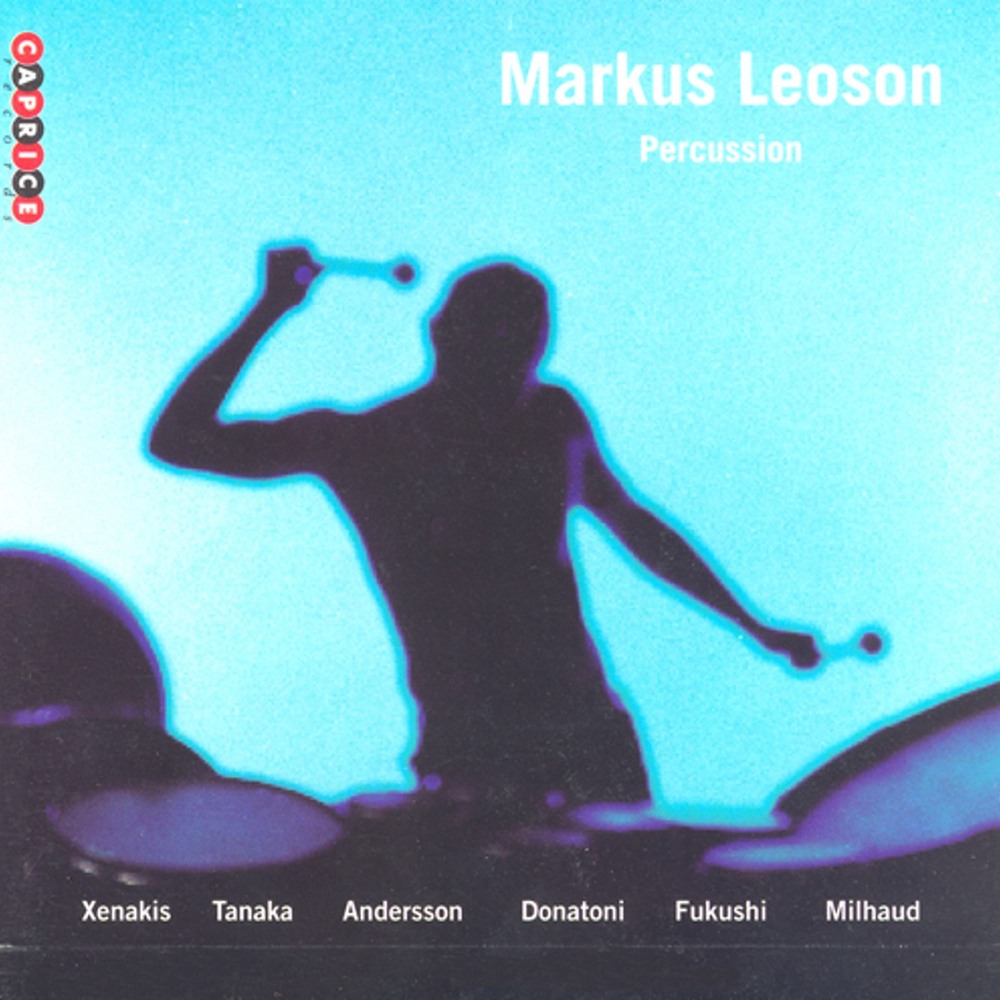
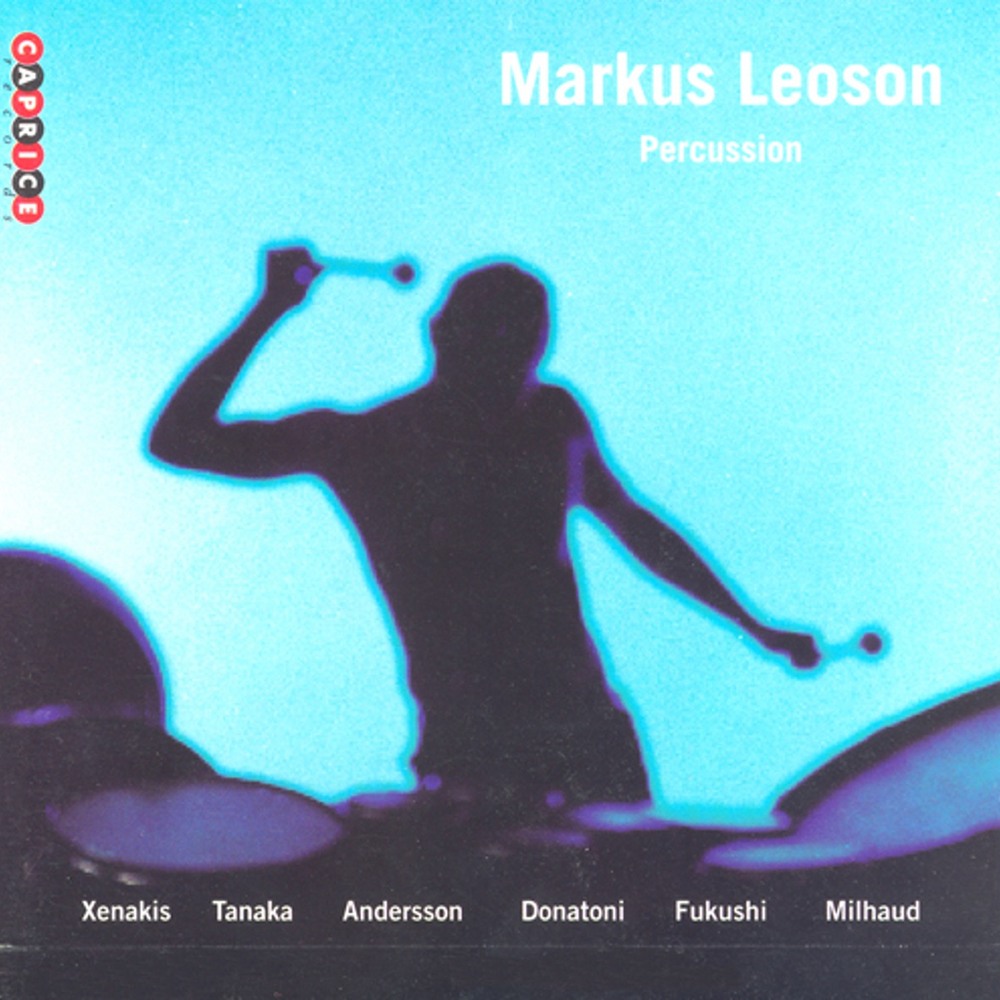
Xenakis 《Rebonds》 Part II — Markus Leoson

Xenakis 《Rebonds》 Part II — Markus Leoson

Xenakis Rebonds - Part II — Markus Leoson

Let's follow the path where the accent shifts to a different drum at the point where the repetitive patterns break. In 'Xenakis Rebonds - Part II — Markus Leoson', check if the pitch range and accent change when the same motif returns. Markus Leoson's performance highlights the great flow of Rebonds: II without exaggerating, showing it through the connections of each part. Finally, return to the beginning of 'Xenakis Rebonds - Part II — Markus Leoson' and compare any differences with your first impression to clarify the structure.

The track connected to 'Xenakis Rebonds - Part II — Markus Leoson' is from the actual audio source included in 'Xenakis: Rebonds - Tanaka: 2 Movements for Marimba - Donatoni: Omar - Fukushi: Ground I,' introduced as 'Classical Percussion that Changes Pitch and Space with a Hit.' The performing artist as indicated on Apple Music is Markus Leoson, and the release year is 1996, which may differ from the time Iannis Xenakis composed the work; therefore, only the recording information is used in the context of 'Classical Percussion that Changes Pitch and Space with a Hit.' When looking for other versions of works like 'Xenakis Rebonds - Part II — Markus Leoson', it's essential to check the piece name, performers, and included album to avoid confusion over identical recordings and reissues while verifying the context of 'Classical Percussion that Changes Pitch and Space with a Hit.'
연주자 Markus Leoson 작곡가 Iannis Xenakis 작품 Rebonds: II 표시 발매 연도 1996 수록 음반 Xenakis: Rebonds - Tanaka: 2 Movements for Marimba - Donatoni: Omar - Fukushi: Ground I 형식 음원 감상 포인트 서로 다른 북의 음색과 불규칙한 강세가 독주만으로 거대한 흐름을 만든다. 듣기 팁 반복 패턴이 끊기는 지점보다 강세가 다른 북으로 이동하는 경로를 따라가 보자.
바로가기
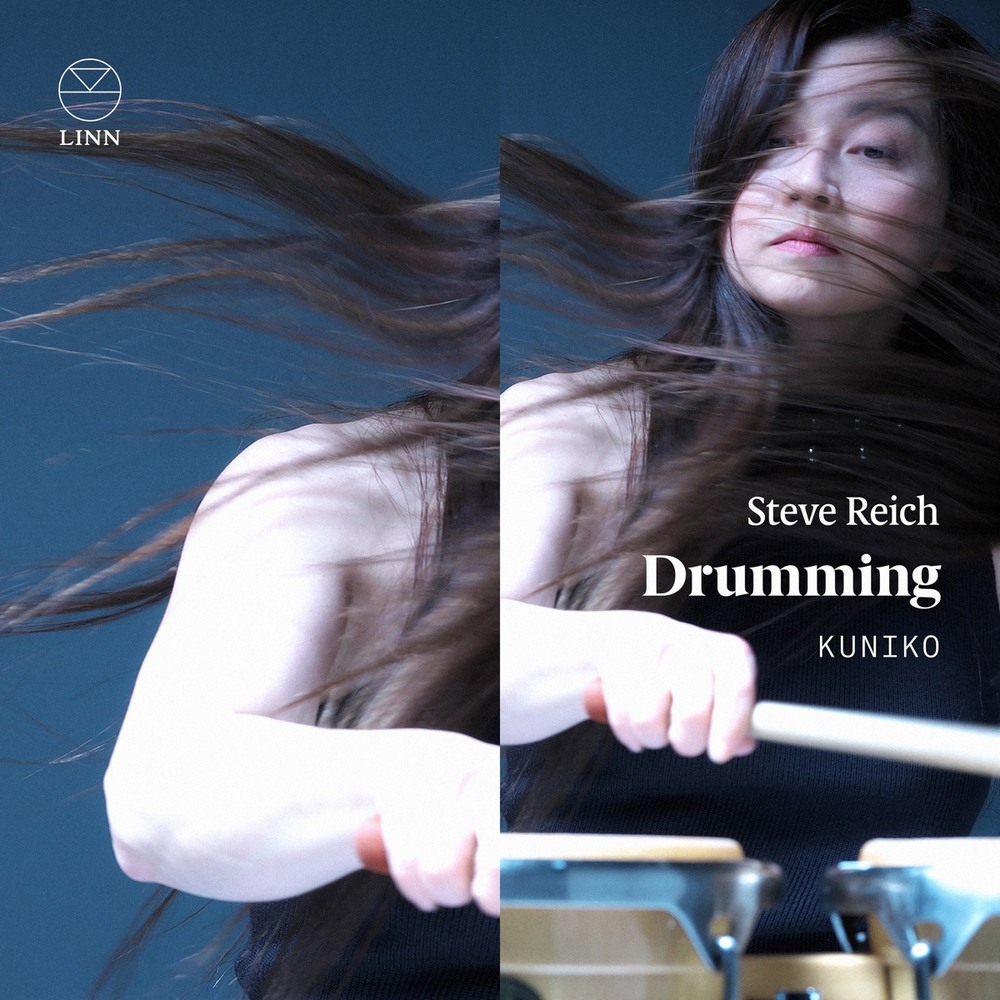
Steve Reich 《Drumming》 Part I — Kuniko

Steve Reich 《Drumming》 Part I — Kuniko

Steve Reich Drumming - Part I — Kuniko

Let's count how the number of strikes that add while maintaining the initial pulse changes. When listening to this audio again, focus on the order in which sounds overlap and are emptied rather than the tempo. By finding out which part the repeating materials of Drumming: Part I shift to, you can also check Kuniko's sense of balance. By comparing the echoes left at the end of 'Steve Reich Drumming - Part I — Kuniko' with the first phrase, the emotional changes can be understood within the structure.

The track connected to 'Steve Reich Drumming - Part I — Kuniko' is from the actual audio source included in 'Reich: Drumming', introduced as 'Classical Percussion that Changes Pitch and Space with a Hit.' The performing artist as indicated on Apple Music is Kuniko, and the release year is 2018, which may differ from the time Steve Reich composed the work; therefore, only the recording information is used in the context of 'Classical Percussion that Changes Pitch and Space with a Hit.' When looking for other versions of works like 'Steve Reich Drumming - Part I — Kuniko,' it’s important to check the piece name, performers, and included album to avoid confusion over identical recordings and reissues while verifying the context of 'Classical Percussion that Changes Pitch and Space with a Hit.'
연주자 Kuniko 작곡가 Steve Reich 작품 Drumming: Part I 표시 발매 연도 2018 수록 음반 Reich: Drumming 형식 음원 감상 포인트 짧은 리듬의 음을 하나씩 채우고 비우며 반복 안에서 새로운 패턴을 드러낸다. 듣기 팁 처음의 박동을 유지한 채 추가되는 타격 수가 어떻게 변하는지 세어보자.
바로가기
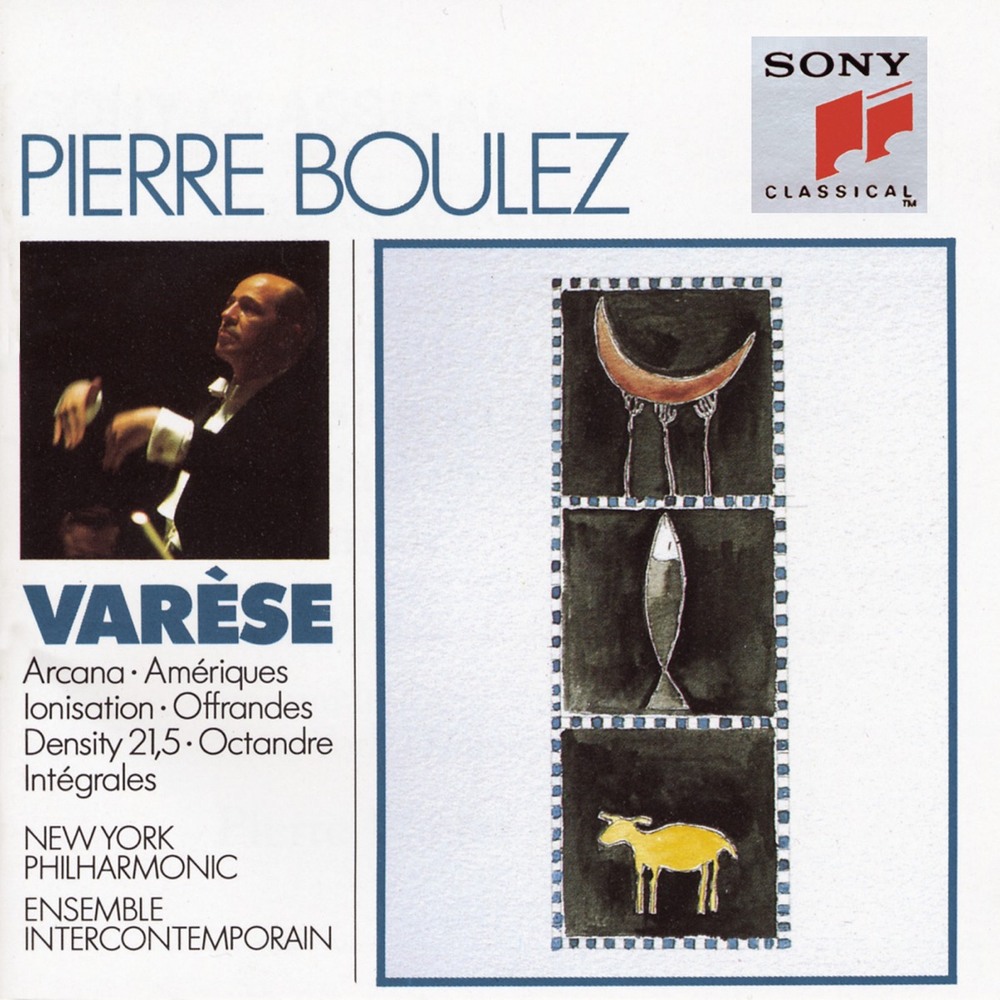
Varèse 《Ionisation》 — Boulez, New York Philharmonic Percussion Ensemble

Varèse 《Ionisation》 — Boulez, New York Philharmonic Percussion Ensemble

Varèse Ionisation — Boulez & New York Philharmonic Percussion Ensemble

Let's listen to how the sirens and metallic sounds connect the short rhythms of the drums. Next, let's hear what the accompaniment and background parts of 'Varèse Ionisation — Boulez & New York Philharmonic Percussion Ensemble' are doing at the same moment. Following the process where the previously mentioned materials return with different instruments and pitches naturally reveals the design of Ionisation. Marking where the New York Philharmonic & Pierre Boulez emphasize will provide a basis for comparison with other performances.

The track connected to 'Varèse Ionisation — Boulez & New York Philharmonic Percussion Ensemble' is from the actual audio source included in 'Varese: Arcana, Ionisation, Octandre, etc', introduced as 'Classical Percussion that Changes Pitch and Space with a Hit.' The performing artists as indicated on Apple Music are New York Philharmonic & Pierre Boulez, and the release year is 1977, which may differ from the time Edgard Varèse composed the work; therefore, only the recording information is used in the context of 'Classical Percussion that Changes Pitch and Space with a Hit.' When looking for other versions of works like 'Varèse Ionisation — Boulez & New York Philharmonic Percussion Ensemble', it's essential to check the piece name, performers, and included album to avoid confusion over identical recordings and reissues while verifying the context of 'Classical Percussion that Changes Pitch and Space with a Hit.'
연주자 New York Philharmonic & Pierre Boulez 작곡가 Edgard Varèse 작품 Ionisation 표시 발매 연도 1977 수록 음반 Varese: Arcana, Ionisation, Octandre, etc 형식 음원 감상 포인트 음정 중심의 선율 없이 타악기 음색과 밀도만으로 긴장과 방향을 설계한다. 듣기 팁 사이렌과 금속성 소리가 북의 짧은 리듬 사이를 연결하는 방식을 들어보자.
바로가기
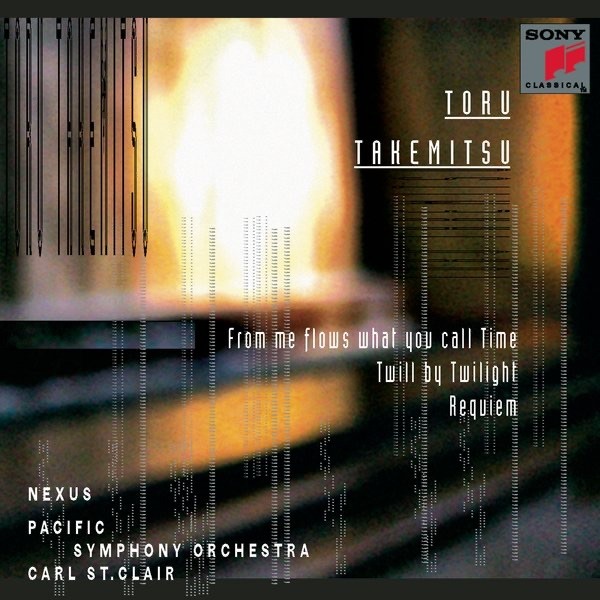
Takemitsu 《From Me Flows What You Call Time》 — Nexus

Takemitsu 《From Me Flows What You Call Time》 — Nexus

Takemitsu From Me Flows What You Call Time — Nexus

Let's find the moment when the long echoes of water, bells, and metal diffuse into the orchestral harmony. When listening to 'Takemitsu From Me Flows What You Call Time — Nexus' again, let's look for the lowest and longest sounds. The location where these two elements meet determines the tension and relaxation of From Me Flows What You Call Time, and it's also where the interpretation by Carl St. Clair, Nexus, The Pacific Symphony Orchestra, Bob Becker, John Wyre, Bill Cahn, Robin Engelman & Russell Hartenberger becomes clear. By comparing the lengths of breath and resonance rather than volume in 'Takemitsu From Me Flows What You Call Time — Nexus', the reason for choosing this version becomes clearer.

The track connected to 'Takemitsu From Me Flows What You Call Time — Nexus' is from the actual audio source included in 'Takemitsu: Orchestral Works’, introduced as 'Classical Percussion that Changes Pitch and Space with a Hit.' The performing artists as indicated on Apple Music are Carl St. Clair, Nexus, The Pacific Symphony Orchestra, Bob Becker, John Wyre, Bill Cahn, Robin Engelman & Russell Hartenberger, and the release year is 1998, which may differ from the time Tōru Takemitsu composed the work; therefore, only the recording information is used in the context of 'Classical Percussion that Changes Pitch and Space with a Hit.' When looking for other versions of works like 'Takemitsu From Me Flows What You Call Time — Nexus', it's crucial to check the piece name, performers, and included album to avoid confusion over identical recordings and reissues while verifying the context of 'Classical Percussion that Changes Pitch and Space with a Hit.'
연주자 Carl St. Clair, Nexus, The Pacific Symphony Orchestra, Bob Becker, John Wyre, Bill Cahn, Robin Engelman & Russell Hartenberger 작곡가 Tōru Takemitsu 작품 From Me Flows What You Call Time 표시 발매 연도 1998 수록 음반 Takemitsu: Orchestral Works 형식 음원 감상 포인트 다섯 타악기 연주자와 오케스트라가 색 리본처럼 이어지는 음색의 흐름을 만든다. 듣기 팁 물과 종, 금속의 긴 잔향이 오케스트라 화음으로 번지는 순간을 찾아보자.
바로가기
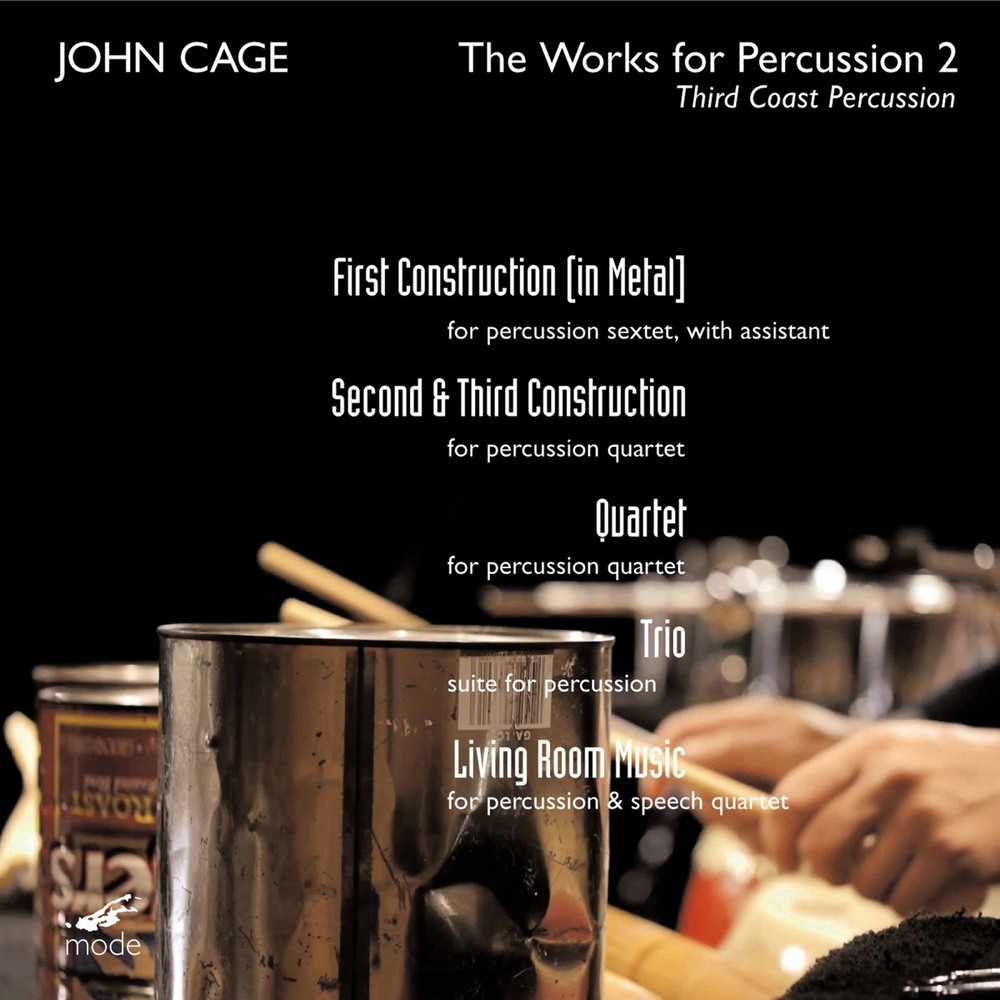
John Cage 《Third Construction》 — Third Coast Percussion

John Cage 《Third Construction》 — Third Coast Percussion

Cage Third Construction — Third Coast Percussion

Let's listen to see if the short patterns of each performer interlock to complete one large cycle. Then, check if the instruments starting and concluding the theme in 'Cage Third Construction — Third Coast Percussion' are the same. Third Construction progresses while repeating small movements and altering the density of the background. Listening to where Third Coast Percussion emphasizes that change goes beyond simple atmospheric appreciation to explain the nature of this version.

The track connected to 'Cage Third Construction — Third Coast Percussion' is from the actual audio source included in 'Cage: The Works for Percussion, Vol. 2', introduced as 'Classical Percussion that Changes Pitch and Space with a Hit.' The performing artist as indicated on Apple Music is Third Coast Percussion, and the release year is 2012, which may differ from the time John Cage composed the work; therefore, only the recording information is used in the context of 'Classical Percussion that Changes Pitch and Space with a Hit.' When looking for other versions of works like 'Cage Third Construction — Third Coast Percussion', it’s essential to check the piece name, performers, and included album to avoid confusion over identical recordings and reissues while verifying the context of 'Classical Percussion that Changes Pitch and Space with a Hit.'
연주자 Third Coast Percussion 작곡가 John Cage 작품 Third Construction 표시 발매 연도 2012 수록 음반 Cage: The Works for Percussion, Vol. 2 형식 음원 감상 포인트 깡통·북·딸랑이 등 다양한 재료가 순환 리듬을 겹쳐 정교한 앙상블을 만든다. 듣기 팁 각 연주자의 짧은 패턴이 맞물려 하나의 큰 주기가 완성되는지 들어보자.
바로가기
Tanaka 《Two Movements for Marimba》 Movement I — Markus Leoson

Tanaka 《Two Movements for Marimba》 Movement I — Markus Leoson

Tanaka Two Movements for Marimba - Movement I — Markus Leoson

Let's follow the moment when the high motifs change direction above the repeated low keys. In 'Tanaka Two Movements for Marimba - Movement I — Markus Leoson', when the same phrase is repeated, select one aspect either in speed or dynamics for comparison. Narrowing your focus based on Markus Leoson's choices will ensure you don’t miss the inner voices and rhythms of Two Movements for Marimba: I. Allegro. Finally, listen to the overall flow of 'Tanaka Two Movements for Marimba - Movement I — Markus Leoson' again and confirm how the details influenced the impression of the piece.

The track connected to 'Tanaka Two Movements for Marimba - Movement I — Markus Leoson' is from the actual audio source included in 'Xenakis: Rebonds - Tanaka: 2 Movements for Marimba - Donatoni: Omar - Fukushi: Ground I,' introduced as 'Classical Percussion that Changes Pitch and Space with a Hit.' The performing artist as indicated on Apple Music is Markus Leoson, and the release year is 1996, which may differ from the time Toshimitsu Tanaka composed the work; therefore, only the recording information is used in the context of 'Classical Percussion that Changes Pitch and Space with a Hit.' When looking for other versions of works like 'Tanaka Two Movements for Marimba - Movement I — Markus Leoson', it’s important to check the piece name, performers, and included album to avoid confusion over identical recordings and reissues while verifying the context of 'Classical Percussion that Changes Pitch and Space with a Hit.'
연주자 Markus Leoson 작곡가 Toshimitsu Tanaka 작품 Two Movements for Marimba: I. Allegro 표시 발매 연도 1996 수록 음반 Xenakis: Rebonds - Tanaka: 2 Movements for Marimba - Donatoni: Omar - Fukushi: Ground I 형식 음원 감상 포인트 마림바의 음정과 빠른 타격이 한 악기 안에서 선율과 반주를 동시에 만든다. 듣기 팁 낮은 건반의 반복 위로 높은 음형이 방향을 바꾸는 순간을 따라가 보자.
바로가기
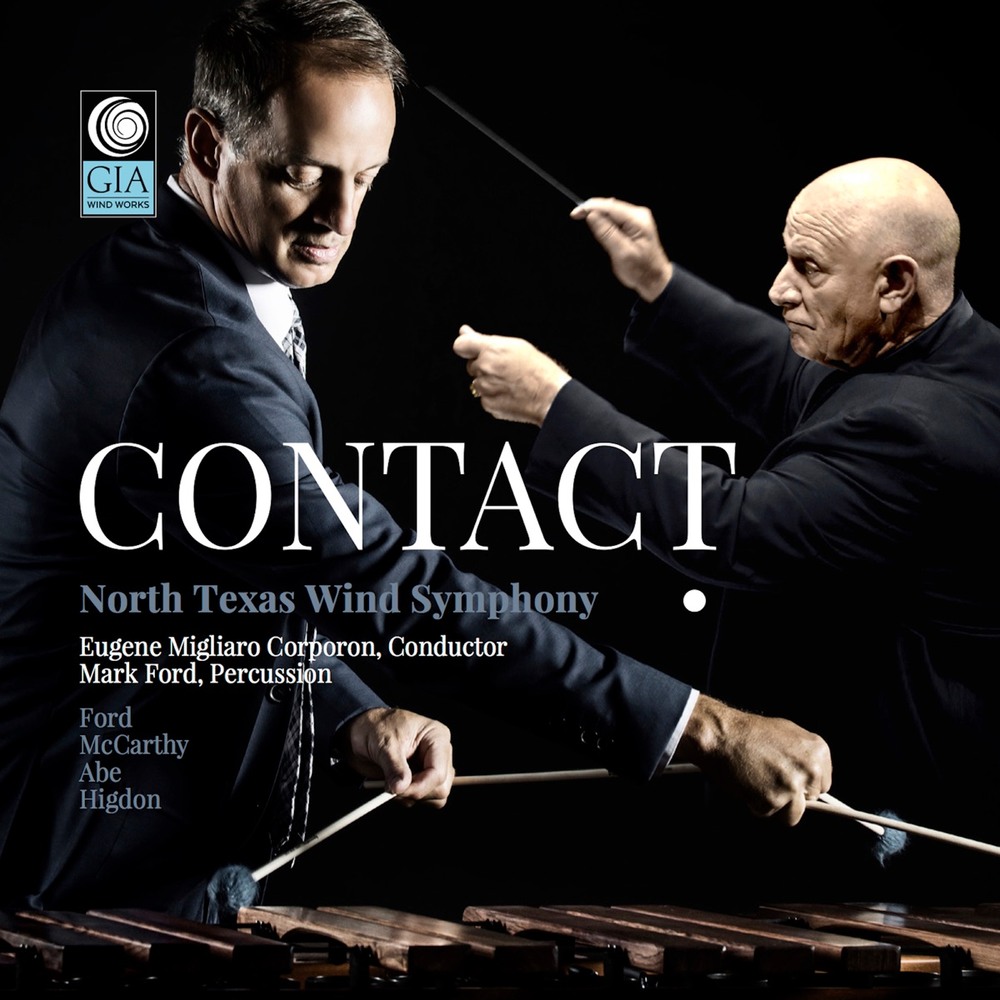
Abe Keiko 《Prism Rhapsody II》 — Ford, Abe, North Texas Wind Symphony

Abe Keiko 《Prism Rhapsody II》 — Ford, Abe, North Texas Wind Symphony

Abe Keiko's 'Prism Rhapsody II' — Ford, Abe, North Texas Wind Symphony

Listen for the points where the quick patterns of the two marimbas overlap or lead into the long chords of the wind instruments. In your first listen of 'Abe Keiko's 'Prism Rhapsody II' — Ford, Abe, North Texas Wind Symphony', try to identify one guiding sound, and then in your next listen, add in the surrounding parts and silence. You'll hear how Mark Ford, Abe Keiko, North Texas Wind Symphony & Eugene Migliaro Corporon adjust tempo and tone as 'Prism Rhapsody II for Two Marimbas and Wind Ensemble' heads towards its climax. Comparing the beginning and end of 'Abe Keiko's 'Prism Rhapsody II' — Ford, Abe, North Texas Wind Symphony' side by side shows us the sense of distance and time created by the piece.

The track linked to 'Abe Keiko's 'Prism Rhapsody II' — Ford, Abe, North Texas Wind Symphony', titled 'Prism Rhapsody II for Two Marimbas and Wind Ensemble', is an actual recording included in the album 'Contact!' and has been introduced under the criteria of 'percussion classics that change tone and space at the moment of hitting'. The performers indicated on Apple Music for 'Abe Keiko's 'Prism Rhapsody II' — Ford, Abe, North Texas Wind Symphony' are Mark Ford, Abe Keiko, North Texas Wind Symphony & Eugene Migliaro Corporon, the release year is 2018, which may differ from when Keiko Abe wrote the piece, so this date is used solely as recording information in the context of 'percussion classics that change tone and space at the moment of hitting'. When searching for other versions of works similar to 'Abe Keiko's 'Prism Rhapsody II' — Ford, Abe, North Texas Wind Symphony', you should check the piece name, performers, and the album to avoid confusing the same recording with a reissue, and to also appreciate the context of 'percussion classics that change tone and space at the moment of hitting'.
연주자 Mark Ford, Abe Keiko, North Texas Wind Symphony & Eugene Migliaro Corporon 작곡가 Keiko Abe 작품 Prism Rhapsody II for Two Marimbas and Wind Ensemble 표시 발매 연도 2018 수록 음반 Contact! 형식 음원 감상 포인트 두 대의 마림바가 음정 타악기의 선율과 리듬을 주도하고 관악 합주가 색채와 규모를 넓힌다. 듣기 팁 두 마림바의 빠른 패턴이 서로 겹치거나 관악기의 긴 화음으로 이어지는 지점을 들어보자.
바로가기
Listening to percussion music is easier when you classify the sound materials rather than trying to grasp the whole rhythm at once. Just distinguishing between drums, wooden keys, metal, claps, and voice can organize the layers. In earphones, the left-right movement and resonance are well felt, while speakers reveal the physical weight of low drums. The silence between fast patterns and the time it takes for the performer to move between instruments are also part of the work's structure.

The release year of the connected audio sources is based on the recording or reissue and may not correspond to the composition date. Some works are played only with percussion, while others involve piano or orchestra, so it's good to check the nature of the arrangement and listening points. If you find a piece you like, look for live performance videos to see the layout and the performer's movements. When you check the sources of sounds that were previously invisible and listen again, the changes in timbre can be differentiated much more concretely.
한눈에 보기 8개
Bartók Sonata for Two Pianos and Percussion Movement III — Kontarsky et al.
Alfons Kontarsky, Aloys Kontarsky, Christoph Caskel & Heinz Koenig · Béla Bartók · Sonata for Two Pianos and Percussion: III · 2007 · Bartók: Sonata for 2 Pianos and Percussion - Stravinsky: Concerto & Sonata for 2 Pianos · 음원 · 피아노의 타악적 건반과 팀파니·실로폰이 대등하게 주제를 교환한다. · 피아노의 짧은 음형을 어떤 타악기가 모방하거나 끊는지 들어보자.
Xenakis 《Rebonds》 Part II — Markus Leoson
Markus Leoson · Iannis Xenakis · Rebonds: II · 1996 · Xenakis: Rebonds - Tanaka: 2 Movements for Marimba - Donatoni: Omar - Fukushi: Ground I · 음원 · 서로 다른 북의 음색과 불규칙한 강세가 독주만으로 거대한 흐름을 만든다. · 반복 패턴이 끊기는 지점보다 강세가 다른 북으로 이동하는 경로를 따라가 보자.
Steve Reich 《Drumming》 Part I — Kuniko
Kuniko · Steve Reich · Drumming: Part I · 2018 · Reich: Drumming · 음원 · 짧은 리듬의 음을 하나씩 채우고 비우며 반복 안에서 새로운 패턴을 드러낸다. · 처음의 박동을 유지한 채 추가되는 타격 수가 어떻게 변하는지 세어보자.
Varèse 《Ionisation》 — Boulez, New York Philharmonic Percussion Ensemble
New York Philharmonic & Pierre Boulez · Edgard Varèse · Ionisation · 1977 · Varese: Arcana, Ionisation, Octandre, etc · 음원 · 음정 중심의 선율 없이 타악기 음색과 밀도만으로 긴장과 방향을 설계한다. · 사이렌과 금속성 소리가 북의 짧은 리듬 사이를 연결하는 방식을 들어보자.
Takemitsu 《From Me Flows What You Call Time》 — Nexus
Carl St. Clair, Nexus, The Pacific Symphony Orchestra, Bob Becker, John Wyre, Bill Cahn, Robin Engelman & Russell Hartenberger · Tōru Takemitsu · From Me Flows What You Call Time · 1998 · Takemitsu: Orchestral Works · 음원 · 다섯 타악기 연주자와 오케스트라가 색 리본처럼 이어지는 음색의 흐름을 만든다. · 물과 종, 금속의 긴 잔향이 오케스트라 화음으로 번지는 순간을 찾아보자.
John Cage 《Third Construction》 — Third Coast Percussion
Third Coast Percussion · John Cage · Third Construction · 2012 · Cage: The Works for Percussion, Vol. 2 · 음원 · 깡통·북·딸랑이 등 다양한 재료가 순환 리듬을 겹쳐 정교한 앙상블을 만든다. · 각 연주자의 짧은 패턴이 맞물려 하나의 큰 주기가 완성되는지 들어보자.
Tanaka 《Two Movements for Marimba》 Movement I — Markus Leoson
Markus Leoson · Toshimitsu Tanaka · Two Movements for Marimba: I. Allegro · 1996 · Xenakis: Rebonds - Tanaka: 2 Movements for Marimba - Donatoni: Omar - Fukushi: Ground I · 음원 · 마림바의 음정과 빠른 타격이 한 악기 안에서 선율과 반주를 동시에 만든다. · 낮은 건반의 반복 위로 높은 음형이 방향을 바꾸는 순간을 따라가 보자.
Abe Keiko 《Prism Rhapsody II》 — Ford, Abe, North Texas Wind Symphony
Mark Ford, Abe Keiko, North Texas Wind Symphony & Eugene Migliaro Corporon · Keiko Abe · Prism Rhapsody II for Two Marimbas and Wind Ensemble · 2018 · Contact! · 음원 · 두 대의 마림바가 음정 타악기의 선율과 리듬을 주도하고 관악 합주가 색채와 규모를 넓힌다. · 두 마림바의 빠른 패턴이 서로 겹치거나 관악기의 긴 화음으로 이어지는 지점을 들어보자.

이 포스팅은 쿠팡 파트너스 활동의 일환으로, 이에 따른 일정액의 수수료를 제공받습니다.

댓글 0

로그인 후 댓글을 작성할 수 있습니다.

첫 댓글을 남겨보세요.

이런 리스트는 어때요?

이런 리스트도 추천해요

🎲

여기서 멈추기엔 아쉽잖아?

다음에 뭘 볼지 고민하는 시간이 제일 아까워.
주사위가 대신 골라줄게 — 무슨 리스트가 튀어나올지는 굴려봐야 알지.
안 누르면… 평생 궁금하지 않겠어? 👀

All menu
Login required
Log in
Categories
Language
Display mode
✦ ✦ ✦ ✦ ✦

Drum roll… picking a list!

모하지
Use Mohazi as an app
Open it from your home screen and browse faster.
On iPhone, tap the Share button at the bottom of Safari, then choose “Add to Home Screen” to use it like an app.