Symphonic Poems that Tell Landscapes and Legends Without Lyrics
Collection Classical 2026.09.27

Symphonic Poems that Tell Landscapes and Legends Without Lyrics

Actual masterworks following the transformation of rivers, philosophy, magic, death, and urban landscapes through orchestral changes

Symphonic poems condense narratives, natural landscapes, and philosophical thoughts into a single orchestral work. Even without lyrics, repeating themes act like characters, changing orchestrations and harmonies to transition between scenes. Instead of forcefully recalling images from the title, simply listen to where the motivations return from, and what rhythms create movement like waves or marches, and you'll grasp the narrative within the music itself.

This list includes Smetana depicting the flow of rivers, Richard Strauss capturing the sunrise of the universe, Sibelius embodying national tension, Dukas and Mussorgsky exploring magic and legends of the night, Saint-Saëns creating a dance of death, Liszt expanding on philosophy and memory, and Respighi painting the landscapes of Rome. Each orchestral recording presents the instruments and rhythms signaling scene transitions.
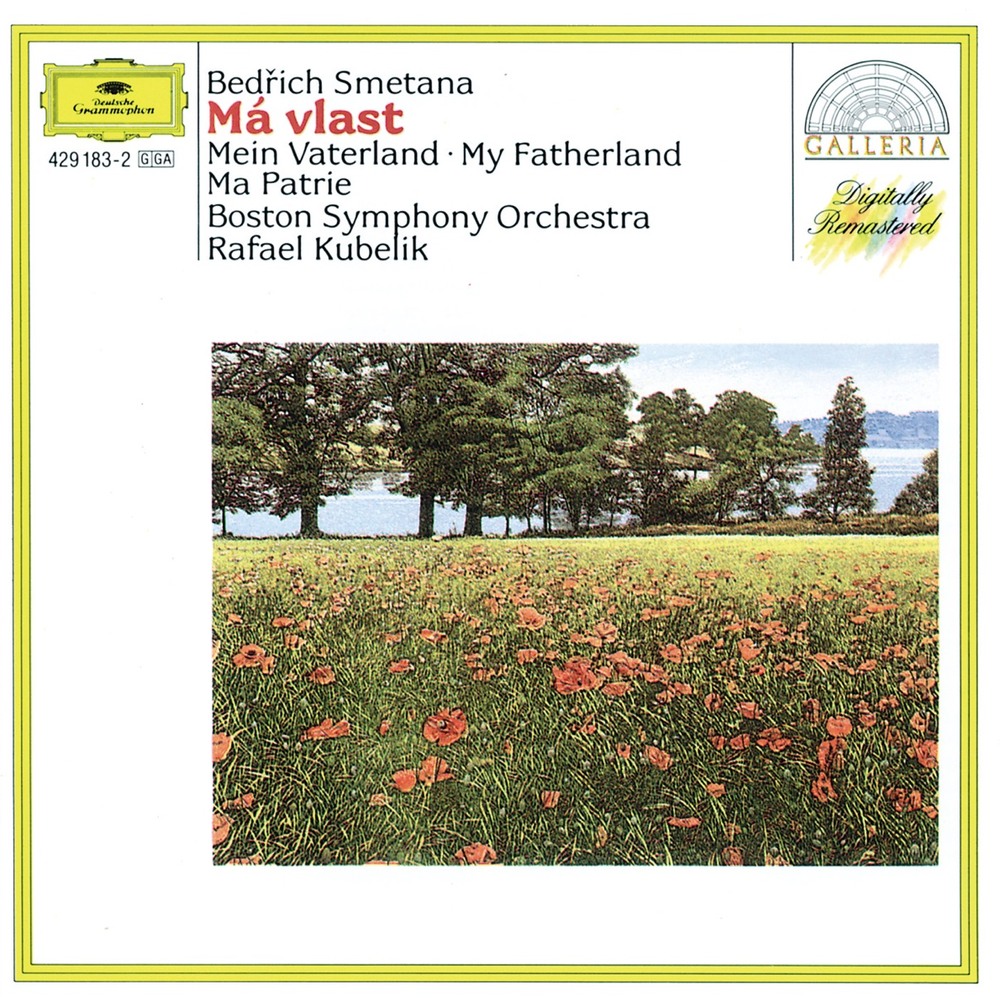
Smetana 'Má vlast' 'Vltava' — Kubelík·Boston Symphony

Smetana 'Má vlast' 'Vltava' — Kubelík·Boston Symphony

Smetana - Má vlast 'Vltava' — Kubelík & Boston Symphony

Follow the development of a small wave from the flute into the broad theme of the strings. In your first listen of 'Smetana - Má vlast 'Vltava' — Kubelík & Boston Symphony', stick to the guidepoints; in the second, expand to include the bass and inner parts. This will reveal the structure of Má vlast: II. Vltava and the length of the phrases chosen by the Boston Symphony Orchestra & Rafael Kubelík. Rather than waiting for famous passages, marking the moments when the timbre changes will keep you from losing track of the work's direction.

The track linked to 'Smetana - Má vlast 'Vltava' — Kubelík & Boston Symphony' is an actual recording featured in the album 'Smetana: Má vlast', introduced here under the criteria of 'Symphonic Poems that Tell Landscapes and Legends Without Lyrics'. The performance listed on Apple Music for 'Smetana - Má vlast 'Vltava' — Kubelík & Boston Symphony' features the Boston Symphony Orchestra & Rafael Kubelík and was released in 1989, which may differ from the time Bedřich Smetana wrote the piece, thus used solely as recording information in this context. When searching for other versions of 'Smetana - Má vlast 'Vltava' — Kubelík & Boston Symphony', check the work title, performers, and album to avoid confusion over identical recordings and reissues while also clarifying the context of 'Symphonic Poems that Tell Landscapes and Legends Without Lyrics'.
연주자 Boston Symphony Orchestra & Rafael Kubelik 작곡가 Bedřich Smetana 작품 Má vlast: II. Vltava 표시 발매 연도 1989 수록 음반 Smetana: Má vlast 형식 음원 감상 포인트 두 샘의 선율이 합쳐져 강의 흐름과 주변 풍경을 하나의 긴 여정으로 만든다. 듣기 팁 플루트의 작은 물결이 현악의 넓은 주제로 성장하는 과정을 따라가 보자.
바로가기
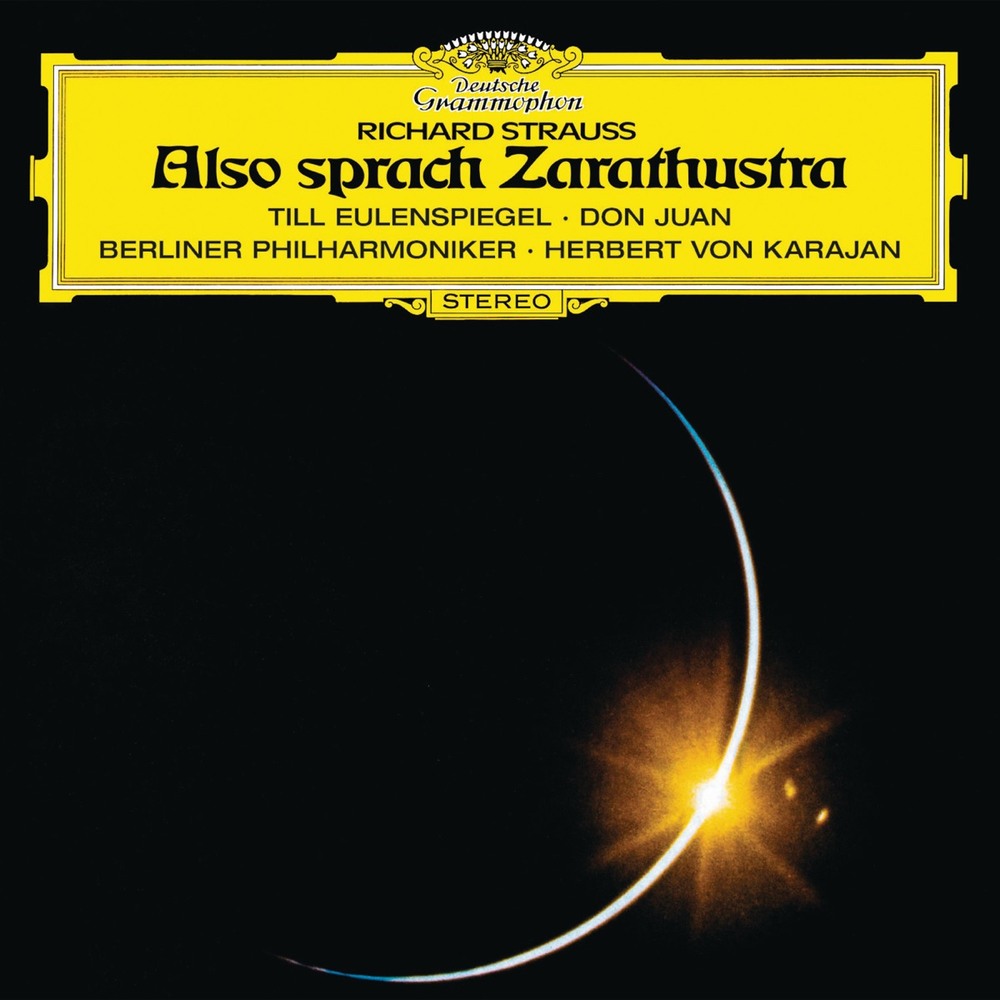
Richard Strauss 'Also sprach Zarathustra' Sunrise — Karajan

Richard Strauss 'Also sprach Zarathustra' Sunrise — Karajan

Richard Strauss - Also sprach Zarathustra Sunrise — Karajan

Listen carefully to the sequence in which harmonies brighten gradually from a low note. In 'Richard Strauss - Also sprach Zarathustra Sunrise — Karajan', confirm whether the same motive returns with variations in pitch and emphasis. The performance by the Berlin Philharmonic & Herbert von Karajan exemplifies not the grand sweep of Also sprach Zarathustra: Prelude but rather a showcase of connections between the parts. Finally, return to the beginning of 'Richard Strauss - Also sprach Zarathustra Sunrise — Karajan' to compare how your initial impressions have changed, clarifying the structure.

The track linked to 'Richard Strauss - Also sprach Zarathustra Sunrise — Karajan' is an actual recording featured in the album 'Richard Strauss: Tone Poems', introduced here under the criterion of 'Symphonic Poems that Tell Landscapes and Legends Without Lyrics'. The performers listed on Apple Music for 'Richard Strauss - Also sprach Zarathustra Sunrise — Karajan' are the Berlin Philharmonic & Herbert von Karajan, released in 1995, which may differ from the time Richard Strauss wrote this piece, thus used only as recording information here. When finding other versions of 'Richard Strauss - Also sprach Zarathustra Sunrise — Karajan', make sure to check the work title, performers, and album to avoid confusing identical recordings and reissues, while also clarifying the context of 'Symphonic Poems that Tell Landscapes and Legends Without Lyrics'.
연주자 Berlin Philharmonic & Herbert von Karajan 작곡가 Richard Strauss 작품 Also sprach Zarathustra: Prelude 표시 발매 연도 1995 수록 음반 Richard Strauss: Tone Poems 형식 음원 감상 포인트 오르간 저음과 금관의 상승 동기가 어둠에서 빛으로 열리는 거대한 장면을 만든다. 듣기 팁 저음의 한 음 위에서 화음이 단계적으로 밝아지는 순서를 들어보자.
바로가기
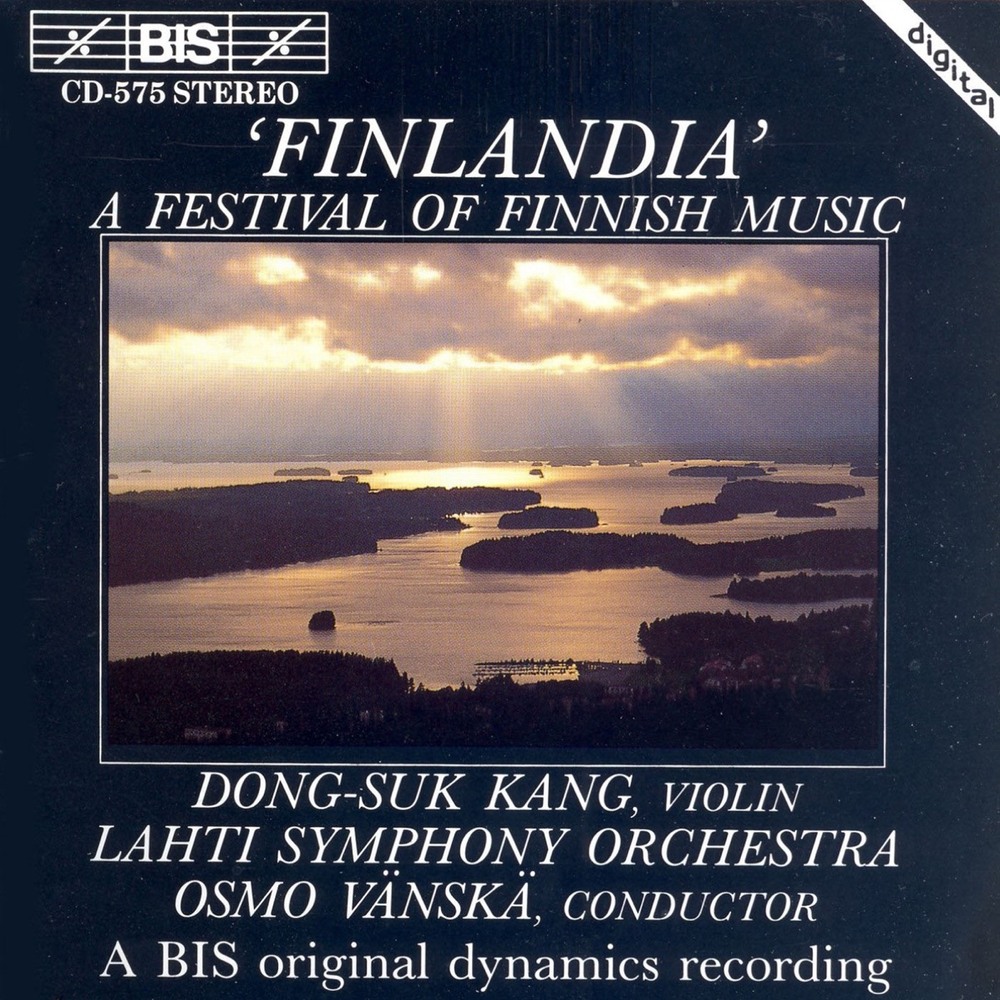
Sibelius 'Finlandia' — Vänskä·Lahti Symphony

Sibelius 'Finlandia' — Vänskä·Lahti Symphony

Sibelius - Finlandia — Vänskä & Lahti Symphony

Compare how the heavy rhythm in the beginning loosens with the breathing of the choral passage that follows. When revisiting this audio, focus on the overlapping and emptying sound order rather than the tempo. Finding which parts the repeated material of Finlandia, Op. 26 moves to will also reveal the balance of Sinfonia Lahti & Osmo Vänskä. Comparing the lingering echoes at the end of 'Sibelius - Finlandia — Vänskä & Lahti Symphony' with the first passage will help you understand emotional shifts within the structure.

The track linked to 'Sibelius - Finlandia — Vänskä & Lahti Symphony' is an actual recording featured in the album 'Finlandia: A Festival of Finnish Music', introduced here under the criteria of 'Symphonic Poems that Tell Landscapes and Legends Without Lyrics'. The performers listed on Apple Music for 'Sibelius - Finlandia — Vänskä & Lahti Symphony' are Sinfonia Lahti & Osmo Vänskä, released in 1992, which may differ from the time Jean Sibelius wrote this piece, thus used only as recording information in this context. When finding other versions of 'Sibelius - Finlandia — Vänskä & Lahti Symphony', check the work title, performers, and album together to prevent confusion over identical recordings and reissues while also clarifying the context of 'Symphonic Poems that Tell Landscapes and Legends Without Lyrics'.
연주자 Sinfonia Lahti & Osmo Vänskä 작곡가 Jean Sibelius 작품 Finlandia, Op. 26 표시 발매 연도 1992 수록 음반 Finlandia: A Festival of Finnish Music 형식 음원 감상 포인트 거친 금관과 고요한 찬가 선율이 억압과 희망의 대비를 압축한다. 듣기 팁 초반의 무거운 리듬이 후반 찬가에서 어떤 호흡으로 풀리는지 비교해보자.
바로가기
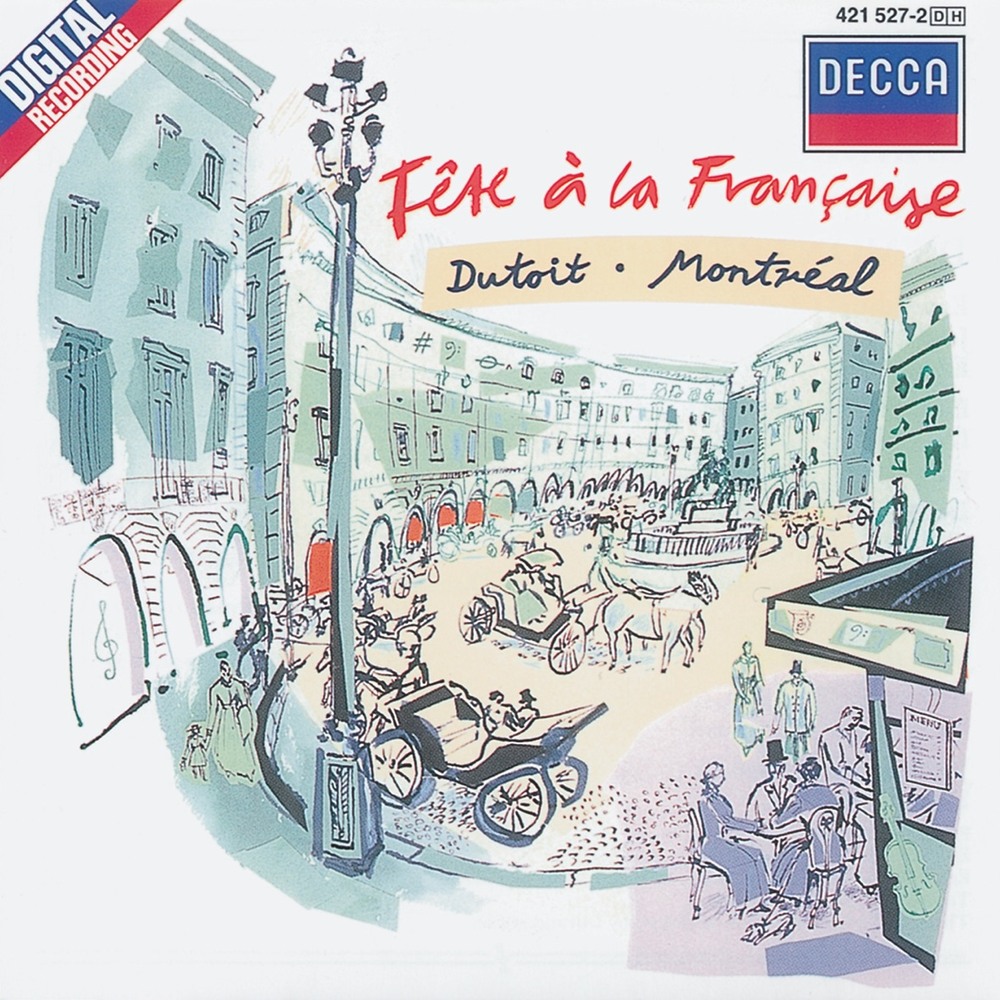
Dukas 'The Sorcerer's Apprentice' — Dutoit·Montreal

Dukas 'The Sorcerer's Apprentice' — Dutoit·Montreal

Dukas - The Sorcerer's Apprentice — Dutoit & Montreal

Look for the moment where the short motif of a spell multiplies into a commotion with more instruments. Next, listen to what the accompaniment and background parts are doing at the same moment in 'Dukas - The Sorcerer's Apprentice — Dutoit & Montreal'. Following the routes of the previously presented materials returning with different instruments and ranges will naturally reveal the design of L'Apprenti sorcier. Indicating where Charles Dutoit & Orchestre Symphonique de Montréal put emphasis also provides a standard for comparing with other performances.

The track linked to 'Dukas - The Sorcerer's Apprentice — Dutoit & Montreal' is an actual recording featured in the album 'Fête À La Française', introduced here under the criteria of 'Symphonic Poems that Tell Landscapes and Legends Without Lyrics'. The performers listed on Apple Music for 'Dukas - The Sorcerer's Apprentice — Dutoit & Montreal' are Charles Dutoit & Orchestre Symphonique de Montréal, released in 1989, which may differ from the time Paul Dukas wrote this piece, thus used only as recording information in this context. When finding other versions of 'Dukas - The Sorcerer's Apprentice — Dutoit & Montreal', check the work title, performers, and album together to prevent confusion over identical recordings and reissues while also clarifying the context of 'Symphonic Poems that Tell Landscapes and Legends Without Lyrics'.
연주자 Charles Dutoit & Orchestre Symphonique de Montréal 작곡가 Paul Dukas 작품 L'Apprenti sorcier 표시 발매 연도 1989 수록 음반 Fête À La Française 형식 음원 감상 포인트 바순의 주제와 반복 리듬이 주문이 통제를 벗어나는 과정을 생생하게 그린다. 듣기 팁 짧은 주문 동기가 악기 수를 늘리며 소동으로 번지는 지점을 찾아보자.
바로가기
Mussorgsky 'Night on Bald Mountain' — Dudamel·Vienna Phil

Mussorgsky 'Night on Bald Mountain' — Dudamel·Vienna Phil

Mussorgsky - Night on Bald Mountain — Dudamel & Vienna Philharmonic

Listen to how timbre and tempo settle down after the sound of a bell appears. When you listen to 'Mussorgsky - Night on Bald Mountain — Dudamel & Vienna Philharmonic' again, try finding the lowest and longest notes. The point where these two elements meet determines the tension and release of Night on Bald Mountain, also where the interpretation of Vienna Philharmonic & Gustavo Dudamel becomes clearer. Instead of focusing on volume, comparing the length of breath and resonance in 'Mussorgsky - Night on Bald Mountain — Dudamel & Vienna Philharmonic' clarifies the reason for choosing this version.

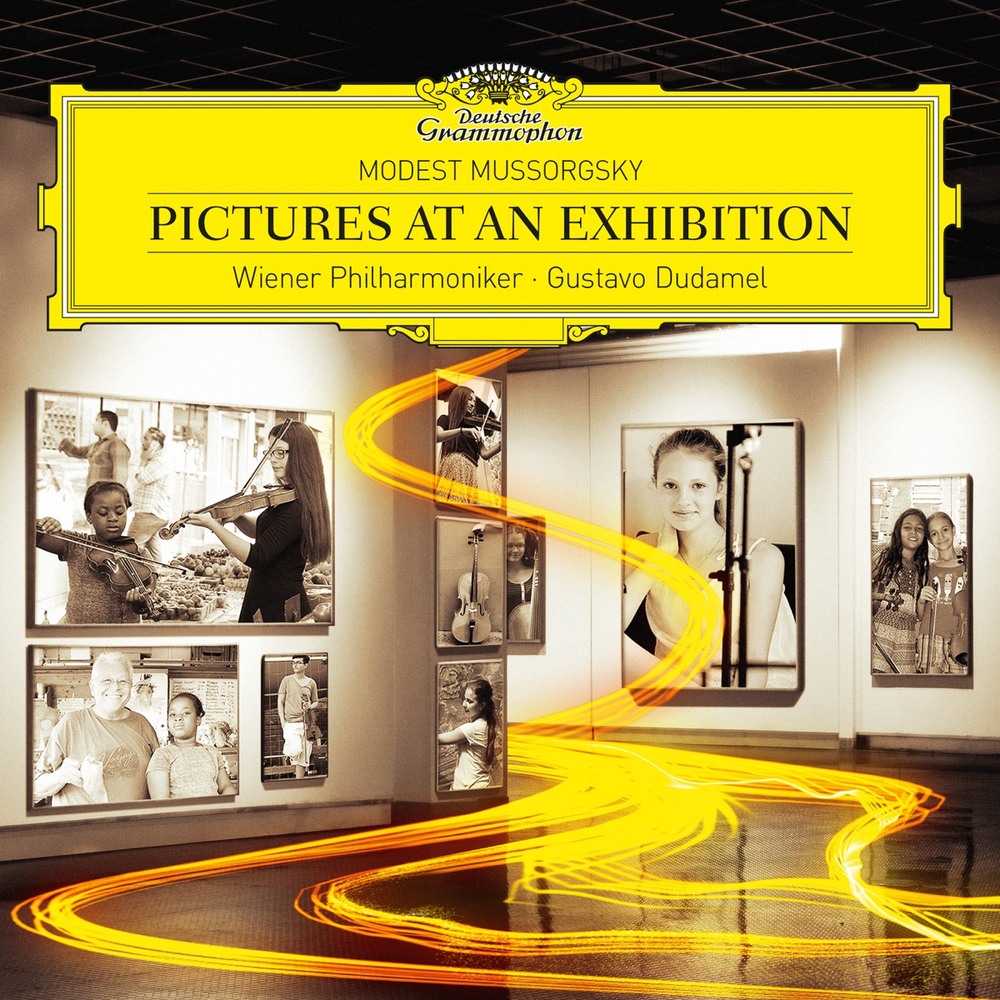
The track linked to 'Mussorgsky - Night on Bald Mountain — Dudamel & Vienna Philharmonic' is an actual recording featured in the album 'Mussorgsky: Pictures at an Exhibition', introduced here under the criteria of 'Symphonic Poems that Tell Landscapes and Legends Without Lyrics'. The performers listed on Apple Music for 'Mussorgsky - Night on Bald Mountain — Dudamel & Vienna Philharmonic' are Vienna Philharmonic & Gustavo Dudamel, released in 2016, which may differ from the time Modest Mussorgsky wrote this piece, thus used only as recording information here. When finding other versions of 'Mussorgsky - Night on Bald Mountain — Dudamel & Vienna Philharmonic', check the work title, performers, and album together to avoid confusion over identical recordings and reissues while also clarifying the context of 'Symphonic Poems that Tell Landscapes and Legends Without Lyrics'.
연주자 Vienna Philharmonic & Gustavo Dudamel 작곡가 Modest Mussorgsky 작품 Night on Bald Mountain 표시 발매 연도 2016 수록 음반 Mussorgsky: Pictures at an Exhibition 형식 음원 감상 포인트 빠른 현악과 거친 금관이 밤의 의식과 새벽의 해소를 극적으로 대비시킨다. 듣기 팁 종소리가 등장한 뒤 음색과 템포가 가라앉는 과정을 들어보자.
바로가기
Saint-Saëns 'Danse Macabre' — Dutoit·Philharmonia

Saint-Saëns 'Danse Macabre' — Dutoit·Philharmonia

Saint-Saëns - Danse Macabre — Dutoit & Philharmonia

Listen to how the violin theme spreads into the orchestra after the twelve signals from the harp. Next, examine whether the instruments that start and end the theme in 'Saint-Saëns - Danse Macabre — Dutoit & Philharmonia' are the same. Danse macabre, Op. 40 steadily progresses while repeating small gestures, altering the density of the background. Listening to where the Philharmonia Orchestra & Charles Dutoit emphasize these changes allows for a more nuanced understanding beyond mere atmospheric appreciation of this version.

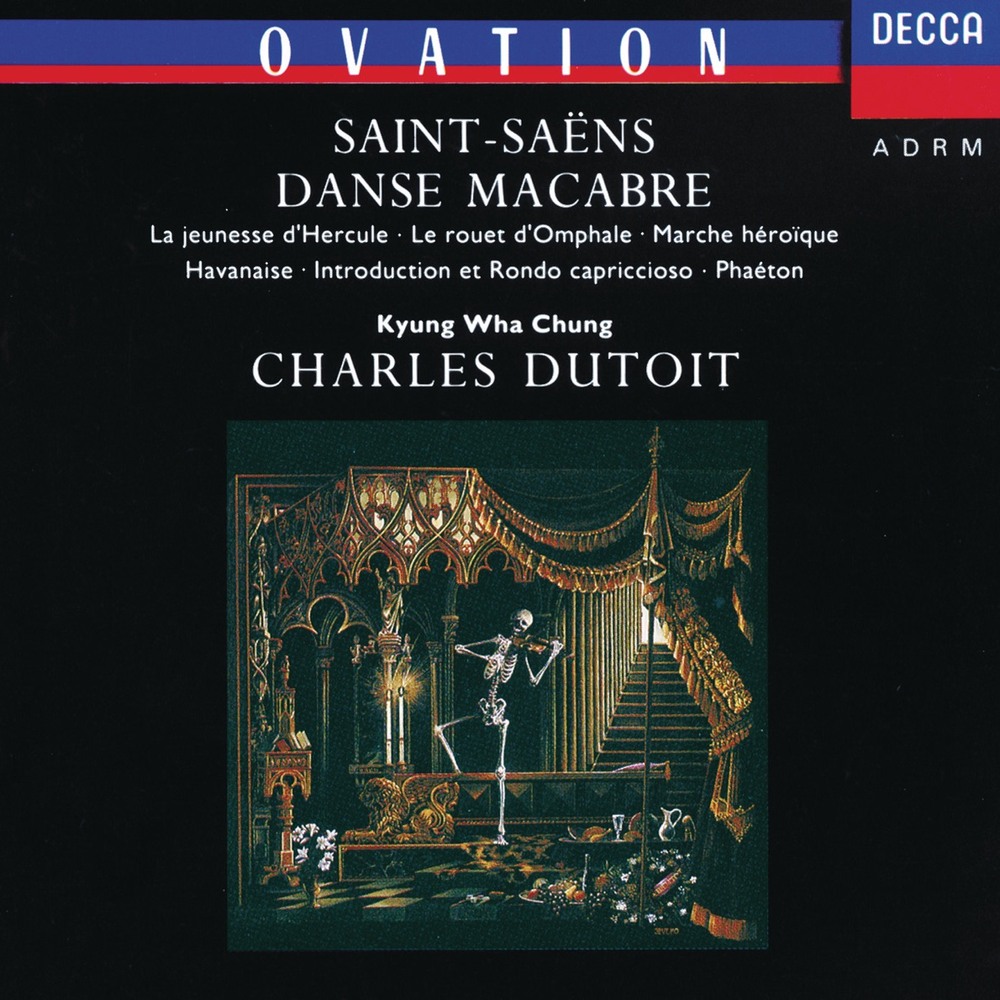
The track linked to 'Saint-Saëns - Danse Macabre — Dutoit & Philharmonia' is an actual recording featured in the album 'Saint-Saëns: Danse Macabre', introduced here under the criteria of 'Symphonic Poems that Tell Landscapes and Legends Without Lyrics'. The performers listed on Apple Music for 'Saint-Saëns - Danse Macabre — Dutoit & Philharmonia' are Philharmonia Orchestra & Charles Dutoit, released in 1981, which may differ from the time Camille Saint-Saëns wrote this piece, thus used only as recording information in this context. When finding other versions of 'Saint-Saëns - Danse Macabre — Dutoit & Philharmonia', check the work title, performers, and album together to avoid confusion over identical recordings and reissues while also clarifying the context of 'Symphonic Poems that Tell Landscapes and Legends Without Lyrics'.
연주자 Philharmonia Orchestra & Charles Dutoit 작곡가 Camille Saint-Saëns 작품 Danse macabre, Op. 40 표시 발매 연도 1981 수록 음반 Saint-Saëns: Danse Macabre 형식 음원 감상 포인트 조율을 비튼 독주 바이올린과 실로폰이 해골의 춤을 재치 있게 묘사한다. 듣기 팁 하프의 열두 번 신호 뒤 바이올린 주제가 어떻게 합주로 퍼지는지 들어보자.
바로가기
Liszt 'Les Préludes' — Karajan·Philharmonia

Liszt 'Les Préludes' — Karajan·Philharmonia

Liszt - Les Préludes — Karajan & Philharmonia

Focus on the process where the initially low string motif transforms into the triumph theme of the brass. In 'Liszt - Les Préludes — Karajan & Philharmonia', when the same passage repeats, select one of the tempo or dynamics to compare. Narrowing down to the criteria chosen by the Philharmonia Orchestra & Herbert von Karajan ensures you won't miss the inner parts and rhythms of Les Préludes, S. 97. Lastly, listen to the overall flow of 'Liszt - Les Préludes — Karajan & Philharmonia' again to confirm the impact of details on the work's impression.

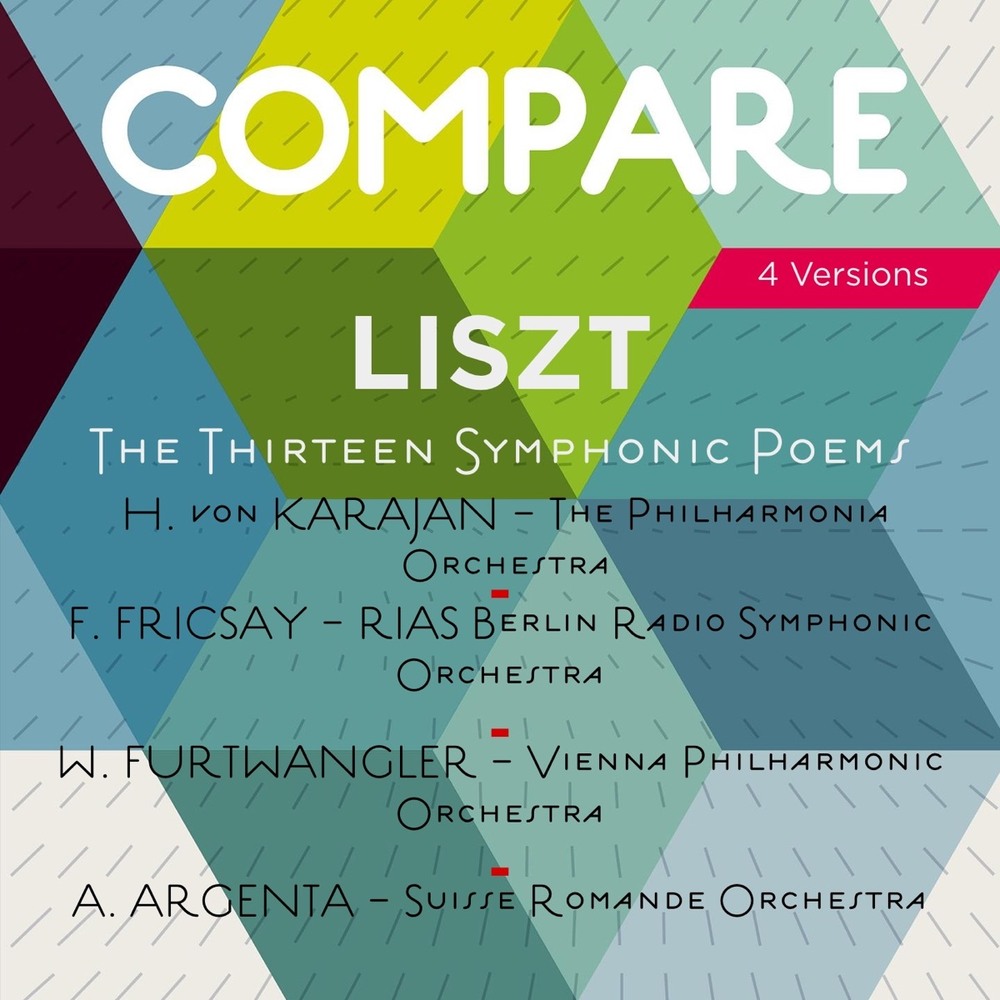
The track linked to 'Liszt - Les Préludes — Karajan & Philharmonia' is an actual recording featured in the album 'Liszt: Les préludes, Karajan vs. Fricsay vs. Furtwängler vs. Argenta (Compare 4 Versions)', introduced here under the criteria of 'Symphonic Poems that Tell Landscapes and Legends Without Lyrics'. The performers listed on Apple Music for 'Liszt - Les Préludes — Karajan & Philharmonia' are Philharmonia Orchestra & Herbert von Karajan, released in 2011, which may differ from the time Franz Liszt wrote this piece, thus used only as recording information in this context. When finding other versions of 'Liszt - Les Préludes — Karajan & Philharmonia', check the work title, performers, and album together to avoid confusion over identical recordings and reissues while also clarifying the context of 'Symphonic Poems that Tell Landscapes and Legends Without Lyrics'.
연주자 Philharmonia Orchestra & Herbert von Karajan 작곡가 Franz Liszt 작품 Les Préludes, S. 97 표시 발매 연도 2011 수록 음반 Liszt: Les préludes, Karajan vs. Fricsay vs. Furtwängler vs. Argenta (Compare 4 Versions) 형식 음원 감상 포인트 하나의 주제가 사랑·폭풍·전투의 성격으로 바뀌며 순환 구조를 만든다. 듣기 팁 처음의 낮은 현악 동기가 금관의 승리 주제로 변하는 과정에 집중해보자.
바로가기
Respighi 'Pines of Rome' - Appian Way — Reiner·Chicago

Respighi 'Pines of Rome' - Appian Way — Reiner·Chicago

Respighi's 'Pines of Rome' — The Appian Way — Reiner · Chicago

Let's start counting the layers of rhythm that begin in the deep bass and draw closer to the foreground. In the first listening of 'Respighi's 'Pines of Rome' — The Appian Way — Reiner · Chicago,' try to find one guiding sound, and in the next listening, add in the surrounding voices and silence. You can hear how Fritz Reiner and the Chicago Symphony Orchestra adjust the tempo and timbre as 'Pines of Rome: The Pines of the Appian Way' moves toward its climax. By comparing the beginning and ending resonance of 'Respighi's 'Pines of Rome' — The Appian Way — Reiner · Chicago,' the sense of distance and time created by the piece becomes more concrete.

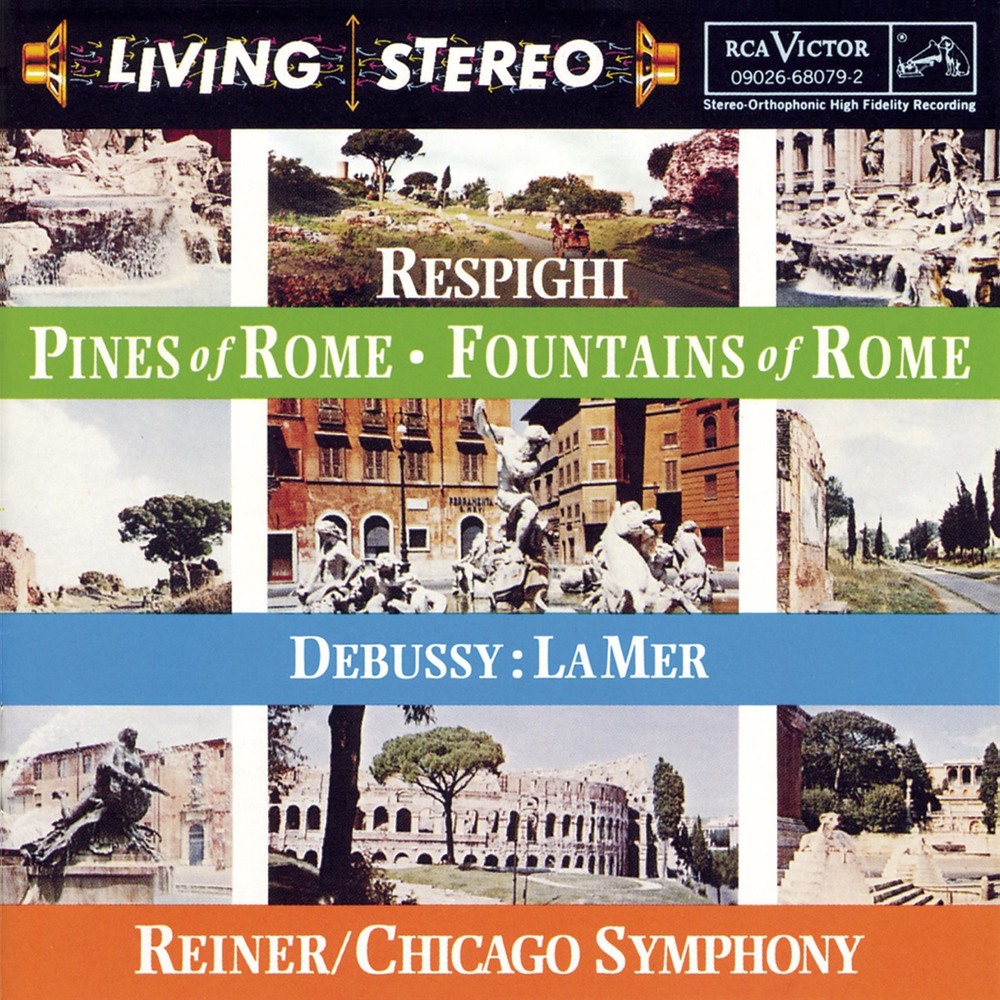
The track connected to 'Respighi's 'Pines of Rome' — The Appian Way — Reiner · Chicago' is a real recording included in 'Respighi: Pines of Rome, Fountains of Rome - Debussy: La Mer' and has been introduced under the criteria of 'symphonies that tell landscapes and legends without lyrics.' The performing artists for 'Respighi's 'Pines of Rome' — The Appian Way — Reiner · Chicago' on Apple Music are Fritz Reiner & Chicago Symphony Orchestra, and the release year is 1990. This date may differ from when Ottorino Respighi wrote the piece, so it will only be used as recording information in the context of 'symphonies that tell landscapes and legends without lyrics.' When looking for other versions of 'Respighi's 'Pines of Rome' — The Appian Way — Reiner · Chicago,' it’s essential to check the title, performers, and album to avoid confusing the same recording with re-releases, and to ensure the context of 'symphonies that tell landscapes and legends without lyrics' is taken into account.
연주자 Fritz Reiner & Chicago Symphony Orchestra 작곡가 Ottorino Respighi 작품 Pines of Rome: The Pines of the Appian Way 표시 발매 연도 1990 수록 음반 Respighi: Pines of Rome, Fountains of Rome - Debussy: La Mer 형식 음원 감상 포인트 먼 행진이 거대한 금관과 오르간으로 다가오며 고대 군대의 환영을 만든다. 듣기 팁 가장 먼 저음에서 시작한 박동이 전면으로 가까워지는 층을 세어보자.
바로가기
When listening to a symphonic poem, reading the program notes first can make the music feel like a quiz. In your first listen, follow just one theme and its timbral changes; then in the second, try to associate it with the title or storyline. Moments when the same motif shifts from a bright to dark tonality or expands from a solo instrument to full orchestra often represent narratives turning points.

The year indicated for the releases relates to the linked recordings and may differ from when the works were first written or performed. To reveal relations between the front and back, symphonic poems should be listened to in their entirety, but initially, familiarize yourself with select passages before extending to the full piece. If you find a work you enjoy, compare the tempos and climax positions of different conductors to see how much the storytelling speed and perspectives vary.
한눈에 보기 8개
Smetana 'Má vlast' 'Vltava' — Kubelík·Boston Symphony
Boston Symphony Orchestra & Rafael Kubelik · Bedřich Smetana · Má vlast: II. Vltava · 1989 · Smetana: Má vlast · 음원 · 두 샘의 선율이 합쳐져 강의 흐름과 주변 풍경을 하나의 긴 여정으로 만든다. · 플루트의 작은 물결이 현악의 넓은 주제로 성장하는 과정을 따라가 보자.
Richard Strauss 'Also sprach Zarathustra' Sunrise — Karajan
Berlin Philharmonic & Herbert von Karajan · Richard Strauss · Also sprach Zarathustra: Prelude · 1995 · Richard Strauss: Tone Poems · 음원 · 오르간 저음과 금관의 상승 동기가 어둠에서 빛으로 열리는 거대한 장면을 만든다. · 저음의 한 음 위에서 화음이 단계적으로 밝아지는 순서를 들어보자.
Sibelius 'Finlandia' — Vänskä·Lahti Symphony
Sinfonia Lahti & Osmo Vänskä · Jean Sibelius · Finlandia, Op. 26 · 1992 · Finlandia: A Festival of Finnish Music · 음원 · 거친 금관과 고요한 찬가 선율이 억압과 희망의 대비를 압축한다. · 초반의 무거운 리듬이 후반 찬가에서 어떤 호흡으로 풀리는지 비교해보자.
Dukas 'The Sorcerer's Apprentice' — Dutoit·Montreal
Charles Dutoit & Orchestre Symphonique de Montréal · Paul Dukas · L'Apprenti sorcier · 1989 · Fête À La Française · 음원 · 바순의 주제와 반복 리듬이 주문이 통제를 벗어나는 과정을 생생하게 그린다. · 짧은 주문 동기가 악기 수를 늘리며 소동으로 번지는 지점을 찾아보자.
Mussorgsky 'Night on Bald Mountain' — Dudamel·Vienna Phil
Vienna Philharmonic & Gustavo Dudamel · Modest Mussorgsky · Night on Bald Mountain · 2016 · Mussorgsky: Pictures at an Exhibition · 음원 · 빠른 현악과 거친 금관이 밤의 의식과 새벽의 해소를 극적으로 대비시킨다. · 종소리가 등장한 뒤 음색과 템포가 가라앉는 과정을 들어보자.
Saint-Saëns 'Danse Macabre' — Dutoit·Philharmonia
Philharmonia Orchestra & Charles Dutoit · Camille Saint-Saëns · Danse macabre, Op. 40 · 1981 · Saint-Saëns: Danse Macabre · 음원 · 조율을 비튼 독주 바이올린과 실로폰이 해골의 춤을 재치 있게 묘사한다. · 하프의 열두 번 신호 뒤 바이올린 주제가 어떻게 합주로 퍼지는지 들어보자.
Liszt 'Les Préludes' — Karajan·Philharmonia
Philharmonia Orchestra & Herbert von Karajan · Franz Liszt · Les Préludes, S. 97 · 2011 · Liszt: Les préludes, Karajan vs. Fricsay vs. Furtwängler vs. Argenta (Compare 4 Versions) · 음원 · 하나의 주제가 사랑·폭풍·전투의 성격으로 바뀌며 순환 구조를 만든다. · 처음의 낮은 현악 동기가 금관의 승리 주제로 변하는 과정에 집중해보자.
Respighi 'Pines of Rome' - Appian Way — Reiner·Chicago
Fritz Reiner & Chicago Symphony Orchestra · Ottorino Respighi · Pines of Rome: The Pines of the Appian Way · 1990 · Respighi: Pines of Rome, Fountains of Rome - Debussy: La Mer · 음원 · 먼 행진이 거대한 금관과 오르간으로 다가오며 고대 군대의 환영을 만든다. · 가장 먼 저음에서 시작한 박동이 전면으로 가까워지는 층을 세어보자.

이 포스팅은 쿠팡 파트너스 활동의 일환으로, 이에 따른 일정액의 수수료를 제공받습니다.

댓글 0

로그인 후 댓글을 작성할 수 있습니다.

첫 댓글을 남겨보세요.

이런 리스트는 어때요?

이런 리스트도 추천해요

🎲

여기서 멈추기엔 아쉽잖아?

다음에 뭘 볼지 고민하는 시간이 제일 아까워.
주사위가 대신 골라줄게 — 무슨 리스트가 튀어나올지는 굴려봐야 알지.
안 누르면… 평생 궁금하지 않겠어? 👀

All menu
Login required
Log in
Categories
Language
Display mode
✦ ✦ ✦ ✦ ✦

Drum roll… picking a list!

모하지
Use Mohazi as an app
Open it from your home screen and browse faster.
On iPhone, tap the Share button at the bottom of Safari, then choose “Add to Home Screen” to use it like an app.