A Poem Meets Voice and Piano: The Art Song
Collection Classical 2026.09.28

A Poem Meets Voice and Piano: The Art Song

Listening to the Roles of Language and Accompaniment in German Lieder, French Melodies, and Orchestral Art Songs with Actual Audio Sources

The art song is a genre where a short poem is interpreted together by voice and piano or orchestra. The accompaniment doesn't just provide a background to support the song; instead, it reveals movements not found in the poem, like the spinning of a wheel, the sound of hooves, the light of evening, and a world fading away. Even if you don’t understand all the lyrics, you can follow the repeated rhythms, harmonic changes, and the consonants and breaths of the vocalist to see where the speaker’s emotions shift.

This list connects the German Lieder of Schubert and Schumann with the French melodies of Fauré and Debussy, as well as the orchestral songs of Mahler and Strauss, and British art songs by Vaughan Williams. It juxtaposes narrative pieces with more introspective ones to compare how the piano paints a scene and how the voice lengthens the language. Each item contains musical cues that can be listened to without translation.
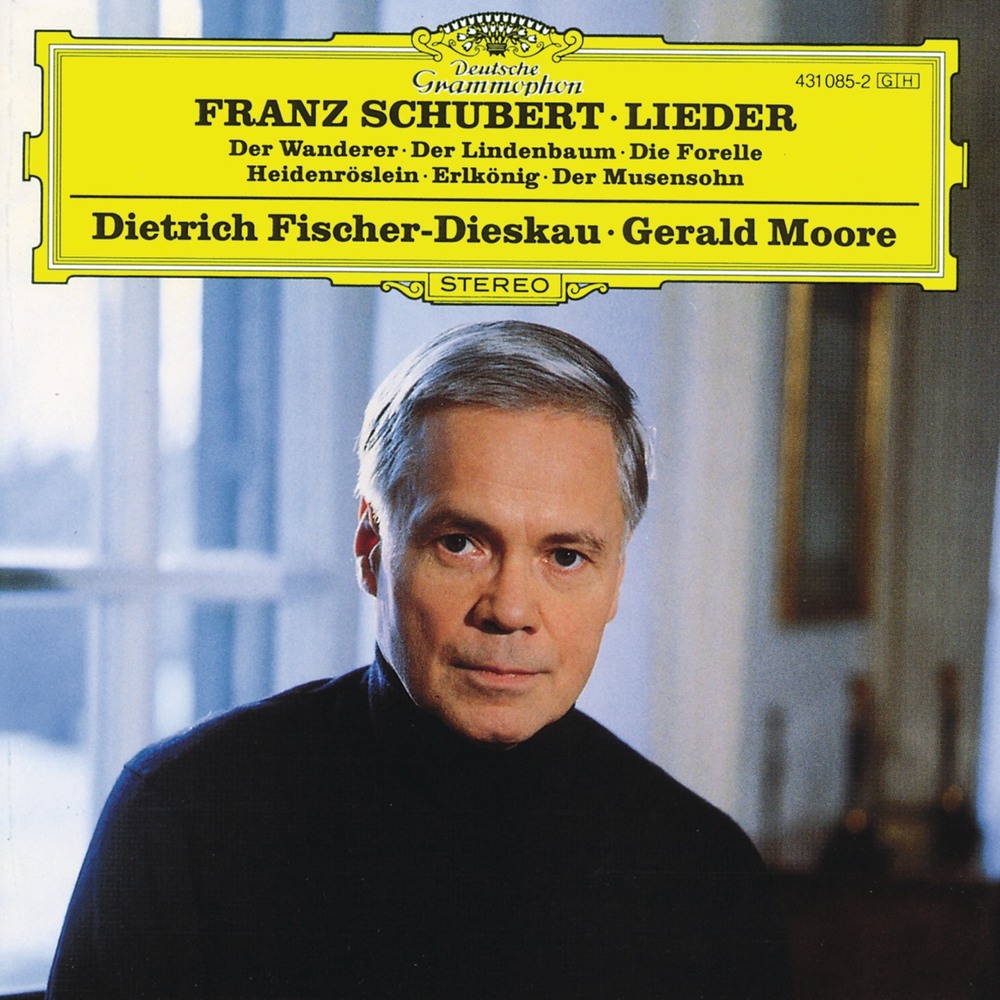
Schubert 'Erlkönig' — Fischer-Dieskau·Gerald Moore

Schubert 'Erlkönig' — Fischer-Dieskau·Gerald Moore

Schubert's 'Erlkönig' — Fischer-Dieskau & Gerald Moore

Let's listen to how the speaker, the father, the child, and the Erlking are differentiated by range and timbre. In your first listening of 'Schubert's 'Erlkönig' — Fischer-Dieskau & Gerald Moore', follow the guided points, and in the second, broaden your focus to include the bass and inner voices. This will reveal the structure of Erlkönig, D. 328 and the lengths of the phrases chosen by Dietrich Fischer-Dieskau & Gerald Moore. Instead of waiting for the famous passages, mark the moments when the timbre changes to keep track of the piece's direction.

The track linked under 'Schubert's 'Erlkönig' — Fischer-Dieskau & Gerald Moore' is an actual recording featured in 'Schubert: Lieder'. It has been introduced as part of 'A Poem Meets Voice and Piano: The Art Song'. The performers noted on Apple Music for 'Schubert's 'Erlkönig' — Fischer-Dieskau & Gerald Moore' are Dietrich Fischer-Dieskau & Gerald Moore, and the release year is 1970. This date may differ from the time Franz Schubert composed the work, so it is used solely for recording information in the context of 'A Poem Meets Voice and Piano: The Art Song'. When searching for other versions of works like 'Schubert's 'Erlkönig' — Fischer-Dieskau & Gerald Moore', check the work title, performers, and album to avoid confusing the same recording with reissues.
연주자 Dietrich Fischer-Dieskau & Gerald Moore 작곡가 Franz Schubert 작품 Erlkönig, D. 328 표시 발매 연도 1970 수록 음반 Schubert: Lieder 형식 음원 감상 포인트 질주하는 피아노와 한 성악가의 네 인물이 밤의 추격을 극적으로 만든다. 듣기 팁 화자·아버지·아이·마왕이 음역과 음색으로 어떻게 구분되는지 들어보자.
바로가기
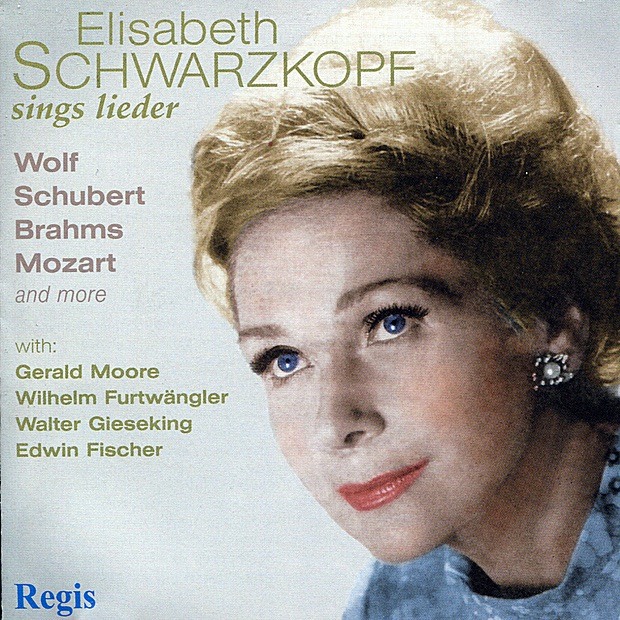
Schubert 'Gretchen am Spinnrade' — Schwarzkopf·Fischer

Schubert 'Gretchen am Spinnrade' — Schwarzkopf·Fischer

Schubert's 'Gretchen am Spinnrade' — Schwarzkopf & Fischer

Let's listen for the moment when the spinning wheel rhythm stops as Gretchen recalls a kiss. In 'Schubert's 'Gretchen am Spinnrade' — Schwarzkopf & Fischer', follow up to see if the range and emphasis change when the same motif returns. The performance by Elisabeth Schwarzkopf & Edwin Fischer illustrates the larger flow of Gretchen am Spinnrade through the connections of each part rather than exaggerating them. At the end, return to the beginning of 'Schubert's 'Gretchen am Spinnrade' — Schwarzkopf & Fischer' and compare the points that have changed from your first impression; this will clarify the structure.

The track linked under 'Schubert's 'Gretchen am Spinnrade' — Schwarzkopf & Fischer' is an actual recording featured in 'Elisabeth Schwarzkopf Sings Lieder' and has been introduced in accordance with the selection criteria of 'A Poem Meets Voice and Piano: The Art Song'. The performers noted on Apple Music for 'Schubert's 'Gretchen am Spinnrade' — Schwarzkopf & Fischer' are Elisabeth Schwarzkopf & Edwin Fischer and the release year is 1997. This date may differ from the time Franz Schubert composed the work, so it is used solely for recording information in the context of 'A Poem Meets Voice and Piano: The Art Song'. When looking for other versions of works similar to 'Schubert's 'Gretchen am Spinnrade' — Schwarzkopf & Fischer', check the work title, performers, and album to avoid confusing the same recording with reissues.
연주자 Elisabeth Schwarzkopf & Edwin Fischer 작곡가 Franz Schubert 작품 Gretchen am Spinnrade 표시 발매 연도 1997 수록 음반 Elisabeth Schwarzkopf Sings Lieder 형식 음원 감상 포인트 끊임없는 피아노 회전과 불안한 베이스가 그레첸의 집착과 흔들림을 그린다. 듣기 팁 그레첸이 입맞춤을 떠올릴 때 물레 리듬이 멈추는 순간을 들어보자.
바로가기
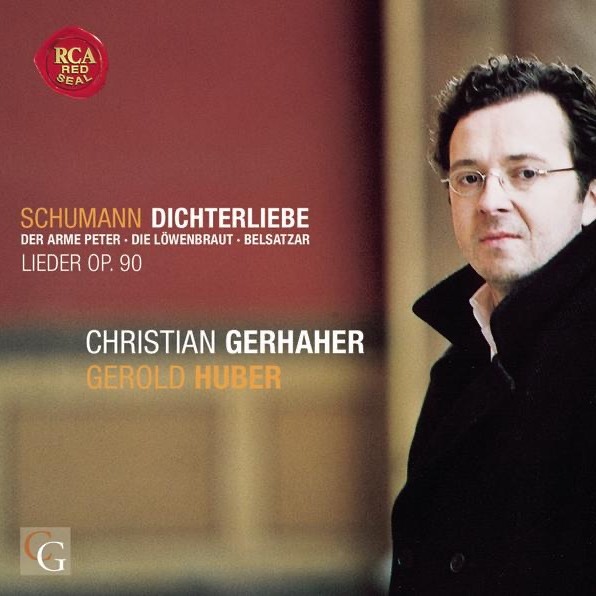
Schumann 'Dichterliebe: Im wunderschönen Monat Mai' — Gerhaher·Huber

Schumann 'Dichterliebe: Im wunderschönen Monat Mai' — Gerhaher·Huber

Schumann's 'Dichterliebe' 'Im wunderschönen Monat Mai' — Gerhaher & Huber

Let's listen to the feeling that the final piano harmony is not fully resolved. When listening to this audio again, focus on the order in which sounds overlap and recede rather than the tempo. Finding out which vocal part the repetitive material in Dichterliebe: Im wunderschönen Monat Mai moves to can also confirm the balance of Christian Gerhaher & Gerold Huber. Comparing the residue left at the end of 'Schumann's 'Dichterliebe' 'Im wunderschönen Monat Mai' — Gerhaher & Huber' with the first line will help understand the emotional transitions within the structure.

The track linked under 'Schumann's 'Dichterliebe' 'Im wunderschönen Monat Mai' — Gerhaher & Huber' is an actual recording featured in 'Schumann: Dichterliebe, Lieder Op. 90' and has been introduced in line with the selection criteria of 'A Poem Meets Voice and Piano: The Art Song'. The performers noted on Apple Music for 'Schumann's 'Dichterliebe' 'Im wunderschönen Monat Mai' — Gerhaher & Huber' are Christian Gerhaher & Gerold Huber and the release year is 2004. This date may differ from the time Robert Schumann composed the work, so it is used solely for recording information in the context of 'A Poem Meets Voice and Piano: The Art Song'. When looking for other versions of works like 'Schumann's 'Dichterliebe' 'Im wunderschönen Monat Mai' — Gerhaher & Huber', check the work title, performers, and album to avoid confusing the same recording with reissues.
연주자 Christian Gerhaher & Gerold Huber 작곡가 Robert Schumann 작품 Dichterliebe: Im wunderschönen Monat Mai 표시 발매 연도 2004 수록 음반 Schumann: Dichterliebe, Lieder Op. 90 형식 음원 감상 포인트 끝나지 않은 화성이 사랑의 고백과 불확실함을 동시에 남긴다. 듣기 팁 마지막 피아노 화음이 완전히 해결되지 않는 느낌을 들어보자.
바로가기
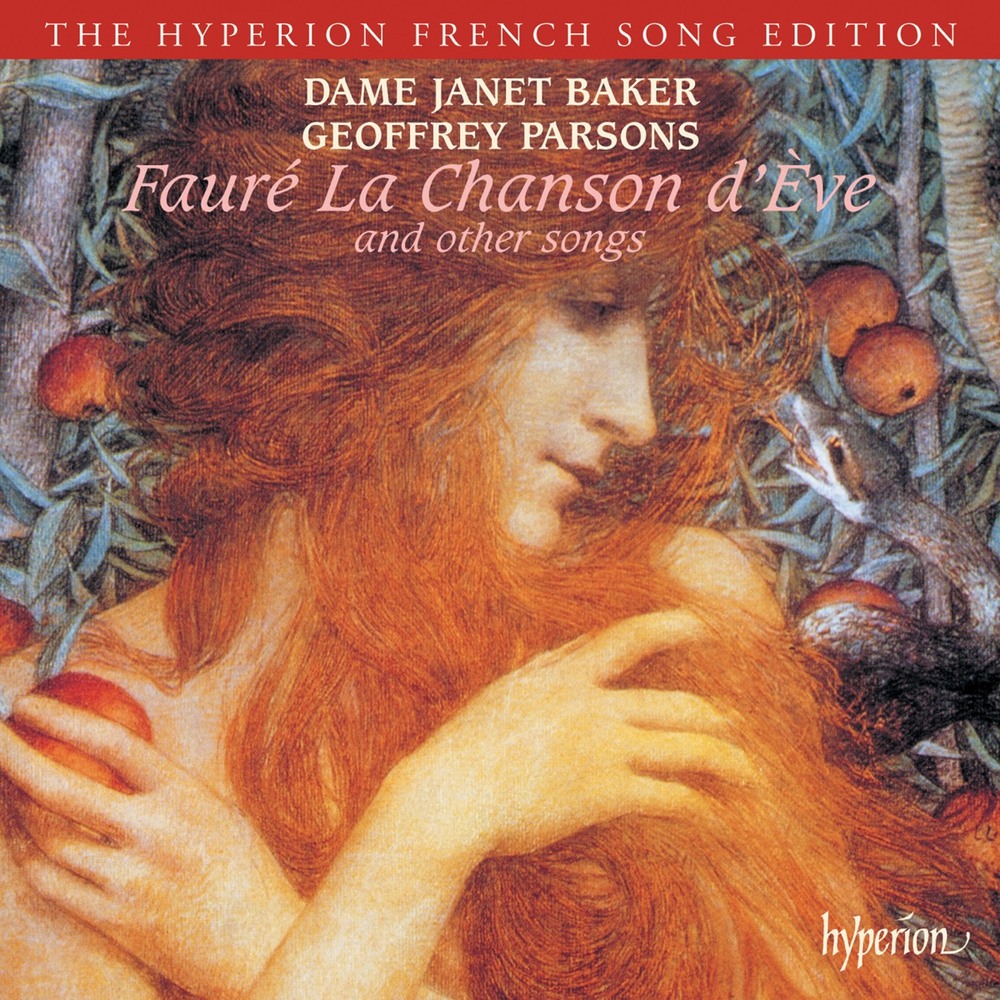
Fauré 'Après un rêve' — Janet Baker·Parsons

Fauré 'Après un rêve' — Janet Baker·Parsons

Fauré's 'Après un rêve' — Janet Baker & Parsons

Let's listen to how the high notes in the latter portion reach their peak before the accompaniment recedes. Next, in 'Fauré's 'Après un rêve' — Janet Baker & Parsons', listen to what the accompaniment and background voices are doing at the same moment. Tracking how previously heard materials return in different instruments and ranges will naturally reveal the construction of Après un rêve, Op. 7 No. 1. If you also note the positions that Dame Janet Baker & Geoffrey Parsons emphasize, you'll have a basis for comparison with other performances.

The track linked under 'Fauré's 'Après un rêve' — Janet Baker & Parsons' is an actual recording featured in 'Fauré: La chanson d'Ève & Other Songs (Hyperion French Song Edition)' and has been introduced based on the selection criteria of 'A Poem Meets Voice and Piano: The Art Song'. The performers noted on Apple Music for 'Fauré's 'Après un rêve' — Janet Baker & Parsons' are Dame Janet Baker & Geoffrey Parsons and the release year is 1989. This date may differ from the time Gabriel Fauré composed the work, so it is used solely for recording information in the context of 'A Poem Meets Voice and Piano: The Art Song'. When looking for other versions of works similar to 'Fauré's 'Après un rêve' — Janet Baker & Parsons', check the work title, performers, and album to avoid confusing the same recording with reissues.
연주자 Dame Janet Baker & Geoffrey Parsons 작곡가 Gabriel Fauré 작품 Après un rêve, Op. 7 No. 1 표시 발매 연도 1989 수록 음반 Fauré: La chanson d'Ève & Other Songs (Hyperion French Song Edition) 형식 음원 감상 포인트 긴 선율과 상승하는 화성이 꿈의 황홀함과 깨어남의 아쉬움을 연결한다. 듣기 팁 후반의 높은 음이 절정에 도달한 뒤 반주가 가라앉는 방식을 들어보자.
바로가기
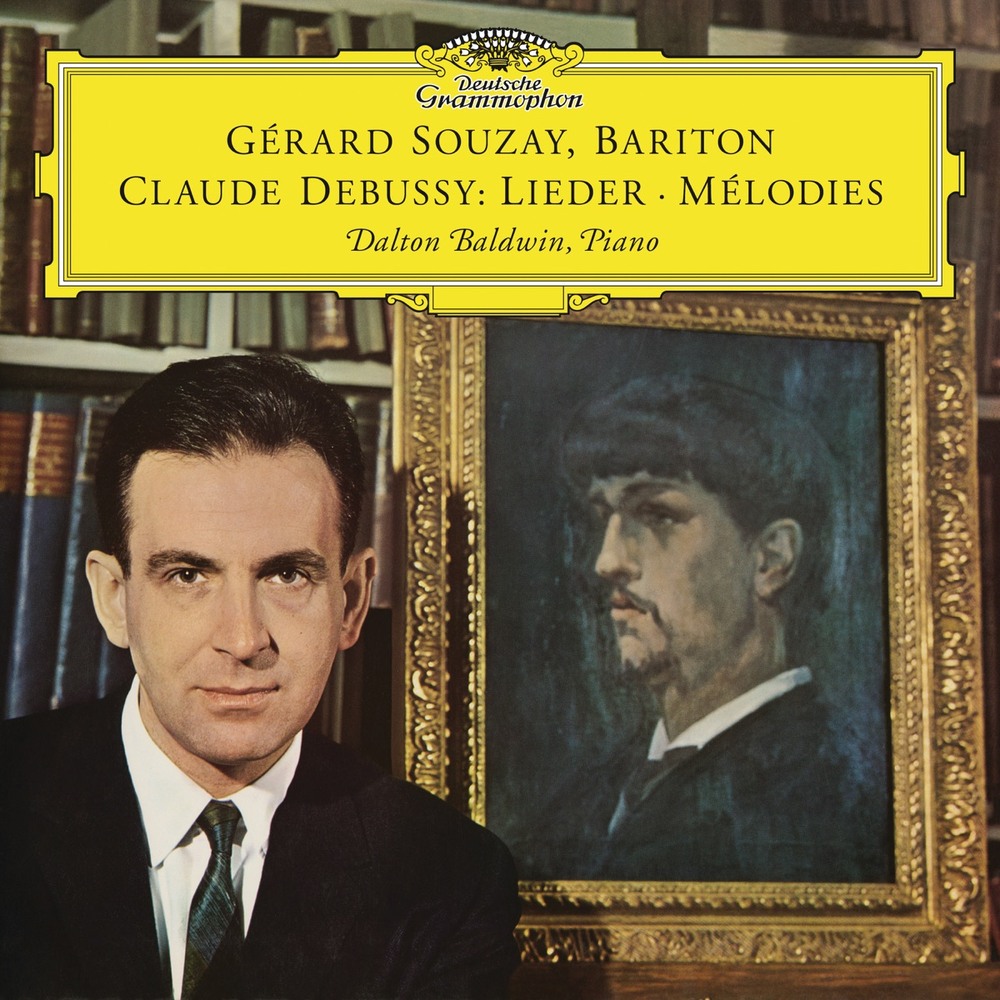
Debussy 'Beau soir' — Souzay·Baldwin

Debussy 'Beau soir' — Souzay·Baldwin

Debussy's 'Beau soir' — Souzay & Baldwin

Let's listen for whether the lengths of the vocal melody change over the same accompaniment pattern. In 'Debussy's 'Beau soir' — Souzay & Baldwin', when you listen again, find the lowest and longest notes respectively. The points where these two elements meet determine the tension and relaxation of Beau soir, clarifying the interpretation of Gérard Souzay & Dalton Baldwin. By comparing breathing and reverberation lengths in 'Debussy's 'Beau soir' — Souzay & Baldwin' rather than the volume, the reason for choosing this version becomes clearer.

The track linked under 'Debussy's 'Beau soir' — Souzay & Baldwin' is an actual recording featured in 'Debussy: Lieder' and has been introduced according to the selection criteria of 'A Poem Meets Voice and Piano: The Art Song'. The performers noted on Apple Music for 'Debussy's 'Beau soir' — Souzay & Baldwin' are Gérard Souzay & Dalton Baldwin and the release year is 1962. This date may differ from the time Claude Debussy composed the work, so it is used solely for recording information in the context of 'A Poem Meets Voice and Piano: The Art Song'. When searching for other versions of works like 'Debussy's 'Beau soir' — Souzay & Baldwin', check the work title, performers, and album to avoid confusing the same recording with reissues.
연주자 Gérard Souzay & Dalton Baldwin 작곡가 Claude Debussy 작품 Beau soir 표시 발매 연도 1962 수록 음반 Debussy: Lieder 형식 음원 감상 포인트 유연한 피아노 물결과 담담한 노래가 저녁 풍경과 삶의 덧없음을 겹친다. 듣기 팁 같은 반주 무늬 위에서 성악 선율의 길이가 달라지는지 들어보자.
바로가기
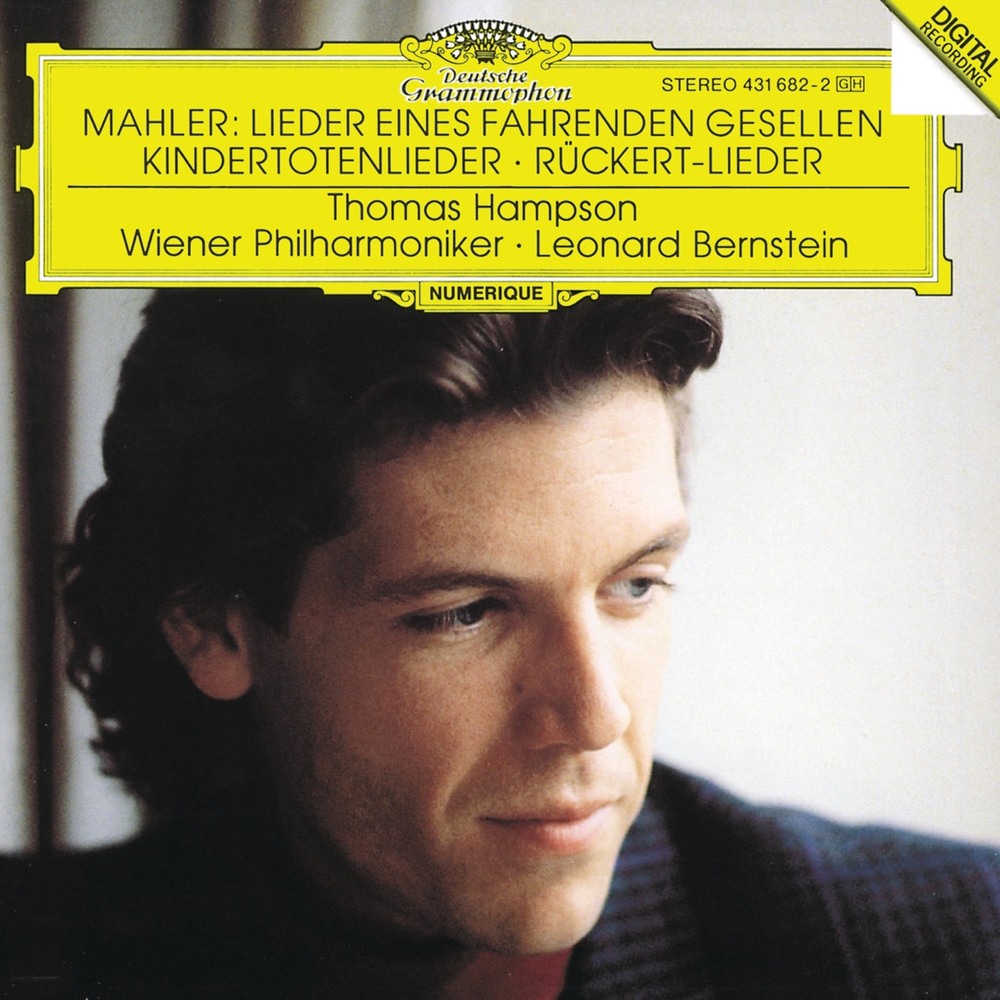
Mahler 'I Have Been Forgotten in This World' — Hampson·Bernstein

Mahler 'I Have Been Forgotten in This World' — Hampson·Bernstein

Mahler's 'Ich bin der Welt abhanden gekommen' — Hampson & Bernstein

Let's listen to the boundary where the English horn's melody and the voice connect. Next, in 'Mahler's 'Ich bin der Welt abhanden gekommen' — Hampson & Bernstein', check whether the instrument introducing the theme and the one concluding it are the same. Ich bin der Welt abhanden gekommen repeats small movements while changing the density of the background and moving forward. By listening to where Leonard Bernstein, Thomas Hampson & the Vienna Philharmonic emphasize those changes, you can explain the nature of the version beyond simply enjoying the atmosphere.

The track linked under 'Mahler's 'Ich bin der Welt abhanden gekommen' — Hampson & Bernstein' is an actual recording featured in 'Mahler: Lieder eines fahrenden Gesellen, Kindertotenlieder & Fünf Rückertlieder' and has been introduced in accordance with the selection criteria of 'A Poem Meets Voice and Piano: The Art Song'. The performers noted on Apple Music for 'Mahler's 'Ich bin der Welt abhanden gekommen' — Hampson & Bernstein' are Leonard Bernstein, Thomas Hampson & the Vienna Philharmonic, and the release year is 1991. This date may differ from the time Gustav Mahler composed the work, so it is used solely for recording information in the context of 'A Poem Meets Voice and Piano: The Art Song'. When looking for other versions of works like 'Mahler's 'Ich bin der Welt abhanden gekommen' — Hampson & Bernstein', check the work title, performers, and album to avoid confusing the same recording with reissues.
연주자 Leonard Bernstein, Thomas Hampson & Vienna Philharmonic 작곡가 Gustav Mahler 작품 Ich bin der Welt abhanden gekommen 표시 발매 연도 1991 수록 음반 Mahler: Lieder eines fahrenden Gesellen, Kindertotenlieder & Fünf Rückertlieder 형식 음원 감상 포인트 고요한 관현악과 긴 호흡이 고립을 평온한 내면의 세계로 바꾼다. 듣기 팁 잉글리시 호른의 선율과 목소리가 서로 이어지는 경계를 들어보자.
바로가기
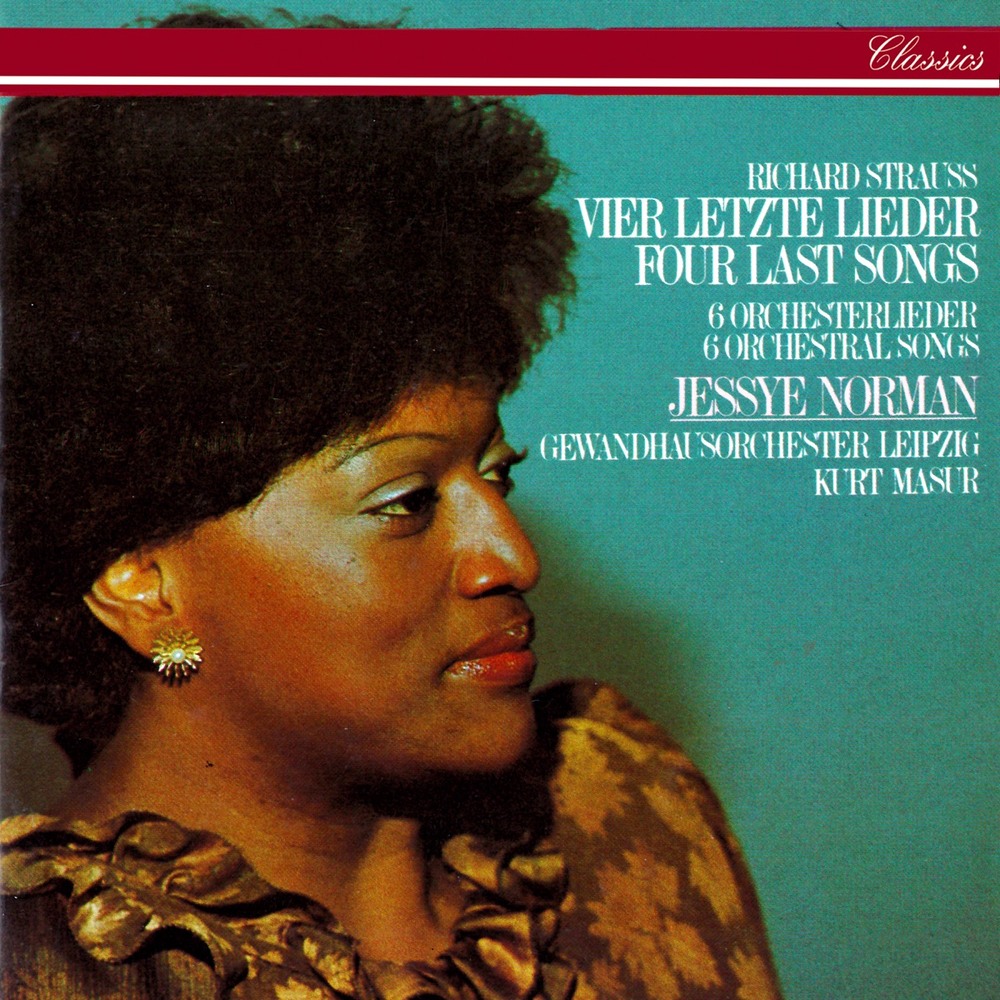
Richard Strauss 'Tomorrow' — Jessye Norman·Kurt Masur

Richard Strauss 'Tomorrow' — Jessye Norman·Kurt Masur

Richard Strauss's 'Morgen' — Norman & Masur

Let's listen to what emotions the orchestra creates before the voice comes in late. In 'Richard Strauss's 'Morgen' — Norman & Masur', when the same phrase is repeated, let's pick one of either speed or dynamics to compare. By narrowing your focus based on choices made by Jessye Norman, Gewandhausorchester Leipzig & Kurt Masur, you won't miss the inner voices and rhythms of Morgen, Op. 27 No. 4. Finally, listen to the overall flow of 'Richard Strauss's 'Morgen' — Norman & Masur' again and check how the details impacted the impression of the piece.

The track linked under 'Richard Strauss's 'Morgen' — Norman & Masur' is an actual recording featured in 'Strauss, R.: Four Last Songs; 6 Orchestral Songs' and has been introduced in line with the selection criteria of 'A Poem Meets Voice and Piano: The Art Song'. The performers noted on Apple Music for 'Richard Strauss's 'Morgen' — Norman & Masur' are Jessye Norman, Gewandhausorchester Leipzig & Kurt Masur, and the release year is 1983. This date may differ from the time Richard Strauss composed the work, so it is used solely for recording information in the context of 'A Poem Meets Voice and Piano: The Art Song'. When looking for other versions of works similar to 'Richard Strauss's 'Morgen' — Norman & Masur', be sure to check the work title, performers, and album to avoid confusing the same recording with reissues.
연주자 Jessye Norman, Gewandhausorchester Leipzig & Kurt Masur 작곡가 Richard Strauss 작품 Morgen, Op. 27 No. 4 표시 발매 연도 1983 수록 음반 Strauss, R.: Four Last Songs; 6 Orchestral Songs 형식 음원 감상 포인트 바이올린의 긴 선율과 절제된 목소리가 미래의 만남을 조용히 약속한다. 듣기 팁 목소리가 늦게 들어오기 전 관현악이 이미 어떤 감정을 만드는지 들어보자.
바로가기
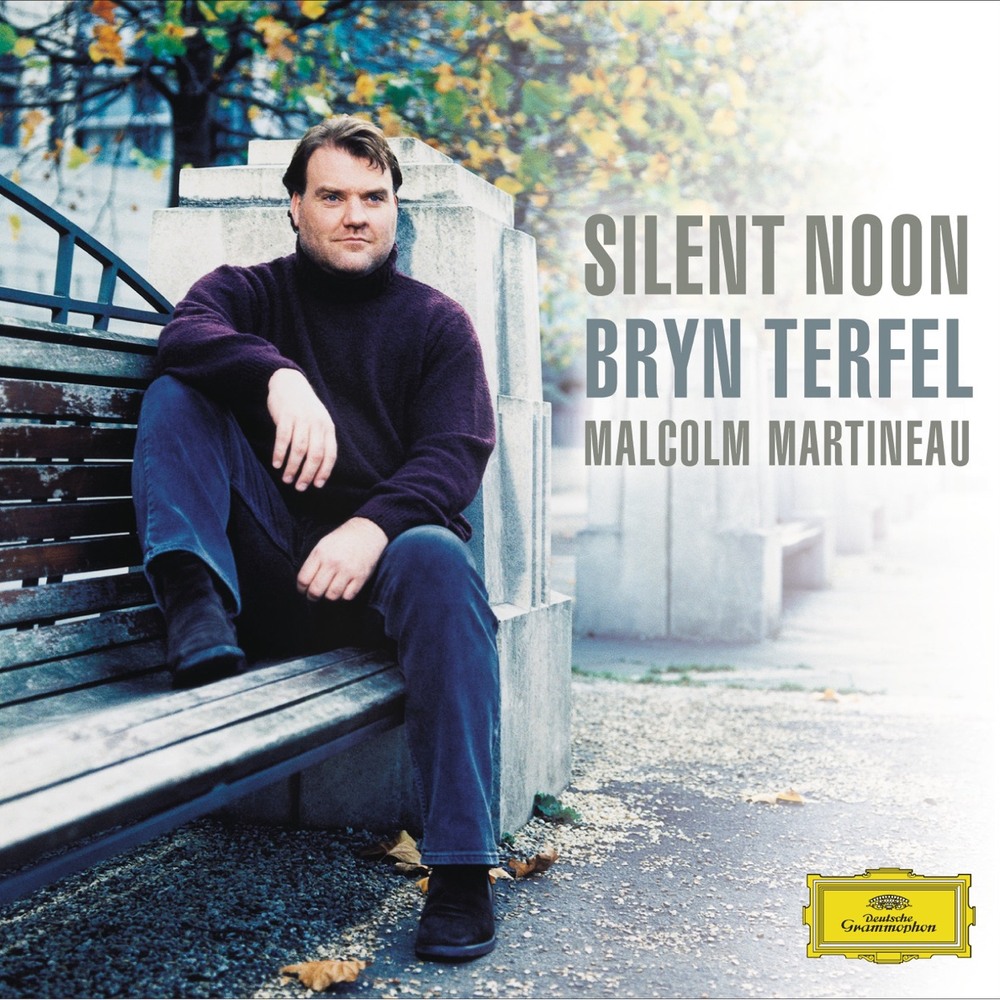
Vaughan Williams 'Silent Noon' — Bryn Terfel·Malcolm Martineau

Vaughan Williams 'Silent Noon' — Bryn Terfel·Malcolm Martineau

Vaughan Williams' 'Silent Noon' — Bryn Terfel & Malcolm Martineau

Let's listen to how the tempo and volume taper off in the final lines. In the first listening of 'Vaughan Williams' 'Silent Noon' — Bryn Terfel & Malcolm Martineau, find a guiding sound, and in the next listening, add the surrounding voices and silence. You can hear how Bryn Terfel & Malcolm Martineau adjust the tempo and tone as 'Silent Noon' moves towards its climax. By comparing the beginning and end echoes of 'Vaughan Williams' 'Silent Noon' — Bryn Terfel & Malcolm Martineau side by side, the sense of distance and time created by the piece becomes clear.

The track connecting to 'Vaughan Williams' 'Silent Noon' — Bryn Terfel & Malcolm Martineau is the actual recording included in 'Silent Noon' and has been introduced under the category of 'art songs where a poem meets voice and piano', according to its selection criteria. The performing artists listed for 'Vaughan Williams' 'Silent Noon' — Bryn Terfel & Malcolm Martineau on Apple Music are Bryn Terfel & Malcolm Martineau, and the release year is 2004. Please note that this date may differ from when Ralph Vaughan Williams composed the piece, so in the context of 'art songs where a poem meets voice and piano', it is used only as recording information. When looking for other versions of works like 'Vaughan Williams' 'Silent Noon' — Bryn Terfel & Malcolm Martineau, it's important to check the work title, artists, and album together to avoid confusion with the same recording and reissues, as well as to understand the context of 'art songs where a poem meets voice and piano'.
연주자 Bryn Terfel & Malcolm Martineau 작곡가 Ralph Vaughan Williams 작품 Silent Noon 표시 발매 연도 2004 수록 음반 Silent Noon 형식 음원 감상 포인트 평온한 피아노와 넓은 성악 선율이 들판의 정적과 친밀한 사랑을 담는다. 듣기 팁 마지막 시구에서 템포와 음량이 어떻게 잦아드는지 들어보자.
바로가기
When listening to the art songs, start by focusing on the accompaniment and look for rhythms and repeated motifs before concentrating on the voice. Notice whether the harmony stops or continues moving when the vocalist elongates words, and observe if the timbre changes when the same poetic phrases return. You can check the translation during a second listening to experience the moment where the emotions conveyed through the music meet the meanings of the language.

The release years of the connected audio sources may differ from the dates the works were written, and you can check the vocal range of the singers and the arrangement of the accompaniment in the attributes. When comparing different versions of the same art song sung by a soprano and a baritone, pay attention to the key, pronunciation, and the distance of the speaker. Mark any words that repeat in the original poem of songs you like, and listen again. You'll gain clarity on the notes and pauses the composer chose for those words.
한눈에 보기 8개
Schubert 'Erlkönig' — Fischer-Dieskau·Gerald Moore
Dietrich Fischer-Dieskau & Gerald Moore · Franz Schubert · Erlkönig, D. 328 · 1970 · Schubert: Lieder · 음원 · 질주하는 피아노와 한 성악가의 네 인물이 밤의 추격을 극적으로 만든다. · 화자·아버지·아이·마왕이 음역과 음색으로 어떻게 구분되는지 들어보자.
Schubert 'Gretchen am Spinnrade' — Schwarzkopf·Fischer
Elisabeth Schwarzkopf & Edwin Fischer · Franz Schubert · Gretchen am Spinnrade · 1997 · Elisabeth Schwarzkopf Sings Lieder · 음원 · 끊임없는 피아노 회전과 불안한 베이스가 그레첸의 집착과 흔들림을 그린다. · 그레첸이 입맞춤을 떠올릴 때 물레 리듬이 멈추는 순간을 들어보자.
Schumann 'Dichterliebe: Im wunderschönen Monat Mai' — Gerhaher·Huber
Christian Gerhaher & Gerold Huber · Robert Schumann · Dichterliebe: Im wunderschönen Monat Mai · 2004 · Schumann: Dichterliebe, Lieder Op. 90 · 음원 · 끝나지 않은 화성이 사랑의 고백과 불확실함을 동시에 남긴다. · 마지막 피아노 화음이 완전히 해결되지 않는 느낌을 들어보자.
Fauré 'Après un rêve' — Janet Baker·Parsons
Dame Janet Baker & Geoffrey Parsons · Gabriel Fauré · Après un rêve, Op. 7 No. 1 · 1989 · Fauré: La chanson d'Ève & Other Songs (Hyperion French Song Edition) · 음원 · 긴 선율과 상승하는 화성이 꿈의 황홀함과 깨어남의 아쉬움을 연결한다. · 후반의 높은 음이 절정에 도달한 뒤 반주가 가라앉는 방식을 들어보자.
Debussy 'Beau soir' — Souzay·Baldwin
Gérard Souzay & Dalton Baldwin · Claude Debussy · Beau soir · 1962 · Debussy: Lieder · 음원 · 유연한 피아노 물결과 담담한 노래가 저녁 풍경과 삶의 덧없음을 겹친다. · 같은 반주 무늬 위에서 성악 선율의 길이가 달라지는지 들어보자.
Mahler 'I Have Been Forgotten in This World' — Hampson·Bernstein
Leonard Bernstein, Thomas Hampson & Vienna Philharmonic · Gustav Mahler · Ich bin der Welt abhanden gekommen · 1991 · Mahler: Lieder eines fahrenden Gesellen, Kindertotenlieder & Fünf Rückertlieder · 음원 · 고요한 관현악과 긴 호흡이 고립을 평온한 내면의 세계로 바꾼다. · 잉글리시 호른의 선율과 목소리가 서로 이어지는 경계를 들어보자.
Richard Strauss 'Tomorrow' — Jessye Norman·Kurt Masur
Jessye Norman, Gewandhausorchester Leipzig & Kurt Masur · Richard Strauss · Morgen, Op. 27 No. 4 · 1983 · Strauss, R.: Four Last Songs; 6 Orchestral Songs · 음원 · 바이올린의 긴 선율과 절제된 목소리가 미래의 만남을 조용히 약속한다. · 목소리가 늦게 들어오기 전 관현악이 이미 어떤 감정을 만드는지 들어보자.
Vaughan Williams 'Silent Noon' — Bryn Terfel·Malcolm Martineau
Bryn Terfel & Malcolm Martineau · Ralph Vaughan Williams · Silent Noon · 2004 · Silent Noon · 음원 · 평온한 피아노와 넓은 성악 선율이 들판의 정적과 친밀한 사랑을 담는다. · 마지막 시구에서 템포와 음량이 어떻게 잦아드는지 들어보자.

이 포스팅은 쿠팡 파트너스 활동의 일환으로, 이에 따른 일정액의 수수료를 제공받습니다.

댓글 0

로그인 후 댓글을 작성할 수 있습니다.

첫 댓글을 남겨보세요.

이런 리스트는 어때요?

이런 리스트도 추천해요

🎲

여기서 멈추기엔 아쉽잖아?

다음에 뭘 볼지 고민하는 시간이 제일 아까워.
주사위가 대신 골라줄게 — 무슨 리스트가 튀어나올지는 굴려봐야 알지.
안 누르면… 평생 궁금하지 않겠어? 👀

All menu
Login required
Log in
Categories
Language
Display mode
✦ ✦ ✦ ✦ ✦

Drum roll… picking a list!

모하지
Use Mohazi as an app
Open it from your home screen and browse faster.
On iPhone, tap the Share button at the bottom of Safari, then choose “Add to Home Screen” to use it like an app.