
Mastering the Stage with a Single Breath: Brass Classics
Listening to the pressure, resonance, and spatial quality of actual performances featuring trumpet, horn, trombone, and tuba in brass ensembles
This list features representative concertos of four instruments, Renaissance brass ensembles, and 20th-century fanfares. In the solos by Haydn and Mozart, listen for breath and articulation; in Grøndahl and Vaughan Williams, explore the songs of low brass; in Gabrieli, Janáček, and Copland, compare how various brass voices resonate like they’re building a structure. Each audio source is guided by points that highlight sound direction and reverberation.
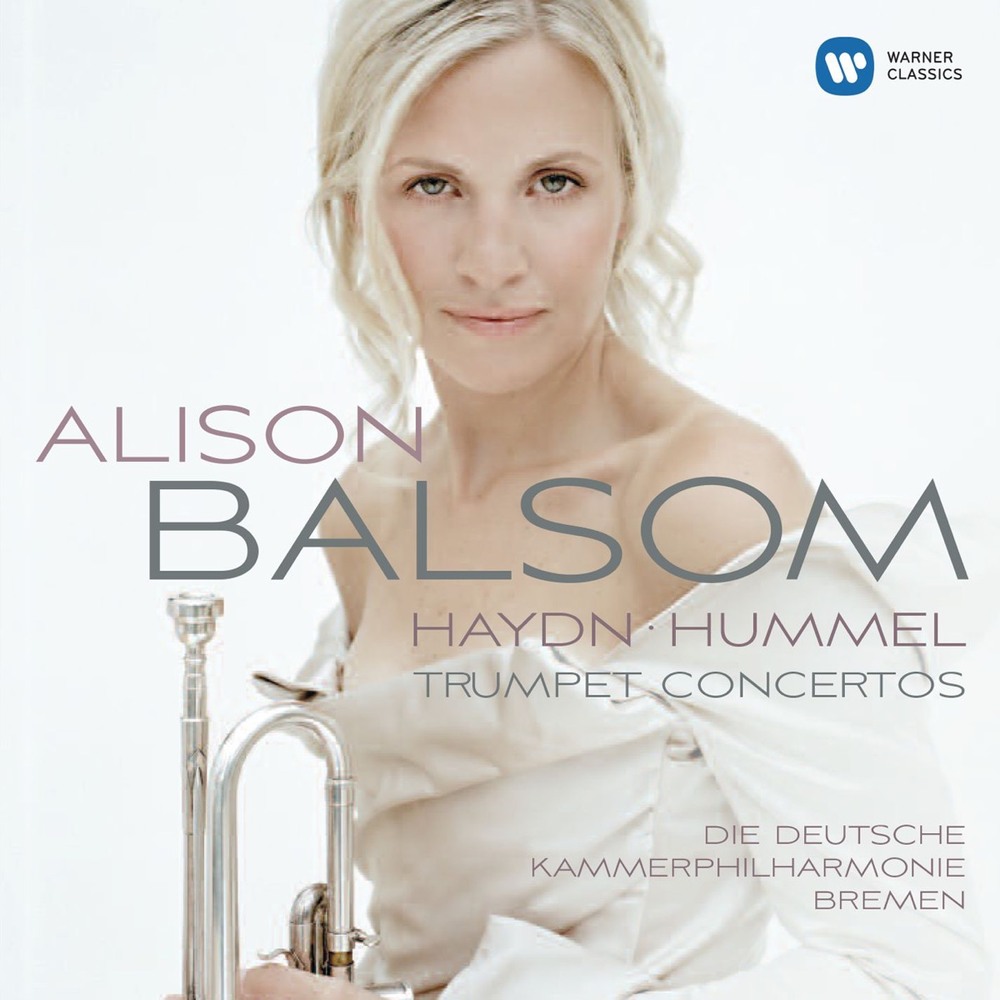
Haydn Trumpet Concerto Movement 1 — Alison Balsom
Haydn: Trumpet Concerto, 1st Movement — Alison Balsom
The Trumpet Concerto in E-Flat Major: I. Allegro track linked to “Haydn: Trumpet Concerto, 1st Movement — Alison Balsom” is a real recording from the album Haydn & Hummel: Trumpet Concertos, and we've featured it as the “Haydn: Trumpet Concerto, 1st Movement — Alison Balsom” entry in line with the selection criteria of “Brass Classics That Command the Stage in a Single Breath.” For “Haydn: Trumpet Concerto, 1st Movement — Alison Balsom,” Apple Music lists the performer as Alison Balsom & The Deutsche Kammerphilharmonie Bremen and the release year as 2008; since this date may differ from when Joseph Haydn wrote the piece, in this list we use it only as recording information. When looking for other versions of the same work as “Haydn: Trumpet Concerto, 1st Movement — Alison Balsom,” check the title, performer, and album together so you don't confuse the same recording with its reissues, and you can also check the context of the list.
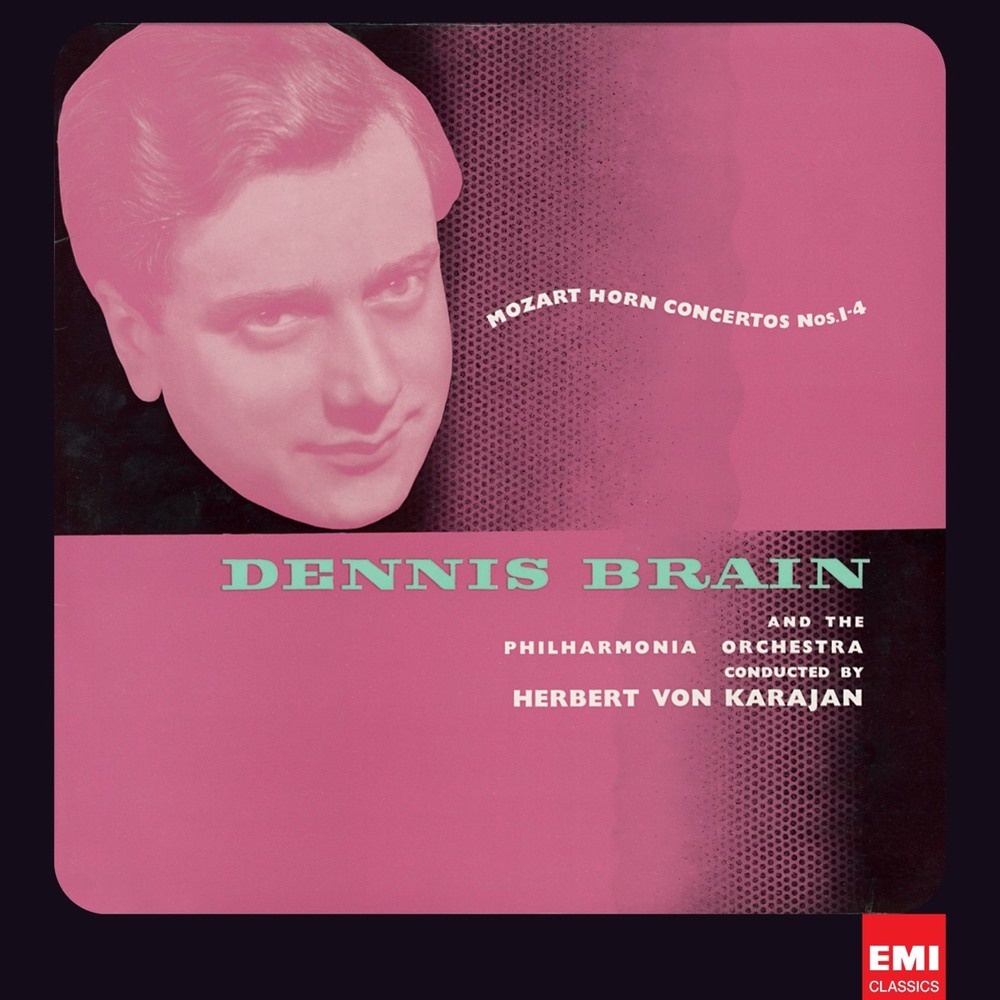
Mozart Horn Concerto No. 4 Rondo — Dennis Brain·Karajan
Mozart: Horn Concerto No. 4, Rondo — Dennis Brain & Karajan
The Horn Concerto No. 4: III. Rondo track linked to “Mozart: Horn Concerto No. 4, Rondo — Dennis Brain & Karajan” is a real recording from the album Mozart: Horn Concertos, and we've featured it as the “Mozart: Horn Concerto No. 4, Rondo — Dennis Brain & Karajan” entry in line with the selection criteria of “Brass Classics That Command the Stage in a Single Breath.” For “Mozart: Horn Concerto No. 4, Rondo — Dennis Brain & Karajan,” Apple Music lists the performer as Dennis Brain, Herbert von Karajan & Philharmonia Orchestra and the release year as 1994; since this date may differ from when Wolfgang Amadeus Mozart wrote the piece, it is used only as recording information. When looking for other versions of the same work as “Mozart: Horn Concerto No. 4, Rondo — Dennis Brain & Karajan,” check the title, performer, and album together so you don't confuse the same recording with its reissues, and you can also check the context of this list.
Grøndahl Trombone Concerto Movement 1 — Björkman·Hirokami
Grøndahl: Trombone Concerto, 1st Movement — Björkman & Hirokami
The Trombone Concerto: I. Moderato assai track linked to “Grøndahl: Trombone Concerto, 1st Movement — Björkman & Hirokami” is a real recording from the album Grondahl: Trombone Concerto - Maros: Aurora - Mayuzumi: Ritual Overture, and we've featured it as the “Grøndahl: Trombone Concerto, 1st Movement — Björkman & Hirokami” entry in line with the selection criteria of “Brass Classics That Command the Stage in a Single Breath.” For “Grøndahl: Trombone Concerto, 1st Movement — Björkman & Hirokami,” Apple Music lists the performer as Junichi Hirokami, Stockholm Symphonic Wind Orchestra & Håkan Björkman and the release year as 1996; since this date may differ from when Launy Grøndahl wrote the piece, here we use it only as recording information. When looking for other versions of the same work as “Grøndahl: Trombone Concerto, 1st Movement — Björkman & Hirokami,” check the title, performer, and album together so you don't confuse the same recording with its reissues, and you can also check the context of this list.
Vaughan Williams Tuba Concerto Movement 1 — Hoogendijk·Concertgebouw
Vaughan Williams: Tuba Concerto, 1st Movement — Hoogendijk & Concertgebouw
The Tuba Concerto in F Minor: I. Prelude track linked to “Vaughan Williams: Tuba Concerto, 1st Movement — Hoogendijk & Concertgebouw” is a real recording from the album Vaughan Williams: Tuba Concerto - Single, and we've featured it as the “Vaughan Williams: Tuba Concerto, 1st Movement — Hoogendijk & Concertgebouw” entry in line with the selection criteria of “Brass Classics That Command the Stage in a Single Breath.” For “Vaughan Williams: Tuba Concerto, 1st Movement — Hoogendijk & Concertgebouw,” Apple Music lists the performer as Dima Slobodeniouk, Royal Concertgebouw Orchestra & Perry Hoogendijk and the release year as 2023; since this date may differ from when Ralph Vaughan Williams wrote the piece, it is used only as recording information. When looking for other versions of the same work as “Vaughan Williams: Tuba Concerto, 1st Movement — Hoogendijk & Concertgebouw,” check the title, performer, and album together so you don't confuse the same recording with its reissues, and you can also check the context of this list.
Dukas's La Péri Fanfare — Provincial Brass Band
Dukas: La Péri, Fanfare — Provinciale Brass Band
The Fanfare from La Péri track linked to “Dukas: La Péri, Fanfare — Provinciale Brass Band” is a real recording from the album Antarctica, and we've featured it as the “Dukas: La Péri, Fanfare — Provinciale Brass Band” entry in line with the selection criteria of “Brass Classics That Command the Stage in a Single Breath.” For “Dukas: La Péri, Fanfare — Provinciale Brass Band,” Apple Music lists the performer as Provinciale Brass Band Groningen & Siemen Hoekstra and the release year as 2004; since this date may differ from when Paul Dukas wrote the piece, it is used only as recording information. When looking for other versions of the same work as “Dukas: La Péri, Fanfare — Provinciale Brass Band,” check the title, performer, and album together so you don't confuse the same recording with its reissues, and you can also check the context of the list.
Gabrieli's Canzona in the 7th Mode — Canadian Brass
Gabrieli: Canzon septimi toni — Canadian Brass
The Canzon septimi toni track linked to “Gabrieli: Canzon septimi toni — Canadian Brass” is a real recording from the album Renaissance Men, and we've featured it as the “Gabrieli: Canzon septimi toni — Canadian Brass” entry in line with the selection criteria of “Brass Classics That Command the Stage in a Single Breath.” For “Gabrieli: Canzon septimi toni — Canadian Brass,” Apple Music lists the performer as Canadian Brass and the release year as 1990; since this date may differ from when Giovanni Gabrieli wrote the piece, it is used only as recording information. When looking for other versions of the same work as “Gabrieli: Canzon septimi toni — Canadian Brass,” check the title, performer, and album together so you don't confuse the same recording with its reissues, and you can also check the context of the list.
Janáček's Sinfonietta Fanfare — Masur·New York Philharmonic
Janáček: Sinfonietta, Fanfare — Masur & New York Phil
The Sinfonietta: I. Fanfare track linked to “Janáček: Sinfonietta, Fanfare — Masur & New York Phil” is a real recording from the album Dvorák: Symphony No. 8 & Janácek: Sinfonietta, and we've featured it as the “Janáček: Sinfonietta, Fanfare — Masur & New York Phil” entry in line with the selection criteria of “Brass Classics That Command the Stage in a Single Breath.” For “Janáček: Sinfonietta, Fanfare — Masur & New York Phil,” Apple Music lists the performer as Kurt Masur & New York Philharmonic and the release year as 1994; since this date may differ from when Leoš Janáček wrote the piece, here we use it only as recording information. When looking for other versions of the same work as “Janáček: Sinfonietta, Fanfare — Masur & New York Phil,” check the title, performer, and album together so you don't confuse the same recording with its reissues, and you can also check the context of the list.
Copland's Fanfare for the Common Man — Oue·Minnesota
Copland: Fanfare for the Common Man — Oue & Minnesota
The Fanfare for the Common Man track linked to “Copland: Fanfare for the Common Man — Oue & Minnesota” is a real recording from the album Copland: Fanfare for the Common Man, Appalachian Spring & Symphony No. 3, and we've featured it as the “Copland: Fanfare for the Common Man — Oue & Minnesota” entry in line with the selection criteria of “Brass Classics That Command the Stage in a Single Breath.” For “Copland: Fanfare for the Common Man — Oue & Minnesota,” Apple Music lists the performer as Minnesota Orchestra & Eiji Oue and the release year as 2000; since this date may differ from when Aaron Copland wrote the piece, here we use it only as recording information. When looking for other versions of the same work as “Copland: Fanfare for the Common Man — Oue & Minnesota,” check the title, performer, and album together so you don't confuse the same recording with its reissues, and you can also check the context of the list.
The linked audio sources are actual recordings where you can check the performers and albums on Apple Music, with the specified years based on recording or re-release information. Since the purposes of concertos and fanfares differ, let's focus on comparing melodic length, harmony placement, and room reverberation rather than merely judging by volume. Watching the performances via live videos while observing the performers' breath and bell direction can make it much clearer where the sounds are projected.
As part of the Coupang Partners program, this post may earn a commission from qualifying purchases.
Comments 0
Log in to leave a comment.
Be the first to comment.
How about these lists?


You might also like


Not ready to stop here?
Wondering what to read next is the biggest waste of time.
Let the dice decide — you won't know what pops up until you roll.
If you don't press it… won't you wonder forever? 👀
