Collection
Classical
2026.09.27
Classical Works by Women Composers, Rediscovered Beyond the Textbook
Eight composers from Romanticism to today's string quartets, traced through their works and real performances
The history of classical music has long been recorded in an environment where opportunities for performance, publication, and education were restricted. The lack of visibility of women composers' works is not due to their scarcity, but rather because different conditions in composition, performance, and preservation have often pushed them out of familiar canon. Contrary to the notion that they only lingered in piano and salon music, these composers wrote broadly across genres, including concertos, symphonies, string quartets, orchestral works, and modern ensembles.
This list connects eight actual recordings, from Clara Schumann and Fanny Mendelssohn to Lili Boulanger, Florence Price, Amy Beach, Louise Farrenc, Germaine Tailleferre, and Caroline Shaw. We intentionally broaden the scope across time, place, and ensemble without grouping everything into a single ‘women composer style.’ Each piece is introduced based on its form and listening points, treating gender not as a label that diminishes music, but as a starting point to rediscover omitted music history.
This list connects eight actual recordings, from Clara Schumann and Fanny Mendelssohn to Lili Boulanger, Florence Price, Amy Beach, Louise Farrenc, Germaine Tailleferre, and Caroline Shaw. We intentionally broaden the scope across time, place, and ensemble without grouping everything into a single ‘women composer style.’ Each piece is introduced based on its form and listening points, treating gender not as a label that diminishes music, but as a starting point to rediscover omitted music history.
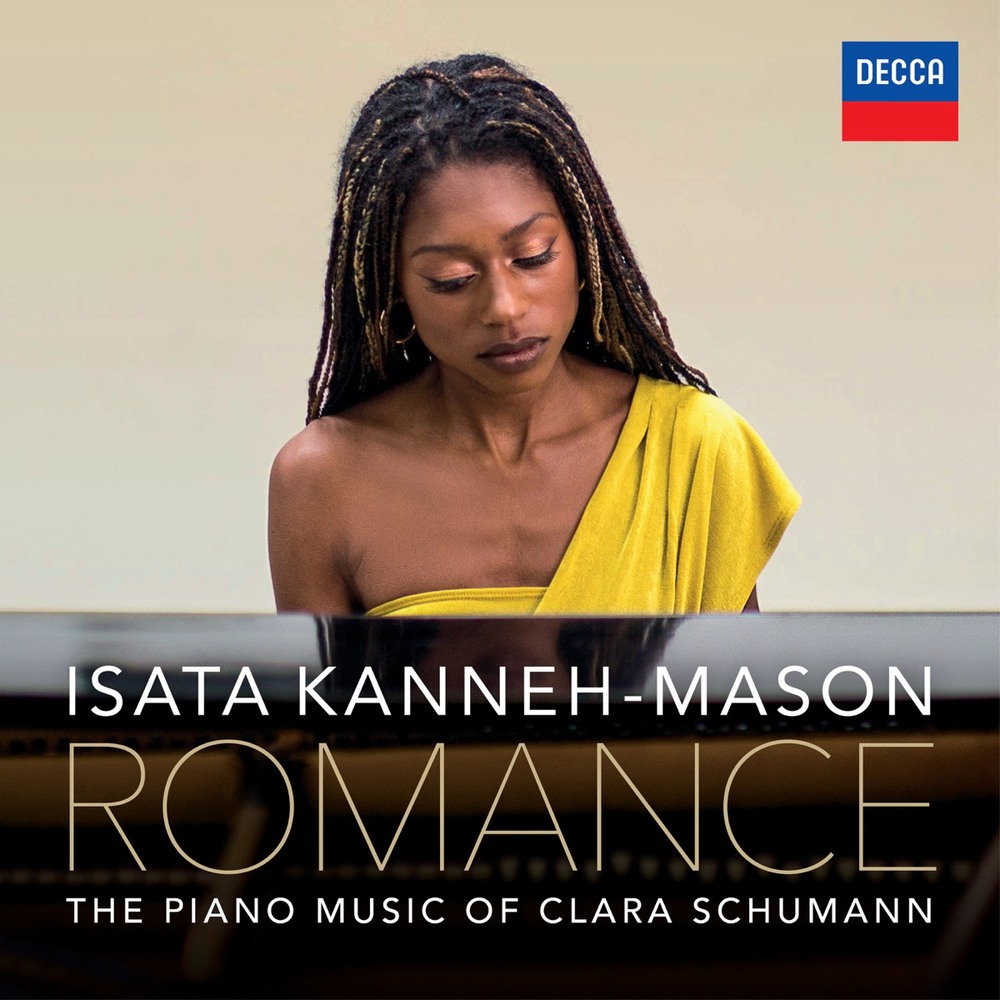
Clara Schumann: Piano Concerto, 1st Movement — Kanneh-Mason & Liverpool Philharmonic
Listen to how freely the soloist transforms the orchestra's theme after entering. On your first listen to “Clara Schumann: Piano Concerto, 1st Movement — Kanneh-Mason & Liverpool Phil,” follow the points described here; on the second, widen your focus to the bass and the inner voices. That way, the texture of Piano Concerto in A Minor, Op. 7: I and the phrase lengths chosen by Isata Kanneh-Mason, Royal Liverpool Philharmonic Orchestra & Holly Mathieson come through together. Rather than waiting for the famous passages, mark the moments when the tone color changes, and you won't lose track of where the piece is heading.
The Piano Concerto in A Minor, Op. 7: I track linked to “Clara Schumann: Piano Concerto, 1st Movement — Kanneh-Mason & Liverpool Phil” is a real recording from the album “Romance – The Piano Music of Clara Schumann” and is introduced as the “Clara Schumann: Piano Concerto, 1st Movement — Kanneh-Mason & Liverpool Phil” entry in line with the selection criteria of “Classical Works by Women Composers, Rediscovered Beyond the Textbook.” Apple Music's performer credit for “Clara Schumann: Piano Concerto, 1st Movement — Kanneh-Mason & Liverpool Phil” is Isata Kanneh-Mason, Royal Liverpool Philharmonic Orchestra & Holly Mathieson, and the release year is 2019; since this date may differ from when Clara Schumann wrote the piece, it is used in this list only as recording information. When looking for other versions of the same work as “Clara Schumann: Piano Concerto, 1st Movement — Kanneh-Mason & Liverpool Phil,” check the title, performer, and album together so you don't confuse the same recording with a reissue, and so you can also see the context of the list.
The Piano Concerto in A Minor, Op. 7: I track linked to “Clara Schumann: Piano Concerto, 1st Movement — Kanneh-Mason & Liverpool Phil” is a real recording from the album “Romance – The Piano Music of Clara Schumann” and is introduced as the “Clara Schumann: Piano Concerto, 1st Movement — Kanneh-Mason & Liverpool Phil” entry in line with the selection criteria of “Classical Works by Women Composers, Rediscovered Beyond the Textbook.” Apple Music's performer credit for “Clara Schumann: Piano Concerto, 1st Movement — Kanneh-Mason & Liverpool Phil” is Isata Kanneh-Mason, Royal Liverpool Philharmonic Orchestra & Holly Mathieson, and the release year is 2019; since this date may differ from when Clara Schumann wrote the piece, it is used in this list only as recording information. When looking for other versions of the same work as “Clara Schumann: Piano Concerto, 1st Movement — Kanneh-Mason & Liverpool Phil,” check the title, performer, and album together so you don't confuse the same recording with a reissue, and so you can also see the context of the list.
연주자 Isata Kanneh-Mason, Royal Liverpool Philharmonic Orchestra & Holly Mathieson
작곡가 Clara Schumann
작품 Piano Concerto in A Minor, Op. 7: I
표시 발매 연도 2019
수록 음반 Romance – The Piano Music of Clara Schumann
형식 음원
감상 포인트 십대에 완성한 협주곡에서 피아노의 화려함과 관현악의 긴 호흡을 함께 보여준다.
듣기 팁 독주가 등장한 뒤 오케스트라의 주제를 얼마나 자유롭게 바꾸는지 들어보자.
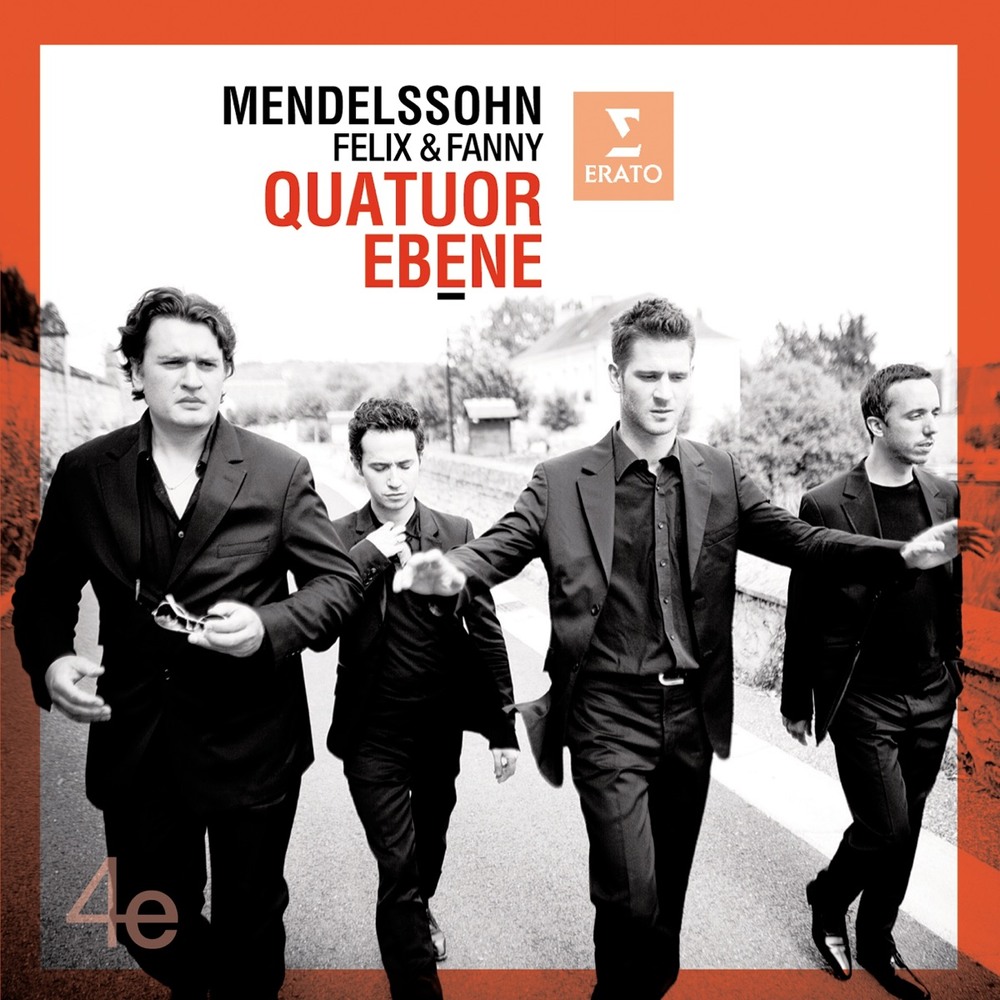
Fanny Mendelssohn: String Quartet, 4th Movement — Quatuor Ébène
Follow the moments when the four instruments chase the same rhythm and then scatter. Next, check whether the register and accents change when the same motif returns in “Fanny Mendelssohn: String Quartet, 4th Movement — Quatuor Ébène.” Quatuor Ébène's performance reveals the broad arc of String Quartet in E-Flat Major: IV through the connections between the voices rather than by exaggerating it. Finally, go back to the opening of “Fanny Mendelssohn: String Quartet, 4th Movement — Quatuor Ébène” and compare it with your first impression, and the structure comes into sharper focus.
The String Quartet in E-Flat Major: IV track linked to “Fanny Mendelssohn: String Quartet, 4th Movement — Quatuor Ébène” is a real recording from the album “Mendelssohn, Felix & Fanny: String Quartets” and is introduced as the “Fanny Mendelssohn: String Quartet, 4th Movement — Quatuor Ébène” entry in line with the selection criteria of “Classical Works by Women Composers, Rediscovered Beyond the Textbook.” Apple Music's performer credit for “Fanny Mendelssohn: String Quartet, 4th Movement — Quatuor Ébène” is Quatuor Ébène, and the release year is 2013; since this date may differ from when Fanny Mendelssohn Hensel wrote the piece, it is used only as recording information. When looking for other versions of the same work as “Fanny Mendelssohn: String Quartet, 4th Movement — Quatuor Ébène,” check the title, performer, and album together so you don't confuse the same recording with a reissue, and so you can also see the context of this list.
The String Quartet in E-Flat Major: IV track linked to “Fanny Mendelssohn: String Quartet, 4th Movement — Quatuor Ébène” is a real recording from the album “Mendelssohn, Felix & Fanny: String Quartets” and is introduced as the “Fanny Mendelssohn: String Quartet, 4th Movement — Quatuor Ébène” entry in line with the selection criteria of “Classical Works by Women Composers, Rediscovered Beyond the Textbook.” Apple Music's performer credit for “Fanny Mendelssohn: String Quartet, 4th Movement — Quatuor Ébène” is Quatuor Ébène, and the release year is 2013; since this date may differ from when Fanny Mendelssohn Hensel wrote the piece, it is used only as recording information. When looking for other versions of the same work as “Fanny Mendelssohn: String Quartet, 4th Movement — Quatuor Ébène,” check the title, performer, and album together so you don't confuse the same recording with a reissue, and so you can also see the context of this list.
연주자 Quatuor Ébène
작곡가 Fanny Mendelssohn Hensel
작품 String Quartet in E-Flat Major: IV
표시 발매 연도 2013
수록 음반 Mendelssohn, Felix & Fanny: String Quartets
형식 음원
감상 포인트 빠른 대화와 대담한 화성 전환이 사적인 살롱 음악이라는 편견을 넘어선다.
듣기 팁 네 악기가 같은 리듬을 쫓다가 흩어지는 순간을 따라가 보자.
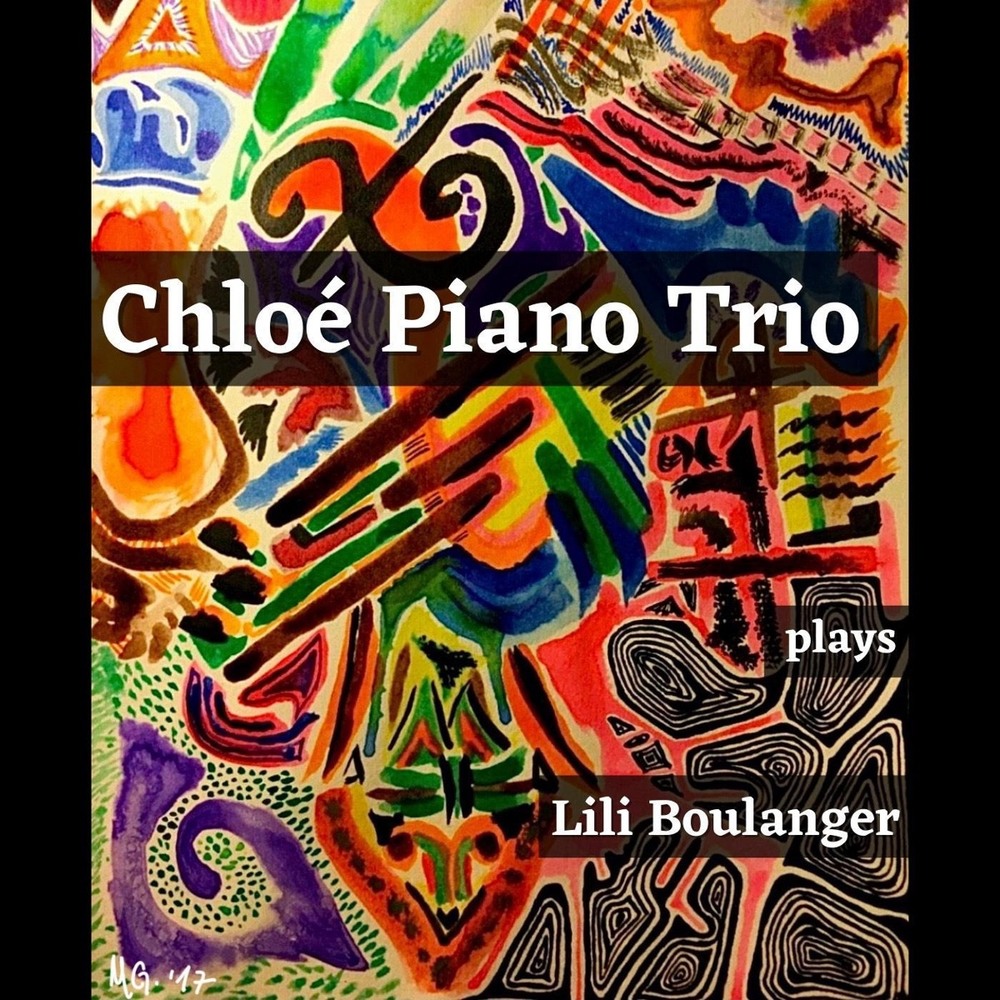
Lili Boulanger: D'un matin de printemps — Chloé Piano Trio
Listen to how the string melody rises above the piano's glittering figures. When you listen to this recording again, focus less on the tempo and more on the order in which sounds pile up and clear away. Tracking which voice the repeated material of D'un matin de printemps moves to also reveals Chloé Piano Trio's sense of balance. Compare the reverberation lingering at the end of “Lili Boulanger: D'un matin de printemps — Chloé Piano Trio” with the opening phrase, and the emotional shift makes sense within the structure.
The D'un matin de printemps track linked to “Lili Boulanger: D'un matin de printemps — Chloé Piano Trio” is a real recording from the album “Lili Boulanger: D'un matin de printemps - Single” and is introduced as the “Lili Boulanger: D'un matin de printemps — Chloé Piano Trio” entry in line with the selection criteria of “Classical Works by Women Composers, Rediscovered Beyond the Textbook.” Apple Music's performer credit for “Lili Boulanger: D'un matin de printemps — Chloé Piano Trio” is Chloé Piano Trio, and the release year is 2020; since this date may differ from when Lili Boulanger wrote the piece, it is used here only as recording information. When looking for other versions of the same work as “Lili Boulanger: D'un matin de printemps — Chloé Piano Trio,” check the title, performer, and album together so you don't confuse the same recording with a reissue, and so you can also see the context of this list.
The D'un matin de printemps track linked to “Lili Boulanger: D'un matin de printemps — Chloé Piano Trio” is a real recording from the album “Lili Boulanger: D'un matin de printemps - Single” and is introduced as the “Lili Boulanger: D'un matin de printemps — Chloé Piano Trio” entry in line with the selection criteria of “Classical Works by Women Composers, Rediscovered Beyond the Textbook.” Apple Music's performer credit for “Lili Boulanger: D'un matin de printemps — Chloé Piano Trio” is Chloé Piano Trio, and the release year is 2020; since this date may differ from when Lili Boulanger wrote the piece, it is used here only as recording information. When looking for other versions of the same work as “Lili Boulanger: D'un matin de printemps — Chloé Piano Trio,” check the title, performer, and album together so you don't confuse the same recording with a reissue, and so you can also see the context of this list.
연주자 Chloé Piano Trio
작곡가 Lili Boulanger
작품 D'un matin de printemps
표시 발매 연도 2020
수록 음반 Lili Boulanger: D'un matin de printemps - Single
형식 음원
감상 포인트 짧은 작품 안에서 밝은 리듬과 섬세한 색채가 빠르게 교대한다.
듣기 팁 피아노의 반짝이는 음형 위로 현악 선율이 어떻게 떠오르는지 들어보자.
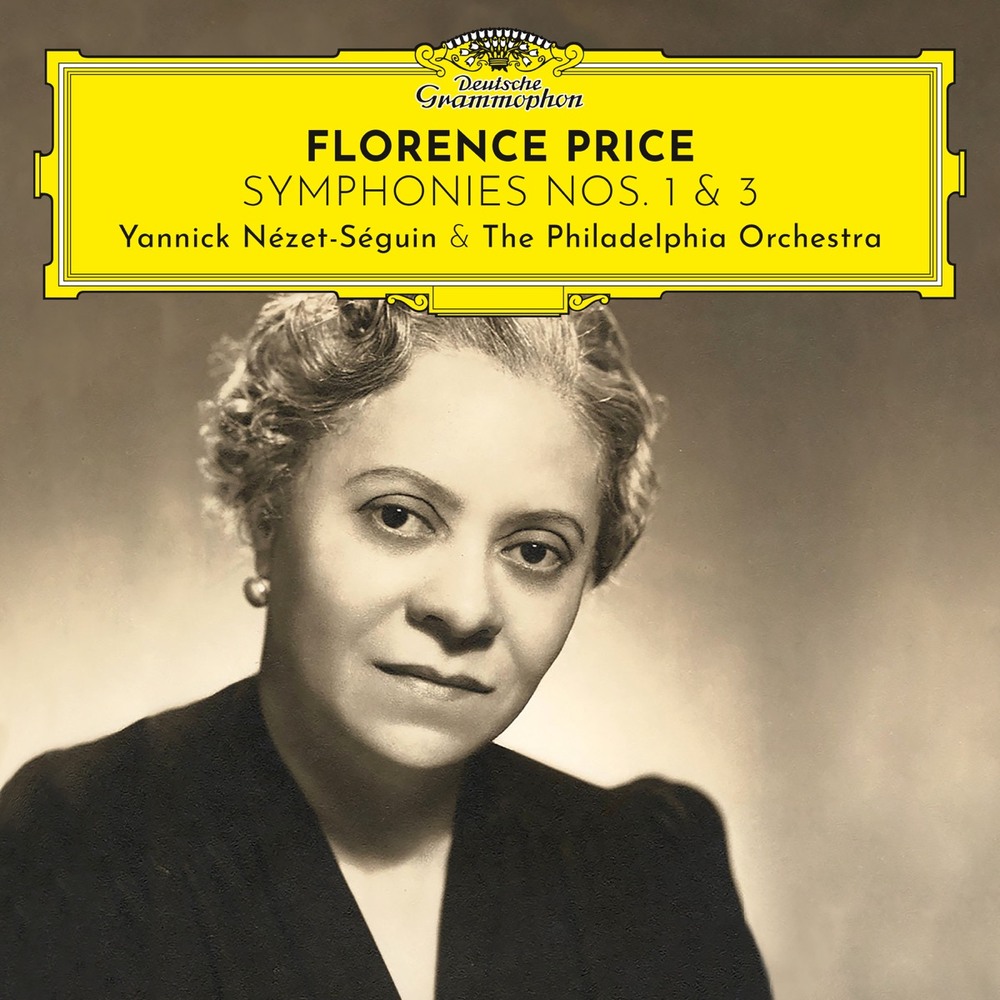
Florence Price: Symphony No. 3, 2nd Movement — Nézet-Séguin & Philadelphia
Notice how the solo woodwinds and the low strings hand the theme off to each other. Next, listen to what the accompaniment and background voices of “Florence Price: Symphony No. 3, 2nd Movement — Nézet-Séguin & Philadelphia” are doing at the same moment. Follow how earlier material returns in different instruments and registers, and the design of Symphony No. 3: II. Andante ma non troppo comes into view naturally. Mark where The Philadelphia Orchestra & Yannick Nézet-Séguin places the accents, too, and you'll have a benchmark for comparing other performances.
The Symphony No. 3: II. Andante ma non troppo track linked to “Florence Price: Symphony No. 3, 2nd Movement — Nézet-Séguin & Philadelphia” is a real recording from the album “Florence Price: Symphonies Nos. 1 & 3” and is introduced as the “Florence Price: Symphony No. 3, 2nd Movement — Nézet-Séguin & Philadelphia” entry in line with the selection criteria of “Classical Works by Women Composers, Rediscovered Beyond the Textbook.” Apple Music's performer credit for “Florence Price: Symphony No. 3, 2nd Movement — Nézet-Séguin & Philadelphia” is The Philadelphia Orchestra & Yannick Nézet-Séguin, and the release year is 2021; since this date may differ from when Florence Price wrote the piece, it is used only as recording information. When looking for other versions of the same work as “Florence Price: Symphony No. 3, 2nd Movement — Nézet-Séguin & Philadelphia,” check the title, performer, and album together so you don't confuse the same recording with a reissue, and so you can also see the context of this list.
The Symphony No. 3: II. Andante ma non troppo track linked to “Florence Price: Symphony No. 3, 2nd Movement — Nézet-Séguin & Philadelphia” is a real recording from the album “Florence Price: Symphonies Nos. 1 & 3” and is introduced as the “Florence Price: Symphony No. 3, 2nd Movement — Nézet-Séguin & Philadelphia” entry in line with the selection criteria of “Classical Works by Women Composers, Rediscovered Beyond the Textbook.” Apple Music's performer credit for “Florence Price: Symphony No. 3, 2nd Movement — Nézet-Séguin & Philadelphia” is The Philadelphia Orchestra & Yannick Nézet-Séguin, and the release year is 2021; since this date may differ from when Florence Price wrote the piece, it is used only as recording information. When looking for other versions of the same work as “Florence Price: Symphony No. 3, 2nd Movement — Nézet-Séguin & Philadelphia,” check the title, performer, and album together so you don't confuse the same recording with a reissue, and so you can also see the context of this list.
연주자 The Philadelphia Orchestra & Yannick Nézet-Séguin
작곡가 Florence Price
작품 Symphony No. 3: II. Andante ma non troppo
표시 발매 연도 2021
수록 음반 Florence Price: Symphonies Nos. 1 & 3
형식 음원
감상 포인트 미국 교향곡 전통과 흑인 음악의 리듬·선율 자원이 개성 있게 만난다.
듣기 팁 목관 독주와 낮은 현악이 주제를 넘겨받는 방식을 살펴보자.
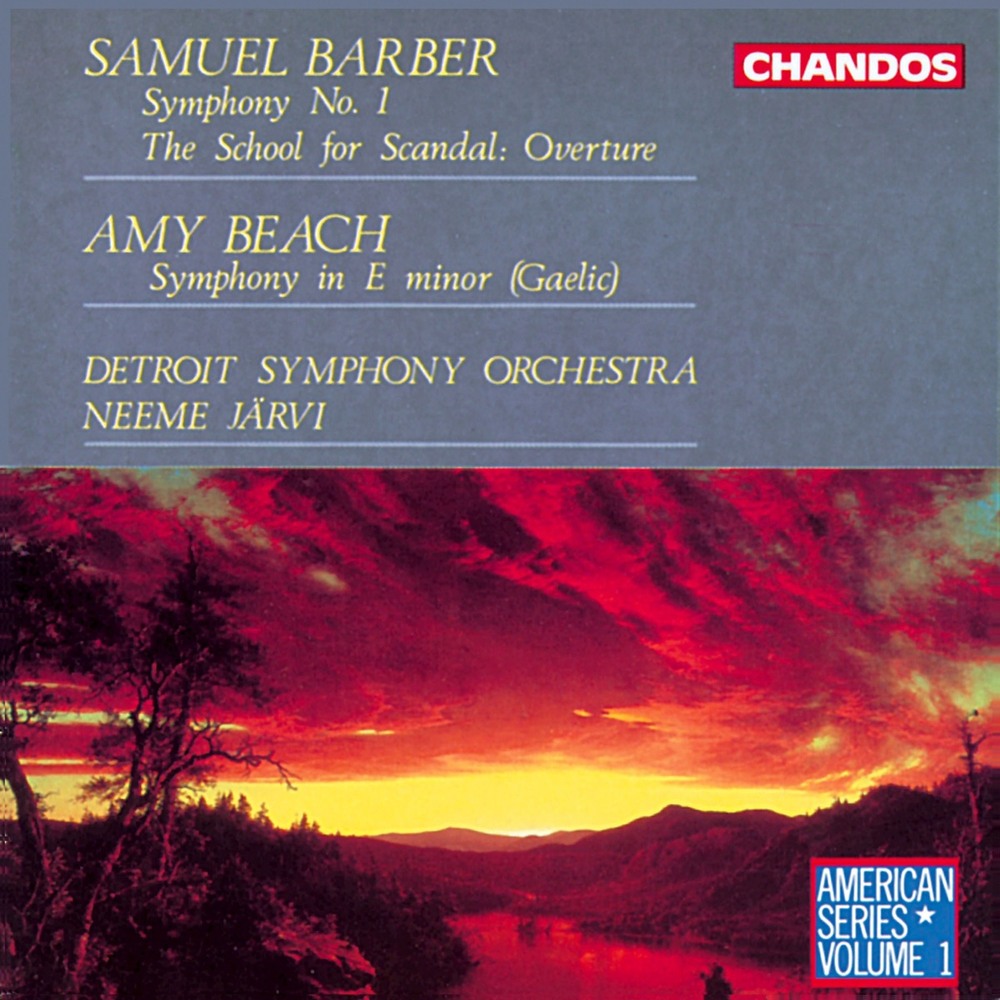
Amy Beach: “Gaelic” Symphony, 2nd Movement — Järvi & Detroit Symphony
Compare how the slow section in the middle reinterprets the fast rhythms. When you listen to ‘Amy Beach ‘Gaelic’ Symphony 2nd Movement — Neeme Järvi & Detroit Symphony’ again, try to find the lowest note and the longest note. The point where these two elements meet determines the tension and relaxation of Gaelic Symphony: II, and it is also where Neeme Järvi & Detroit Symphony Orchestra's interpretation becomes clear. Instead of comparing volume, highlighting the breath and resonance lengths in ‘Amy Beach ‘Gaelic’ Symphony 2nd Movement — Neeme Järvi & Detroit Symphony’ clarifies the reason for selecting this version.
The track connected to ‘Amy Beach ‘Gaelic’ Symphony 2nd Movement — Neeme Järvi & Detroit Symphony’ is an actual recording included in ‘Barber: Symphony No. 1, School for Scandal Overture - Beach: Gaelic Symphony’ and has been introduced in alignment with the selection criteria of ‘Classics of Women Composers Revisited Outside the Textbook.’ The performance indicated on Apple Music for ‘Amy Beach ‘Gaelic’ Symphony 2nd Movement — Neeme Järvi & Detroit Symphony’ is by Neeme Järvi & Detroit Symphony Orchestra, and the release year is 1992. This date may differ from when Amy Beach composed the work, so we use it purely as recording information here. When looking for other versions of works like ‘Amy Beach ‘Gaelic’ Symphony 2nd Movement — Neeme Järvi & Detroit Symphony,’ you should check the work title, performer, and recorded albums together to avoid confusion with the same recording and reissue, and also to confirm the context of this list.
The track connected to ‘Amy Beach ‘Gaelic’ Symphony 2nd Movement — Neeme Järvi & Detroit Symphony’ is an actual recording included in ‘Barber: Symphony No. 1, School for Scandal Overture - Beach: Gaelic Symphony’ and has been introduced in alignment with the selection criteria of ‘Classics of Women Composers Revisited Outside the Textbook.’ The performance indicated on Apple Music for ‘Amy Beach ‘Gaelic’ Symphony 2nd Movement — Neeme Järvi & Detroit Symphony’ is by Neeme Järvi & Detroit Symphony Orchestra, and the release year is 1992. This date may differ from when Amy Beach composed the work, so we use it purely as recording information here. When looking for other versions of works like ‘Amy Beach ‘Gaelic’ Symphony 2nd Movement — Neeme Järvi & Detroit Symphony,’ you should check the work title, performer, and recorded albums together to avoid confusion with the same recording and reissue, and also to confirm the context of this list.
연주자 Neeme Järvi & Detroit Symphony Orchestra
작곡가 Amy Beach
작품 Gaelic Symphony: II
표시 발매 연도 1992
수록 음반 Barber: Symphony No. 1, School for Scandal Overture - Beach: Gaelic Symphony
형식 음원
감상 포인트 아일랜드계 선율과 미국 후기 낭만주의 관현악이 춤과 서정을 함께 만든다.
듣기 팁 중간의 느린 구간이 빠른 리듬을 어떻게 재해석하는지 비교해보자.
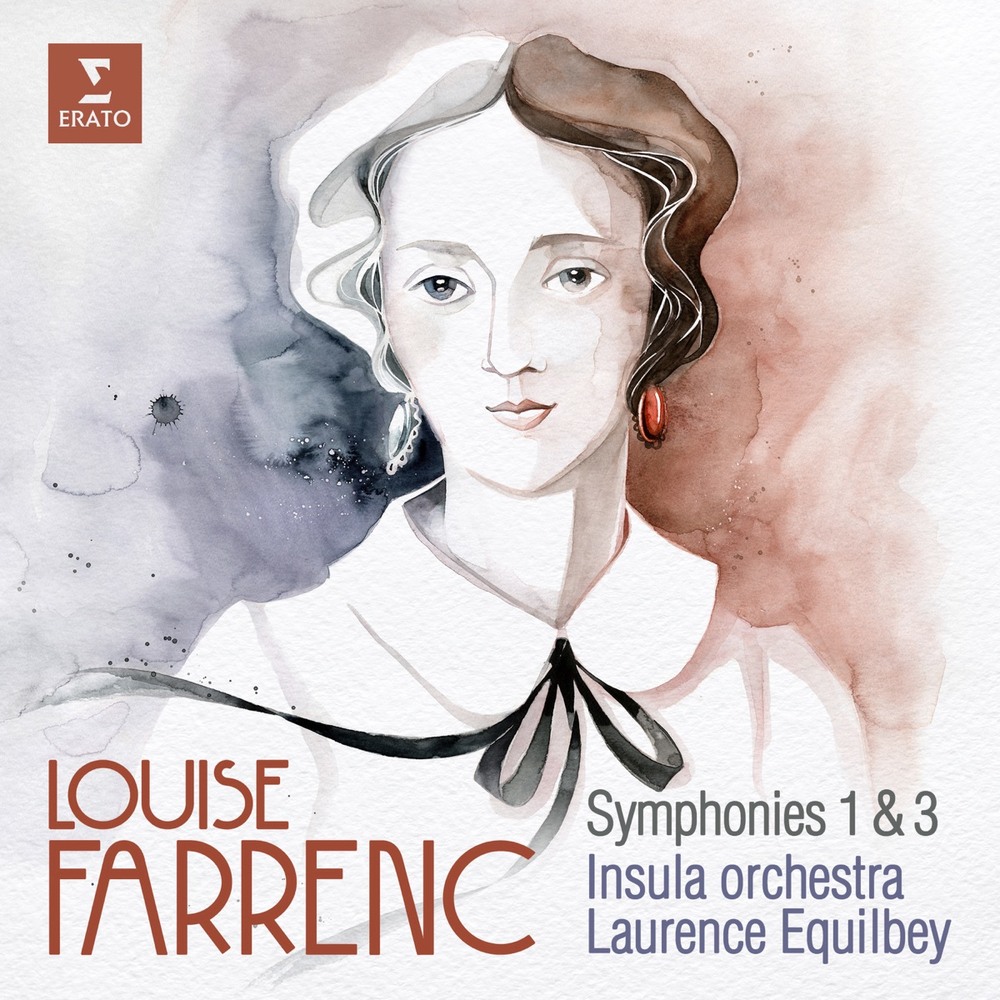
Louise Farrenc: Symphony No. 3, 2nd Movement — Equilbey & Insula
Listen to how the strings support the oboe and clarinet melodies. After that, check whether the instrument that begins the theme of “Louise Farrenc: Symphony No. 3, 2nd Movement — Equilbey & Insula” is the same one that ends it. Symphony No. 3: II. Adagio cantabile keeps moving forward, repeating small gestures while changing the density of the background. Listen for where Laurence Equilbey & Insula Orchestra emphasizes those changes, and you'll be able to describe the character of this recording beyond simply soaking in the mood.
The Symphony No. 3: II. Adagio cantabile track linked to “Louise Farrenc: Symphony No. 3, 2nd Movement — Equilbey & Insula” is a real recording from the album “Farrenc: Symphonies Nos. 1 & 3” and is introduced as the “Louise Farrenc: Symphony No. 3, 2nd Movement — Equilbey & Insula” entry in line with the selection criteria of “Classical Works by Women Composers, Rediscovered Beyond the Textbook.” Apple Music's performer credit for “Louise Farrenc: Symphony No. 3, 2nd Movement — Equilbey & Insula” is Laurence Equilbey & Insula Orchestra, and the release year is 2021; since this date may differ from when Louise Farrenc wrote the piece, it is used only as recording information. When looking for other versions of the same work as “Louise Farrenc: Symphony No. 3, 2nd Movement — Equilbey & Insula,” check the title, performer, and album together so you don't confuse the same recording with a reissue, and so you can also see the context of the list.
The Symphony No. 3: II. Adagio cantabile track linked to “Louise Farrenc: Symphony No. 3, 2nd Movement — Equilbey & Insula” is a real recording from the album “Farrenc: Symphonies Nos. 1 & 3” and is introduced as the “Louise Farrenc: Symphony No. 3, 2nd Movement — Equilbey & Insula” entry in line with the selection criteria of “Classical Works by Women Composers, Rediscovered Beyond the Textbook.” Apple Music's performer credit for “Louise Farrenc: Symphony No. 3, 2nd Movement — Equilbey & Insula” is Laurence Equilbey & Insula Orchestra, and the release year is 2021; since this date may differ from when Louise Farrenc wrote the piece, it is used only as recording information. When looking for other versions of the same work as “Louise Farrenc: Symphony No. 3, 2nd Movement — Equilbey & Insula,” check the title, performer, and album together so you don't confuse the same recording with a reissue, and so you can also see the context of the list.
연주자 Laurence Equilbey & Insula Orchestra
작곡가 Louise Farrenc
작품 Symphony No. 3: II. Adagio cantabile
표시 발매 연도 2021
수록 음반 Farrenc: Symphonies Nos. 1 & 3
형식 음원
감상 포인트 목관의 노래와 단단한 고전적 구조가 프랑스 낭만주의의 다른 얼굴을 보여준다.
듣기 팁 오보에와 클라리넷의 선율을 현악이 어떻게 받쳐주는지 들어보자.
Tailleferre: Harp Concertino, 1st Movement — Langlamet & Berlin Philharmonic
Rather than the harp glissandos, follow the short rhythmic motifs and the wind responses. When the same phrase repeats in “Tailleferre: Harp Concertino, 1st Movement — Langlamet & Berlin Phil,” pick either tempo or dynamics and compare. Narrowing your listening to a single aspect of Berlin Philharmonic, Juanjo Mena & Marie-Pierre Langlamet's choices helps you catch the inner voices and rhythms of Concertino for Harp and Orchestra: I as well. Finally, listen to the whole flow of “Tailleferre: Harp Concertino, 1st Movement — Langlamet & Berlin Phil” again and notice how the details shaped your impression of the piece.
The Concertino for Harp and Orchestra: I track linked to “Tailleferre: Harp Concertino, 1st Movement — Langlamet & Berlin Phil” is a real recording from the album “Handel - Tailleferre” and is introduced as the “Tailleferre: Harp Concertino, 1st Movement — Langlamet & Berlin Phil” entry in line with the selection criteria of “Classical Works by Women Composers, Rediscovered Beyond the Textbook.” Apple Music's performer credit for “Tailleferre: Harp Concertino, 1st Movement — Langlamet & Berlin Phil” is Berlin Philharmonic, Juanjo Mena & Marie-Pierre Langlamet, and the release year is 2025; since this date may differ from when Germaine Tailleferre wrote the piece, it is used here only as recording information. When looking for other versions of the same work as “Tailleferre: Harp Concertino, 1st Movement — Langlamet & Berlin Phil,” check the title, performer, and album together so you don't confuse the same recording with a reissue, and so you can also see the context of the list.
The Concertino for Harp and Orchestra: I track linked to “Tailleferre: Harp Concertino, 1st Movement — Langlamet & Berlin Phil” is a real recording from the album “Handel - Tailleferre” and is introduced as the “Tailleferre: Harp Concertino, 1st Movement — Langlamet & Berlin Phil” entry in line with the selection criteria of “Classical Works by Women Composers, Rediscovered Beyond the Textbook.” Apple Music's performer credit for “Tailleferre: Harp Concertino, 1st Movement — Langlamet & Berlin Phil” is Berlin Philharmonic, Juanjo Mena & Marie-Pierre Langlamet, and the release year is 2025; since this date may differ from when Germaine Tailleferre wrote the piece, it is used here only as recording information. When looking for other versions of the same work as “Tailleferre: Harp Concertino, 1st Movement — Langlamet & Berlin Phil,” check the title, performer, and album together so you don't confuse the same recording with a reissue, and so you can also see the context of the list.
연주자 Berlin Philharmonic, Juanjo Mena & Marie-Pierre Langlamet
작곡가 Germaine Tailleferre
작품 Concertino for Harp and Orchestra: I
표시 발매 연도 2025
수록 음반 Handel - Tailleferre
형식 음원
감상 포인트 투명한 하프와 간결한 관현악이 프랑스 신고전주의의 경쾌함을 만든다.
듣기 팁 하프의 글리산도보다 짧은 리듬 동기와 관악 응답을 따라가 보자.
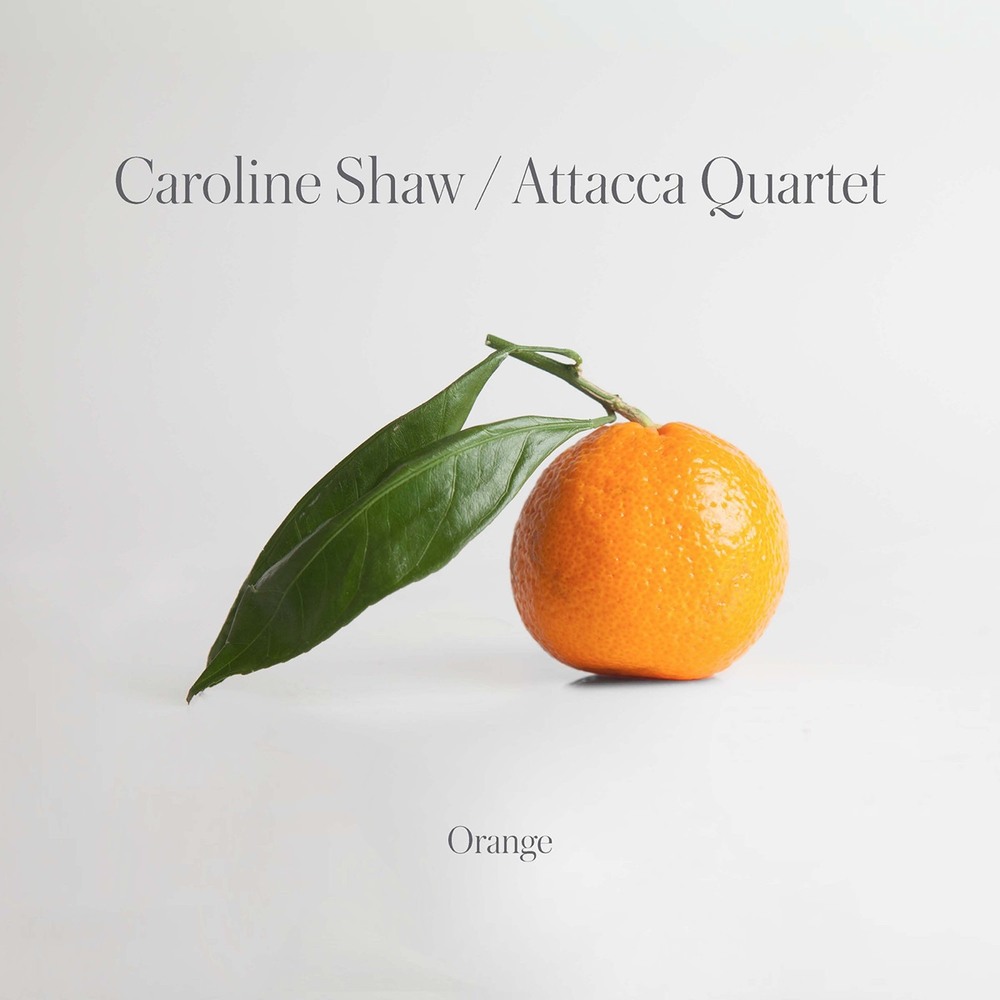
Caroline Shaw: Entr'acte — Attacca Quartet
Listen for the moments when bow sounds, pizzicato, and silence shift the boundaries of the form. On your first listen to “Caroline Shaw: Entr'acte — Attacca Quartet,” pick out one of the sounds described here; on the next, add the surrounding voices and the silences. You can hear how Attacca Quartet adjusts tempo and tone color as Entr'acte builds toward its climax. Compare the opening and closing sonorities of “Caroline Shaw: Entr'acte — Attacca Quartet” side by side, and the sense of distance and time the piece creates stays with you in concrete terms.
The Entr'acte track linked to “Caroline Shaw: Entr'acte — Attacca Quartet” is a real recording from the album “Caroline Shaw: Orange” and is introduced as the “Caroline Shaw: Entr'acte — Attacca Quartet” entry in line with the selection criteria of “Classical Works by Women Composers, Rediscovered Beyond the Textbook.” Apple Music's performer credit for “Caroline Shaw: Entr'acte — Attacca Quartet” is Attacca Quartet, and the release year is 2019; since this date may differ from when Caroline Shaw wrote the piece, it is used here only as recording information. When looking for other versions of the same work as “Caroline Shaw: Entr'acte — Attacca Quartet,” check the title, performer, and album together so you don't confuse the same recording with a reissue, and so you can also see the context of the list.
The Entr'acte track linked to “Caroline Shaw: Entr'acte — Attacca Quartet” is a real recording from the album “Caroline Shaw: Orange” and is introduced as the “Caroline Shaw: Entr'acte — Attacca Quartet” entry in line with the selection criteria of “Classical Works by Women Composers, Rediscovered Beyond the Textbook.” Apple Music's performer credit for “Caroline Shaw: Entr'acte — Attacca Quartet” is Attacca Quartet, and the release year is 2019; since this date may differ from when Caroline Shaw wrote the piece, it is used here only as recording information. When looking for other versions of the same work as “Caroline Shaw: Entr'acte — Attacca Quartet,” check the title, performer, and album together so you don't confuse the same recording with a reissue, and so you can also see the context of the list.
연주자 Attacca Quartet
작곡가 Caroline Shaw
작품 Entr'acte
표시 발매 연도 2019
수록 음반 Caroline Shaw: Orange
형식 음원
감상 포인트 고전적 미뉴에트의 기억을 끊고 늘이며 현악사중주의 시간감을 새롭게 만든다.
듣기 팁 활 소리와 피치카토, 침묵이 형식의 경계를 바꾸는 순간을 들어보자.
Listening chronologically reveals a flow that expands from the language of Romantic piano and symphonies to 20th-century orchestral and today's string quartets. However, rather than lining them up in stages of development, it is more precise to examine how each work uses and transforms contemporary forms. For larger works like Clara Schumann's concerto and Price's symphony, let's explore the entire piece after selecting a movement.
The year shown for digital recordings is not the composition date but information about the recording and release version. The life and work dates of the composers are separately identified, and you can check the performers and recorded albums on the linking pages. If you find a composer you like, try exploring other genres by that person before comparing them with male composers from the same era. A method to properly meet forgotten repertoire is not to define their character based on one or two works.
The year shown for digital recordings is not the composition date but information about the recording and release version. The life and work dates of the composers are separately identified, and you can check the performers and recorded albums on the linking pages. If you find a composer you like, try exploring other genres by that person before comparing them with male composers from the same era. A method to properly meet forgotten repertoire is not to define their character based on one or two works.
At a glance
8 items
Clara Schumann: Piano Concerto, 1st Movement — Kanneh-Mason & Liverpool Philharmonic
Clara Schumann2019음원
Fanny Mendelssohn: String Quartet, 4th Movement — Quatuor Ébène
Quatuor Ébène2013음원
Lili Boulanger: D'un matin de printemps — Chloé Piano Trio
Chloé Piano TrioLili Boulanger2020
Florence Price: Symphony No. 3, 2nd Movement — Nézet-Séguin & Philadelphia
Florence Price2021음원
Amy Beach: “Gaelic” Symphony, 2nd Movement — Järvi & Detroit Symphony
Amy Beach1992음원
Louise Farrenc: Symphony No. 3, 2nd Movement — Equilbey & Insula
Louise Farrenc2021음원
Tailleferre: Harp Concertino, 1st Movement — Langlamet & Berlin Philharmonic
2025음원
Caroline Shaw: Entr'acte — Attacca Quartet
Attacca QuartetCaroline ShawEntr'acte
As part of the Coupang Partners program, this post may earn a commission from qualifying purchases.
Comments 0
Log in to leave a comment.
Be the first to comment.
How about these lists?


You might also like


🎲
Not ready to stop here?
Wondering what to read next is the biggest waste of time.
Let the dice decide — you won't know what pops up until you roll.
If you don't press it… won't you wonder forever? 👀