Collection
Classical
2026.09.26
Opera Overtures That Hint at the Ending Before the Singing Begins
Real orchestral recordings that reveal characters, conflicts, and fate before the curtain rises
Opera overtures provide a condensed glimpse of the work's universe even before the audience hears the names of the characters. Quick strings foreshadow chaos, heavy brass hints at an unavoidable fate, and quiet melodies plant seeds of love or loss that will emerge later. Even without knowing the entire plot, following the moment when the music transitions from brightness to darkness, and from tension to relief, can give a sense of the nature of the performance.
This list connects eight different overtures, ranging from the agility of comedy to the weight of tragedy, as well as the charm of romantic legends and American musicals, through actual audio recordings. It doesn't simply collect famous openings; instead, each item highlights what instruments and rhythms foreshadow the core of the stage. Listening to the overture first, then transitioning into the first scene of the opera, allows for insight into how the composer designed the audience's expectations.
This list connects eight different overtures, ranging from the agility of comedy to the weight of tragedy, as well as the charm of romantic legends and American musicals, through actual audio recordings. It doesn't simply collect famous openings; instead, each item highlights what instruments and rhythms foreshadow the core of the stage. Listening to the overture first, then transitioning into the first scene of the opera, allows for insight into how the composer designed the audience's expectations.
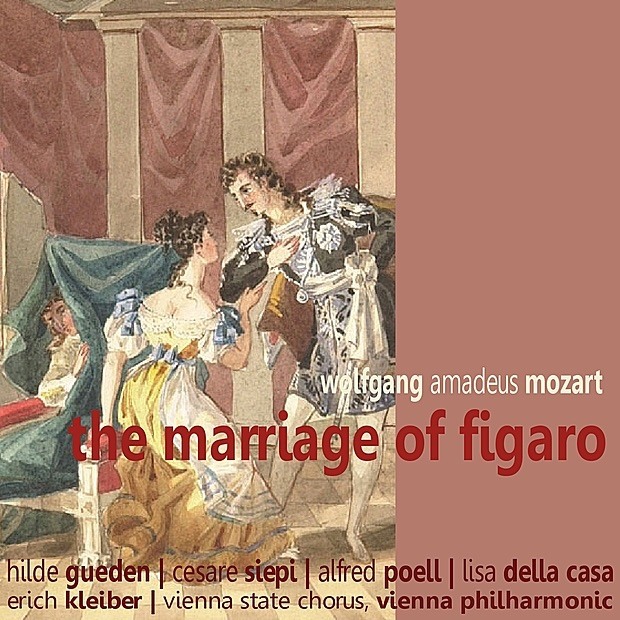
Mozart: The Marriage of Figaro Overture — Erich Kleiber & Vienna Philharmonic
Follow how a short motif travels between instruments and grows steadily more crowded. On your first listen to “Mozart: The Marriage of Figaro Overture — Erich Kleiber & Vienna Philharmonic,” follow the points described here; on the second, widen your focus to the bass and inner voices. That way, the texture of Le nozze di Figaro: Overture and the phrase lengths chosen by Vienna Philharmonic, Erich Kleiber, Vienna State Chorus, Hilde Gueden, Cesare Siepi, Alfred Poell & Lisa Della Casa come through together. Rather than waiting for the famous passages, mark the moments where the tone color shifts, and you won't lose sight of where the piece is heading.
The Le nozze di Figaro: Overture track linked to “Mozart: The Marriage of Figaro Overture — Erich Kleiber & Vienna Philharmonic” is an actual recording from the album Mozart: the Marriage of Figaro, introduced as the “Mozart: The Marriage of Figaro Overture — Erich Kleiber & Vienna Philharmonic” entry to fit the selection criteria of “Opera Overtures That Hint at the Ending Before the Singing Begins.” The performers listed on Apple Music for “Mozart: The Marriage of Figaro Overture — Erich Kleiber & Vienna Philharmonic” are Vienna Philharmonic, Erich Kleiber, Vienna State Chorus, Hilde Gueden, Cesare Siepi, Alfred Poell & Lisa Della Casa, and the release year is 2010; since this date may differ from when Wolfgang Amadeus Mozart wrote the work, we use it in this list only as recording information. When looking for other versions of the same work as “Mozart: The Marriage of Figaro Overture — Erich Kleiber & Vienna Philharmonic,” check the title, performers, and album together so you don't confuse the same recording with a reissue, and so you can also see the context of the list.
The Le nozze di Figaro: Overture track linked to “Mozart: The Marriage of Figaro Overture — Erich Kleiber & Vienna Philharmonic” is an actual recording from the album Mozart: the Marriage of Figaro, introduced as the “Mozart: The Marriage of Figaro Overture — Erich Kleiber & Vienna Philharmonic” entry to fit the selection criteria of “Opera Overtures That Hint at the Ending Before the Singing Begins.” The performers listed on Apple Music for “Mozart: The Marriage of Figaro Overture — Erich Kleiber & Vienna Philharmonic” are Vienna Philharmonic, Erich Kleiber, Vienna State Chorus, Hilde Gueden, Cesare Siepi, Alfred Poell & Lisa Della Casa, and the release year is 2010; since this date may differ from when Wolfgang Amadeus Mozart wrote the work, we use it in this list only as recording information. When looking for other versions of the same work as “Mozart: The Marriage of Figaro Overture — Erich Kleiber & Vienna Philharmonic,” check the title, performers, and album together so you don't confuse the same recording with a reissue, and so you can also see the context of the list.
연주자 Vienna Philharmonic, Erich Kleiber, Vienna State Chorus, Hilde Gueden, Cesare Siepi, Alfred Poell & Lisa Della Casa
작곡가 Wolfgang Amadeus Mozart
작품 Le nozze di Figaro: Overture
표시 발매 연도 2010
수록 음반 Mozart: the Marriage of Figaro
형식 음원
감상 포인트 숨 돌릴 틈 없는 현악과 목관의 주고받음이 하루 동안 벌어질 소동을 예고한다.
듣기 팁 짧은 동기가 악기 사이를 이동하며 점점 붐비는 과정을 따라가 보자.
Rossini: The Barber of Seville Overture — Parry & London Philharmonic
Listen to how the number of instruments and the volume grow each time the same phrase returns. Next, check whether the register and accents change when the same motif returns in “Rossini: The Barber of Seville Overture — Parry & London Philharmonic.” The performance by London Philharmonic Orchestra & David Parry reveals the broad arc of The Barber of Seville: Overture through the connections between voices rather than by exaggerating it. Finally, go back to the opening of “Rossini: The Barber of Seville Overture — Parry & London Philharmonic” and compare it with your first impression, and the structure comes into sharp focus.
The Barber of Seville: Overture track linked to “Rossini: The Barber of Seville Overture — Parry & London Philharmonic” is an actual recording from the album The 50 Greatest Pieces of Classical Music, introduced as the “Rossini: The Barber of Seville Overture — Parry & London Philharmonic” entry to fit the selection criteria of “Opera Overtures That Hint at the Ending Before the Singing Begins.” The performers listed on Apple Music for “Rossini: The Barber of Seville Overture — Parry & London Philharmonic” are London Philharmonic Orchestra & David Parry, and the release year is 2009; since this date may differ from when Gioachino Rossini wrote the work, we use it only as recording information. When looking for other versions of the same work as “Rossini: The Barber of Seville Overture — Parry & London Philharmonic,” check the title, performers, and album together so you don't confuse the same recording with a reissue, and so you can also see the context of this list.
The Barber of Seville: Overture track linked to “Rossini: The Barber of Seville Overture — Parry & London Philharmonic” is an actual recording from the album The 50 Greatest Pieces of Classical Music, introduced as the “Rossini: The Barber of Seville Overture — Parry & London Philharmonic” entry to fit the selection criteria of “Opera Overtures That Hint at the Ending Before the Singing Begins.” The performers listed on Apple Music for “Rossini: The Barber of Seville Overture — Parry & London Philharmonic” are London Philharmonic Orchestra & David Parry, and the release year is 2009; since this date may differ from when Gioachino Rossini wrote the work, we use it only as recording information. When looking for other versions of the same work as “Rossini: The Barber of Seville Overture — Parry & London Philharmonic,” check the title, performers, and album together so you don't confuse the same recording with a reissue, and so you can also see the context of this list.
연주자 London Philharmonic Orchestra & David Parry
작곡가 Gioachino Rossini
작품 The Barber of Seville: Overture
표시 발매 연도 2009
수록 음반 The 50 Greatest Pieces of Classical Music
형식 음원
감상 포인트 조용한 시작과 반복적으로 커지는 크레셴도가 희극의 긴장과 폭발을 만든다.
듣기 팁 같은 구절이 돌아올 때 악기 수와 음량이 어떻게 늘어나는지 들어보자.
Verdi: La forza del destino Overture — Muti & Philharmonia
See if you can find which voice the opening brass call later returns in, transformed. When you listen to this recording again, focus less on tempo and more on the order in which sounds pile up and clear away. Track which voices the recurring material of La forza del destino: Overture moves into, and you'll also hear the sense of balance of Philharmonia Orchestra & Riccardo Muti. Compare the resonance lingering at the end of “Verdi: La forza del destino Overture — Muti & Philharmonia” with the opening phrase, and the emotional shift makes sense within the structure.
The La forza del destino: Overture track linked to “Verdi: La forza del destino Overture — Muti & Philharmonia” is an actual recording from the album Verdi: The Opera Highlights, introduced as the “Verdi: La forza del destino Overture — Muti & Philharmonia” entry to fit the selection criteria of “Opera Overtures That Hint at the Ending Before the Singing Begins.” The performers listed on Apple Music for “Verdi: La forza del destino Overture — Muti & Philharmonia” are Philharmonia Orchestra & Riccardo Muti, and the release year is 2000; since this date may differ from when Giuseppe Verdi wrote the work, we use it here only as recording information. When looking for other versions of the same work as “Verdi: La forza del destino Overture — Muti & Philharmonia,” check the title, performers, and album together so you don't confuse the same recording with a reissue, and so you can also see the context of this list.
The La forza del destino: Overture track linked to “Verdi: La forza del destino Overture — Muti & Philharmonia” is an actual recording from the album Verdi: The Opera Highlights, introduced as the “Verdi: La forza del destino Overture — Muti & Philharmonia” entry to fit the selection criteria of “Opera Overtures That Hint at the Ending Before the Singing Begins.” The performers listed on Apple Music for “Verdi: La forza del destino Overture — Muti & Philharmonia” are Philharmonia Orchestra & Riccardo Muti, and the release year is 2000; since this date may differ from when Giuseppe Verdi wrote the work, we use it here only as recording information. When looking for other versions of the same work as “Verdi: La forza del destino Overture — Muti & Philharmonia,” check the title, performers, and album together so you don't confuse the same recording with a reissue, and so you can also see the context of this list.
연주자 Philharmonia Orchestra & Riccardo Muti
작곡가 Giuseppe Verdi
작품 La forza del destino: Overture
표시 발매 연도 2000
수록 음반 Verdi: The Opera Highlights
형식 음원
감상 포인트 세 번 울리는 금관 동기와 비극적 선율이 피할 수 없는 운명의 압력을 만든다.
듣기 팁 첫 금관 신호가 이후 어느 성부에서 변형되어 돌아오는지 찾아보자.
Wagner: Tannhäuser Overture — Solti & Chicago Symphony
Listen to how the hymn in the low winds makes its way back through the rapid motion of the strings. Next, listen to what the accompaniment and background voices of “Wagner: Tannhäuser Overture — Solti & Chicago Symphony” are doing at the same moment. Follow how earlier material returns in different instruments and registers, and the design of Tannhäuser: Overture reveals itself naturally. If you also mark where Chicago Symphony Orchestra & Sir Georg Solti places the accents, you'll have a yardstick for comparing other performances.
The Tannhäuser: Overture track linked to “Wagner: Tannhäuser Overture — Solti & Chicago Symphony” is an actual recording from the album Wagner: Favourite Overtures, introduced as the “Wagner: Tannhäuser Overture — Solti & Chicago Symphony” entry to fit the selection criteria of “Opera Overtures That Hint at the Ending Before the Singing Begins.” The performers listed on Apple Music for “Wagner: Tannhäuser Overture — Solti & Chicago Symphony” are Chicago Symphony Orchestra & Sir Georg Solti, and the release year is 1998; since this date may differ from when Richard Wagner wrote the work, we use it only as recording information. When looking for other versions of the same work as “Wagner: Tannhäuser Overture — Solti & Chicago Symphony,” check the title, performers, and album together so you don't confuse the same recording with a reissue, and so you can also see the context of this list.
The Tannhäuser: Overture track linked to “Wagner: Tannhäuser Overture — Solti & Chicago Symphony” is an actual recording from the album Wagner: Favourite Overtures, introduced as the “Wagner: Tannhäuser Overture — Solti & Chicago Symphony” entry to fit the selection criteria of “Opera Overtures That Hint at the Ending Before the Singing Begins.” The performers listed on Apple Music for “Wagner: Tannhäuser Overture — Solti & Chicago Symphony” are Chicago Symphony Orchestra & Sir Georg Solti, and the release year is 1998; since this date may differ from when Richard Wagner wrote the work, we use it only as recording information. When looking for other versions of the same work as “Wagner: Tannhäuser Overture — Solti & Chicago Symphony,” check the title, performers, and album together so you don't confuse the same recording with a reissue, and so you can also see the context of this list.
연주자 Chicago Symphony Orchestra & Sir Georg Solti
작곡가 Richard Wagner
작품 Tannhäuser: Overture
표시 발매 연도 1998
수록 음반 Wagner: Favourite Overtures
형식 음원
감상 포인트 장엄한 순례자 합창과 격렬한 감각의 음악이 작품의 두 세계를 충돌시킨다.
듣기 팁 낮은 관악의 찬가가 현악의 빠른 움직임을 지나 어떻게 귀환하는지 들어보자.
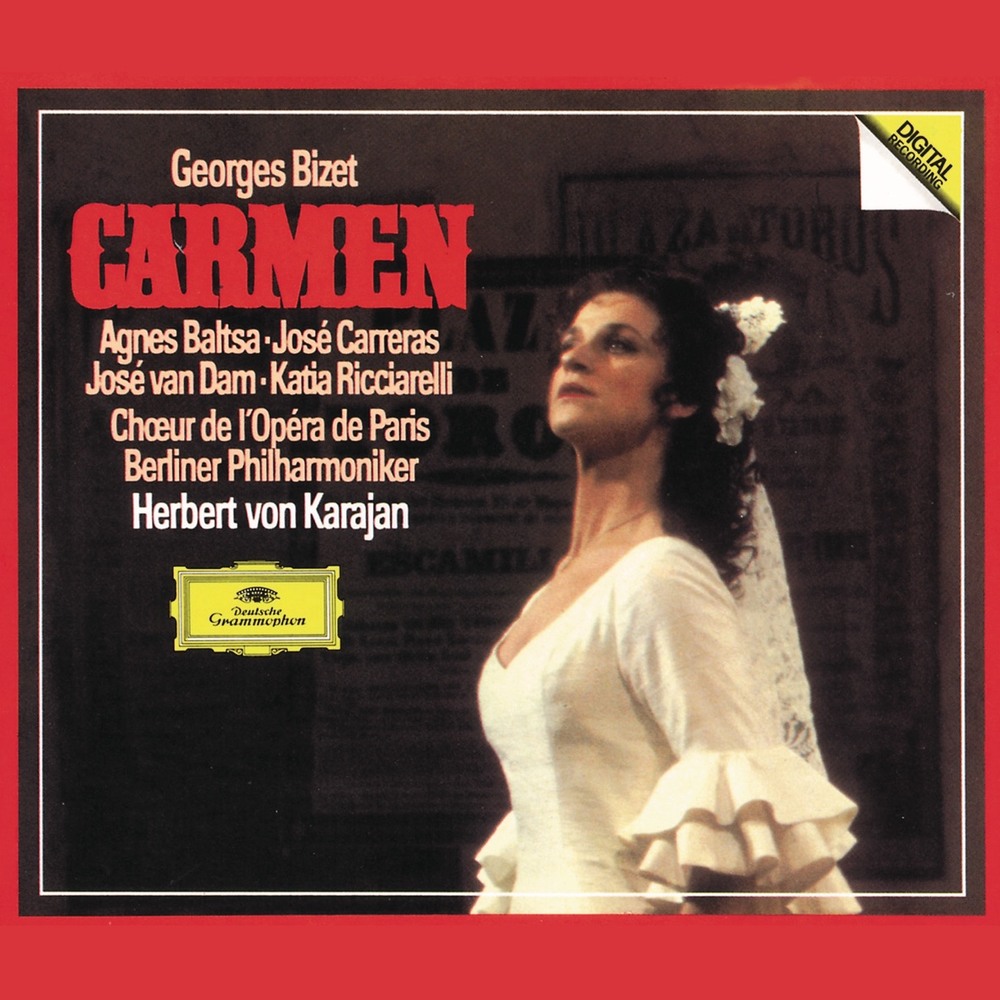
Bizet: Carmen Prelude — Karajan & Berlin Philharmonic
Don't miss the moment right after the bright section ends, when the tempo and tone color change abruptly. When you listen to “Bizet: Carmen Prelude — Karajan & Berlin Philharmonic” once more, look for the lowest note and the longest note. Where the two meet determines the tension and release of Carmen: Prélude, and it's also where the interpretation of Berlin Philharmonic & Herbert von Karajan comes through most clearly. Compare the length of the breaths and the resonance in “Bizet: Carmen Prelude — Karajan & Berlin Philharmonic” rather than the volume, and the reason this version was chosen becomes vivid.
The Carmen: Prélude track linked to “Bizet: Carmen Prelude — Karajan & Berlin Philharmonic” is an actual recording from the album Bizet: Carmen, introduced as the “Bizet: Carmen Prelude — Karajan & Berlin Philharmonic” entry to fit the selection criteria of “Opera Overtures That Hint at the Ending Before the Singing Begins.” The performers listed on Apple Music for “Bizet: Carmen Prelude — Karajan & Berlin Philharmonic” are Berlin Philharmonic & Herbert von Karajan, and the release year is 1983; since this date may differ from when Georges Bizet wrote the work, we use it only as recording information. When looking for other versions of the same work as “Bizet: Carmen Prelude — Karajan & Berlin Philharmonic,” check the title, performers, and album together so you don't confuse the same recording with a reissue, and so you can also see the context of this list.
The Carmen: Prélude track linked to “Bizet: Carmen Prelude — Karajan & Berlin Philharmonic” is an actual recording from the album Bizet: Carmen, introduced as the “Bizet: Carmen Prelude — Karajan & Berlin Philharmonic” entry to fit the selection criteria of “Opera Overtures That Hint at the Ending Before the Singing Begins.” The performers listed on Apple Music for “Bizet: Carmen Prelude — Karajan & Berlin Philharmonic” are Berlin Philharmonic & Herbert von Karajan, and the release year is 1983; since this date may differ from when Georges Bizet wrote the work, we use it only as recording information. When looking for other versions of the same work as “Bizet: Carmen Prelude — Karajan & Berlin Philharmonic,” check the title, performers, and album together so you don't confuse the same recording with a reissue, and so you can also see the context of this list.
연주자 Berlin Philharmonic & Herbert von Karajan
작곡가 Georges Bizet
작품 Carmen: Prélude
표시 발매 연도 1983
수록 음반 Bizet: Carmen
형식 음원
감상 포인트 눈부신 투우장 음악 뒤에 운명을 암시하는 어두운 동기가 나타나 축제와 비극을 붙인다.
듣기 팁 밝은 부분이 끝난 직후 템포와 음색이 급변하는 순간을 놓치지 말자.
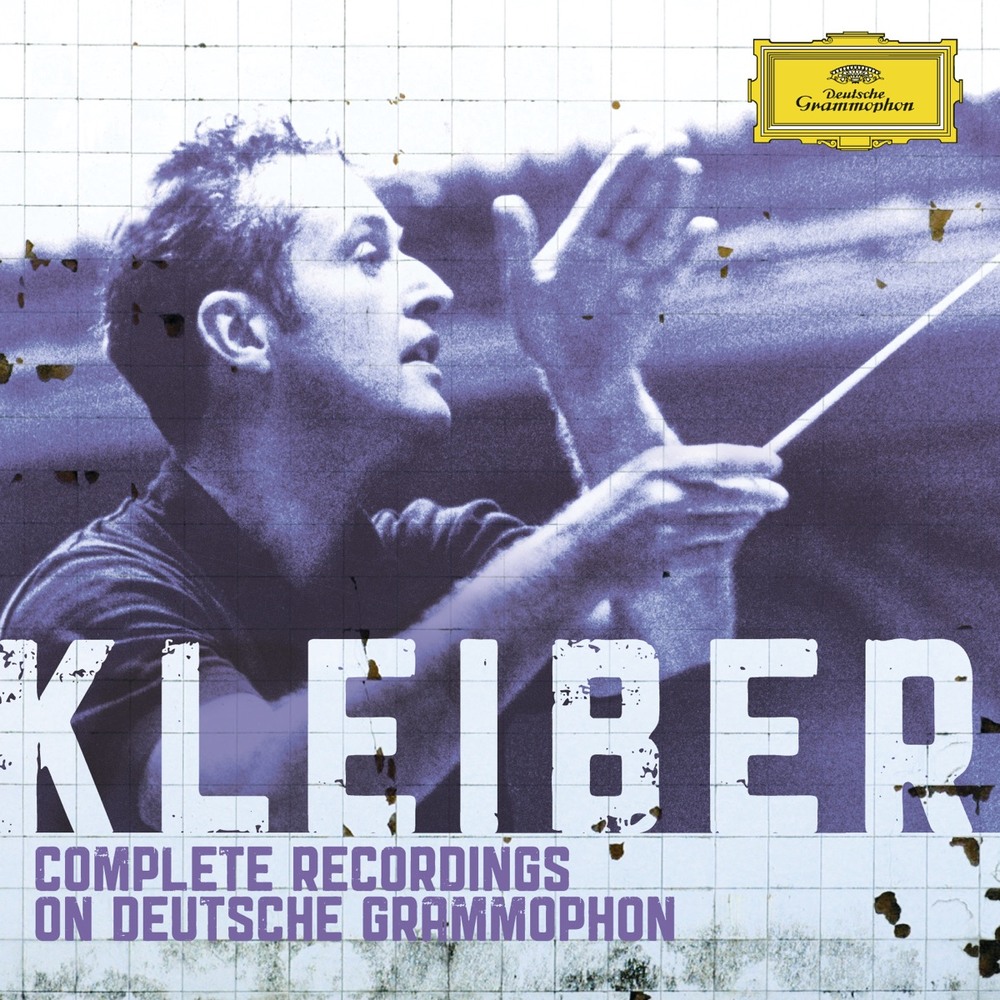
Weber: Der Freischütz Overture — Carlos Kleiber & Staatskapelle Dresden
Compare the moods set up in turn by the horn theme and the dark bass motif. After that, see whether the instrument that begins the theme in “Weber: Der Freischütz Overture — Carlos Kleiber & Staatskapelle Dresden” is the same one that ends it. Der Freischütz: Overture moves forward by repeating small gestures while changing the density of the background. Listen for where Carlos Kleiber & Staatskapelle Dresden emphasizes those changes, and you can describe the character of this version, going beyond simply enjoying the mood.
The Der Freischütz: Overture track linked to “Weber: Der Freischütz Overture — Carlos Kleiber & Staatskapelle Dresden” is an actual recording from the album Carlos Kleiber - Complete Recordings on Deutsche Grammophon, introduced as the “Weber: Der Freischütz Overture — Carlos Kleiber & Staatskapelle Dresden” entry to fit the selection criteria of “Opera Overtures That Hint at the Ending Before the Singing Begins.” The performers listed on Apple Music for “Weber: Der Freischütz Overture — Carlos Kleiber & Staatskapelle Dresden” are Carlos Kleiber & Staatskapelle Dresden, and the release year is 1973; since this date may differ from when Carl Maria von Weber wrote the work, we use it only as recording information. When looking for other versions of the same work as “Weber: Der Freischütz Overture — Carlos Kleiber & Staatskapelle Dresden,” check the title, performers, and album together so you don't confuse the same recording with a reissue, and so you can also see the context of the list.
The Der Freischütz: Overture track linked to “Weber: Der Freischütz Overture — Carlos Kleiber & Staatskapelle Dresden” is an actual recording from the album Carlos Kleiber - Complete Recordings on Deutsche Grammophon, introduced as the “Weber: Der Freischütz Overture — Carlos Kleiber & Staatskapelle Dresden” entry to fit the selection criteria of “Opera Overtures That Hint at the Ending Before the Singing Begins.” The performers listed on Apple Music for “Weber: Der Freischütz Overture — Carlos Kleiber & Staatskapelle Dresden” are Carlos Kleiber & Staatskapelle Dresden, and the release year is 1973; since this date may differ from when Carl Maria von Weber wrote the work, we use it only as recording information. When looking for other versions of the same work as “Weber: Der Freischütz Overture — Carlos Kleiber & Staatskapelle Dresden,” check the title, performers, and album together so you don't confuse the same recording with a reissue, and so you can also see the context of the list.
연주자 Carlos Kleiber & Staatskapelle Dresden
작곡가 Carl Maria von Weber
작품 Der Freischütz: Overture
표시 발매 연도 1973
수록 음반 Carlos Kleiber - Complete Recordings on Deutsche Grammophon
형식 음원
감상 포인트 호른의 숲 풍경과 불안한 현악, 환희의 결말이 낭만 오페라의 줄거리를 압축한다.
듣기 팁 호른 주제와 어두운 저음 동기가 번갈아 세운 분위기를 비교해보자.
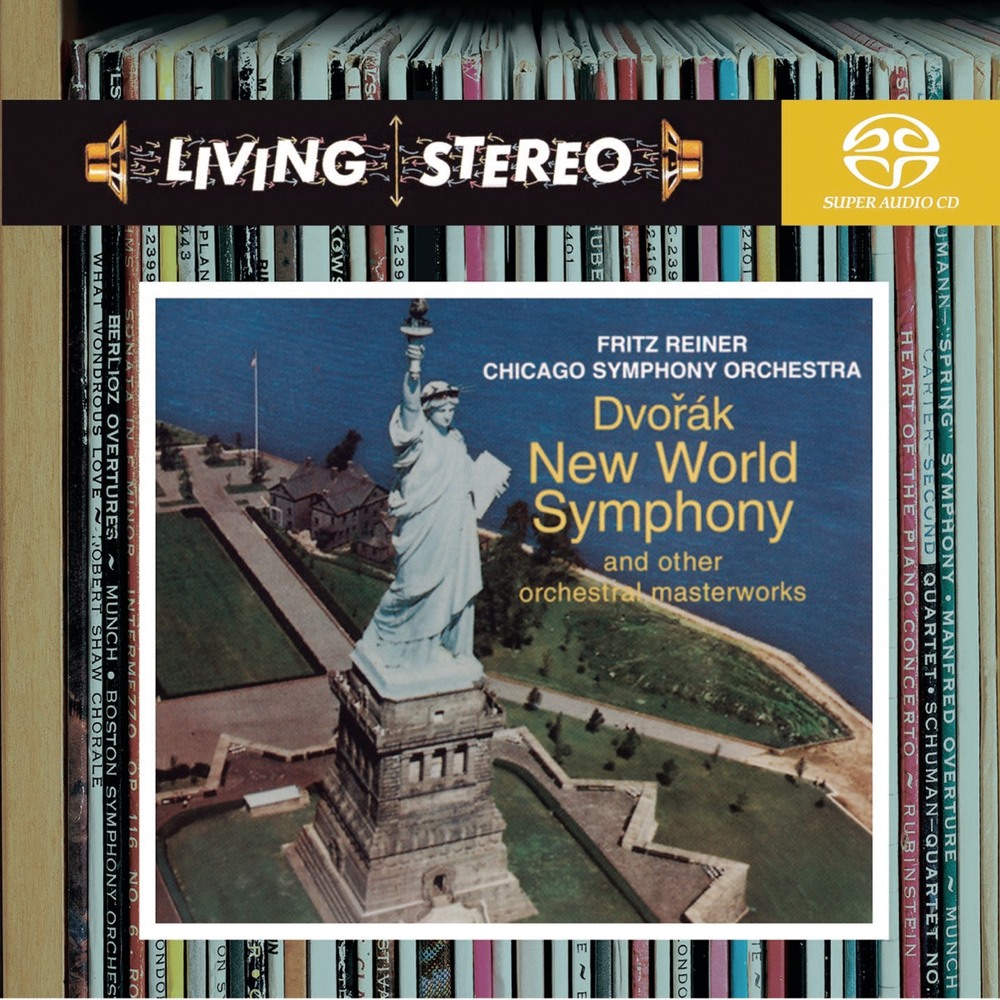
Smetana: The Bartered Bride Overture — Reiner & Chicago Symphony
Count the points where each voice enters with the same theme, one after another. When the same passage repeats in “Smetana: The Bartered Bride Overture — Reiner & Chicago Symphony,” pick either tempo or dynamics and compare. Narrowing your listening to the choices of Fritz Reiner & Chicago Symphony Orchestra by a single criterion keeps you from missing the inner voices and rhythms of The Bartered Bride: Overture. Finally, listen to the whole of “Smetana: The Bartered Bride Overture — Reiner & Chicago Symphony” again and notice how the details shaped your impression of the work.
The Bartered Bride: Overture track linked to “Smetana: The Bartered Bride Overture — Reiner & Chicago Symphony” is an actual recording from the album Dvořák: New World Symphony, introduced as the “Smetana: The Bartered Bride Overture — Reiner & Chicago Symphony” entry to fit the selection criteria of “Opera Overtures That Hint at the Ending Before the Singing Begins.” The performers listed on Apple Music for “Smetana: The Bartered Bride Overture — Reiner & Chicago Symphony” are Fritz Reiner & Chicago Symphony Orchestra, and the release year is 1956; since this date may differ from when Bedřich Smetana wrote the work, we use it here only as recording information. When looking for other versions of the same work as “Smetana: The Bartered Bride Overture — Reiner & Chicago Symphony,” check the title, performers, and album together so you don't confuse the same recording with a reissue, and so you can also see the context of the list.
The Bartered Bride: Overture track linked to “Smetana: The Bartered Bride Overture — Reiner & Chicago Symphony” is an actual recording from the album Dvořák: New World Symphony, introduced as the “Smetana: The Bartered Bride Overture — Reiner & Chicago Symphony” entry to fit the selection criteria of “Opera Overtures That Hint at the Ending Before the Singing Begins.” The performers listed on Apple Music for “Smetana: The Bartered Bride Overture — Reiner & Chicago Symphony” are Fritz Reiner & Chicago Symphony Orchestra, and the release year is 1956; since this date may differ from when Bedřich Smetana wrote the work, we use it here only as recording information. When looking for other versions of the same work as “Smetana: The Bartered Bride Overture — Reiner & Chicago Symphony,” check the title, performers, and album together so you don't confuse the same recording with a reissue, and so you can also see the context of the list.
연주자 Fritz Reiner & Chicago Symphony Orchestra
작곡가 Bedřich Smetana
작품 The Bartered Bride: Overture
표시 발매 연도 1956
수록 음반 Dvořák: New World Symphony
형식 음원
감상 포인트 빠른 현악의 푸가와 춤 리듬이 마을의 활기와 인물들의 소동을 밀어붙인다.
듣기 팁 각 성부가 같은 주제를 시간차로 시작하는 지점을 세어보자.
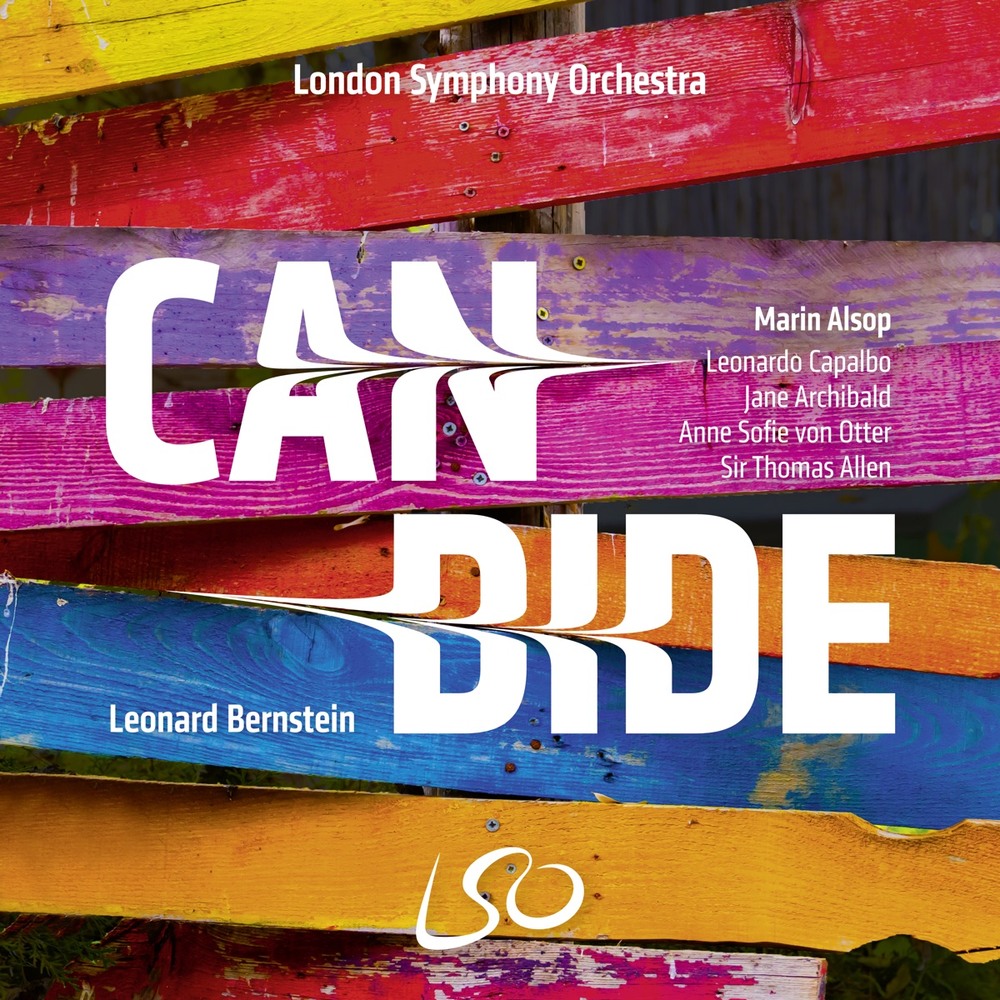
Bernstein: Candide Overture — Alsop & London Symphony
When the meter changes, listen first for the accents in the percussion and brass rather than the melody. On your first listen to “Bernstein: Candide Overture — Alsop & London Symphony,” find the one sound pointed out here; on the next, add the surrounding voices and the silences. You can hear how Marin Alsop & London Symphony Orchestra adjusts tempo and tone color as Candide: Overture builds toward its climax. Compare the opening and closing sonorities of “Bernstein: Candide Overture — Alsop & London Symphony” side by side, and the sense of distance and time the piece creates stays with you in concrete terms.
The Candide: Overture track linked to “Bernstein: Candide Overture — Alsop & London Symphony” is an actual recording from the album Bernstein: Candide, introduced as the “Bernstein: Candide Overture — Alsop & London Symphony” entry to fit the selection criteria of “Opera Overtures That Hint at the Ending Before the Singing Begins.” The performers listed on Apple Music for “Bernstein: Candide Overture — Alsop & London Symphony” are Marin Alsop & London Symphony Orchestra, and the release year is 2021; since this date may differ from when Leonard Bernstein wrote the work, we use it here only as recording information. When looking for other versions of the same work as “Bernstein: Candide Overture — Alsop & London Symphony,” check the title, performers, and album together so you don't confuse the same recording with a reissue, and so you can also see the context of the list.
The Candide: Overture track linked to “Bernstein: Candide Overture — Alsop & London Symphony” is an actual recording from the album Bernstein: Candide, introduced as the “Bernstein: Candide Overture — Alsop & London Symphony” entry to fit the selection criteria of “Opera Overtures That Hint at the Ending Before the Singing Begins.” The performers listed on Apple Music for “Bernstein: Candide Overture — Alsop & London Symphony” are Marin Alsop & London Symphony Orchestra, and the release year is 2021; since this date may differ from when Leonard Bernstein wrote the work, we use it here only as recording information. When looking for other versions of the same work as “Bernstein: Candide Overture — Alsop & London Symphony,” check the title, performers, and album together so you don't confuse the same recording with a reissue, and so you can also see the context of the list.
연주자 Marin Alsop & London Symphony Orchestra
작곡가 Leonard Bernstein
작품 Candide: Overture
표시 발매 연도 2021
수록 음반 Bernstein: Candide
형식 음원
감상 포인트 브라스의 재치와 빠른 박자 전환이 풍자와 모험의 속도를 한꺼번에 보여준다.
듣기 팁 박자가 바뀔 때 멜로디보다 타악기와 금관의 악센트를 먼저 들어보자.
When listening to overtures, remember the brief motif presented at the beginning rather than the loudest part. When that motif is transformed into another instrument or grows during the final orchestral section, the emotion of the piece is completed. In comedic overtures, how the music pauses and re-starts is crucial, while in tragic overtures, focus on the low brass and repeated rhythms provides direction even without knowing the plot. Comparing with other overtures by the same composer can be a great next step.
The connected release years correspond to the values indicated in Apple Music for the specific recordings or reissues and may differ from the premiere year of the work. Actual opera recordings and overture collections are also included, so the nature of the albums can be distinguished based on their attributes. Enjoy the tracks that caught your interest by listening straight through to the first scene, and check if the themes from the overture reappear in the main work. It will become clearer how much information the music conveyed ahead of time.
The connected release years correspond to the values indicated in Apple Music for the specific recordings or reissues and may differ from the premiere year of the work. Actual opera recordings and overture collections are also included, so the nature of the albums can be distinguished based on their attributes. Enjoy the tracks that caught your interest by listening straight through to the first scene, and check if the themes from the overture reappear in the main work. It will become clearer how much information the music conveyed ahead of time.
At a glance
8 items
Mozart: The Marriage of Figaro Overture — Erich Kleiber & Vienna Philharmonic
2010음원
Rossini: The Barber of Seville Overture — Parry & London Philharmonic
2009음원
Verdi: La forza del destino Overture — Muti & Philharmonia
Giuseppe Verdi2000음원
Wagner: Tannhäuser Overture — Solti & Chicago Symphony
Richard Wagner1998음원
Bizet: Carmen Prelude — Karajan & Berlin Philharmonic
Georges BizetCarmen: Prélude1983
Weber: Der Freischütz Overture — Carlos Kleiber & Staatskapelle Dresden
1973음원
Smetana: The Bartered Bride Overture — Reiner & Chicago Symphony
Bedřich Smetana1956음원
Bernstein: Candide Overture — Alsop & London Symphony
2021음원
As part of the Coupang Partners program, this post may earn a commission from qualifying purchases.
Comments 0
Log in to leave a comment.
Be the first to comment.
How about these lists?


You might also like


🎲
Not ready to stop here?
Wondering what to read next is the biggest waste of time.
Let the dice decide — you won't know what pops up until you roll.
If you don't press it… won't you wonder forever? 👀