The Moment One Cello Creates Multiple Voices
Collection Classical 2026.09.27

The Moment One Cello Creates Multiple Voices

A real unaccompanied recording that expands harmony, rhythm, and silence from Bach to Dutilleux

A single cello can hold a low bass, a singing melody, and percussive rhythms at the same time. In unaccompanied works, since there are no harmonies provided by piano or orchestra, the performer must create unseen voices through the length of notes and resonance. Rather than quick passages, listen for the connections between notes and how questions and answers emerge within a single melodic line, creating a structure that feels like a conversation among several people, even when playing alone.

This selection starts from different suites by Bach and interpretations by Casals and Yo-Yo Ma, then transitions to Kodály, Britten, Cassadó, Hindemith, Ligeti, and Dutilleux. By choosing only actual unaccompanied cello recordings, it demonstrates how the possibilities of the instrument have expanded over time. Each item guides listeners to points that can be recognized by even those hearing it for the first time, such as the separation of bass and melody, bowing dynamics, and the function of silence.
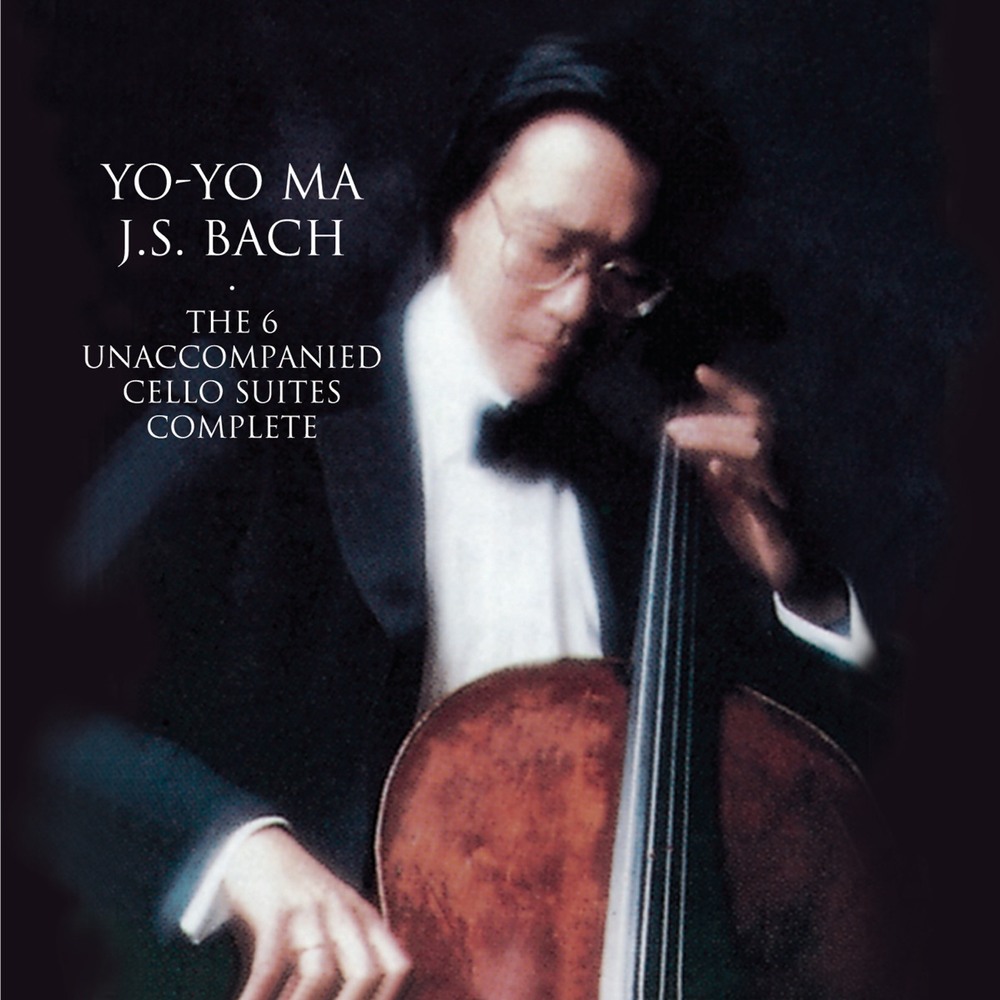
Bach Cello Suite No. 1 Prelude — Ma

Bach Cello Suite No. 1 Prelude — Ma

Bach Cello Suite No. 1 Prelude — Yo-Yo Ma

Listen to how the starting point of the next phrase changes each time the low sound returns. During the first listening of 'Bach Cello Suite No. 1 Prelude — Yo-Yo Ma', follow the guided points; in the second, broaden your focus to the bass and inner voices. This will reveal both the structure of Cello Suite No. 1: Prélude and the phrasing length selected by Yo-Yo Ma. Instead of waiting for famous passages, note the moments when the timbre shifts to ensure you don't lose track of the work's direction.

The Cello Suite No. 1: Prélude track linked to 'Bach Cello Suite No. 1 Prelude — Yo-Yo Ma' is part of the actual audio included in 'Bach: Cello Suites Nos. 1-6, BWV 1007-1012 (2009 Remaster)’ and is introduced under 'The Moment One Cello Creates Multiple Voices' selection criteria. The Apple Music indicated performer for 'Bach Cello Suite No. 1 Prelude — Yo-Yo Ma' is Yo-Yo Ma, and the release year is 1983, which may differ from when Johann Sebastian Bach composed the piece, so in 'The Moment One Cello Creates Multiple Voices', this date is used solely for the recording information. When looking for alternate editions of works like 'Bach Cello Suite No. 1 Prelude — Yo-Yo Ma', remember to check the piece name, performer, and album, so you don't confuse the same recording with re-release versions while also considering the context of 'The Moment One Cello Creates Multiple Voices.'
연주자 Yo-Yo Ma 작곡가 Johann Sebastian Bach 작품 Cello Suite No. 1: Prélude 표시 발매 연도 1983 수록 음반 Bach: Cello Suites Nos. 1-6, BWV 1007-1012 (2009 Remaster) 형식 음원 감상 포인트 분산화음이 끊임없이 흐르며 한 대의 첼로로 화성과 방향을 동시에 만든다. 듣기 팁 저음이 돌아올 때마다 다음 구절의 출발점이 어떻게 달라지는지 들어보자.
바로가기
Bach Cello Suite No. 5 Sarabande — Casals

Bach Cello Suite No. 5 Sarabande — Casals

Bach Cello Suite No. 5 Sarabande — Pablo Casals

Focus on the intervals where the sound completely fades away rather than where the notes linger. In 'Bach Cello Suite No. 5 Sarabande — Pablo Casals', check whether the register and emphasis change when the same motif returns. Pablo Casals's performance shows the large flow of Cello Suite No. 5: Sarabande through the connections of each voice rather than exaggerating the overall theme. At the end, return to the beginning of 'Bach Cello Suite No. 5 Sarabande — Pablo Casals' to compare how the first impression differs, clarifying the structure further.

The Cello Suite No. 5: Sarabande track linked to 'Bach Cello Suite No. 5 Sarabande — Pablo Casals' is part of the actual audio included in 'Bach: Cello Suites' and is introduced under 'The Moment One Cello Creates Multiple Voices' selection criteria. The Apple Music listed performer for 'Bach Cello Suite No. 5 Sarabande — Pablo Casals' is Pablo Casals, and the release year is 1988, which may differ from when Johann Sebastian Bach composed the piece, so in 'The Moment One Cello Creates Multiple Voices', this date is used solely for the recording information. When searching for alternate editions of works like 'Bach Cello Suite No. 5 Sarabande — Pablo Casals', be sure to check the piece name, performer, and album to avoid confusing identical recordings with re-release versions while also acknowledging the context of 'The Moment One Cello Creates Multiple Voices.'
연주자 Pablo Casals 작곡가 Johann Sebastian Bach 작품 Cello Suite No. 5: Sarabande 표시 발매 연도 1988 수록 음반 Bach: Cello Suites 형식 음원 감상 포인트 거의 단선율만으로 깊은 화성과 침묵을 상상하게 하는 느린 춤곡이다. 듣기 팁 음을 길게 끄는 곳보다 소리가 완전히 사라지는 간격에 집중해보자.
바로가기
Kodály Sonata for Unaccompanied Cello 1st Movement — Starker

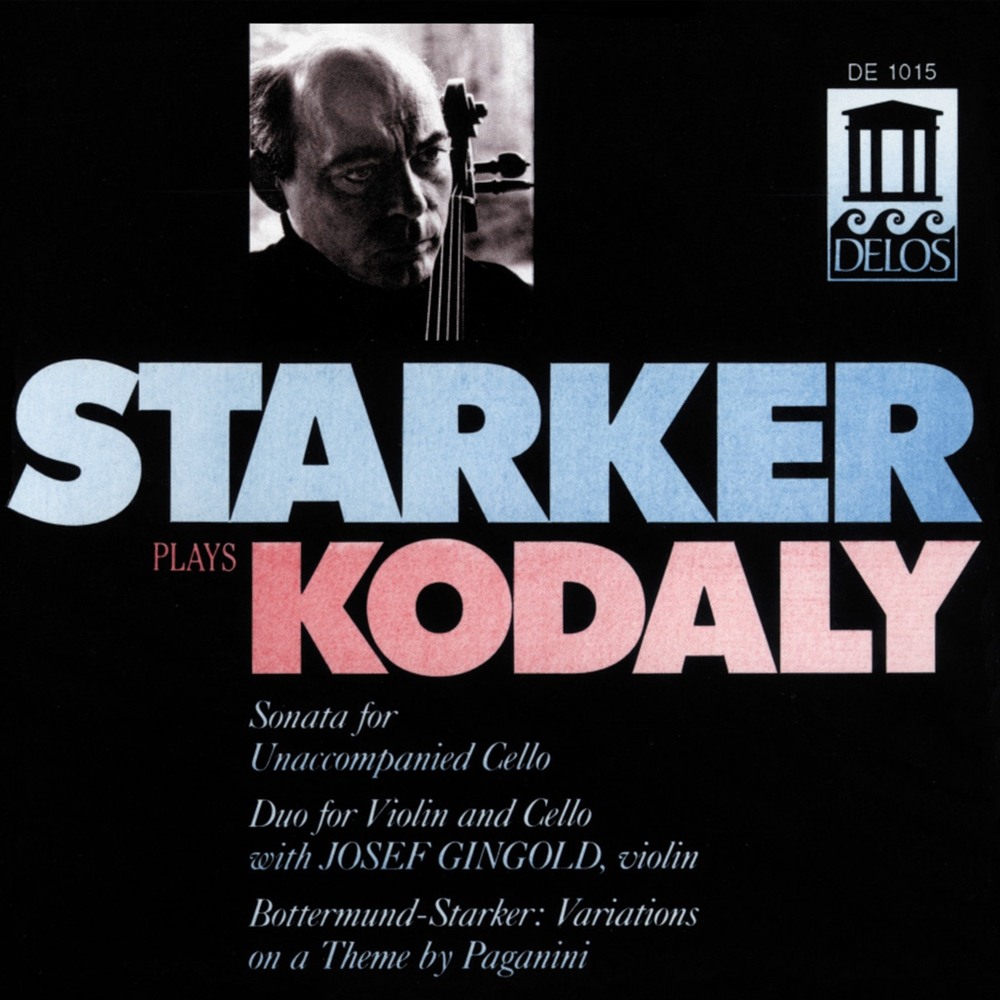
Kodály Sonata for Unaccompanied Cello 1st Movement — Starker

Kodály Unaccompanied Cello Sonata Movement I — János Starker

Listen to whether the low strings' repetition and high melodies take turns leading. When revisiting this audio, focus on the order of overlapping and empty sounds rather than tempo. You can see János Starker's sense of balance by identifying which voice the recurring materials of Sonata for Unaccompanied Cello, Op. 8: I shift to. By comparing the residue of resonance left at the end of 'Kodály Unaccompanied Cello Sonata Movement I — János Starker' with the first phrase, you can understand the emotional changes within the structure.

The Sonata for Unaccompanied Cello, Op. 8: I track linked to 'Kodály Unaccompanied Cello Sonata Movement I — János Starker' is part of the actual audio included in 'Starker Kodaly' and is introduced under 'The Moment One Cello Creates Multiple Voices' selection criteria. The Apple Music listed performer for 'Kodály Unaccompanied Cello Sonata Movement I — János Starker' is János Starker, and the release year is 1987, which may differ from when Zoltán Kodály composed the piece, so in 'The Moment One Cello Creates Multiple Voices', this date is used solely for the recording information. When looking for alternate editions of works like 'Kodály Unaccompanied Cello Sonata Movement I — János Starker', ensure to verify the piece name, performer, and album together to avoid confusing identical recordings with re-release versions while also acknowledging the context of 'The Moment One Cello Creates Multiple Voices.'
연주자 János Starker 작곡가 Zoltán Kodály 작품 Sonata for Unaccompanied Cello, Op. 8: I 표시 발매 연도 1987 수록 음반 Starker Kodaly 형식 음원 감상 포인트 조율을 바꾼 첼로의 강한 저음과 민속적 리듬이 악기 한 대의 규모를 넓힌다. 듣기 팁 저음 현의 반복과 높은 선율이 교대로 주도권을 잡는지 들어보자.
바로가기
Britten Cello Suite No. 1 ‘Canto primo’ — Queyras

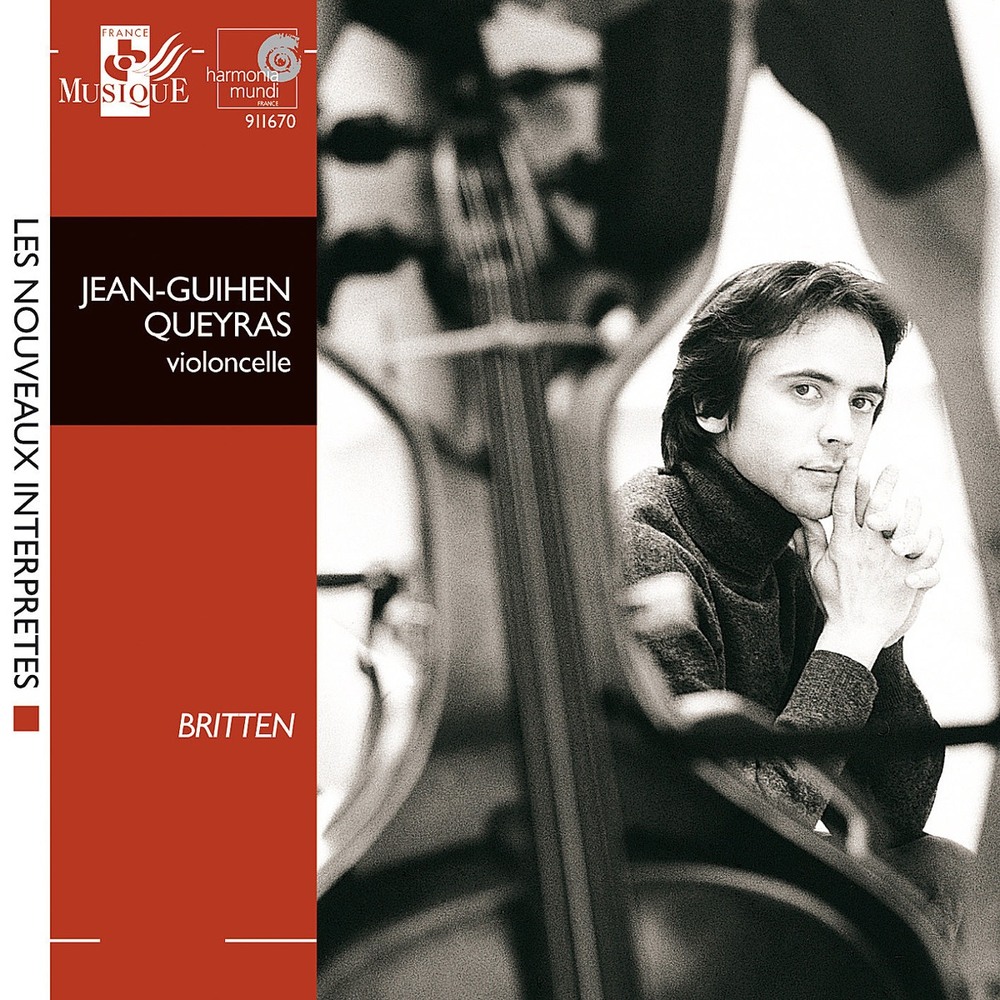
Britten Cello Suite No. 1 ‘Canto primo’ — Queyras

Britten Cello Suite No. 1 ‘Canto primo’ — Jean-Guihen Queyras

Remember how the same melody transforms when it revisits later movements. Next, listen for what the accompaniment and background voices are doing at the same moment in 'Britten Cello Suite No. 1 ‘Canto primo’ — Jean-Guihen Queyras'. Tracking how previously introduced materials return with different instruments and registers will make the design of Cello Suite No. 1: Canto primo appear naturally. Indicating where Jean-Guihen Queyras places emphasis also gives a benchmark to compare with other performances.

The Cello Suite No. 1: Canto primo track linked to 'Britten Cello Suite No. 1 ‘Canto primo’ — Jean-Guihen Queyras' is part of the actual audio included in 'Britten: Suites for Cello Solo' and is introduced under 'The Moment One Cello Creates Multiple Voices' selection criteria. The Apple Music listed performer for 'Britten Cello Suite No. 1 ‘Canto primo’ — Jean-Guihen Queyras' is Jean-Guihen Queyras, and the release year is 1998, which may differ from when Benjamin Britten composed the piece, so in 'The Moment One Cello Creates Multiple Voices', this date is used solely for the recording information. When looking for alternate editions of works like 'Britten Cello Suite No. 1 ‘Canto primo’ — Jean-Guihen Queyras', it's essential to check the piece name, performer, and album to avoid mixing up identical recordings with re-release versions while maintaining the context of 'The Moment One Cello Creates Multiple Voices.'
연주자 Jean-Guihen Queyras 작곡가 Benjamin Britten 작품 Cello Suite No. 1: Canto primo 표시 발매 연도 1998 수록 음반 Britten: Suites for Cello Solo 형식 음원 감상 포인트 노래 같은 반복 악장이 서로 다른 성격의 단편을 묶는 문 역할을 한다. 듣기 팁 같은 선율이 이후 악장 사이에서 돌아올 때 음색이 어떻게 변하는지 기억해두자.
바로가기
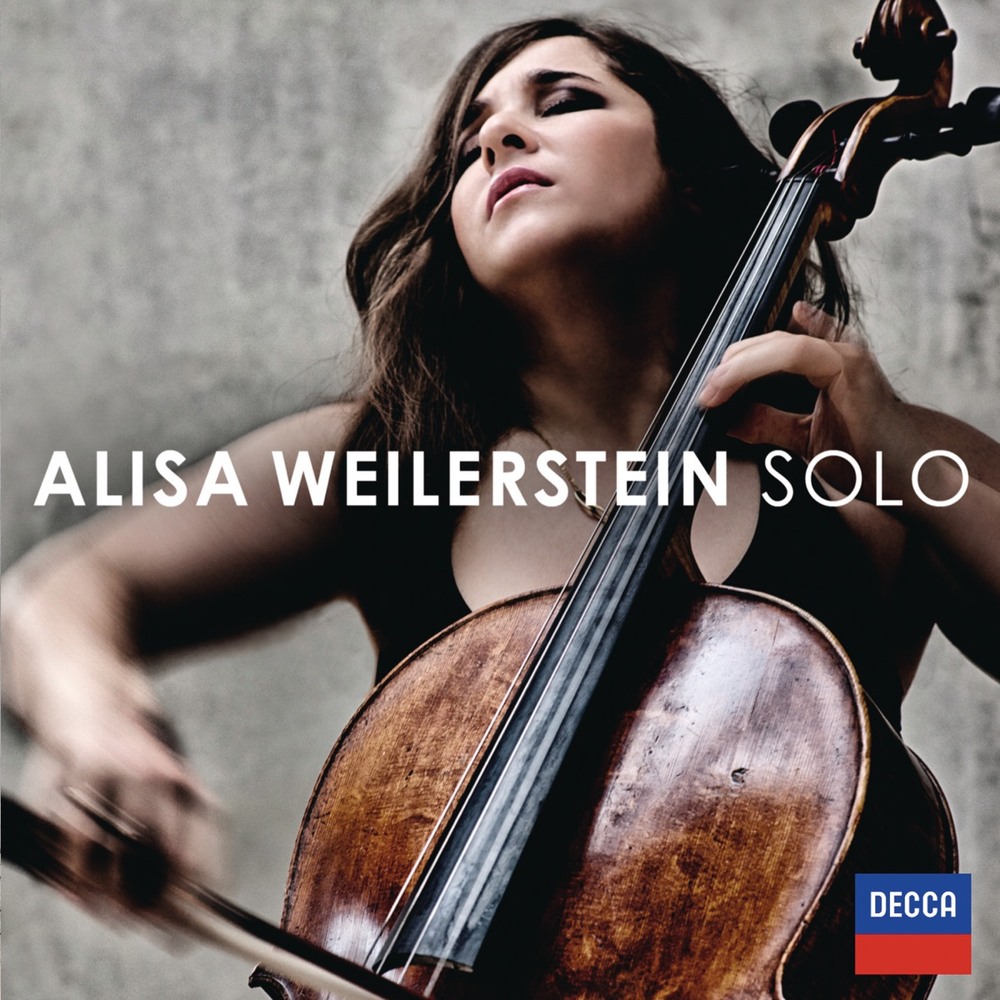
Cassadó Suite for Solo Cello Preludio-Fantasia — Weilerstein

Cassadó Suite for Solo Cello Preludio-Fantasia — Weilerstein

Cassadó Unaccompanied Cello Suite Preludio-Fantasia — Alisa Weilerstein

Try to find the passages where bowing melodies alternate with effects of plucking or striking the strings. When listening to 'Cassadó Unaccompanied Cello Suite Preludio-Fantasia — Alisa Weilerstein' again, locate the very lowest and longest notes. The confluence of these two elements determines the tension and relaxation within Suite for Solo Cello: Preludio-Fantasia and clarifies Alisa Weilerstein's interpretation. By comparing 'Cassadó Unaccompanied Cello Suite Preludio-Fantasia — Alisa Weilerstein' on breath and resonance lengths, rather than volume, the reason for selecting this version becomes clear.

The Suite for Solo Cello: Preludio-Fantasia track linked to 'Cassadó Unaccompanied Cello Suite Preludio-Fantasia — Alisa Weilerstein' is part of the actual audio included in 'Solo' and is introduced under 'The Moment One Cello Creates Multiple Voices' selection criteria. The Apple Music listed performer for 'Cassadó Unaccompanied Cello Suite Preludio-Fantasia — Alisa Weilerstein' is Alisa Weilerstein, and the release year is 2014, which may differ from when Gaspar Cassadó composed the piece, so in 'The Moment One Cello Creates Multiple Voices', this date is used solely for the recording information. When searching for alternate editions of works like 'Cassadó Unaccompanied Cello Suite Preludio-Fantasia — Alisa Weilerstein', be sure to check the piece name, performer, and album together to avoid confusion between identical recordings and re-release versions while also acknowledging the context of 'The Moment One Cello Creates Multiple Voices.'
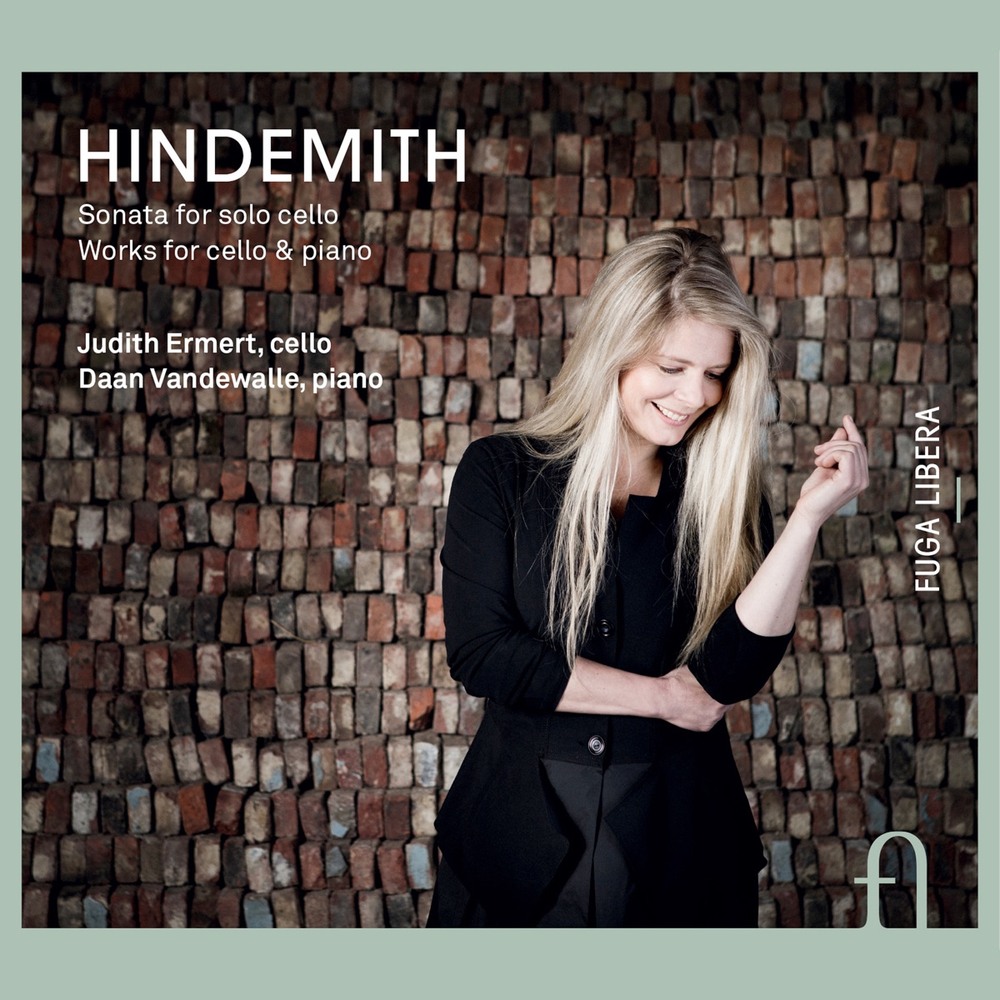
연주자 Alisa Weilerstein 작곡가 Gaspar Cassadó 작품 Suite for Solo Cello: Preludio-Fantasia 표시 발매 연도 2014 수록 음반 Solo 형식 음원 감상 포인트 스페인 춤의 리듬과 넓은 화음이 첼로를 기타와 타악기처럼 들리게 한다. 듣기 팁 활로 긋는 선율과 현을 뜯거나 두드리는 효과가 교대하는 지점을 찾아보자.
바로가기
Hindemith Sonata for Solo Cello 1st Movement — Ermert

Hindemith Sonata for Solo Cello 1st Movement — Ermert

Hindemith Unaccompanied Cello Sonata Movement I — Judith Ermert

Listen for whether the recurring motif maintains its character while changing registers. Afterward, check whether the instrument that starts the theme in 'Hindemith Unaccompanied Cello Sonata Movement I — Judith Ermert' is the same one that concludes it. Sonata for Solo Cello, Op. 25 No. 3: I moves forward while altering the density of the background, repeating small motions. When you hear where Judith Ermert emphasizes those changes, you can explain the character of this edition beyond a simple atmospheric listening experience.

The Sonata for Solo Cello, Op. 25 No. 3: I track linked to 'Hindemith Unaccompanied Cello Sonata Movement I — Judith Ermert' is part of the actual audio included in 'Hindemith: Sonata for Solo Cello & Works for Cello and Piano' and is introduced under 'The Moment One Cello Creates Multiple Voices' selection criteria. The Apple Music listed performer for 'Hindemith Unaccompanied Cello Sonata Movement I — Judith Ermert' is Judith Ermert, and the release year is 2013, which may differ from when Paul Hindemith composed the piece, so in 'The Moment One Cello Creates Multiple Voices', this date is used solely for the recording information. When searching for alternate editions of works like 'Hindemith Unaccompanied Cello Sonata Movement I — Judith Ermert', be cautious to verify the piece name, performer, and album to avoid confusion between identical recordings and re-release versions while also maintaining the context of 'The Moment One Cello Creates Multiple Voices.'
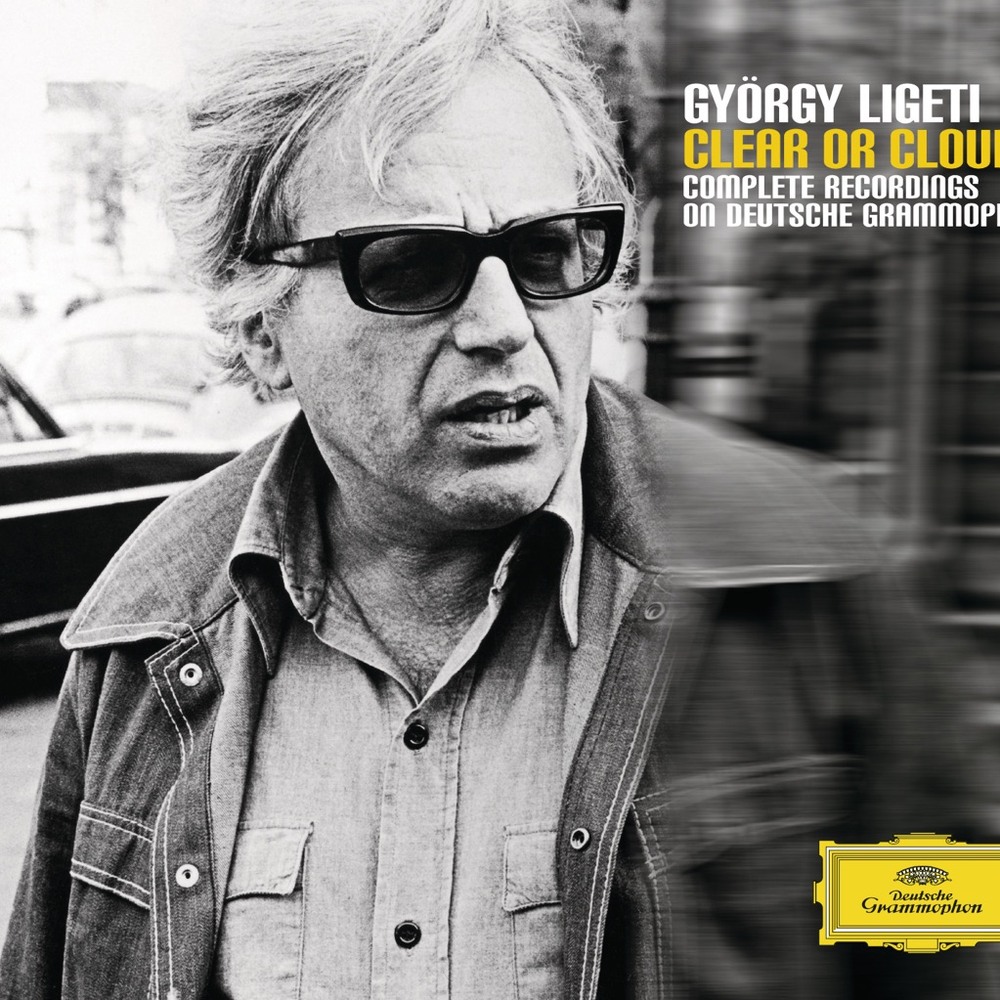
연주자 Judith Ermert 작곡가 Paul Hindemith 작품 Sonata for Solo Cello, Op. 25 No. 3: I 표시 발매 연도 2013 수록 음반 Hindemith: Sonata for Solo Cello & Works for Cello and Piano 형식 음원 감상 포인트 짧고 각진 동기와 분명한 리듬이 화려함보다 구조의 긴장을 앞세운다. 듣기 팁 반복 동기가 음역을 바꾸며 같은 성격을 유지하는지 들어보자.
바로가기
Ligeti Sonata for Solo Cello ‘Dialogo’ — Haimovitz

Ligeti Sonata for Solo Cello ‘Dialogo’ — Haimovitz

Ligeti Unaccompanied Cello Sonata ‘Dialogo’ — Matt Haimovitz

Focus on the time intervals between high melodies and low responses. In 'Ligeti Unaccompanied Cello Sonata ‘Dialogo’ — Matt Haimovitz', when the same phrases are repeated, choose one of dynamics or tempo to compare. Narrowing your listening based on Matt Haimovitz's choices ensures you don't miss the inner voices and rhythms of Sonata for Solo Cello: I. Dialogo. Finally, listen again to the overall flow of 'Ligeti Unaccompanied Cello Sonata ‘Dialogo’ — Matt Haimovitz' to see how the details influence the impression of the work.

The Sonata for Solo Cello: I. Dialogo track linked to 'Ligeti Unaccompanied Cello Sonata ‘Dialogo’ — Matt Haimovitz' is part of the actual audio included in 'Ligeti: Clear or Cloudy' and is introduced under 'The Moment One Cello Creates Multiple Voices' selection criteria. The Apple Music listed performer for 'Ligeti Unaccompanied Cello Sonata ‘Dialogo’ — Matt Haimovitz' is Matt Haimovitz, and the release year is 2003, which may differ from when György Ligeti composed the piece, so in 'The Moment One Cello Creates Multiple Voices', this date is used solely for the recording information. When looking for alternate editions of works like 'Ligeti Unaccompanied Cello Sonata ‘Dialogo’ — Matt Haimovitz', remember to check the piece name, performer, and album to avoid mixing identical recordings and re-release versions while also acknowledging the context of 'The Moment One Cello Creates Multiple Voices.'
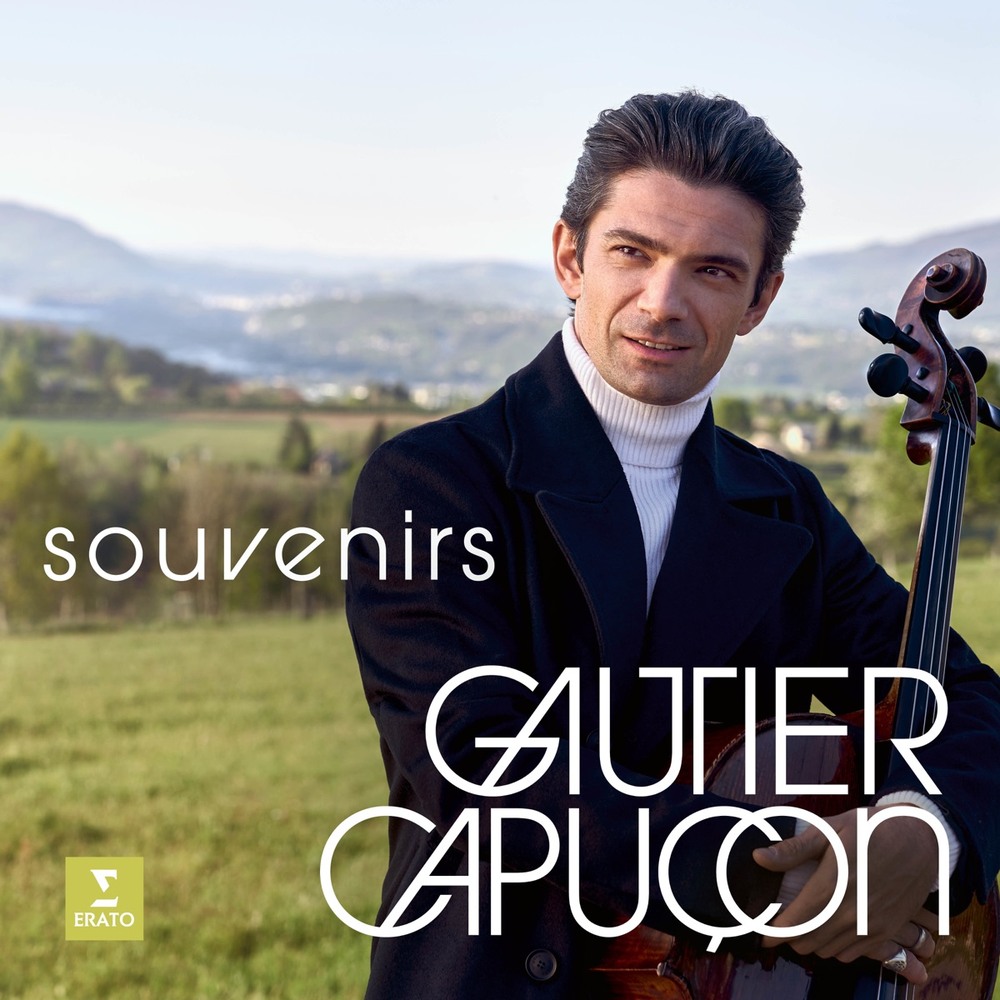
연주자 Matt Haimovitz 작곡가 György Ligeti 작품 Sonata for Solo Cello: I. Dialogo 표시 발매 연도 2003 수록 음반 Ligeti: Clear or Cloudy 형식 음원 감상 포인트 두 사람이 대화하듯 부드러운 질문과 응답을 한 악기 안에서 나눈다. 듣기 팁 높은 선율과 낮은 응답 사이의 시간 간격을 중심으로 들어보자.
바로가기
Dutilleux 《Trois strophes sur le nom de Sacher》 No. 2 — Capuçon

Dutilleux 《Trois strophes sur le nom de Sacher》 No. 2 — Capuçon

Dutilleux Trois strophes sur le nom de Sacher No. 2 — Gautier Capuçon

Explore where clear sounds and noise-like bow strikes connect. When first listening to 'Dutilleux Trois strophes sur le nom de Sacher No. 2 — Gautier Capuçon', find one of the guided sounds, then in the next listening, add in the surrounding voices and silences. In Trois strophes sur le nom de Sacher: II, you can hear how Gautier Capuçon controls tempo and timbre as it ascends to the climax. By comparing the initial and final resonances of 'Dutilleux Trois strophes sur le nom de Sacher No. 2 — Gautier Capuçon', you can concretely understand the distance and sense of time the piece creates.

The Trois strophes sur le nom de Sacher: II track linked to 'Dutilleux Trois strophes sur le nom de Sacher No. 2 — Gautier Capuçon' is part of the actual audio included in 'Souvenirs' and is introduced under 'The Moment One Cello Creates Multiple Voices' selection criteria. The Apple Music listed performer for 'Dutilleux Trois strophes sur le nom de Sacher No. 2 — Gautier Capuçon' is Gautier Capuçon, and the release year is 2021, which may differ from when Henri Dutilleux composed the piece, so in 'The Moment One Cello Creates Multiple Voices', this date is used solely for the recording information. When searching for alternate editions of works like 'Dutilleux Trois strophes sur le nom de Sacher No. 2 — Gautier Capuçon', it's essential to verify the piece name, performer, and album to avoid confusion between identical recordings and re-release versions while also acknowledging the context of 'The Moment One Cello Creates Multiple Voices.'
연주자 Gautier Capuçon 작곡가 Henri Dutilleux 작품 Trois strophes sur le nom de Sacher: II 표시 발매 연도 2021 수록 음반 Souvenirs 형식 음원 감상 포인트 음색과 잔향, 특수 주법이 짧은 동기를 입체적인 공간으로 확장한다. 듣기 팁 선명한 음과 잡음에 가까운 활 소리가 어디에서 이어지는지 살펴보자.
바로가기
Unaccompanied cello is best appreciated in an environment where resonance and bass are audible, instead of through small speakers, allowing the structure to be revealed. In the first listening, find the location where the lowest note returns, and in the second, notice where the high melody breaks its phrases. The moment multiple voices are briefly overlapped by playing chords simultaneously is a method of layering, rather than just a simple accent. Alternating between works by Bach and 20th-century pieces clearly shows how the same instrument can create entirely different grammars.

The linked audio source refers to actual editions verifying the performer and album, and the indicated year is for recording or re-release information. Bach's suites may have different instruments and recording times, even within the same performer’s discography, and modern works may vary in movement notations across editions. If you find a piece you like, check other unaccompanied works recorded by the same performer to see if the bowing speed and tonal choices are consistent.
한눈에 보기 8개
Bach Cello Suite No. 1 Prelude — Ma
Yo-Yo Ma · Johann Sebastian Bach · Cello Suite No. 1: Prélude · 1983 · Bach: Cello Suites Nos. 1-6, BWV 1007-1012 (2009 Remaster) · 음원 · 분산화음이 끊임없이 흐르며 한 대의 첼로로 화성과 방향을 동시에 만든다. · 저음이 돌아올 때마다 다음 구절의 출발점이 어떻게 달라지는지 들어보자.
Bach Cello Suite No. 5 Sarabande — Casals
Pablo Casals · Johann Sebastian Bach · Cello Suite No. 5: Sarabande · 1988 · Bach: Cello Suites · 음원 · 거의 단선율만으로 깊은 화성과 침묵을 상상하게 하는 느린 춤곡이다. · 음을 길게 끄는 곳보다 소리가 완전히 사라지는 간격에 집중해보자.
Kodály Sonata for Unaccompanied Cello 1st Movement — Starker
János Starker · Zoltán Kodály · Sonata for Unaccompanied Cello, Op. 8: I · 1987 · Starker Kodaly · 음원 · 조율을 바꾼 첼로의 강한 저음과 민속적 리듬이 악기 한 대의 규모를 넓힌다. · 저음 현의 반복과 높은 선율이 교대로 주도권을 잡는지 들어보자.
Britten Cello Suite No. 1 ‘Canto primo’ — Queyras
Jean-Guihen Queyras · Benjamin Britten · Cello Suite No. 1: Canto primo · 1998 · Britten: Suites for Cello Solo · 음원 · 노래 같은 반복 악장이 서로 다른 성격의 단편을 묶는 문 역할을 한다. · 같은 선율이 이후 악장 사이에서 돌아올 때 음색이 어떻게 변하는지 기억해두자.
Cassadó Suite for Solo Cello Preludio-Fantasia — Weilerstein
Alisa Weilerstein · Gaspar Cassadó · Suite for Solo Cello: Preludio-Fantasia · 2014 · Solo · 음원 · 스페인 춤의 리듬과 넓은 화음이 첼로를 기타와 타악기처럼 들리게 한다. · 활로 긋는 선율과 현을 뜯거나 두드리는 효과가 교대하는 지점을 찾아보자.
Hindemith Sonata for Solo Cello 1st Movement — Ermert
Judith Ermert · Paul Hindemith · Sonata for Solo Cello, Op. 25 No. 3: I · 2013 · Hindemith: Sonata for Solo Cello & Works for Cello and Piano · 음원 · 짧고 각진 동기와 분명한 리듬이 화려함보다 구조의 긴장을 앞세운다. · 반복 동기가 음역을 바꾸며 같은 성격을 유지하는지 들어보자.
Ligeti Sonata for Solo Cello ‘Dialogo’ — Haimovitz
Matt Haimovitz · György Ligeti · Sonata for Solo Cello: I. Dialogo · 2003 · Ligeti: Clear or Cloudy · 음원 · 두 사람이 대화하듯 부드러운 질문과 응답을 한 악기 안에서 나눈다. · 높은 선율과 낮은 응답 사이의 시간 간격을 중심으로 들어보자.
Dutilleux 《Trois strophes sur le nom de Sacher》 No. 2 — Capuçon
Gautier Capuçon · Henri Dutilleux · Trois strophes sur le nom de Sacher: II · 2021 · Souvenirs · 음원 · 음색과 잔향, 특수 주법이 짧은 동기를 입체적인 공간으로 확장한다. · 선명한 음과 잡음에 가까운 활 소리가 어디에서 이어지는지 살펴보자.

이 포스팅은 쿠팡 파트너스 활동의 일환으로, 이에 따른 일정액의 수수료를 제공받습니다.

댓글 0

로그인 후 댓글을 작성할 수 있습니다.

첫 댓글을 남겨보세요.

이런 리스트는 어때요?

이런 리스트도 추천해요

🎲

여기서 멈추기엔 아쉽잖아?

다음에 뭘 볼지 고민하는 시간이 제일 아까워.
주사위가 대신 골라줄게 — 무슨 리스트가 튀어나올지는 굴려봐야 알지.
안 누르면… 평생 궁금하지 않겠어? 👀

All menu
Login required
Log in
Categories
Language
Display mode
✦ ✦ ✦ ✦ ✦

Drum roll… picking a list!

모하지
Use Mohazi as an app
Open it from your home screen and browse faster.
On iPhone, tap the Share button at the bottom of Safari, then choose “Add to Home Screen” to use it like an app.