Collection
Classical
2026.09.27
Masterpieces of the Pipe Organ That Transform the Entire Building Into an Instrument
Eight works that distinguish the pedal bass, pipe timbres, and the reverberation of the space through real recordings
The pipe organ is not complete with the player and the instrument alone. The height and direction of the pipes, the walls and ceiling of the building, and the time it takes for the sound to return all become part of the performance. The various keys played by hand and the pedal played by foot create different timbral groups, allowing one person to create layers like a choir and an orchestra. Rather than expecting just a large volume, if you listen to how the bass fills the space and the moments when the timbres change, you start to see the structure of the instrument.
This list encompasses real organ recordings from works ranging from Bach and Buxtehude’s prelude and fugue to Franck, Widor, Vierne, Duruflé, Liszt, and Saint-Saëns, including not only solo pieces but also orchestral roles where the organ plays a crucial part, like in Saint-Saëns’ symphonies. It clarifies the connected recordings and performers, and describes points that can be identified by ear, such as pedals, stops, and reverberations.
This list encompasses real organ recordings from works ranging from Bach and Buxtehude’s prelude and fugue to Franck, Widor, Vierne, Duruflé, Liszt, and Saint-Saëns, including not only solo pieces but also orchestral roles where the organ plays a crucial part, like in Saint-Saëns’ symphonies. It clarifies the connected recordings and performers, and describes points that can be identified by ear, such as pedals, stops, and reverberations.
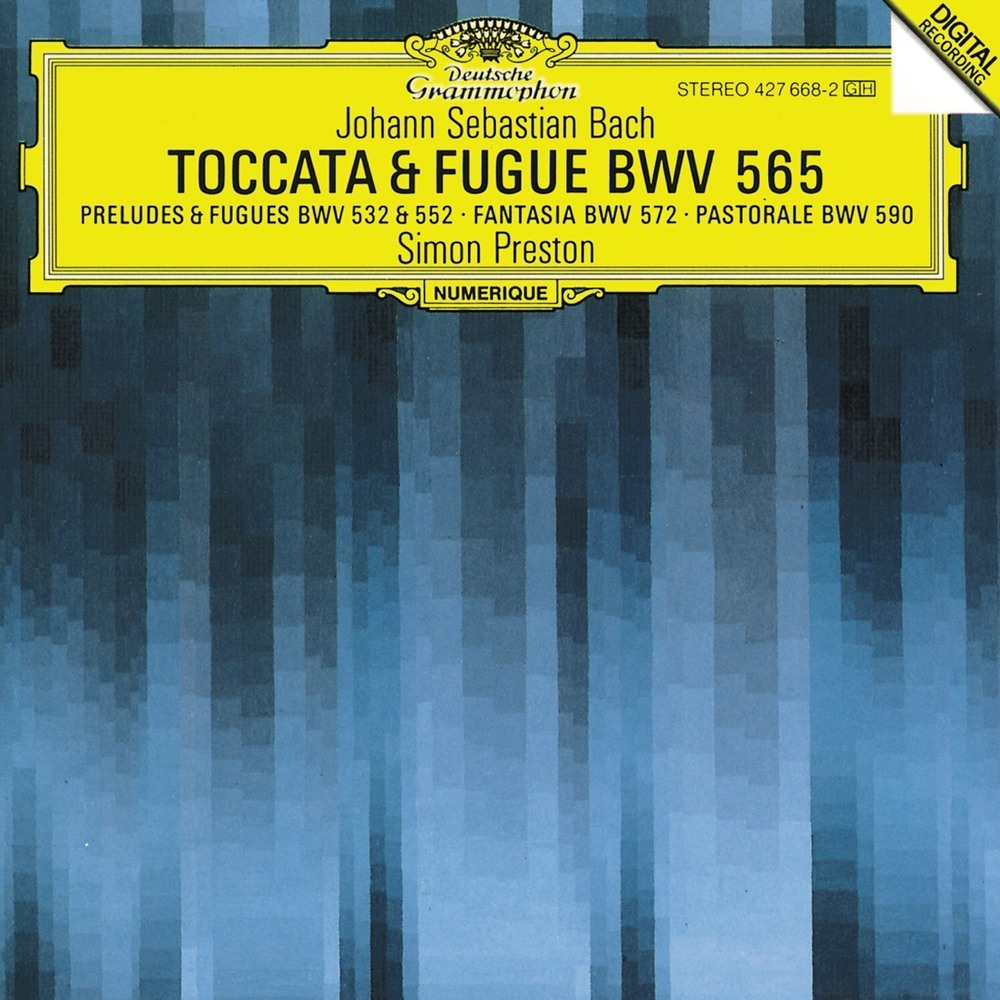
Bach Toccata and Fugue in D Minor ‘Toccata’ — Simon Preston
Bach Toccata and Fugue in D Minor 'Toccata' — Simon Preston
Listen for the reverberation left in silence after the first motif and the entry of the low pedal. During the first impression of 'Bach Toccata and Fugue in D Minor 'Toccata' — Simon Preston,' follow the highlighted points, and on the second listen, expand your focus to include the bass and inner voices. This will reveal the structure of Toccata and Fugue in D Minor: Toccata and the lengths of the phrases chosen by Simon Preston. Instead of waiting for the famous passages, pinpoint when the timbre changes to maintain the flow of the piece.
'Bach Toccata and Fugue in D Minor 'Toccata' — Simon Preston' connects to the track Toccata and Fugue in D Minor: Toccata, which is a real audio included in the album 'J.S. Bach: Toccata and Fugue BWV 565' and is introduced as 'Masterpieces of the Pipe Organ That Transform the Entire Building Into an Instrument.' The Apple Music listed performer for 'Bach Toccata and Fugue in D Minor 'Toccata' — Simon Preston' is Simon Preston, and the release year is 1989; this date may differ from when Johann Sebastian Bach composed the piece, hence it's used as recording information only in this context. When searching for other versions of 'Bach Toccata and Fugue in D Minor 'Toccata' — Simon Preston', check the piece title, performer, and included album to avoid confusion between the same recording and reissue versions and also confirm the context of 'Masterpieces of the Pipe Organ That Transform the Entire Building Into an Instrument.'
'Bach Toccata and Fugue in D Minor 'Toccata' — Simon Preston' connects to the track Toccata and Fugue in D Minor: Toccata, which is a real audio included in the album 'J.S. Bach: Toccata and Fugue BWV 565' and is introduced as 'Masterpieces of the Pipe Organ That Transform the Entire Building Into an Instrument.' The Apple Music listed performer for 'Bach Toccata and Fugue in D Minor 'Toccata' — Simon Preston' is Simon Preston, and the release year is 1989; this date may differ from when Johann Sebastian Bach composed the piece, hence it's used as recording information only in this context. When searching for other versions of 'Bach Toccata and Fugue in D Minor 'Toccata' — Simon Preston', check the piece title, performer, and included album to avoid confusion between the same recording and reissue versions and also confirm the context of 'Masterpieces of the Pipe Organ That Transform the Entire Building Into an Instrument.'
연주자 Simon Preston
작곡가 Johann Sebastian Bach
작품 Toccata and Fugue in D Minor: Toccata
표시 발매 연도 1989
수록 음반 J.S. Bach: Toccata and Fugue BWV 565
형식 음원
감상 포인트 즉흥적인 제스처와 페달 저음이 오르간의 음역과 공간감을 즉시 드러낸다.
듣기 팁 첫 동기 뒤 침묵에 남는 잔향과 낮은 페달의 진입을 들어보자.
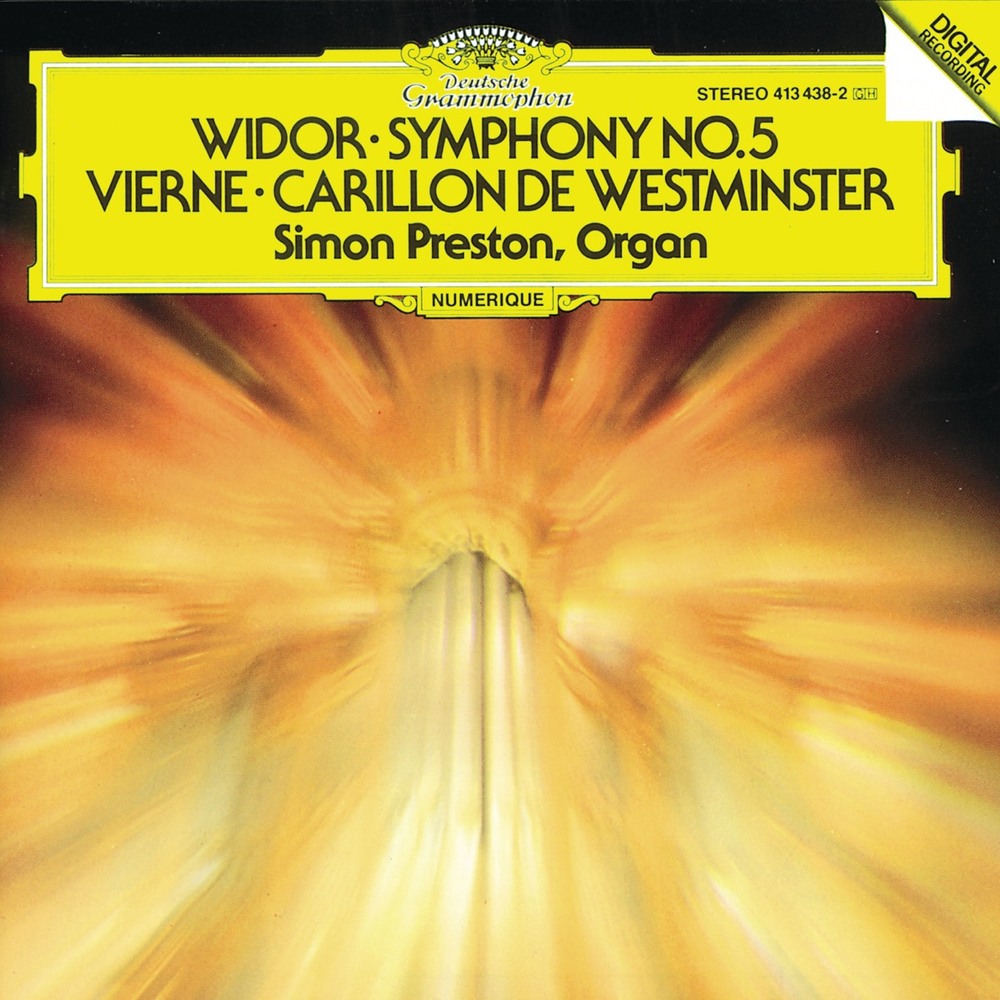
Widor Organ Symphony No. 5 ‘Toccata’ — Simon Preston
Widor Organ Symphony No. 5 'Toccata' — Simon Preston
Try to hear the repetitive hand figures and the long melody of the pedal separately. In 'Widor Organ Symphony No. 5 'Toccata' — Simon Preston', check whether the same motif returns with different ranges and accents. Simon Preston’s performance does not exaggerate the larger flow of Organ Symphony No. 5: Toccata but shows the connections of each voice. At the end, return to the beginning of 'Widor Organ Symphony No. 5 'Toccata' — Simon Preston' and compare the changes from the first impression to clarify the structure.
'The track Organ Symphony No. 5: Toccata connected to 'Widor Organ Symphony No. 5 'Toccata' — Simon Preston' is a real audio featured in 'Vierne: Carillon de Westminster / Widor: Symphony No. 5' and introduced as 'Masterpieces of the Pipe Organ That Transform the Entire Building Into an Instrument.' The Apple Music listed performer for 'Widor Organ Symphony No. 5 'Toccata' — Simon Preston' is Simon Preston, and the release year is 1984; this date may differ from when Charles-Marie Widor composed the piece, hence it's used as recording information only in this context. When searching for other versions of 'Widor Organ Symphony No. 5 'Toccata' — Simon Preston', check the piece title, performer, and included album to avoid confusion between the same recording and reissue versions and also confirm the context of 'Masterpieces of the Pipe Organ That Transform the Entire Building Into an Instrument.'
'The track Organ Symphony No. 5: Toccata connected to 'Widor Organ Symphony No. 5 'Toccata' — Simon Preston' is a real audio featured in 'Vierne: Carillon de Westminster / Widor: Symphony No. 5' and introduced as 'Masterpieces of the Pipe Organ That Transform the Entire Building Into an Instrument.' The Apple Music listed performer for 'Widor Organ Symphony No. 5 'Toccata' — Simon Preston' is Simon Preston, and the release year is 1984; this date may differ from when Charles-Marie Widor composed the piece, hence it's used as recording information only in this context. When searching for other versions of 'Widor Organ Symphony No. 5 'Toccata' — Simon Preston', check the piece title, performer, and included album to avoid confusion between the same recording and reissue versions and also confirm the context of 'Masterpieces of the Pipe Organ That Transform the Entire Building Into an Instrument.'
연주자 Simon Preston
작곡가 Charles-Marie Widor
작품 Organ Symphony No. 5: Toccata
표시 발매 연도 1984
수록 음반 Vierne: Carillon de Westminster / Widor: Symphony No. 5
형식 음원
감상 포인트 빠른 건반 패턴 위로 페달 선율이 장대한 추진력을 만든다.
듣기 팁 손의 반복 음형과 발건반의 긴 선율을 따로 나눠 들어보자.
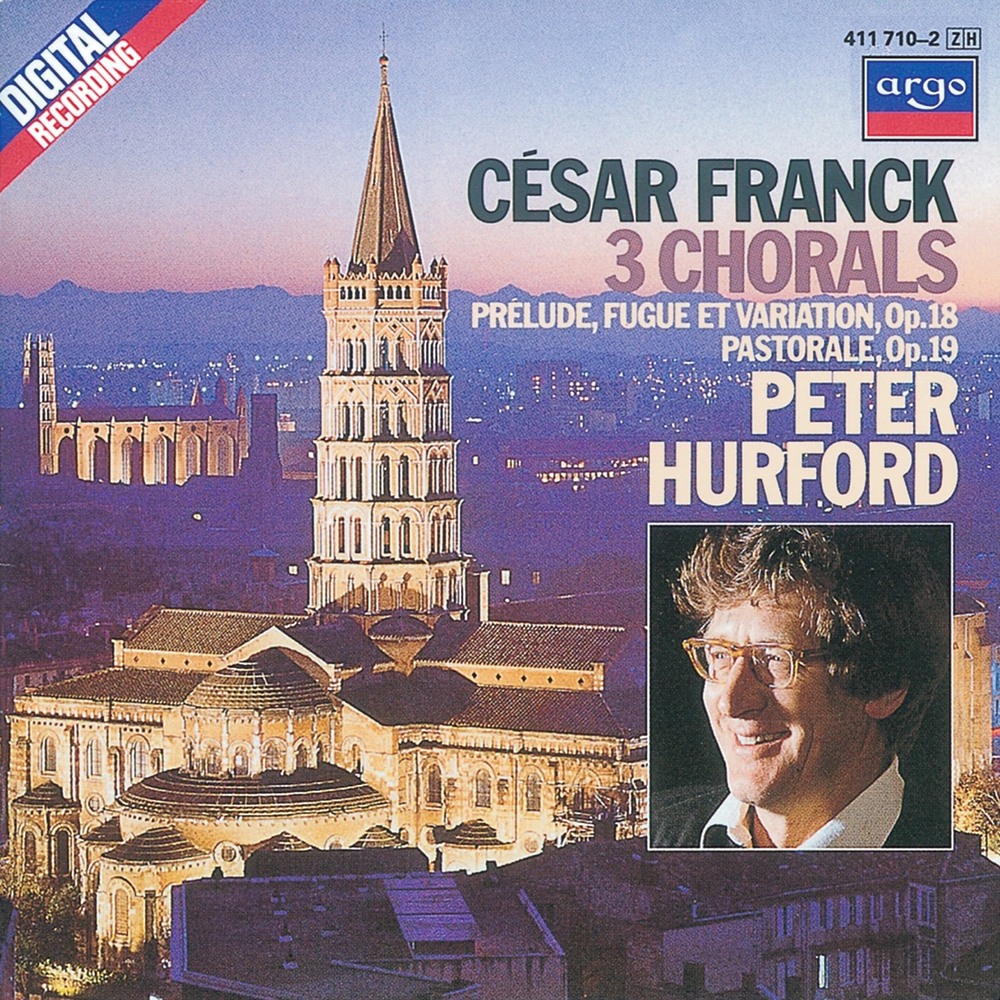
Franck Chorale No. 2 in B Minor — Peter Hurford
Try to find how the initial bass motif returns at a different timbre. When listening to this recording again, focus on the order of overlapping and emptying sounds rather than the tempo. Finding out which voice the repeating material of Chorale No. 2 in B Minor shifts to will help you notice Peter Hurford's sense of balance. Comparing the lingering reverberation at the end of 'Franck Chorale No. 2 in B Minor — Peter Hurford' with the first phrase reveals emotional changes within the structure.
The track Chorale No. 2 in B Minor connected to 'Franck Chorale No. 2 in B Minor — Peter Hurford' is a real audio featured in 'Franck: 3 Chorals - Pastorale - Prélude, Fugue et Variation' and is introduced as 'Masterpieces of the Pipe Organ That Transform the Entire Building Into an Instrument.' The Apple Music listed performer for 'Franck Chorale No. 2 in B Minor — Peter Hurford' is Peter Hurford, and the release year is 1984; this date may differ from when César Franck composed the piece, hence it's used as recording information only in this context. When searching for other versions of 'Franck Chorale No. 2 in B Minor — Peter Hurford', check the piece title, performer, and included album to avoid confusion between the same recording and reissue versions and also confirm the context of 'Masterpieces of the Pipe Organ That Transform the Entire Building Into an Instrument.'
The track Chorale No. 2 in B Minor connected to 'Franck Chorale No. 2 in B Minor — Peter Hurford' is a real audio featured in 'Franck: 3 Chorals - Pastorale - Prélude, Fugue et Variation' and is introduced as 'Masterpieces of the Pipe Organ That Transform the Entire Building Into an Instrument.' The Apple Music listed performer for 'Franck Chorale No. 2 in B Minor — Peter Hurford' is Peter Hurford, and the release year is 1984; this date may differ from when César Franck composed the piece, hence it's used as recording information only in this context. When searching for other versions of 'Franck Chorale No. 2 in B Minor — Peter Hurford', check the piece title, performer, and included album to avoid confusion between the same recording and reissue versions and also confirm the context of 'Masterpieces of the Pipe Organ That Transform the Entire Building Into an Instrument.'
연주자 Peter Hurford
작곡가 César Franck
작품 Chorale No. 2 in B Minor
표시 발매 연도 1984
수록 음반 Franck: 3 Chorals - Pastorale - Prélude, Fugue et Variation
형식 음원
감상 포인트 변주와 코랄이 어두운 저음에서 출발해 점차 넓은 음향으로 성장한다.
듣기 팁 처음의 베이스 동기가 뒤에서 어떤 음색으로 돌아오는지 찾아보자.
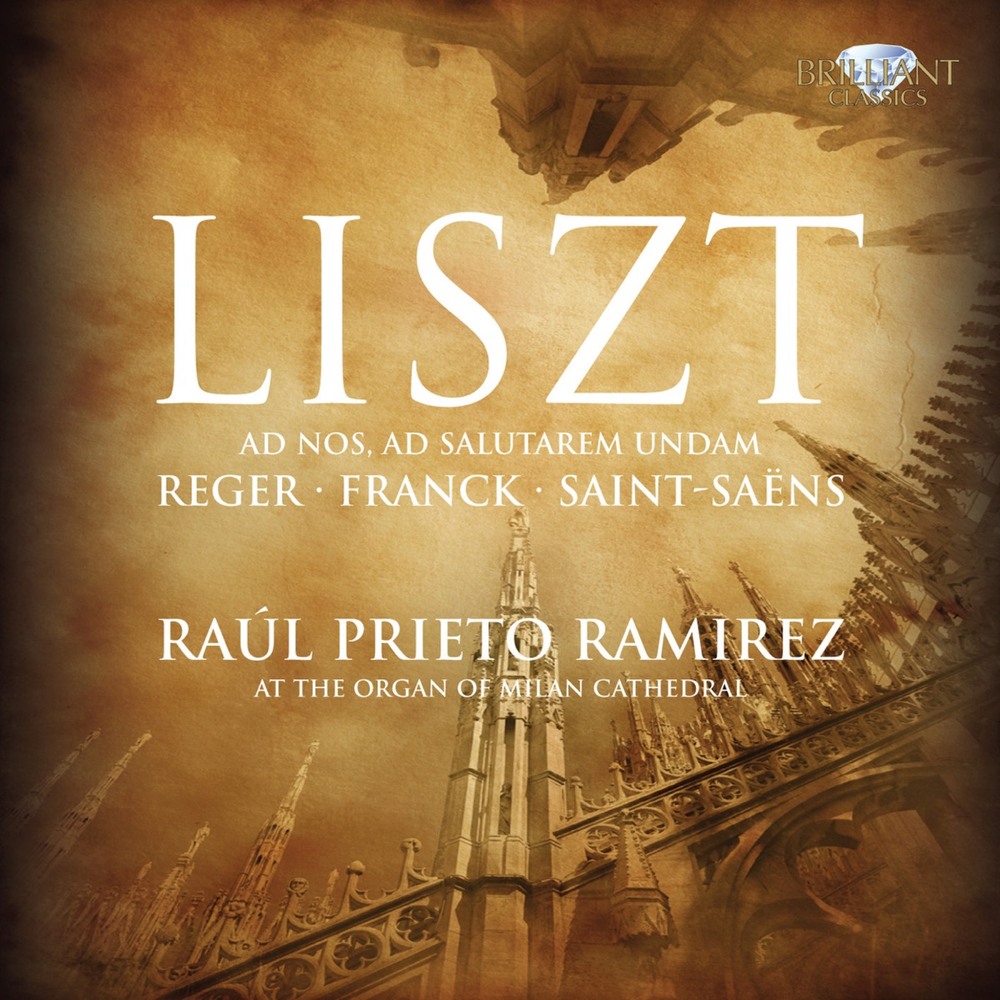
Liszt ‘Ad Nos’ Choral Fantasy and Fugue — Prieto Ramirez
Liszt 'Ad nos' Fantasy and Fugue — Raul Prieto Ramirez
Listen for the changes in stops when parts like quiet monologue and large ensemble alternate. Then, listen to what the accompaniment and background voices are doing at the same moment in 'Liszt 'Ad nos' Fantasy and Fugue — Raul Prieto Ramirez.' Following the progression of the materials that return with different instruments and ranges will naturally reveal the design of Fantasy and Fugue on Ad nos: Fantasy. Noting where Raul Prieto Ramirez places the emphasis will also provide a benchmark for comparing it with other performances.
The track Fantasy and Fugue on Ad nos: Fantasy connected to 'Liszt 'Ad nos' Fantasy and Fugue — Raul Prieto Ramirez' is a real audio featured in 'Liszt: Organ Works' and is introduced as 'Masterpieces of the Pipe Organ That Transform the Entire Building Into an Instrument.' The Apple Music listed performer for 'Liszt 'Ad nos' Fantasy and Fugue — Raul Prieto Ramirez' is Raul Prieto Ramirez, and the release year is 2011; this date may differ from when Franz Liszt composed the piece, hence it's used as recording information only in this context. When searching for other versions of 'Liszt 'Ad nos' Fantasy and Fugue — Raul Prieto Ramirez', check the piece title, performer, and included album to avoid confusion between the same recording and reissue versions and also confirm the context of 'Masterpieces of the Pipe Organ That Transform the Entire Building Into an Instrument.'
The track Fantasy and Fugue on Ad nos: Fantasy connected to 'Liszt 'Ad nos' Fantasy and Fugue — Raul Prieto Ramirez' is a real audio featured in 'Liszt: Organ Works' and is introduced as 'Masterpieces of the Pipe Organ That Transform the Entire Building Into an Instrument.' The Apple Music listed performer for 'Liszt 'Ad nos' Fantasy and Fugue — Raul Prieto Ramirez' is Raul Prieto Ramirez, and the release year is 2011; this date may differ from when Franz Liszt composed the piece, hence it's used as recording information only in this context. When searching for other versions of 'Liszt 'Ad nos' Fantasy and Fugue — Raul Prieto Ramirez', check the piece title, performer, and included album to avoid confusion between the same recording and reissue versions and also confirm the context of 'Masterpieces of the Pipe Organ That Transform the Entire Building Into an Instrument.'
연주자 Raul Prieto Ramirez
작곡가 Franz Liszt
작품 Fantasy and Fugue on Ad nos: Fantasy
표시 발매 연도 2011
수록 음반 Liszt: Organ Works
형식 음원
감상 포인트 오페라 선율 하나를 거대한 교향적 구조와 극적인 음색 변화로 확장한다.
듣기 팁 조용한 독백과 큰 합주 같은 부분이 교대할 때 스톱의 변화를 들어보자.
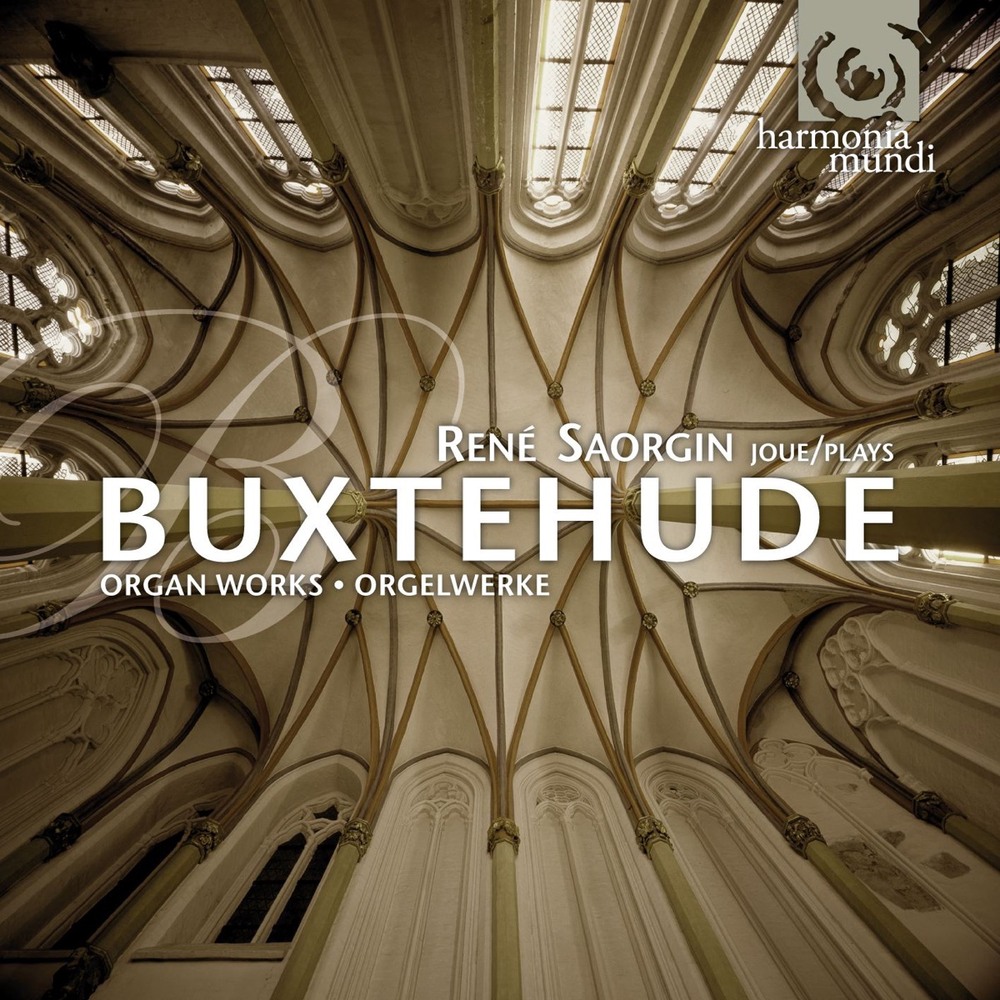
Buxtehude Praeludium in G Minor — René Saorgin
Distinguish between the freely flowing sections and the repeating themes of the fugue. When listening to 'Buxtehude Praeludium in G Minor — René Saorgin' again, try to find the lowest and longest notes respectively. The locations where these two elements meet determine the tension and relaxation in Praeludium in G Minor, BuxWV 149, and it clarifies René Saorgin's interpretation. Comparing the lengths of breaths and reverberations in 'Buxtehude Praeludium in G Minor — René Saorgin' rather than just the volume makes the reason for choosing this version clearer.
The track Praeludium in G Minor, BuxWV 149 connected to 'Buxtehude Praeludium in G Minor — René Saorgin' is a real audio featured in 'Buxtehude: Organ Works' and is introduced as 'Masterpieces of the Pipe Organ That Transform the Entire Building Into an Instrument.' The Apple Music listed performer for 'Buxtehude Praeludium in G Minor — René Saorgin' is René Saorgin, and the release year is 1970; this date may differ from when Dieterich Buxtehude composed the piece, hence it's used as recording information only in this context. When searching for other versions of 'Buxtehude Praeludium in G Minor — René Saorgin', check the piece title, performer, and included album to avoid confusion between the same recording and reissue versions and also confirm the context of 'Masterpieces of the Pipe Organ That Transform the Entire Building Into an Instrument.'
The track Praeludium in G Minor, BuxWV 149 connected to 'Buxtehude Praeludium in G Minor — René Saorgin' is a real audio featured in 'Buxtehude: Organ Works' and is introduced as 'Masterpieces of the Pipe Organ That Transform the Entire Building Into an Instrument.' The Apple Music listed performer for 'Buxtehude Praeludium in G Minor — René Saorgin' is René Saorgin, and the release year is 1970; this date may differ from when Dieterich Buxtehude composed the piece, hence it's used as recording information only in this context. When searching for other versions of 'Buxtehude Praeludium in G Minor — René Saorgin', check the piece title, performer, and included album to avoid confusion between the same recording and reissue versions and also confirm the context of 'Masterpieces of the Pipe Organ That Transform the Entire Building Into an Instrument.'
연주자 René Saorgin
작곡가 Dieterich Buxtehude
작품 Praeludium in G Minor, BuxWV 149
표시 발매 연도 1970
수록 음반 Buxtehude: Organ Works
형식 음원
감상 포인트 자유로운 전주와 엄격한 푸가가 이어져 북독일 오르간 전통의 대비를 보여준다.
듣기 팁 즉흥적으로 흐르는 부분과 주제가 반복되는 푸가를 구분해보자.
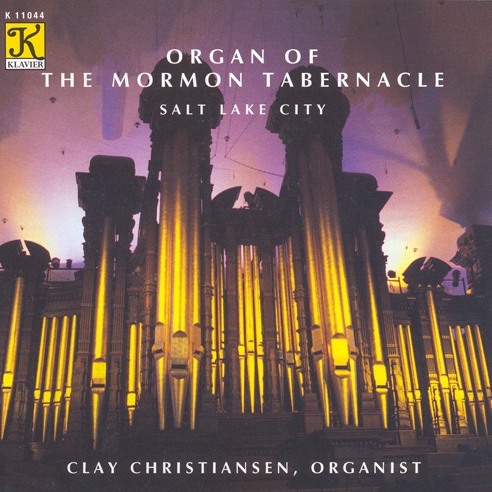
Vierne Organ Symphony No. 1 Finale — Christiansen
Vierne Organ Symphony No. 1 Finale — Clay Christiansen
Listen to how the weight of the pipe timbres and bass increases when the theme returns. After that, check whether the instruments starting and ending the theme in 'Vierne Organ Symphony No. 1 Finale — Clay Christiansen' are the same. Organ Symphony No. 1: Finale proceeds while repeating small motifs and changing the density of the background. Listening to where Clay Christiansen emphasizes these changes will provide more than just an appreciation of the atmosphere, explaining the character of the version.
The track Organ Symphony No. 1: Finale connected to 'Vierne Organ Symphony No. 1 Finale — Clay Christiansen' is a real audio featured in 'Vierne: Symphony No. 1 - Elmore: Rhythmic Suite (Pavane) - Saint-Saëns: Prelude and Fugue' and is introduced as 'Masterpieces of the Pipe Organ That Transform the Entire Building Into an Instrument.' The Apple Music listed performer for 'Vierne Organ Symphony No. 1 Finale — Clay Christiansen' is Clay Christiansen, and the release year is 2000; this date may differ from when Louis Vierne composed the piece, hence it's used as recording information only in this context. When searching for other versions of 'Vierne Organ Symphony No. 1 Finale — Clay Christiansen', check the piece title, performer, and included album to avoid confusion between the same recording and reissue versions and also confirm the context of 'Masterpieces of the Pipe Organ That Transform the Entire Building Into an Instrument.'
The track Organ Symphony No. 1: Finale connected to 'Vierne Organ Symphony No. 1 Finale — Clay Christiansen' is a real audio featured in 'Vierne: Symphony No. 1 - Elmore: Rhythmic Suite (Pavane) - Saint-Saëns: Prelude and Fugue' and is introduced as 'Masterpieces of the Pipe Organ That Transform the Entire Building Into an Instrument.' The Apple Music listed performer for 'Vierne Organ Symphony No. 1 Finale — Clay Christiansen' is Clay Christiansen, and the release year is 2000; this date may differ from when Louis Vierne composed the piece, hence it's used as recording information only in this context. When searching for other versions of 'Vierne Organ Symphony No. 1 Finale — Clay Christiansen', check the piece title, performer, and included album to avoid confusion between the same recording and reissue versions and also confirm the context of 'Masterpieces of the Pipe Organ That Transform the Entire Building Into an Instrument.'
연주자 Clay Christiansen
작곡가 Louis Vierne
작품 Organ Symphony No. 1: Finale
표시 발매 연도 2000
수록 음반 Vierne: Symphony No. 1 - Elmore: Rhythmic Suite (Pavane) - Saint-Saëns: Prelude and Fugue
형식 음원
감상 포인트 밝은 주제와 빠른 페달이 프랑스 낭만 오르간의 화려한 피날레를 만든다.
듣기 팁 주제가 돌아올 때 파이프 음색과 저음의 무게가 얼마나 커지는지 들어보자.
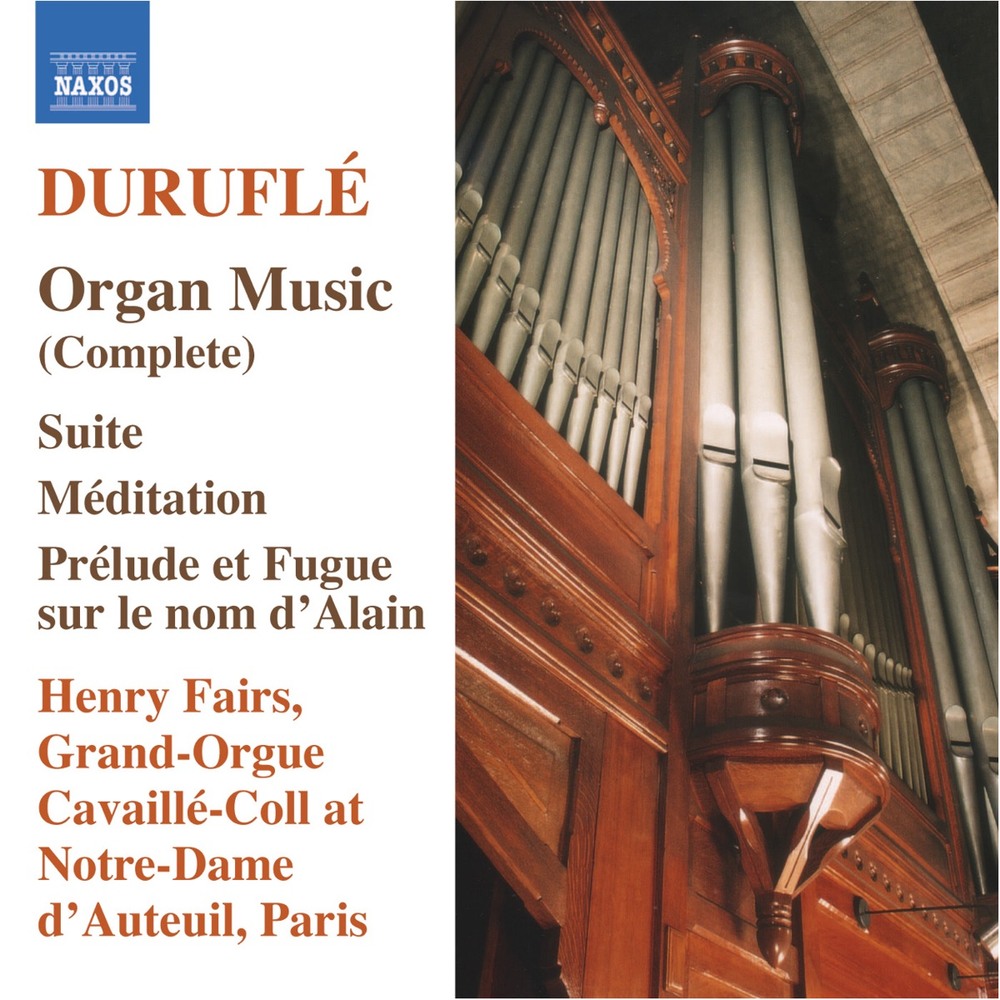
Duruflé Organ Suite Toccata — Henry Fairs
Duruflé Suite Toccata — Henry Fairs
Follow the moment when the pedal changes the direction of harmonies beneath the repeating rhythms. In 'Duruflé Suite Toccata — Henry Fairs', when the same phrase repeats, choose either tempo or dynamics to compare. Narrowing down based on Henry Fairs’ selections will help prevent missing the inner voices and rhythms of Suite, Op. 5: Toccata. At the end, listen again to the full flow of 'Duruflé Suite Toccata — Henry Fairs' to confirm how the details have impacted the piece's impression.
The track Suite, Op. 5: Toccata connected to 'Duruflé Suite Toccata — Henry Fairs' is a real audio featured in 'Duruflé: Organ Music (Complete)' and is introduced as 'Masterpieces of the Pipe Organ That Transform the Entire Building Into an Instrument.' The Apple Music listed performer for 'Duruflé Suite Toccata — Henry Fairs' is Henry Fairs, and the release year is 2007; this date may differ from when Maurice Duruflé composed the piece, hence it's used as recording information only in this context. When searching for other versions of 'Duruflé Suite Toccata — Henry Fairs', check the piece title, performer, and included album to avoid confusion between the same recording and reissue versions and also confirm the context of 'Masterpieces of the Pipe Organ That Transform the Entire Building Into an Instrument.'
The track Suite, Op. 5: Toccata connected to 'Duruflé Suite Toccata — Henry Fairs' is a real audio featured in 'Duruflé: Organ Music (Complete)' and is introduced as 'Masterpieces of the Pipe Organ That Transform the Entire Building Into an Instrument.' The Apple Music listed performer for 'Duruflé Suite Toccata — Henry Fairs' is Henry Fairs, and the release year is 2007; this date may differ from when Maurice Duruflé composed the piece, hence it's used as recording information only in this context. When searching for other versions of 'Duruflé Suite Toccata — Henry Fairs', check the piece title, performer, and included album to avoid confusion between the same recording and reissue versions and also confirm the context of 'Masterpieces of the Pipe Organ That Transform the Entire Building Into an Instrument.'
연주자 Henry Fairs
작곡가 Maurice Duruflé
작품 Suite, Op. 5: Toccata
표시 발매 연도 2007
수록 음반 Duruflé: Organ Music (Complete)
형식 음원
감상 포인트 빠른 움직임과 현대적 화성이 겹치며 긴장된 상승선을 끝까지 유지한다.
듣기 팁 반복 리듬 아래 페달이 화음의 방향을 바꾸는 순간을 따라가 보자.
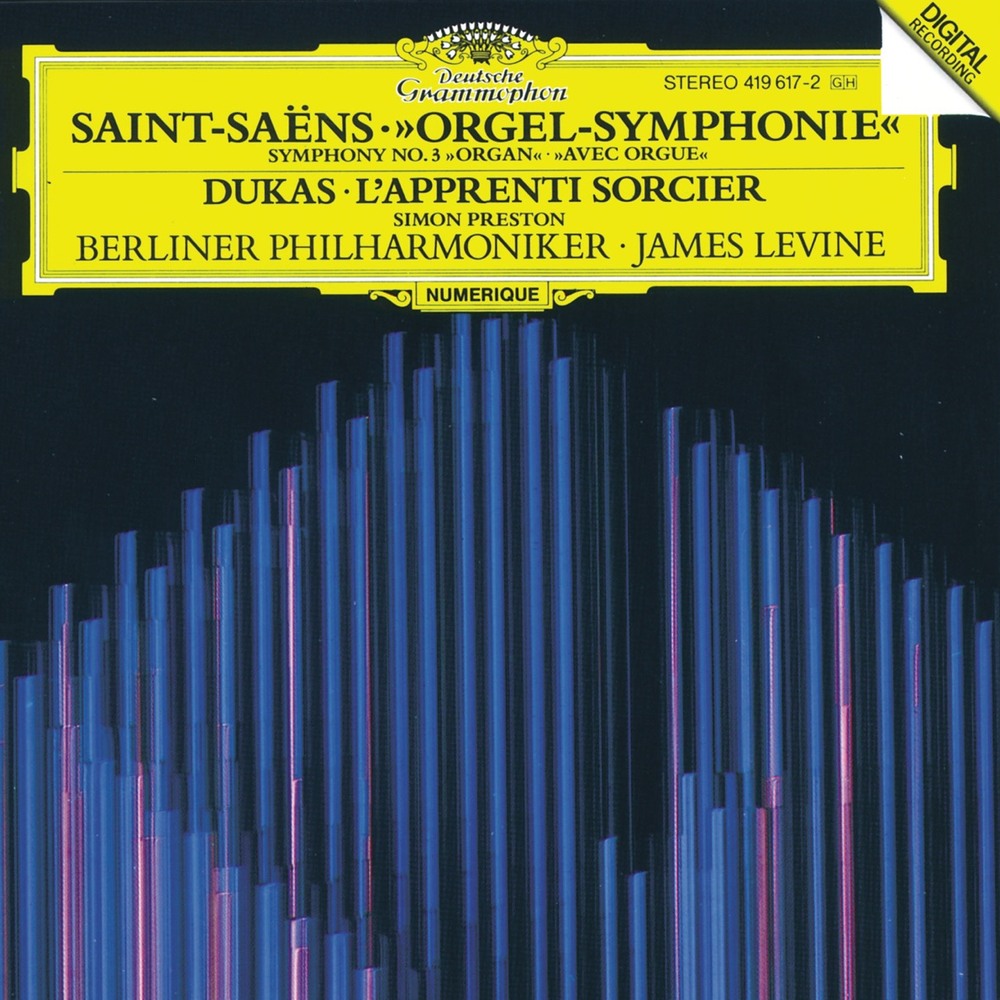
Saint-Saëns Symphony No. 3 'Organ' Maestoso — Preston, Levine, Berlin Philharmonic
Let's compare the moment the organ comes in for the first time and the part where the entire orchestra joins in the same rhythm. In the first listen of 'Saint-Saëns Symphony No. 3 'Organ' Maestoso — Preston, Levine, Berlin Philharmonic,' find one guiding sound, and in the next listen, add the surrounding voices and silence. As Symphony No. 3 'Organ': Maestoso approaches its climax, you can hear how Simon Preston, James Levine & the Berlin Philharmonic adjust the tempo and timbre. By comparing the beginning and ending resonances of 'Saint-Saëns Symphony No. 3 'Organ' Maestoso — Preston, Levine, Berlin Philharmonic,' the sense of distance and time created by the work becomes vividly evident.
The track connected to 'Saint-Saëns Symphony No. 3 'Organ' Maestoso — Preston, Levine, Berlin Philharmonic' is the actual recording included in 'Saint-Saëns: Symphony No. 3 "Organ"' and has been introduced under the entry for 'Saint-Saëns Symphony No. 3 'Organ' Maestoso — Preston, Levine, Berlin Philharmonic' according to the selection criteria of 'masterpieces of the organ that turn the entire building into an instrument.' The performers listed for 'Saint-Saëns Symphony No. 3 'Organ' Maestoso — Preston, Levine, Berlin Philharmonic' on Apple Music are Simon Preston, James Levine & the Berlin Philharmonic, and the release year is 1987, which might differ from the time Camille Saint-Saëns composed the piece; hence it is used only as recording information in the context of 'masterpieces of the organ that turn the entire building into an instrument.' When looking for other versions of 'Saint-Saëns Symphony No. 3 'Organ' Maestoso — Preston, Levine, Berlin Philharmonic,' check the work title, performers, and the included album to avoid confusion with the same recording and reissue, while also confirming the context of 'masterpieces of the organ that turn the entire building into an instrument.'
The track connected to 'Saint-Saëns Symphony No. 3 'Organ' Maestoso — Preston, Levine, Berlin Philharmonic' is the actual recording included in 'Saint-Saëns: Symphony No. 3 "Organ"' and has been introduced under the entry for 'Saint-Saëns Symphony No. 3 'Organ' Maestoso — Preston, Levine, Berlin Philharmonic' according to the selection criteria of 'masterpieces of the organ that turn the entire building into an instrument.' The performers listed for 'Saint-Saëns Symphony No. 3 'Organ' Maestoso — Preston, Levine, Berlin Philharmonic' on Apple Music are Simon Preston, James Levine & the Berlin Philharmonic, and the release year is 1987, which might differ from the time Camille Saint-Saëns composed the piece; hence it is used only as recording information in the context of 'masterpieces of the organ that turn the entire building into an instrument.' When looking for other versions of 'Saint-Saëns Symphony No. 3 'Organ' Maestoso — Preston, Levine, Berlin Philharmonic,' check the work title, performers, and the included album to avoid confusion with the same recording and reissue, while also confirming the context of 'masterpieces of the organ that turn the entire building into an instrument.'
연주자 Simon Preston, James Levine & Berlin Philharmonic
작곡가 Camille Saint-Saëns
작품 Symphony No. 3 ‘Organ’: Maestoso
표시 발매 연도 1987
수록 음반 Saint-Saëns: Symphony No. 3 "Organ"
형식 음원
감상 포인트 오르간의 장대한 화음이 오케스트라와 합쳐져 독주 악기가 아닌 건축적 기반으로 작동한다.
듣기 팁 오르간이 처음 들어오는 순간과 관현악 전체가 같은 리듬으로 모이는 부분을 비교해보자.
In organ music, the environment where lower frequencies can be played back effortlessly is more important than just increasing the volume. In your first listen, try to identify the pedal bass, and in the next, listen for when the timbre of the high pipes changes. In a fugue, track the progression of the theme starting from the high voice and descending to the pedal keyboard; this helps clarify complex sounds. In the long reverberations, the way new harmonies overlap with previous sounds becomes part of the composition itself.
Each source is a real performance linked to Apple Music, and the displayed year refers to the recording or reissue information rather than the composition date. The timbres of the same piece can vary greatly as the size and stop configuration of organs differ. When you find a piece you like, compare it with versions recorded in other cathedrals or concert halls. You can observe how the performer’s tempo and the building’s acoustics change the phrasing and silences.
Each source is a real performance linked to Apple Music, and the displayed year refers to the recording or reissue information rather than the composition date. The timbres of the same piece can vary greatly as the size and stop configuration of organs differ. When you find a piece you like, compare it with versions recorded in other cathedrals or concert halls. You can observe how the performer’s tempo and the building’s acoustics change the phrasing and silences.
한눈에 보기
8개
Bach Toccata and Fugue in D Minor ‘Toccata’ — Simon Preston
Simon Preston · Johann Sebastian Bach · Toccata and Fugue in D Minor: Toccata · 1989 · J.S. Bach: Toccata and Fugue BWV 565 · 음원 · 즉흥적인 제스처와 페달 저음이 오르간의 음역과 공간감을 즉시 드러낸다. · 첫 동기 뒤 침묵에 남는 잔향과 낮은 페달의 진입을 들어보자.
Widor Organ Symphony No. 5 ‘Toccata’ — Simon Preston
Simon Preston · Charles-Marie Widor · Organ Symphony No. 5: Toccata · 1984 · Vierne: Carillon de Westminster / Widor: Symphony No. 5 · 음원 · 빠른 건반 패턴 위로 페달 선율이 장대한 추진력을 만든다. · 손의 반복 음형과 발건반의 긴 선율을 따로 나눠 들어보자.
Franck Chorale No. 2 in B Minor — Peter Hurford
Peter Hurford · César Franck · Chorale No. 2 in B Minor · 1984 · Franck: 3 Chorals - Pastorale - Prélude, Fugue et Variation · 음원 · 변주와 코랄이 어두운 저음에서 출발해 점차 넓은 음향으로 성장한다. · 처음의 베이스 동기가 뒤에서 어떤 음색으로 돌아오는지 찾아보자.
Liszt ‘Ad Nos’ Choral Fantasy and Fugue — Prieto Ramirez
Raul Prieto Ramirez · Franz Liszt · Fantasy and Fugue on Ad nos: Fantasy · 2011 · Liszt: Organ Works · 음원 · 오페라 선율 하나를 거대한 교향적 구조와 극적인 음색 변화로 확장한다. · 조용한 독백과 큰 합주 같은 부분이 교대할 때 스톱의 변화를 들어보자.
Buxtehude Praeludium in G Minor — René Saorgin
René Saorgin · Dieterich Buxtehude · Praeludium in G Minor, BuxWV 149 · 1970 · Buxtehude: Organ Works · 음원 · 자유로운 전주와 엄격한 푸가가 이어져 북독일 오르간 전통의 대비를 보여준다. · 즉흥적으로 흐르는 부분과 주제가 반복되는 푸가를 구분해보자.
Vierne Organ Symphony No. 1 Finale — Christiansen
Clay Christiansen · Louis Vierne · Organ Symphony No. 1: Finale · 2000 · Vierne: Symphony No. 1 - Elmore: Rhythmic Suite (Pavane) - Saint-Saëns: Prelude and Fugue · 음원 · 밝은 주제와 빠른 페달이 프랑스 낭만 오르간의 화려한 피날레를 만든다. · 주제가 돌아올 때 파이프 음색과 저음의 무게가 얼마나 커지는지 들어보자.
Duruflé Organ Suite Toccata — Henry Fairs
Henry Fairs · Maurice Duruflé · Suite, Op. 5: Toccata · 2007 · Duruflé: Organ Music (Complete) · 음원 · 빠른 움직임과 현대적 화성이 겹치며 긴장된 상승선을 끝까지 유지한다. · 반복 리듬 아래 페달이 화음의 방향을 바꾸는 순간을 따라가 보자.
Saint-Saëns Symphony No. 3 'Organ' Maestoso — Preston, Levine, Berlin Philharmonic
Simon Preston, James Levine & Berlin Philharmonic · Camille Saint-Saëns · Symphony No. 3 ‘Organ’: Maestoso · 1987 · Saint-Saëns: Symphony No. 3 "Organ" · 음원 · 오르간의 장대한 화음이 오케스트라와 합쳐져 독주 악기가 아닌 건축적 기반으로 작동한다. · 오르간이 처음 들어오는 순간과 관현악 전체가 같은 리듬으로 모이는 부분을 비교해보자.
이 포스팅은 쿠팡 파트너스 활동의 일환으로, 이에 따른 일정액의 수수료를 제공받습니다.
댓글 0
로그인 후 댓글을 작성할 수 있습니다.
첫 댓글을 남겨보세요.
이런 리스트는 어때요?


이런 리스트도 추천해요


🎲
여기서 멈추기엔 아쉽잖아?
다음에 뭘 볼지 고민하는 시간이 제일 아까워.
주사위가 대신 골라줄게 — 무슨 리스트가 튀어나올지는 굴려봐야 알지.
안 누르면… 평생 궁금하지 않겠어? 👀