
Collection
Classical
2026.09.28
Classic Guitar Crossing Eras and Continents in Six Strings
Listen to actual guitar recordings of Bach arrangements, Spanish nationalism, South American works, and modern sonatas
The classical guitar may not have a loud sound, but it works like a small orchestra, allowing one person to play bass, harmony, and melody simultaneously. Depending on which finger of the right hand plucks the string, and the ratio of nail to flesh contact, even the same note can vary in brightness and length. Hearing a high melody singing above a sustained low tone reveals a polyphonic structure that transcends a simple melodic instrument.
This list includes Bach arrangements by Segovia, Spanish repertoire by Albéniz and Tárrega, South American works by Villa-Lobos, Barrios, and Brouwer, concertos by Rodrigo, and sonatas by Ponce. The focus is on actual guitar performances, comparing different techniques like tremolo, rasgueado, harmony, and bass melody. Each item captures not only famous melodies but also how the guitar connects and breaks notes.
This list includes Bach arrangements by Segovia, Spanish repertoire by Albéniz and Tárrega, South American works by Villa-Lobos, Barrios, and Brouwer, concertos by Rodrigo, and sonatas by Ponce. The focus is on actual guitar performances, comparing different techniques like tremolo, rasgueado, harmony, and bass melody. Each item captures not only famous melodies but also how the guitar connects and breaks notes.
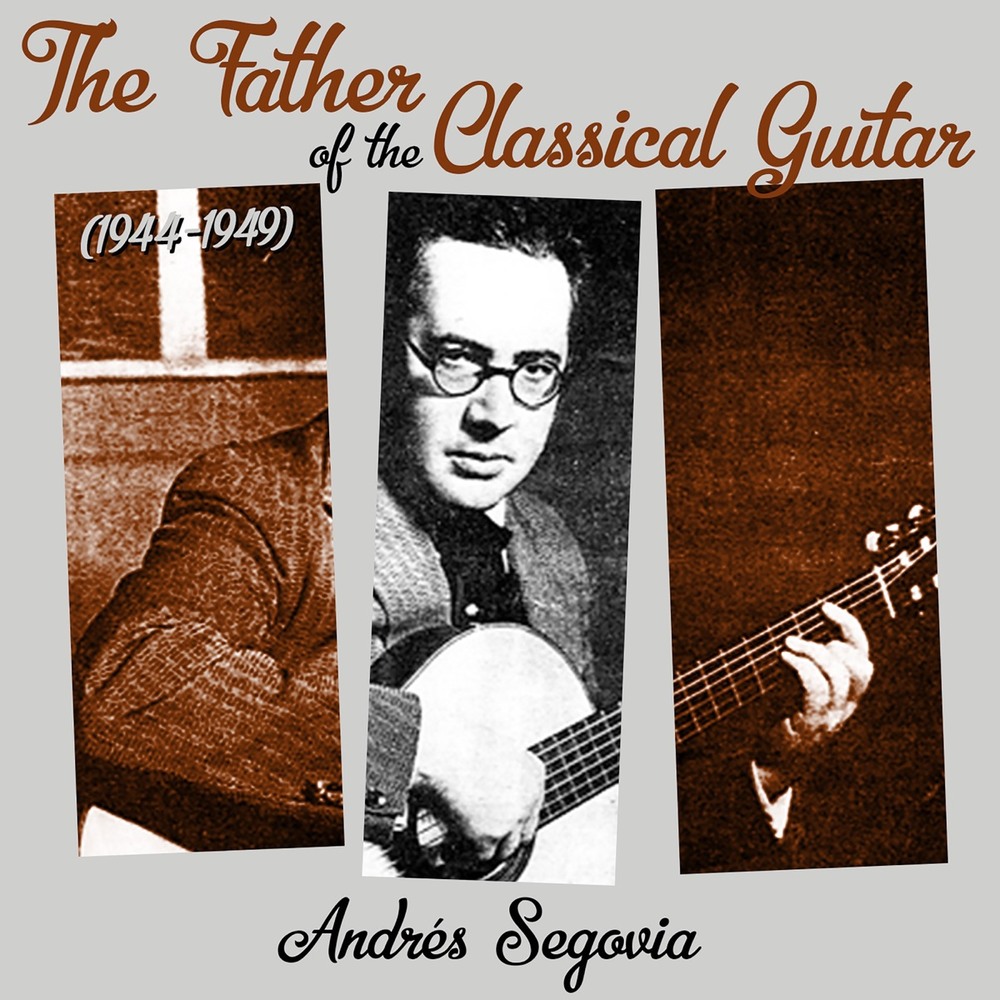
Bach 'Chaconne' Guitar Arrangement — Andrés Segovia
Listen for changes in tone when the repeated bass moves to different strings. Follow the guided points on your first listen of 'Bach 'Chaconne' Guitar Arrangement — Andrés Segovia', and on your second listen, expand your focus to the bass and inner voices. This will reveal both the structure of Chaconne (Guitar Transcription) and the lengths of phrases chosen by Andrés Segovia. Instead of waiting for famous passages, mark the moments where the tone changes to keep track of the piece's direction.
The Chaconne (Guitar Transcription) track linked to 'Bach 'Chaconne' Guitar Arrangement — Andrés Segovia' features actual recordings from 《The Father of the Classical Guitar (1944 - 1949)》, selected to fit the criteria for 'Classic Guitar Crossing Eras and Continents in Six Strings'. The artist listed on Apple Music for 'Bach 'Chaconne' Guitar Arrangement — Andrés Segovia' is Andrés Segovia, released in 2002. This date may differ from when Johann Sebastian Bach composed the piece, so in the context of 'Classic Guitar Crossing Eras and Continents in Six Strings', it is used as recording information only. When searching for other versions of 'Bach 'Chaconne' Guitar Arrangement — Andrés Segovia', check the piece name, artist, and album to avoid confusion with the same recording and reissue, while also confirming the context of 'Classic Guitar Crossing Eras and Continents in Six Strings'.
The Chaconne (Guitar Transcription) track linked to 'Bach 'Chaconne' Guitar Arrangement — Andrés Segovia' features actual recordings from 《The Father of the Classical Guitar (1944 - 1949)》, selected to fit the criteria for 'Classic Guitar Crossing Eras and Continents in Six Strings'. The artist listed on Apple Music for 'Bach 'Chaconne' Guitar Arrangement — Andrés Segovia' is Andrés Segovia, released in 2002. This date may differ from when Johann Sebastian Bach composed the piece, so in the context of 'Classic Guitar Crossing Eras and Continents in Six Strings', it is used as recording information only. When searching for other versions of 'Bach 'Chaconne' Guitar Arrangement — Andrés Segovia', check the piece name, artist, and album to avoid confusion with the same recording and reissue, while also confirming the context of 'Classic Guitar Crossing Eras and Continents in Six Strings'.
연주자 Andrés Segovia
작곡가 Johann Sebastian Bach
작품 Chaconne (Guitar Transcription)
표시 발매 연도 2002
수록 음반 The Father of the Classical Guitar (1944 - 1949)
형식 음원
감상 포인트 바이올린의 화음과 선율을 기타의 저음·아르페지오로 재구성해 다성 구조를 밝힌다.
듣기 팁 반복 베이스가 다른 줄로 이동할 때 음색이 바뀌는지 들어보자.
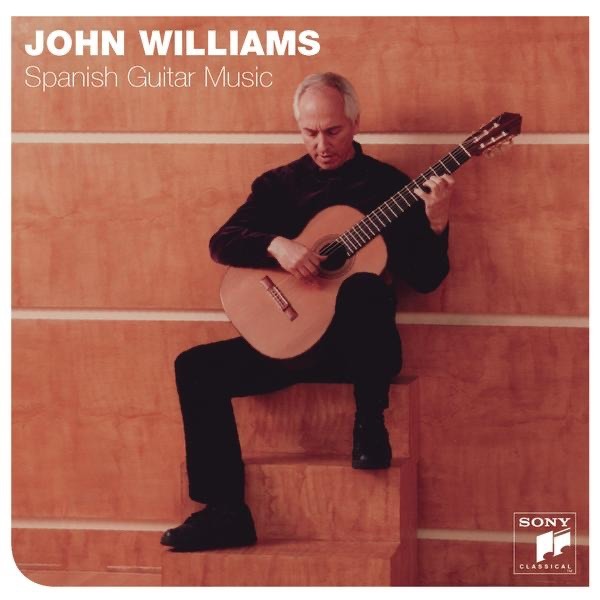
Albéniz 'Asturias' — John Williams
Listen to how the melody contrasts with the song in the middle section between repetitions. In 'Albéniz 'Asturias' — John Williams', check if the range and emphasis change when the same motif returns. John Williams's performance shows the main flow of Asturias through connections without exaggerating it. At the end, return to the beginning of 'Albéniz 'Asturias' — John Williams' and compare what has changed from your first impression to clarify the structure.
The Asturias track linked to 'Albéniz 'Asturias' — John Williams' features actual recordings from 《Spanish Guitar Music》, introduced to fit the criteria for 'Classic Guitar Crossing Eras and Continents in Six Strings'. The artist listed on Apple Music for 'Albéniz 'Asturias' — John Williams' is John Williams, released in 1990. This date may differ from when Isaac Albéniz composed the piece, so in the context of 'Classic Guitar Crossing Eras and Continents in Six Strings', it is used as recording information only. When searching for other versions of 'Albéniz 'Asturias' — John Williams', check the piece name, artist, and album to avoid confusion with the same recording and reissue, while also confirming the context of 'Classic Guitar Crossing Eras and Continents in Six Strings'.
The Asturias track linked to 'Albéniz 'Asturias' — John Williams' features actual recordings from 《Spanish Guitar Music》, introduced to fit the criteria for 'Classic Guitar Crossing Eras and Continents in Six Strings'. The artist listed on Apple Music for 'Albéniz 'Asturias' — John Williams' is John Williams, released in 1990. This date may differ from when Isaac Albéniz composed the piece, so in the context of 'Classic Guitar Crossing Eras and Continents in Six Strings', it is used as recording information only. When searching for other versions of 'Albéniz 'Asturias' — John Williams', check the piece name, artist, and album to avoid confusion with the same recording and reissue, while also confirming the context of 'Classic Guitar Crossing Eras and Continents in Six Strings'.
연주자 John Williams
작곡가 Isaac Albéniz
작품 Asturias
표시 발매 연도 1990
수록 음반 Spanish Guitar Music
형식 음원
감상 포인트 빠른 반복음과 강한 저음이 피아노 원곡을 플라멩코 기타처럼 들리게 한다.
듣기 팁 반복음 사이 선율과 중간부의 노래가 어떻게 대비되는지 들어보자.
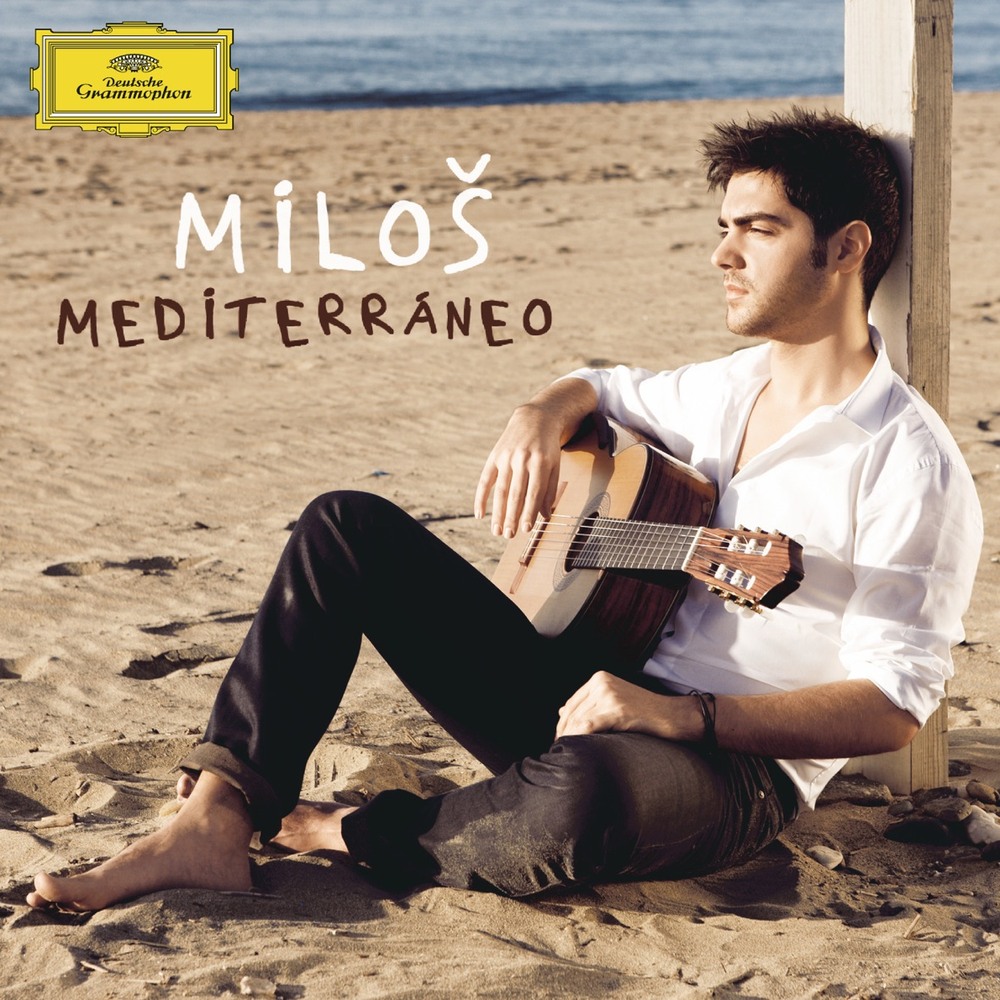
Tárrega 'Recuerdos de la Alhambra' — Miloš
Tárrega 'Recuerdos de la Alhambra' — Milos
Listen to whether the bass changes chords while the high melody maintains a consistent volume. When listening to this recording again, focus more on the order in which sounds overlap and empty before the tempo. Finding which voice the repeated material of Recuerdos de la Alhambra moves to can help confirm Milos Karadaglic’s sense of balance. Comparing the resonance at the end of 'Tárrega 'Recuerdos de la Alhambra' — Milos' with the first phrase reveals how emotional changes are understood within the structure.
The Recuerdos de la Alhambra track linked to 'Tárrega 'Recuerdos de la Alhambra' — Milos' features actual recordings from 《Mediterráneo》, introduced to fit the criteria for 'Classic Guitar Crossing Eras and Continents in Six Strings'. The artist listed on Apple Music for 'Tárrega 'Recuerdos de la Alhambra' — Milos' is Milos Karadaglic, released in 2011. This date may differ from when Francisco Tárrega composed the piece, so in the context of 'Classic Guitar Crossing Eras and Continents in Six Strings', it is used as recording information only. When searching for other versions of 'Tárrega 'Recuerdos de la Alhambra' — Milos', check the piece name, artist, and album to avoid confusion with the same recording and reissue, while also confirming the context of 'Classic Guitar Crossing Eras and Continents in Six Strings'.
The Recuerdos de la Alhambra track linked to 'Tárrega 'Recuerdos de la Alhambra' — Milos' features actual recordings from 《Mediterráneo》, introduced to fit the criteria for 'Classic Guitar Crossing Eras and Continents in Six Strings'. The artist listed on Apple Music for 'Tárrega 'Recuerdos de la Alhambra' — Milos' is Milos Karadaglic, released in 2011. This date may differ from when Francisco Tárrega composed the piece, so in the context of 'Classic Guitar Crossing Eras and Continents in Six Strings', it is used as recording information only. When searching for other versions of 'Tárrega 'Recuerdos de la Alhambra' — Milos', check the piece name, artist, and album to avoid confusion with the same recording and reissue, while also confirming the context of 'Classic Guitar Crossing Eras and Continents in Six Strings'.
연주자 Milos Karadaglic
작곡가 Francisco Tárrega
작품 Recuerdos de la Alhambra
표시 발매 연도 2011
수록 음반 Mediterráneo
형식 음원
감상 포인트 트레몰로 선율과 엄지의 반주가 한 사람이 두 층을 연주하는 착각을 만든다.
듣기 팁 높은 선율의 음량이 일정한 동안 베이스가 화음을 바꾸는지 들어보자.
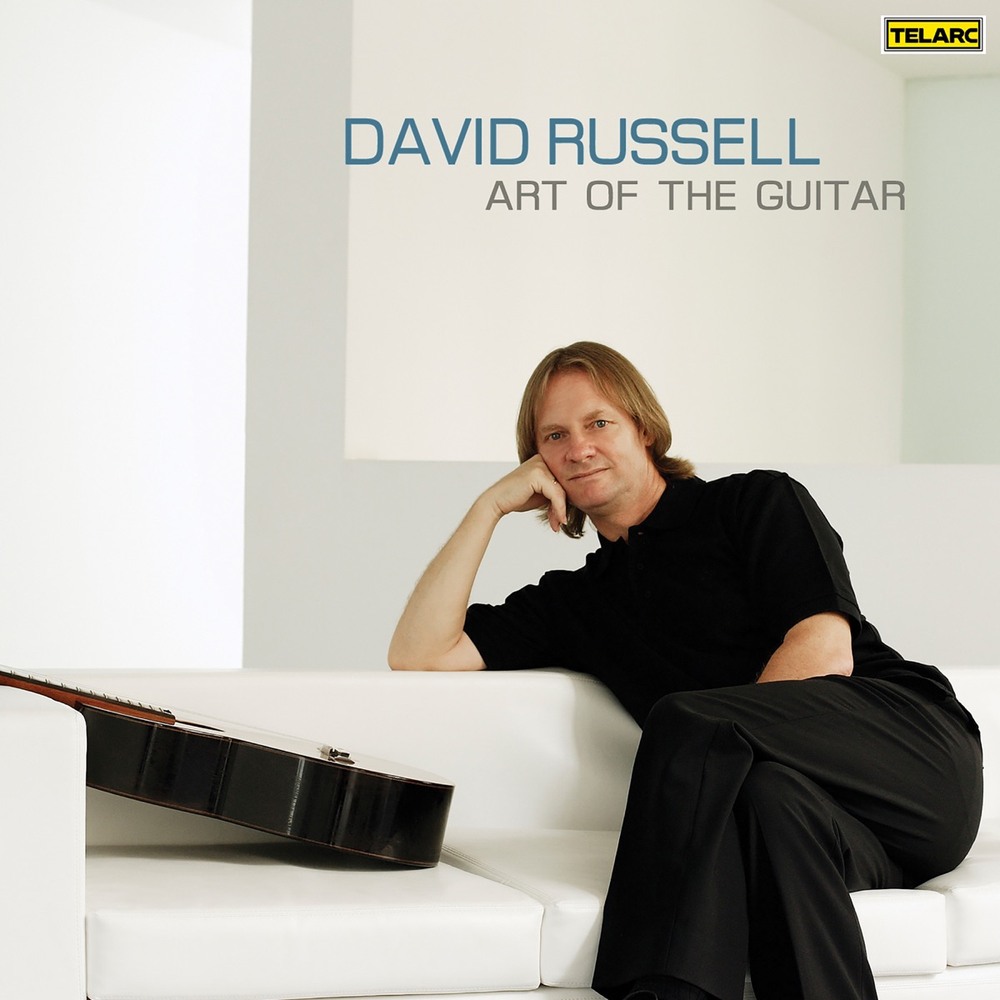
Villa-Lobos Prelude No. 1 — David Russell
Listen to the resonance left by the open strings in the repeated harmonies of the middle section and the return of the bass melody. Next, listen to what the accompaniment and background voices do at the same moment in 'Villa-Lobos Prelude No. 1 — David Russell'. Following how the material returns in different instruments and ranges naturally reveals the design of 5 Preludes, W 419: No. 1 in E Minor. Marking where David Russell emphasizes can provide a basis for comparison with other performances.
The 5 Preludes, W 419: No. 1 in E Minor track linked to 'Villa-Lobos Prelude No. 1 — David Russell' features actual recordings from 《Art of the Guitar》, introduced to fit the criteria for 'Classic Guitar Crossing Eras and Continents in Six Strings'. The artist listed on Apple Music for 'Villa-Lobos Prelude No. 1 — David Russell' is David Russell, released in 2007. This date may differ from when Heitor Villa-Lobos composed the piece, so in the context of 'Classic Guitar Crossing Eras and Continents in Six Strings', it is used as recording information only. When searching for other versions of 'Villa-Lobos Prelude No. 1 — David Russell', check the piece name, artist, and album to avoid confusion with the same recording and reissue, while also confirming the context of 'Classic Guitar Crossing Eras and Continents in Six Strings'.
The 5 Preludes, W 419: No. 1 in E Minor track linked to 'Villa-Lobos Prelude No. 1 — David Russell' features actual recordings from 《Art of the Guitar》, introduced to fit the criteria for 'Classic Guitar Crossing Eras and Continents in Six Strings'. The artist listed on Apple Music for 'Villa-Lobos Prelude No. 1 — David Russell' is David Russell, released in 2007. This date may differ from when Heitor Villa-Lobos composed the piece, so in the context of 'Classic Guitar Crossing Eras and Continents in Six Strings', it is used as recording information only. When searching for other versions of 'Villa-Lobos Prelude No. 1 — David Russell', check the piece name, artist, and album to avoid confusion with the same recording and reissue, while also confirming the context of 'Classic Guitar Crossing Eras and Continents in Six Strings'.
연주자 David Russell
작곡가 Heitor Villa-Lobos
작품 5 Preludes, W 419: No. 1 in E Minor
표시 발매 연도 2007
수록 음반 Art of the Guitar
형식 음원
감상 포인트 첼로처럼 노래하는 저음 선율과 열린 현의 화음이 브라질적 서정과 기타의 공명을 함께 만든다.
듣기 팁 중간부의 반복 화음에서 열린 현이 남기는 울림과 저음 선율의 귀환을 들어보자.
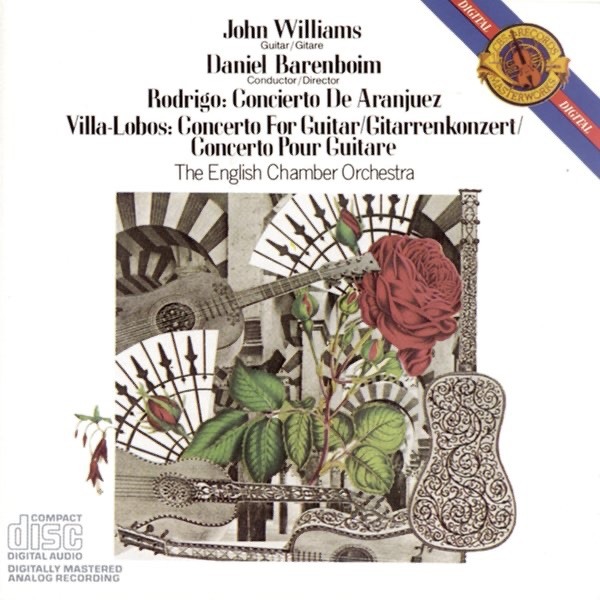
Rodrigo 'Concierto de Aranjuez' Adagio — John Williams & Barenboim
Listen to how the guitar breaks down the rhythm when taking over the orchestral melody. When listening again to 'Rodrigo 'Concierto de Aranjuez' Adagio — John Williams & Barenboim', try to find the lowest notes and the longest notes respectively. The intersection of these two elements determines the tension and relaxation of Concierto de Aranjuez: II. Adagio, and it also clarifies the interpretations of Daniel Barenboim, John Williams, James Brown & English Chamber Orchestra. By comparing the lengths of breaths and resonances in 'Rodrigo 'Concierto de Aranjuez' Adagio — John Williams & Barenboim' rather than focusing purely on volume, the reason for choosing this version becomes clearer.
The Concierto de Aranjuez: II. Adagio track linked to 'Rodrigo 'Concierto de Aranjuez' Adagio — John Williams & Barenboim' features actual recordings from 《Rodrigo: Concierto de Aranjuez - Villa-Lobos: Concerto for Guitar and Small Orchestra》, introduced to fit the criteria for 'Classic Guitar Crossing Eras and Continents in Six Strings'. The artists listed on Apple Music for 'Rodrigo 'Concierto de Aranjuez' Adagio — John Williams & Barenboim' are Daniel Barenboim, John Williams, James Brown & English Chamber Orchestra, released in 1974. This date may differ from when Joaquín Rodrigo composed the piece, so in the context of 'Classic Guitar Crossing Eras and Continents in Six Strings', it is used as recording information only. When searching for other versions of 'Rodrigo 'Concierto de Aranjuez' Adagio — John Williams & Barenboim', check the piece name, artist, and album to avoid confusion with the same recording and reissue, while also confirming the context of 'Classic Guitar Crossing Eras and Continents in Six Strings'.
The Concierto de Aranjuez: II. Adagio track linked to 'Rodrigo 'Concierto de Aranjuez' Adagio — John Williams & Barenboim' features actual recordings from 《Rodrigo: Concierto de Aranjuez - Villa-Lobos: Concerto for Guitar and Small Orchestra》, introduced to fit the criteria for 'Classic Guitar Crossing Eras and Continents in Six Strings'. The artists listed on Apple Music for 'Rodrigo 'Concierto de Aranjuez' Adagio — John Williams & Barenboim' are Daniel Barenboim, John Williams, James Brown & English Chamber Orchestra, released in 1974. This date may differ from when Joaquín Rodrigo composed the piece, so in the context of 'Classic Guitar Crossing Eras and Continents in Six Strings', it is used as recording information only. When searching for other versions of 'Rodrigo 'Concierto de Aranjuez' Adagio — John Williams & Barenboim', check the piece name, artist, and album to avoid confusion with the same recording and reissue, while also confirming the context of 'Classic Guitar Crossing Eras and Continents in Six Strings'.
연주자 Daniel Barenboim, John Williams, James Brown & English Chamber Orchestra
작곡가 Joaquín Rodrigo
작품 Concierto de Aranjuez: II. Adagio
표시 발매 연도 1974
수록 음반 Rodrigo: Concierto de Aranjuez - Villa-Lobos: Concerto for Guitar and Small Orchestra
형식 음원
감상 포인트 잉글리시 호른의 선율과 기타의 장식이 질문과 응답으로 긴 호흡을 만든다.
듣기 팁 기타가 관현악 선율을 이어받을 때 리듬을 어떻게 잘게 나누는지 들어보자.
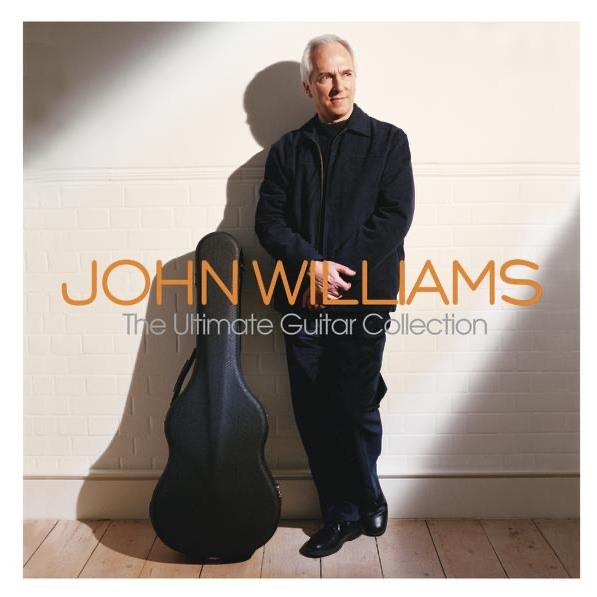
Barrios 'La Catedral' — John Williams
Listen to whether the resonance of the harmonies maintains the bass line even within fast musical figures. After that, check if the instrument that starts the theme of 'Barrios 'La Catedral' — John Williams' is the same one that concludes it. La Catedral moves forward while repeating small gestures and changing the density of the background. Listening to where John Williams emphasizes these changes can explain the character of the piece beyond just enjoying the atmosphere.
The La Catedral track linked to 'Barrios 'La Catedral' — John Williams' features actual recordings from 《The Ultimate Guitar Collection》, introduced to fit the criteria for 'Classic Guitar Crossing Eras and Continents in Six Strings'. The artist listed on Apple Music for 'Barrios 'La Catedral' — John Williams' is John Williams, released in 1998. This date may differ from when Agustín Barrios Mangoré composed the piece, so in the context of 'Classic Guitar Crossing Eras and Continents in Six Strings', it is used as recording information only. When searching for other versions of 'Barrios 'La Catedral' — John Williams', check the piece name, artist, and album to avoid confusion with the same recording and reissue, while also confirming the context of 'Classic Guitar Crossing Eras and Continents in Six Strings'.
The La Catedral track linked to 'Barrios 'La Catedral' — John Williams' features actual recordings from 《The Ultimate Guitar Collection》, introduced to fit the criteria for 'Classic Guitar Crossing Eras and Continents in Six Strings'. The artist listed on Apple Music for 'Barrios 'La Catedral' — John Williams' is John Williams, released in 1998. This date may differ from when Agustín Barrios Mangoré composed the piece, so in the context of 'Classic Guitar Crossing Eras and Continents in Six Strings', it is used as recording information only. When searching for other versions of 'Barrios 'La Catedral' — John Williams', check the piece name, artist, and album to avoid confusion with the same recording and reissue, while also confirming the context of 'Classic Guitar Crossing Eras and Continents in Six Strings'.
연주자 John Williams
작곡가 Agustín Barrios Mangoré
작품 La catedral
표시 발매 연도 1998
수록 음반 The Ultimate Guitar Collection
형식 음원
감상 포인트 기도 같은 느린 악장과 빠른 도시의 움직임이 기타 한 대에서 대비된다.
듣기 팁 화음의 잔향이 빠른 음형 속에서도 베이스 선을 유지하는지 들어보자.
Brouwer 'El Decamerón Negro' Movement 3 — Shinichi Fukuda
Look for whether the same motif returns while changing range and emphasis. In 'Brouwer 'El Decamerón Negro' Movement 3 — Shinichi Fukuda', when the same phrase is repeated, choose either speed or dynamics to compare. Narrowing down based on Shinichi Fukuda's choices will help you catch the inner parts and rhythms of El Decamerón Negro: III. Ballada. Finally, listen again to the overall flow of 'Brouwer 'El Decamerón Negro' Movement 3 — Shinichi Fukuda' to confirm how the details impact the piece's impression.
The El Decamerón Negro: III. Ballada track linked to 'Brouwer 'El Decamerón Negro' Movement 3 — Shinichi Fukuda' features actual recordings from 《Cantilena de los Bosques》, introduced to fit the criteria for 'Classic Guitar Crossing Eras and Continents in Six Strings'. The artist listed on Apple Music for 'Brouwer 'El Decamerón Negro' Movement 3 — Shinichi Fukuda' is Shinichi Fukuda, released in 2008. This date may differ from when Leo Brouwer composed the piece, so in the context of 'Classic Guitar Crossing Eras and Continents in Six Strings', it is used as recording information only. When searching for other versions of 'Brouwer 'El Decamerón Negro' Movement 3 — Shinichi Fukuda', check the piece name, artist, and album to avoid confusion with the same recording and reissue, while also confirming the context of 'Classic Guitar Crossing Eras and Continents in Six Strings'.
The El Decamerón Negro: III. Ballada track linked to 'Brouwer 'El Decamerón Negro' Movement 3 — Shinichi Fukuda' features actual recordings from 《Cantilena de los Bosques》, introduced to fit the criteria for 'Classic Guitar Crossing Eras and Continents in Six Strings'. The artist listed on Apple Music for 'Brouwer 'El Decamerón Negro' Movement 3 — Shinichi Fukuda' is Shinichi Fukuda, released in 2008. This date may differ from when Leo Brouwer composed the piece, so in the context of 'Classic Guitar Crossing Eras and Continents in Six Strings', it is used as recording information only. When searching for other versions of 'Brouwer 'El Decamerón Negro' Movement 3 — Shinichi Fukuda', check the piece name, artist, and album to avoid confusion with the same recording and reissue, while also confirming the context of 'Classic Guitar Crossing Eras and Continents in Six Strings'.
연주자 Shinichi Fukuda
작곡가 Leo Brouwer
작품 El Decamerón Negro: III. Ballada
표시 발매 연도 2008
수록 음반 Cantilena de los Bosques
형식 음원
감상 포인트 현대적 화음과 서사적인 선율이 아프리카 전설의 사랑 이야기를 그린다.
듣기 팁 같은 동기가 음역과 강세를 바꾸며 돌아오는지 찾아보자.
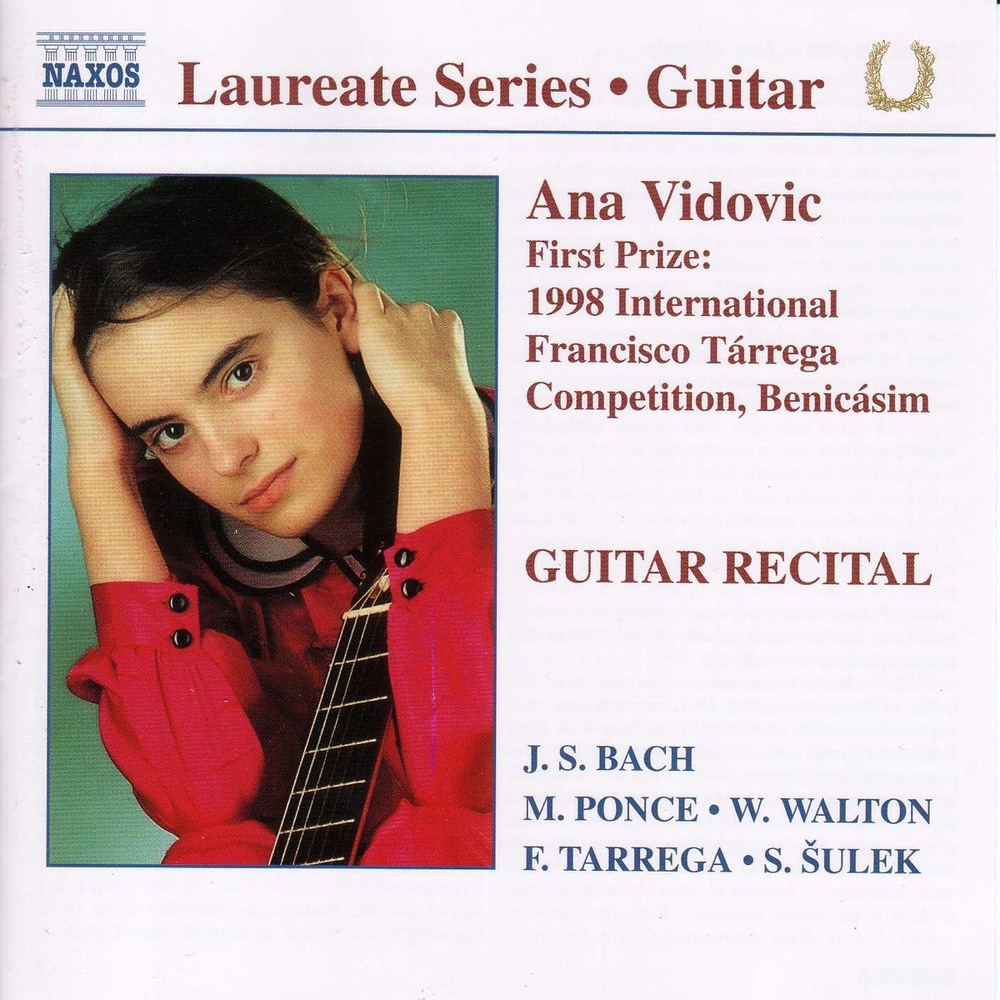
Ponce 'Romantic Sonata' Movement 1 — Ana Vidović
Ponce 'Sonata Romántica' Movement 1 — Ana Vidović
Listen for the arrangement of the bass and inner voices when the theme returns. In the first listen of 'Ponce 'Sonata Romántica' Movement 1 — Ana Vidović', find the guided sound, and on the next listen, add in surrounding voices and silences. As Sonata romántica: I. Allegro moderato moves towards its climax, you can hear how Ana Vidović adjusts the tempo and timbre. Comparing the resonance at the beginning and end of 'Ponce 'Sonata Romántica' Movement 1 — Ana Vidović' reveals the tangible distance and sense of time the piece creates.
The Sonata romántica: I. Allegro moderato track linked to 'Ponce 'Sonata Romántica' Movement 1 — Ana Vidović' features actual recordings from 《Guitar Recital: Ana Vidovic》, introduced to fit the criteria for 'Classic Guitar Crossing Eras and Continents in Six Strings'. The artist listed on Apple Music for 'Ponce 'Sonata Romántica' Movement 1 — Ana Vidović' is Ana Vidović, released in 2000. This date may differ from when Manuel Ponce composed the piece, so in the context of 'Classic Guitar Crossing Eras and Continents in Six Strings', it is used as recording information only. When searching for other versions of 'Ponce 'Sonata Romántica' Movement 1 — Ana Vidović', check the piece name, artist, and album to avoid confusion with the same recording and reissue, while also confirming the context of 'Classic Guitar Crossing Eras and Continents in Six Strings'.
The Sonata romántica: I. Allegro moderato track linked to 'Ponce 'Sonata Romántica' Movement 1 — Ana Vidović' features actual recordings from 《Guitar Recital: Ana Vidovic》, introduced to fit the criteria for 'Classic Guitar Crossing Eras and Continents in Six Strings'. The artist listed on Apple Music for 'Ponce 'Sonata Romántica' Movement 1 — Ana Vidović' is Ana Vidović, released in 2000. This date may differ from when Manuel Ponce composed the piece, so in the context of 'Classic Guitar Crossing Eras and Continents in Six Strings', it is used as recording information only. When searching for other versions of 'Ponce 'Sonata Romántica' Movement 1 — Ana Vidović', check the piece name, artist, and album to avoid confusion with the same recording and reissue, while also confirming the context of 'Classic Guitar Crossing Eras and Continents in Six Strings'.
연주자 Ana Vidović
작곡가 Manuel Ponce
작품 Sonata romántica: I. Allegro moderato
표시 발매 연도 2000
수록 음반 Guitar Recital: Ana Vidovic
형식 음원
감상 포인트 슈베르트를 기리는 선율과 기타의 섬세한 화음이 고전적 형식을 새롭게 만든다.
듣기 팁 주제가 돌아올 때 저음과 안쪽 성부의 배치를 들어보자.
Guitar music is best experienced in an environment where the subtle sounds made by your fingers on the strings and the sustain of the bass are not lost, rather than just cranking up the volume. Let's check how the tremolo flows like a single melody, if the harmonies resonate simultaneously or unfold slightly, and how long the bass lingers before the next chord. Even with the same piece, differences in tone can arise due to the player's nails, the instrument, and the recording distance.
The indicated release years are based on the recordings rather than the composition dates. When analyzing pieces originally composed for piano or violin, it can reveal the meaning of the arrangements by comparing how their ranges and sustains have been redesigned. If you find a piece you like, let's watch the actual performance to see the right hand in action. You can hear how melodies and accompaniment are not produced by separate hands but are split among multiple fingers of the same hand.
The indicated release years are based on the recordings rather than the composition dates. When analyzing pieces originally composed for piano or violin, it can reveal the meaning of the arrangements by comparing how their ranges and sustains have been redesigned. If you find a piece you like, let's watch the actual performance to see the right hand in action. You can hear how melodies and accompaniment are not produced by separate hands but are split among multiple fingers of the same hand.
한눈에 보기
8개
Bach 'Chaconne' Guitar Arrangement — Andrés Segovia
Andrés Segovia · Johann Sebastian Bach · Chaconne (Guitar Transcription) · 2002 · The Father of the Classical Guitar (1944 - 1949) · 음원 · 바이올린의 화음과 선율을 기타의 저음·아르페지오로 재구성해 다성 구조를 밝힌다. · 반복 베이스가 다른 줄로 이동할 때 음색이 바뀌는지 들어보자.
Albéniz 'Asturias' — John Williams
John Williams · Isaac Albéniz · Asturias · 1990 · Spanish Guitar Music · 음원 · 빠른 반복음과 강한 저음이 피아노 원곡을 플라멩코 기타처럼 들리게 한다. · 반복음 사이 선율과 중간부의 노래가 어떻게 대비되는지 들어보자.
Tárrega 'Recuerdos de la Alhambra' — Miloš
Milos Karadaglic · Francisco Tárrega · Recuerdos de la Alhambra · 2011 · Mediterráneo · 음원 · 트레몰로 선율과 엄지의 반주가 한 사람이 두 층을 연주하는 착각을 만든다. · 높은 선율의 음량이 일정한 동안 베이스가 화음을 바꾸는지 들어보자.
Villa-Lobos Prelude No. 1 — David Russell
David Russell · Heitor Villa-Lobos · 5 Preludes, W 419: No. 1 in E Minor · 2007 · Art of the Guitar · 음원 · 첼로처럼 노래하는 저음 선율과 열린 현의 화음이 브라질적 서정과 기타의 공명을 함께 만든다. · 중간부의 반복 화음에서 열린 현이 남기는 울림과 저음 선율의 귀환을 들어보자.
Rodrigo 'Concierto de Aranjuez' Adagio — John Williams & Barenboim
Daniel Barenboim, John Williams, James Brown & English Chamber Orchestra · Joaquín Rodrigo · Concierto de Aranjuez: II. Adagio · 1974 · Rodrigo: Concierto de Aranjuez - Villa-Lobos: Concerto for Guitar and Small Orchestra · 음원 · 잉글리시 호른의 선율과 기타의 장식이 질문과 응답으로 긴 호흡을 만든다. · 기타가 관현악 선율을 이어받을 때 리듬을 어떻게 잘게 나누는지 들어보자.
Barrios 'La Catedral' — John Williams
John Williams · Agustín Barrios Mangoré · La catedral · 1998 · The Ultimate Guitar Collection · 음원 · 기도 같은 느린 악장과 빠른 도시의 움직임이 기타 한 대에서 대비된다. · 화음의 잔향이 빠른 음형 속에서도 베이스 선을 유지하는지 들어보자.
Brouwer 'El Decamerón Negro' Movement 3 — Shinichi Fukuda
Shinichi Fukuda · Leo Brouwer · El Decamerón Negro: III. Ballada · 2008 · Cantilena de los Bosques · 음원 · 현대적 화음과 서사적인 선율이 아프리카 전설의 사랑 이야기를 그린다. · 같은 동기가 음역과 강세를 바꾸며 돌아오는지 찾아보자.
Ponce 'Romantic Sonata' Movement 1 — Ana Vidović
Ana Vidović · Manuel Ponce · Sonata romántica: I. Allegro moderato · 2000 · Guitar Recital: Ana Vidovic · 음원 · 슈베르트를 기리는 선율과 기타의 섬세한 화음이 고전적 형식을 새롭게 만든다. · 주제가 돌아올 때 저음과 안쪽 성부의 배치를 들어보자.
이 포스팅은 쿠팡 파트너스 활동의 일환으로, 이에 따른 일정액의 수수료를 제공받습니다.
댓글 0
로그인 후 댓글을 작성할 수 있습니다.
첫 댓글을 남겨보세요.
이런 리스트는 어때요?


이런 리스트도 추천해요


🎲
여기서 멈추기엔 아쉽잖아?
다음에 뭘 볼지 고민하는 시간이 제일 아까워.
주사위가 대신 골라줄게 — 무슨 리스트가 튀어나올지는 굴려봐야 알지.
안 누르면… 평생 궁금하지 않겠어? 👀
