Choral Classics that Build a Space with Dozens of Voices
Collection Classical 2026.09.28

Choral Classics that Build a Space with Dozens of Voices

Experience the Density and Language of Choir in Requiem, Mass, Oratorio, and Symphony through Master Performances

The emotional impact of choral music does not solely arise from the number of voices. The size of the space and the direction of the message change depending on whether multiple voices sing the same lyrics simultaneously, chase and imitate each other, or contrast solo and choir parts. The moment when consonants align creates rhythm, while sustained vowels evoke an architectural resonance. Even without knowing the lyrics, one can perceive the structure through the entry and breath of each voice part.

This list includes different requiems by Mozart, Verdi, and Fauré, Bach’s Mass, Handel’s Oratorio, Brahms’ German Requiem, Orff’s secular cantata, and Mahler’s symphonic finale. By selecting actual recordings of choirs and orchestras, we compare how fear, comfort, joy, and resurrection are expressed through different choral techniques. Each item guides listeners through the moments when choir enters and the arrangement of voice parts.
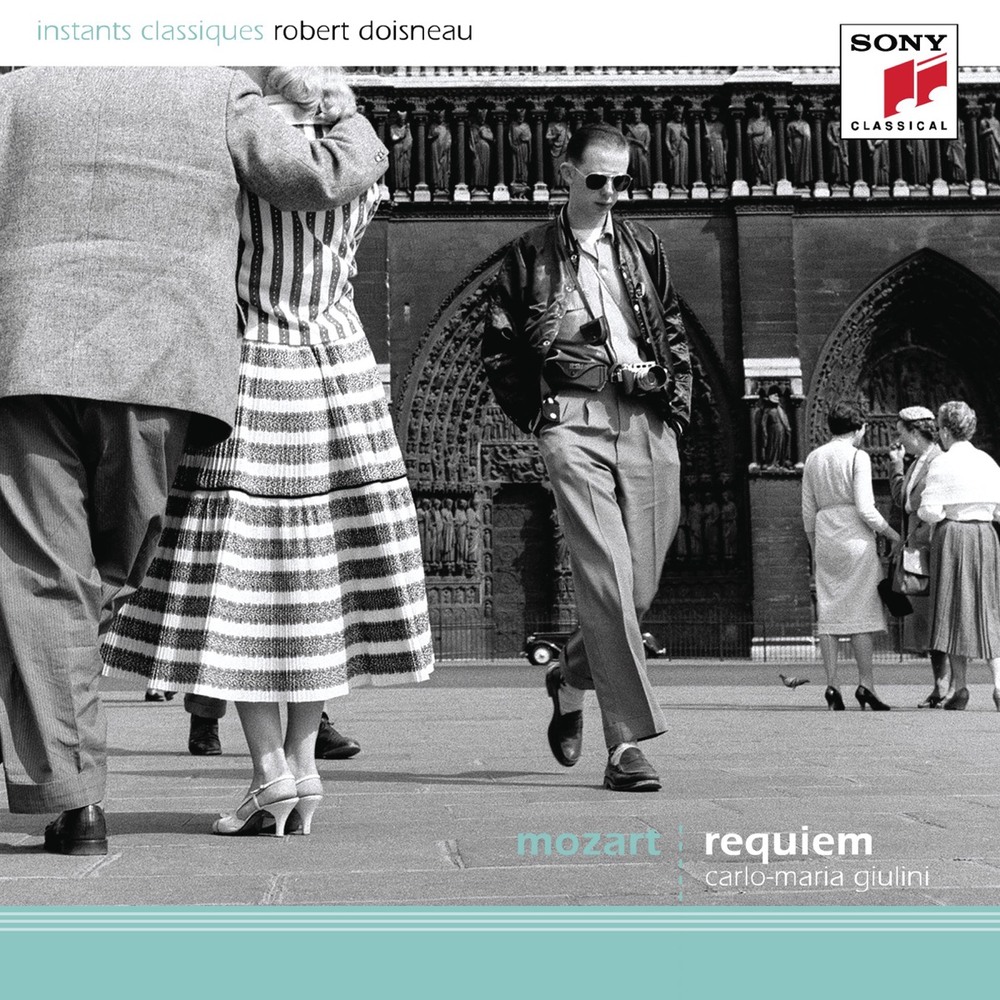
Mozart Requiem 'Lacrimosa' — Giulini · Philharmonia

Mozart Requiem 'Lacrimosa' — Giulini · Philharmonia

Mozart's Requiem ‘Lacrimosa’ — Giulini, Philharmonia

Let’s listen to the transition from the short, fragmented first choir to the long phrases. In the first listening of ‘Mozart's Requiem ‘Lacrimosa’ — Giulini, Philharmonia,’ stay on the guided points, and on the second listen, broaden your focus to the bass and inner voices. This will reveal the structure of Requiem in D Minor: Lacrimosa and the lengths of phrases chosen by Carlo Maria Giulini, Jard van Ness, Keith Lewis, Lynne Dawson, Simon Estes, Philharmonia Orchestra & Philharmonia Chorus. Instead of waiting for the famous passages, mark the moments where timbre changes to maintain the composition's direction.

The connected Requiem in D Minor: Lacrimosa track from 'Mozart's Requiem ‘Lacrimosa’ — Giulini, Philharmonia' features actual audio from the album 《Mozart: Requiem, K. 626》 and is introduced here based on the selection criteria of ‘Choral Classics that Build a Space with Dozens of Voices.’ The listed performers in Apple Music for ‘Mozart's Requiem ‘Lacrimosa’ — Giulini, Philharmonia’ are Carlo Maria Giulini, Jard van Ness, Keith Lewis, Lynne Dawson, Simon Estes, Philharmonia Orchestra & Philharmonia Chorus, and the release year is 2001, which may differ from the time Wolfgang Amadeus Mozart composed the piece, so we only use the recording information here. When looking for a different version of ‘Mozart's Requiem ‘Lacrimosa’ — Giulini, Philharmonia,’ confirm the piece's name, performers, and the album to avoid confusion with the same recording and re-release, while also checking the context of ‘Choral Classics that Build a Space with Dozens of Voices.’
연주자 Carlo Maria Giulini, Jard van Ness, Keith Lewis, Lynne Dawson, Simon Estes, Philharmonia Orchestra & Philharmonia Chorus 작곡가 Wolfgang Amadeus Mozart 작품 Requiem in D Minor: Lacrimosa 표시 발매 연도 2001 수록 음반 Mozart: Requiem, K. 626 형식 음원 감상 포인트 가라앉는 현악 리듬 위에서 합창이 탄식하듯 상승해 슬픔과 긴장을 함께 만든다. 듣기 팁 짧게 끊기는 첫 합창이 긴 프레이즈로 이어지는 과정을 들어보자.
바로가기
Verdi Requiem 'Dies irae' — Muti · Chicago Symphony

Verdi Requiem 'Dies irae' — Muti · Chicago Symphony

Verdi's Requiem ‘Dies irae’ — Muti, Chicago Symphony

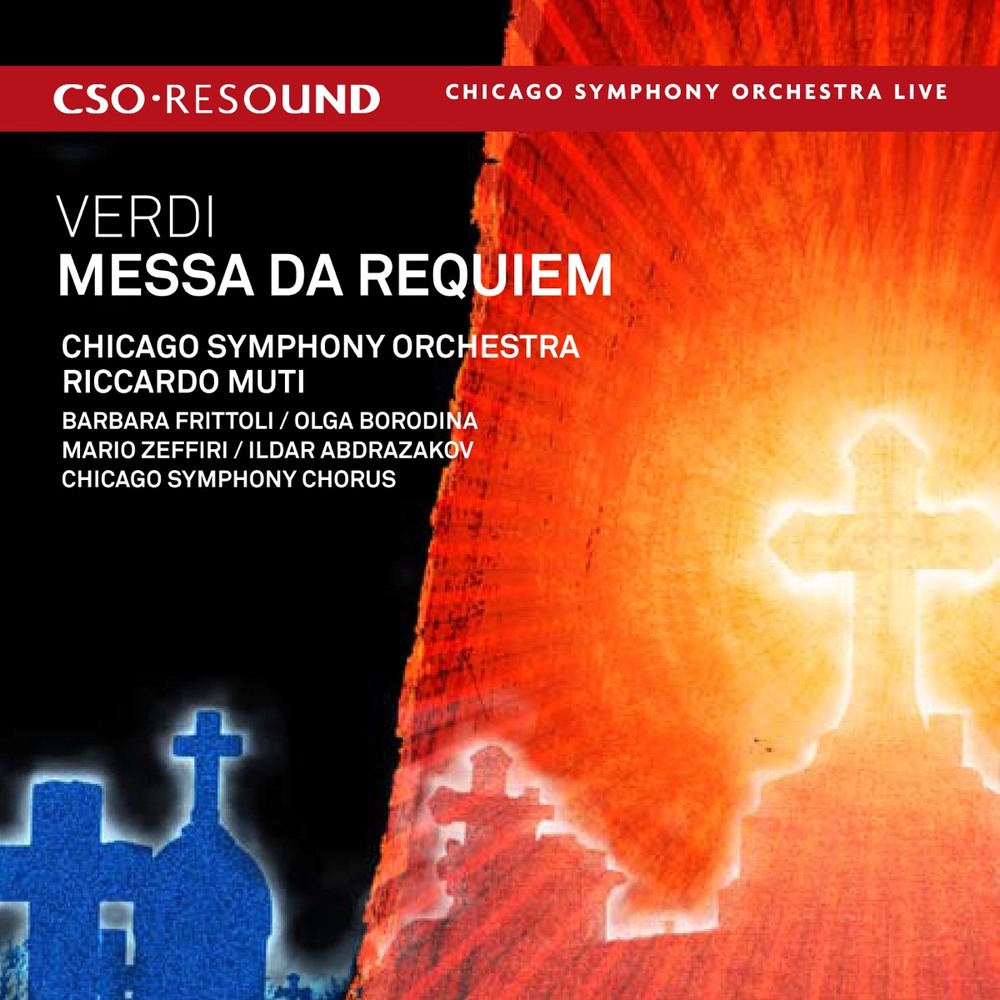
Let’s hear how the shock transforms when the same motif returns after a sudden silence. In ‘Verdi's Requiem ‘Dies irae’ — Muti, Chicago Symphony,’ check how the range and emphasis change when the same motif comes back. The performance by Riccardo Muti, Chicago Symphony Orchestra, Chicago Symphony Chorus, Barbara Frittoli, Olga Borodina, Mario Zeffiri & Ildar Abdrazakov presents the broader flow of Messa da Requiem: Dies irae through the connections of each voice part rather than exaggerating it. At the end, return to the start of ‘Verdi's Requiem ‘Dies irae’ — Muti, Chicago Symphony’ and compare how your first impression has shifted, which clarifies the structure.

The connected Messa da Requiem: Dies irae track from ‘Verdi's Requiem ‘Dies irae’ — Muti, Chicago Symphony’ features actual audio from the album 《Verdi: Messa da Requiem》 and is introduced here based on the selection criteria of ‘Choral Classics that Build a Space with Dozens of Voices.’ The listed performers in Apple Music for ‘Verdi's Requiem ‘Dies irae’ — Muti, Chicago Symphony’ are Riccardo Muti, Chicago Symphony Orchestra, Chicago Symphony Chorus, Barbara Frittoli, Olga Borodina, Mario Zeffiri & Ildar Abdrazakov, and the release year is 2010, which may differ from the time Giuseppe Verdi composed the piece, so we only use the recording information here. When looking for a different version of ‘Verdi's Requiem ‘Dies irae’ — Muti, Chicago Symphony,’ confirm the piece's name, performers, and the album to avoid confusion with the same recording and re-release, while also checking the context of ‘Choral Classics that Build a Space with Dozens of Voices.’
연주자 Riccardo Muti, Chicago Symphony Orchestra, Chicago Symphony Chorus, Barbara Frittoli, Olga Borodina, Mario Zeffiri & Ildar Abdrazakov 작곡가 Giuseppe Verdi 작품 Messa da Requiem: Dies irae 표시 발매 연도 2010 수록 음반 Verdi: Messa da Requiem 형식 음원 감상 포인트 폭발적인 합창과 대형 북이 심판의 공포를 오페라 무대처럼 직접적으로 그린다. 듣기 팁 갑작스러운 침묵 뒤 같은 동기가 돌아올 때 충격이 어떻게 달라지는지 들어보자.
바로가기
Fauré Requiem 'In Paradisum' — Herreweghe · La Chapelle Royale

Fauré Requiem 'In Paradisum' — Herreweghe · La Chapelle Royale

Fauré's Requiem ‘In Paradisum’ — Herreweghe, La Chapelle Royale

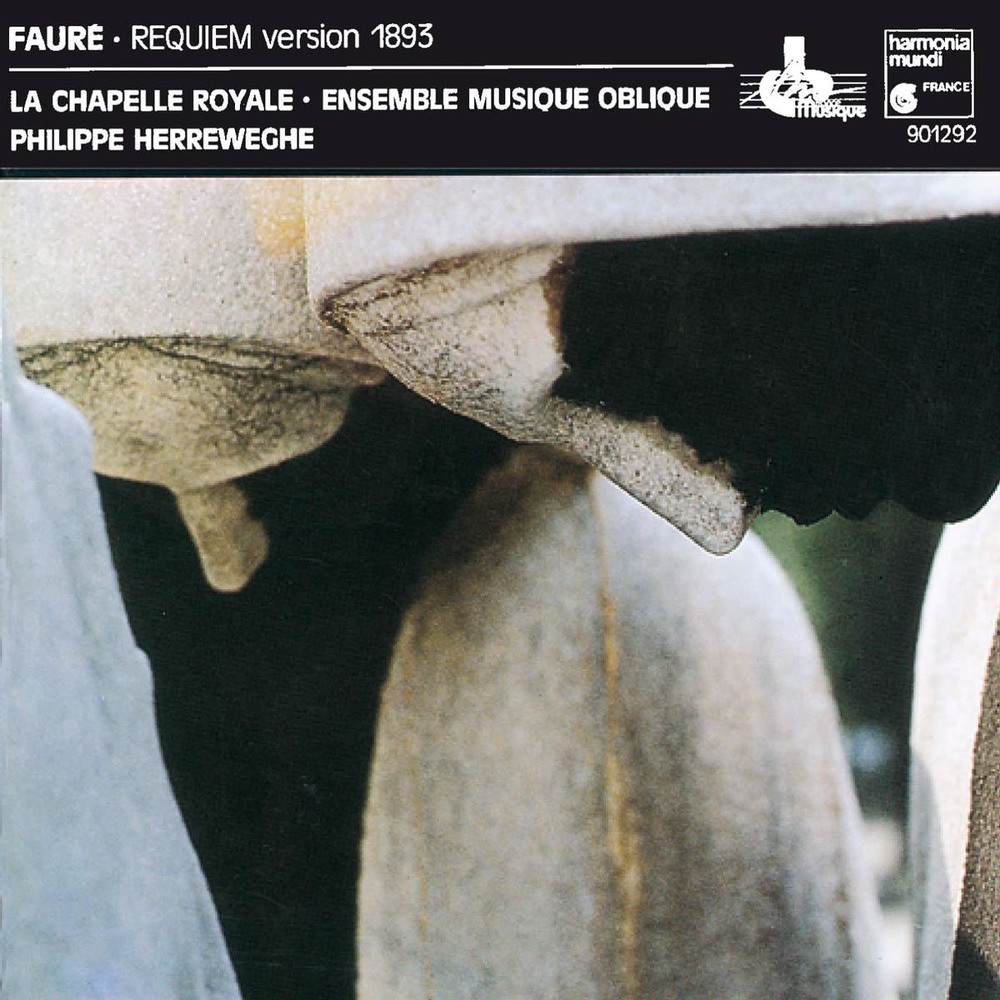
Let’s listen to the sustained vowels of the boy choir floating above the harmonies. When you listen again, focus on the order of overlapping and emptying sounds rather than the tempo. Finding which voice part the repeated material of Requiem, Op. 48: In Paradisum moves to will reveal the balance sense of Ensemble Musique Oblique, La Chapelle Royale & Philippe Herreweghe. By comparing the residual resonance at the end of ‘Fauré's Requiem ‘In Paradisum’ — Herreweghe, La Chapelle Royale’ to the first phrase, the emotional change within the structure becomes clearer.

The connected Requiem, Op. 48: In Paradisum track from ‘Fauré's Requiem ‘In Paradisum’ — Herreweghe, La Chapelle Royale’ features actual audio from the album 《Fauré: Requiem (Op. 48), Messe des Pêcheurs de Villerville》 and is introduced here based on the selection criteria of ‘Choral Classics that Build a Space with Dozens of Voices.’ The listed performers in Apple Music for ‘Fauré's Requiem ‘In Paradisum’ — Herreweghe, La Chapelle Royale’ are Ensemble Musique Oblique, La Chapelle Royale & Philippe Herreweghe, and the release year is 1988, which may differ from the time Gabriel Fauré composed the piece, so we only use the recording information here. When looking for a different version of ‘Fauré's Requiem ‘In Paradisum’ — Herreweghe, La Chapelle Royale,’ confirm the piece's name, performers, and the album to avoid confusion with the same recording and re-release, while also checking the context of ‘Choral Classics that Build a Space with Dozens of Voices.’
연주자 Ensemble Musique Oblique, La Chapelle Royale & Philippe Herreweghe 작곡가 Gabriel Fauré 작품 Requiem, Op. 48: In Paradisum 표시 발매 연도 1988 수록 음반 Fauré: Requiem (Op. 48), Messe des Pêcheurs de Villerville 형식 음원 감상 포인트 높은 합창과 부드러운 반주가 두려움보다 빛과 안식을 향하는 결말을 만든다. 듣기 팁 소년 합창의 긴 모음이 화음 위에서 떠 있는 시간을 들어보자.
바로가기
Bach Mass in B Minor 'Sanctus' — Gardiner · Monteverdi Choir

Bach Mass in B Minor 'Sanctus' — Gardiner · Monteverdi Choir

Bach's Mass in B Minor ‘Sanctus’ — Gardiner, Monteverdi Choir

Let’s listen to how different voices move under long sustained notes of the part. Next, hear what the accompaniment and background voices are doing at the same moment in ‘Bach's Mass in B Minor ‘Sanctus’ — Gardiner, Monteverdi Choir.’ Following the process where the previously mentioned material returns with different instruments and ranges reveals the design of Mass in B Minor: Sanctus. Marking where the English Baroque Soloists, John Eliot Gardiner & Monteverdi Choir place their emphasis also provides a benchmark for comparing with other performances.

The connected Mass in B Minor: Sanctus track from ‘Bach's Mass in B Minor ‘Sanctus’ — Gardiner, Monteverdi Choir’ features actual audio from the album 《Bach: The Essentials》 and is introduced here based on the selection criteria of ‘Choral Classics that Build a Space with Dozens of Voices.’ The listed performers in Apple Music for ‘Bach's Mass in B Minor ‘Sanctus’ — Gardiner, Monteverdi Choir’ are English Baroque Soloists, John Eliot Gardiner & Monteverdi Choir, and the release year is 1985, which may differ from the time Johann Sebastian Bach composed the piece, so we only use the recording information here. When looking for a different version of ‘Bach's Mass in B Minor ‘Sanctus’ — Gardiner, Monteverdi Choir,’ confirm the piece's name, performers, and the album to avoid confusion with the same recording and re-release, while also checking the context of ‘Choral Classics that Build a Space with Dozens of Voices.’
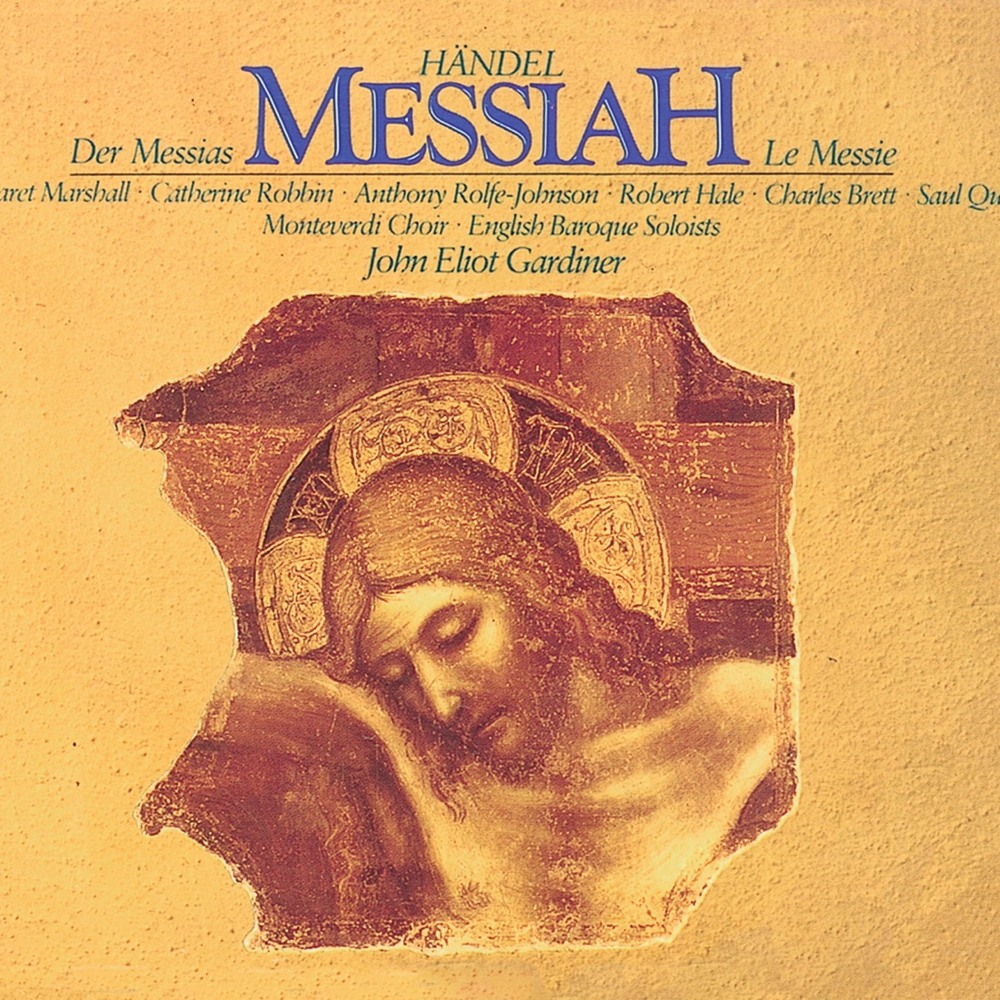
연주자 English Baroque Soloists, John Eliot Gardiner & Monteverdi Choir 작곡가 Johann Sebastian Bach 작품 Mass in B Minor: Sanctus 표시 발매 연도 1985 수록 음반 Bach: The Essentials 형식 음원 감상 포인트 여섯 성부의 합창과 밝은 관현악이 서로 교차하며 장대한 찬미를 세운다. 듣기 팁 긴 음을 유지하는 성부 아래 다른 목소리가 움직이는 층을 나눠 들어보자.
바로가기
Handel 'Messiah' 'Hallelujah' — Gardiner · Monteverdi Choir

Handel 'Messiah' 'Hallelujah' — Gardiner · Monteverdi Choir

Handel's Messiah ‘Hallelujah’ — Gardiner, Monteverdi Choir

Let’s follow the sequence of one voice part’s ‘Hallelujah’ spreading to another voice part. When you listen to ‘Handel's Messiah ‘Hallelujah’ — Gardiner, Monteverdi Choir’ one more time, try to find both the lowest note and the longest note. The intersection of these two elements determines the tension and release in Messiah: Hallelujah, and it’s also where the interpretation by Monteverdi Choir, John Eliot Gardiner & English Baroque Soloists becomes evident. Comparing the lengths of breath and resonance in ‘Handel's Messiah ‘Hallelujah’ — Gardiner, Monteverdi Choir’ rather than volume sharpens the reason for selecting this version.

The connected Messiah: Hallelujah track from ‘Handel's Messiah ‘Hallelujah’ — Gardiner, Monteverdi Choir’ features actual audio from the album 《Handel: Messiah》 and is introduced here based on the selection criteria of ‘Choral Classics that Build a Space with Dozens of Voices.’ The listed performers in Apple Music for ‘Handel's Messiah ‘Hallelujah’ — Gardiner, Monteverdi Choir’ are Monteverdi Choir, John Eliot Gardiner & English Baroque Soloists, and the release year is 1968, which may differ from the time George Frideric Handel composed the piece, so we only use the recording information here. When looking for a different version of ‘Handel's Messiah ‘Hallelujah’ — Gardiner, Monteverdi Choir,’ confirm the piece's name, performers, and the album to avoid confusion with the same recording and re-release, while also checking the context of ‘Choral Classics that Build a Space with Dozens of Voices.’
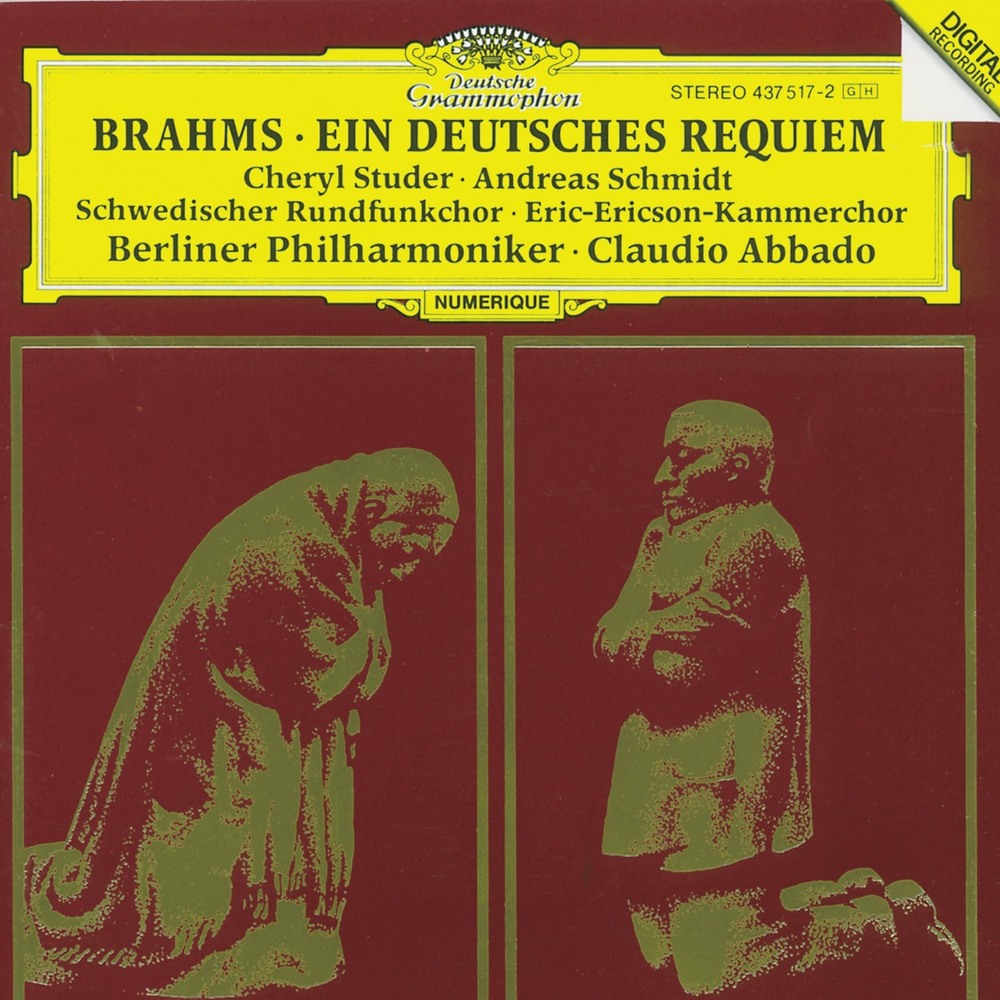
연주자 Monteverdi Choir, John Eliot Gardiner & English Baroque Soloists 작곡가 George Frideric Handel 작품 Messiah: Hallelujah 표시 발매 연도 1968 수록 음반 Handel: Messiah 형식 음원 감상 포인트 짧은 선언과 푸가적 모방, 트럼펫이 결합해 공동체의 환희를 단계적으로 키운다. 듣기 팁 한 성부의 할렐루야가 다른 성부로 번지는 순서를 따라가 보자.
바로가기
Brahms 'A German Requiem' 'How Lovely is Thy Dwelling Place' — Abbado

Brahms 'A German Requiem' 'How Lovely is Thy Dwelling Place' — Abbado

Brahms' German Requiem ‘How Lovely Are Thy Dwellings’ — Abbado

Let’s hear if the choral melody and orchestral accompaniment sway together in the same rhythm. Next, check whether the instruments that start and end the theme in ‘Brahms' German Requiem ‘How Lovely Are Thy Dwellings’ — Abbado’ are the same. Ein deutsches Requiem: Wie lieblich sind deine Wohnungen moves forward while repeating small gestures and changing the density in the background. Listening to where the Berlin Philharmonic, Claudio Abbado, Swedish Radio Choir, Eric-Ericson-Kammerchor & Gustaf Sjökvist emphasize these changes allows us to explain the character of this version beyond a simple atmospheric appreciation.

The connected Ein deutsches Requiem: Wie lieblich sind deine Wohnungen track from ‘Brahms' German Requiem ‘How Lovely Are Thy Dwellings’ — Abbado’ features actual audio from the album 《Brahms: Ein deutsches Requiem》 and is introduced here based on the selection criteria of ‘Choral Classics that Build a Space with Dozens of Voices.’ The listed performers in Apple Music for ‘Brahms' German Requiem ‘How Lovely Are Thy Dwellings’ — Abbado’ are Berlin Philharmonic, Claudio Abbado, Swedish Radio Choir, Eric-Ericson-Kammerchor & Gustaf Sjökvist, and the release year is 1992, which may differ from the time Johannes Brahms composed the piece, so we only use the recording information here. When looking for a different version of ‘Brahms' German Requiem ‘How Lovely Are Thy Dwellings’ — Abbado,’ confirm the piece's name, performers, and the album to avoid confusion with the same recording and re-release, while also checking the context of ‘Choral Classics that Build a Space with Dozens of Voices.’
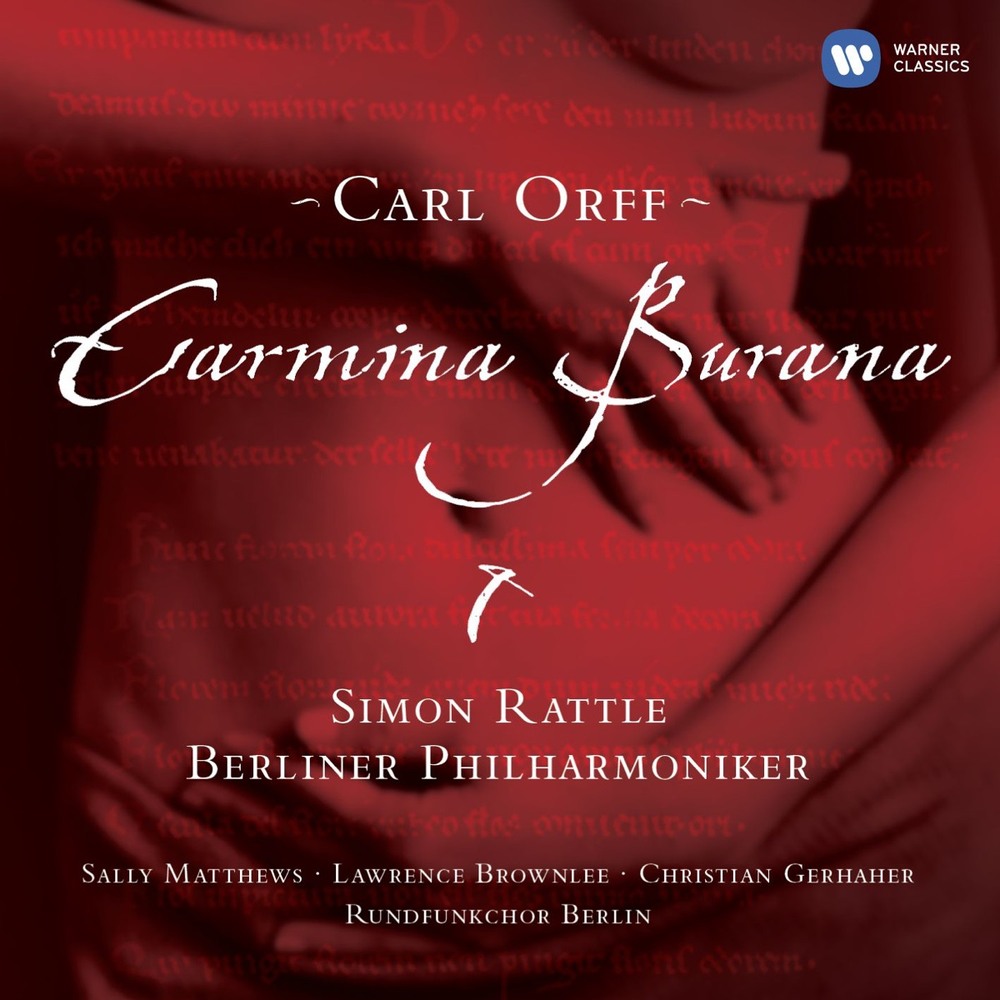
연주자 Berlin Philharmonic, Claudio Abbado, Swedish Radio Choir, Eric-Ericson-Kammerchor & Gustaf Sjökvist 작곡가 Johannes Brahms 작품 Ein deutsches Requiem: Wie lieblich sind deine Wohnungen 표시 발매 연도 1992 수록 음반 Brahms: Ein deutsches Requiem 형식 음원 감상 포인트 유연한 세 박과 따뜻한 합창 화성이 죽은 이보다 남은 이를 위로한다. 듣기 팁 합창 선율과 관현악 반주가 같은 리듬으로 흔들리는지 들어보자.
바로가기
Orff 'Carmina Burana' 'O Fortuna' — Rattle · Berlin Philharmonic

Orff 'Carmina Burana' 'O Fortuna' — Rattle · Berlin Philharmonic

Orff's 'Carmina Burana' - 'O Fortuna' — Rattle & Berlin Philharmonic

Let's compare how the same music at the beginning and end sounds differently due to volume and expectation. When the same phrase repeats in 'Orff's 'Carmina Burana' - 'O Fortuna' — Rattle & Berlin Philharmonic', try to focus on either speed or dynamics for comparison. By narrowing down our listening to the selections of the Berlin Philharmonic, Rundfunkchor Berlin, and Sir Simon Rattle, we can also appreciate the inner parts and rhythms of Carmina Burana: O Fortuna. Finally, let's listen again to the full flow of 'Orff's 'Carmina Burana' - 'O Fortuna' — Rattle & Berlin Philharmonic' and check how the details influence the impression of the piece.

The track connected to 'Orff's 'Carmina Burana' - 'O Fortuna' — Rattle & Berlin Philharmonic' is the actual recording included in the album 'Orff: Carmina Burana', chosen according to the criteria for 'a choral classic where dozens of voices create a single space.' The performers listed for 'Orff's 'Carmina Burana' - 'O Fortuna' — Rattle & Berlin Philharmonic' on Apple Music are Berlin Philharmonic, Rundfunkchor Berlin, and Sir Simon Rattle, with a release year of 1986. This date may differ from when Carl Orff wrote the piece, so it will be used only as recording information for 'a choral classic where dozens of voices create a single space.' When looking for other versions of 'Orff's 'Carmina Burana' - 'O Fortuna' — Rattle & Berlin Philharmonic', it's essential to check the title, performers, and included albums to avoid confusion with the same recording and reissues while also clarifying the context of 'a choral classic where dozens of voices create a single space.'
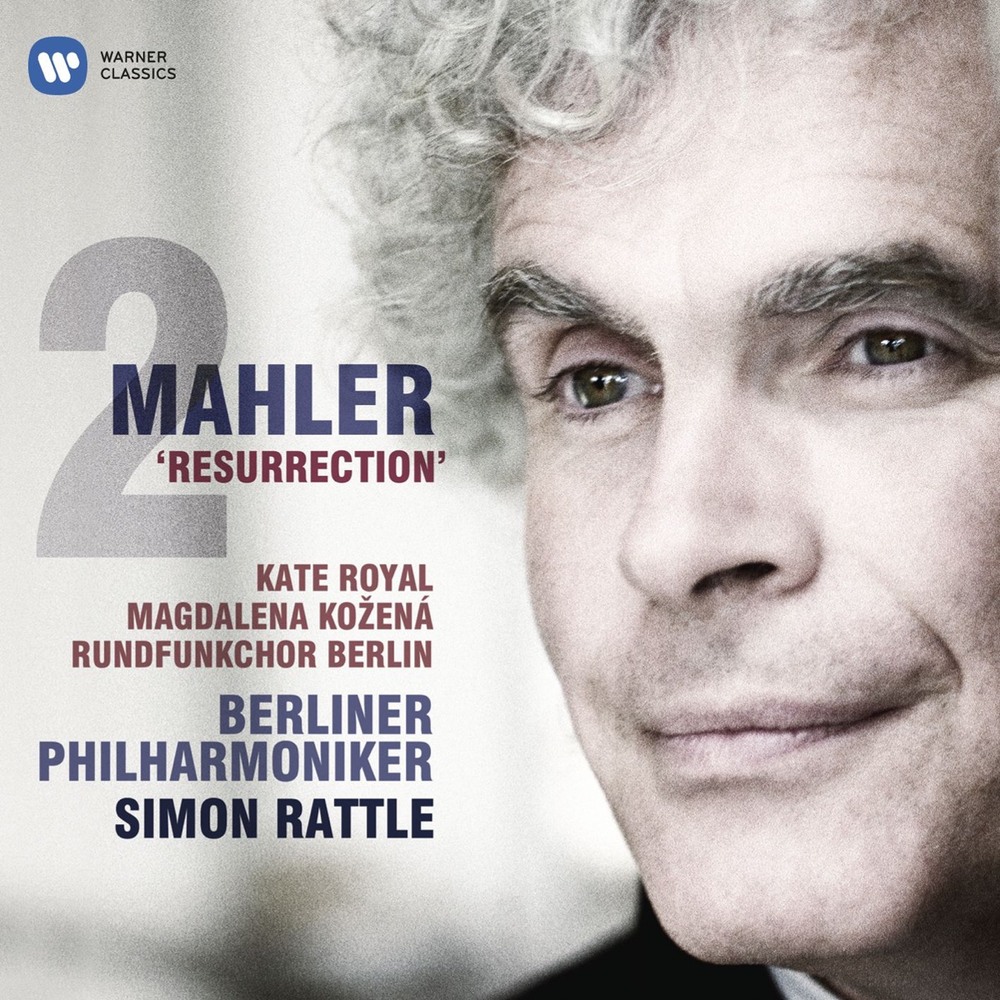
연주자 Berlin Philharmonic, Rundfunkchor, Berlin & Sir Simon Rattle 작곡가 Carl Orff 작품 Carmina Burana: O Fortuna 표시 발매 연도 1986 수록 음반 Orff: Carmina Burana 형식 음원 감상 포인트 단순한 화음과 반복 리듬이 속삭임에서 폭발까지 극적인 원을 만든다. 듣기 팁 처음과 마지막의 같은 음악이 음량과 기대 때문에 다르게 들리는지 비교해보자.
바로가기
Mahler Symphony No. 2 'Resurrection' Finale — Rattle · Berlin Philharmonic

Mahler Symphony No. 2 'Resurrection' Finale — Rattle · Berlin Philharmonic

Mahler's Symphony No. 2 'Resurrection' Finale — Rattle & Berlin Philharmonic

Feel the distance between the moment when the choir enters softly at the beginning and the climax at the end. In the first listening of 'Mahler's Symphony No. 2 'Resurrection' Finale — Rattle & Berlin Philharmonic', try to identify one guiding sound, and in the next listening, add the surrounding parts and silence. During the progression towards the climax of Symphony No. 2: V. Maestoso, we can hear how the Berlin Philharmonic & Sir Simon Rattle adjust tempo and tone color. By comparing the start and end echoes of 'Mahler's Symphony No. 2 'Resurrection' Finale — Rattle & Berlin Philharmonic', we can specifically capture the sense of distance and time created by the work.

The track connected to 'Mahler's Symphony No. 2 'Resurrection' Finale — Rattle & Berlin Philharmonic' is the actual recording included in the album 'Mahler: Symphony No. 2, "Resurrection"', chosen according to the criteria for 'a choral classic where dozens of voices create a single space.' The performers listed for 'Mahler's Symphony No. 2 'Resurrection' Finale — Rattle & Berlin Philharmonic' on Apple Music are Berlin Philharmonic & Sir Simon Rattle, with a release year of 2010. This date may differ from when Gustav Mahler wrote the piece, so it will be used only as recording information for 'a choral classic where dozens of voices create a single space.' When looking for other versions of 'Mahler's Symphony No. 2 'Resurrection' Finale — Rattle & Berlin Philharmonic', it's essential to check the title, performers, and included albums to avoid confusion with the same recording and reissues while also clarifying the context of 'a choral classic where dozens of voices create a single space.'
연주자 Berlin Philharmonic & Sir Simon Rattle 작곡가 Gustav Mahler 작품 Symphony No. 2: V. Maestoso 표시 발매 연도 2010 수록 음반 Mahler: Symphony No. 2, "Resurrection" 형식 음원 감상 포인트 먼 곳의 합창이 관현악의 거대한 여정을 받아 부활의 선언으로 확장한다. 듣기 팁 합창이 아주 작게 처음 들어오는 순간과 마지막 전성부의 거리를 느껴보자.
바로가기
Before reading the lyrics, listen to the choral pieces just for the sound and check the translations on the second listen to see how music and language interact. In a fast choral piece, notice how consonants establish rhythm, while in a slow choral piece, listen for how long vowels and resonance sustain harmonies. Moments where a soloist steps forward or the choir swells from a whisper to full voice signal a shift from individual to communal perspective.

The displayed release year represents the recording or re-release information of the linked album and should be distinguished from the composition year. Since the purposes and performance practices of religious and secular works differ, it's helpful to not just compare volume but also to examine text delivery and transparency of voice parts. For pieces you enjoy, refer to choral scores or text comparison charts to find the entry points of each voice part. Even amidst a grand resonance, small phrases can become distinct.
한눈에 보기 8개
Mozart Requiem 'Lacrimosa' — Giulini · Philharmonia
Carlo Maria Giulini, Jard van Ness, Keith Lewis, Lynne Dawson, Simon Estes, Philharmonia Orchestra & Philharmonia Chorus · Wolfgang Amadeus Mozart · Requiem in D Minor: Lacrimosa · 2001 · Mozart: Requiem, K. 626 · 음원 · 가라앉는 현악 리듬 위에서 합창이 탄식하듯 상승해 슬픔과 긴장을 함께 만든다. · 짧게 끊기는 첫 합창이 긴 프레이즈로 이어지는 과정을 들어보자.
Verdi Requiem 'Dies irae' — Muti · Chicago Symphony
Riccardo Muti, Chicago Symphony Orchestra, Chicago Symphony Chorus, Barbara Frittoli, Olga Borodina, Mario Zeffiri & Ildar Abdrazakov · Giuseppe Verdi · Messa da Requiem: Dies irae · 2010 · Verdi: Messa da Requiem · 음원 · 폭발적인 합창과 대형 북이 심판의 공포를 오페라 무대처럼 직접적으로 그린다. · 갑작스러운 침묵 뒤 같은 동기가 돌아올 때 충격이 어떻게 달라지는지 들어보자.
Fauré Requiem 'In Paradisum' — Herreweghe · La Chapelle Royale
Ensemble Musique Oblique, La Chapelle Royale & Philippe Herreweghe · Gabriel Fauré · Requiem, Op. 48: In Paradisum · 1988 · Fauré: Requiem (Op. 48), Messe des Pêcheurs de Villerville · 음원 · 높은 합창과 부드러운 반주가 두려움보다 빛과 안식을 향하는 결말을 만든다. · 소년 합창의 긴 모음이 화음 위에서 떠 있는 시간을 들어보자.
Bach Mass in B Minor 'Sanctus' — Gardiner · Monteverdi Choir
English Baroque Soloists, John Eliot Gardiner & Monteverdi Choir · Johann Sebastian Bach · Mass in B Minor: Sanctus · 1985 · Bach: The Essentials · 음원 · 여섯 성부의 합창과 밝은 관현악이 서로 교차하며 장대한 찬미를 세운다. · 긴 음을 유지하는 성부 아래 다른 목소리가 움직이는 층을 나눠 들어보자.
Handel 'Messiah' 'Hallelujah' — Gardiner · Monteverdi Choir
Monteverdi Choir, John Eliot Gardiner & English Baroque Soloists · George Frideric Handel · Messiah: Hallelujah · 1968 · Handel: Messiah · 음원 · 짧은 선언과 푸가적 모방, 트럼펫이 결합해 공동체의 환희를 단계적으로 키운다. · 한 성부의 할렐루야가 다른 성부로 번지는 순서를 따라가 보자.
Brahms 'A German Requiem' 'How Lovely is Thy Dwelling Place' — Abbado
Berlin Philharmonic, Claudio Abbado, Swedish Radio Choir, Eric-Ericson-Kammerchor & Gustaf Sjökvist · Johannes Brahms · Ein deutsches Requiem: Wie lieblich sind deine Wohnungen · 1992 · Brahms: Ein deutsches Requiem · 음원 · 유연한 세 박과 따뜻한 합창 화성이 죽은 이보다 남은 이를 위로한다. · 합창 선율과 관현악 반주가 같은 리듬으로 흔들리는지 들어보자.
Orff 'Carmina Burana' 'O Fortuna' — Rattle · Berlin Philharmonic
Berlin Philharmonic, Rundfunkchor, Berlin & Sir Simon Rattle · Carl Orff · Carmina Burana: O Fortuna · 1986 · Orff: Carmina Burana · 음원 · 단순한 화음과 반복 리듬이 속삭임에서 폭발까지 극적인 원을 만든다. · 처음과 마지막의 같은 음악이 음량과 기대 때문에 다르게 들리는지 비교해보자.
Mahler Symphony No. 2 'Resurrection' Finale — Rattle · Berlin Philharmonic
Berlin Philharmonic & Sir Simon Rattle · Gustav Mahler · Symphony No. 2: V. Maestoso · 2010 · Mahler: Symphony No. 2, "Resurrection" · 음원 · 먼 곳의 합창이 관현악의 거대한 여정을 받아 부활의 선언으로 확장한다. · 합창이 아주 작게 처음 들어오는 순간과 마지막 전성부의 거리를 느껴보자.

이 포스팅은 쿠팡 파트너스 활동의 일환으로, 이에 따른 일정액의 수수료를 제공받습니다.

댓글 0

로그인 후 댓글을 작성할 수 있습니다.

첫 댓글을 남겨보세요.

이런 리스트는 어때요?

이런 리스트도 추천해요

🎲

여기서 멈추기엔 아쉽잖아?

다음에 뭘 볼지 고민하는 시간이 제일 아까워.
주사위가 대신 골라줄게 — 무슨 리스트가 튀어나올지는 굴려봐야 알지.
안 누르면… 평생 궁금하지 않겠어? 👀

All menu
Login required
Log in
Categories
Language
Display mode
✦ ✦ ✦ ✦ ✦

Drum roll… picking a list!

모하지
Use Mohazi as an app
Open it from your home screen and browse faster.
On iPhone, tap the Share button at the bottom of Safari, then choose “Add to Home Screen” to use it like an app.