Classical Dances Crossing Eras with the Rhythm of the Tiptoes
Collection Classical 2026.09.28

Classical Dances Crossing Eras with the Rhythm of the Tiptoes

Listening to the steps and emphasis of Sarabande, Waltz, Polonaise, Trepak, and Tarantella through actual performances

Classical dance pieces originated as accompaniment for actual balls, but over time they evolved into solo pieces, suites, ballet, and orchestral works. Not all pieces in triple meter are the same waltz; the character can change depending on which beat is emphasized and where the foot momentarily stops, becoming an aristocratic march, a slow soliloquy, or a fast spin. When imagining bodily movements, the differences in rhythm stand out before the names of the forms.

This list connects Chopin's waltzes and polonaises, Bach and Handel's sarabandes, Tchaikovsky's trepak, Brahms' Hungarian dances, Saint-Saëns' tarantella, and Ravel's disintegrated waltzes. By comparing different steps from the Baroque era to the 20th century through actual audio sources, we guide you on what to listen for in terms of tempo, emphasis, pauses, and accompaniment patterns for each item.
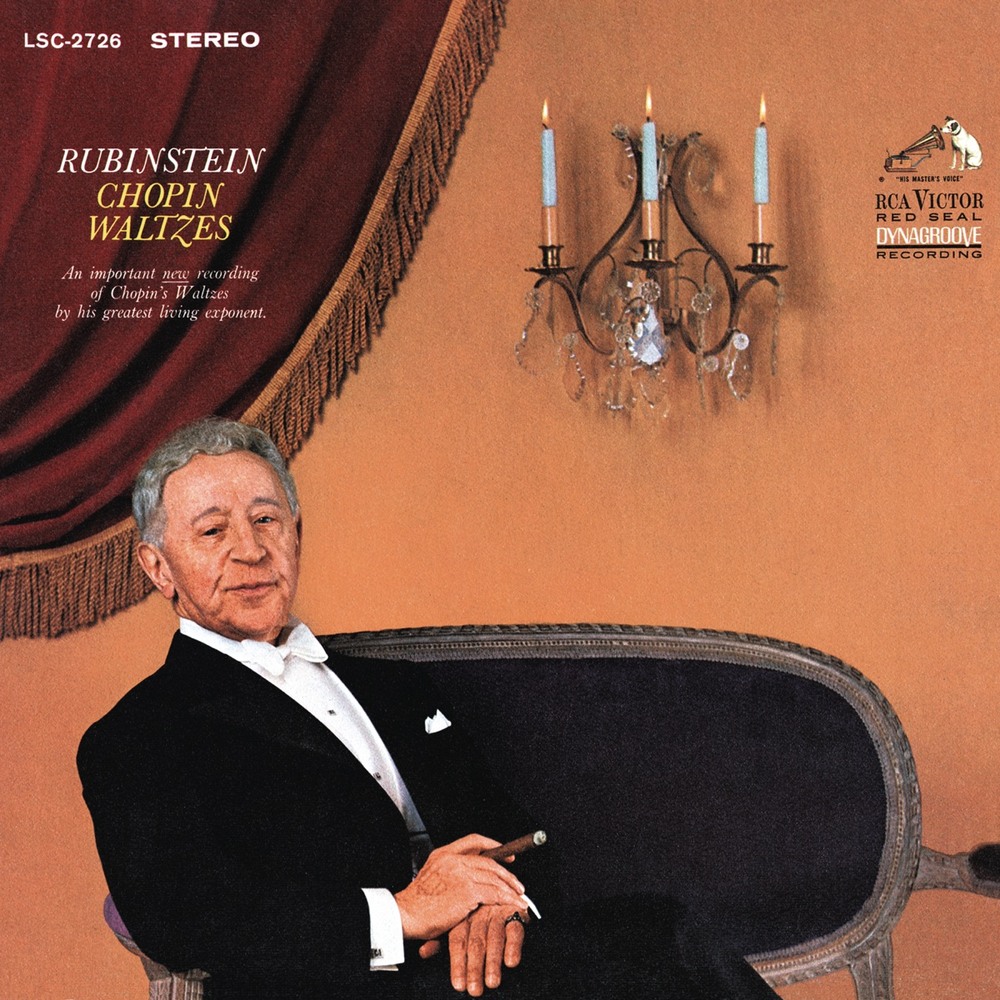
Chopin ‘Dog Waltz’ Op.64 No.1 — Rubinstein

Chopin ‘Dog Waltz’ Op.64 No.1 — Rubinstein

Chopin 'The Puppy Waltz' Op. 64 No. 1 — Rubinstein

Listen to where the right hand takes its breath while the left hand maintains three beats. For the first impression of 'Chopin 'The Puppy Waltz' Op. 64 No. 1 — Rubinstein', follow the guided points, and in the second, widen your focus to include the lower and inner parts. This will reveal the texture of Waltz in D-Flat Major, Op. 64 No. 1 and the lengths of phrases chosen by Arthur Rubinstein together. Rather than waiting for the famous moment, marking the points where the tone changes allows you to keep track of the direction of the piece.

The track connected to 'Chopin 'The Puppy Waltz' Op. 64 No. 1 — Rubinstein' is the actual audio from 'Chopin: Waltzes' chosen based on the selection criteria of 'Classical Dances Crossing Eras with the Rhythm of the Tiptoes'. The performing artist listed on Apple Music for 'Chopin 'The Puppy Waltz' Op. 64 No. 1 — Rubinstein' is Arthur Rubinstein, and the release year is 1963, which may differ from the time Frédéric Chopin composed the piece, so only the recording information is used in 'Classical Dances Crossing Eras with the Rhythm of the Tiptoes'. When searching for other versions of 'Chopin 'The Puppy Waltz' Op. 64 No. 1 — Rubinstein', be sure to check the piece title, performer, and album to avoid confusion with the same recording and reissues, while also confirming the context of 'Classical Dances Crossing Eras with the Rhythm of the Tiptoes.'
연주자 Arthur Rubinstein 작곡가 Frédéric Chopin 작품 Waltz in D-Flat Major, Op. 64 No. 1 표시 발매 연도 1963 수록 음반 Chopin: Waltzes 형식 음원 감상 포인트 빠른 회전과 짧은 쉼이 살롱 왈츠의 가벼운 움직임을 압축한다. 듣기 팁 왼손 세 박이 유지되는 동안 오른손이 어디서 숨을 고르는지 들어보자.
바로가기
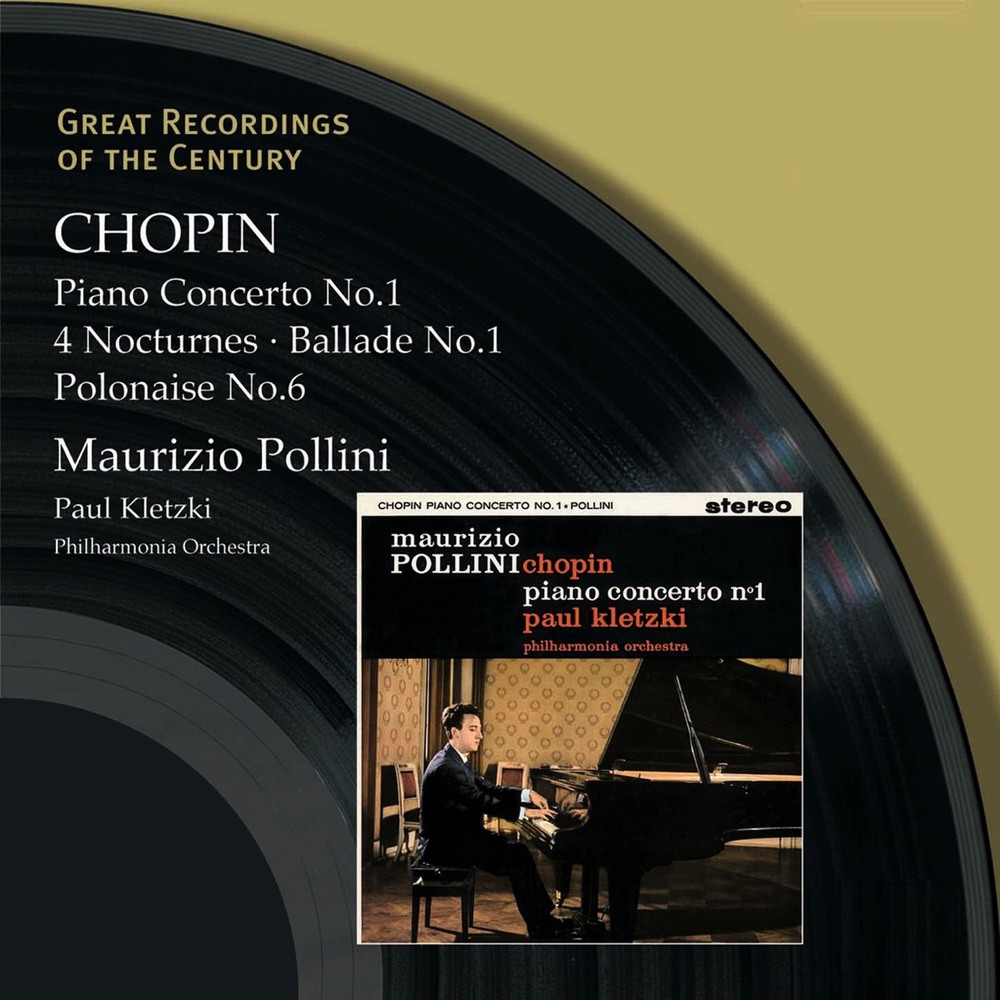
Chopin ‘Heroic’ Polonaise — Pollini

Chopin ‘Heroic’ Polonaise — Pollini

Chopin 'Heroic' Polonaise — Pollini

Follow how the emphasis on the first beat and the recurring short rhythm bind the entire piece. In 'Chopin 'Heroic' Polonaise — Pollini', check if the same motif returns with a different range and emphasis. Maurizio Pollini's performance presents the overall flow of Polonaise in A-Flat Major, Op. 53 more through the connections of each part than exaggerating it. At the end, return to the beginning of 'Chopin 'Heroic' Polonaise — Pollini' and compare what has changed from your first impression for clearer structure.

The track connected to 'Chopin 'Heroic' Polonaise — Pollini' is the actual audio from 'Chopin: Piano Concerto No. 1, 4 Nocturnes, Ballade No. 1 & Polonaise No. 6' chosen based on the selection criteria of 'Classical Dances Crossing Eras with the Rhythm of the Tiptoes'. The performing artist listed on Apple Music for 'Chopin 'Heroic' Polonaise — Pollini' is Maurizio Pollini, and the release year is 1997, which may differ from the time Frédéric Chopin composed the piece, so only the recording information is used in 'Classical Dances Crossing Eras with the Rhythm of the Tiptoes'. When searching for other versions of 'Chopin 'Heroic' Polonaise — Pollini', be sure to check the piece title, performer, and album to avoid confusion with the same recording and reissues, while also confirming the context of 'Classical Dances Crossing Eras with the Rhythm of the Tiptoes.'
연주자 Maurizio Pollini 작곡가 Frédéric Chopin 작품 Polonaise in A-Flat Major, Op. 53 표시 발매 연도 1997 수록 음반 Chopin: Piano Concerto No. 1, 4 Nocturnes, Ballade No. 1 & Polonaise No. 6 형식 음원 감상 포인트 당당한 왼손 리듬과 옥타브가 폴란드 궁정 행진의 무게를 극적으로 키운다. 듣기 팁 첫 박의 강세와 반복되는 짧은 리듬이 곡 전체를 묶는지 따라가 보자.
바로가기
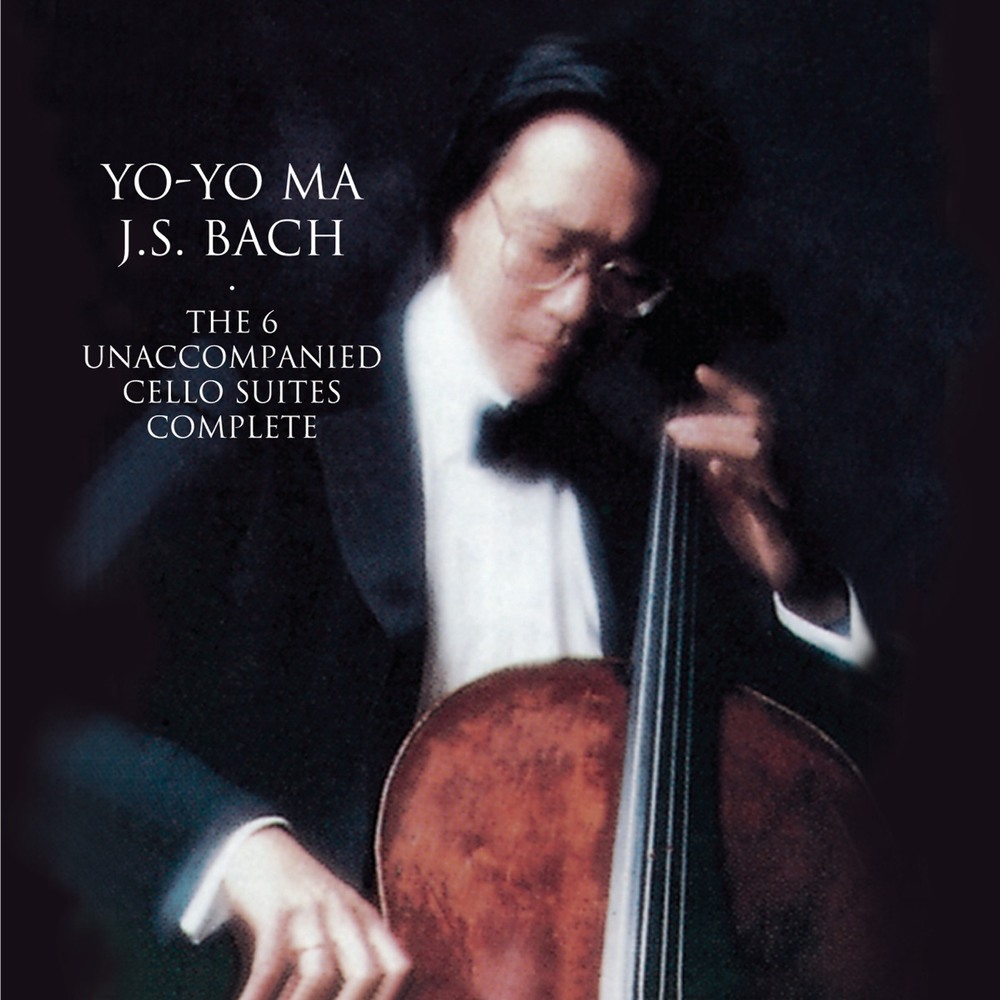
Bach Cello Suite No. 1 Sarabande — Yo-Yo Ma

Bach Cello Suite No. 1 Sarabande — Yo-Yo Ma

Listen for the subtle weight shifting towards the second beat and the silence following the harmony. When re-listening to this audio, concentrate on the order of how the sounds overlap and empty out rather than the tempo. Finding which part the repeating material of Cello Suite No. 1: IV. Sarabande moves to helps you appreciate Yo-Yo Ma’s sense of balance. Comparing the resonance left at the end of 'Bach Cello Suite No. 1 Sarabande — Yo-Yo Ma' with the first phrase allows for an understanding of the emotional changes within the structure.

The track connected to 'Bach Cello Suite No. 1 Sarabande — Yo-Yo Ma' is the actual audio from 'Bach: Cello Suites Nos. 1-6, BWV 1007-1012 (2009 Remaster)' chosen based on the selection criteria of 'Classical Dances Crossing Eras with the Rhythm of the Tiptoes'. The performing artist listed on Apple Music for 'Bach Cello Suite No. 1 Sarabande — Yo-Yo Ma' is Yo-Yo Ma, and the release year is 1983, which may differ from the time Johann Sebastian Bach composed the piece, so only the recording information is used in 'Classical Dances Crossing Eras with the Rhythm of the Tiptoes'. When searching for other versions of 'Bach Cello Suite No. 1 Sarabande — Yo-Yo Ma', be sure to check the piece title, performer, and album to avoid confusion with the same recording and reissues, while also confirming the context of 'Classical Dances Crossing Eras with the Rhythm of the Tiptoes.'
연주자 Yo-Yo Ma 작곡가 Johann Sebastian Bach 작품 Cello Suite No. 1: IV. Sarabande 표시 발매 연도 1983 수록 음반 Bach: Cello Suites Nos. 1-6, BWV 1007-1012 (2009 Remaster) 형식 음원 감상 포인트 느린 세 박과 화음의 여백이 춤을 내면적인 독백으로 바꾼다. 듣기 팁 두 번째 박으로 기우는 미세한 무게와 화음 뒤 침묵을 들어보자.
바로가기
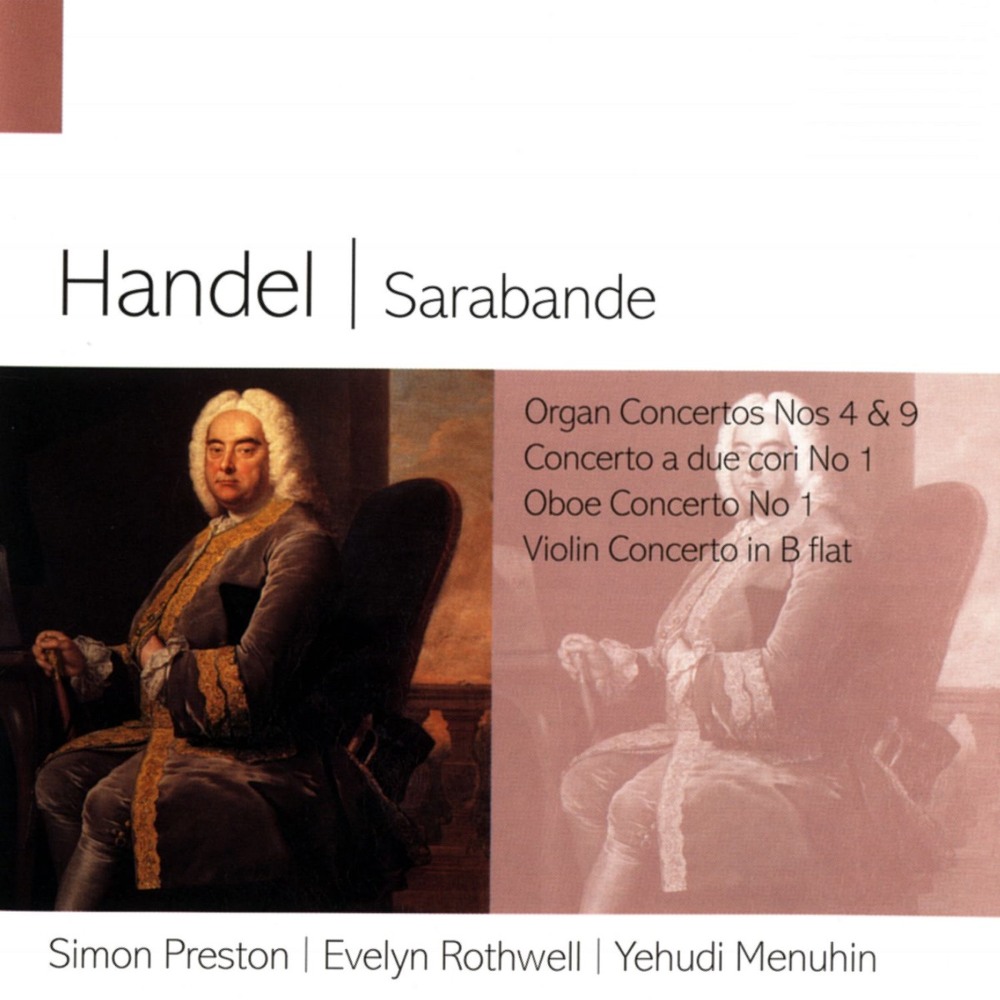
Handel Sarabande in D Minor Orchestral Version — Briger · St Martin

Handel Sarabande in D Minor Orchestral Version — Briger · St Martin

Handel Sarabande in D Minor (Orchestral Version) — Briger, St. Martin

Compare how much the instrumental layers and decorations increase when the same theme is repeated. Next, listen to what the accompaniment and background parts in 'Handel Sarabande in D Minor (Orchestral Version) — Briger, St. Martin' are doing at the same moment. Following the process of how the previously mentioned material returns with different instruments and ranges reveals the natural design of Keyboard Suite No. 4: III. Sarabande (Orch. Hale). Indicating where Alexander Briger & Academy of St Martin in the Fields place their emphasis will provide a benchmark for comparing with other performances.

The track connected to 'Handel Sarabande in D Minor (Orchestral Version) — Briger, St. Martin' is the actual audio from 'Handel: Sarabande' chosen based on the selection criteria of 'Classical Dances Crossing Eras with the Rhythm of the Tiptoes'. The performing artist listed on Apple Music for 'Handel Sarabande in D Minor (Orchestral Version) — Briger, St. Martin' is Alexander Briger & Academy of St Martin in the Fields, and the release year is 2002, which may differ from the time George Frideric Handel composed the piece, so only the recording information is used in 'Classical Dances Crossing Eras with the Rhythm of the Tiptoes'. When searching for other versions of 'Handel Sarabande in D Minor (Orchestral Version) — Briger, St. Martin', be sure to check the piece title, performer, and album to avoid confusion with the same recording and reissues, while also confirming the context of 'Classical Dances Crossing Eras with the Rhythm of the Tiptoes.'
연주자 Alexander Briger & Academy of St Martin in the Fields 작곡가 George Frideric Handel 작품 Keyboard Suite No. 4: III. Sarabande (Orch. Hale) 표시 발매 연도 2002 수록 음반 Handel: Sarabande 형식 음원 감상 포인트 반복되는 느린 화음과 점음표 리듬이 장중한 행렬의 걸음을 만든다. 듣기 팁 같은 주제가 되풀이될 때 악기 층과 장식이 얼마나 늘어나는지 비교해보자.
바로가기
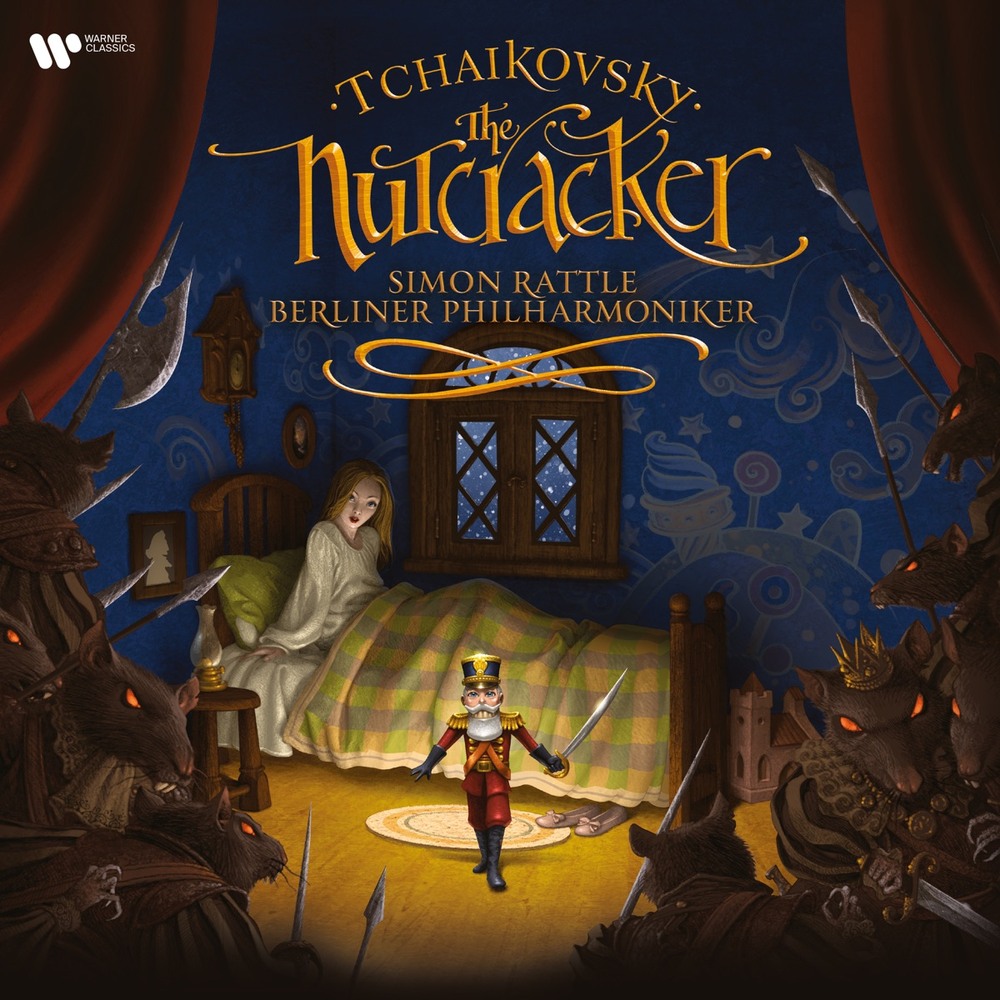
Tchaikovsky The Nutcracker Trepak — Rattle · Berlin Philharmonic

Tchaikovsky The Nutcracker Trepak — Rattle · Berlin Philharmonic

Tchaikovsky 'The Nutcracker' Trepak — Rattle, Berlin Philharmonic

As the short phrases repeat, listen to how the percussion and brass sections join in. When you listen to 'Tchaikovsky 'The Nutcracker' Trepak — Rattle, Berlin Philharmonic' again, try to identify the lowest and longest notes. The positions where these two elements meet determine the tension and relaxation in The Nutcracker: Trepak and clarify Sir Simon Rattle's interpretation with the Berlin Philharmonic. Instead of focusing on the volume, comparing the length of breaths and resonances in 'Tchaikovsky 'The Nutcracker' Trepak — Rattle, Berlin Philharmonic' makes the reason for choosing this version clear.

The track connected to 'Tchaikovsky 'The Nutcracker' Trepak — Rattle, Berlin Philharmonic' is the actual audio from 'Tchaikovsky: The Nutcracker' chosen based on the selection criteria of 'Classical Dances Crossing Eras with the Rhythm of the Tiptoes'. The performing artist listed on Apple Music for 'Tchaikovsky 'The Nutcracker' Trepak — Rattle, Berlin Philharmonic' is Berlin Philharmonic & Sir Simon Rattle, and the release year is 1990, which may differ from the time Pyotr Ilyich Tchaikovsky composed the piece, so only the recording information is used in 'Classical Dances Crossing Eras with the Rhythm of the Tiptoes'. When searching for other versions of 'Tchaikovsky 'The Nutcracker' Trepak — Rattle, Berlin Philharmonic', be sure to check the piece title, performer, and album to avoid confusion with the same recording and reissues, while also confirming the context of 'Classical Dances Crossing Eras with the Rhythm of the Tiptoes.'
연주자 Berlin Philharmonic & Sir Simon Rattle 작곡가 Pyotr Ilyich Tchaikovsky 작품 The Nutcracker: Trepak 표시 발매 연도 1990 수록 음반 Tchaikovsky: The Nutcracker 형식 음원 감상 포인트 빠른 도약과 강한 악센트가 러시아 춤의 폭발적인 에너지를 만든다. 듣기 팁 짧은 프레이즈가 반복될수록 타악기와 금관이 어떻게 가세하는지 들어보자.
바로가기
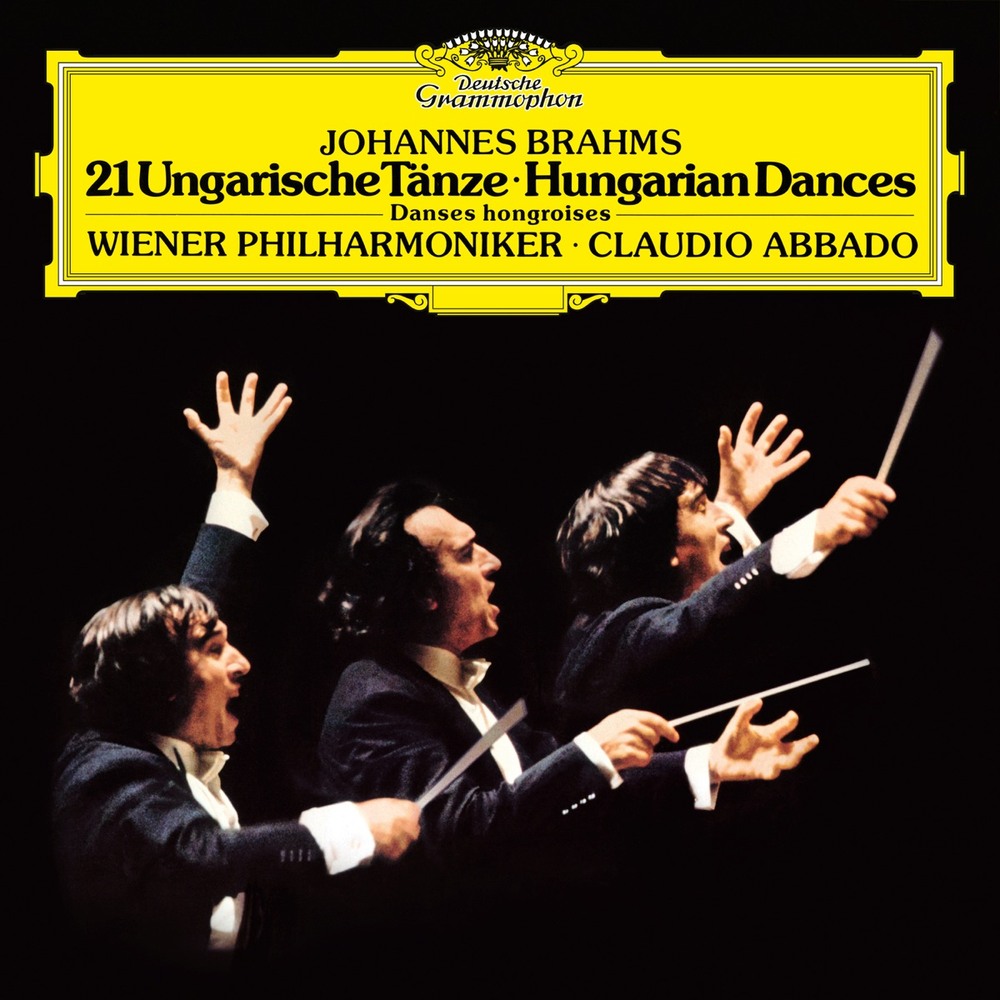
Brahms Hungarian Dance No. 5 Orchestral Version — Abbado · Vienna Philharmonic

Brahms Hungarian Dance No. 5 Orchestral Version — Abbado · Vienna Philharmonic

Brahms Hungarian Dance No. 5 (Orchestral Version) — Abbado, Vienna Philharmonic

Listen to the timing when the orchestra recovers its speed right after slowing down. Next, see if the starting and ending instruments of the theme in 'Brahms Hungarian Dance No. 5 (Orchestral Version) — Abbado, Vienna Philharmonic' are the same. Hungarian Dance No. 5 advances while repeating small motions and changing the density of the background. Hearing where the Vienna Philharmonic & Claudio Abbado emphasize that change allows you to explain the character of the version beyond merely appreciating the atmosphere.

The track connected to 'Brahms Hungarian Dance No. 5 (Orchestral Version) — Abbado, Vienna Philharmonic' is the actual audio from 'Brahms: 21 Hungarian Dances' chosen based on the selection criteria of 'Classical Dances Crossing Eras with the Rhythm of the Tiptoes'. The performing artist listed on Apple Music for 'Brahms Hungarian Dance No. 5 (Orchestral Version) — Abbado, Vienna Philharmonic' is Vienna Philharmonic & Claudio Abbado, and the release year is 1983, which may differ from the time Johannes Brahms composed the piece, so only the recording information is used in 'Classical Dances Crossing Eras with the Rhythm of the Tiptoes'. When searching for other versions of 'Brahms Hungarian Dance No. 5 (Orchestral Version) — Abbado, Vienna Philharmonic', be sure to check the piece title, performer, and album to avoid confusion with the same recording and reissues, while also confirming the context of 'Classical Dances Crossing Eras with the Rhythm of the Tiptoes.'

연주자 Vienna Philharmonic & Claudio Abbado 작곡가 Johannes Brahms 작품 Hungarian Dance No. 5 표시 발매 연도 1983 수록 음반 Brahms: 21 Hungarian Dances 형식 음원 감상 포인트 급격한 템포 변화와 당김음이 멈춤과 재출발의 흥분을 만든다. 듣기 팁 느려진 직후 합주가 동시에 속도를 되찾는 타이밍을 들어보자.
바로가기
Saint-Saëns Tarantelle — Thomsen · Sundqvist · Lonquich

Saint-Saëns Tarantelle — Thomsen · Sundqvist · Lonquich

Saint-Saëns Tarantella — Thomsen, Sundqvist, Lonquich

Compare the differences in pronunciation when two woodwinds take turns playing the same phrase. In 'Saint-Saëns Tarantella — Thomsen, Sundqvist, Lonquich', when the same passage repeats, decide to compare either the speed or the dynamics. Narrowing your focus based on the choices of Janne Thomsen, Christoffer Sundqvist & Alexander Lonquich will help you not miss the inner parts and rhythms of Tarantelle in A Minor, Op. 6. Finally, listen again to the overall flow of 'Saint-Saëns Tarantella — Thomsen, Sundqvist, Lonquich' and verify the impact of the details on the impression of the piece.

The track connected to 'Saint-Saëns Tarantella — Thomsen, Sundqvist, Lonquich' is the actual audio from 'Gaia Music Festival 2017: Music of Liszt, Beethoven, Ravel, Saint-Saëns & Schumann (Live)' chosen based on the selection criteria of 'Classical Dances Crossing Eras with the Rhythm of the Tiptoes'. The performing artists listed on Apple Music for 'Saint-Saëns Tarantella — Thomsen, Sundqvist, Lonquich' are Janne Thomsen, Christoffer Sundqvist & Alexander Lonquich, and the release year is 2018, which may differ from the time Camille Saint-Saëns composed the piece, so only the recording information is used in 'Classical Dances Crossing Eras with the Rhythm of the Tiptoes'. When searching for other versions of 'Saint-Saëns Tarantella — Thomsen, Sundqvist, Lonquich', be sure to check the piece title, performer, and album to avoid confusion with the same recording and reissues, while also confirming the context of 'Classical Dances Crossing Eras with the Rhythm of the Tiptoes.'
연주자 Janne Thomsen, Christoffer Sundqvist & Alexander Lonquich 작곡가 Camille Saint-Saëns 작품 Tarantelle in A Minor, Op. 6 표시 발매 연도 2018 수록 음반 Gaia Music Festival 2017: Music of Liszt, Beethoven, Ravel, Saint-Saëns & Schumann (Live) 형식 음원 감상 포인트 플루트와 클라리넷의 빠른 교대가 쉼 없이 회전하는 남부 이탈리아 춤을 만든다. 듣기 팁 두 관악기가 같은 음형을 넘겨받을 때 발음 차이를 비교해보자.
바로가기
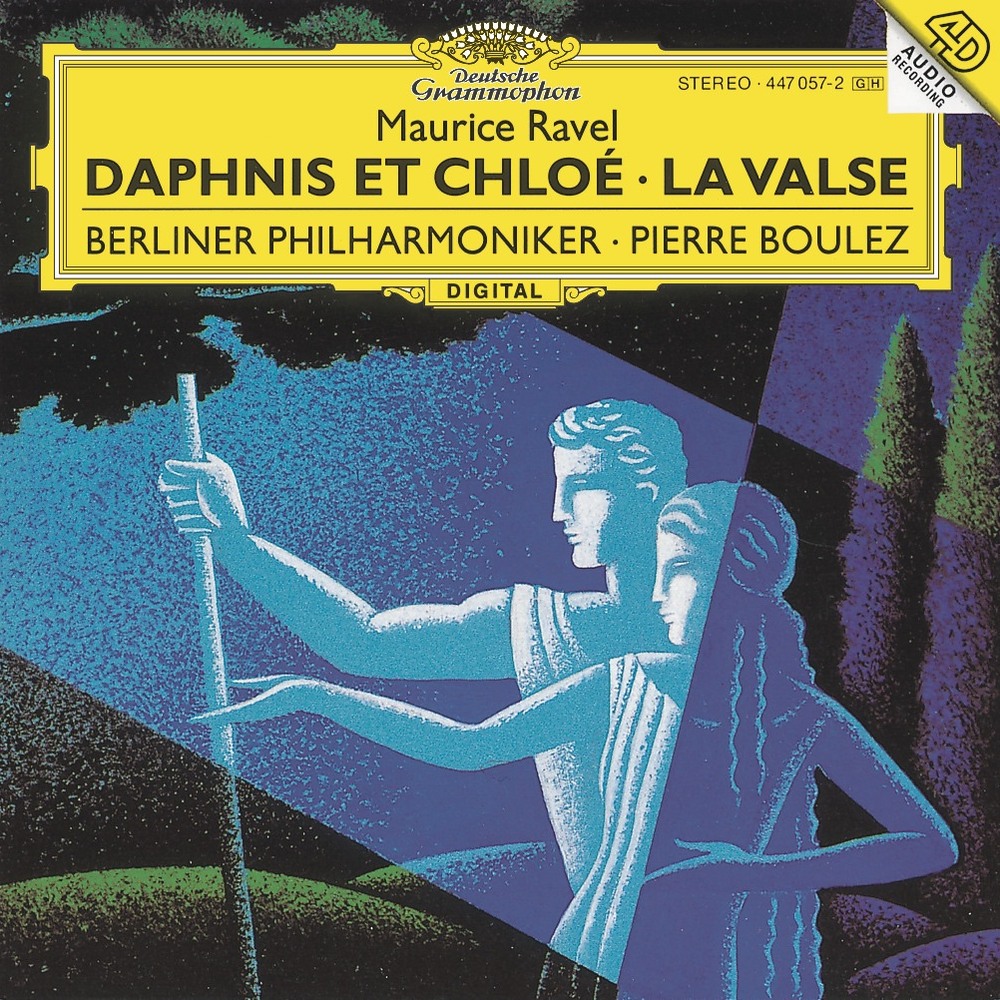
Ravel: La Valse — Boulez · Berlin Philharmonic

Ravel: La Valse — Boulez · Berlin Philharmonic

Ravel 'La Valse' — Boulez, Berlin Philharmonic

Find the three stages of change as the rhythm in the bass becomes clearer and then wavers again. In the first listen of 'Ravel 'La Valse' — Boulez, Berlin Philharmonic', locate one of the guided sounds, and in the next listen, add surrounding voices and silence. You can hear how the Berlin Philharmonic & Pierre Boulez adjust the tempo and timbre as La Valse approaches its climax. By comparing the resonances at the beginning and the end of 'Ravel 'La Valse' — Boulez, Berlin Philharmonic', the distances and sense of time created by the piece become tangibly evident.

The track connected to 'Ravel 'La Valse' — Boulez, Berlin Philharmonic' is the actual audio from 'Ravel: Daphnis et Chloé' chosen based on the selection criteria of 'Classical Dances Crossing Eras with the Rhythm of the Tiptoes'. The performing artist listed on Apple Music for 'Ravel 'La Valse' — Boulez, Berlin Philharmonic' is Berlin Philharmonic & Pierre Boulez, and the release year is 1995, which may differ from the time Maurice Ravel composed the piece, so only the recording information is used in 'Classical Dances Crossing Eras with the Rhythm of the Tiptoes'. When searching for other versions of 'Ravel 'La Valse' — Boulez, Berlin Philharmonic', be sure to check the piece title, performer, and album to avoid confusion with the same recording and reissues, while also confirming the context of 'Classical Dances Crossing Eras with the Rhythm of the Tiptoes.'
연주자 Berlin Philharmonic & Pierre Boulez 작곡가 Maurice Ravel 작품 La Valse 표시 발매 연도 1995 수록 음반 Ravel: Daphnis et Chloé 형식 음원 감상 포인트 흐릿한 왈츠 조각이 화려한 무도회로 모였다가 과열되어 붕괴한다. 듣기 팁 저음 속 리듬이 선명해지고 다시 흔들리는 세 단계의 변화를 찾아보자.
바로가기
When listening to dance pieces, start by counting the beats, but try not to get too hung up on the numbers. Feel whether the first beat lands heavily, how the second and third beats push forward, and if it feels like the foot pauses, as if resting at the end of a sentence. This will reveal the gestures of the genre. In solo pieces, think of the left hand's rhythm supporting the steps, while the right hand's embellishments represent the upper body movements; this will give you a more three-dimensional understanding of the rhythm.

The year of release for the connected versions differs from the time of the work's composition, and arrangements are distinguished by the piece title and album information. Since the same dance can have different uses depending on the era and region, it’s better not to expect a single correct tempo. If you find a piece you like, check out videos of actual dance or basic steps, and then listen again. You'll gain a much clearer understanding of how accents and phrasing help with the movement of the body.
한눈에 보기 8개
Chopin ‘Dog Waltz’ Op.64 No.1 — Rubinstein
Arthur Rubinstein · Frédéric Chopin · Waltz in D-Flat Major, Op. 64 No. 1 · 1963 · Chopin: Waltzes · 음원 · 빠른 회전과 짧은 쉼이 살롱 왈츠의 가벼운 움직임을 압축한다. · 왼손 세 박이 유지되는 동안 오른손이 어디서 숨을 고르는지 들어보자.
Chopin ‘Heroic’ Polonaise — Pollini
Maurizio Pollini · Frédéric Chopin · Polonaise in A-Flat Major, Op. 53 · 1997 · Chopin: Piano Concerto No. 1, 4 Nocturnes, Ballade No. 1 & Polonaise No. 6 · 음원 · 당당한 왼손 리듬과 옥타브가 폴란드 궁정 행진의 무게를 극적으로 키운다. · 첫 박의 강세와 반복되는 짧은 리듬이 곡 전체를 묶는지 따라가 보자.
Bach Cello Suite No. 1 Sarabande — Yo-Yo Ma
Yo-Yo Ma · Johann Sebastian Bach · Cello Suite No. 1: IV. Sarabande · 1983 · Bach: Cello Suites Nos. 1-6, BWV 1007-1012 (2009 Remaster) · 음원 · 느린 세 박과 화음의 여백이 춤을 내면적인 독백으로 바꾼다. · 두 번째 박으로 기우는 미세한 무게와 화음 뒤 침묵을 들어보자.
Handel Sarabande in D Minor Orchestral Version — Briger · St Martin
Alexander Briger & Academy of St Martin in the Fields · George Frideric Handel · Keyboard Suite No. 4: III. Sarabande (Orch. Hale) · 2002 · Handel: Sarabande · 음원 · 반복되는 느린 화음과 점음표 리듬이 장중한 행렬의 걸음을 만든다. · 같은 주제가 되풀이될 때 악기 층과 장식이 얼마나 늘어나는지 비교해보자.
Tchaikovsky The Nutcracker Trepak — Rattle · Berlin Philharmonic
Berlin Philharmonic & Sir Simon Rattle · Pyotr Ilyich Tchaikovsky · The Nutcracker: Trepak · 1990 · Tchaikovsky: The Nutcracker · 음원 · 빠른 도약과 강한 악센트가 러시아 춤의 폭발적인 에너지를 만든다. · 짧은 프레이즈가 반복될수록 타악기와 금관이 어떻게 가세하는지 들어보자.
Brahms Hungarian Dance No. 5 Orchestral Version — Abbado · Vienna Philharmonic
Vienna Philharmonic & Claudio Abbado · Johannes Brahms · Hungarian Dance No. 5 · 1983 · Brahms: 21 Hungarian Dances · 음원 · 급격한 템포 변화와 당김음이 멈춤과 재출발의 흥분을 만든다. · 느려진 직후 합주가 동시에 속도를 되찾는 타이밍을 들어보자.
Saint-Saëns Tarantelle — Thomsen · Sundqvist · Lonquich
Janne Thomsen, Christoffer Sundqvist & Alexander Lonquich · Camille Saint-Saëns · Tarantelle in A Minor, Op. 6 · 2018 · Gaia Music Festival 2017: Music of Liszt, Beethoven, Ravel, Saint-Saëns & Schumann (Live) · 음원 · 플루트와 클라리넷의 빠른 교대가 쉼 없이 회전하는 남부 이탈리아 춤을 만든다. · 두 관악기가 같은 음형을 넘겨받을 때 발음 차이를 비교해보자.
Ravel: La Valse — Boulez · Berlin Philharmonic
Berlin Philharmonic & Pierre Boulez · Maurice Ravel · La Valse · 1995 · Ravel: Daphnis et Chloé · 음원 · 흐릿한 왈츠 조각이 화려한 무도회로 모였다가 과열되어 붕괴한다. · 저음 속 리듬이 선명해지고 다시 흔들리는 세 단계의 변화를 찾아보자.

이 포스팅은 쿠팡 파트너스 활동의 일환으로, 이에 따른 일정액의 수수료를 제공받습니다.

댓글 0

로그인 후 댓글을 작성할 수 있습니다.

첫 댓글을 남겨보세요.

이런 리스트는 어때요?

이런 리스트도 추천해요

🎲

여기서 멈추기엔 아쉽잖아?

다음에 뭘 볼지 고민하는 시간이 제일 아까워.
주사위가 대신 골라줄게 — 무슨 리스트가 튀어나올지는 굴려봐야 알지.
안 누르면… 평생 궁금하지 않겠어? 👀

All menu
Login required
Log in
Categories
Language
Display mode
✦ ✦ ✦ ✦ ✦

Drum roll… picking a list!

모하지
Use Mohazi as an app
Open it from your home screen and browse faster.
On iPhone, tap the Share button at the bottom of Safari, then choose “Add to Home Screen” to use it like an app.