
A Colorful String Orchestra Without Wind Instruments
Eight Real Recordings That Change Density and Space Through Bowing, Pizzicato, and Voice Division
This list includes Tchaikovsky and Dvořák's serenades, the English resonate of Elgar and Vaughan Williams, the tension of Schoenberg and Bartók, Barber's slow breath, and Grieg's classical dances. It's not just a collection of comfortable string masterpieces; it compares the different ways of sharing and combining orchestration. Centered around actual string orchestra versions, it guides you on where to listen for bow articulation, low string support, and voice separations in each composition.
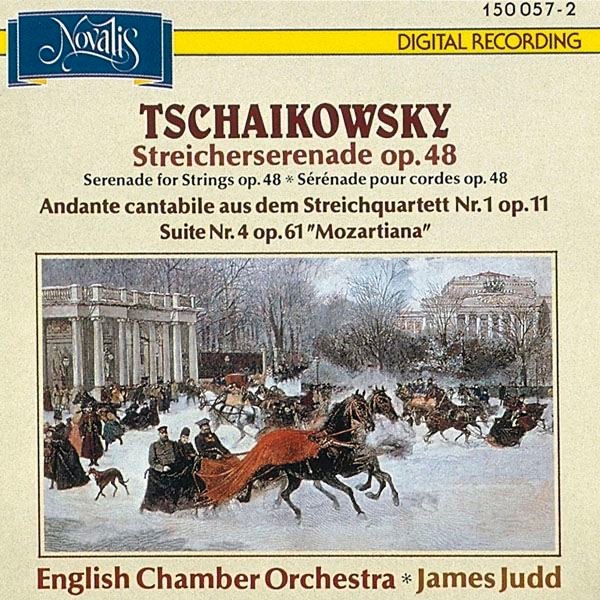
Tchaikovsky Serenade for Strings, I — English Chamber Orchestra
Tchaikovsky, Serenade for Strings, 1st Movement — English Chamber Orchestra
The Serenade for Strings: I. Pezzo in forma di sonatina track linked to ‘Tchaikovsky, Serenade for Strings, 1st Movement — English Chamber Orchestra’ is a real recording from the album Tchaikovsky: Serenade for Strings Op. 48, Suite Mozartiana, Andante Cantabile from the String Quartet No. 1, Op. 11, and it's featured as the ‘Tchaikovsky, Serenade for Strings, 1st Movement — English Chamber Orchestra’ entry because it fits the selection criterion of ‘String Orchestras Bursting with Color, No Winds Needed’. Apple Music lists the performer of ‘Tchaikovsky, Serenade for Strings, 1st Movement — English Chamber Orchestra’ as English Chamber Orchestra & James Judd and the release year as 1990; since this date may differ from when Pyotr Ilyich Tchaikovsky wrote the piece, in this list we use it only as recording information. When looking for other versions of the same work as ‘Tchaikovsky, Serenade for Strings, 1st Movement — English Chamber Orchestra’, check the title, performer, and album together so you don't confuse the same recording with a reissue, and so you can also see the context of the list.
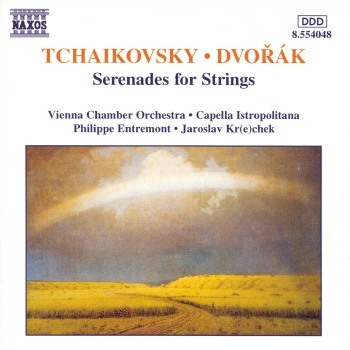
Dvořák Serenade for Strings, I — Vienna Chamber Orchestra
Dvořák, Serenade for Strings, 1st Movement — Vienna Chamber Orchestra
The Serenade for Strings: I. Moderato track linked to ‘Dvořák, Serenade for Strings, 1st Movement — Vienna Chamber Orchestra’ is a real recording from the album Tchaikovsky & Dvorák: Serenades for Strings, and it's featured as the ‘Dvořák, Serenade for Strings, 1st Movement — Vienna Chamber Orchestra’ entry because it fits the selection criterion of ‘String Orchestras Bursting with Color, No Winds Needed’. Apple Music lists the performer of ‘Dvořák, Serenade for Strings, 1st Movement — Vienna Chamber Orchestra’ as Philippe Entremont & Vienna Chamber Orchestra and the release year as 1990; since this date may differ from when Antonín Dvořák wrote the piece, we use it only as recording information. When looking for other versions of the same work as ‘Dvořák, Serenade for Strings, 1st Movement — Vienna Chamber Orchestra’, check the title, performer, and album together so you don't confuse the same recording with a reissue, and so you can also see the context of this list.
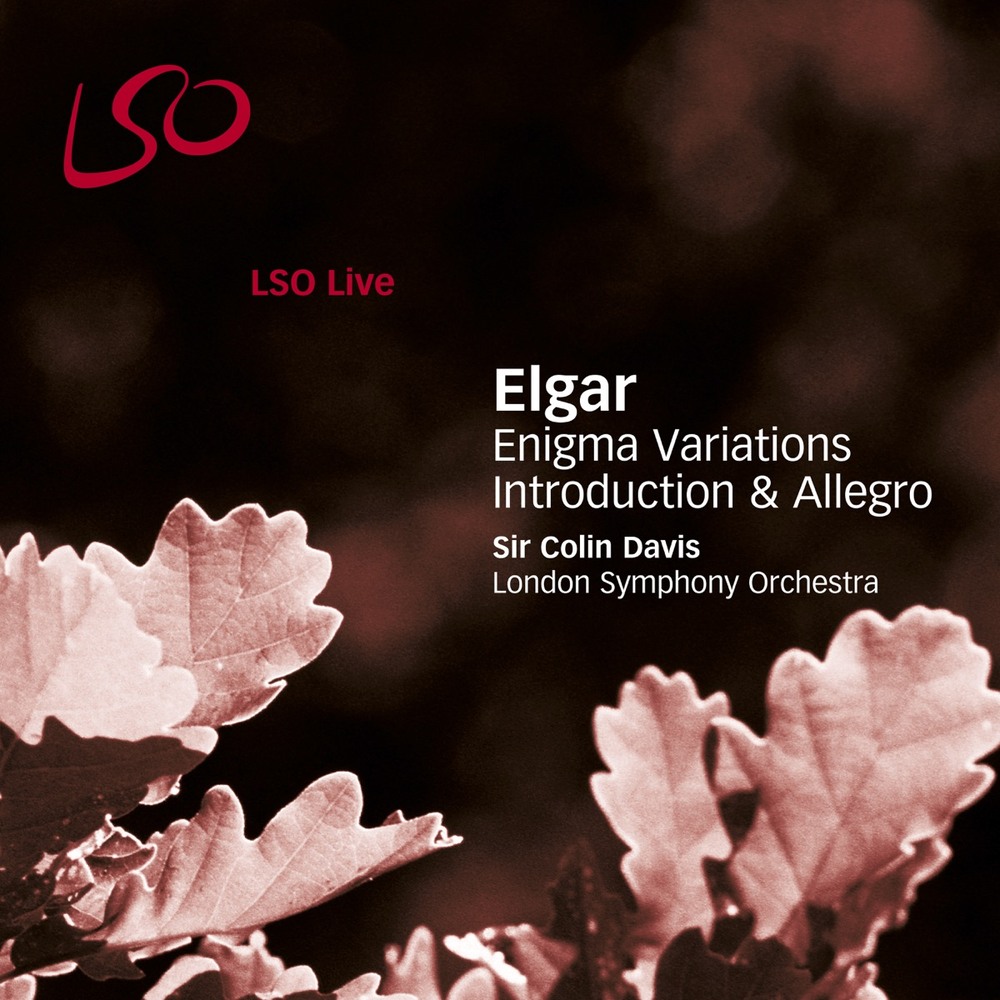
Elgar 'Introduction and Allegro' — Davis & London Symphony
Elgar, Introduction and Allegro — Colin Davis & London Symphony
The Introduction and Allegro for Strings, Op. 47 track linked to ‘Elgar, Introduction and Allegro — Colin Davis & London Symphony’ is a real recording from the album Elgar: Enigma Variations, Introduction & Allegro (Live), and it's featured as the ‘Elgar, Introduction and Allegro — Colin Davis & London Symphony’ entry because it fits the selection criterion of ‘String Orchestras Bursting with Color, No Winds Needed’. Apple Music lists the performer of ‘Elgar, Introduction and Allegro — Colin Davis & London Symphony’ as Sir Colin Davis & London Symphony Orchestra and the release year as 2007; since this date may differ from when Edward Elgar wrote the piece, here we use it only as recording information. When looking for other versions of the same work as ‘Elgar, Introduction and Allegro — Colin Davis & London Symphony’, check the title, performer, and album together so you don't confuse the same recording with a reissue, and so you can also see the context of this list.
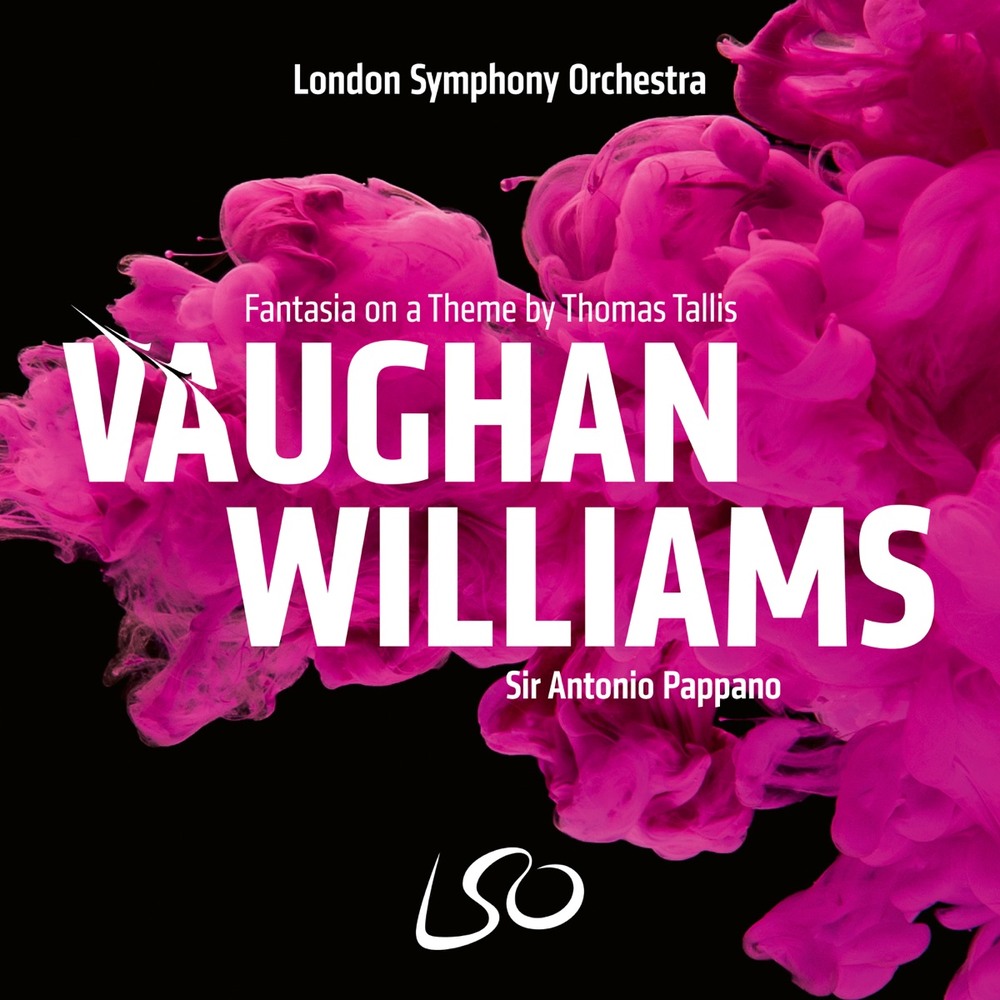
Vaughan Williams 'Fantasia on a Theme by Thomas Tallis' — Pappano & London Symphony
Vaughan Williams, Fantasia on a Theme by Thomas Tallis — Pappano & London Symphony
The Fantasia on a Theme by Thomas Tallis track linked to ‘Vaughan Williams, Fantasia on a Theme by Thomas Tallis — Pappano & London Symphony’ is a real recording from the album Vaughan Williams: Tallis Fantasia (Live) - EP, and it's featured as the ‘Vaughan Williams, Fantasia on a Theme by Thomas Tallis — Pappano & London Symphony’ entry because it fits the selection criterion of ‘String Orchestras Bursting with Color, No Winds Needed’. Apple Music lists the performer of ‘Vaughan Williams, Fantasia on a Theme by Thomas Tallis — Pappano & London Symphony’ as Antonio Pappano & London Symphony Orchestra and the release year as 2021; since this date may differ from when Ralph Vaughan Williams wrote the piece, we use it only as recording information. When looking for other versions of the same work as ‘Vaughan Williams, Fantasia on a Theme by Thomas Tallis — Pappano & London Symphony’, check the title, performer, and album together so you don't confuse the same recording with a reissue, and so you can also see the context of this list.
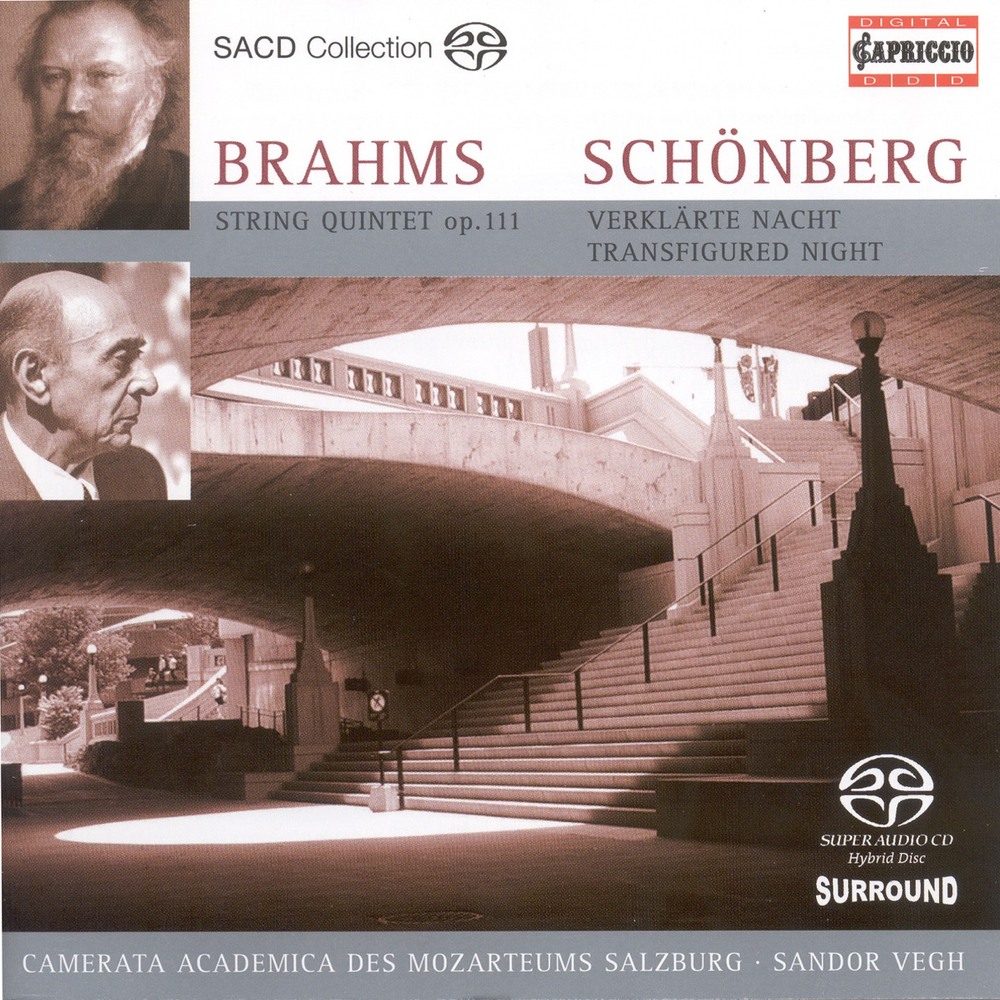
Schoenberg 'Verklärte Nacht' String Orchestra Version — Vegh & Camerata Salzburg
Schoenberg, Verklärte Nacht (String Orchestra Version) — Végh & Camerata Salzburg
The Verklärte Nacht, Op. 4 (String Orchestra Version) track linked to ‘Schoenberg, Verklärte Nacht (String Orchestra Version) — Végh & Camerata Salzburg’ is a real recording from the album Brahms: String Quintet No. 2 - Schoenberg: Verklarte Nacht (Arr. For String Orchestra), and it's featured as the ‘Schoenberg, Verklärte Nacht (String Orchestra Version) — Végh & Camerata Salzburg’ entry because it fits the selection criterion of ‘String Orchestras Bursting with Color, No Winds Needed’. Apple Music lists the performer of ‘Schoenberg, Verklärte Nacht (String Orchestra Version) — Végh & Camerata Salzburg’ as Camerata Salzburg & Sandor Vegh and the release year as 1992; since this date may differ from when Arnold Schoenberg wrote the piece, we use it only as recording information. When looking for other versions of the same work as ‘Schoenberg, Verklärte Nacht (String Orchestra Version) — Végh & Camerata Salzburg’, check the title, performer, and album together so you don't confuse the same recording with a reissue, and so you can also see the context of this list.
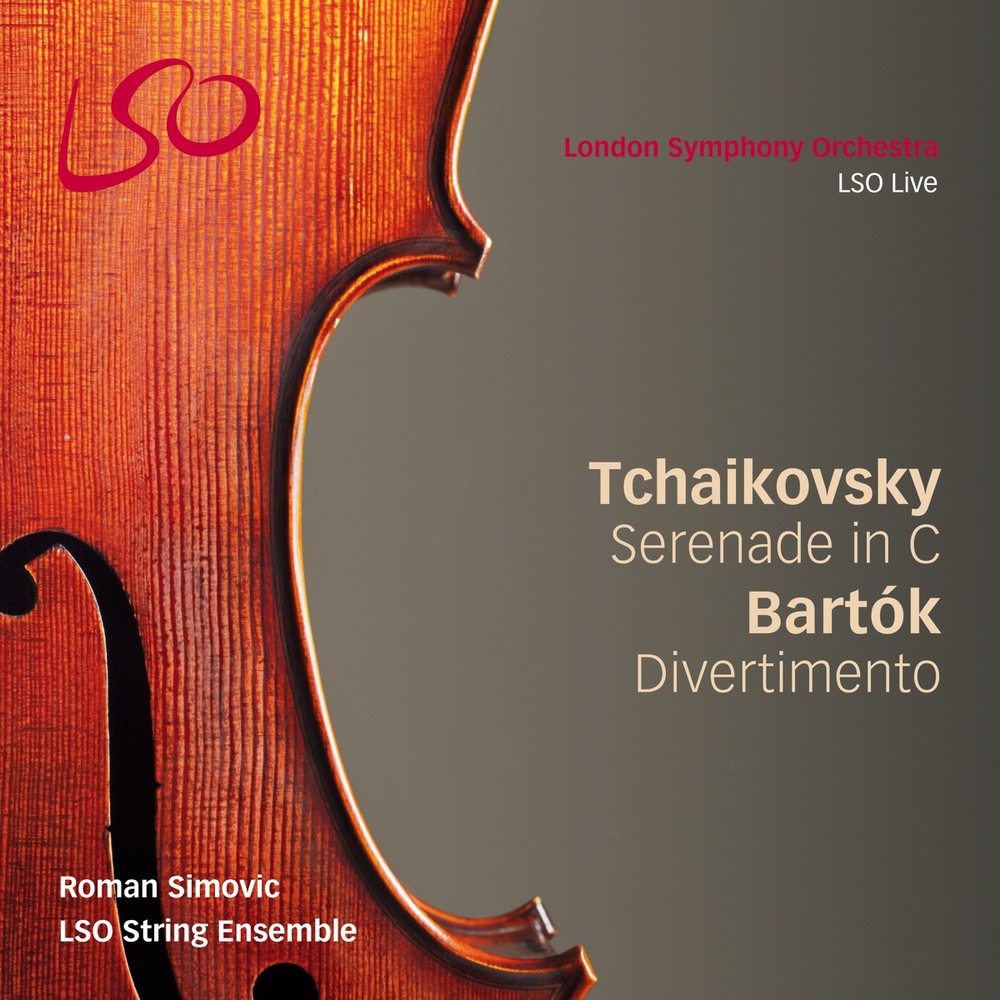
Bartók Divertimento for String Orchestra, II — Simovic & LSO String Ensemble
Bartók, Divertimento for String Orchestra, 2nd Movement — Simovic & LSO String Ensemble
The Divertimento for String Orchestra: II. Molto adagio track linked to ‘Bartók, Divertimento for String Orchestra, 2nd Movement — Simovic & LSO String Ensemble’ is a real recording from the album Tchaikovsky: Serenade for Strings in C – Bartók: Divertimento, and it's featured as the ‘Bartók, Divertimento for String Orchestra, 2nd Movement — Simovic & LSO String Ensemble’ entry because it fits the selection criterion of ‘String Orchestras Bursting with Color, No Winds Needed’. Apple Music lists the performer of ‘Bartók, Divertimento for String Orchestra, 2nd Movement — Simovic & LSO String Ensemble’ as LSO String Ensemble & Roman Simovic and the release year as 2014; since this date may differ from when Béla Bartók wrote the piece, we use it only as recording information. When looking for other versions of the same work as ‘Bartók, Divertimento for String Orchestra, 2nd Movement — Simovic & LSO String Ensemble’, check the title, performer, and album together so you don't confuse the same recording with a reissue, and so you can also see the context of the list.
Barber 'Adagio for Strings' — Rattle & Berlin Philharmonic
Barber, Adagio for Strings — Rattle & Berlin Phil
The Adagio for Strings, Op. 11 track linked to ‘Barber, Adagio for Strings — Rattle & Berlin Phil’ is a real recording from the album Samuel Barber - Adagio (100th anniversary), and it's featured as the ‘Barber, Adagio for Strings — Rattle & Berlin Phil’ entry because it fits the selection criterion of ‘String Orchestras Bursting with Color, No Winds Needed’. Apple Music lists the performer of ‘Barber, Adagio for Strings — Rattle & Berlin Phil’ as Sir Simon Rattle & Berlin Philharmonic and the release year as 2009; since this date may differ from when Samuel Barber wrote the piece, here we use it only as recording information. When looking for other versions of the same work as ‘Barber, Adagio for Strings — Rattle & Berlin Phil’, check the title, performer, and album together so you don't confuse the same recording with a reissue, and so you can also see the context of the list.
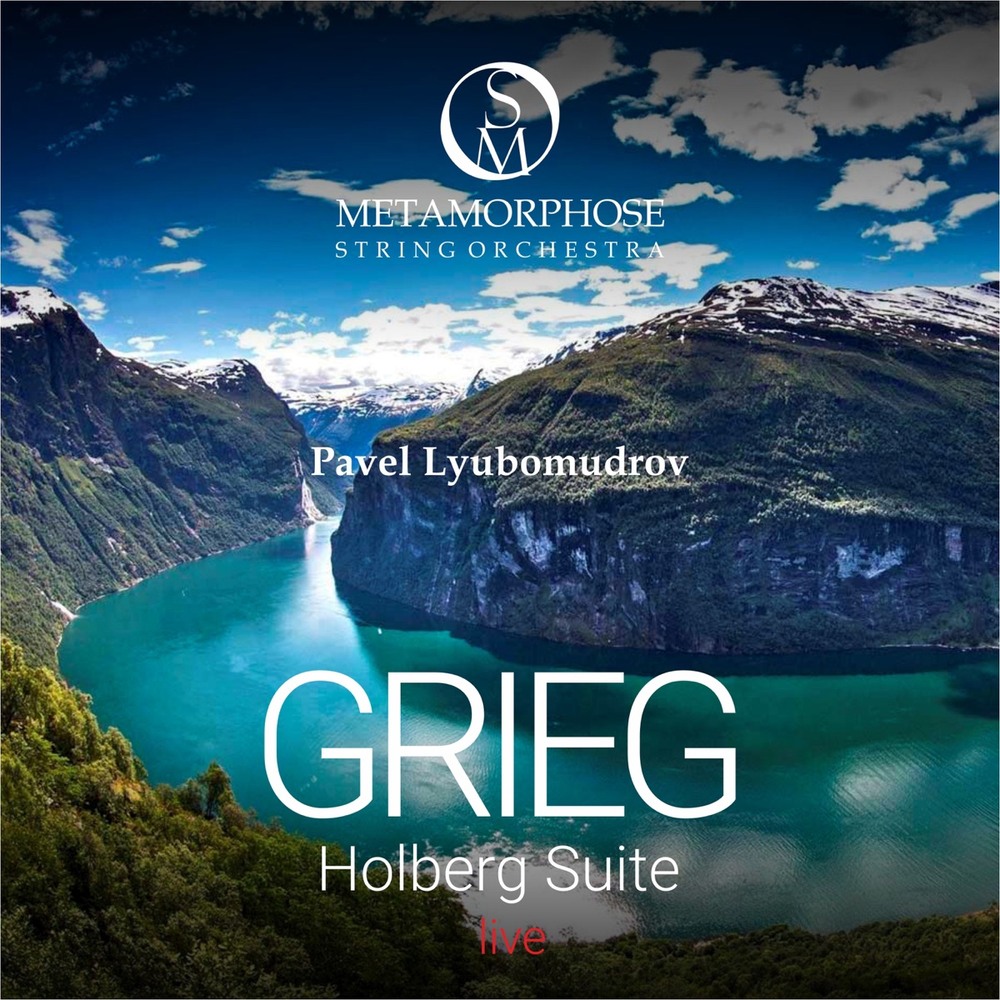
Grieg 'Holberg Suite' Prelude — Metamorphose String Orchestra
Grieg, Holberg Suite: Prelude — Metamorphose String Orchestra
The Holberg Suite: I. Praeludium track linked to ‘Grieg, Holberg Suite: Prelude — Metamorphose String Orchestra’ is a real recording from the album Edvard Grieg: Holberg Suite, Op. 40 (Live) - EP, and it's featured as the ‘Grieg, Holberg Suite: Prelude — Metamorphose String Orchestra’ entry because it fits the selection criterion of ‘String Orchestras Bursting with Color, No Winds Needed’. Apple Music lists the performer of ‘Grieg, Holberg Suite: Prelude — Metamorphose String Orchestra’ as Metamorphose String Orchestra & Pavel Lyubomudrov and the release year as 2021; since this date may differ from when Edvard Grieg wrote the piece, here we use it only as recording information. When looking for other versions of the same work as ‘Grieg, Holberg Suite: Prelude — Metamorphose String Orchestra’, check the title, performer, and album together so you don't confuse the same recording with a reissue, and so you can also see the context of the list.
The listed release years refer to the recordings or reissue information and should be distinguished from the premiere dates of the works. Even the same piece can show significant differences in the quantity of low tones, vibrato, and resonance between small chamber ensembles and large string orchestras. For pieces you enjoy, compare performances by different numbers of players, and see how bow articulations change between slow and fast movements. It also suggests that the size of the arrangement does not directly correlate to the scale of emotions conveyed.
As part of the Coupang Partners program, this post may earn a commission from qualifying purchases.
Comments 0
Log in to leave a comment.
Be the first to comment.
How about these lists?


You might also like


Not ready to stop here?
Wondering what to read next is the biggest waste of time.
Let the dice decide — you won't know what pops up until you roll.
If you don't press it… won't you wonder forever? 👀
