Classics Facing Off with Two Pianos Sharing One Keyboard
Collection Classical 2026.09.27

Classics Facing Off with Two Pianos Sharing One Keyboard

Listening to Hand Crossings, Range Sharing, and Breathing in the Performance of Two Pianos

Piano music is often seen as a solo monologue, but when two people sit at one instrument or two pianos face each other, entirely new rules emerge. In a four-hand arrangement, the range and pedals are shared on a narrow keyboard, while in the case of two pianos, instruments of the same size exchange or clash over themes. Paying attention to when roles change rather than who holds the melody illuminates the charm of ensemble playing.

This list moves from Mozart and Schubert’s intricate dialogues to Brahms’ dances, the colors of Debussy and Ravel, the wit of Poulenc, the rich resonance of Rachmaninoff, and the sharp rhythms of Stravinsky. The selections are exclusively from recordings featuring actual performances for four hands or two pianos, placed together with works sharing the same keyboard and those played on separate instruments. It guides listeners to focus on range sharing and phrase transitions rather than the speed of hands.

Mozart: Sonata for Two Pianos in D Major, K. 448: I — Perahia & Lupu

Mozart: Sonata for Two Pianos in D Major, K. 448: I — Perahia & Lupu

Mozart's Piano Sonata K.448, 1st Movement — Perahia & Lupu

Listen for how the decoration and accents change when the first theme shifts to the opposite piano. In the first listen of 'Mozart's Piano Sonata K.448, 1st Movement — Perahia & Lupu,' follow the points given, and in the second listen, expand your focus to the bass and inner voices. This way, you'll uncover the structure of Sonata for Two Pianos in D Major, K. 448: I and the lengths of phrases chosen by Murray Perahia & Radu Lupu. Rather than waiting for famous passages, noting the moments when the timbre changes helps maintain track of the work's direction.

The track 'Sonata for Two Pianos in D Major, K. 448: I,' connected to 'Mozart's Piano Sonata K.448, 1st Movement — Perahia & Lupu,' is part of the actual recording in 'Mozart: Sonata in D Major for Two Pianos - Schubert: Fantasia, Andante & Variations (Expanded Edition).' Introduced in line with the criteria of 'Classics Facing Off with Two Pianos Sharing One Keyboard,' it features Murray Perahia & Radu Lupu as the Apple Music performing artists, with a release year of 1985. This date may differ from when Wolfgang Amadeus Mozart wrote the piece, hence only the recording information is used in 'Classics Facing Off with Two Pianos Sharing One Keyboard.' When looking for different editions of works like 'Mozart's Piano Sonata K.448, 1st Movement — Perahia & Lupu,' it’s important to check the work title, performers, and album to avoid confusion with similar recordings or re-releases while also confirming the context in 'Classics Facing Off with Two Pianos Sharing One Keyboard.'

연주자 Murray Perahia & Radu Lupu 작곡가 Wolfgang Amadeus Mozart 작품 Sonata for Two Pianos in D Major, K. 448: I 표시 발매 연도 1985 수록 음반 Mozart: Sonata in D Major for Two Pianos - Schubert: Fantasia, Andante & Variations (Expanded Edition) 형식 음원 감상 포인트 두 피아노가 짧은 동기를 모방하고 교환하며 대등한 대화를 만든다. 듣기 팁 첫 주제가 반대편 피아노로 넘어갈 때 장식과 강세가 어떻게 달라지는지 들어보자.
바로가기
Schubert: Fantasia in F Minor for Piano Four Hands — Perahia & Lupu

Schubert: Fantasia in F Minor for Piano Four Hands — Perahia & Lupu

Schubert's Fantasia in F Minor for Four Hands — Perahia & Lupu

Remember how the range and weight change when the initial sad melody returns in the latter part. In 'Schubert's Fantasia in F Minor for Four Hands — Perahia & Lupu,' check if the same motif that recurs has differing ranges and accents. Murray Perahia & Radu Lupu's performance showcases the flow of Fantasia in F Minor, D. 940, not exaggerating the overall arc but illustrating the connections between each voice. At the end, returning to the beginning of 'Schubert's Fantasia in F Minor for Four Hands — Perahia & Lupu' and comparing it with your first impression clarifies the structure.

The track 'Fantasia in F Minor, D. 940' connected to 'Schubert's Fantasia in F Minor for Four Hands — Perahia & Lupu' is from the actual recording in 'Mozart: Sonata in D Major for Two Pianos - Schubert: Fantasia, Andante & Variations (Expanded Edition).' It has been introduced in accordance with the selection criteria of 'Classics Facing Off with Two Pianos Sharing One Keyboard.' The Apple Music performing artists for 'Schubert's Fantasia in F Minor for Four Hands — Perahia & Lupu' are Murray Perahia & Radu Lupu, with a release year of 1985, this date may differ from when Franz Schubert wrote the piece, so only the recording information is used in 'Classics Facing Off with Two Pianos Sharing One Keyboard.' When looking for different editions of works like 'Schubert's Fantasia in F Minor for Four Hands — Perahia & Lupu,' it’s important to check the work title, performers, and album for clarity on the recording and re-release versions while confirming the context of 'Classics Facing Off with Two Pianos Sharing One Keyboard.'
연주자 Murray Perahia & Radu Lupu 작곡가 Franz Schubert 작품 Fantasia in F Minor, D. 940 표시 발매 연도 1985 수록 음반 Mozart: Sonata in D Major for Two Pianos - Schubert: Fantasia, Andante & Variations (Expanded Edition) 형식 음원 감상 포인트 서정적인 주제와 행진 리듬이 끊김 없이 이어져 한 악기에서 교향적 규모를 만든다. 듣기 팁 처음의 슬픈 선율이 후반에 돌아올 때 음역과 무게가 어떻게 변하는지 기억해두자.
바로가기
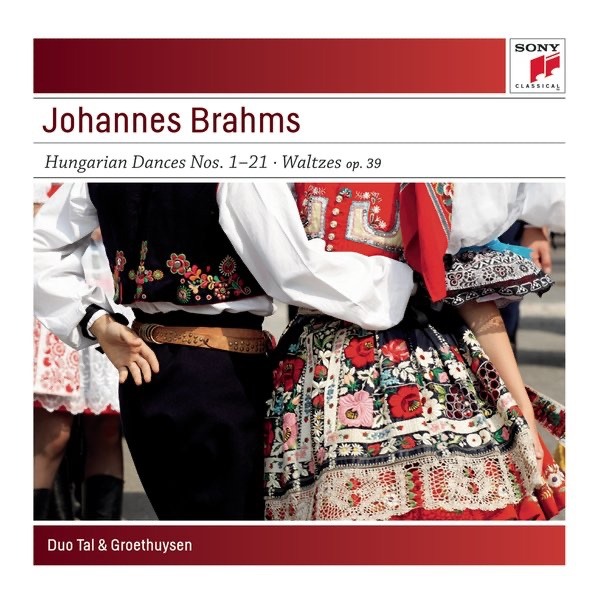
Brahms: Hungarian Dance No. 5 for Piano Four Hands — Tal & Groethuysen

Brahms: Hungarian Dance No. 5 for Piano Four Hands — Tal & Groethuysen

Brahms' Hungarian Dance No. 5 for Four Hands — Tal & Groethuysen

Listen to how well the two performers synchronize their restart after a slowdown. When you listen to this audio again, focus more on the order of overlapping and emptying sounds than the tempo. Finding which voice the repeated material of Hungarian Dance No. 5 for Piano Four Hands moves to lets you spot the balance sense by Duo Tal & Groethuysen. Comparing the resonance left at the end of 'Brahms' Hungarian Dance No. 5 for Four Hands — Tal & Groethuysen' with the first phrase reveals how emotional changes are understood within the structure.

The track 'Hungarian Dance No. 5 for Piano Four Hands' connected to 'Brahms' Hungarian Dance No. 5 for Four Hands — Tal & Groethuysen' is from the actual recording in 'Brahms: Hungarian Dances No. 1-21; Waltzes, Op. 39 for Piano for Four Hands.' It follows the selection criteria of 'Classics Facing Off with Two Pianos Sharing One Keyboard.' The Apple Music performing artists for 'Brahms' Hungarian Dance No. 5 for Four Hands — Tal & Groethuysen' are Duo Tal & Groethuysen, with a release year of 1993, which may differ from when Johannes Brahms wrote the piece; hence only the recording information is used in the context of 'Classics Facing Off with Two Pianos Sharing One Keyboard.' When looking for different editions of works like 'Brahms' Hungarian Dance No. 5 for Four Hands — Tal & Groethuysen,' it's important to check the work title, performers, and album together to avoid confusion about recordings and re-releases, while also verifying the context in 'Classics Facing Off with Two Pianos Sharing One Keyboard.'
연주자 Duo Tal & Groethuysen 작곡가 Johannes Brahms 작품 Hungarian Dance No. 5 for Piano Four Hands 표시 발매 연도 1993 수록 음반 Brahms: Hungarian Dances No. 1-21; Waltzes, Op. 39 for Piano for Four Hands 형식 음원 감상 포인트 갑작스러운 템포 변화와 강세가 두 연주자의 호흡을 춤처럼 드러낸다. 듣기 팁 느려지는 구간 뒤 재출발을 두 사람이 얼마나 동시에 맞추는지 들어보자.
바로가기
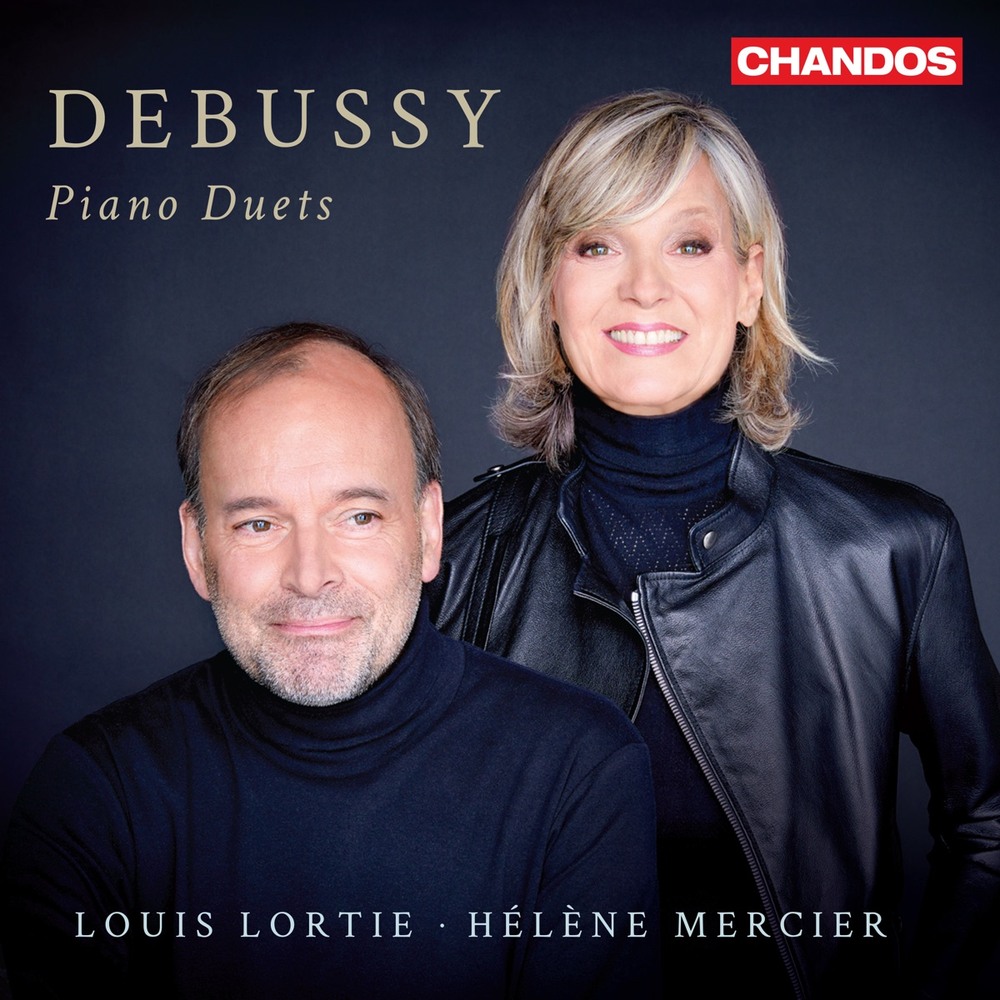
Debussy: Petite suite, II. Cortège — Lortie & Mercier

Debussy: Petite suite, II. Cortège — Lortie & Mercier

Debussy's 'Cortège' from Petite Suite — Lortie & Mercier

Follow first how the rhythm of the middle voice pushes the high melody. Next, listen carefully to what the accompaniment and background voices are doing at the same moment in 'Debussy's 'Cortège' from Petite Suite — Lortie & Mercier.' Tracking how the previously mentioned materials return with different instruments and ranges reveals the design of Petite suite: II. Cortège naturally. Noting where Louis Lortie & Hélène Mercier emphasize also provides a standard for comparing other performances.

The track 'Petite suite: II. Cortège' connected to 'Debussy's 'Cortège' from Petite Suite — Lortie & Mercier' is featured in the actual recording in 'Debussy: Piano Duets,' selected according to the criteria of 'Classics Facing Off with Two Pianos Sharing One Keyboard.' The Apple Music performing artists for 'Debussy's 'Cortège' from Petite Suite — Lortie & Mercier' are Louis Lortie & Hélène Mercier, with a release year of 2022. This date may differ from when Claude Debussy wrote the piece, so only the recording information is used in 'Classics Facing Off with Two Pianos Sharing One Keyboard.' When looking for different editions of works like 'Debussy's 'Cortège' from Petite Suite — Lortie & Mercier,' confirm the work name, performers, and album to prevent confusion about the same recording and re-release while also verifying the context within 'Classics Facing Off with Two Pianos Sharing One Keyboard.'
연주자 Louis Lortie & Hélène Mercier 작곡가 Claude Debussy 작품 Petite suite: II. Cortège 표시 발매 연도 2022 수록 음반 Debussy: Piano Duets 형식 음원 감상 포인트 가벼운 리듬 위에 밝은 선율이 겹쳐 네 손으로 관현악 같은 색채를 만든다. 듣기 팁 중간 성부의 리듬이 고음 선율을 밀어주는 방식을 먼저 따라가 보자.
바로가기
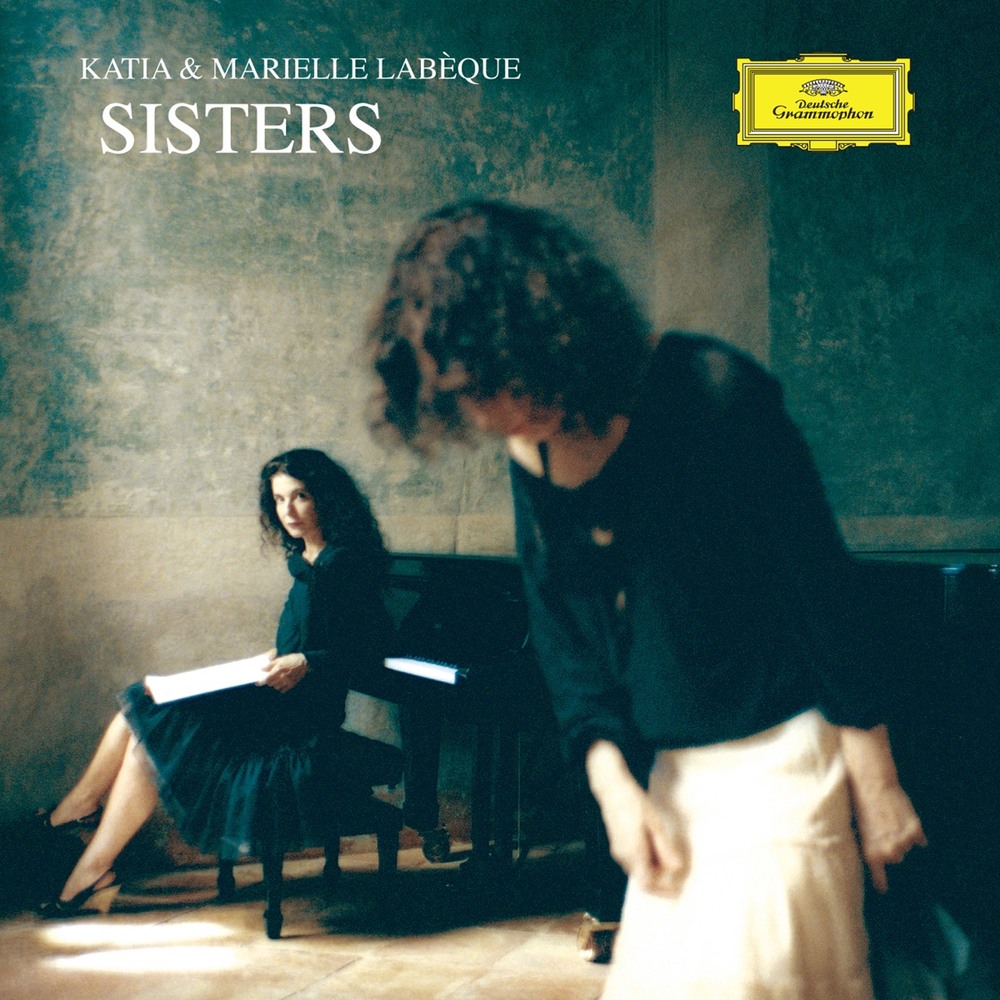
Ravel: Ma mère l'Oye, V. Le jardin féerique — Labèque Sisters

Ravel: Ma mère l'Oye, V. Le jardin féerique — Labèque Sisters

Ravel's 'Le jardin féerique' from Ma mère l'Oye — Labèque Sisters

Count the order in which the resonance starting from low notes spreads over the entire keyboard. When you listen to 'Ravel's 'Le jardin féerique' from Ma mère l'Oye — Labèque Sisters' again, find the lowest note and the longest note. The meeting point of these two elements determines the tension and release of Ma mère l'Oye: V. Le jardin féerique, and it also highlights where Katia & Marielle Labèque’s interpretation becomes clear. Comparing the lengths of breath and resonance in 'Ravel's 'Le jardin féerique' from Ma mère l'Oye — Labèque Sisters' rather than focusing on volume makes the reason for choosing this edition starkly clear.

The track 'Ma mère l'Oye: V. Le jardin féerique' connected to 'Ravel's 'Le jardin féerique' from Ma mère l'Oye — Labèque Sisters' comes from the actual recording in 'Sisters,' selected according to the criteria of 'Classics Facing Off with Two Pianos Sharing One Keyboard.' The Apple Music performing artists for 'Ravel's 'Le jardin féerique' from Ma mère l'Oye — Labèque Sisters' are Katia & Marielle Labèque, with a release year of 2016. This date may differ from when Maurice Ravel wrote the piece, so only the recording information is used in 'Classics Facing Off with Two Pianos Sharing One Keyboard.' When looking for different editions of works like 'Ravel's 'Le jardin féerique' from Ma mère l'Oye — Labèque Sisters,' check the work title, performers, and album to avoid confusion between recordings and re-releases while also confirming the context of 'Classics Facing Off with Two Pianos Sharing One Keyboard.'
연주자 Katia & Marielle Labèque 작곡가 Maurice Ravel 작품 Ma mère l'Oye: V. Le jardin féerique 표시 발매 연도 2016 수록 음반 Sisters 형식 음원 감상 포인트 단순한 선율이 넓은 음역과 화음의 누적으로 서서히 빛나는 결말에 도달한다. 듣기 팁 낮은 음에서 시작한 울림이 건반 전체로 퍼지는 순서를 세어보자.
바로가기
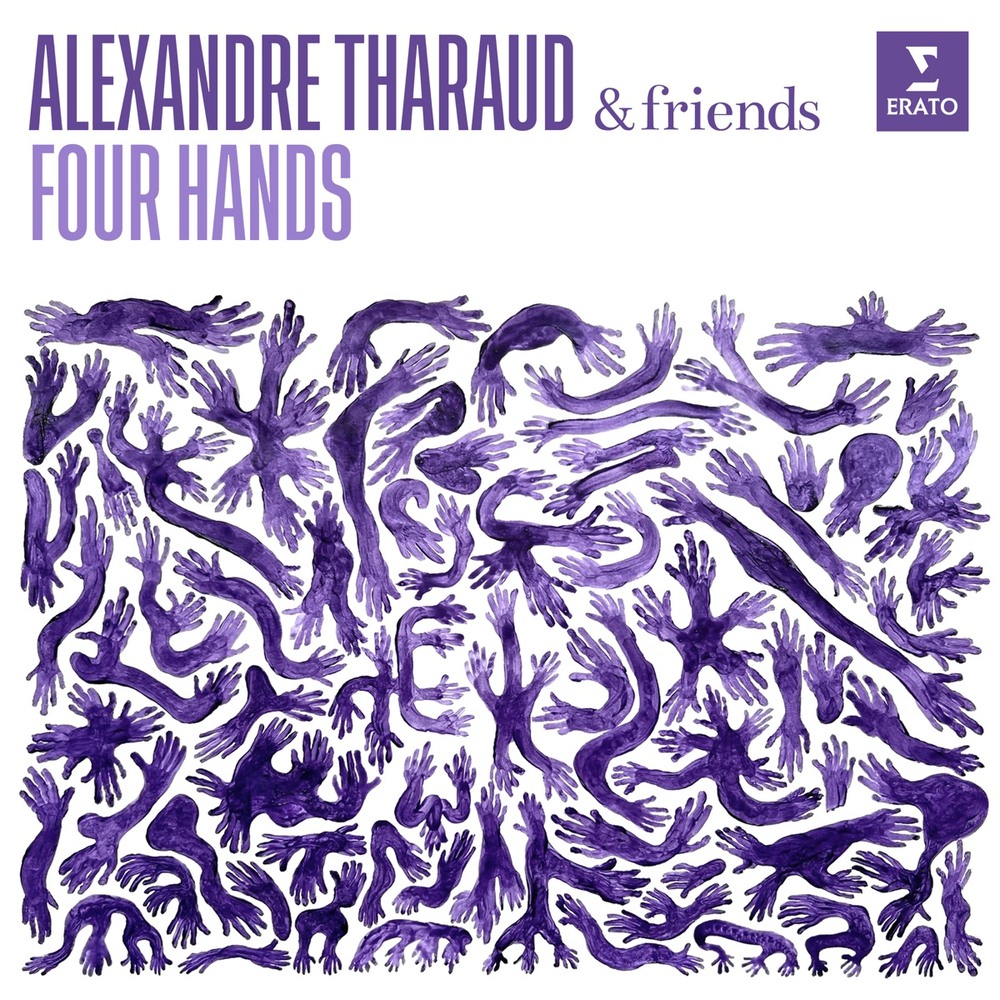
Poulenc: Sonata for Piano Four Hands, I. Prélude — Tharaud & Strosser

Poulenc: Sonata for Piano Four Hands, I. Prélude — Tharaud & Strosser

Poulenc's Sonata for Four Hands, 1st Movement — Tharaud & Strosser

Try to find where the same rhythm playfully returns while changing dynamics. After that, look to see if the instrument initiating and concluding the theme in 'Poulenc's Sonata for Four Hands, 1st Movement — Tharaud & Strosser' are the same. Sonata for Piano Four Hands: I. Prélude progresses while repeating small motions, also shifting the density of the background. Listening for where Alexandre Tharaud & Emmanuel Strosser place their emphasis goes beyond mere atmospheric appreciation and explains the character of this edition.

The track 'Sonata for Piano Four Hands: I. Prélude' connected to 'Poulenc's Sonata for Four Hands, 1st Movement — Tharaud & Strosser' is featured in the actual recording in 'Four Hands,' selected based on the criteria of 'Classics Facing Off with Two Pianos Sharing One Keyboard.' The Apple Music performing artists for 'Poulenc's Sonata for Four Hands, 1st Movement — Tharaud & Strosser' are Alexandre Tharaud & Emmanuel Strosser, with a release year of 2024, which may differ from when Francis Poulenc wrote the piece; hence only the recording information is used in 'Classics Facing Off with Two Pianos Sharing One Keyboard.' When looking for different editions of works like 'Poulenc's Sonata for Four Hands, 1st Movement — Tharaud & Strosser,' checking the work title, performers, and album together is important to prevent confusion with similar recordings or re-releases while confirming the context of 'Classics Facing Off with Two Pianos Sharing One Keyboard.'
연주자 Alexandre Tharaud & Emmanuel Strosser 작곡가 Francis Poulenc 작품 Sonata for Piano Four Hands: I. Prélude 표시 발매 연도 2024 수록 음반 Four Hands 형식 음원 감상 포인트 짧고 날카로운 화음과 익살스러운 리듬이 작은 악곡 안에서 빠르게 교대한다. 듣기 팁 같은 리듬이 강약을 바꾸며 장난스럽게 되돌아오는 지점을 찾아보자.
바로가기
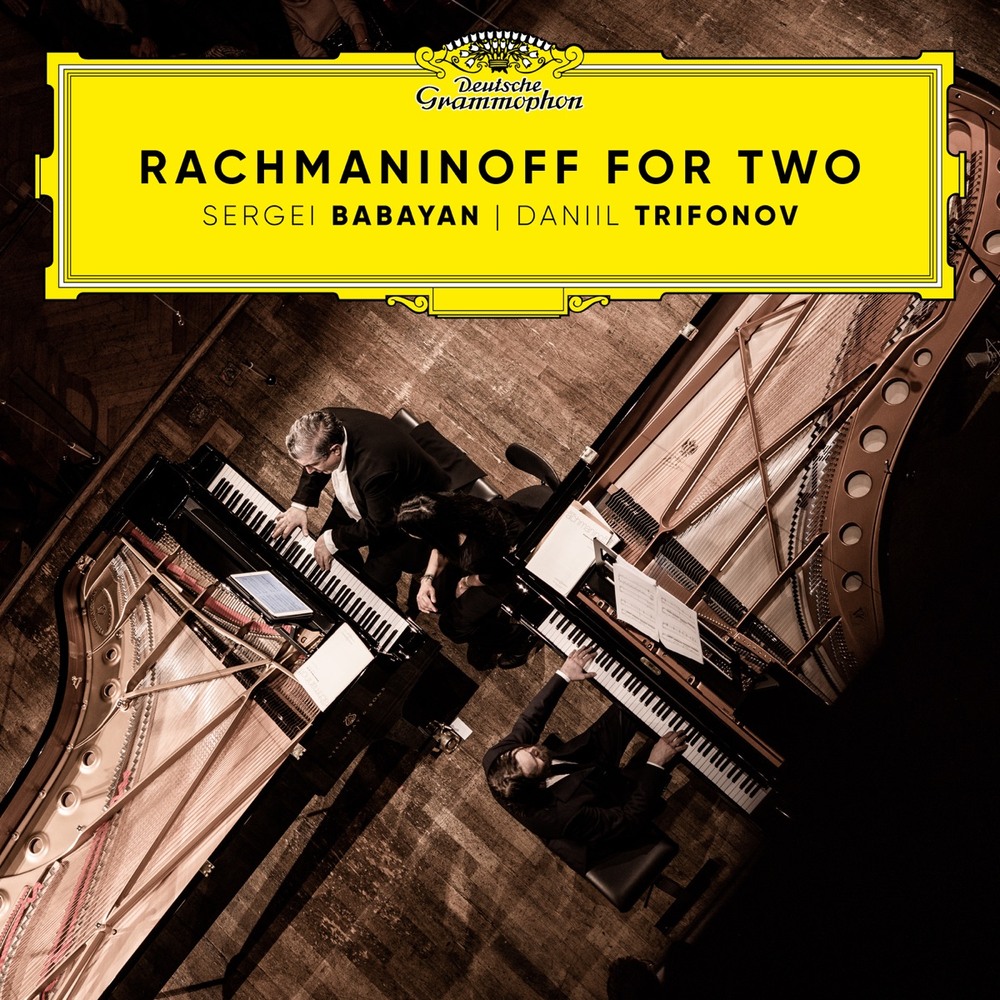
Rachmaninoff: Suite No. 2 for Two Pianos, III. Romance — Trifonov & Babayan

Rachmaninoff: Suite No. 2 for Two Pianos, III. Romance — Trifonov & Babayan

Rachmaninoff's Suite No. 2 for Two Pianos, 'Romance' — Trifonov & Babayan

Listen to how the piano, which doesn’t take on the melody, manages the wave-like accompaniment. When the same phrase repeats in 'Rachmaninoff's Suite No. 2 for Two Pianos, 'Romance' — Trifonov & Babayan,' decide on one of the dynamics or the speed for comparison. By focusing on the choices made by Daniil Trifonov & Sergei Babayan, the inner voices and rhythms of Suite No. 2 for Two Pianos: III. Romance will not be missed. Finally, revisit the overall flow of 'Rachmaninoff's Suite No. 2 for Two Pianos, 'Romance' — Trifonov & Babayan' and confirm how the details influence the impression of the work.

The track 'Suite No. 2 for Two Pianos: III. Romance' connected to 'Rachmaninoff's Suite No. 2 for Two Pianos, 'Romance' — Trifonov & Babayan' is from the actual recording in 'Rachmaninoff for Two,' selected according to the criteria of 'Classics Facing Off with Two Pianos Sharing One Keyboard.' The Apple Music performing artists for 'Rachmaninoff's Suite No. 2 for Two Pianos, 'Romance' — Trifonov & Babayan' are Daniil Trifonov & Sergei Babayan, with a release year of 2024, which may differ from when Sergei Rachmaninoff wrote the piece. Thus, only the recording information is utilized in 'Classics Facing Off with Two Pianos Sharing One Keyboard.' When searching for different editions of works such as 'Rachmaninoff's Suite No. 2 for Two Pianos, 'Romance' — Trifonov & Babayan,' it's essential to verify the work title, performers, and album together to avoid confusion regarding identical recordings and re-release formats while also verifying the context of 'Classics Facing Off with Two Pianos Sharing One Keyboard.'
연주자 Daniil Trifonov & Sergei Babayan 작곡가 Sergei Rachmaninoff 작품 Suite No. 2 for Two Pianos: III. Romance 표시 발매 연도 2024 수록 음반 Rachmaninoff for Two 형식 음원 감상 포인트 두 악기의 겹친 화음 아래 긴 선율이 떠올라 밀도 높은 서정을 만든다. 듣기 팁 선율을 맡지 않은 피아노가 물결 같은 반주를 어떻게 이어가는지 들어보자.
바로가기
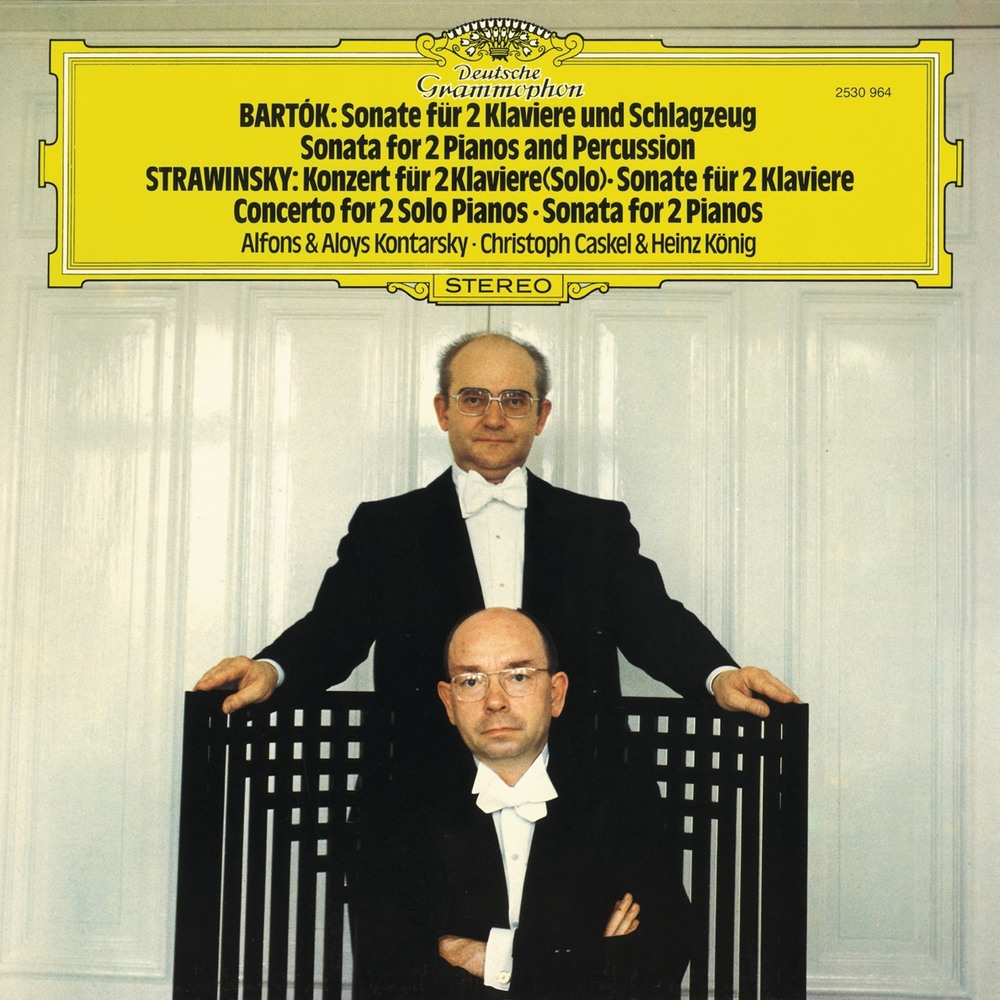
Stravinsky: Sonata for Two Pianos, I. Moderato — Kontarsky Brothers

Stravinsky: Sonata for Two Pianos, I. Moderato — Kontarsky Brothers

Stravinsky: Sonata for Two Pianos, Movement I — Kontarsky Brothers

Let's focus on the angular resonance that occurs when two pianos overlap the same pattern with a slight delay. In your first listening of 'Stravinsky: Sonata for Two Pianos, Movement I — Kontarsky Brothers', try to identify one particular sound as a guide, and in the next listening, add in the surrounding voices and silences. As Sonata for Two Pianos: I. Moderato builds towards its climax, you can hear how Alfons Kontarsky & Aloys Kontarsky adjust the tempo and tone. Comparing the beginning and ending resonance of 'Stravinsky: Sonata for Two Pianos, Movement I — Kontarsky Brothers' side by side makes the sense of distance and time created by the piece more tangible.

The track Sonata for Two Pianos: I. Moderato, connected to 'Stravinsky: Sonata for Two Pianos, Movement I — Kontarsky Brothers', is part of the album 《Bartók: Sonata for 2 Pianos and Percussion - Stravinsky: Concerto & Sonata for 2 Pianos》. This entry was introduced as it aligns with the criteria for 'classical music that challenges with two pianos sharing one keyboard'. The performing artists for 'Stravinsky: Sonata for Two Pianos, Movement I — Kontarsky Brothers' on Apple Music are Alfons Kontarsky & Aloys Kontarsky, and it was released in 2000. This date may differ from when Igor Stravinsky composed the piece, so in the context of 'classical music that challenges with two pianos sharing one keyboard', it is only used for recording information. When searching for different editions of works like 'Stravinsky: Sonata for Two Pianos, Movement I — Kontarsky Brothers', you must check the title, performers, and the album to avoid confusing the same recording with re-releases, as well as to confirm the context of 'classical music that challenges with two pianos sharing one keyboard'.
연주자 Alfons Kontarsky & Aloys Kontarsky 작곡가 Igor Stravinsky 작품 Sonata for Two Pianos: I. Moderato 표시 발매 연도 2000 수록 음반 Bartók: Sonata for 2 Pianos and Percussion - Stravinsky: Concerto & Sonata for 2 Pianos 형식 음원 감상 포인트 건조한 리듬과 분명한 음형이 낭만적 페달 없이 두 악기의 윤곽을 세운다. 듣기 팁 두 피아노가 같은 패턴을 시차로 겹칠 때 생기는 각진 울림에 집중해보자.
바로가기
When listening to a piano duo, instead of trying to guess how many hands are producing the sound, it's better to start by separating the roles of the bass and treble. In a single piano setup, the performer in the lower register often takes responsibility for rhythm and pedals, while in two pianos, the same motif moves across the left and right spaces. Using headphones reveals positional shifts, and listening through speakers highlights the overlapping resonances of the two instruments.

The linked audio features recordings verified to be by actual performers, and the indicated year refers to the release or re-release information, not the year the composition was written. If you find pieces you like, it’s a great idea to confirm the finger placements through score videos or live recordings. Especially in four-hand pieces, the moments when hands cross and the way one person takes charge of the pedal connect with the sounds experienced. Comparing with solo or orchestral arrangements of the same work clarifies the information left behind in the duo arrangement.
한눈에 보기 8개
Mozart: Sonata for Two Pianos in D Major, K. 448: I — Perahia & Lupu
Murray Perahia & Radu Lupu · Wolfgang Amadeus Mozart · Sonata for Two Pianos in D Major, K. 448: I · 1985 · Mozart: Sonata in D Major for Two Pianos - Schubert: Fantasia, Andante & Variations (Expanded Edition) · 음원 · 두 피아노가 짧은 동기를 모방하고 교환하며 대등한 대화를 만든다. · 첫 주제가 반대편 피아노로 넘어갈 때 장식과 강세가 어떻게 달라지는지 들어보자.
Schubert: Fantasia in F Minor for Piano Four Hands — Perahia & Lupu
Murray Perahia & Radu Lupu · Franz Schubert · Fantasia in F Minor, D. 940 · 1985 · Mozart: Sonata in D Major for Two Pianos - Schubert: Fantasia, Andante & Variations (Expanded Edition) · 음원 · 서정적인 주제와 행진 리듬이 끊김 없이 이어져 한 악기에서 교향적 규모를 만든다. · 처음의 슬픈 선율이 후반에 돌아올 때 음역과 무게가 어떻게 변하는지 기억해두자.
Brahms: Hungarian Dance No. 5 for Piano Four Hands — Tal & Groethuysen
Duo Tal & Groethuysen · Johannes Brahms · Hungarian Dance No. 5 for Piano Four Hands · 1993 · Brahms: Hungarian Dances No. 1-21; Waltzes, Op. 39 for Piano for Four Hands · 음원 · 갑작스러운 템포 변화와 강세가 두 연주자의 호흡을 춤처럼 드러낸다. · 느려지는 구간 뒤 재출발을 두 사람이 얼마나 동시에 맞추는지 들어보자.
Debussy: Petite suite, II. Cortège — Lortie & Mercier
Louis Lortie & Hélène Mercier · Claude Debussy · Petite suite: II. Cortège · 2022 · Debussy: Piano Duets · 음원 · 가벼운 리듬 위에 밝은 선율이 겹쳐 네 손으로 관현악 같은 색채를 만든다. · 중간 성부의 리듬이 고음 선율을 밀어주는 방식을 먼저 따라가 보자.
Ravel: Ma mère l'Oye, V. Le jardin féerique — Labèque Sisters
Katia & Marielle Labèque · Maurice Ravel · Ma mère l'Oye: V. Le jardin féerique · 2016 · Sisters · 음원 · 단순한 선율이 넓은 음역과 화음의 누적으로 서서히 빛나는 결말에 도달한다. · 낮은 음에서 시작한 울림이 건반 전체로 퍼지는 순서를 세어보자.
Poulenc: Sonata for Piano Four Hands, I. Prélude — Tharaud & Strosser
Alexandre Tharaud & Emmanuel Strosser · Francis Poulenc · Sonata for Piano Four Hands: I. Prélude · 2024 · Four Hands · 음원 · 짧고 날카로운 화음과 익살스러운 리듬이 작은 악곡 안에서 빠르게 교대한다. · 같은 리듬이 강약을 바꾸며 장난스럽게 되돌아오는 지점을 찾아보자.
Rachmaninoff: Suite No. 2 for Two Pianos, III. Romance — Trifonov & Babayan
Daniil Trifonov & Sergei Babayan · Sergei Rachmaninoff · Suite No. 2 for Two Pianos: III. Romance · 2024 · Rachmaninoff for Two · 음원 · 두 악기의 겹친 화음 아래 긴 선율이 떠올라 밀도 높은 서정을 만든다. · 선율을 맡지 않은 피아노가 물결 같은 반주를 어떻게 이어가는지 들어보자.
Stravinsky: Sonata for Two Pianos, I. Moderato — Kontarsky Brothers
Alfons Kontarsky & Aloys Kontarsky · Igor Stravinsky · Sonata for Two Pianos: I. Moderato · 2000 · Bartók: Sonata for 2 Pianos and Percussion - Stravinsky: Concerto & Sonata for 2 Pianos · 음원 · 건조한 리듬과 분명한 음형이 낭만적 페달 없이 두 악기의 윤곽을 세운다. · 두 피아노가 같은 패턴을 시차로 겹칠 때 생기는 각진 울림에 집중해보자.

이 포스팅은 쿠팡 파트너스 활동의 일환으로, 이에 따른 일정액의 수수료를 제공받습니다.

댓글 0

로그인 후 댓글을 작성할 수 있습니다.

첫 댓글을 남겨보세요.

이런 리스트는 어때요?

이런 리스트도 추천해요

🎲

여기서 멈추기엔 아쉽잖아?

다음에 뭘 볼지 고민하는 시간이 제일 아까워.
주사위가 대신 골라줄게 — 무슨 리스트가 튀어나올지는 굴려봐야 알지.
안 누르면… 평생 궁금하지 않겠어? 👀

All menu
Login required
Log in
Categories
Language
Display mode
✦ ✦ ✦ ✦ ✦

Drum roll… picking a list!

모하지
Use Mohazi as an app
Open it from your home screen and browse faster.
On iPhone, tap the Share button at the bottom of Safari, then choose “Add to Home Screen” to use it like an app.