Minimalist Classics That Change Time with Repeating Notes
Collection Classical 2026.09.27

Minimalist Classics That Change Time with Repeating Notes

Actual recordings that allow you to hear long periods of time anew through the movement, accumulation, and silence of patterns

Minimalist music is not simply about repeating the same notes. Very slight differences in timing accumulate, and as one note drops out or a new chord enters, the listener’s perception of time shifts. Because changes appear minimal, it becomes easier to hear who starts the pattern and when other layers join in. Instead of waiting for the familiar melody to unfold, it’s a good entrance to find the subtle dissonances and breaths that arise within the repetition.

This list includes actual recordings by Steve Reich, Philip Glass, John Adams, Arvo Pärt, Max Richter, John Cage, Terry Riley, and Michael Nyman. By broadening the scope from strict repetition techniques to lyrical works widely known in film music, it reduces the burden of thinking that 'contemporary music is difficult.' Each piece provides guidance on what to listen for first among patterns, timbres, and silences, making it possible to compare different minimalist times.
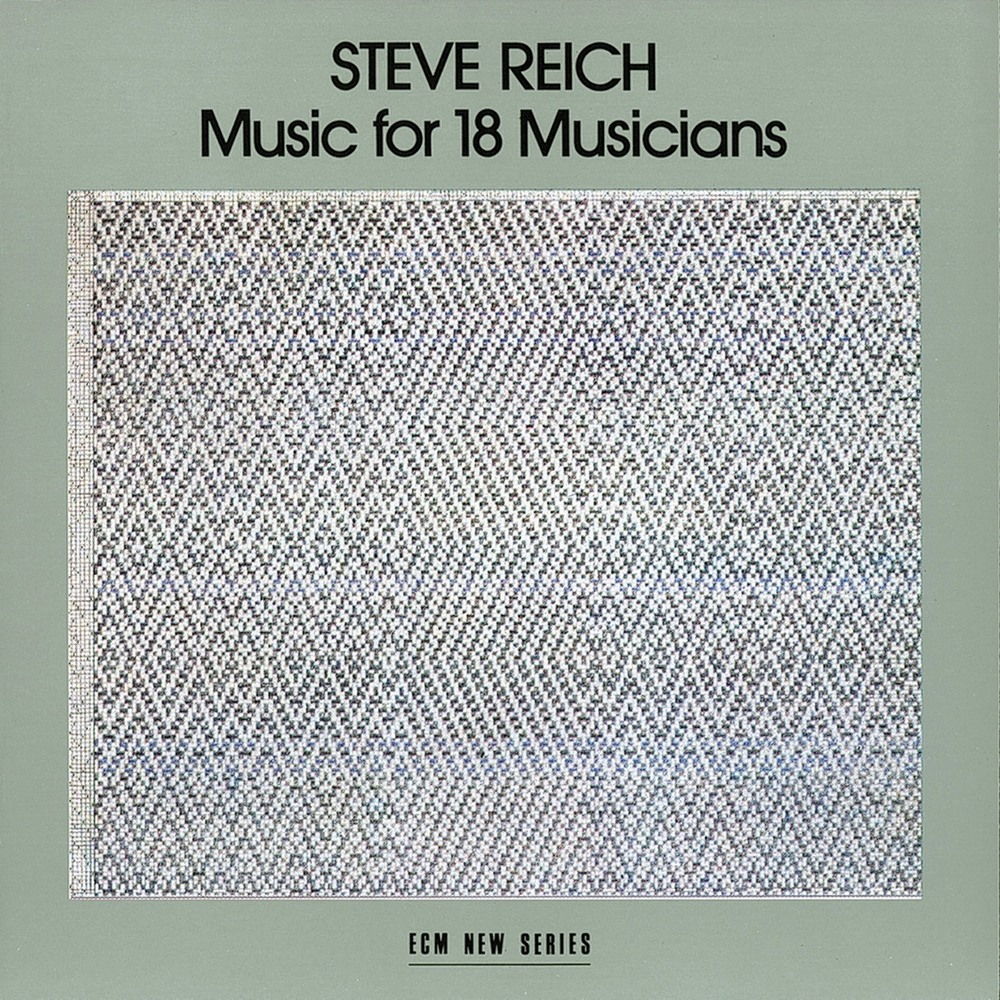
Reich 《Music for 18 Musicians》 — Steve Reich Ensemble

Reich 《Music for 18 Musicians》 — Steve Reich Ensemble

Reich *Music for 18 Musicians* — Steve Reich Ensemble

Listen to follow a common pulse and harmonic transition signals, rather than focusing on a single instrument. In your first listen to *Reich: Music for 18 Musicians — Steve Reich Ensemble*, follow the points guided, and on your second listen, expand your focus to the bass and inner voices. This allows the structure of *Music for 18 Musicians* and the lengths of the phrases chosen by the Steve Reich Ensemble to be revealed together. Instead of waiting for the famous passages, mark the moments when timbres change so you don’t lose track of the piece's direction.

The track connected to *Reich: Music for 18 Musicians — Steve Reich Ensemble* is from *Reich: Music for 18 Musicians*. This selection is introduced under the criteria of 'Minimalist Classics That Change Time with Repeating Notes.' The Apple Music displayed performers for 'Reich: Music for 18 Musicians — Steve Reich Ensemble' are the Steve Reich Ensemble, and the release year is 1978, which may differ from when Steve Reich composed the piece, thus this date is for recording information only in the context of 'Minimalist Classics That Change Time with Repeating Notes.' When looking for different editions of works like 'Reich: Music for 18 Musicians — Steve Reich Ensemble,' it's necessary to check the piece’s name, performers, and recorded albums to avoid confusion with the same recordings and reissues, as well as to understand the context of 'Minimalist Classics That Change Time with Repeating Notes.'
연주자 Steve Reich Ensemble 작곡가 Steve Reich 작품 Music for 18 Musicians 표시 발매 연도 1978 수록 음반 Reich: Music for 18 Musicians 형식 음원 감상 포인트 맥박과 화음 주기가 겹치며 작은 변화로 한 시간의 흐름을 조직한다. 듣기 팁 한 악기가 아니라 숨소리 같은 공통 박동과 화음 전환 신호를 따라가 보자.
바로가기
Glass 《Glassworks》 ‘Opening’ — Víkingur Ólafsson

Glass 《Glassworks》 ‘Opening’ — Víkingur Ólafsson

Glass *Glassworks* ‘Opening’ — Víkingur Ólafsson

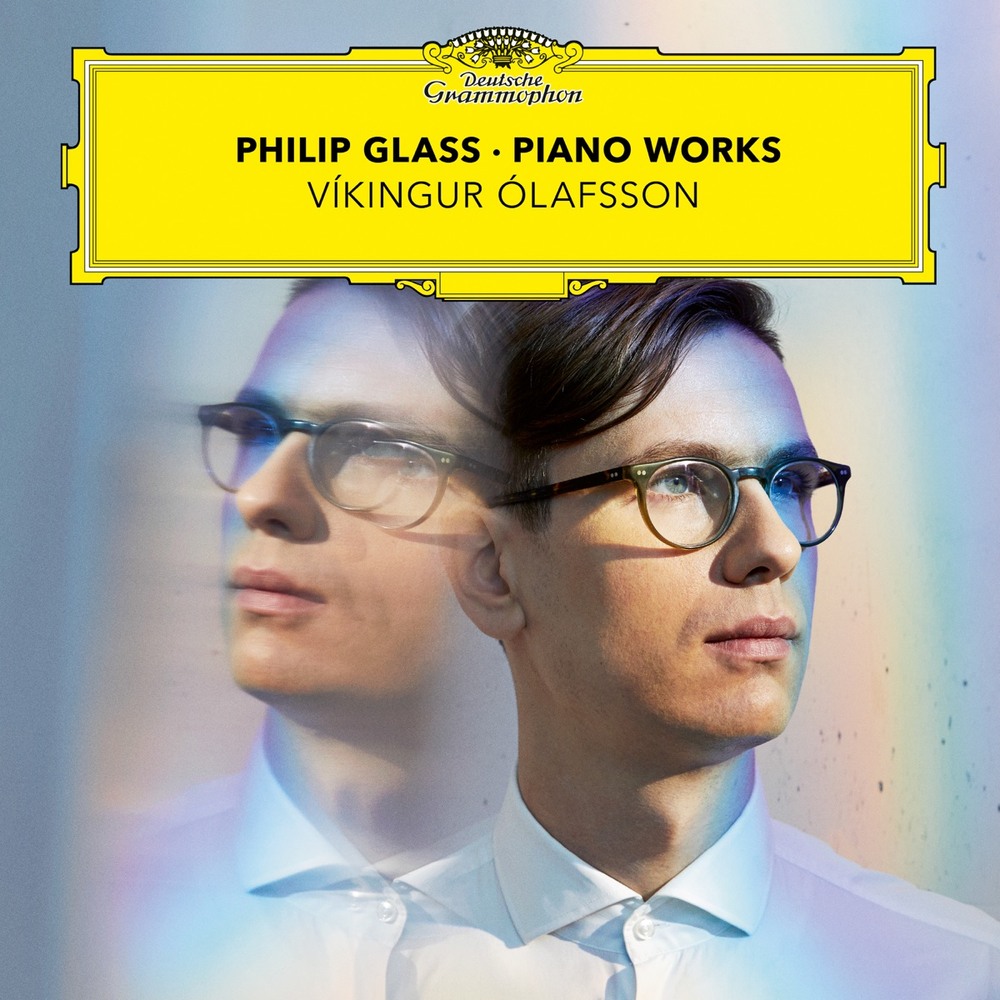
Mark the moments when the right hand’s chords change over a steady pattern in the left hand. In 'Glass *Glassworks* ‘Opening’ — Víkingur Ólafsson,' check whether the registers and accents differ when the same motives return. Víkingur Ólafsson’s performance showcases the big flow of *Glassworks: Opening* through the connections of each voice rather than exaggerating it. At the end, revisit the beginning of 'Glass *Glassworks* ‘Opening’ — Víkingur Ólafsson' to compare how your initial impressions have changed, which clarifies the structure.

The track connected to 'Glass *Glassworks* ‘Opening’ — Víkingur Ólafsson' is from *Philip Glass: Piano Works*. This selection is introduced under the criteria of 'Minimalist Classics That Change Time with Repeating Notes.' The Apple Music displayed performer for 'Glass *Glassworks* ‘Opening’ — Víkingur Ólafsson' is Víkingur Ólafsson, and the release year is 2017, which may differ from when Philip Glass composed the piece, thus this date is for recording information only in the context of 'Minimalist Classics That Change Time with Repeating Notes.' When searching for different editions of works like 'Glass *Glassworks* ‘Opening’ — Víkingur Ólafsson,' it's necessary to cross-reference the piece’s name, performers, and recorded albums to avoid confusion with the same recordings and reissues, as well as to better understand the context of 'Minimalist Classics That Change Time with Repeating Notes.'
연주자 Víkingur Ólafsson 작곡가 Philip Glass 작품 Glassworks: Opening 표시 발매 연도 2017 수록 음반 Philip Glass: Piano Works 형식 음원 감상 포인트 분산화음이 반복되면서 안쪽 음 하나의 이동으로 정서가 서서히 바뀐다. 듣기 팁 왼손의 일정한 패턴 위에서 오른손 화음이 바뀌는 순간을 표시해보자.
바로가기
Adams 《Short Ride in a Fast Machine》 — Tilson Thomas·San Francisco

Adams 《Short Ride in a Fast Machine》 — Tilson Thomas·San Francisco

Adams *Short Ride in a Fast Machine* — Michael Tilson Thomas & San Francisco Symphony

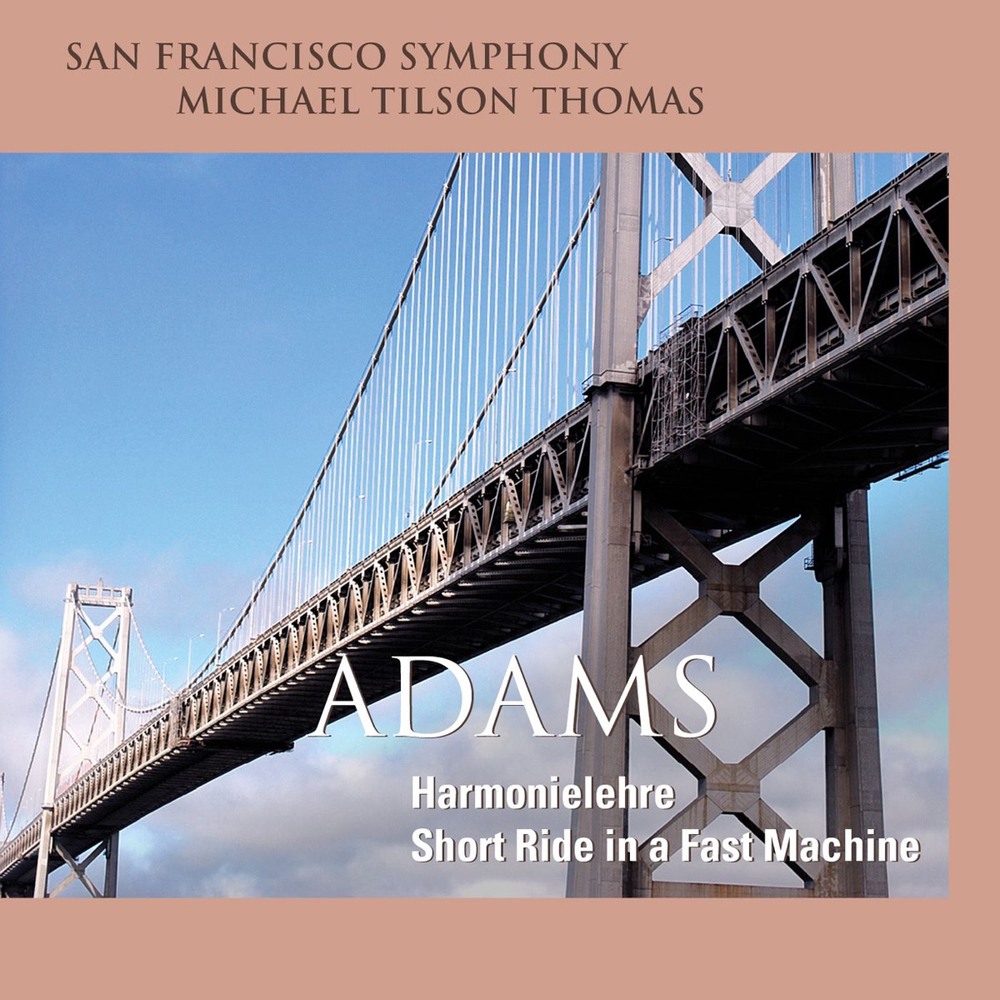
Let’s listen to the brass accents that don’t align with the established beat. When revisiting this piece, focus on the order of overlapping and empty sounds rather than just the tempo. By identifying which voices the repetitive material from *Short Ride in a Fast Machine* moves to, you can also get a sense of the balance presented by Michael Tilson Thomas & San Francisco Symphony. Comparing the lingering echoes at the end of 'Adams *Short Ride in a Fast Machine* — Michael Tilson Thomas & San Francisco Symphony' with the first phrase allows understanding of the emotional shifts within the structure.

The track connected to 'Adams *Short Ride in a Fast Machine* — Michael Tilson Thomas & San Francisco Symphony' is from *Adams: Harmonielehre & Short Ride in a Fast Machine*. This selection is introduced under the criteria of 'Minimalist Classics That Change Time with Repeating Notes.' The Apple Music displayed performers for 'Adams *Short Ride in a Fast Machine* — Michael Tilson Thomas & San Francisco Symphony' are Michael Tilson Thomas & San Francisco Symphony, with a release year of 2012, which may differ from when John Adams composed the piece, and is used for recording information only in the context of 'Minimalist Classics That Change Time with Repeating Notes.' When looking for different editions of works like 'Adams *Short Ride in a Fast Machine* — Michael Tilson Thomas & San Francisco Symphony,' it's essential to verify the piece’s name, performers, and recorded albums to avoid confusion and to grasp the context of 'Minimalist Classics That Change Time with Repeating Notes.'

연주자 Michael Tilson Thomas & San Francisco Symphony 작곡가 John Adams 작품 Short Ride in a Fast Machine 표시 발매 연도 2012 수록 음반 Adams: Harmonielehre & Short Ride in a Fast Machine 형식 음원 감상 포인트 목판의 고정 박동 위로 관현악 패턴이 계속 겹쳐 속도감과 긴장을 만든다. 듣기 팁 일정한 박과 어긋나는 금관 악센트를 나눠 들어보자.
바로가기
Pärt 《Spiegel im Spiegel》 — Dubeau·La Pietà

Pärt 《Spiegel im Spiegel》 — Dubeau·La Pietà

Pärt *Spiegel im Spiegel* — La Pietà & Angèle Dubeau

Listen to the reverberations and breaths left after each note rather than the destination of the melody. Next, check what the accompaniment and background voices are doing at the same moment in 'Pärt *Spiegel im Spiegel* — La Pietà & Angèle Dubeau.' Following the process where the materials presented before return in different instruments and registers reveals the natural design of *Spiegel im Spiegel*. Marking where La Pietà & Angèle Dubeau place their accents will provide a basis for comparison with other performances.

The track connected to 'Pärt *Spiegel im Spiegel* — La Pietà & Angèle Dubeau' is from *Pärt: Portrait*. This selection is introduced under the criteria of 'Minimalist Classics That Change Time with Repeating Notes.' The Apple Music displayed performers for 'Pärt *Spiegel im Spiegel* — La Pietà & Angèle Dubeau' are La Pietà & Angèle Dubeau, with a release year of 2003, which may differ from when Arvo Pärt composed the piece, and is used for recording information only in the context of 'Minimalist Classics That Change Time with Repeating Notes.' When looking for different editions of works like 'Pärt *Spiegel im Spiegel* — La Pietà & Angèle Dubeau,' it's important to verify the piece’s name, performers, and recorded albums to avoid confusion and understand the context of 'Minimalist Classics That Change Time with Repeating Notes.'
연주자 La Pietà & Angèle Dubeau 작곡가 Arvo Pärt 작품 Spiegel im Spiegel 표시 발매 연도 2003 수록 음반 Pärt: Portrait 형식 음원 감상 포인트 단순한 음계와 종소리 같은 피아노 화음이 침묵을 포함한 느린 시간을 만든다. 듣기 팁 선율의 도착점보다 각 음 뒤에 남는 잔향과 호흡을 들어보자.
바로가기
Max Richter 《On the Nature of Daylight》 — Richter et al.

Max Richter 《On the Nature of Daylight》 — Richter et al.

Richter *On the Nature of Daylight* — Max Richter et al.

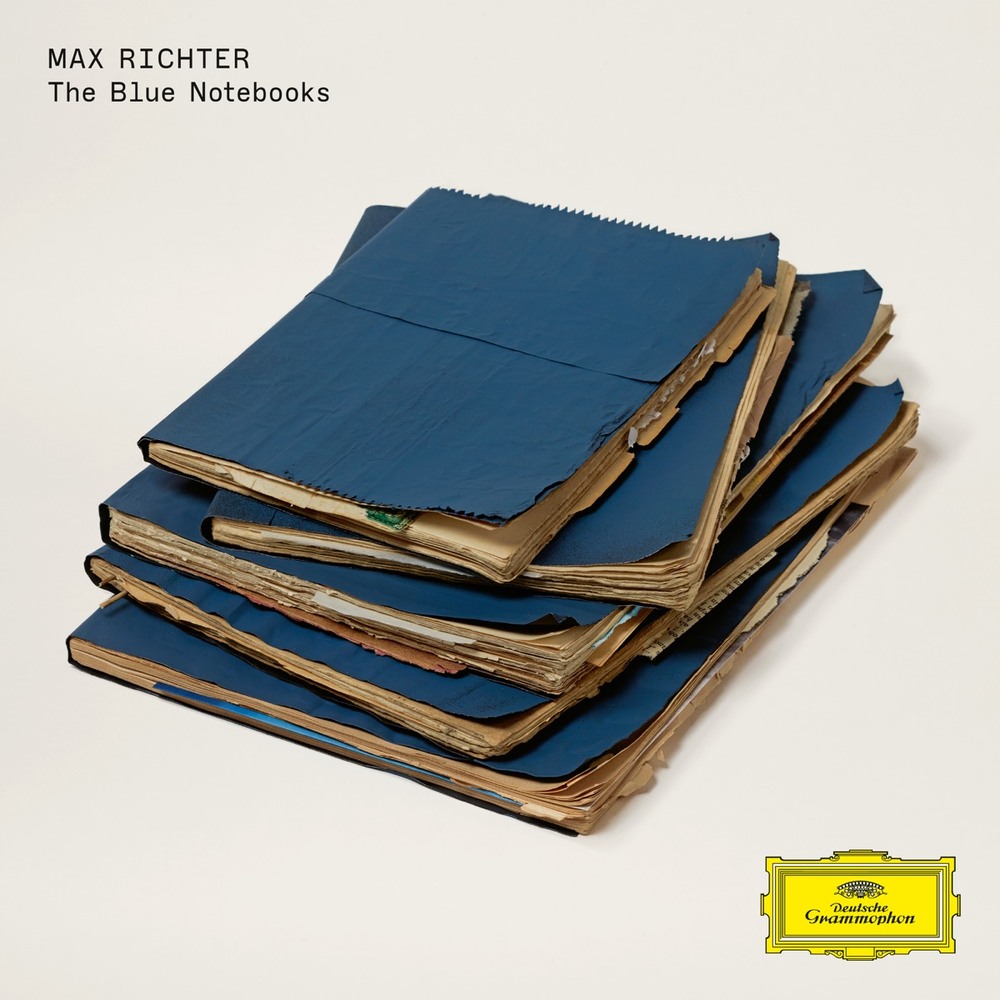
Observe how the number of voices and registers change when the same chords return. When you listen to 'Richter *On the Nature of Daylight* — Max Richter et al.' again, try to find the lowest and longest notes respectively. The points where these two elements meet determine the tension and relaxation in *On the Nature of Daylight*, revealing the interpretations of Max Richter, Louisa Fuller, Natalia Bonner, John Metcalfe, Philip Sheppard & Chris Worsey. Comparing the length of breaths and reverberations rather than the volume in 'Richter *On the Nature of Daylight* — Max Richter et al.' clearly shows why this version was chosen.

The track connected to 'Richter *On the Nature of Daylight* — Max Richter et al.' is from *The Blue Notebooks (15 Years)*. This selection is introduced under the criteria of 'Minimalist Classics That Change Time with Repeating Notes.' The Apple Music displayed performers for 'Richter *On the Nature of Daylight* — Max Richter et al.' include Max Richter, Louisa Fuller, Natalia Bonner, John Metcalfe, Philip Sheppard & Chris Worsey, with a release year of 2004, which may differ from when Max Richter wrote the piece, and is used for recording information only in the context of 'Minimalist Classics That Change Time with Repeating Notes.' When looking for different editions of works like 'Richter *On the Nature of Daylight* — Max Richter et al.,' cross-referencing the piece’s name, performers, and recorded albums is necessary to avoid confusion with the same recordings and reissues, as well as to grasp the context of 'Minimalist Classics That Change Time with Repeating Notes.'
연주자 Max Richter, Louisa Fuller, Natalia Bonner, John Metcalfe, Philip Sheppard & Chris Worsey 작곡가 Max Richter 작품 On the Nature of Daylight 표시 발매 연도 2004 수록 음반 The Blue Notebooks (15 Years) 형식 음원 감상 포인트 반복되는 현악 화음 위로 긴 선율이 쌓여 절제된 슬픔을 확장한다. 듣기 팁 같은 화음이 돌아올 때 성부 수와 음역이 어떻게 달라지는지 살펴보자.
바로가기
Cage 《In a Landscape》 — Stephen Drury

Cage 《In a Landscape》 — Stephen Drury

Cage *In a Landscape* — Stephen Drury

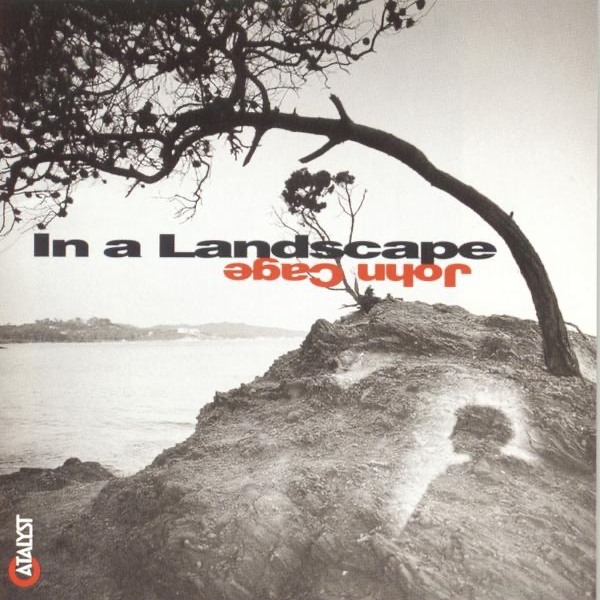
Listen to how the next note overlaps with the previous one amid the echoes sustained by the pedal. Next, check if the instrument initiating the theme and the one concluding it are the same in 'Cage *In a Landscape* — Stephen Drury.' *In a Landscape* moves forward by repeating small gestures while changing the density of the background. Hearing where Stephen Drury emphasizes those changes allows you to describe the character of this version beyond simple atmospheric appreciation.

The track connected to 'Cage *In a Landscape* — Stephen Drury' is from *In a Landscape: Piano Music of John Cage*. This selection is introduced under the criteria of 'Minimalist Classics That Change Time with Repeating Notes.' The Apple Music displayed performer for 'Cage *In a Landscape* — Stephen Drury' is Stephen Drury, with a release year of 1994, which may differ from when John Cage composed the piece, and is used for recording information only in the context of 'Minimalist Classics That Change Time with Repeating Notes.' When searching for different editions of works like 'Cage *In a Landscape* — Stephen Drury,' it’s essential to check the piece’s name, performers, and recorded albums together to avoid confusion and to understand the context of 'Minimalist Classics That Change Time with Repeating Notes.'
연주자 Stephen Drury 작곡가 John Cage 작품 In a Landscape 표시 발매 연도 1994 수록 음반 In a Landscape: Piano Music of John Cage 형식 음원 감상 포인트 규칙적인 흐름과 부드러운 울림이 움직임보다 공간의 감각을 앞세운다. 듣기 팁 페달로 이어진 잔향 속에서 다음 음이 이전 음과 겹치는 방식을 들어보자.
바로가기
Terry Riley 《In C》 — Riley·SUNY Buffalo Performers

Terry Riley 《In C》 — Riley·SUNY Buffalo Performers

Riley *In C* — Riley & SUNY Buffalo Performers

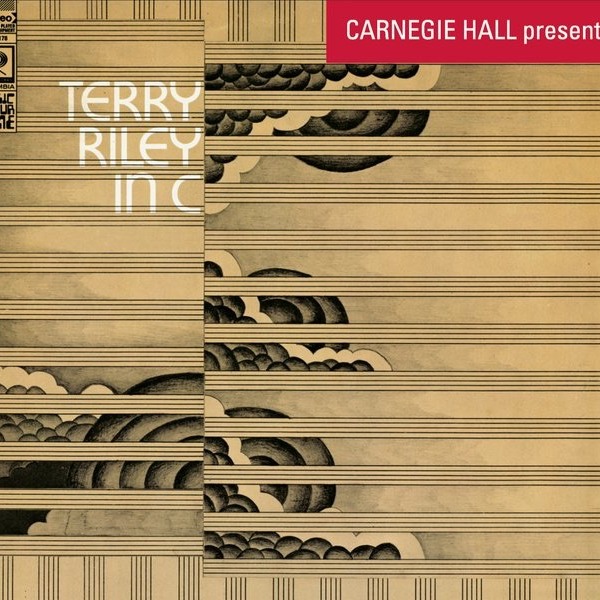
Find out how the overall texture shakes when someone transitions to the next pattern. In 'Riley *In C* — Riley & SUNY Buffalo Performers,' when the same phrases repeat, decide on one aspect of speed or dynamics to compare. Narrowing your focus based on the choices of Terry Riley & Members of the Creative & Performing Arts at SUNY-Buffalo will help you not miss out on the inner voices and rhythms in *In C*. Finally, listen to the entire flow of 'Riley *In C* — Riley & SUNY Buffalo Performers' again to see how the details influenced the impression of the piece.

The track connected to 'Riley *In C* — Riley & SUNY Buffalo Performers' is from *Terry Riley: In C*. This selection is introduced under the criteria of 'Minimalist Classics That Change Time with Repeating Notes.' The Apple Music displayed performers for 'Riley *In C* — Riley & SUNY Buffalo Performers' are Terry Riley & Members of the Creative & Performing Arts at SUNY-Buffalo, with a release year of 1999, which may differ from when Terry Riley composed the piece, and is used for recording information only in the context of 'Minimalist Classics That Change Time with Repeating Notes.' When looking for different editions of works like 'Riley *In C* — Riley & SUNY Buffalo Performers,' it’s important to cross-check the piece’s name, performers, and recorded albums to avoid confusion with the same recordings and reissues, as well as to better comprehend the context of 'Minimalist Classics That Change Time with Repeating Notes.'
연주자 Terry Riley & Members of the Creative & Performing Arts at SUNY-Buffalo 작곡가 Terry Riley 작품 In C 표시 발매 연도 1999 수록 음반 Terry Riley: In C 형식 음원 감상 포인트 짧은 53개 패턴을 연주자들이 각자 이동하며 집단적 변화를 만든다. 듣기 팁 누군가 다음 패턴으로 넘어갈 때 전체 질감이 어떻게 흔들리는지 찾아보자.
바로가기
Nyman 《The Heart Asks Pleasure First》 — Michael Nyman

Nyman 《The Heart Asks Pleasure First》 — Michael Nyman

Nyman - 'The Heart Asks Pleasure First' - Michael Nyman

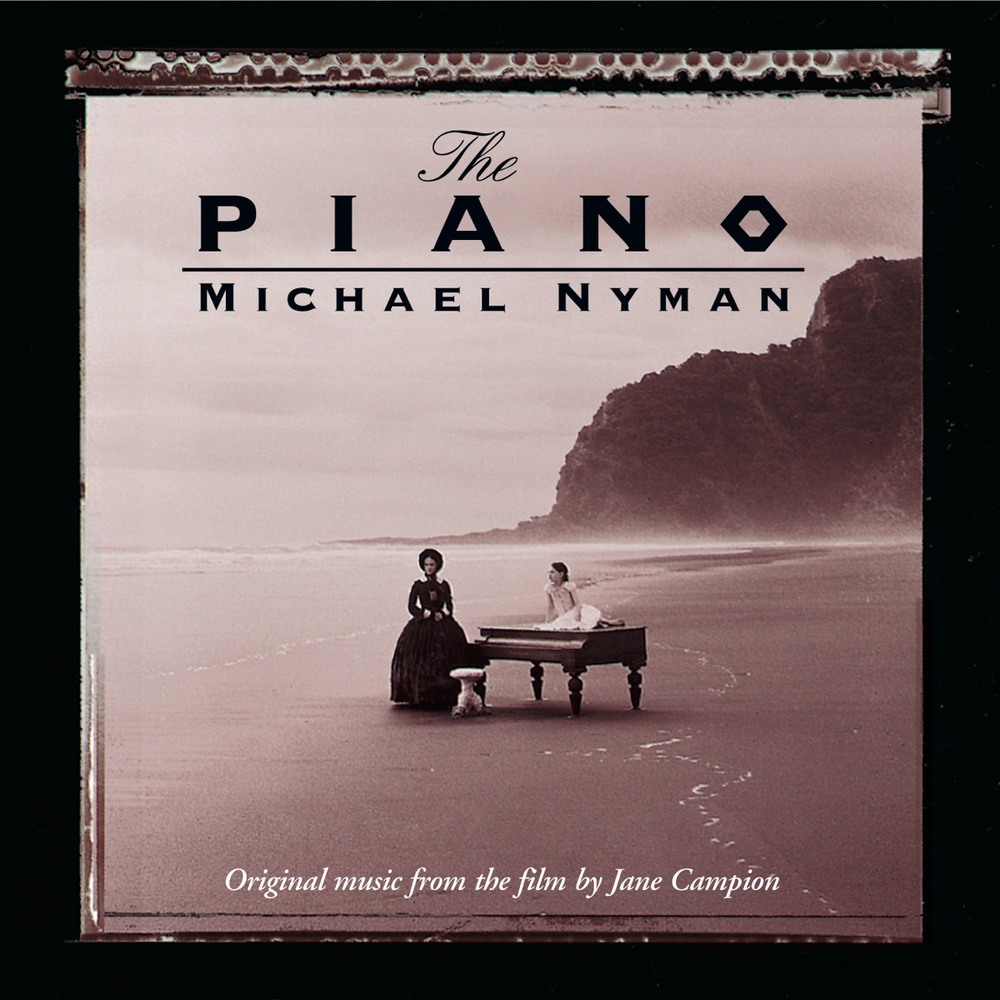
Let's listen to how the length of the melody in the right hand changes while maintaining the rhythm in the left hand. In the first listening of 'Nyman - The Heart Asks Pleasure First - Michael Nyman', find a guiding sound, and in the next listening, add surrounding voices and silence. You can hear how Michael Nyman adjusts the tempo and timbre as 'The Heart Asks Pleasure First' progresses towards its climax. By comparing the beginning and ending resonance of 'Nyman - The Heart Asks Pleasure First - Michael Nyman', the sense of distance and time created by the piece becomes clear.

The track connected to 'Nyman - The Heart Asks Pleasure First - Michael Nyman' is the actual sound recording featured in 'The Piano' and was introduced as 'Nyman - The Heart Asks Pleasure First - Michael Nyman' according to the selection criteria of 'minimalist classics where a few repeating notes change time'. The performing artist listed on Apple Music for 'Nyman - The Heart Asks Pleasure First - Michael Nyman' is Michael Nyman, and the release year is 1993; however, this date may differ from when Michael Nyman composed the piece, so in the context of 'minimalist classics where a few repeating notes change time', it is used solely for recording information. When looking for different versions of pieces like 'Nyman - The Heart Asks Pleasure First - Michael Nyman', it’s important to check the piece name, artist, and recorded album to avoid confusion between the same recordings and reissues, and to also understand the context of 'minimalist classics where a few repeating notes change time'.
연주자 Michael Nyman 작곡가 Michael Nyman 작품 The Heart Asks Pleasure First 표시 발매 연도 1993 수록 음반 The Piano 형식 음원 감상 포인트 빠른 피아노 패턴과 반복 선율이 영화적 긴장과 서정을 동시에 만든다. 듣기 팁 왼손 리듬이 유지되는 동안 오른손 선율의 길이가 어떻게 변하는지 들어보자.
바로가기
At first, rather than trying to endure the length of the entire piece, let’s see if you can record just one changed element over the course of one minute. Check if an instrument was added, if a stress moved, or if the harmony brightened — this will reveal that repetition sounds like a slow motion rather than a halt. Switching between rhythm-centered works and slow, melody-centered pieces will help you understand how different the physical pulse and meditative time can be, even within minimalism.

The linked tracks are confirmed versions from Apple Music with actual performers and recorded albums. The displayed year may differ from the original premiere or composition year, and pieces used in films are distinguished from the original album and soundtrack versions. For pieces you like, try listening to the unedited extended version and, if possible, avoid starting from the middle to experience the layering from the beginning. The time it takes for changes to arrive is the key, rather than the size of the change.
한눈에 보기 8개
Reich 《Music for 18 Musicians》 — Steve Reich Ensemble
Steve Reich Ensemble · Steve Reich · Music for 18 Musicians · 1978 · Reich: Music for 18 Musicians · 음원 · 맥박과 화음 주기가 겹치며 작은 변화로 한 시간의 흐름을 조직한다. · 한 악기가 아니라 숨소리 같은 공통 박동과 화음 전환 신호를 따라가 보자.
Glass 《Glassworks》 ‘Opening’ — Víkingur Ólafsson
Víkingur Ólafsson · Philip Glass · Glassworks: Opening · 2017 · Philip Glass: Piano Works · 음원 · 분산화음이 반복되면서 안쪽 음 하나의 이동으로 정서가 서서히 바뀐다. · 왼손의 일정한 패턴 위에서 오른손 화음이 바뀌는 순간을 표시해보자.
Adams 《Short Ride in a Fast Machine》 — Tilson Thomas·San Francisco
Michael Tilson Thomas & San Francisco Symphony · John Adams · Short Ride in a Fast Machine · 2012 · Adams: Harmonielehre & Short Ride in a Fast Machine · 음원 · 목판의 고정 박동 위로 관현악 패턴이 계속 겹쳐 속도감과 긴장을 만든다. · 일정한 박과 어긋나는 금관 악센트를 나눠 들어보자.
Pärt 《Spiegel im Spiegel》 — Dubeau·La Pietà
La Pietà & Angèle Dubeau · Arvo Pärt · Spiegel im Spiegel · 2003 · Pärt: Portrait · 음원 · 단순한 음계와 종소리 같은 피아노 화음이 침묵을 포함한 느린 시간을 만든다. · 선율의 도착점보다 각 음 뒤에 남는 잔향과 호흡을 들어보자.
Max Richter 《On the Nature of Daylight》 — Richter et al.
Max Richter, Louisa Fuller, Natalia Bonner, John Metcalfe, Philip Sheppard & Chris Worsey · Max Richter · On the Nature of Daylight · 2004 · The Blue Notebooks (15 Years) · 음원 · 반복되는 현악 화음 위로 긴 선율이 쌓여 절제된 슬픔을 확장한다. · 같은 화음이 돌아올 때 성부 수와 음역이 어떻게 달라지는지 살펴보자.
Cage 《In a Landscape》 — Stephen Drury
Stephen Drury · John Cage · In a Landscape · 1994 · In a Landscape: Piano Music of John Cage · 음원 · 규칙적인 흐름과 부드러운 울림이 움직임보다 공간의 감각을 앞세운다. · 페달로 이어진 잔향 속에서 다음 음이 이전 음과 겹치는 방식을 들어보자.
Terry Riley 《In C》 — Riley·SUNY Buffalo Performers
Terry Riley & Members of the Creative & Performing Arts at SUNY-Buffalo · Terry Riley · In C · 1999 · Terry Riley: In C · 음원 · 짧은 53개 패턴을 연주자들이 각자 이동하며 집단적 변화를 만든다. · 누군가 다음 패턴으로 넘어갈 때 전체 질감이 어떻게 흔들리는지 찾아보자.
Nyman 《The Heart Asks Pleasure First》 — Michael Nyman
Michael Nyman · Michael Nyman · The Heart Asks Pleasure First · 1993 · The Piano · 음원 · 빠른 피아노 패턴과 반복 선율이 영화적 긴장과 서정을 동시에 만든다. · 왼손 리듬이 유지되는 동안 오른손 선율의 길이가 어떻게 변하는지 들어보자.

이 포스팅은 쿠팡 파트너스 활동의 일환으로, 이에 따른 일정액의 수수료를 제공받습니다.

댓글 0

로그인 후 댓글을 작성할 수 있습니다.

첫 댓글을 남겨보세요.

이런 리스트는 어때요?

이런 리스트도 추천해요

🎲

여기서 멈추기엔 아쉽잖아?

다음에 뭘 볼지 고민하는 시간이 제일 아까워.
주사위가 대신 골라줄게 — 무슨 리스트가 튀어나올지는 굴려봐야 알지.
안 누르면… 평생 궁금하지 않겠어? 👀

All menu
Login required
Log in
Categories
Language
Display mode
✦ ✦ ✦ ✦ ✦

Drum roll… picking a list!

모하지
Use Mohazi as an app
Open it from your home screen and browse faster.
On iPhone, tap the Share button at the bottom of Safari, then choose “Add to Home Screen” to use it like an app.