Variations with the Same Theme Returning with Different Faces
Collection Classical 2026.09.27

Variations with the Same Theme Returning with Different Faces

A real classical audio journey through the changes in melody, rhythm, harmony, and instrumentation

Variations are a form where you recall a theme and enjoy its transformation. Composers may leave the melody intact while changing the accompaniment, break down the rhythm, or flip harmonies, making the original version almost unrecognizable. By focusing on the remaining notes, bass lines, and phrasing lengths, you can discover traces of the theme even in unfamiliar variations.

This list encompasses a wide range from Bach's Goldberg Variations to Beethoven's Diabelli Variations, Brahms' and Elgar's orchestral variations, Rachmaninoff's concert-like transformations, Britten's introduction to instruments, Ravel's relentless repetitions, and Ives' humor. Each audio selection features clear segments that represent the overall theme or its variations. It is structured to begin with familiar melodies and compare how composers adjust character and scale.
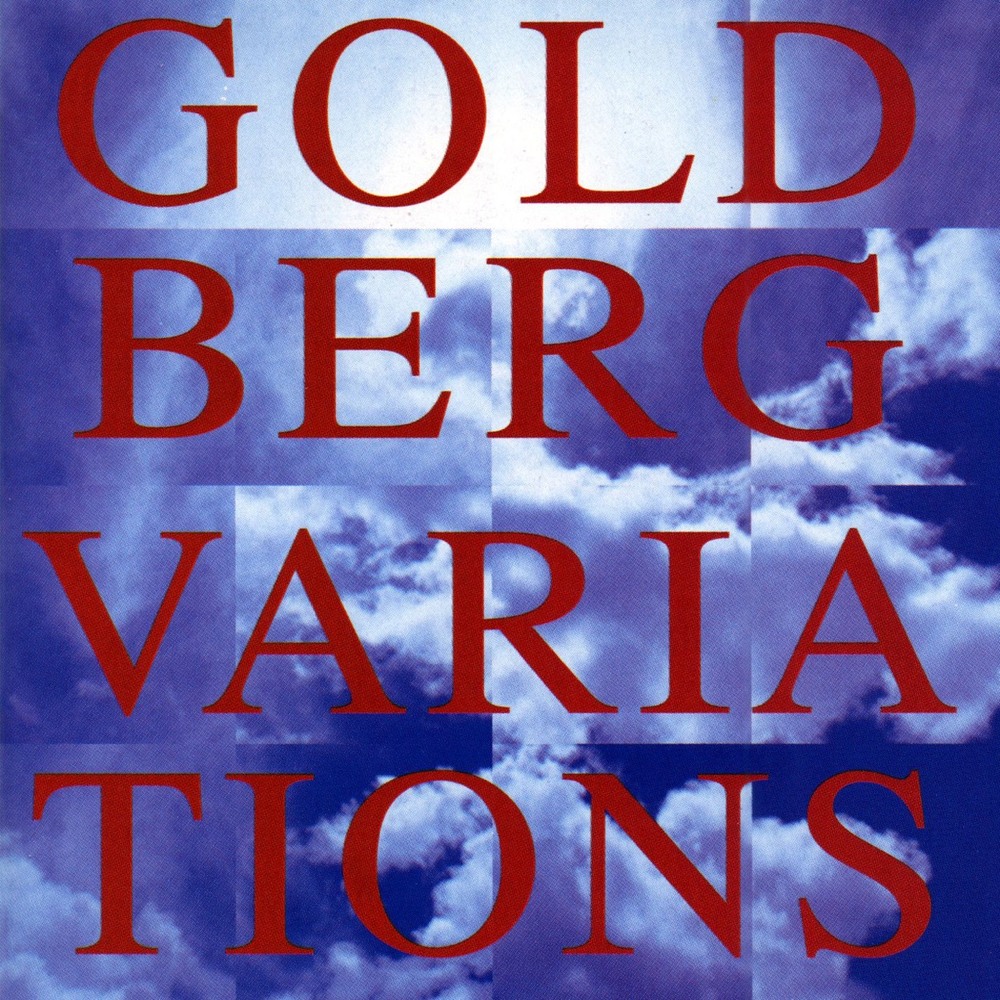
Bach 'Goldberg Variations' Aria — New European Strings

Bach 'Goldberg Variations' Aria — New European Strings

Bach Goldberg Variations Aria — New European Strings

First, remember the progression and lengths of the lower notes rather than the ornamented melody. On your first listen to ‘Bach Goldberg Variations Aria — New European Strings’, follow the guided points and, on the second listen, widen your focus to include the bass and inner voices. This way, you will grasp the structure of Goldberg Variations: Aria and the phrasing chosen by the New European Strings Chamber Orchestra together. Instead of waiting for famous passages, marking moments where timbres change allows you to follow the direction of the piece.

The track connecting ‘Bach Goldberg Variations Aria — New European Strings’ to the actual audio included in ‘Bach: Goldberg Variations’ has been introduced in line with the criteria for ‘Variations with the Same Theme Returning with Different Faces’. The artist credited on Apple Music for ‘Bach Goldberg Variations Aria — New European Strings’ is the New European Strings Chamber Orchestra, and the release year is 1995; note that this date may differ from when Johann Sebastian Bach composed the piece, hence being used for recording information only in the context of ‘Variations with the Same Theme Returning with Different Faces’. When looking for other versions of works like ‘Bach Goldberg Variations Aria — New European Strings’, remember to check the title, performing artist, and album to avoid confusion between recordings and re-releases, while also clarifying the context of ‘Variations with the Same Theme Returning with Different Faces’.
연주자 New European Strings Chamber Orchestra 작곡가 Johann Sebastian Bach 작품 Goldberg Variations: Aria 표시 발매 연도 1995 수록 음반 Bach: Goldberg Variations 형식 음원 감상 포인트 느린 사라반드의 베이스와 화성 진행이 뒤따를 서른 변주의 토대가 된다. 듣기 팁 장식 선율보다 낮은 음의 진행과 문장 길이를 먼저 기억해두자.
바로가기
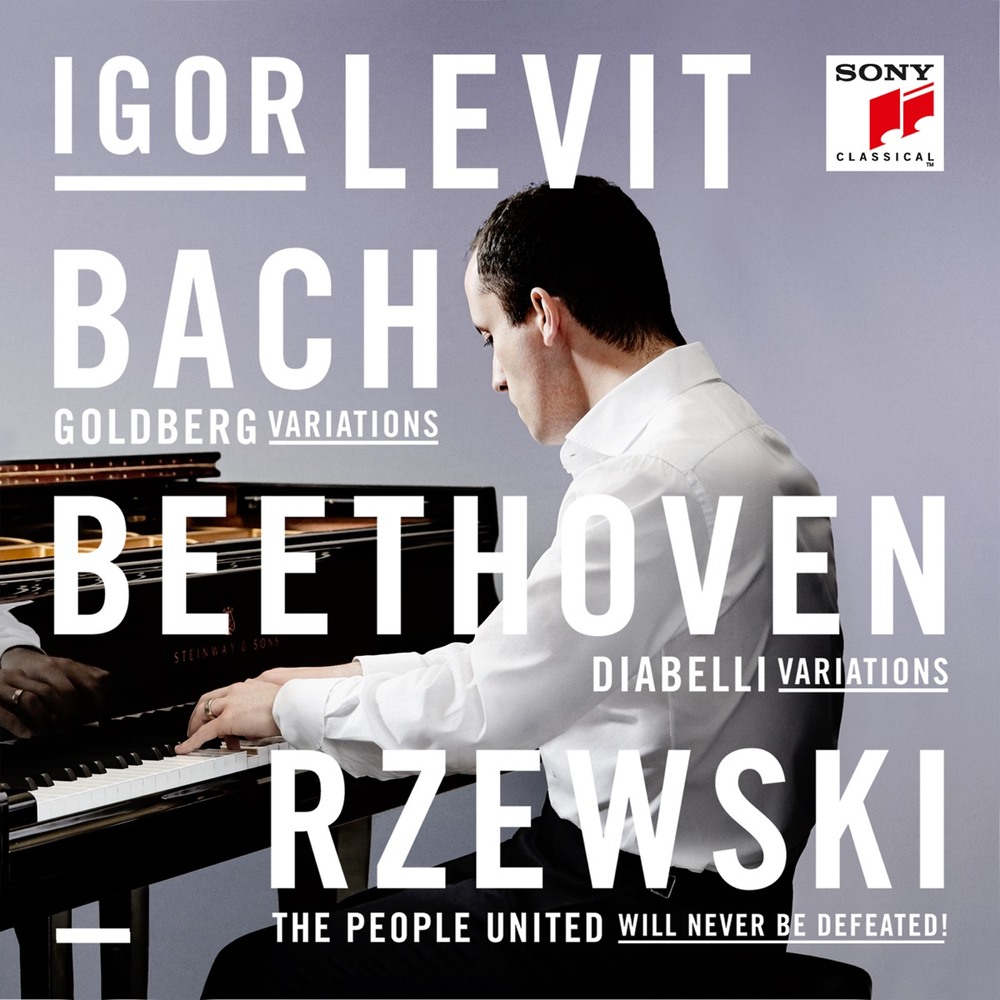
Beethoven 'Diabelli Variations' Theme — Igor Levit

Beethoven 'Diabelli Variations' Theme — Igor Levit

Beethoven Diabelli Variations Theme — Igor Levit

Remember the rhythm of the first two measures and the sudden harmonies, then compare them to subsequent variations. In ‘Beethoven Diabelli Variations Theme — Igor Levit’, when the same motif reappears, observe whether the pitch range and emphasis change. Igor Levit’s performance showcases the larger flow of Diabelli Variations: Theme through the connections of each part rather than exaggerating it. Finally, return to the beginning of ‘Beethoven Diabelli Variations Theme — Igor Levit’ and compare it with your first impressions to clarify its structure.

The track connecting ‘Beethoven Diabelli Variations Theme — Igor Levit’ to the actual audio included in ‘Bach, Beethoven, Rzewski’ is introduced according to the criteria for ‘Variations with the Same Theme Returning with Different Faces’. The artist credited on Apple Music for ‘Beethoven Diabelli Variations Theme — Igor Levit’ is Igor Levit, and the release year is 2015. This date may differ from when Ludwig van Beethoven composed the piece, so it is used for recording information only in the context of ‘Variations with the Same Theme Returning with Different Faces’. When looking for other versions of works like ‘Beethoven Diabelli Variations Theme — Igor Levit’, check the title, performing artist, and album to prevent confusion with recordings and re-releases while clarifying the context of ‘Variations with the Same Theme Returning with Different Faces’.
연주자 Igor Levit 작곡가 Ludwig van Beethoven 작품 Diabelli Variations: Theme 표시 발매 연도 2015 수록 음반 Bach, Beethoven, Rzewski 형식 음원 감상 포인트 평범한 왈츠의 반복과 강세가 거대한 변주 전체의 출발 재료를 제공한다. 듣기 팁 첫 두 마디의 리듬과 갑작스러운 화음을 기억한 뒤 후속 변주와 비교해보자.
바로가기
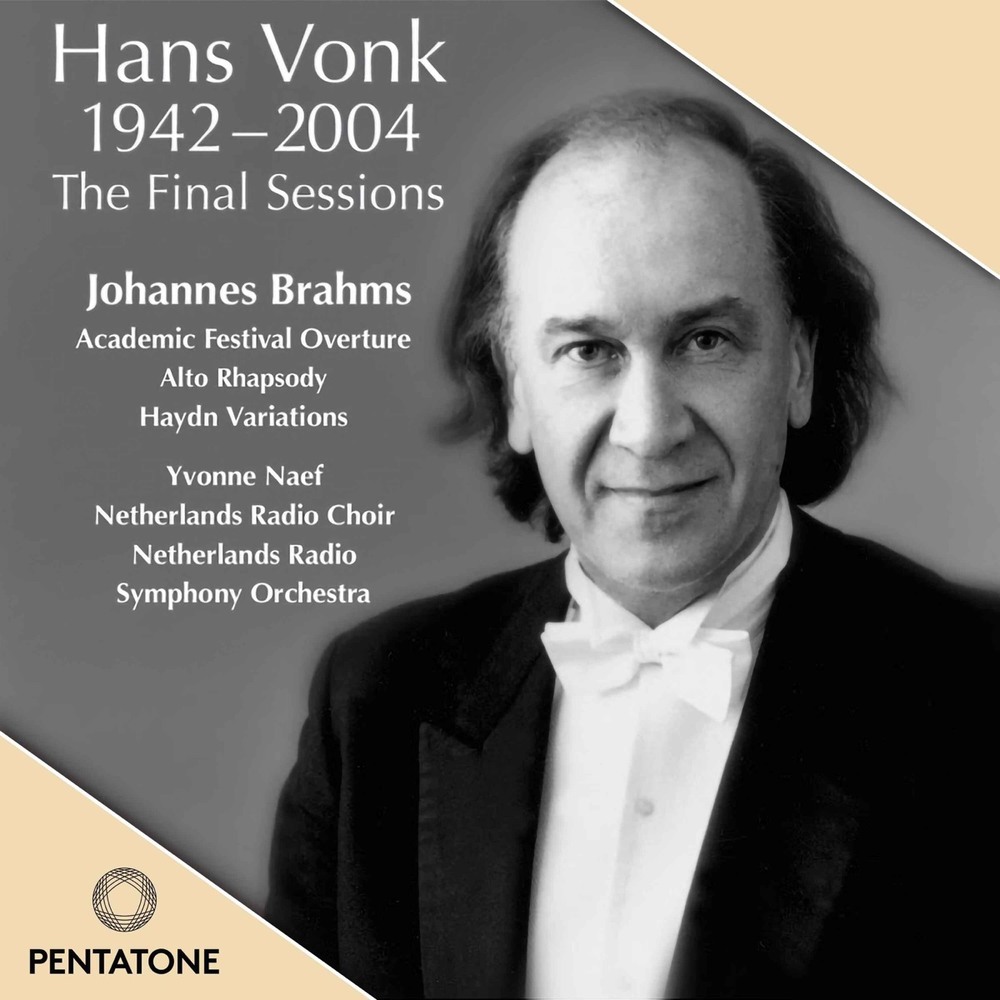
Brahms 'Variations on a Theme by Haydn' Variation 10 — Hans Vonk

Brahms 'Variations on a Theme by Haydn' Variation 10 — Hans Vonk

Brahms Variations on a Theme by Haydn Variation 10 — Hans Vonk

Follow the order in which instruments are added over the repeated bass. When listening to this audio again, focus on the overlaps and empty spaces rather than the tempo. Finding which part the repeated material of Variations on a Theme by Haydn: Variation 10 moves to will highlight the balance sense of Netherlands Radio Symphony Orchestra & Hans Vonk. Comparing the reverberation at the end of ‘Brahms Variations on a Theme by Haydn Variation 10 — Hans Vonk’ with the first phrase will help you understand the shift in emotions within the structure.

The track connecting ‘Brahms Variations on a Theme by Haydn Variation 10 — Hans Vonk’ to the actual audio included in ‘Brahms: Haydn Variations’ has been introduced based on the criteria for ‘Variations with the Same Theme Returning with Different Faces’. The artists credited on Apple Music for ‘Brahms Variations on a Theme by Haydn Variation 10 — Hans Vonk’ are Netherlands Radio Symphony Orchestra & Hans Vonk, and the release year is 2005. This date may differ from when Johannes Brahms composed the piece, so it’s used for recording information only in the context of ‘Variations with the Same Theme Returning with Different Faces’. When looking for other versions of works like ‘Brahms Variations on a Theme by Haydn Variation 10 — Hans Vonk’, ensure to check the title, performing artist, and album to prevent confusion between recordings and re-releases, while clarifying the context of ‘Variations with the Same Theme Returning with Different Faces’.
연주자 Netherlands Radio Symphony Orchestra & Hans Vonk 작곡가 Johannes Brahms 작품 Variations on a Theme by Haydn: Variation 10 표시 발매 연도 2005 수록 음반 Brahms: Haydn Variations 형식 음원 감상 포인트 주제의 화성 골격을 유지하면서 관현악의 속도와 무게를 피날레 직전까지 키운다. 듣기 팁 베이스의 반복 위로 악기가 추가되는 순서를 따라가 보자.
바로가기
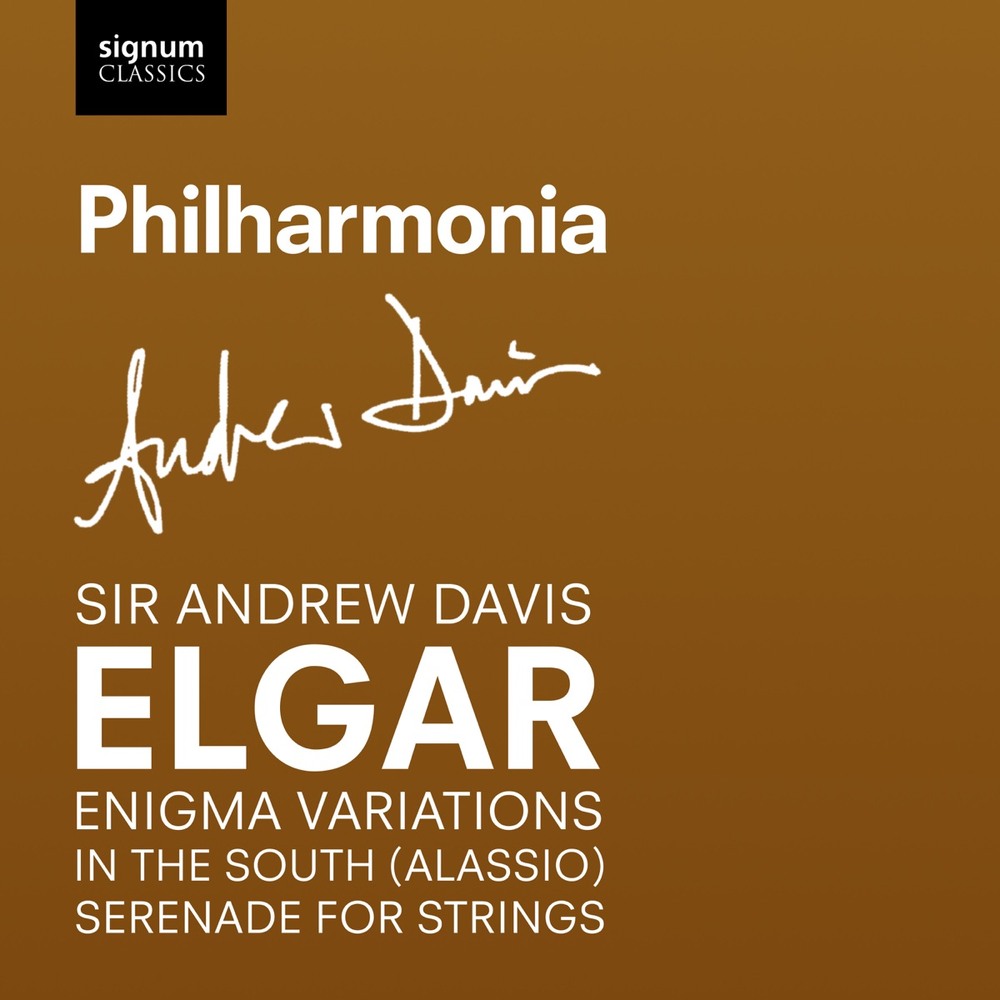
Elgar 'Enigma Variations' Theme — Andrew Davis & Philharmonia

Elgar 'Enigma Variations' Theme — Andrew Davis & Philharmonia

Elgar Enigma Variations Theme — Andrew Davis·Philharmonia

Remember the expressions of the first theme where major and minor are intertwined. Next, listen to what the accompaniment and background voices are doing simultaneously in ‘Elgar Enigma Variations Theme — Andrew Davis·Philharmonia’. Following the process of earlier materials returning in different instruments and pitch ranges presents the design of Enigma Variations: Theme naturally. By marking where Sir Andrew Davis & Philharmonia Orchestra stress, you’ll have a point of comparison with other performances.

The track connecting ‘Elgar Enigma Variations Theme — Andrew Davis·Philharmonia’ to the actual audio included in ‘Enigma Variations, In the South, Serenade for Strings’ has been introduced based on the criteria for ‘Variations with the Same Theme Returning with Different Faces’. The artist credited on Apple Music for ‘Elgar Enigma Variations Theme — Andrew Davis·Philharmonia’ is Sir Andrew Davis & Philharmonia Orchestra, and the release year is 2007. This date may differ from when Edward Elgar composed the piece, hence used for recording information only in the context of ‘Variations with the Same Theme Returning with Different Faces’. When looking for other versions of works like ‘Elgar Enigma Variations Theme — Andrew Davis·Philharmonia’, remember to check the title, performing artist, and album to avoid confusion between recordings and re-releases, while clarifying the context of ‘Variations with the Same Theme Returning with Different Faces’.
연주자 Sir Andrew Davis & Philharmonia Orchestra 작곡가 Edward Elgar 작품 Enigma Variations: Theme 표시 발매 연도 2007 수록 음반 Enigma Variations, In the South, Serenade for Strings 형식 음원 감상 포인트 짧고 내성적인 선율이 친구들의 성격을 그리는 열네 변주의 공통 기억이 된다. 듣기 팁 장조와 단조가 교차하는 첫 주제의 표정을 기억해두자.
바로가기
Rachmaninoff Paganini Rhapsody Variation 18 — Trifonov & Philadelphia

Rachmaninoff Paganini Rhapsody Variation 18 — Trifonov & Philadelphia

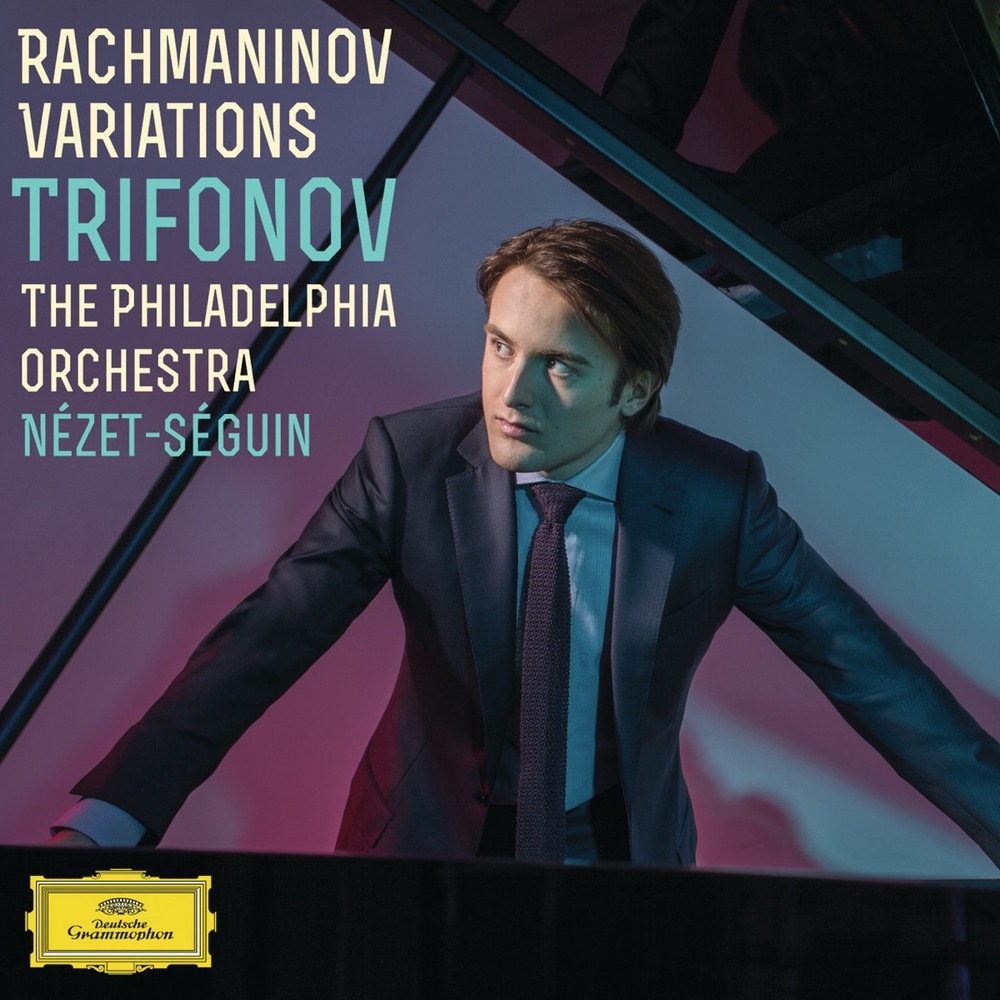
Rachmaninoff Rhapsody on a Theme of Paganini Variation 18 — Trifonov·Philadelphia

Listen for the intervals of the Paganini theme remaining in reverse within the famous melody. When listening again to ‘Rachmaninoff Rhapsody on a Theme of Paganini Variation 18 — Trifonov·Philadelphia’, find the lowest note and the longest note, respectively. The point where these two elements meet determines the tension and relaxation in Rhapsody on a Theme of Paganini: Variation 18, and it’s also where the interpretations of Daniil Trifonov, Yannick Nézet-Séguin & The Philadelphia Orchestra become clear. Comparing the lengths of breaths and reverberation in ‘Rachmaninoff Rhapsody on a Theme of Paganini Variation 18 — Trifonov·Philadelphia’ rather than volume reveals the reason this version was chosen.

The track connecting ‘Rachmaninoff Rhapsody on a Theme of Paganini Variation 18 — Trifonov·Philadelphia’ to the actual audio included in ‘Rachmaninov: Variations’ has been introduced based on the criteria for ‘Variations with the Same Theme Returning with Different Faces’. The artists credited on Apple Music for ‘Rachmaninoff Rhapsody on a Theme of Paganini Variation 18 — Trifonov·Philadelphia’ are Daniil Trifonov, Yannick Nézet-Séguin & The Philadelphia Orchestra, and the release year is 2015; this date may differ from when Sergei Rachmaninoff composed the piece, so it’s for recording information only in the context of ‘Variations with the Same Theme Returning with Different Faces’. When looking for other versions of works like ‘Rachmaninoff Rhapsody on a Theme of Paganini Variation 18 — Trifonov·Philadelphia’, check the title, performing artist, and album together to avoid confusion with recordings and re-releases while clarifying the context of ‘Variations with the Same Theme Returning with Different Faces’.
연주자 Daniil Trifonov, Yannick Nézet-Séguin & The Philadelphia Orchestra 작곡가 Sergei Rachmaninoff 작품 Rhapsody on a Theme of Paganini: Variation 18 표시 발매 연도 2015 수록 음반 Rachmaninov: Variations 형식 음원 감상 포인트 원주제를 뒤집어 느리고 넓은 선율로 바꾸며 가장 극적인 낭만성을 만든다. 듣기 팁 유명한 선율 안에서 파가니니 주제의 음정이 역방향으로 남아 있는지 들어보자.
바로가기
Britten 'Young Person's Guide to the Orchestra' Fugue — Ozawa & Chicago

Britten 'Young Person's Guide to the Orchestra' Fugue — Ozawa & Chicago

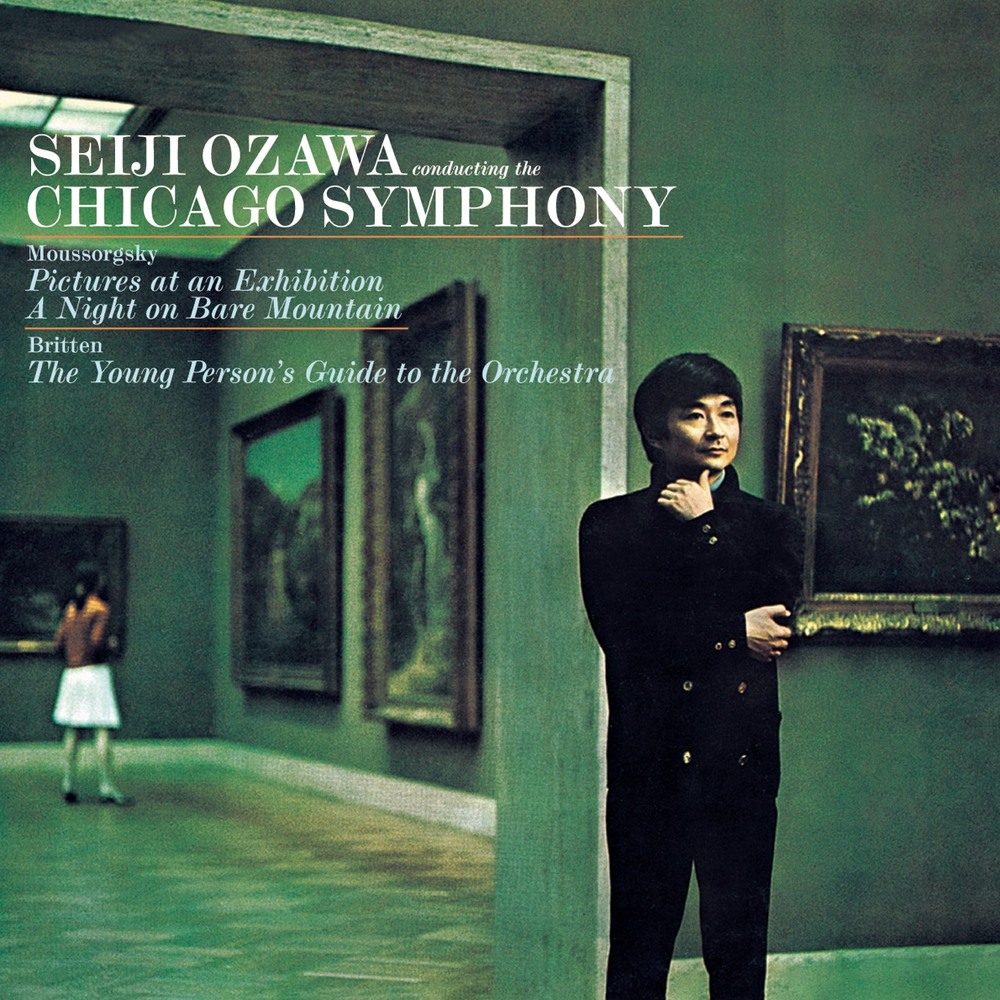
Britten The Young Person's Guide to the Orchestra Fugue — Ozawa·Chicago

Follow the order in which the fugue, starting from the piccolo, descends through the instrument groups. Next, see if the instrument that starts the theme in ‘Britten The Young Person's Guide to the Orchestra Fugue — Ozawa·Chicago’ is the same as the one that ends it. The Young Person's Guide to the Orchestra: Fugue moves forward while repeating small movements and changing the density of the background. Hearing where Seiji Ozawa & Chicago Symphony Orchestra emphasize those changes enables you to articulate the character of this version beyond a simple mood impression.

The track connecting ‘Britten The Young Person's Guide to the Orchestra Fugue — Ozawa·Chicago’ to the actual audio included in ‘Mussorgsky: Pictures at an Exhibition & Britten: Young Person's Guide to the Orchestra’ has been introduced based on the criteria for ‘Variations with the Same Theme Returning with Different Faces’. The artist credited on Apple Music for ‘Britten The Young Person's Guide to the Orchestra Fugue — Ozawa·Chicago’ is Seiji Ozawa & Chicago Symphony Orchestra, and the release year is 2010; this date may differ from when Benjamin Britten composed the piece, hence used for recording details only in the context of ‘Variations with the Same Theme Returning with Different Faces’. When looking for other versions of works like ‘Britten The Young Person's Guide to the Orchestra Fugue — Ozawa·Chicago’, check the title, performing artist, and album to avoid confusion between recordings and re-releases while clarifying the context of ‘Variations with the Same Theme Returning with Different Faces’.
연주자 Seiji Ozawa & Chicago Symphony Orchestra 작곡가 Benjamin Britten 작품 The Young Person's Guide to the Orchestra: Fugue 표시 발매 연도 2010 수록 음반 Mussorgsky: Pictures at an Exhibition & Britten: Young Person's Guide to the Orchestra 형식 음원 감상 포인트 앞서 소개된 악기들이 차례로 주제를 받아 전체 관현악의 피날레로 모인다. 듣기 팁 피콜로에서 시작한 푸가가 어떤 악기군 순서로 낮아지는지 따라가 보자.
바로가기
Ravel 'Boléro' — Karajan & Berlin Philharmonic

Ravel 'Boléro' — Karajan & Berlin Philharmonic

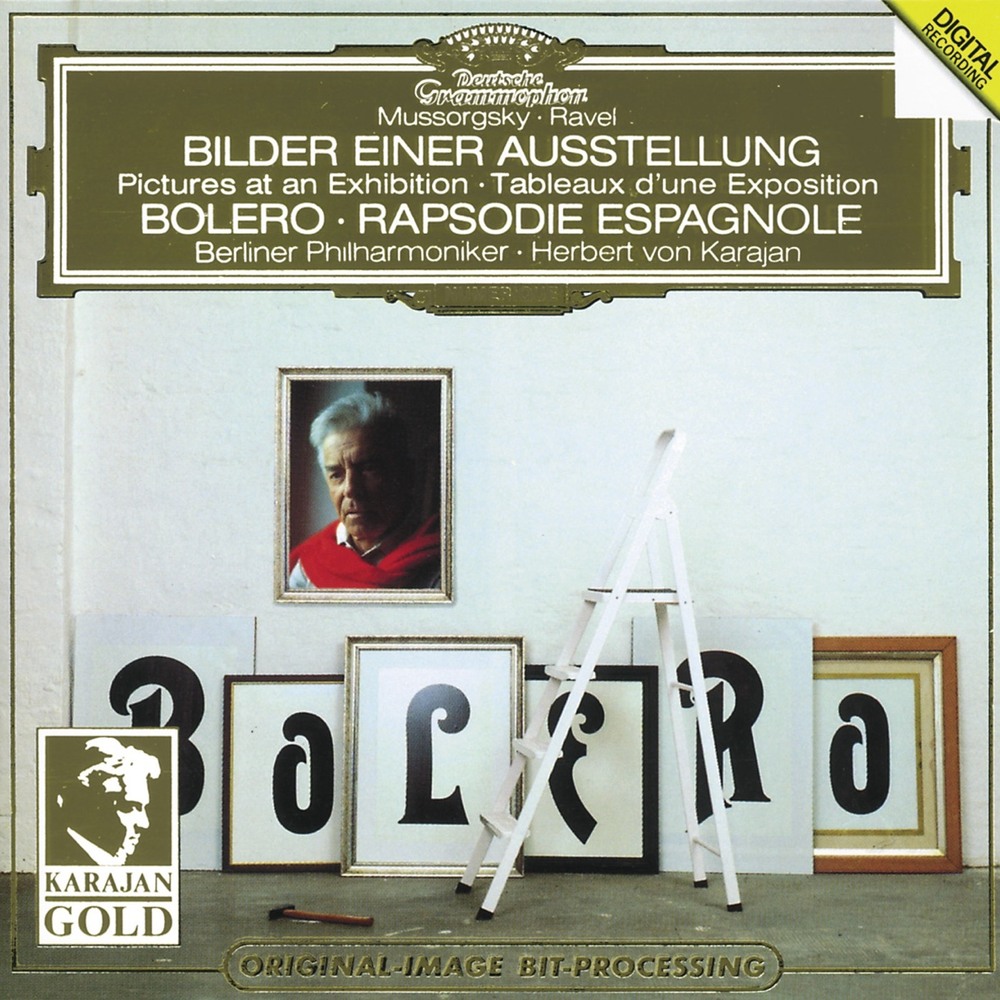
Ravel Boléro — Karajan·Berlin Phil

Listen to how the sound and background combinations of the instruments sharing the same melody change each time. In ‘Ravel Boléro — Karajan·Berlin Phil’, when the same passage repeats, choose one of the tempos or dynamics to compare. Narrowing your focus with the choices made by the Berlin Philharmonic & Herbert von Karajan allows you not to miss the inner voices and rhythms of Boléro. Finally, listen again to the overall flow of ‘Ravel Boléro — Karajan·Berlin Phil’ and check the impact of details on the impression of the piece.

The track connecting ‘Ravel Boléro — Karajan·Berlin Phil’ to the actual audio included in ‘Ravel: Boléro, Rapsodie espagnole - Mussorgsky: Pictures at an Exhibition’ has been introduced based on the criteria for ‘Variations with the Same Theme Returning with Different Faces’. The artist credited on Apple Music for ‘Ravel Boléro — Karajan·Berlin Phil’ is the Berlin Philharmonic & Herbert von Karajan, and the release year is 1987; this date may differ from when Maurice Ravel composed the piece, so it’s used for recording information only in the context of ‘Variations with the Same Theme Returning with Different Faces’. When looking for other versions of works like ‘Ravel Boléro — Karajan·Berlin Phil’, remember to check the title, performing artist, and album to avoid confusion with recordings and re-releases while clarifying the context of ‘Variations with the Same Theme Returning with Different Faces’.

연주자 Berlin Philharmonic & Herbert von Karajan 작곡가 Maurice Ravel 작품 Boléro 표시 발매 연도 1987 수록 음반 Ravel: Boléro, Rapsodie espagnole - Mussorgsky: Pictures at an Exhibition 형식 음원 감상 포인트 리듬과 선율을 거의 바꾸지 않고 악기 편성과 음량만으로 거대한 변화를 만든다. 듣기 팁 같은 선율을 맡는 악기의 음색과 배경 조합이 매번 어떻게 달라지는지 들어보자.
바로가기
Ives 'Variations on America' — Fiedler & Boston Pops

Ives 'Variations on America' — Fiedler & Boston Pops

Ives' Variations on America — Fiedler & Boston Pops

Let's find the moment when a familiar melody suddenly shakes with an unfamiliar harmony and rhythm. In your first listen to 'Ives' Variations on America — Fiedler & Boston Pops', try to identify one guiding sound, and then in your next listen, add the surrounding voices and silence. You'll be able to hear how Arthur Fiedler & the Boston Pops Orchestra adjust tempo and tone as Variations on America approaches its climax. When you compare the beginning and ending resonances of 'Ives' Variations on America — Fiedler & Boston Pops', you'll get a clear sense of the distance and time the piece creates.

The track connecting to 'Ives' Variations on America — Fiedler & Boston Pops' is the actual recording included in 'America the Beautiful', chosen according to the criteria of 'variations that return the same theme with a different face'. The performing artists listed on Apple Music for 'Ives' Variations on America — Fiedler & Boston Pops' are Arthur Fiedler & the Boston Pops Orchestra, and the release year is 1994. However, this date may differ from when Charles Ives wrote the piece, so for 'variations that return the same theme with a different face', it's used only as recording information. When looking for other versions of works like 'Ives' Variations on America — Fiedler & Boston Pops', it's essential to verify the work title, performer, and album together to avoid confusion between the same recording and reissues, and also to check the context of 'variations that return the same theme with a different face'.
연주자 Arthur Fiedler & Boston Pops Orchestra 작곡가 Charles Ives 작품 Variations on America 표시 발매 연도 1994 수록 음반 America the Beautiful 형식 음원 감상 포인트 잘 알려진 찬가를 조성 충돌과 행진 리듬으로 비틀어 유머러스한 변주를 만든다. 듣기 팁 익숙한 선율이 갑자기 낯선 화음과 박자로 흔들리는 순간을 찾아보자.
바로가기
You don’t need to grasp variations from beginning to end all at once. Start by recalling the first four measures of the theme or the bass progression, then compare one aspect—be it rhythm, tonality, or instrumentation—in the next variation. Even when the original form blurs, aspects like phrase lengths or cadences often remain recognizable. By observing the sequence of fast variations followed by slow ones, you can also see how individual changes contribute to the overall narrative.

The years indicated for the linked audio reflect the release or re-release date of the album and may differ from the composition year. Some selections highlight the theme, while others focus on notable variations or the final fugue; therefore, checking the title and the composer will help identify their positions. After finding a piece you enjoy, listen first to the theme and then to the final variation before expanding into the full performance to feel more clearly how far the initial simple material has evolved.
한눈에 보기 8개
Bach 'Goldberg Variations' Aria — New European Strings
New European Strings Chamber Orchestra · Johann Sebastian Bach · Goldberg Variations: Aria · 1995 · Bach: Goldberg Variations · 음원 · 느린 사라반드의 베이스와 화성 진행이 뒤따를 서른 변주의 토대가 된다. · 장식 선율보다 낮은 음의 진행과 문장 길이를 먼저 기억해두자.
Beethoven 'Diabelli Variations' Theme — Igor Levit
Igor Levit · Ludwig van Beethoven · Diabelli Variations: Theme · 2015 · Bach, Beethoven, Rzewski · 음원 · 평범한 왈츠의 반복과 강세가 거대한 변주 전체의 출발 재료를 제공한다. · 첫 두 마디의 리듬과 갑작스러운 화음을 기억한 뒤 후속 변주와 비교해보자.
Brahms 'Variations on a Theme by Haydn' Variation 10 — Hans Vonk
Netherlands Radio Symphony Orchestra & Hans Vonk · Johannes Brahms · Variations on a Theme by Haydn: Variation 10 · 2005 · Brahms: Haydn Variations · 음원 · 주제의 화성 골격을 유지하면서 관현악의 속도와 무게를 피날레 직전까지 키운다. · 베이스의 반복 위로 악기가 추가되는 순서를 따라가 보자.
Elgar 'Enigma Variations' Theme — Andrew Davis & Philharmonia
Sir Andrew Davis & Philharmonia Orchestra · Edward Elgar · Enigma Variations: Theme · 2007 · Enigma Variations, In the South, Serenade for Strings · 음원 · 짧고 내성적인 선율이 친구들의 성격을 그리는 열네 변주의 공통 기억이 된다. · 장조와 단조가 교차하는 첫 주제의 표정을 기억해두자.
Rachmaninoff Paganini Rhapsody Variation 18 — Trifonov & Philadelphia
Daniil Trifonov, Yannick Nézet-Séguin & The Philadelphia Orchestra · Sergei Rachmaninoff · Rhapsody on a Theme of Paganini: Variation 18 · 2015 · Rachmaninov: Variations · 음원 · 원주제를 뒤집어 느리고 넓은 선율로 바꾸며 가장 극적인 낭만성을 만든다. · 유명한 선율 안에서 파가니니 주제의 음정이 역방향으로 남아 있는지 들어보자.
Britten 'Young Person's Guide to the Orchestra' Fugue — Ozawa & Chicago
Seiji Ozawa & Chicago Symphony Orchestra · Benjamin Britten · The Young Person's Guide to the Orchestra: Fugue · 2010 · Mussorgsky: Pictures at an Exhibition & Britten: Young Person's Guide to the Orchestra · 음원 · 앞서 소개된 악기들이 차례로 주제를 받아 전체 관현악의 피날레로 모인다. · 피콜로에서 시작한 푸가가 어떤 악기군 순서로 낮아지는지 따라가 보자.
Ravel 'Boléro' — Karajan & Berlin Philharmonic
Berlin Philharmonic & Herbert von Karajan · Maurice Ravel · Boléro · 1987 · Ravel: Boléro, Rapsodie espagnole - Mussorgsky: Pictures at an Exhibition · 음원 · 리듬과 선율을 거의 바꾸지 않고 악기 편성과 음량만으로 거대한 변화를 만든다. · 같은 선율을 맡는 악기의 음색과 배경 조합이 매번 어떻게 달라지는지 들어보자.
Ives 'Variations on America' — Fiedler & Boston Pops
Arthur Fiedler & Boston Pops Orchestra · Charles Ives · Variations on America · 1994 · America the Beautiful · 음원 · 잘 알려진 찬가를 조성 충돌과 행진 리듬으로 비틀어 유머러스한 변주를 만든다. · 익숙한 선율이 갑자기 낯선 화음과 박자로 흔들리는 순간을 찾아보자.

이 포스팅은 쿠팡 파트너스 활동의 일환으로, 이에 따른 일정액의 수수료를 제공받습니다.

댓글 0

로그인 후 댓글을 작성할 수 있습니다.

첫 댓글을 남겨보세요.

이런 리스트는 어때요?

이런 리스트도 추천해요

🎲

여기서 멈추기엔 아쉽잖아?

다음에 뭘 볼지 고민하는 시간이 제일 아까워.
주사위가 대신 골라줄게 — 무슨 리스트가 튀어나올지는 굴려봐야 알지.
안 누르면… 평생 궁금하지 않겠어? 👀

All menu
Login required
Log in
Categories
Language
Display mode
✦ ✦ ✦ ✦ ✦

Drum roll… picking a list!

모하지
Use Mohazi as an app
Open it from your home screen and browse faster.
On iPhone, tap the Share button at the bottom of Safari, then choose “Add to Home Screen” to use it like an app.