Collection
Classical
2026.09.26
Concertos Where Soloists and Orchestra Engage in a Tug-of-War
How to Listen to Representative Recordings Featuring Dialogue of Piano, Violin, Cello, Clarinet, and Guitar
If you listen to a concerto as merely showcasing the virtuosity of the soloist, you're missing half of the experience. The orchestra not only presents the themes first or interrupts the soloist, but also sometimes retreats into a subtle accompaniment, reemerging at crucial moments. The soloist doesn't always stand out; they mix within the ensemble or engage in secretive conversations with a specific group of instruments. By paying attention to who takes the lead and when the initiative shifts, even long movements can feel like dramatic dialogues.
This list features eight actual recordings, starting from Baroque concertos to clarinet, piano, violin, cello, and guitar concertos. Each instrument navigates through the orchestra differently, and even within the same family of strings, the relationships can vary depending on the range and bow weight. The combination of a dazzling first movement and a slow movement encourages a focus on the structure of questions and answers, joining and separating, rather than just on speed.
This list features eight actual recordings, starting from Baroque concertos to clarinet, piano, violin, cello, and guitar concertos. Each instrument navigates through the orchestra differently, and even within the same family of strings, the relationships can vary depending on the range and bow weight. The combination of a dazzling first movement and a slow movement encourages a focus on the structure of questions and answers, joining and separating, rather than just on speed.
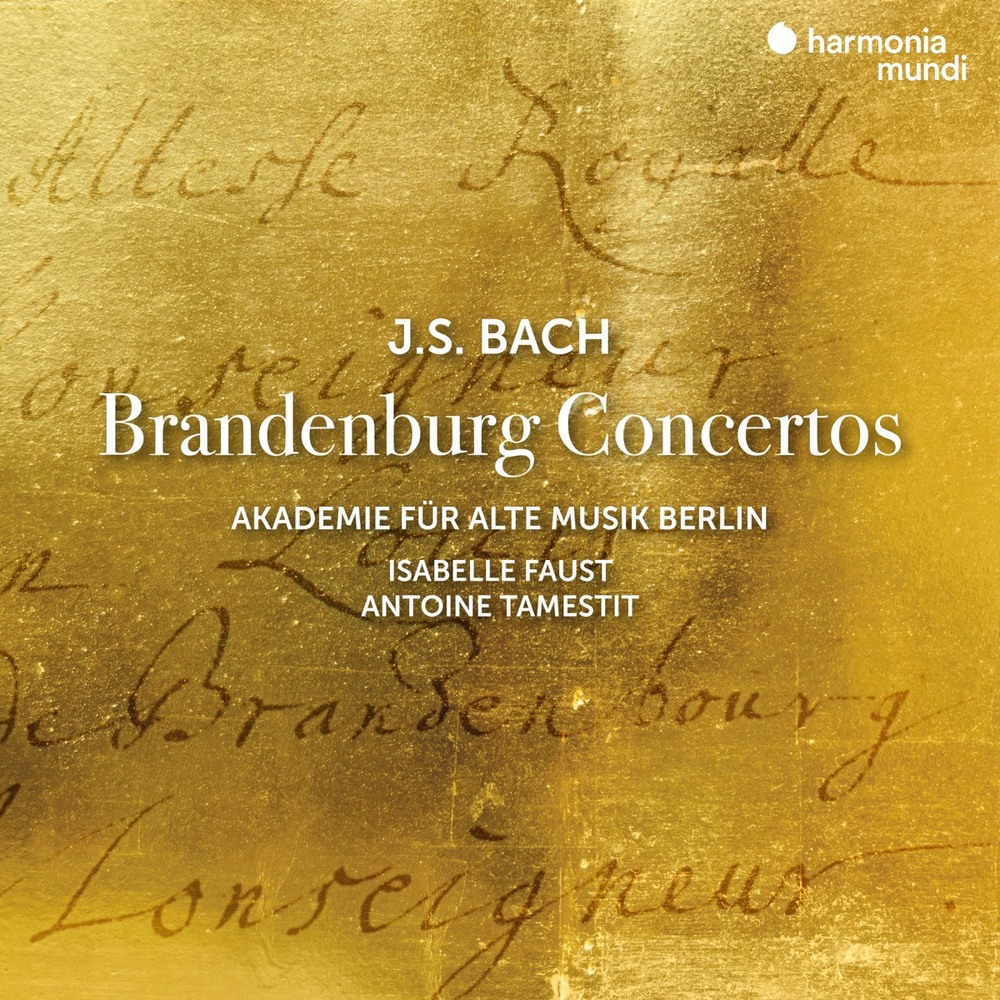
Bach Brandenburg Concerto No. 3, 1st Movement — Berlin Academy of Early Music
Bach Brandenburg Concerto No. 3, 1st Movement — Akademie für Alte Musik Berlin
Listen to the structure of the concerto by following the same short motif as it moves from the high strings to the low strings. In the first listening of ‘Bach Brandenburg Concerto No. 3, 1st Movement — Akademie für Alte Musik Berlin,’ follow the guided points, and in the second, broaden your focus to include the bass and inner parts. This way, the structure of Brandenburg Concerto No. 3, BWV 1048: I and the length of phrases chosen by Akademie für Alte Musik Berlin, Isabelle Faust & Antoine Tamestit will become clear. Rather than waiting for famous sections, marking the moments where timbres shift will help you maintain the direction of the piece.
The track linked to ‘Bach Brandenburg Concerto No. 3, 1st Movement — Akademie für Alte Musik Berlin’ is an actual recording from the album ‘J.S. Bach: Brandenburg Concertos,’ and is introduced under the criteria for ‘Concertos Where Soloists and Orchestra Engage in a Tug-of-War.’ The Apple Music performing artists for ‘Bach Brandenburg Concerto No. 3, 1st Movement — Akademie für Alte Musik Berlin’ are Akademie für Alte Musik Berlin, Isabelle Faust & Antoine Tamestit, and the release year is 2021, which may differ from when Johann Sebastian Bach composed the work, so in ‘Concertos Where Soloists and Orchestra Engage in a Tug-of-War,’ it's used only for recording information. When searching for other versions of works like ‘Bach Brandenburg Concerto No. 3, 1st Movement — Akademie für Alte Musik Berlin,’ check the title, performers, and album to avoid confusion with the same recording and reissues while also confirming the context of ‘Concertos Where Soloists and Orchestra Engage in a Tug-of-War.’
The track linked to ‘Bach Brandenburg Concerto No. 3, 1st Movement — Akademie für Alte Musik Berlin’ is an actual recording from the album ‘J.S. Bach: Brandenburg Concertos,’ and is introduced under the criteria for ‘Concertos Where Soloists and Orchestra Engage in a Tug-of-War.’ The Apple Music performing artists for ‘Bach Brandenburg Concerto No. 3, 1st Movement — Akademie für Alte Musik Berlin’ are Akademie für Alte Musik Berlin, Isabelle Faust & Antoine Tamestit, and the release year is 2021, which may differ from when Johann Sebastian Bach composed the work, so in ‘Concertos Where Soloists and Orchestra Engage in a Tug-of-War,’ it's used only for recording information. When searching for other versions of works like ‘Bach Brandenburg Concerto No. 3, 1st Movement — Akademie für Alte Musik Berlin,’ check the title, performers, and album to avoid confusion with the same recording and reissues while also confirming the context of ‘Concertos Where Soloists and Orchestra Engage in a Tug-of-War.’
연주자 Akademie für Alte Musik Berlin, Isabelle Faust & Antoine Tamestit
작곡가 Johann Sebastian Bach
작품 Brandenburg Concerto No. 3, BWV 1048: I
표시 발매 연도 2021
수록 음반 J.S. Bach: Brandenburg Concertos
형식 음원
감상 포인트 바이올린·비올라·첼로가 세 그룹으로 나뉘어 한 명의 독주자 대신 앙상블 전체가 주고받는다.
듣기 팁 같은 짧은 동기가 높은 현에서 낮은 현으로 이동하는 순서를 따라가며 합주 협주곡의 구조를 들어보자.
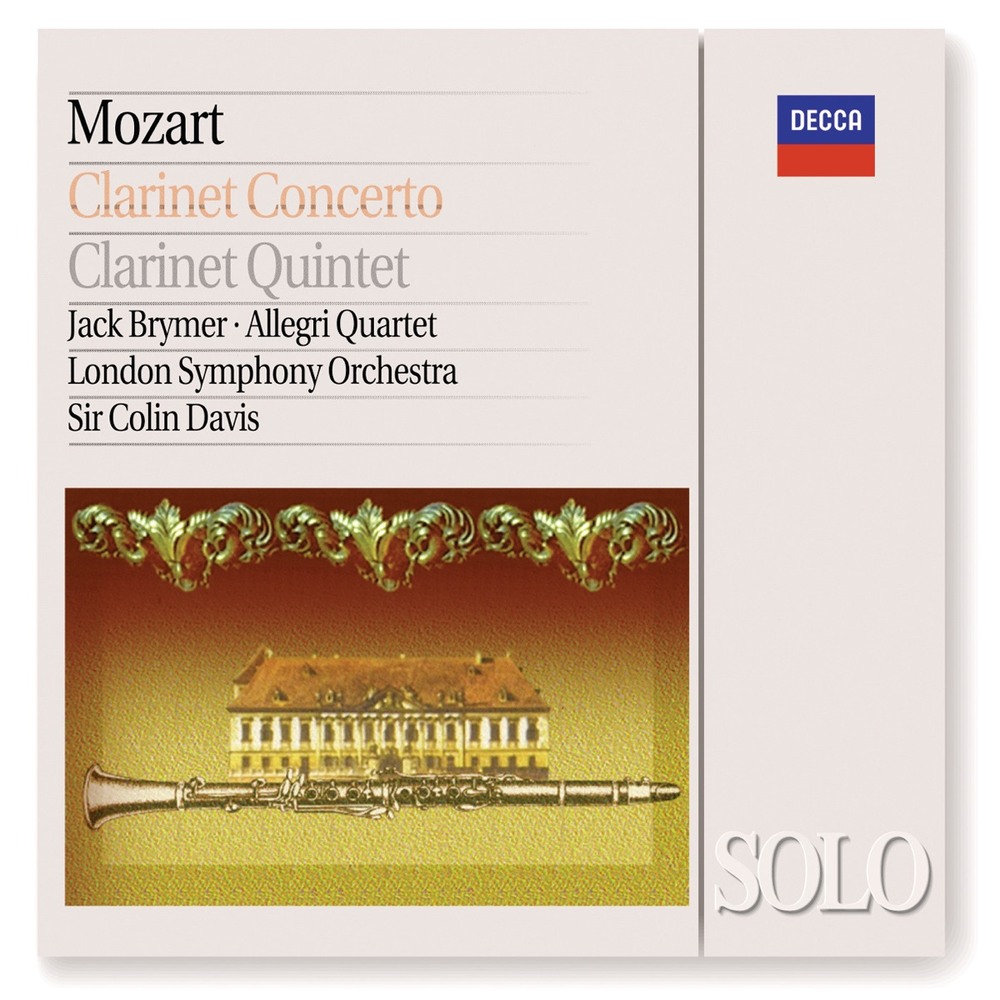
Mozart Clarinet Concerto, 2nd Movement — Brymer, Colin Davis, London Symphony
Mozart Clarinet Concerto, 2nd Movement — Brymer, Sir Colin Davis, London Symphony
Listen to how the strings reduce volume and rhythm to make way as the solo descends into a lower register. After that, check if the range and accents change as the same motif returns in ‘Mozart Clarinet Concerto, 2nd Movement — Brymer, Sir Colin Davis, London Symphony.’ The performance by Jack Brymer, Sir Colin Davis & London Symphony Orchestra captures the larger flow of Clarinet Concerto in A, K. 622: II. Adagio by showcasing the connections between the parts rather than exaggerating the overall trajectory. In the end, returning to the beginning of ‘Mozart Clarinet Concerto, 2nd Movement — Brymer, Sir Colin Davis, London Symphony’ to compare changes from the first impression clarifies the structure.
The track linked to ‘Mozart Clarinet Concerto, 2nd Movement — Brymer, Sir Colin Davis, London Symphony’ is an actual recording from the album ‘Mozart: Clarinet Concerto & Clarinet Quintet,’ and is introduced under the criteria for ‘Concertos Where Soloists and Orchestra Engage in a Tug-of-War.’ The Apple Music performing artists for ‘Mozart Clarinet Concerto, 2nd Movement — Brymer, Sir Colin Davis, London Symphony’ are Jack Brymer, Sir Colin Davis & London Symphony Orchestra, and the release year is 1991, which may differ from when Wolfgang Amadeus Mozart composed the work, so in ‘Concertos Where Soloists and Orchestra Engage in a Tug-of-War,’ it's used only for recording information. When searching for other versions of works like ‘Mozart Clarinet Concerto, 2nd Movement — Brymer, Sir Colin Davis, London Symphony,’ check the title, performers, and album to avoid confusion with the same recording and reissues while also confirming the context of ‘Concertos Where Soloists and Orchestra Engage in a Tug-of-War.’
The track linked to ‘Mozart Clarinet Concerto, 2nd Movement — Brymer, Sir Colin Davis, London Symphony’ is an actual recording from the album ‘Mozart: Clarinet Concerto & Clarinet Quintet,’ and is introduced under the criteria for ‘Concertos Where Soloists and Orchestra Engage in a Tug-of-War.’ The Apple Music performing artists for ‘Mozart Clarinet Concerto, 2nd Movement — Brymer, Sir Colin Davis, London Symphony’ are Jack Brymer, Sir Colin Davis & London Symphony Orchestra, and the release year is 1991, which may differ from when Wolfgang Amadeus Mozart composed the work, so in ‘Concertos Where Soloists and Orchestra Engage in a Tug-of-War,’ it's used only for recording information. When searching for other versions of works like ‘Mozart Clarinet Concerto, 2nd Movement — Brymer, Sir Colin Davis, London Symphony,’ check the title, performers, and album to avoid confusion with the same recording and reissues while also confirming the context of ‘Concertos Where Soloists and Orchestra Engage in a Tug-of-War.’
연주자 Jack Brymer, Sir Colin Davis & London Symphony Orchestra
작곡가 Wolfgang Amadeus Mozart
작품 Clarinet Concerto in A, K. 622: II. Adagio
표시 발매 연도 1991
수록 음반 Mozart: Clarinet Concerto & Clarinet Quintet
형식 음원
감상 포인트 클라리넷의 긴 호흡과 얇은 현악 반주가 경쟁보다 깊은 대화를 만드는 느린 악장이다.
듣기 팁 독주가 낮은 음역으로 내려갈 때 현악이 음량과 리듬을 어떻게 줄여 자리를 내주는지 들어보자.
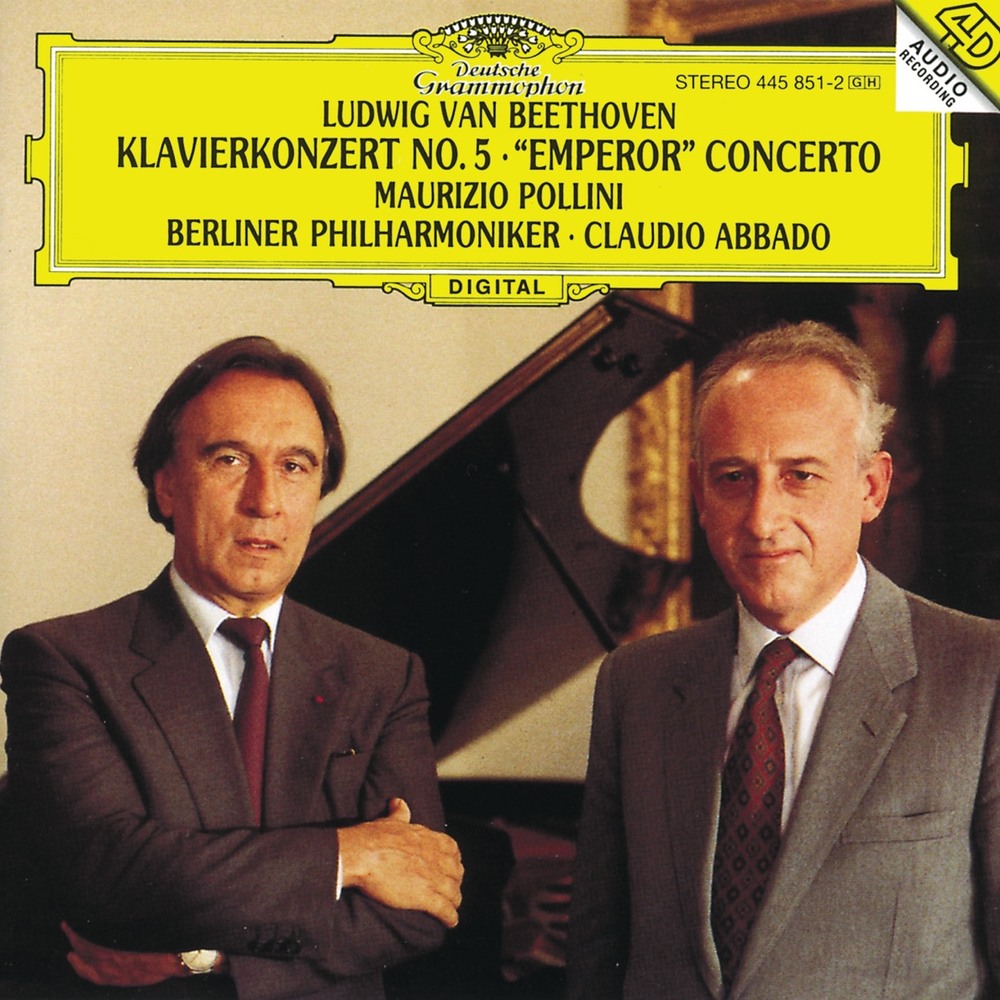
Beethoven Piano Concerto No. 5 'Emperor', 1st Movement — Pollini, Abbado, Berlin Philharmonic
Beethoven Piano Concerto No. 5 ‘Emperor’, 1st Movement — Pollini, Abbado, Berlin Philharmonic
After the piano decorations in the introduction, compare how the orchestra completes the theme and the solo brings it back. When listening to this recording again, focus on the order of overlapping and vacating sounds rather than tempo. Finding where the repeating material of Piano Concerto No. 5 ‘Emperor’: I. Allegro shifts to which part will help reveal the balance maintained by Maurizio Pollini, Berlin Philharmonic & Claudio Abbado. Comparing the lingering echoes at the end of ‘Beethoven Piano Concerto No. 5 ‘Emperor’, 1st Movement — Pollini, Abbado, Berlin Philharmonic’ with the opening phrases will clarify the emotional changes within the structure.
The track linked to ‘Beethoven Piano Concerto No. 5 ‘Emperor’, 1st Movement — Pollini, Abbado, Berlin Philharmonic’ is an actual recording from the album ‘Beethoven: Piano Concerto No. 5 -
The track linked to ‘Beethoven Piano Concerto No. 5 ‘Emperor’, 1st Movement — Pollini, Abbado, Berlin Philharmonic’ is an actual recording from the album ‘Beethoven: Piano Concerto No. 5 -
연주자 Maurizio Pollini, Berlin Philharmonic & Claudio Abbado
작곡가 Ludwig van Beethoven
작품 Piano Concerto No. 5 ‘Emperor’: I. Allegro
표시 발매 연도 1994
수록 음반 Beethoven: Piano Concerto No. 5 - "Emperor"
형식 음원
감상 포인트 오케스트라의 장대한 화음 사이로 피아노가 즉시 등장해 독주와 합주의 주도권 경쟁을 시작한다.
듣기 팁 도입의 피아노 장식이 끝난 뒤 오케스트라가 주제를 완성하고 독주가 다시 가져오는 과정을 비교해보자.
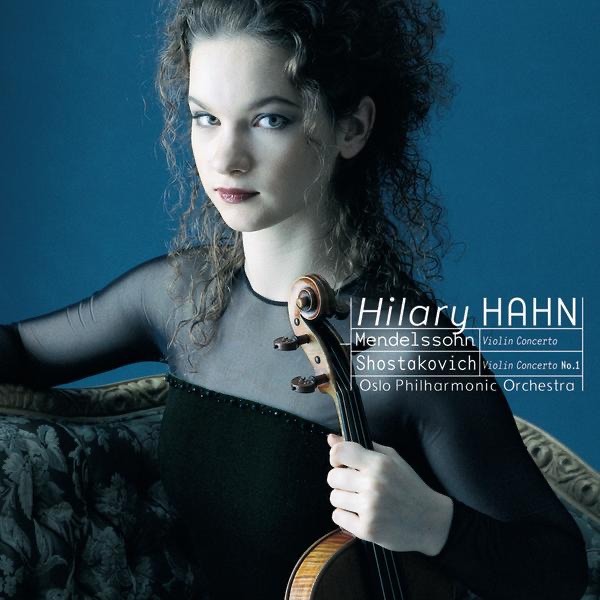
Mendelssohn Violin Concerto, 1st Movement — Hilary Hahn, Wolff, Oslo Philharmonic
Listen to the moments when the woodwinds respond briefly beneath the solo melody and the return of the ensemble after the cadenza. Then, explore what the accompaniment and background parts are doing at the same moment in ‘Mendelssohn Violin Concerto, 1st Movement — Hilary Hahn, Wolff, Oslo Philharmonic.’ Tracing how the material presented returns with different instruments and ranges reveals the design of Violin Concerto in E Minor, Op. 64: I naturally. Identifying where Hilary Hahn, Oslo Philharmonic & Hugh Wolff emphasize will provide a basis for comparing with other performances.
The track linked to ‘Mendelssohn Violin Concerto, 1st Movement — Hilary Hahn, Wolff, Oslo Philharmonic’ is an actual recording from the album ‘Mendelssohn & Shostakovich: Violin Concertos,’ and is introduced under the criteria for ‘Concertos Where Soloists and Orchestra Engage in a Tug-of-War.’ The Apple Music performing artists for ‘Mendelssohn Violin Concerto, 1st Movement — Hilary Hahn, Wolff, Oslo Philharmonic’ are Hilary Hahn, Oslo Philharmonic & Hugh Wolff, and the release year is 2002, which may differ from when Felix Mendelssohn composed the work, so in ‘Concertos Where Soloists and Orchestra Engage in a Tug-of-War,’ it's used only for recording information. When searching for other versions of works like ‘Mendelssohn Violin Concerto, 1st Movement — Hilary Hahn, Wolff, Oslo Philharmonic,’ check the title, performers, and album to avoid confusion with the same recording and reissues while also confirming the context of ‘Concertos Where Soloists and Orchestra Engage in a Tug-of-War.’
The track linked to ‘Mendelssohn Violin Concerto, 1st Movement — Hilary Hahn, Wolff, Oslo Philharmonic’ is an actual recording from the album ‘Mendelssohn & Shostakovich: Violin Concertos,’ and is introduced under the criteria for ‘Concertos Where Soloists and Orchestra Engage in a Tug-of-War.’ The Apple Music performing artists for ‘Mendelssohn Violin Concerto, 1st Movement — Hilary Hahn, Wolff, Oslo Philharmonic’ are Hilary Hahn, Oslo Philharmonic & Hugh Wolff, and the release year is 2002, which may differ from when Felix Mendelssohn composed the work, so in ‘Concertos Where Soloists and Orchestra Engage in a Tug-of-War,’ it's used only for recording information. When searching for other versions of works like ‘Mendelssohn Violin Concerto, 1st Movement — Hilary Hahn, Wolff, Oslo Philharmonic,’ check the title, performers, and album to avoid confusion with the same recording and reissues while also confirming the context of ‘Concertos Where Soloists and Orchestra Engage in a Tug-of-War.’
연주자 Hilary Hahn, Oslo Philharmonic & Hugh Wolff
작곡가 Felix Mendelssohn
작품 Violin Concerto in E Minor, Op. 64: I
표시 발매 연도 2002
수록 음반 Mendelssohn & Shostakovich: Violin Concertos
형식 음원
감상 포인트 서주를 기다리지 않고 바이올린이 바로 노래를 시작해 한 호흡으로 악장을 끌고 간다.
듣기 팁 독주 선율 아래 목관이 짧게 응답하는 순간과 카덴차 뒤 합주가 돌아오는 경계를 들어보자.
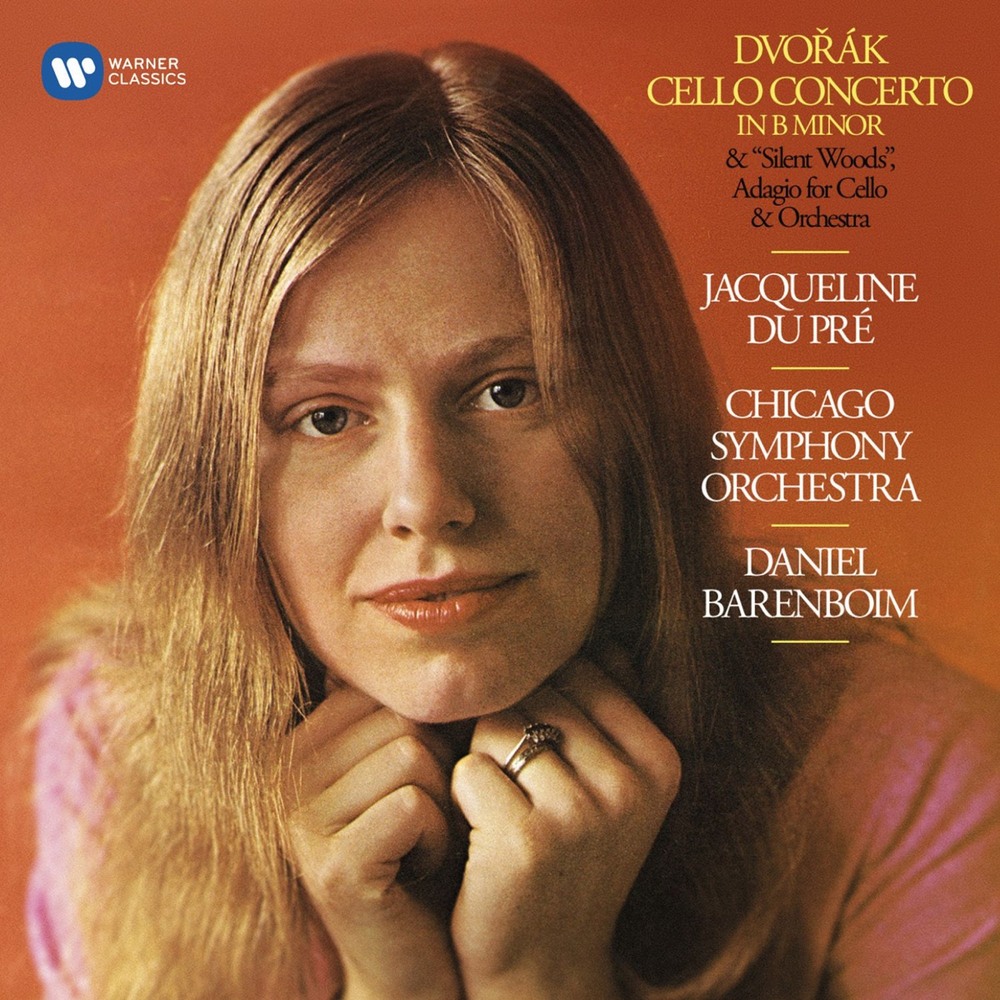
Dvořák Cello Concerto, 1st Movement — Du Pré, Barenboim, Chicago Symphony
Observe how far the woodwinds and strings recede as the cello ascends into the higher register. Listen again to ‘Dvořák Cello Concerto, 1st Movement — Du Pré, Barenboim, Chicago Symphony’ and try to find the lowest and longest sounds. The interaction between these two elements determines the tension and relaxation of Cello Concerto in B Minor, Op. 104: I, and clarifies Jacqueline du Pré, Daniel Barenboim & Chicago Symphony Orchestra's interpretation. Comparing the lengths of breath and reverberation in ‘Dvořák Cello Concerto, 1st Movement — Du Pré, Barenboim, Chicago Symphony’ rather than the volume makes the reason for choosing this version clear.
The track linked to ‘Dvořák Cello Concerto, 1st Movement — Du Pré, Barenboim, Chicago Symphony’ is an actual recording from the album ‘Dvořák: Cello Concerto & Silent Woods,’ and is introduced under the criteria for ‘Concertos Where Soloists and Orchestra Engage in a Tug-of-War.’ The Apple Music performing artists for ‘Dvořák Cello Concerto, 1st Movement — Du Pré, Barenboim, Chicago Symphony’ are Jacqueline du Pré, Daniel Barenboim & Chicago Symphony Orchestra, and the release year is 1971, which may differ from when Antonín Dvořák composed the work, so in ‘Concertos Where Soloists and Orchestra Engage in a Tug-of-War,’ it's used only for recording information. When searching for other versions of works like ‘Dvořák Cello Concerto, 1st Movement — Du Pré, Barenboim, Chicago Symphony,’ check the title, performers, and album to avoid confusion with the same recording and reissues while also confirming the context of ‘Concertos Where Soloists and Orchestra Engage in a Tug-of-War.’
The track linked to ‘Dvořák Cello Concerto, 1st Movement — Du Pré, Barenboim, Chicago Symphony’ is an actual recording from the album ‘Dvořák: Cello Concerto & Silent Woods,’ and is introduced under the criteria for ‘Concertos Where Soloists and Orchestra Engage in a Tug-of-War.’ The Apple Music performing artists for ‘Dvořák Cello Concerto, 1st Movement — Du Pré, Barenboim, Chicago Symphony’ are Jacqueline du Pré, Daniel Barenboim & Chicago Symphony Orchestra, and the release year is 1971, which may differ from when Antonín Dvořák composed the work, so in ‘Concertos Where Soloists and Orchestra Engage in a Tug-of-War,’ it's used only for recording information. When searching for other versions of works like ‘Dvořák Cello Concerto, 1st Movement — Du Pré, Barenboim, Chicago Symphony,’ check the title, performers, and album to avoid confusion with the same recording and reissues while also confirming the context of ‘Concertos Where Soloists and Orchestra Engage in a Tug-of-War.’
연주자 Jacqueline du Pré, Daniel Barenboim & Chicago Symphony Orchestra
작곡가 Antonín Dvořák
작품 Cello Concerto in B Minor, Op. 104: I
표시 발매 연도 1971
수록 음반 Dvořák: Cello Concerto & Silent Woods
형식 음원
감상 포인트 첼로의 넓은 음역과 거대한 오케스트라가 대결하면서도 서정적인 선율에서는 긴밀하게 섞인다.
듣기 팁 첼로가 높은 음역으로 올라갈 때 관악기와 현악이 어느 정도까지 물러나는지 살펴보자.
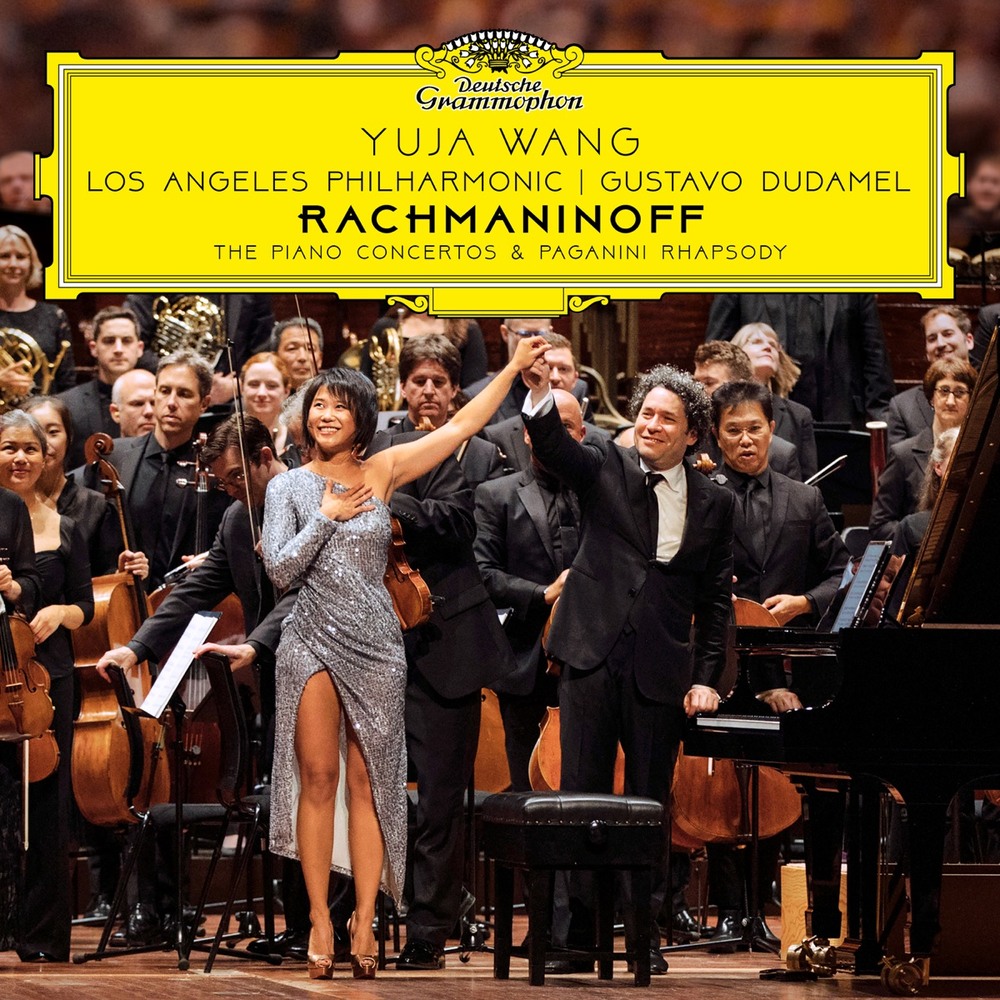
Rachmaninoff Piano Concerto No. 2, 2nd Movement — Yuja Wang, Dudamel, LA Philharmonic
Don't just follow the piano solo; focus on the moment when the clarinet introduces the theme and hands it back. Next, see if the instruments starting the theme and concluding it are the same in ‘Rachmaninoff Piano Concerto No. 2, 2nd Movement — Yuja Wang, Dudamel, LA Philharmonic.’ Piano Concerto No. 2, Op. 18: II. Adagio sostenuto progresses while repeating small motions and changing the density of the background. Listening to where Yuja Wang, Los Angeles Philharmonic & Gustavo Dudamel emphasize these changes allows for an explanation of the character of this version beyond just a simple atmospheric appreciation.
The track linked to ‘Rachmaninoff Piano Concerto No. 2, 2nd Movement — Yuja Wang, Dudamel, LA Philharmonic’ is an actual recording from the album ‘Rachmaninoff: The Piano Concertos & Paganini Rhapsody,’ and is introduced under the criteria for ‘Concertos Where Soloists and Orchestra Engage in a Tug-of-War.’ The Apple Music performing artists for ‘Rachmaninoff Piano Concerto No. 2, 2nd Movement — Yuja Wang, Dudamel, LA Philharmonic’ are Yuja Wang, Los Angeles Philharmonic & Gustavo Dudamel, and the release year is 2023, which may differ from when Sergei Rachmaninoff composed the work, so in ‘Concertos Where Soloists and Orchestra Engage in a Tug-of-War,’ it's used only for recording information. When searching for other versions of works like ‘Rachmaninoff Piano Concerto No. 2, 2nd Movement — Yuja Wang, Dudamel, LA Philharmonic,’ check the title, performers, and album to avoid confusion with the same recording and reissues while also confirming the context of ‘Concertos Where Soloists and Orchestra Engage in a Tug-of-War.’
The track linked to ‘Rachmaninoff Piano Concerto No. 2, 2nd Movement — Yuja Wang, Dudamel, LA Philharmonic’ is an actual recording from the album ‘Rachmaninoff: The Piano Concertos & Paganini Rhapsody,’ and is introduced under the criteria for ‘Concertos Where Soloists and Orchestra Engage in a Tug-of-War.’ The Apple Music performing artists for ‘Rachmaninoff Piano Concerto No. 2, 2nd Movement — Yuja Wang, Dudamel, LA Philharmonic’ are Yuja Wang, Los Angeles Philharmonic & Gustavo Dudamel, and the release year is 2023, which may differ from when Sergei Rachmaninoff composed the work, so in ‘Concertos Where Soloists and Orchestra Engage in a Tug-of-War,’ it's used only for recording information. When searching for other versions of works like ‘Rachmaninoff Piano Concerto No. 2, 2nd Movement — Yuja Wang, Dudamel, LA Philharmonic,’ check the title, performers, and album to avoid confusion with the same recording and reissues while also confirming the context of ‘Concertos Where Soloists and Orchestra Engage in a Tug-of-War.’
연주자 Yuja Wang, Los Angeles Philharmonic & Gustavo Dudamel
작곡가 Sergei Rachmaninoff
작품 Piano Concerto No. 2, Op. 18: II. Adagio sostenuto
표시 발매 연도 2023
수록 음반 Rachmaninoff: The Piano Concertos & Paganini Rhapsody
형식 음원
감상 포인트 잔잔한 현악 위로 피아노와 클라리넷이 선율을 넘겨받으며 느린 악장 안에 긴 상승선을 만든다.
듣기 팁 피아노 독주만 좇지 말고 클라리넷이 주제를 시작하고 돌려주는 순간을 중심으로 들어보자.
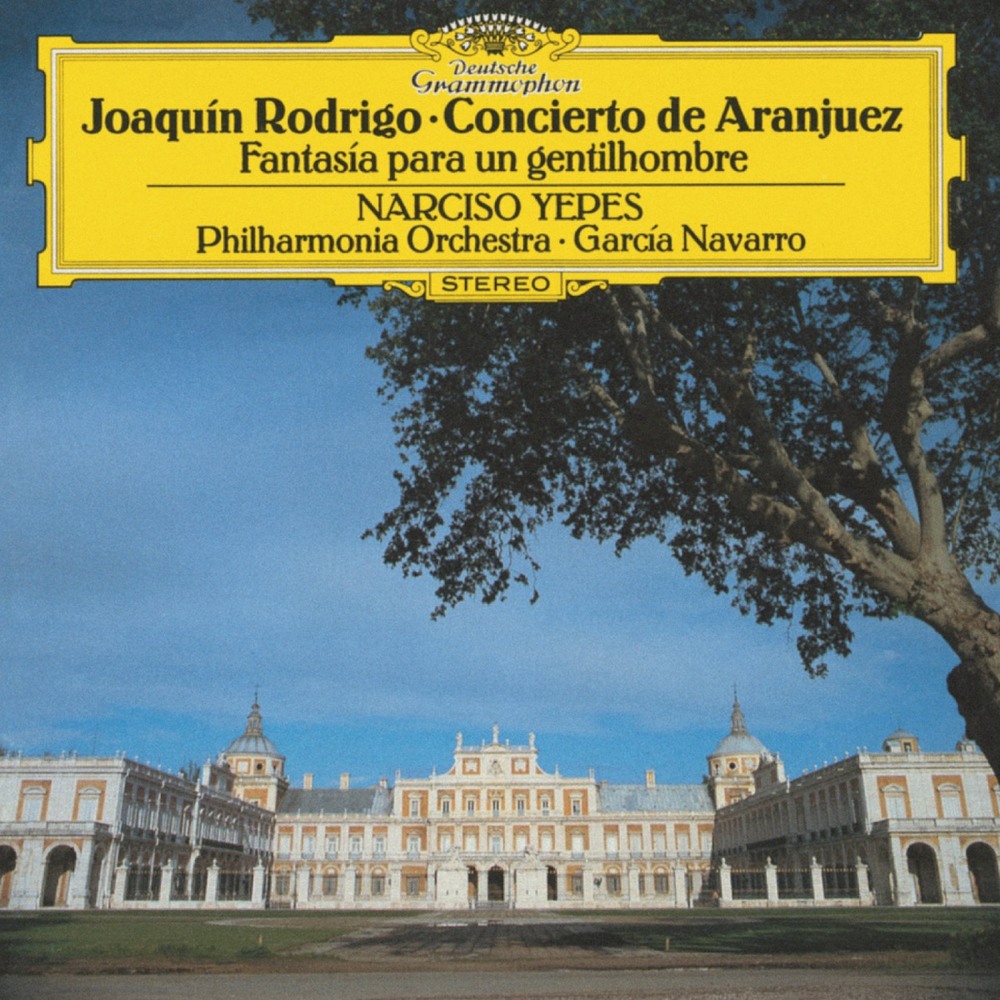
Rodrigo 'Concierto de Aranjuez' 2nd Movement — Yepes, Navarro, Philharmonia
Rodrigo's Concierto de Aranjuez, 2nd Movement — Yepes, Navarro, Philharmonia
Let's listen to how the guitar decorates and expands upon the melody introduced by the English horn. In 'Rodrigo's Concierto de Aranjuez, 2nd Movement — Yepes, Navarro, Philharmonia', when the same phrase repeats, let’s compare by determining either the tempo or the dynamics. Narrowing down to the selection of Narciso Yepes, Luis Antonio Garcia Navarro & Philharmonia Orchestra, we won’t miss the inner voices and rhythms of Concierto de Aranjuez: II. Adagio. Finally, let's listen to the overall flow of 'Rodrigo's Concierto de Aranjuez, 2nd Movement — Yepes, Navarro, Philharmonia' again to confirm how the details affected the impression of the piece.
The track connected to 'Rodrigo's Concierto de Aranjuez, 2nd Movement — Yepes, Navarro, Philharmonia' is from the album 'Rodrigo: Concierto di Aranjuez & Fantasía para un gentilhombre', featuring actual audio recordings. It was introduced under the context of a 'concerto where the soloist and orchestra interact'. The performers on Apple Music for 'Rodrigo's Concierto de Aranjuez, 2nd Movement — Yepes, Navarro, Philharmonia' are Narciso Yepes, Luis Antonio Garcia Navarro & Philharmonia Orchestra, and the release year is 1985. This date may differ from when Joaquín Rodrigo composed the piece, so it is used only as recording information within the context of a 'concerto where the soloist and orchestra interact'. When searching for other versions of a piece like 'Rodrigo's Concierto de Aranjuez, 2nd Movement — Yepes, Navarro, Philharmonia', ensure to check the piece title, performers, and the album to avoid confusion with the same recording and re-releases, while also confirming the context of a 'concerto where the soloist and orchestra interact'.
The track connected to 'Rodrigo's Concierto de Aranjuez, 2nd Movement — Yepes, Navarro, Philharmonia' is from the album 'Rodrigo: Concierto di Aranjuez & Fantasía para un gentilhombre', featuring actual audio recordings. It was introduced under the context of a 'concerto where the soloist and orchestra interact'. The performers on Apple Music for 'Rodrigo's Concierto de Aranjuez, 2nd Movement — Yepes, Navarro, Philharmonia' are Narciso Yepes, Luis Antonio Garcia Navarro & Philharmonia Orchestra, and the release year is 1985. This date may differ from when Joaquín Rodrigo composed the piece, so it is used only as recording information within the context of a 'concerto where the soloist and orchestra interact'. When searching for other versions of a piece like 'Rodrigo's Concierto de Aranjuez, 2nd Movement — Yepes, Navarro, Philharmonia', ensure to check the piece title, performers, and the album to avoid confusion with the same recording and re-releases, while also confirming the context of a 'concerto where the soloist and orchestra interact'.
연주자 Narciso Yepes, Luis Antonio Garcia Navarro & Philharmonia Orchestra
작곡가 Joaquín Rodrigo
작품 Concierto de Aranjuez: II. Adagio
표시 발매 연도 1985
수록 음반 Rodrigo: Concierto di Aranjuez & Fantasía para un gentilhombre
형식 음원
감상 포인트 기타의 섬세한 음량과 잉글리시호른의 쓸쓸한 선율이 큰 오케스트라 안에서 친밀한 대화를 만든다.
듣기 팁 잉글리시호른이 제시한 선율을 기타가 장식하고 확대하는 방식을 차례로 들어보자.
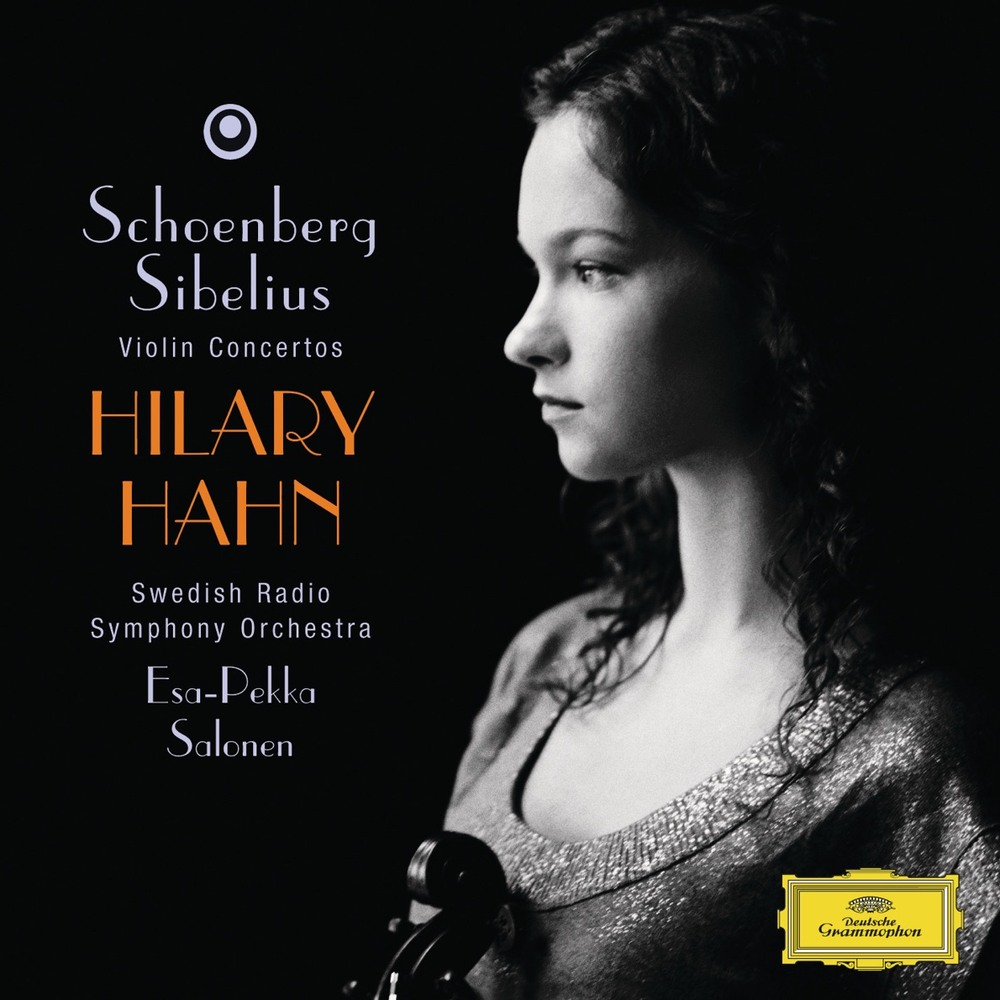
Sibelius Violin Concerto, 3rd Movement — Hilary Hahn, Salonen, Swedish Radio Symphony Orchestra
First, let’s check if the repeating rhythm of the orchestra keeps up like footsteps, more than the soloist's speed. In the first listen of 'Sibelius Violin Concerto, 3rd Movement — Hilary Hahn, Salonen, Swedish Radio Symphony Orchestra', look for one highlighted sound, and in the next listen, add surrounding voices and silences. During the progression towards the climax of Violin Concerto in D Minor, Op. 47: III, we can hear how Hilary Hahn, Swedish Radio Symphony Orchestra & Esa-Pekka Salonen adjust tempo and tone color. Comparing the start and end resonance of 'Sibelius Violin Concerto, 3rd Movement — Hilary Hahn, Salonen, Swedish Radio Symphony Orchestra' side by side gives a concrete sense of the distance and temporal feeling created by the piece.
The track connected to 'Sibelius Violin Concerto, 3rd Movement — Hilary Hahn, Salonen, Swedish Radio Symphony Orchestra' is from the album 'Schoenberg: Violin Concerto - Sibelius: Violin Concerto, Op. 47' and features actual audio recordings, introduced under the context of a 'concerto where the soloist and orchestra interact'. The performers listed on Apple Music for 'Sibelius Violin Concerto, 3rd Movement — Hilary Hahn, Salonen, Swedish Radio Symphony Orchestra' are Hilary Hahn, Swedish Radio Symphony Orchestra & Esa-Pekka Salonen, with the release year being 2000. This date may differ from when Jean Sibelius composed the piece, so it is used only as recording information within the context of a 'concerto where the soloist and orchestra interact'. When looking for other versions of a piece like 'Sibelius Violin Concerto, 3rd Movement — Hilary Hahn, Salonen, Swedish Radio Symphony Orchestra', make sure to check the piece title, performers, and album to avoid confusion with the same recording and re-releases, while also confirming the context of a 'concerto where the soloist and orchestra interact'.
The track connected to 'Sibelius Violin Concerto, 3rd Movement — Hilary Hahn, Salonen, Swedish Radio Symphony Orchestra' is from the album 'Schoenberg: Violin Concerto - Sibelius: Violin Concerto, Op. 47' and features actual audio recordings, introduced under the context of a 'concerto where the soloist and orchestra interact'. The performers listed on Apple Music for 'Sibelius Violin Concerto, 3rd Movement — Hilary Hahn, Salonen, Swedish Radio Symphony Orchestra' are Hilary Hahn, Swedish Radio Symphony Orchestra & Esa-Pekka Salonen, with the release year being 2000. This date may differ from when Jean Sibelius composed the piece, so it is used only as recording information within the context of a 'concerto where the soloist and orchestra interact'. When looking for other versions of a piece like 'Sibelius Violin Concerto, 3rd Movement — Hilary Hahn, Salonen, Swedish Radio Symphony Orchestra', make sure to check the piece title, performers, and album to avoid confusion with the same recording and re-releases, while also confirming the context of a 'concerto where the soloist and orchestra interact'.
연주자 Hilary Hahn, Swedish Radio Symphony Orchestra & Esa-Pekka Salonen
작곡가 Jean Sibelius
작품 Violin Concerto in D Minor, Op. 47: III
표시 발매 연도 2000
수록 음반 Schoenberg: Violin Concerto - Sibelius: Violin Concerto, Op. 47
형식 음원
감상 포인트 거친 리듬 위에서 바이올린이 빠른 화음과 선율을 이어가며 독주와 합주의 긴장을 끝까지 유지한다.
듣기 팁 독주의 속도보다 오케스트라의 반복 리듬이 발걸음처럼 계속 유지되는지 먼저 확인해보자.
When listening to a concerto, remember to consider what materials the orchestra prepares before the soloist starts. By observing whether the solo repeats the melody, embellishes it, or completely alters its direction, the design of the piece will become evident. During the slow movements, it's more beneficial to observe how long a note is sustained rather than just competing in volume and how the accompaniment clears the surrounding space. In the end, let's look for points where the two once again merge.
Each recording is linked to specific soloists, conductors, and orchestras. The indicated release year refers to the digital version and may not match the year the composition was written. Comparing different tempos and cadenzas from various performers can provide valuable insights into the work. Rather than prioritizing speed or accuracy, listening to how the distance between the soloist and the ensemble is designed can uncover the transformative process of the same score telling various stories.
Each recording is linked to specific soloists, conductors, and orchestras. The indicated release year refers to the digital version and may not match the year the composition was written. Comparing different tempos and cadenzas from various performers can provide valuable insights into the work. Rather than prioritizing speed or accuracy, listening to how the distance between the soloist and the ensemble is designed can uncover the transformative process of the same score telling various stories.
한눈에 보기
8개
Bach Brandenburg Concerto No. 3, 1st Movement — Berlin Academy of Early Music
Akademie für Alte Musik Berlin, Isabelle Faust & Antoine Tamestit · Johann Sebastian Bach · Brandenburg Concerto No. 3, BWV 1048: I · 2021 · J.S. Bach: Brandenburg Concertos · 음원 · 바이올린·비올라·첼로가 세 그룹으로 나뉘어 한 명의 독주자 대신 앙상블 전체가 주고받는다. · 같은 짧은 동기가 높은 현에서 낮은 현으로 이동하는 순서를 따라가며 합주 협주곡의 구조를 들어보자.
Mozart Clarinet Concerto, 2nd Movement — Brymer, Colin Davis, London Symphony
Jack Brymer, Sir Colin Davis & London Symphony Orchestra · Wolfgang Amadeus Mozart · Clarinet Concerto in A, K. 622: II. Adagio · 1991 · Mozart: Clarinet Concerto & Clarinet Quintet · 음원 · 클라리넷의 긴 호흡과 얇은 현악 반주가 경쟁보다 깊은 대화를 만드는 느린 악장이다. · 독주가 낮은 음역으로 내려갈 때 현악이 음량과 리듬을 어떻게 줄여 자리를 내주는지 들어보자.
Beethoven Piano Concerto No. 5 'Emperor', 1st Movement — Pollini, Abbado, Berlin Philharmonic
Maurizio Pollini, Berlin Philharmonic & Claudio Abbado · Ludwig van Beethoven · Piano Concerto No. 5 ‘Emperor’: I. Allegro · 1994 · Beethoven: Piano Concerto No. 5 - "Emperor" · 음원 · 오케스트라의 장대한 화음 사이로 피아노가 즉시 등장해 독주와 합주의 주도권 경쟁을 시작한다. · 도입의 피아노 장식이 끝난 뒤 오케스트라가 주제를 완성하고 독주가 다시 가져오는 과정을 비교해보자.
Mendelssohn Violin Concerto, 1st Movement — Hilary Hahn, Wolff, Oslo Philharmonic
Hilary Hahn, Oslo Philharmonic & Hugh Wolff · Felix Mendelssohn · Violin Concerto in E Minor, Op. 64: I · 2002 · Mendelssohn & Shostakovich: Violin Concertos · 음원 · 서주를 기다리지 않고 바이올린이 바로 노래를 시작해 한 호흡으로 악장을 끌고 간다. · 독주 선율 아래 목관이 짧게 응답하는 순간과 카덴차 뒤 합주가 돌아오는 경계를 들어보자.
Dvořák Cello Concerto, 1st Movement — Du Pré, Barenboim, Chicago Symphony
Jacqueline du Pré, Daniel Barenboim & Chicago Symphony Orchestra · Antonín Dvořák · Cello Concerto in B Minor, Op. 104: I · 1971 · Dvořák: Cello Concerto & Silent Woods · 음원 · 첼로의 넓은 음역과 거대한 오케스트라가 대결하면서도 서정적인 선율에서는 긴밀하게 섞인다. · 첼로가 높은 음역으로 올라갈 때 관악기와 현악이 어느 정도까지 물러나는지 살펴보자.
Rachmaninoff Piano Concerto No. 2, 2nd Movement — Yuja Wang, Dudamel, LA Philharmonic
Yuja Wang, Los Angeles Philharmonic & Gustavo Dudamel · Sergei Rachmaninoff · Piano Concerto No. 2, Op. 18: II. Adagio sostenuto · 2023 · Rachmaninoff: The Piano Concertos & Paganini Rhapsody · 음원 · 잔잔한 현악 위로 피아노와 클라리넷이 선율을 넘겨받으며 느린 악장 안에 긴 상승선을 만든다. · 피아노 독주만 좇지 말고 클라리넷이 주제를 시작하고 돌려주는 순간을 중심으로 들어보자.
Rodrigo 'Concierto de Aranjuez' 2nd Movement — Yepes, Navarro, Philharmonia
Narciso Yepes, Luis Antonio Garcia Navarro & Philharmonia Orchestra · Joaquín Rodrigo · Concierto de Aranjuez: II. Adagio · 1985 · Rodrigo: Concierto di Aranjuez & Fantasía para un gentilhombre · 음원 · 기타의 섬세한 음량과 잉글리시호른의 쓸쓸한 선율이 큰 오케스트라 안에서 친밀한 대화를 만든다. · 잉글리시호른이 제시한 선율을 기타가 장식하고 확대하는 방식을 차례로 들어보자.
Sibelius Violin Concerto, 3rd Movement — Hilary Hahn, Salonen, Swedish Radio Symphony Orchestra
Hilary Hahn, Swedish Radio Symphony Orchestra & Esa-Pekka Salonen · Jean Sibelius · Violin Concerto in D Minor, Op. 47: III · 2000 · Schoenberg: Violin Concerto - Sibelius: Violin Concerto, Op. 47 · 음원 · 거친 리듬 위에서 바이올린이 빠른 화음과 선율을 이어가며 독주와 합주의 긴장을 끝까지 유지한다. · 독주의 속도보다 오케스트라의 반복 리듬이 발걸음처럼 계속 유지되는지 먼저 확인해보자.
이 포스팅은 쿠팡 파트너스 활동의 일환으로, 이에 따른 일정액의 수수료를 제공받습니다.
댓글 0
로그인 후 댓글을 작성할 수 있습니다.
첫 댓글을 남겨보세요.
이런 리스트는 어때요?


이런 리스트도 추천해요


🎲
여기서 멈추기엔 아쉽잖아?
다음에 뭘 볼지 고민하는 시간이 제일 아까워.
주사위가 대신 골라줄게 — 무슨 리스트가 튀어나올지는 굴려봐야 알지.
안 누르면… 평생 궁금하지 않겠어? 👀