From Four to Eight: Understanding Chamber Music through Instrumentation
Collection Classical 2026.09.26

From Four to Eight: Understanding Chamber Music through Instrumentation

A live performance illustrating how conversation and balance change as the number of instruments increases

Chamber music features fewer instruments than an orchestra, yet it's all the more intricate to appreciate. When one musician begins a melody, others might respond or complete the phrase, and shortly after, an instrument that had been in the background steps into the foreground. Often performed without a conductor, even subtle tempo changes and clashes in timbre become apparent. Instead of just focusing on the instrument names, try to identify who asks questions and who answers; this way, the structure of the conversation becomes clearer.

This selection consists of eight actual recordings with different instrumentation, such as string quartets, piano quintets, clarinet quintets, and string octets. It also demonstrates that just because there are more instruments, it doesn't necessarily mean the sound becomes thicker. Each item includes guidance on how to follow the leading part and check the balance of the ensemble, allowing you to listen to the musicians' decisions without letting it become mere background music.
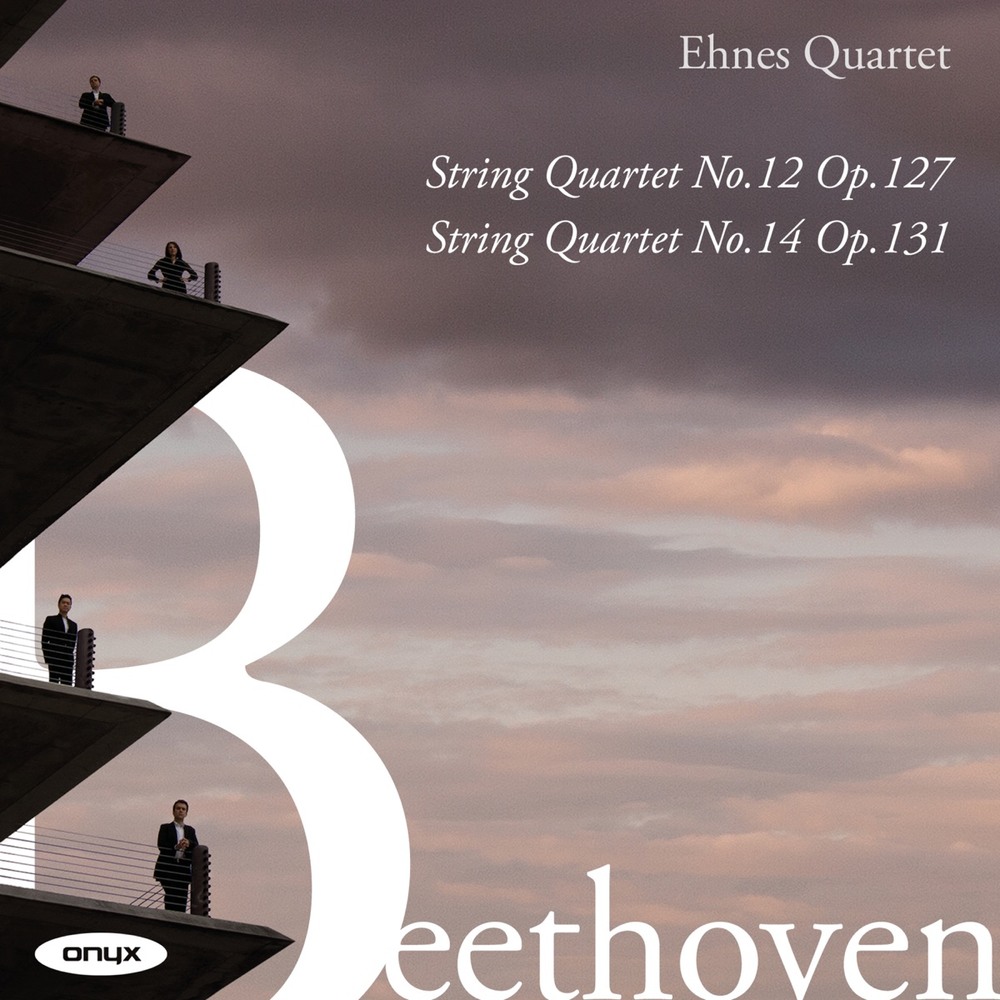
Beethoven String Quartet No. 14, Movement I — Ehnes Quartet

Beethoven String Quartet No. 14, Movement I — Ehnes Quartet

베토벤 현악사중주 14번 1악장 — 에네스 콰르텟

첫 바이올린의 선율 아래에서 비올라와 첼로가 같은 리듬을 어떻게 다른 높이로 이어가는지 들어보자. ‘베토벤 현악사중주 14번 1악장 — 에네스 콰르텟’의 첫 감상에서는 안내한 지점을 따라가고, 두 번째에는 저음과 안쪽 성부까지 범위를 넓혀보자. 그러면 String Quartet No. 14, Op. 131: I. Adagio의 짜임과 Ehnes Quartet가 선택한 프레이즈의 길이가 함께 드러난다. 유명한 대목을 기다리기보다 음색이 바뀌는 순간을 표시하면 작품의 방향을 놓치지 않는다.

‘베토벤 현악사중주 14번 1악장 — 에네스 콰르텟’에 ‘베토벤 현악사중주 14번 1악장 — 에네스 콰르텟’에 ‘베토벤 현악사중주 14번 1악장 — 에네스 콰르텟’에 연결한 String Quartet No. 14, Op. 131: I. Adagio 트랙은 《Beethoven: String Quartets Nos. 12 & 14》에 수록된 실제 음원이며 ‘네 명에서 여덟 명까지, 편성으로 이해하는 실내악’의 선택 기준에 맞춰 ‘베토벤 현악사중주 14번 1악장 — 에네스 콰르텟’ 항목으로 소개했다. ‘베토벤 현악사중주 14번 1악장 — 에네스 콰르텟’의 Apple Music 표시 연주자는 Ehnes Quartet, 발매 연도는 2021년이며 이 날짜는 Ludwig van Beethoven가 작품을 쓴 시점과 다를 수 있으므로 ‘네 명에서 여덟 명까지, 편성으로 이해하는 실내악’에서는 녹음 정보로만 사용한다. ‘베토벤 현악사중주 14번 1악장 — 에네스 콰르텟’과 같은 작품의 다른 판본을 찾을 때에는 작품명과 연주자, 수록 음반을 함께 확인해야 동일한 녹음과 재발매판을 혼동하지 않으며 ‘네 명에서 여덟 명까지, 편성으로 이해하는 실내악’의 맥락도 함께 확인할 수 있다.
연주자 Ehnes Quartet 작곡가 Ludwig van Beethoven 작품 String Quartet No. 14, Op. 131: I. Adagio 표시 발매 연도 2021 수록 음반 Beethoven: String Quartets Nos. 12 & 14 형식 음원 감상 포인트 네 악기가 끊김 없이 이어지는 긴 흐름을 만들며 후기 베토벤 특유의 응축된 대화를 보여준다. 듣기 팁 첫 바이올린의 선율 아래에서 비올라와 첼로가 같은 리듬을 어떻게 다른 높이로 이어가는지 들어보자.
바로가기
Schubert 'Trout' Quintet, Movement IV — Ax, Ma & Others

Schubert 'Trout' Quintet, Movement IV — Ax, Ma & Others

Schubert 'Trout' Quintet 4th Movement — Ax, Yo-Yo Ma, et al.

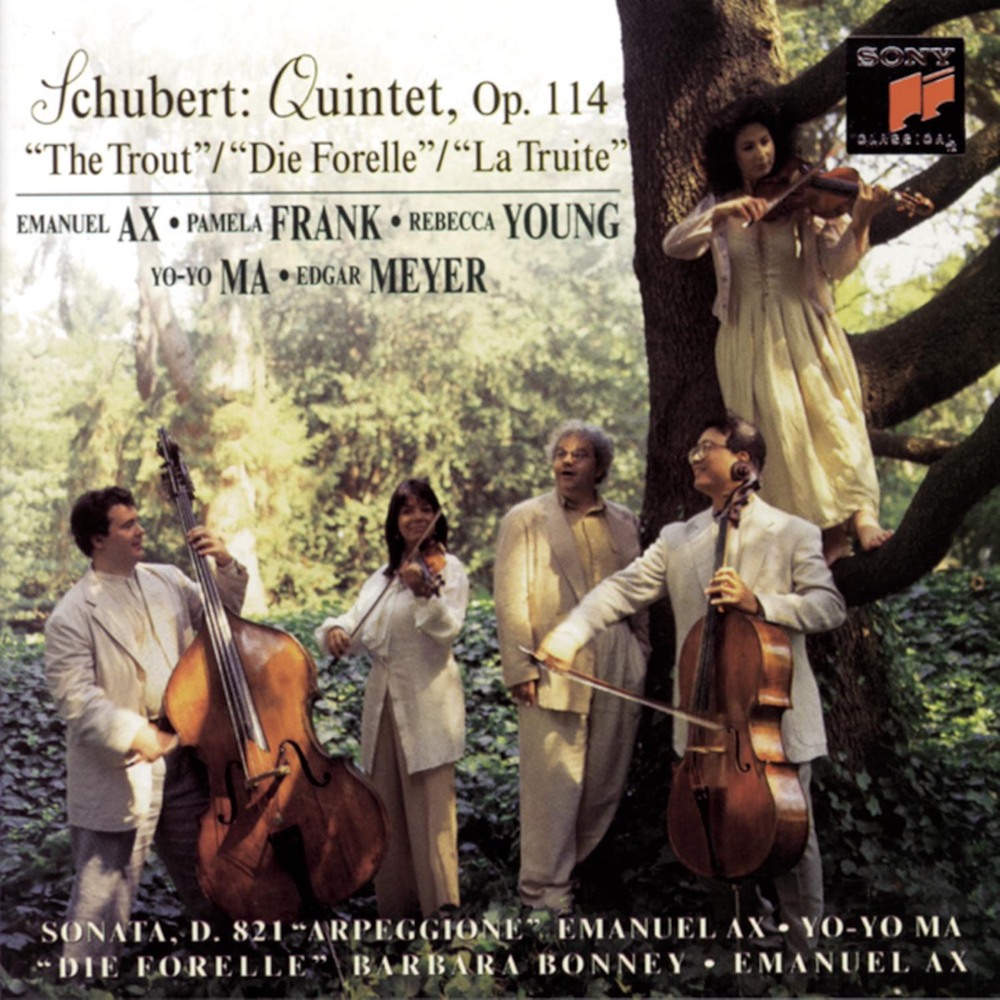
Each time the theme returns, mark which instrument takes the center stage versus the decorations. In 'Schubert 'Trout' Quintet 4th Movement — Ax, Yo-Yo Ma, et al.', see if the same motif alters in range and emphasis upon its return. The performance by Emanuel Ax, Pamela Frank, Edgar Meyer, Rebecca Young & Yo-Yo Ma illustrates the overarching flow of Piano Quintet 'Trout': IV. Theme and Variations not by exaggeration but through the connections between parts. To conclude, revisit the beginning of 'Schubert 'Trout' Quintet 4th Movement — Ax, Yo-Yo Ma, et al.', comparing it with your first impression to clarify the structure.

The track 'Schubert 'Trout' Quintet 4th Movement — Ax, Yo-Yo Ma, et al.', linked to 'Schubert 'Trout' Quintet 4th Movement — Ax, Yo-Yo Ma, et al.' is sourced from the album 'Schubert: Trout Quintet, Arpeggione Sonata & Die Forelle'. Following the criteria laid out in 'From Four to Eight: Understanding Chamber Music through Instrumentation', this item was introduced under 'Schubert 'Trout' Quintet 4th Movement — Ax, Yo-Yo Ma, et al.'. The recorded performers are Emanuel Ax, Pamela Frank, Edgar Meyer, Rebecca Young & Yo-Yo Ma, with a release year of 1995. This date may differ from when Franz Schubert wrote the piece; thus, it's used solely for the recording information within 'From Four to Eight: Understanding Chamber Music through Instrumentation'. When looking for different versions of pieces like 'Schubert 'Trout' Quintet 4th Movement — Ax, Yo-Yo Ma, et al.', make sure to check the piece title, performers, and containing albums to avoid confusion with the same recording and reissues, allowing you to confirm the context as well.
연주자 Emanuel Ax, Pamela Frank, Edgar Meyer, Rebecca Young & Yo-Yo Ma 작곡가 Franz Schubert 작품 Piano Quintet ‘Trout’: IV. Theme and Variations 표시 발매 연도 1995 수록 음반 Schubert: Trout Quintet, Arpeggione Sonata & Die Forelle 형식 음원 감상 포인트 피아노와 현악 네 악기가 익숙한 노래 주제를 차례로 변주하며 각자의 음색을 소개한다. 듣기 팁 주제가 돌아올 때마다 장식보다 어느 악기가 중심을 맡는지 먼저 표시해보자.
바로가기
Mendelssohn String Octet, Movement II — Emerson String Quartet

Mendelssohn String Octet, Movement II — Emerson String Quartet

Mendelssohn String Octet 2nd Movement — Emerson String Quartet

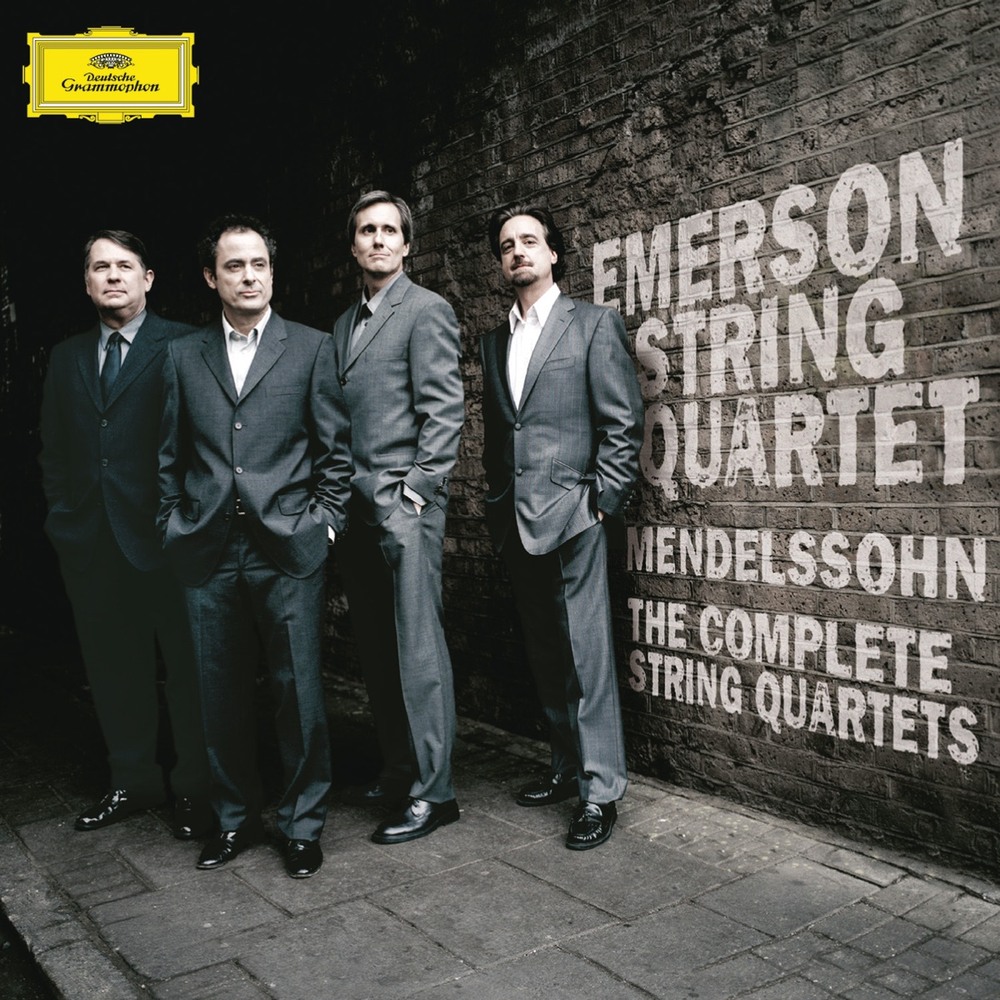
As the lower strings establish the rhythm, listen for how many layers of melody are created by the higher strings. When you revisit this recording, focus on the order of overlaps and voids rather than the tempo. Identify which part the repetitive material of Octet in E-Flat Major, Op. 20: II. Andante moves to, to recognize the balance of the Emerson String Quartet. By comparing the reverberation that lingers at the end of 'Mendelssohn String Octet 2nd Movement — Emerson String Quartet' with the initial phrase, you'll gain insights into emotional shifts within the structure.

The track 'Mendelssohn String Octet 2nd Movement — Emerson String Quartet', linked to 'Mendelssohn String Octet 2nd Movement — Emerson String Quartet', is sourced from the album 'Mendelssohn: The String Quartets & Octet in Two Parts'. Following the criteria laid out in 'From Four to Eight: Understanding Chamber Music through Instrumentation', this item was introduced under 'Mendelssohn String Octet 2nd Movement — Emerson String Quartet'. The Apple Music listed performers are Emerson String Quartet, with a release year of 2005. This date may differ from when Felix Mendelssohn wrote the piece; thus, it's used solely for the recording information within 'From Four to Eight: Understanding Chamber Music through Instrumentation'. When looking for different versions of pieces like 'Mendelssohn String Octet 2nd Movement — Emerson String Quartet', make sure to check the piece title, performers, and containing albums to avoid confusion with the same recording and reissues, allowing you to confirm the context as well.
연주자 Emerson String Quartet 작곡가 Felix Mendelssohn 작품 Octet in E-Flat Major, Op. 20: II. Andante 표시 발매 연도 2005 수록 음반 Mendelssohn: The String Quartets & Octet in Two Parts 형식 음원 감상 포인트 여덟 대의 현악기가 두 사중주처럼 갈라졌다가 하나의 큰 합주로 모이며 넓은 호흡을 만든다. 듣기 팁 낮은 현악이 리듬을 잡는 동안 높은 현악이 몇 개의 선율층으로 나뉘는지 들어보자.
바로가기
Mozart Clarinet Quintet, Movement II — Sabine Meyer & Carmina Quartet

Mozart Clarinet Quintet, Movement II — Sabine Meyer & Carmina Quartet

Mozart Clarinet Quintet 2nd Movement — Sabine Meyer, Carmina Quartett

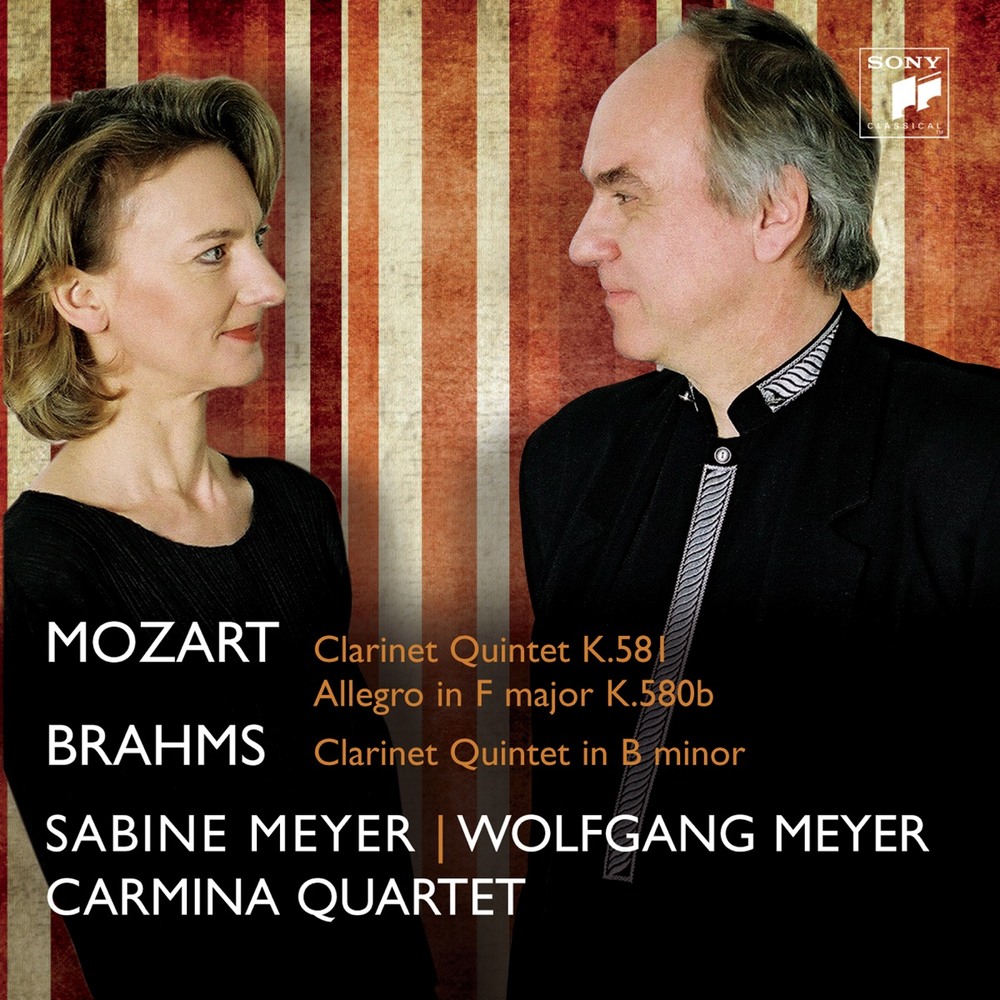
Look for the small movements created by the violin and viola while the clarinet holds a long note. Next, listen to what the accompaniment and background parts are doing at the same moment in 'Mozart Clarinet Quintet 2nd Movement — Sabine Meyer, Carmina Quartett'. Following the process of how the previously presented material returns in different instruments and ranges allows for a natural understanding of Clarinet Quintet, K. 581: II. Larghetto. By indicating where Carmina Quartett & Sabine Meyer emphasize notes, you'll establish a point of comparison with other performances.

The track 'Mozart Clarinet Quintet 2nd Movement — Sabine Meyer, Carmina Quartett', linked to 'Mozart Clarinet Quintet 2nd Movement — Sabine Meyer, Carmina Quartett', is sourced from the album 'Mozart & Brahms: Clarinet Quintets'. Following the criteria laid out in 'From Four to Eight: Understanding Chamber Music through Instrumentation', this item was introduced under 'Mozart Clarinet Quintet 2nd Movement — Sabine Meyer, Carmina Quartett'. The Apple Music listed performers are Carmina Quartett & Sabine Meyer, with a release year of 2010. This date may differ from when Wolfgang Amadeus Mozart wrote the piece; thus, it's used solely for the recording information within 'From Four to Eight: Understanding Chamber Music through Instrumentation'. When looking for different versions of pieces like 'Mozart Clarinet Quintet 2nd Movement — Sabine Meyer, Carmina Quartett', make sure to check the piece title, performers, and containing albums to avoid confusion with the same recording and reissues, allowing you to confirm the context as well.
연주자 Carmina Quartett & Sabine Meyer 작곡가 Wolfgang Amadeus Mozart 작품 Clarinet Quintet, K. 581: II. Larghetto 표시 발매 연도 2010 수록 음반 Mozart & Brahms: Clarinet Quintets 형식 음원 감상 포인트 클라리넷의 둥근 음색이 현악사중주와 섞였다가 독주처럼 떠오르는 균형이 핵심이다. 듣기 팁 클라리넷이 긴 음을 유지할 때 바이올린과 비올라가 안쪽에서 만드는 작은 움직임을 찾아보자.
바로가기
Dvořák 'American' Quartet, Movement II — Pavel Haas Quartet

Dvořák 'American' Quartet, Movement II — Pavel Haas Quartet

Dvořák 'American' Quartet 2nd Movement — Pavel Haas Quartet

Explore where the first violin breathes as the cello repeats its rhythm. When you listen again to 'Dvořák 'American' Quartet 2nd Movement — Pavel Haas Quartet', find the lowest and longest notes in the piece. The positions where these two elements meet determine the tension and release in String Quartet No. 12 'American': II. Lento, shedding light on the interpretation of the Pavel Haas Quartet. By comparing the lengths of breaths and reverberations in 'Dvořák 'American' Quartet 2nd Movement — Pavel Haas Quartet' rather than the volume, you can see clearly why this version was chosen.

The track 'Dvořák 'American' Quartet 2nd Movement — Pavel Haas Quartet', linked to 'Dvořák 'American' Quartet 2nd Movement — Pavel Haas Quartet', is sourced from the album 'Dvořák: String Quartets Nos. 12 & 13'. Following the criteria laid out in 'From Four to Eight: Understanding Chamber Music through Instrumentation', this item was introduced under 'Dvořák 'American' Quartet 2nd Movement — Pavel Haas Quartet'. The Apple Music listed performer is Pavel Haas Quartet, with a release year of 2010. This date may differ from when Antonín Dvořák wrote the piece; thus, it's used solely for the recording information within 'From Four to Eight: Understanding Chamber Music through Instrumentation'. When looking for different versions of pieces like 'Dvořák 'American' Quartet 2nd Movement — Pavel Haas Quartet', make sure to check the piece title, performers, and containing albums to avoid confusion with the same recording and reissues, allowing you to confirm the context as well.
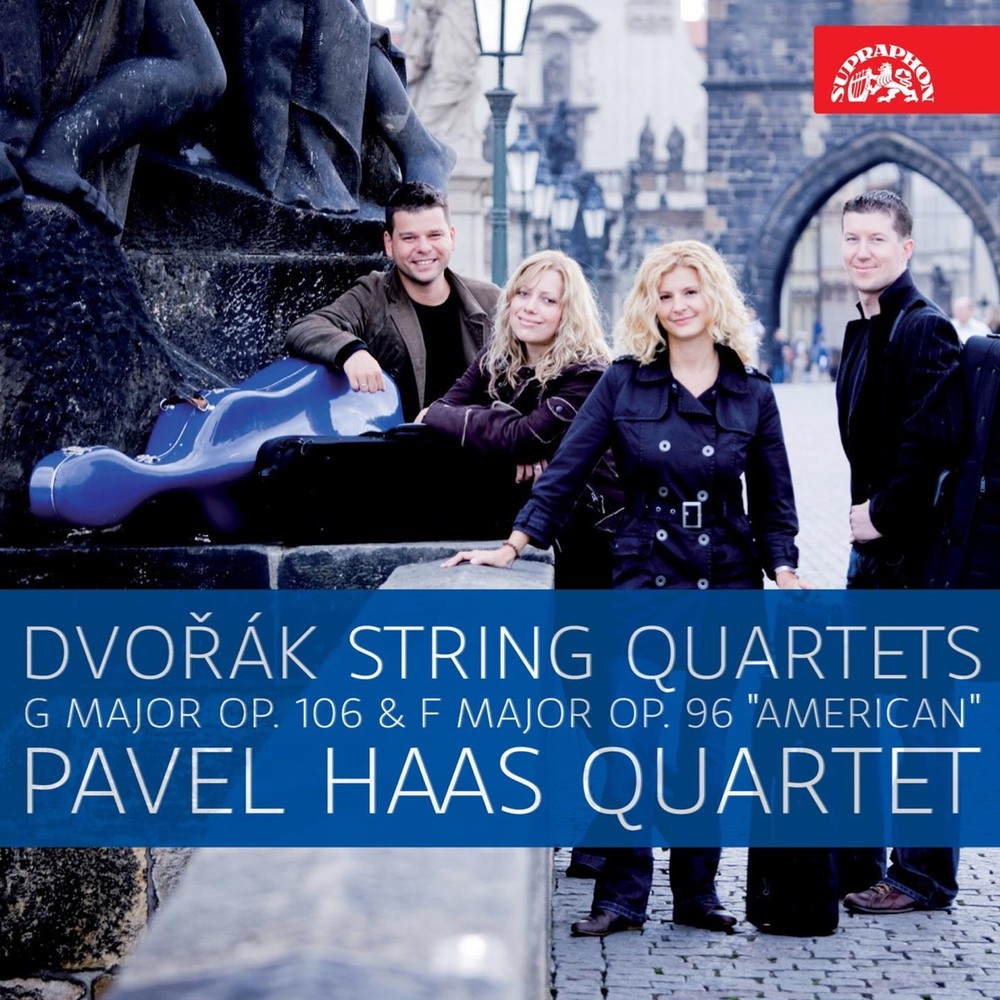
연주자 Pavel Haas Quartet 작곡가 Antonín Dvořák 작품 String Quartet No. 12 ‘American’: II. Lento 표시 발매 연도 2010 수록 음반 Dvořák: String Quartets Nos. 12 & 13 형식 음원 감상 포인트 노래하듯 긴 선율과 부드러운 반주가 교차해 네 악기의 개성을 유지하면서도 한 목소리처럼 들린다. 듣기 팁 첼로가 반복하는 리듬 위에서 첫 바이올린의 프레이즈가 어디에서 숨을 쉬는지 살펴보자.
바로가기
Beethoven Septet Op.20 Minuet — Berlin Philharmonic Octet

Beethoven Septet Op.20 Minuet — Berlin Philharmonic Octet

Beethoven Septet Op.20 Menuet — Berlin Philharmonic Octet

Listen to how the clarinet's melody is continued by the violin and horn, and how the background sections change. Later, check whether the instrument initiating the theme in 'Beethoven Septet Op.20 Menuet — Berlin Philharmonic Octet' is the same as the one concluding it. Septet in E-Flat Major, Op. 20: III. Tempo di Menuetto progresses while repeating small motions, altering the density of the background. Hearing where the Berlin Philharmonic Octet emphasizes these changes allows you to articulate the character of this version beyond mere atmosphere.

The track 'Beethoven Septet Op.20 Menuet — Berlin Philharmonic Octet', linked to 'Beethoven Septet Op.20 Menuet — Berlin Philharmonic Octet', is sourced from the album 'Beethoven: Septet in E-Flat - Sextet in E-Flat'. Following the criteria laid out in 'From Four to Eight: Understanding Chamber Music through Instrumentation', this item was introduced under 'Beethoven Septet Op.20 Menuet — Berlin Philharmonic Octet'. The Apple Music listed performer is Berlin Philharmonic Octet, with a release year of 1989. This date may differ from when Ludwig van Beethoven wrote the piece; thus, it's used solely for the recording information within 'From Four to Eight: Understanding Chamber Music through Instrumentation'. When looking for different versions of pieces like 'Beethoven Septet Op.20 Menuet — Berlin Philharmonic Octet', make sure to check the piece title, performers, and containing albums to avoid confusion with the same recording and reissues, allowing you to confirm the context as well.
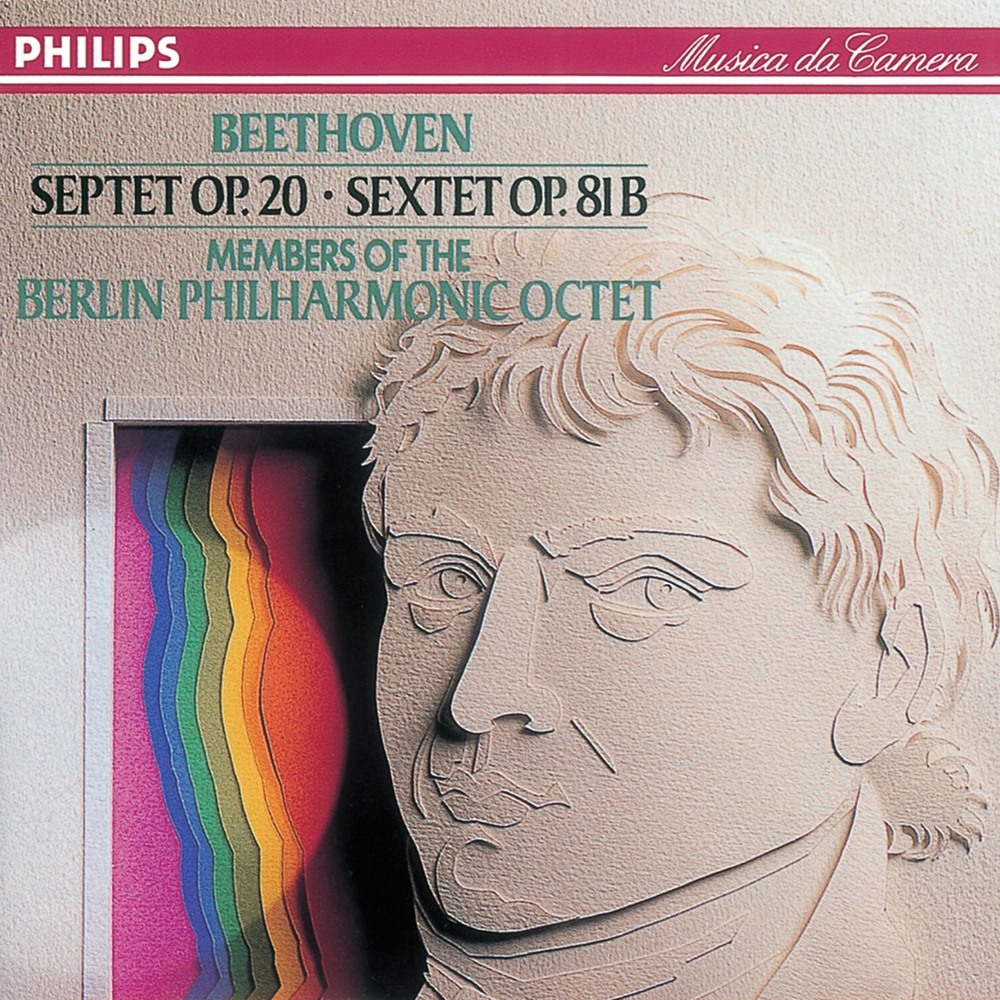
연주자 Berlin Philharmonic Octet 작곡가 Ludwig van Beethoven 작품 Septet in E-Flat Major, Op. 20: III. Tempo di Menuetto 표시 발매 연도 1989 수록 음반 Beethoven: Septet in E-Flat - Sextet in E-Flat 형식 음원 감상 포인트 일곱 악기가 익숙한 미뉴에트 주제를 주고받으며 관악과 현악의 음색을 균형 있게 펼친다. 듣기 팁 클라리넷의 선율을 바이올린과 호른이 이어받을 때 배경 성부가 어떻게 달라지는지 들어보자.
바로가기
Ravel String Quartet, Movement II — Ébène Quartet

Ravel String Quartet, Movement II — Ébène Quartet

Ravel String Quartet 2nd Movement — Ébène Quartet

Listen to how the sound of the strings plucking is not merely an effect but how it simultaneously handles both theme and rhythm. In 'Ravel String Quartet 2nd Movement — Ébène Quartet', when the same passage repeats, choose either speed or dynamics and compare. By narrowing down the focus based on the choices made by Quatuor Ébène, you won't lose track of the inner parts and rhythm of String Quartet in F Major: II. Assez vif. Finally, listen again to the overall flow of 'Ravel String Quartet 2nd Movement — Ébène Quartet' and check how the details impact your impression of the piece.

The track 'Ravel String Quartet 2nd Movement — Ébène Quartet', linked to 'Ravel String Quartet 2nd Movement — Ébène Quartet', is sourced from the album 'Debussy, Fauré & Ravel: String Quartets'. Following the criteria laid out in 'From Four to Eight: Understanding Chamber Music through Instrumentation', this item was introduced under 'Ravel String Quartet 2nd Movement — Ébène Quartet'. The Apple Music listed performer is Quatuor Ébène, with a release year of 2008. This date may differ from when Maurice Ravel wrote the piece; thus, it's used solely for the recording information within 'From Four to Eight: Understanding Chamber Music through Instrumentation'. When looking for different versions of pieces like 'Ravel String Quartet 2nd Movement — Ébène Quartet', make sure to check the piece title, performers, and containing albums to avoid confusion with the same recording and reissues, allowing you to confirm the context as well.
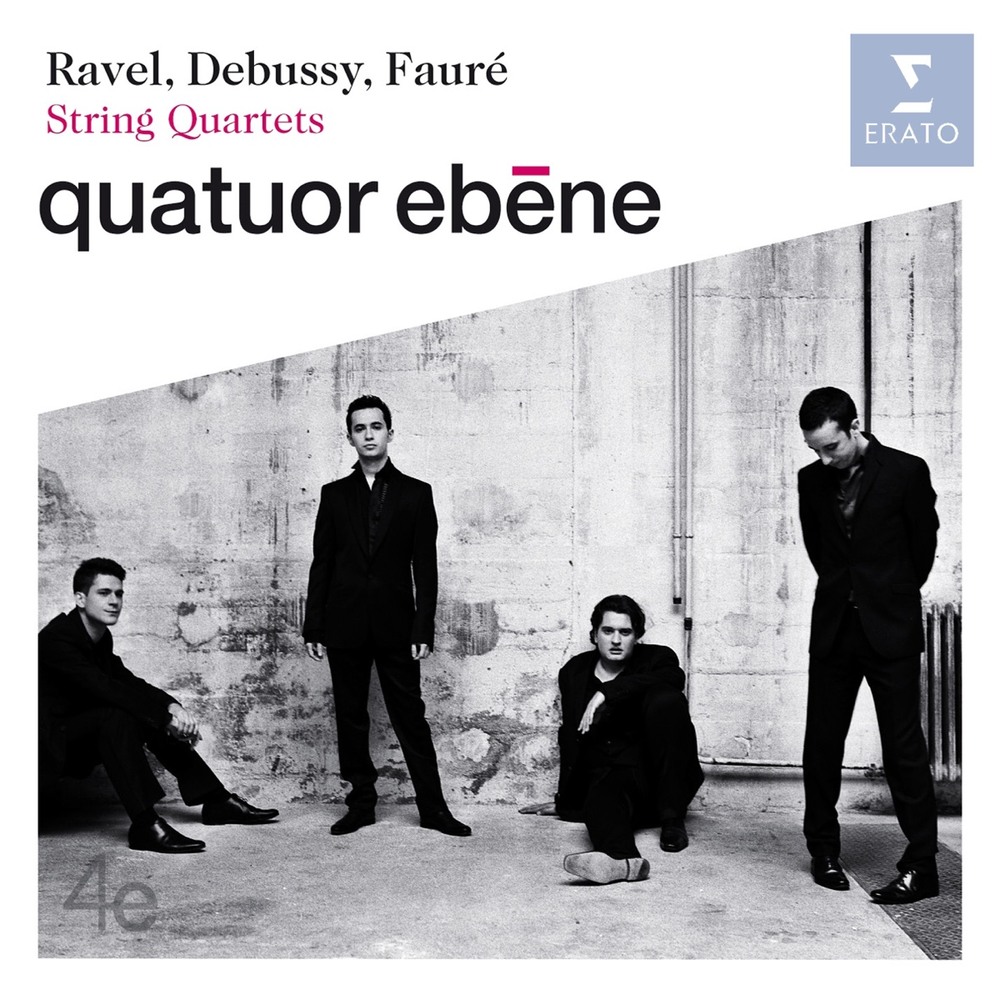
연주자 Quatuor Ébène 작곡가 Maurice Ravel 작품 String Quartet in F Major: II. Assez vif 표시 발매 연도 2008 수록 음반 Debussy, Fauré & Ravel: String Quartets 형식 음원 감상 포인트 피치카토와 활 연주가 빠르게 교대하며 네 악기만으로 타악기 같은 추진력을 만든다. 듣기 팁 현을 튕기는 소리가 단순한 효과가 아니라 주제와 리듬을 어떻게 동시에 맡는지 들어보자.
바로가기
Brahms String Sextet No. 1, Movement II — Belcea Quartet & Others

Brahms String Sextet No. 1, Movement II — Belcea Quartet & Others

Brahms String Sextet No. 1, II Movement — Belcea Quartet et al.

Let's follow the sequence in which the violin melodies change over the low tones created by the cello and viola. In the first listening of 'Brahms String Sextet No. 1, II Movement — Belcea Quartet et al.', find the one guiding sound, and in the next listening, add the surrounding parts and silence to your experience. During the journey toward the climax of String Sextet No. 1, Op. 18: II. Andante ma moderato, you can hear how Belcea Quartet, Tabea Zimmermann, and Jean-Guihen Queyras adjust the tempo and tone. When you compare the beginning and ending resonance of 'Brahms String Sextet No. 1, II Movement — Belcea Quartet et al.', the sense of distance and time crafted by the piece becomes more concrete.

The track 'Brahms String Sextet No. 1, II Movement — Belcea Quartet et al.' is an actual recording included in 'Brahms: String Sextets', selected according to the criteria of 'chamber music understood in ensembles from four to eight', and introduced under the heading 'Brahms String Sextet No. 1, II Movement — Belcea Quartet et al.'. The performing artists on Apple Music for 'Brahms String Sextet No. 1, II Movement — Belcea Quartet et al.' are Belcea Quartet, Tabea Zimmermann, and Jean-Guihen Queyras, with the release year being 2022. This date may differ from the time Johannes Brahms composed the piece, so in the context of 'chamber music understood in ensembles from four to eight', it is used solely for the recording information. When looking for other versions of works like 'Brahms String Sextet No. 1, II Movement — Belcea Quartet et al.', it is essential to verify the piece name, performers, and the album to avoid confusion with the same recording and reissues, while also ensuring the context of 'chamber music understood in ensembles from four to eight' is considered.
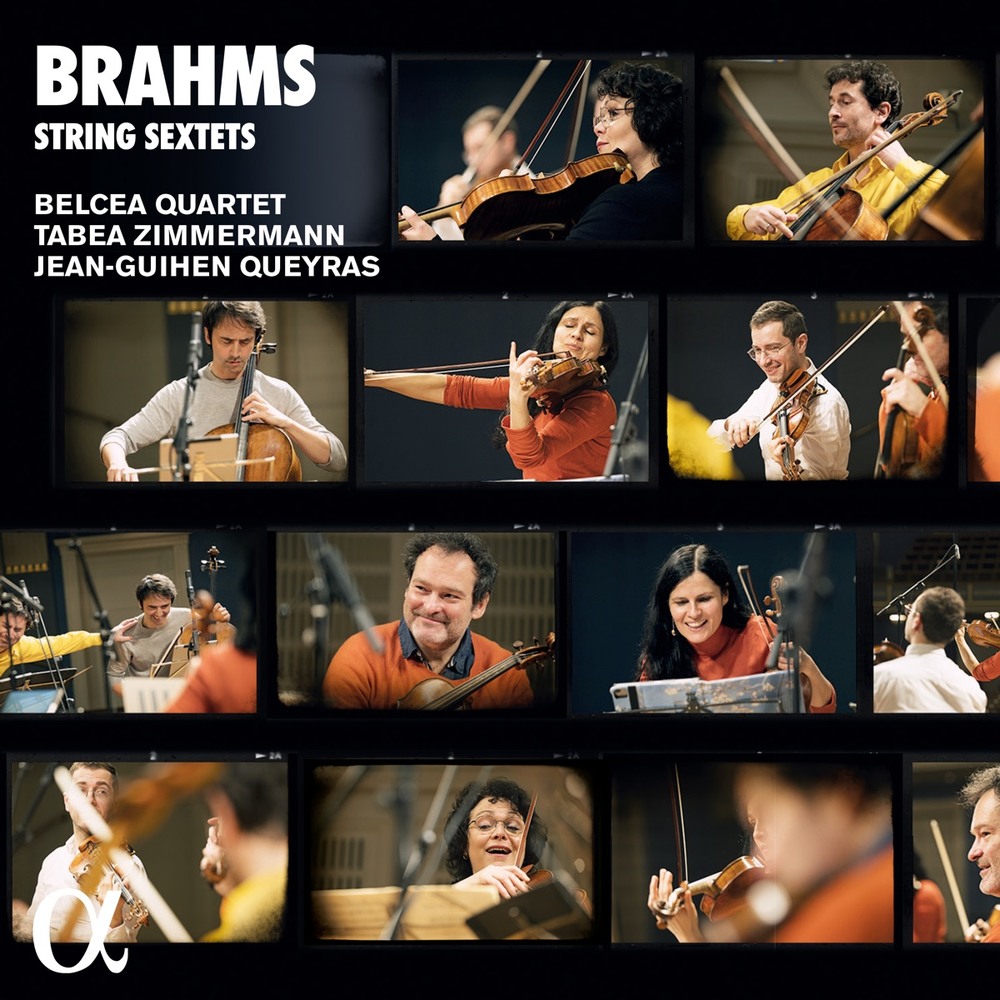
연주자 Belcea Quartet, Tabea Zimmermann & Jean-Guihen Queyras 작곡가 Johannes Brahms 작품 String Sextet No. 1, Op. 18: II. Andante ma moderato 표시 발매 연도 2022 수록 음반 Brahms: String Sextets 형식 음원 감상 포인트 여섯 현악기가 변주 주제를 두꺼운 중저음과 섬세한 안쪽 성부로 확장한다. 듣기 팁 첼로와 비올라가 만든 저음 위로 바이올린 선율이 바뀌는 순서를 따라가 보자.
바로가기
When listening to chamber music, try not to focus solely on the lead instrument. Instead, check who responds right after a phrase ends. Discovering moments where the same instrument alternates roles brings out the tension inherent in smaller formations. Also, pay attention to the left-right positioning with headphones or the distance and reverberation between instruments on speakers. Recognizing that leaders can change within a single movement helps to naturally understand the work's structure.

The performer credits for the linked recordings follow the metadata from Apple Music, and the album's release year may differ from when the compositions were written. If you enjoy a particular work, explore other composers with the same instrumentation before returning to the original piece. This allows for comparisons of the unique characteristics created by the instrumentation—such as the delicate balance of a string quartet, the smooth blending in a clarinet quintet, or the expansive space in an octet.
한눈에 보기 8개
Beethoven String Quartet No. 14, Movement I — Ehnes Quartet
Ehnes Quartet · Ludwig van Beethoven · String Quartet No. 14, Op. 131: I. Adagio · 2021 · Beethoven: String Quartets Nos. 12 & 14 · 음원 · 네 악기가 끊김 없이 이어지는 긴 흐름을 만들며 후기 베토벤 특유의 응축된 대화를 보여준다. · 첫 바이올린의 선율 아래에서 비올라와 첼로가 같은 리듬을 어떻게 다른 높이로 이어가는지 들어보자.
Schubert 'Trout' Quintet, Movement IV — Ax, Ma & Others
Emanuel Ax, Pamela Frank, Edgar Meyer, Rebecca Young & Yo-Yo Ma · Franz Schubert · Piano Quintet ‘Trout’: IV. Theme and Variations · 1995 · Schubert: Trout Quintet, Arpeggione Sonata & Die Forelle · 음원 · 피아노와 현악 네 악기가 익숙한 노래 주제를 차례로 변주하며 각자의 음색을 소개한다. · 주제가 돌아올 때마다 장식보다 어느 악기가 중심을 맡는지 먼저 표시해보자.
Mendelssohn String Octet, Movement II — Emerson String Quartet
Emerson String Quartet · Felix Mendelssohn · Octet in E-Flat Major, Op. 20: II. Andante · 2005 · Mendelssohn: The String Quartets & Octet in Two Parts · 음원 · 여덟 대의 현악기가 두 사중주처럼 갈라졌다가 하나의 큰 합주로 모이며 넓은 호흡을 만든다. · 낮은 현악이 리듬을 잡는 동안 높은 현악이 몇 개의 선율층으로 나뉘는지 들어보자.
Mozart Clarinet Quintet, Movement II — Sabine Meyer & Carmina Quartet
Carmina Quartett & Sabine Meyer · Wolfgang Amadeus Mozart · Clarinet Quintet, K. 581: II. Larghetto · 2010 · Mozart & Brahms: Clarinet Quintets · 음원 · 클라리넷의 둥근 음색이 현악사중주와 섞였다가 독주처럼 떠오르는 균형이 핵심이다. · 클라리넷이 긴 음을 유지할 때 바이올린과 비올라가 안쪽에서 만드는 작은 움직임을 찾아보자.
Dvořák 'American' Quartet, Movement II — Pavel Haas Quartet
Pavel Haas Quartet · Antonín Dvořák · String Quartet No. 12 ‘American’: II. Lento · 2010 · Dvořák: String Quartets Nos. 12 & 13 · 음원 · 노래하듯 긴 선율과 부드러운 반주가 교차해 네 악기의 개성을 유지하면서도 한 목소리처럼 들린다. · 첼로가 반복하는 리듬 위에서 첫 바이올린의 프레이즈가 어디에서 숨을 쉬는지 살펴보자.
Beethoven Septet Op.20 Minuet — Berlin Philharmonic Octet
Berlin Philharmonic Octet · Ludwig van Beethoven · Septet in E-Flat Major, Op. 20: III. Tempo di Menuetto · 1989 · Beethoven: Septet in E-Flat - Sextet in E-Flat · 음원 · 일곱 악기가 익숙한 미뉴에트 주제를 주고받으며 관악과 현악의 음색을 균형 있게 펼친다. · 클라리넷의 선율을 바이올린과 호른이 이어받을 때 배경 성부가 어떻게 달라지는지 들어보자.
Ravel String Quartet, Movement II — Ébène Quartet
Quatuor Ébène · Maurice Ravel · String Quartet in F Major: II. Assez vif · 2008 · Debussy, Fauré & Ravel: String Quartets · 음원 · 피치카토와 활 연주가 빠르게 교대하며 네 악기만으로 타악기 같은 추진력을 만든다. · 현을 튕기는 소리가 단순한 효과가 아니라 주제와 리듬을 어떻게 동시에 맡는지 들어보자.
Brahms String Sextet No. 1, Movement II — Belcea Quartet & Others
Belcea Quartet, Tabea Zimmermann & Jean-Guihen Queyras · Johannes Brahms · String Sextet No. 1, Op. 18: II. Andante ma moderato · 2022 · Brahms: String Sextets · 음원 · 여섯 현악기가 변주 주제를 두꺼운 중저음과 섬세한 안쪽 성부로 확장한다. · 첼로와 비올라가 만든 저음 위로 바이올린 선율이 바뀌는 순서를 따라가 보자.

이 포스팅은 쿠팡 파트너스 활동의 일환으로, 이에 따른 일정액의 수수료를 제공받습니다.

댓글 0

로그인 후 댓글을 작성할 수 있습니다.

첫 댓글을 남겨보세요.

이런 리스트는 어때요?

이런 리스트도 추천해요

🎲

여기서 멈추기엔 아쉽잖아?

다음에 뭘 볼지 고민하는 시간이 제일 아까워.
주사위가 대신 골라줄게 — 무슨 리스트가 튀어나올지는 굴려봐야 알지.
안 누르면… 평생 궁금하지 않겠어? 👀

All menu
Login required
Log in
Categories
Language
Display mode
✦ ✦ ✦ ✦ ✦

Drum roll… picking a list!

모하지
Use Mohazi as an app
Open it from your home screen and browse faster.
On iPhone, tap the Share button at the bottom of Safari, then choose “Add to Home Screen” to use it like an app.