Collection
Classical
2026.09.26
Ballet Music That Evokes Scenes Even Without a Stage
A listening list that follows characters' entrances, dances, conflicts, and finales through real ballet recordings
Ballet music is more like a timetable designed in advance for body movements and scene transitions than merely a background supporting dance. The recurring rhythms synchronize with the dancers’ steps, solo instruments amplify a character’s emotions, and sudden silences and strong harmonies draw the audience's attention elsewhere. Even if you don't know the entire story, if you can identify the functions of the music, like entrance, dialogue, collision, and celebration, the scenes will come to mind naturally.
This list includes real ballet audio from works by Tchaikovsky, such as Swan Lake and The Nutcracker, as well as pieces by Prokofiev, Stravinsky, Copland, Delibes, Minkus, and Adam. We’ve expanded from the waltzes of Romantic ballet to the irregular rhythms of the 20th century and explained what movements each piece suggests on stage. The order starts with highlight pieces, making it easy to expand to complete works that you like.
This list includes real ballet audio from works by Tchaikovsky, such as Swan Lake and The Nutcracker, as well as pieces by Prokofiev, Stravinsky, Copland, Delibes, Minkus, and Adam. We’ve expanded from the waltzes of Romantic ballet to the irregular rhythms of the 20th century and explained what movements each piece suggests on stage. The order starts with highlight pieces, making it easy to expand to complete works that you like.
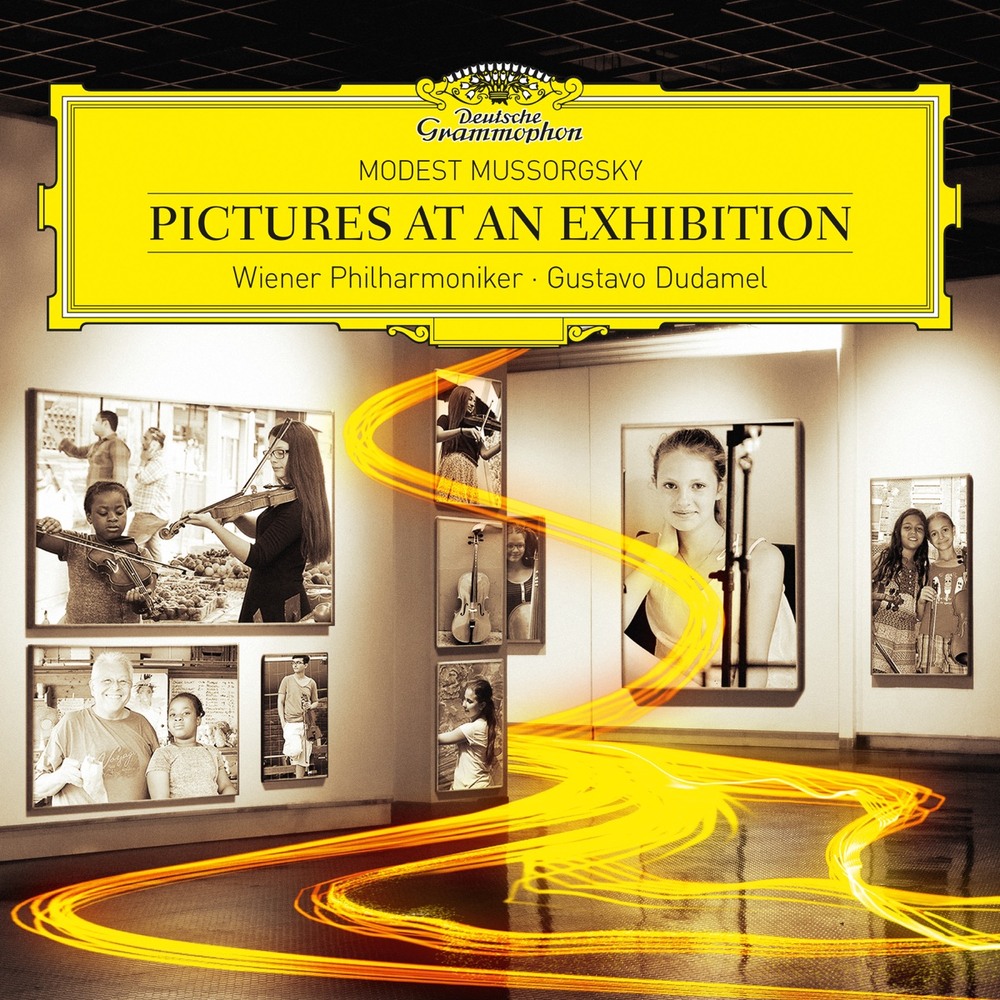
Tchaikovsky: Waltz from Swan Lake — Dudamel & Vienna Philharmonic
Feel the weight of the first beat and the way the next two beats follow lightly, and picture a circling movement. On your first listen to ‘Tchaikovsky: Waltz from Swan Lake — Dudamel & Vienna Philharmonic’, follow the points described above; on the second, widen your focus to the bass and the inner voices. That way, the texture of Swan Lake, Op. 20: Waltz and the phrase lengths chosen by Vienna Philharmonic & Gustavo Dudamel come through together. Rather than waiting for the famous passage, mark the moments when the tone color changes, and you won't lose track of where the piece is heading.
The Swan Lake, Op. 20: Waltz track linked to ‘Tchaikovsky: Waltz from Swan Lake — Dudamel & Vienna Philharmonic’ is a real recording from the album “Mussorgsky: Pictures at an Exhibition”, and we've featured it as the ‘Tchaikovsky: Waltz from Swan Lake — Dudamel & Vienna Philharmonic’ entry because it fits the selection criteria of ‘Ballet Music That Paints Scenes Even Without a Stage’. For ‘Tchaikovsky: Waltz from Swan Lake — Dudamel & Vienna Philharmonic’, Apple Music lists the performers as Vienna Philharmonic & Gustavo Dudamel and the release year as 2016; since this date may differ from when Pyotr Ilyich Tchaikovsky wrote the piece, we use it only as recording information in this list. When looking for other versions of the same work as ‘Tchaikovsky: Waltz from Swan Lake — Dudamel & Vienna Philharmonic’, check the title, performers, and album together so you don't confuse the same recording with a reissue, and so you can also see the context of the list.
The Swan Lake, Op. 20: Waltz track linked to ‘Tchaikovsky: Waltz from Swan Lake — Dudamel & Vienna Philharmonic’ is a real recording from the album “Mussorgsky: Pictures at an Exhibition”, and we've featured it as the ‘Tchaikovsky: Waltz from Swan Lake — Dudamel & Vienna Philharmonic’ entry because it fits the selection criteria of ‘Ballet Music That Paints Scenes Even Without a Stage’. For ‘Tchaikovsky: Waltz from Swan Lake — Dudamel & Vienna Philharmonic’, Apple Music lists the performers as Vienna Philharmonic & Gustavo Dudamel and the release year as 2016; since this date may differ from when Pyotr Ilyich Tchaikovsky wrote the piece, we use it only as recording information in this list. When looking for other versions of the same work as ‘Tchaikovsky: Waltz from Swan Lake — Dudamel & Vienna Philharmonic’, check the title, performers, and album together so you don't confuse the same recording with a reissue, and so you can also see the context of the list.
연주자 Vienna Philharmonic & Gustavo Dudamel
작곡가 Pyotr Ilyich Tchaikovsky
작품 Swan Lake, Op. 20: Waltz
표시 발매 연도 2016
수록 음반 Mussorgsky: Pictures at an Exhibition
형식 음원
감상 포인트 넓게 회전하는 3박자와 밝은 관현악이 궁정의 군무와 공간감을 동시에 만든다.
듣기 팁 첫 박의 무게와 뒤의 두 박이 가볍게 이어지는 방식을 느끼며 원을 그리는 움직임을 상상해보자.
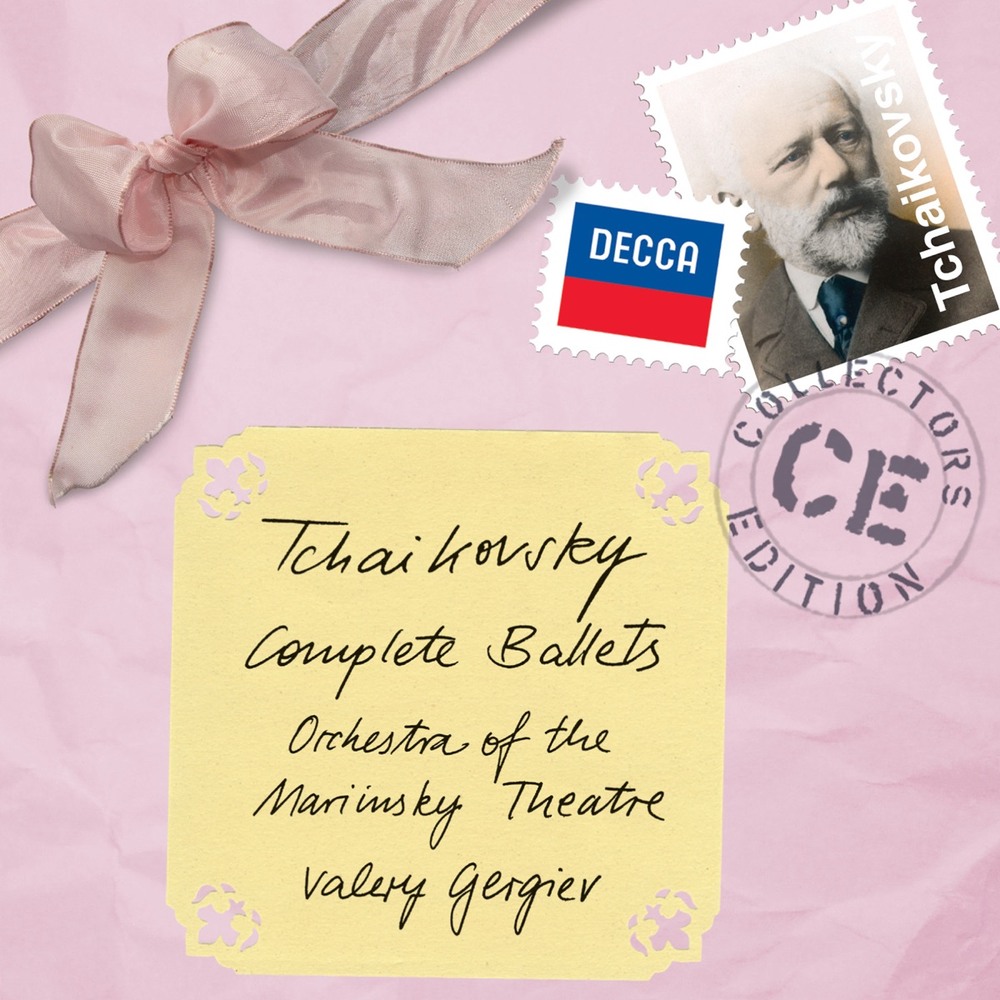
Tchaikovsky: Pas de Deux Intrada from The Nutcracker — Gergiev & Mariinsky
Listen first to the repeating bass progression rather than the melody, and notice how widely the strings expand the emotion on top of it. Next, check whether the register and accents change when the same motif returns in ‘Tchaikovsky: Pas de Deux Intrada from The Nutcracker — Gergiev & Mariinsky’. Rather than exaggerating the broad arc of The Nutcracker: Pas de deux, Intrada, the performance by Mariinsky Orchestra & Valery Gergiev reveals it through the way each voice connects. Finally, go back to the opening of ‘Tchaikovsky: Pas de Deux Intrada from The Nutcracker — Gergiev & Mariinsky’ and compare what has changed since your first impression, and the structure comes into sharp focus.
The The Nutcracker: Pas de deux, Intrada track linked to ‘Tchaikovsky: Pas de Deux Intrada from The Nutcracker — Gergiev & Mariinsky’ is a real recording from the album “Tchaikovsky: Complete Ballets”, and we've featured it as the ‘Tchaikovsky: Pas de Deux Intrada from The Nutcracker — Gergiev & Mariinsky’ entry because it fits the selection criteria of ‘Ballet Music That Paints Scenes Even Without a Stage’. For ‘Tchaikovsky: Pas de Deux Intrada from The Nutcracker — Gergiev & Mariinsky’, Apple Music lists the performers as Mariinsky Orchestra & Valery Gergiev and the release year as 1992; since this date may differ from when Pyotr Ilyich Tchaikovsky wrote the piece, we use it only as recording information. When looking for other versions of the same work as ‘Tchaikovsky: Pas de Deux Intrada from The Nutcracker — Gergiev & Mariinsky’, check the title, performers, and album together so you don't confuse the same recording with a reissue, and so you can also see the context of this list.
The The Nutcracker: Pas de deux, Intrada track linked to ‘Tchaikovsky: Pas de Deux Intrada from The Nutcracker — Gergiev & Mariinsky’ is a real recording from the album “Tchaikovsky: Complete Ballets”, and we've featured it as the ‘Tchaikovsky: Pas de Deux Intrada from The Nutcracker — Gergiev & Mariinsky’ entry because it fits the selection criteria of ‘Ballet Music That Paints Scenes Even Without a Stage’. For ‘Tchaikovsky: Pas de Deux Intrada from The Nutcracker — Gergiev & Mariinsky’, Apple Music lists the performers as Mariinsky Orchestra & Valery Gergiev and the release year as 1992; since this date may differ from when Pyotr Ilyich Tchaikovsky wrote the piece, we use it only as recording information. When looking for other versions of the same work as ‘Tchaikovsky: Pas de Deux Intrada from The Nutcracker — Gergiev & Mariinsky’, check the title, performers, and album together so you don't confuse the same recording with a reissue, and so you can also see the context of this list.
연주자 Mariinsky Orchestra & Valery Gergiev
작곡가 Pyotr Ilyich Tchaikovsky
작품 The Nutcracker: Pas de deux, Intrada
표시 발매 연도 1992
수록 음반 Tchaikovsky: Complete Ballets
형식 음원
감상 포인트 하강하는 음형과 점차 커지는 관현악이 두 무용수의 큰 동작과 극적인 균형을 받친다.
듣기 팁 선율보다 반복되는 저음 진행을 먼저 듣고 그 위에서 현악이 감정을 얼마나 크게 확장하는지 살펴보자.
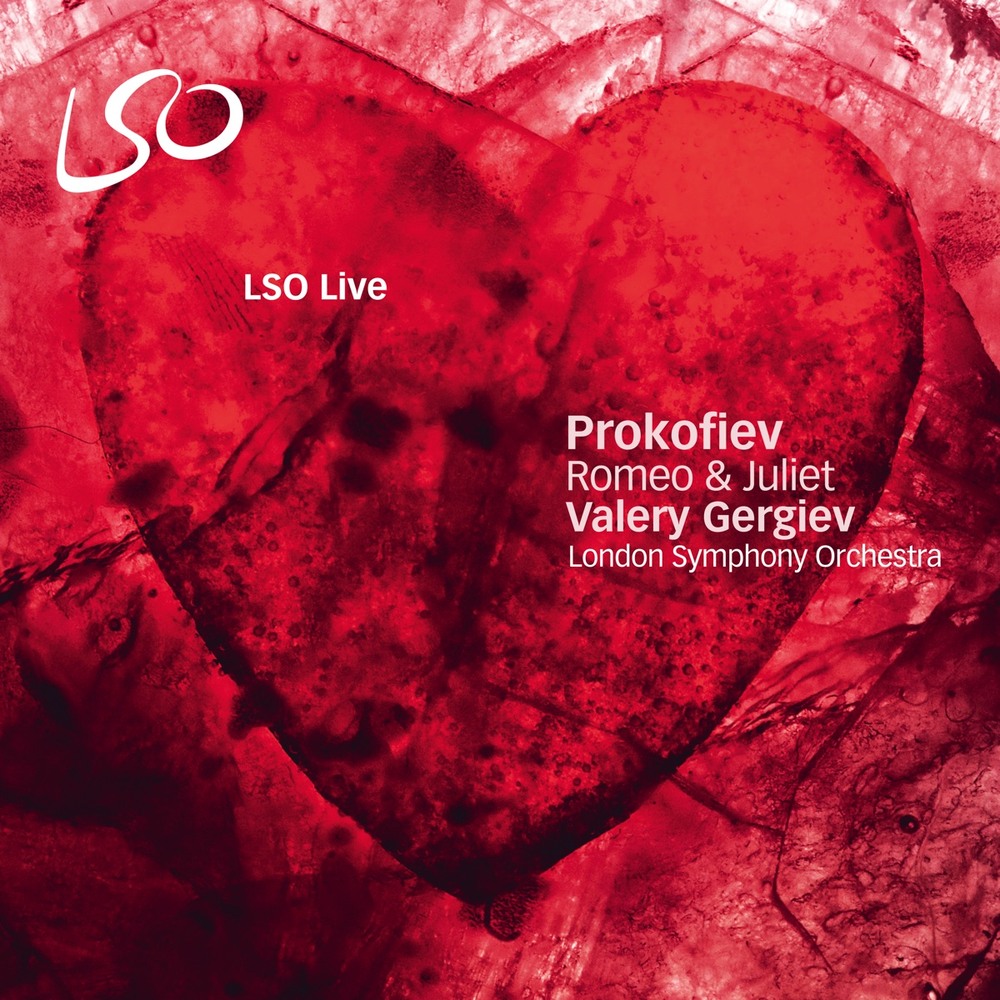
Prokofiev: “Dance of the Knights” from Romeo and Juliet — Gergiev & London Symphony
Listen to how the quiet middle section emerging between strong themes briefly alters the character's tension. When listening to this audio again, focus on the order of overlapping sounds rather than the tempo. By finding where the repeating material from Romeo and Juliet: Dance of the Knights shifts to which part, you can also recognize the balance sense of Valery Gergiev & London Symphony Orchestra. By comparing the lingering echoes at the end of 'Prokofiev’s Romeo and Juliet ‘Dance of the Knights’ — Gergiev & London Symphony' with the initial phrase, you’ll understand the emotional change within the structure.
The track connected under 'Prokofiev’s Romeo and Juliet ‘Dance of the Knights’ — Gergiev & London Symphony' is an actual audio recording included in 'Prokofiev: Romeo & Juliet, Op. 64,' chosen according to the criteria of 'Ballet Music That Evokes Scenes Even Without a Stage.' The Apple Music performance artists for 'Prokofiev’s Romeo and Juliet ‘Dance of the Knights’ — Gergiev & London Symphony' are Valery Gergiev & London Symphony Orchestra, with a release year of 2003. This date may differ from when Sergei Prokofiev wrote the piece, so it is used solely for recording information here. When looking for different versions of works like 'Prokofiev’s Romeo and Juliet ‘Dance of the Knights’ — Gergiev & London Symphony,' check the work title, performers, and the album to avoid confusion with the same recording and reissue while also clarifying its place in this list.
The track connected under 'Prokofiev’s Romeo and Juliet ‘Dance of the Knights’ — Gergiev & London Symphony' is an actual audio recording included in 'Prokofiev: Romeo & Juliet, Op. 64,' chosen according to the criteria of 'Ballet Music That Evokes Scenes Even Without a Stage.' The Apple Music performance artists for 'Prokofiev’s Romeo and Juliet ‘Dance of the Knights’ — Gergiev & London Symphony' are Valery Gergiev & London Symphony Orchestra, with a release year of 2003. This date may differ from when Sergei Prokofiev wrote the piece, so it is used solely for recording information here. When looking for different versions of works like 'Prokofiev’s Romeo and Juliet ‘Dance of the Knights’ — Gergiev & London Symphony,' check the work title, performers, and the album to avoid confusion with the same recording and reissue while also clarifying its place in this list.
연주자 Valery Gergiev & London Symphony Orchestra
작곡가 Sergei Prokofiev
작품 Romeo and Juliet: Dance of the Knights
표시 발매 연도 2003
수록 음반 Prokofiev: Romeo & Juliet, Op. 64
형식 음원
감상 포인트 무거운 금관과 날카로운 리듬이 캐퓰릿 가문의 권위와 위협적인 군무를 그린다.
듣기 팁 강한 주제 사이에 등장하는 조용한 중간부가 인물의 긴장을 어떻게 잠시 바꾸는지 들어보자.
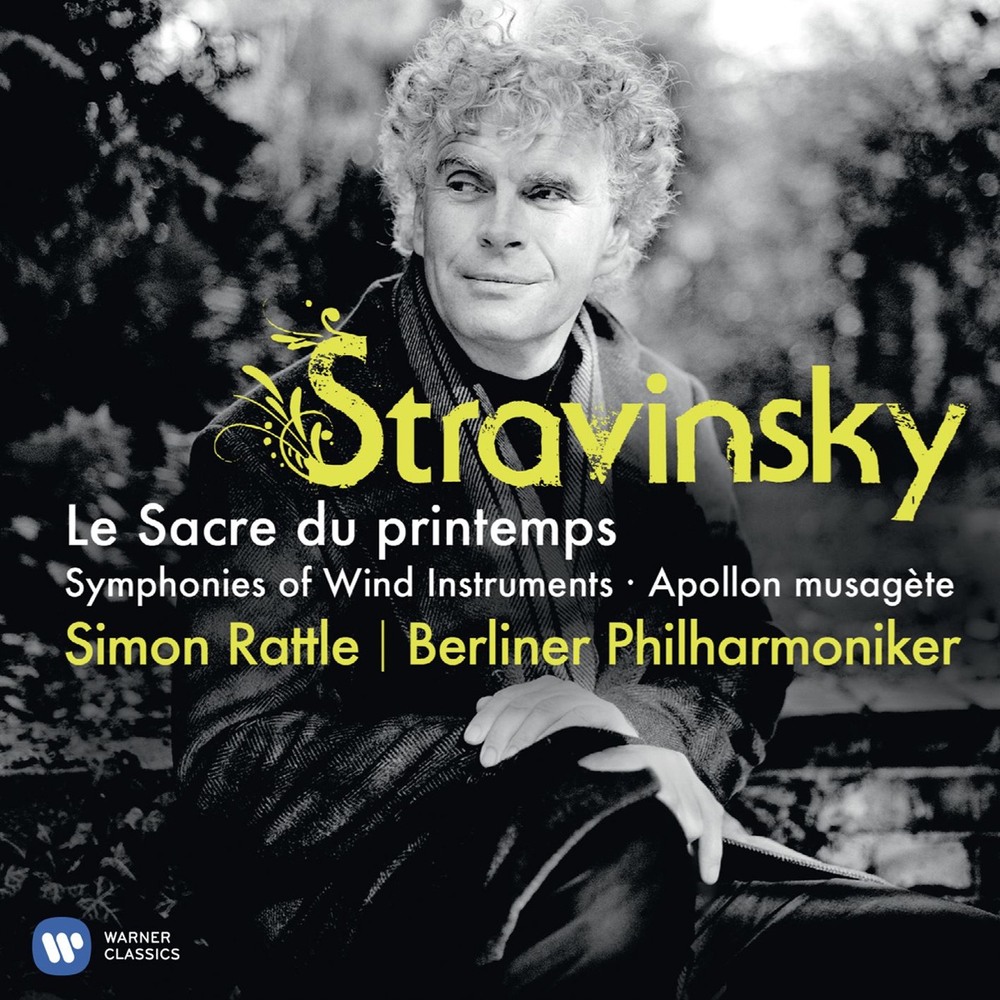
Stravinsky: “Sacrificial Dance” from The Rite of Spring — Rattle & Berlin Philharmonic
Instead of trying to find a regular beat, let's use your hands to mark the positions of emphasis and feel the impact of the rhythm. Then listen to what the accompaniment and background parts are doing at the same time in 'Stravinsky's The Rite of Spring ‘Sacrificial Dance’ — Rattle & Berlin Philharmonic.' By tracking how previous materials return in different instruments and ranges, the design of The Rite of Spring: Sacrificial Dance comes into view. Marking where the Berlin Philharmonic & Sir Simon Rattle emphasize also gives you a basis for comparing with other performances.
The track connected under 'Stravinsky's The Rite of Spring ‘Sacrificial Dance’ — Rattle & Berlin Philharmonic' is an actual audio recording included in 'Stravinsky: Le sacre du printemps,' selected according to the criteria of 'Ballet Music That Evokes Scenes Even Without a Stage.' The Apple Music performance artists for 'Stravinsky's The Rite of Spring ‘Sacrificial Dance’ — Rattle & Berlin Philharmonic' are Berlin Philharmonic & Sir Simon Rattle, with a release year of 2013. This date may differ from when Igor Stravinsky wrote the piece, so it is used here solely for recording information. When looking for different versions of works like 'Stravinsky's The Rite of Spring ‘Sacrificial Dance’ — Rattle & Berlin Philharmonic,' check the work title, performers, and the album to avoid confusion with the same recording and reissue while also clarifying the context of this list.
The track connected under 'Stravinsky's The Rite of Spring ‘Sacrificial Dance’ — Rattle & Berlin Philharmonic' is an actual audio recording included in 'Stravinsky: Le sacre du printemps,' selected according to the criteria of 'Ballet Music That Evokes Scenes Even Without a Stage.' The Apple Music performance artists for 'Stravinsky's The Rite of Spring ‘Sacrificial Dance’ — Rattle & Berlin Philharmonic' are Berlin Philharmonic & Sir Simon Rattle, with a release year of 2013. This date may differ from when Igor Stravinsky wrote the piece, so it is used here solely for recording information. When looking for different versions of works like 'Stravinsky's The Rite of Spring ‘Sacrificial Dance’ — Rattle & Berlin Philharmonic,' check the work title, performers, and the album to avoid confusion with the same recording and reissue while also clarifying the context of this list.
연주자 Berlin Philharmonic & Sir Simon Rattle
작곡가 Igor Stravinsky
작품 The Rite of Spring: Sacrificial Dance
표시 발매 연도 2013
수록 음반 Stravinsky: Le sacre du printemps
형식 음원
감상 포인트 예측하기 어려운 악센트와 겹쳐진 박자가 몸을 불안정하게 밀어붙이며 의식의 절정을 만든다.
듣기 팁 규칙적인 박자를 찾으려 하기보다 강세가 나타나는 위치를 손으로 표시하며 리듬의 충격을 느껴보자.
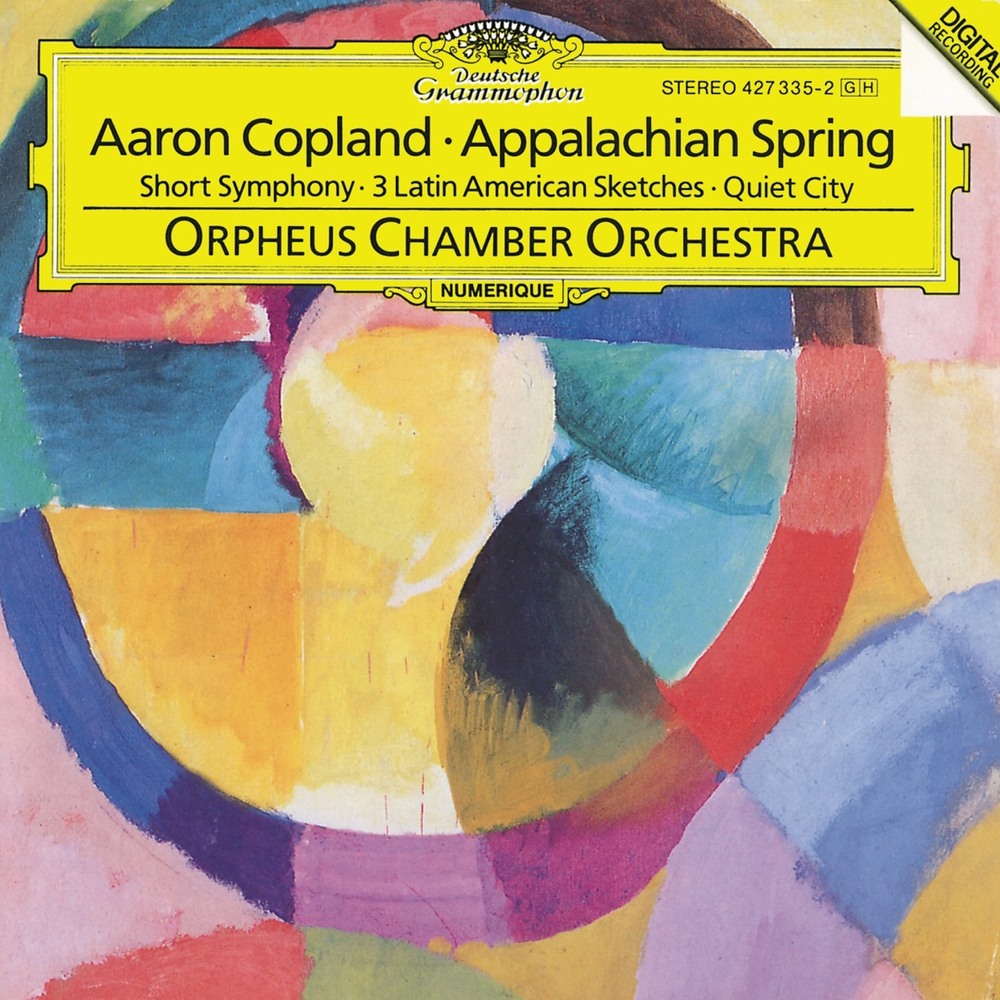
Copland: Appalachian Spring Suite — Orpheus Chamber Orchestra
Follow how the melody thins out in the passages with fewer instruments and then broadens back into the full ensemble. When you listen to ‘Copland: Appalachian Spring Suite — Orpheus Chamber Orchestra’ again, look for the lowest note and the longest note. Where the two meet determines the tension and release of Appalachian Spring, 1945 Suite, and it's also where the interpretation by Orpheus Chamber Orchestra, Susan Palma, David Singer, Frank Morelli & Wu Han becomes clear. Rather than the volume, compare the length of the breathing and the reverberation in ‘Copland: Appalachian Spring Suite — Orpheus Chamber Orchestra’, and the reason this version was chosen becomes vivid.
The Appalachian Spring, 1945 Suite track linked to ‘Copland: Appalachian Spring Suite — Orpheus Chamber Orchestra’ is a real recording from the album “Copland: Appalachian Spring”, and we've featured it as the ‘Copland: Appalachian Spring Suite — Orpheus Chamber Orchestra’ entry because it fits the selection criteria of ‘Ballet Music That Paints Scenes Even Without a Stage’. For ‘Copland: Appalachian Spring Suite — Orpheus Chamber Orchestra’, Apple Music lists the performers as Orpheus Chamber Orchestra, Susan Palma, David Singer, Frank Morelli & Wu Han and the release year as 1989; since this date may differ from when Aaron Copland wrote the piece, we use it only as recording information. When looking for other versions of the same work as ‘Copland: Appalachian Spring Suite — Orpheus Chamber Orchestra’, check the title, performers, and album together so you don't confuse the same recording with a reissue, and so you can also see the context of this list.
The Appalachian Spring, 1945 Suite track linked to ‘Copland: Appalachian Spring Suite — Orpheus Chamber Orchestra’ is a real recording from the album “Copland: Appalachian Spring”, and we've featured it as the ‘Copland: Appalachian Spring Suite — Orpheus Chamber Orchestra’ entry because it fits the selection criteria of ‘Ballet Music That Paints Scenes Even Without a Stage’. For ‘Copland: Appalachian Spring Suite — Orpheus Chamber Orchestra’, Apple Music lists the performers as Orpheus Chamber Orchestra, Susan Palma, David Singer, Frank Morelli & Wu Han and the release year as 1989; since this date may differ from when Aaron Copland wrote the piece, we use it only as recording information. When looking for other versions of the same work as ‘Copland: Appalachian Spring Suite — Orpheus Chamber Orchestra’, check the title, performers, and album together so you don't confuse the same recording with a reissue, and so you can also see the context of this list.
연주자 Orpheus Chamber Orchestra, Susan Palma, David Singer, Frank Morelli & Wu Han
작곡가 Aaron Copland
작품 Appalachian Spring, 1945 Suite
표시 발매 연도 1989
수록 음반 Copland: Appalachian Spring
형식 음원
감상 포인트 맑은 화음과 민요 선율이 넓은 공간, 공동체, 새 출발의 장면을 소박하게 이어준다.
듣기 팁 악기 수가 적은 부분에서 선율이 어떻게 비워지고 다시 전체 합주로 넓어지는지 따라가 보자.
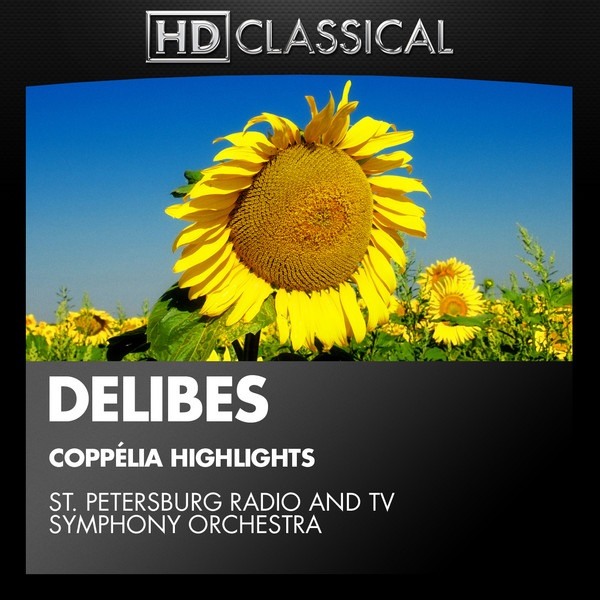
Delibes: “Waltz of the Hours” from Coppélia — Gorkovenko & St. Petersburg RTV
Listen to how the short accents at the end of each phrase organize the dance movements and prepare for the next turn. Next, check whether the instruments starting and ending the theme in 'Delibes' Coppélia ‘Waltz of the Hours’ — Gorkovenko & St. Petersburg RTV' are the same. Coppélia: Waltz of the Hours progresses while repeating small movements yet changing the density of the background. By hearing where the Saint Petersburg RTV Symphony Orchestra & Stanislav Gorkovenko emphasize these changes, you can explain the character of this version beyond just a simple atmospheric appreciation.
The track connected under 'Delibes' Coppélia ‘Waltz of the Hours’ — Gorkovenko & St. Petersburg RTV' is an actual audio recording included in 'Delibes: Coppélia Highlights,' chosen according to the criteria of 'Ballet Music That Evokes Scenes Even Without a Stage.' The Apple Music performance artists for 'Delibes' Coppélia ‘Waltz of the Hours’ — Gorkovenko & St. Petersburg RTV' are Saint Petersburg RTV Symphony Orchestra & Stanislav Gorkovenko, with a release year of 2003. This date may differ from when Léo Delibes wrote the piece, so it is used solely for recording information. When looking for different versions of works like 'Delibes' Coppélia ‘Waltz of the Hours’ — Gorkovenko & St. Petersburg RTV,' check the work title, performers, and the album to avoid confusion with the same recording and reissue while also clarifying the context of the list.
The track connected under 'Delibes' Coppélia ‘Waltz of the Hours’ — Gorkovenko & St. Petersburg RTV' is an actual audio recording included in 'Delibes: Coppélia Highlights,' chosen according to the criteria of 'Ballet Music That Evokes Scenes Even Without a Stage.' The Apple Music performance artists for 'Delibes' Coppélia ‘Waltz of the Hours’ — Gorkovenko & St. Petersburg RTV' are Saint Petersburg RTV Symphony Orchestra & Stanislav Gorkovenko, with a release year of 2003. This date may differ from when Léo Delibes wrote the piece, so it is used solely for recording information. When looking for different versions of works like 'Delibes' Coppélia ‘Waltz of the Hours’ — Gorkovenko & St. Petersburg RTV,' check the work title, performers, and the album to avoid confusion with the same recording and reissue while also clarifying the context of the list.
연주자 Saint Petersburg RTV Symphony Orchestra & Stanislav Gorkovenko
작곡가 Léo Delibes
작품 Coppélia: Waltz of the Hours
표시 발매 연도 2003
수록 음반 Delibes: Coppélia Highlights
형식 음원
감상 포인트 정교한 왈츠 리듬과 밝은 목관이 자동인형 같은 움직임과 축제의 표정을 함께 만든다.
듣기 팁 매 구절 끝의 짧은 악센트가 무용 동작을 어떻게 정리하고 다음 회전을 준비하는지 들어보자.
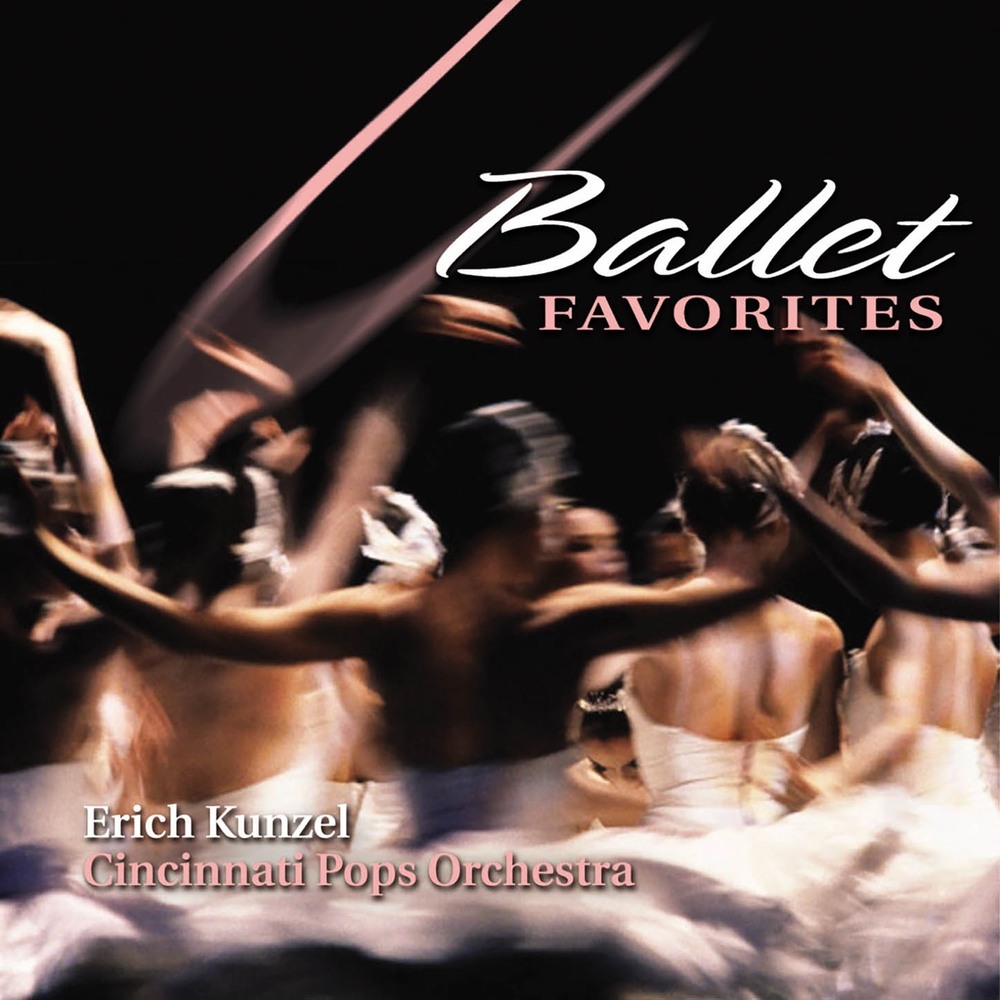
Minkus: Grand Pas de Deux from Don Quixote — Kunzel & Cincinnati Pops
Compare the tempo difference between the slow introduction and the fast coda, and find the point where the character of the movement changes. When a phrase repeats in ‘Minkus: Grand Pas de Deux from Don Quixote — Kunzel & Cincinnati Pops’, pick either tempo or dynamics and compare. Narrowing your attention to the choices of Cincinnati Pops Orchestra & Erich Kunzel by a single criterion helps you catch the inner voices and rhythms of Don Quixote: Grand pas de deux as well. Finally, listen through the whole of ‘Minkus: Grand Pas de Deux from Don Quixote — Kunzel & Cincinnati Pops’ again and notice how the details shaped your impression of the piece.
The Don Quixote: Grand pas de deux track linked to ‘Minkus: Grand Pas de Deux from Don Quixote — Kunzel & Cincinnati Pops’ is a real recording from the album “Ballet Favorites”, and we've featured it as the ‘Minkus: Grand Pas de Deux from Don Quixote — Kunzel & Cincinnati Pops’ entry because it fits the selection criteria of ‘Ballet Music That Paints Scenes Even Without a Stage’. For ‘Minkus: Grand Pas de Deux from Don Quixote — Kunzel & Cincinnati Pops’, Apple Music lists the performers as Cincinnati Pops Orchestra & Erich Kunzel and the release year as 2004; since this date may differ from when Ludwig Minkus wrote the piece, we use it only as recording information here. When looking for other versions of the same work as ‘Minkus: Grand Pas de Deux from Don Quixote — Kunzel & Cincinnati Pops’, check the title, performers, and album together so you don't confuse the same recording with a reissue, and so you can also see the context of the list.
The Don Quixote: Grand pas de deux track linked to ‘Minkus: Grand Pas de Deux from Don Quixote — Kunzel & Cincinnati Pops’ is a real recording from the album “Ballet Favorites”, and we've featured it as the ‘Minkus: Grand Pas de Deux from Don Quixote — Kunzel & Cincinnati Pops’ entry because it fits the selection criteria of ‘Ballet Music That Paints Scenes Even Without a Stage’. For ‘Minkus: Grand Pas de Deux from Don Quixote — Kunzel & Cincinnati Pops’, Apple Music lists the performers as Cincinnati Pops Orchestra & Erich Kunzel and the release year as 2004; since this date may differ from when Ludwig Minkus wrote the piece, we use it only as recording information here. When looking for other versions of the same work as ‘Minkus: Grand Pas de Deux from Don Quixote — Kunzel & Cincinnati Pops’, check the title, performers, and album together so you don't confuse the same recording with a reissue, and so you can also see the context of the list.
연주자 Cincinnati Pops Orchestra & Erich Kunzel
작곡가 Ludwig Minkus
작품 Don Quixote: Grand pas de deux
표시 발매 연도 2004
수록 음반 Ballet Favorites
형식 음원
감상 포인트 선명한 박자와 화려한 관현악이 고난도 독무와 파트너링을 위한 무대의 에너지를 만든다.
듣기 팁 느린 도입과 빠른 코다의 템포 차이를 비교하며 동작의 성격이 바뀌는 지점을 찾아보자.
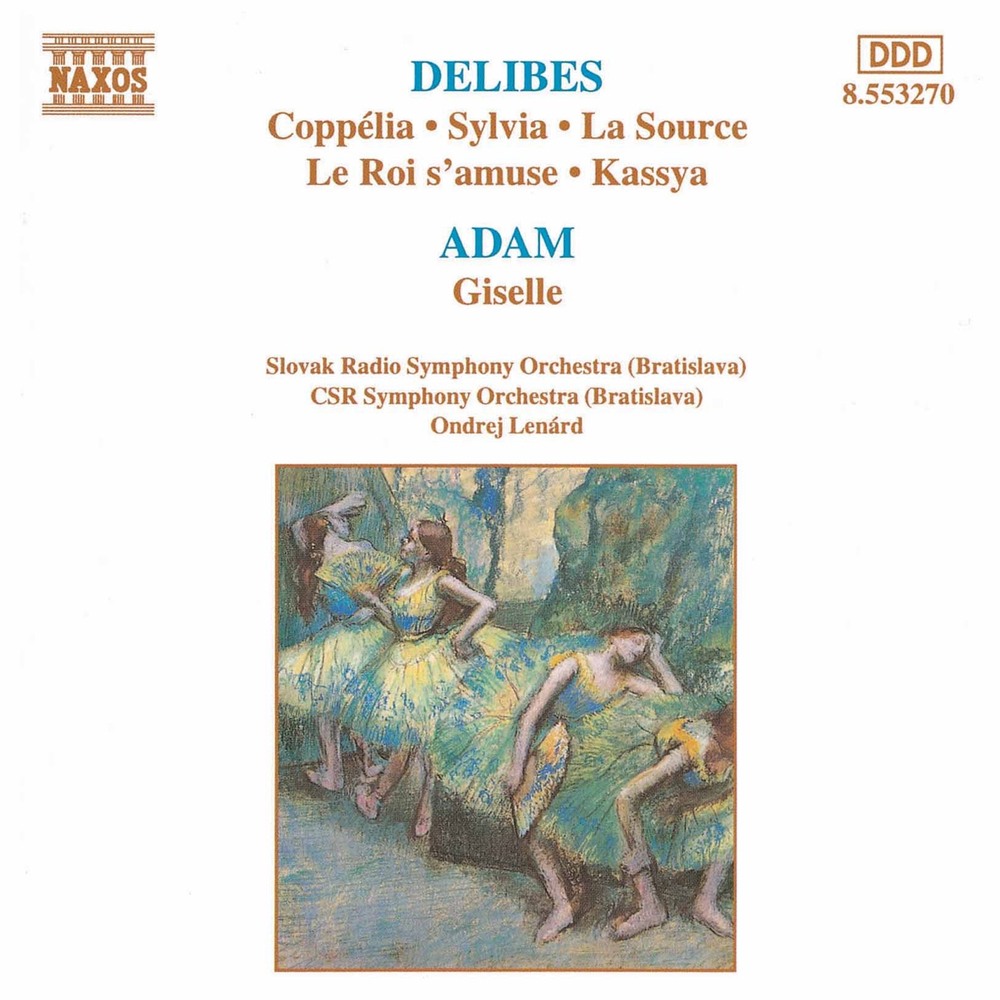
Adam: Waltz from Giselle — Lenárd & Slovak Radio Symphony Orchestra
When the theme returns, check whether a different arrangement of woodwinds and strings gives the same dance a new expression. On your first listen to ‘Adam: Waltz from Giselle — Lenárd & Slovak Radio Symphony Orchestra’, find the one sound described above, and on the next listen add the surrounding voices and the silences. As Giselle: Waltz builds toward its climax, you can hear how Ondrej Lenárd & Slovak Radio Symphony Orchestra shape the tempo and tone color. Compare the opening and closing sonorities of ‘Adam: Waltz from Giselle — Lenárd & Slovak Radio Symphony Orchestra’ side by side, and the sense of distance and time the piece creates stays with you in concrete terms.
The Giselle: Waltz track linked to ‘Adam: Waltz from Giselle — Lenárd & Slovak Radio Symphony Orchestra’ is a real recording from the album “Delibes - Adam: Ballet Favourites”, and we've featured it as the ‘Adam: Waltz from Giselle — Lenárd & Slovak Radio Symphony Orchestra’ entry because it fits the selection criteria of ‘Ballet Music That Paints Scenes Even Without a Stage’. For ‘Adam: Waltz from Giselle — Lenárd & Slovak Radio Symphony Orchestra’, Apple Music lists the performers as Ondrej Lenárd & Slovak Radio Symphony Orchestra and the release year as 1996; since this date may differ from when Adolphe Adam wrote the piece, we use it only as recording information here. When looking for other versions of the same work as ‘Adam: Waltz from Giselle — Lenárd & Slovak Radio Symphony Orchestra’, check the title, performers, and album together so you don't confuse the same recording with a reissue, and so you can also see the context of the list.
The Giselle: Waltz track linked to ‘Adam: Waltz from Giselle — Lenárd & Slovak Radio Symphony Orchestra’ is a real recording from the album “Delibes - Adam: Ballet Favourites”, and we've featured it as the ‘Adam: Waltz from Giselle — Lenárd & Slovak Radio Symphony Orchestra’ entry because it fits the selection criteria of ‘Ballet Music That Paints Scenes Even Without a Stage’. For ‘Adam: Waltz from Giselle — Lenárd & Slovak Radio Symphony Orchestra’, Apple Music lists the performers as Ondrej Lenárd & Slovak Radio Symphony Orchestra and the release year as 1996; since this date may differ from when Adolphe Adam wrote the piece, we use it only as recording information here. When looking for other versions of the same work as ‘Adam: Waltz from Giselle — Lenárd & Slovak Radio Symphony Orchestra’, check the title, performers, and album together so you don't confuse the same recording with a reissue, and so you can also see the context of the list.
연주자 Ondrej Lenárd & Slovak Radio Symphony Orchestra
작곡가 Adolphe Adam
작품 Giselle: Waltz
표시 발매 연도 1996
수록 음반 Delibes - Adam: Ballet Favourites
형식 음원
감상 포인트 가벼운 3박자와 반복되는 선율이 마을 축제의 밝음 속에 극의 움직임을 정돈한다.
듣기 팁 주제가 돌아올 때 목관과 현악의 배치가 달라져 같은 춤에 새 표정을 주는지 확인해보자.
You don't need to create perfect choreography in your mind while listening to a piece. First, imagine which movement (walking, turning, jumping) the rhythm resembles, and when a solo instrument appears, think of it as a new character or emotion entering. When the same rhythm is repeated with a larger ensemble, it's usually a signal that the scale of the scene is broadening. By noticing these functions, you’ll also see the integration of music and dance much better when watching a live performance.
The connected audio is actual recordings from ballet works or excerpts performed in ballet, and the track arrangements for suites and complete pieces may differ. The release year of the digital album refers to the recording and reissue information, so we distinguished it from the premiere date of the work. In the next stage, try comparing the same scenes at different tempos by different conductors or watch actual performance videos together. You can confirm how the familiar music’s breathing changes according to the dancers' movements.
The connected audio is actual recordings from ballet works or excerpts performed in ballet, and the track arrangements for suites and complete pieces may differ. The release year of the digital album refers to the recording and reissue information, so we distinguished it from the premiere date of the work. In the next stage, try comparing the same scenes at different tempos by different conductors or watch actual performance videos together. You can confirm how the familiar music’s breathing changes according to the dancers' movements.
At a glance
8 items
Tchaikovsky: Waltz from Swan Lake — Dudamel & Vienna Philharmonic
2016음원
Tchaikovsky: Pas de Deux Intrada from The Nutcracker — Gergiev & Mariinsky
1992음원
Prokofiev: “Dance of the Knights” from Romeo and Juliet — Gergiev & London Symphony
Sergei Prokofiev2003음원
Stravinsky: “Sacrificial Dance” from The Rite of Spring — Rattle & Berlin Philharmonic
Igor Stravinsky2013음원
Copland: Appalachian Spring Suite — Orpheus Chamber Orchestra
Aaron Copland1989음원
Delibes: “Waltz of the Hours” from Coppélia — Gorkovenko & St. Petersburg RTV
Léo Delibes2003음원
Minkus: Grand Pas de Deux from Don Quixote — Kunzel & Cincinnati Pops
Ludwig Minkus2004Ballet Favorites
Adam: Waltz from Giselle — Lenárd & Slovak Radio Symphony Orchestra
Adolphe AdamGiselle: Waltz1996
As part of the Coupang Partners program, this post may earn a commission from qualifying purchases.
Comments 0
Log in to leave a comment.
Be the first to comment.
How about these lists?


You might also like


🎲
Not ready to stop here?
Wondering what to read next is the biggest waste of time.
Let the dice decide — you won't know what pops up until you roll.
If you don't press it… won't you wonder forever? 👀