Collection
Science
2026.09.10
Fighter Jets that Challenge Short Runways and Vertical Landings
Various Methods of Thrust Vectoring and the STOVL Lineage Leading to Operational Use
The biggest challenge for vertical takeoff and landing fighter jets is to safely transition flight while carrying limited thrust and fuel along with mission equipment. This is why different methods have been tested over the decades, such as rotating nozzles, separate lift engines, and lift fans.
This list connects real aircraft from the P.1127 and Kestrel to the Harrier series, Yak-38, Yak-141, and F-35B. It distinguishes experimental aircraft from attack aircraft, fleet defense fighters, and currently active multi-role fighters while also considering the short takeoff and vertical landing methods that are actually more commonly used than true vertical takeoff. Understanding fighter jets that challenge short runways and vertical landings requires also looking at the types of aircraft, along with their development and operational status.
This list connects real aircraft from the P.1127 and Kestrel to the Harrier series, Yak-38, Yak-141, and F-35B. It distinguishes experimental aircraft from attack aircraft, fleet defense fighters, and currently active multi-role fighters while also considering the short takeoff and vertical landing methods that are actually more commonly used than true vertical takeoff. Understanding fighter jets that challenge short runways and vertical landings requires also looking at the types of aircraft, along with their development and operational status.
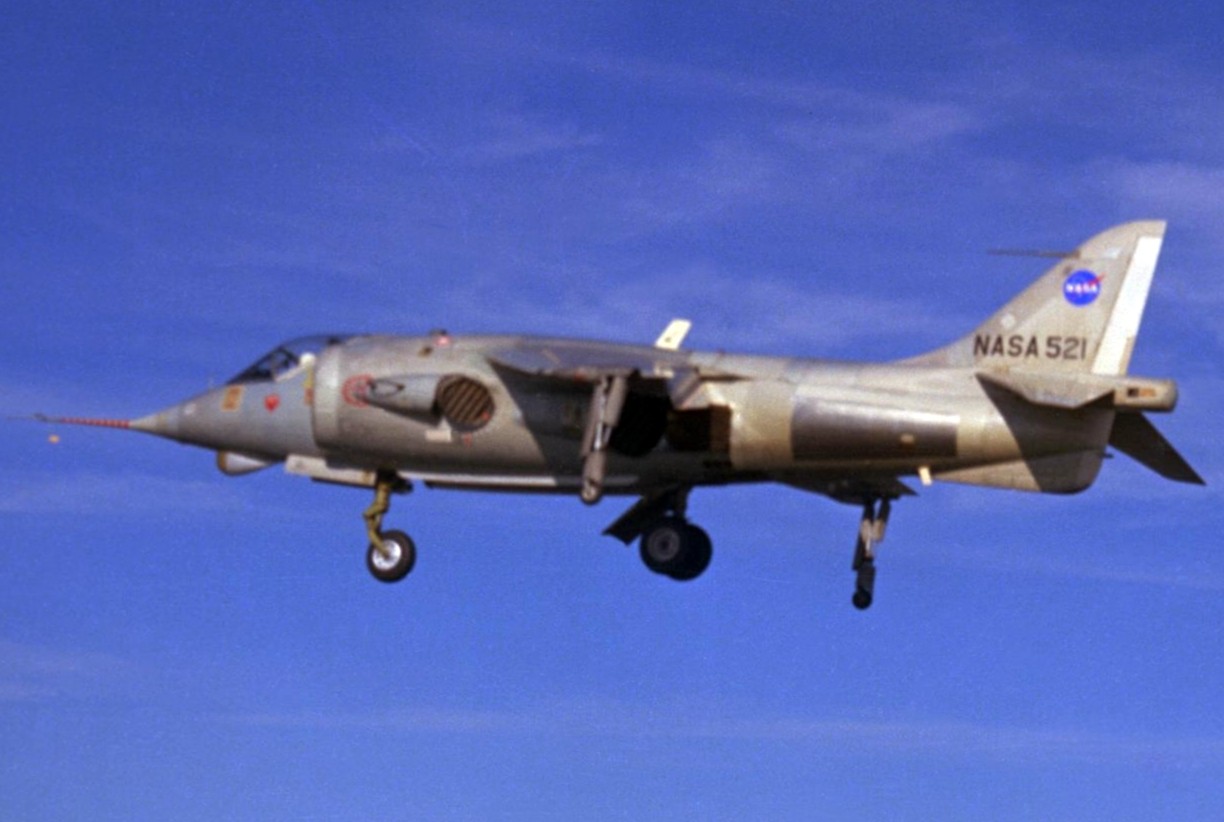
Hawker P.1127
The aircraft name is ‘Hawker P.1127’. It is a British VTOL technology demonstrator developed by Hawker Aircraft, with its first flight in 1960 and is marked as ‘Test Completed’. The first clue to understanding its shape is that it ‘demonstrated the concept of changing jet thrust direction with four rotating nozzles from the Pegasus engine’. The reason the Hawker P.1127 is highlighted in ‘Fighter Jets that Challenge Short Runways and Vertical Landings’ is that it physically embodies the topic of ‘vertical and short takeoff methods’. If there are similar variants, you should first check the model name ‘Hawker P.1127’ and the operating entity.
By examining its wing plane shape and intake, you can better see the technical choices of the Hawker P.1127 for specific flight phases and missions. The first flight of the Hawker P.1127 in 1960 is a development milestone; it doesn’t mean that it immediately transitioned to mass production or operational deployment. The status of the Hawker P.1127 is classified as ‘Test Completed’ to clearly separate it from retired, out of service, partially operated, and still active statuses. The speed and range of the Hawker P.1127 vary according to altitude, fuel, and external payload, so it is more accurate to read its design intent rather than determining superiority with a single number.
When comparing it to other items, let’s check the wing structure, number of engines and thrust direction, crew count, radar placement, and operational environment of the Hawker P.1127 in turn. The classification of ‘VTOL technology demonstrator’ attached to the Hawker P.1127 should also be examined to avoid misunderstandings that arise from naming. ‘Fighter Jets that Challenge Short Runways and Vertical Landings’ is not about ranking the winners but about understanding the technology and operational choices left by the Hawker P.1127. Links to sources for the Hawker P.1127 prioritize the manufacturer, military, and public aviation museum resources, and images have been cross-referenced with identification information from Wikimedia Commons.
By examining its wing plane shape and intake, you can better see the technical choices of the Hawker P.1127 for specific flight phases and missions. The first flight of the Hawker P.1127 in 1960 is a development milestone; it doesn’t mean that it immediately transitioned to mass production or operational deployment. The status of the Hawker P.1127 is classified as ‘Test Completed’ to clearly separate it from retired, out of service, partially operated, and still active statuses. The speed and range of the Hawker P.1127 vary according to altitude, fuel, and external payload, so it is more accurate to read its design intent rather than determining superiority with a single number.
When comparing it to other items, let’s check the wing structure, number of engines and thrust direction, crew count, radar placement, and operational environment of the Hawker P.1127 in turn. The classification of ‘VTOL technology demonstrator’ attached to the Hawker P.1127 should also be examined to avoid misunderstandings that arise from naming. ‘Fighter Jets that Challenge Short Runways and Vertical Landings’ is not about ranking the winners but about understanding the technology and operational choices left by the Hawker P.1127. Links to sources for the Hawker P.1127 prioritize the manufacturer, military, and public aviation museum resources, and images have been cross-referenced with identification information from Wikimedia Commons.
제작사 호커 에어크래프트
국가 영국
첫 비행 1960년
주요 역할 VTOL 기술실증기
상태 시험 종료
이미지 출처 Wikipedia/Wikimedia Commons · Hawker P.1127
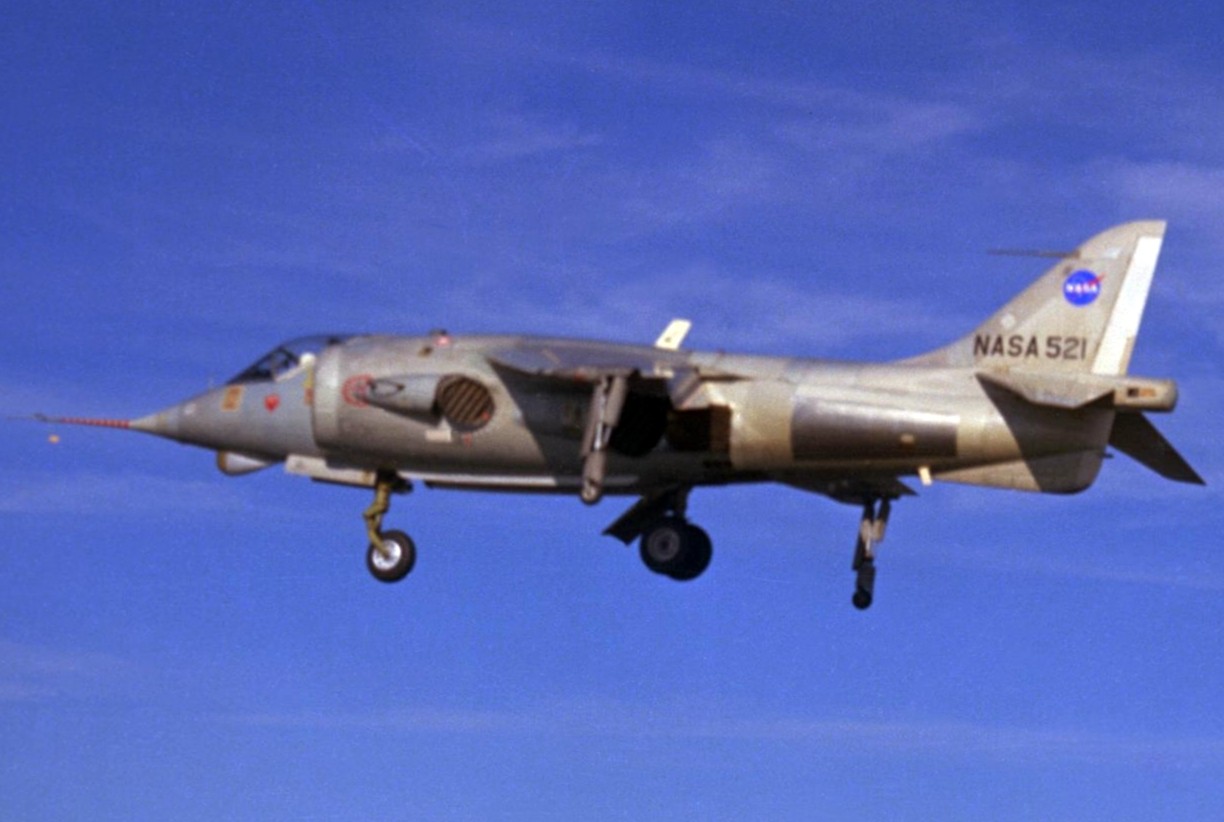
Kestrel FGA.1
The aircraft name is ‘Kestrel FGA.1’. It is a British VTOL evaluation aircraft created by Hawker Siddeley, with its first flight in 1964 and is marked as ‘Test Completed’. A notable point in the development background is that ‘the UK, US, and West Germany joint evaluation force tested its operational feasibility in the field’. The reason Kestrel FGA.1 is highlighted in ‘Fighter Jets that Challenge Short Runways and Vertical Landings’ is that it physically embodies the topic of ‘vertical and short takeoff methods’. If there are similar variants, you should first check the model name ‘Kestrel FGA.1’ and the operating entity.
By observing the number of crew and radar placement, you can better understand the technical choices of the Kestrel FGA.1 for specific flight phases and missions. The first flight of the Kestrel FGA.1 in 1964 is a development milestone, but it doesn’t signify an immediate transition to mass production or operational deployment. The status of the Kestrel FGA.1 is classified as ‘Test Completed’ to clearly separate it from retired, out of service, partially operated, and still active statuses. The speed and range of the Kestrel FGA.1 also vary depending on altitude, fuel, and external payload, so it is more accurate to read its design intent than to determine superiority with a single number.
When comparing it to other items, let’s check the wing structure, number of engines and thrust direction, crew count, radar placement, and operational environment of the Kestrel FGA.1 in sequence. The classification of ‘VTOL evaluation aircraft’ attached to the Kestrel FGA.1 should also be examined to reduce misunderstandings that might arise from naming. ‘Fighter Jets that Challenge Short Runways and Vertical Landings’ is not about ranking the winners but rather is information to understand the technology and operational choices left by the Kestrel FGA.1. Links to sources for the Kestrel FGA.1 prioritize the manufacturer, military, and public aviation museum resources, and images have been cross-referenced with identification information from Wikimedia Commons.
By observing the number of crew and radar placement, you can better understand the technical choices of the Kestrel FGA.1 for specific flight phases and missions. The first flight of the Kestrel FGA.1 in 1964 is a development milestone, but it doesn’t signify an immediate transition to mass production or operational deployment. The status of the Kestrel FGA.1 is classified as ‘Test Completed’ to clearly separate it from retired, out of service, partially operated, and still active statuses. The speed and range of the Kestrel FGA.1 also vary depending on altitude, fuel, and external payload, so it is more accurate to read its design intent than to determine superiority with a single number.
When comparing it to other items, let’s check the wing structure, number of engines and thrust direction, crew count, radar placement, and operational environment of the Kestrel FGA.1 in sequence. The classification of ‘VTOL evaluation aircraft’ attached to the Kestrel FGA.1 should also be examined to reduce misunderstandings that might arise from naming. ‘Fighter Jets that Challenge Short Runways and Vertical Landings’ is not about ranking the winners but rather is information to understand the technology and operational choices left by the Kestrel FGA.1. Links to sources for the Kestrel FGA.1 prioritize the manufacturer, military, and public aviation museum resources, and images have been cross-referenced with identification information from Wikimedia Commons.
제작사 호커 시들리
국가 영국
첫 비행 1964년
주요 역할 VTOL 평가기
상태 시험 종료
이미지 출처 Wikipedia/Wikimedia Commons · Hawker Siddeley Kestrel
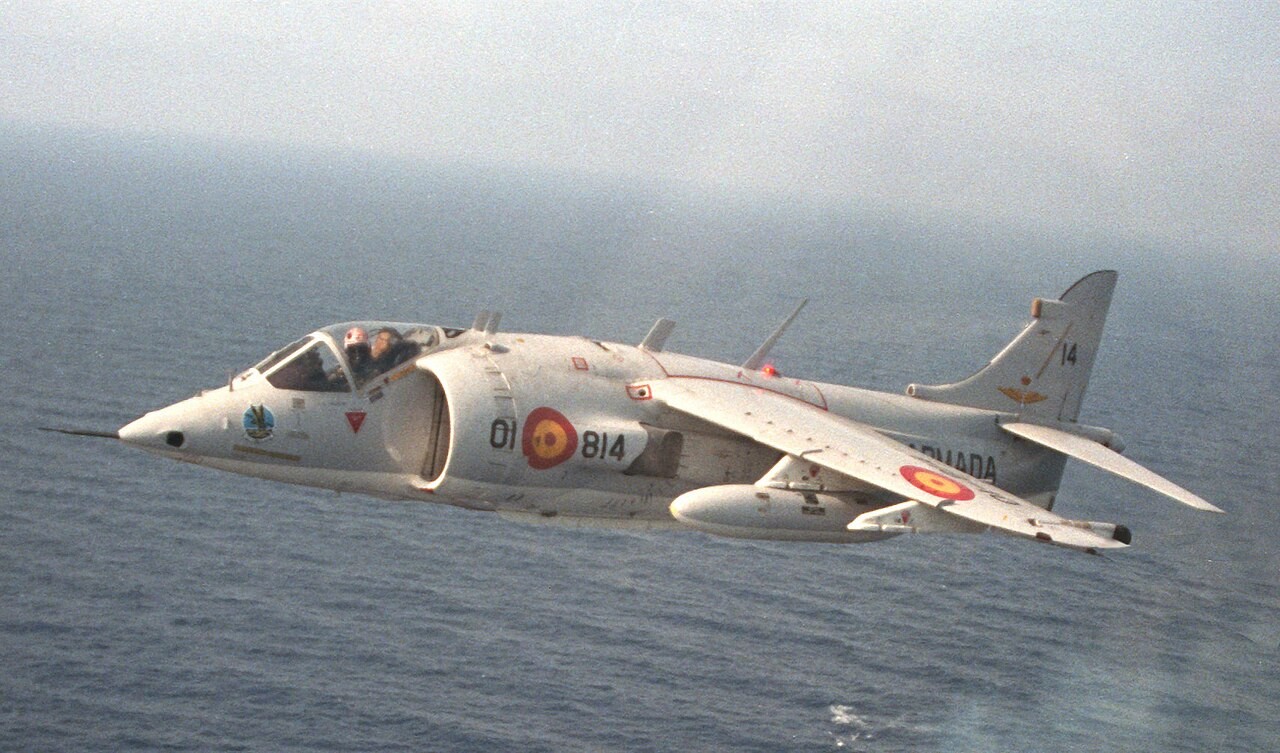
Harrier GR.1
The aircraft name is ‘Harrier GR.1’. It is a close air support V/STOL fighter developed by Hawker Siddeley, with its first flight in 1967, and is marked as ‘Retired’. A key to understanding its operating entity is that it is ‘the first generation Harrier operationally deployed to operate from dispersed bases and short runways’. The reason the Harrier GR.1 is highlighted in ‘Fighter Jets that Challenge Short Runways and Vertical Landings’ is that it physically embodies the topic of ‘vertical and short takeoff methods’. If there are similar variants, you should first check the model name ‘Harrier GR.1’ and the operating entity.
By separating the takeoff and landing methods and mission radius, you can better grasp the technical choices of the Harrier GR.1 for specific flight phases and missions. The first flight of the Harrier GR.1 in 1967 is a development milestone, but it doesn’t immediately imply a transition to mass production or operational deployment. The status of the Harrier GR.1 is classified as ‘Retired’ to clearly separate it from retired, out of service, partially operated, and still active statuses. The speed and range of the Harrier GR.1 also vary according to altitude, fuel, and external payload, making it more accurate to read its design intent rather than just defining superiority with a single number.
When comparing it to other items, let's check the wing structure, number of engines and thrust direction, crew count, radar position, and operational environment of the Harrier GR.1 in order. The classification of ‘Close Air Support V/STOL Fighter’ attached to the Harrier GR.1 should also be examined to avoid misunderstandings that arise from naming. ‘Fighter Jets that Challenge Short Runways and Vertical Landings’ is not about ranking winners but understanding the technology and operational choices left by the Harrier GR.1. Links to sources for the Harrier GR.1 prioritize the manufacturer, military, and public aviation museum resources, and images have been cross-referenced with identification information from Wikimedia Commons.
By separating the takeoff and landing methods and mission radius, you can better grasp the technical choices of the Harrier GR.1 for specific flight phases and missions. The first flight of the Harrier GR.1 in 1967 is a development milestone, but it doesn’t immediately imply a transition to mass production or operational deployment. The status of the Harrier GR.1 is classified as ‘Retired’ to clearly separate it from retired, out of service, partially operated, and still active statuses. The speed and range of the Harrier GR.1 also vary according to altitude, fuel, and external payload, making it more accurate to read its design intent rather than just defining superiority with a single number.
When comparing it to other items, let's check the wing structure, number of engines and thrust direction, crew count, radar position, and operational environment of the Harrier GR.1 in order. The classification of ‘Close Air Support V/STOL Fighter’ attached to the Harrier GR.1 should also be examined to avoid misunderstandings that arise from naming. ‘Fighter Jets that Challenge Short Runways and Vertical Landings’ is not about ranking winners but understanding the technology and operational choices left by the Harrier GR.1. Links to sources for the Harrier GR.1 prioritize the manufacturer, military, and public aviation museum resources, and images have been cross-referenced with identification information from Wikimedia Commons.
제작사 호커 시들리
국가 영국
첫 비행 1967년
주요 역할 근접지원 V/STOL 전투기
상태 퇴역
이미지 출처 Wikipedia/Wikimedia Commons · Hawker Siddeley Harrier
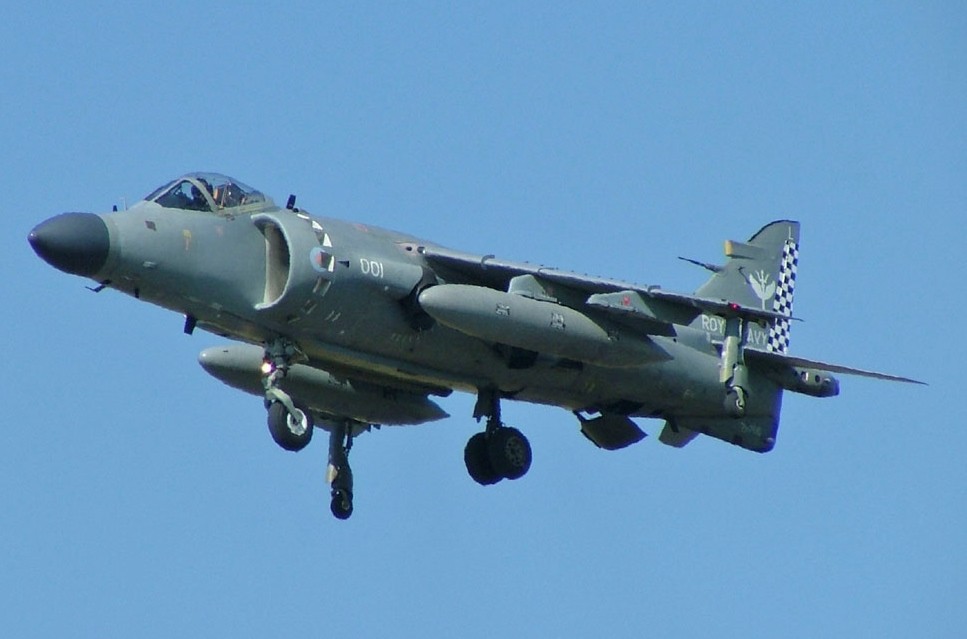
Sea Harrier FRS.1
The aircraft name is ‘Sea Harrier FRS.1’. It is a fleet defense STOVL fighter developed by British Aerospace, with its first flight in 1978, and is marked as ‘Retired’. An important point to consider when looking at both photos and missions is its feature of ‘performing air defense missions from small aircraft carriers through combining shipborne radar and ski-jump takeoff’. The reason the Sea Harrier FRS.1 is highlighted in ‘Fighter Jets that Challenge Short Runways and Vertical Landings’ is that it physically embodies the topic of ‘vertical and short takeoff methods’. If there are similar variants, you should first verify the model name ‘Sea Harrier FRS.1’ and the operating entity.
By distinguishing the first flight and actual deployment timelines, you can better understand the technical decisions of the Sea Harrier FRS.1 for specific flight phases and missions. The first flight of the Sea Harrier FRS.1 in 1978 marks a development milestone, not an immediate transition to mass production or operational deployment. The status of the Sea Harrier FRS.1 is classified as ‘Retired’ to clearly separate it from retired, out of service, partially operated, and still active statuses. The speed and range of the Sea Harrier FRS.1 also vary according to altitude, fuel, and external payload, so it is more accurate to read its design purpose rather than to determine superiority with a single number.
When comparing to other items, please check the wing structure, number of engines and thrust direction, crew count, radar position, and operational environment of the Sea Harrier FRS.1 sequentially. The classification of ‘Fleet Defense STOVL Fighter’ attached to the Sea Harrier FRS.1 should also be analyzed to avoid misunderstandings that may arise from naming. ‘Fighter Jets that Challenge Short Runways and Vertical Landings’ is not about ranking the winners but about understanding the technology and operational choices left by the Sea Harrier FRS.1. Links to sources for the Sea Harrier FRS.1 prioritize the manufacturer, military, and public aviation museum resources, and images have been cross-referenced with identification information from Wikimedia Commons.
By distinguishing the first flight and actual deployment timelines, you can better understand the technical decisions of the Sea Harrier FRS.1 for specific flight phases and missions. The first flight of the Sea Harrier FRS.1 in 1978 marks a development milestone, not an immediate transition to mass production or operational deployment. The status of the Sea Harrier FRS.1 is classified as ‘Retired’ to clearly separate it from retired, out of service, partially operated, and still active statuses. The speed and range of the Sea Harrier FRS.1 also vary according to altitude, fuel, and external payload, so it is more accurate to read its design purpose rather than to determine superiority with a single number.
When comparing to other items, please check the wing structure, number of engines and thrust direction, crew count, radar position, and operational environment of the Sea Harrier FRS.1 sequentially. The classification of ‘Fleet Defense STOVL Fighter’ attached to the Sea Harrier FRS.1 should also be analyzed to avoid misunderstandings that may arise from naming. ‘Fighter Jets that Challenge Short Runways and Vertical Landings’ is not about ranking the winners but about understanding the technology and operational choices left by the Sea Harrier FRS.1. Links to sources for the Sea Harrier FRS.1 prioritize the manufacturer, military, and public aviation museum resources, and images have been cross-referenced with identification information from Wikimedia Commons.
제작사 브리티시 에어로스페이스
국가 영국
첫 비행 1978년
주요 역할 함대방공 STOVL 전투기
상태 퇴역
이미지 출처 Wikipedia/Wikimedia Commons · British Aerospace Sea Harrier
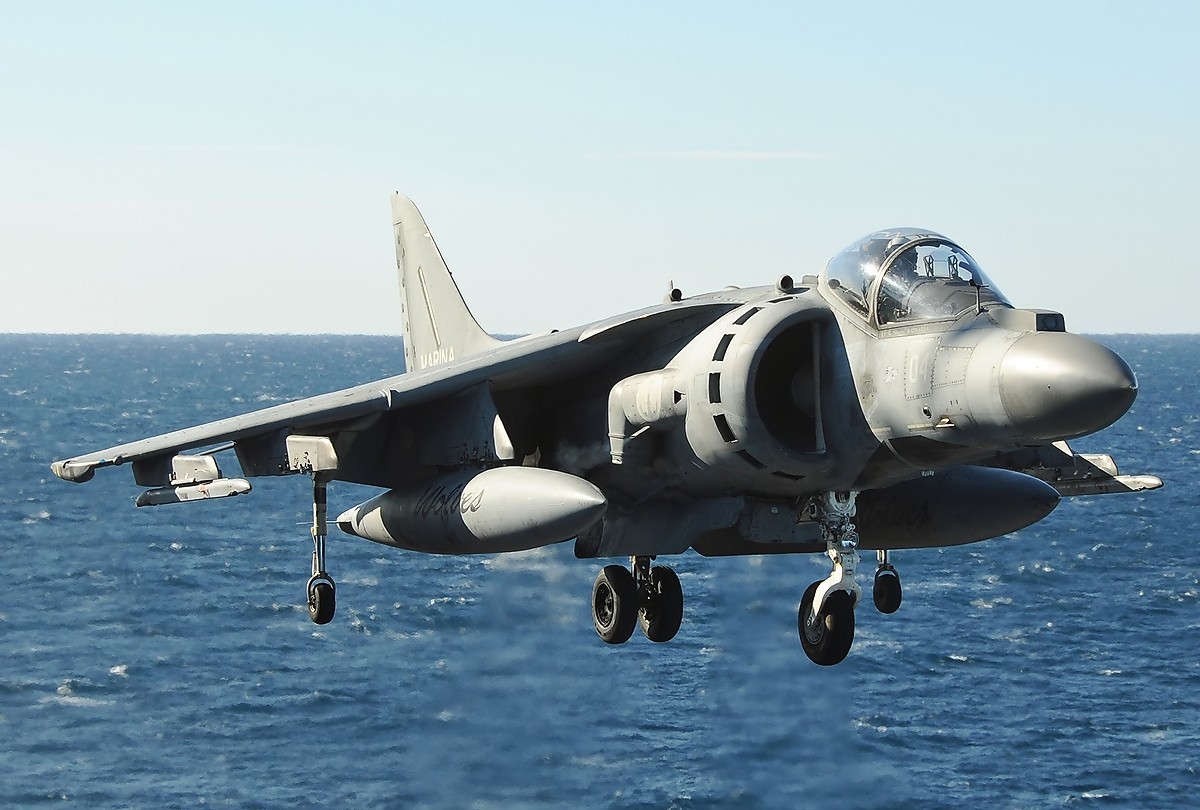
AV-8B Harrier II
The aircraft name is ‘AV-8B Harrier II’. It is an attack/close support STOVL aircraft developed by McDonnell Douglas and BAE Systems, with its first flight in 1978 and is marked as ‘Some Countries Operate’. The feature that distinguishes it from contemporary aircraft is that it ‘evolved the payload and range capabilities of the first generation Harrier with composite wings and an improved cockpit’. The reason AV-8B Harrier II is highlighted in ‘Fighter Jets that Challenge Short Runways and Vertical Landings’ is because it physically embodies the topic of ‘vertical and short takeoff methods’. If there are similar variants, you should first verify the model name ‘AV-8B Harrier II’ and the operating entity.
By contrasting engine layout and aircraft structure, you can better understand the technical choices of the AV-8B Harrier II for specific flight phases and missions. The first flight of the AV-8B Harrier II in 1978 marks a development milestone; it doesn’t immediately imply a transition to mass production or operational deployment. The status of the AV-8B Harrier II is classified as ‘Some Countries Operate’ to clearly separate it from retired, out of service, partially operated, and still active statuses. The speed and range of the AV-8B Harrier II also depend on altitude, fuel, and external payload, so it's more accurate to focus on its design intent than to define superiority with a single number.
When comparing to other items, let’s examine the wing structure, number of engines and thrust direction, crew count, radar position, and operational environment of the AV-8B Harrier II sequentially. The classification of ‘Attack/Close Support STOVL Aircraft’ associated with the AV-8B Harrier II should also be clarified to avoid misunderstandings that arise from naming. ‘Fighter Jets that Challenge Short Runways and Vertical Landings’ is not about ranking winners; it serves as information to understand the technology and operational choices left by the AV-8B Harrier II. Links to sources for the AV-8B Harrier II prioritize the manufacturer, military, and public aviation museum resources, and images have been cross-referenced with identification information from Wikimedia Commons.
By contrasting engine layout and aircraft structure, you can better understand the technical choices of the AV-8B Harrier II for specific flight phases and missions. The first flight of the AV-8B Harrier II in 1978 marks a development milestone; it doesn’t immediately imply a transition to mass production or operational deployment. The status of the AV-8B Harrier II is classified as ‘Some Countries Operate’ to clearly separate it from retired, out of service, partially operated, and still active statuses. The speed and range of the AV-8B Harrier II also depend on altitude, fuel, and external payload, so it's more accurate to focus on its design intent than to define superiority with a single number.
When comparing to other items, let’s examine the wing structure, number of engines and thrust direction, crew count, radar position, and operational environment of the AV-8B Harrier II sequentially. The classification of ‘Attack/Close Support STOVL Aircraft’ associated with the AV-8B Harrier II should also be clarified to avoid misunderstandings that arise from naming. ‘Fighter Jets that Challenge Short Runways and Vertical Landings’ is not about ranking winners; it serves as information to understand the technology and operational choices left by the AV-8B Harrier II. Links to sources for the AV-8B Harrier II prioritize the manufacturer, military, and public aviation museum resources, and images have been cross-referenced with identification information from Wikimedia Commons.
제작사 맥도널 더글러스·BAE 시스템스
국가 미국·영국
첫 비행 1978년
주요 역할 공격·근접지원 STOVL기
상태 일부 국가 운용
이미지 출처 Wikipedia/Wikimedia Commons · McDonnell Douglas AV-8B Harrier II
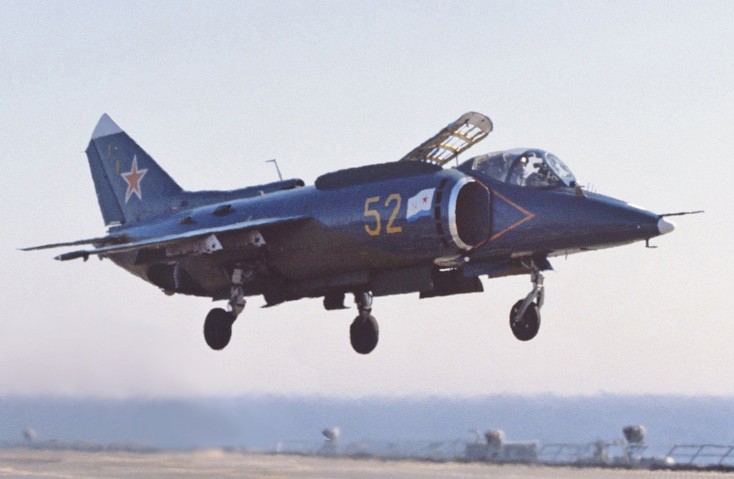
Yakovlev Yak-38
Yakolev Yak-38
The aircraft name is ‘Yakolev Yak-38’. It is a Soviet shipborne VTOL attack aircraft developed by Yakolev, with its first flight in 1971 and is marked as ‘Retired’. The starting point of the design is characterized by the ‘combination of a main engine and a separate lift engine to operate from a Kiev-class flight deck’. The reason Yakolev Yak-38 is highlighted in ‘Fighter Jets that Challenge Short Runways and Vertical Landings’ is because it physically embodies the topic of ‘vertical and short takeoff methods’. If there are similar variants, you should first verify the model name ‘Yakolev Yak-38’ and the operating entity.
By looking at the purpose of its production and operational results together, you can better understand the technical choices of the Yakolev Yak-38 for specific flight phases and missions. The first flight of the Yakolev Yak-38 in 1971 is a development milestone, not an immediate transition to mass production or operational deployment. The status of the Yakolev Yak-38 is classified as ‘Retired’ to clearly separate it from retired, out of service, partially operated, and still active statuses. The speed and range of the Yakolev Yak-38 also vary depending on altitude, fuel, and external payload, making it more accurate to focus on its design intent rather than defining superiority with a single number.
When comparing it to other items, let’s check the wing structure, number of engines and thrust direction, crew count, radar placement, and operational environment of the Yakolev Yak-38 sequentially. The classification of ‘Shipborne VTOL Attack Aircraft’ associated with the Yakolev Yak-38 should also be clarified to avoid misunderstandings that may arise from naming. ‘Fighter Jets that Challenge Short Runways and Vertical Landings’ is not about ranking winners but about understanding the technology and operational choices left by the Yakolev Yak-38. Links to sources for the Yakolev Yak-38 prioritize the manufacturer, military, and public aviation museum resources and images have been cross-referenced with identification information from Wikimedia Commons.
By looking at the purpose of its production and operational results together, you can better understand the technical choices of the Yakolev Yak-38 for specific flight phases and missions. The first flight of the Yakolev Yak-38 in 1971 is a development milestone, not an immediate transition to mass production or operational deployment. The status of the Yakolev Yak-38 is classified as ‘Retired’ to clearly separate it from retired, out of service, partially operated, and still active statuses. The speed and range of the Yakolev Yak-38 also vary depending on altitude, fuel, and external payload, making it more accurate to focus on its design intent rather than defining superiority with a single number.
When comparing it to other items, let’s check the wing structure, number of engines and thrust direction, crew count, radar placement, and operational environment of the Yakolev Yak-38 sequentially. The classification of ‘Shipborne VTOL Attack Aircraft’ associated with the Yakolev Yak-38 should also be clarified to avoid misunderstandings that may arise from naming. ‘Fighter Jets that Challenge Short Runways and Vertical Landings’ is not about ranking winners but about understanding the technology and operational choices left by the Yakolev Yak-38. Links to sources for the Yakolev Yak-38 prioritize the manufacturer, military, and public aviation museum resources and images have been cross-referenced with identification information from Wikimedia Commons.
제작사 야코블레프
국가 소련
첫 비행 1971년
주요 역할 함상 VTOL 공격기
상태 퇴역
이미지 출처 Wikipedia/Wikimedia Commons · Yakovlev Yak-38
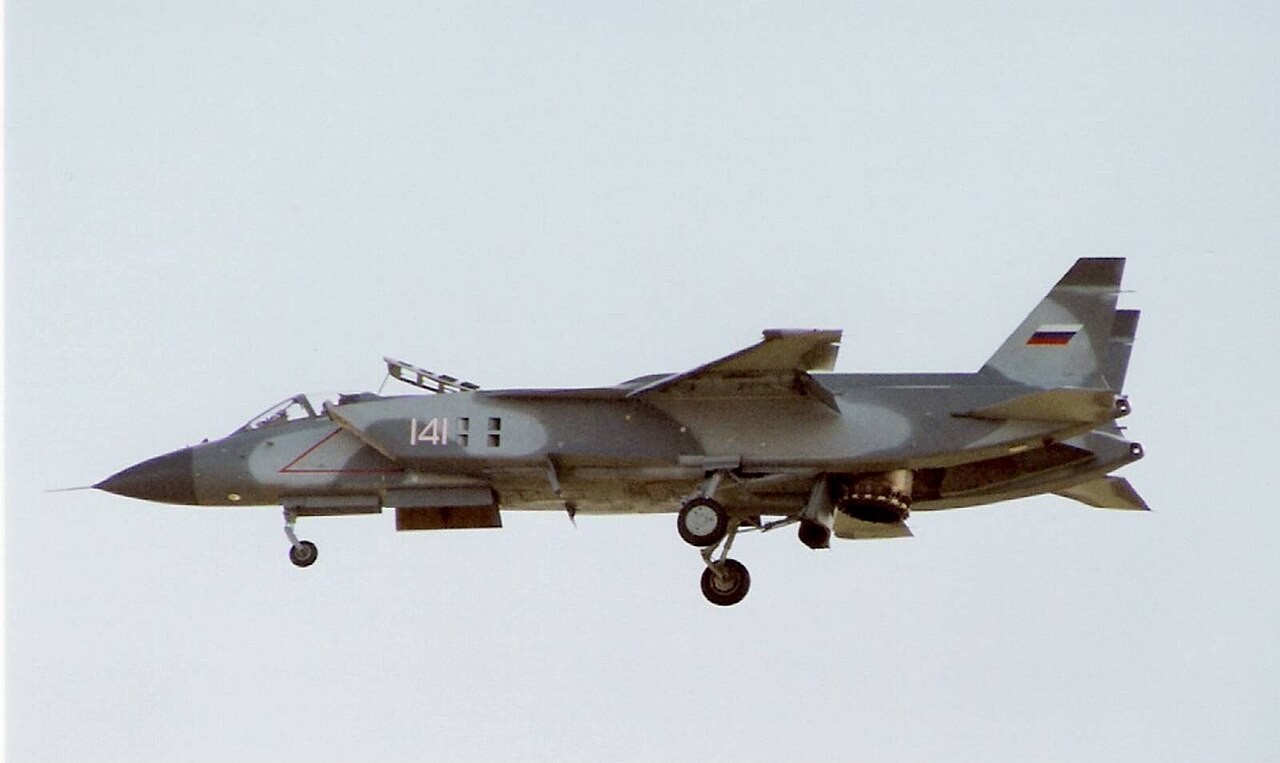
Yakovlev Yak-141
Yakolev Yak-141
The aircraft name is ‘Yakolev Yak-141’. It is a Soviet supersonic VTOL fighter prototype developed by Yakolev, with its first flight in 1987, and is marked as ‘Development Halted’. A clue to determine its actual deployment is its feature of ‘testing the concept of supersonic vertical takeoff and landing with a pivoting rear nozzle and lift engine’. The reason Yakolev Yak-141 is highlighted in ‘Fighter Jets that Challenge Short Runways and Vertical Landings’ is that it physically embodies the topic of ‘vertical and short takeoff methods’. If there are similar variants, you should first check the model name ‘Yakolev Yak-141’ and the operating entity.
By identifying the differences between prototypes and production models, you can better understand the technical choices of the Yakolev Yak-141 for specific flight phases and missions. The first flight of the Yakolev Yak-141 in 1987 represents a development milestone; it does not immediately imply a move to mass production or operational deployment. The status of the Yakolev Yak-141 is classified as ‘Development Halted’ to clearly separate it from retired, out of service, partially operated, and still active statuses. The speed and range of the Yakolev Yak-141 vary according to altitude, fuel, and external payload, so it is more precise to focus on its design purpose rather than defining superiority with a single number.
When comparing to other items, let’s investigate the wing structure, number of engines and thrust direction, crew count, radar position, and operational environment of the Yakolev Yak-141 step by step. The classification of ‘Supersonic VTOL Fighter Prototype’ associated with the Yakolev Yak-141 should also be examined to minimize any misunderstandings that may arise from naming. ‘Fighter Jets that Challenge Short Runways and Vertical Landings’ is not about ranking winners but serves as material for understanding the technology and operational choices left by the Yakolev Yak-141. Links to sources for the Yakolev Yak-141 prioritize the manufacturer, military, and public aviation museum resources, and images have been cross-referenced with identification information from Wikimedia Commons.
By identifying the differences between prototypes and production models, you can better understand the technical choices of the Yakolev Yak-141 for specific flight phases and missions. The first flight of the Yakolev Yak-141 in 1987 represents a development milestone; it does not immediately imply a move to mass production or operational deployment. The status of the Yakolev Yak-141 is classified as ‘Development Halted’ to clearly separate it from retired, out of service, partially operated, and still active statuses. The speed and range of the Yakolev Yak-141 vary according to altitude, fuel, and external payload, so it is more precise to focus on its design purpose rather than defining superiority with a single number.
When comparing to other items, let’s investigate the wing structure, number of engines and thrust direction, crew count, radar position, and operational environment of the Yakolev Yak-141 step by step. The classification of ‘Supersonic VTOL Fighter Prototype’ associated with the Yakolev Yak-141 should also be examined to minimize any misunderstandings that may arise from naming. ‘Fighter Jets that Challenge Short Runways and Vertical Landings’ is not about ranking winners but serves as material for understanding the technology and operational choices left by the Yakolev Yak-141. Links to sources for the Yakolev Yak-141 prioritize the manufacturer, military, and public aviation museum resources, and images have been cross-referenced with identification information from Wikimedia Commons.
제작사 야코블레프
국가 소련
첫 비행 1987년
주요 역할 초음속 VTOL 전투기 시제기
상태 개발 중단
이미지 출처 Wikipedia/Wikimedia Commons · Yakovlev Yak-141
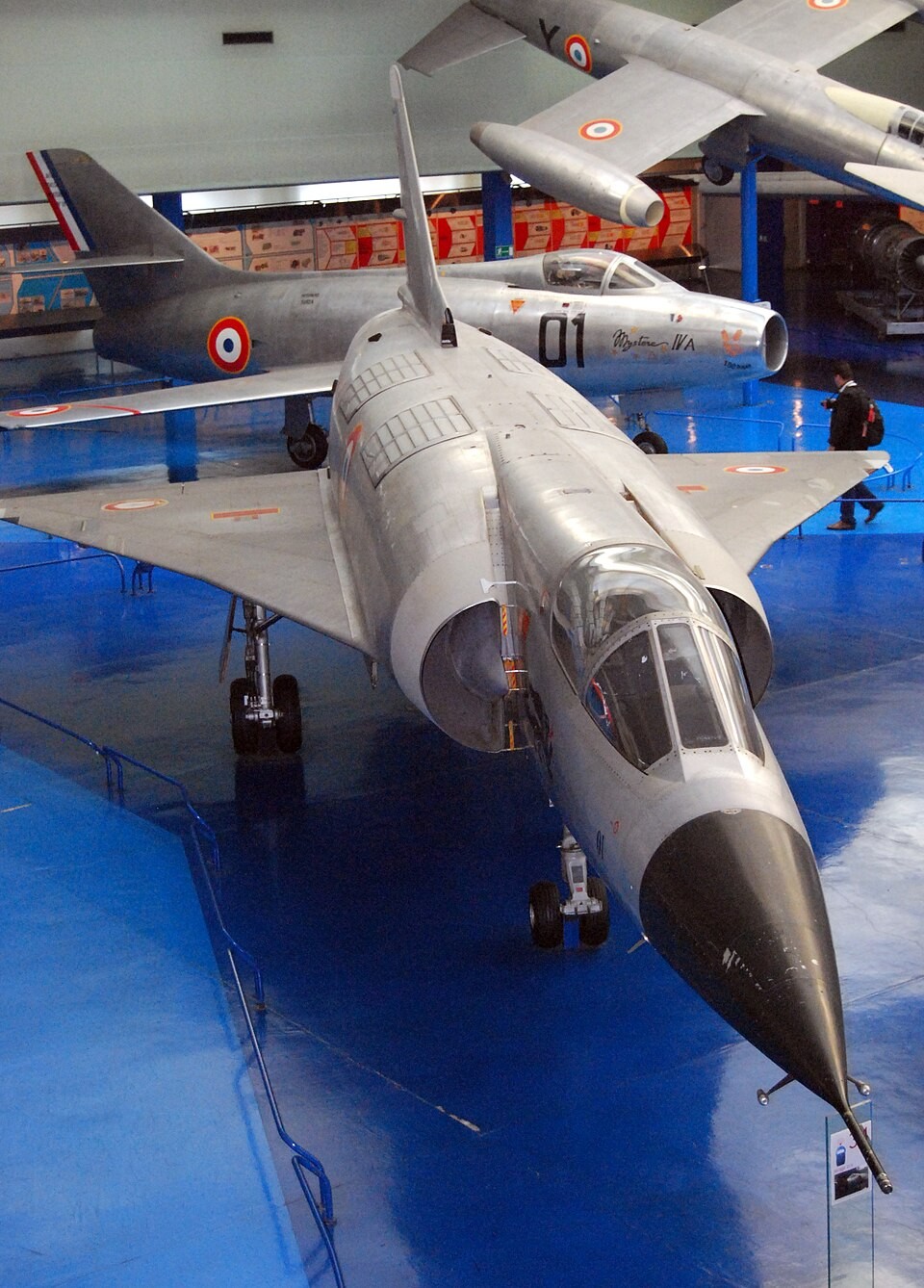
Dassault Mirage IIIV
The aircraft is called ‘Dassault Mirage IIIV’. It is a prototype supersonic VTOL fighter jet developed by Dassault Aviation from France, with its first flight in 1965, and its status is marked as ‘End of Testing’. A notable change in its technical lineage is the feature of ‘testing vertical takeoff and landing with eight lift engines in addition to the propulsion engine’. The reason for focusing on the Dassault Mirage IIIV in the context of ‘fighters challenging short runways and vertical landings’ is that it vividly illustrates the theme of ‘vertical and short takeoff and landing’ in this list. If there are similar variants, the model name ‘Dassault Mirage IIIV’ and the operating entity should be confirmed first.
Examining the maintenance environment and re-deployment conditions allows for a better understanding of which flight segments and missions the technical choices of the ‘Dassault Mirage IIIV’ were designed for. The first flight of the ‘Dassault Mirage IIIV’ in 1965 is a developmental milestone, but it does not immediately indicate mass production or real-world deployment. The status of the ‘Dassault Mirage IIIV’ is classified as ‘End of Testing’ separately to avoid mixing in service, retirement, or operational use by certain countries. The speed and range of the ‘Dassault Mirage IIIV’ also vary depending on altitude, fuel, and external payloads, so it is more accurate to interpret it based on design intent rather than determining superiority by a single number.
When comparing with other items, one should sequentially check the wing structure, number of engines and thrust direction, crew size, radar position, and operational environment of the ‘Dassault Mirage IIIV’. It is also essential to examine whether the designation ‘prototype supersonic VTOL fighter’ has the same meaning as for other aircraft to reduce misunderstandings arising from the nomenclature. The focus of ‘fighters challenging short runways and vertical landings’ is not about ranking winners but rather about understanding the technology and operational choices left by the ‘Dassault Mirage IIIV’. The links for the ‘Dassault Mirage IIIV’ prioritize materials from manufacturers, military entities, and public aviation museums, and images were verified using identification information from Wikimedia Commons.
Examining the maintenance environment and re-deployment conditions allows for a better understanding of which flight segments and missions the technical choices of the ‘Dassault Mirage IIIV’ were designed for. The first flight of the ‘Dassault Mirage IIIV’ in 1965 is a developmental milestone, but it does not immediately indicate mass production or real-world deployment. The status of the ‘Dassault Mirage IIIV’ is classified as ‘End of Testing’ separately to avoid mixing in service, retirement, or operational use by certain countries. The speed and range of the ‘Dassault Mirage IIIV’ also vary depending on altitude, fuel, and external payloads, so it is more accurate to interpret it based on design intent rather than determining superiority by a single number.
When comparing with other items, one should sequentially check the wing structure, number of engines and thrust direction, crew size, radar position, and operational environment of the ‘Dassault Mirage IIIV’. It is also essential to examine whether the designation ‘prototype supersonic VTOL fighter’ has the same meaning as for other aircraft to reduce misunderstandings arising from the nomenclature. The focus of ‘fighters challenging short runways and vertical landings’ is not about ranking winners but rather about understanding the technology and operational choices left by the ‘Dassault Mirage IIIV’. The links for the ‘Dassault Mirage IIIV’ prioritize materials from manufacturers, military entities, and public aviation museums, and images were verified using identification information from Wikimedia Commons.
제작사 다쏘 아비아시옹
국가 프랑스
첫 비행 1965년
주요 역할 초음속 VTOL 전투기 시제기
상태 시험 종료
이미지 출처 Wikipedia/Wikimedia Commons · Dassault Mirage IIIV
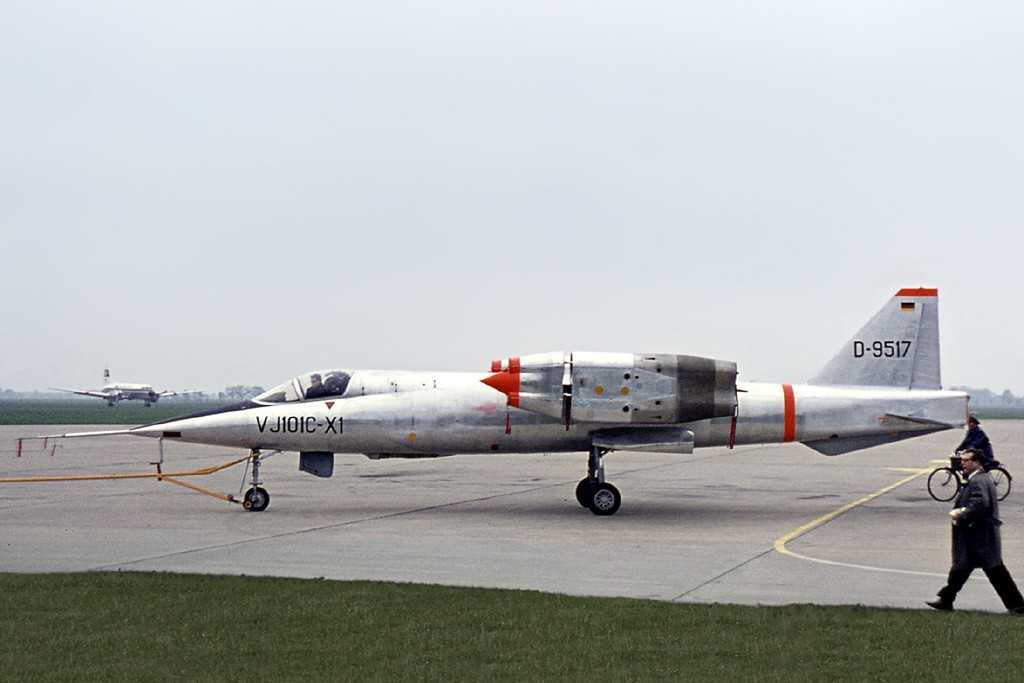
EWR VJ 101C
The aircraft is called ‘EWR VJ 101C’. It is a prototype VTOL interceptor developed by EWR from West Germany, with its first flight in 1963, and its status is marked as ‘End of Testing’. The test results revealed features that characterize it as ‘a Cold War interceptor experimental aircraft combining rotary engine nacelles and fuselage lift engines’. The reason for focusing on the EWR VJ 101C in the context of ‘fighters challenging short runways and vertical landings’ is that it effectively showcases the theme of ‘vertical and short takeoff and landing’ in this list. If there are similar variants, the model name ‘EWR VJ 101C’ and the operating entity should be confirmed first.
According to the classification of official documentation, the technical choices of the ‘EWR VJ 101C’ can be better understood regarding which flight segments and missions they were intended for. The first flight of the ‘EWR VJ 101C’ in 1963 is a developmental milestone, and does not imply immediate mass production or real-world deployment. The status of the ‘EWR VJ 101C’ is separately classified as ‘End of Testing’ to avoid mixing in service, retirement, or operational use by certain countries. The speed and range of the ‘EWR VJ 101C’ also depend on altitude, fuel, and external payloads, making it more accurate to interpret based on design intent rather than establishing superiority by a single number.
When comparing with other items, one should sequentially check the wing structure, number of engines and thrust direction, crew size, radar position, and operational environment of the ‘EWR VJ 101C’. It is also essential to examine whether the designation 'VTOL interceptor prototype' has the same meaning as that for other aircraft to minimize misunderstandings arising from the nomenclature. The focus of ‘fighters challenging short runways and vertical landings’ is not about ranking winners but rather about understanding the technology and operational choices left by the ‘EWR VJ 101C’. The links for the ‘EWR VJ 101C’ prioritize materials from manufacturers, military entities, and public aviation museums, and images were verified using identification information from Wikimedia Commons.
According to the classification of official documentation, the technical choices of the ‘EWR VJ 101C’ can be better understood regarding which flight segments and missions they were intended for. The first flight of the ‘EWR VJ 101C’ in 1963 is a developmental milestone, and does not imply immediate mass production or real-world deployment. The status of the ‘EWR VJ 101C’ is separately classified as ‘End of Testing’ to avoid mixing in service, retirement, or operational use by certain countries. The speed and range of the ‘EWR VJ 101C’ also depend on altitude, fuel, and external payloads, making it more accurate to interpret based on design intent rather than establishing superiority by a single number.
When comparing with other items, one should sequentially check the wing structure, number of engines and thrust direction, crew size, radar position, and operational environment of the ‘EWR VJ 101C’. It is also essential to examine whether the designation 'VTOL interceptor prototype' has the same meaning as that for other aircraft to minimize misunderstandings arising from the nomenclature. The focus of ‘fighters challenging short runways and vertical landings’ is not about ranking winners but rather about understanding the technology and operational choices left by the ‘EWR VJ 101C’. The links for the ‘EWR VJ 101C’ prioritize materials from manufacturers, military entities, and public aviation museums, and images were verified using identification information from Wikimedia Commons.
제작사 EWR
국가 서독
첫 비행 1963년
주요 역할 VTOL 요격기 실험기
상태 시험 종료
이미지 출처 Wikipedia/Wikimedia Commons · EWR VJ 101
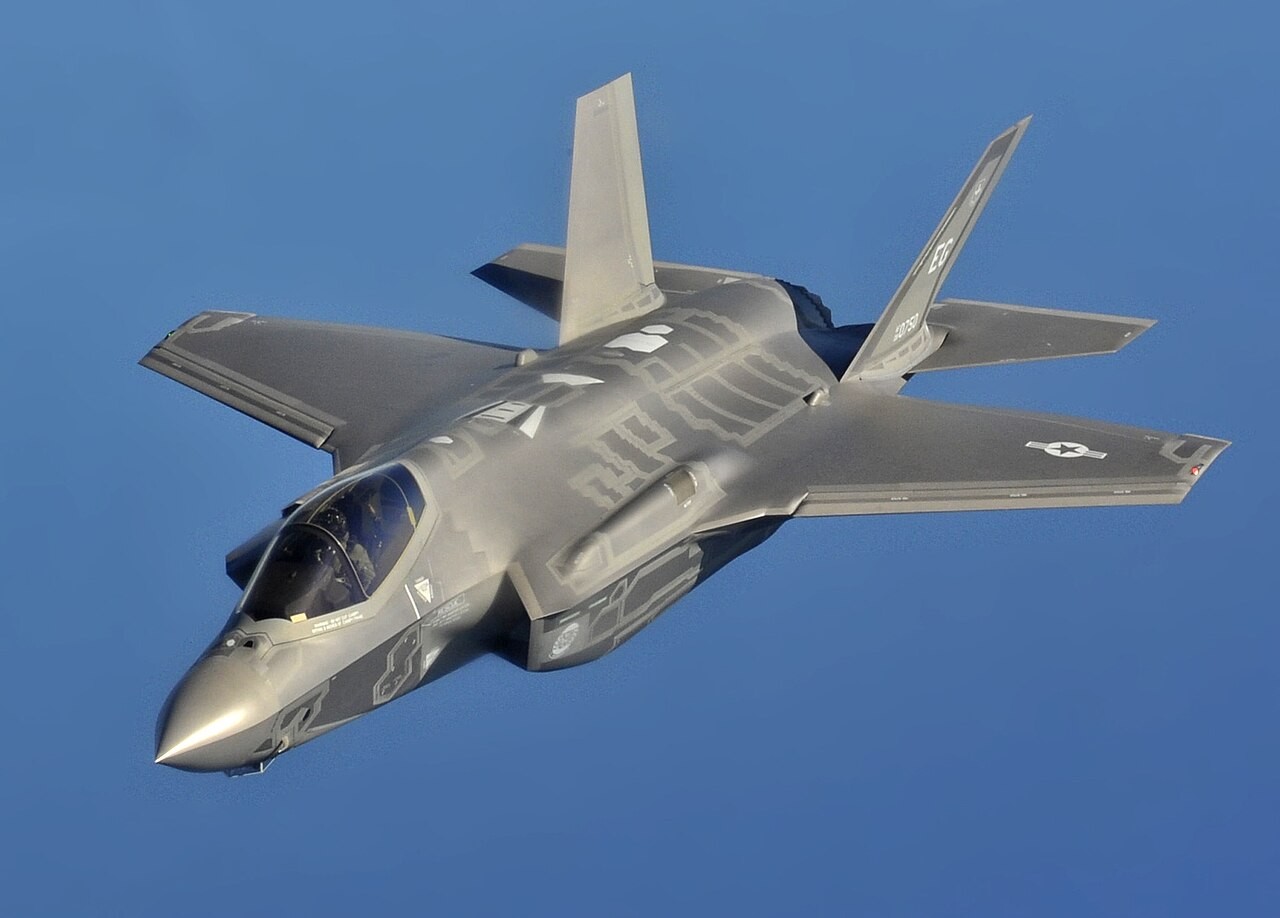
F-35B Lightning II
The aircraft is called ‘F-35B Lightning II’. It is a stealth STOVL multirole fighter jet developed by Lockheed Martin as part of a U.S. and international joint development program, with its first flight in 2008, and its status is marked as ‘In Service’. The criteria for comparison with subsequent aircraft are characterized by the feature of ‘achieving short takeoff and vertical landing through a lift fan and a rotating rear nozzle’. The reason for focusing on the F-35B Lightning II in the context of ‘fighters challenging short runways and vertical landings’ is that it effectively illustrates the theme of ‘vertical and short takeoff and landing’ in this list. If there are similar variants, the model name ‘F-35B Lightning II’ and the operating entity should be confirmed first.
By distinguishing between derivative models and originals, the technological choices of the ‘F-35B Lightning II’ can be better understood regarding which flight segments and missions they were designed for. The first flight of the ‘F-35B Lightning II’ in 2008 is a developmental milestone, but does not immediately indicate mass production or real-world deployment. The status of the ‘F-35B Lightning II’ is classified as ‘In Service’ separately to avoid mixing retirement, project termination, operational use by certain countries, and active service. The speed and range of the ‘F-35B Lightning II’ also vary according to altitude, fuel, and external payloads, so it is more accurate to interpret this based on its design intent rather than determining superiority from a single number.
When comparing with other items, one should sequentially check the wing structure, number of engines and thrust direction, crew size, radar position, and operational environment of the ‘F-35B Lightning II’. It is also essential to investigate whether the designation ‘stealth STOVL multirole fighter’ has the same meaning compared to other aircraft to reduce misunderstandings arising from the naming conventions. The focus of ‘fighters challenging short runways and vertical landings’ is not about identifying a winner but rather understanding the technology and operational choices that the ‘F-35B Lightning II’ has left behind. The links for the ‘F-35B Lightning II’ prioritize materials from manufacturers, military entities, and public aviation museums, and images were verified using identification information from Wikimedia Commons.
By distinguishing between derivative models and originals, the technological choices of the ‘F-35B Lightning II’ can be better understood regarding which flight segments and missions they were designed for. The first flight of the ‘F-35B Lightning II’ in 2008 is a developmental milestone, but does not immediately indicate mass production or real-world deployment. The status of the ‘F-35B Lightning II’ is classified as ‘In Service’ separately to avoid mixing retirement, project termination, operational use by certain countries, and active service. The speed and range of the ‘F-35B Lightning II’ also vary according to altitude, fuel, and external payloads, so it is more accurate to interpret this based on its design intent rather than determining superiority from a single number.
When comparing with other items, one should sequentially check the wing structure, number of engines and thrust direction, crew size, radar position, and operational environment of the ‘F-35B Lightning II’. It is also essential to investigate whether the designation ‘stealth STOVL multirole fighter’ has the same meaning compared to other aircraft to reduce misunderstandings arising from the naming conventions. The focus of ‘fighters challenging short runways and vertical landings’ is not about identifying a winner but rather understanding the technology and operational choices that the ‘F-35B Lightning II’ has left behind. The links for the ‘F-35B Lightning II’ prioritize materials from manufacturers, military entities, and public aviation museums, and images were verified using identification information from Wikimedia Commons.
제작사 록히드 마틴
국가 미국·국제 공동개발
첫 비행 2008년
주요 역할 스텔스 STOVL 다목적 전투기
상태 현역
이미지 출처 Wikipedia/Wikimedia Commons · Lockheed Martin F-35 Lightning II
Looking at the lineage of vertical takeoff and landing, it’s clear that there's not one perfect way; each era solved the problems of thrust, weight, and deck size differently. A separate lift engine can become a burden during cruise, while rotating nozzles and lift fans require complex structures and training.
When comparing aircraft, let’s not just look at the vertical takeoff scenes; it's important to examine the reasons for choosing short takeoff in actual operations, as well as the impact of hot exhaust gases during landing on the deck and surrounding facilities. Distinguishing between experimental aircraft, retired aircraft, and active-duty aircraft reveals that the F-35B did not emerge as a sudden technology but is built upon a long history of trial and error. Understanding fighter jets that challenge short runways and vertical landings requires also looking at the types of aircraft, along with their development and operational status.
When comparing aircraft, let’s not just look at the vertical takeoff scenes; it's important to examine the reasons for choosing short takeoff in actual operations, as well as the impact of hot exhaust gases during landing on the deck and surrounding facilities. Distinguishing between experimental aircraft, retired aircraft, and active-duty aircraft reveals that the F-35B did not emerge as a sudden technology but is built upon a long history of trial and error. Understanding fighter jets that challenge short runways and vertical landings requires also looking at the types of aircraft, along with their development and operational status.
한눈에 보기
10개
Hawker P.1127
호커 에어크래프트 · 영국 · 1960년 · VTOL 기술실증기 · 시험 종료 · Wikipedia/Wikimedia Commons · Hawker P.1127
Kestrel FGA.1
호커 시들리 · 영국 · 1964년 · VTOL 평가기 · 시험 종료 · Wikipedia/Wikimedia Commons · Hawker Siddeley Kestrel
Harrier GR.1
호커 시들리 · 영국 · 1967년 · 근접지원 V/STOL 전투기 · 퇴역 · Wikipedia/Wikimedia Commons · Hawker Siddeley Harrier
Sea Harrier FRS.1
브리티시 에어로스페이스 · 영국 · 1978년 · 함대방공 STOVL 전투기 · 퇴역 · Wikipedia/Wikimedia Commons · British Aerospace Sea Harrier
AV-8B Harrier II
맥도널 더글러스·BAE 시스템스 · 미국·영국 · 1978년 · 공격·근접지원 STOVL기 · 일부 국가 운용 · Wikipedia/Wikimedia Commons · McDonnell Douglas AV-8B Harrier II
Yakovlev Yak-38
야코블레프 · 소련 · 1971년 · 함상 VTOL 공격기 · 퇴역 · Wikipedia/Wikimedia Commons · Yakovlev Yak-38
Yakovlev Yak-141
야코블레프 · 소련 · 1987년 · 초음속 VTOL 전투기 시제기 · 개발 중단 · Wikipedia/Wikimedia Commons · Yakovlev Yak-141
Dassault Mirage IIIV
다쏘 아비아시옹 · 프랑스 · 1965년 · 초음속 VTOL 전투기 시제기 · 시험 종료 · Wikipedia/Wikimedia Commons · Dassault Mirage IIIV
EWR VJ 101C
EWR · 서독 · 1963년 · VTOL 요격기 실험기 · 시험 종료 · Wikipedia/Wikimedia Commons · EWR VJ 101
F-35B Lightning II
록히드 마틴 · 미국·국제 공동개발 · 2008년 · 스텔스 STOVL 다목적 전투기 · 현역 · Wikipedia/Wikimedia Commons · Lockheed Martin F-35 Lightning II
#Fighter Jet#Military Aircraft#Aircraft#Aviation Technology#Vertical/Short Takeoff and Landing Method
이 포스팅은 쿠팡 파트너스 활동의 일환으로, 이에 따른 일정액의 수수료를 제공받습니다.
댓글 0
로그인 후 댓글을 작성할 수 있습니다.
첫 댓글을 남겨보세요.
이런 리스트는 어때요?


이런 리스트도 추천해요


🎲
여기서 멈추기엔 아쉽잖아?
다음에 뭘 볼지 고민하는 시간이 제일 아까워.
주사위가 대신 골라줄게 — 무슨 리스트가 튀어나올지는 굴려봐야 알지.
안 누르면… 평생 궁금하지 않겠어? 👀