Collection
Science
2026.09.10
The Lineage of Lightweight Fighters Entrusted with Big Roles in Small Airframes
An actual lightweight combat aircraft developed with considerations for procurement costs, maintenance, and distributed operations
Lightweight fighters do not merely refer to small-sized aircraft. They are the result of selecting how much necessary sensors and armaments can be included while reducing purchase costs, hourly operational burdens, maintenance staffing, and runway conditions.
This list compiles diverse lightweight solutions from the F-5E and early F-16 to the Gripen C, T-50, JF-17, and FA-50. It distinguishes between active, upgraded, and prototype aircraft, while also explaining the differences between training-based and purpose-built combat designs to help understand operational efficiency beyond specifications. To accurately understand the lineage of lightweight fighters entrusted with big roles in small airframes, the aircraft types and their development and operational statuses must be examined together.
This list compiles diverse lightweight solutions from the F-5E and early F-16 to the Gripen C, T-50, JF-17, and FA-50. It distinguishes between active, upgraded, and prototype aircraft, while also explaining the differences between training-based and purpose-built combat designs to help understand operational efficiency beyond specifications. To accurately understand the lineage of lightweight fighters entrusted with big roles in small airframes, the aircraft types and their development and operational statuses must be examined together.
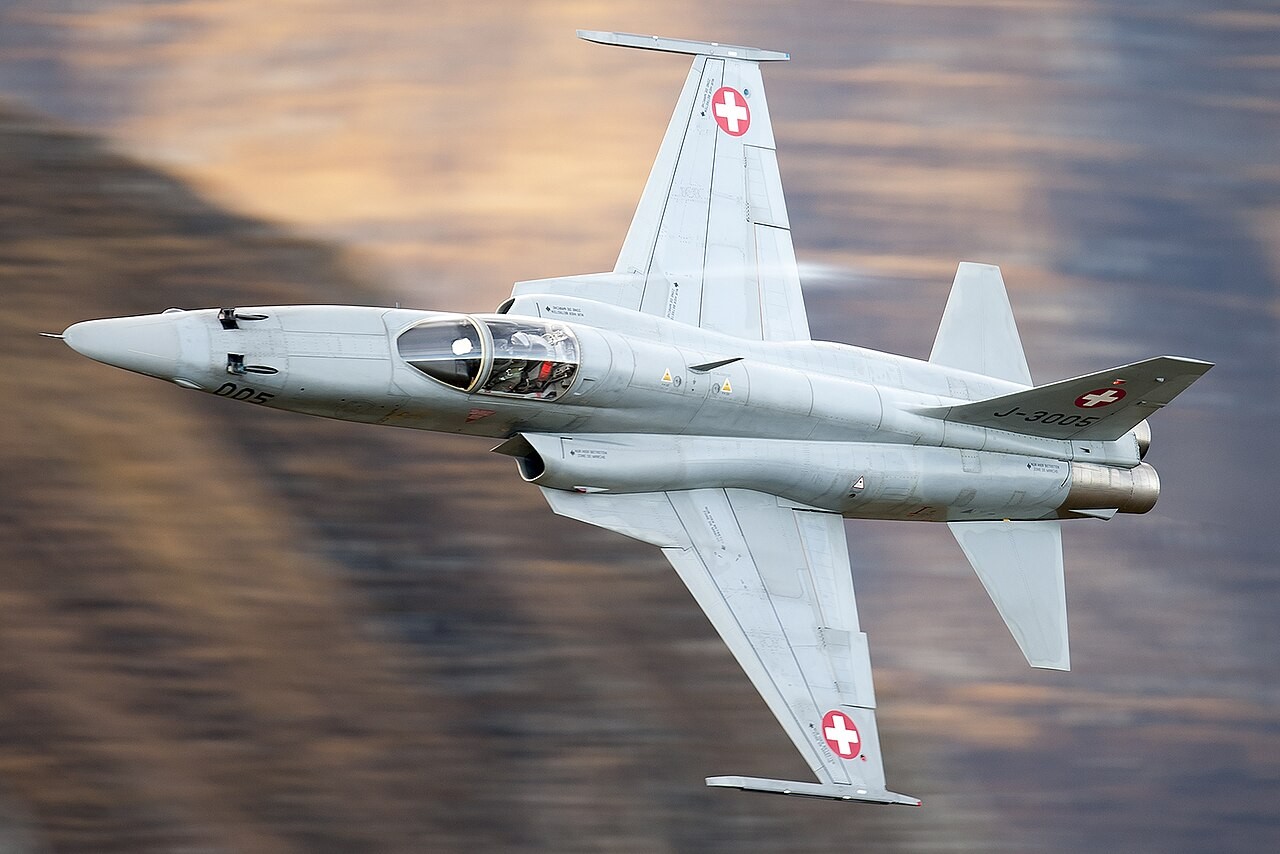
F-5E Tiger II
The aircraft is named ‘F-5E Tiger II’. It is a lightweight fighter developed by Northrop in the US, with its first flight in 1972 and designated as ‘operated by some countries’. The primary clue for its appearance is its ‘simple structure and small airframe, which enable extensive use in training, air defense, and export markets’. The reason for highlighting the F-5E Tiger II in the context of ‘lightweight fighters entrusted with big roles in small airframes’ is that it exemplifies the topic of ‘lightweight design and operational efficiency’. If there are similar variants, the model name ‘F-5E Tiger II’ and its operating entity must be confirmed first.
Looking at the wing planform and air intake, one can see more clearly which flight regimes and missions the technical choices of the ‘F-5E Tiger II’ are designed for. The first flight in 1972 stands as a milestone in development, but does not immediately indicate production or operational deployment. The status of the ‘F-5E Tiger II’ is separately classified as ‘operated by some countries’ to avoid mixing it with retired, terminated, or active service statuses. The speed and range of the ‘F-5E Tiger II’ also vary with altitude, fuel, and external payload, so it is more accurate to read the design intent rather than determine superiority with a single number.
When comparing with other items, check the wing structure, number of engines, thrust direction, number of crew, radar location, and operational environment of the ‘F-5E Tiger II’ in succession. The classification of ‘lightweight fighter’ attached to the F-5E Tiger II should also be examined to clarify any misunderstandings stemming from nomenclature. The lineage of lightweight fighters entrusted with big roles in small airframes is not about ranking the winners but understanding the technology and operational choices that the ‘F-5E Tiger II’ has left behind. The links for the ‘F-5E Tiger II’ prioritize manufacturer, military, and public aviation museum resources, and images have been verified with identification information from Wikimedia Commons.
Looking at the wing planform and air intake, one can see more clearly which flight regimes and missions the technical choices of the ‘F-5E Tiger II’ are designed for. The first flight in 1972 stands as a milestone in development, but does not immediately indicate production or operational deployment. The status of the ‘F-5E Tiger II’ is separately classified as ‘operated by some countries’ to avoid mixing it with retired, terminated, or active service statuses. The speed and range of the ‘F-5E Tiger II’ also vary with altitude, fuel, and external payload, so it is more accurate to read the design intent rather than determine superiority with a single number.
When comparing with other items, check the wing structure, number of engines, thrust direction, number of crew, radar location, and operational environment of the ‘F-5E Tiger II’ in succession. The classification of ‘lightweight fighter’ attached to the F-5E Tiger II should also be examined to clarify any misunderstandings stemming from nomenclature. The lineage of lightweight fighters entrusted with big roles in small airframes is not about ranking the winners but understanding the technology and operational choices that the ‘F-5E Tiger II’ has left behind. The links for the ‘F-5E Tiger II’ prioritize manufacturer, military, and public aviation museum resources, and images have been verified with identification information from Wikimedia Commons.
제작사 노스럽
국가 미국
첫 비행 1972년
주요 역할 경량 전투기
상태 일부 국가 운용
이미지 출처 Wikipedia/Wikimedia Commons · Northrop F-5
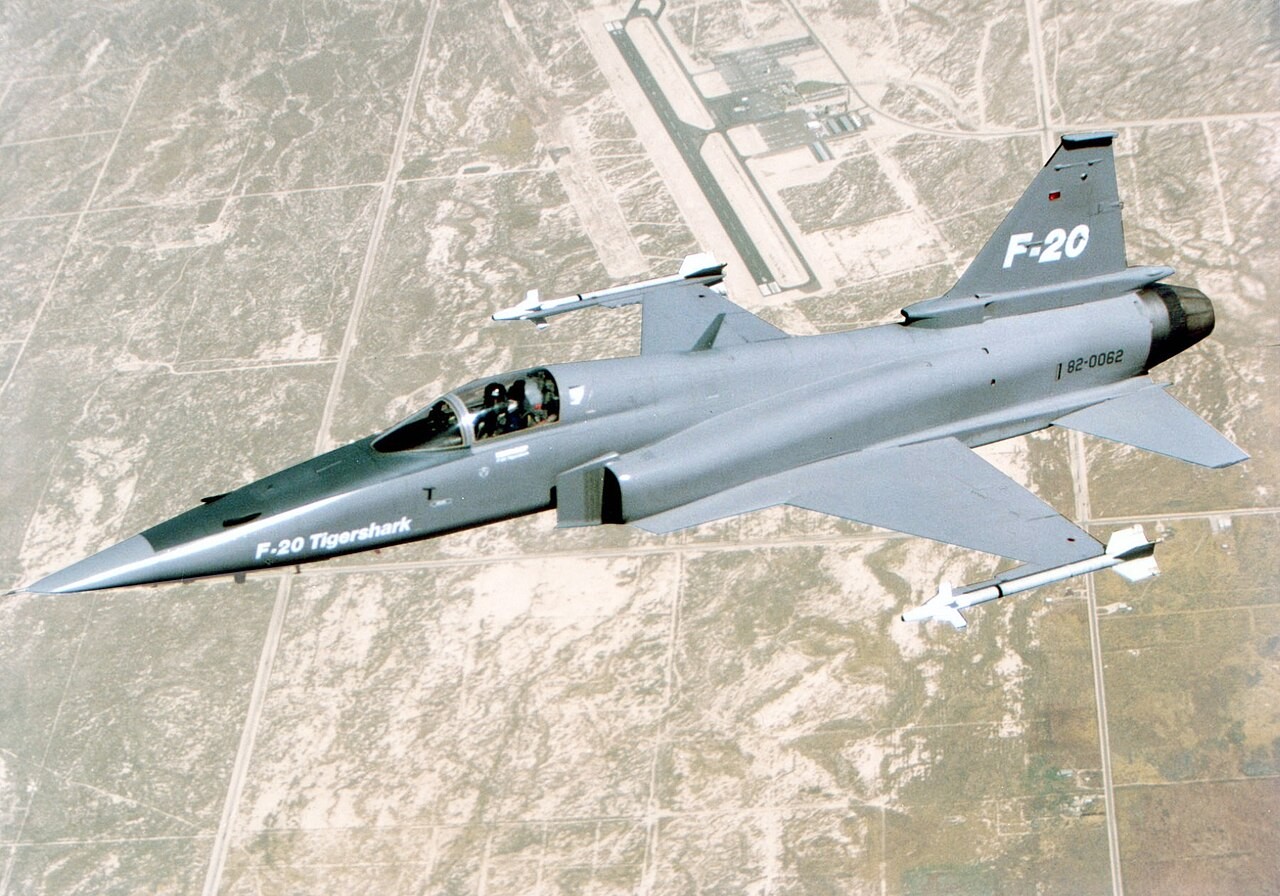
F-20 Tigershark
The aircraft is named ‘F-20 Tigershark’. It is a prototype lightweight fighter developed by Northrop in the US, with its first flight in 1982 and designated as ‘program terminated’. A noteworthy point in its development background is that it ‘combined a single-engine design from the F-5 family with modern radar but failed to secure a production contract’. The reason for focusing on the F-20 Tigershark in the context of ‘lightweight fighters entrusted with big roles in small airframes’ is that it exemplifies the topic of ‘lightweight design and operational efficiency’. If there are similar variants, the model name ‘F-20 Tigershark’ and its operating entity must be confirmed first.
When looking at the crew size and radar placement, the technical choices in the ‘F-20 Tigershark’ become clearer regarding which flight regimes and missions they are designed for. The first flight in 1982 serves as a development milestone but does not immediately indicate production or operational deployment. The status of the ‘F-20 Tigershark’ is separately classified as ‘program terminated’ to avoid mixing it with retired, terminated, or active service statuses. The speed and range of the ‘F-20 Tigershark’ also vary according to altitude, fuel, and external payload, so it is more accurate to focus on the design intent than to determine superiority with a single figure.
When comparing with other items, check the wing structure, number of engines, thrust direction, crew size, radar location, and operational environment of the ‘F-20 Tigershark’ in succession. The classification of ‘prototype lightweight fighter’ attached to the F-20 Tigershark should also be examined to clarify any misunderstandings stemming from nomenclature. The lineage of lightweight fighters entrusted with big roles in small airframes is not about ranking the winners but understanding the technology and operational choices that the ‘F-20 Tigershark’ has left behind. The links for the ‘F-20 Tigershark’ prioritize manufacturer, military, and public aviation museum resources, and images have been verified with identification information from Wikimedia Commons.
When looking at the crew size and radar placement, the technical choices in the ‘F-20 Tigershark’ become clearer regarding which flight regimes and missions they are designed for. The first flight in 1982 serves as a development milestone but does not immediately indicate production or operational deployment. The status of the ‘F-20 Tigershark’ is separately classified as ‘program terminated’ to avoid mixing it with retired, terminated, or active service statuses. The speed and range of the ‘F-20 Tigershark’ also vary according to altitude, fuel, and external payload, so it is more accurate to focus on the design intent than to determine superiority with a single figure.
When comparing with other items, check the wing structure, number of engines, thrust direction, crew size, radar location, and operational environment of the ‘F-20 Tigershark’ in succession. The classification of ‘prototype lightweight fighter’ attached to the F-20 Tigershark should also be examined to clarify any misunderstandings stemming from nomenclature. The lineage of lightweight fighters entrusted with big roles in small airframes is not about ranking the winners but understanding the technology and operational choices that the ‘F-20 Tigershark’ has left behind. The links for the ‘F-20 Tigershark’ prioritize manufacturer, military, and public aviation museum resources, and images have been verified with identification information from Wikimedia Commons.
제작사 노스럽
국가 미국
첫 비행 1982년
주요 역할 경량 전투기 시제기
상태 사업 종료
이미지 출처 Wikipedia/Wikimedia Commons · Northrop F-20 Tigershark
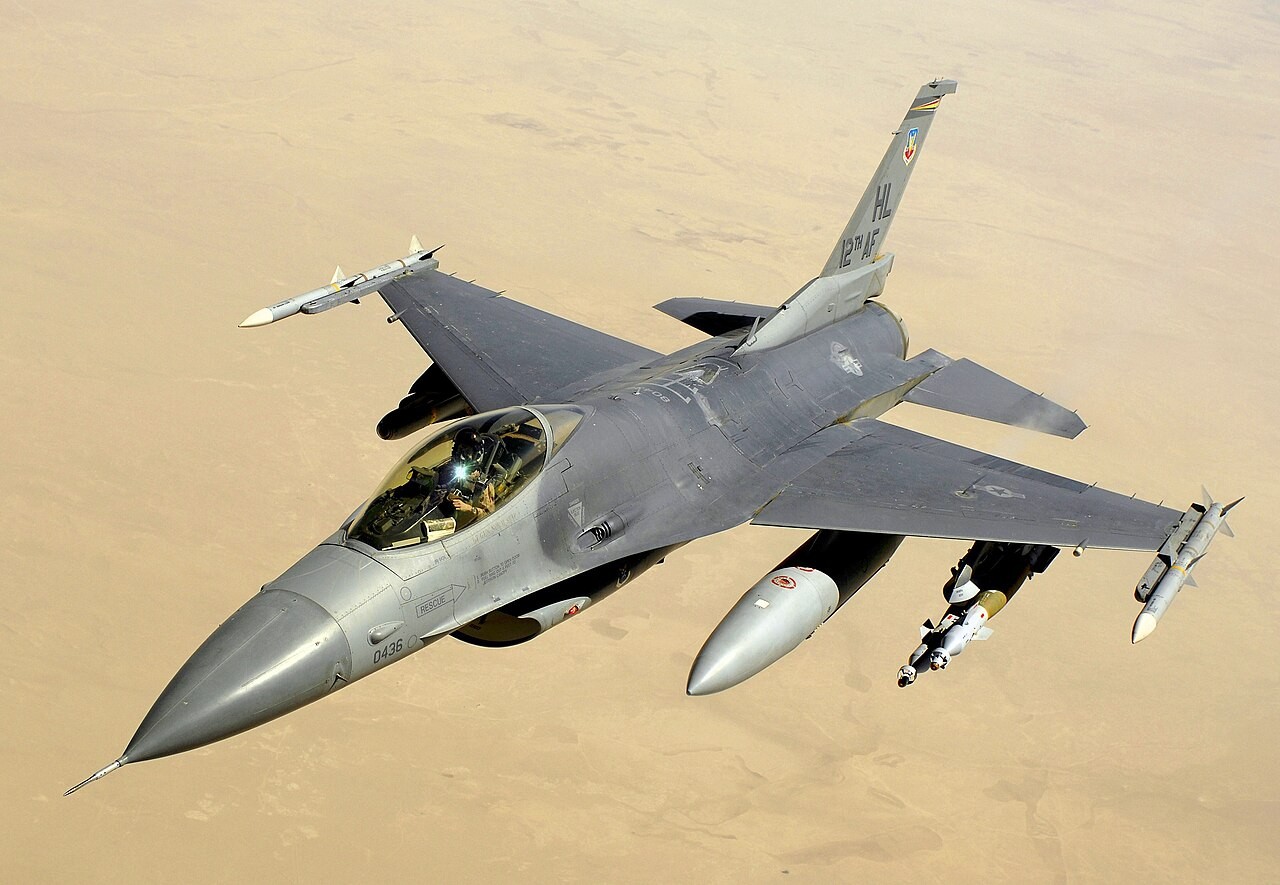
F-16A Fighting Falcon
The aircraft is named ‘F-16A Fighting Falcon’. It is a lightweight multirole fighter developed by General Dynamics in the US, with its first flight in 1976 and designated as ‘upgraded variant in active service’. The key insight into its operators is that it represents an expansion of the lightweight fighter concept with ‘fly-by-wire technology and a high thrust-to-weight ratio’. The reason for highlighting the F-16A Fighting Falcon in the context of ‘lightweight fighters entrusted with big roles in small airframes’ is that it exemplifies the topic of ‘lightweight design and operational efficiency’. If there are similar variants, the model name ‘F-16A Fighting Falcon’ and its operating entity must be confirmed first.
By categorizing takeoff and landing methods and mission radii, the technical choices of the ‘F-16A Fighting Falcon’ become clearer regarding which flight regimes and missions they are designed for. The first flight in 1976 serves as a development milestone but does not immediately indicate production or operational deployment. The status of the ‘F-16A Fighting Falcon’ is separately classified as ‘upgraded variant in active service’ to avoid mixing it with retired, terminated, or active service statuses. The speed and range of the ‘F-16A Fighting Falcon’ also vary according to altitude, fuel, and external payload, so it is more accurate to focus on the design intent than to determine superiority with a single number.
When comparing with other items, check the wing structure, number of engines, thrust direction, crew size, radar location, and operational environment of the ‘F-16A Fighting Falcon’ in succession. The classification of ‘lightweight multirole fighter’ attached to the F-16A Fighting Falcon should also be examined to clarify any misunderstandings stemming from nomenclature. The lineage of lightweight fighters entrusted with big roles in small airframes is not about ranking the winners but understanding the technology and operational choices that the ‘F-16A Fighting Falcon’ has left behind. The links for the ‘F-16A Fighting Falcon’ prioritize manufacturer, military, and public aviation museum resources, and images have been verified with identification information from Wikimedia Commons.
By categorizing takeoff and landing methods and mission radii, the technical choices of the ‘F-16A Fighting Falcon’ become clearer regarding which flight regimes and missions they are designed for. The first flight in 1976 serves as a development milestone but does not immediately indicate production or operational deployment. The status of the ‘F-16A Fighting Falcon’ is separately classified as ‘upgraded variant in active service’ to avoid mixing it with retired, terminated, or active service statuses. The speed and range of the ‘F-16A Fighting Falcon’ also vary according to altitude, fuel, and external payload, so it is more accurate to focus on the design intent than to determine superiority with a single number.
When comparing with other items, check the wing structure, number of engines, thrust direction, crew size, radar location, and operational environment of the ‘F-16A Fighting Falcon’ in succession. The classification of ‘lightweight multirole fighter’ attached to the F-16A Fighting Falcon should also be examined to clarify any misunderstandings stemming from nomenclature. The lineage of lightweight fighters entrusted with big roles in small airframes is not about ranking the winners but understanding the technology and operational choices that the ‘F-16A Fighting Falcon’ has left behind. The links for the ‘F-16A Fighting Falcon’ prioritize manufacturer, military, and public aviation museum resources, and images have been verified with identification information from Wikimedia Commons.
제작사 제너럴 다이내믹스
국가 미국
첫 비행 1976년
주요 역할 경량 다목적 전투기
상태 개량형 현역 운용
이미지 출처 Wikipedia/Wikimedia Commons · General Dynamics F-16 Fighting Falcon
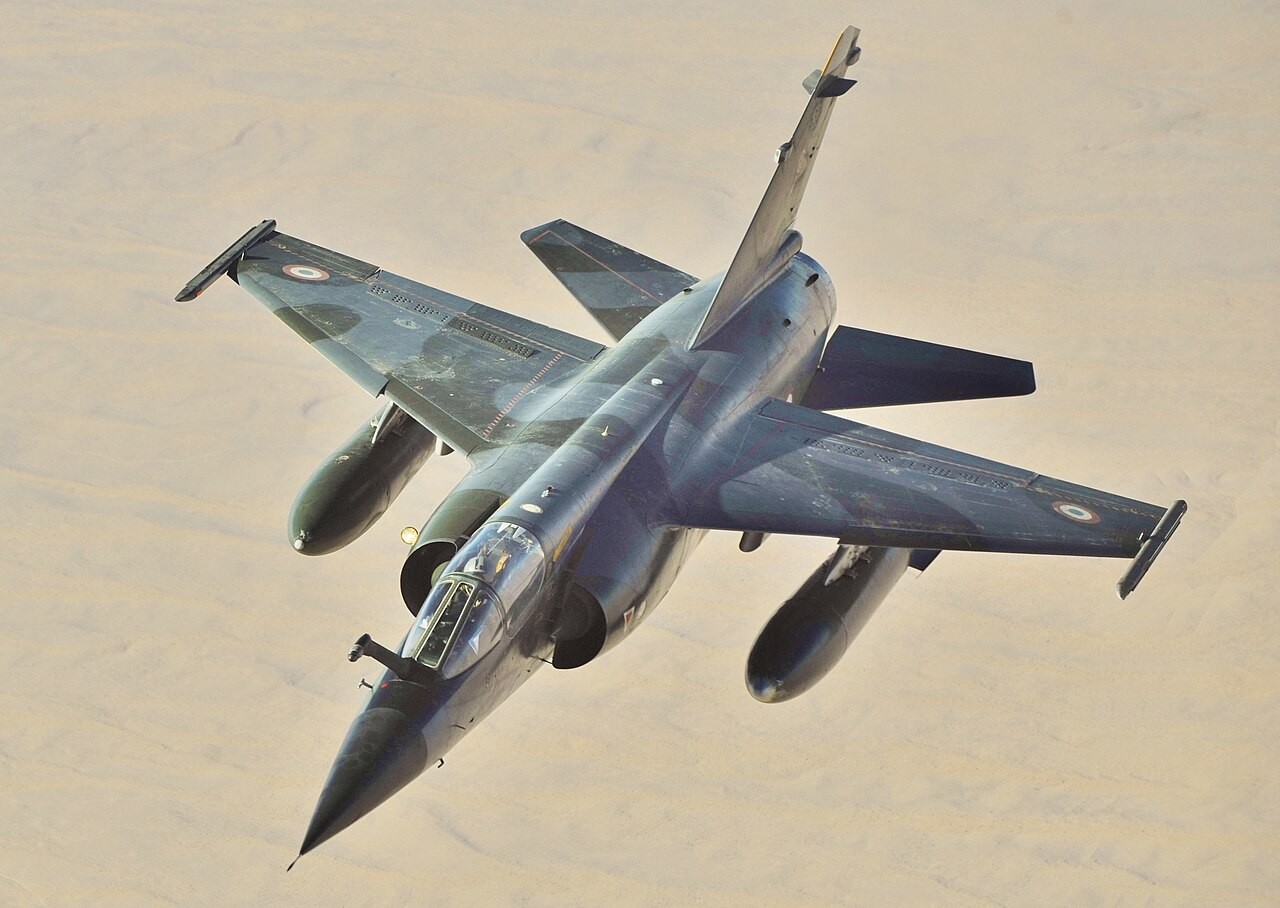
Mirage F1
The aircraft is named ‘Mirage F1’. It is a lightweight interceptor and multirole fighter developed by Dassault Aviation in France, with its first flight in 1966 and designated as ‘operated by some countries’. An important point when considering its photos and missions is that it ‘chose a high-mounted swept wing instead of a delta wing to enhance takeoff performance and operational flexibility’. The reason for highlighting the Mirage F1 in the context of ‘lightweight fighters entrusted with big roles in small airframes’ is that it exemplifies the topic of ‘lightweight design and operational efficiency’. If there are similar variants, the model name ‘Mirage F1’ and its operating entity must be confirmed first.
By distinguishing the first flight and actual deployment periods, one can better understand the technical choices of the ‘Mirage F1’. The first flight in 1966 serves as a milestone in development but does not immediately indicate production or operational deployment. The status of the ‘Mirage F1’ is separately classified as ‘operated by some countries’ to avoid mixing it with retired, terminated, or active service statuses. The speed and range of the ‘Mirage F1’ also vary according to altitude, fuel, and external payload, so it is more accurate to focus on the design intent than to determine superiority with a single number.
When comparing with other items, check the wing structure, number of engines, thrust direction, crew size, radar location, and operational environment of the ‘Mirage F1’ in succession. The classification of ‘lightweight interceptor and multirole fighter’ attached to the Mirage F1 should also be examined to clarify any misunderstandings stemming from nomenclature. The lineage of lightweight fighters entrusted with big roles in small airframes is not about ranking the winners but understanding the technology and operational choices that the ‘Mirage F1’ has left behind. The links for the ‘Mirage F1’ prioritize manufacturer, military, and public aviation museum resources, and images have been verified with identification information from Wikimedia Commons.
By distinguishing the first flight and actual deployment periods, one can better understand the technical choices of the ‘Mirage F1’. The first flight in 1966 serves as a milestone in development but does not immediately indicate production or operational deployment. The status of the ‘Mirage F1’ is separately classified as ‘operated by some countries’ to avoid mixing it with retired, terminated, or active service statuses. The speed and range of the ‘Mirage F1’ also vary according to altitude, fuel, and external payload, so it is more accurate to focus on the design intent than to determine superiority with a single number.
When comparing with other items, check the wing structure, number of engines, thrust direction, crew size, radar location, and operational environment of the ‘Mirage F1’ in succession. The classification of ‘lightweight interceptor and multirole fighter’ attached to the Mirage F1 should also be examined to clarify any misunderstandings stemming from nomenclature. The lineage of lightweight fighters entrusted with big roles in small airframes is not about ranking the winners but understanding the technology and operational choices that the ‘Mirage F1’ has left behind. The links for the ‘Mirage F1’ prioritize manufacturer, military, and public aviation museum resources, and images have been verified with identification information from Wikimedia Commons.
제작사 다쏘 아비아시옹
국가 프랑스
첫 비행 1966년
주요 역할 경량 요격·다목적 전투기
상태 일부 국가 운용
이미지 출처 Wikipedia/Wikimedia Commons · Dassault Mirage F1
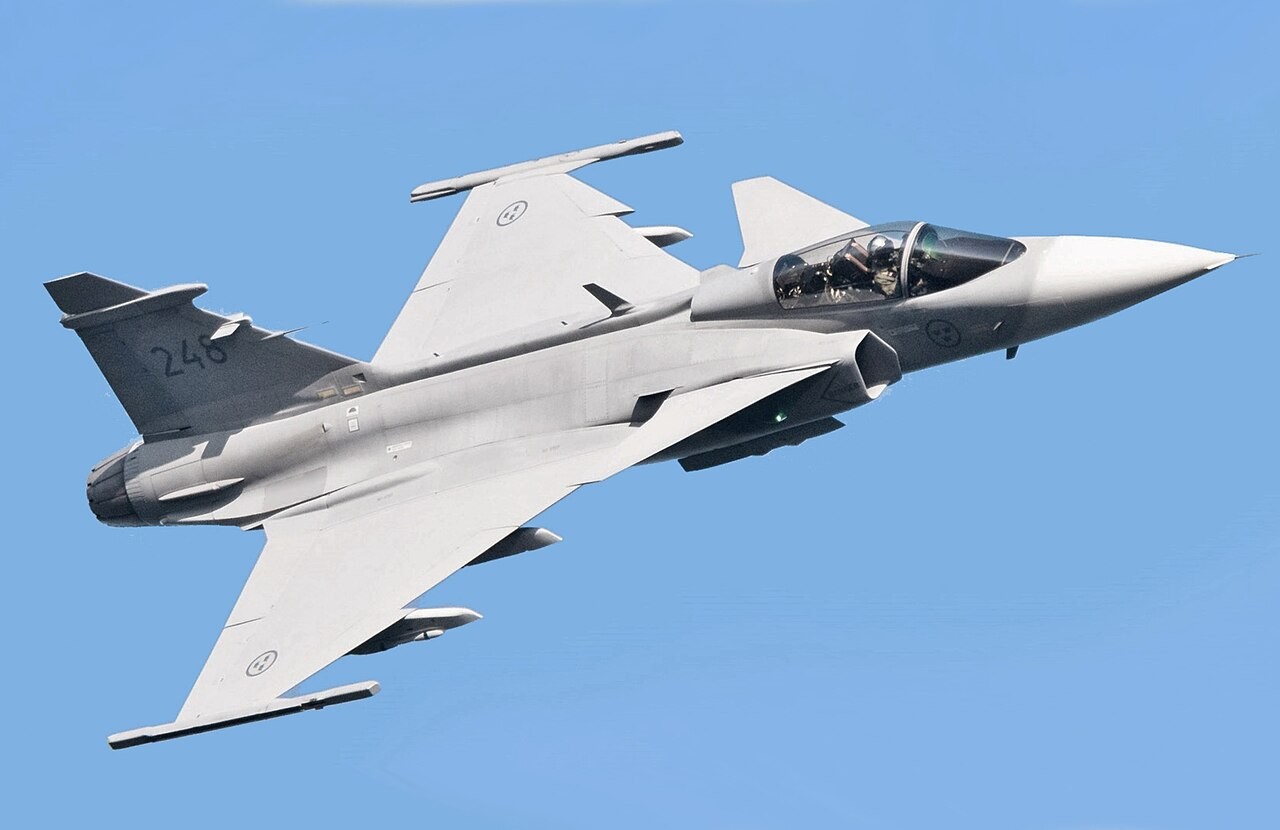
Saab JAS 39C Gripen
The aircraft is named ‘Saab JAS 39C Gripen’. It is a lightweight multirole fighter developed by Saab in Sweden, with its first flight in 1988 and designated as ‘active’. Distinguishing features compared to contemporary aircraft include an emphasis on ‘road base distributed operations and quick re-strike by a small maintenance team’. The reason for highlighting the Saab JAS 39C Gripen in the context of ‘lightweight fighters entrusted with big roles in small airframes’ is that it exemplifies the topic of ‘lightweight design and operational efficiency’. If there are similar variants, the model name ‘Saab JAS 39C Gripen’ and its operating entity must be confirmed first.
By contrasting engine layout and airframe structure, one can better understand which flight regimes and missions the technical choices of the ‘Saab JAS 39C Gripen’ are aimed at. The first flight in 1988 serves as a development milestone but does not immediately indicate production or operational deployment. The status of the ‘Saab JAS 39C Gripen’ is separately classified as ‘active’ to avoid mixing it with retired, terminated, or active service statuses. The speed and range of the ‘Saab JAS 39C Gripen’ also vary according to altitude, fuel, and external payload, so it is more accurate to focus on the design intent than to determine superiority with a single number.
When comparing with other items, check the wing structure, number of engines, thrust direction, crew size, radar location, and operational environment of the ‘Saab JAS 39C Gripen’ in succession. The classification of ‘lightweight multirole fighter’ attached to the Saab JAS 39C Gripen should also be examined to clarify any misunderstandings stemming from nomenclature. The lineage of lightweight fighters entrusted with big roles in small airframes is not about ranking the winners but understanding the technology and operational choices that the ‘Saab JAS 39C Gripen’ has left behind. The links for the ‘Saab JAS 39C Gripen’ prioritize manufacturer, military, and public aviation museum resources, and images have been verified with identification information from Wikimedia Commons.
By contrasting engine layout and airframe structure, one can better understand which flight regimes and missions the technical choices of the ‘Saab JAS 39C Gripen’ are aimed at. The first flight in 1988 serves as a development milestone but does not immediately indicate production or operational deployment. The status of the ‘Saab JAS 39C Gripen’ is separately classified as ‘active’ to avoid mixing it with retired, terminated, or active service statuses. The speed and range of the ‘Saab JAS 39C Gripen’ also vary according to altitude, fuel, and external payload, so it is more accurate to focus on the design intent than to determine superiority with a single number.
When comparing with other items, check the wing structure, number of engines, thrust direction, crew size, radar location, and operational environment of the ‘Saab JAS 39C Gripen’ in succession. The classification of ‘lightweight multirole fighter’ attached to the Saab JAS 39C Gripen should also be examined to clarify any misunderstandings stemming from nomenclature. The lineage of lightweight fighters entrusted with big roles in small airframes is not about ranking the winners but understanding the technology and operational choices that the ‘Saab JAS 39C Gripen’ has left behind. The links for the ‘Saab JAS 39C Gripen’ prioritize manufacturer, military, and public aviation museum resources, and images have been verified with identification information from Wikimedia Commons.
제작사 사브
국가 스웨덴
첫 비행 1988년
주요 역할 경량 다목적 전투기
상태 현역
이미지 출처 Wikipedia/Wikimedia Commons · Saab JAS 39 Gripen
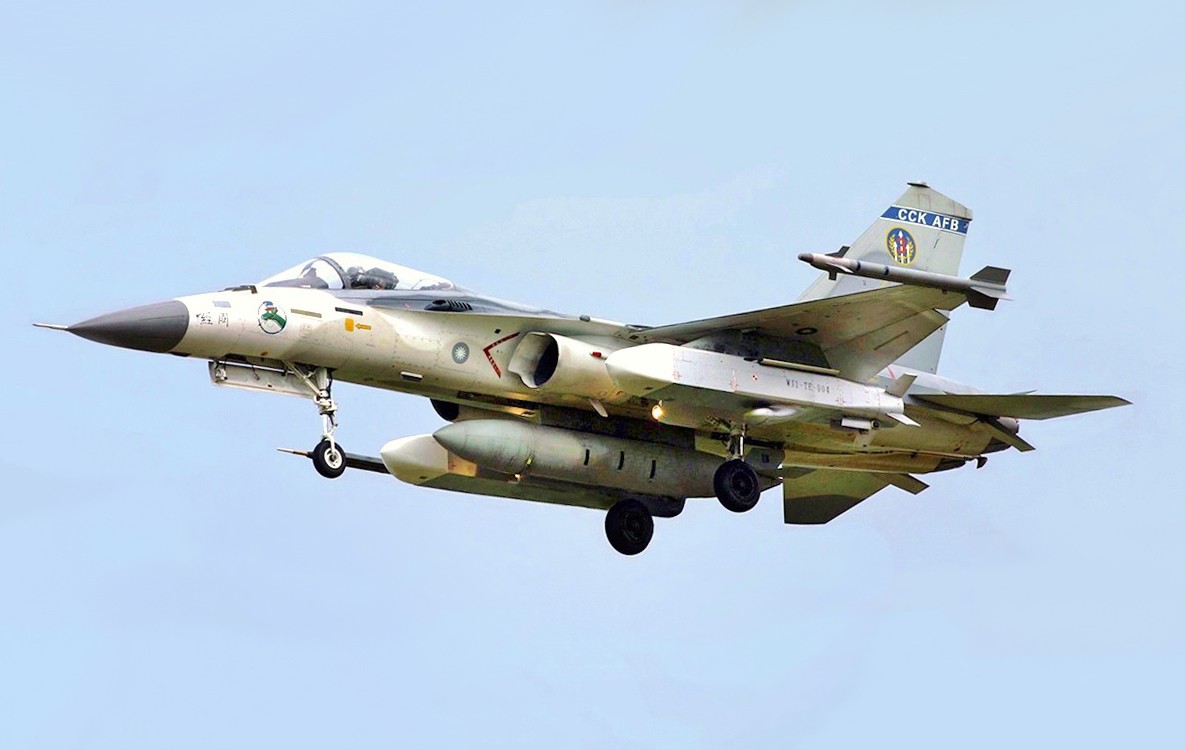
AIDC F-CK-1 Ching-kuo
The aircraft is named ‘AIDC F-CK-1 Ching-kuo’. It is a lightweight multirole fighter developed by AIDC in Taiwan, with its first flight in 1989 and designated as ‘active’. The starting point for its design is that it is ‘a domestically developed twin-engine lightweight aircraft that integrates air defense and strike missions’. The reason for highlighting the AIDC F-CK-1 Ching-kuo in the context of ‘lightweight fighters entrusted with big roles in small airframes’ is that it exemplifies the topic of ‘lightweight design and operational efficiency’. If there are similar variants, the model name ‘AIDC F-CK-1 Ching-kuo’ and its operating entity must be confirmed first.
Examining the production purposes and operational results together will illuminate the technical choices of the ‘AIDC F-CK-1 Ching-kuo’, showing which flight regimes and missions it is designed for. The first flight in 1989 serves as a development milestone but does not immediately indicate production or operational deployment. The status of the ‘AIDC F-CK-1 Ching-kuo’ is separately classified as ‘active’ to avoid mixing it with retired, terminated, or active service statuses. The speed and range of the ‘AIDC F-CK-1 Ching-kuo’ also vary according to altitude, fuel, and external payload, so it is more accurate to focus on the design intent than to determine superiority with a single number.
When comparing with other items, check the wing structure, number of engines, thrust direction, crew size, radar location, and operational environment of the ‘AIDC F-CK-1 Ching-kuo’ in succession. The classification of ‘lightweight multirole fighter’ attached to the AIDC F-CK-1 Ching-kuo should also be examined to clarify any misunderstandings stemming from nomenclature. The lineage of lightweight fighters entrusted with big roles in small airframes is not about ranking the winners but understanding the technology and operational choices that the ‘AIDC F-CK-1 Ching-kuo’ has left behind. The links for the ‘AIDC F-CK-1 Ching-kuo’ prioritize manufacturer, military, and public aviation museum resources, and images have been verified with identification information from Wikimedia Commons.
Examining the production purposes and operational results together will illuminate the technical choices of the ‘AIDC F-CK-1 Ching-kuo’, showing which flight regimes and missions it is designed for. The first flight in 1989 serves as a development milestone but does not immediately indicate production or operational deployment. The status of the ‘AIDC F-CK-1 Ching-kuo’ is separately classified as ‘active’ to avoid mixing it with retired, terminated, or active service statuses. The speed and range of the ‘AIDC F-CK-1 Ching-kuo’ also vary according to altitude, fuel, and external payload, so it is more accurate to focus on the design intent than to determine superiority with a single number.
When comparing with other items, check the wing structure, number of engines, thrust direction, crew size, radar location, and operational environment of the ‘AIDC F-CK-1 Ching-kuo’ in succession. The classification of ‘lightweight multirole fighter’ attached to the AIDC F-CK-1 Ching-kuo should also be examined to clarify any misunderstandings stemming from nomenclature. The lineage of lightweight fighters entrusted with big roles in small airframes is not about ranking the winners but understanding the technology and operational choices that the ‘AIDC F-CK-1 Ching-kuo’ has left behind. The links for the ‘AIDC F-CK-1 Ching-kuo’ prioritize manufacturer, military, and public aviation museum resources, and images have been verified with identification information from Wikimedia Commons.
제작사 한샹항공공업
국가 대만
첫 비행 1989년
주요 역할 경량 다목적 전투기
상태 현역
이미지 출처 Wikipedia/Wikimedia Commons · AIDC F-CK-1 Ching-kuo
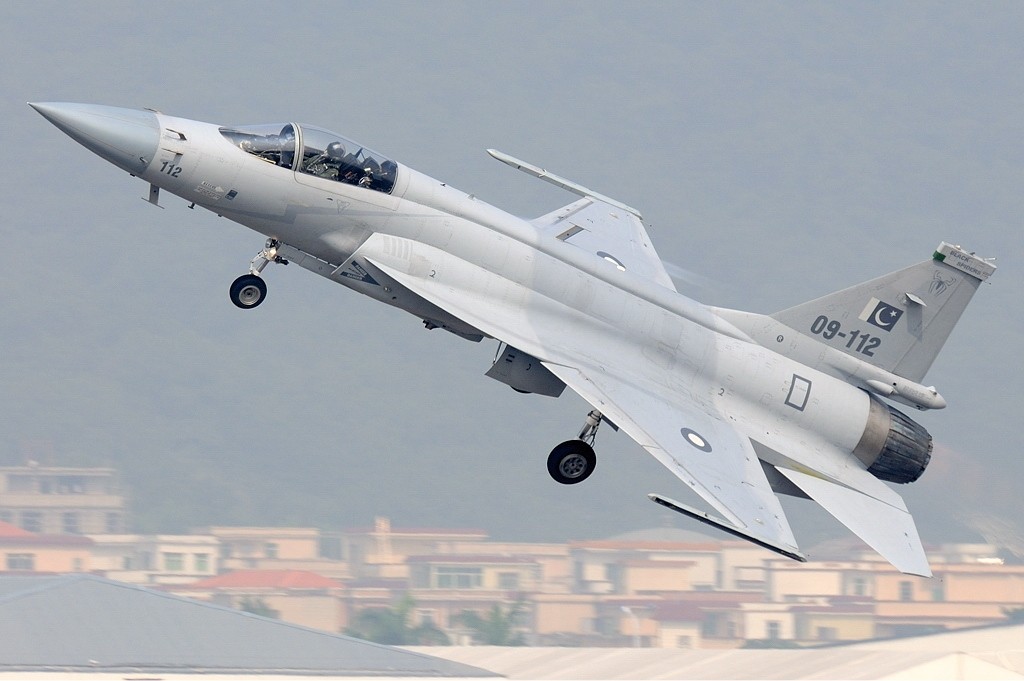
JF-17 Thunder
The aircraft is named ‘JF-17 Thunder’. It is a lightweight multirole fighter developed by PAC and Chengdu Aircraft Industry Group in Pakistan and China, with its first flight in 2003 and designated as ‘active’. A key indicator for judging its actual deployment is that it was ‘jointly developed with the goal of relatively low operational burden and phased combat upgrades’. The reason for highlighting the JF-17 Thunder in the context of ‘lightweight fighters entrusted with big roles in small airframes’ is that it exemplifies the topic of ‘lightweight design and operational efficiency’. If there are similar variants, the model name ‘JF-17 Thunder’ and its operating entity must be confirmed first.
By distinguishing the differences between prototypes and production models, one can better understand the technical choices of the ‘JF-17 Thunder’ with respect to the flight regimes and missions. The first flight in 2003 serves as a development milestone but does not immediately indicate production or operational deployment. The status of the ‘JF-17 Thunder’ is separately classified as ‘active’ to avoid mixing it with retired, terminated, or active service statuses. The speed and range of the ‘JF-17 Thunder’ also vary according to altitude, fuel, and external payload, so it is more accurate to focus on the design intent than to determine superiority with a single figure.
When comparing with other items, check the wing structure, number of engines, thrust direction, crew size, radar location, and operational environment of the ‘JF-17 Thunder’ in succession. The classification of ‘lightweight multirole fighter’ attached to the JF-17 Thunder should also be examined to clarify any misunderstandings stemming from nomenclature. The lineage of lightweight fighters entrusted with big roles in small airframes is not about ranking the winners but understanding the technology and operational choices that the ‘JF-17 Thunder’ has left behind. The links for the ‘JF-17 Thunder’ prioritize manufacturer, military, and public aviation museum resources, and images have been verified with identification information from Wikimedia Commons.
By distinguishing the differences between prototypes and production models, one can better understand the technical choices of the ‘JF-17 Thunder’ with respect to the flight regimes and missions. The first flight in 2003 serves as a development milestone but does not immediately indicate production or operational deployment. The status of the ‘JF-17 Thunder’ is separately classified as ‘active’ to avoid mixing it with retired, terminated, or active service statuses. The speed and range of the ‘JF-17 Thunder’ also vary according to altitude, fuel, and external payload, so it is more accurate to focus on the design intent than to determine superiority with a single figure.
When comparing with other items, check the wing structure, number of engines, thrust direction, crew size, radar location, and operational environment of the ‘JF-17 Thunder’ in succession. The classification of ‘lightweight multirole fighter’ attached to the JF-17 Thunder should also be examined to clarify any misunderstandings stemming from nomenclature. The lineage of lightweight fighters entrusted with big roles in small airframes is not about ranking the winners but understanding the technology and operational choices that the ‘JF-17 Thunder’ has left behind. The links for the ‘JF-17 Thunder’ prioritize manufacturer, military, and public aviation museum resources, and images have been verified with identification information from Wikimedia Commons.
제작사 PAC·청두항공공업집단
국가 파키스탄·중국
첫 비행 2003년
주요 역할 경량 다목적 전투기
상태 현역
이미지 출처 Wikipedia/Wikimedia Commons · CAC/PAC JF-17 Thunder
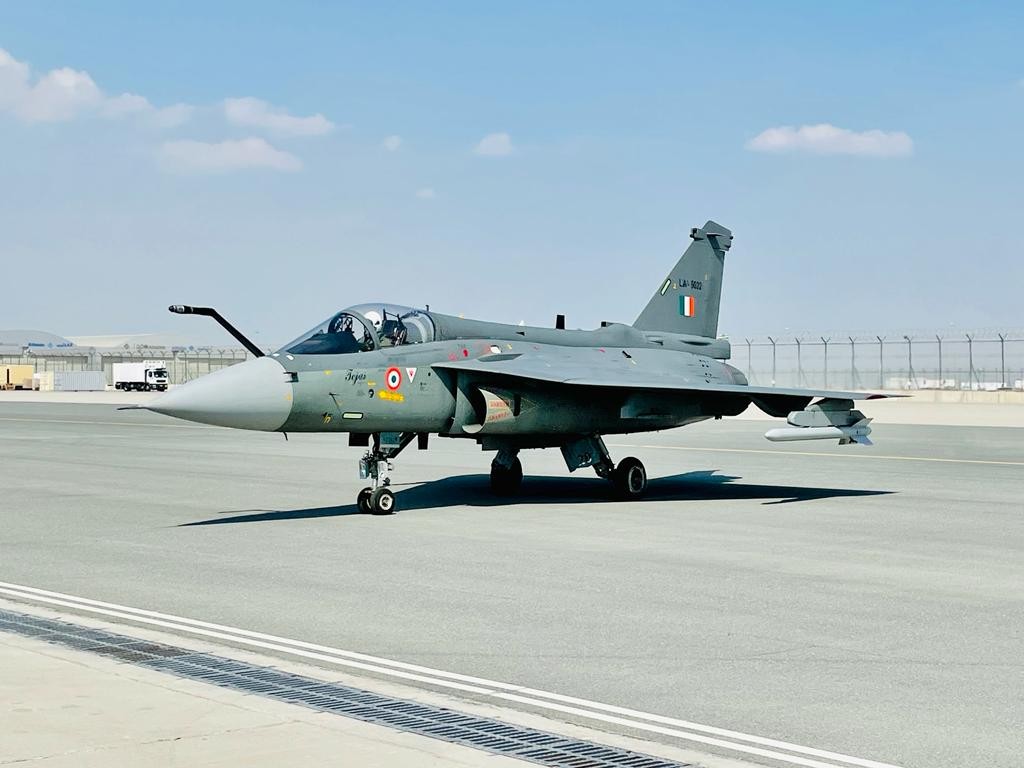
HAL Tejas Mk1
The aircraft name is ‘HAL Tejas Mk1’. It is a lightweight multi-role fighter developed by Hindustan Aeronautics, and its first flight was in 2001. Its status is classified as ‘active·in production’. The technological legacy it leaves includes the characteristic of ‘having a high proportion of composite materials and accumulating a foundation for domestic development in India with a delta shape without a horizontal tail’. The reason to spotlight the HAL Tejas Mk1 in the lineage of ‘lightweight fighters assigned significant roles within a small airframe’ is that it serves as a tangible example of the theme of ‘lightweight and operational efficiency’. If there are similar variants, one must first check the model name ‘HAL Tejas Mk1’ and the operational entity.
Looking at the maintenance environment and redeployment conditions, it becomes clearer what flight segments and missions the technical choices of the HAL Tejas Mk1 are for. The first flight of the HAL Tejas Mk1 in 2001 marks a developmental milestone but does not immediately signify production and operational deployment. The status of the HAL Tejas Mk1 is classified as ‘active·in production’ separately to avoid mixing it with retirement, program termination, limited national operations, and active duty. The speed and range of the HAL Tejas Mk1 also vary according to altitude, fuel, and external payload, so it is more accurate to interpret it with a focus on design objectives rather than establishing superiority with a single number.
When comparing with other items, let’s examine the wing structure, number of engines and thrust direction, crew number, radar position, and operational environment of the HAL Tejas Mk1 sequentially. We should also explore whether the type labeled as ‘lightweight multi-role fighter’ for the HAL Tejas Mk1 carries the same meaning as for other aircraft to reduce misunderstandings arising from the nomenclature. The lineage of ‘lightweight fighters assigned significant roles within a small airframe’ is not about selecting a winner but rather a material for understanding the technology and operational choices left by the HAL Tejas Mk1. The links for the HAL Tejas Mk1 prioritize materials from the manufacturer, military, and public aviation museum sources, and the images have been verified with identification information from Wikimedia Commons.
Looking at the maintenance environment and redeployment conditions, it becomes clearer what flight segments and missions the technical choices of the HAL Tejas Mk1 are for. The first flight of the HAL Tejas Mk1 in 2001 marks a developmental milestone but does not immediately signify production and operational deployment. The status of the HAL Tejas Mk1 is classified as ‘active·in production’ separately to avoid mixing it with retirement, program termination, limited national operations, and active duty. The speed and range of the HAL Tejas Mk1 also vary according to altitude, fuel, and external payload, so it is more accurate to interpret it with a focus on design objectives rather than establishing superiority with a single number.
When comparing with other items, let’s examine the wing structure, number of engines and thrust direction, crew number, radar position, and operational environment of the HAL Tejas Mk1 sequentially. We should also explore whether the type labeled as ‘lightweight multi-role fighter’ for the HAL Tejas Mk1 carries the same meaning as for other aircraft to reduce misunderstandings arising from the nomenclature. The lineage of ‘lightweight fighters assigned significant roles within a small airframe’ is not about selecting a winner but rather a material for understanding the technology and operational choices left by the HAL Tejas Mk1. The links for the HAL Tejas Mk1 prioritize materials from the manufacturer, military, and public aviation museum sources, and the images have been verified with identification information from Wikimedia Commons.
제작사 힌두스탄 항공
국가 인도
첫 비행 2001년
주요 역할 경량 다목적 전투기
상태 현역·생산
이미지 출처 Wikipedia/Wikimedia Commons · HAL Tejas
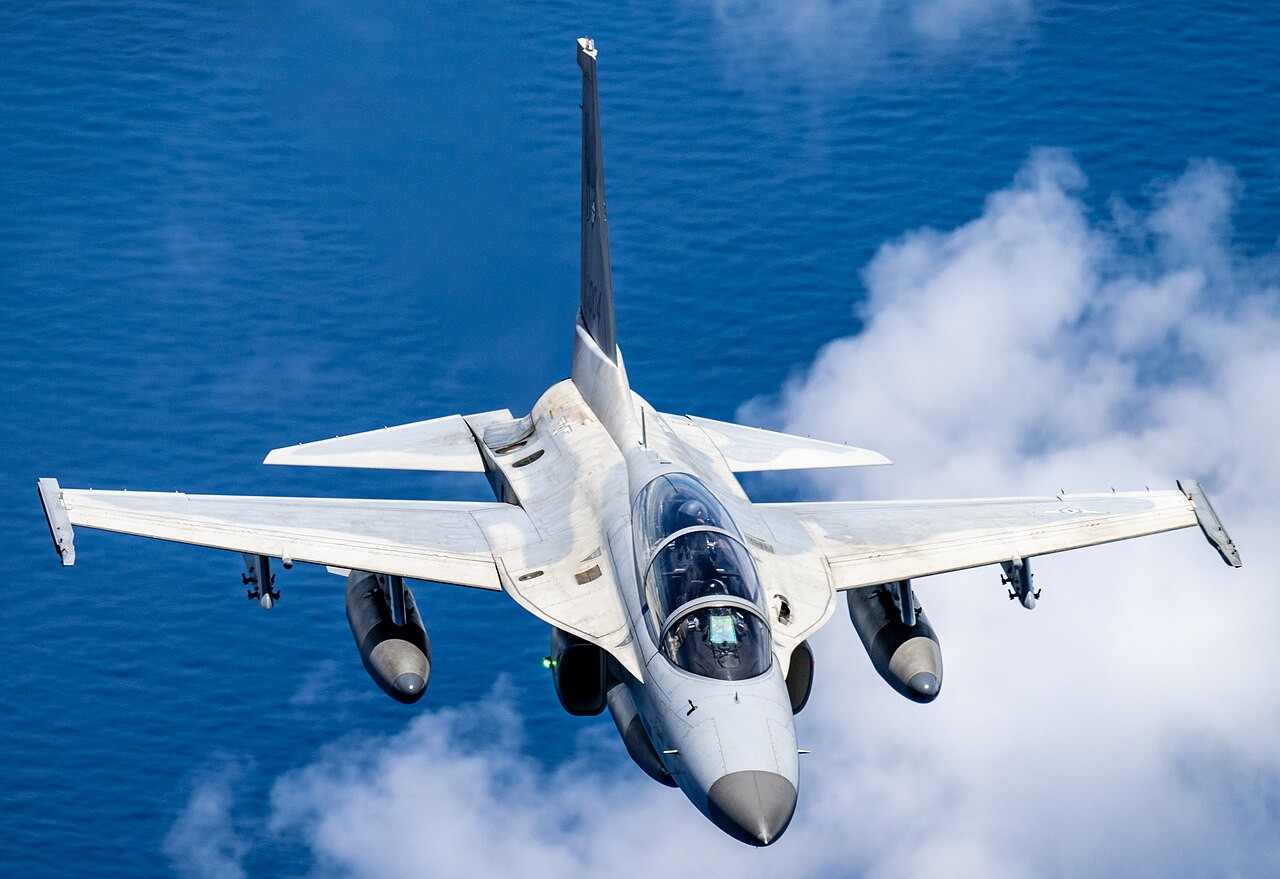
FA-50 Fighting Eagle
The aircraft name is ‘FA-50 Fighting Eagle’. It is a light combat aircraft developed by Korea Aerospace Industries, and its first flight was in 2011. Its status is classified as ‘active·export operations’. The part shown in the test results is the characteristic of ‘expanding the flight characteristics and avionics systems of the T-50 advanced trainer into combat missions’. The reason to focus on the FA-50 Fighting Eagle in the lineage of ‘lightweight fighters assigned significant roles within a small airframe’ is that it serves as a tangible example of the theme of ‘lightweight and operational efficiency’. If there are similar variants, one must first check the model name ‘FA-50 Fighting Eagle’ and the operational entity.
According to the official classification of types, the technical choices of the FA-50 Fighting Eagle become clearer regarding which flight segments and missions they are intended for. The first flight of the FA-50 Fighting Eagle in 2011 marks a developmental milestone but does not immediately signify production and operational deployment. The status of the FA-50 Fighting Eagle is classified as ‘active·export operations’ separately to avoid mixing it with retirement, program termination, limited national operations, and active duty. The speed and range of the FA-50 Fighting Eagle also vary according to altitude, fuel, and external payload, so it is more accurate to interpret it with a focus on design objectives rather than establishing superiority with a single number.
When comparing with other items, let’s examine the wing structure, number of engines and thrust direction, crew number, radar position, and operational environment of the FA-50 Fighting Eagle sequentially. We should also explore whether the type labeled as ‘light combat aircraft’ for the FA-50 Fighting Eagle carries the same meaning as for other aircraft to reduce misunderstandings arising from the nomenclature. The lineage of ‘lightweight fighters assigned significant roles within a small airframe’ is not about selecting a winner but rather a material for understanding the technology and operational choices left by the FA-50 Fighting Eagle. The links for the FA-50 Fighting Eagle prioritize materials from the manufacturer, military, and public aviation museum sources, and the images have been verified with identification information from Wikimedia Commons.
According to the official classification of types, the technical choices of the FA-50 Fighting Eagle become clearer regarding which flight segments and missions they are intended for. The first flight of the FA-50 Fighting Eagle in 2011 marks a developmental milestone but does not immediately signify production and operational deployment. The status of the FA-50 Fighting Eagle is classified as ‘active·export operations’ separately to avoid mixing it with retirement, program termination, limited national operations, and active duty. The speed and range of the FA-50 Fighting Eagle also vary according to altitude, fuel, and external payload, so it is more accurate to interpret it with a focus on design objectives rather than establishing superiority with a single number.
When comparing with other items, let’s examine the wing structure, number of engines and thrust direction, crew number, radar position, and operational environment of the FA-50 Fighting Eagle sequentially. We should also explore whether the type labeled as ‘light combat aircraft’ for the FA-50 Fighting Eagle carries the same meaning as for other aircraft to reduce misunderstandings arising from the nomenclature. The lineage of ‘lightweight fighters assigned significant roles within a small airframe’ is not about selecting a winner but rather a material for understanding the technology and operational choices left by the FA-50 Fighting Eagle. The links for the FA-50 Fighting Eagle prioritize materials from the manufacturer, military, and public aviation museum sources, and the images have been verified with identification information from Wikimedia Commons.
제작사 한국항공우주산업
국가 대한민국
첫 비행 2011년
주요 역할 경전투기
상태 현역·수출 운용
이미지 출처 Wikipedia/Wikimedia Commons · KAI T-50 Golden Eagle
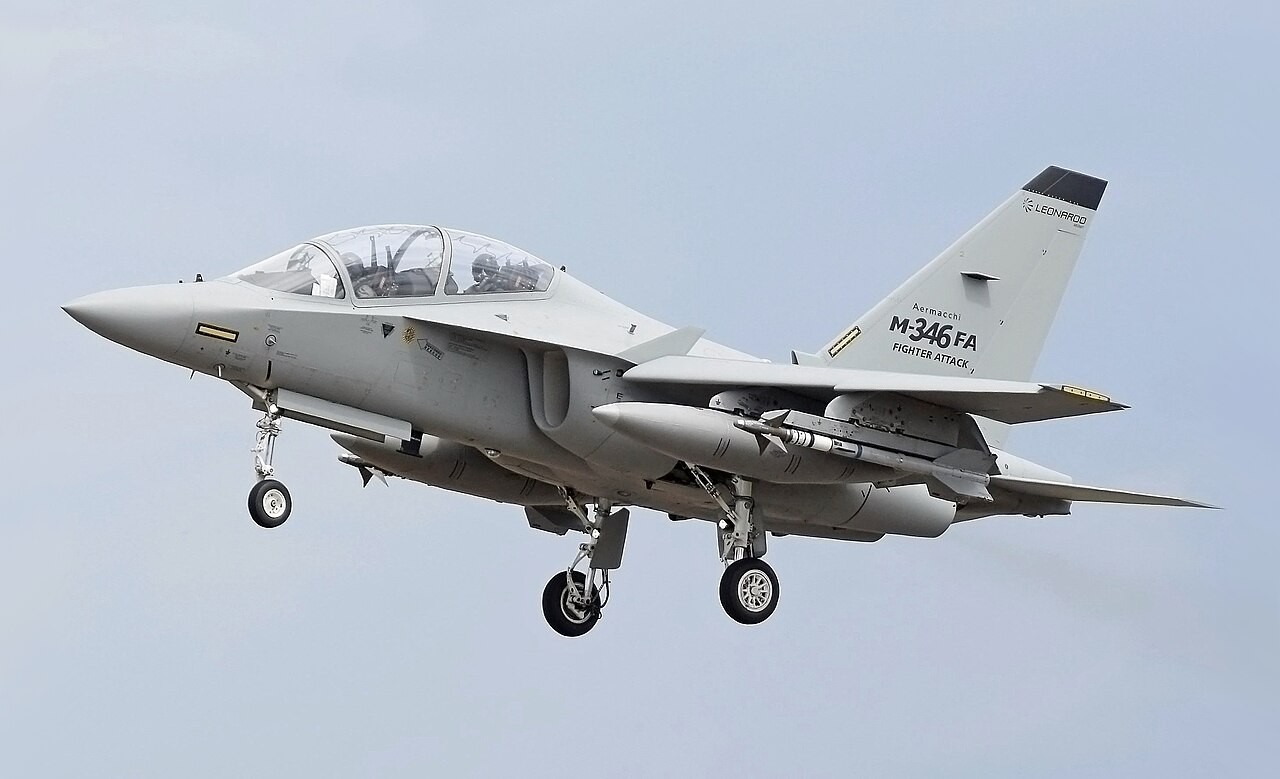
M-346FA
The aircraft name is ‘M-346FA’. It is a light combat aircraft based on the training aircraft developed by Leonardo from Italy, and its first flight was in 2020. Its status is classified as ‘in production·for export promotion’. The criteria for comparing it with subsequent aircraft is that it is a ‘combat variant that adds radar and weapon integration capabilities to the M-346 trainer series’. The reason to focus on the M-346FA in the lineage of ‘lightweight fighters assigned significant roles within a small airframe’ is that it serves as a tangible example of the theme of ‘lightweight and operational efficiency’. If there are similar variants, one must first check the model name ‘M-346FA’ and the operational entity.
Dividing into subsequent variants and the original model helps clarify which flight segments and missions the technical choices of the M-346FA are for. The first flight of the M-346FA in 2020 marks a developmental milestone but does not immediately signify production and operational deployment. The status of the M-346FA is classified as ‘in production·for export promotion’ separately to avoid mixing it with retirement, program termination, limited national operations, and active duty. The speed and range of the M-346FA also vary according to altitude, fuel, and external payload, so it is more accurate to interpret it with a focus on design objectives rather than establishing superiority with a single number.
When comparing with other items, let’s examine the wing structure, number of engines and thrust direction, crew number, radar position, and operational environment of the M-346FA sequentially. We should also explore whether the type labeled as ‘training-based light combat aircraft’ for the M-346FA carries the same meaning as for other aircraft to reduce misunderstandings arising from the nomenclature. The lineage of ‘lightweight fighters assigned significant roles within a small airframe’ is not about selecting a winner but rather a material for understanding the technology and operational choices left by the M-346FA. The links for the M-346FA prioritize materials from the manufacturer, military, and public aviation museum sources, and the images have been verified with identification information from Wikimedia Commons.
Dividing into subsequent variants and the original model helps clarify which flight segments and missions the technical choices of the M-346FA are for. The first flight of the M-346FA in 2020 marks a developmental milestone but does not immediately signify production and operational deployment. The status of the M-346FA is classified as ‘in production·for export promotion’ separately to avoid mixing it with retirement, program termination, limited national operations, and active duty. The speed and range of the M-346FA also vary according to altitude, fuel, and external payload, so it is more accurate to interpret it with a focus on design objectives rather than establishing superiority with a single number.
When comparing with other items, let’s examine the wing structure, number of engines and thrust direction, crew number, radar position, and operational environment of the M-346FA sequentially. We should also explore whether the type labeled as ‘training-based light combat aircraft’ for the M-346FA carries the same meaning as for other aircraft to reduce misunderstandings arising from the nomenclature. The lineage of ‘lightweight fighters assigned significant roles within a small airframe’ is not about selecting a winner but rather a material for understanding the technology and operational choices left by the M-346FA. The links for the M-346FA prioritize materials from the manufacturer, military, and public aviation museum sources, and the images have been verified with identification information from Wikimedia Commons.
제작사 레오나르도
국가 이탈리아
첫 비행 2020년
주요 역할 훈련기 기반 경전투기
상태 생산·수출 추진
이미지 출처 Wikipedia/Wikimedia Commons · Alenia Aermacchi M-346 Master
Lightweight aircraft are not just low-cost models that sacrifice all performance, nor are they universally economic choices. The actual operational burden is determined by how well small airframes integrate various radars, engines, and electronic warfare equipment, as well as how well they fit into existing training and maintenance systems.
When comparing interested aircraft, it's essential to look at not just the purchase price but also the preparation time for sorties, runway conditions, pilot conversion training, and the extent of armament integration. Observing cases like the F-20, which had performance but disappeared from the market, and the FA-50, which expanded upon the training aircraft lineage, shows how technology and induction policies work together. To accurately comprehend the lineage of lightweight fighters entrusted with big roles in small airframes, one must consider the aircraft types alongside their development and operational statuses.
When comparing interested aircraft, it's essential to look at not just the purchase price but also the preparation time for sorties, runway conditions, pilot conversion training, and the extent of armament integration. Observing cases like the F-20, which had performance but disappeared from the market, and the FA-50, which expanded upon the training aircraft lineage, shows how technology and induction policies work together. To accurately comprehend the lineage of lightweight fighters entrusted with big roles in small airframes, one must consider the aircraft types alongside their development and operational statuses.
한눈에 보기
10개
F-5E Tiger II
노스럽 · 미국 · 1972년 · 경량 전투기 · 일부 국가 운용 · Wikipedia/Wikimedia Commons · Northrop F-5
F-20 Tigershark
노스럽 · 미국 · 1982년 · 경량 전투기 시제기 · 사업 종료 · Wikipedia/Wikimedia Commons · Northrop F-20 Tigershark
F-16A Fighting Falcon
제너럴 다이내믹스 · 미국 · 1976년 · 경량 다목적 전투기 · 개량형 현역 운용 · Wikipedia/Wikimedia Commons · General Dynamics F-16 Fighting Falcon
Mirage F1
다쏘 아비아시옹 · 프랑스 · 1966년 · 경량 요격·다목적 전투기 · 일부 국가 운용 · Wikipedia/Wikimedia Commons · Dassault Mirage F1
Saab JAS 39C Gripen
사브 · 스웨덴 · 1988년 · 경량 다목적 전투기 · 현역 · Wikipedia/Wikimedia Commons · Saab JAS 39 Gripen
AIDC F-CK-1 Ching-kuo
한샹항공공업 · 대만 · 1989년 · 경량 다목적 전투기 · 현역 · Wikipedia/Wikimedia Commons · AIDC F-CK-1 Ching-kuo
JF-17 Thunder
PAC·청두항공공업집단 · 파키스탄·중국 · 2003년 · 경량 다목적 전투기 · 현역 · Wikipedia/Wikimedia Commons · CAC/PAC JF-17 Thunder
HAL Tejas Mk1
힌두스탄 항공 · 인도 · 2001년 · 경량 다목적 전투기 · 현역·생산 · Wikipedia/Wikimedia Commons · HAL Tejas
FA-50 Fighting Eagle
한국항공우주산업 · 대한민국 · 2011년 · 경전투기 · 현역·수출 운용 · Wikipedia/Wikimedia Commons · KAI T-50 Golden Eagle
M-346FA
레오나르도 · 이탈리아 · 2020년 · 훈련기 기반 경전투기 · 생산·수출 추진 · Wikipedia/Wikimedia Commons · Alenia Aermacchi M-346 Master
이 포스팅은 쿠팡 파트너스 활동의 일환으로, 이에 따른 일정액의 수수료를 제공받습니다.
댓글 0
로그인 후 댓글을 작성할 수 있습니다.
첫 댓글을 남겨보세요.
이런 리스트는 어때요?


이런 리스트도 추천해요


🎲
여기서 멈추기엔 아쉽잖아?
다음에 뭘 볼지 고민하는 시간이 제일 아까워.
주사위가 대신 골라줄게 — 무슨 리스트가 튀어나올지는 굴려봐야 알지.
안 누르면… 평생 궁금하지 않겠어? 👀