Collection
Science
2026.09.11
Early Jet Fighters That Ended the Propeller Era
Aircraft that transferred jet propulsion into actual combat from the late World War II to the early Cold War
The beginning of jet fighters was not merely a simple change from propellers to engines. It required simultaneous solutions for fuel consumption, short engine life, new intake and exhaust designs, and pilots adapting to increased landing speeds.
This list includes ten early jet fighters ranging from the Me 262 and Meteor to the P-80, Vampire, MiG-9, and Uragan. It distinguishes between combat aircraft and those focused on testing and training, while examining both derivative models based on existing piston aircraft and those designed as jets from the start, providing insights into the trial and error of this transition period. To accurately understand these early jet fighters that ended the propeller era, one must consider both the aircraft type and its development and operational status.
This list includes ten early jet fighters ranging from the Me 262 and Meteor to the P-80, Vampire, MiG-9, and Uragan. It distinguishes between combat aircraft and those focused on testing and training, while examining both derivative models based on existing piston aircraft and those designed as jets from the start, providing insights into the trial and error of this transition period. To accurately understand these early jet fighters that ended the propeller era, one must consider both the aircraft type and its development and operational status.
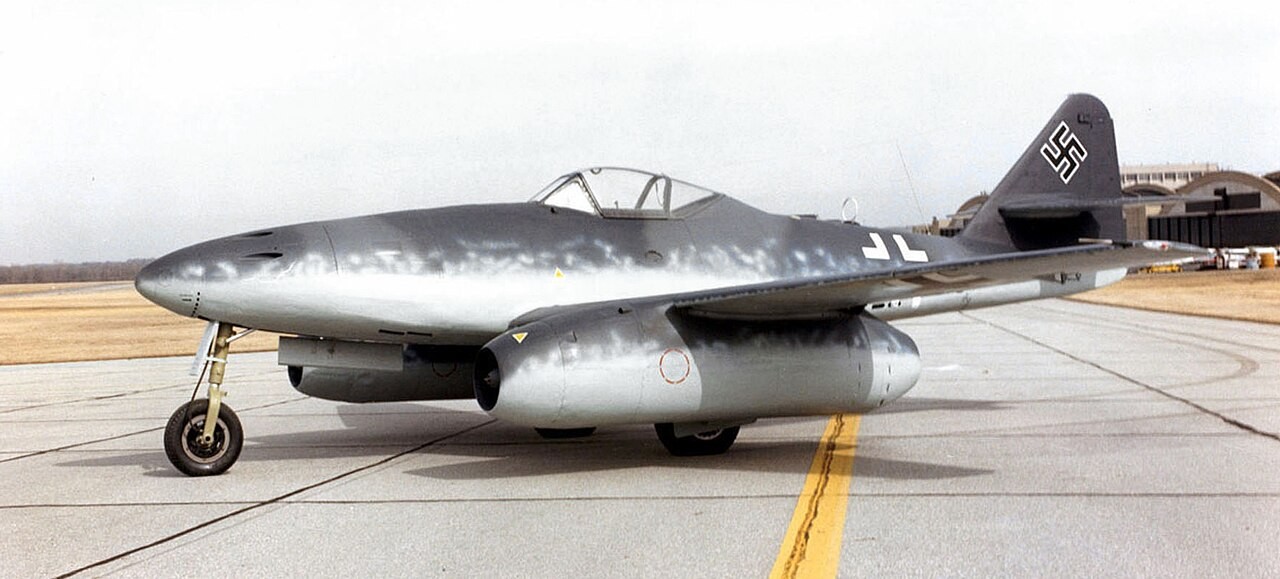
Messerschmitt Me 262
The aircraft name is 'Messerschmitt Me 262'. It is a German-made jet fighter and fighter-bomber developed by Messerschmitt, with its first flight in 1942 and its status listed as 'retired and preserved in a museum'. A key characteristic to note is that it 'opened the lineage of the first operational jet fighter with swept wings and twin jet engines.' The reason for highlighting the Messerschmitt Me 262 in the topic of 'Early Jet Fighters That Ended the Propeller Era' is that it demonstrates the theme of 'transition to early jet propulsion' with a real example. If there are similar derivatives, the model name 'Messerschmitt Me 262' and the operating agency should be confirmed first.
Examining the wing planform and intake reveals that the technical choices of the 'Messerschmitt Me 262' were aimed at specific flight regimes and missions. The 1942 first flight of the 'Messerschmitt Me 262' represents a development milestone but does not immediately imply mass production or operational deployment. The status 'retired and preserved in a museum' separates it from considerations of retirement, project termination, operation by some countries, and active service. The speed and range of the 'Messerschmitt Me 262' can vary depending on altitude, fuel, and external payloads, making it more accurate to interpret their purpose in design rather than simply ranking them by a single number.
When comparing with other items, examine the wing structure, number and thrust direction of engines, crew size, radar location, and operating environment of the 'Messerschmitt Me 262'. Additionally, assess whether the classification of 'jet fighter and fighter-bomber' bears a comparable meaning to other aircraft to minimize misunderstandings arising from the nomenclature. The focus of 'Early Jet Fighters That Ended the Propeller Era' is to understand the technologies and operational choices left by the 'Messerschmitt Me 262', rather than rank winners. Links for the 'Messerschmitt Me 262' prioritize documentation from the manufacturer, military, and public aviation museums, and information on images has been verified from Wikimedia Commons.
Examining the wing planform and intake reveals that the technical choices of the 'Messerschmitt Me 262' were aimed at specific flight regimes and missions. The 1942 first flight of the 'Messerschmitt Me 262' represents a development milestone but does not immediately imply mass production or operational deployment. The status 'retired and preserved in a museum' separates it from considerations of retirement, project termination, operation by some countries, and active service. The speed and range of the 'Messerschmitt Me 262' can vary depending on altitude, fuel, and external payloads, making it more accurate to interpret their purpose in design rather than simply ranking them by a single number.
When comparing with other items, examine the wing structure, number and thrust direction of engines, crew size, radar location, and operating environment of the 'Messerschmitt Me 262'. Additionally, assess whether the classification of 'jet fighter and fighter-bomber' bears a comparable meaning to other aircraft to minimize misunderstandings arising from the nomenclature. The focus of 'Early Jet Fighters That Ended the Propeller Era' is to understand the technologies and operational choices left by the 'Messerschmitt Me 262', rather than rank winners. Links for the 'Messerschmitt Me 262' prioritize documentation from the manufacturer, military, and public aviation museums, and information on images has been verified from Wikimedia Commons.
제작사 메서슈미트
국가 독일
첫 비행 1942년
주요 역할 제트 전투기·전투폭격기
상태 퇴역·박물관 보존
이미지 출처 Wikipedia/Wikimedia Commons · Messerschmitt Me 262
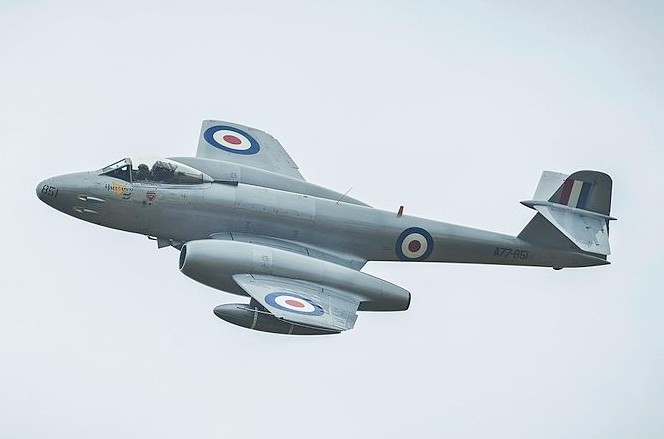
Gloster Meteor
The aircraft name is 'Gloster Meteor'. It is a British-made twin-engine jet fighter developed by Gloster, with its first flight in 1943 and its status listed as 'retired and preserved in a museum'. A notable point in its development background is that it served as 'the first operational jet fighter used by the Allies for air defense missions in the UK'. The focus on the Gloster Meteor in 'Early Jet Fighters That Ended the Propeller Era' illustrates the theme of 'transition to early jet propulsion' with a real example. If there are similar derivatives, confirm the model name 'Gloster Meteor' and the operating agency first.
Looking at the number of crew and radar placement gives a clearer view of the technical choices made by the 'Gloster Meteor' for certain flight regimes and missions. The 1943 first flight of the 'Gloster Meteor' is a development marker but does not immediately signify mass production or operational deployment. Its status 'retired and preserved in a museum' specially categorizes it to avoid mixing retirement, project completion, operation by some nations, or active status. The speed and range of the 'Gloster Meteor' may also differ depending on altitude, fuel, and external payload, so interpreting its design purpose is more accurate than determining superiority from a single number.
When comparing with other items, check the wing structure, number and thrust direction of engines, crew size, radar location, and operating environment of the 'Gloster Meteor'. The designation 'twin-engine jet fighter' should be investigated to confirm that it has the same meaning as with other aircraft, reducing potential misunderstandings arising from the nomenclature. 'Early Jet Fighters That Ended the Propeller Era' serves as a resource to understand the technologies and operational choices left by the 'Gloster Meteor', rather than to rank winners. Links for the 'Gloster Meteor' prioritize material from the manufacturer, military, and public aviation museums, and information on images has been verified from Wikimedia Commons.
Looking at the number of crew and radar placement gives a clearer view of the technical choices made by the 'Gloster Meteor' for certain flight regimes and missions. The 1943 first flight of the 'Gloster Meteor' is a development marker but does not immediately signify mass production or operational deployment. Its status 'retired and preserved in a museum' specially categorizes it to avoid mixing retirement, project completion, operation by some nations, or active status. The speed and range of the 'Gloster Meteor' may also differ depending on altitude, fuel, and external payload, so interpreting its design purpose is more accurate than determining superiority from a single number.
When comparing with other items, check the wing structure, number and thrust direction of engines, crew size, radar location, and operating environment of the 'Gloster Meteor'. The designation 'twin-engine jet fighter' should be investigated to confirm that it has the same meaning as with other aircraft, reducing potential misunderstandings arising from the nomenclature. 'Early Jet Fighters That Ended the Propeller Era' serves as a resource to understand the technologies and operational choices left by the 'Gloster Meteor', rather than to rank winners. Links for the 'Gloster Meteor' prioritize material from the manufacturer, military, and public aviation museums, and information on images has been verified from Wikimedia Commons.
제작사 글로스터
국가 영국
첫 비행 1943년
주요 역할 쌍발 제트 전투기
상태 퇴역·박물관 보존
이미지 출처 Wikipedia/Wikimedia Commons · Gloster Meteor
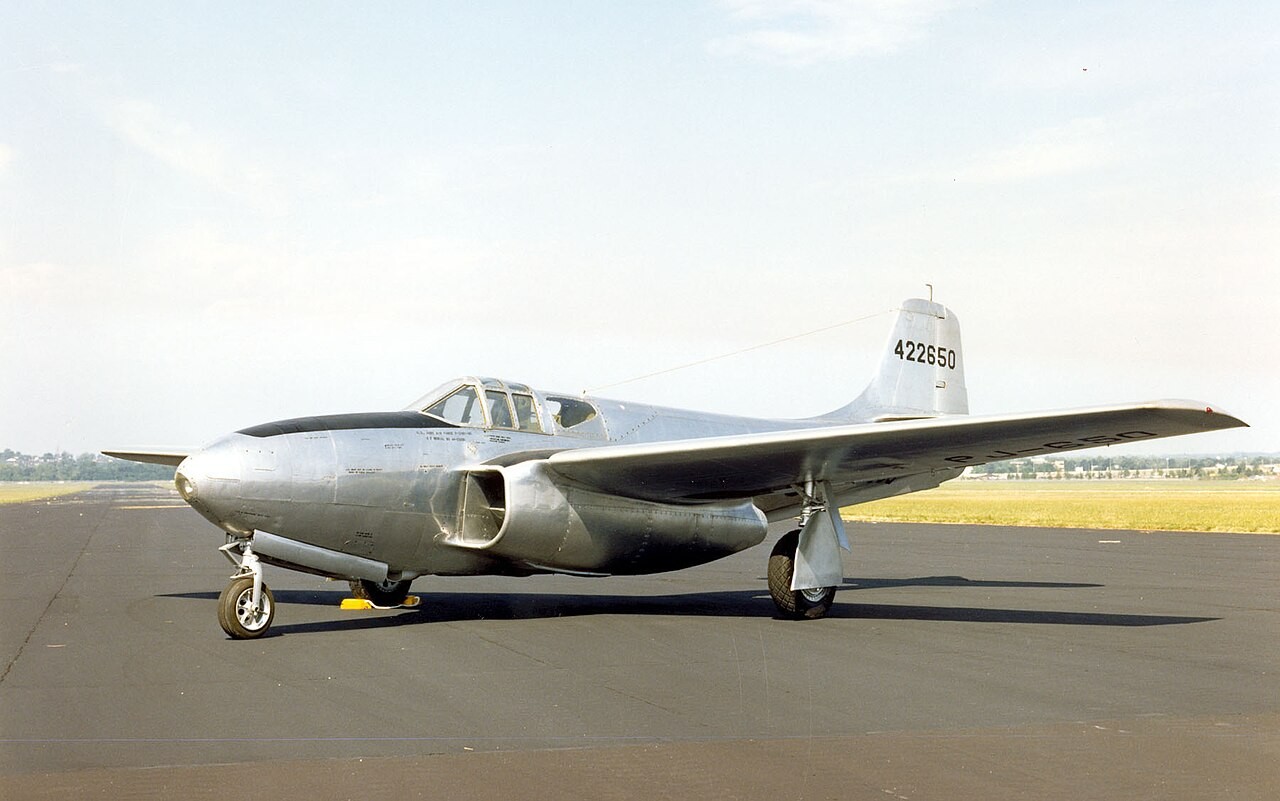
Bell P-59 Airacomet
The aircraft name is 'Bell P-59 Airacomet'. It is an American jet fighter prototype and early production model developed by Bell Aircraft, with its first flight in 1942 and its status listed as 'retired and preserved in a museum'. The key to understanding its operational history is its role as 'the first jet fighter in the United States, laying the foundation for operational assessment and jet pilot training'. The focus on the Bell P-59 Airacomet in the topic of 'Early Jet Fighters That Ended the Propeller Era' illustrates the theme of 'transition to early jet propulsion' with a real example, and if there are similar derivatives, confirm the model name 'Bell P-59 Airacomet' and the operating agency first.
Examining the takeoff and landing methods along with mission radius enables a clearer understanding of the technical choices made by the 'Bell P-59 Airacomet' for specific flight regimes and missions. The first flight in 1942 does not immediately imply mass production or operational deployment. Its status as 'retired and preserved in a museum' separates it from those considering retirement, project completion, operation in some countries, and active duty. The speed and range of the 'Bell P-59 Airacomet' also vary based on altitude, fuel, and external payload, so interpreting its design purpose is more crucial than determining superiority from a single figure.
When comparing with other items, check the wing structure, number and thrust direction of engines, crew size, radar location, and operating environment of the 'Bell P-59 Airacomet'. The designation 'jet fighter prototype and early production model' should be scrutinized to ensure it conveys the same meaning as with other aircraft, reducing misunderstandings. 'Early Jet Fighters That Ended the Propeller Era' serves to understand the technologies and operational choices made by the 'Bell P-59 Airacomet', rather than to rank winners. Links for the 'Bell P-59 Airacomet' prioritize manufacturer, military, and public aviation museum materials, and image information has been verified from Wikimedia Commons.
Examining the takeoff and landing methods along with mission radius enables a clearer understanding of the technical choices made by the 'Bell P-59 Airacomet' for specific flight regimes and missions. The first flight in 1942 does not immediately imply mass production or operational deployment. Its status as 'retired and preserved in a museum' separates it from those considering retirement, project completion, operation in some countries, and active duty. The speed and range of the 'Bell P-59 Airacomet' also vary based on altitude, fuel, and external payload, so interpreting its design purpose is more crucial than determining superiority from a single figure.
When comparing with other items, check the wing structure, number and thrust direction of engines, crew size, radar location, and operating environment of the 'Bell P-59 Airacomet'. The designation 'jet fighter prototype and early production model' should be scrutinized to ensure it conveys the same meaning as with other aircraft, reducing misunderstandings. 'Early Jet Fighters That Ended the Propeller Era' serves to understand the technologies and operational choices made by the 'Bell P-59 Airacomet', rather than to rank winners. Links for the 'Bell P-59 Airacomet' prioritize manufacturer, military, and public aviation museum materials, and image information has been verified from Wikimedia Commons.
제작사 벨 에어크래프트
국가 미국
첫 비행 1942년
주요 역할 제트 전투기 시험·초기 양산형
상태 퇴역·박물관 보존
이미지 출처 Wikipedia/Wikimedia Commons · Bell P-59 Airacomet
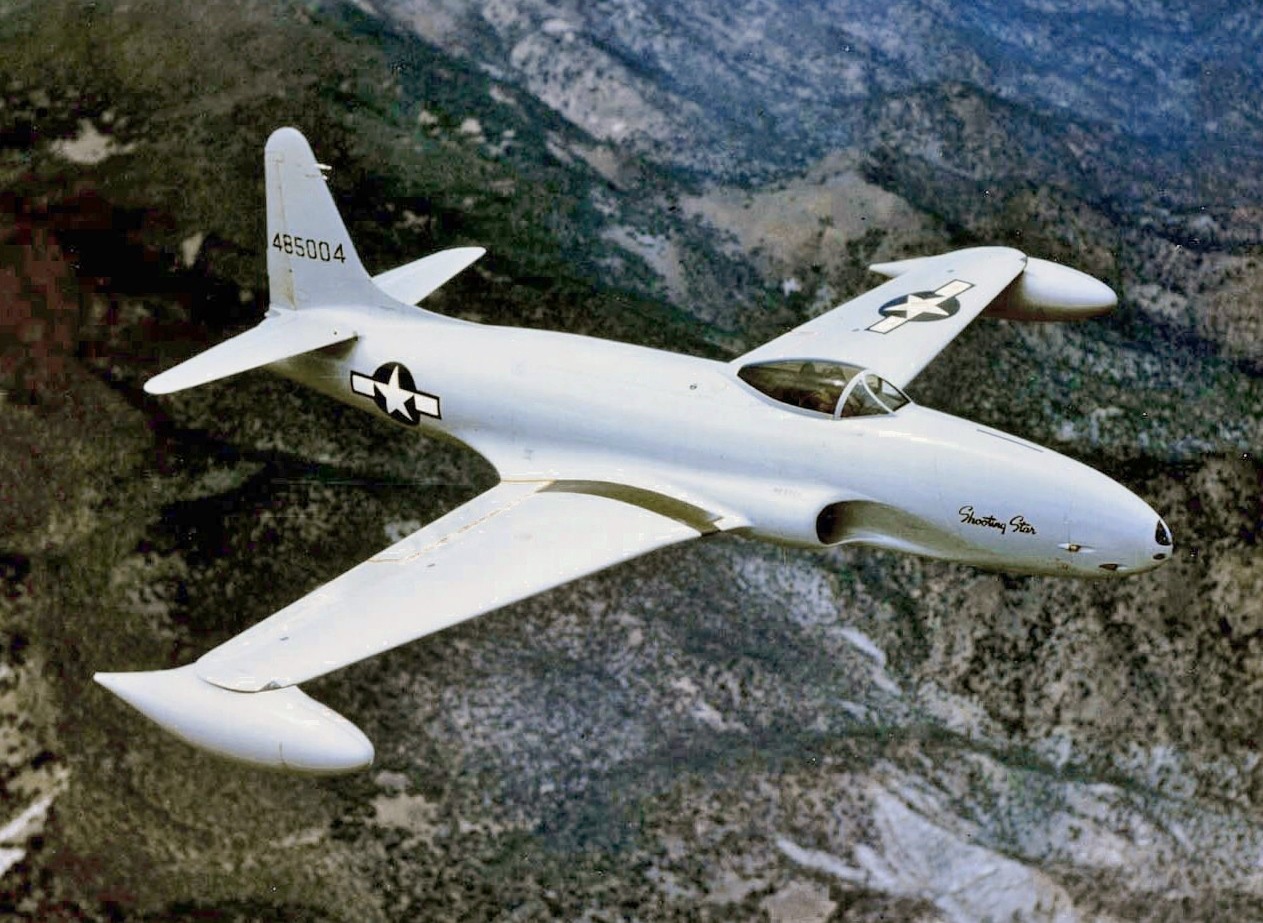
Lockheed P-80 Shooting Star
The aircraft name is 'Lockheed P-80 Shooting Star'. It is an early jet fighter developed by Lockheed in the United States, with its first flight in 1944 and its status listed as 'retired and preserved in a museum'. A significant aspect when looking at both images and missions is that it 'led the U.S. Air Force's transition to jets with side intakes and a single engine, rather than a nose intake'. The focus on the Lockheed P-80 Shooting Star in 'Early Jet Fighters That Ended the Propeller Era' demonstrates the theme of 'transition to early jet propulsion' with a tangible example. If there are any similar derivatives, the model name 'Lockheed P-80 Shooting Star' and the operating agency should be confirmed first.
Distinguishing between the first flight and actual deployment periods provides insight into the technical choices made by the 'Lockheed P-80 Shooting Star' for certain flight regimes and missions. Its 1944 first flight is a developmental milestone but does not immediately signify mass production or operational deployment. Its status of 'retired and preserved in a museum' separates it from retirement, project completion, operation by some countries, and active service. The speed and range of the 'Lockheed P-80 Shooting Star' can also vary based on altitude, fuel, and external loads, making it more accurate to focus on design purpose rather than simply ranking by a single number.
When comparing with other items, check the wing structure, number and thrust direction of engines, crew size, radar location, and operating environment of the 'Lockheed P-80 Shooting Star'. The classification as 'early jet fighter' should also be verified for meaning consistency with other aircraft to avoid potential misunderstandings. 'Early Jet Fighters That Ended the Propeller Era' is not a ranking of winners but a resource for understanding the technologies and operational choices left by the 'Lockheed P-80 Shooting Star'. Links for the 'Lockheed P-80 Shooting Star' prioritize documentation from the manufacturer, military, and public aviation museums, and image information has been verified from Wikimedia Commons.
Distinguishing between the first flight and actual deployment periods provides insight into the technical choices made by the 'Lockheed P-80 Shooting Star' for certain flight regimes and missions. Its 1944 first flight is a developmental milestone but does not immediately signify mass production or operational deployment. Its status of 'retired and preserved in a museum' separates it from retirement, project completion, operation by some countries, and active service. The speed and range of the 'Lockheed P-80 Shooting Star' can also vary based on altitude, fuel, and external loads, making it more accurate to focus on design purpose rather than simply ranking by a single number.
When comparing with other items, check the wing structure, number and thrust direction of engines, crew size, radar location, and operating environment of the 'Lockheed P-80 Shooting Star'. The classification as 'early jet fighter' should also be verified for meaning consistency with other aircraft to avoid potential misunderstandings. 'Early Jet Fighters That Ended the Propeller Era' is not a ranking of winners but a resource for understanding the technologies and operational choices left by the 'Lockheed P-80 Shooting Star'. Links for the 'Lockheed P-80 Shooting Star' prioritize documentation from the manufacturer, military, and public aviation museums, and image information has been verified from Wikimedia Commons.
제작사 록히드
국가 미국
첫 비행 1944년
주요 역할 초기 제트 전투기
상태 퇴역·박물관 보존
이미지 출처 Wikipedia/Wikimedia Commons · Lockheed P-80 Shooting Star
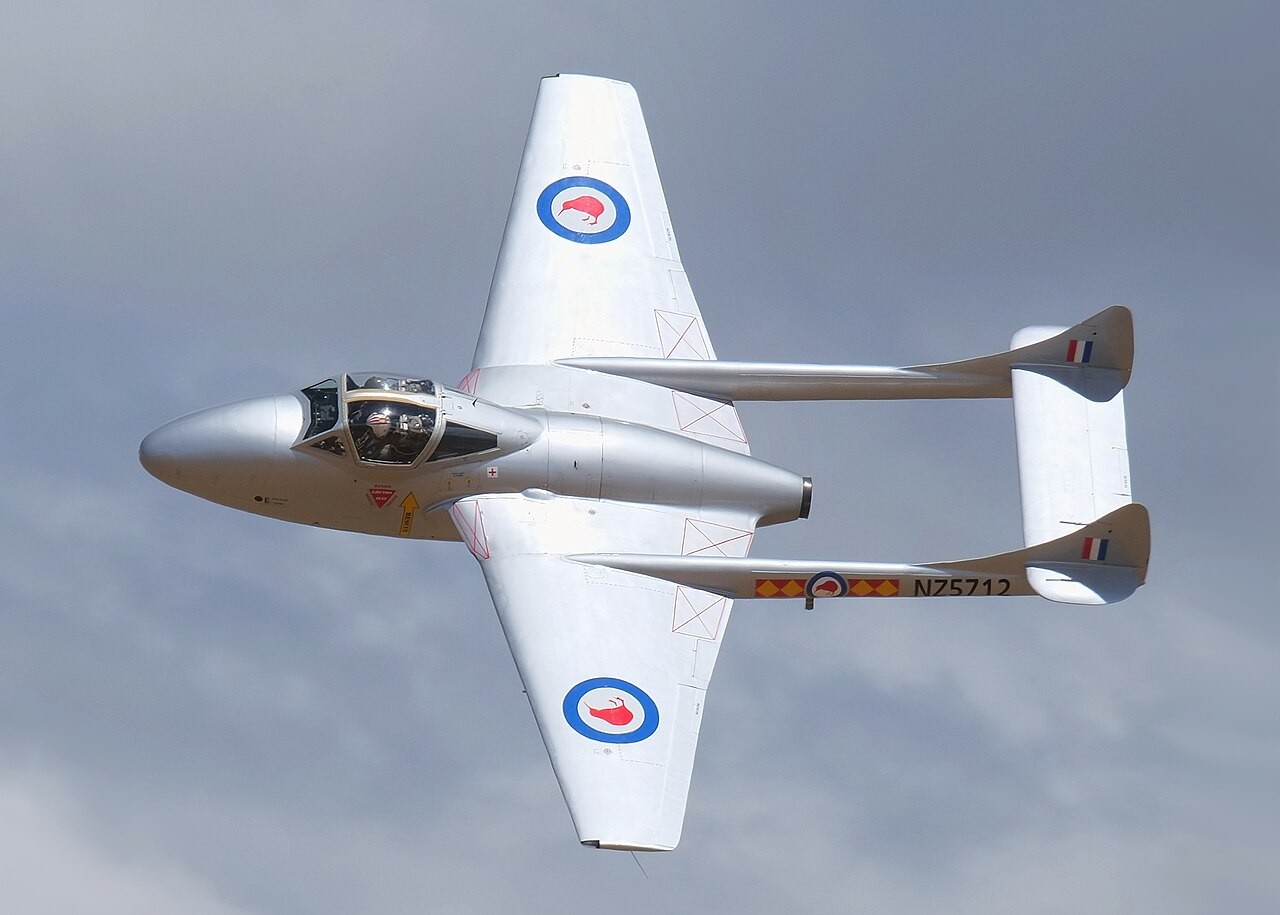
de Havilland Vampire
The aircraft name is 'de Havilland Vampire'. It is an early jet fighter developed by de Havilland in the UK, with its first flight in 1943 and its status listed as 'retired and preserved in a museum'. A distinguishing feature compared to its contemporary designs is that it 'implemented a mixed wood-metal airframe and twin-boom for a short exhaust path of the single jet engine'. The focus on the de Havilland Vampire within the topic of 'Early Jet Fighters That Ended the Propeller Era' illustrates the theme of 'transition to early jet propulsion' with a real example. If there are similar derivatives, the model name 'de Havilland Vampire' and the operating agency should be confirmed first.
By contrasting the engine arrangement and airframe structure, the technical choices of the 'de Havilland Vampire' become clearer for specific flight regimes and missions. The 1943 first flight is a developmental milestone but does not immediately signify mass production or operational deployment. Its status as 'retired and preserved in a museum' separately categorizes it to avoid confusion with retirement, project conclusion, operation by some countries, and active service. The speed and range of the 'de Havilland Vampire' may also differ based on altitude, fuel, and external payload, so interpreting its design intent is more valuable than merely determining superiority from a single number.
When comparing with other items, check the wing structure, number and thrust direction of engines, crew size, radar location, and operating environment of the 'de Havilland Vampire'. The classification as 'early jet fighter' should also be investigated for meaning consistency and to reduce potential misunderstandings arising from terminology. 'Early Jet Fighters That Ended the Propeller Era' serves not as a ranking of winners but as material for understanding the technologies and operational choices made by the 'de Havilland Vampire'. Links for the 'de Havilland Vampire' prioritize manufacturer, military, and public aviation museum sources, and image details have been verified from Wikimedia Commons.
By contrasting the engine arrangement and airframe structure, the technical choices of the 'de Havilland Vampire' become clearer for specific flight regimes and missions. The 1943 first flight is a developmental milestone but does not immediately signify mass production or operational deployment. Its status as 'retired and preserved in a museum' separately categorizes it to avoid confusion with retirement, project conclusion, operation by some countries, and active service. The speed and range of the 'de Havilland Vampire' may also differ based on altitude, fuel, and external payload, so interpreting its design intent is more valuable than merely determining superiority from a single number.
When comparing with other items, check the wing structure, number and thrust direction of engines, crew size, radar location, and operating environment of the 'de Havilland Vampire'. The classification as 'early jet fighter' should also be investigated for meaning consistency and to reduce potential misunderstandings arising from terminology. 'Early Jet Fighters That Ended the Propeller Era' serves not as a ranking of winners but as material for understanding the technologies and operational choices made by the 'de Havilland Vampire'. Links for the 'de Havilland Vampire' prioritize manufacturer, military, and public aviation museum sources, and image details have been verified from Wikimedia Commons.
제작사 드 해빌랜드
국가 영국
첫 비행 1943년
주요 역할 초기 제트 전투기
상태 퇴역·박물관 보존
이미지 출처 Wikipedia/Wikimedia Commons · De Havilland Vampire
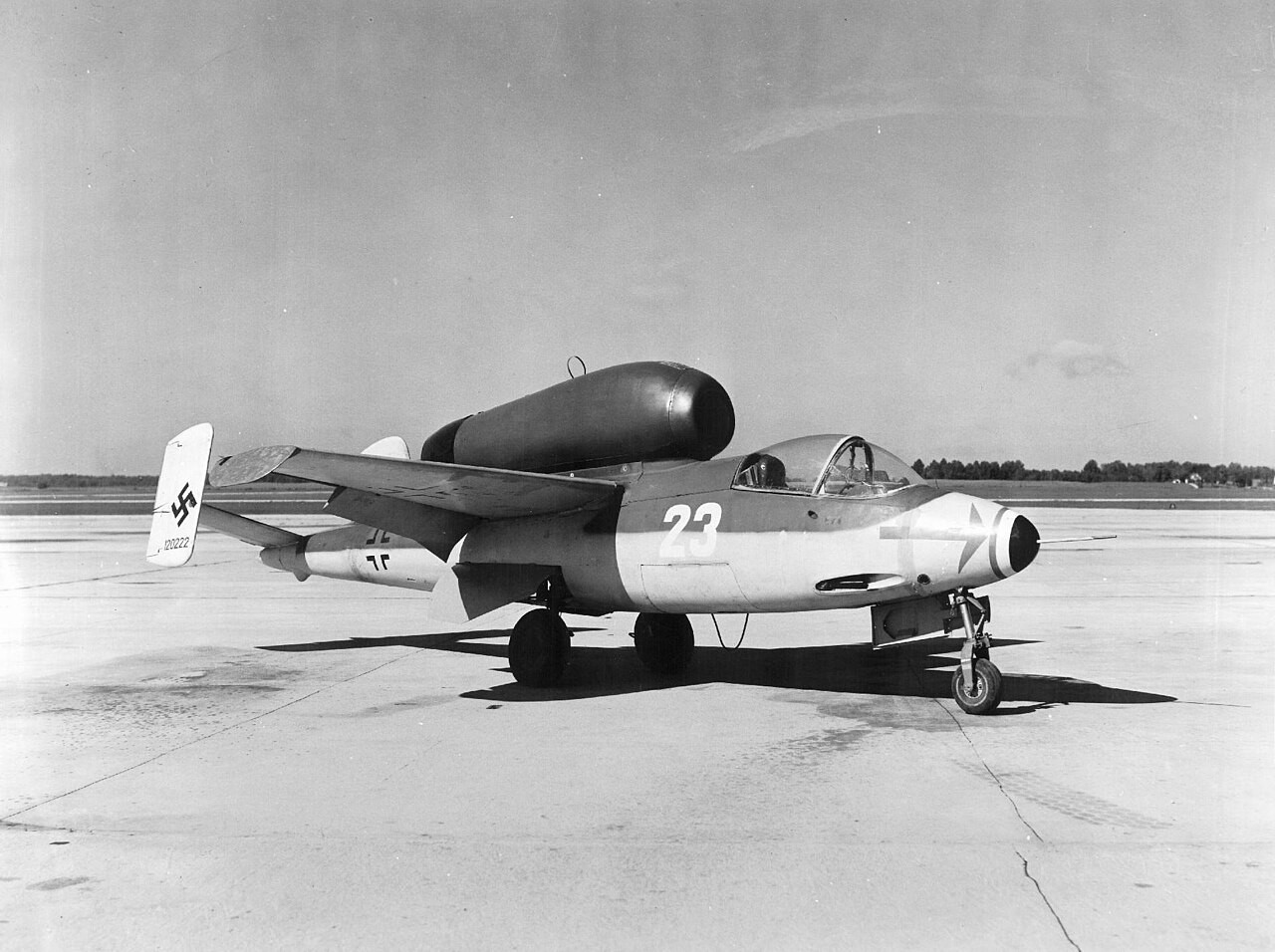
Heinkel He 162
The aircraft name is 'Heinkel He 162'. It is a lightweight jet fighter developed by Heinkel in Germany, with its first flight in 1944 and its status listed as 'retired and preserved in a museum'. A starting point for the design is that it aimed to use 'engines on the fuselage and wooden components to create an emergency fighter within a short development timeline'. The reason for focusing on the Heinkel He 162 in 'Early Jet Fighters That Ended the Propeller Era' is that it embodies the theme of 'transition to early jet propulsion'. If similar derivatives exist, confirm the model name 'Heinkel He 162' and operating agency first.
Considering both the design purpose and operational results helps clarify which flight regimes and missions the 'Heinkel He 162' was aimed at. Its first flight in 1944 indicates a development milestone rather than an immediate transition to mass production or operational deployment. The status of 'retired and preserved in a museum' distinctly categorizes it to prevent overlap with retirement, project conclusion, operational status in some countries, and active duty. The speed and range of the 'Heinkel He 162' can vary based on altitude, fuel, and external payload, thus interpreting its design objectives is more crucial than simply measuring scores with single numbers.
When making comparisons, examine the wing structure, number and thrust direction of engines, crew size, radar location, and operating environment of the 'Heinkel He 162'. The designation 'lightweight jet fighter' should also be evaluated to confirm it shares the same definition as with other aircraft to minimize misunderstandings. 'Early Jet Fighters That Ended the Propeller Era' serves not as a ranking of victories but as material for understanding the technological and operational selections left by the 'Heinkel He 162'. Links for the 'Heinkel He 162' prioritize documentation from the manufacturer, military, and public aviation museums, and image information has been confirmed from Wikimedia Commons.
Considering both the design purpose and operational results helps clarify which flight regimes and missions the 'Heinkel He 162' was aimed at. Its first flight in 1944 indicates a development milestone rather than an immediate transition to mass production or operational deployment. The status of 'retired and preserved in a museum' distinctly categorizes it to prevent overlap with retirement, project conclusion, operational status in some countries, and active duty. The speed and range of the 'Heinkel He 162' can vary based on altitude, fuel, and external payload, thus interpreting its design objectives is more crucial than simply measuring scores with single numbers.
When making comparisons, examine the wing structure, number and thrust direction of engines, crew size, radar location, and operating environment of the 'Heinkel He 162'. The designation 'lightweight jet fighter' should also be evaluated to confirm it shares the same definition as with other aircraft to minimize misunderstandings. 'Early Jet Fighters That Ended the Propeller Era' serves not as a ranking of victories but as material for understanding the technological and operational selections left by the 'Heinkel He 162'. Links for the 'Heinkel He 162' prioritize documentation from the manufacturer, military, and public aviation museums, and image information has been confirmed from Wikimedia Commons.
제작사 하인켈
국가 독일
첫 비행 1944년
주요 역할 경량 제트 전투기
상태 퇴역·박물관 보존
이미지 출처 Wikipedia/Wikimedia Commons · Heinkel He 162
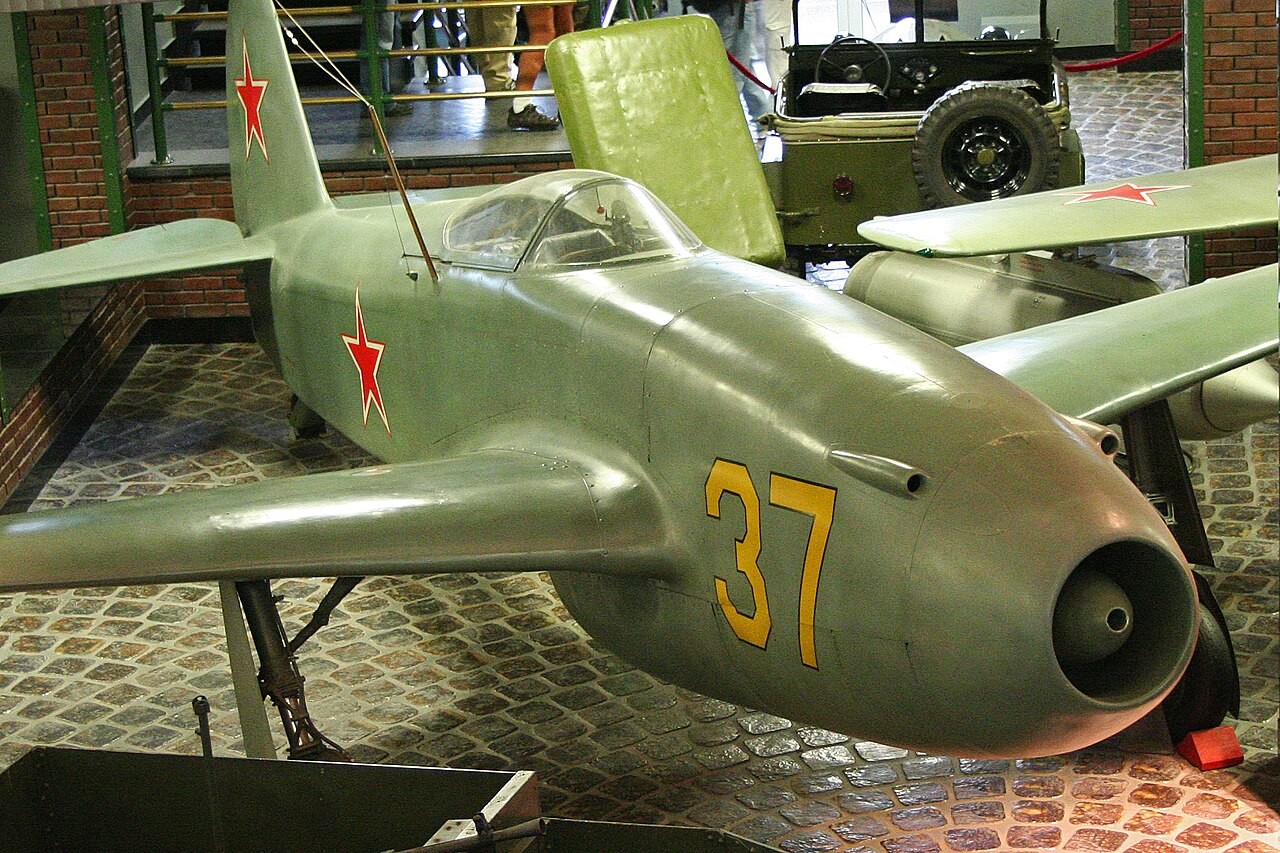
Yakolev Yak-15
The aircraft name is 'Yakolev Yak-15'. It is an early jet fighter developed by Yakolev in the Soviet Union, with its first flight in 1946 and its status listed as 'retired'. A clue for assessing actual deployment is its ability to 'quickly transition from piston to jet by positioning the jet engine below the Yak-3 airframe.' The reason for highlighting the Yakolev Yak-15 in 'Early Jet Fighters That Ended the Propeller Era' is that it demonstrates the topic of 'transition to early jet propulsion' with a tangible example. If there are similar derivatives, confirm the model name 'Yakolev Yak-15' and operating agency first.
Checking the differences between the prototype and production model provides insight into which flight regimes and missions the 'Yakolev Yak-15' was focused on. Its first flight in 1946 represents a development milestone but does not immediately imply mass production or operational deployment. The status 'retired' distinctly separates it from considerations of retirement, project completion, operational status in some countries, and active service. The speed and range of the 'Yakolev Yak-15' can also vary based on altitude, fuel, and external payload, making it more accurate to focus on its design purpose rather than determining superiority based on a single value.
When comparing with other items, check the wing structure, number and thrust direction of engines, crew size, radar location, and operating environment of the 'Yakolev Yak-15'. The designation 'early jet fighter' should also be scrutinized for consistency in meaning with other aircraft to avoid potential misunderstandings. 'Early Jet Fighters That Ended the Propeller Era' is not a ranking of winners, but rather a resource for understanding the technologies and operational choices made by the 'Yakolev Yak-15'. Links for the 'Yakolev Yak-15' prioritize manufacturer, military, and public aviation museum documentation, and image information has been verified from Wikimedia Commons.
Checking the differences between the prototype and production model provides insight into which flight regimes and missions the 'Yakolev Yak-15' was focused on. Its first flight in 1946 represents a development milestone but does not immediately imply mass production or operational deployment. The status 'retired' distinctly separates it from considerations of retirement, project completion, operational status in some countries, and active service. The speed and range of the 'Yakolev Yak-15' can also vary based on altitude, fuel, and external payload, making it more accurate to focus on its design purpose rather than determining superiority based on a single value.
When comparing with other items, check the wing structure, number and thrust direction of engines, crew size, radar location, and operating environment of the 'Yakolev Yak-15'. The designation 'early jet fighter' should also be scrutinized for consistency in meaning with other aircraft to avoid potential misunderstandings. 'Early Jet Fighters That Ended the Propeller Era' is not a ranking of winners, but rather a resource for understanding the technologies and operational choices made by the 'Yakolev Yak-15'. Links for the 'Yakolev Yak-15' prioritize manufacturer, military, and public aviation museum documentation, and image information has been verified from Wikimedia Commons.
제작사 야코블레프
국가 소련
첫 비행 1946년
주요 역할 초기 제트 전투기
상태 퇴역
이미지 출처 Wikipedia/Wikimedia Commons · Yakovlev Yak-15
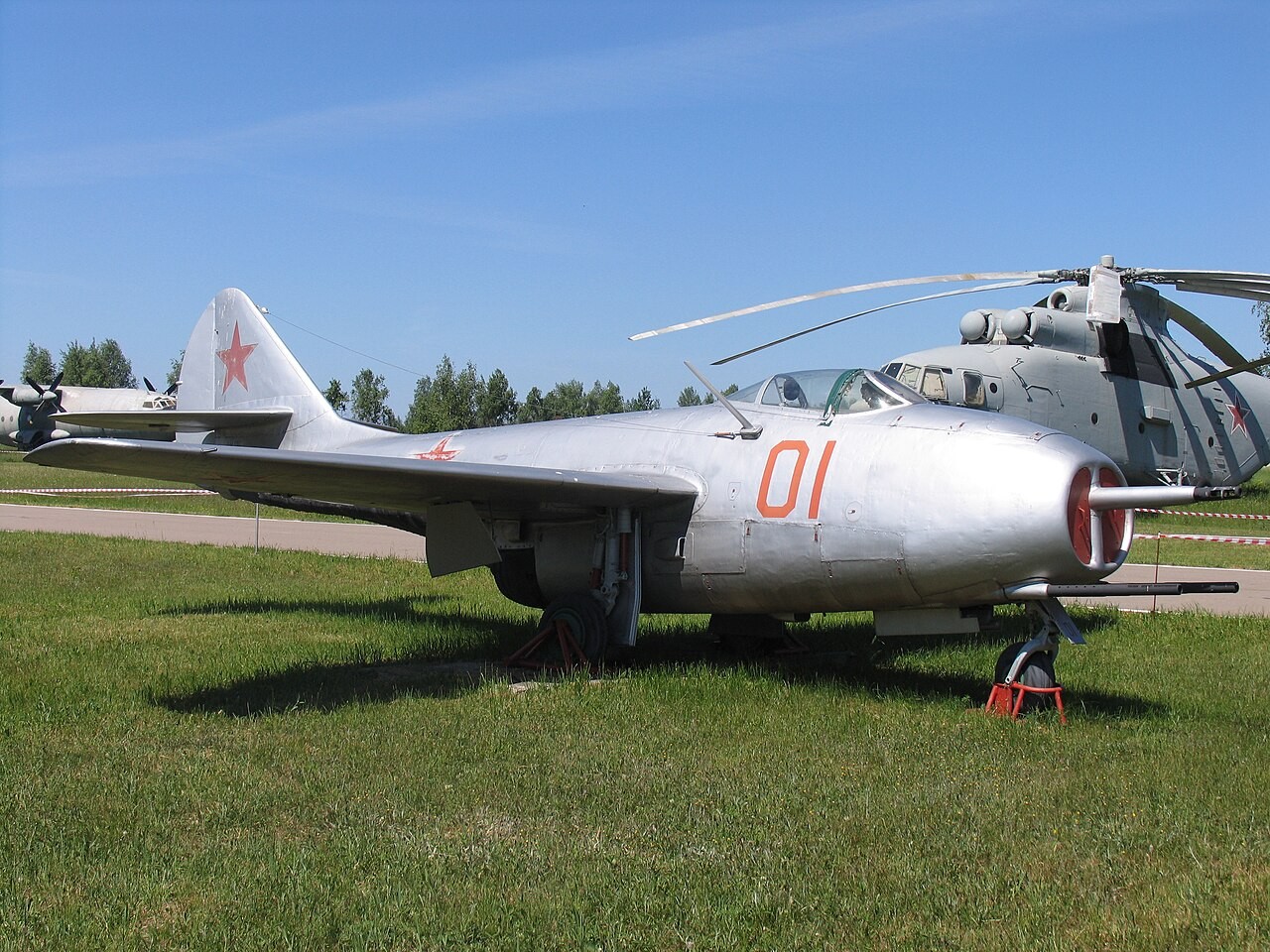
Mikoyan-Gurevich MiG-9
The aircraft is named 'Mikoyan-Gurevich MiG-9'. It is a twin-engine jet fighter developed by Mikoyan-Gurevich, part of the Soviet lineage, with its first flight occurring in 1946. Its status is categorized as 'retired'. The technological legacy it left behind is characterized by the 'nose air intake and internal twin engines, accumulating experience from the early Soviet jet forces'. The reason for focusing on the Mikoyan-Gurevich MiG-9 in 'early jet fighters that ended the propeller era' is that it exemplifies the subject of the list, which is 'the transition to early jet propulsion'. If there is a similar variant, we must first check the model name 'Mikoyan-Gurevich MiG-9' and the operational entity.
When considering the maintenance environment and re-deployment conditions, it becomes clearer which flight phases and missions the technological choices of the Mikoyan-Gurevich MiG-9 were designed for. The first flight of the Mikoyan-Gurevich MiG-9 in 1946 was a developmental milestone, but it doesn't immediately signify mass production or actual deployment. The status of the Mikoyan-Gurevich MiG-9 is distinctly classified as 'retired', keeping it separate from categories of retirement, project completion, operation by select countries, and active service. The speed and range of the Mikoyan-Gurevich MiG-9 vary according to altitude, fuel, and external loads, so it is more accurate to read according to the design purpose rather than determining superiority based on a single number.
When comparing with other items, let’s sequentially check the wing structure, number and direction of engines, crew size, radar position, and operational environment of the Mikoyan-Gurevich MiG-9. We also need to investigate whether the designation 'twin-engine jet fighter' attached to the Mikoyan-Gurevich MiG-9 carries the same meaning as for other aircraft to reduce misunderstandings arising from the nomenclature. The 'early jet fighters that ended the propeller era' is not about ranking winners but serves as a resource for understanding the technological and operational choices left by the Mikoyan-Gurevich MiG-9. The links about the Mikoyan-Gurevich MiG-9 prioritize data from manufacturers, military, and public aviation museums, and images have been checked for identification information from Wikimedia Commons.
When considering the maintenance environment and re-deployment conditions, it becomes clearer which flight phases and missions the technological choices of the Mikoyan-Gurevich MiG-9 were designed for. The first flight of the Mikoyan-Gurevich MiG-9 in 1946 was a developmental milestone, but it doesn't immediately signify mass production or actual deployment. The status of the Mikoyan-Gurevich MiG-9 is distinctly classified as 'retired', keeping it separate from categories of retirement, project completion, operation by select countries, and active service. The speed and range of the Mikoyan-Gurevich MiG-9 vary according to altitude, fuel, and external loads, so it is more accurate to read according to the design purpose rather than determining superiority based on a single number.
When comparing with other items, let’s sequentially check the wing structure, number and direction of engines, crew size, radar position, and operational environment of the Mikoyan-Gurevich MiG-9. We also need to investigate whether the designation 'twin-engine jet fighter' attached to the Mikoyan-Gurevich MiG-9 carries the same meaning as for other aircraft to reduce misunderstandings arising from the nomenclature. The 'early jet fighters that ended the propeller era' is not about ranking winners but serves as a resource for understanding the technological and operational choices left by the Mikoyan-Gurevich MiG-9. The links about the Mikoyan-Gurevich MiG-9 prioritize data from manufacturers, military, and public aviation museums, and images have been checked for identification information from Wikimedia Commons.
제작사 미코얀-구레비치
국가 소련
첫 비행 1946년
주요 역할 쌍발 제트 전투기
상태 퇴역
이미지 출처 Wikipedia/Wikimedia Commons · Mikoyan-Gurevich MiG-9
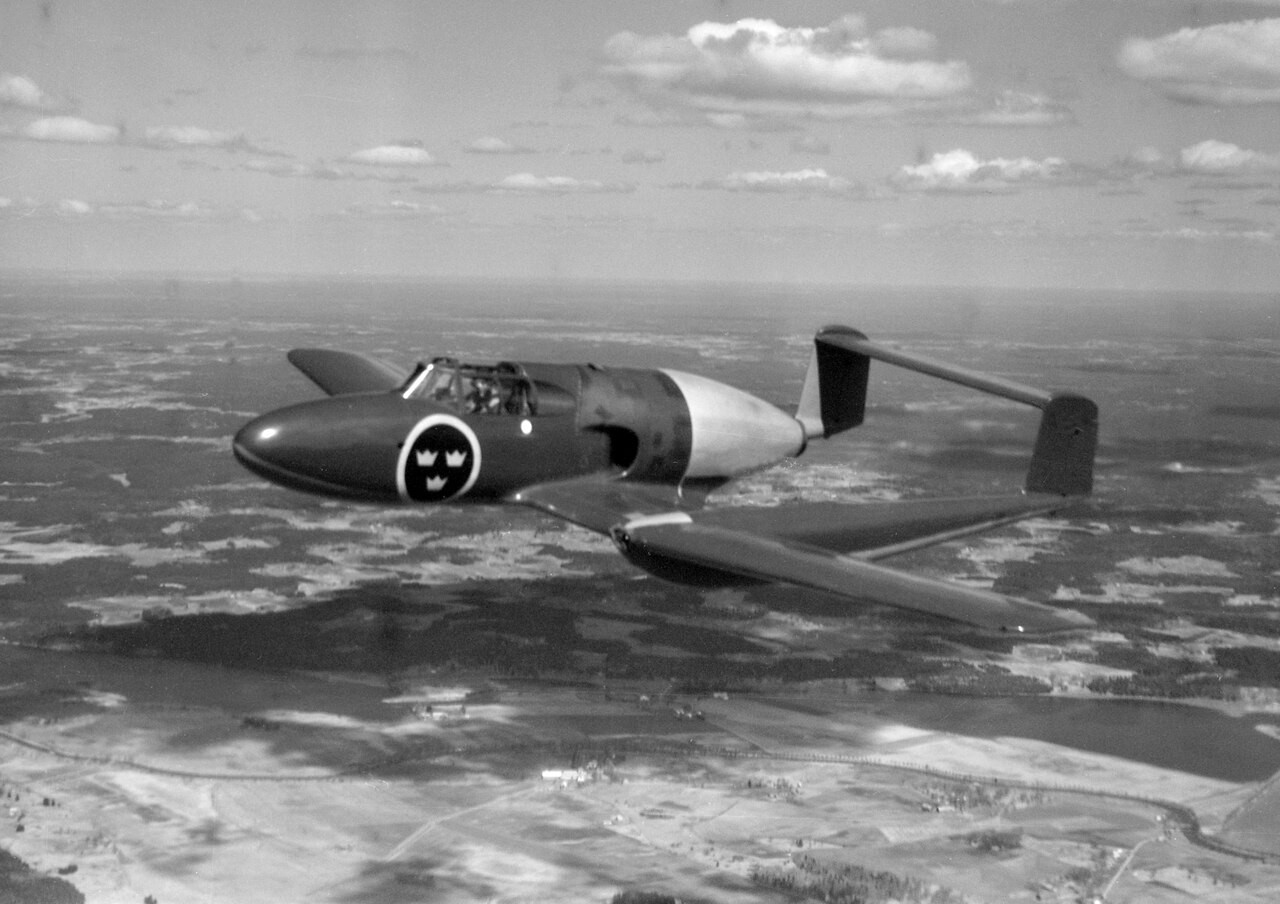
Saab 21R
The aircraft is named 'Saab 21R'. It is a jet fighter/attack aircraft developed by Saab, part of the Swedish lineage, with its first flight in 1947. Its status is categorized as 'retired'. The test results showcased the feature of 'retaining the twin-tail boom structure of the propeller aircraft Saab 21 while being modified with a jet engine'. The reason for focusing on the Saab 21R in 'early jet fighters that ended the propeller era' is that it exemplifies the subject of the list, which is 'the transition to early jet propulsion'. If there is a similar variant, we must first check the model name 'Saab 21R' and the operational entity.
According to the type designation in official documents, it becomes clearer which flight phases and missions the technical choices of the Saab 21R were designed for. The first flight of the Saab 21R in 1947 was a developmental milestone, but it doesn't immediately imply mass production or deployment in real operations. The status of the Saab 21R is distinctly classified as 'retired', keeping it separate from categories of retirement, project completion, operation by select countries, and active service. The speed and range of the Saab 21R also vary according to altitude, fuel, and external loads, so it is more accurate to read according to the design purpose rather than determining superiority based on a single number.
When comparing with other items, let’s sequentially check the wing structure, number and direction of engines, crew size, radar position, and operational environment of the Saab 21R. We also need to investigate whether the designation 'jet fighter/attack aircraft' attached to the Saab 21R carries the same meaning as for other aircraft to reduce misunderstandings arising from the nomenclature. The 'early jet fighters that ended the propeller era' is not about ranking winners but serves as a resource for understanding the technological and operational choices left by the Saab 21R. The links about the Saab 21R prioritize data from manufacturers, military, and public aviation museums, and images have been checked for identification information from Wikimedia Commons.
According to the type designation in official documents, it becomes clearer which flight phases and missions the technical choices of the Saab 21R were designed for. The first flight of the Saab 21R in 1947 was a developmental milestone, but it doesn't immediately imply mass production or deployment in real operations. The status of the Saab 21R is distinctly classified as 'retired', keeping it separate from categories of retirement, project completion, operation by select countries, and active service. The speed and range of the Saab 21R also vary according to altitude, fuel, and external loads, so it is more accurate to read according to the design purpose rather than determining superiority based on a single number.
When comparing with other items, let’s sequentially check the wing structure, number and direction of engines, crew size, radar position, and operational environment of the Saab 21R. We also need to investigate whether the designation 'jet fighter/attack aircraft' attached to the Saab 21R carries the same meaning as for other aircraft to reduce misunderstandings arising from the nomenclature. The 'early jet fighters that ended the propeller era' is not about ranking winners but serves as a resource for understanding the technological and operational choices left by the Saab 21R. The links about the Saab 21R prioritize data from manufacturers, military, and public aviation museums, and images have been checked for identification information from Wikimedia Commons.
제작사 사브
국가 스웨덴
첫 비행 1947년
주요 역할 제트 전투기·공격기
상태 퇴역
이미지 출처 Wikipedia/Wikimedia Commons · Saab 21R
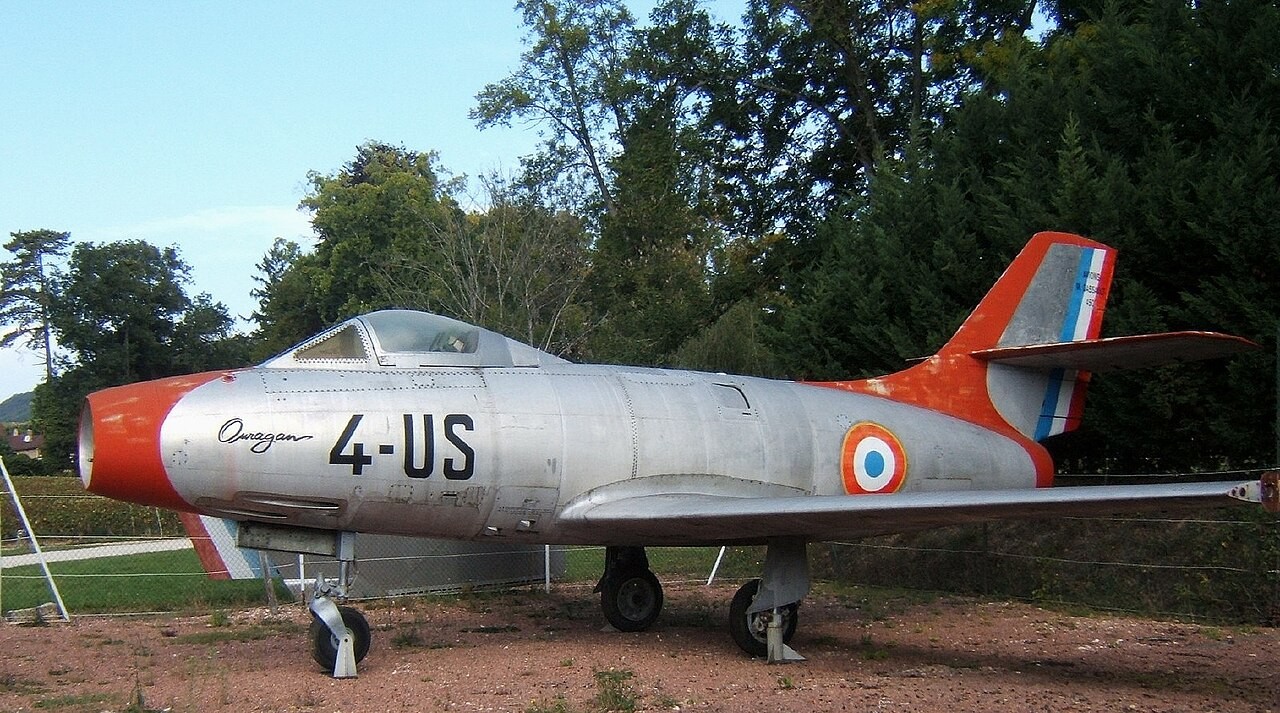
Dassault Ouragan
The aircraft is named 'Dassault Ouragan'. It is an early jet fighter-bomber developed by Dassault Aviation, part of the French lineage, with its first flight in 1949. Its status is categorized as 'retired and preserved in museums'. The benchmark for comparison with subsequent aircraft is characterized by being 'the first mass-produced jet fighter independently developed by France after the war, leading to export operations'. The reason for focusing on the Dassault Ouragan in 'early jet fighters that ended the propeller era' is that it exemplifies the subject of the list, which is 'the transition to early jet propulsion'. If there is a similar variant, we must first check the model name 'Dassault Ouragan' and the operational entity.
Dividing the derivatives and the original, we can better understand for which flight phases and missions the technical choices of the Dassault Ouragan were designed. The first flight of the Dassault Ouragan in 1949 was a developmental milestone, but it doesn’t immediately signify mass production or deployment in real operations. The status of the Dassault Ouragan is distinctly classified as 'retired and preserved in museums', keeping it separate from categories of retirement, project completion, operation by select countries, and active service. The speed and range of the Dassault Ouragan also vary according to altitude, fuel, and external loads, so it is more accurate to read according to the design purpose rather than determining superiority based on a single number.
When comparing with other items, let’s sequentially check the wing structure, number and direction of engines, crew size, radar position, and operational environment of the Dassault Ouragan. We also need to investigate whether the designation 'early jet fighter-bomber' attached to the Dassault Ouragan carries the same meaning as for other aircraft to reduce misunderstandings arising from the nomenclature. The 'early jet fighters that ended the propeller era' is not about ranking winners but serves as a resource for understanding the technological and operational choices left by the Dassault Ouragan. The links about the Dassault Ouragan prioritize data from manufacturers, military, and public aviation museums, and images have been checked for identification information from Wikimedia Commons.
Dividing the derivatives and the original, we can better understand for which flight phases and missions the technical choices of the Dassault Ouragan were designed. The first flight of the Dassault Ouragan in 1949 was a developmental milestone, but it doesn’t immediately signify mass production or deployment in real operations. The status of the Dassault Ouragan is distinctly classified as 'retired and preserved in museums', keeping it separate from categories of retirement, project completion, operation by select countries, and active service. The speed and range of the Dassault Ouragan also vary according to altitude, fuel, and external loads, so it is more accurate to read according to the design purpose rather than determining superiority based on a single number.
When comparing with other items, let’s sequentially check the wing structure, number and direction of engines, crew size, radar position, and operational environment of the Dassault Ouragan. We also need to investigate whether the designation 'early jet fighter-bomber' attached to the Dassault Ouragan carries the same meaning as for other aircraft to reduce misunderstandings arising from the nomenclature. The 'early jet fighters that ended the propeller era' is not about ranking winners but serves as a resource for understanding the technological and operational choices left by the Dassault Ouragan. The links about the Dassault Ouragan prioritize data from manufacturers, military, and public aviation museums, and images have been checked for identification information from Wikimedia Commons.
제작사 다쏘 아비아시옹
국가 프랑스
첫 비행 1949년
주요 역할 초기 제트 전투폭격기
상태 퇴역·박물관 보존
이미지 출처 Wikipedia/Wikimedia Commons · Dassault Ouragan
When comparing these ten early jet fighters, it becomes clear that reliability and pilot adaptation were as important as the speed of the new engines. The Yak-15 and Saab 21R leveraged piston airframe designs for rapid transition, while the P-80 and Uragan illustrated the unique jet designs developed post-war.
On further review, look beyond just the top speeds to understand aspects such as engine placement, intake location, twin tail booms, and swept wings. The first flight, combat deployment, and mass production represent different phases, and therefore the term 'first' should be evaluated with some criteria. Maintaining these distinctions allows for a much clearer understanding of the differences between technological demonstrations and actual operations. To fully grasp early jet fighters that ended the propeller era, one must consider the format of the aircraft along with its development and operational status.
On further review, look beyond just the top speeds to understand aspects such as engine placement, intake location, twin tail booms, and swept wings. The first flight, combat deployment, and mass production represent different phases, and therefore the term 'first' should be evaluated with some criteria. Maintaining these distinctions allows for a much clearer understanding of the differences between technological demonstrations and actual operations. To fully grasp early jet fighters that ended the propeller era, one must consider the format of the aircraft along with its development and operational status.
한눈에 보기
10개
Messerschmitt Me 262
메서슈미트 · 독일 · 1942년 · 제트 전투기·전투폭격기 · 퇴역·박물관 보존 · Wikipedia/Wikimedia Commons · Messerschmitt Me 262
Gloster Meteor
글로스터 · 영국 · 1943년 · 쌍발 제트 전투기 · 퇴역·박물관 보존 · Wikipedia/Wikimedia Commons · Gloster Meteor
Bell P-59 Airacomet
벨 에어크래프트 · 미국 · 1942년 · 제트 전투기 시험·초기 양산형 · 퇴역·박물관 보존 · Wikipedia/Wikimedia Commons · Bell P-59 Airacomet
Lockheed P-80 Shooting Star
록히드 · 미국 · 1944년 · 초기 제트 전투기 · 퇴역·박물관 보존 · Wikipedia/Wikimedia Commons · Lockheed P-80 Shooting Star
de Havilland Vampire
드 해빌랜드 · 영국 · 1943년 · 초기 제트 전투기 · 퇴역·박물관 보존 · Wikipedia/Wikimedia Commons · De Havilland Vampire
Heinkel He 162
하인켈 · 독일 · 1944년 · 경량 제트 전투기 · 퇴역·박물관 보존 · Wikipedia/Wikimedia Commons · Heinkel He 162
Yakolev Yak-15
야코블레프 · 소련 · 1946년 · 초기 제트 전투기 · 퇴역 · Wikipedia/Wikimedia Commons · Yakovlev Yak-15
Mikoyan-Gurevich MiG-9
미코얀-구레비치 · 소련 · 1946년 · 쌍발 제트 전투기 · 퇴역 · Wikipedia/Wikimedia Commons · Mikoyan-Gurevich MiG-9
Saab 21R
사브 · 스웨덴 · 1947년 · 제트 전투기·공격기 · 퇴역 · Wikipedia/Wikimedia Commons · Saab 21R
Dassault Ouragan
다쏘 아비아시옹 · 프랑스 · 1949년 · 초기 제트 전투폭격기 · 퇴역·박물관 보존 · Wikipedia/Wikimedia Commons · Dassault Ouragan
이 포스팅은 쿠팡 파트너스 활동의 일환으로, 이에 따른 일정액의 수수료를 제공받습니다.
댓글 0
로그인 후 댓글을 작성할 수 있습니다.
첫 댓글을 남겨보세요.
이런 리스트는 어때요?


이런 리스트도 추천해요


🎲
여기서 멈추기엔 아쉽잖아?
다음에 뭘 볼지 고민하는 시간이 제일 아까워.
주사위가 대신 골라줄게 — 무슨 리스트가 튀어나올지는 굴려봐야 알지.
안 누르면… 평생 궁금하지 않겠어? 👀