Collection
Science
2026.09.10
Unselected Yet Historical Fighter Prototype Aircraft
Aircraft that left a design legacy after competition failure, project cancellation, and production issues
Just because a prototype aircraft did not win a competition or secure a production contract does not mean that its technical significance disappears. The YF-17 led to the lineage of the F/A-18, and the F-16XL and YF-12 found their use in NASA research, thus leaving behind design documentation through other routes.
This list gathers ten aircraft like the YF-23, X-32, Lavi, and Mirage 4000 that were not selected. Rather than simply labeling them as failures, we distinguish the competitive purposes, cancellation backgrounds, and the roles they played in follow-on technologies. It’s important to note that the first flight of a prototype and its transition to mass production and operational use are entirely different stages, something you can see in each entry. Understanding the historical significance of these unselected fighter prototypes requires examining the type of aircraft along with its development and operational status.
This list gathers ten aircraft like the YF-23, X-32, Lavi, and Mirage 4000 that were not selected. Rather than simply labeling them as failures, we distinguish the competitive purposes, cancellation backgrounds, and the roles they played in follow-on technologies. It’s important to note that the first flight of a prototype and its transition to mass production and operational use are entirely different stages, something you can see in each entry. Understanding the historical significance of these unselected fighter prototypes requires examining the type of aircraft along with its development and operational status.
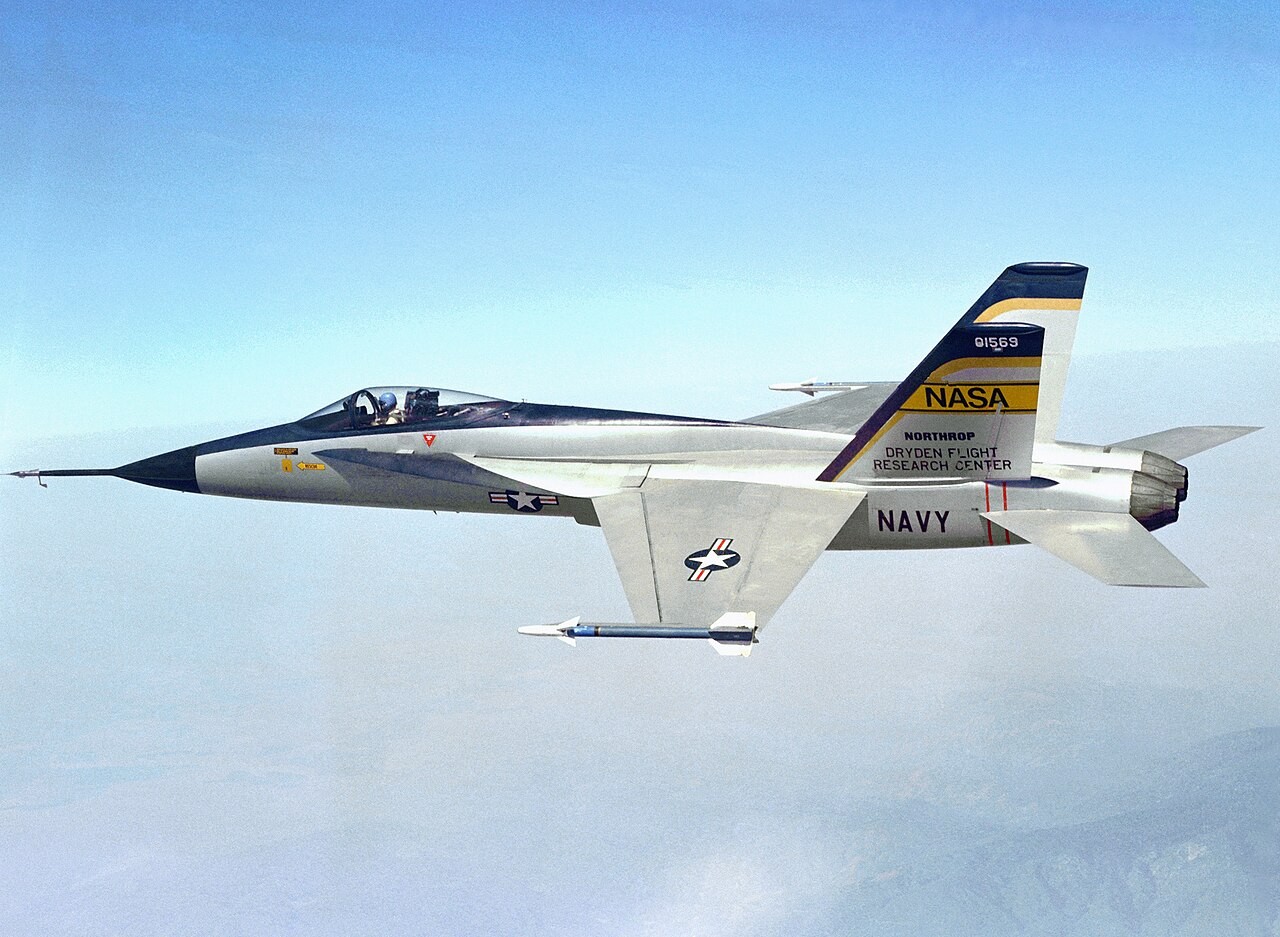
Northrop YF-17 Cobra
The aircraft is named 'Northrop YF-17 Cobra'. It is a lightweight fighter prototype developed in the United States by Northrop, with its first flight in 1974, classified as 'Test Completed'. The first clue to its design is that 'it lost to the F-16 in the LWF competition but was expanded and adapted for carrier use, leading to the F/A-18 lineage'. The reason for highlighting the Northrop YF-17 Cobra in 'Unselected Yet Historical Fighter Prototype Aircraft' is because it exemplifies the theme of 'lessons from prototype evaluations and selection failures' through a real-world example. If a similar variant exists, first verify the model name 'Northrop YF-17 Cobra' and the operating entity.
Examining the wing configuration and air intakes will reveal more about the technical choices of the 'Northrop YF-17 Cobra' concerning its flight profiles and mission purposes. The first flight in 1974 was a developmental milestone but did not immediately indicate its production or operational deployment. The status of 'Northrop YF-17 Cobra' was classified as 'Test Completed' to avoid mixing it with aircraft that had been retired, terminated, operated by certain countries, or still in service. The speed and range of the 'Northrop YF-17 Cobra' can also vary depending on altitude, fuel, and external payloads, so it's more accurate to consider the design goals rather than determining superiority by a single number.
When comparing it with other entries, consider the wing structure, number of engines and thrust vectoring, crew composition, radar placement, and operational environment of the 'Northrop YF-17 Cobra' one by one. The designation 'lightweight fighter prototype' attached to 'Northrop YF-17 Cobra' should also be examined to clarify any misunderstandings that arise from naming conventions. 'Unselected Yet Historical Fighter Prototype Aircraft' is intended to understand the technology and operational choices left by the 'Northrop YF-17 Cobra', rather than ranking winners. The links for 'Northrop YF-17 Cobra' prioritize information from manufacturers, military, and public aerospace museum resources, and images were verified for attribution through Wikimedia Commons.
Examining the wing configuration and air intakes will reveal more about the technical choices of the 'Northrop YF-17 Cobra' concerning its flight profiles and mission purposes. The first flight in 1974 was a developmental milestone but did not immediately indicate its production or operational deployment. The status of 'Northrop YF-17 Cobra' was classified as 'Test Completed' to avoid mixing it with aircraft that had been retired, terminated, operated by certain countries, or still in service. The speed and range of the 'Northrop YF-17 Cobra' can also vary depending on altitude, fuel, and external payloads, so it's more accurate to consider the design goals rather than determining superiority by a single number.
When comparing it with other entries, consider the wing structure, number of engines and thrust vectoring, crew composition, radar placement, and operational environment of the 'Northrop YF-17 Cobra' one by one. The designation 'lightweight fighter prototype' attached to 'Northrop YF-17 Cobra' should also be examined to clarify any misunderstandings that arise from naming conventions. 'Unselected Yet Historical Fighter Prototype Aircraft' is intended to understand the technology and operational choices left by the 'Northrop YF-17 Cobra', rather than ranking winners. The links for 'Northrop YF-17 Cobra' prioritize information from manufacturers, military, and public aerospace museum resources, and images were verified for attribution through Wikimedia Commons.
제작사 노스럽
국가 미국
첫 비행 1974년
주요 역할 경량 전투기 시제기
상태 시험 종료
이미지 출처 Wikipedia/Wikimedia Commons · Northrop YF-17
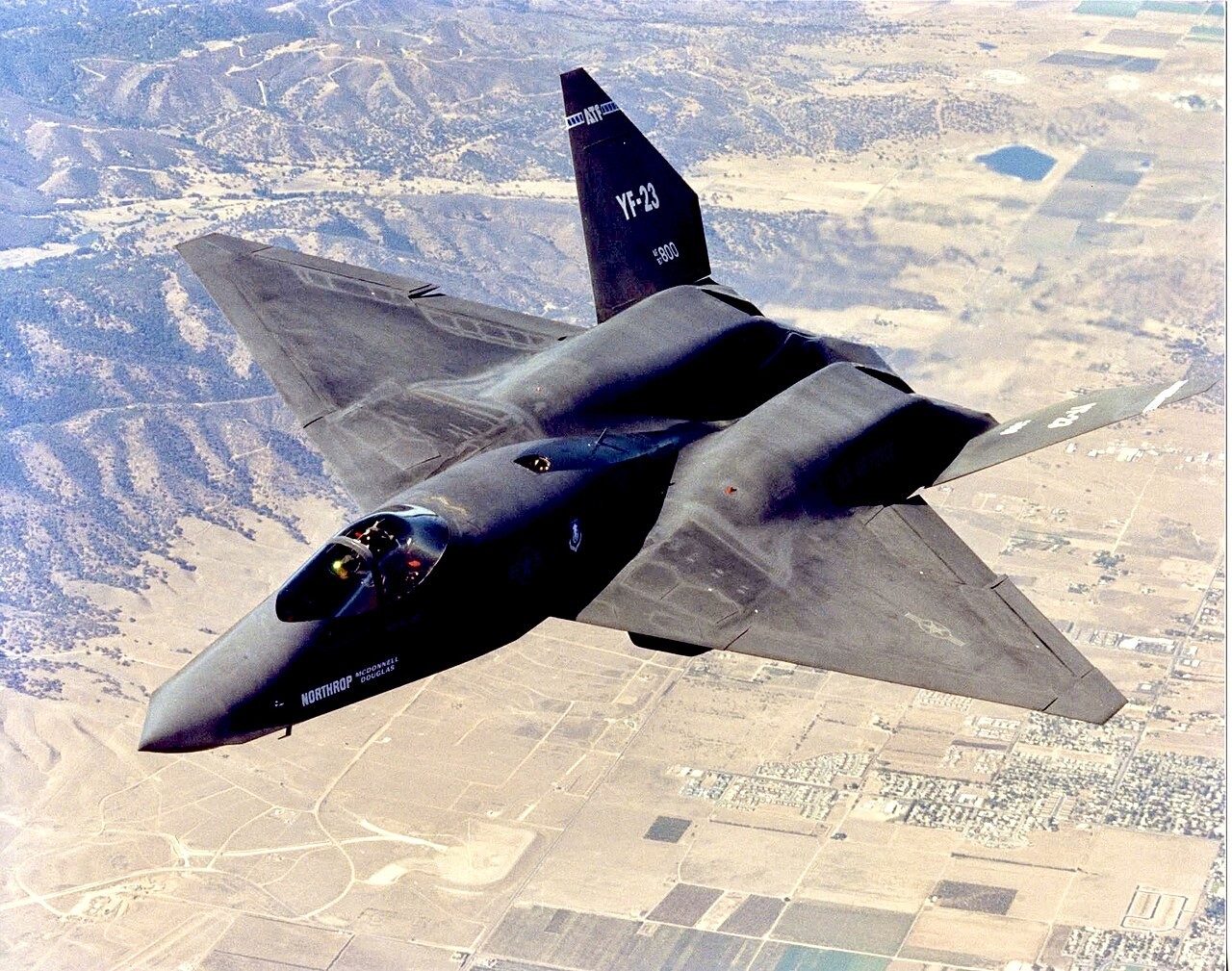
Northrop YF-23
The aircraft is named 'Northrop YF-23'. It is an American ATF prototype developed by Northrop and McDonnell Douglas, which first flew in 1990 and is classified as 'Test Completed'. A notable aspect of its development is that 'it emphasized low observability and high-speed flight, but the YF-22 was chosen for the ATF program'. The reason for focusing on the Northrop YF-23 in 'Unselected Yet Historical Fighter Prototype Aircraft' is due to how it embodies the theme of 'lessons from prototype evaluations and selection failures' within a real-world example. If a similar variant exists, first verify the model name 'Northrop YF-23' and the operating entity.
By examining the number of crew and radar deployment, one can better understand the technical choices of the 'Northrop YF-23' concerning its flight profiles and mission purposes. The first flight in 1990 marked a development milestone but did not immediately indicate production or operational deployment. The status of 'Northrop YF-23' was classified as 'Test Completed' to avoid mixing it with aircraft that had been retired, terminated, operated by certain countries, or still in service. The speed and range of the 'Northrop YF-23' can vary according to altitude, fuel, and external payloads, so it is more accurate to evaluate design intent rather than determining superiority by a single figure.
When comparing with other entries, sequentially check the wing structure, number of engines and thrust vectoring, crew composition, radar placement, and operational environment of the 'Northrop YF-23'. The classification 'ATF prototype' associated with 'Northrop YF-23' must be examined to clarify any misunderstandings that arise from its naming. 'Unselected Yet Historical Fighter Prototype Aircraft' aims to understand the technology and operational choices left by the 'Northrop YF-23', not to create a ranking of winners. The links for 'Northrop YF-23' prioritize information from manufacturers, military, and public aerospace museum resources, while images were verified through Wikimedia Commons.
By examining the number of crew and radar deployment, one can better understand the technical choices of the 'Northrop YF-23' concerning its flight profiles and mission purposes. The first flight in 1990 marked a development milestone but did not immediately indicate production or operational deployment. The status of 'Northrop YF-23' was classified as 'Test Completed' to avoid mixing it with aircraft that had been retired, terminated, operated by certain countries, or still in service. The speed and range of the 'Northrop YF-23' can vary according to altitude, fuel, and external payloads, so it is more accurate to evaluate design intent rather than determining superiority by a single figure.
When comparing with other entries, sequentially check the wing structure, number of engines and thrust vectoring, crew composition, radar placement, and operational environment of the 'Northrop YF-23'. The classification 'ATF prototype' associated with 'Northrop YF-23' must be examined to clarify any misunderstandings that arise from its naming. 'Unselected Yet Historical Fighter Prototype Aircraft' aims to understand the technology and operational choices left by the 'Northrop YF-23', not to create a ranking of winners. The links for 'Northrop YF-23' prioritize information from manufacturers, military, and public aerospace museum resources, while images were verified through Wikimedia Commons.
제작사 노스럽·맥도널 더글러스
국가 미국
첫 비행 1990년
주요 역할 ATF 시제기
상태 시험 종료
이미지 출처 Wikipedia/Wikimedia Commons · Northrop YF-23
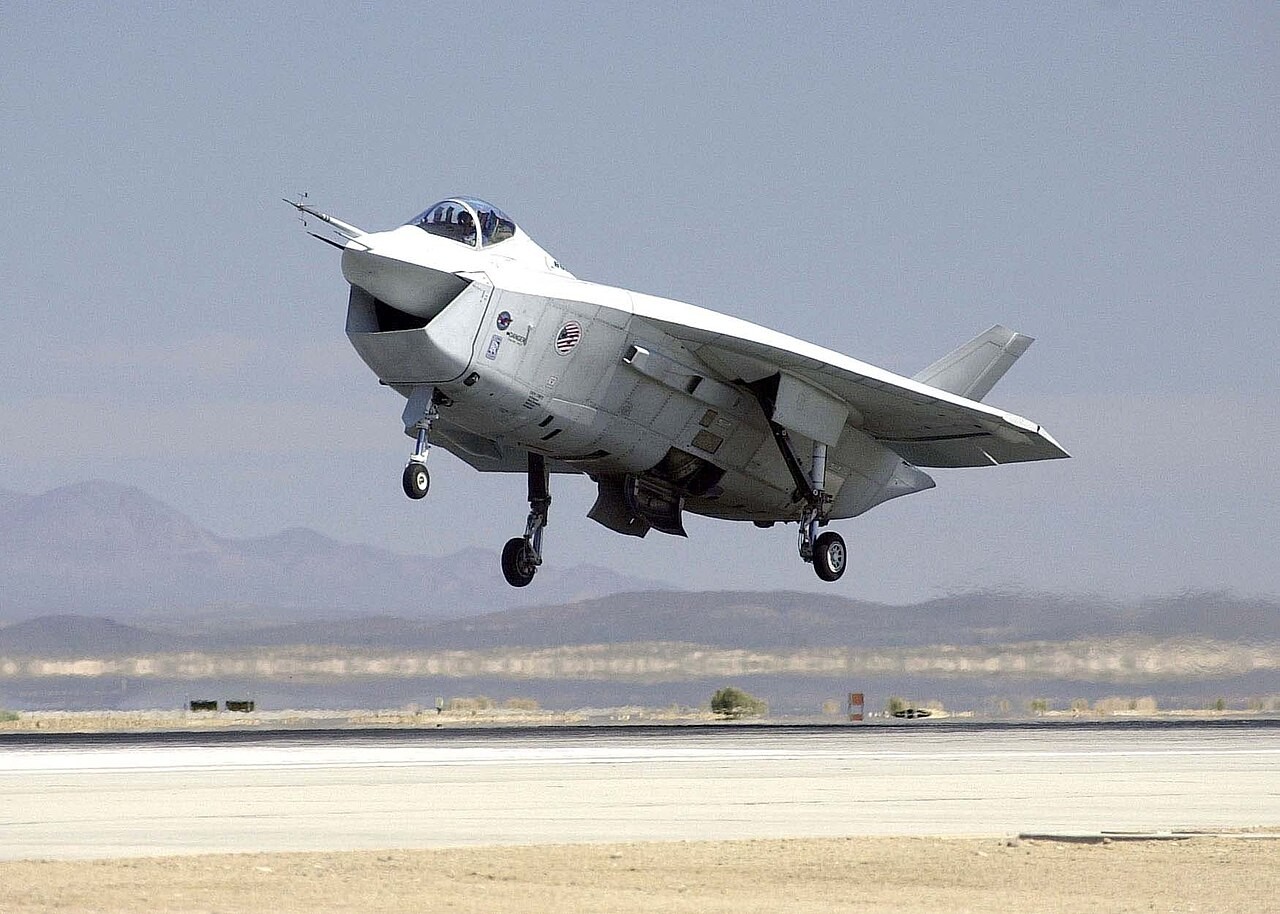
Boeing X-32
The aircraft is named 'Boeing X-32'. It is a JSF technology demonstration aircraft developed in the United States by Boeing, with its first flight in 2000 and categorized as 'Test Completed'. A key understanding of the operating entity is that 'it aimed to satisfy the requirements of three services with one aircraft, but the X-35 was selected as the JSF winner'. The reason for highlighting the Boeing X-32 in 'Unselected Yet Historical Fighter Prototype Aircraft' is that it demonstrates the theme of 'lessons from prototype evaluations and selection failures' through a real-world example. If a similar variant exists, first verify the model name 'Boeing X-32' and the operating entity.
Dividing the vertical take-off and landing methods by mission radius can provide insight into the technical choices of the 'Boeing X-32' and how they relate to its flight profiles and mission objectives. The first flight in 2000 was a developmental milestone, which did not immediately indicate its production or operational deployment. The status of 'Boeing X-32' was classified as 'Test Completed' to avoid mixing it with aircraft that had been retired, terminated, operated by certain countries, or still in service. The speed and range of 'Boeing X-32' can also fluctuate based on altitude, fuel, and external payloads, so it is more accurate to evaluate it based on design objectives instead of judging superiority by a single figure.
When comparing with other entries, sequentially verify the wing structure, number of engines and thrust vectoring, crew composition, radar placement, and operational environment for the 'Boeing X-32'. The classification 'JSF technology demonstration aircraft' associated with 'Boeing X-32' should also be examined to reduce misunderstandings caused by naming conventions. 'Unselected Yet Historical Fighter Prototype Aircraft' serves not as a ranking of winners but as a resource to understand the technology and operational choices left by the 'Boeing X-32'. The links for 'Boeing X-32' prioritize information provided by manufacturers, military, and public aerospace museum resources, while images were verified through Wikimedia Commons.
Dividing the vertical take-off and landing methods by mission radius can provide insight into the technical choices of the 'Boeing X-32' and how they relate to its flight profiles and mission objectives. The first flight in 2000 was a developmental milestone, which did not immediately indicate its production or operational deployment. The status of 'Boeing X-32' was classified as 'Test Completed' to avoid mixing it with aircraft that had been retired, terminated, operated by certain countries, or still in service. The speed and range of 'Boeing X-32' can also fluctuate based on altitude, fuel, and external payloads, so it is more accurate to evaluate it based on design objectives instead of judging superiority by a single figure.
When comparing with other entries, sequentially verify the wing structure, number of engines and thrust vectoring, crew composition, radar placement, and operational environment for the 'Boeing X-32'. The classification 'JSF technology demonstration aircraft' associated with 'Boeing X-32' should also be examined to reduce misunderstandings caused by naming conventions. 'Unselected Yet Historical Fighter Prototype Aircraft' serves not as a ranking of winners but as a resource to understand the technology and operational choices left by the 'Boeing X-32'. The links for 'Boeing X-32' prioritize information provided by manufacturers, military, and public aerospace museum resources, while images were verified through Wikimedia Commons.
제작사 보잉
국가 미국
첫 비행 2000년
주요 역할 JSF 기술실증기
상태 시험 종료
이미지 출처 Wikipedia/Wikimedia Commons · Boeing X-32
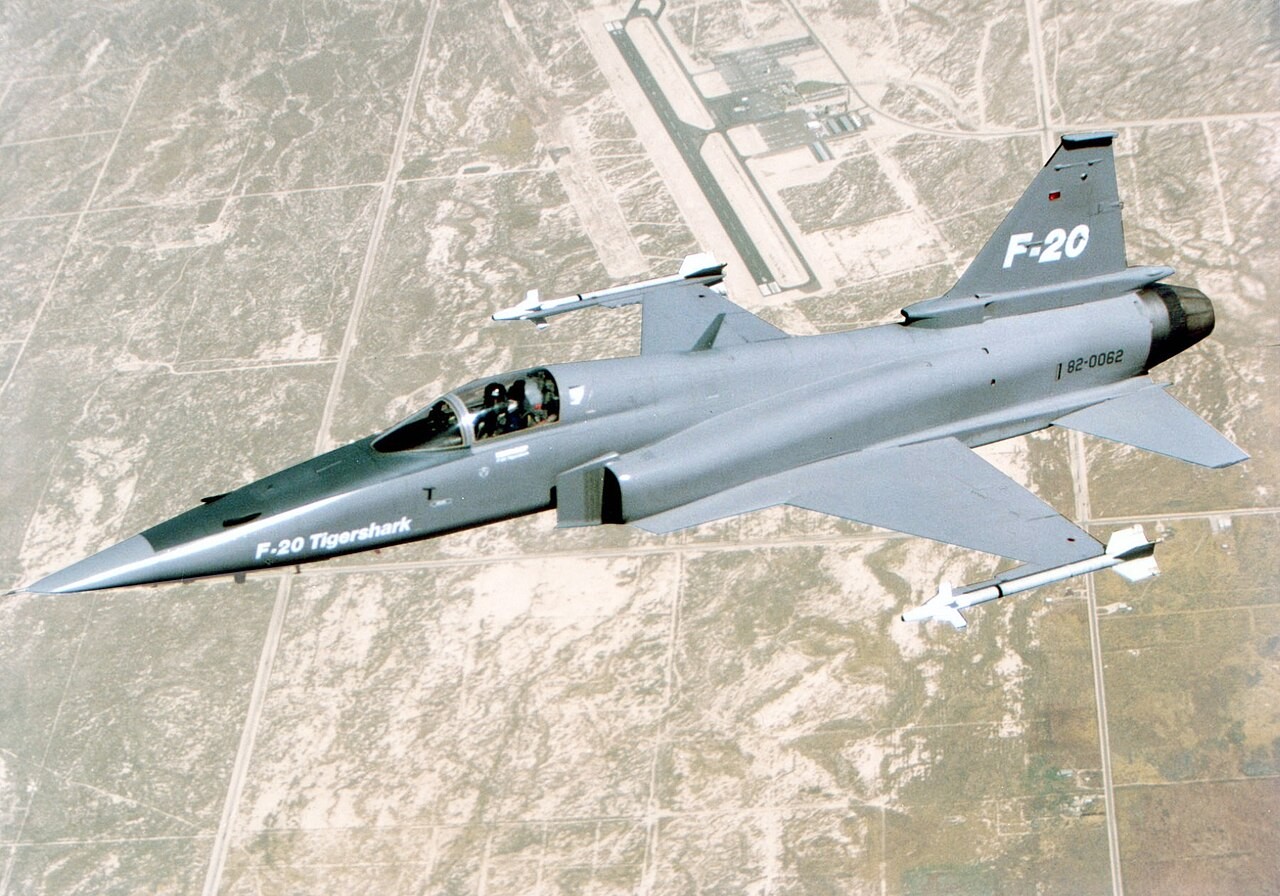
Northrop F-20 Tigershark
The aircraft is named 'Northrop F-20 Tigershark'. It is an export-oriented lightweight fighter prototype developed in the United States by Northrop, with its first flight in 1982, categorized as 'Program Terminated'. A significant point when viewing photos and missions is that 'it proposed quick readiness and single-engine performance but ended without firm orders', which is an essential characteristic. The reason for featuring the Northrop F-20 Tigershark in 'Unselected Yet Historical Fighter Prototype Aircraft' is to showcase the theme of 'lessons from prototype evaluations and selection failures' through a real-world example. If a similar variant exists, make sure first to confirm the model name 'Northrop F-20 Tigershark' and the operating entity.
Differentiating between its first flight and actual deployment helps clarify what flight profiles and mission purposes the 'Northrop F-20 Tigershark' was designed for. The first flight in 1982 was a developmental milestone and did not directly indicate its production or operational deployment. The status of 'Northrop F-20 Tigershark' was classified as 'Program Terminated' so as not to mix retired, terminated, operated by certain countries, or currently active aircraft. The speed and range of the 'Northrop F-20 Tigershark' can also vary with altitude, fuel, and external payloads, so it is more accurate to focus on design objectives rather than concerning superiority based on a single figure.
When comparing to other entries, consider the wing structure, number of engines and thrust vectoring, crew composition, radar placement, and operational environment in order for the 'Northrop F-20 Tigershark'. The designation 'export-oriented lightweight fighter prototype' attached to 'Northrop F-20 Tigershark' should also be analyzed to clarify any misconceptions arising from naming conventions. 'Unselected Yet Historical Fighter Prototype Aircraft' is not about ranking winners, but acts as a resource to understand the technology and operational choices left by the 'Northrop F-20 Tigershark'. The links for 'Northrop F-20 Tigershark' prioritize information from manufacturers, military, and public aerospace museum resources, while images were confirmed through Wikimedia Commons.
Differentiating between its first flight and actual deployment helps clarify what flight profiles and mission purposes the 'Northrop F-20 Tigershark' was designed for. The first flight in 1982 was a developmental milestone and did not directly indicate its production or operational deployment. The status of 'Northrop F-20 Tigershark' was classified as 'Program Terminated' so as not to mix retired, terminated, operated by certain countries, or currently active aircraft. The speed and range of the 'Northrop F-20 Tigershark' can also vary with altitude, fuel, and external payloads, so it is more accurate to focus on design objectives rather than concerning superiority based on a single figure.
When comparing to other entries, consider the wing structure, number of engines and thrust vectoring, crew composition, radar placement, and operational environment in order for the 'Northrop F-20 Tigershark'. The designation 'export-oriented lightweight fighter prototype' attached to 'Northrop F-20 Tigershark' should also be analyzed to clarify any misconceptions arising from naming conventions. 'Unselected Yet Historical Fighter Prototype Aircraft' is not about ranking winners, but acts as a resource to understand the technology and operational choices left by the 'Northrop F-20 Tigershark'. The links for 'Northrop F-20 Tigershark' prioritize information from manufacturers, military, and public aerospace museum resources, while images were confirmed through Wikimedia Commons.
제작사 노스럽
국가 미국
첫 비행 1982년
주요 역할 수출형 경량 전투기 시제기
상태 사업 종료
이미지 출처 Wikipedia/Wikimedia Commons · Northrop F-20 Tigershark
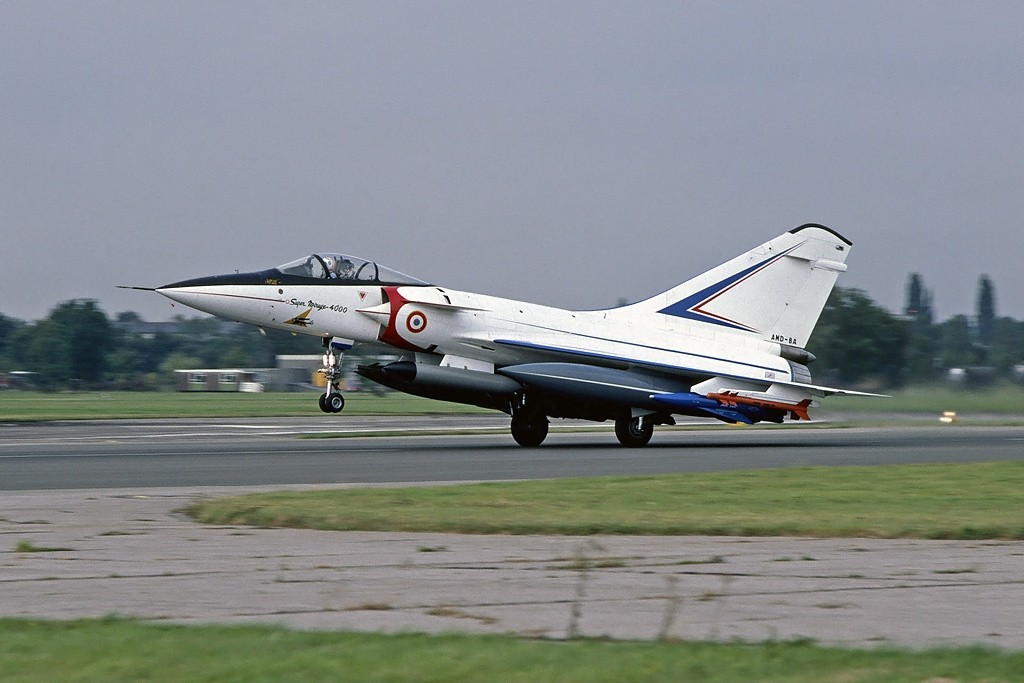
Dassault Mirage 4000
The aircraft is named 'Dassault Mirage 4000'. It is a twin-engine fighter prototype developed in France by Dassault Aviation, with its first flight in 1979, denoted as 'Program Terminated'. An essential characteristic distinguishing it from contemporaneous aircraft is that 'it experimented with a larger twin-engine canard design compared to the Mirage 2000 but did not proceed to production'. The reason for emphasizing the Dassault Mirage 4000 in 'Unselected Yet Historical Fighter Prototype Aircraft' is that it demonstrates the theme of 'lessons from prototype evaluations and selection failures' through a real example. If a similar variant exists, first verify the model name 'Dassault Mirage 4000' and the operating entity.
Contrasting the engine layout and aircraft structure highlights the technical choices behind the 'Dassault Mirage 4000's' intended flight profiles and mission capabilities. The first flight in 1979 was a developmental milestone, not immediately leading to production or operational deployment. The status of 'Dassault Mirage 4000' was classified as 'Program Terminated' to avoid mixing with aircraft that had been retired, terminated, operated by certain countries, or were still in active service. The speed and range of the 'Dassault Mirage 4000' can also vary according to altitude, fuel, and external payloads, making design objectives a more accurate approach than determining superiority based on a single value.
When comparing it with other entries, systematically check the wing structure, number of engines and thrust directions, crew complements, radar positions, and operational environments of the 'Dassault Mirage 4000'. The designation 'twin-engine fighter prototype' attached to 'Dassault Mirage 4000' also requires examination to clarify any misunderstandings that may arise from nomenclature. 'Unselected Yet Historical Fighter Prototype Aircraft' serves to understand the technology and operational choices left by the 'Dassault Mirage 4000', rather than ranking winners. The links for 'Dassault Mirage 4000' prioritize resources from manufacturers, military, and public aerospace museums, with images verified for attribution through Wikimedia Commons.
Contrasting the engine layout and aircraft structure highlights the technical choices behind the 'Dassault Mirage 4000's' intended flight profiles and mission capabilities. The first flight in 1979 was a developmental milestone, not immediately leading to production or operational deployment. The status of 'Dassault Mirage 4000' was classified as 'Program Terminated' to avoid mixing with aircraft that had been retired, terminated, operated by certain countries, or were still in active service. The speed and range of the 'Dassault Mirage 4000' can also vary according to altitude, fuel, and external payloads, making design objectives a more accurate approach than determining superiority based on a single value.
When comparing it with other entries, systematically check the wing structure, number of engines and thrust directions, crew complements, radar positions, and operational environments of the 'Dassault Mirage 4000'. The designation 'twin-engine fighter prototype' attached to 'Dassault Mirage 4000' also requires examination to clarify any misunderstandings that may arise from nomenclature. 'Unselected Yet Historical Fighter Prototype Aircraft' serves to understand the technology and operational choices left by the 'Dassault Mirage 4000', rather than ranking winners. The links for 'Dassault Mirage 4000' prioritize resources from manufacturers, military, and public aerospace museums, with images verified for attribution through Wikimedia Commons.
제작사 다쏘 아비아시옹
국가 프랑스
첫 비행 1979년
주요 역할 쌍발 전투기 시제기
상태 사업 종료
이미지 출처 Wikipedia/Wikimedia Commons · Dassault Mirage 4000
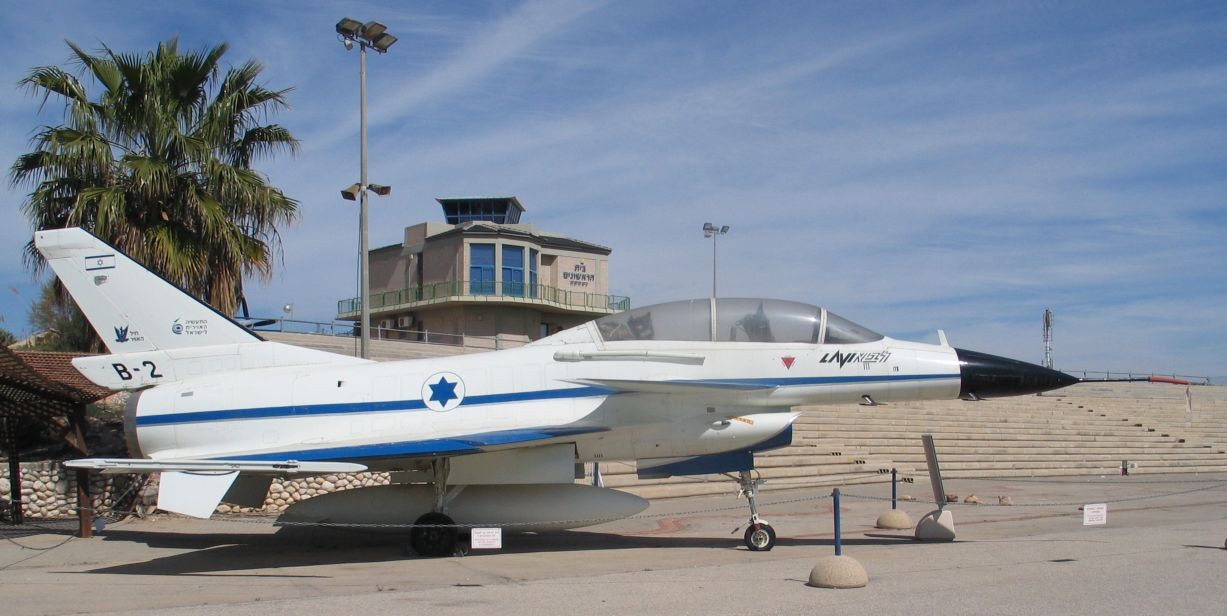
IAI Lavi
The aircraft is named 'IAI Lavi'. It is a multipurpose fighter prototype developed in Israel by Israel Aerospace Industries, first flying in 1986 and classified as 'Development Canceled'. The salient point in its design origins is that 'it was equipped with canard delta and modern avionics, but was halted due to cost and policy issues'. The reason for focusing on the IAI Lavi in 'Unselected Yet Historical Fighter Prototype Aircraft' is because it illustrates the theme of 'lessons from prototype evaluations and selection failures' through a tangible example. If a similar variant exists, first verify the model name 'IAI Lavi' and the operating entity.
By considering the design goals and operational outcomes together, one can better understand the technical choices of the 'IAI Lavi' regarding its intended flight profiles and missions. The first flight in 1986 marked a development milestone but did not directly indicate its production or operational deployment. The status of 'IAI Lavi' was classified as 'Development Canceled' to avoid confusion with aircraft that had been retired, its program terminated, operated by certain countries, or still in action. The speed and range of the 'IAI Lavi' could also change depending on altitude, fuel, and external payloads, making it more accurate to read it in the context of design aspiration than to assert superiority based on one figure alone.
When comparing it with other entries, sequentially verify the wing structure, number of engines and thrust vectoring, crew composition, radar placement, and operational environments for the 'IAI Lavi'. The type designated as a 'multipurpose fighter prototype' associated with 'IAI Lavi' must also be reviewed to mitigate misunderstandings that may arise from terminology. 'Unselected Yet Historical Fighter Prototype Aircraft' aims not to rank winners but to understand the technology and operational choices left by the 'IAI Lavi'. The links for 'IAI Lavi' prioritize resources from manufacturers, military, and public aerospace museums, with images verified through Wikimedia Commons.
By considering the design goals and operational outcomes together, one can better understand the technical choices of the 'IAI Lavi' regarding its intended flight profiles and missions. The first flight in 1986 marked a development milestone but did not directly indicate its production or operational deployment. The status of 'IAI Lavi' was classified as 'Development Canceled' to avoid confusion with aircraft that had been retired, its program terminated, operated by certain countries, or still in action. The speed and range of the 'IAI Lavi' could also change depending on altitude, fuel, and external payloads, making it more accurate to read it in the context of design aspiration than to assert superiority based on one figure alone.
When comparing it with other entries, sequentially verify the wing structure, number of engines and thrust vectoring, crew composition, radar placement, and operational environments for the 'IAI Lavi'. The type designated as a 'multipurpose fighter prototype' associated with 'IAI Lavi' must also be reviewed to mitigate misunderstandings that may arise from terminology. 'Unselected Yet Historical Fighter Prototype Aircraft' aims not to rank winners but to understand the technology and operational choices left by the 'IAI Lavi'. The links for 'IAI Lavi' prioritize resources from manufacturers, military, and public aerospace museums, with images verified through Wikimedia Commons.
제작사 이스라엘항공우주산업
국가 이스라엘
첫 비행 1986년
주요 역할 다목적 전투기 시제기
상태 개발 취소
이미지 출처 Wikipedia/Wikimedia Commons · IAI Lavi
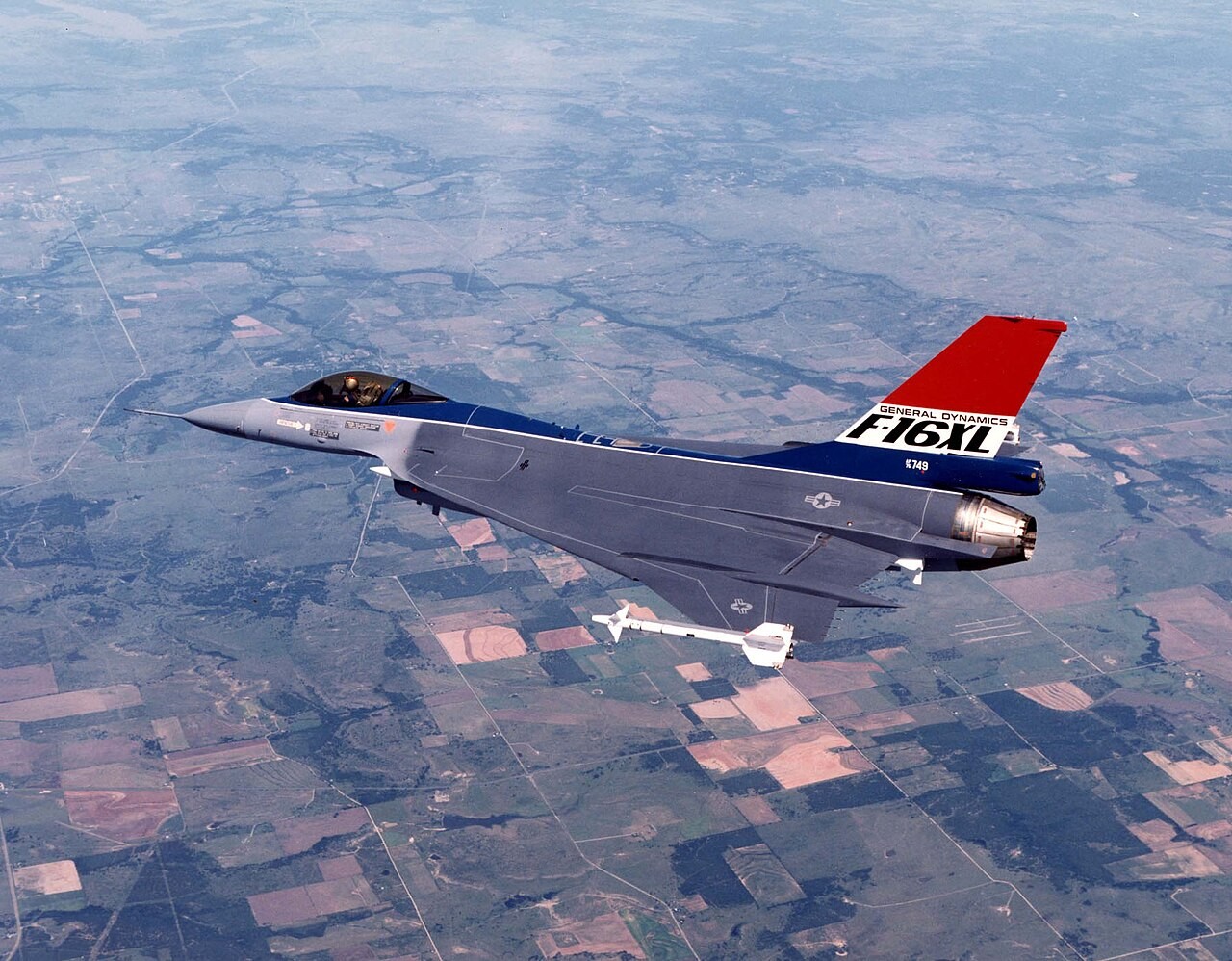
F-16XL
The aircraft is named 'F-16XL'. It is an American cranked-arrow fighter prototype developed by General Dynamics. Its first flight occurred in 1982, and it is classified as 'Test Completed · NASA Research'. A clue for its operational deployment assesses that 'it tested wide delta wings for range and payload performance and was subsequently used in NASA research', which defines its significance. The reason for emphasizing the F-16XL in 'Unselected Yet Historical Fighter Prototype Aircraft' is because it illustrates the theme of 'lessons from prototype evaluations and selection failures' through real-world examples. If a similar variant exists, first verify the model name 'F-16XL' and the operating entity.
Understanding the differences between the prototype and production variant helps elucidate what flight profiles and mission purposes the 'F-16XL' was designed for. The first flight in 1982 was a developmental milestone but didn't result in immediate production or deployment. The status of 'F-16XL' was classified as 'Test Completed · NASA Research' to avoid mixing with retired, terminated, operated by certain countries, or still active aircraft. The speed and range of 'F-16XL' will also vary depending on altitude, fuel, and external payloads, so focusing on design intention rather than a solitary number for superiority is more accurate.
When comparing to other entries, check the wing structure, number of engines and thrust vectoring, crew composition, radar placement, and operational environment of the 'F-16XL' in sequence. The classification of 'cranked-arrow fighter prototype' associated with 'F-16XL' also requires scrutiny to clarify any misunderstandings that may arise from its designation. 'Unselected Yet Historical Fighter Prototype Aircraft' serves as a resource to understand the technology and operational choices left by the 'F-16XL', not a ranking of winners. The links for 'F-16XL' prioritize information from manufacturers, military, and public aerospace museum resources, while images were verified through Wikimedia Commons.
Understanding the differences between the prototype and production variant helps elucidate what flight profiles and mission purposes the 'F-16XL' was designed for. The first flight in 1982 was a developmental milestone but didn't result in immediate production or deployment. The status of 'F-16XL' was classified as 'Test Completed · NASA Research' to avoid mixing with retired, terminated, operated by certain countries, or still active aircraft. The speed and range of 'F-16XL' will also vary depending on altitude, fuel, and external payloads, so focusing on design intention rather than a solitary number for superiority is more accurate.
When comparing to other entries, check the wing structure, number of engines and thrust vectoring, crew composition, radar placement, and operational environment of the 'F-16XL' in sequence. The classification of 'cranked-arrow fighter prototype' associated with 'F-16XL' also requires scrutiny to clarify any misunderstandings that may arise from its designation. 'Unselected Yet Historical Fighter Prototype Aircraft' serves as a resource to understand the technology and operational choices left by the 'F-16XL', not a ranking of winners. The links for 'F-16XL' prioritize information from manufacturers, military, and public aerospace museum resources, while images were verified through Wikimedia Commons.
제작사 제너럴 다이내믹스
국가 미국
첫 비행 1982년
주요 역할 크랭크드 애로 전투기 시제기
상태 시험 종료·NASA 연구
이미지 출처 Wikipedia/Wikimedia Commons · General Dynamics F-16XL
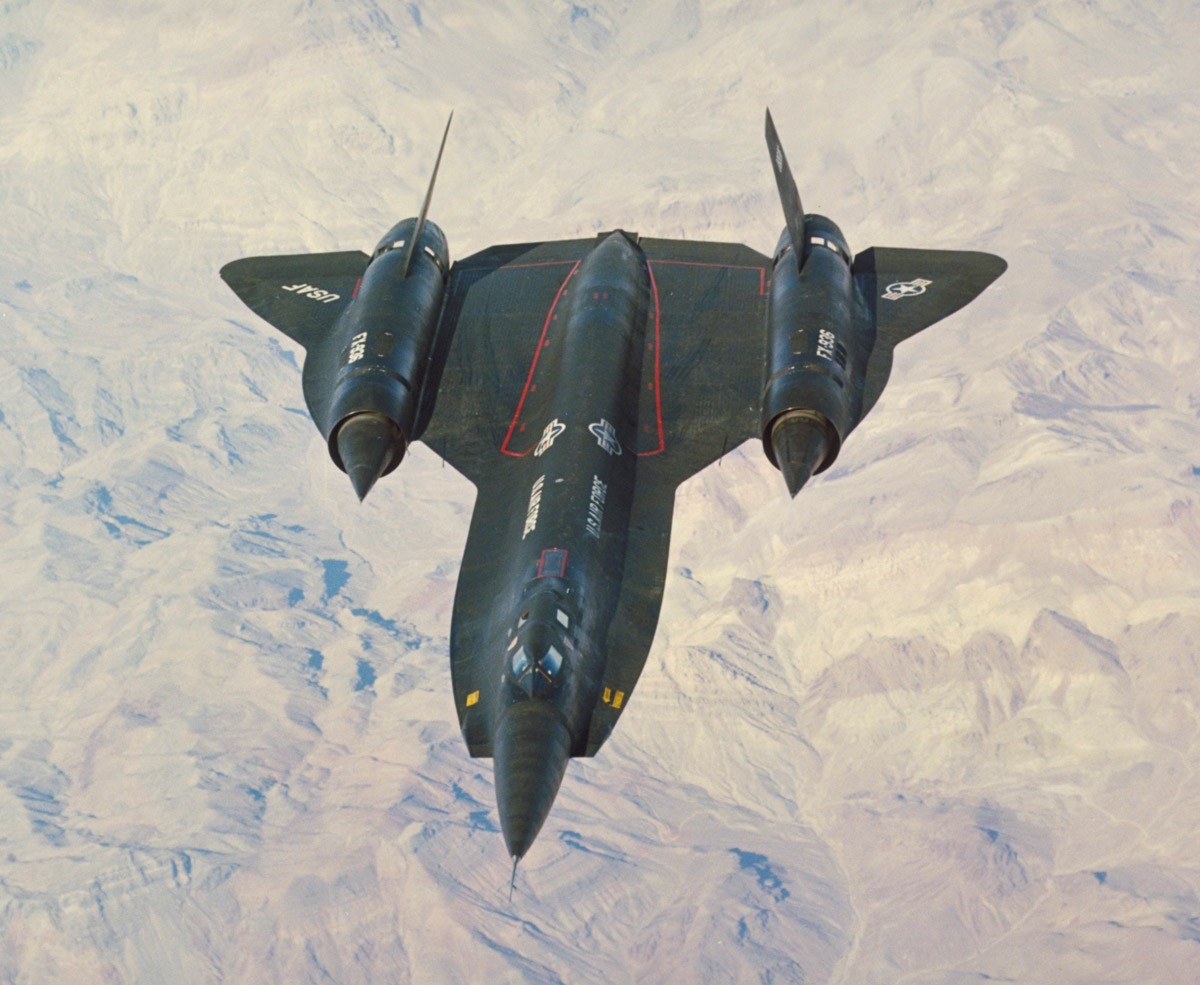
Lockheed YF-12
The aircraft is named 'Lockheed YF-12'. It is an American high-speed interceptor prototype developed by Lockheed, with its first flight occurring in 1963, and is classified as 'Program Canceled · Test Completed'. A significant contribution in its technological lineage is that 'it combined radar and long-range interception armaments into the A-12 lineage but was not deployed in practice'. The reason for highlighting the Lockheed YF-12 in 'Unselected Yet Historical Fighter Prototype Aircraft' is that it serves to demonstrate the theme of 'lessons from prototype evaluations and selection failures' through a physical example. If a similar variant exists, first verify the model name 'Lockheed YF-12' and the operating entity.
Examining the maintenance environment and re-launch conditions provides insight into the specific flight profiles and mission purposes the 'Lockheed YF-12' was designed to execute. The first flight in 1963 was a developmental milestone, not an immediate indicator of production or operational deployment. The status of 'Lockheed YF-12' was classified as 'Program Canceled · Test Completed' to prevent mixing retired, terminated, operated by certain countries or still active aircraft. The speed and range of the 'Lockheed YF-12' can also vary depending on altitude, fuel, and external payloads; thus, it's more accurate to interpret these in light of design purposes rather than a single figure indicating superiority.
When comparing with other entries, sequentially verify the wing structure, number of engines and thrust vectoring, crew composition, radar positions, and operational environments of the 'Lockheed YF-12'. The classification 'high-speed interceptor prototype' associated with 'Lockheed YF-12' must be analyzed to avoid misunderstanding arising from its designation. 'Unselected Yet Historical Fighter Prototype Aircraft' aims not to rank winners but to understand the technology and operational choices left by the 'Lockheed YF-12'. The links for 'Lockheed YF-12' emphasize resources from manufacturers, military, and public aerospace museums, with images duly verified through Wikimedia Commons.
Examining the maintenance environment and re-launch conditions provides insight into the specific flight profiles and mission purposes the 'Lockheed YF-12' was designed to execute. The first flight in 1963 was a developmental milestone, not an immediate indicator of production or operational deployment. The status of 'Lockheed YF-12' was classified as 'Program Canceled · Test Completed' to prevent mixing retired, terminated, operated by certain countries or still active aircraft. The speed and range of the 'Lockheed YF-12' can also vary depending on altitude, fuel, and external payloads; thus, it's more accurate to interpret these in light of design purposes rather than a single figure indicating superiority.
When comparing with other entries, sequentially verify the wing structure, number of engines and thrust vectoring, crew composition, radar positions, and operational environments of the 'Lockheed YF-12'. The classification 'high-speed interceptor prototype' associated with 'Lockheed YF-12' must be analyzed to avoid misunderstanding arising from its designation. 'Unselected Yet Historical Fighter Prototype Aircraft' aims not to rank winners but to understand the technology and operational choices left by the 'Lockheed YF-12'. The links for 'Lockheed YF-12' emphasize resources from manufacturers, military, and public aerospace museums, with images duly verified through Wikimedia Commons.
제작사 록히드
국가 미국
첫 비행 1963년
주요 역할 고속 요격기 시제기
상태 사업 취소·시험 종료
이미지 출처 Wikipedia/Wikimedia Commons · Lockheed YF-12
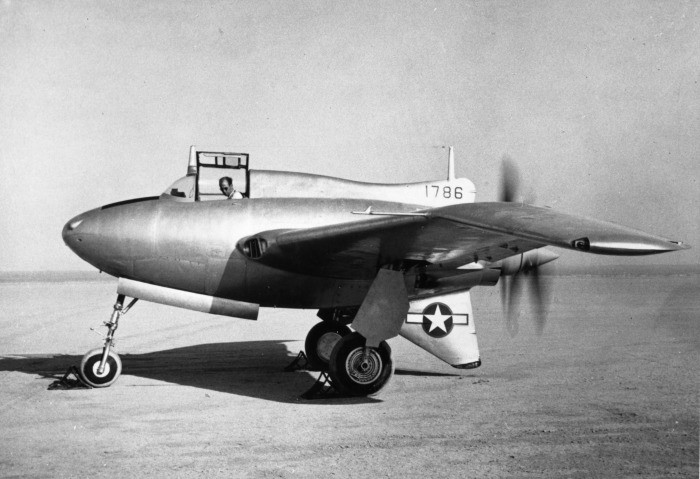
Northrop XP-56 Black Bullet
The aircraft is named ‘Northrop XP-56 Black Bullet’. It is an experimental flying wing fighter jet developed by Northrop, with its first flight occurring in 1943, and the status marked as ‘Test Complete’. The test results indicated the characteristics that it 'tested a pusher propeller and flying wing configuration but was concluded due to stability and performance limitations'. The reason for focusing on the 'Northrop XP-56 Black Bullet' in the category of 'Fighter prototypes that were not selected but remained in history' is that it serves as a real-world example of the topic 'Lessons from the evaluation and rejection of prototypes'. If there are similar derivatives, it's important to first confirm the model designation 'Northrop XP-56 Black Bullet' and its operating entity.
According to the official documentation, the technical choices of the 'Northrop XP-56 Black Bullet' are clearer in terms of which flight regimes and missions it was designed for. The first flight in 1943 was a developmental milestone but did not immediately indicate production or operational deployment. The status of the 'Northrop XP-56 Black Bullet' is classified as 'Test Complete' to avoid mixing it with retired, program-ending, or some countries' operational statuses. The speed and range of the 'Northrop XP-56 Black Bullet' vary with altitude, fuel, and external payloads, so it is more accurate to read it based on design intent rather than determining superiority with a single number.
When comparing with other entries, let's check the wing structure, number of engines and thrust direction, crew size, radar placement, and operational environment of the 'Northrop XP-56 Black Bullet' sequentially. It's also important to examine whether the type designation 'Experimental flying wing fighter' has the same meaning as with other aircraft to reduce misunderstandings from the naming. The 'Fighter prototypes that were not selected but remained in history' are not about ranking winners but are resources for understanding the technology and operational choices represented by the 'Northrop XP-56 Black Bullet'. Links for the 'Northrop XP-56 Black Bullet' were prioritized from the manufacturer, military, and public aviation museum materials, and the images confirmed identification information from Wikimedia Commons.
According to the official documentation, the technical choices of the 'Northrop XP-56 Black Bullet' are clearer in terms of which flight regimes and missions it was designed for. The first flight in 1943 was a developmental milestone but did not immediately indicate production or operational deployment. The status of the 'Northrop XP-56 Black Bullet' is classified as 'Test Complete' to avoid mixing it with retired, program-ending, or some countries' operational statuses. The speed and range of the 'Northrop XP-56 Black Bullet' vary with altitude, fuel, and external payloads, so it is more accurate to read it based on design intent rather than determining superiority with a single number.
When comparing with other entries, let's check the wing structure, number of engines and thrust direction, crew size, radar placement, and operational environment of the 'Northrop XP-56 Black Bullet' sequentially. It's also important to examine whether the type designation 'Experimental flying wing fighter' has the same meaning as with other aircraft to reduce misunderstandings from the naming. The 'Fighter prototypes that were not selected but remained in history' are not about ranking winners but are resources for understanding the technology and operational choices represented by the 'Northrop XP-56 Black Bullet'. Links for the 'Northrop XP-56 Black Bullet' were prioritized from the manufacturer, military, and public aviation museum materials, and the images confirmed identification information from Wikimedia Commons.
제작사 노스럽
국가 미국
첫 비행 1943년
주요 역할 무미익 전투기 시제기
상태 시험 종료
이미지 출처 Wikipedia/Wikimedia Commons · Northrop XP-56 Black Bullet
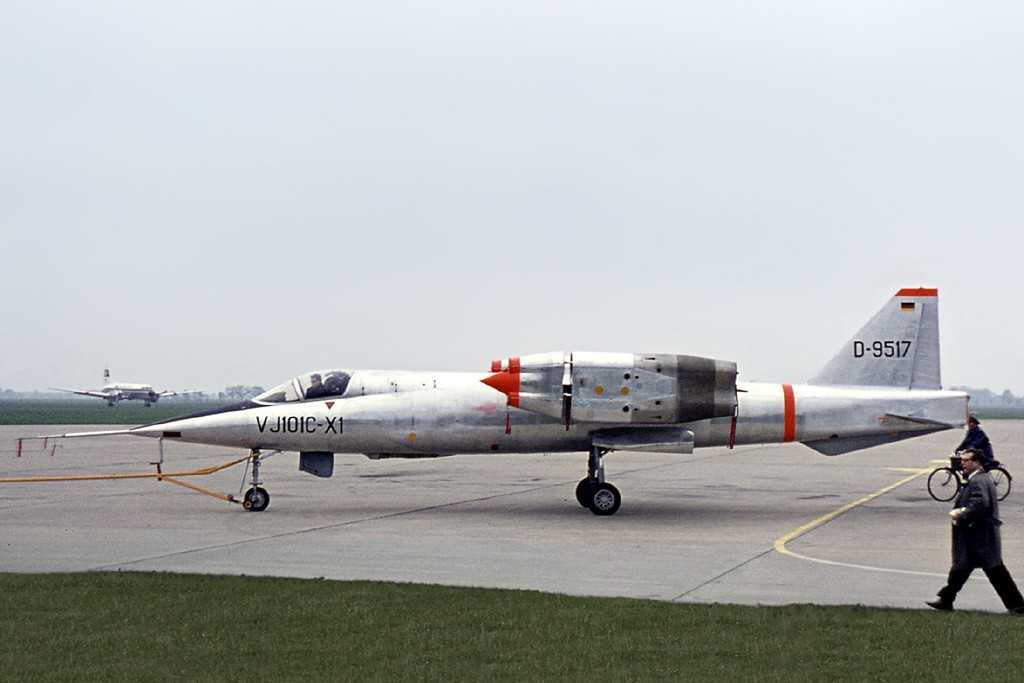
EWR VJ 101
The aircraft is called ‘EWR VJ 101’. It is a supersonic vertical takeoff and landing interceptor prototype developed by EWR in West Germany, with its first flight in 1963 and the status marked as ‘Test Complete’. The benchmark for comparison with subsequent aircraft is its characteristic of 'testing the VTOL interceptor concept with a rotating wingtip engine but not proceeding to production'. The reason for highlighting the EWR VJ 101 in the category of 'Fighter prototypes that were not selected but remained in history' is that it demonstrates the topic 'Lessons from the evaluation and rejection of prototypes' in a tangible way. If there are similar derivatives, it's important to first check the model designation 'EWR VJ 101' and its operating entity.
By differentiating between subsequent derivatives and the original model, we can better understand what flight regimes and missions the 'EWR VJ 101' was designed for. The first flight in 1963 was a developmental milestone but did not immediately signify production or operational deployment. The status of the 'EWR VJ 101' is classified as 'Test Complete', avoiding mixing it with retired statuses, program endings, or operation in some countries. The speed and range of the 'EWR VJ 101' also vary with altitude, fuel, and external payloads, so it's preferable to assess them based on design intent rather than establishing superiority with a single number.
When comparing with other entries, let’s sequentially check the wing structure, number of engines and thrust direction, crew size, radar placement, and operational environment for the 'EWR VJ 101'. It's essential to examine whether the type designation 'Supersonic vertical takeoff and landing interceptor prototype' has the same meaning as with other aircraft to mitigate misunderstandings arising from the names. The 'Fighter prototypes that were not selected but remained in history' do not rank winners but provide insights into the technology and operational selections left by the 'EWR VJ 101'. Links regarding the 'EWR VJ 101' prioritized sources from the manufacturer, military, and public aviation museum materials, and images confirmed identification information from Wikimedia Commons.
By differentiating between subsequent derivatives and the original model, we can better understand what flight regimes and missions the 'EWR VJ 101' was designed for. The first flight in 1963 was a developmental milestone but did not immediately signify production or operational deployment. The status of the 'EWR VJ 101' is classified as 'Test Complete', avoiding mixing it with retired statuses, program endings, or operation in some countries. The speed and range of the 'EWR VJ 101' also vary with altitude, fuel, and external payloads, so it's preferable to assess them based on design intent rather than establishing superiority with a single number.
When comparing with other entries, let’s sequentially check the wing structure, number of engines and thrust direction, crew size, radar placement, and operational environment for the 'EWR VJ 101'. It's essential to examine whether the type designation 'Supersonic vertical takeoff and landing interceptor prototype' has the same meaning as with other aircraft to mitigate misunderstandings arising from the names. The 'Fighter prototypes that were not selected but remained in history' do not rank winners but provide insights into the technology and operational selections left by the 'EWR VJ 101'. Links regarding the 'EWR VJ 101' prioritized sources from the manufacturer, military, and public aviation museum materials, and images confirmed identification information from Wikimedia Commons.
제작사 EWR
국가 서독
첫 비행 1963년
주요 역할 초음속 수직이착륙 요격기 실험기
상태 시험 종료
이미지 출처 Wikipedia/Wikimedia Commons · EWR VJ 101
The history of prototype aircraft raises far more questions than the development companies that only record the winners. Often, the choice was not made because of performance inadequacies but due to factors like cost, scheduling, joint service requirements, export approvals, and policy changes. It is essential to first acknowledge the various evaluation criteria to read the results fairly.
One should not compare the YF-23 and X-32 as if they were in the same state as production models, nor interpret the successful first flights as immediate success in operational deployment. Instead, let’s examine what requirements each was designed to meet and where their test data and design efforts led. The unselected aircraft serve as great evidence that aerospace development is not determined solely by technology.
One should not compare the YF-23 and X-32 as if they were in the same state as production models, nor interpret the successful first flights as immediate success in operational deployment. Instead, let’s examine what requirements each was designed to meet and where their test data and design efforts led. The unselected aircraft serve as great evidence that aerospace development is not determined solely by technology.
한눈에 보기
10개
Northrop YF-17 Cobra
노스럽 · 미국 · 1974년 · 경량 전투기 시제기 · 시험 종료 · Wikipedia/Wikimedia Commons · Northrop YF-17
Northrop YF-23
노스럽·맥도널 더글러스 · 미국 · 1990년 · ATF 시제기 · 시험 종료 · Wikipedia/Wikimedia Commons · Northrop YF-23
Boeing X-32
보잉 · 미국 · 2000년 · JSF 기술실증기 · 시험 종료 · Wikipedia/Wikimedia Commons · Boeing X-32
Northrop F-20 Tigershark
노스럽 · 미국 · 1982년 · 수출형 경량 전투기 시제기 · 사업 종료 · Wikipedia/Wikimedia Commons · Northrop F-20 Tigershark
Dassault Mirage 4000
다쏘 아비아시옹 · 프랑스 · 1979년 · 쌍발 전투기 시제기 · 사업 종료 · Wikipedia/Wikimedia Commons · Dassault Mirage 4000
IAI Lavi
이스라엘항공우주산업 · 이스라엘 · 1986년 · 다목적 전투기 시제기 · 개발 취소 · Wikipedia/Wikimedia Commons · IAI Lavi
F-16XL
제너럴 다이내믹스 · 미국 · 1982년 · 크랭크드 애로 전투기 시제기 · 시험 종료·NASA 연구 · Wikipedia/Wikimedia Commons · General Dynamics F-16XL
Lockheed YF-12
록히드 · 미국 · 1963년 · 고속 요격기 시제기 · 사업 취소·시험 종료 · Wikipedia/Wikimedia Commons · Lockheed YF-12
Northrop XP-56 Black Bullet
노스럽 · 미국 · 1943년 · 무미익 전투기 시제기 · 시험 종료 · Wikipedia/Wikimedia Commons · Northrop XP-56 Black Bullet
EWR VJ 101
EWR · 서독 · 1963년 · 초음속 수직이착륙 요격기 실험기 · 시험 종료 · Wikipedia/Wikimedia Commons · EWR VJ 101
#Fighter Jet#Military Aircraft#Aircraft#Aviation Technology#Lessons from Prototype Evaluation and Adoption Failures
이 포스팅은 쿠팡 파트너스 활동의 일환으로, 이에 따른 일정액의 수수료를 제공받습니다.
댓글 0
로그인 후 댓글을 작성할 수 있습니다.
첫 댓글을 남겨보세요.
이런 리스트는 어때요?


이런 리스트도 추천해요



🎲
여기서 멈추기엔 아쉽잖아?
다음에 뭘 볼지 고민하는 시간이 제일 아까워.
주사위가 대신 골라줄게 — 무슨 리스트가 튀어나올지는 굴려봐야 알지.
안 누르면… 평생 궁금하지 않겠어? 👀