Collection
Science
2026.09.11
Delta Wing Fighters Challenging Speed with Triangular Wings
The Evolution of Real Designs from Experimental Aircraft to Tailless and Canard Delta
The delta wing design is relatively simple and advantageous for high-speed flight, but it can demand large angles of attack and long takeoff distances at low speeds. As flight control systems and canard technology advanced, triangular wings took on entirely different characteristics depending on the era.
This list progresses from the XF-92A experimental aircraft and the F-102 to Mirage III, Draken, MiG-21, and later to Rafale and Typhoon, and Tejas. It categorizes tailless delta, double delta, and canard delta designs and indicates their first flights and operational statuses to prevent the assumption that similar-looking designs are the same just because they share a wing shape. Understanding delta wing fighters challenging speed requires acknowledging the type of aircraft, as well as their development and operational status.
This list progresses from the XF-92A experimental aircraft and the F-102 to Mirage III, Draken, MiG-21, and later to Rafale and Typhoon, and Tejas. It categorizes tailless delta, double delta, and canard delta designs and indicates their first flights and operational statuses to prevent the assumption that similar-looking designs are the same just because they share a wing shape. Understanding delta wing fighters challenging speed requires acknowledging the type of aircraft, as well as their development and operational status.
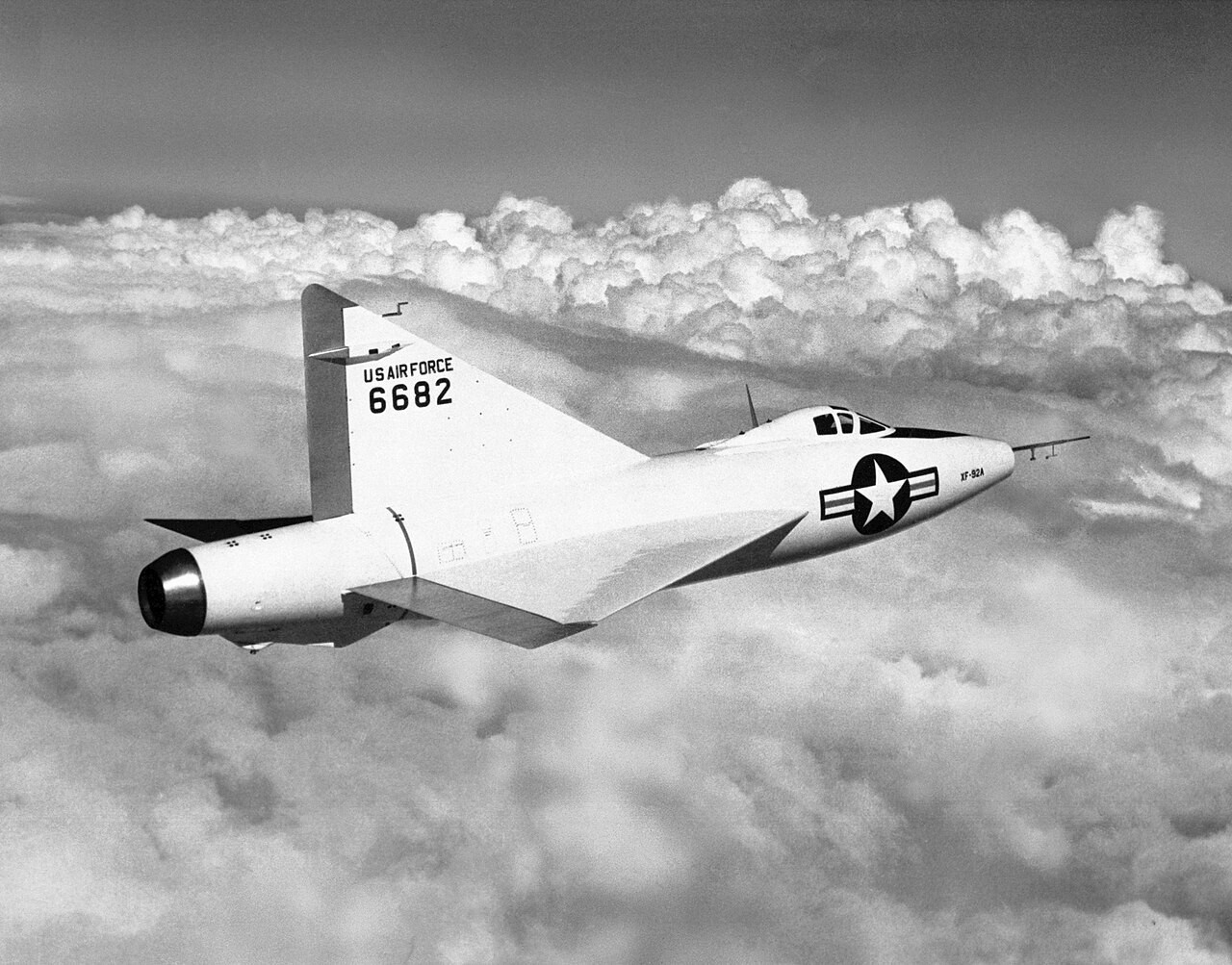
Convair XF-92A
The aircraft is named 'Convair XF-92A.' It is a delta wing experimental aircraft of U.S. origin made by Convair, with its first flight in 1948, and its status is marked as 'Test Completed - Museum Preserved.' The first clue in reading its appearance is that it is 'the first jet delta wing experimental aircraft in the U.S. that provided design data for subsequent Convair interceptors.' The reason for focusing on the Convair XF-92A in 'Delta Wing Fighters Challenging Speed' is that it exemplifies the theme of 'delta wing characteristics at high and low speeds.' If there are similar variants, it’s crucial to first verify the model name 'Convair XF-92A' and the organization operating it.
By examining the wing planform and the air intake, it becomes clearer which flight regime and mission the technical choices of the 'Convair XF-92A' were intended for. The first flight of the 'Convair XF-92A' in 1948 marks a development milestone but does not indicate immediate mass production or operational deployment. The status of the 'Convair XF-92A' has been classified separately as 'Test Completed - Museum Preserved' to avoid mixing retired, out-of-service, some country-operated, and active statuses. The speed and range of the 'Convair XF-92A' also vary depending on altitude, fuel, and external payload, making it more accurate to focus on the design purpose rather than determining superiority from a single figure.
When comparing with other items, let’s examine the wing structure, number of engines and thrust direction, number of crew, radar position, and operational environment of the 'Convair XF-92A.' It is also essential to check whether the type 'delta wing experimental aircraft' attached to the 'Convair XF-92A' has the same meaning as it does with other aircraft to reduce misunderstandings arising from the nomenclature. 'Delta Wing Fighters Challenging Speed' serves as a resource for understanding the technological and operational choices left by the 'Convair XF-92A.' The links for the 'Convair XF-92A' prioritize manufacturer, military, and public aviation museum materials, and the images are checked for identification information from Wikimedia Commons.
By examining the wing planform and the air intake, it becomes clearer which flight regime and mission the technical choices of the 'Convair XF-92A' were intended for. The first flight of the 'Convair XF-92A' in 1948 marks a development milestone but does not indicate immediate mass production or operational deployment. The status of the 'Convair XF-92A' has been classified separately as 'Test Completed - Museum Preserved' to avoid mixing retired, out-of-service, some country-operated, and active statuses. The speed and range of the 'Convair XF-92A' also vary depending on altitude, fuel, and external payload, making it more accurate to focus on the design purpose rather than determining superiority from a single figure.
When comparing with other items, let’s examine the wing structure, number of engines and thrust direction, number of crew, radar position, and operational environment of the 'Convair XF-92A.' It is also essential to check whether the type 'delta wing experimental aircraft' attached to the 'Convair XF-92A' has the same meaning as it does with other aircraft to reduce misunderstandings arising from the nomenclature. 'Delta Wing Fighters Challenging Speed' serves as a resource for understanding the technological and operational choices left by the 'Convair XF-92A.' The links for the 'Convair XF-92A' prioritize manufacturer, military, and public aviation museum materials, and the images are checked for identification information from Wikimedia Commons.
제작사 컨베어
국가 미국
첫 비행 1948년
주요 역할 델타익 실험기
상태 시험 종료·박물관 보존
이미지 출처 Wikipedia/Wikimedia Commons · Convair XF-92
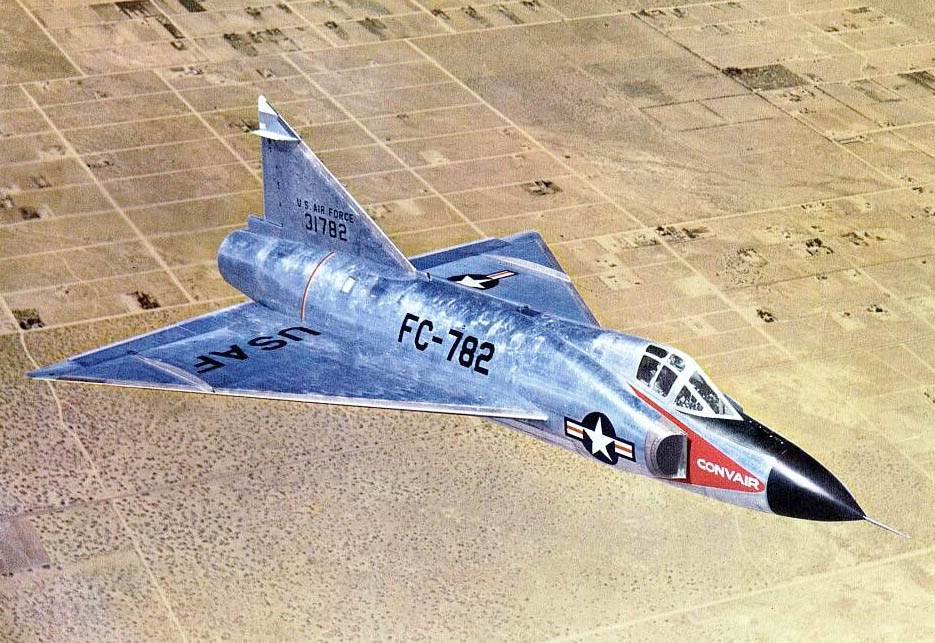
F-102A Delta Dagger
The aircraft is named 'F-102A Delta Dagger.' It is a multi-role interceptor of U.S. origin made by Convair, with its first flight in 1953, and its status is marked as 'Retired.' A notable point in its development background is that it 'responded to supersonic interception with a fuselage and tailless delta shape reflecting area ratio.' The reason for focusing on the F-102A Delta Dagger in 'Delta Wing Fighters Challenging Speed' is that it exemplifies the theme of 'delta wing characteristics at high and low speeds.' If there are similar variants, it’s crucial to first verify the model name 'F-102A Delta Dagger' and the organization operating it.
Examining the number of crew and radar position will better reveal which flight regime and mission the technical choices of the 'F-102A Delta Dagger' were aimed at. The first flight of the 'F-102A Delta Dagger' in 1953 marks a development milestone but does not indicate immediate mass production or operational deployment. The status of the 'F-102A Delta Dagger' has been classified separately as 'Retired' to avoid mixing retired, out-of-service, some country-operated, and active statuses. The speed and range of the 'F-102A Delta Dagger' also change according to altitude, fuel, and external payload, making it more accurate to focus on the design purpose rather than determining superiority from a single figure.
When comparing with other items, let’s examine the wing structure, number of engines and thrust direction, number of crew, radar position, and operational environment of the 'F-102A Delta Dagger.' It is also essential to check whether the type 'delta wing multi-role interceptor' attached to the 'F-102A Delta Dagger' has the same meaning as it does with other aircraft to reduce misunderstandings arising from the nomenclature. 'Delta Wing Fighters Challenging Speed' serves as a resource for understanding the technological and operational choices left by the 'F-102A Delta Dagger.' The links for the 'F-102A Delta Dagger' prioritize manufacturer, military, and public aviation museum materials, and the images are checked for identification information from Wikimedia Commons.
Examining the number of crew and radar position will better reveal which flight regime and mission the technical choices of the 'F-102A Delta Dagger' were aimed at. The first flight of the 'F-102A Delta Dagger' in 1953 marks a development milestone but does not indicate immediate mass production or operational deployment. The status of the 'F-102A Delta Dagger' has been classified separately as 'Retired' to avoid mixing retired, out-of-service, some country-operated, and active statuses. The speed and range of the 'F-102A Delta Dagger' also change according to altitude, fuel, and external payload, making it more accurate to focus on the design purpose rather than determining superiority from a single figure.
When comparing with other items, let’s examine the wing structure, number of engines and thrust direction, number of crew, radar position, and operational environment of the 'F-102A Delta Dagger.' It is also essential to check whether the type 'delta wing multi-role interceptor' attached to the 'F-102A Delta Dagger' has the same meaning as it does with other aircraft to reduce misunderstandings arising from the nomenclature. 'Delta Wing Fighters Challenging Speed' serves as a resource for understanding the technological and operational choices left by the 'F-102A Delta Dagger.' The links for the 'F-102A Delta Dagger' prioritize manufacturer, military, and public aviation museum materials, and the images are checked for identification information from Wikimedia Commons.
제작사 컨베어
국가 미국
첫 비행 1953년
주요 역할 델타익 전천후 요격기
상태 퇴역
이미지 출처 Wikipedia/Wikimedia Commons · Convair F-102 Delta Dagger
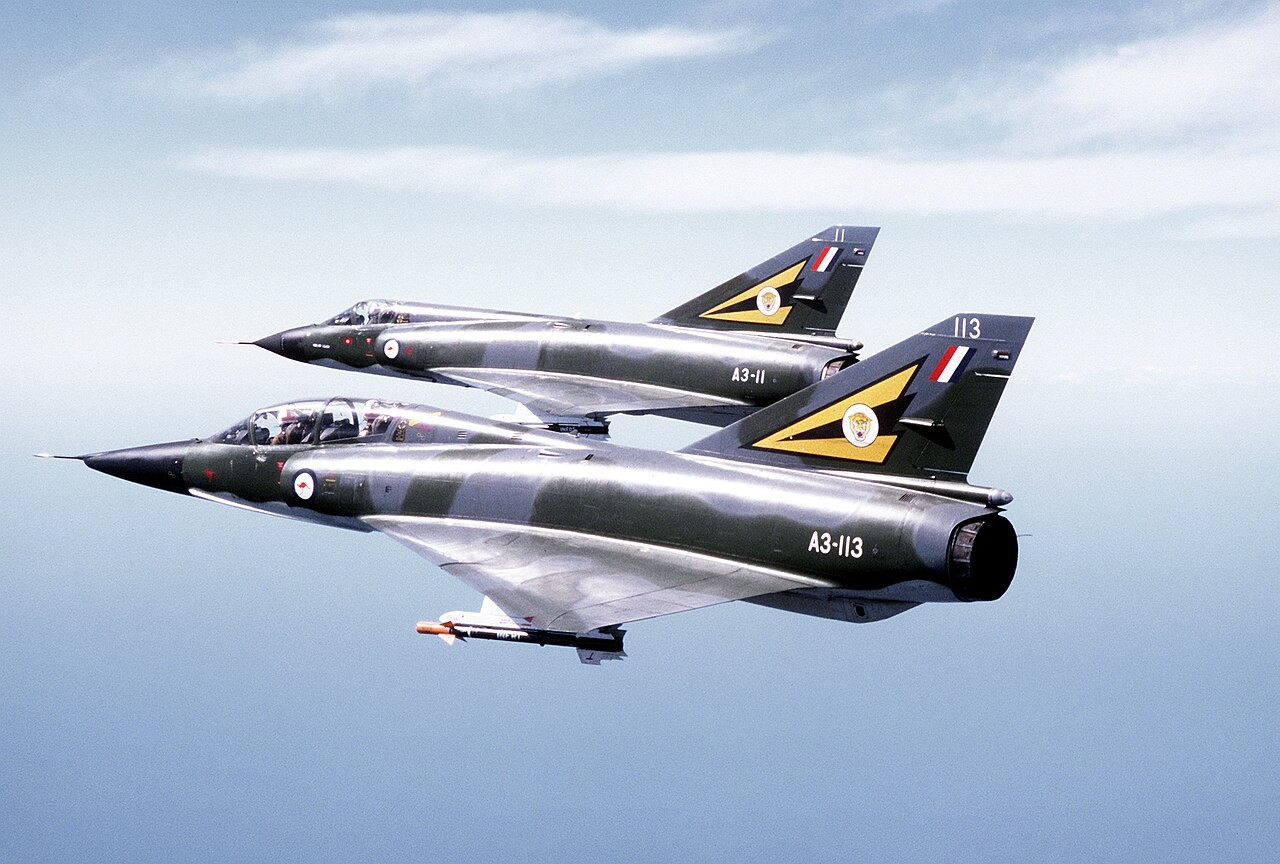
Dassault Mirage III
The aircraft is named 'Dassault Mirage III.' It is a multi-role delta wing fighter of French origin made by Dassault Aviation, with its first flight in 1956, and its status is marked as 'Retired - Some Variants Preserved.' Key to understanding the operator is the feature that it 'secures high-speed performance with thin tailless delta wings and is exported to multiple countries.' The reason for focusing on the Dassault Mirage III in 'Delta Wing Fighters Challenging Speed' is that it exemplifies the theme of 'delta wing characteristics at high and low speeds.' If there are similar variants, it’s crucial to first verify the model name 'Dassault Mirage III' and the organization operating it.
By dividing the takeoff and landing methods and mission radius, the technical choices of the 'Dassault Mirage III' will become clearer for which flight regime and mission they were designed. The first flight of the 'Dassault Mirage III' in 1956 marks a development milestone but does not indicate immediate mass production or operational deployment. The status of the 'Dassault Mirage III' has been classified separately as 'Retired - Some Variants Preserved' to avoid mixing retired, out-of-service, some country-operated, and active statuses. The speed and range of the 'Dassault Mirage III' also vary according to altitude, fuel, and external payload, making it more accurate to focus on the design purpose rather than determining superiority from a single figure.
When comparing with other items, let’s examine the wing structure, number of engines and thrust direction, number of crew, radar position, and operational environment of the 'Dassault Mirage III.' It is also essential to check whether the type 'delta wing multi-role fighter' attached to the 'Dassault Mirage III' has the same meaning as it does with other aircraft to reduce misunderstandings arising from the nomenclature. 'Delta Wing Fighters Challenging Speed' serves as a resource for understanding the technological and operational choices left by the 'Dassault Mirage III.' The links for the 'Dassault Mirage III' prioritize manufacturer, military, and public aviation museum materials, and the images are checked for identification information from Wikimedia Commons.
By dividing the takeoff and landing methods and mission radius, the technical choices of the 'Dassault Mirage III' will become clearer for which flight regime and mission they were designed. The first flight of the 'Dassault Mirage III' in 1956 marks a development milestone but does not indicate immediate mass production or operational deployment. The status of the 'Dassault Mirage III' has been classified separately as 'Retired - Some Variants Preserved' to avoid mixing retired, out-of-service, some country-operated, and active statuses. The speed and range of the 'Dassault Mirage III' also vary according to altitude, fuel, and external payload, making it more accurate to focus on the design purpose rather than determining superiority from a single figure.
When comparing with other items, let’s examine the wing structure, number of engines and thrust direction, number of crew, radar position, and operational environment of the 'Dassault Mirage III.' It is also essential to check whether the type 'delta wing multi-role fighter' attached to the 'Dassault Mirage III' has the same meaning as it does with other aircraft to reduce misunderstandings arising from the nomenclature. 'Delta Wing Fighters Challenging Speed' serves as a resource for understanding the technological and operational choices left by the 'Dassault Mirage III.' The links for the 'Dassault Mirage III' prioritize manufacturer, military, and public aviation museum materials, and the images are checked for identification information from Wikimedia Commons.
제작사 다쏘 아비아시옹
국가 프랑스
첫 비행 1956년
주요 역할 델타익 다목적 전투기
상태 퇴역·일부 파생형 보존
이미지 출처 Wikipedia/Wikimedia Commons · Dassault Mirage III
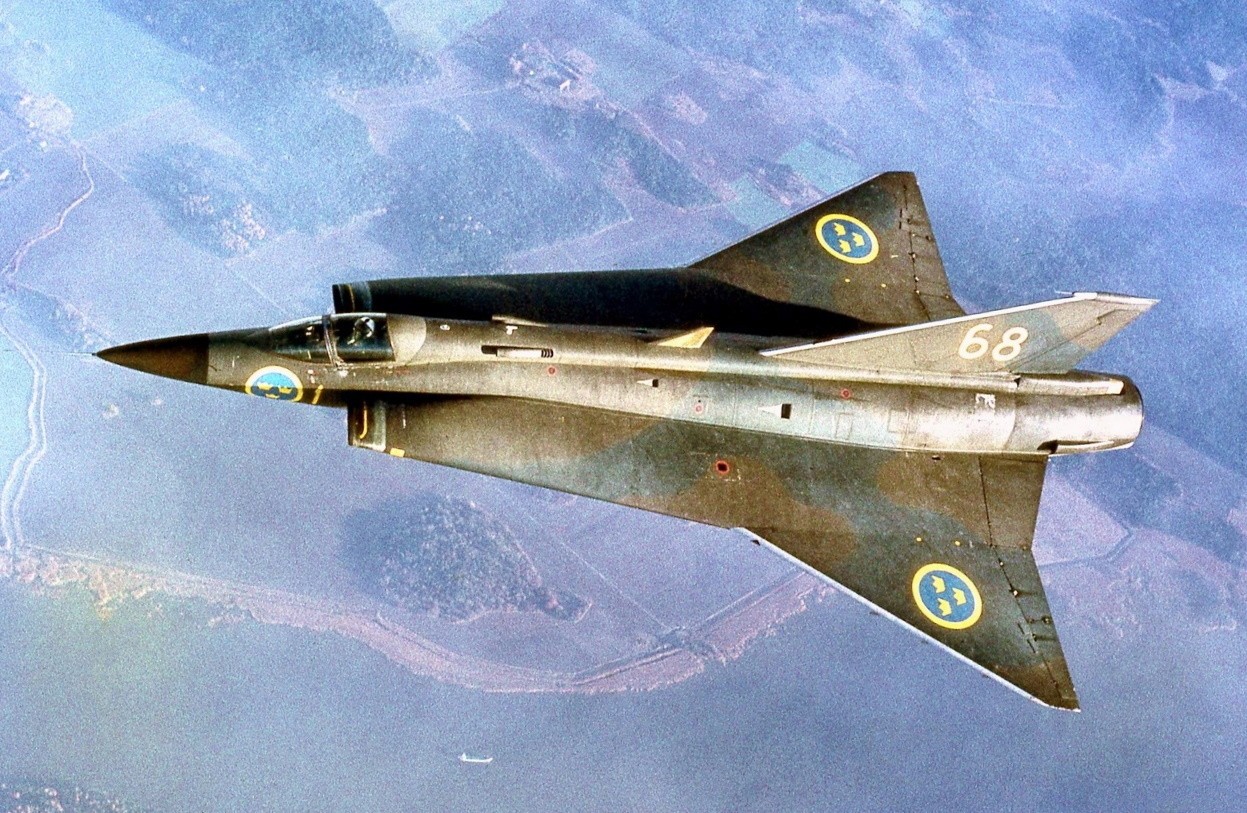
Saab 35 Draken
The aircraft is named 'Saab 35 Draken.' It is a dual delta wing interceptor of Swedish origin made by Saab, with its first flight in 1955, and its status is marked as 'Retired.' A significant point to note when looking at photos and missions is that it features 'a dual delta configuration with different sweep angles on the inside and outside, balancing speed and takeoff characteristics.' The reason for focusing on the Saab 35 Draken in 'Delta Wing Fighters Challenging Speed' is that it exemplifies the theme of 'delta wing characteristics at high and low speeds.' If there are similar variants, it’s crucial to first verify the model name 'Saab 35 Draken' and the organization operating it.
Distinguishing between the first flight and the actual deployment period allows for a better understanding of which flight regime and mission 'Saab 35 Draken's' technical choices were for. The first flight of the 'Saab 35 Draken' in 1955 marks a development milestone but does not indicate immediate mass production or operational deployment. The status of the 'Saab 35 Draken' has been classified separately as 'Retired' to avoid mixing retired, out-of-service, some country-operated, and active statuses. The speed and range of the 'Saab 35 Draken' also vary according to altitude, fuel, and external payload, making it more accurate to focus on the design purpose rather than determining superiority from a single figure.
When comparing with other items, let’s examine the wing structure, number of engines and thrust direction, number of crew, radar position, and operational environment of the 'Saab 35 Draken.' It is also essential to check whether the type 'dual delta wing interceptor' attached to the 'Saab 35 Draken' has the same meaning as it does with other aircraft to reduce misunderstandings arising from the nomenclature. 'Delta Wing Fighters Challenging Speed' serves as a resource for understanding the technological and operational choices left by the 'Saab 35 Draken.' The links for the 'Saab 35 Draken' prioritize manufacturer, military, and public aviation museum materials, and the images are checked for identification information from Wikimedia Commons.
Distinguishing between the first flight and the actual deployment period allows for a better understanding of which flight regime and mission 'Saab 35 Draken's' technical choices were for. The first flight of the 'Saab 35 Draken' in 1955 marks a development milestone but does not indicate immediate mass production or operational deployment. The status of the 'Saab 35 Draken' has been classified separately as 'Retired' to avoid mixing retired, out-of-service, some country-operated, and active statuses. The speed and range of the 'Saab 35 Draken' also vary according to altitude, fuel, and external payload, making it more accurate to focus on the design purpose rather than determining superiority from a single figure.
When comparing with other items, let’s examine the wing structure, number of engines and thrust direction, number of crew, radar position, and operational environment of the 'Saab 35 Draken.' It is also essential to check whether the type 'dual delta wing interceptor' attached to the 'Saab 35 Draken' has the same meaning as it does with other aircraft to reduce misunderstandings arising from the nomenclature. 'Delta Wing Fighters Challenging Speed' serves as a resource for understanding the technological and operational choices left by the 'Saab 35 Draken.' The links for the 'Saab 35 Draken' prioritize manufacturer, military, and public aviation museum materials, and the images are checked for identification information from Wikimedia Commons.
제작사 사브
국가 스웨덴
첫 비행 1955년
주요 역할 이중 델타익 요격기
상태 퇴역
이미지 출처 Wikipedia/Wikimedia Commons · Saab 35 Draken
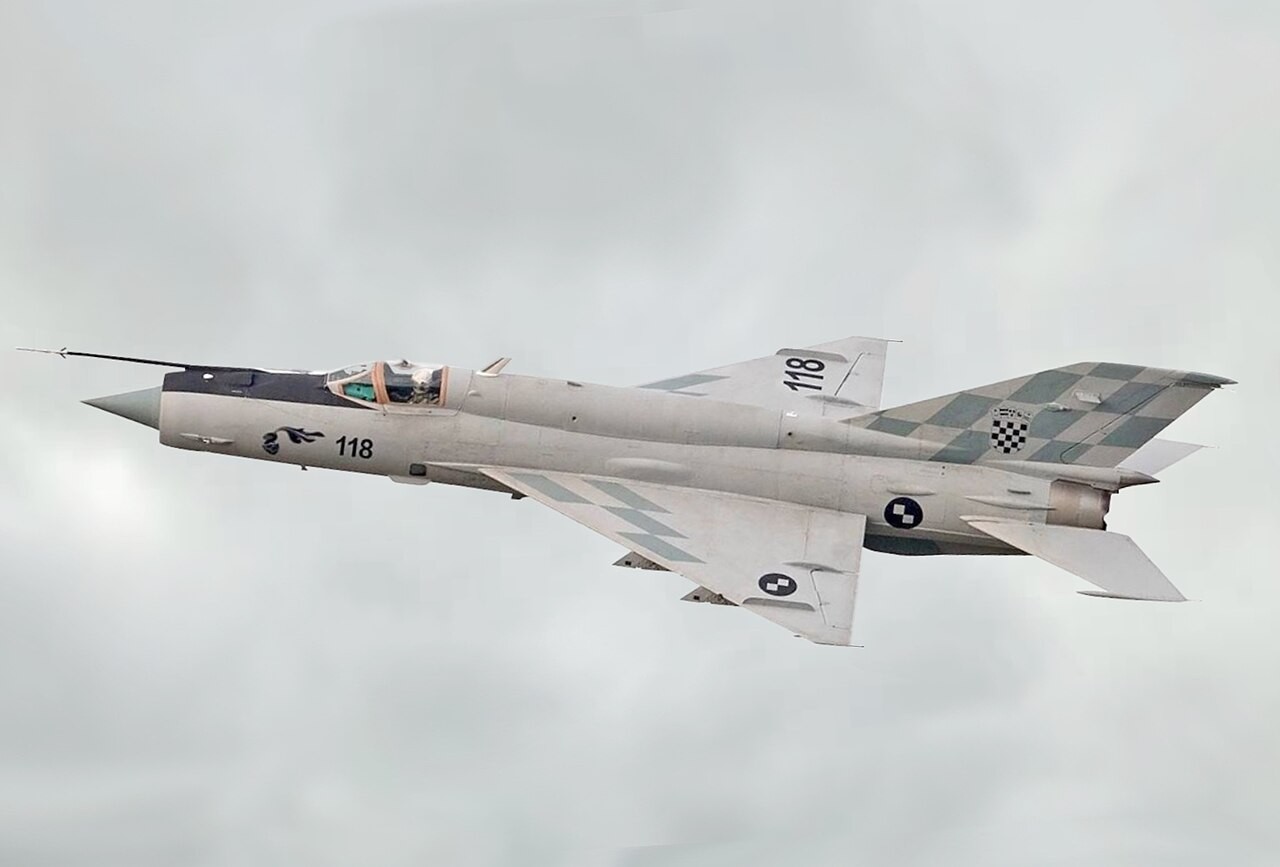
MiG-21
The aircraft is named 'MiG-21.' It is a delta wing supersonic fighter of Soviet origin made by Mikoyan-Gurevich, with its first flight in 1955, and its status is marked as 'Retired - Some Variants Operated.' A distinguishing characteristic compared to contemporary aircraft is the choice of 'a small triangular wing combined with an intake at the nose, completing a sleek high-speed fighter shape.' The reason for focusing on the MiG-21 in 'Delta Wing Fighters Challenging Speed' is that it exemplifies the theme of 'delta wing characteristics at high and low speeds.' If there are similar variants, it’s crucial to first verify the model name 'MiG-21' and the organization operating it.
By contrasting engine placement and aircraft structure, it becomes clearer which flight regime and mission the technical choices of the 'MiG-21' were aimed at. The first flight of the 'MiG-21' in 1955 marks a development milestone but does not indicate immediate mass production or operational deployment. The status of the 'MiG-21' has been classified separately as 'Retired - Some Variants Operated' to avoid mixing retired, out-of-service, some country-operated, and active statuses. The speed and range of the 'MiG-21' also vary according to altitude, fuel, and external payload, making it more accurate to focus on the design purpose rather than determining superiority from a single figure.
When comparing with other items, let’s examine the wing structure, number of engines and thrust direction, number of crew, radar position, and operational environment of the 'MiG-21.' It is also essential to check whether the type 'delta wing supersonic fighter' attached to the 'MiG-21' has the same meaning as it does with other aircraft to reduce misunderstandings arising from the nomenclature. 'Delta Wing Fighters Challenging Speed' serves as a resource for understanding the technological and operational choices left by the 'MiG-21.' The links for the 'MiG-21' prioritize manufacturer, military, and public aviation museum materials, and the images are checked for identification information from Wikimedia Commons.
By contrasting engine placement and aircraft structure, it becomes clearer which flight regime and mission the technical choices of the 'MiG-21' were aimed at. The first flight of the 'MiG-21' in 1955 marks a development milestone but does not indicate immediate mass production or operational deployment. The status of the 'MiG-21' has been classified separately as 'Retired - Some Variants Operated' to avoid mixing retired, out-of-service, some country-operated, and active statuses. The speed and range of the 'MiG-21' also vary according to altitude, fuel, and external payload, making it more accurate to focus on the design purpose rather than determining superiority from a single figure.
When comparing with other items, let’s examine the wing structure, number of engines and thrust direction, number of crew, radar position, and operational environment of the 'MiG-21.' It is also essential to check whether the type 'delta wing supersonic fighter' attached to the 'MiG-21' has the same meaning as it does with other aircraft to reduce misunderstandings arising from the nomenclature. 'Delta Wing Fighters Challenging Speed' serves as a resource for understanding the technological and operational choices left by the 'MiG-21.' The links for the 'MiG-21' prioritize manufacturer, military, and public aviation museum materials, and the images are checked for identification information from Wikimedia Commons.
제작사 미코얀-구레비치
국가 소련
첫 비행 1955년
주요 역할 델타익 초음속 전투기
상태 퇴역·일부 계열 운용
이미지 출처 Wikipedia/Wikimedia Commons · Mikoyan-Gurevich MiG-21
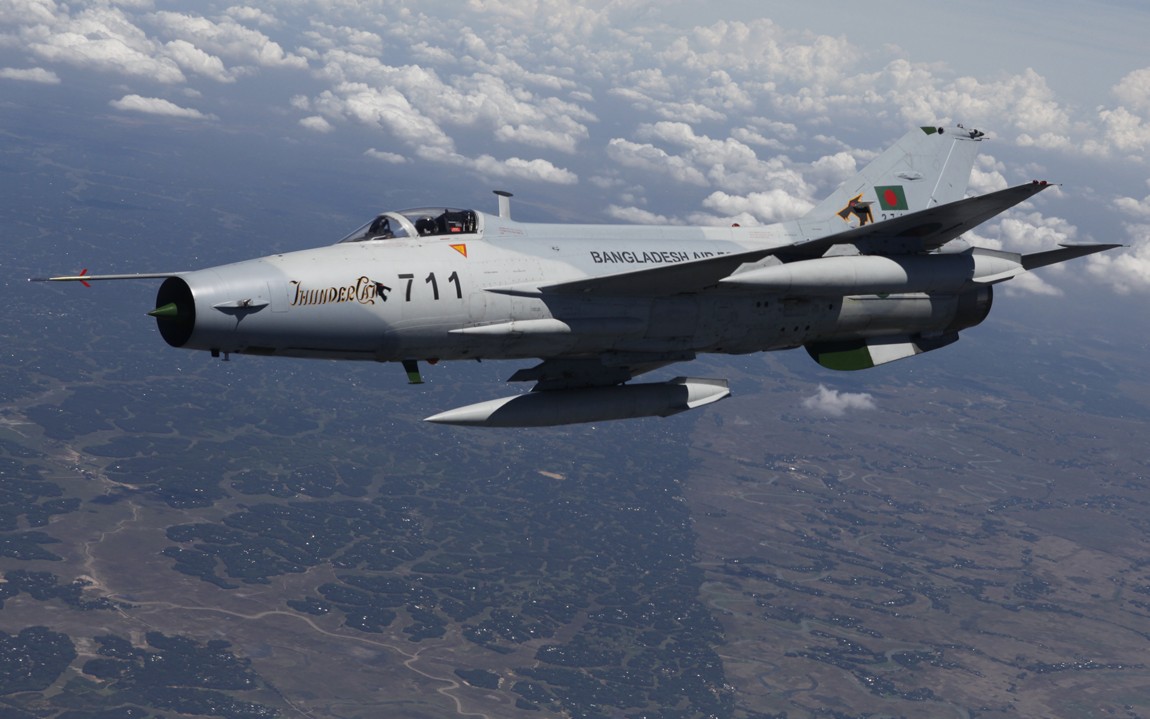
Chengdu J-7
The aircraft is named 'Chengdu J-7.' It is a delta wing lightweight fighter of Chinese origin made by Chengdu Aircraft Industry Group, with its first flight in 1966, and its status is marked as 'Some Variants Operated.' The starting point of the design is characterized by 'the production and improvement of the MiG-21 series in China, diversifying the radar and armament configurations.' The reason for focusing on the Chengdu J-7 in 'Delta Wing Fighters Challenging Speed' is that it exemplifies the theme of 'delta wing characteristics at high and low speeds.' If there are similar variants, it’s crucial to first verify the model name 'Chengdu J-7' and the organization operating it.
Examining the production purposes and operational results together better illuminates which flight regime and mission the technical choices of the 'Chengdu J-7' were for. The first flight of the 'Chengdu J-7' in 1966 marks a development milestone but does not indicate immediate mass production or operational deployment. The status of the 'Chengdu J-7' has been classified separately as 'Some Variants Operated' to avoid mixing retired, out-of-service, some country-operated, and active statuses. The speed and range of the 'Chengdu J-7' also vary according to altitude, fuel, and external payload, making it more accurate to focus on the design purpose rather than determining superiority from a single figure.
When comparing with other items, let’s examine the wing structure, number of engines and thrust direction, number of crew, radar position, and operational environment of the 'Chengdu J-7.' It is also essential to check whether the type 'delta wing lightweight fighter' attached to the 'Chengdu J-7' has the same meaning as it does with other aircraft to reduce misunderstandings arising from the nomenclature. 'Delta Wing Fighters Challenging Speed' serves as a resource for understanding the technological and operational choices left by the 'Chengdu J-7.' The links for the 'Chengdu J-7' prioritize manufacturer, military, and public aviation museum materials, and the images are checked for identification information from Wikimedia Commons.
Examining the production purposes and operational results together better illuminates which flight regime and mission the technical choices of the 'Chengdu J-7' were for. The first flight of the 'Chengdu J-7' in 1966 marks a development milestone but does not indicate immediate mass production or operational deployment. The status of the 'Chengdu J-7' has been classified separately as 'Some Variants Operated' to avoid mixing retired, out-of-service, some country-operated, and active statuses. The speed and range of the 'Chengdu J-7' also vary according to altitude, fuel, and external payload, making it more accurate to focus on the design purpose rather than determining superiority from a single figure.
When comparing with other items, let’s examine the wing structure, number of engines and thrust direction, number of crew, radar position, and operational environment of the 'Chengdu J-7.' It is also essential to check whether the type 'delta wing lightweight fighter' attached to the 'Chengdu J-7' has the same meaning as it does with other aircraft to reduce misunderstandings arising from the nomenclature. 'Delta Wing Fighters Challenging Speed' serves as a resource for understanding the technological and operational choices left by the 'Chengdu J-7.' The links for the 'Chengdu J-7' prioritize manufacturer, military, and public aviation museum materials, and the images are checked for identification information from Wikimedia Commons.
제작사 청두항공공업집단
국가 중국
첫 비행 1966년
주요 역할 델타익 경량 전투기
상태 일부 국가 운용
이미지 출처 Wikipedia/Wikimedia Commons · Chengdu J-7
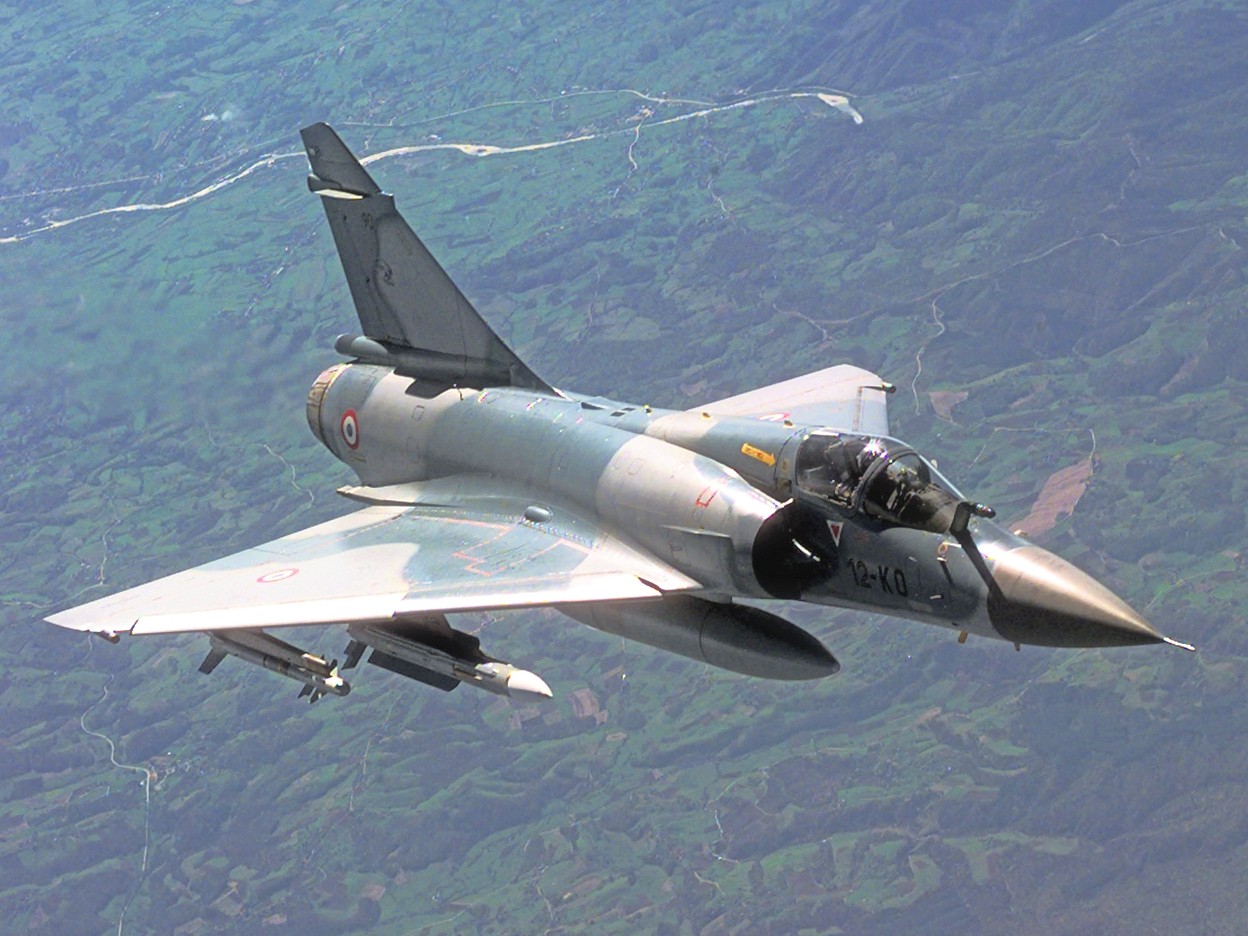
Dassault Mirage 2000
The aircraft is named 'Dassault Mirage 2000.' It is a tailless delta multi-role fighter of French origin made by Dassault Aviation, with its first flight in 1978, and its status is marked as 'Active with Some Variants Operated.' A notable sign for assessing actual deployment is the feature that it 'complements the traditional delta's low-speed control limits with fly-by-wire technology.' The reason for focusing on the Dassault Mirage 2000 in 'Delta Wing Fighters Challenging Speed' is that it exemplifies the theme of 'delta wing characteristics at high and low speeds.' If there are similar variants, it’s crucial to first verify the model name 'Dassault Mirage 2000' and the organization operating it.
Checking differences between prototypes and production variants will clarify which flight regime and mission the technical choices of the 'Dassault Mirage 2000' were aimed at. The first flight of the 'Dassault Mirage 2000' in 1978 marks a development milestone but does not indicate immediate mass production or operational deployment. The status of the 'Dassault Mirage 2000' has been classified separately as 'Active with Some Variants Operated' to avoid mixing retired, out-of-service, some country-operated, and active statuses. The speed and range of the 'Dassault Mirage 2000' also vary according to altitude, fuel, and external payload, making it more accurate to focus on the design purpose rather than determining superiority from a single figure.
When comparing with other items, let’s examine the wing structure, number of engines and thrust direction, number of crew, radar position, and operational environment of the 'Dassault Mirage 2000.' It is also essential to check whether the type 'tailless delta multi-role fighter' attached to the 'Dassault Mirage 2000' has the same meaning as it does with other aircraft to reduce misunderstandings arising from the nomenclature. 'Delta Wing Fighters Challenging Speed' serves as a resource for understanding the technological and operational choices left by the 'Dassault Mirage 2000.' The links for the 'Dassault Mirage 2000' prioritize manufacturer, military, and public aviation museum materials, and the images are checked for identification information from Wikimedia Commons.
Checking differences between prototypes and production variants will clarify which flight regime and mission the technical choices of the 'Dassault Mirage 2000' were aimed at. The first flight of the 'Dassault Mirage 2000' in 1978 marks a development milestone but does not indicate immediate mass production or operational deployment. The status of the 'Dassault Mirage 2000' has been classified separately as 'Active with Some Variants Operated' to avoid mixing retired, out-of-service, some country-operated, and active statuses. The speed and range of the 'Dassault Mirage 2000' also vary according to altitude, fuel, and external payload, making it more accurate to focus on the design purpose rather than determining superiority from a single figure.
When comparing with other items, let’s examine the wing structure, number of engines and thrust direction, number of crew, radar position, and operational environment of the 'Dassault Mirage 2000.' It is also essential to check whether the type 'tailless delta multi-role fighter' attached to the 'Dassault Mirage 2000' has the same meaning as it does with other aircraft to reduce misunderstandings arising from the nomenclature. 'Delta Wing Fighters Challenging Speed' serves as a resource for understanding the technological and operational choices left by the 'Dassault Mirage 2000.' The links for the 'Dassault Mirage 2000' prioritize manufacturer, military, and public aviation museum materials, and the images are checked for identification information from Wikimedia Commons.
제작사 다쏘 아비아시옹
국가 프랑스
첫 비행 1978년
주요 역할 무미익 델타 다목적 전투기
상태 현역 일부 운용
이미지 출처 Wikipedia/Wikimedia Commons · Dassault Mirage 2000
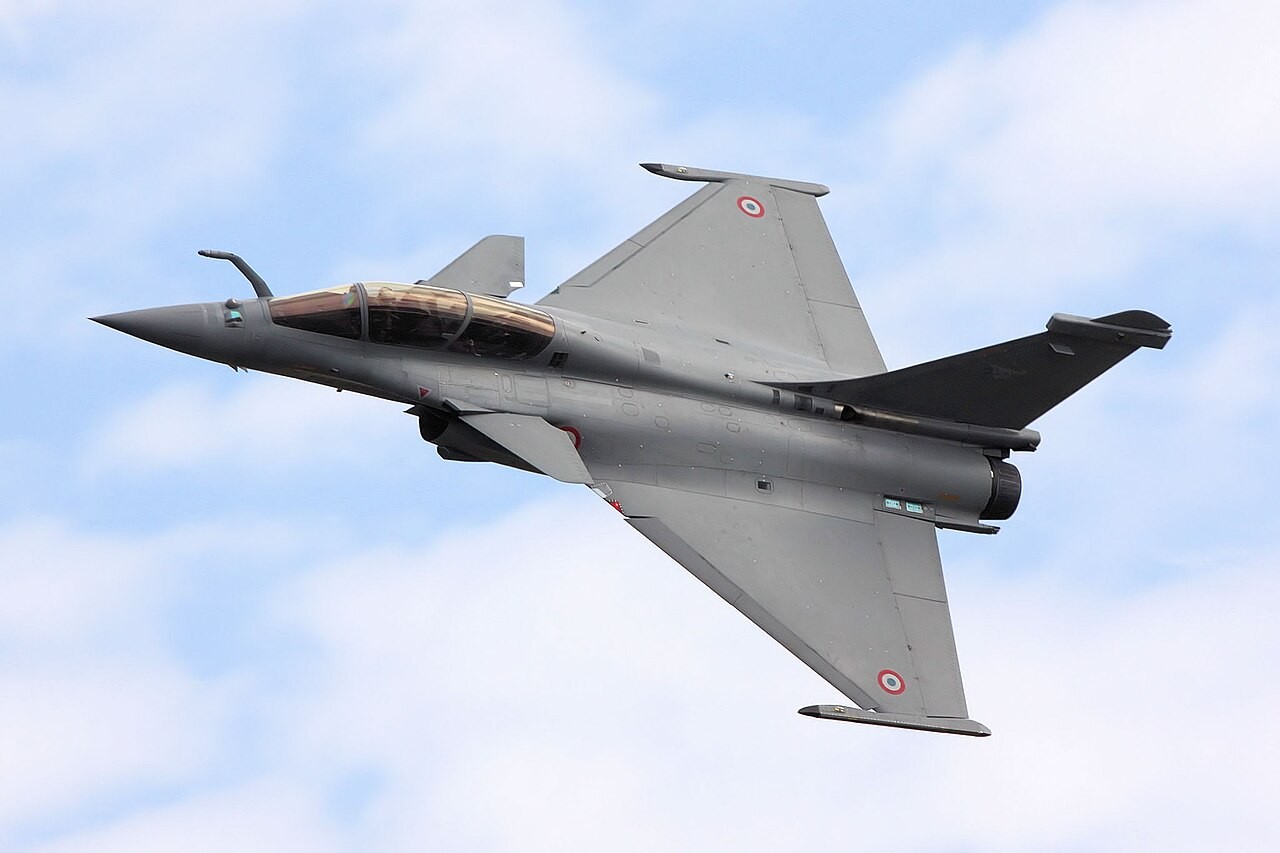
Dassault Rafale
The aircraft is named 'Dassault Rafale.' It is a canard delta multi-role fighter of French origin made by Dassault Aviation, with its first flight in 1986, and its status is marked as 'Active.' The changes left in the technological pedigree are characterized by 'supporting various missions for both naval and land-based versions with closely coupled canards and delta wings.' The reason for focusing on the Dassault Rafale in 'Delta Wing Fighters Challenging Speed' is that it exemplifies the theme of 'delta wing characteristics at high and low speeds.' If there are similar variants, it’s crucial to first verify the model name 'Dassault Rafale' and the organization operating it.
Examining maintenance environments and re-strike conditions provides better insights into which flight regimes and missions the technical choices of the 'Dassault Rafale' were designed for. The first flight of the 'Dassault Rafale' in 1986 marks a development milestone but does not indicate immediate mass production or operational deployment. The status of the 'Dassault Rafale' has been classified separately as 'Active' to avoid mixing retired, out-of-service, some country-operated, and active statuses. The speed and range of the 'Dassault Rafale' also vary according to altitude, fuel, and external payload, making it more accurate to focus on the design purpose rather than determining superiority from a single figure.
When comparing with other items, let’s examine the wing structure, number of engines and thrust direction, number of crew, radar position, and operational environment of the 'Dassault Rafale.' It is also essential to check whether the type 'canard delta multi-role fighter' attached to the 'Dassault Rafale' has the same meaning as it does with other aircraft to reduce misunderstandings arising from the nomenclature. 'Delta Wing Fighters Challenging Speed' serves as a resource for understanding the technological and operational choices left by the 'Dassault Rafale.' The links for the 'Dassault Rafale' prioritize manufacturer, military, and public aviation museum materials, and the images are checked for identification information from Wikimedia Commons.
Examining maintenance environments and re-strike conditions provides better insights into which flight regimes and missions the technical choices of the 'Dassault Rafale' were designed for. The first flight of the 'Dassault Rafale' in 1986 marks a development milestone but does not indicate immediate mass production or operational deployment. The status of the 'Dassault Rafale' has been classified separately as 'Active' to avoid mixing retired, out-of-service, some country-operated, and active statuses. The speed and range of the 'Dassault Rafale' also vary according to altitude, fuel, and external payload, making it more accurate to focus on the design purpose rather than determining superiority from a single figure.
When comparing with other items, let’s examine the wing structure, number of engines and thrust direction, number of crew, radar position, and operational environment of the 'Dassault Rafale.' It is also essential to check whether the type 'canard delta multi-role fighter' attached to the 'Dassault Rafale' has the same meaning as it does with other aircraft to reduce misunderstandings arising from the nomenclature. 'Delta Wing Fighters Challenging Speed' serves as a resource for understanding the technological and operational choices left by the 'Dassault Rafale.' The links for the 'Dassault Rafale' prioritize manufacturer, military, and public aviation museum materials, and the images are checked for identification information from Wikimedia Commons.
제작사 다쏘 아비아시옹
국가 프랑스
첫 비행 1986년
주요 역할 카나드 델타 다목적 전투기
상태 현역
이미지 출처 Wikipedia/Wikimedia Commons · Dassault Rafale
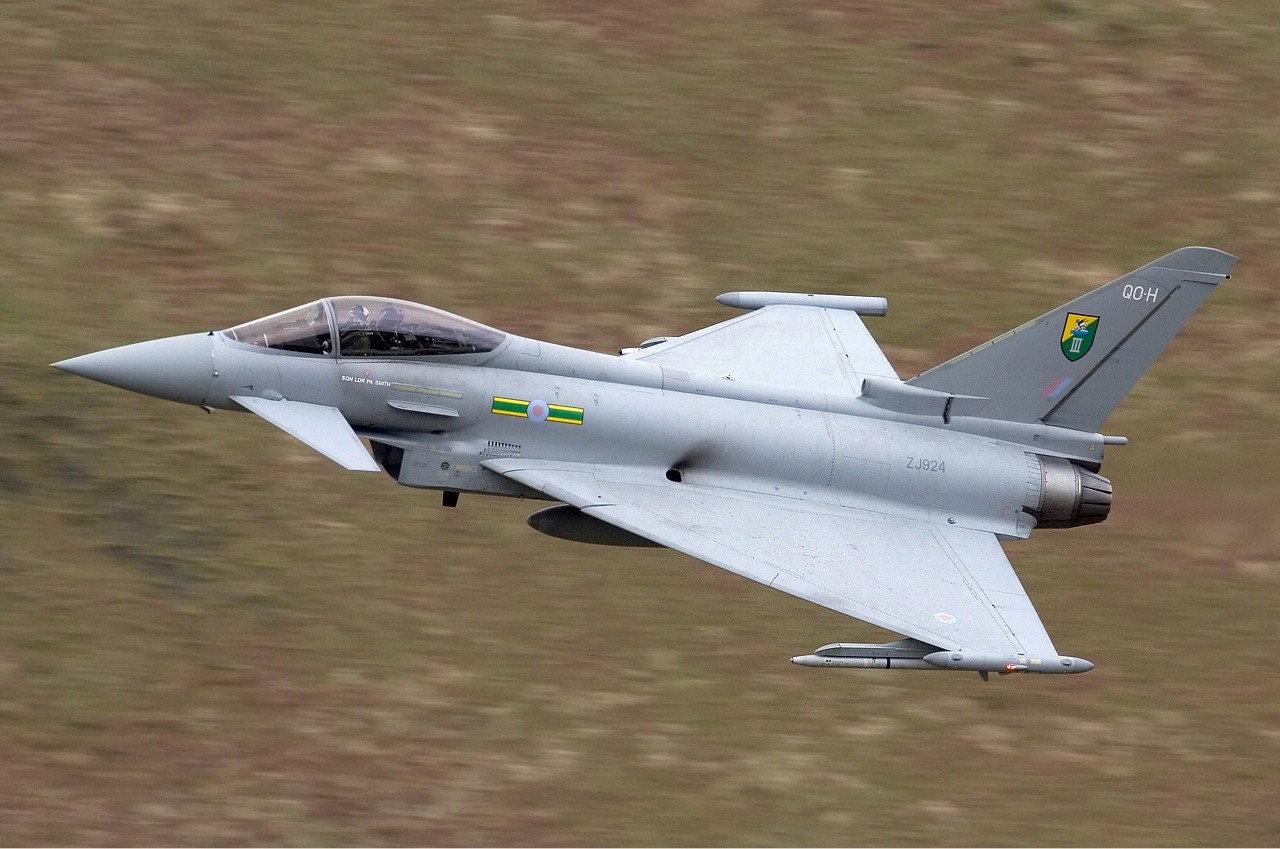
Eurofighter Typhoon
The aircraft is called ‘Eurofighter Typhoon’. It is a canard delta multirole fighter developed by the Eurofighter consortium, comprising four European countries, and its first flight took place in 1994. Its status is classified as ‘in service’. Test results show that it combines ‘the forward canard and large delta wings with digital flight control to achieve high maneuverability’. The reason to pay attention to the Eurofighter Typhoon, noted as ‘a delta wing fighter that challenges speed with a triangular wing’, stems from the fact that the topic of the list is ‘the high-speed and low-speed characteristics of delta wings’ which is well demonstrated in real life. If there are similar variants, one must first check the model name ‘Eurofighter Typhoon’ and the operational entities.
According to the official designation of the materials, it better shows which flight regime and mission the technical choices for the ‘Eurofighter Typhoon’ are aimed at. The Eurofighter Typhoon’s first flight in 1994 was a developmental milestone and does not immediately indicate that it was mass-produced or deployed in actual operations. The status of the ‘Eurofighter Typhoon’ is classified separately as ‘in service’ to avoid mixing with retirement, program termination, operations by certain countries, and active duty. The speed and range of the ‘Eurofighter Typhoon’ also vary depending on altitude, fuel, and external payloads, thus it is more accurate to read it based on the design purpose rather than determining superiority by a single number.
When comparing to other items, let’s sequentially check the wing structure, the number of engines and thrust direction, cockpit crew, radar location, and operational environment of the ‘Eurofighter Typhoon’. The type ‘canard delta multirole fighter’ attached to the Eurofighter Typhoon should also be examined to see if it means the same as for other aircraft, which can help reduce misunderstandings arising from the name. The ‘delta wing fighter that challenges speed with a triangular wing’ is not a ranking to choose a winner, but rather a material to understand the technologies and operational choices left by the ‘Eurofighter Typhoon’. The links for the ‘Eurofighter Typhoon’ primarily prioritized information from the manufacturer, military, and public aviation museum data, while the images have been verified through Wikimedia Commons identification.
According to the official designation of the materials, it better shows which flight regime and mission the technical choices for the ‘Eurofighter Typhoon’ are aimed at. The Eurofighter Typhoon’s first flight in 1994 was a developmental milestone and does not immediately indicate that it was mass-produced or deployed in actual operations. The status of the ‘Eurofighter Typhoon’ is classified separately as ‘in service’ to avoid mixing with retirement, program termination, operations by certain countries, and active duty. The speed and range of the ‘Eurofighter Typhoon’ also vary depending on altitude, fuel, and external payloads, thus it is more accurate to read it based on the design purpose rather than determining superiority by a single number.
When comparing to other items, let’s sequentially check the wing structure, the number of engines and thrust direction, cockpit crew, radar location, and operational environment of the ‘Eurofighter Typhoon’. The type ‘canard delta multirole fighter’ attached to the Eurofighter Typhoon should also be examined to see if it means the same as for other aircraft, which can help reduce misunderstandings arising from the name. The ‘delta wing fighter that challenges speed with a triangular wing’ is not a ranking to choose a winner, but rather a material to understand the technologies and operational choices left by the ‘Eurofighter Typhoon’. The links for the ‘Eurofighter Typhoon’ primarily prioritized information from the manufacturer, military, and public aviation museum data, while the images have been verified through Wikimedia Commons identification.
제작사 유로파이터 컨소시엄
국가 유럽 4개국
첫 비행 1994년
주요 역할 카나드 델타 다목적 전투기
상태 현역
이미지 출처 Wikipedia/Wikimedia Commons · Eurofighter Typhoon
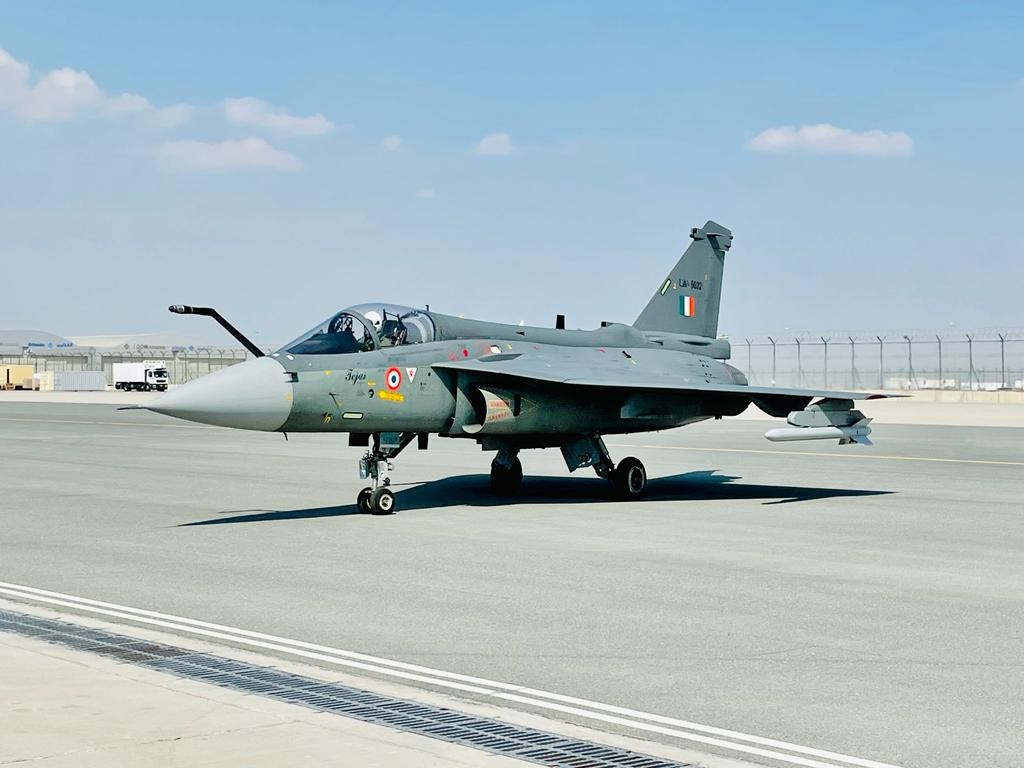
HAL Tejas Mk1
The aircraft is called ‘HAL Tejas Mk1’. It is a delta lightweight fighter without a front wing, developed by Hindustan Aeronautics Limited, and its first flight was in 2001, with the status noted as ‘in service, in production’. The criterion for comparison with subsequent models is characterized by ‘a small delta wing aircraft with a high percentage of composite materials that promotes domestic development and gradual upgrades’. The reason to focus on HAL Tejas Mk1 in the context of ‘delta wing fighters that challenge speed with a triangular wing’ is because it physically demonstrates the topic of the list: ‘the high-speed and low-speed characteristics of delta wings’. If there are similar variants, one must first check the model name ‘HAL Tejas Mk1’ and the operational entities.
When distinguishing between derivatives and the original, it becomes clearer which flight regime and missions the technical choices of ‘HAL Tejas Mk1’ are intended for. The first flight of the ‘HAL Tejas Mk1’ in 2001 was a developmental milestone and does not imply immediate mass production or operational deployment. The status of the ‘HAL Tejas Mk1’ is classified as ‘in service, in production’ to avoid mixing it with retirement, program termination, operations by certain countries, and active duty. The speed and range of the ‘HAL Tejas Mk1’ also vary based on altitude, fuel, and external payloads, so it is more accurate to interpret it based on the design purpose rather than determining superiority with a single number.
When comparing with other entries, let’s verify in sequence the wing structure, the number of engines and thrust direction, cockpit crew, radar position, and operational environment of the ‘HAL Tejas Mk1’. The type ‘delta lightweight fighter without a front wing’ associated with HAL Tejas Mk1 should also be examined to mitigate potential misunderstandings arising from the name. The ‘delta wing fighter that challenges speed with a triangular wing’ is not about ranking winners, but is material to understand the technologies and operational choices made by the ‘HAL Tejas Mk1’. The links for the ‘HAL Tejas Mk1’ prioritized information from the manufacturer, military, and public aviation museum resources, while the images have been confirmed through Wikimedia Commons identification.
When distinguishing between derivatives and the original, it becomes clearer which flight regime and missions the technical choices of ‘HAL Tejas Mk1’ are intended for. The first flight of the ‘HAL Tejas Mk1’ in 2001 was a developmental milestone and does not imply immediate mass production or operational deployment. The status of the ‘HAL Tejas Mk1’ is classified as ‘in service, in production’ to avoid mixing it with retirement, program termination, operations by certain countries, and active duty. The speed and range of the ‘HAL Tejas Mk1’ also vary based on altitude, fuel, and external payloads, so it is more accurate to interpret it based on the design purpose rather than determining superiority with a single number.
When comparing with other entries, let’s verify in sequence the wing structure, the number of engines and thrust direction, cockpit crew, radar position, and operational environment of the ‘HAL Tejas Mk1’. The type ‘delta lightweight fighter without a front wing’ associated with HAL Tejas Mk1 should also be examined to mitigate potential misunderstandings arising from the name. The ‘delta wing fighter that challenges speed with a triangular wing’ is not about ranking winners, but is material to understand the technologies and operational choices made by the ‘HAL Tejas Mk1’. The links for the ‘HAL Tejas Mk1’ prioritized information from the manufacturer, military, and public aviation museum resources, while the images have been confirmed through Wikimedia Commons identification.
제작사 힌두스탄 항공
국가 인도
첫 비행 2001년
주요 역할 무미익 델타 경량 전투기
상태 현역·생산
이미지 출처 Wikipedia/Wikimedia Commons · HAL Tejas
When looking at delta wing fighters side by side, it becomes clear that even the same triangular shape can yield different answers. The Draken features a double delta configuration, the Mirage 2000 incorporates digital flight control systems, and both the Rafale and Typhoon add canards to uniquely achieve different characteristics in low-speed and maneuvering capabilities.
In the images, start by examining the sweep angle of the wings and whether a tailplane is present, as well as the position of the canard. Then, examining the engines, air intakes, and the era of flight control in conjunction will help differentiate aircraft that merely look similar in wing shape. It’s also important not to compare prototype XF-92A with active-duty fighters as if they have the same level of completion. Understanding delta wing fighters challenging speed requires acknowledging the type of aircraft, as well as their development and operational status.
In the images, start by examining the sweep angle of the wings and whether a tailplane is present, as well as the position of the canard. Then, examining the engines, air intakes, and the era of flight control in conjunction will help differentiate aircraft that merely look similar in wing shape. It’s also important not to compare prototype XF-92A with active-duty fighters as if they have the same level of completion. Understanding delta wing fighters challenging speed requires acknowledging the type of aircraft, as well as their development and operational status.
한눈에 보기
10개
Convair XF-92A
컨베어 · 미국 · 1948년 · 델타익 실험기 · 시험 종료·박물관 보존 · Wikipedia/Wikimedia Commons · Convair XF-92
F-102A Delta Dagger
컨베어 · 미국 · 1953년 · 델타익 전천후 요격기 · 퇴역 · Wikipedia/Wikimedia Commons · Convair F-102 Delta Dagger
Dassault Mirage III
다쏘 아비아시옹 · 프랑스 · 1956년 · 델타익 다목적 전투기 · 퇴역·일부 파생형 보존 · Wikipedia/Wikimedia Commons · Dassault Mirage III
Saab 35 Draken
사브 · 스웨덴 · 1955년 · 이중 델타익 요격기 · 퇴역 · Wikipedia/Wikimedia Commons · Saab 35 Draken
MiG-21
미코얀-구레비치 · 소련 · 1955년 · 델타익 초음속 전투기 · 퇴역·일부 계열 운용 · Wikipedia/Wikimedia Commons · Mikoyan-Gurevich MiG-21
Chengdu J-7
청두항공공업집단 · 중국 · 1966년 · 델타익 경량 전투기 · 일부 국가 운용 · Wikipedia/Wikimedia Commons · Chengdu J-7
Dassault Mirage 2000
다쏘 아비아시옹 · 프랑스 · 1978년 · 무미익 델타 다목적 전투기 · 현역 일부 운용 · Wikipedia/Wikimedia Commons · Dassault Mirage 2000
Dassault Rafale
다쏘 아비아시옹 · 프랑스 · 1986년 · 카나드 델타 다목적 전투기 · 현역 · Wikipedia/Wikimedia Commons · Dassault Rafale
Eurofighter Typhoon
유로파이터 컨소시엄 · 유럽 4개국 · 1994년 · 카나드 델타 다목적 전투기 · 현역 · Wikipedia/Wikimedia Commons · Eurofighter Typhoon
HAL Tejas Mk1
힌두스탄 항공 · 인도 · 2001년 · 무미익 델타 경량 전투기 · 현역·생산 · Wikipedia/Wikimedia Commons · HAL Tejas
#Fighter Jet#Military Aircraft#Aircraft#Aviation Technology#Delta Wing High-Speed/Low-Speed Characteristics
이 포스팅은 쿠팡 파트너스 활동의 일환으로, 이에 따른 일정액의 수수료를 제공받습니다.
댓글 0
로그인 후 댓글을 작성할 수 있습니다.
첫 댓글을 남겨보세요.
이런 리스트는 어때요?


이런 리스트도 추천해요


🎲
여기서 멈추기엔 아쉽잖아?
다음에 뭘 볼지 고민하는 시간이 제일 아까워.
주사위가 대신 골라줄게 — 무슨 리스트가 튀어나올지는 굴려봐야 알지.
안 누르면… 평생 궁금하지 않겠어? 👀