Collection
Science
2026.09.10
Variable-Sweep Wing Fighters and Strike Bombers
A solution that balances slow takeoff and high-speed penetration through mechanical structure
Variable-sweep wing refers to a design approach that adjusts the angle of the wings to achieve optimal lift during takeoff while benefiting from favorable drag characteristics during high-speed flight. However, this design required the addition of a rotation axis and drive components, which in turn increased weight, maintenance needs, and internal space costs.
This list looks at not only fighters like F-14 and MiG-23, but also strike mission aircraft such as F-111, Su-24, and Tornado, as well as the unproduced Mirage G8. Instead of lumping everything under the term 'fighter', we distinguish between fighter-bombers, tactical bombers, and prototypes to accurately understand the actual types and states of each aircraft. To fully grasp the characteristics of variable-sweep wing fighters and strike bombers, it is essential to consider their design types and developmental and operational status.
This list looks at not only fighters like F-14 and MiG-23, but also strike mission aircraft such as F-111, Su-24, and Tornado, as well as the unproduced Mirage G8. Instead of lumping everything under the term 'fighter', we distinguish between fighter-bombers, tactical bombers, and prototypes to accurately understand the actual types and states of each aircraft. To fully grasp the characteristics of variable-sweep wing fighters and strike bombers, it is essential to consider their design types and developmental and operational status.
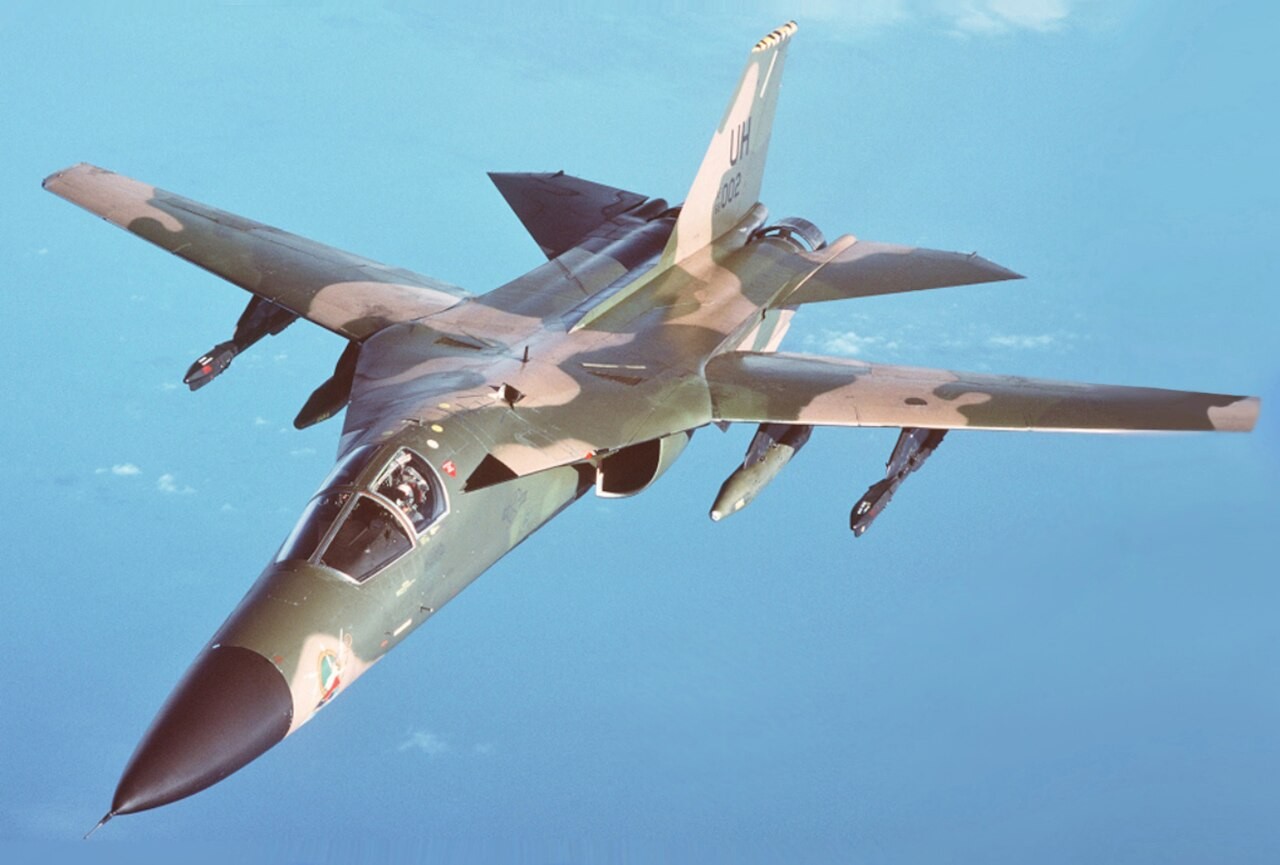
F-111A Aardvark
The aircraft is named 'F-111A Aardvark'. It is an American tactical strike aircraft developed by General Dynamics, with its first flight in 1964, and its status is classified as 'retired'. The first clue to understanding its design is its feature of combining 'automatic terrain tracking with variable wings for low-altitude long-range penetration'. The reason for highlighting the F-111A Aardvark in the context of 'variable-sweep wing fighters and strike bombers' is that it exemplifies the advantages and burdens of variable-sweep wings directly.
By inspecting the wing planform and air intakes, it becomes clearer which flight regimes and missions were targeted by the technological choices of the F-111A Aardvark. Its first flight in 1964 marked a significant development milestone, but it does not directly imply that production and operational deployment followed immediately. The status of the F-111A Aardvark is categorized separately as 'retired', ensuring there's no mixing of retired, terminated projects, operational in some countries, or currently active statuses. The aircraft's speed and range will also vary depending on altitude, fuel, and external payloads, making it more precise to read in terms of design purpose rather than using a single number to indicate superiority.
When comparing it to other entries, let’s examine the wing structure, number and thrust direction of the engines, crew size, radar position, and operational environment of the F-111A Aardvark. The designation of 'tactical strike aircraft' attached to the F-111A Aardvark should also be verified to avoid misconceptions about its meaning relative to other aircraft. This synopsis of 'variable-sweep wing fighters and strike bombers' isn’t about ranking winners, but rather about understanding the technological choices and operational decisions left by the F-111A Aardvark. Links associated with the F-111A Aardvark prioritize manufacturer and military sources, including public aviation museum data, while images are sourced from Wikimedia Commons identifiers.
By inspecting the wing planform and air intakes, it becomes clearer which flight regimes and missions were targeted by the technological choices of the F-111A Aardvark. Its first flight in 1964 marked a significant development milestone, but it does not directly imply that production and operational deployment followed immediately. The status of the F-111A Aardvark is categorized separately as 'retired', ensuring there's no mixing of retired, terminated projects, operational in some countries, or currently active statuses. The aircraft's speed and range will also vary depending on altitude, fuel, and external payloads, making it more precise to read in terms of design purpose rather than using a single number to indicate superiority.
When comparing it to other entries, let’s examine the wing structure, number and thrust direction of the engines, crew size, radar position, and operational environment of the F-111A Aardvark. The designation of 'tactical strike aircraft' attached to the F-111A Aardvark should also be verified to avoid misconceptions about its meaning relative to other aircraft. This synopsis of 'variable-sweep wing fighters and strike bombers' isn’t about ranking winners, but rather about understanding the technological choices and operational decisions left by the F-111A Aardvark. Links associated with the F-111A Aardvark prioritize manufacturer and military sources, including public aviation museum data, while images are sourced from Wikimedia Commons identifiers.
제작사 제너럴 다이내믹스
국가 미국
첫 비행 1964년
주요 역할 전술 타격기
상태 퇴역
이미지 출처 Wikipedia/Wikimedia Commons · General Dynamics F-111 Aardvark
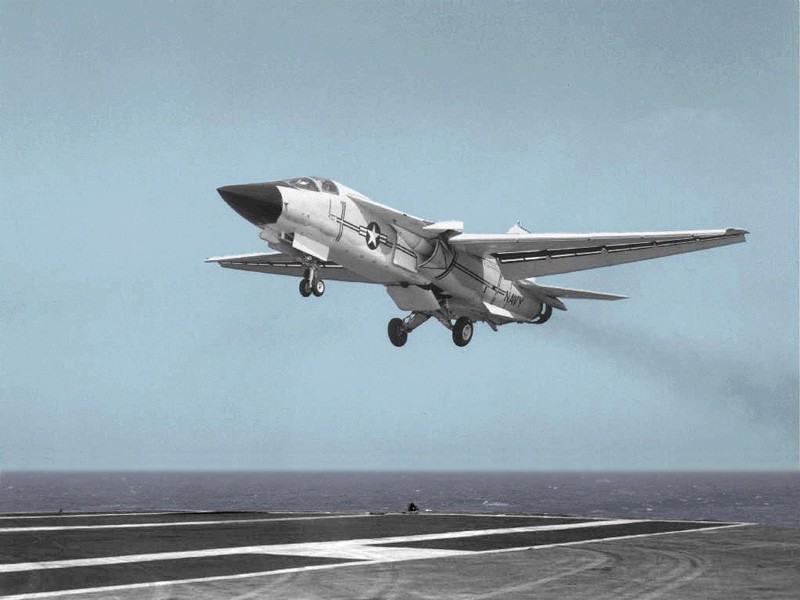
F-111B
The aircraft is named 'F-111B'. It is a prototype of a fleet air defense fighter developed by General Dynamics and Grumman, with its first flight in 1965, and its status is categorized as 'development canceled'. An important observation in its development context is that it was aimed at a carrier-based long-range missile fighter, but was canceled due to weight and naval compatibility concerns. The highlight of the F-111B in the discussion of 'variable-sweep wing fighters and strike bombers' exemplifies the advantages and burdens associated with variable-sweep wings directly.
Examining the crew count and radar placement offers insight into the technological decisions for specific flight regimes and missions associated with the F-111B. Its first flight in 1965 marked a milestone in development but does not indicate immediate production or operational deployment. The F-111B status is also uniquely categorized as 'development canceled', preventing any confusion with retirement, project termination, operational in some countries, or currently active statuses. Its speed and range vary based on altitude, fuel, and external payloads, so it is more accurate to read this in the context of design purpose rather than a single number indicating superiority.
When comparing it to other entries, let’s sequentially check the wing structure, number and thrust direction of the engines, crew size, radar position, and operational environment of the F-111B. The designation of 'fleet air defense fighter prototype' associated with the F-111B should also be closely examined to reduce potential misunderstandings about its classification relative to other aircraft. This overview of 'variable-sweep wing fighters and strike bombers' serves not to rank winners but to understand the technological choices and operational decisions left by the F-111B. Links associated with the F-111B prioritize manufacturer and military sources, including public aviation museum data, while images are sourced from Wikimedia Commons identifiers.
Examining the crew count and radar placement offers insight into the technological decisions for specific flight regimes and missions associated with the F-111B. Its first flight in 1965 marked a milestone in development but does not indicate immediate production or operational deployment. The F-111B status is also uniquely categorized as 'development canceled', preventing any confusion with retirement, project termination, operational in some countries, or currently active statuses. Its speed and range vary based on altitude, fuel, and external payloads, so it is more accurate to read this in the context of design purpose rather than a single number indicating superiority.
When comparing it to other entries, let’s sequentially check the wing structure, number and thrust direction of the engines, crew size, radar position, and operational environment of the F-111B. The designation of 'fleet air defense fighter prototype' associated with the F-111B should also be closely examined to reduce potential misunderstandings about its classification relative to other aircraft. This overview of 'variable-sweep wing fighters and strike bombers' serves not to rank winners but to understand the technological choices and operational decisions left by the F-111B. Links associated with the F-111B prioritize manufacturer and military sources, including public aviation museum data, while images are sourced from Wikimedia Commons identifiers.
제작사 제너럴 다이내믹스·그러먼
국가 미국
첫 비행 1965년
주요 역할 함대방공 전투기 시제기
상태 개발 취소
이미지 출처 Wikipedia/Wikimedia Commons · General Dynamics–Grumman F-111B
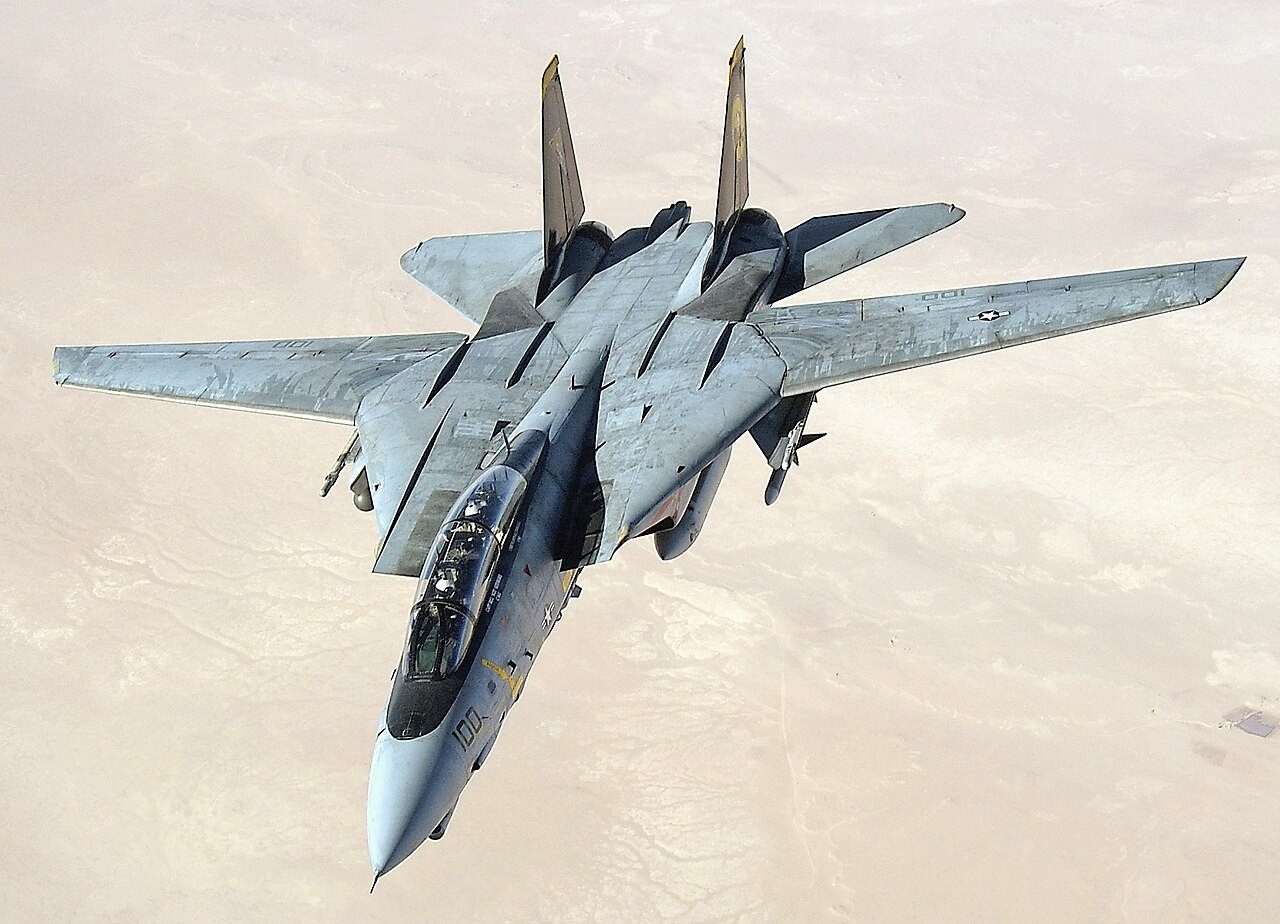
F-14A Tomcat
The aircraft is named 'F-14A Tomcat'. It is a fleet air defense fighter developed by Grumman, with its first flight in 1970, and its status is categorized as 'U.S. Navy retired, operational in Iran'. A key to understanding its operation is the feature that 'computers adjust the variable sweep angle to coexist both carrier landings and high-speed flight'. The focus on the F-14A Tomcat in 'variable-sweep wing fighters and strike bombers' exemplifies the advantages and burdens of variable-sweep wings directly.
By examining its takeoff method and mission radius, we can better understand which flight regimes and missions the F-14A Tomcat was designed for. Its first flight in 1970 was a development milestone, not indicative of immediate production or operational deployment. The F-14A Tomcat is classified as 'U.S. Navy retired, operational in Iran', ensuring clarity and preventing a mix-up with retirement, project termination, operational in some countries, or currently active statuses. Like other entries, the aircraft’s speed and range will vary based on altitude, fuel, and external payloads, so it is more accurate to read its specifications in terms of design purpose rather than a simplistic ranking based on single numbers.
When comparing it to other items, let’s verify the wing structure, number and thrust direction of the engines, crew size, radar position, and operational environment of the F-14A Tomcat. The classification of 'fleet air defense fighter' attached to the F-14A Tomcat should also be scrutinized to clarify potential misunderstandings about its meaning relative to other aircraft. This compilation of 'variable-sweep wing fighters and strike bombers' is not about picking winners but rather understanding the technologies and operational choices left by the F-14A Tomcat. Links associated with the F-14A Tomcat prioritize manufacturer and military sources, including public aviation museum data, while images are sourced from Wikimedia Commons identifiers.
By examining its takeoff method and mission radius, we can better understand which flight regimes and missions the F-14A Tomcat was designed for. Its first flight in 1970 was a development milestone, not indicative of immediate production or operational deployment. The F-14A Tomcat is classified as 'U.S. Navy retired, operational in Iran', ensuring clarity and preventing a mix-up with retirement, project termination, operational in some countries, or currently active statuses. Like other entries, the aircraft’s speed and range will vary based on altitude, fuel, and external payloads, so it is more accurate to read its specifications in terms of design purpose rather than a simplistic ranking based on single numbers.
When comparing it to other items, let’s verify the wing structure, number and thrust direction of the engines, crew size, radar position, and operational environment of the F-14A Tomcat. The classification of 'fleet air defense fighter' attached to the F-14A Tomcat should also be scrutinized to clarify potential misunderstandings about its meaning relative to other aircraft. This compilation of 'variable-sweep wing fighters and strike bombers' is not about picking winners but rather understanding the technologies and operational choices left by the F-14A Tomcat. Links associated with the F-14A Tomcat prioritize manufacturer and military sources, including public aviation museum data, while images are sourced from Wikimedia Commons identifiers.
제작사 그러먼
국가 미국
첫 비행 1970년
주요 역할 함대방공 전투기
상태 미 해군 퇴역·이란 운용
이미지 출처 Wikipedia/Wikimedia Commons · Grumman F-14 Tomcat
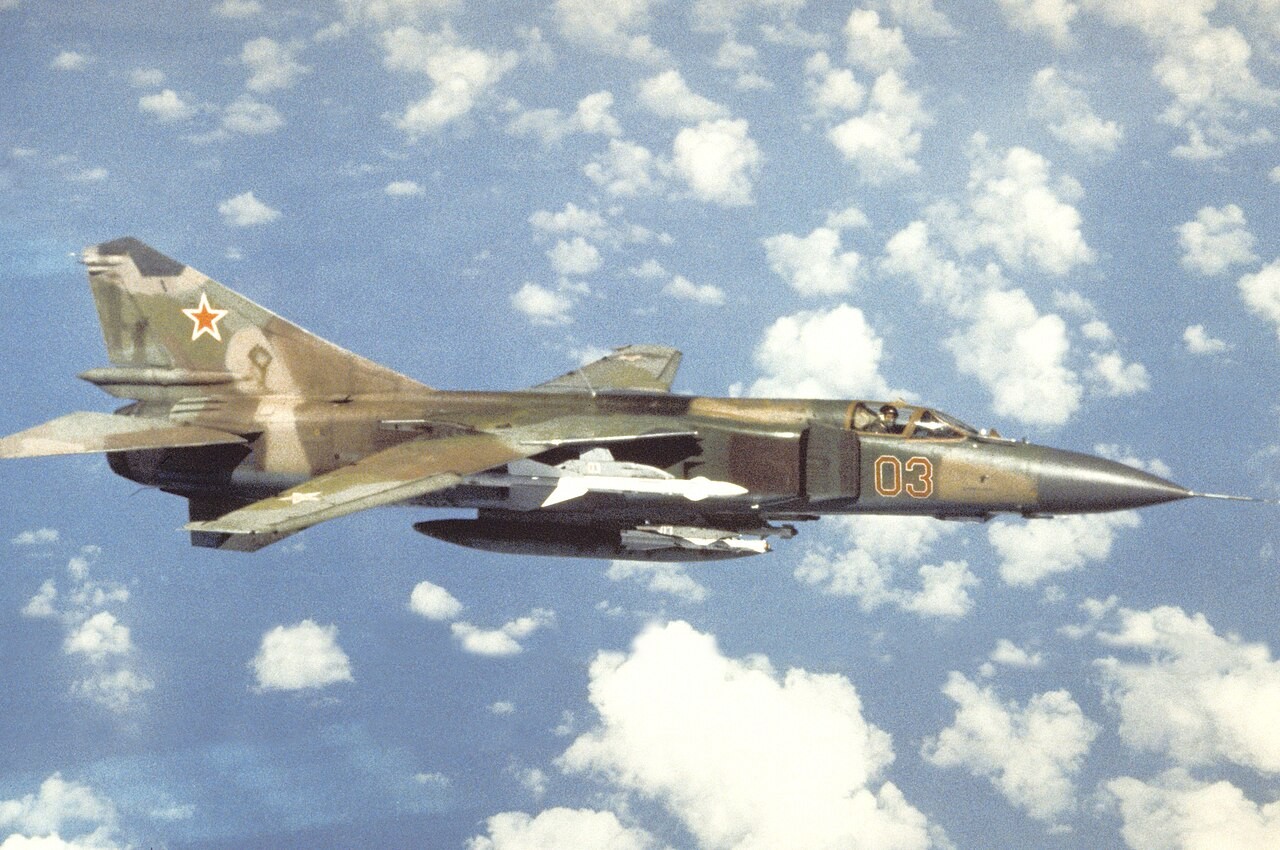
MiG-23ML
The aircraft is named 'MiG-23ML'. It is a variable-sweep fighter developed by Mikoyan-Gurevich of the Soviet Union, with its first flight in 1967, and its status is classified as 'retired, partially operational'. When viewing images and mission descriptions, a key point is that it 'utilizes three different sweep angles for forward base operations and high-speed interceptions'. The emphasis on the MiG-23ML in 'variable-sweep wing fighters and strike bombers' directly illustrates the advantages and burdens associated with variable-sweep wings.
Distinguishing between the first flight and actual fielding helps clarify which flight regimes and missions the MiG-23ML was designed for. Its first flight in 1967 marked a significant milestone in its development but does not imply immediate production or operational deployment. The MiG-23ML status is categorized separately as 'retired, partially operational', preventing any mix-up with retirement, project termination, operational in some countries, or currently active statuses. The aircraft’s speed and range also depend on altitude, fuel, and external payloads, making it more accurate to assess its attributes based on design purpose rather than a simplistic ranking.
When comparing it with other entries, we should sequentially check the wing structure, number and thrust direction of the engines, crew size, radar position, and operational environment of the MiG-23ML. The designation of 'variable-sweep fighter' for the MiG-23ML should also be examined to clarify potential misunderstandings about its meaning relative to other aircraft. This overview of 'variable-sweep wing fighters and strike bombers' is not about declaring winners but focuses on understanding the technological choices and operational decisions made in the case of the MiG-23ML. Links related to the MiG-23ML emphasize manufacturer, military, and public aviation museum sources, while images reference identifiers from Wikimedia Commons.
Distinguishing between the first flight and actual fielding helps clarify which flight regimes and missions the MiG-23ML was designed for. Its first flight in 1967 marked a significant milestone in its development but does not imply immediate production or operational deployment. The MiG-23ML status is categorized separately as 'retired, partially operational', preventing any mix-up with retirement, project termination, operational in some countries, or currently active statuses. The aircraft’s speed and range also depend on altitude, fuel, and external payloads, making it more accurate to assess its attributes based on design purpose rather than a simplistic ranking.
When comparing it with other entries, we should sequentially check the wing structure, number and thrust direction of the engines, crew size, radar position, and operational environment of the MiG-23ML. The designation of 'variable-sweep fighter' for the MiG-23ML should also be examined to clarify potential misunderstandings about its meaning relative to other aircraft. This overview of 'variable-sweep wing fighters and strike bombers' is not about declaring winners but focuses on understanding the technological choices and operational decisions made in the case of the MiG-23ML. Links related to the MiG-23ML emphasize manufacturer, military, and public aviation museum sources, while images reference identifiers from Wikimedia Commons.
제작사 미코얀-구레비치
국가 소련
첫 비행 1967년
주요 역할 가변익 전투기
상태 퇴역·일부 운용
이미지 출처 Wikipedia/Wikimedia Commons · Mikoyan-Gurevich MiG-23
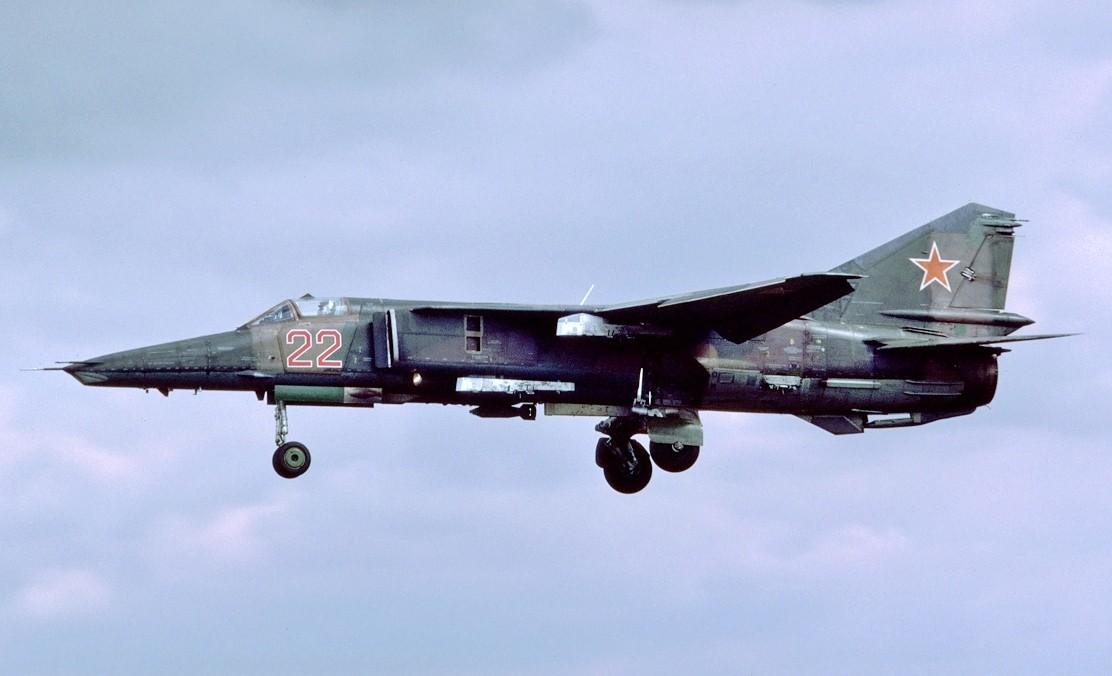
MiG-27K
The aircraft is named 'MiG-27K'. It is a strike fighter developed by Mikoyan of the Soviet Union, with its first flight in 1970, and its status is categorized as 'retired'. The distinguishing feature of its design from contemporaries is that it 'modifies the nose, sensors, and armament of the MiG-23 series for ground attack purposes'. The emphasis on the MiG-27K in 'variable-sweep wing fighters and strike bombers' illustrates the advantages and burdens of variable-sweep wings through its tangible example.
Comparing engine placement and airframe structure will reveal which flight regimes and missions the MiG-27K was designed for. Its first flight in 1970 represented a significant developmental milestone, but does not equate to immediate production or operational deployment. The MiG-27K status is categorized as 'retired' separately to avoid confusion with retirement, project termination, operational in some countries, or currently active statuses. The speed and range of the MiG-27K can also vary with altitude, fuel, and external payloads, so focusing on design purpose rather than a solitary number is more accurate.
When comparing it with other entries, let’s examine the wing structure, number and thrust direction of the engines, crew size, radar position, and operational environment of the MiG-27K successively. The classification of 'strike fighter' attached to the MiG-27K should be scrutinized to prevent potential misunderstandings about its significance relative to other aircraft. This outline of 'variable-sweep wing fighters and strike bombers' is not a winner's ranking but a resource to understand the technology and operational choices left by the MiG-27K. Links associated with the MiG-27K prioritize manufacturer, military, and public aviation museum sources, while images pull identifiable references from Wikimedia Commons.
Comparing engine placement and airframe structure will reveal which flight regimes and missions the MiG-27K was designed for. Its first flight in 1970 represented a significant developmental milestone, but does not equate to immediate production or operational deployment. The MiG-27K status is categorized as 'retired' separately to avoid confusion with retirement, project termination, operational in some countries, or currently active statuses. The speed and range of the MiG-27K can also vary with altitude, fuel, and external payloads, so focusing on design purpose rather than a solitary number is more accurate.
When comparing it with other entries, let’s examine the wing structure, number and thrust direction of the engines, crew size, radar position, and operational environment of the MiG-27K successively. The classification of 'strike fighter' attached to the MiG-27K should be scrutinized to prevent potential misunderstandings about its significance relative to other aircraft. This outline of 'variable-sweep wing fighters and strike bombers' is not a winner's ranking but a resource to understand the technology and operational choices left by the MiG-27K. Links associated with the MiG-27K prioritize manufacturer, military, and public aviation museum sources, while images pull identifiable references from Wikimedia Commons.
제작사 미코얀
국가 소련
첫 비행 1970년
주요 역할 전투폭격기
상태 퇴역
이미지 출처 Wikipedia/Wikimedia Commons · Mikoyan MiG-27
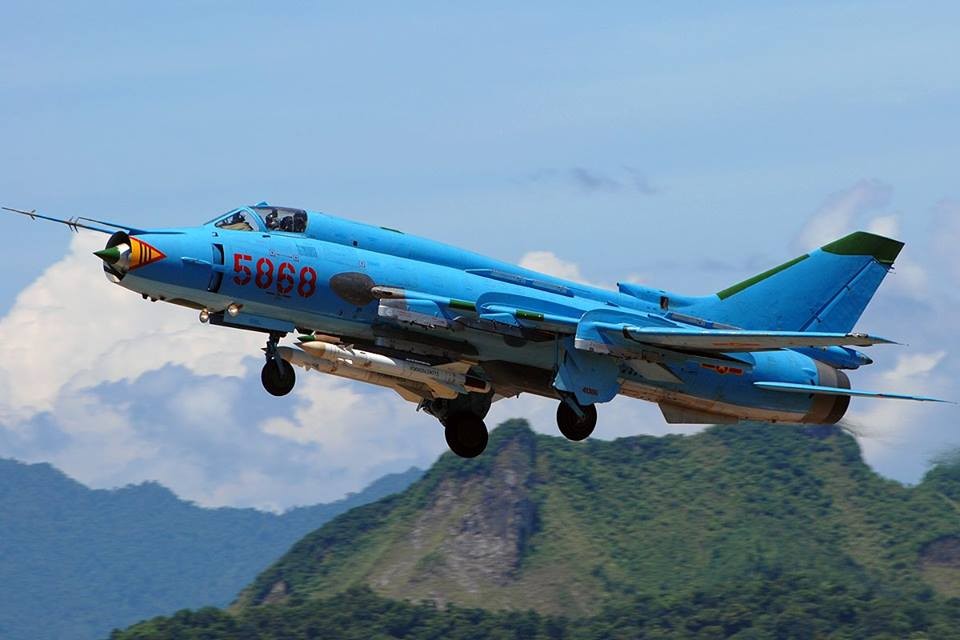
Su-17M4
The aircraft is named 'Su-17M4'. It is a strike fighter developed by Sukhoi from the Soviet Union, with its first flight in 1966, and its status is classified as 'retired, partially operational'. The core design principle focuses on 'simplifying the structure with a fixed inner wing and a movable outer wing'. The inclusion of the Su-17M4 in 'variable-sweep wing fighters and strike bombers' serves to illustrate the advantages and burdens of variable-sweep wings through its tangible example.
Examining the intended usage and operational outcomes reveals which flight regimes and missions the Su-17M4 was specialized for. Its first flight in 1966 was a notable development milestone, though it does not equate to immediate production or operational deployment. The Su-17M4 is classified separately as 'retired, partially operational', ensuring it doesn’t mix with retired, terminated projects, operational in some countries, or currently active statuses. The aircraft’s speed and range also change based on altitude, fuel, and external payloads, making it more accurate to approach its data in the context of design objectives rather than simplistic alphabetical designation.
When lining up comparisons with other entries, we can check the wing structure, number and thrust direction of engines, crew size, radar placement, and operational environment of the Su-17M4 systematically. The classification of 'strike fighter' associated with the Su-17M4 should be verified to clarify potential misunderstandings. This analysis of 'variable-sweep wing fighters and strike bombers' does not rank winners but seeks to uncover the technology and operational decisions left behind by the Su-17M4. Links pertaining to the Su-17M4 emphasize manufacturer, military, and public aviation museum references, with image citations sourced from Wikimedia Commons identifiers.
Examining the intended usage and operational outcomes reveals which flight regimes and missions the Su-17M4 was specialized for. Its first flight in 1966 was a notable development milestone, though it does not equate to immediate production or operational deployment. The Su-17M4 is classified separately as 'retired, partially operational', ensuring it doesn’t mix with retired, terminated projects, operational in some countries, or currently active statuses. The aircraft’s speed and range also change based on altitude, fuel, and external payloads, making it more accurate to approach its data in the context of design objectives rather than simplistic alphabetical designation.
When lining up comparisons with other entries, we can check the wing structure, number and thrust direction of engines, crew size, radar placement, and operational environment of the Su-17M4 systematically. The classification of 'strike fighter' associated with the Su-17M4 should be verified to clarify potential misunderstandings. This analysis of 'variable-sweep wing fighters and strike bombers' does not rank winners but seeks to uncover the technology and operational decisions left behind by the Su-17M4. Links pertaining to the Su-17M4 emphasize manufacturer, military, and public aviation museum references, with image citations sourced from Wikimedia Commons identifiers.
제작사 수호이
국가 소련
첫 비행 1966년
주요 역할 전투폭격기
상태 퇴역·일부 계열 운용
이미지 출처 Wikipedia/Wikimedia Commons · Sukhoi Su-17
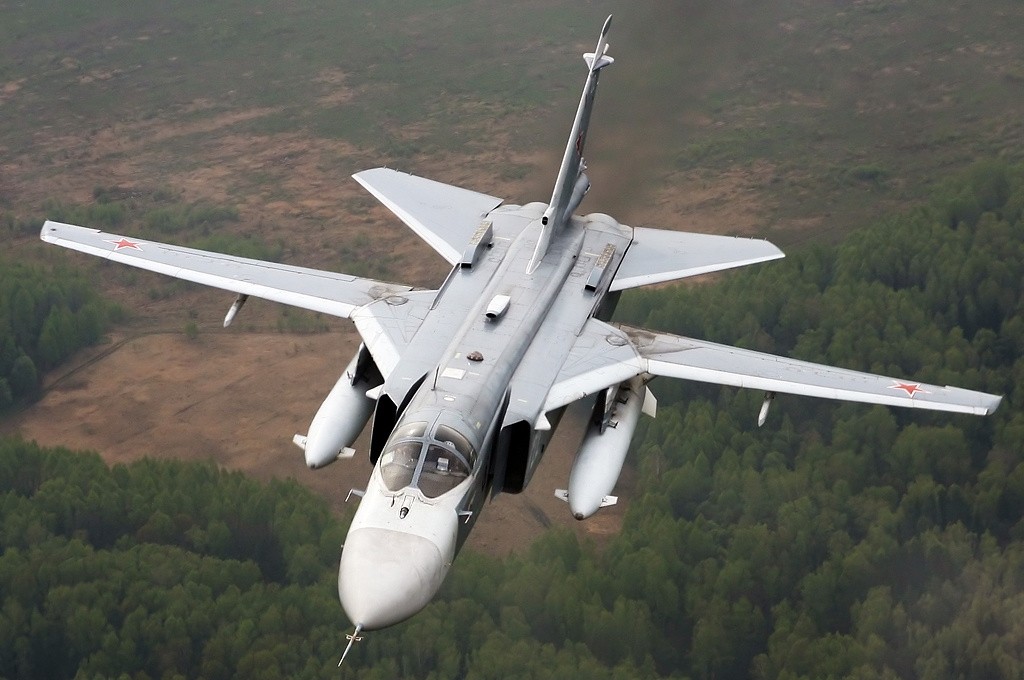
Su-24M
The aircraft is named 'Su-24M'. It is an all-weather tactical bomber developed by Sukhoi from the Soviet Union, with its first flight in 1967, and its status is categorized as 'partially operational'. The signs of actual operational deployment reveal that it 'performs long-range low-altitude strike missions with a tandem seat and variable-sweep wings'. The emphasis on the Su-24M in the context of 'variable-sweep wing fighters and strike bombers' illustrates the advantages and burdens of variable-sweep wings through a real-world example.
Understanding the differences between prototypes and production versions helps clarify which flight regimes and missions the Su-24M was designed for. The first flight of the Su-24M in 1967 marked a significant milestone in development but doesn’t directly imply immediate production or operational deployment. The status of the Su-24M is classified separately as 'partially operational,' ensuring no mix-up with retired, terminated projects, operational in some countries, or currently active statuses. Like other entries, the speed and range of the Su-24M will vary based on altitude, fuel, and external payloads, making design objectives a more accurate lens through which to assess them rather than relying on a straightforward competitive ranking.
When comparing it to other entries, we must successively check the wing structure, number and thrust direction of engines, crew size, radar position, and operational environment of the Su-24M. The designation of 'all-weather tactical bomber' attached to the Su-24M should also be examined to reduce possible misunderstandings. This summary of 'variable-sweep wing fighters and strike bombers' is not about declaring winners but understanding the technology and operational decisions left by the Su-24M. Links associated with the Su-24M prioritize sources from the manufacturer, military, and public aviation museums, along with image identifiers verified through Wikimedia Commons.
Understanding the differences between prototypes and production versions helps clarify which flight regimes and missions the Su-24M was designed for. The first flight of the Su-24M in 1967 marked a significant milestone in development but doesn’t directly imply immediate production or operational deployment. The status of the Su-24M is classified separately as 'partially operational,' ensuring no mix-up with retired, terminated projects, operational in some countries, or currently active statuses. Like other entries, the speed and range of the Su-24M will vary based on altitude, fuel, and external payloads, making design objectives a more accurate lens through which to assess them rather than relying on a straightforward competitive ranking.
When comparing it to other entries, we must successively check the wing structure, number and thrust direction of engines, crew size, radar position, and operational environment of the Su-24M. The designation of 'all-weather tactical bomber' attached to the Su-24M should also be examined to reduce possible misunderstandings. This summary of 'variable-sweep wing fighters and strike bombers' is not about declaring winners but understanding the technology and operational decisions left by the Su-24M. Links associated with the Su-24M prioritize sources from the manufacturer, military, and public aviation museums, along with image identifiers verified through Wikimedia Commons.
제작사 수호이
국가 소련
첫 비행 1967년
주요 역할 전천후 전술폭격기
상태 현역 일부 운용
이미지 출처 Wikipedia/Wikimedia Commons · Sukhoi Su-24
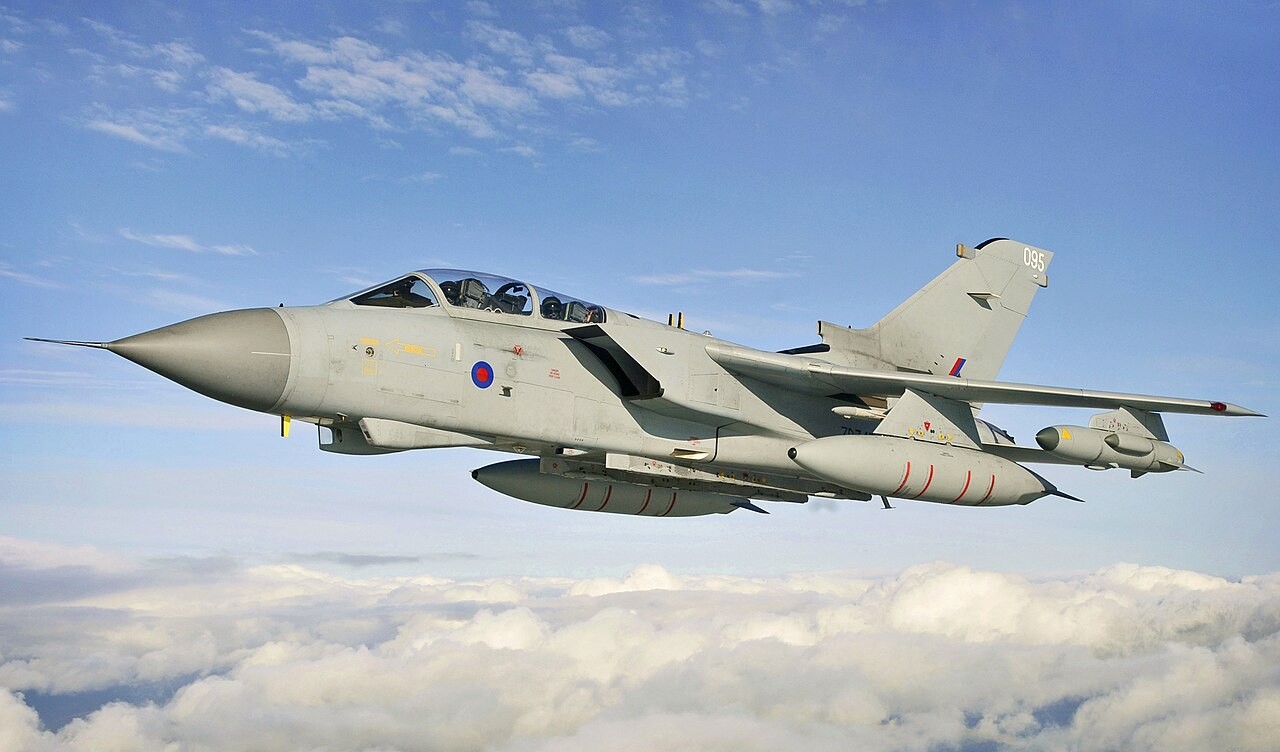
Tornado IDS
The aircraft is named 'Tornado IDS'. It is a strike aircraft developed by Panavia representing the UK, Germany, and Italy, with its first flight in 1974, and its status is classified as 'operational in some countries'. The technological evolution it introduced includes 'the combination of low-altitude high-speed penetration with the ability to operate from short runways through multinational development'. The emphasis on the Tornado IDS in 'variable-sweep wing fighters and strike bombers' serves to exemplify the tangible advantages and burdens associated with variable-sweep wings.
To understand its maintenance environment and redeployment conditions gives more clarity about which flight regimes and missions the Tornado IDS was designed for. The first flight of the Tornado IDS in 1974 marked a developmental milestone but was not an immediate indicator of subsequent production or operational deployment. The status of the Tornado IDS is distinctly categorized as 'operational in some countries', ensuring no confusion with retired, terminated projects, operational in some countries, or currently active statuses. Like other entries, the aircraft’s speed and range will vary based on altitude, fuel, and external payload, making it more precise to understand its attributes in the context of design purpose rather than absolute rankings.
When comparing it to other items, let's carefully examine the wing structure, number and thrust direction of the engines, crew size, radar position, and operational environment of the Tornado IDS. The designation of 'strike aircraft' associated with the Tornado IDS should be scrutinized to lessen any misunderstandings about its context compared to other aircraft. This summation on 'variable-sweep wing fighters and strike bombers' does not seek to rank winners but to understand the technology and operational choices left by the Tornado IDS. Links related to the Tornado IDS emphasize manufacturer, military, and public aviation museum sources, while images reference identifiers from Wikimedia Commons.
To understand its maintenance environment and redeployment conditions gives more clarity about which flight regimes and missions the Tornado IDS was designed for. The first flight of the Tornado IDS in 1974 marked a developmental milestone but was not an immediate indicator of subsequent production or operational deployment. The status of the Tornado IDS is distinctly categorized as 'operational in some countries', ensuring no confusion with retired, terminated projects, operational in some countries, or currently active statuses. Like other entries, the aircraft’s speed and range will vary based on altitude, fuel, and external payload, making it more precise to understand its attributes in the context of design purpose rather than absolute rankings.
When comparing it to other items, let's carefully examine the wing structure, number and thrust direction of the engines, crew size, radar position, and operational environment of the Tornado IDS. The designation of 'strike aircraft' associated with the Tornado IDS should be scrutinized to lessen any misunderstandings about its context compared to other aircraft. This summation on 'variable-sweep wing fighters and strike bombers' does not seek to rank winners but to understand the technology and operational choices left by the Tornado IDS. Links related to the Tornado IDS emphasize manufacturer, military, and public aviation museum sources, while images reference identifiers from Wikimedia Commons.
제작사 파나비아
국가 영국·독일·이탈리아
첫 비행 1974년
주요 역할 차단공격기
상태 일부 국가 운용
이미지 출처 Wikipedia/Wikimedia Commons · Panavia Tornado
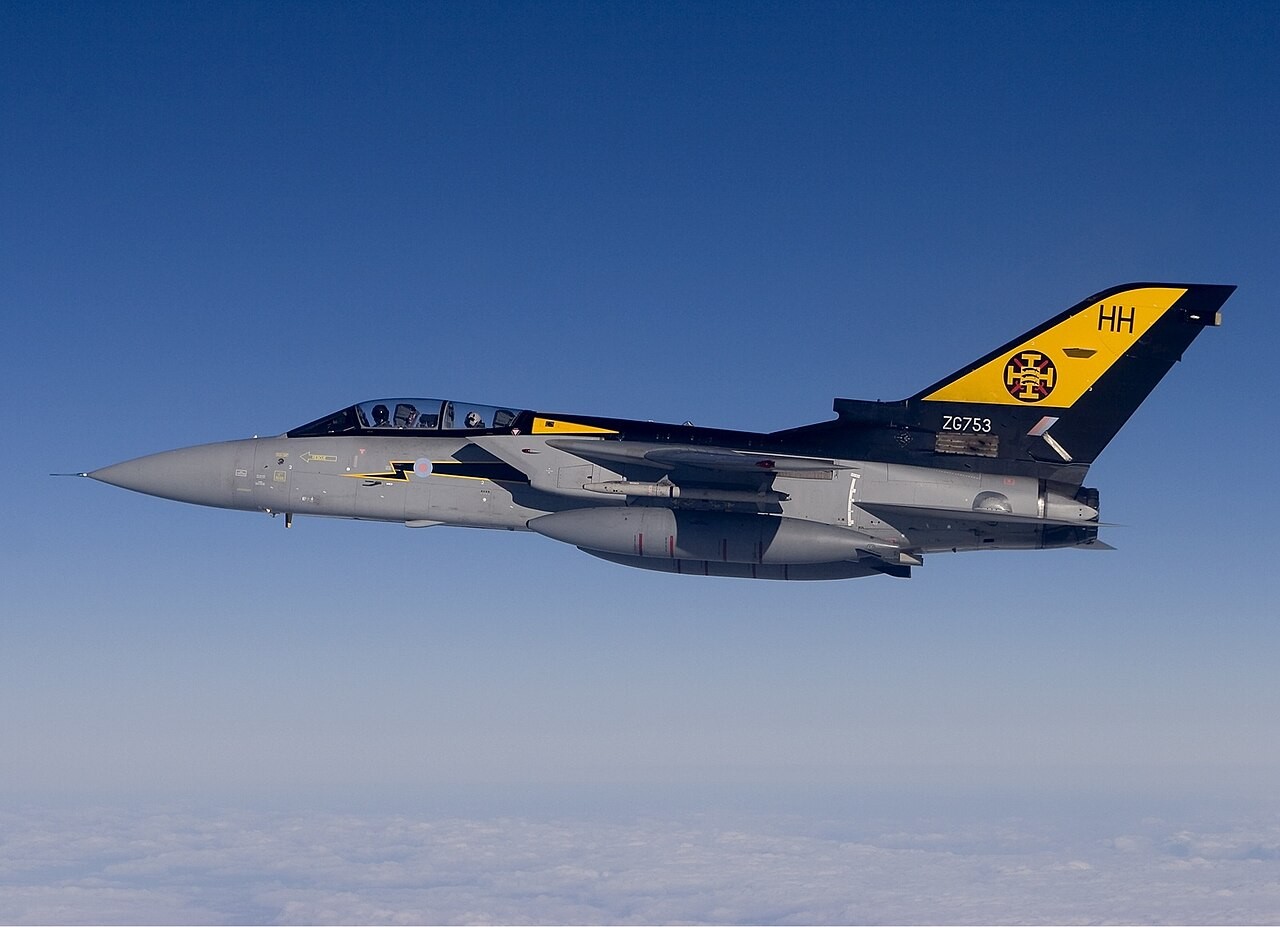
Tornado ADV
The aircraft is named 'Tornado ADV'. It is a long-range air defense fighter developed by Panavia from the UK, Germany, and Italy, with its first flight in 1979, and it is classified as 'retired'. The test results showed that it is characterized as a 'interceptor variant with modifications to the IDS airframe and radar for air defense missions'. The focus on Tornado ADV in 'variable-sweep wing fighters and combat bombers' is due to its real-life demonstration of the topic, 'advantages and burdens of variable-sweep wings'. If there are similar variants, it's essential to first verify the specific model name 'Tornado ADV' and the operating entities.
According to the official documentation's classification, the technical choices of 'Tornado ADV' can better reflect which flight regimes and missions they are designed for. The first flight of 'Tornado ADV' in 1979 is a development milestone but does not immediately imply mass production or operational deployment. 'Tornado ADV' is distinctly classified as 'retired', preventing confusion with mixed categories such as retired, project completion, operation by some countries, and active duty. The speed and range of 'Tornado ADV' also change depending on altitude, fuel, and external payloads, so it’s more accurate to read based on design purposes rather than determining superiority by a single number.
When comparing with other items, let's look at the wing structure, number of engines and thrust direction, number of pilots, radar location, and operating environment of 'Tornado ADV'. It's also important to explore whether the designation 'long-range air defense fighter' attached to 'Tornado ADV' carries the same meaning as for other aircraft, to reduce misunderstandings that may arise from the nomenclature. 'Variable-sweep wing fighters and combat bombers' are materials to understand the technologies and operational choices that 'Tornado ADV' has left behind, rather than a ranking of winners. The links for 'Tornado ADV' primarily prioritize information from the manufacturer, military, and public aviation museum, while images have been confirmed with identification data from Wikimedia Commons.
According to the official documentation's classification, the technical choices of 'Tornado ADV' can better reflect which flight regimes and missions they are designed for. The first flight of 'Tornado ADV' in 1979 is a development milestone but does not immediately imply mass production or operational deployment. 'Tornado ADV' is distinctly classified as 'retired', preventing confusion with mixed categories such as retired, project completion, operation by some countries, and active duty. The speed and range of 'Tornado ADV' also change depending on altitude, fuel, and external payloads, so it’s more accurate to read based on design purposes rather than determining superiority by a single number.
When comparing with other items, let's look at the wing structure, number of engines and thrust direction, number of pilots, radar location, and operating environment of 'Tornado ADV'. It's also important to explore whether the designation 'long-range air defense fighter' attached to 'Tornado ADV' carries the same meaning as for other aircraft, to reduce misunderstandings that may arise from the nomenclature. 'Variable-sweep wing fighters and combat bombers' are materials to understand the technologies and operational choices that 'Tornado ADV' has left behind, rather than a ranking of winners. The links for 'Tornado ADV' primarily prioritize information from the manufacturer, military, and public aviation museum, while images have been confirmed with identification data from Wikimedia Commons.
제작사 파나비아
국가 영국·독일·이탈리아
첫 비행 1979년
주요 역할 장거리 방공 전투기
상태 퇴역
이미지 출처 Wikipedia/Wikimedia Commons · Panavia Tornado ADV
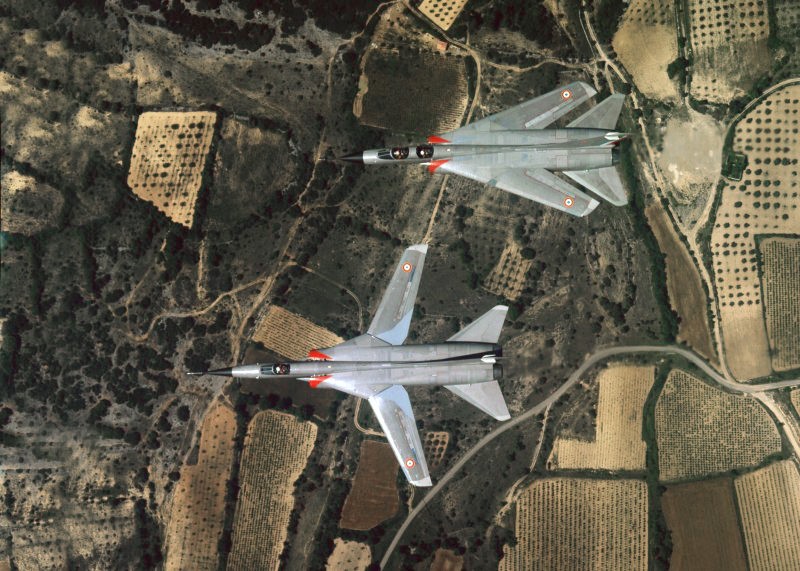
Dassault Mirage G8
The aircraft is named 'Dassault Mirage G8'. It is a prototype twin-seat fighter developed by Dassault Aviation from France, with its first flight in 1971, and it is classified as 'testing complete'. The criterion for comparison with subsequent aircraft is characterized by being 'a prototype that validated the high and low-speed characteristics of variable wings in France but was not mass-produced'. The emphasis on Dassault Mirage G8 in 'variable-sweep wing fighters and combat bombers' illustrates the topic of 'advantages and burdens of variable-sweep wings' in real-life terms. If there are similar variants, it's essential to first verify the specific model name 'Dassault Mirage G8' and the operating entities.
When distinguishing between subsequent variants and the original model, the technical choices of 'Dassault Mirage G8' become clearer in relation to which flight regimes and missions they are intended for. The first flight of 'Dassault Mirage G8' in 1971 marks a development milestone but does not immediately imply mass production or operational deployment. 'Dassault Mirage G8' is distinctly classified as 'testing complete', preventing confusion with mixed categories such as retired, project completion, operation by some countries, and active duty. The speed and range of 'Dassault Mirage G8' also vary depending on altitude, fuel, and external payloads, making it more accurate to read based on design purposes rather than determining superiority by a single number.
When comparing with other items, let's look at the wing structure, number of engines and thrust direction, number of pilots, radar location, and operating environment of 'Dassault Mirage G8'. It's also important to explore whether the designation 'twin-seat fighter prototype' attached to 'Dassault Mirage G8' carries the same meaning as for other aircraft, to reduce misunderstandings that may arise from the nomenclature. 'Variable-sweep wing fighters and combat bombers' are materials to understand the technologies and operational choices that 'Dassault Mirage G8' has left behind, rather than a ranking of winners. The links for 'Dassault Mirage G8' primarily prioritize information from the manufacturer, military, and public aviation museum, while images have been confirmed with identification data from Wikimedia Commons.
When distinguishing between subsequent variants and the original model, the technical choices of 'Dassault Mirage G8' become clearer in relation to which flight regimes and missions they are intended for. The first flight of 'Dassault Mirage G8' in 1971 marks a development milestone but does not immediately imply mass production or operational deployment. 'Dassault Mirage G8' is distinctly classified as 'testing complete', preventing confusion with mixed categories such as retired, project completion, operation by some countries, and active duty. The speed and range of 'Dassault Mirage G8' also vary depending on altitude, fuel, and external payloads, making it more accurate to read based on design purposes rather than determining superiority by a single number.
When comparing with other items, let's look at the wing structure, number of engines and thrust direction, number of pilots, radar location, and operating environment of 'Dassault Mirage G8'. It's also important to explore whether the designation 'twin-seat fighter prototype' attached to 'Dassault Mirage G8' carries the same meaning as for other aircraft, to reduce misunderstandings that may arise from the nomenclature. 'Variable-sweep wing fighters and combat bombers' are materials to understand the technologies and operational choices that 'Dassault Mirage G8' has left behind, rather than a ranking of winners. The links for 'Dassault Mirage G8' primarily prioritize information from the manufacturer, military, and public aviation museum, while images have been confirmed with identification data from Wikimedia Commons.
제작사 다쏘 아비아시옹
국가 프랑스
첫 비행 1971년
주요 역할 복좌 전투기 시제기
상태 시험 종료
이미지 출처 Wikipedia/Wikimedia Commons · Dassault Mirage G
While variable-sweep wings were an attractive device that addressed both low and high-speed needs, they could not escape issues of structural weight and maintenance burdens. The decline in this design's prevalence in modern fighters is tied to the evolution of engine performance and flight control technologies, which may have rendered these costs more prohibitive.
Let’s not stop at the mere fact that the F-14 and Tornado have adjustable wings—it's worth exploring what benefits they derived by changing the wing angles during various flight regimes. By distinguishing between pure fighters, strike fighters, and canceled carrier-based prototypes, it becomes clear that even the same variable-sweep wings were adopted for different mission requirements. To truly understand variable-sweep wing fighters and strike bombers, we must examine their design types and their development and operational states.
Let’s not stop at the mere fact that the F-14 and Tornado have adjustable wings—it's worth exploring what benefits they derived by changing the wing angles during various flight regimes. By distinguishing between pure fighters, strike fighters, and canceled carrier-based prototypes, it becomes clear that even the same variable-sweep wings were adopted for different mission requirements. To truly understand variable-sweep wing fighters and strike bombers, we must examine their design types and their development and operational states.
한눈에 보기
10개
F-111A Aardvark
제너럴 다이내믹스 · 미국 · 1964년 · 전술 타격기 · 퇴역 · Wikipedia/Wikimedia Commons · General Dynamics F-111 Aardvark
F-111B
제너럴 다이내믹스·그러먼 · 미국 · 1965년 · 함대방공 전투기 시제기 · 개발 취소 · Wikipedia/Wikimedia Commons · General Dynamics–Grumman F-111B
F-14A Tomcat
그러먼 · 미국 · 1970년 · 함대방공 전투기 · 미 해군 퇴역·이란 운용 · Wikipedia/Wikimedia Commons · Grumman F-14 Tomcat
MiG-23ML
미코얀-구레비치 · 소련 · 1967년 · 가변익 전투기 · 퇴역·일부 운용 · Wikipedia/Wikimedia Commons · Mikoyan-Gurevich MiG-23
MiG-27K
미코얀 · 소련 · 1970년 · 전투폭격기 · 퇴역 · Wikipedia/Wikimedia Commons · Mikoyan MiG-27
Su-17M4
수호이 · 소련 · 1966년 · 전투폭격기 · 퇴역·일부 계열 운용 · Wikipedia/Wikimedia Commons · Sukhoi Su-17
Su-24M
수호이 · 소련 · 1967년 · 전천후 전술폭격기 · 현역 일부 운용 · Wikipedia/Wikimedia Commons · Sukhoi Su-24
Tornado IDS
파나비아 · 영국·독일·이탈리아 · 1974년 · 차단공격기 · 일부 국가 운용 · Wikipedia/Wikimedia Commons · Panavia Tornado
Tornado ADV
파나비아 · 영국·독일·이탈리아 · 1979년 · 장거리 방공 전투기 · 퇴역 · Wikipedia/Wikimedia Commons · Panavia Tornado ADV
Dassault Mirage G8
다쏘 아비아시옹 · 프랑스 · 1971년 · 복좌 전투기 시제기 · 시험 종료 · Wikipedia/Wikimedia Commons · Dassault Mirage G
#Fighter Jet#Military Aircraft#Aircraft#Aviation Technology#Advantages and Disadvantages of Variable Geometry Wings
이 포스팅은 쿠팡 파트너스 활동의 일환으로, 이에 따른 일정액의 수수료를 제공받습니다.
댓글 0
로그인 후 댓글을 작성할 수 있습니다.
첫 댓글을 남겨보세요.
이런 리스트는 어때요?


이런 리스트도 추천해요




🎲
여기서 멈추기엔 아쉽잖아?
다음에 뭘 볼지 고민하는 시간이 제일 아까워.
주사위가 대신 골라줄게 — 무슨 리스트가 튀어나올지는 굴려봐야 알지.
안 누르면… 평생 궁금하지 않겠어? 👀