Collection
Science
2026.09.10
Interceptor Fighters that Protected the Cold War Skies
Real airframes prioritizing speed, climb rate, and radar to intercept bombers
Interceptor aircraft of the Cold War were designed to rapidly locate and intercept approaching bombers rather than engage enemy fighters in prolonged maneuvers. Thus, the focus was on climb rate, high-altitude speed, integrated ground control, and all-weather radar.
This list gathers ten actual interceptors, from the F-102 and F-106 to Lightning, Draken, MiG-25, and MiG-31. Since not all were developed under the same era or conditions, this will distinguish between their first flights and current operational statuses, as well as explore how each country's geography and air defense networks influenced their design and crew composition. Understanding the interceptor fighters that safeguarded the Cold War skies requires examining both the airframe types and their development and operational statuses.
This list gathers ten actual interceptors, from the F-102 and F-106 to Lightning, Draken, MiG-25, and MiG-31. Since not all were developed under the same era or conditions, this will distinguish between their first flights and current operational statuses, as well as explore how each country's geography and air defense networks influenced their design and crew composition. Understanding the interceptor fighters that safeguarded the Cold War skies requires examining both the airframe types and their development and operational statuses.
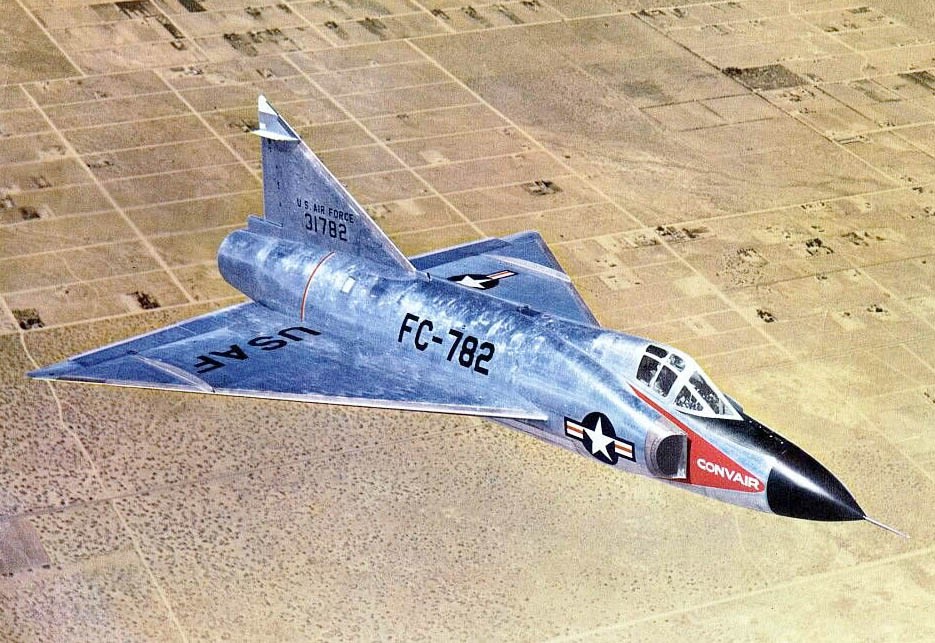
F-102A Delta Dagger
The aircraft name is ‘F-102A Delta Dagger’. This all-weather interceptor was produced by Convair in the United States and had its first flight in 1953, currently categorized as 'retired'. A key characteristic noted in its design is featuring a delta wing reflecting its area ratio and adopting internal missile bays. The reason for highlighting the F-102A Delta Dagger in the ‘Interceptor Fighters that Protected the Cold War Skies’ list is its embodiment of the theme of ‘Cold War interception missions’. If similar variants exist, one should first confirm the model name ‘F-102A Delta Dagger’ and the operational entity.
When examining the wing configuration and inlet design, you can better understand which flight regimes and missions the technical choices of the ‘F-102A Delta Dagger’ were aimed at. Its first flight in 1953 marked a developmental milestone but did not immediately signify mass production or deployment. The ‘F-102A Delta Dagger’ is classified separately as ‘retired’ to avoid mixing it with retired, out-of-service, some countries' operational, and active status. The speed and range of the ‘F-102A Delta Dagger’ also depend on altitude, fuel, and external loads, so it's more accurate to read it in the context of its design purposes rather than assigning a single number for comparison.
When comparing with other models, check the wing structure, number of engines and thrust direction, crew composition, radar placement, and operational environment of the ‘F-102A Delta Dagger’ step by step. The designation of ‘all-weather interceptor’ attached to the ‘F-102A Delta Dagger’ should also be checked for consistency with its meaning in comparison to other aircraft, which can help reduce misunderstandings stemmed from nomenclature. The ‘Interceptor Fighters that Protected the Cold War Skies’ is not meant to rank the winners but serves as a resource to understand the technology and operational choices left by the ‘F-102A Delta Dagger’. Links for the ‘F-102A Delta Dagger’ prioritize manufacturer, military, and public aviation museum data, with images sourced from Wikimedia Commons with identification information.
When examining the wing configuration and inlet design, you can better understand which flight regimes and missions the technical choices of the ‘F-102A Delta Dagger’ were aimed at. Its first flight in 1953 marked a developmental milestone but did not immediately signify mass production or deployment. The ‘F-102A Delta Dagger’ is classified separately as ‘retired’ to avoid mixing it with retired, out-of-service, some countries' operational, and active status. The speed and range of the ‘F-102A Delta Dagger’ also depend on altitude, fuel, and external loads, so it's more accurate to read it in the context of its design purposes rather than assigning a single number for comparison.
When comparing with other models, check the wing structure, number of engines and thrust direction, crew composition, radar placement, and operational environment of the ‘F-102A Delta Dagger’ step by step. The designation of ‘all-weather interceptor’ attached to the ‘F-102A Delta Dagger’ should also be checked for consistency with its meaning in comparison to other aircraft, which can help reduce misunderstandings stemmed from nomenclature. The ‘Interceptor Fighters that Protected the Cold War Skies’ is not meant to rank the winners but serves as a resource to understand the technology and operational choices left by the ‘F-102A Delta Dagger’. Links for the ‘F-102A Delta Dagger’ prioritize manufacturer, military, and public aviation museum data, with images sourced from Wikimedia Commons with identification information.
제작사 컨베어
국가 미국
첫 비행 1953년
주요 역할 전천후 요격기
상태 퇴역
이미지 출처 Wikipedia/Wikimedia Commons · Convair F-102 Delta Dagger
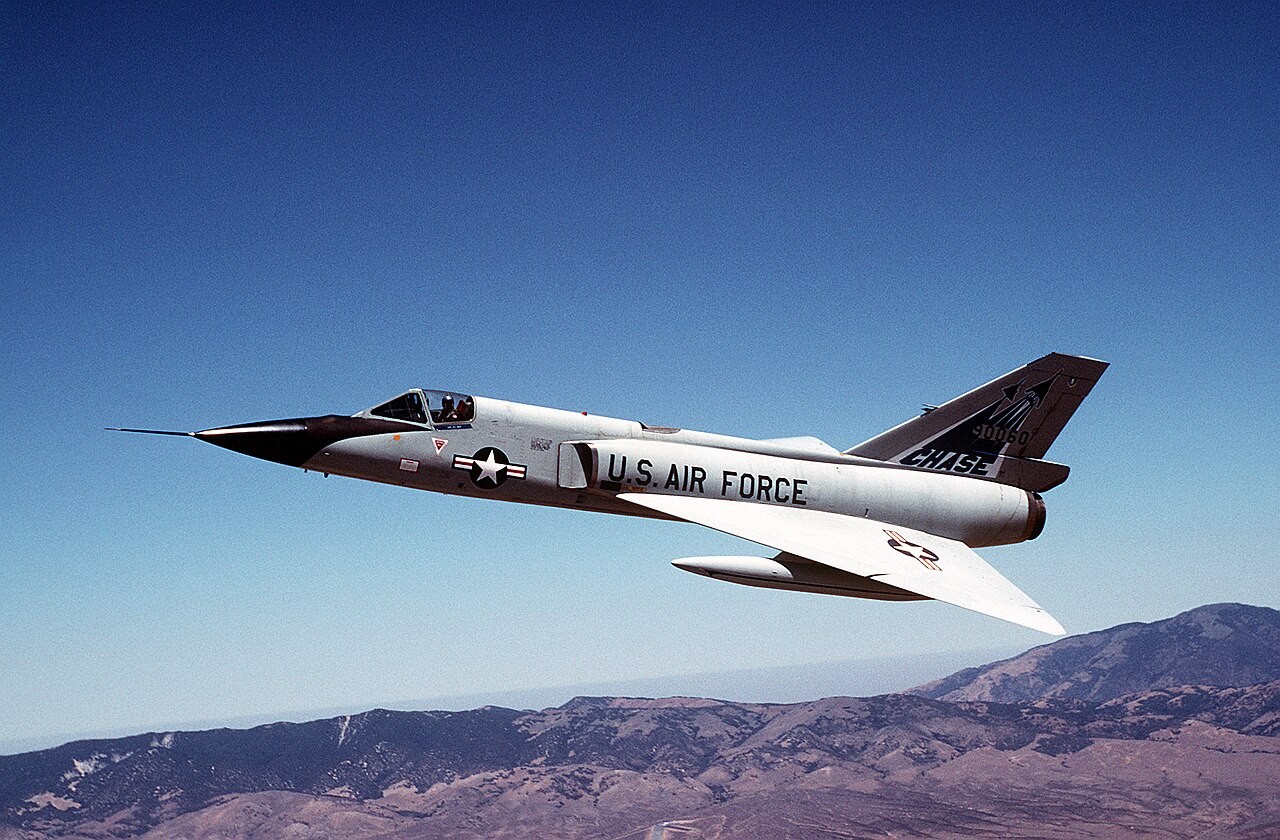
F-106A Delta Dart
The aircraft name is ‘F-106A Delta Dart’. This all-weather interceptor was produced by Convair in the United States and had its first flight in 1956, currently categorized as 'retired'. A notable feature in its developmental background is that it was operated as a core high-speed interception system linked to the SAGE air defense network. The reason for highlighting the F-106A Delta Dart in the ‘Interceptor Fighters that Protected the Cold War Skies’ list is its embodiment of the theme of ‘Cold War interception missions’. If similar variants exist, one should first confirm the model name ‘F-106A Delta Dart’ and the operational entity.
The number of crew members and radar layout provide insight into which flight regimes and missions the technical choices of the ‘F-106A Delta Dart’ were aimed at. Its first flight in 1956 marked a developmental milestone but did not immediately signify mass production or deployment. The ‘F-106A Delta Dart’ is categorized as ‘retired’ separately to avoid mixing it with retired, out-of-service, some countries' operational, and active status. The speed and range of the ‘F-106A Delta Dart’ also depend on altitude, fuel, and external loads, so it's more accurate to read it in the context of its design purposes rather than assigning a single number for comparison.
When comparing with other models, check the wing structure, number of engines and thrust direction, crew composition, radar placement, and operational environment of the ‘F-106A Delta Dart’ step by step. The designation of ‘all-weather interceptor’ attached to the ‘F-106A Delta Dart’ should also be checked for consistency with its meaning in comparison to other aircraft, which can help reduce misunderstandings stemmed from nomenclature. The ‘Interceptor Fighters that Protected the Cold War Skies’ is not meant to rank the winners but serves as a resource to understand the technology and operational choices left by the ‘F-106A Delta Dart’. Links for the ‘F-106A Delta Dart’ prioritize manufacturer, military, and public aviation museum data, with images sourced from Wikimedia Commons with identification information.
The number of crew members and radar layout provide insight into which flight regimes and missions the technical choices of the ‘F-106A Delta Dart’ were aimed at. Its first flight in 1956 marked a developmental milestone but did not immediately signify mass production or deployment. The ‘F-106A Delta Dart’ is categorized as ‘retired’ separately to avoid mixing it with retired, out-of-service, some countries' operational, and active status. The speed and range of the ‘F-106A Delta Dart’ also depend on altitude, fuel, and external loads, so it's more accurate to read it in the context of its design purposes rather than assigning a single number for comparison.
When comparing with other models, check the wing structure, number of engines and thrust direction, crew composition, radar placement, and operational environment of the ‘F-106A Delta Dart’ step by step. The designation of ‘all-weather interceptor’ attached to the ‘F-106A Delta Dart’ should also be checked for consistency with its meaning in comparison to other aircraft, which can help reduce misunderstandings stemmed from nomenclature. The ‘Interceptor Fighters that Protected the Cold War Skies’ is not meant to rank the winners but serves as a resource to understand the technology and operational choices left by the ‘F-106A Delta Dart’. Links for the ‘F-106A Delta Dart’ prioritize manufacturer, military, and public aviation museum data, with images sourced from Wikimedia Commons with identification information.
제작사 컨베어
국가 미국
첫 비행 1956년
주요 역할 전천후 요격기
상태 퇴역
이미지 출처 Wikipedia/Wikimedia Commons · Convair F-106 Delta Dart
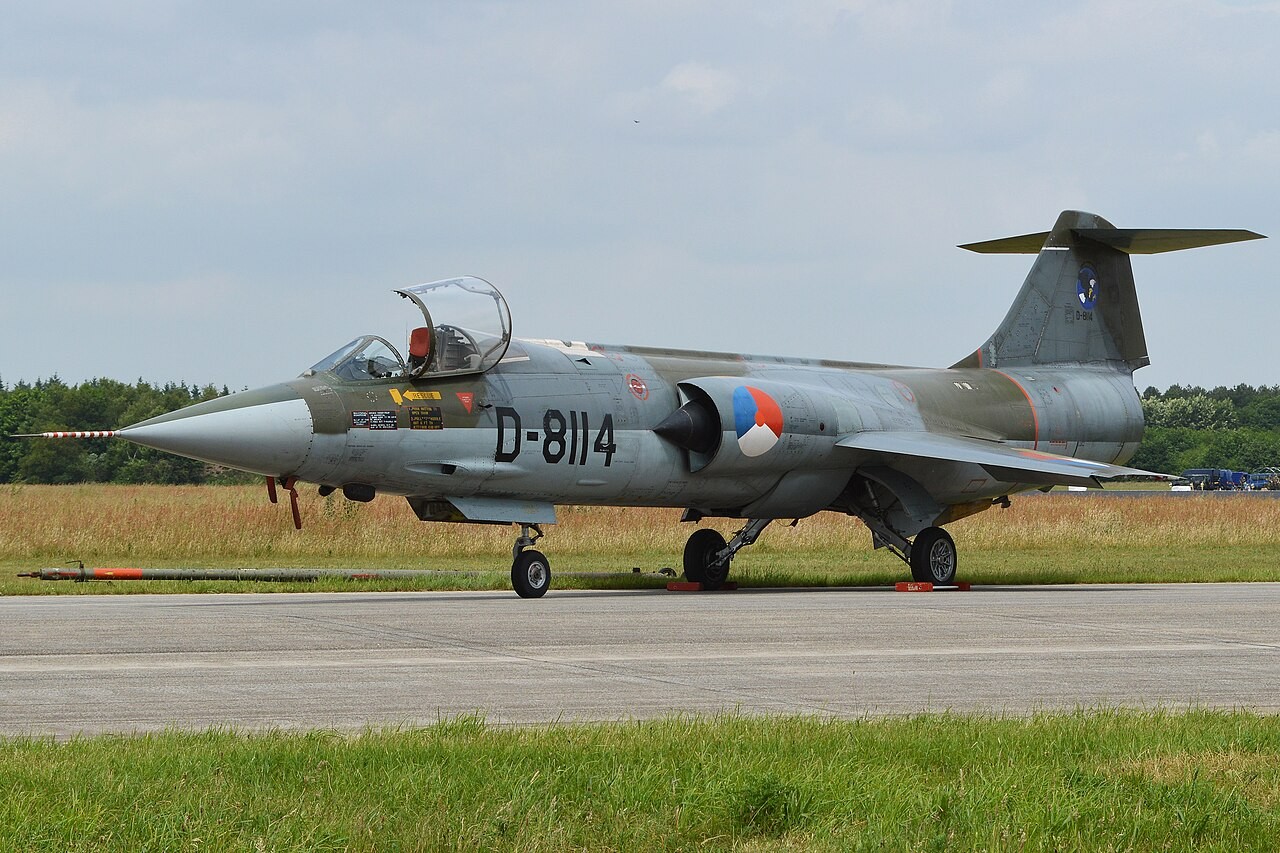
F-104A Starfighter
The aircraft name is ‘F-104A Starfighter’. This day fighter/interceptor was produced by Lockheed in the United States and had its first flight in 1956, currently categorized as 'retired'. The key to understanding the operator is that it featured 'extremely thin straight wings and high thrust for priority on climb and acceleration performance'. The reason for highlighting the F-104A Starfighter in the ‘Interceptor Fighters that Protected the Cold War Skies’ list is its embodiment of the theme of ‘Cold War interception missions’. If similar variants exist, one should first confirm the model name ‘F-104A Starfighter’ and the operational entity.
By distinguishing the takeoff and landing methods and mission radius, the technical choices of the ‘F-104A Starfighter’ become clearer regarding which flight regimes and missions they were intended for. Its first flight in 1956 was a developmental milestone but did not signify immediate mass production or deployment. The ‘F-104A Starfighter’ is classified separately as ‘retired’ to avoid mixing it with retired, out-of-service, some countries' operational, and active status. The speed and range of the ‘F-104A Starfighter’ also depend on altitude, fuel, and external loads, so it's more accurate to read it in the context of its design purposes rather than assigning a single number for comparison.
When comparing with other models, check the wing structure, number of engines and thrust direction, crew composition, radar placement, and operational environment of the ‘F-104A Starfighter’ step by step. The designation of ‘day fighter/interceptor’ attached to the ‘F-104A Starfighter’ should also be checked for consistency with its meaning in comparison to other aircraft, which can help reduce misunderstandings stemmed from nomenclature. The ‘Interceptor Fighters that Protected the Cold War Skies’ is not meant to rank the winners but serves as a resource to understand the technology and operational choices left by the ‘F-104A Starfighter’. Links for the ‘F-104A Starfighter’ prioritize manufacturer, military, and public aviation museum data, with images sourced from Wikimedia Commons with identification information.
By distinguishing the takeoff and landing methods and mission radius, the technical choices of the ‘F-104A Starfighter’ become clearer regarding which flight regimes and missions they were intended for. Its first flight in 1956 was a developmental milestone but did not signify immediate mass production or deployment. The ‘F-104A Starfighter’ is classified separately as ‘retired’ to avoid mixing it with retired, out-of-service, some countries' operational, and active status. The speed and range of the ‘F-104A Starfighter’ also depend on altitude, fuel, and external loads, so it's more accurate to read it in the context of its design purposes rather than assigning a single number for comparison.
When comparing with other models, check the wing structure, number of engines and thrust direction, crew composition, radar placement, and operational environment of the ‘F-104A Starfighter’ step by step. The designation of ‘day fighter/interceptor’ attached to the ‘F-104A Starfighter’ should also be checked for consistency with its meaning in comparison to other aircraft, which can help reduce misunderstandings stemmed from nomenclature. The ‘Interceptor Fighters that Protected the Cold War Skies’ is not meant to rank the winners but serves as a resource to understand the technology and operational choices left by the ‘F-104A Starfighter’. Links for the ‘F-104A Starfighter’ prioritize manufacturer, military, and public aviation museum data, with images sourced from Wikimedia Commons with identification information.
제작사 록히드
국가 미국
첫 비행 1956년
주요 역할 주간 요격기
상태 퇴역
이미지 출처 Wikipedia/Wikimedia Commons · Lockheed F-104 Starfighter
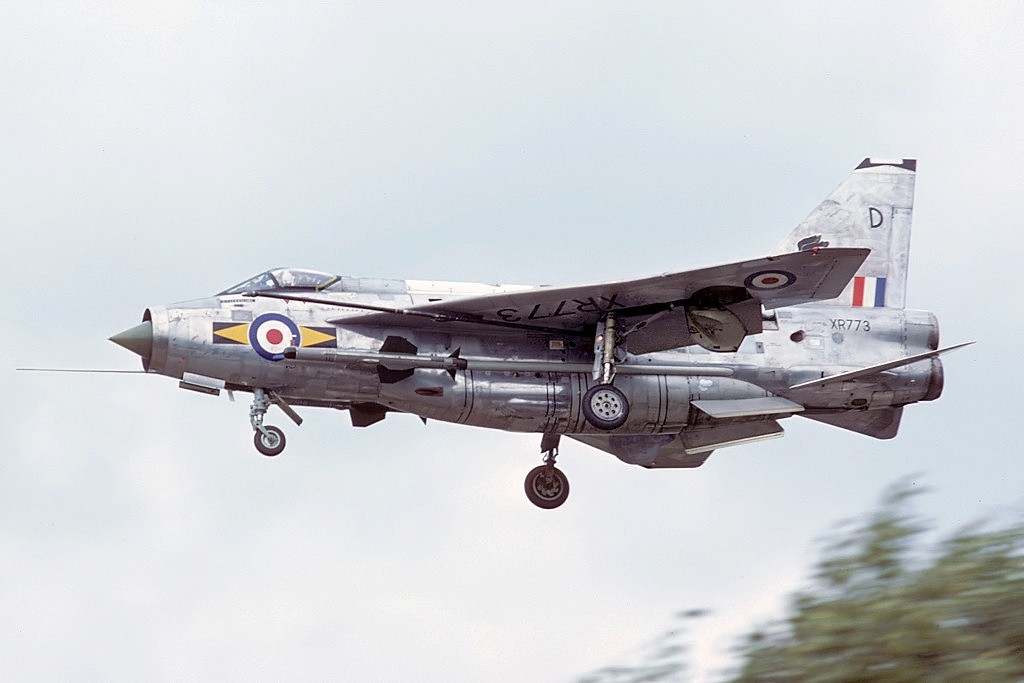
English Electric Lightning
The aircraft name is ‘English Electric Lightning’. This supersonic interceptor was produced by English Electric in the United Kingdom and had its first flight in 1954, currently categorized as 'retired'. A critical point when looking at images and missions together is its characteristic of 'having two engines arranged vertically to achieve a narrow fuselage and rapid climb performance'. The reason for highlighting the English Electric Lightning in the ‘Interceptor Fighters that Protected the Cold War Skies’ list is its embodiment of the theme of ‘Cold War interception missions’. If similar variants exist, one should first confirm the model name ‘English Electric Lightning’ and the operational entity.
Distinguishing between the first flight and actual deployment times helps better understand the technical choices of the ‘English Electric Lightning’ regarding which flight regimes and missions it was aimed at. Its first flight in 1954 marked a developmental milestone but did not immediately signify mass production or deployment. The ‘English Electric Lightning’ is categorized separately as ‘retired’ to avoid mixing it with retired, out-of-service, some countries' operational, and active status. The speed and range of the ‘English Electric Lightning’ also depend on altitude, fuel, and external loads, so it's more accurate to read it in the context of its design purposes rather than assigning a single number for comparison.
When comparing with other models, check the wing structure, number of engines and thrust direction, crew composition, radar placement, and operational environment of the ‘English Electric Lightning’ step by step. The designation of ‘supersonic interceptor’ attached to the ‘English Electric Lightning’ should also be checked for consistency with its meaning in comparison to other aircraft, which can help reduce misunderstandings stemmed from nomenclature. The ‘Interceptor Fighters that Protected the Cold War Skies’ is not meant to rank the winners but serves as a resource to understand the technology and operational choices left by the ‘English Electric Lightning’. Links for the ‘English Electric Lightning’ prioritize manufacturer, military, and public aviation museum data, with images sourced from Wikimedia Commons with identification information.
Distinguishing between the first flight and actual deployment times helps better understand the technical choices of the ‘English Electric Lightning’ regarding which flight regimes and missions it was aimed at. Its first flight in 1954 marked a developmental milestone but did not immediately signify mass production or deployment. The ‘English Electric Lightning’ is categorized separately as ‘retired’ to avoid mixing it with retired, out-of-service, some countries' operational, and active status. The speed and range of the ‘English Electric Lightning’ also depend on altitude, fuel, and external loads, so it's more accurate to read it in the context of its design purposes rather than assigning a single number for comparison.
When comparing with other models, check the wing structure, number of engines and thrust direction, crew composition, radar placement, and operational environment of the ‘English Electric Lightning’ step by step. The designation of ‘supersonic interceptor’ attached to the ‘English Electric Lightning’ should also be checked for consistency with its meaning in comparison to other aircraft, which can help reduce misunderstandings stemmed from nomenclature. The ‘Interceptor Fighters that Protected the Cold War Skies’ is not meant to rank the winners but serves as a resource to understand the technology and operational choices left by the ‘English Electric Lightning’. Links for the ‘English Electric Lightning’ prioritize manufacturer, military, and public aviation museum data, with images sourced from Wikimedia Commons with identification information.
제작사 잉글리시 일렉트릭
국가 영국
첫 비행 1954년
주요 역할 초음속 요격기
상태 퇴역
이미지 출처 Wikipedia/Wikimedia Commons · English Electric Lightning
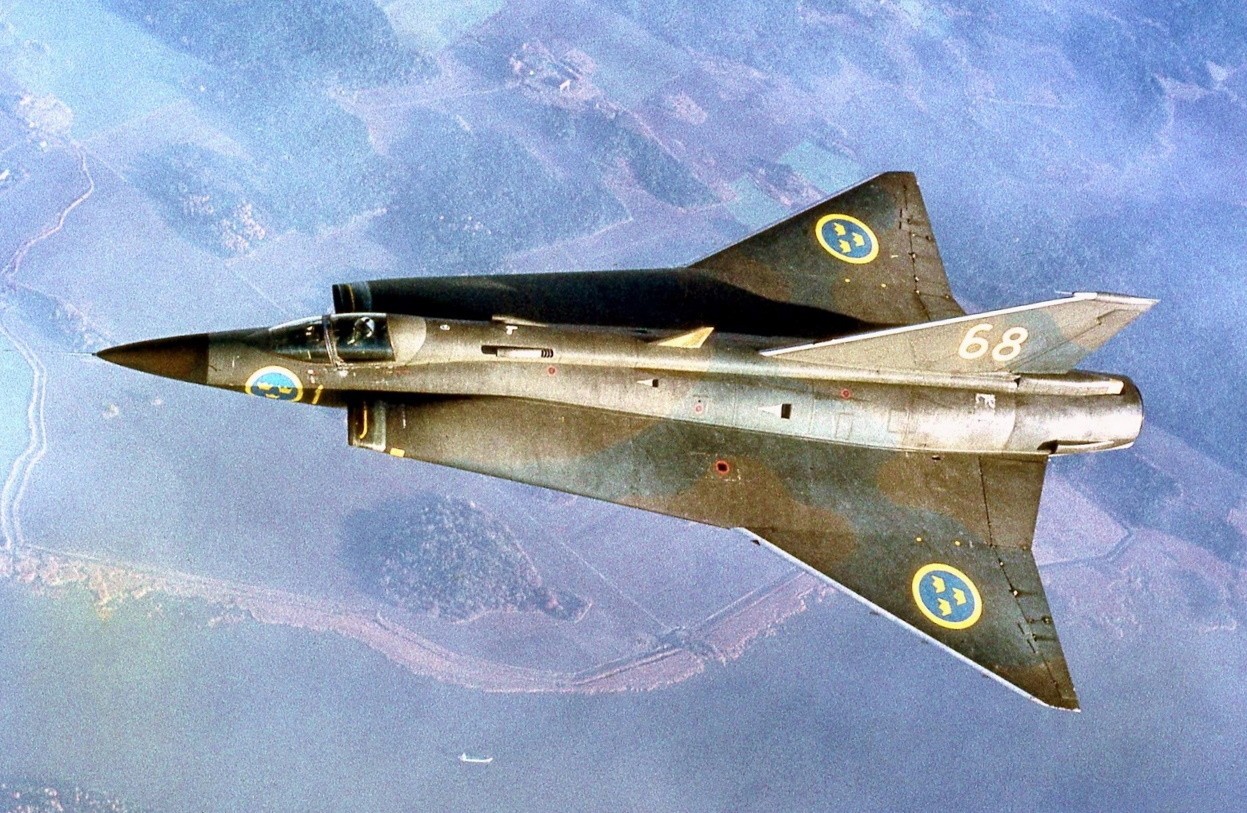
Saab 35 Draken
The aircraft name is ‘Saab 35 Draken’. This interceptor fighter was produced by Saab in Sweden and had its first flight in 1955, currently categorized as 'retired'. A distinguishing feature from contemporary aircraft is its 'double delta wing design and operation from road bases to accommodate the air defense environment in Northern Europe'. The reason for highlighting the Saab 35 Draken in the ‘Interceptor Fighters that Protected the Cold War Skies’ list is its embodiment of the theme of ‘Cold War interception missions’. If similar variants exist, one should first confirm the model name ‘Saab 35 Draken’ and the operational entity.
By contrasting the engine placement and airframe structure, one can discern which flight regimes and missions the technical choices of the ‘Saab 35 Draken’ were designed for. Its first flight in 1955 marked a developmental milestone but did not immediately signify mass production or deployment. The ‘Saab 35 Draken’ is categorized separately as ‘retired’ to avoid mixing it with retired, out-of-service, some countries' operational, and active status. The speed and range of the ‘Saab 35 Draken’ also depend on altitude, fuel, and external loads, so it's more accurate to read it in the context of its design purposes rather than assigning a single number for comparison.
When comparing with other models, check the wing structure, number of engines and thrust direction, crew composition, radar placement, and operational environment of the ‘Saab 35 Draken’ step by step. The designation of ‘interceptor fighter’ attached to the ‘Saab 35 Draken’ should also be checked for consistency with its meaning in comparison to other aircraft, which can help reduce misunderstandings stemmed from nomenclature. The ‘Interceptor Fighters that Protected the Cold War Skies’ is not meant to rank the winners but serves as a resource to understand the technology and operational choices left by the ‘Saab 35 Draken’. Links for the ‘Saab 35 Draken’ prioritize manufacturer, military, and public aviation museum data, with images sourced from Wikimedia Commons with identification information.
By contrasting the engine placement and airframe structure, one can discern which flight regimes and missions the technical choices of the ‘Saab 35 Draken’ were designed for. Its first flight in 1955 marked a developmental milestone but did not immediately signify mass production or deployment. The ‘Saab 35 Draken’ is categorized separately as ‘retired’ to avoid mixing it with retired, out-of-service, some countries' operational, and active status. The speed and range of the ‘Saab 35 Draken’ also depend on altitude, fuel, and external loads, so it's more accurate to read it in the context of its design purposes rather than assigning a single number for comparison.
When comparing with other models, check the wing structure, number of engines and thrust direction, crew composition, radar placement, and operational environment of the ‘Saab 35 Draken’ step by step. The designation of ‘interceptor fighter’ attached to the ‘Saab 35 Draken’ should also be checked for consistency with its meaning in comparison to other aircraft, which can help reduce misunderstandings stemmed from nomenclature. The ‘Interceptor Fighters that Protected the Cold War Skies’ is not meant to rank the winners but serves as a resource to understand the technology and operational choices left by the ‘Saab 35 Draken’. Links for the ‘Saab 35 Draken’ prioritize manufacturer, military, and public aviation museum data, with images sourced from Wikimedia Commons with identification information.
제작사 사브
국가 스웨덴
첫 비행 1955년
주요 역할 요격 전투기
상태 퇴역
이미지 출처 Wikipedia/Wikimedia Commons · Saab 35 Draken
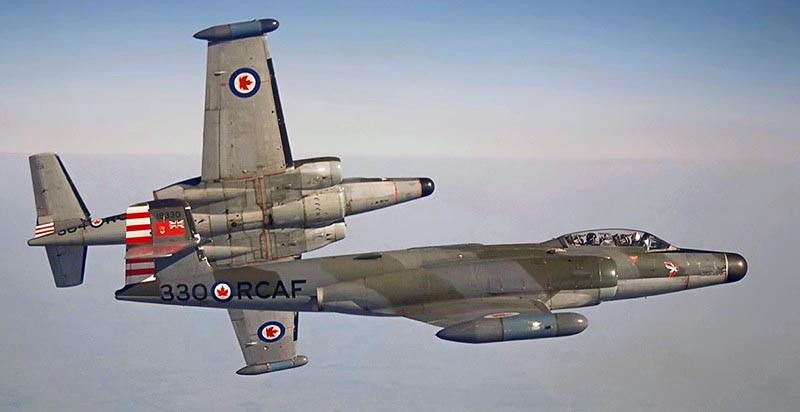
CF-100 Canuck
The aircraft name is ‘CF-100 Canuck’. This tandem two-seat all-weather interceptor was produced by Avro Canada and had its first flight in 1950, currently categorized as 'retired'. The design's starting point was its ‘dual seat and twin-engine configuration to adapt for long-range patrol and adverse weather response’. The reason for highlighting the CF-100 Canuck in the ‘Interceptor Fighters that Protected the Cold War Skies’ list is its embodiment of the theme of ‘Cold War interception missions’. If similar variants exist, one should first confirm the model name ‘CF-100 Canuck’ and the operational entity.
By examining the production purpose and operational results, one can better understand the technical choices of the ‘CF-100 Canuck’ regarding which flight regimes and missions it was aimed at. Its first flight in 1950 marked a developmental milestone but did not immediately signify mass production or deployment. The ‘CF-100 Canuck’ is categorized separately as ‘retired’ to avoid mixing it with retired, out-of-service, some countries' operational, and active status. The speed and range of the ‘CF-100 Canuck’ also depend on altitude, fuel, and external loads, so it's more accurate to read it in the context of its design purposes rather than assigning a single number for comparison.
When comparing with other models, check the wing structure, number of engines and thrust direction, crew composition, radar placement, and operational environment of the ‘CF-100 Canuck’ step by step. The designation of ‘tandem all-weather interceptor’ attached to the ‘CF-100 Canuck’ should also be checked for consistency with its meaning in comparison to other aircraft, which can help reduce misunderstandings stemmed from nomenclature. The ‘Interceptor Fighters that Protected the Cold War Skies’ is not meant to rank the winners but serves as a resource to understand the technology and operational choices left by the ‘CF-100 Canuck’. Links for the ‘CF-100 Canuck’ prioritize manufacturer, military, and public aviation museum data, with images sourced from Wikimedia Commons with identification information.
By examining the production purpose and operational results, one can better understand the technical choices of the ‘CF-100 Canuck’ regarding which flight regimes and missions it was aimed at. Its first flight in 1950 marked a developmental milestone but did not immediately signify mass production or deployment. The ‘CF-100 Canuck’ is categorized separately as ‘retired’ to avoid mixing it with retired, out-of-service, some countries' operational, and active status. The speed and range of the ‘CF-100 Canuck’ also depend on altitude, fuel, and external loads, so it's more accurate to read it in the context of its design purposes rather than assigning a single number for comparison.
When comparing with other models, check the wing structure, number of engines and thrust direction, crew composition, radar placement, and operational environment of the ‘CF-100 Canuck’ step by step. The designation of ‘tandem all-weather interceptor’ attached to the ‘CF-100 Canuck’ should also be checked for consistency with its meaning in comparison to other aircraft, which can help reduce misunderstandings stemmed from nomenclature. The ‘Interceptor Fighters that Protected the Cold War Skies’ is not meant to rank the winners but serves as a resource to understand the technology and operational choices left by the ‘CF-100 Canuck’. Links for the ‘CF-100 Canuck’ prioritize manufacturer, military, and public aviation museum data, with images sourced from Wikimedia Commons with identification information.
제작사 아브로 캐나다
국가 캐나다
첫 비행 1950년
주요 역할 복좌 전천후 요격기
상태 퇴역
이미지 출처 Wikipedia/Wikimedia Commons · Avro Canada CF-100 Canuck
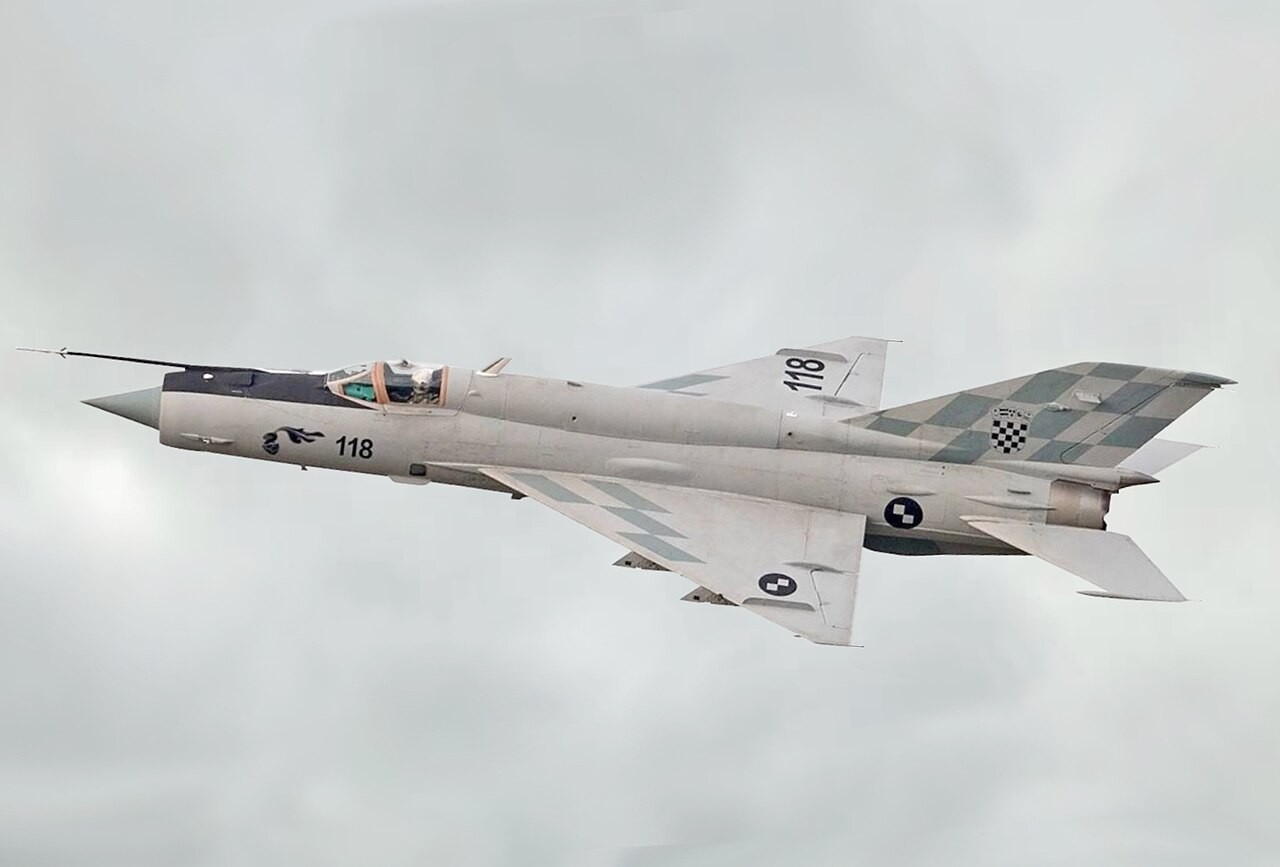
MiG-21
The aircraft name is ‘MiG-21’. This supersonic fighter/interceptor was produced by Mikoyan-Gurevich in the Soviet Union and had its first flight in 1955, currently categorized as 'retired with some variants still operational'. A clue for assessing actual deployment is its characteristic of 'expanding radar and interception capabilities while maintaining the nose air intake across variants'. The reason for highlighting the MiG-21 in the ‘Interceptor Fighters that Protected the Cold War Skies’ list is its embodiment of the theme of ‘Cold War interception missions’. If similar variants exist, one should first confirm the model name ‘MiG-21’ and the operational entity.
Differentiating between the prototype and production variants helps elucidate which flight regimes and missions the technical choices of the ‘MiG-21’ were designed for. Its first flight in 1955 marked a developmental milestone but did not immediately signify mass production or deployment. The ‘MiG-21’ is categorized as 'retired with some variants still operational' separately to avoid mixing it with retired, out-of-service, some countries' operational, and active status. The speed and range of the ‘MiG-21’ also depend on altitude, fuel, and external loads, so it's more accurate to read it in the context of its design purposes rather than assigning a single number for comparison.
When comparing with other models, check the wing structure, number of engines and thrust direction, crew composition, radar placement, and operational environment of the ‘MiG-21’ step by step. The designation of ‘supersonic fighter/interceptor’ attached to the ‘MiG-21’ should also be checked for consistency with its meaning in comparison to other aircraft, which can help reduce misunderstandings stemmed from nomenclature. The ‘Interceptor Fighters that Protected the Cold War Skies’ is not meant to rank the winners but serves as a resource to understand the technology and operational choices left by the ‘MiG-21’. Links for the ‘MiG-21’ prioritize manufacturer, military, and public aviation museum data, with images sourced from Wikimedia Commons with identification information.
Differentiating between the prototype and production variants helps elucidate which flight regimes and missions the technical choices of the ‘MiG-21’ were designed for. Its first flight in 1955 marked a developmental milestone but did not immediately signify mass production or deployment. The ‘MiG-21’ is categorized as 'retired with some variants still operational' separately to avoid mixing it with retired, out-of-service, some countries' operational, and active status. The speed and range of the ‘MiG-21’ also depend on altitude, fuel, and external loads, so it's more accurate to read it in the context of its design purposes rather than assigning a single number for comparison.
When comparing with other models, check the wing structure, number of engines and thrust direction, crew composition, radar placement, and operational environment of the ‘MiG-21’ step by step. The designation of ‘supersonic fighter/interceptor’ attached to the ‘MiG-21’ should also be checked for consistency with its meaning in comparison to other aircraft, which can help reduce misunderstandings stemmed from nomenclature. The ‘Interceptor Fighters that Protected the Cold War Skies’ is not meant to rank the winners but serves as a resource to understand the technology and operational choices left by the ‘MiG-21’. Links for the ‘MiG-21’ prioritize manufacturer, military, and public aviation museum data, with images sourced from Wikimedia Commons with identification information.
제작사 미코얀-구레비치
국가 소련
첫 비행 1955년
주요 역할 초음속 전투기·요격기
상태 퇴역·일부 계열 운용
이미지 출처 Wikipedia/Wikimedia Commons · Mikoyan-Gurevich MiG-21
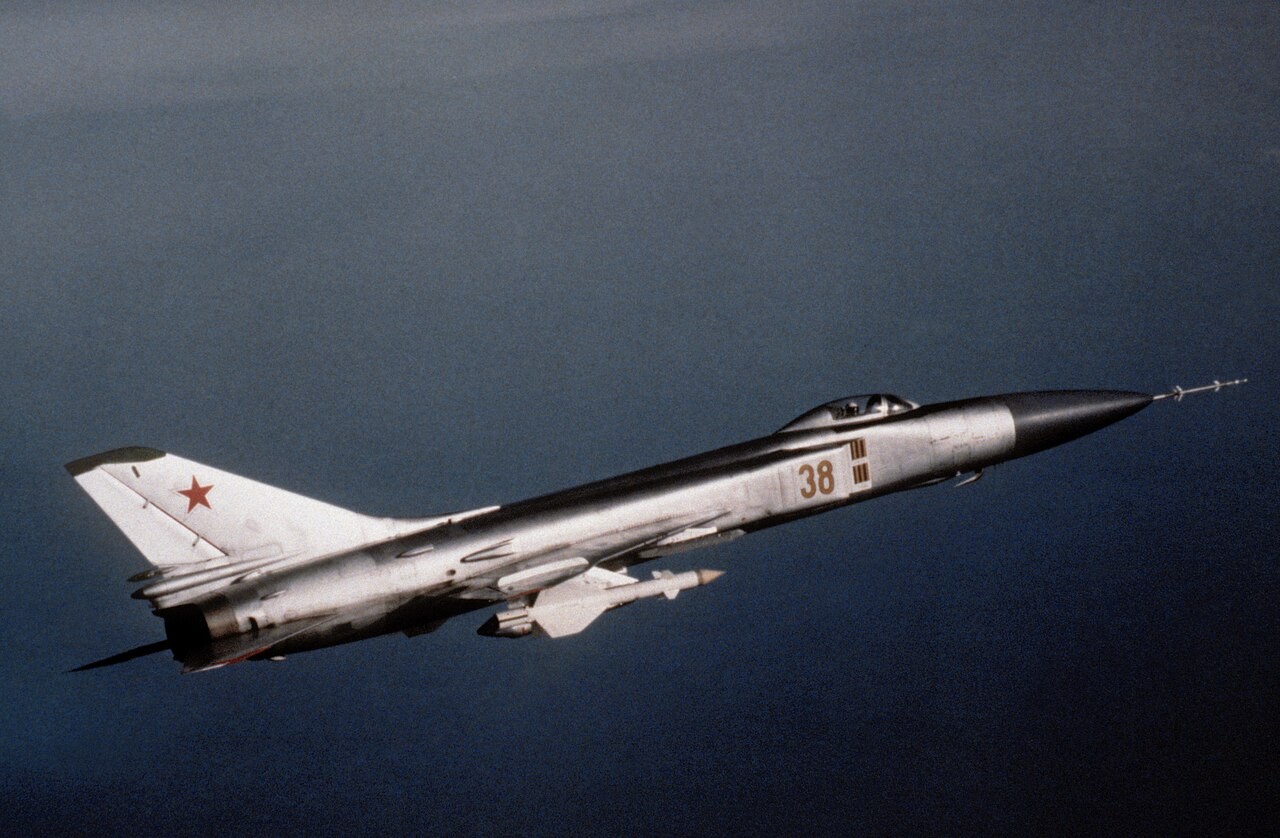
Su-15
The aircraft name is ‘Su-15’. This all-weather interceptor was produced by Sukhoi in the Soviet Union and had its first flight in 1962, currently categorized as 'retired'. The changes noted in its technical lineage are that it was designed to 'intercept long-range threats in Soviet airspace in conjunction with ground control'. The reason for highlighting the Su-15 in the ‘Interceptor Fighters that Protected the Cold War Skies’ list is its embodiment of the theme of ‘Cold War interception missions’. If similar variants exist, one should first confirm the model name ‘Su-15’ and the operational entity.
Looking at maintenance environments and re-engagement conditions can provide greater clarity on which flight regimes and missions the technical choices of the ‘Su-15’ were aimed at. Its first flight in 1962 marked a developmental milestone but did not immediately signify mass production or deployment. The ‘Su-15’ is categorized as ‘retired’ separately to avoid mixing it with retired, out-of-service, some countries' operational, and active status. The speed and range of the ‘Su-15’ also depend on altitude, fuel, and external loads, so it's more accurate to read it in the context of its design purposes rather than assigning a single number for comparison.
When comparing with other models, check the wing structure, number of engines and thrust direction, crew composition, radar placement, and operational environment of the ‘Su-15’ step by step. The designation of ‘all-weather interceptor’ attached to the ‘Su-15’ should also be checked for consistency with its meaning in comparison to other aircraft, which can help reduce misunderstandings stemmed from nomenclature. The ‘Interceptor Fighters that Protected the Cold War Skies’ is not meant to rank the winners but serves as a resource to understand the technology and operational choices left by the ‘Su-15’. Links for the ‘Su-15’ prioritize manufacturer, military, and public aviation museum data, with images sourced from Wikimedia Commons with identification information.
Looking at maintenance environments and re-engagement conditions can provide greater clarity on which flight regimes and missions the technical choices of the ‘Su-15’ were aimed at. Its first flight in 1962 marked a developmental milestone but did not immediately signify mass production or deployment. The ‘Su-15’ is categorized as ‘retired’ separately to avoid mixing it with retired, out-of-service, some countries' operational, and active status. The speed and range of the ‘Su-15’ also depend on altitude, fuel, and external loads, so it's more accurate to read it in the context of its design purposes rather than assigning a single number for comparison.
When comparing with other models, check the wing structure, number of engines and thrust direction, crew composition, radar placement, and operational environment of the ‘Su-15’ step by step. The designation of ‘all-weather interceptor’ attached to the ‘Su-15’ should also be checked for consistency with its meaning in comparison to other aircraft, which can help reduce misunderstandings stemmed from nomenclature. The ‘Interceptor Fighters that Protected the Cold War Skies’ is not meant to rank the winners but serves as a resource to understand the technology and operational choices left by the ‘Su-15’. Links for the ‘Su-15’ prioritize manufacturer, military, and public aviation museum data, with images sourced from Wikimedia Commons with identification information.
제작사 수호이
국가 소련
첫 비행 1962년
주요 역할 전천후 요격기
상태 퇴역
이미지 출처 Wikipedia/Wikimedia Commons · Sukhoi Su-15
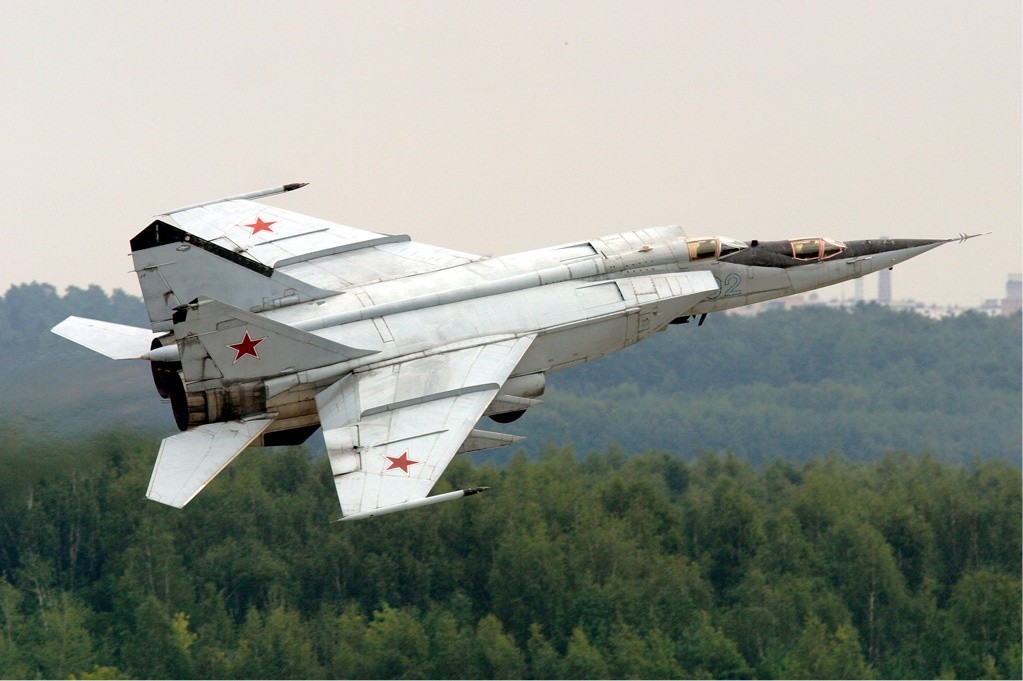
MiG-25P
The aircraft is named ‘MiG-25P’. It is a high-altitude, high-speed interceptor developed by Mikoyan-Gurevich, with its first flight occurring in 1964. Its status is marked as ‘retired’. The test results highlighted features such as ‘pursuing Mach 3 flight regime with stainless steel structure and large engines’. We focus on the MiG-25P in ‘Interceptors that defended the skies of the Cold War’ because it provides a tangible example of the topic ‘interception missions during the Cold War’. If there are similar variants, we should first confirm the model name ‘MiG-25P’ and the operating entity.
According to the official document type classification, the technical choices of the ‘MiG-25P’ can be better understood concerning which flight segments and missions they were intended for. The first flight of the ‘MiG-25P’ in 1964 is a development milestone but does not immediately imply mass production or deployment. The status of the ‘MiG-25P’ is classified as ‘retired’ to separate it from retired, discontinued, some countries' operations, and active service. The speed and range of the ‘MiG-25P’ can vary depending on altitude, fuel, and external payload, so it’s more accurate to interpret its intent based on design rather than assigning a single numeric superiority.
When comparing to other models, let’s examine the wing structure of the ‘MiG-25P’, the number of engines and thrust direction, crew size, radar position, and operational environment in order. We should also investigate whether the classification of ‘high-altitude, high-speed interceptor’ associated with the ‘MiG-25P’ holds the same meaning as with other aircraft to reduce potential misunderstandings arising from the name. ‘Interceptors that defended the skies of the Cold War’ is not about ranking winners but a resource for understanding the technology and operational choices the ‘MiG-25P’ left behind. The links for the ‘MiG-25P’ prioritize materials from the manufacturer, military, and public aviation museums, and the images reference identification information from Wikimedia Commons.
According to the official document type classification, the technical choices of the ‘MiG-25P’ can be better understood concerning which flight segments and missions they were intended for. The first flight of the ‘MiG-25P’ in 1964 is a development milestone but does not immediately imply mass production or deployment. The status of the ‘MiG-25P’ is classified as ‘retired’ to separate it from retired, discontinued, some countries' operations, and active service. The speed and range of the ‘MiG-25P’ can vary depending on altitude, fuel, and external payload, so it’s more accurate to interpret its intent based on design rather than assigning a single numeric superiority.
When comparing to other models, let’s examine the wing structure of the ‘MiG-25P’, the number of engines and thrust direction, crew size, radar position, and operational environment in order. We should also investigate whether the classification of ‘high-altitude, high-speed interceptor’ associated with the ‘MiG-25P’ holds the same meaning as with other aircraft to reduce potential misunderstandings arising from the name. ‘Interceptors that defended the skies of the Cold War’ is not about ranking winners but a resource for understanding the technology and operational choices the ‘MiG-25P’ left behind. The links for the ‘MiG-25P’ prioritize materials from the manufacturer, military, and public aviation museums, and the images reference identification information from Wikimedia Commons.
제작사 미코얀-구레비치
국가 소련
첫 비행 1964년
주요 역할 고고도 고속 요격기
상태 퇴역
이미지 출처 Wikipedia/Wikimedia Commons · Mikoyan-Gurevich MiG-25
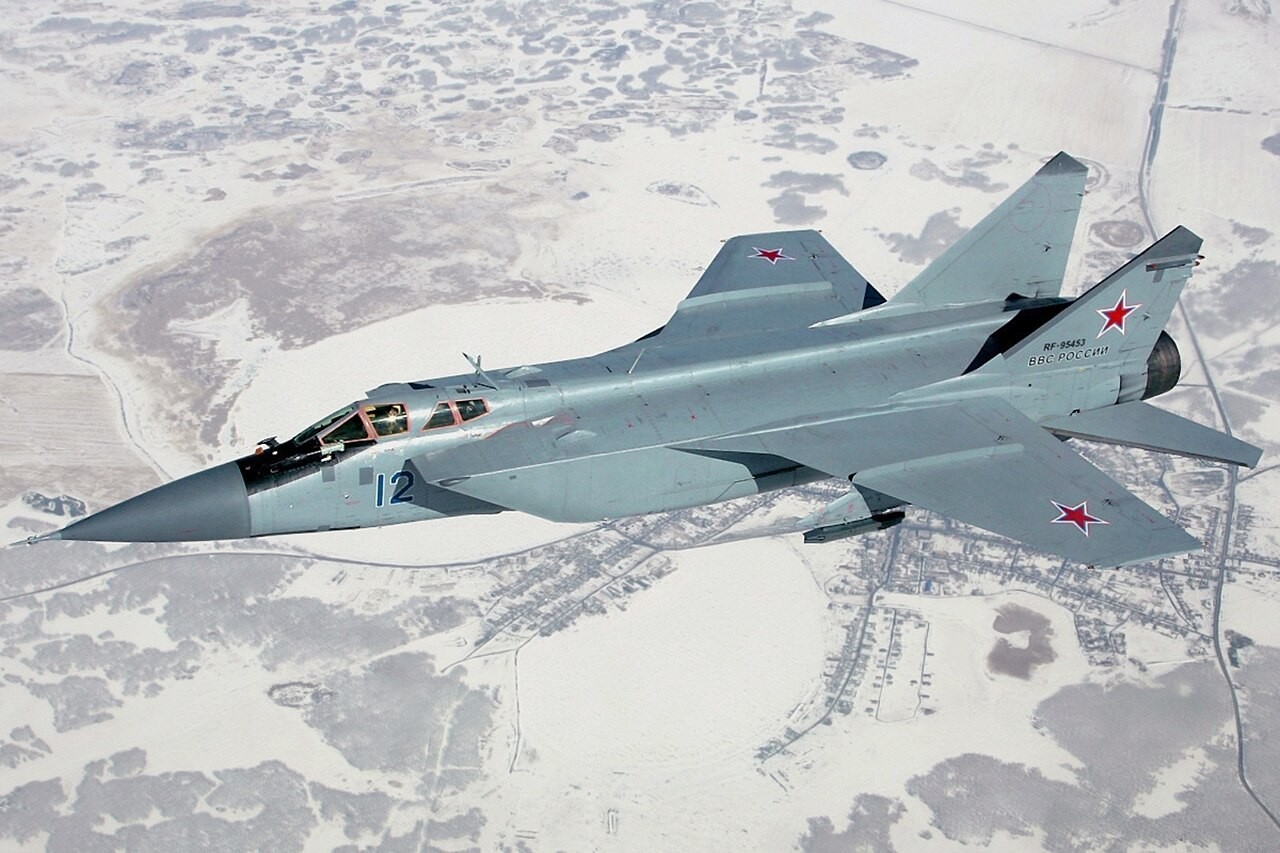
MiG-31
The aircraft is named ‘MiG-31’. It is a long-range interceptor developed by Mikoyan, with its first flight in 1975. Its status is marked as ‘operational enhanced version’. The defining characteristic to compare against subsequent aircraft is its ‘twin-seat crew with long-range radar to scan targets over vast airspace’. We focus on the MiG-31 in ‘Interceptors that defended the skies of the Cold War’ because it provides a tangible example of the topic ‘interception missions during the Cold War’. If there are similar variants, we should first confirm the model name ‘MiG-31’ and the operating entity.
When we distinguish between subsequent variants and the original, the technical choices of the ‘MiG-31’ become clearer regarding which flight segments and missions they were intended for. The first flight of the ‘MiG-31’ in 1975 is a developmental milestone, but it does not immediately denotate mass production or deployment. The status of the ‘MiG-31’ is classified as ‘operational enhanced version’ to keep it separate from retired, discontinued, some countries' operations, and active service. The speed and range of the ‘MiG-31’ can also differ based on altitude, fuel, and external payload, making it more precise to read its design intent rather than establishing a singular numeric superiority.
When comparing with other items, let’s check the wing structure, number of engines and thrust direction, crew size, radar position, and operational environment of the ‘MiG-31’ in order. We should investigate whether the classification of ‘long-range interceptor’ associated with the ‘MiG-31’ carries the same meaning as other aircraft to minimize potential misunderstandings from the terminology. ‘Interceptors that defended the skies of the Cold War’ is not about ranking winners but a resource for understanding the technology and operational choices the ‘MiG-31’ left behind. The links for the ‘MiG-31’ also prioritize materials from the manufacturer, military, and public aviation museums, and the images reference identification information from Wikimedia Commons.
When we distinguish between subsequent variants and the original, the technical choices of the ‘MiG-31’ become clearer regarding which flight segments and missions they were intended for. The first flight of the ‘MiG-31’ in 1975 is a developmental milestone, but it does not immediately denotate mass production or deployment. The status of the ‘MiG-31’ is classified as ‘operational enhanced version’ to keep it separate from retired, discontinued, some countries' operations, and active service. The speed and range of the ‘MiG-31’ can also differ based on altitude, fuel, and external payload, making it more precise to read its design intent rather than establishing a singular numeric superiority.
When comparing with other items, let’s check the wing structure, number of engines and thrust direction, crew size, radar position, and operational environment of the ‘MiG-31’ in order. We should investigate whether the classification of ‘long-range interceptor’ associated with the ‘MiG-31’ carries the same meaning as other aircraft to minimize potential misunderstandings from the terminology. ‘Interceptors that defended the skies of the Cold War’ is not about ranking winners but a resource for understanding the technology and operational choices the ‘MiG-31’ left behind. The links for the ‘MiG-31’ also prioritize materials from the manufacturer, military, and public aviation museums, and the images reference identification information from Wikimedia Commons.
제작사 미코얀
국가 소련·러시아
첫 비행 1975년
주요 역할 장거리 요격기
상태 현역 개량형 운용
이미지 출처 Wikipedia/Wikimedia Commons · Mikoyan MiG-31
Looking at the ten interceptors reveals that having a fast airframe alone does not guarantee effective air defense. The interplay of ground radar, control centers, warning transmissions, long-range detection equipment, and crew responsibilities is just as critical as the aircraft's climb performance.
When revisiting the photos, don't just focus on the triangular wings or sharp noses; instead, check for the space housing the radar, placement of fuel and missiles, and whether they have tandem cockpits. By examining the territories that each aircraft aimed to defend and the expected targets, one can gain a clearer understanding of the design rationale for interceptors beyond exaggerated maximum speed comparisons. Understanding the interceptor fighters that protected the Cold War skies requires examining both the airframe types and their development and operational statuses.
When revisiting the photos, don't just focus on the triangular wings or sharp noses; instead, check for the space housing the radar, placement of fuel and missiles, and whether they have tandem cockpits. By examining the territories that each aircraft aimed to defend and the expected targets, one can gain a clearer understanding of the design rationale for interceptors beyond exaggerated maximum speed comparisons. Understanding the interceptor fighters that protected the Cold War skies requires examining both the airframe types and their development and operational statuses.
한눈에 보기
10개
F-102A Delta Dagger
컨베어 · 미국 · 1953년 · 전천후 요격기 · 퇴역 · Wikipedia/Wikimedia Commons · Convair F-102 Delta Dagger
F-106A Delta Dart
컨베어 · 미국 · 1956년 · 전천후 요격기 · 퇴역 · Wikipedia/Wikimedia Commons · Convair F-106 Delta Dart
F-104A Starfighter
록히드 · 미국 · 1956년 · 주간 요격기 · 퇴역 · Wikipedia/Wikimedia Commons · Lockheed F-104 Starfighter
English Electric Lightning
잉글리시 일렉트릭 · 영국 · 1954년 · 초음속 요격기 · 퇴역 · Wikipedia/Wikimedia Commons · English Electric Lightning
Saab 35 Draken
사브 · 스웨덴 · 1955년 · 요격 전투기 · 퇴역 · Wikipedia/Wikimedia Commons · Saab 35 Draken
CF-100 Canuck
아브로 캐나다 · 캐나다 · 1950년 · 복좌 전천후 요격기 · 퇴역 · Wikipedia/Wikimedia Commons · Avro Canada CF-100 Canuck
MiG-21
미코얀-구레비치 · 소련 · 1955년 · 초음속 전투기·요격기 · 퇴역·일부 계열 운용 · Wikipedia/Wikimedia Commons · Mikoyan-Gurevich MiG-21
Su-15
수호이 · 소련 · 1962년 · 전천후 요격기 · 퇴역 · Wikipedia/Wikimedia Commons · Sukhoi Su-15
MiG-25P
미코얀-구레비치 · 소련 · 1964년 · 고고도 고속 요격기 · 퇴역 · Wikipedia/Wikimedia Commons · Mikoyan-Gurevich MiG-25
MiG-31
미코얀 · 소련·러시아 · 1975년 · 장거리 요격기 · 현역 개량형 운용 · Wikipedia/Wikimedia Commons · Mikoyan MiG-31
이 포스팅은 쿠팡 파트너스 활동의 일환으로, 이에 따른 일정액의 수수료를 제공받습니다.
댓글 0
로그인 후 댓글을 작성할 수 있습니다.
첫 댓글을 남겨보세요.
이런 리스트는 어때요?


이런 리스트도 추천해요


🎲
여기서 멈추기엔 아쉽잖아?
다음에 뭘 볼지 고민하는 시간이 제일 아까워.
주사위가 대신 골라줄게 — 무슨 리스트가 튀어나올지는 굴려봐야 알지.
안 누르면… 평생 궁금하지 않겠어? 👀