
Collection
Science
2026.09.11
A Tandem Fighter Where Two Seats Share Combat Missions
A real format where two crew members share the duties of piloting, radar, navigation, and armaments operation
The second seat of a tandem fighter is not always reserved for an instructor. In missions with significant workloads, such as long-range radar search, low-altitude navigation, precision strikes, and electronic warfare, the rear crew member handles sensors and armaments, thereby sharing the pilot's burden.
This list gathers real tandem variants from F-4E and F-14D, F-15E, F/A-18F to Su-30, Rafale B, Mirage 2000D, and MiG-31. Instead of recording the first flight of the series, we prioritize the first flight of the specific type, allowing you to check the differences between training types and operational tandem variants in the mission descriptions. Understanding a tandem fighter where two seats share combat missions requires examining both the aircraft's type and its development and operational status.
This list gathers real tandem variants from F-4E and F-14D, F-15E, F/A-18F to Su-30, Rafale B, Mirage 2000D, and MiG-31. Instead of recording the first flight of the series, we prioritize the first flight of the specific type, allowing you to check the differences between training types and operational tandem variants in the mission descriptions. Understanding a tandem fighter where two seats share combat missions requires examining both the aircraft's type and its development and operational status.
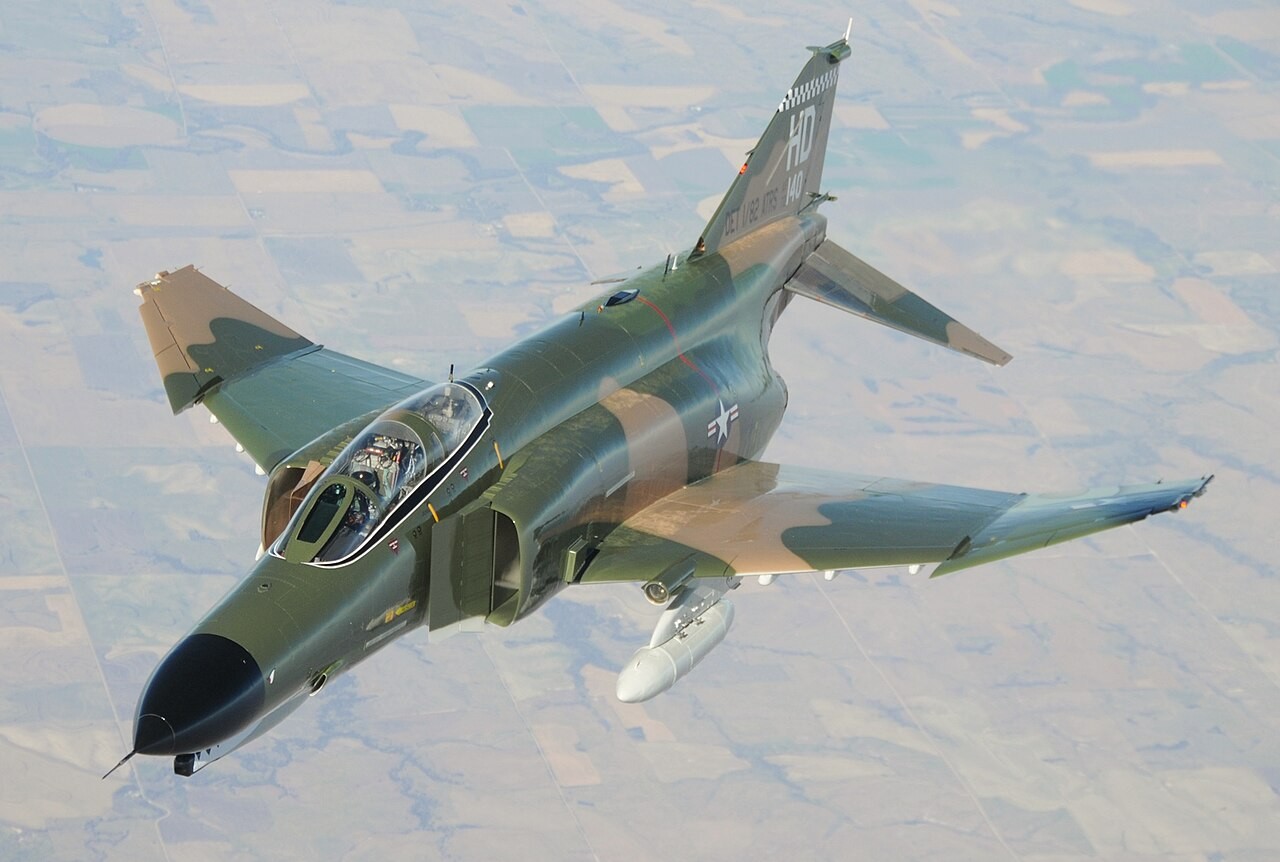
F-4E Phantom II
The aircraft is named 'F-4E Phantom II'. It is a tandem multi-role fighter made by McDonnell Douglas, with its first flight in 1967. Its status is classified as 'Retired / Some Countries in Operation'. The first clue when looking at the appearance is the characteristic that 'the pilot and rear crew member share the workload of radar, navigation, and armaments operation'. The focus on the F-4E Phantom II in 'Tandem Fighters Where Two Seats Share Combat Missions' is to show the subject of the list: 'the division of duties among tandem crew members' through a real example. If there are similar variants, it is crucial to first confirm the model name 'F-4E Phantom II' and the operating entity.
By examining the wing planform and intake, it becomes clearer which flight regime and mission the technical choices of the 'F-4E Phantom II' were made for. The first flight of the 'F-4E Phantom II' in 1967 is a developmental milestone, but it does not immediately imply mass production or operational deployment. The status of the 'F-4E Phantom II' is classified separately as 'Retired / Some Countries in Operation' to avoid mixing retirement, program cessation, some countries in operation, and active status. The speed and range of the 'F-4E Phantom II' can vary with altitude, fuel, and external load, so it's more accurate to read it based on design purpose rather than a single number to determine superiority.
When comparing with other items, check the wing structure, number of engines and thrust direction, crew composition, radar location, and operational environment of the 'F-4E Phantom II' in sequence. The type description 'Tandem Multi-Role Fighter' attached to the 'F-4E Phantom II' should also be assessed to understand if it bears the same meaning as for other aircraft to reduce misunderstandings that arise from naming. 'Tandem Fighters Where Two Seats Share Combat Missions' serves to understand the technology and operational choices left by the 'F-4E Phantom II', rather than establishing a hierarchy of winners. The links for the 'F-4E Phantom II' prioritize materials from the manufacturer, military, and public aviation museums, while the images checked for identification information from Wikimedia Commons.
By examining the wing planform and intake, it becomes clearer which flight regime and mission the technical choices of the 'F-4E Phantom II' were made for. The first flight of the 'F-4E Phantom II' in 1967 is a developmental milestone, but it does not immediately imply mass production or operational deployment. The status of the 'F-4E Phantom II' is classified separately as 'Retired / Some Countries in Operation' to avoid mixing retirement, program cessation, some countries in operation, and active status. The speed and range of the 'F-4E Phantom II' can vary with altitude, fuel, and external load, so it's more accurate to read it based on design purpose rather than a single number to determine superiority.
When comparing with other items, check the wing structure, number of engines and thrust direction, crew composition, radar location, and operational environment of the 'F-4E Phantom II' in sequence. The type description 'Tandem Multi-Role Fighter' attached to the 'F-4E Phantom II' should also be assessed to understand if it bears the same meaning as for other aircraft to reduce misunderstandings that arise from naming. 'Tandem Fighters Where Two Seats Share Combat Missions' serves to understand the technology and operational choices left by the 'F-4E Phantom II', rather than establishing a hierarchy of winners. The links for the 'F-4E Phantom II' prioritize materials from the manufacturer, military, and public aviation museums, while the images checked for identification information from Wikimedia Commons.
제작사 맥도널 더글러스
국가 미국
첫 비행 1967년
주요 역할 복좌 다목적 전투기
상태 퇴역·일부 국가 운용
이미지 출처 Wikipedia/Wikimedia Commons · McDonnell Douglas F-4 Phantom II
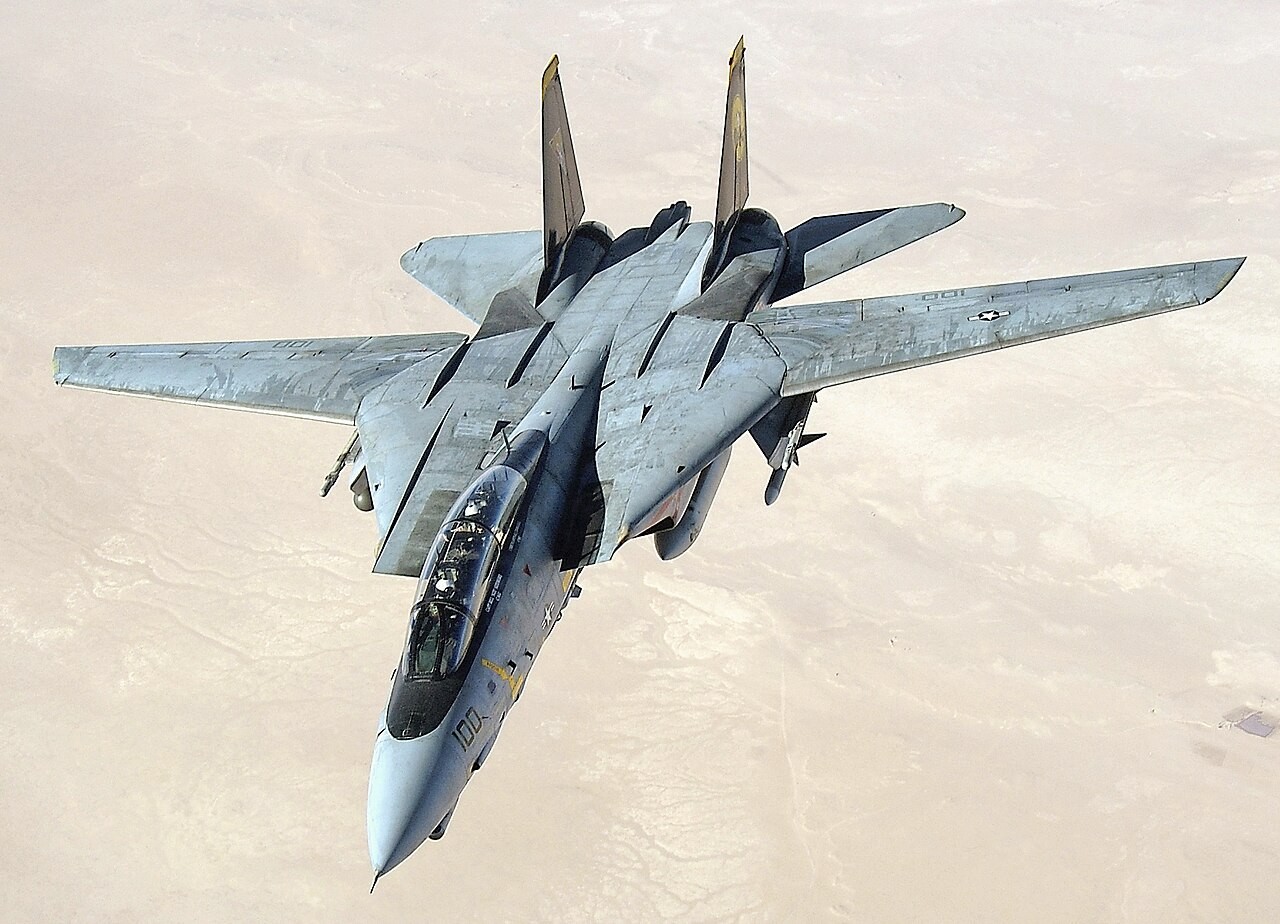
F-14D Tomcat
The aircraft is named 'F-14D Tomcat'. It's a tandem fleet air defense fighter made by Grumman, with its first flight in 1990. The status is classified as 'Retired from U.S. Navy'. A key point to note in its development background is the characteristic that 'the pilot and radar intercept officer share responsibilities for long-range detection, engagement, and carrier operations'. The focus on the F-14D Tomcat in 'Tandem Fighters Where Two Seats Share Combat Missions' is to demonstrate the topic of the list: 'the division of duties among tandem crew members' through an actual example. If there are similar variants, it is crucial to first confirm the model name 'F-14D Tomcat' and the operating entity.
By observing the number of crew members and radar placement, it becomes clearer which flight regime and mission the technical choices of the 'F-14D Tomcat' were made for. The first flight of the 'F-14D Tomcat' in 1990 is a developmental milestone, but it does not immediately imply mass production or operational deployment. The status of the 'F-14D Tomcat' is classified separately as 'Retired from U.S. Navy' to avoid mixing retirement, program cessation, some countries in operation, and active status. The speed and range of the 'F-14D Tomcat' can vary with altitude, fuel, and external load, so it's more accurate to read it based on design purpose rather than a single number to determine superiority.
When comparing with other items, check the wing structure, number of engines and thrust direction, crew composition, radar location, and operational environment of the 'F-14D Tomcat' in sequence. The type description 'Tandem Fleet Air Defense Fighter' attached to the 'F-14D Tomcat' should also be assessed to understand if it bears the same meaning as for other aircraft to reduce misunderstandings that arise from naming. 'Tandem Fighters Where Two Seats Share Combat Missions' serves to understand the technology and operational choices left by the 'F-14D Tomcat', rather than establishing a hierarchy of winners. The links for the 'F-14D Tomcat' prioritize materials from the manufacturer, military, and public aviation museums, while the images checked for identification information from Wikimedia Commons.
By observing the number of crew members and radar placement, it becomes clearer which flight regime and mission the technical choices of the 'F-14D Tomcat' were made for. The first flight of the 'F-14D Tomcat' in 1990 is a developmental milestone, but it does not immediately imply mass production or operational deployment. The status of the 'F-14D Tomcat' is classified separately as 'Retired from U.S. Navy' to avoid mixing retirement, program cessation, some countries in operation, and active status. The speed and range of the 'F-14D Tomcat' can vary with altitude, fuel, and external load, so it's more accurate to read it based on design purpose rather than a single number to determine superiority.
When comparing with other items, check the wing structure, number of engines and thrust direction, crew composition, radar location, and operational environment of the 'F-14D Tomcat' in sequence. The type description 'Tandem Fleet Air Defense Fighter' attached to the 'F-14D Tomcat' should also be assessed to understand if it bears the same meaning as for other aircraft to reduce misunderstandings that arise from naming. 'Tandem Fighters Where Two Seats Share Combat Missions' serves to understand the technology and operational choices left by the 'F-14D Tomcat', rather than establishing a hierarchy of winners. The links for the 'F-14D Tomcat' prioritize materials from the manufacturer, military, and public aviation museums, while the images checked for identification information from Wikimedia Commons.
제작사 그러먼
국가 미국
첫 비행 1990년
주요 역할 복좌 함대방공 전투기
상태 미 해군 퇴역
이미지 출처 Wikipedia/Wikimedia Commons · Grumman F-14 Tomcat
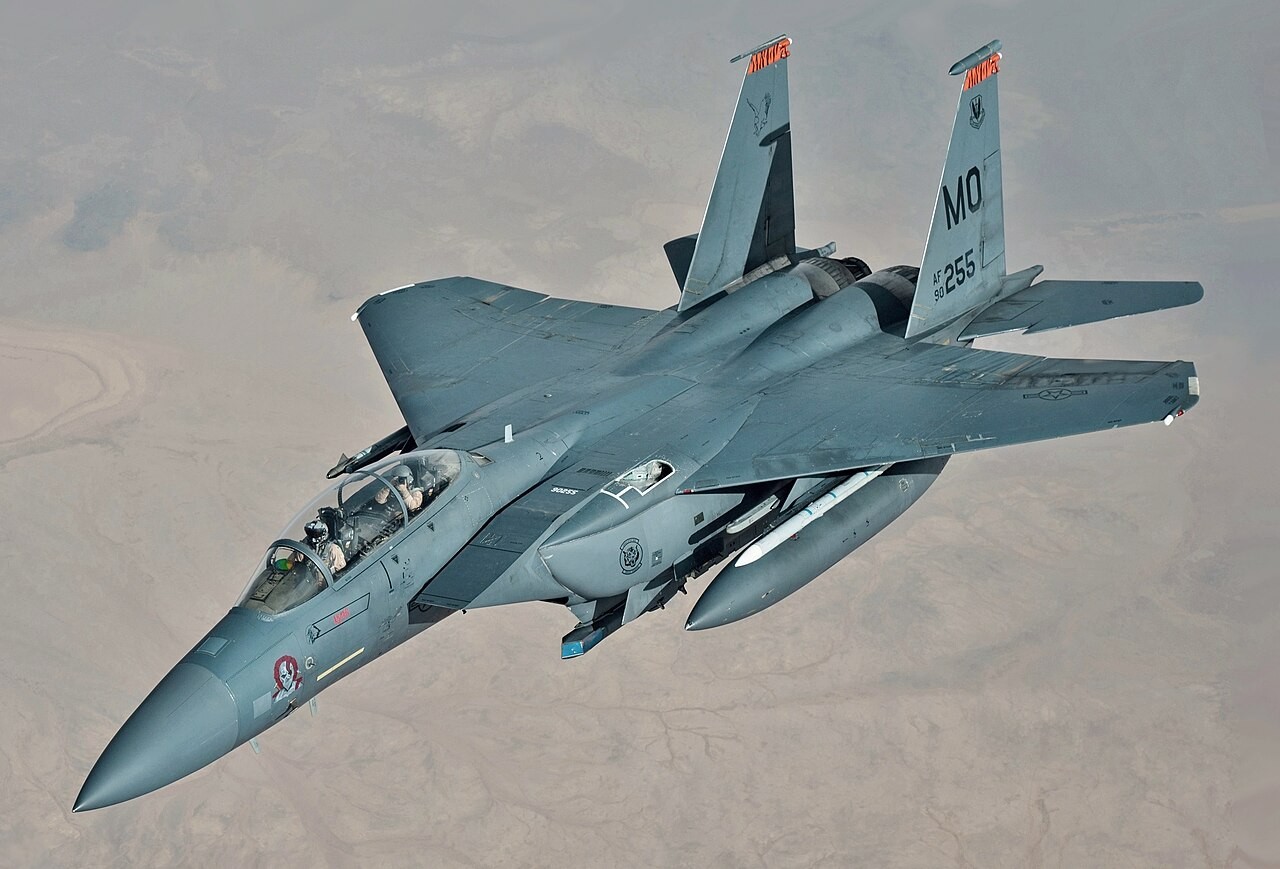
F-15E Strike Eagle
The aircraft is named 'F-15E Strike Eagle'. It's a tandem strike fighter made by McDonnell Douglas and Boeing, with its first flight in 1986. Its status is classified as 'Active Duty'. A key understanding of the operator is the characteristic that 'the rear weapons systems officer takes on sensor, navigation, and precision strike responsibilities to distribute the burden of long-range missions'. The focus on the F-15E Strike Eagle in 'Tandem Fighters Where Two Seats Share Combat Missions' is to show the subject of the list: 'the division of duties among tandem crew members' through a real example. If there are similar variants, it is crucial to first confirm the model name 'F-15E Strike Eagle' and the operating entity.
By comparing launch methods and mission radius, it becomes clearer which flight regime and mission the technical choices of the 'F-15E Strike Eagle' were made for. The first flight of the 'F-15E Strike Eagle' in 1986 is a developmental milestone, but it does not immediately imply mass production or operational deployment. The status of the 'F-15E Strike Eagle' is classified separately as 'Active Duty' to avoid mixing retirement, program cessation, some countries in operation, and active status. The speed and range of the 'F-15E Strike Eagle' can vary with altitude, fuel, and external load, so it's more accurate to read it based on design purpose rather than a single number to determine superiority.
When comparing with other items, check the wing structure, number of engines and thrust direction, crew composition, radar location, and operational environment of the 'F-15E Strike Eagle' in sequence. The type description 'Tandem Strike Fighter' attached to the 'F-15E Strike Eagle' should also be assessed to understand if it bears the same meaning as for other aircraft to reduce misunderstandings that arise from naming. 'Tandem Fighters Where Two Seats Share Combat Missions' serves to understand the technology and operational choices left by the 'F-15E Strike Eagle', rather than establishing a hierarchy of winners. The links for the 'F-15E Strike Eagle' prioritize materials from the manufacturer, military, and public aviation museums, while the images checked for identification information from Wikimedia Commons.
By comparing launch methods and mission radius, it becomes clearer which flight regime and mission the technical choices of the 'F-15E Strike Eagle' were made for. The first flight of the 'F-15E Strike Eagle' in 1986 is a developmental milestone, but it does not immediately imply mass production or operational deployment. The status of the 'F-15E Strike Eagle' is classified separately as 'Active Duty' to avoid mixing retirement, program cessation, some countries in operation, and active status. The speed and range of the 'F-15E Strike Eagle' can vary with altitude, fuel, and external load, so it's more accurate to read it based on design purpose rather than a single number to determine superiority.
When comparing with other items, check the wing structure, number of engines and thrust direction, crew composition, radar location, and operational environment of the 'F-15E Strike Eagle' in sequence. The type description 'Tandem Strike Fighter' attached to the 'F-15E Strike Eagle' should also be assessed to understand if it bears the same meaning as for other aircraft to reduce misunderstandings that arise from naming. 'Tandem Fighters Where Two Seats Share Combat Missions' serves to understand the technology and operational choices left by the 'F-15E Strike Eagle', rather than establishing a hierarchy of winners. The links for the 'F-15E Strike Eagle' prioritize materials from the manufacturer, military, and public aviation museums, while the images checked for identification information from Wikimedia Commons.
제작사 맥도널 더글러스·보잉
국가 미국
첫 비행 1986년
주요 역할 복좌 타격 전투기
상태 현역
이미지 출처 Wikipedia/Wikimedia Commons · McDonnell Douglas F-15E Strike Eagle
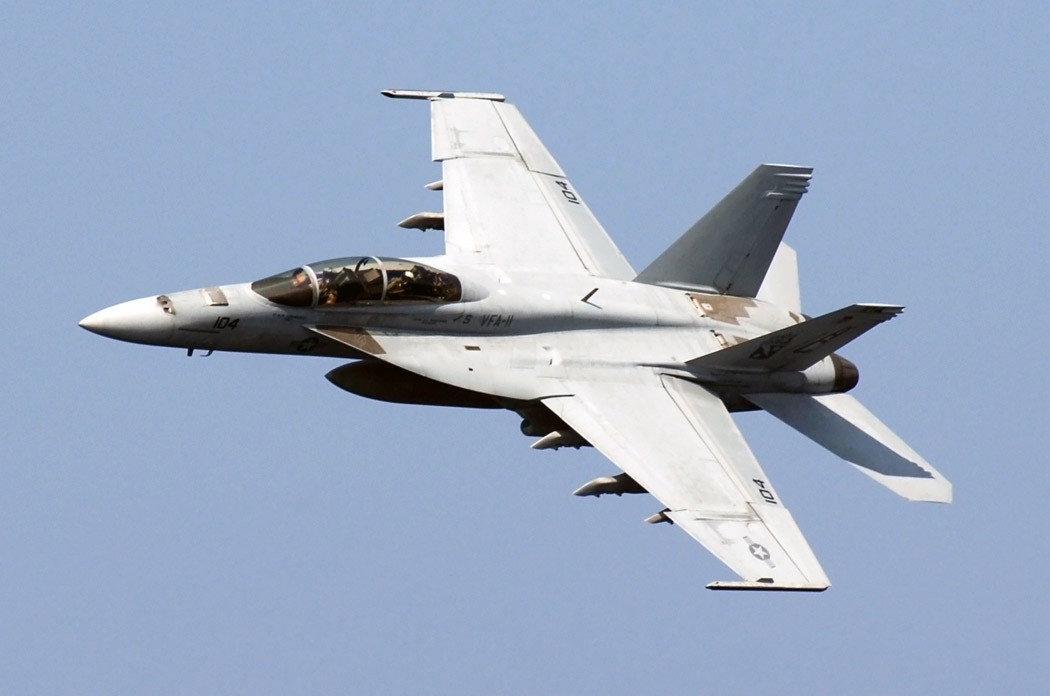
F/A-18F Super Hornet
The aircraft is named 'F/A-18F Super Hornet'. It's a tandem carrier-based strike fighter made by Boeing, with its first flight in 1995. Its status is classified as 'Active Duty'. An important point when viewing photos and missions together is the characteristic that 'the pilot and weapon systems officer flexibly share responsibilities for fleet air defense, strikes, and electronic warfare support'. The focus on the F/A-18F Super Hornet in 'Tandem Fighters Where Two Seats Share Combat Missions' is to show the subject of the list: 'the division of duties among tandem crew members' through a real example. If there are similar variants, it is crucial to first confirm the model name 'F/A-18F Super Hornet' and the operating entity.
By distinguishing between the first flight and actual deployment times, it becomes clearer which flight regime and mission the technical choices of the 'F/A-18F Super Hornet' were made for. The first flight of the 'F/A-18F Super Hornet' in 1995 is a developmental milestone, but it does not immediately imply mass production or operational deployment. The status of the 'F/A-18F Super Hornet' is classified separately as 'Active Duty' to avoid mixing retirement, program cessation, some countries in operation, and active status. The speed and range of the 'F/A-18F Super Hornet' can vary with altitude, fuel, and external load, so it's more accurate to read it based on design purpose rather than a single number to determine superiority.
When comparing with other items, check the wing structure, number of engines and thrust direction, crew composition, radar location, and operational environment of the 'F/A-18F Super Hornet' in sequence. The type description 'Tandem Carrier-Based Strike Fighter' attached to the 'F/A-18F Super Hornet' should also be assessed to understand if it bears the same meaning as for other aircraft to reduce misunderstandings that arise from naming. 'Tandem Fighters Where Two Seats Share Combat Missions' serves to understand the technology and operational choices left by the 'F/A-18F Super Hornet', rather than establishing a hierarchy of winners. The links for the 'F/A-18F Super Hornet' prioritize materials from the manufacturer, military, and public aviation museums, while the images checked for identification information from Wikimedia Commons.
By distinguishing between the first flight and actual deployment times, it becomes clearer which flight regime and mission the technical choices of the 'F/A-18F Super Hornet' were made for. The first flight of the 'F/A-18F Super Hornet' in 1995 is a developmental milestone, but it does not immediately imply mass production or operational deployment. The status of the 'F/A-18F Super Hornet' is classified separately as 'Active Duty' to avoid mixing retirement, program cessation, some countries in operation, and active status. The speed and range of the 'F/A-18F Super Hornet' can vary with altitude, fuel, and external load, so it's more accurate to read it based on design purpose rather than a single number to determine superiority.
When comparing with other items, check the wing structure, number of engines and thrust direction, crew composition, radar location, and operational environment of the 'F/A-18F Super Hornet' in sequence. The type description 'Tandem Carrier-Based Strike Fighter' attached to the 'F/A-18F Super Hornet' should also be assessed to understand if it bears the same meaning as for other aircraft to reduce misunderstandings that arise from naming. 'Tandem Fighters Where Two Seats Share Combat Missions' serves to understand the technology and operational choices left by the 'F/A-18F Super Hornet', rather than establishing a hierarchy of winners. The links for the 'F/A-18F Super Hornet' prioritize materials from the manufacturer, military, and public aviation museums, while the images checked for identification information from Wikimedia Commons.
제작사 보잉
국가 미국
첫 비행 1995년
주요 역할 복좌 함재 전투공격기
상태 현역
이미지 출처 Wikipedia/Wikimedia Commons · Boeing F/A-18E/F Super Hornet
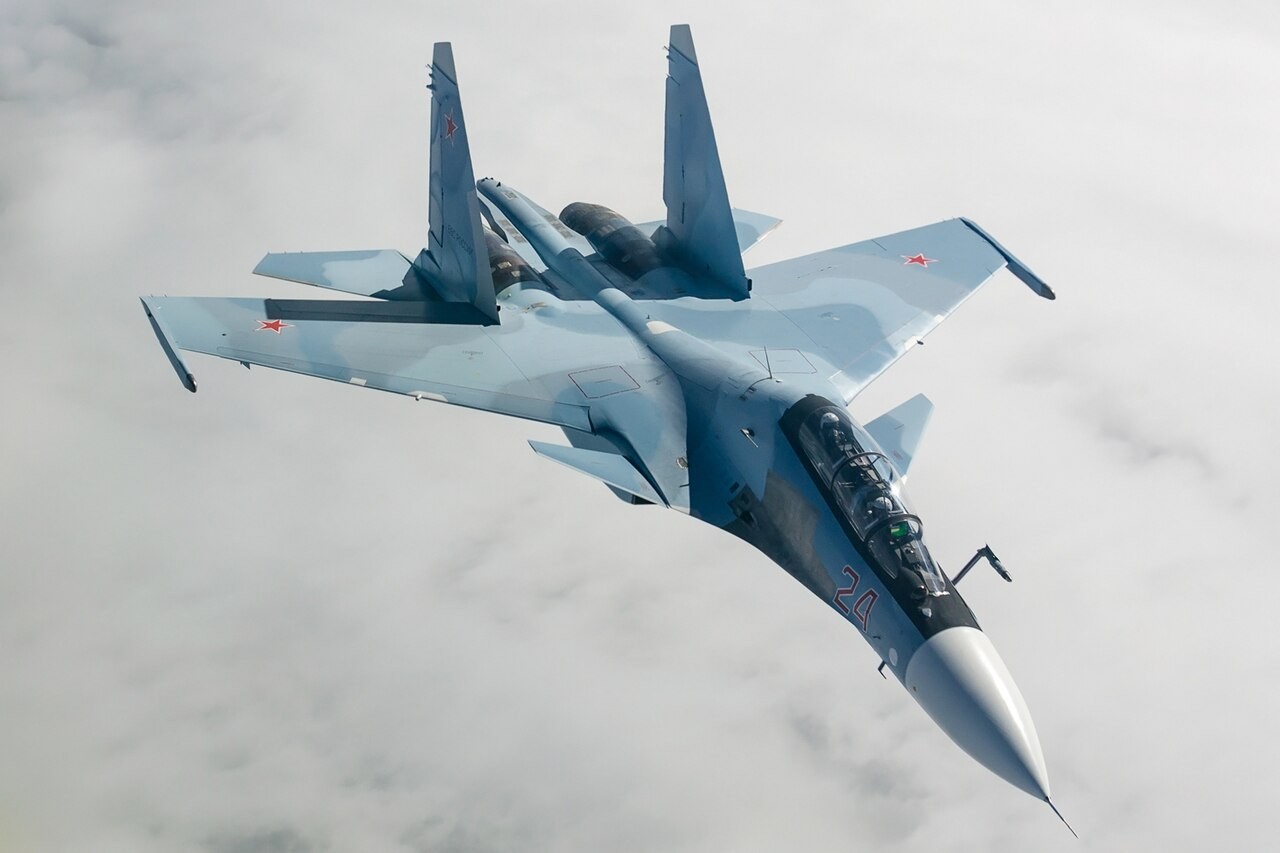
Sukhoi Su-30
The aircraft is named 'Sukhoi Su-30'. It's a tandem multi-role fighter made by Sukhoi, with its first flight in 1989. Its status is classified as 'Active Duty'. The distinguishing choice compared to contemporary aircraft is the characteristic that 'in long-range missions, both crew members share the burdens of flying, radar, armaments, and formation command'. The focus on the Sukhoi Su-30 in 'Tandem Fighters Where Two Seats Share Combat Missions' is to show the subject of the list: 'the division of duties among tandem crew members' through a real example. If there are similar variants, it is crucial to first confirm the model name 'Sukhoi Su-30' and the operating entity.
By contrasting engine placement and airframe structure, it becomes clearer which flight regime and mission the technical choices of the 'Sukhoi Su-30' were made for. The first flight of the 'Sukhoi Su-30' in 1989 is a developmental milestone, but it does not immediately imply mass production or operational deployment. The status of the 'Sukhoi Su-30' is classified separately as 'Active Duty' to avoid mixing retirement, program cessation, some countries in operation, and active status. The speed and range of the 'Sukhoi Su-30' can vary with altitude, fuel, and external load, so it's more accurate to read it based on design purpose rather than a single number to determine superiority.
When comparing with other items, check the wing structure, number of engines and thrust direction, crew composition, radar location, and operational environment of the 'Sukhoi Su-30' in sequence. The type description 'Tandem Multi-Role Fighter' attached to the 'Sukhoi Su-30' should also be assessed to understand if it bears the same meaning as for other aircraft to reduce misunderstandings that arise from naming. 'Tandem Fighters Where Two Seats Share Combat Missions' serves to understand the technology and operational choices left by the 'Sukhoi Su-30', rather than establishing a hierarchy of winners. The links for the 'Sukhoi Su-30' prioritize materials from the manufacturer, military, and public aviation museums, while the images checked for identification information from Wikimedia Commons.
By contrasting engine placement and airframe structure, it becomes clearer which flight regime and mission the technical choices of the 'Sukhoi Su-30' were made for. The first flight of the 'Sukhoi Su-30' in 1989 is a developmental milestone, but it does not immediately imply mass production or operational deployment. The status of the 'Sukhoi Su-30' is classified separately as 'Active Duty' to avoid mixing retirement, program cessation, some countries in operation, and active status. The speed and range of the 'Sukhoi Su-30' can vary with altitude, fuel, and external load, so it's more accurate to read it based on design purpose rather than a single number to determine superiority.
When comparing with other items, check the wing structure, number of engines and thrust direction, crew composition, radar location, and operational environment of the 'Sukhoi Su-30' in sequence. The type description 'Tandem Multi-Role Fighter' attached to the 'Sukhoi Su-30' should also be assessed to understand if it bears the same meaning as for other aircraft to reduce misunderstandings that arise from naming. 'Tandem Fighters Where Two Seats Share Combat Missions' serves to understand the technology and operational choices left by the 'Sukhoi Su-30', rather than establishing a hierarchy of winners. The links for the 'Sukhoi Su-30' prioritize materials from the manufacturer, military, and public aviation museums, while the images checked for identification information from Wikimedia Commons.
제작사 수호이
국가 소련·러시아
첫 비행 1989년
주요 역할 복좌 다목적 전투기
상태 현역
이미지 출처 Wikipedia/Wikimedia Commons · Sukhoi Su-30
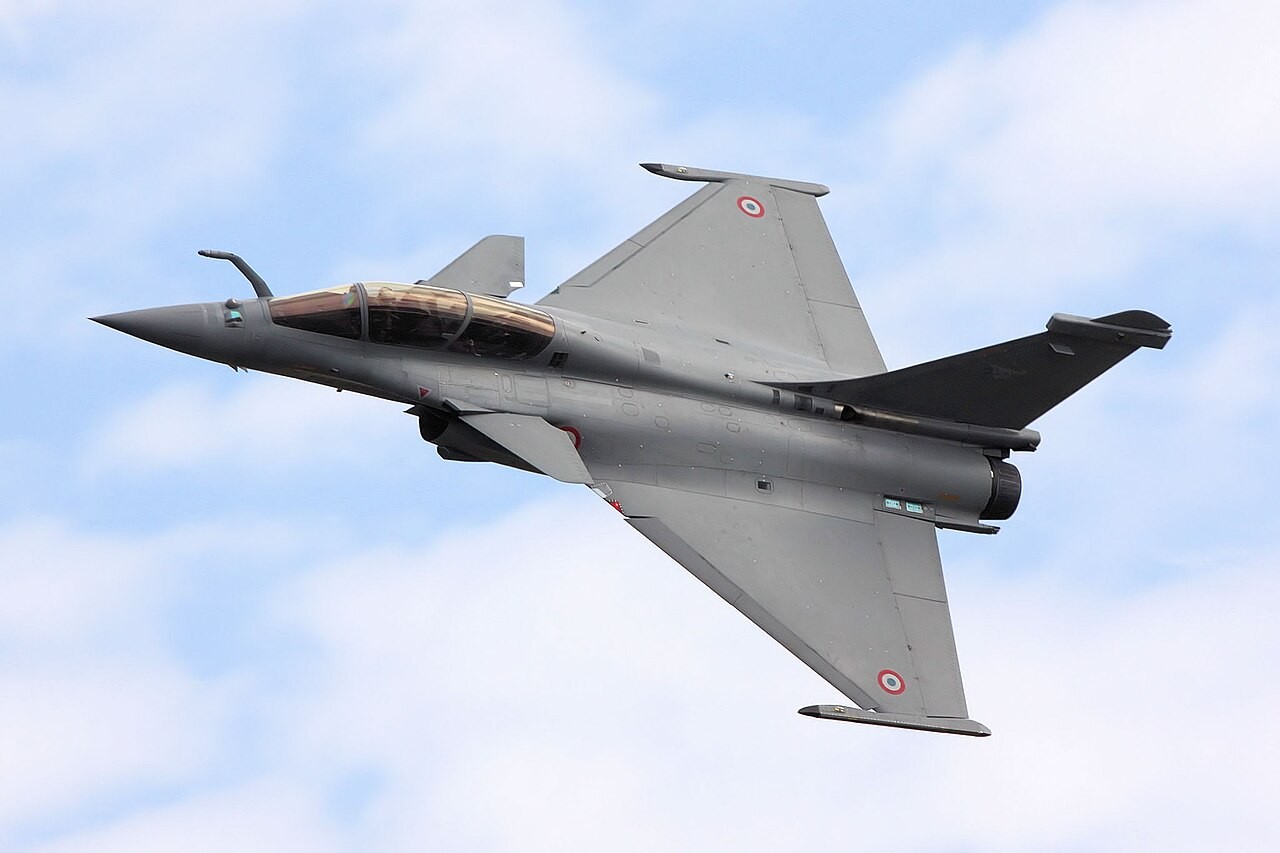
Dassault Rafale B
The aircraft is named 'Dassault Rafale B'. It's a tandem multi-role fighter made by Dassault Aviation, with its first flight in 1993. Its status is classified as 'Active Duty'. The starting point of the design is the characteristic that 'it utilizes both seats not only for training but also for long-range strikes and complex missions'. The focus on the Dassault Rafale B in 'Tandem Fighters Where Two Seats Share Combat Missions' is to show the subject of the list: 'the division of duties among tandem crew members' through a real example. If there are similar variants, it is crucial to first confirm the model name 'Dassault Rafale B' and the operating entity.
By examining the production purpose and operational results together, it becomes clearer which flight regime and mission the technical choices of the 'Dassault Rafale B' were made for. The first flight of the 'Dassault Rafale B' in 1993 is a developmental milestone, but it does not immediately imply mass production or operational deployment. The status of the 'Dassault Rafale B' is classified separately as 'Active Duty' to avoid mixing retirement, program cessation, some countries in operation, and active status. The speed and range of the 'Dassault Rafale B' can vary with altitude, fuel, and external load, so it's more accurate to read it based on design purpose rather than a single number to determine superiority.
When comparing with other items, check the wing structure, number of engines and thrust direction, crew composition, radar location, and operational environment of the 'Dassault Rafale B' in sequence. The type description 'Tandem Multi-Role Fighter' attached to the 'Dassault Rafale B' should also be assessed to understand if it bears the same meaning as for other aircraft to reduce misunderstandings that arise from naming. 'Tandem Fighters Where Two Seats Share Combat Missions' serves to understand the technology and operational choices left by the 'Dassault Rafale B', rather than establishing a hierarchy of winners. The links for the 'Dassault Rafale B' prioritize materials from the manufacturer, military, and public aviation museums, while the images checked for identification information from Wikimedia Commons.
By examining the production purpose and operational results together, it becomes clearer which flight regime and mission the technical choices of the 'Dassault Rafale B' were made for. The first flight of the 'Dassault Rafale B' in 1993 is a developmental milestone, but it does not immediately imply mass production or operational deployment. The status of the 'Dassault Rafale B' is classified separately as 'Active Duty' to avoid mixing retirement, program cessation, some countries in operation, and active status. The speed and range of the 'Dassault Rafale B' can vary with altitude, fuel, and external load, so it's more accurate to read it based on design purpose rather than a single number to determine superiority.
When comparing with other items, check the wing structure, number of engines and thrust direction, crew composition, radar location, and operational environment of the 'Dassault Rafale B' in sequence. The type description 'Tandem Multi-Role Fighter' attached to the 'Dassault Rafale B' should also be assessed to understand if it bears the same meaning as for other aircraft to reduce misunderstandings that arise from naming. 'Tandem Fighters Where Two Seats Share Combat Missions' serves to understand the technology and operational choices left by the 'Dassault Rafale B', rather than establishing a hierarchy of winners. The links for the 'Dassault Rafale B' prioritize materials from the manufacturer, military, and public aviation museums, while the images checked for identification information from Wikimedia Commons.
제작사 다쏘 아비아시옹
국가 프랑스
첫 비행 1993년
주요 역할 복좌 다목적 전투기
상태 현역
이미지 출처 Wikipedia/Wikimedia Commons · Dassault Rafale
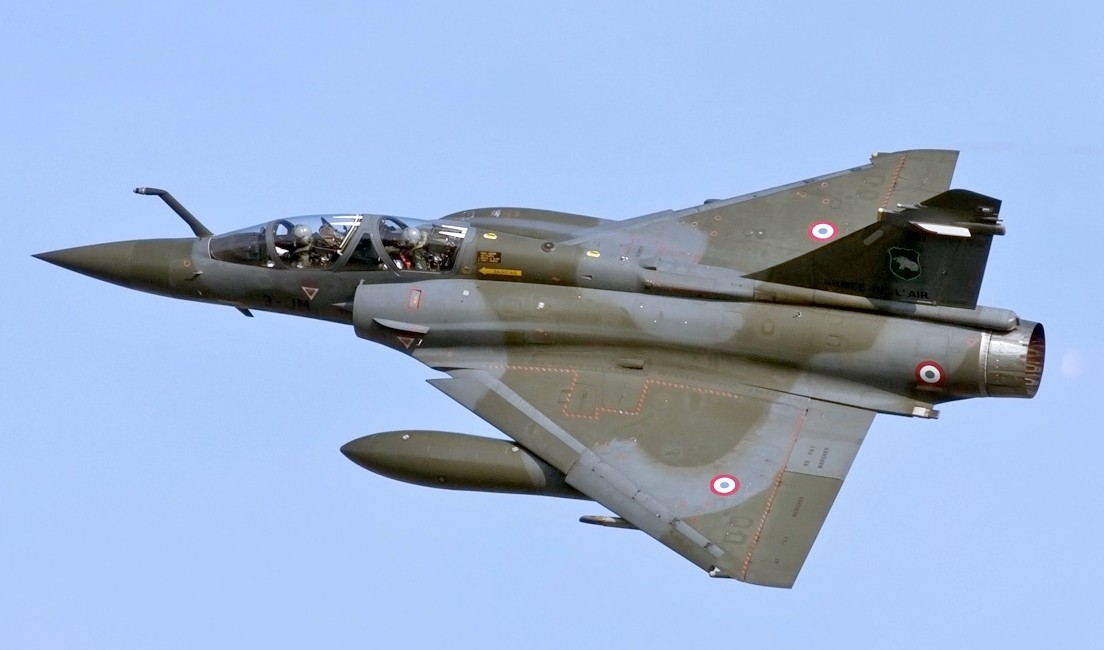
Dassault Mirage 2000D
The aircraft is named 'Dassault Mirage 2000D'. It's a tandem conventional strike aircraft made by Dassault Aviation, with its first flight in 1991. Its status is classified as 'Active Duty'. A clue to assess actual deployment is the characteristic that 'the pilot and weapons systems officer share duties for low-altitude navigation and precision strikes'. The focus on the Dassault Mirage 2000D in 'Tandem Fighters Where Two Seats Share Combat Missions' is to show the subject of the list: 'the division of duties among tandem crew members' through a real example. If there are similar variants, it is crucial to first confirm the model name 'Dassault Mirage 2000D' and the operating entity.
By confirming the differences between prototype and production models, it becomes clearer which flight regime and mission the technical choices of the 'Dassault Mirage 2000D' were made for. The first flight of the 'Dassault Mirage 2000D' in 1991 is a developmental milestone, but it does not immediately imply mass production or operational deployment. The status of the 'Dassault Mirage 2000D' is classified separately as 'Active Duty' to avoid mixing retirement, program cessation, some countries in operation, and active status. The speed and range of the 'Dassault Mirage 2000D' can vary with altitude, fuel, and external load, so it's more accurate to read it based on design purpose rather than a single number to determine superiority.
When comparing with other items, check the wing structure, number of engines and thrust direction, crew composition, radar location, and operational environment of the 'Dassault Mirage 2000D' in sequence. The type description 'Tandem Conventional Strike Aircraft' attached to the 'Dassault Mirage 2000D' should also be assessed to understand if it bears the same meaning as for other aircraft to reduce misunderstandings that arise from naming. 'Tandem Fighters Where Two Seats Share Combat Missions' serves to understand the technology and operational choices left by the 'Dassault Mirage 2000D', rather than establishing a hierarchy of winners. The links for the 'Dassault Mirage 2000D' prioritize materials from the manufacturer, military, and public aviation museums, while the images checked for identification information from Wikimedia Commons.
By confirming the differences between prototype and production models, it becomes clearer which flight regime and mission the technical choices of the 'Dassault Mirage 2000D' were made for. The first flight of the 'Dassault Mirage 2000D' in 1991 is a developmental milestone, but it does not immediately imply mass production or operational deployment. The status of the 'Dassault Mirage 2000D' is classified separately as 'Active Duty' to avoid mixing retirement, program cessation, some countries in operation, and active status. The speed and range of the 'Dassault Mirage 2000D' can vary with altitude, fuel, and external load, so it's more accurate to read it based on design purpose rather than a single number to determine superiority.
When comparing with other items, check the wing structure, number of engines and thrust direction, crew composition, radar location, and operational environment of the 'Dassault Mirage 2000D' in sequence. The type description 'Tandem Conventional Strike Aircraft' attached to the 'Dassault Mirage 2000D' should also be assessed to understand if it bears the same meaning as for other aircraft to reduce misunderstandings that arise from naming. 'Tandem Fighters Where Two Seats Share Combat Missions' serves to understand the technology and operational choices left by the 'Dassault Mirage 2000D', rather than establishing a hierarchy of winners. The links for the 'Dassault Mirage 2000D' prioritize materials from the manufacturer, military, and public aviation museums, while the images checked for identification information from Wikimedia Commons.
제작사 다쏘 아비아시옹
국가 프랑스
첫 비행 1991년
주요 역할 복좌 재래식 타격기
상태 현역
이미지 출처 Wikipedia/Wikimedia Commons · Dassault Mirage 2000N/2000D
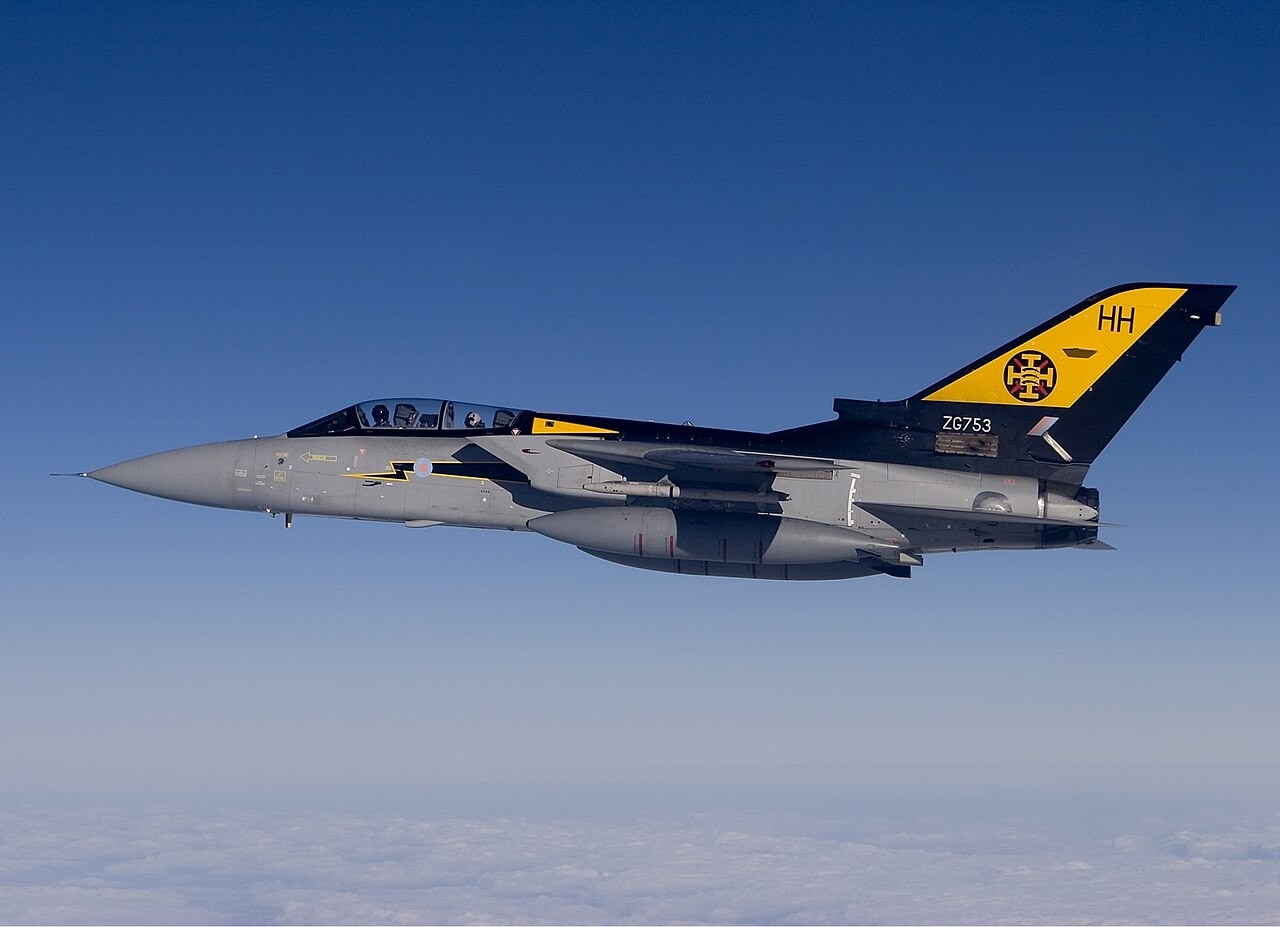
Tornado ADV
The aircraft is named 'Tornado ADV'. It's a tandem long-range air defense fighter made by Panavia, with its first flight in 1979. Its status is classified as 'Retired'. The technological lineage left by the changes includes the characteristic that 'the pilot and weapons systems officer share the procedures for long-range radar search and interception'. The focus on the Tornado ADV in 'Tandem Fighters Where Two Seats Share Combat Missions' is to show the subject of the list: 'the division of duties among tandem crew members' through a real example. If there are similar variants, it is crucial to first confirm the model name 'Tornado ADV' and the operating entity.
By examining maintenance environments and re-deployment conditions, it becomes clearer which flight regime and mission the technical choices of the 'Tornado ADV' were made for. The first flight of the 'Tornado ADV' in 1979 is a developmental milestone, but it does not immediately imply mass production or operational deployment. The status of the 'Tornado ADV' is classified separately as 'Retired' to avoid mixing retirement, program cessation, some countries in operation, and active status. The speed and range of the 'Tornado ADV' can vary with altitude, fuel, and external load, so it's more accurate to read it based on design purpose rather than a single number to determine superiority.
When comparing with other items, check the wing structure, number of engines and thrust direction, crew composition, radar location, and operational environment of the 'Tornado ADV' in sequence. The type description 'Tandem Long-Range Air Defense Fighter' attached to the 'Tornado ADV' should also be assessed to understand if it bears the same meaning as for other aircraft to reduce misunderstandings that arise from naming. 'Tandem Fighters Where Two Seats Share Combat Missions' serves to understand the technology and operational choices left by the 'Tornado ADV', rather than establishing a hierarchy of winners. The links for the 'Tornado ADV' prioritize materials from the manufacturer, military, and public aviation museums, while the images checked for identification information from Wikimedia Commons.
By examining maintenance environments and re-deployment conditions, it becomes clearer which flight regime and mission the technical choices of the 'Tornado ADV' were made for. The first flight of the 'Tornado ADV' in 1979 is a developmental milestone, but it does not immediately imply mass production or operational deployment. The status of the 'Tornado ADV' is classified separately as 'Retired' to avoid mixing retirement, program cessation, some countries in operation, and active status. The speed and range of the 'Tornado ADV' can vary with altitude, fuel, and external load, so it's more accurate to read it based on design purpose rather than a single number to determine superiority.
When comparing with other items, check the wing structure, number of engines and thrust direction, crew composition, radar location, and operational environment of the 'Tornado ADV' in sequence. The type description 'Tandem Long-Range Air Defense Fighter' attached to the 'Tornado ADV' should also be assessed to understand if it bears the same meaning as for other aircraft to reduce misunderstandings that arise from naming. 'Tandem Fighters Where Two Seats Share Combat Missions' serves to understand the technology and operational choices left by the 'Tornado ADV', rather than establishing a hierarchy of winners. The links for the 'Tornado ADV' prioritize materials from the manufacturer, military, and public aviation museums, while the images checked for identification information from Wikimedia Commons.
제작사 파나비아
국가 영국·독일·이탈리아
첫 비행 1979년
주요 역할 복좌 장거리 방공 전투기
상태 퇴역
이미지 출처 Wikipedia/Wikimedia Commons · Panavia Tornado ADV
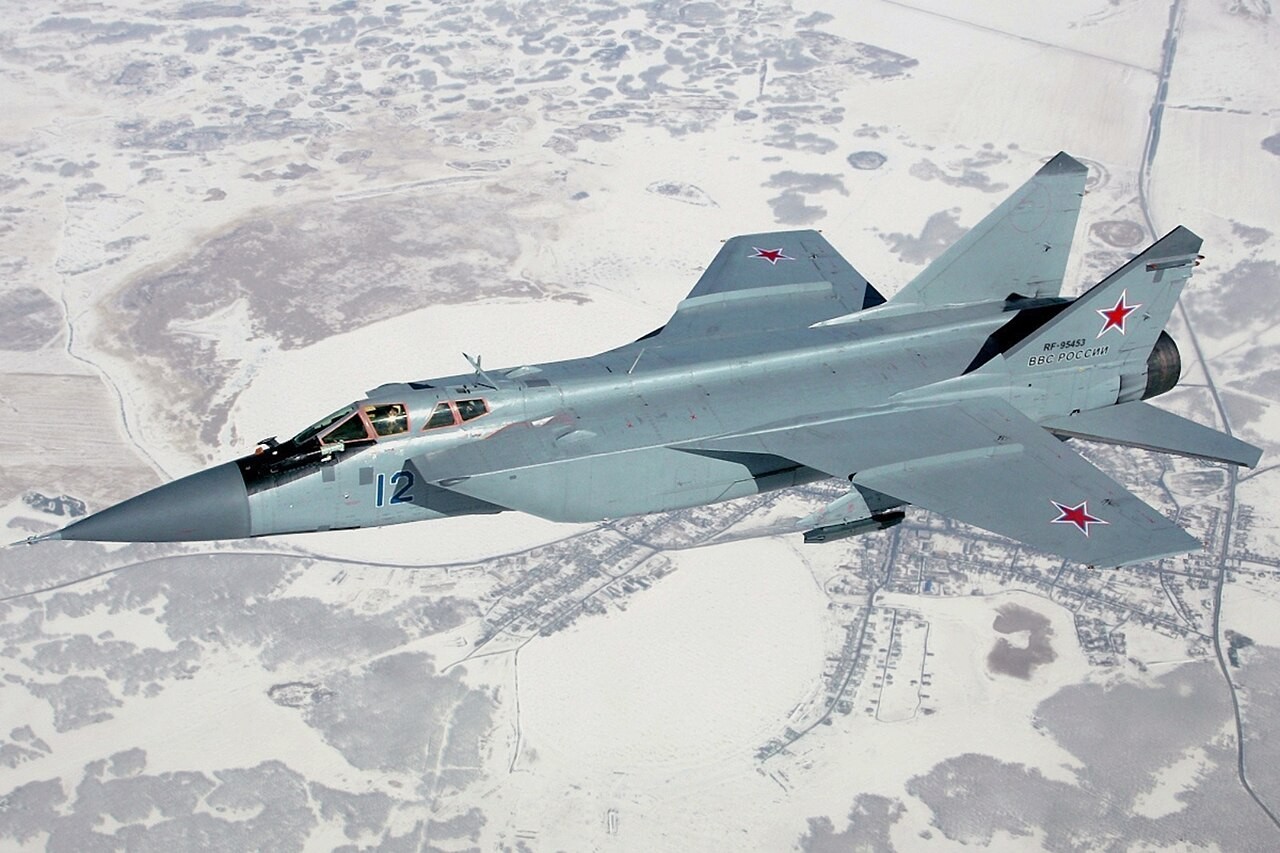
Mikoyan MiG-31
The aircraft is named 'Mikoyan MiG-31'. It is a twin-seat long-range interceptor developed by Mikoyan, belonging to the Soviet and Russian lineage, with its first flight occurring in 1975 and classified as 'active'. The test results highlighted a key feature where 'the front pilot and the rear navigation and weapon operator jointly manage targets over a wide airspace'. The reason for focusing on the Mikoyan MiG-31 in the context of 'a twin-seat fighter aircraft sharing combat missions' is that it practically demonstrates the theme of 'mission sharing among twin-seat crew members'. If there are similar variants, it’s important to check the model name 'Mikoyan MiG-31' and its operating entity first.
Referring to the official documentation type classification, the technical decisions regarding the 'Mikoyan MiG-31' become clearer in terms of which flight phase and mission they were designed for. The first flight of the 'Mikoyan MiG-31' in 1975 marked a developmental milestone but didn’t immediately indicate mass production or operational deployment. The status of the 'Mikoyan MiG-31' was categorized as 'active' to avoid mixing it with retired, obsolete, or partially operated by some nations classifications. The speed and operational range of the 'Mikoyan MiG-31' also vary depending on altitude, fuel, and external payload, making it more precise to interpret its design objectives rather than determining superiority through a single number.
When comparing with other items, let's verify the wing structure, number of engines and their thrust direction, number of crew members, radar position, and operational environment of the 'Mikoyan MiG-31' in order. It is also essential to examine if the type 'twin-seat long-range interceptor' attached to the 'Mikoyan MiG-31' has the same implications as those for other aircraft to minimize misunderstandings arising from the naming. The phrase 'twin-seat fighter sharing combat missions' is not about ranking a winner but serves as a document for understanding the technology and operational choices made by the 'Mikoyan MiG-31'. Links related to the 'Mikoyan MiG-31' prioritized materials from the manufacturer, military, and public aviation museums, and images were verified through Wikimedia Commons identification information.
Referring to the official documentation type classification, the technical decisions regarding the 'Mikoyan MiG-31' become clearer in terms of which flight phase and mission they were designed for. The first flight of the 'Mikoyan MiG-31' in 1975 marked a developmental milestone but didn’t immediately indicate mass production or operational deployment. The status of the 'Mikoyan MiG-31' was categorized as 'active' to avoid mixing it with retired, obsolete, or partially operated by some nations classifications. The speed and operational range of the 'Mikoyan MiG-31' also vary depending on altitude, fuel, and external payload, making it more precise to interpret its design objectives rather than determining superiority through a single number.
When comparing with other items, let's verify the wing structure, number of engines and their thrust direction, number of crew members, radar position, and operational environment of the 'Mikoyan MiG-31' in order. It is also essential to examine if the type 'twin-seat long-range interceptor' attached to the 'Mikoyan MiG-31' has the same implications as those for other aircraft to minimize misunderstandings arising from the naming. The phrase 'twin-seat fighter sharing combat missions' is not about ranking a winner but serves as a document for understanding the technology and operational choices made by the 'Mikoyan MiG-31'. Links related to the 'Mikoyan MiG-31' prioritized materials from the manufacturer, military, and public aviation museums, and images were verified through Wikimedia Commons identification information.
제작사 미코얀
국가 소련·러시아
첫 비행 1975년
주요 역할 복좌 장거리 요격기
상태 현역
이미지 출처 Wikipedia/Wikimedia Commons · Mikoyan MiG-31
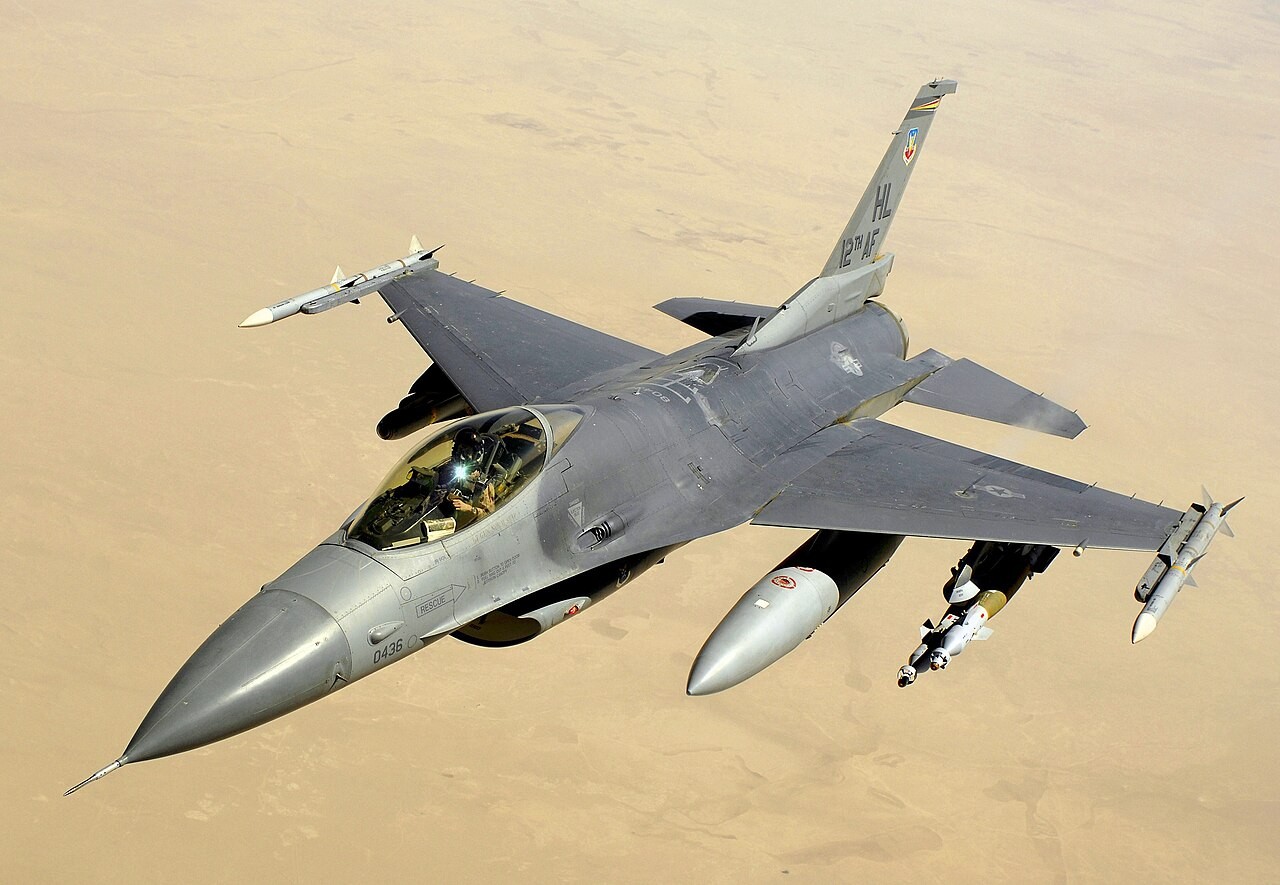
F-16D Fighting Falcon
The aircraft is named 'F-16D Fighting Falcon'. It is a twin-seat multirole fighter developed by General Dynamics, of American origin, with its first flight occurring in 1982 and classified as 'active upgraded model in operation'. The criteria for comparison with subsequent aircraft feature 'the twin-seat variant, utilized not only for conversion training but also for strike and electronic warfare support missions in some operational countries'. The reason for putting the F-16D Fighting Falcon in the spotlight within 'a twin-seat fighter aircraft sharing combat missions' context is that it illustrates the theme of 'mission sharing among twin-seat crew members'. If there are similar variants, it’s important to first verify the model name 'F-16D Fighting Falcon' along with the operating entity.
By distinguishing between subsequent variants and the original model, the technical choices visible in the 'F-16D Fighting Falcon' will be easier to understand regarding which flight phase and missions they were designed for. The first flight of the 'F-16D Fighting Falcon' in 1982 represented a developmental milestone but didn’t immediately equate to mass production or operational deployment. The status of the 'F-16D Fighting Falcon' was classified as 'active upgraded model in operation' to separate it from classifications involving retired, obsolete, partially operational by some countries, and active operational aircraft. The speed and operational range of the 'F-16D Fighting Falcon' also vary depending on altitude, fuel, and external payload, making it more accurate to read based on its design objectives rather than determining superiority through a single number.
When comparing with other items, let’s verify the wing structure, number of engines and their thrust direction, number of crew members, radar position, and operational environment of the 'F-16D Fighting Falcon'. It's essential to investigate if the type 'twin-seat multirole fighter' attached to the 'F-16D Fighting Falcon' has the same meaning as those in other aircraft to reduce potential misunderstandings generated by the nomenclature. The phrase 'twin-seat fighter sharing combat missions' is not about selecting a winner, but serves as a document for understanding the technology and operational choices made by the 'F-16D Fighting Falcon'. Links related to the 'F-16D Fighting Falcon' prioritized materials from the manufacturer, military, and public aviation museums, and images were verified through Wikimedia Commons identification information.
By distinguishing between subsequent variants and the original model, the technical choices visible in the 'F-16D Fighting Falcon' will be easier to understand regarding which flight phase and missions they were designed for. The first flight of the 'F-16D Fighting Falcon' in 1982 represented a developmental milestone but didn’t immediately equate to mass production or operational deployment. The status of the 'F-16D Fighting Falcon' was classified as 'active upgraded model in operation' to separate it from classifications involving retired, obsolete, partially operational by some countries, and active operational aircraft. The speed and operational range of the 'F-16D Fighting Falcon' also vary depending on altitude, fuel, and external payload, making it more accurate to read based on its design objectives rather than determining superiority through a single number.
When comparing with other items, let’s verify the wing structure, number of engines and their thrust direction, number of crew members, radar position, and operational environment of the 'F-16D Fighting Falcon'. It's essential to investigate if the type 'twin-seat multirole fighter' attached to the 'F-16D Fighting Falcon' has the same meaning as those in other aircraft to reduce potential misunderstandings generated by the nomenclature. The phrase 'twin-seat fighter sharing combat missions' is not about selecting a winner, but serves as a document for understanding the technology and operational choices made by the 'F-16D Fighting Falcon'. Links related to the 'F-16D Fighting Falcon' prioritized materials from the manufacturer, military, and public aviation museums, and images were verified through Wikimedia Commons identification information.
제작사 제너럴 다이내믹스
국가 미국
첫 비행 1982년
주요 역할 복좌 다목적 전투기
상태 현역 개량형 운용
이미지 출처 Wikipedia/Wikimedia Commons · General Dynamics F-16 Fighting Falcon
The value of the tandem variant lies not in the mere addition of one seat but in how mission information is divided. The F-14 and MiG-31 focus on long-range detection and interception, whereas the F-15E and Mirage 2000D are assigned roles in navigation and strikes, and the F-16D takes on different roles in training and operational missions depending on the country.
When examining the aircraft, be sure to check the designation and actual mission of the rear crew member, alongside the screen configurations of both cockpits. A tandem variant is not always superior to a single-seat variant, and there are considerations of weight and space costs as well. The key is to understand what seat configuration was chosen based on the complexity of the mission and the level of automation. Understanding a tandem fighter where two seats share combat missions requires examining both the aircraft's type and its development and operational status.
When examining the aircraft, be sure to check the designation and actual mission of the rear crew member, alongside the screen configurations of both cockpits. A tandem variant is not always superior to a single-seat variant, and there are considerations of weight and space costs as well. The key is to understand what seat configuration was chosen based on the complexity of the mission and the level of automation. Understanding a tandem fighter where two seats share combat missions requires examining both the aircraft's type and its development and operational status.
한눈에 보기
10개
F-4E Phantom II
맥도널 더글러스 · 미국 · 1967년 · 복좌 다목적 전투기 · 퇴역·일부 국가 운용 · Wikipedia/Wikimedia Commons · McDonnell Douglas F-4 Phantom II
F-14D Tomcat
그러먼 · 미국 · 1990년 · 복좌 함대방공 전투기 · 미 해군 퇴역 · Wikipedia/Wikimedia Commons · Grumman F-14 Tomcat
F-15E Strike Eagle
맥도널 더글러스·보잉 · 미국 · 1986년 · 복좌 타격 전투기 · 현역 · Wikipedia/Wikimedia Commons · McDonnell Douglas F-15E Strike Eagle
F/A-18F Super Hornet
보잉 · 미국 · 1995년 · 복좌 함재 전투공격기 · 현역 · Wikipedia/Wikimedia Commons · Boeing F/A-18E/F Super Hornet
Sukhoi Su-30
수호이 · 소련·러시아 · 1989년 · 복좌 다목적 전투기 · 현역 · Wikipedia/Wikimedia Commons · Sukhoi Su-30
Dassault Rafale B
다쏘 아비아시옹 · 프랑스 · 1993년 · 복좌 다목적 전투기 · 현역 · Wikipedia/Wikimedia Commons · Dassault Rafale
Dassault Mirage 2000D
다쏘 아비아시옹 · 프랑스 · 1991년 · 복좌 재래식 타격기 · 현역 · Wikipedia/Wikimedia Commons · Dassault Mirage 2000N/2000D
Tornado ADV
파나비아 · 영국·독일·이탈리아 · 1979년 · 복좌 장거리 방공 전투기 · 퇴역 · Wikipedia/Wikimedia Commons · Panavia Tornado ADV
Mikoyan MiG-31
미코얀 · 소련·러시아 · 1975년 · 복좌 장거리 요격기 · 현역 · Wikipedia/Wikimedia Commons · Mikoyan MiG-31
F-16D Fighting Falcon
제너럴 다이내믹스 · 미국 · 1982년 · 복좌 다목적 전투기 · 현역 개량형 운용 · Wikipedia/Wikimedia Commons · General Dynamics F-16 Fighting Falcon
이 포스팅은 쿠팡 파트너스 활동의 일환으로, 이에 따른 일정액의 수수료를 제공받습니다.
댓글 0
로그인 후 댓글을 작성할 수 있습니다.
첫 댓글을 남겨보세요.
이런 리스트는 어때요?


이런 리스트도 추천해요


🎲
여기서 멈추기엔 아쉽잖아?
다음에 뭘 볼지 고민하는 시간이 제일 아까워.
주사위가 대신 골라줄게 — 무슨 리스트가 튀어나올지는 굴려봐야 알지.
안 누르면… 평생 궁금하지 않겠어? 👀
