Collection
Science
2026.09.11
The Lineage of Exported Fighter Jets that Crossed Borders
Actual aircraft that spread to various air forces through mass production, licensed production, and local modifications
The success of fighter jet exports is determined by more than just flight performance. Factors such as licensed production potential, parts supply, pilot training, weapons approval, modification costs, and diplomatic relations all intertwine, resulting in different operational appearances of the same aircraft in different countries.
This list compiles actual aircraft that spread to various air forces, from the Hawker Hunter, F-104G, Mirage III, and F-5E to the MiG-21, F-16, MiG-29, Gripen, and Rafale. Instead of focusing on sales numbers, we will examine how production methods, local modifications, and after-sales support ecosystems created the long operational lifespans of exported fighter jets. To fully understand the lineage of the exported fighter jets that crossed borders, it is essential to check the type of the aircraft along with its development and operational status.
This list compiles actual aircraft that spread to various air forces, from the Hawker Hunter, F-104G, Mirage III, and F-5E to the MiG-21, F-16, MiG-29, Gripen, and Rafale. Instead of focusing on sales numbers, we will examine how production methods, local modifications, and after-sales support ecosystems created the long operational lifespans of exported fighter jets. To fully understand the lineage of the exported fighter jets that crossed borders, it is essential to check the type of the aircraft along with its development and operational status.
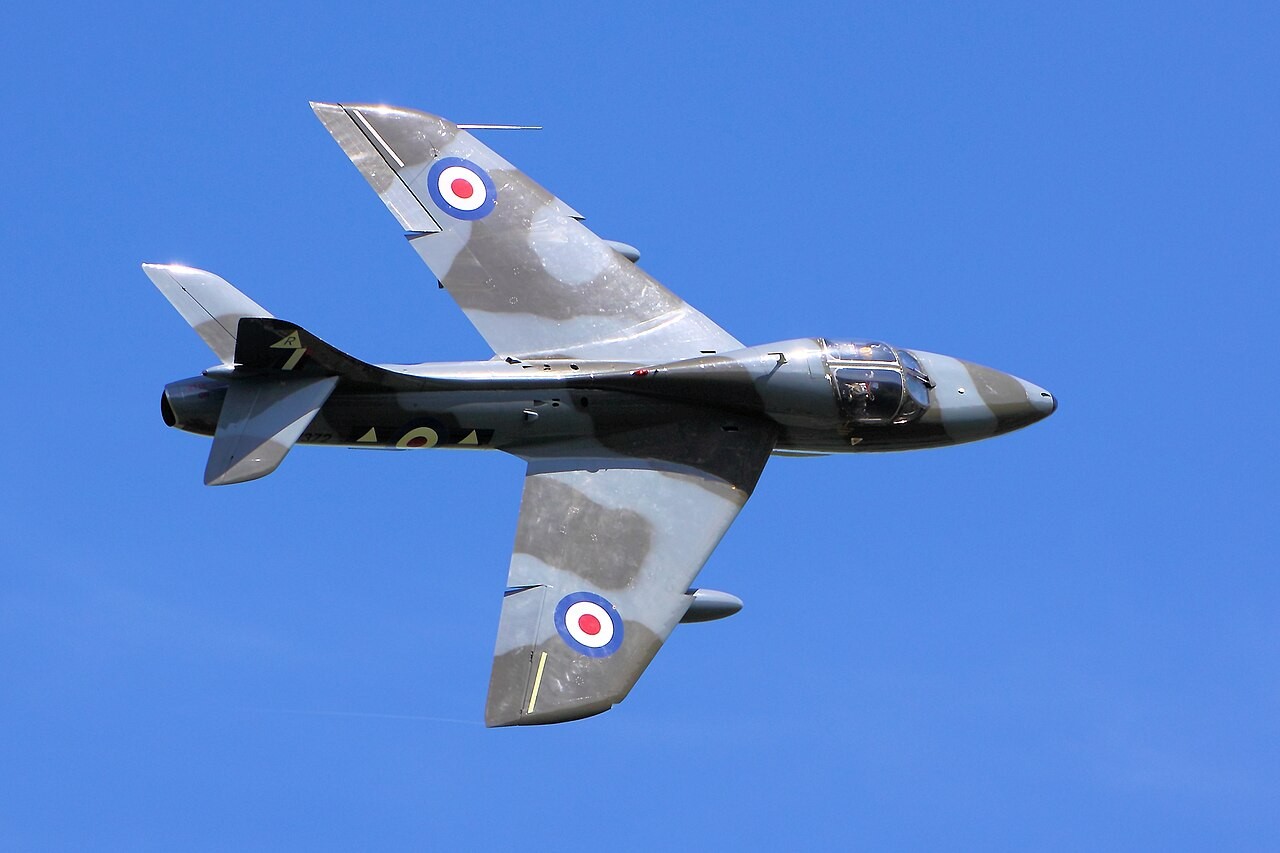
Hawker Hunter
The aircraft name is 'Hawker Hunter.' It is a British-origin daytime fighter and fighter-bomber made by Hawker Aircraft, with its first flight in 1951 and its status marked as 'retired - preserved in museums.' The first clue to understanding its appearance is the characteristic of 'stable flight performance and diverse mission improvements leading to diffusion among European, Middle Eastern, and Asian air forces.' The focus on the Hawker Hunter in 'The Lineage of Exported Fighter Jets that Crossed Borders' is due to its embodiment of the theme of 'exports and local operational ecosystems.' If there are similar variants, one should first identify the type name 'Hawker Hunter' and the operating entities.
By examining the wing shape and air intakes, the technical choices of the 'Hawker Hunter' become clearer regarding which flight phases and missions they were designed for. The first flight of the 'Hawker Hunter' in 1951 was a development milestone but did not immediately imply mass production or operational deployment. The 'Hawker Hunter' is categorized separately with the status 'retired - preserved in museums' to avoid mixing operational statuses like retirement, program termination, operational use by some countries, and in-service status. The speed and range of the 'Hawker Hunter' can vary based on altitude, fuel, and external payloads, so understanding its design purpose rather than relying on single numbers is more accurate.
When comparing with other items, checking the wing structure, number of engines, thrust direction, crew size, radar placement, and operational environment of the 'Hawker Hunter' in that order would be ideal. Moreover, it is prudent to look into whether the classification 'daytime fighter and fighter-bomber' holds the same meaning as used in other aircraft to reduce misunderstandings arising from nomenclature. 'The Lineage of Exported Fighter Jets that Crossed Borders' serves as a reference for understanding the technology and operational choices left by the 'Hawker Hunter,' rather than establishing a ranking of winners. The links for the 'Hawker Hunter' prioritized materials from manufacturers, military sources, and public aviation museums, and images were verified through Wikimedia Commons identification.
By examining the wing shape and air intakes, the technical choices of the 'Hawker Hunter' become clearer regarding which flight phases and missions they were designed for. The first flight of the 'Hawker Hunter' in 1951 was a development milestone but did not immediately imply mass production or operational deployment. The 'Hawker Hunter' is categorized separately with the status 'retired - preserved in museums' to avoid mixing operational statuses like retirement, program termination, operational use by some countries, and in-service status. The speed and range of the 'Hawker Hunter' can vary based on altitude, fuel, and external payloads, so understanding its design purpose rather than relying on single numbers is more accurate.
When comparing with other items, checking the wing structure, number of engines, thrust direction, crew size, radar placement, and operational environment of the 'Hawker Hunter' in that order would be ideal. Moreover, it is prudent to look into whether the classification 'daytime fighter and fighter-bomber' holds the same meaning as used in other aircraft to reduce misunderstandings arising from nomenclature. 'The Lineage of Exported Fighter Jets that Crossed Borders' serves as a reference for understanding the technology and operational choices left by the 'Hawker Hunter,' rather than establishing a ranking of winners. The links for the 'Hawker Hunter' prioritized materials from manufacturers, military sources, and public aviation museums, and images were verified through Wikimedia Commons identification.
제작사 호커 에어크래프트
국가 영국
첫 비행 1951년
주요 역할 주간 전투기·전투공격기
상태 퇴역·박물관 보존
이미지 출처 Wikipedia/Wikimedia Commons · Hawker Hunter
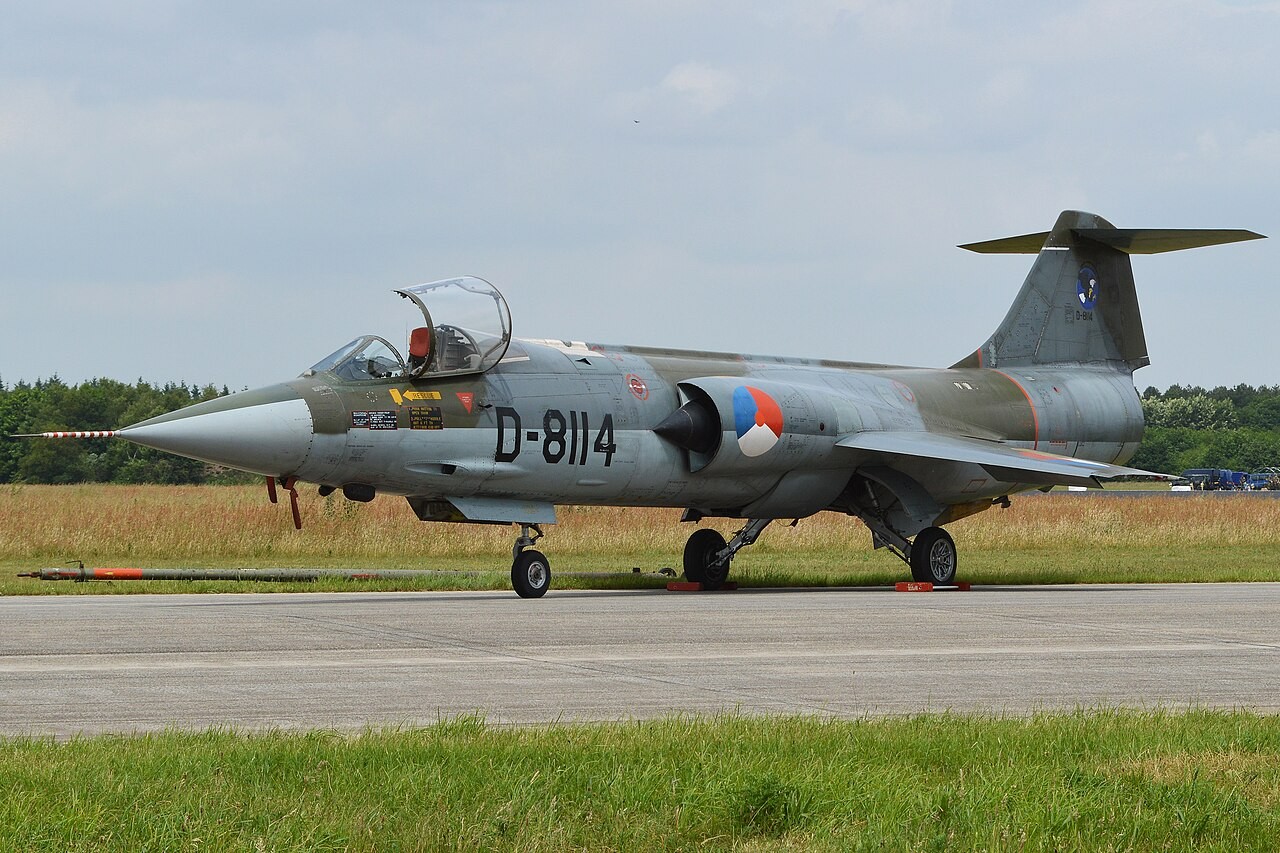
F-104G Starfighter
The aircraft name is 'F-104G Starfighter.' It is a multipurpose export fighter produced through American and European licensed production by Lockheed, with its first flight in 1960 and its status marked as 'retired.' A notable point in its development background is the characteristic of 'expanding mission scope through NATO co-production and European modifications compared to the original interceptor.' The focus on the F-104G Starfighter in 'The Lineage of Exported Fighter Jets that Crossed Borders' is due to its embodiment of the theme of 'exports and local operational ecosystems.' If there are similar variants, one should first identify the type name 'F-104G Starfighter' and the operating entities.
Examining the crew size and radar placement provides deeper insight into the technical choices of the 'F-104G Starfighter' regarding specific flight phases and missions. The first flight of the 'F-104G Starfighter' in 1960 was a development milestone but did not imply immediate mass production or operational deployment. The 'F-104G Starfighter' is categorized separately with the status 'retired' to avoid mixing operational statuses like retirement, program termination, operational use by some countries, and in-service status. Moreover, the speed and range of the 'F-104G Starfighter' can vary based on altitude, fuel, and external payloads, so it is more accurate to focus on design objectives rather than relying solely on single numbers.
When comparing with other items, it is ideal to sequentially check the wing structure, number of engines, thrust direction, crew size, radar placement, and operational environment of the 'F-104G Starfighter.' It is also wise to investigate whether the classification 'multipurpose export fighter' holds the same meaning as used in other aircraft to reduce misunderstandings arising from nomenclature. 'The Lineage of Exported Fighter Jets that Crossed Borders' serves as a reference for understanding the technology and operational choices left by the 'F-104G Starfighter,' rather than establishing a ranking of winners. The links for the 'F-104G Starfighter' prioritized materials from manufacturers, military sources, and public aviation museums, and images were verified through Wikimedia Commons identification.
Examining the crew size and radar placement provides deeper insight into the technical choices of the 'F-104G Starfighter' regarding specific flight phases and missions. The first flight of the 'F-104G Starfighter' in 1960 was a development milestone but did not imply immediate mass production or operational deployment. The 'F-104G Starfighter' is categorized separately with the status 'retired' to avoid mixing operational statuses like retirement, program termination, operational use by some countries, and in-service status. Moreover, the speed and range of the 'F-104G Starfighter' can vary based on altitude, fuel, and external payloads, so it is more accurate to focus on design objectives rather than relying solely on single numbers.
When comparing with other items, it is ideal to sequentially check the wing structure, number of engines, thrust direction, crew size, radar placement, and operational environment of the 'F-104G Starfighter.' It is also wise to investigate whether the classification 'multipurpose export fighter' holds the same meaning as used in other aircraft to reduce misunderstandings arising from nomenclature. 'The Lineage of Exported Fighter Jets that Crossed Borders' serves as a reference for understanding the technology and operational choices left by the 'F-104G Starfighter,' rather than establishing a ranking of winners. The links for the 'F-104G Starfighter' prioritized materials from manufacturers, military sources, and public aviation museums, and images were verified through Wikimedia Commons identification.
제작사 록히드
국가 미국·유럽 면허생산
첫 비행 1960년
주요 역할 다목적 수출형 전투기
상태 퇴역
이미지 출처 Wikipedia/Wikimedia Commons · Lockheed F-104 Starfighter
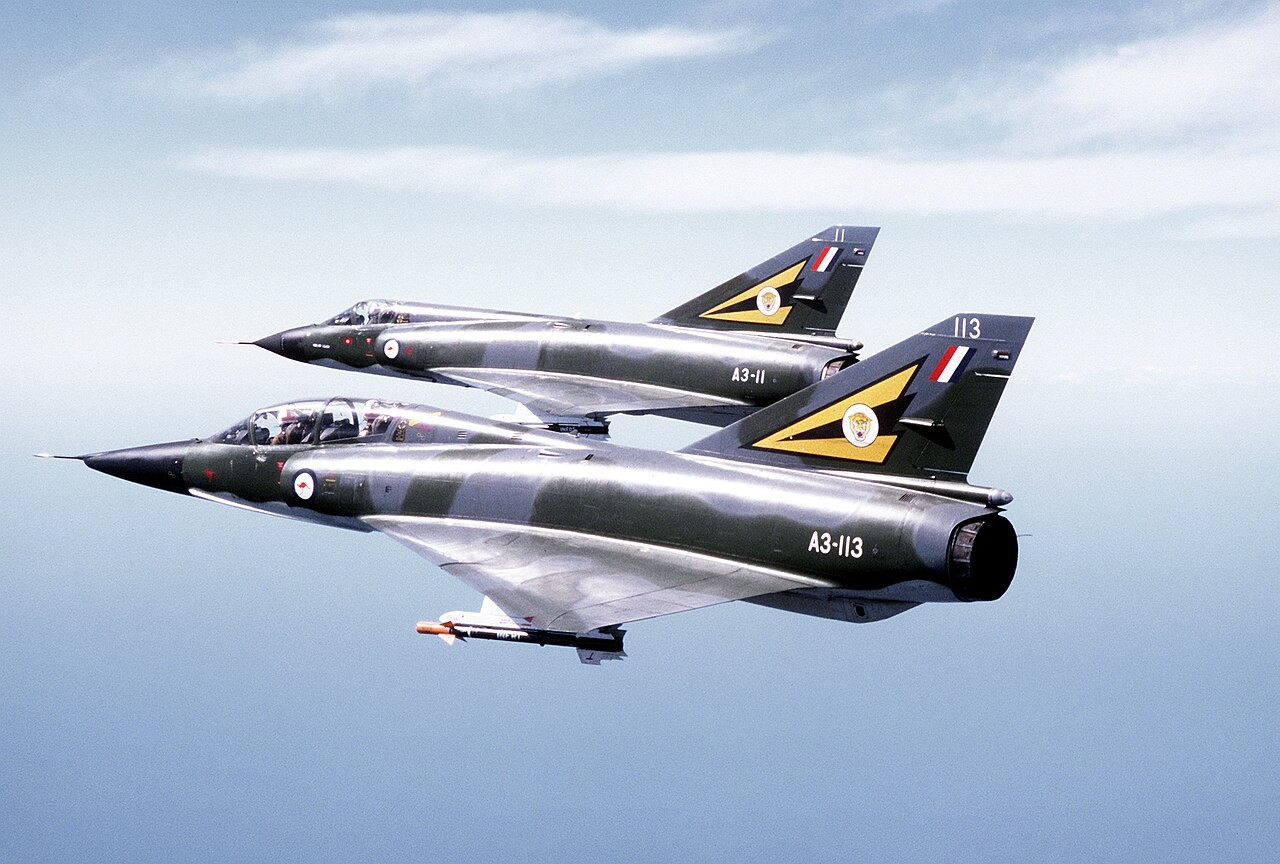
Dassault Mirage III
The aircraft name is 'Dassault Mirage III.' It is a French-origin supersonic multipurpose fighter produced by Dassault Aviation, with its first flight in 1956, and its status marked as 'retired - derivative models preserved.' A key to understanding its operators is the characteristic of 'licensed production and local modifications in various regions with a delta wing and relatively simple operational systems.' The focus on the Dassault Mirage III in 'The Lineage of Exported Fighter Jets that Crossed Borders' is due to its embodiment of the theme of 'exports and local operational ecosystems.' If there are similar variants, one should first identify the type name 'Dassault Mirage III' and the operating entities.
By dividing the take-off and landing methods and mission radius, the technical choices of the 'Dassault Mirage III' become clearer regarding which flight phases and missions they were designed for. The first flight of the 'Dassault Mirage III' in 1956 was a development milestone but did not imply immediate mass production or operational deployment. The 'Dassault Mirage III' is categorized separately with the status 'retired - derivative models preserved' to avoid mixing operational statuses like retirement, program termination, operational use by some countries, and in-service status. The speed and range of the 'Dassault Mirage III' can vary based on altitude, fuel, and external payloads, so it is more accurate to focus on design objectives rather than relying solely on single numbers.
When comparing with other items, it is ideal to sequentially check the wing structure, number of engines, thrust direction, crew size, radar placement, and operational environment of the 'Dassault Mirage III.' It is also wise to investigate whether the classification 'supersonic multipurpose fighter' holds the same meaning as used in other aircraft to reduce misunderstandings arising from nomenclature. 'The Lineage of Exported Fighter Jets that Crossed Borders' serves as a reference for understanding the technology and operational choices left by the 'Dassault Mirage III,' rather than establishing a ranking of winners. The links for the 'Dassault Mirage III' prioritized materials from manufacturers, military sources, and public aviation museums, and images were verified through Wikimedia Commons identification.
By dividing the take-off and landing methods and mission radius, the technical choices of the 'Dassault Mirage III' become clearer regarding which flight phases and missions they were designed for. The first flight of the 'Dassault Mirage III' in 1956 was a development milestone but did not imply immediate mass production or operational deployment. The 'Dassault Mirage III' is categorized separately with the status 'retired - derivative models preserved' to avoid mixing operational statuses like retirement, program termination, operational use by some countries, and in-service status. The speed and range of the 'Dassault Mirage III' can vary based on altitude, fuel, and external payloads, so it is more accurate to focus on design objectives rather than relying solely on single numbers.
When comparing with other items, it is ideal to sequentially check the wing structure, number of engines, thrust direction, crew size, radar placement, and operational environment of the 'Dassault Mirage III.' It is also wise to investigate whether the classification 'supersonic multipurpose fighter' holds the same meaning as used in other aircraft to reduce misunderstandings arising from nomenclature. 'The Lineage of Exported Fighter Jets that Crossed Borders' serves as a reference for understanding the technology and operational choices left by the 'Dassault Mirage III,' rather than establishing a ranking of winners. The links for the 'Dassault Mirage III' prioritized materials from manufacturers, military sources, and public aviation museums, and images were verified through Wikimedia Commons identification.
제작사 다쏘 아비아시옹
국가 프랑스
첫 비행 1956년
주요 역할 초음속 다목적 전투기
상태 퇴역·파생형 보존
이미지 출처 Wikipedia/Wikimedia Commons · Dassault Mirage III
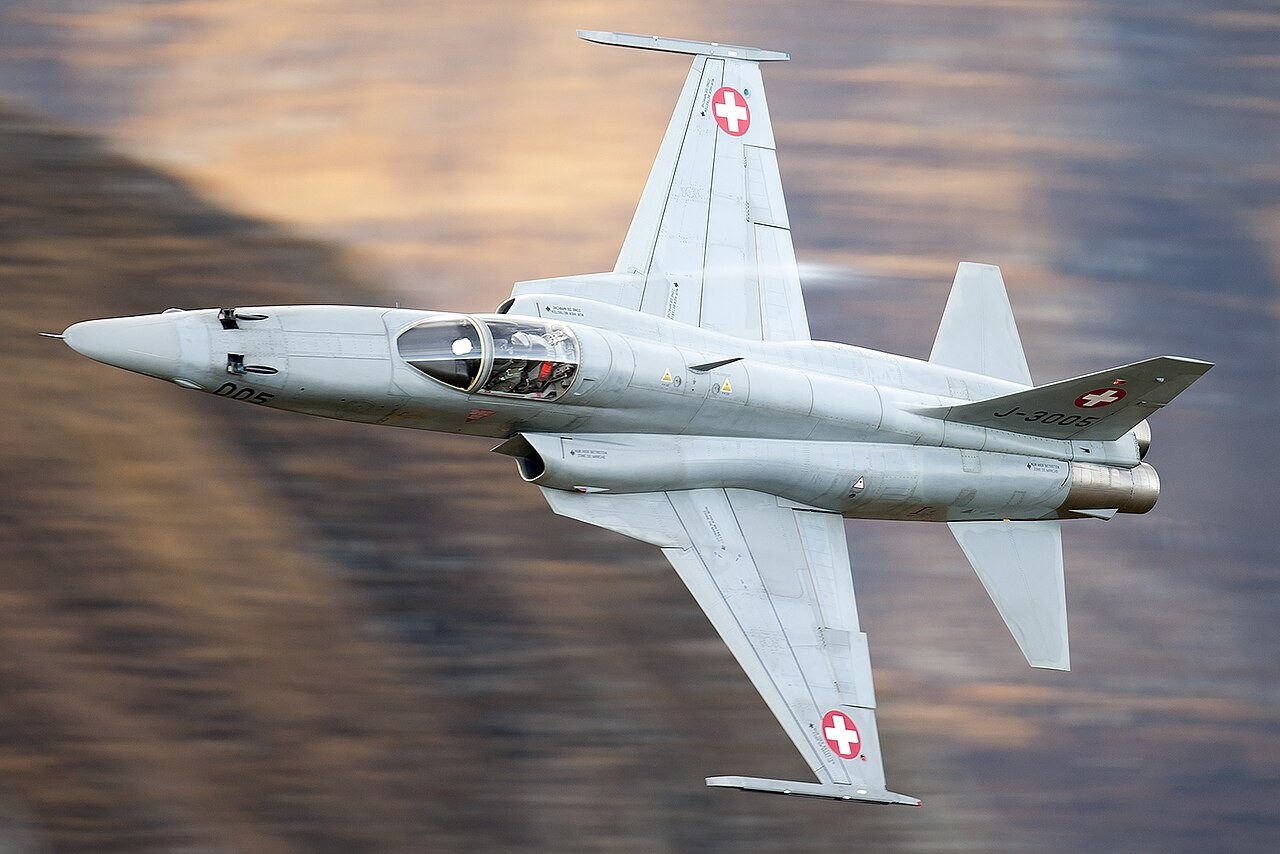
Northrop F-5E Tiger II
The aircraft name is 'Northrop F-5E Tiger II.' It is an American-origin lightweight export fighter produced by Northrop, with its first flight in 1972, and its status marked as 'in use by some countries.' When considering the photographs and missions together, a critical point is the characteristic of 'broadly adopted for allied support and export power due to low maintenance burden and training suitability.' The focus on the Northrop F-5E Tiger II in 'The Lineage of Exported Fighter Jets that Crossed Borders' is due to its embodiment of the theme of 'exports and local operational ecosystems.' If there are similar variants, one should first identify the type name 'Northrop F-5E Tiger II' and the operating entities.
Distinguishing between the first flight and actual deployment timings provides clearer insight into which flight phases and missions the 'Northrop F-5E Tiger II' was designed for. The first flight of the 'Northrop F-5E Tiger II' in 1972 was a development milestone but did not imply immediate mass production or operational deployment. The 'Northrop F-5E Tiger II' is categorized separately with the status 'in use by some countries' to avoid mixing operational statuses like retirement, program termination, operational use by some countries, and in-service status. Moreover, the speed and range of the 'Northrop F-5E Tiger II' can vary based on altitude, fuel, and external payloads, so it is more accurate to focus on design objectives rather than relying solely on single numbers.
When comparing with other items, it is ideal to sequentially check the wing structure, number of engines, thrust direction, crew size, radar placement, and operational environment of the 'Northrop F-5E Tiger II.' It is also wise to investigate whether the classification 'lightweight export fighter' holds the same meaning as used in other aircraft to reduce misunderstandings arising from nomenclature. 'The Lineage of Exported Fighter Jets that Crossed Borders' serves as a reference for understanding the technology and operational choices left by the 'Northrop F-5E Tiger II,' rather than establishing a ranking of winners. The links for the 'Northrop F-5E Tiger II' prioritized materials from manufacturers, military sources, and public aviation museums, and images were verified through Wikimedia Commons identification.
Distinguishing between the first flight and actual deployment timings provides clearer insight into which flight phases and missions the 'Northrop F-5E Tiger II' was designed for. The first flight of the 'Northrop F-5E Tiger II' in 1972 was a development milestone but did not imply immediate mass production or operational deployment. The 'Northrop F-5E Tiger II' is categorized separately with the status 'in use by some countries' to avoid mixing operational statuses like retirement, program termination, operational use by some countries, and in-service status. Moreover, the speed and range of the 'Northrop F-5E Tiger II' can vary based on altitude, fuel, and external payloads, so it is more accurate to focus on design objectives rather than relying solely on single numbers.
When comparing with other items, it is ideal to sequentially check the wing structure, number of engines, thrust direction, crew size, radar placement, and operational environment of the 'Northrop F-5E Tiger II.' It is also wise to investigate whether the classification 'lightweight export fighter' holds the same meaning as used in other aircraft to reduce misunderstandings arising from nomenclature. 'The Lineage of Exported Fighter Jets that Crossed Borders' serves as a reference for understanding the technology and operational choices left by the 'Northrop F-5E Tiger II,' rather than establishing a ranking of winners. The links for the 'Northrop F-5E Tiger II' prioritized materials from manufacturers, military sources, and public aviation museums, and images were verified through Wikimedia Commons identification.
제작사 노스럽
국가 미국
첫 비행 1972년
주요 역할 경량 수출 전투기
상태 일부 국가 운용
이미지 출처 Wikipedia/Wikimedia Commons · Northrop F-5
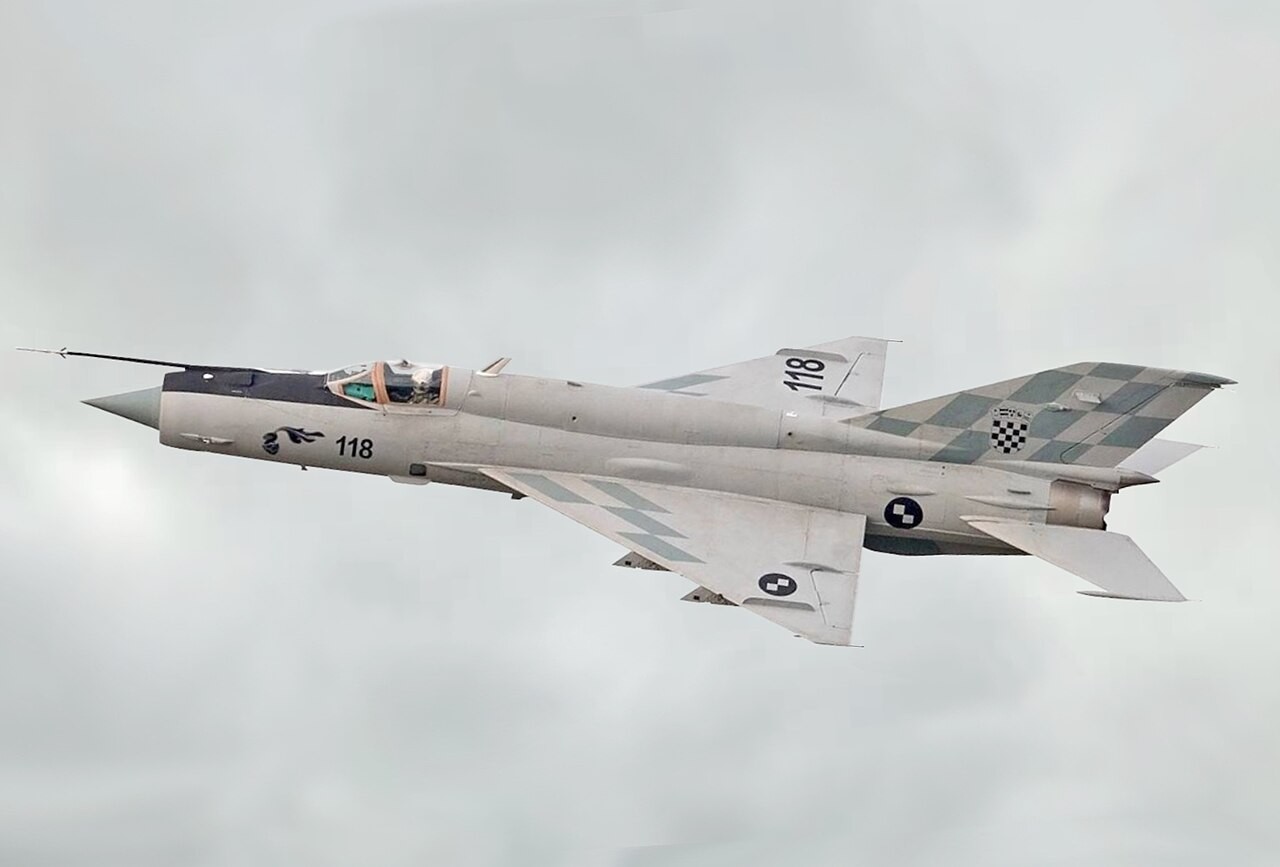
MiG-21bis
The aircraft name is 'MiG-21bis.' It is a lightweight supersonic fighter produced by Mikoyan-Gurevich, with its first flight in 1971 and its status marked as 'in use by some countries.' The distinguishing choice compared to contemporary aircraft is the characteristic of 'composing the jet power of several air forces through mass production, licensed production, and various local modifications.' The focus on the MiG-21bis in 'The Lineage of Exported Fighter Jets that Crossed Borders' is due to its embodiment of the theme of 'exports and local operational ecosystems.' If there are similar variants, one should first identify the type name 'MiG-21bis' and the operating entities.
Comparing engine placement and aircraft structure gives clearer insight into which flight phases and missions the 'MiG-21bis' was designed for. The first flight of the 'MiG-21bis' in 1971 was a development milestone but did not imply immediate mass production or operational deployment. The 'MiG-21bis' is categorized separately with the status 'in use by some countries' to avoid mixing operational statuses like retirement, program termination, operational use by some countries, and in-service status. Moreover, the speed and range of the 'MiG-21bis' can vary based on altitude, fuel, and external payloads, so it is more accurate to focus on design objectives rather than relying solely on single numbers.
When comparing with other items, it is ideal to sequentially check the wing structure, number of engines, thrust direction, crew size, radar placement, and operational environment of the 'MiG-21bis.' It is also wise to investigate whether the classification 'lightweight supersonic fighter' holds the same meaning as used in other aircraft to reduce misunderstandings arising from nomenclature. 'The Lineage of Exported Fighter Jets that Crossed Borders' serves as a reference for understanding the technology and operational choices left by the 'MiG-21bis,' rather than establishing a ranking of winners. The links for the 'MiG-21bis' prioritized materials from manufacturers, military sources, and public aviation museums, and images were verified through Wikimedia Commons identification.
Comparing engine placement and aircraft structure gives clearer insight into which flight phases and missions the 'MiG-21bis' was designed for. The first flight of the 'MiG-21bis' in 1971 was a development milestone but did not imply immediate mass production or operational deployment. The 'MiG-21bis' is categorized separately with the status 'in use by some countries' to avoid mixing operational statuses like retirement, program termination, operational use by some countries, and in-service status. Moreover, the speed and range of the 'MiG-21bis' can vary based on altitude, fuel, and external payloads, so it is more accurate to focus on design objectives rather than relying solely on single numbers.
When comparing with other items, it is ideal to sequentially check the wing structure, number of engines, thrust direction, crew size, radar placement, and operational environment of the 'MiG-21bis.' It is also wise to investigate whether the classification 'lightweight supersonic fighter' holds the same meaning as used in other aircraft to reduce misunderstandings arising from nomenclature. 'The Lineage of Exported Fighter Jets that Crossed Borders' serves as a reference for understanding the technology and operational choices left by the 'MiG-21bis,' rather than establishing a ranking of winners. The links for the 'MiG-21bis' prioritized materials from manufacturers, military sources, and public aviation museums, and images were verified through Wikimedia Commons identification.
제작사 미코얀-구레비치
국가 소련
첫 비행 1971년
주요 역할 경량 초음속 전투기
상태 일부 국가 운용
이미지 출처 Wikipedia/Wikimedia Commons · Mikoyan-Gurevich MiG-21
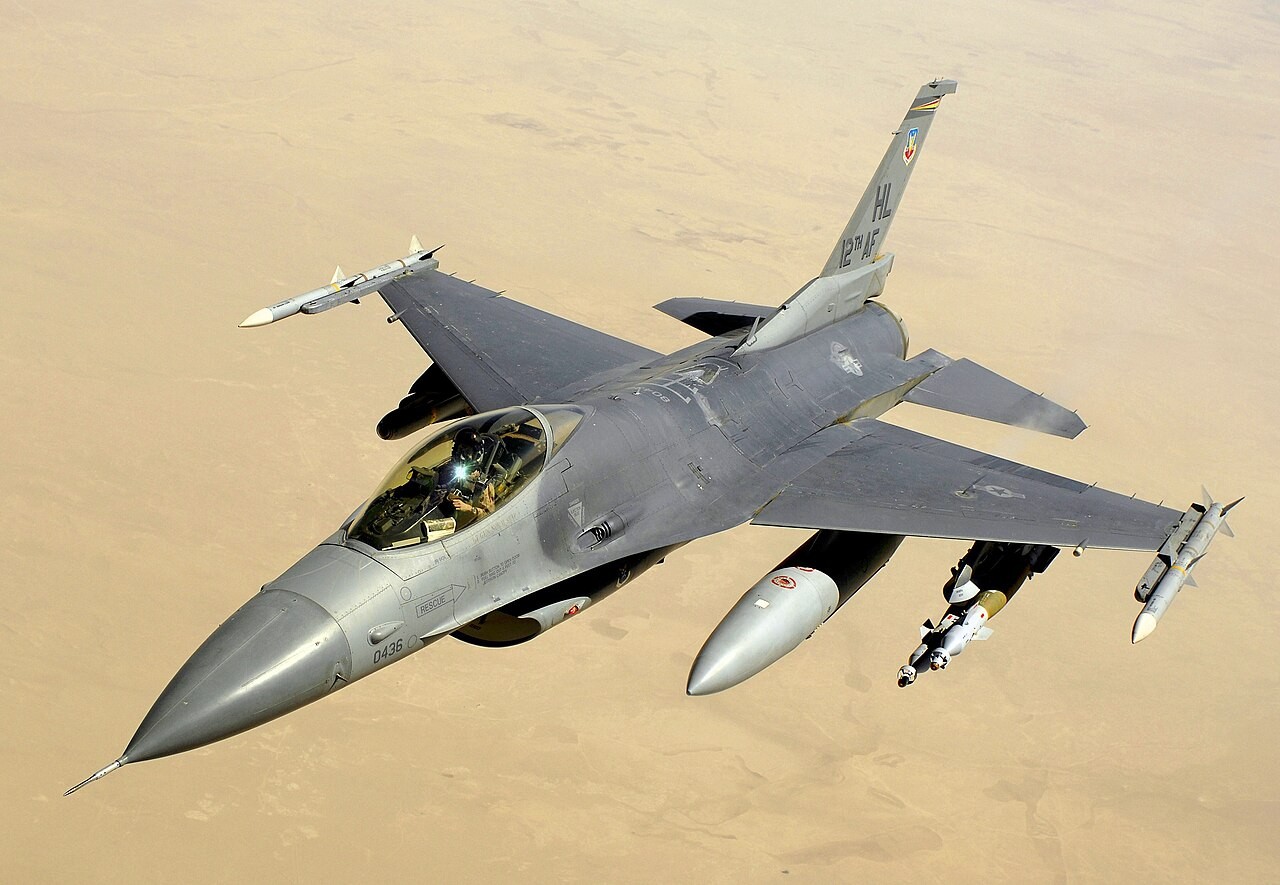
F-16C/D Fighting Falcon
The aircraft name is 'F-16C/D Fighting Falcon.' It is a multipurpose export fighter produced by General Dynamics and Lockheed Martin, with its first flight in 1984, and its status marked as 'in service - upgraded.' The starting point of the design is the characteristic of 'forming an ecosystem that applies radar, armament, and avionics upgrades based on common airframes for each operating country.' The focus on the F-16C/D Fighting Falcon in 'The Lineage of Exported Fighter Jets that Crossed Borders' is due to its embodiment of the theme of 'exports and local operational ecosystems.' If there are similar variants, one should first identify the type name 'F-16C/D Fighting Falcon' and the operating entities.
Considering both the production purpose and operational results provides clearer insight into which flight phases and missions the 'F-16C/D Fighting Falcon' was designed for. The first flight of the 'F-16C/D Fighting Falcon' in 1984 was a development milestone but did not imply immediate mass production or operational deployment. The 'F-16C/D Fighting Falcon' is categorized separately with the status 'in service - upgraded' to avoid mixing operational statuses like retirement, program termination, operational use by some countries, and in-service status. Moreover, the speed and range of the 'F-16C/D Fighting Falcon' can vary based on altitude, fuel, and external payloads, so it is more accurate to focus on design objectives rather than relying solely on single numbers.
When comparing with other items, it is ideal to sequentially check the wing structure, number of engines, thrust direction, crew size, radar placement, and operational environment of the 'F-16C/D Fighting Falcon.' It is also wise to investigate whether the classification 'multipurpose export fighter' holds the same meaning as used in other aircraft to reduce misunderstandings arising from nomenclature. 'The Lineage of Exported Fighter Jets that Crossed Borders' serves as a reference for understanding the technology and operational choices left by the 'F-16C/D Fighting Falcon,' rather than establishing a ranking of winners. The links for the 'F-16C/D Fighting Falcon' prioritized materials from manufacturers, military sources, and public aviation museums, and images were verified through Wikimedia Commons identification.
Considering both the production purpose and operational results provides clearer insight into which flight phases and missions the 'F-16C/D Fighting Falcon' was designed for. The first flight of the 'F-16C/D Fighting Falcon' in 1984 was a development milestone but did not imply immediate mass production or operational deployment. The 'F-16C/D Fighting Falcon' is categorized separately with the status 'in service - upgraded' to avoid mixing operational statuses like retirement, program termination, operational use by some countries, and in-service status. Moreover, the speed and range of the 'F-16C/D Fighting Falcon' can vary based on altitude, fuel, and external payloads, so it is more accurate to focus on design objectives rather than relying solely on single numbers.
When comparing with other items, it is ideal to sequentially check the wing structure, number of engines, thrust direction, crew size, radar placement, and operational environment of the 'F-16C/D Fighting Falcon.' It is also wise to investigate whether the classification 'multipurpose export fighter' holds the same meaning as used in other aircraft to reduce misunderstandings arising from nomenclature. 'The Lineage of Exported Fighter Jets that Crossed Borders' serves as a reference for understanding the technology and operational choices left by the 'F-16C/D Fighting Falcon,' rather than establishing a ranking of winners. The links for the 'F-16C/D Fighting Falcon' prioritized materials from manufacturers, military sources, and public aviation museums, and images were verified through Wikimedia Commons identification.
제작사 제너럴 다이내믹스·록히드 마틴
국가 미국
첫 비행 1984년
주요 역할 다목적 수출 전투기
상태 현역·개량
이미지 출처 Wikipedia/Wikimedia Commons · General Dynamics F-16 Fighting Falcon
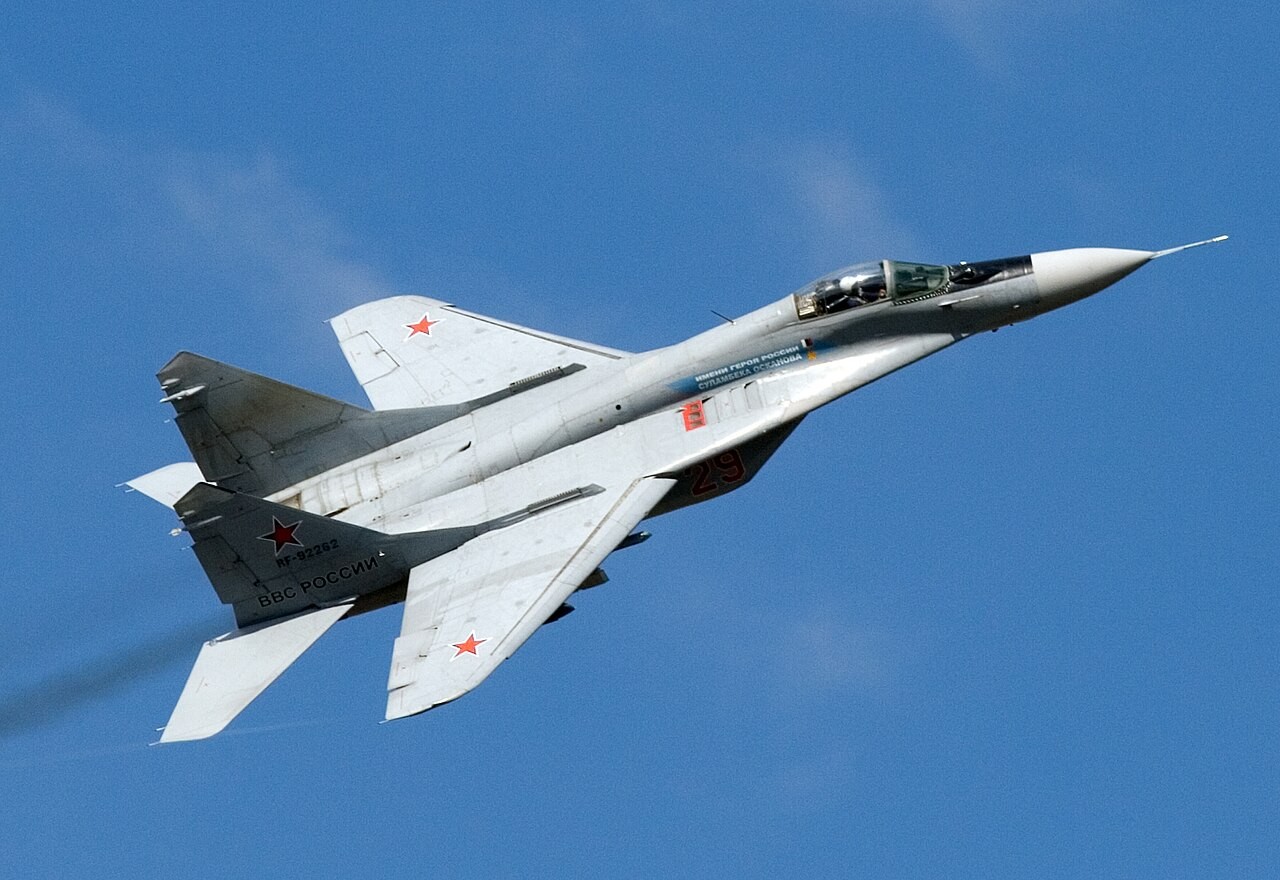
MiG-29A
The aircraft name is 'MiG-29A.' It is a frontline fighter produced by Mikoyan, with its first flight in 1977 and its status marked as 'in use by some countries.' The clues to assessing its actual deployment are the characteristics of 'being deployed in various regions through Cold War allies and subsequently through the used and new markets.' The focus on the MiG-29A in 'The Lineage of Exported Fighter Jets that Crossed Borders' is due to its embodiment of the theme of 'exports and local operational ecosystems.' If there are similar variants, one should first identify the type name 'MiG-29A' and the operating entities.
Identifying the differences between the prototype and production model clarifies which flight phases and missions the 'MiG-29A' was designed for. The first flight of the 'MiG-29A' in 1977 was a development milestone but did not imply immediate mass production or operational deployment. The 'MiG-29A' is categorized separately with the status 'in use by some countries' to avoid mixing operational statuses like retirement, program termination, operational use by some countries, and in-service status. Moreover, the speed and range of the 'MiG-29A' can vary based on altitude, fuel, and external payloads, so it is more accurate to focus on design objectives rather than relying solely on single numbers.
When comparing with other items, it is ideal to sequentially check the wing structure, number of engines, thrust direction, crew size, radar placement, and operational environment of the 'MiG-29A.' It is also wise to investigate whether the classification 'frontline fighter' holds the same meaning as used in other aircraft to reduce misunderstandings arising from nomenclature. 'The Lineage of Exported Fighter Jets that Crossed Borders' serves as a reference for understanding the technology and operational choices left by the 'MiG-29A,' rather than establishing a ranking of winners. The links for the 'MiG-29A' prioritized materials from manufacturers, military sources, and public aviation museums, and images were verified through Wikimedia Commons identification.
Identifying the differences between the prototype and production model clarifies which flight phases and missions the 'MiG-29A' was designed for. The first flight of the 'MiG-29A' in 1977 was a development milestone but did not imply immediate mass production or operational deployment. The 'MiG-29A' is categorized separately with the status 'in use by some countries' to avoid mixing operational statuses like retirement, program termination, operational use by some countries, and in-service status. Moreover, the speed and range of the 'MiG-29A' can vary based on altitude, fuel, and external payloads, so it is more accurate to focus on design objectives rather than relying solely on single numbers.
When comparing with other items, it is ideal to sequentially check the wing structure, number of engines, thrust direction, crew size, radar placement, and operational environment of the 'MiG-29A.' It is also wise to investigate whether the classification 'frontline fighter' holds the same meaning as used in other aircraft to reduce misunderstandings arising from nomenclature. 'The Lineage of Exported Fighter Jets that Crossed Borders' serves as a reference for understanding the technology and operational choices left by the 'MiG-29A,' rather than establishing a ranking of winners. The links for the 'MiG-29A' prioritized materials from manufacturers, military sources, and public aviation museums, and images were verified through Wikimedia Commons identification.
제작사 미코얀
국가 소련
첫 비행 1977년
주요 역할 전선 전투기
상태 일부 국가 운용
이미지 출처 Wikipedia/Wikimedia Commons · Mikoyan MiG-29
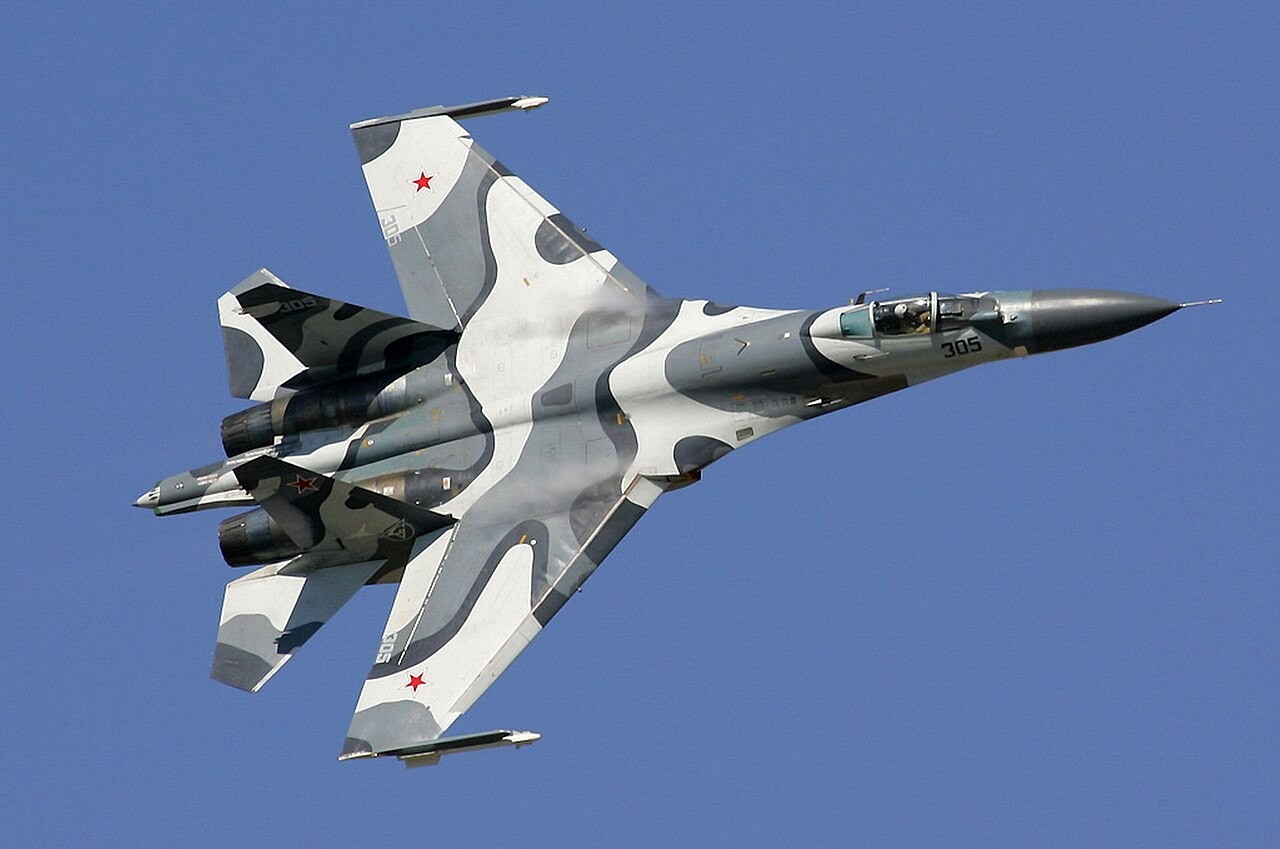
Su-27SK
The aircraft name is 'Su-27SK.' It is an export version of the interceptor fighter developed by Sukhoi, with its first flight in 1981 and its status marked as 'in use by some countries.' The technological lineage shows the characteristic of 'influencing licensed production and derivative development of the Su-30 family based on a large twin-engine airframe.' The focus on the Su-27SK in 'The Lineage of Exported Fighter Jets that Crossed Borders' is due to its embodiment of the theme of 'exports and local operational ecosystems.' If there are similar variants, one should first identify the type name 'Su-27SK' and the operating entities.
By examining the maintenance environment and re-launch conditions, the technical choices of the 'Su-27SK' become clearer regarding which flight phases and missions they were designed for. The first flight of the 'Su-27SK' in 1981 was a development milestone but did not imply immediate mass production or operational deployment. The 'Su-27SK' is categorized separately with the status 'in use by some countries' to avoid mixing operational statuses like retirement, program termination, operational use by some countries, and in-service status. Moreover, the speed and range of the 'Su-27SK' can vary based on altitude, fuel, and external payloads, so it is more accurate to focus on design objectives rather than relying solely on single numbers.
When comparing with other items, it is ideal to sequentially check the wing structure, number of engines, thrust direction, crew size, radar placement, and operational environment of the 'Su-27SK.' It is also wise to investigate whether the classification 'export version of interceptor fighter' holds the same meaning as used in other aircraft to reduce misunderstandings arising from nomenclature. 'The Lineage of Exported Fighter Jets that Crossed Borders' serves as a reference for understanding the technology and operational choices left by the 'Su-27SK,' rather than establishing a ranking of winners. The links for the 'Su-27SK' prioritized materials from manufacturers, military sources, and public aviation museums, and images were verified through Wikimedia Commons identification.
By examining the maintenance environment and re-launch conditions, the technical choices of the 'Su-27SK' become clearer regarding which flight phases and missions they were designed for. The first flight of the 'Su-27SK' in 1981 was a development milestone but did not imply immediate mass production or operational deployment. The 'Su-27SK' is categorized separately with the status 'in use by some countries' to avoid mixing operational statuses like retirement, program termination, operational use by some countries, and in-service status. Moreover, the speed and range of the 'Su-27SK' can vary based on altitude, fuel, and external payloads, so it is more accurate to focus on design objectives rather than relying solely on single numbers.
When comparing with other items, it is ideal to sequentially check the wing structure, number of engines, thrust direction, crew size, radar placement, and operational environment of the 'Su-27SK.' It is also wise to investigate whether the classification 'export version of interceptor fighter' holds the same meaning as used in other aircraft to reduce misunderstandings arising from nomenclature. 'The Lineage of Exported Fighter Jets that Crossed Borders' serves as a reference for understanding the technology and operational choices left by the 'Su-27SK,' rather than establishing a ranking of winners. The links for the 'Su-27SK' prioritized materials from manufacturers, military sources, and public aviation museums, and images were verified through Wikimedia Commons identification.
제작사 수호이
국가 소련·러시아
첫 비행 1981년
주요 역할 수출형 제공 전투기
상태 일부 국가 운용
이미지 출처 Wikipedia/Wikimedia Commons · Sukhoi Su-27
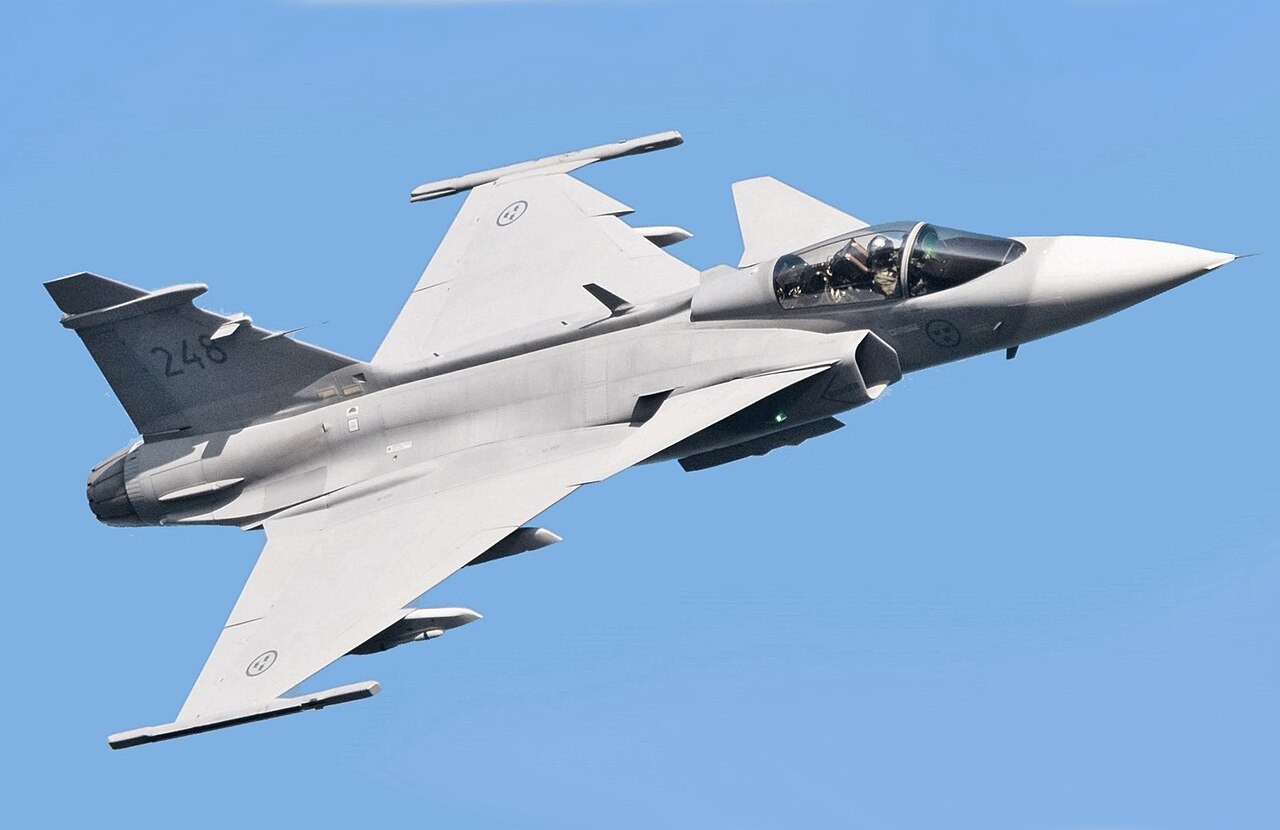
Saab JAS 39C/D Gripen
The aircraft name is ‘Saab JAS 39C/D Gripen’. It is a lightweight multirole fighter made by Saab from Sweden, with its first flight in 1988, and its status is marked as ‘in active service’. The test results have shown that it has strengths in ‘operating from road bases and relatively small maintenance organizations which secure overseas operating countries’. The reason for focusing on the Saab JAS 39C/D Gripen in the ‘lineage of selected export fighters across borders’ is that it illustrates the theme of the listing, which is ‘exports and local operational ecosystems’. If there are similar variants, one should first confirm the model name ‘Saab JAS 39C/D Gripen’ and the operating entity.
According to the official documentation, the technical choices of the Saab JAS 39C/D Gripen are more clearly seen in terms of which flight segments and missions they are designed for. The first flight of the Saab JAS 39C/D Gripen in 1988 marks a developmental milestone, but does not immediately indicate serial production or operational deployment. The status of the Saab JAS 39C/D Gripen is separately classified as ‘in active service’ to avoid mixing retired, out-of-production, partially operated, and active statuses. The speed and range of the Saab JAS 39C/D Gripen vary according to altitude, fuel, and external payload, so it is more accurate to read its design purpose instead of determining superiority based on a single number.
When comparing with other items, let’s check the wing structure, number of engines and thrust direction, crew size, radar position, and operational environment of the Saab JAS 39C/D Gripen in order. The type attached to the Saab JAS 39C/D Gripen, labeled as ‘lightweight multirole fighter’, should also be examined to clarify any misunderstandings arising from the nomenclature compared to other aircraft. The ‘lineage of selected export fighters across borders’ is not about ranking winners but is a resource for understanding the technologies and operational choices left by the Saab JAS 39C/D Gripen. Links for the Saab JAS 39C/D Gripen prioritize resources from manufacturers, military, and public aviation museums, and images have verified identification information from Wikimedia Commons.
According to the official documentation, the technical choices of the Saab JAS 39C/D Gripen are more clearly seen in terms of which flight segments and missions they are designed for. The first flight of the Saab JAS 39C/D Gripen in 1988 marks a developmental milestone, but does not immediately indicate serial production or operational deployment. The status of the Saab JAS 39C/D Gripen is separately classified as ‘in active service’ to avoid mixing retired, out-of-production, partially operated, and active statuses. The speed and range of the Saab JAS 39C/D Gripen vary according to altitude, fuel, and external payload, so it is more accurate to read its design purpose instead of determining superiority based on a single number.
When comparing with other items, let’s check the wing structure, number of engines and thrust direction, crew size, radar position, and operational environment of the Saab JAS 39C/D Gripen in order. The type attached to the Saab JAS 39C/D Gripen, labeled as ‘lightweight multirole fighter’, should also be examined to clarify any misunderstandings arising from the nomenclature compared to other aircraft. The ‘lineage of selected export fighters across borders’ is not about ranking winners but is a resource for understanding the technologies and operational choices left by the Saab JAS 39C/D Gripen. Links for the Saab JAS 39C/D Gripen prioritize resources from manufacturers, military, and public aviation museums, and images have verified identification information from Wikimedia Commons.
제작사 사브
국가 스웨덴
첫 비행 1988년
주요 역할 경량 다목적 전투기
상태 현역
이미지 출처 Wikipedia/Wikimedia Commons · Saab JAS 39 Gripen
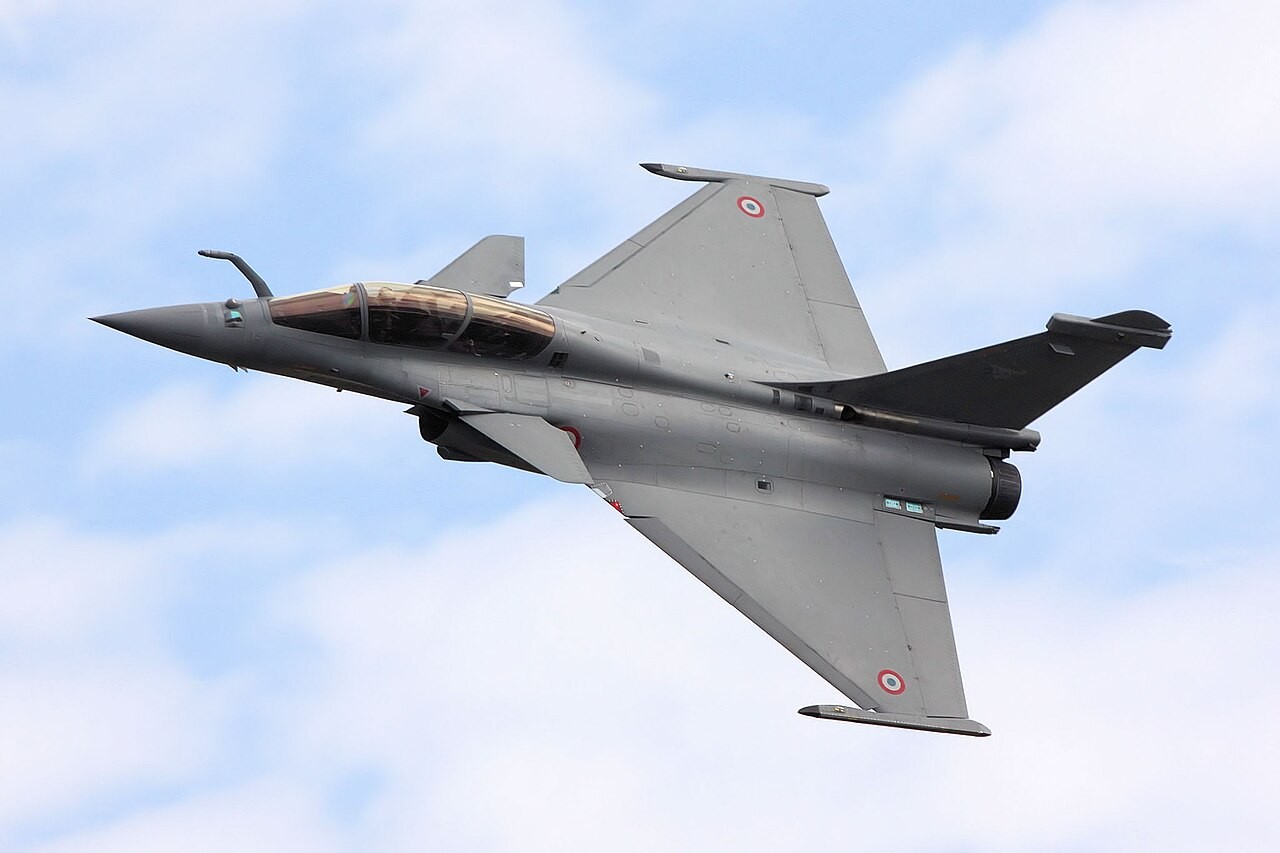
Dassault Rafale
The aircraft name is ‘Dassault Rafale’. It is an omnidirectional export fighter made by Dassault Aviation from France, with its first flight in 1986, and its status is marked as ‘in active service and production’. The basis for comparison with subsequent aircraft is characterized by ‘integrated air-to-air, strike, and reconnaissance mission capabilities, expanding exports based on weapon configurations per operating country’. The reason for highlighting the Dassault Rafale in the ‘lineage of selected export fighters across borders’ is that it physically demonstrates the theme of the listing, which is ‘exports and local operational ecosystems’. If there are similar variants, one should first confirm the model name ‘Dassault Rafale’ and the operating entity.
When dividing into subsequent variants and the original, the technical choices of the Dassault Rafale regarding which flight segments and missions they are intended for become clearer. The first flight of the Dassault Rafale in 1986 marks a developmental milestone, but does not immediately indicate serial production or operational deployment. The status of the Dassault Rafale is classified as ‘in active service and production’ to avoid mixing retired, out-of-production, partially operated, and active statuses. The speed and range of the Dassault Rafale also vary according to altitude, fuel, and external payload, so it is more accurate to read its design purpose instead of determining superiority based on a single number.
When comparing with other items, let’s check the wing structure, number of engines and thrust direction, crew size, radar position, and operational environment of the Dassault Rafale in order. The type attached to the Dassault Rafale, labeled as ‘omnidirectional export fighter’, should also be examined to clarify any misunderstandings arising from the nomenclature compared to other aircraft. The ‘lineage of selected export fighters across borders’ is not about ranking winners but is a resource for understanding the technologies and operational choices left by the Dassault Rafale. Links for the Dassault Rafale prioritize resources from manufacturers, military, and public aviation museums, and images have verified identification information from Wikimedia Commons.
When dividing into subsequent variants and the original, the technical choices of the Dassault Rafale regarding which flight segments and missions they are intended for become clearer. The first flight of the Dassault Rafale in 1986 marks a developmental milestone, but does not immediately indicate serial production or operational deployment. The status of the Dassault Rafale is classified as ‘in active service and production’ to avoid mixing retired, out-of-production, partially operated, and active statuses. The speed and range of the Dassault Rafale also vary according to altitude, fuel, and external payload, so it is more accurate to read its design purpose instead of determining superiority based on a single number.
When comparing with other items, let’s check the wing structure, number of engines and thrust direction, crew size, radar position, and operational environment of the Dassault Rafale in order. The type attached to the Dassault Rafale, labeled as ‘omnidirectional export fighter’, should also be examined to clarify any misunderstandings arising from the nomenclature compared to other aircraft. The ‘lineage of selected export fighters across borders’ is not about ranking winners but is a resource for understanding the technologies and operational choices left by the Dassault Rafale. Links for the Dassault Rafale prioritize resources from manufacturers, military, and public aviation museums, and images have verified identification information from Wikimedia Commons.
제작사 다쏘 아비아시옹
국가 프랑스
첫 비행 1986년
주요 역할 옴니롤 수출 전투기
상태 현역·생산
이미지 출처 Wikipedia/Wikimedia Commons · Dassault Rafale
The lineage of exported fighter jets demonstrates the strength of the operational ecosystem over the performance sheet of a single aircraft. The F-16 has long-term modification systems, the MiG-21 has mass and licensed production, and the Gripen has a distributed operation approach and a relatively small support organization, each showcasing different strengths.
When comparing, it's crucial to differentiate between new production and used transfers rather than simply counting the number of operating countries, and to confirm the scope of licensed production, local assembly, and independent modifications. Changes in political situations and parts supply can also affect the operational status of the same aircraft. Export success is the result of design, contracts, and decades of support coming together. To accurately understand the lineage of exported fighter jets that crossed borders, one needs to verify the type of the aircraft along with its development and operational status.
When comparing, it's crucial to differentiate between new production and used transfers rather than simply counting the number of operating countries, and to confirm the scope of licensed production, local assembly, and independent modifications. Changes in political situations and parts supply can also affect the operational status of the same aircraft. Export success is the result of design, contracts, and decades of support coming together. To accurately understand the lineage of exported fighter jets that crossed borders, one needs to verify the type of the aircraft along with its development and operational status.
한눈에 보기
10개
Hawker Hunter
호커 에어크래프트 · 영국 · 1951년 · 주간 전투기·전투공격기 · 퇴역·박물관 보존 · Wikipedia/Wikimedia Commons · Hawker Hunter
F-104G Starfighter
록히드 · 미국·유럽 면허생산 · 1960년 · 다목적 수출형 전투기 · 퇴역 · Wikipedia/Wikimedia Commons · Lockheed F-104 Starfighter
Dassault Mirage III
다쏘 아비아시옹 · 프랑스 · 1956년 · 초음속 다목적 전투기 · 퇴역·파생형 보존 · Wikipedia/Wikimedia Commons · Dassault Mirage III
Northrop F-5E Tiger II
노스럽 · 미국 · 1972년 · 경량 수출 전투기 · 일부 국가 운용 · Wikipedia/Wikimedia Commons · Northrop F-5
MiG-21bis
미코얀-구레비치 · 소련 · 1971년 · 경량 초음속 전투기 · 일부 국가 운용 · Wikipedia/Wikimedia Commons · Mikoyan-Gurevich MiG-21
F-16C/D Fighting Falcon
제너럴 다이내믹스·록히드 마틴 · 미국 · 1984년 · 다목적 수출 전투기 · 현역·개량 · Wikipedia/Wikimedia Commons · General Dynamics F-16 Fighting Falcon
MiG-29A
미코얀 · 소련 · 1977년 · 전선 전투기 · 일부 국가 운용 · Wikipedia/Wikimedia Commons · Mikoyan MiG-29
Su-27SK
수호이 · 소련·러시아 · 1981년 · 수출형 제공 전투기 · 일부 국가 운용 · Wikipedia/Wikimedia Commons · Sukhoi Su-27
Saab JAS 39C/D Gripen
사브 · 스웨덴 · 1988년 · 경량 다목적 전투기 · 현역 · Wikipedia/Wikimedia Commons · Saab JAS 39 Gripen
Dassault Rafale
다쏘 아비아시옹 · 프랑스 · 1986년 · 옴니롤 수출 전투기 · 현역·생산 · Wikipedia/Wikimedia Commons · Dassault Rafale
이 포스팅은 쿠팡 파트너스 활동의 일환으로, 이에 따른 일정액의 수수료를 제공받습니다.
댓글 0
로그인 후 댓글을 작성할 수 있습니다.
첫 댓글을 남겨보세요.
이런 리스트는 어때요?


이런 리스트도 추천해요


🎲
여기서 멈추기엔 아쉽잖아?
다음에 뭘 볼지 고민하는 시간이 제일 아까워.
주사위가 대신 골라줄게 — 무슨 리스트가 튀어나올지는 굴려봐야 알지.
안 누르면… 평생 궁금하지 않겠어? 👀