Collection
Science
2026.09.11
Reconnaissance and Electronic Warfare Aircraft Born from Fighter Jets
The real derivatives that change as familiar fighter jet bodies incorporate cameras, sensors, and jamming equipment
Fighter jet bodies are often converted into special mission aircraft to carry cameras or electronic warfare equipment, due to their speed, maneuverability, and established maintenance infrastructure. However, once arms are replaced with sensors, the mission, crew training, and flight methods change significantly.
This list connects various formats from photo reconnaissance aircraft like the RF-80A and RF-101C to electronic warfare and suppression of enemy air defense systems like the Tornado ECR and EA-18G. It distinguishes between the first flights of original fighter jets and their derivatives, clearly indicating that even if the name retains an 'F', their actual roles involve reconnaissance or electronic attack. Understanding the reconnaissance and electronic warfare aircraft born from fighter jets requires checking the types of airframes along with their development and operational state.
This list connects various formats from photo reconnaissance aircraft like the RF-80A and RF-101C to electronic warfare and suppression of enemy air defense systems like the Tornado ECR and EA-18G. It distinguishes between the first flights of original fighter jets and their derivatives, clearly indicating that even if the name retains an 'F', their actual roles involve reconnaissance or electronic attack. Understanding the reconnaissance and electronic warfare aircraft born from fighter jets requires checking the types of airframes along with their development and operational state.
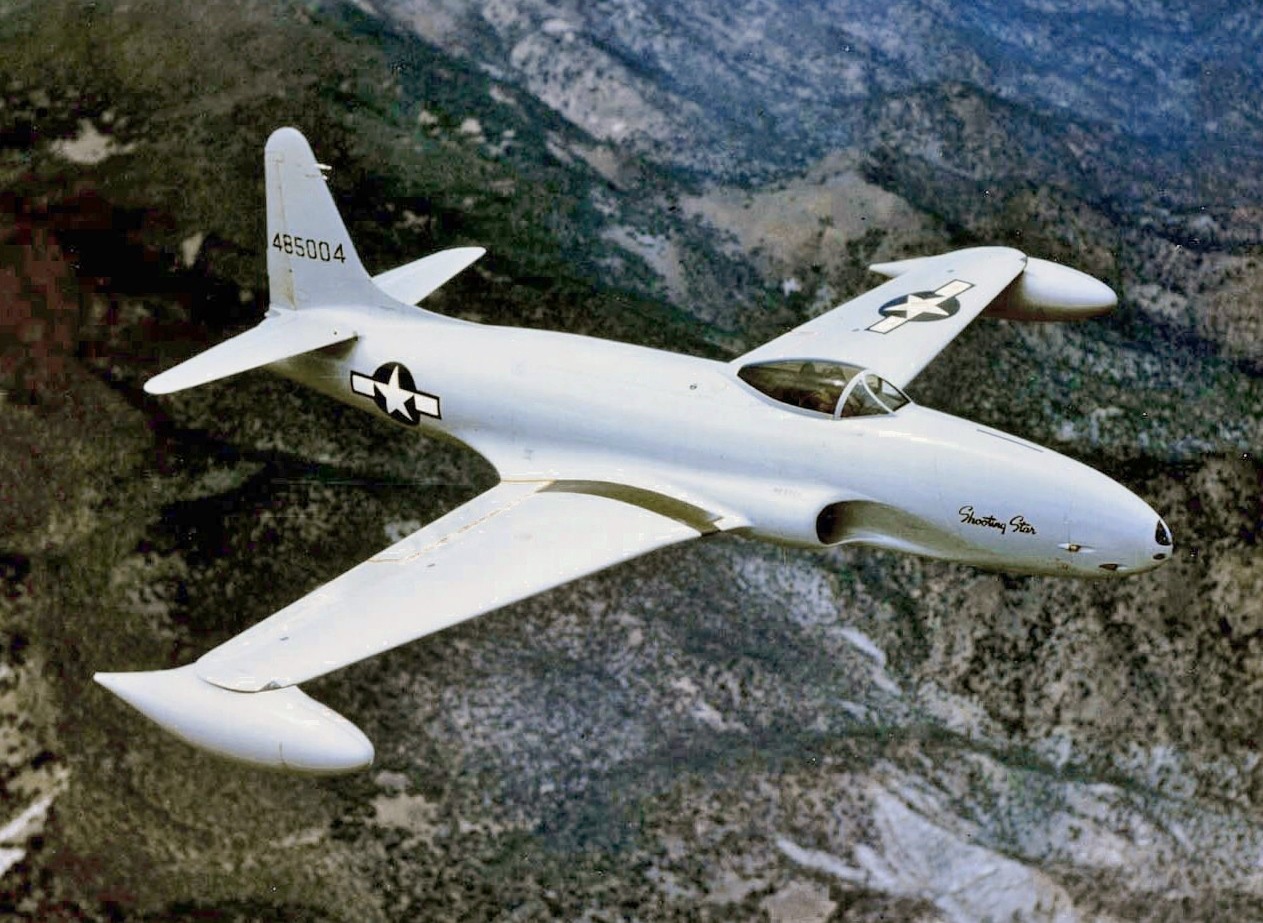
RF-80A Shooting Star
The aircraft is named 'RF-80A Shooting Star'. It is a U.S.-made photo reconnaissance aircraft based on a Lockheed fighter, with its first flight in 1945 and a status designation of 'retired'. The initial clue to its design is 'the nose weaponry of the P-80 series has been replaced with a camera for early jet tactical reconnaissance missions.' The focus on the RF-80A Shooting Star in 'Reconnaissance and Electronic Warfare Aircraft Born from Fighter Jets' demonstrates the subject of the list as 'fighter-based special mission derivatives' in tangible form. If similar derivatives exist, it's essential to first check the model name 'RF-80A Shooting Star' and its operating entity.
By examining the wing planform and intake, one can better discern which flight phase and mission the technical choices of the 'RF-80A Shooting Star' were intended for. The 1945 first flight of the 'RF-80A Shooting Star' was a developmental milestone but doesn't indicate immediate mass production or operational deployment. The status of the 'RF-80A Shooting Star' is separately classified as 'retired' to avoid mixing retired, project terminated, some countries' operations, and active service. The speed and range of the 'RF-80A Shooting Star' also vary depending on altitude, fuel, and external payloads, making it more accurate to interpret based on design intent rather than a single numerical superiority.
When comparing with other items, observe the wing structure, number of engines and thrust direction, crew size, radar position, and operating environment of the 'RF-80A Shooting Star' sequentially. The type 'fighter-based photo reconnaissance aircraft' attached to the 'RF-80A Shooting Star' must also be examined to reduce misunderstandings that arise from the nomenclature. 'Reconnaissance and Electronic Warfare Aircraft Born from Fighter Jets' serves as a resource for understanding the technology and operational choices left by the 'RF-80A Shooting Star', rather than ranking winners. Links for the 'RF-80A Shooting Star' prioritized manufacturer, military, and public aviation museum resources, and images were checked for identification information from Wikimedia Commons.
By examining the wing planform and intake, one can better discern which flight phase and mission the technical choices of the 'RF-80A Shooting Star' were intended for. The 1945 first flight of the 'RF-80A Shooting Star' was a developmental milestone but doesn't indicate immediate mass production or operational deployment. The status of the 'RF-80A Shooting Star' is separately classified as 'retired' to avoid mixing retired, project terminated, some countries' operations, and active service. The speed and range of the 'RF-80A Shooting Star' also vary depending on altitude, fuel, and external payloads, making it more accurate to interpret based on design intent rather than a single numerical superiority.
When comparing with other items, observe the wing structure, number of engines and thrust direction, crew size, radar position, and operating environment of the 'RF-80A Shooting Star' sequentially. The type 'fighter-based photo reconnaissance aircraft' attached to the 'RF-80A Shooting Star' must also be examined to reduce misunderstandings that arise from the nomenclature. 'Reconnaissance and Electronic Warfare Aircraft Born from Fighter Jets' serves as a resource for understanding the technology and operational choices left by the 'RF-80A Shooting Star', rather than ranking winners. Links for the 'RF-80A Shooting Star' prioritized manufacturer, military, and public aviation museum resources, and images were checked for identification information from Wikimedia Commons.
제작사 록히드
국가 미국
첫 비행 1945년
주요 역할 전투기 기반 사진정찰기
상태 퇴역
이미지 출처 Wikipedia/Wikimedia Commons · Lockheed P-80 Shooting Star
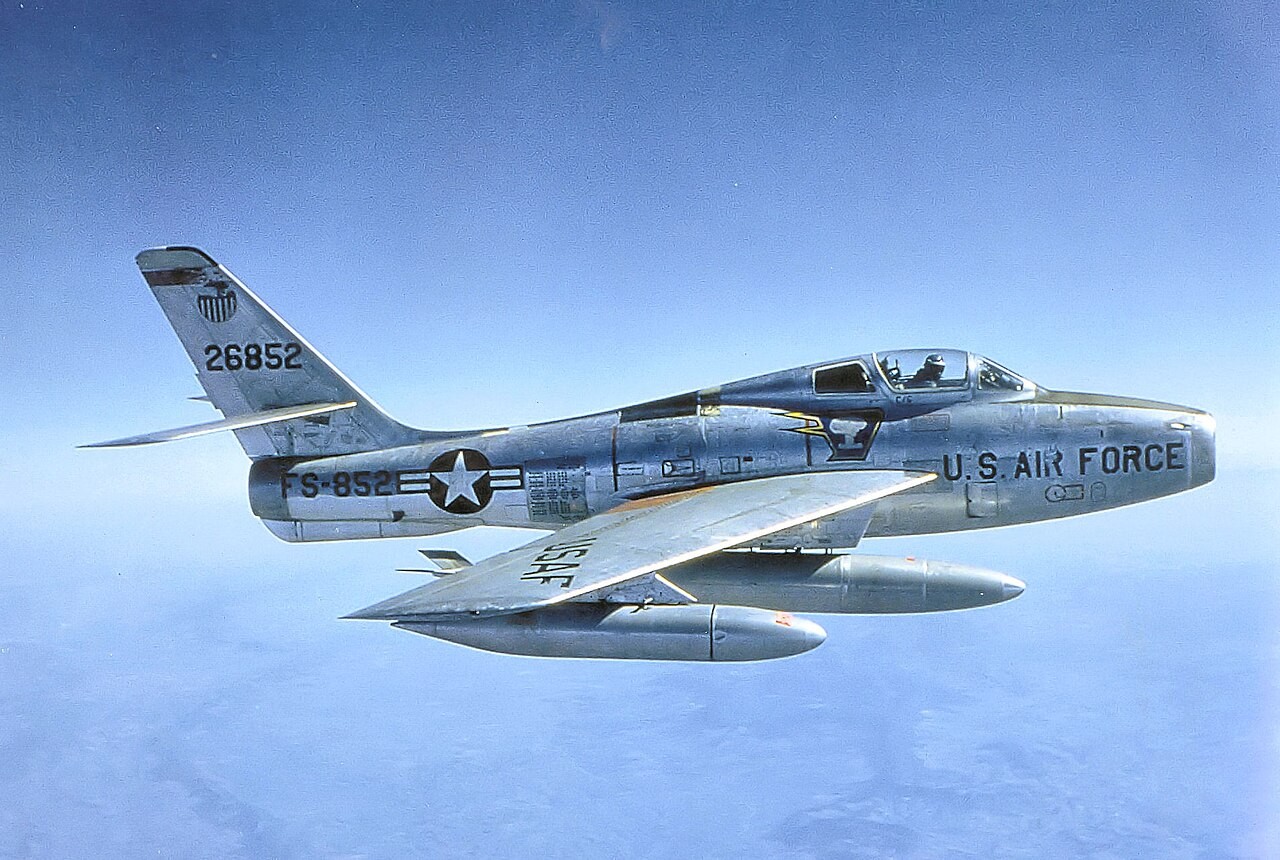
RF-84F Thunderflash
The aircraft is named 'RF-84F Thunderflash'. It is a U.S.-made photo reconnaissance aircraft based on a Republic fighter, with its first flight in 1952 and a status designation of 'retired'. An important point from its development background is the feature of 'relocating the inlet to the wing root and deploying multiple cameras in the nose from the F-84F series.' The focus on the RF-84F Thunderflash in 'Reconnaissance and Electronic Warfare Aircraft Born from Fighter Jets' showcases the theme of the list as 'fighter-based special mission derivatives' in tangible form. If similar derivatives exist, it's essential to first check the model name 'RF-84F Thunderflash' and its operating entity.
Examining the crew size and radar placement provides a clearer understanding of which flight phase and mission the technical choices of the 'RF-84F Thunderflash' were intended for. The 1952 first flight of the 'RF-84F Thunderflash' was a developmental milestone but doesn't indicate immediate mass production or operational deployment. The status of the 'RF-84F Thunderflash' is separately classified as 'retired' to avoid mixing retired, project terminated, some countries' operations, and active service. The speed and range of the 'RF-84F Thunderflash' also vary depending on altitude, fuel, and external payloads, making it more accurate to interpret based on design intent rather than a single numerical superiority.
When comparing with other items, observe the wing structure, number of engines and thrust direction, crew size, radar position, and operating environment of the 'RF-84F Thunderflash' sequentially. The type 'fighter-based photo reconnaissance aircraft' attached to the 'RF-84F Thunderflash' must also be examined to reduce misunderstandings that arise from the nomenclature. 'Reconnaissance and Electronic Warfare Aircraft Born from Fighter Jets' serves as a resource for understanding the technology and operational choices left by the 'RF-84F Thunderflash', rather than ranking winners. Links for the 'RF-84F Thunderflash' prioritized manufacturer, military, and public aviation museum resources, and images were checked for identification information from Wikimedia Commons.
Examining the crew size and radar placement provides a clearer understanding of which flight phase and mission the technical choices of the 'RF-84F Thunderflash' were intended for. The 1952 first flight of the 'RF-84F Thunderflash' was a developmental milestone but doesn't indicate immediate mass production or operational deployment. The status of the 'RF-84F Thunderflash' is separately classified as 'retired' to avoid mixing retired, project terminated, some countries' operations, and active service. The speed and range of the 'RF-84F Thunderflash' also vary depending on altitude, fuel, and external payloads, making it more accurate to interpret based on design intent rather than a single numerical superiority.
When comparing with other items, observe the wing structure, number of engines and thrust direction, crew size, radar position, and operating environment of the 'RF-84F Thunderflash' sequentially. The type 'fighter-based photo reconnaissance aircraft' attached to the 'RF-84F Thunderflash' must also be examined to reduce misunderstandings that arise from the nomenclature. 'Reconnaissance and Electronic Warfare Aircraft Born from Fighter Jets' serves as a resource for understanding the technology and operational choices left by the 'RF-84F Thunderflash', rather than ranking winners. Links for the 'RF-84F Thunderflash' prioritized manufacturer, military, and public aviation museum resources, and images were checked for identification information from Wikimedia Commons.
제작사 리퍼블릭
국가 미국
첫 비행 1952년
주요 역할 전투기 기반 사진정찰기
상태 퇴역
이미지 출처 Wikipedia/Wikimedia Commons · Republic F-84F Thunderstreak
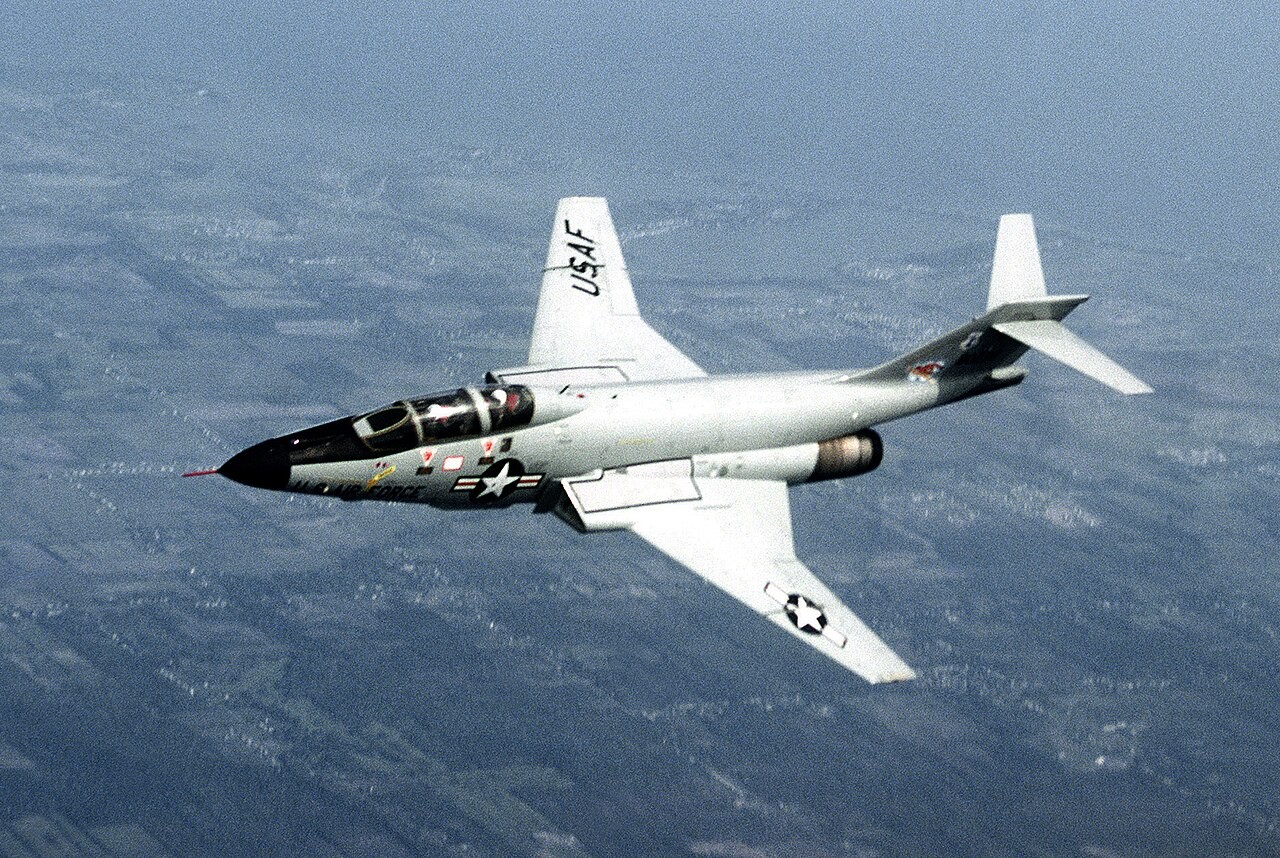
RF-101C Voodoo
The aircraft is named 'RF-101C Voodoo'. It is a U.S.-made high-speed reconnaissance aircraft based on a McDonnell fighter, with its first flight in 1957 and a status designation of 'retired'. The key to understanding its operator is the feature of 'utilizing the speed of the F-101 airframe while installing reconnaissance cameras in the nose and lower space.' The focus on the RF-101C Voodoo in 'Reconnaissance and Electronic Warfare Aircraft Born from Fighter Jets' showcases the theme of the list as 'fighter-based special mission derivatives' in tangible form. If similar derivatives exist, it's essential to first check the model name 'RF-101C Voodoo' and its operating entity.
By categorizing takeoff methods and mission radii, one can better discern which flight phase and mission the technical choices of the 'RF-101C Voodoo' were intended for. The 1957 first flight of the 'RF-101C Voodoo' was a developmental milestone but doesn't indicate immediate mass production or operational deployment. The status of the 'RF-101C Voodoo' is separately classified as 'retired' to avoid mixing retired, project terminated, some countries' operations, and active service. The speed and range of the 'RF-101C Voodoo' also vary depending on altitude, fuel, and external payloads, making it more accurate to interpret based on design intent rather than a single numerical superiority.
When comparing with other items, observe the wing structure, number of engines and thrust direction, crew size, radar position, and operating environment of the 'RF-101C Voodoo' sequentially. The type 'fighter-based high-speed reconnaissance aircraft' attached to the 'RF-101C Voodoo' must also be examined to reduce misunderstandings that arise from the nomenclature. 'Reconnaissance and Electronic Warfare Aircraft Born from Fighter Jets' serves as a resource for understanding the technology and operational choices left by the 'RF-101C Voodoo', rather than ranking winners. Links for the 'RF-101C Voodoo' prioritized manufacturer, military, and public aviation museum resources, and images were checked for identification information from Wikimedia Commons.
By categorizing takeoff methods and mission radii, one can better discern which flight phase and mission the technical choices of the 'RF-101C Voodoo' were intended for. The 1957 first flight of the 'RF-101C Voodoo' was a developmental milestone but doesn't indicate immediate mass production or operational deployment. The status of the 'RF-101C Voodoo' is separately classified as 'retired' to avoid mixing retired, project terminated, some countries' operations, and active service. The speed and range of the 'RF-101C Voodoo' also vary depending on altitude, fuel, and external payloads, making it more accurate to interpret based on design intent rather than a single numerical superiority.
When comparing with other items, observe the wing structure, number of engines and thrust direction, crew size, radar position, and operating environment of the 'RF-101C Voodoo' sequentially. The type 'fighter-based high-speed reconnaissance aircraft' attached to the 'RF-101C Voodoo' must also be examined to reduce misunderstandings that arise from the nomenclature. 'Reconnaissance and Electronic Warfare Aircraft Born from Fighter Jets' serves as a resource for understanding the technology and operational choices left by the 'RF-101C Voodoo', rather than ranking winners. Links for the 'RF-101C Voodoo' prioritized manufacturer, military, and public aviation museum resources, and images were checked for identification information from Wikimedia Commons.
제작사 맥도널
국가 미국
첫 비행 1957년
주요 역할 전투기 기반 고속정찰기
상태 퇴역
이미지 출처 Wikipedia/Wikimedia Commons · McDonnell RF-101 Voodoo
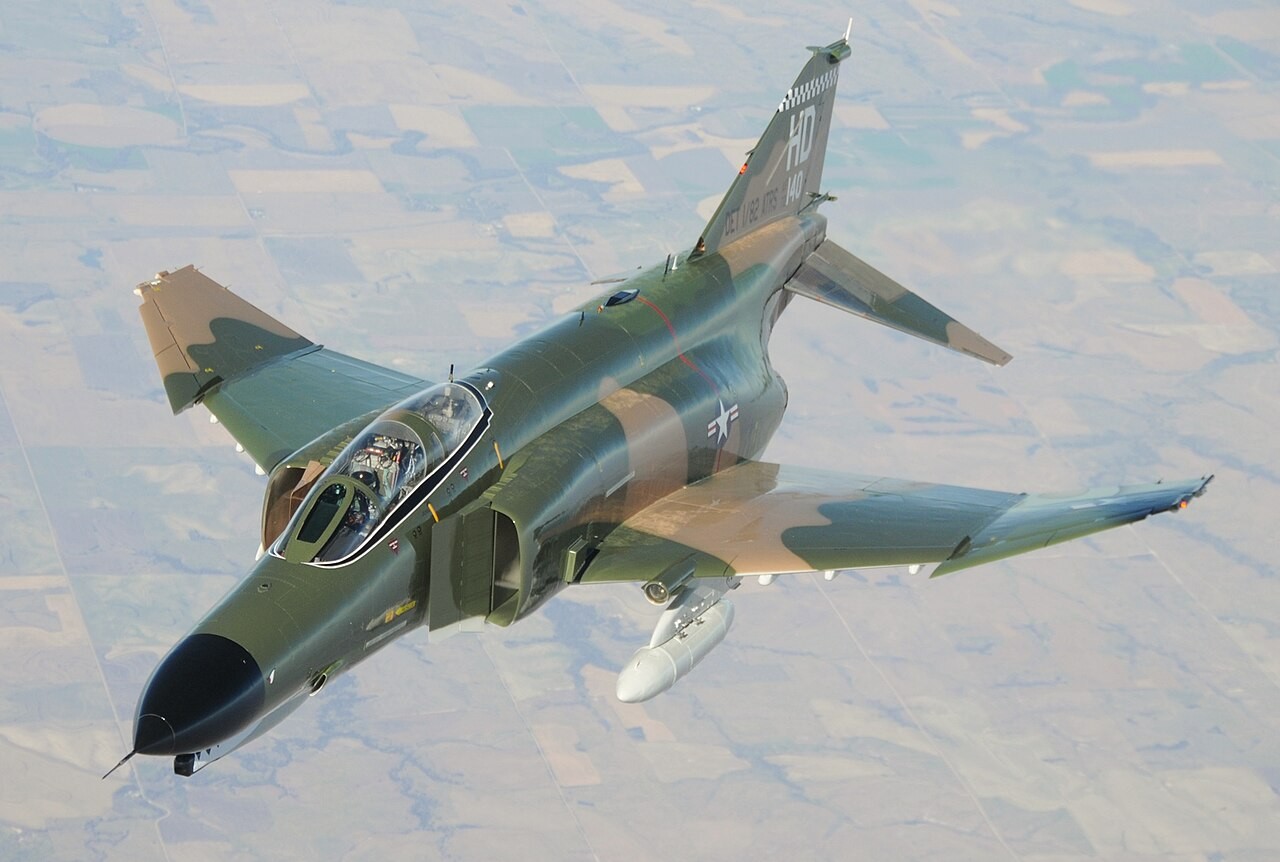
RF-4C Phantom II
The aircraft is named 'RF-4C Phantom II'. It is a U.S.-made tactical reconnaissance aircraft based on a McDonnell Douglas fighter, with its first flight in 1963 and a status designation of 'retired'. An important aspect to consider when viewing photos and missions is the feature of 'modifying the nose shape from the F-4 series to accommodate optical, infrared, and side-looking radar reconnaissance equipment.' The focus on the RF-4C Phantom II in 'Reconnaissance and Electronic Warfare Aircraft Born from Fighter Jets' showcases the theme of the list as 'fighter-based special mission derivatives' in tangible form. If similar derivatives exist, it's essential to first check the model name 'RF-4C Phantom II' and its operating entity.
Distinguishing between the first flight and the actual deployment period allows for a better understanding of what flight phase and mission the technical choices of the 'RF-4C Phantom II' were intended for. The 1963 first flight of the 'RF-4C Phantom II' was a developmental milestone but doesn't indicate immediate mass production or operational deployment. The status of the 'RF-4C Phantom II' is separately classified as 'retired' to avoid mixing retired, project terminated, some countries' operations, and active service. The speed and range of the 'RF-4C Phantom II' also vary depending on altitude, fuel, and external payloads, making it more accurate to interpret based on design intent rather than a single numerical superiority.
When comparing with other items, observe the wing structure, number of engines and thrust direction, crew size, radar position, and operating environment of the 'RF-4C Phantom II' sequentially. The type 'fighter-based tactical reconnaissance aircraft' attached to the 'RF-4C Phantom II' must also be examined to reduce misunderstandings that arise from the nomenclature. 'Reconnaissance and Electronic Warfare Aircraft Born from Fighter Jets' serves as a resource for understanding the technology and operational choices left by the 'RF-4C Phantom II', rather than ranking winners. Links for the 'RF-4C Phantom II' prioritized manufacturer, military, and public aviation museum resources, and images were checked for identification information from Wikimedia Commons.
Distinguishing between the first flight and the actual deployment period allows for a better understanding of what flight phase and mission the technical choices of the 'RF-4C Phantom II' were intended for. The 1963 first flight of the 'RF-4C Phantom II' was a developmental milestone but doesn't indicate immediate mass production or operational deployment. The status of the 'RF-4C Phantom II' is separately classified as 'retired' to avoid mixing retired, project terminated, some countries' operations, and active service. The speed and range of the 'RF-4C Phantom II' also vary depending on altitude, fuel, and external payloads, making it more accurate to interpret based on design intent rather than a single numerical superiority.
When comparing with other items, observe the wing structure, number of engines and thrust direction, crew size, radar position, and operating environment of the 'RF-4C Phantom II' sequentially. The type 'fighter-based tactical reconnaissance aircraft' attached to the 'RF-4C Phantom II' must also be examined to reduce misunderstandings that arise from the nomenclature. 'Reconnaissance and Electronic Warfare Aircraft Born from Fighter Jets' serves as a resource for understanding the technology and operational choices left by the 'RF-4C Phantom II', rather than ranking winners. Links for the 'RF-4C Phantom II' prioritized manufacturer, military, and public aviation museum resources, and images were checked for identification information from Wikimedia Commons.
제작사 맥도널 더글러스
국가 미국
첫 비행 1963년
주요 역할 전투기 기반 전술정찰기
상태 퇴역
이미지 출처 Wikipedia/Wikimedia Commons · McDonnell Douglas F-4 Phantom II
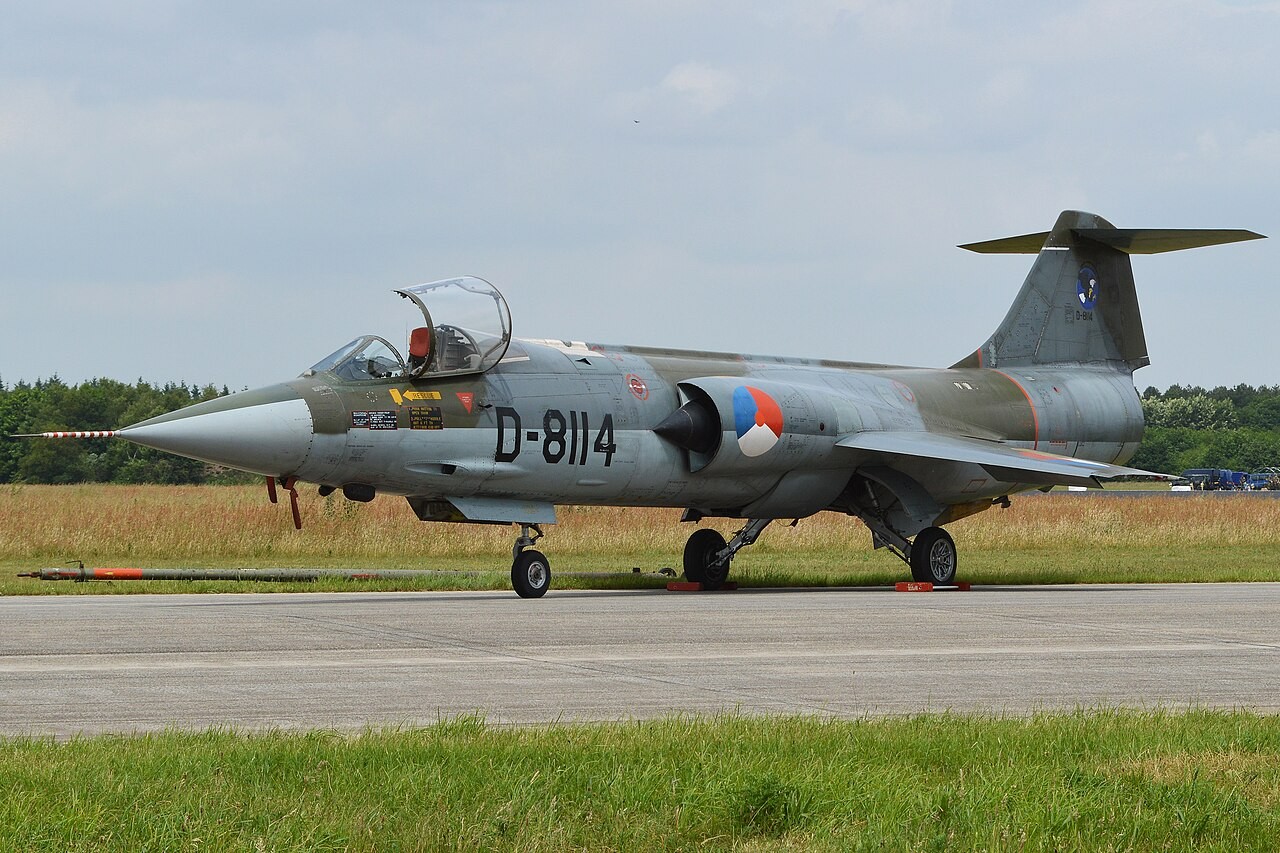
RF-104G Starfighter
The aircraft is named 'RF-104G Starfighter'. It is a U.S. and European licensed production tactical reconnaissance aircraft based on a Lockheed fighter, with its first flight in 1961 and a status designation of 'retired'. A notable choice distinguishing it from contemporary aircraft is the feature of 'maintaining the high-speed performance of the F-104G while equipping reconnaissance cameras in the fuselage and pod.' The focus on the RF-104G Starfighter in 'Reconnaissance and Electronic Warfare Aircraft Born from Fighter Jets' showcases the theme of the list as 'fighter-based special mission derivatives' in tangible form. If similar derivatives exist, it's essential to first check the model name 'RF-104G Starfighter' and its operating entity.
By comparing the engine arrangement and airframe structure, one can better discern which flight phase and mission the technical choices of the 'RF-104G Starfighter' were intended for. The 1961 first flight of the 'RF-104G Starfighter' was a developmental milestone but doesn't indicate immediate mass production or operational deployment. The status of the 'RF-104G Starfighter' is separately classified as 'retired' to avoid mixing retired, project terminated, some countries' operations, and active service. The speed and range of the 'RF-104G Starfighter' also vary depending on altitude, fuel, and external payloads, making it more accurate to interpret based on design intent rather than a single numerical superiority.
When comparing with other items, observe the wing structure, number of engines and thrust direction, crew size, radar position, and operating environment of the 'RF-104G Starfighter' sequentially. The type 'fighter-based tactical reconnaissance aircraft' attached to the 'RF-104G Starfighter' must also be examined to reduce misunderstandings that arise from the nomenclature. 'Reconnaissance and Electronic Warfare Aircraft Born from Fighter Jets' serves as a resource for understanding the technology and operational choices left by the 'RF-104G Starfighter', rather than ranking winners. Links for the 'RF-104G Starfighter' prioritized manufacturer, military, and public aviation museum resources, and images were checked for identification information from Wikimedia Commons.
By comparing the engine arrangement and airframe structure, one can better discern which flight phase and mission the technical choices of the 'RF-104G Starfighter' were intended for. The 1961 first flight of the 'RF-104G Starfighter' was a developmental milestone but doesn't indicate immediate mass production or operational deployment. The status of the 'RF-104G Starfighter' is separately classified as 'retired' to avoid mixing retired, project terminated, some countries' operations, and active service. The speed and range of the 'RF-104G Starfighter' also vary depending on altitude, fuel, and external payloads, making it more accurate to interpret based on design intent rather than a single numerical superiority.
When comparing with other items, observe the wing structure, number of engines and thrust direction, crew size, radar position, and operating environment of the 'RF-104G Starfighter' sequentially. The type 'fighter-based tactical reconnaissance aircraft' attached to the 'RF-104G Starfighter' must also be examined to reduce misunderstandings that arise from the nomenclature. 'Reconnaissance and Electronic Warfare Aircraft Born from Fighter Jets' serves as a resource for understanding the technology and operational choices left by the 'RF-104G Starfighter', rather than ranking winners. Links for the 'RF-104G Starfighter' prioritized manufacturer, military, and public aviation museum resources, and images were checked for identification information from Wikimedia Commons.
제작사 록히드
국가 미국·유럽 면허생산
첫 비행 1961년
주요 역할 전투기 기반 전술정찰기
상태 퇴역
이미지 출처 Wikipedia/Wikimedia Commons · Lockheed F-104 Starfighter
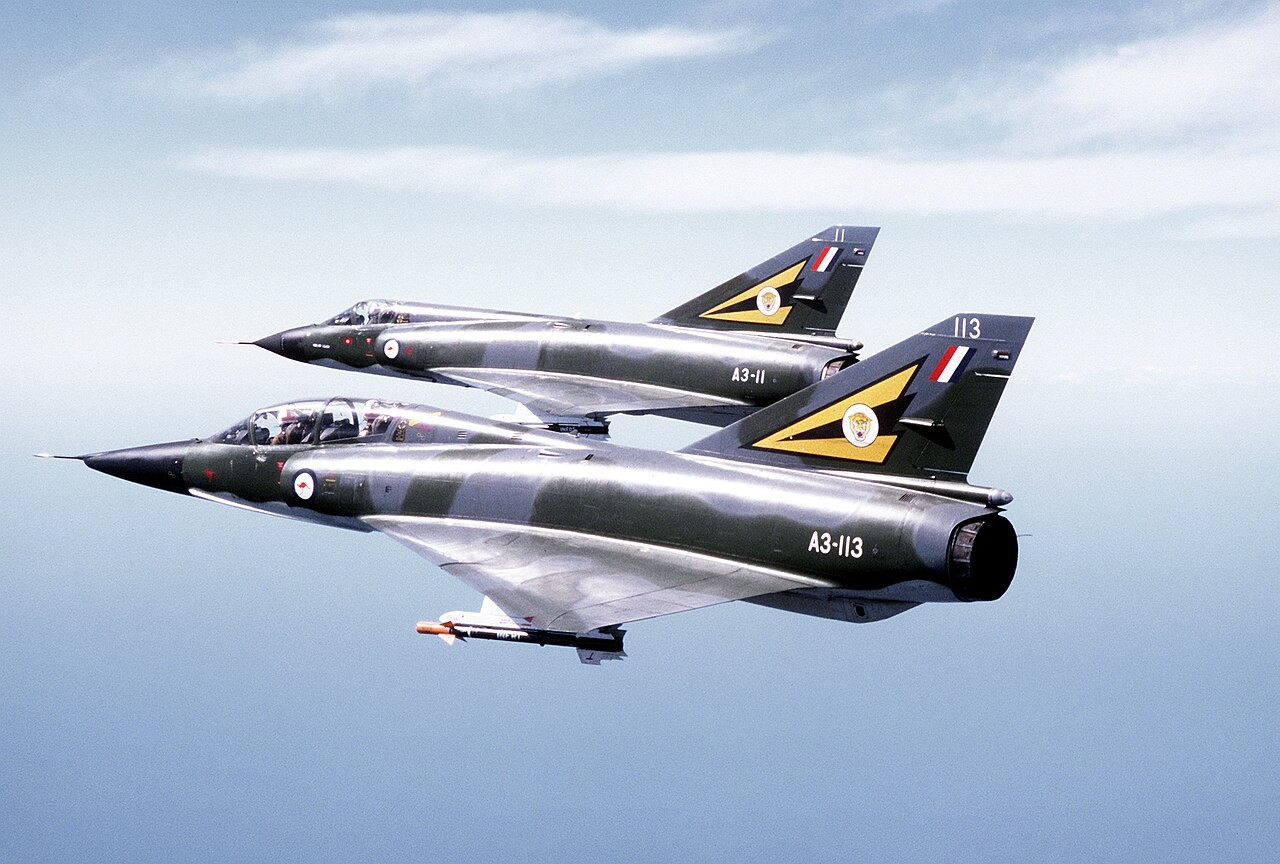
Dassault Mirage IIIR
The aircraft is named 'Dassault Mirage IIIR'. It is a French-made photo reconnaissance aircraft based on Dassault Aviation, with its first flight in 1961 and a status designation of 'retired'. The starting point of its design is the feature of 'combining a camera nose with the delta-wing fuselage of the Mirage III for use in high-speed tactical reconnaissance.' The focus on the Dassault Mirage IIIR in 'Reconnaissance and Electronic Warfare Aircraft Born from Fighter Jets' showcases the theme of the list as 'fighter-based special mission derivatives' in tangible form. If similar derivatives exist, it's essential to first check the model name 'Dassault Mirage IIIR' and its operating entity.
Looking at both the design intent and operational results provides a clearer view of which flight phase and mission the technical choices of the 'Dassault Mirage IIIR' were aimed at. The 1961 first flight of the 'Dassault Mirage IIIR' was a developmental milestone but doesn't indicate immediate mass production or operational deployment. The status of the 'Dassault Mirage IIIR' is separately classified as 'retired' to avoid mixing retired, project terminated, some countries' operations, and active service. The speed and range of the 'Dassault Mirage IIIR' also vary depending on altitude, fuel, and external payloads, making it more accurate to interpret based on design intent rather than a single numerical superiority.
When comparing with other items, observe the wing structure, number of engines and thrust direction, crew size, radar position, and operating environment of the 'Dassault Mirage IIIR' sequentially. The type 'fighter-based photo reconnaissance aircraft' attached to the 'Dassault Mirage IIIR' must also be examined to reduce misunderstandings that arise from the nomenclature. 'Reconnaissance and Electronic Warfare Aircraft Born from Fighter Jets' serves as a resource for understanding the technology and operational choices left by the 'Dassault Mirage IIIR', rather than ranking winners. Links for the 'Dassault Mirage IIIR' prioritized manufacturer, military, and public aviation museum resources, and images were checked for identification information from Wikimedia Commons.
Looking at both the design intent and operational results provides a clearer view of which flight phase and mission the technical choices of the 'Dassault Mirage IIIR' were aimed at. The 1961 first flight of the 'Dassault Mirage IIIR' was a developmental milestone but doesn't indicate immediate mass production or operational deployment. The status of the 'Dassault Mirage IIIR' is separately classified as 'retired' to avoid mixing retired, project terminated, some countries' operations, and active service. The speed and range of the 'Dassault Mirage IIIR' also vary depending on altitude, fuel, and external payloads, making it more accurate to interpret based on design intent rather than a single numerical superiority.
When comparing with other items, observe the wing structure, number of engines and thrust direction, crew size, radar position, and operating environment of the 'Dassault Mirage IIIR' sequentially. The type 'fighter-based photo reconnaissance aircraft' attached to the 'Dassault Mirage IIIR' must also be examined to reduce misunderstandings that arise from the nomenclature. 'Reconnaissance and Electronic Warfare Aircraft Born from Fighter Jets' serves as a resource for understanding the technology and operational choices left by the 'Dassault Mirage IIIR', rather than ranking winners. Links for the 'Dassault Mirage IIIR' prioritized manufacturer, military, and public aviation museum resources, and images were checked for identification information from Wikimedia Commons.
제작사 다쏘 아비아시옹
국가 프랑스
첫 비행 1961년
주요 역할 전투기 기반 사진정찰기
상태 퇴역
이미지 출처 Wikipedia/Wikimedia Commons · Dassault Mirage III
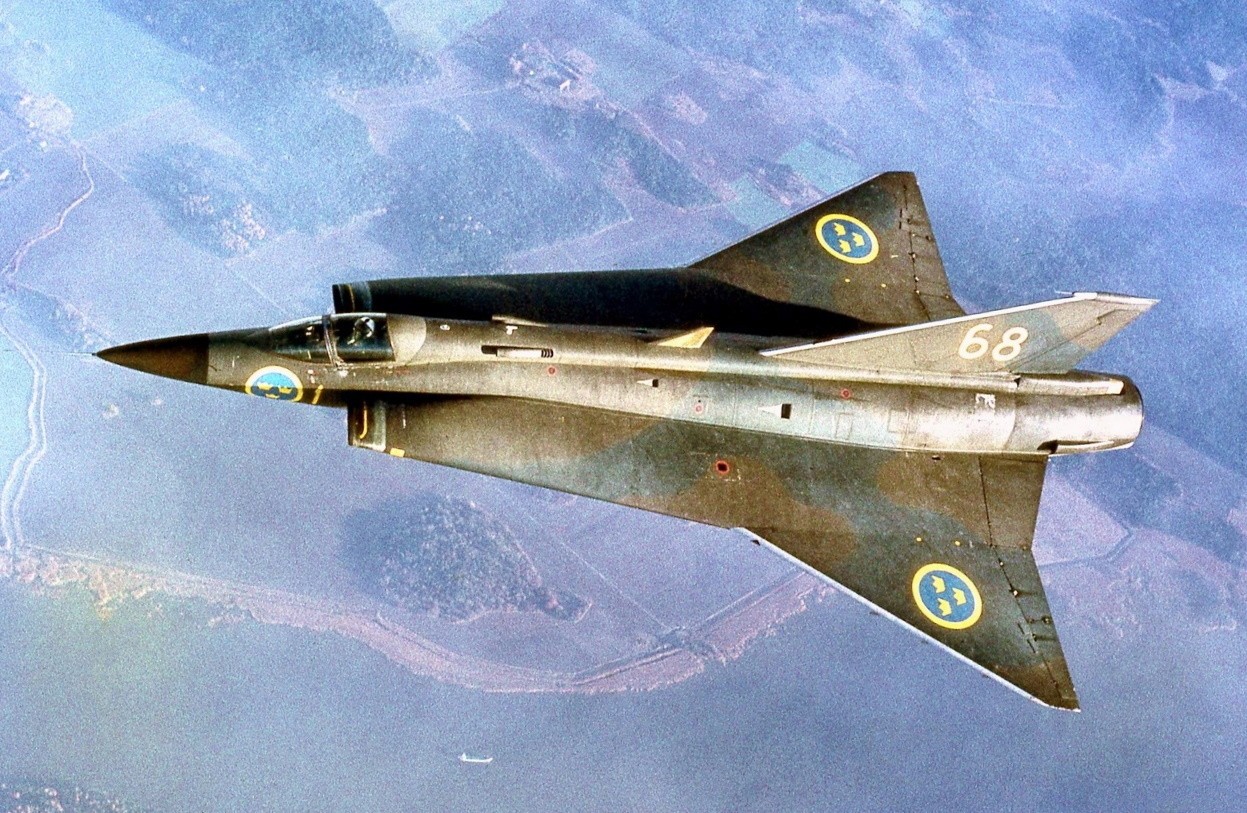
Saab S 35E Draken
The aircraft is named 'Saab S 35E Draken'. It is a Swedish-made photo reconnaissance aircraft based on a Saab interceptor, with its first flight in 1963 and a status designation of 'retired'. A key indicator for actual deployment is the feature of 'replacing the Draken's radar and armaments with camera equipment and adopting a reconnaissance nose.' The focus on the Saab S 35E Draken in 'Reconnaissance and Electronic Warfare Aircraft Born from Fighter Jets' showcases the theme of the list as 'fighter-based special mission derivatives' in tangible form. If similar derivatives exist, it's essential to first check the model name 'Saab S 35E Draken' and its operating entity.
Confirming the differences between the prototype and production variants provides a clearer understanding of which flight phase and mission the technical choices of the 'Saab S 35E Draken' were meant for. The 1963 first flight of the 'Saab S 35E Draken' was a developmental milestone but doesn't indicate immediate mass production or operational deployment. The status of the 'Saab S 35E Draken' is separately classified as 'retired' to avoid mixing retired, project terminated, some countries' operations, and active service. The speed and range of the 'Saab S 35E Draken' also vary depending on altitude, fuel, and external payloads, making it more accurate to interpret based on design intent rather than a single numerical superiority.
When comparing with other items, observe the wing structure, number of engines and thrust direction, crew size, radar position, and operating environment of the 'Saab S 35E Draken' sequentially. The type 'interceptor-based photo reconnaissance aircraft' attached to the 'Saab S 35E Draken' must also be examined to reduce misunderstandings that arise from the nomenclature. 'Reconnaissance and Electronic Warfare Aircraft Born from Fighter Jets' serves as a resource for understanding the technology and operational choices left by the 'Saab S 35E Draken', rather than ranking winners. Links for the 'Saab S 35E Draken' prioritized manufacturer, military, and public aviation museum resources, and images were checked for identification information from Wikimedia Commons.
Confirming the differences between the prototype and production variants provides a clearer understanding of which flight phase and mission the technical choices of the 'Saab S 35E Draken' were meant for. The 1963 first flight of the 'Saab S 35E Draken' was a developmental milestone but doesn't indicate immediate mass production or operational deployment. The status of the 'Saab S 35E Draken' is separately classified as 'retired' to avoid mixing retired, project terminated, some countries' operations, and active service. The speed and range of the 'Saab S 35E Draken' also vary depending on altitude, fuel, and external payloads, making it more accurate to interpret based on design intent rather than a single numerical superiority.
When comparing with other items, observe the wing structure, number of engines and thrust direction, crew size, radar position, and operating environment of the 'Saab S 35E Draken' sequentially. The type 'interceptor-based photo reconnaissance aircraft' attached to the 'Saab S 35E Draken' must also be examined to reduce misunderstandings that arise from the nomenclature. 'Reconnaissance and Electronic Warfare Aircraft Born from Fighter Jets' serves as a resource for understanding the technology and operational choices left by the 'Saab S 35E Draken', rather than ranking winners. Links for the 'Saab S 35E Draken' prioritized manufacturer, military, and public aviation museum resources, and images were checked for identification information from Wikimedia Commons.
제작사 사브
국가 스웨덴
첫 비행 1963년
주요 역할 요격기 기반 사진정찰기
상태 퇴역
이미지 출처 Wikipedia/Wikimedia Commons · Saab 35 Draken
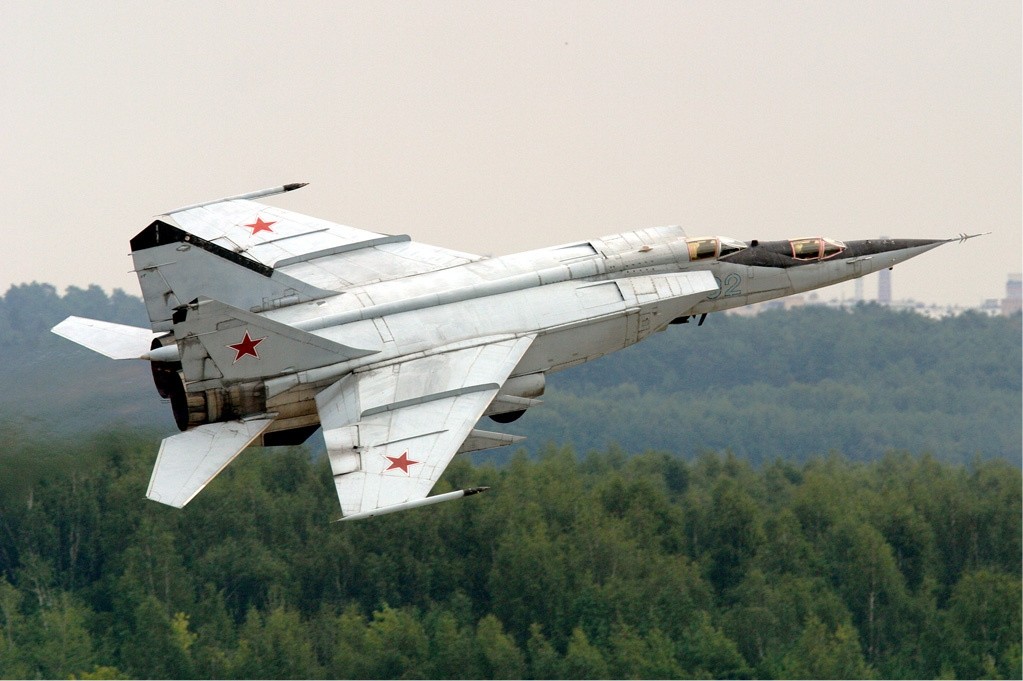
MiG-25RB
The aircraft is named 'MiG-25RB'. It is a high-speed reconnaissance bomber made by Mikoyan-Gurevich from the Soviet Union, and its first flight was in 1970. Its status is marked as 'some variants retired and limited operations'. The change it left in the technical lineage is characterized by the combination of high-altitude speed of the MiG-25 series with reconnaissance sensors and limited bombing capabilities. We focus on the MiG-25RB in 'reconnaissance aircraft and electronic warfare aircraft born from fighter jets' because it visually demonstrates the topic of 'fighter-based special mission variants' on the list. If there are similar variants, it is essential to first check the designation 'MiG-25RB' and the operating body.
Considering the maintenance environment and reoperating conditions enables a better understanding of what flight segments and missions the technical selections of the 'MiG-25RB' are for. The first flight of the 'MiG-25RB' in 1970 was a development milestone, but it does not immediately indicate mass production or combat deployment. We have classified the state of the 'MiG-25RB' as 'some variants retired and limited operations' to avoid mixing retired, program ended, some nation's operation, and active duty. The speed and range of the 'MiG-25RB' also vary depending on altitude, fuel, and external loads, so it is more accurate to read it based on the design purpose rather than trying to determine superiority with a single number.
When comparing with other items, let's check the wing structure, number and thrust direction of the engines, number of crew, radar position, and operational environment of the 'MiG-25RB' in that order. It is also essential to examine whether the type designation of 'high-speed reconnaissance bomber' attached to the 'MiG-25RB' holds the same meaning as other aircraft to reduce misunderstandings arising from the name. 'Reconnaissance aircraft and electronic warfare aircraft born from fighter jets' is not about ranking winners but rather material for understanding the technology and operational choices that the 'MiG-25RB' has left behind. The links for 'MiG-25RB' prioritized sources from manufacturers, military, and public aviation museum materials, and the images referenced identify metadata from Wikimedia Commons.
Considering the maintenance environment and reoperating conditions enables a better understanding of what flight segments and missions the technical selections of the 'MiG-25RB' are for. The first flight of the 'MiG-25RB' in 1970 was a development milestone, but it does not immediately indicate mass production or combat deployment. We have classified the state of the 'MiG-25RB' as 'some variants retired and limited operations' to avoid mixing retired, program ended, some nation's operation, and active duty. The speed and range of the 'MiG-25RB' also vary depending on altitude, fuel, and external loads, so it is more accurate to read it based on the design purpose rather than trying to determine superiority with a single number.
When comparing with other items, let's check the wing structure, number and thrust direction of the engines, number of crew, radar position, and operational environment of the 'MiG-25RB' in that order. It is also essential to examine whether the type designation of 'high-speed reconnaissance bomber' attached to the 'MiG-25RB' holds the same meaning as other aircraft to reduce misunderstandings arising from the name. 'Reconnaissance aircraft and electronic warfare aircraft born from fighter jets' is not about ranking winners but rather material for understanding the technology and operational choices that the 'MiG-25RB' has left behind. The links for 'MiG-25RB' prioritized sources from manufacturers, military, and public aviation museum materials, and the images referenced identify metadata from Wikimedia Commons.
제작사 미코얀-구레비치
국가 소련
첫 비행 1970년
주요 역할 고속 정찰폭격기
상태 일부 파생형 퇴역·제한 운용
이미지 출처 Wikipedia/Wikimedia Commons · Mikoyan-Gurevich MiG-25
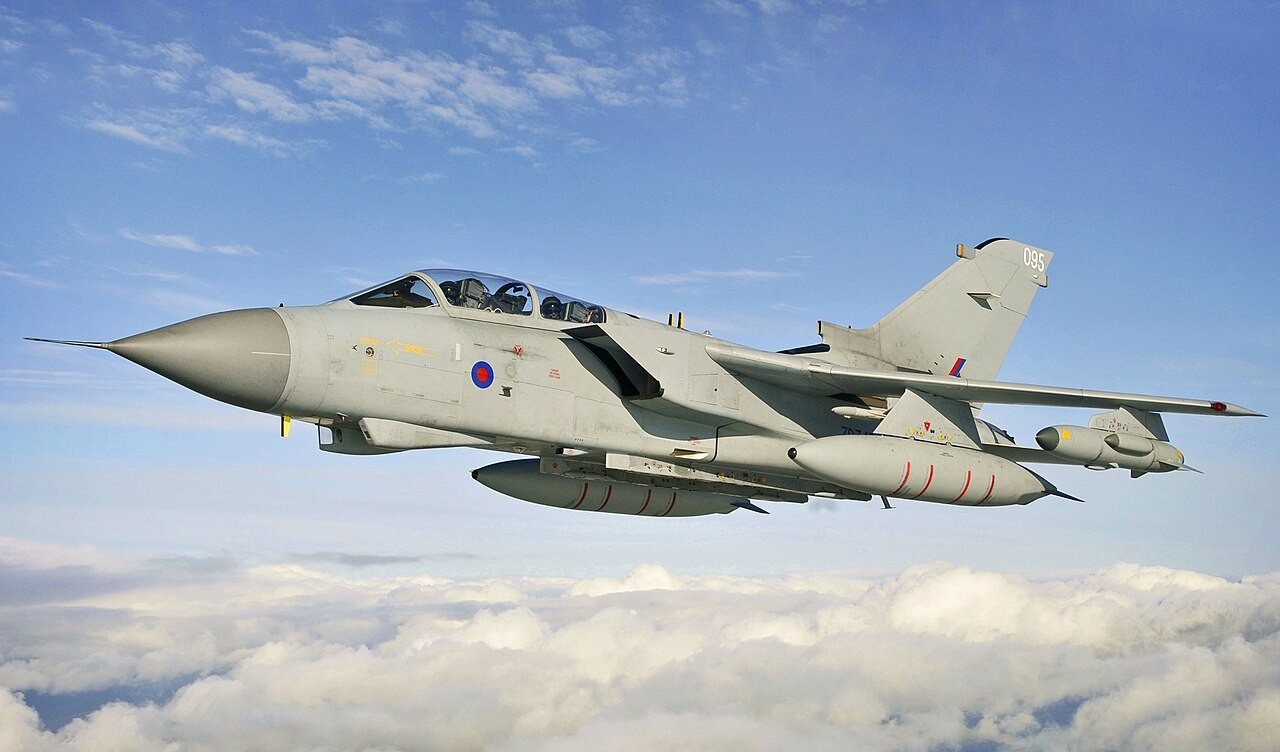
Tornado ECR
The aircraft is named 'Tornado ECR'. It is an electronic warfare and air defense suppression aircraft from the German-Italian Tornado series made by Panavia, and its first flight was in 1988, with a status marked as 'some operations active'. The test results exhibited that it integrates threat radar detection and air defense suppression mission equipment based on the Tornado IDS. We focus on the Tornado ECR in 'reconnaissance aircraft and electronic warfare aircraft born from fighter jets' because it visually demonstrates the topic of 'fighter-based special mission variants' on the list. If there are similar variants, it is essential to first check the designation 'Tornado ECR' and the operating body.
According to the type classifications in official documents, it is easier to understand which flight segments and missions the technical choices of the 'Tornado ECR' are geared towards. The first flight of the 'Tornado ECR' in 1988 was a development milestone and does not immediately signify mass production or combat deployment. We have classified the status of the 'Tornado ECR' as 'some operations active' to avoid mixing retired, program ended, some nation's operation, and active duty. The speed and range of the 'Tornado ECR' also vary depending on altitude, fuel, and external loads, so focusing on the design purpose is more accurate than determining superiority with a single number.
When comparing with other items, let's check the wing structure, number and thrust direction of the engines, number of crew, radar position, and operational environment of the 'Tornado ECR' in that order. It is also essential to determine whether the type designation of 'electronic warfare and air defense suppression aircraft from the fighter series' attached to the 'Tornado ECR' holds the same meaning as that of other aircraft to reduce misunderstandings arising from the name. 'Reconnaissance aircraft and electronic warfare aircraft born from fighter jets' provide material to understand the technology and operational choices left by the 'Tornado ECR', not to select a winner. The links for 'Tornado ECR' prioritized sources from manufacturers, military, and public aviation museum materials, and the images referenced identify metadata from Wikimedia Commons.
According to the type classifications in official documents, it is easier to understand which flight segments and missions the technical choices of the 'Tornado ECR' are geared towards. The first flight of the 'Tornado ECR' in 1988 was a development milestone and does not immediately signify mass production or combat deployment. We have classified the status of the 'Tornado ECR' as 'some operations active' to avoid mixing retired, program ended, some nation's operation, and active duty. The speed and range of the 'Tornado ECR' also vary depending on altitude, fuel, and external loads, so focusing on the design purpose is more accurate than determining superiority with a single number.
When comparing with other items, let's check the wing structure, number and thrust direction of the engines, number of crew, radar position, and operational environment of the 'Tornado ECR' in that order. It is also essential to determine whether the type designation of 'electronic warfare and air defense suppression aircraft from the fighter series' attached to the 'Tornado ECR' holds the same meaning as that of other aircraft to reduce misunderstandings arising from the name. 'Reconnaissance aircraft and electronic warfare aircraft born from fighter jets' provide material to understand the technology and operational choices left by the 'Tornado ECR', not to select a winner. The links for 'Tornado ECR' prioritized sources from manufacturers, military, and public aviation museum materials, and the images referenced identify metadata from Wikimedia Commons.
제작사 파나비아
국가 독일·이탈리아
첫 비행 1988년
주요 역할 전투기 계열 전자전·방공제압기
상태 현역 일부 운용
이미지 출처 Wikipedia/Wikimedia Commons · Panavia Tornado
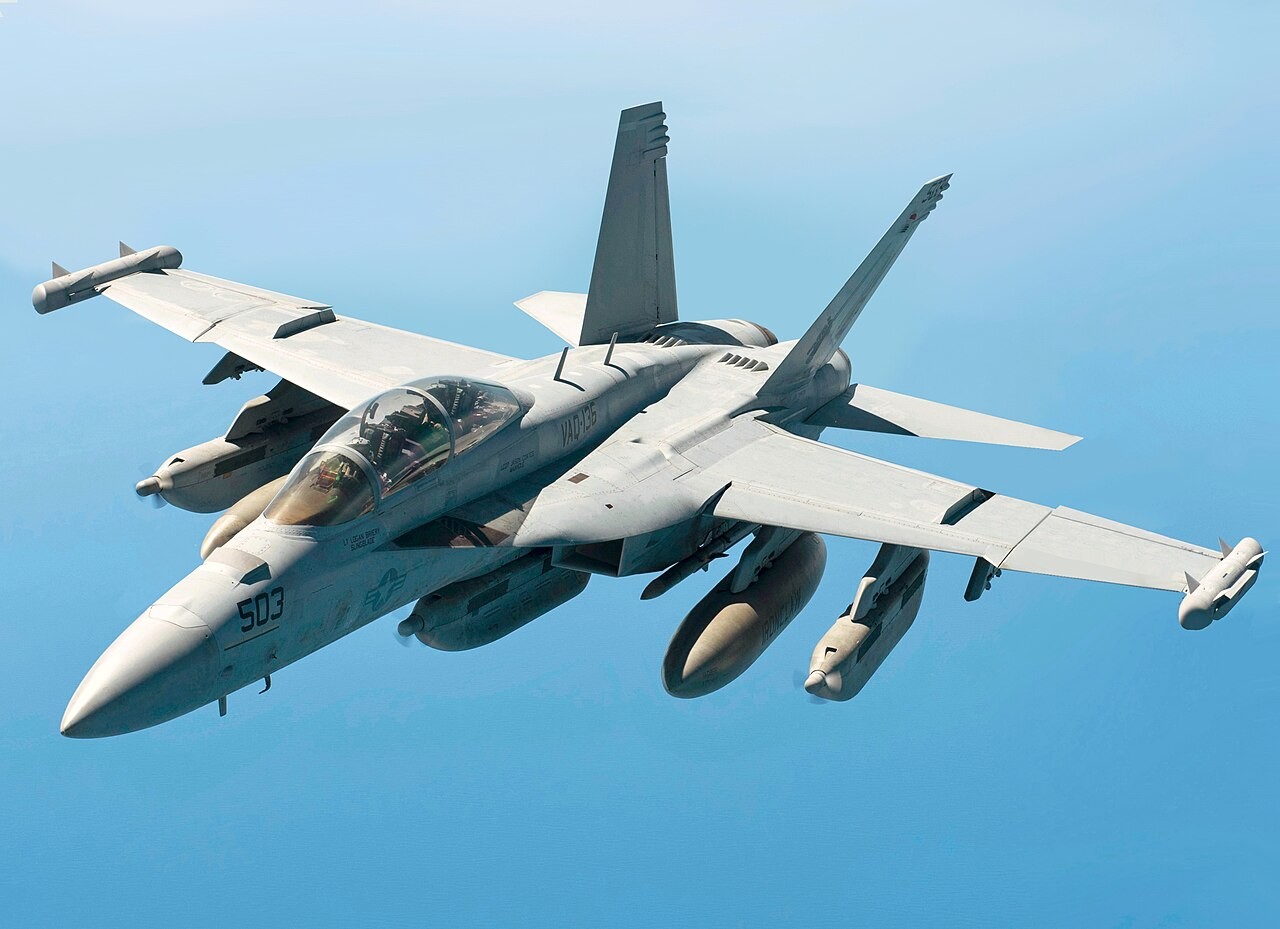
EA-18G Growler
The aircraft is named 'EA-18G Growler'. It is an electronic attack aircraft based on a fighter attack jet made by Boeing from the United States, and its first flight was in 2006, with the status marked as 'active duty'. The standard for comparing subsequent aircraft is characterized by maintaining carrier operational capabilities of the F/A-18F series while integrating receivers and jamming pods. We focus on the EA-18G Growler in 'reconnaissance aircraft and electronic warfare aircraft born from fighter jets' because it visually demonstrates the topic of 'fighter-based special mission variants' on the list. If there are similar variants, it is essential to first check the designation 'EA-18G Growler' and the operating body.
By separating subsequent variants from the prototypes, it becomes clearer which flight segments and missions the technical selections of the 'EA-18G Growler' are intended for. The first flight of the 'EA-18G Growler' in 2006 was a development milestone and does not immediately signify mass production or combat deployment. We have classified the status of the 'EA-18G Growler' as 'active duty' to avoid mixing retired, program ended, some nation's operation, and active duty. The speed and range of the 'EA-18G Growler' also vary depending on altitude, fuel, and external loads, so it is more accurate to read it based on the design purpose rather than determining superiority with a single number.
When comparing with other items, let's check the wing structure, number and thrust direction of the engines, number of crew, radar position, and operational environment of the 'EA-18G Growler' in that order. It is also important to determine if the type designation of 'electronic attack aircraft based on fighter attack jets' attached to the 'EA-18G Growler' holds the same meaning as that of other aircraft to reduce misunderstandings arising from the name. 'Reconnaissance aircraft and electronic warfare aircraft born from fighter jets' provide material for understanding the technology and operational choices left by the 'EA-18G Growler', not for ranking winners. The links for 'EA-18G Growler' prioritized sources from manufacturers, military, and public aviation museum materials, and the images referenced identify metadata from Wikimedia Commons.
By separating subsequent variants from the prototypes, it becomes clearer which flight segments and missions the technical selections of the 'EA-18G Growler' are intended for. The first flight of the 'EA-18G Growler' in 2006 was a development milestone and does not immediately signify mass production or combat deployment. We have classified the status of the 'EA-18G Growler' as 'active duty' to avoid mixing retired, program ended, some nation's operation, and active duty. The speed and range of the 'EA-18G Growler' also vary depending on altitude, fuel, and external loads, so it is more accurate to read it based on the design purpose rather than determining superiority with a single number.
When comparing with other items, let's check the wing structure, number and thrust direction of the engines, number of crew, radar position, and operational environment of the 'EA-18G Growler' in that order. It is also important to determine if the type designation of 'electronic attack aircraft based on fighter attack jets' attached to the 'EA-18G Growler' holds the same meaning as that of other aircraft to reduce misunderstandings arising from the name. 'Reconnaissance aircraft and electronic warfare aircraft born from fighter jets' provide material for understanding the technology and operational choices left by the 'EA-18G Growler', not for ranking winners. The links for 'EA-18G Growler' prioritized sources from manufacturers, military, and public aviation museum materials, and the images referenced identify metadata from Wikimedia Commons.
제작사 보잉
국가 미국
첫 비행 2006년
주요 역할 전투공격기 기반 전자공격기
상태 현역
이미지 출처 Wikipedia/Wikimedia Commons · Boeing EA-18G Growler
Seeing the reconnaissance and electronic warfare derivatives reveals that fighter jet series names do not fully describe their actual missions. The RF-4C gathered information with cameras and sensors, while the EA-18G detects and disrupts the electromagnetic environment, supporting the missions of other aircraft.
In the images, let's look for the window where weapons used to be in the nose, the sensors under the fuselage, jamming pods under the wings, and receiving antennas. By separately confirming the first flights of original fighter jets and their derivatives, the order of development becomes clear. Special mission aircraft center on accurate information collection and management of the electromagnetic spectrum rather than flashy maneuvers. Understanding reconnaissance and electronic warfare aircraft born from fighter jets requires checking the types and operation states of the airframes together.
In the images, let's look for the window where weapons used to be in the nose, the sensors under the fuselage, jamming pods under the wings, and receiving antennas. By separately confirming the first flights of original fighter jets and their derivatives, the order of development becomes clear. Special mission aircraft center on accurate information collection and management of the electromagnetic spectrum rather than flashy maneuvers. Understanding reconnaissance and electronic warfare aircraft born from fighter jets requires checking the types and operation states of the airframes together.
한눈에 보기
10개
RF-80A Shooting Star
록히드 · 미국 · 1945년 · 전투기 기반 사진정찰기 · 퇴역 · Wikipedia/Wikimedia Commons · Lockheed P-80 Shooting Star
RF-84F Thunderflash
리퍼블릭 · 미국 · 1952년 · 전투기 기반 사진정찰기 · 퇴역 · Wikipedia/Wikimedia Commons · Republic F-84F Thunderstreak
RF-101C Voodoo
맥도널 · 미국 · 1957년 · 전투기 기반 고속정찰기 · 퇴역 · Wikipedia/Wikimedia Commons · McDonnell RF-101 Voodoo
RF-4C Phantom II
맥도널 더글러스 · 미국 · 1963년 · 전투기 기반 전술정찰기 · 퇴역 · Wikipedia/Wikimedia Commons · McDonnell Douglas F-4 Phantom II
RF-104G Starfighter
록히드 · 미국·유럽 면허생산 · 1961년 · 전투기 기반 전술정찰기 · 퇴역 · Wikipedia/Wikimedia Commons · Lockheed F-104 Starfighter
Dassault Mirage IIIR
다쏘 아비아시옹 · 프랑스 · 1961년 · 전투기 기반 사진정찰기 · 퇴역 · Wikipedia/Wikimedia Commons · Dassault Mirage III
Saab S 35E Draken
사브 · 스웨덴 · 1963년 · 요격기 기반 사진정찰기 · 퇴역 · Wikipedia/Wikimedia Commons · Saab 35 Draken
MiG-25RB
미코얀-구레비치 · 소련 · 1970년 · 고속 정찰폭격기 · 일부 파생형 퇴역·제한 운용 · Wikipedia/Wikimedia Commons · Mikoyan-Gurevich MiG-25
Tornado ECR
파나비아 · 독일·이탈리아 · 1988년 · 전투기 계열 전자전·방공제압기 · 현역 일부 운용 · Wikipedia/Wikimedia Commons · Panavia Tornado
EA-18G Growler
보잉 · 미국 · 2006년 · 전투공격기 기반 전자공격기 · 현역 · Wikipedia/Wikimedia Commons · Boeing EA-18G Growler
#Fighter Jet#Military Aircraft#Aircraft#Aviation Technology#Combat Aircraft-Based Special Mission Derivatives
이 포스팅은 쿠팡 파트너스 활동의 일환으로, 이에 따른 일정액의 수수료를 제공받습니다.
댓글 0
로그인 후 댓글을 작성할 수 있습니다.
첫 댓글을 남겨보세요.
이런 리스트는 어때요?


이런 리스트도 추천해요


🎲
여기서 멈추기엔 아쉽잖아?
다음에 뭘 볼지 고민하는 시간이 제일 아까워.
주사위가 대신 골라줄게 — 무슨 리스트가 튀어나올지는 굴려봐야 알지.
안 누르면… 평생 궁금하지 않겠어? 👀