Collection
Science
2026.09.11
Stealth Fighter Aircraft and the Experimental Aircraft That Paved the Way
A Collection Sorted by Status: Technology Demonstrators, Attack Aircraft, Active Fighters, and Development Models
The history of stealth aircraft can only be seen partially when only finished models are considered. The shapes and operational concepts tested on experimental aircraft like Have Blue, YF-23, and X-32 have influenced design choices for the next generation, regardless of their adoption.
This collection brings together technology demonstrators, attack aircraft, active fighters, and prototype aircraft under development while separating them by their statuses. The F-117, despite its name, is an attack aircraft, and the KF-21 was not included as a fully stealth fighter. It is a compilation reflecting how low-observability shapes, internal weapons, and sensor integration have evolved. To fully understand stealth fighters and the experimental aircraft that paved the way for them, one must consider not only the aircraft specifications but also their operational state and mission systems.
This collection brings together technology demonstrators, attack aircraft, active fighters, and prototype aircraft under development while separating them by their statuses. The F-117, despite its name, is an attack aircraft, and the KF-21 was not included as a fully stealth fighter. It is a compilation reflecting how low-observability shapes, internal weapons, and sensor integration have evolved. To fully understand stealth fighters and the experimental aircraft that paved the way for them, one must consider not only the aircraft specifications but also their operational state and mission systems.
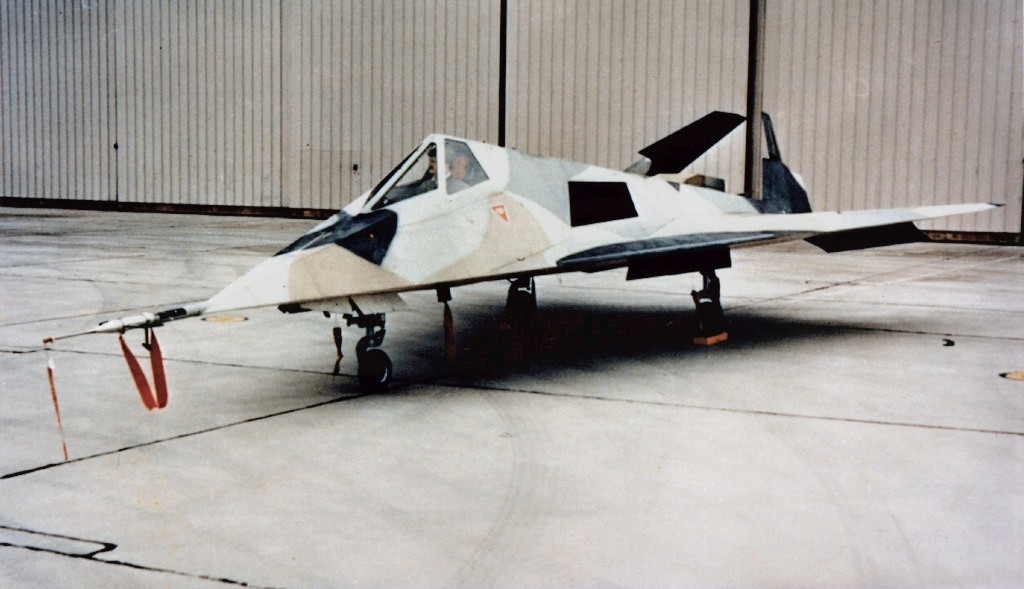
Hab Blue
Have Blue
‘Have Blue’ is a U.S.-developed stealth technology demonstrator produced by Lockheed Skunk Works. Its first flight was in 1977, and its current status is ‘test concluded’. The most visible aspect of its appearance is its design which disperses radar reflections through angular surfaces. When looking at Have Blue in ‘Stealth Fighters and the Experimental Aircraft That Paved the Way’, one should not rely solely on the color schemes of similar variants but should also check the model designation, operator, and mission to pinpoint its accurate position.
Examining the wing and intake placement makes it clearer how Have Blue implemented its low-observability shape and development stage. The first flight of Have Blue in 1977 marked the starting point of technology development, not immediate operational deployment. The current status of Have Blue is ‘test concluded’, and this is mentioned separately to avoid confusion between prototypes, decommissioned aircraft, and production models with active ones. The detailed specifications of Have Blue also vary based on armament, fuel composition, and upgrade formats, hence prioritizing the main mission over a single figure.
When comparing ‘Have Blue’ to the next sections, examine in order the number of engines, crew, where radar and electronic warfare equipment are mounted, and armament. Do not determine superiority solely based on maximum speed, but rather consider the entire mission context. ‘Stealth Fighters and the Experimental Aircraft That Paved the Way’ is not a ranking to praise the destructive power of Have Blue or to determine the winner of hypothetical engagements. The essential information needed to understand the aviation technology and operating entities of Have Blue prioritized linked manufacturer, military, and museum resources. The imagery of Have Blue used here is sourced from Wikipedia, allowing you to check the original lineage of the aircraft photo via Wikimedia Commons.
Examining the wing and intake placement makes it clearer how Have Blue implemented its low-observability shape and development stage. The first flight of Have Blue in 1977 marked the starting point of technology development, not immediate operational deployment. The current status of Have Blue is ‘test concluded’, and this is mentioned separately to avoid confusion between prototypes, decommissioned aircraft, and production models with active ones. The detailed specifications of Have Blue also vary based on armament, fuel composition, and upgrade formats, hence prioritizing the main mission over a single figure.
When comparing ‘Have Blue’ to the next sections, examine in order the number of engines, crew, where radar and electronic warfare equipment are mounted, and armament. Do not determine superiority solely based on maximum speed, but rather consider the entire mission context. ‘Stealth Fighters and the Experimental Aircraft That Paved the Way’ is not a ranking to praise the destructive power of Have Blue or to determine the winner of hypothetical engagements. The essential information needed to understand the aviation technology and operating entities of Have Blue prioritized linked manufacturer, military, and museum resources. The imagery of Have Blue used here is sourced from Wikipedia, allowing you to check the original lineage of the aircraft photo via Wikimedia Commons.
제작사 록히드 스컹크웍스
국가 미국
첫 비행 1977년
주요 역할 스텔스 기술실증기
상태 시험 종료
이미지 출처 Wikipedia/Wikimedia Commons · Lockheed Have Blue
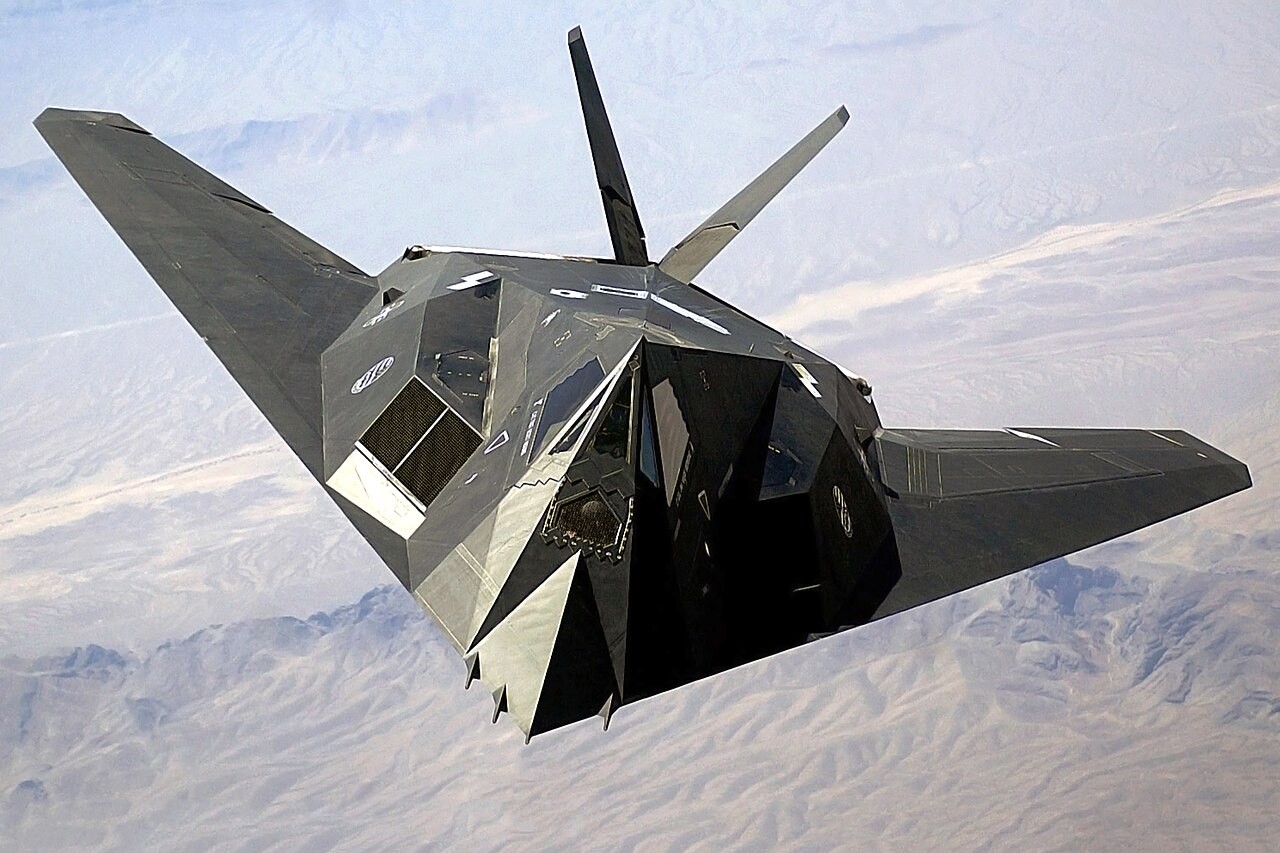
F-117 Nighthawk
‘F-117 Nighthawk’ is a stealth attack aircraft developed and produced by Lockheed. Its first flight was in 1981, and its current status is ‘limited testing post-retirement’. A key insight from an operational perspective is that despite its name, it is a single-seat attack aircraft specialized in ground precision strikes. When looking at the F-117 Nighthawk in “Stealth Fighters and the Experimental Aircraft That Paved the Way”, one should not rely solely on the color schemes of similar variants but should also check the model designation, operator, and mission to pinpoint its accurate position.
Reading the official mission description clarifies how the ‘F-117 Nighthawk’ implemented its low-observability shape and development stage. The first flight of the F-117 Nighthawk in 1981 marked the starting point of technology development, not immediate operational deployment. The current status of the F-117 Nighthawk is ‘limited testing post-retirement’, and this is mentioned separately to avoid confusion between prototypes, decommissioned aircraft, and production models with active ones. The detailed specifications of the F-117 Nighthawk also vary based on armament, fuel composition, and upgrade formats, hence prioritizing the main mission over a single figure.
When comparing ‘F-117 Nighthawk’ to the next sections, examine in order the number of engines, crew, where radar and electronic warfare equipment are mounted, and armament. It is important not to label prototypes and active aircraft under the same status. ‘Stealth Fighters and the Experimental Aircraft That Paved the Way’ is not a ranking to praise the destructive power of the F-117 Nighthawk or to determine the winner of hypothetical engagements. The essential information needed to understand the aviation technology and operating entities of the F-117 Nighthawk prioritized linked manufacturer, military, and museum resources. The imagery of F-117 Nighthawk used here is sourced from Wikipedia, allowing you to check the original lineage of the aircraft photo via Wikimedia Commons.
Reading the official mission description clarifies how the ‘F-117 Nighthawk’ implemented its low-observability shape and development stage. The first flight of the F-117 Nighthawk in 1981 marked the starting point of technology development, not immediate operational deployment. The current status of the F-117 Nighthawk is ‘limited testing post-retirement’, and this is mentioned separately to avoid confusion between prototypes, decommissioned aircraft, and production models with active ones. The detailed specifications of the F-117 Nighthawk also vary based on armament, fuel composition, and upgrade formats, hence prioritizing the main mission over a single figure.
When comparing ‘F-117 Nighthawk’ to the next sections, examine in order the number of engines, crew, where radar and electronic warfare equipment are mounted, and armament. It is important not to label prototypes and active aircraft under the same status. ‘Stealth Fighters and the Experimental Aircraft That Paved the Way’ is not a ranking to praise the destructive power of the F-117 Nighthawk or to determine the winner of hypothetical engagements. The essential information needed to understand the aviation technology and operating entities of the F-117 Nighthawk prioritized linked manufacturer, military, and museum resources. The imagery of F-117 Nighthawk used here is sourced from Wikipedia, allowing you to check the original lineage of the aircraft photo via Wikimedia Commons.
제작사 록히드
국가 미국
첫 비행 1981년
주요 역할 스텔스 공격기
상태 퇴역 후 제한 시험
이미지 출처 Wikipedia/Wikimedia Commons · Lockheed F-117 Nighthawk
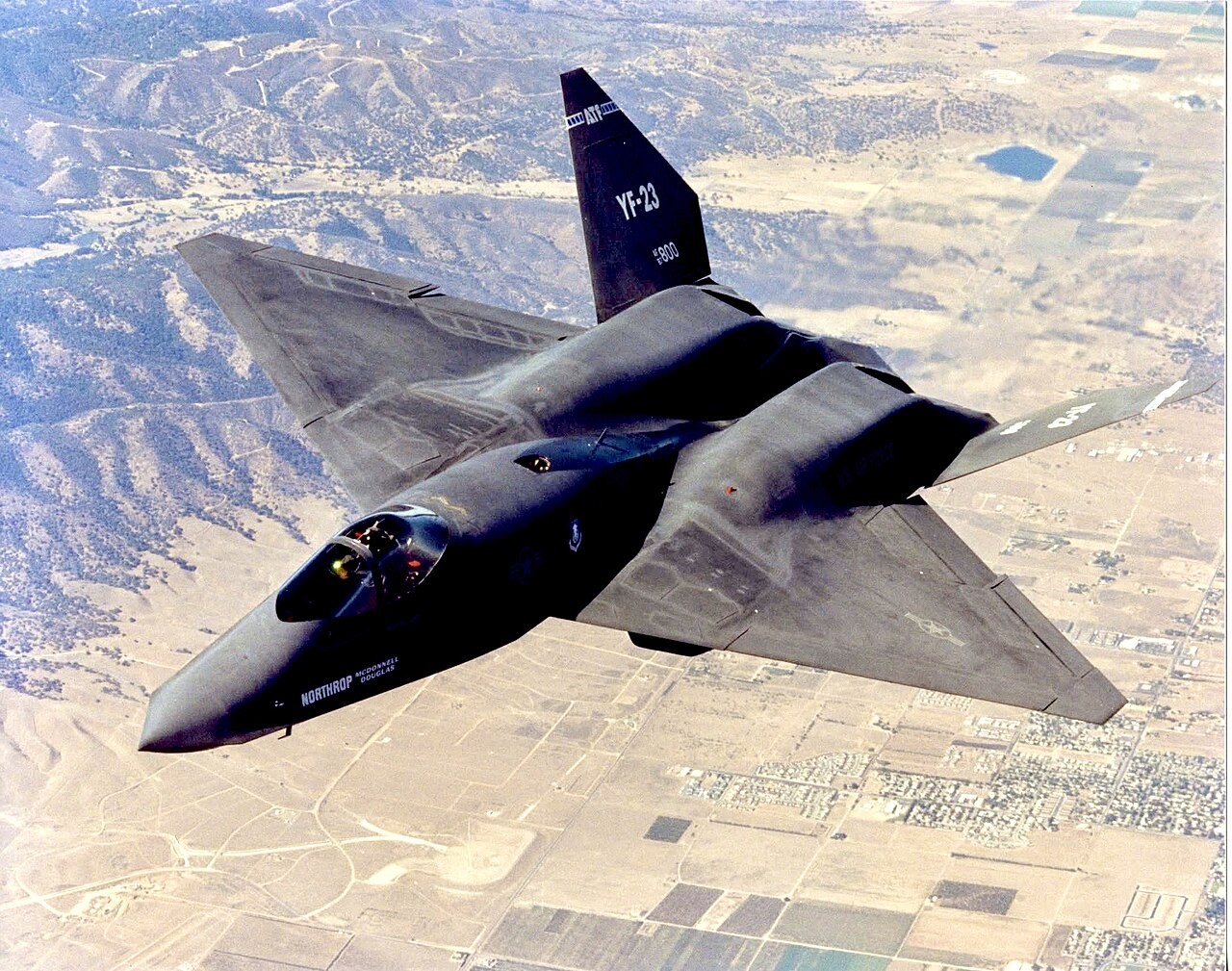
YF-23
‘YF-23’ is a next-generation fighter prototype developed and produced by Northrop McDonnell Douglas. Its first flight was in 1990, and its current status is ‘test concluded’. The distinguishing feature of this aircraft is its emphasis on speed and low observability in the ATF competition. When looking at the YF-23 in ‘Stealth Fighters and the Experimental Aircraft That Paved the Way’, one should not rely solely on the color schemes of similar variants but should also check the model designation, operator, and mission to pinpoint its accurate position.
By placing the first flight year and current status side by side, it becomes clearer how the ‘YF-23’ implemented its low-observability shape and development stage. The first flight of the YF-23 in 1990 marked the starting point of technology development, not immediate operational deployment. The current status of the YF-23 is ‘test concluded’, and this is mentioned separately to avoid confusion between prototypes, decommissioned aircraft, and production models with active ones. The detailed specifications of the YF-23 also vary based on armament, fuel composition, and upgrade formats, hence prioritizing the main mission over a single figure.
When comparing ‘YF-23’ to the next sections, examine in order the number of engines, crew, where radar and electronic warfare equipment are mounted, and armament. Check the differences between export variants and modified versions in operating countries separately. ‘Stealth Fighters and the Experimental Aircraft That Paved the Way’ is not a ranking to praise the destructive power of the YF-23 or to determine the winner of hypothetical engagements. The essential information needed to understand the aviation technology and operating entities of the YF-23 prioritized linked manufacturer, military, and museum resources. The imagery of YF-23 used here is sourced from Wikipedia, allowing you to check the original lineage of the aircraft photo via Wikimedia Commons.
By placing the first flight year and current status side by side, it becomes clearer how the ‘YF-23’ implemented its low-observability shape and development stage. The first flight of the YF-23 in 1990 marked the starting point of technology development, not immediate operational deployment. The current status of the YF-23 is ‘test concluded’, and this is mentioned separately to avoid confusion between prototypes, decommissioned aircraft, and production models with active ones. The detailed specifications of the YF-23 also vary based on armament, fuel composition, and upgrade formats, hence prioritizing the main mission over a single figure.
When comparing ‘YF-23’ to the next sections, examine in order the number of engines, crew, where radar and electronic warfare equipment are mounted, and armament. Check the differences between export variants and modified versions in operating countries separately. ‘Stealth Fighters and the Experimental Aircraft That Paved the Way’ is not a ranking to praise the destructive power of the YF-23 or to determine the winner of hypothetical engagements. The essential information needed to understand the aviation technology and operating entities of the YF-23 prioritized linked manufacturer, military, and museum resources. The imagery of YF-23 used here is sourced from Wikipedia, allowing you to check the original lineage of the aircraft photo via Wikimedia Commons.
제작사 노스럽·맥도널 더글러스
국가 미국
첫 비행 1990년
주요 역할 차세대 전투기 시제기
상태 시험 종료
이미지 출처 Wikipedia/Wikimedia Commons · Northrop YF-23
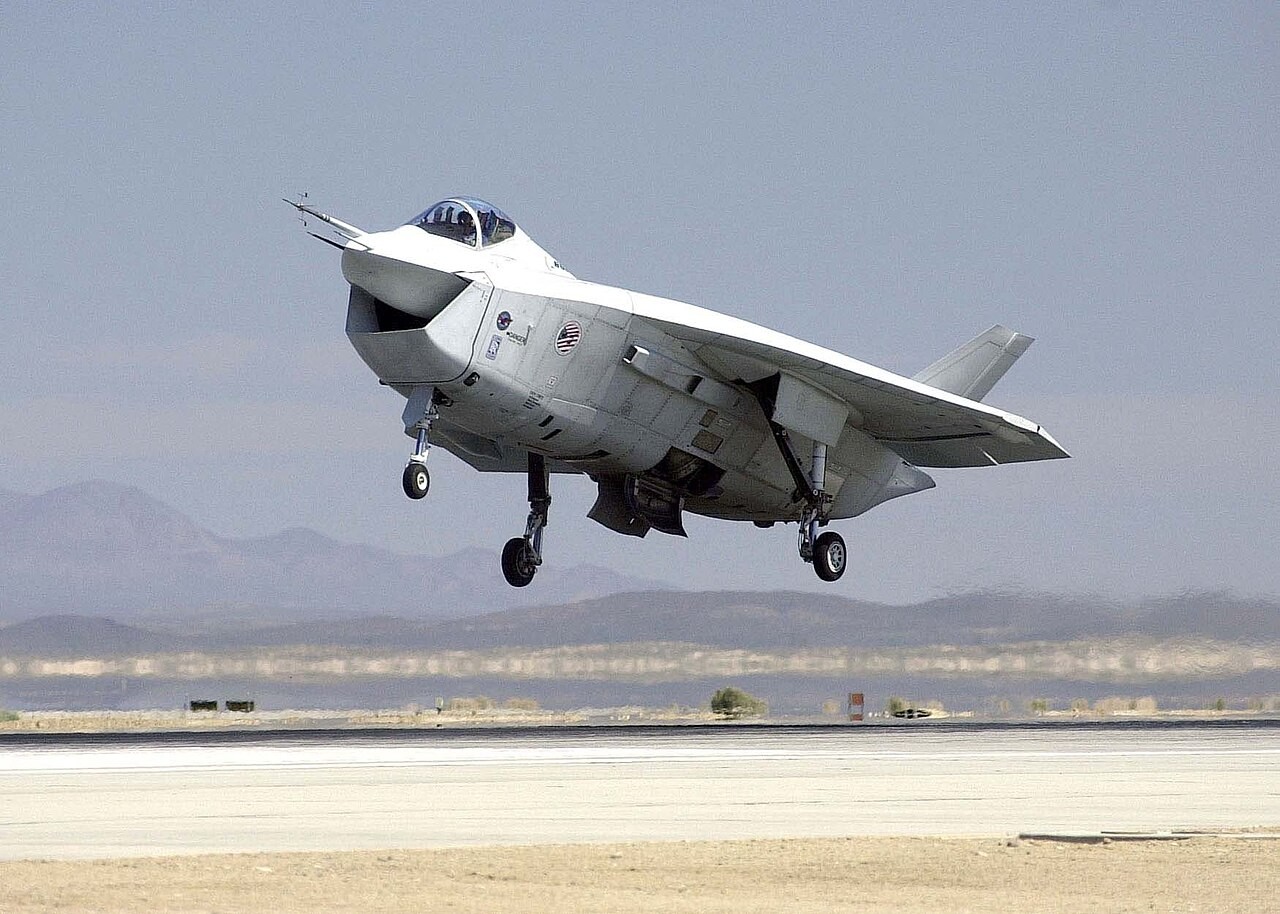
Boeing X-32
‘Boeing X-32’ is a JSF technology demonstrator developed and produced by Boeing. Its first flight was in 2000, and its current status is ‘test concluded’. Observing the photos and specifications together, the notable point is that it tests common airframes against conventional, carrier, and short takeoff/vertical landing requirements. When looking at the Boeing X-32 in ‘Stealth Fighters and the Experimental Aircraft That Paved the Way’, one should not rely solely on the color schemes of similar variants but should also check the model designation, operator, and mission to pinpoint its accurate position.
Checking the number of cockpits and the armament arrangement clarifies how the ‘Boeing X-32’ implemented its low-observability shape and development stage. The first flight of the Boeing X-32 in 2000 marked the starting point of technology development, not immediate operational deployment. The current status of the Boeing X-32 is ‘test concluded’, and this is mentioned separately to avoid confusion between prototypes, decommissioned aircraft, and production models with active ones. The detailed specifications of the Boeing X-32 also vary based on armament, fuel composition, and upgrade formats, hence prioritizing the main mission over a single figure.
When comparing ‘Boeing X-32’ to the next sections, examine in order the number of engines, crew, where radar and electronic warfare equipment are mounted, and armament. Distinguish between promotional messages and actual field deployment. ‘Stealth Fighters and the Experimental Aircraft That Paved the Way’ is not a ranking to praise the destructive power of the Boeing X-32 or to determine the winner of hypothetical engagements. The essential information needed to understand the aviation technology and operating entities of the Boeing X-32 prioritized linked manufacturer, military, and museum resources. The imagery of Boeing X-32 used here is sourced from Wikipedia, allowing you to check the original lineage of the aircraft photo via Wikimedia Commons.
Checking the number of cockpits and the armament arrangement clarifies how the ‘Boeing X-32’ implemented its low-observability shape and development stage. The first flight of the Boeing X-32 in 2000 marked the starting point of technology development, not immediate operational deployment. The current status of the Boeing X-32 is ‘test concluded’, and this is mentioned separately to avoid confusion between prototypes, decommissioned aircraft, and production models with active ones. The detailed specifications of the Boeing X-32 also vary based on armament, fuel composition, and upgrade formats, hence prioritizing the main mission over a single figure.
When comparing ‘Boeing X-32’ to the next sections, examine in order the number of engines, crew, where radar and electronic warfare equipment are mounted, and armament. Distinguish between promotional messages and actual field deployment. ‘Stealth Fighters and the Experimental Aircraft That Paved the Way’ is not a ranking to praise the destructive power of the Boeing X-32 or to determine the winner of hypothetical engagements. The essential information needed to understand the aviation technology and operating entities of the Boeing X-32 prioritized linked manufacturer, military, and museum resources. The imagery of Boeing X-32 used here is sourced from Wikipedia, allowing you to check the original lineage of the aircraft photo via Wikimedia Commons.
제작사 보잉
국가 미국
첫 비행 2000년
주요 역할 JSF 기술실증기
상태 시험 종료
이미지 출처 Wikipedia/Wikimedia Commons · Boeing X-32
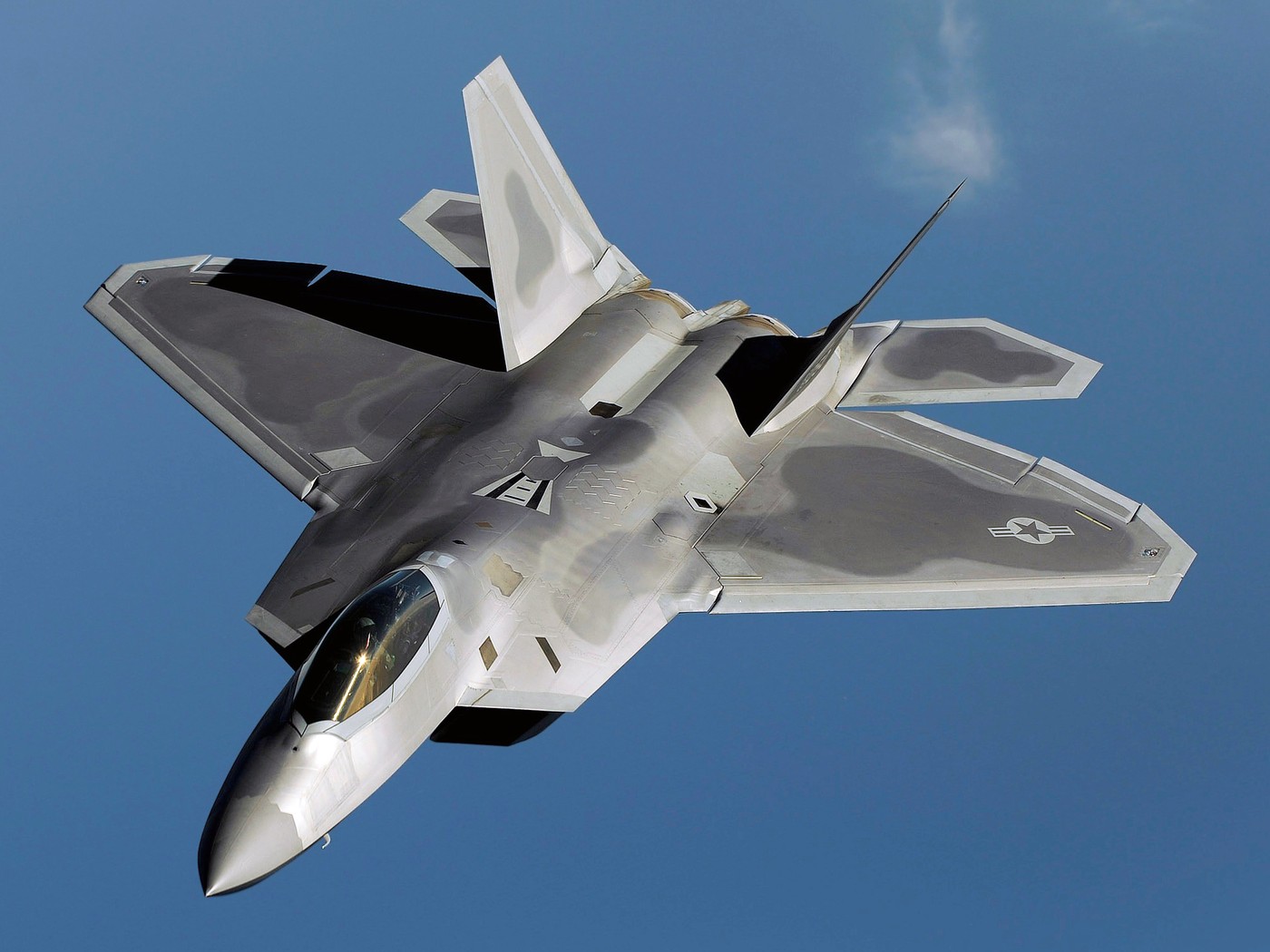
F-22 Raptor
‘F-22 Raptor’ is a stealth air superiority fighter developed and produced by Lockheed Martin. Its first flight was in 1997, and its current status is ‘active’. The key points for comparison with aircraft of the same generation are its combination of internal armament, supersonic cruise, and agility. When looking at the F-22 Raptor in ‘Stealth Fighters and the Experimental Aircraft That Paved the Way’, one should not rely solely on the color schemes of similar variants but should also check the model designation, operator, and mission to pinpoint its accurate position.
Comparing land and sea operation conditions makes it clearer how the ‘F-22 Raptor’ implemented its low-observability shape and development stage. The first flight of the F-22 Raptor in 1997 marked the starting point of technology development, not immediate operational deployment. The current status of the F-22 Raptor is ‘active’, and this is mentioned separately to avoid confusion between prototypes, decommissioned aircraft, and production models with active ones. The detailed specifications of the F-22 Raptor also vary based on armament, fuel composition, and upgrade formats, hence prioritizing the main mission over a single figure.
When comparing ‘F-22 Raptor’ to the next sections, examine in order the number of engines, crew, where radar and electronic warfare equipment are mounted, and armament. The range can vary based on mission conditions and payload configuration. ‘Stealth Fighters and the Experimental Aircraft That Paved the Way’ is not a ranking to praise the destructive power of the F-22 Raptor or to determine the winner of hypothetical engagements. The essential information needed to understand the aviation technology and operating entities of the F-22 Raptor prioritized linked manufacturer, military, and museum resources. The imagery of F-22 Raptor used here is sourced from Wikipedia, allowing you to check the original lineage of the aircraft photo via Wikimedia Commons.
Comparing land and sea operation conditions makes it clearer how the ‘F-22 Raptor’ implemented its low-observability shape and development stage. The first flight of the F-22 Raptor in 1997 marked the starting point of technology development, not immediate operational deployment. The current status of the F-22 Raptor is ‘active’, and this is mentioned separately to avoid confusion between prototypes, decommissioned aircraft, and production models with active ones. The detailed specifications of the F-22 Raptor also vary based on armament, fuel composition, and upgrade formats, hence prioritizing the main mission over a single figure.
When comparing ‘F-22 Raptor’ to the next sections, examine in order the number of engines, crew, where radar and electronic warfare equipment are mounted, and armament. The range can vary based on mission conditions and payload configuration. ‘Stealth Fighters and the Experimental Aircraft That Paved the Way’ is not a ranking to praise the destructive power of the F-22 Raptor or to determine the winner of hypothetical engagements. The essential information needed to understand the aviation technology and operating entities of the F-22 Raptor prioritized linked manufacturer, military, and museum resources. The imagery of F-22 Raptor used here is sourced from Wikipedia, allowing you to check the original lineage of the aircraft photo via Wikimedia Commons.
제작사 록히드 마틴
국가 미국
첫 비행 1997년
주요 역할 스텔스 제공 전투기
상태 현역
이미지 출처 Wikipedia/Wikimedia Commons · Lockheed Martin F-22 Raptor
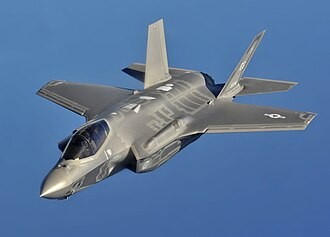
F-35 Lightning II
‘F-35 Lightning II’ is a family of stealth multirole fighters developed and produced by Lockheed Martin through U.S. and international collaboration. Its first flight was in 2006, and its current status is ‘active’. The priority values set by the designers include the application of sensor fusion and network capabilities common to the A, B, and C variants. When looking at the F-35 Lightning II in ‘Stealth Fighters and the Experimental Aircraft That Paved the Way’, one should not rely solely on the color schemes of similar variants but should also check the model designation, operator, and mission to pinpoint its accurate position.
Examining the roles of sensors and data links makes it clearer how the ‘F-35 Lightning II’ implemented its low-observability shape and development stage. The first flight of the F-35 Lightning II in 2006 marked the starting point of technology development, not immediate operational deployment. The current status of the F-35 Lightning II is ‘active’, and this is mentioned separately to avoid confusion between prototypes, decommissioned aircraft, and production models with active ones. The detailed specifications of the F-35 Lightning II also vary based on armament, fuel composition, and upgrade formats, hence prioritizing the main mission over a single figure.
When comparing ‘F-35 Lightning II’ to the next sections, examine in order the number of engines, crew, where radar and electronic warfare equipment are mounted, and armament. The compatibility of the armament requires contracts and integration tests to become actual capabilities. ‘Stealth Fighters and the Experimental Aircraft That Paved the Way’ is not a ranking to praise the destructive power of the F-35 Lightning II or to determine the winner of hypothetical engagements. The essential information needed to understand the aviation technology and operating entities of the F-35 Lightning II prioritized linked manufacturer, military, and museum resources. The imagery of F-35 Lightning II used here is sourced from Wikipedia, allowing you to check the original lineage of the aircraft photo via Wikimedia Commons.
Examining the roles of sensors and data links makes it clearer how the ‘F-35 Lightning II’ implemented its low-observability shape and development stage. The first flight of the F-35 Lightning II in 2006 marked the starting point of technology development, not immediate operational deployment. The current status of the F-35 Lightning II is ‘active’, and this is mentioned separately to avoid confusion between prototypes, decommissioned aircraft, and production models with active ones. The detailed specifications of the F-35 Lightning II also vary based on armament, fuel composition, and upgrade formats, hence prioritizing the main mission over a single figure.
When comparing ‘F-35 Lightning II’ to the next sections, examine in order the number of engines, crew, where radar and electronic warfare equipment are mounted, and armament. The compatibility of the armament requires contracts and integration tests to become actual capabilities. ‘Stealth Fighters and the Experimental Aircraft That Paved the Way’ is not a ranking to praise the destructive power of the F-35 Lightning II or to determine the winner of hypothetical engagements. The essential information needed to understand the aviation technology and operating entities of the F-35 Lightning II prioritized linked manufacturer, military, and museum resources. The imagery of F-35 Lightning II used here is sourced from Wikipedia, allowing you to check the original lineage of the aircraft photo via Wikimedia Commons.
제작사 록히드 마틴
국가 미국·국제 공동개발
첫 비행 2006년
주요 역할 스텔스 다목적 전투기 계열
상태 현역
이미지 출처 Wikipedia/Wikimedia Commons · Lockheed Martin F-35 Lightning II
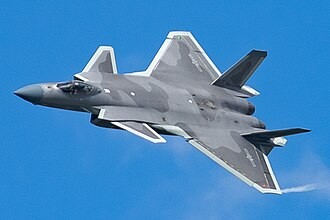
Chengdu J-20
‘Chengdu J-20’ is a stealth fighter developed and produced by Chengdu Aerospace Corporation. Its first flight was in 2011, and its current status is ‘active’. A clue to its mission equipment is that it is a large twin-engine low-observability fighter with internal weapon bays. When looking at the Chengdu J-20 in ‘Stealth Fighters and the Experimental Aircraft That Paved the Way’, one should not rely solely on the color schemes of similar variants but should also check the model designation, operator, and mission to pinpoint its accurate position.
Expanding to maintenance and redeployment environments makes it clearer how the ‘Chengdu J-20’ implemented its low-observability shape and development stage. The first flight of the Chengdu J-20 in 2011 marked the starting point of technology development, not immediate operational deployment. The current status of the Chengdu J-20 is ‘active’, and this is mentioned separately to avoid confusion between prototypes, decommissioned aircraft, and production models with active ones. The detailed specifications of the Chengdu J-20 also vary based on armament, fuel composition, and upgrade formats, hence prioritizing the main mission over a single figure.
When comparing ‘Chengdu J-20’ to the next sections, examine in order the number of engines, crew, where radar and electronic warfare equipment are mounted, and armament. The name stealth does not imply avoidance of detection in all directions. ‘Stealth Fighters and the Experimental Aircraft That Paved the Way’ is not a ranking to praise the destructive power of the Chengdu J-20 or to determine the winner of hypothetical engagements. The essential information needed to understand the aviation technology and operating entities of the Chengdu J-20 prioritized linked manufacturer, military, and museum resources. The imagery of Chengdu J-20 used here is sourced from Wikipedia, allowing you to check the original lineage of the aircraft photo via Wikimedia Commons.
Expanding to maintenance and redeployment environments makes it clearer how the ‘Chengdu J-20’ implemented its low-observability shape and development stage. The first flight of the Chengdu J-20 in 2011 marked the starting point of technology development, not immediate operational deployment. The current status of the Chengdu J-20 is ‘active’, and this is mentioned separately to avoid confusion between prototypes, decommissioned aircraft, and production models with active ones. The detailed specifications of the Chengdu J-20 also vary based on armament, fuel composition, and upgrade formats, hence prioritizing the main mission over a single figure.
When comparing ‘Chengdu J-20’ to the next sections, examine in order the number of engines, crew, where radar and electronic warfare equipment are mounted, and armament. The name stealth does not imply avoidance of detection in all directions. ‘Stealth Fighters and the Experimental Aircraft That Paved the Way’ is not a ranking to praise the destructive power of the Chengdu J-20 or to determine the winner of hypothetical engagements. The essential information needed to understand the aviation technology and operating entities of the Chengdu J-20 prioritized linked manufacturer, military, and museum resources. The imagery of Chengdu J-20 used here is sourced from Wikipedia, allowing you to check the original lineage of the aircraft photo via Wikimedia Commons.
제작사 청두항공공업집단
국가 중국
첫 비행 2011년
주요 역할 스텔스 전투기
상태 현역
이미지 출처 Wikipedia/Wikimedia Commons · Chengdu J-20
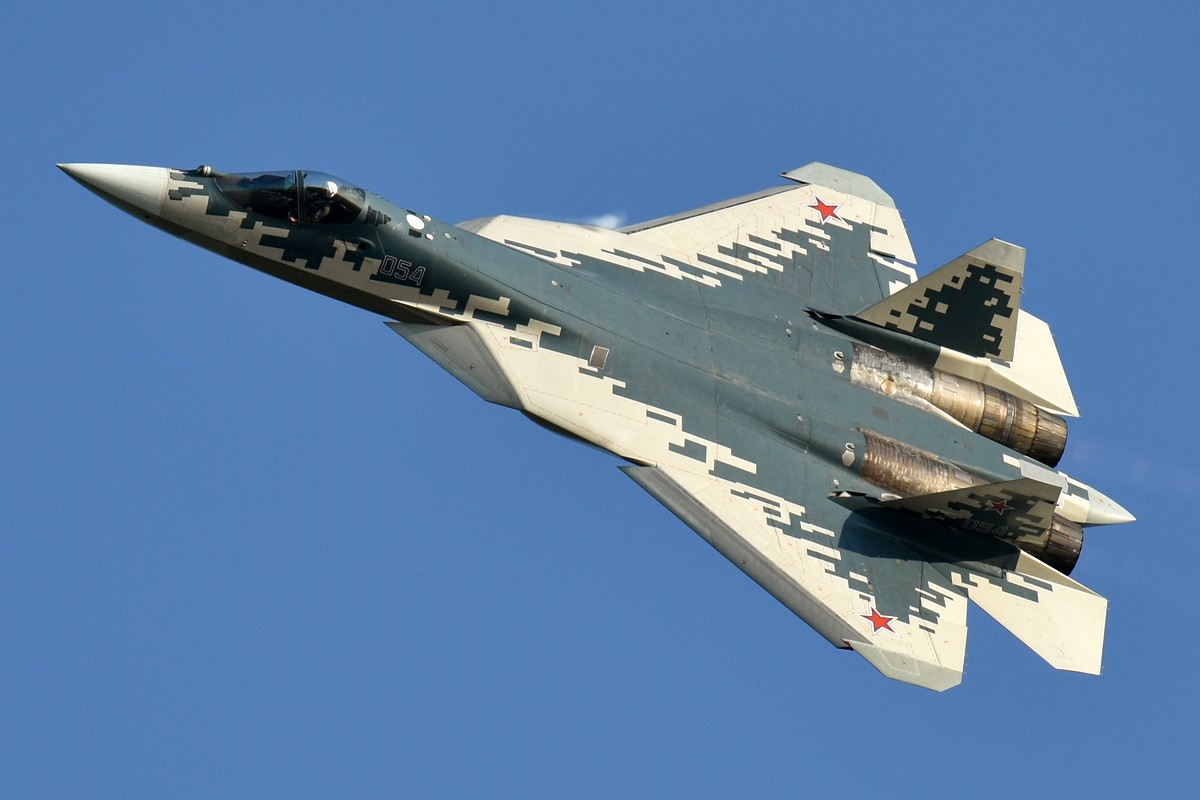
Sukhoi Su-57
‘Sukhoi Su-57’ is a stealth multirole fighter developed and produced by Sukhoi. Its first flight was in 2010, and its current status is ‘limited operations and production’. A significant change in the lineage of the aircraft is its development aimed at maneuverability, internal armament, and sensor integration. When looking at the Sukhoi Su-57 in ‘Stealth Fighters and the Experimental Aircraft That Paved the Way’, one should not rely solely on the color schemes of similar variants but should also check the model designation, operator, and mission to pinpoint its accurate position.
Comparing previous and subsequent models makes it clearer how the ‘Sukhoi Su-57’ implemented its low-observability shape and development stage. The first flight of the Sukhoi Su-57 in 2010 marked the starting point of technology development, not immediate operational deployment. The current status of the Sukhoi Su-57 is ‘limited operations and production’, and this is mentioned separately to avoid confusion between prototypes, decommissioned aircraft, and production models with active ones. The detailed specifications of the Sukhoi Su-57 also vary based on armament, fuel composition, and upgrade formats, hence prioritizing the main mission over a single figure.
When comparing ‘Sukhoi Su-57’ to the next sections, examine in order the number of engines, crew, where radar and electronic warfare equipment are mounted, and armament. Carrier variants must be examined alongside the aircraft and carrier takeoff and landing systems. ‘Stealth Fighters and the Experimental Aircraft That Paved the Way’ is not a ranking to praise the destructive power of the Sukhoi Su-57 or to determine the winner of hypothetical engagements. The essential information needed to understand the aviation technology and operating entities of the Sukhoi Su-57 prioritized linked manufacturer, military, and museum resources. The imagery of Sukhoi Su-57 used here is sourced from Wikipedia, allowing you to check the original lineage of the aircraft photo via Wikimedia Commons.
Comparing previous and subsequent models makes it clearer how the ‘Sukhoi Su-57’ implemented its low-observability shape and development stage. The first flight of the Sukhoi Su-57 in 2010 marked the starting point of technology development, not immediate operational deployment. The current status of the Sukhoi Su-57 is ‘limited operations and production’, and this is mentioned separately to avoid confusion between prototypes, decommissioned aircraft, and production models with active ones. The detailed specifications of the Sukhoi Su-57 also vary based on armament, fuel composition, and upgrade formats, hence prioritizing the main mission over a single figure.
When comparing ‘Sukhoi Su-57’ to the next sections, examine in order the number of engines, crew, where radar and electronic warfare equipment are mounted, and armament. Carrier variants must be examined alongside the aircraft and carrier takeoff and landing systems. ‘Stealth Fighters and the Experimental Aircraft That Paved the Way’ is not a ranking to praise the destructive power of the Sukhoi Su-57 or to determine the winner of hypothetical engagements. The essential information needed to understand the aviation technology and operating entities of the Sukhoi Su-57 prioritized linked manufacturer, military, and museum resources. The imagery of Sukhoi Su-57 used here is sourced from Wikipedia, allowing you to check the original lineage of the aircraft photo via Wikimedia Commons.
제작사 수호이
국가 러시아
첫 비행 2010년
주요 역할 스텔스 다목적 전투기
상태 제한 운용·생산
이미지 출처 Wikipedia/Wikimedia Commons · Sukhoi Su-57
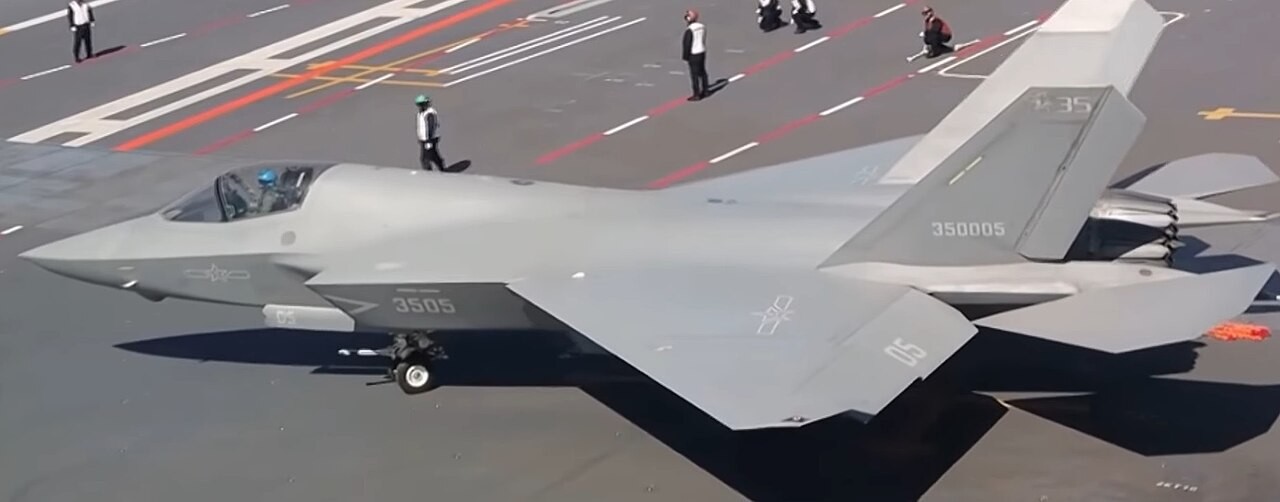
Shenyang FC-31
The ‘Shenyang FC-31’ is a prototype stealth fighter developed and produced by Shenyang Aircraft Corporation. Its first flight was in 2012, and its current status is ‘in development’. The key to understanding its operational use lies in its twin-engine, medium-sized low-observable configuration, which has been continuously tested as part of the prototype series. When looking at the Shenyang FC-31 alongside other stealth fighters and the experimental aircraft that paved the way, it's essential not to rely solely on the similar paint schemes of variants; instead, checking the model name, operational entity, and mission is crucial for accurately placing it in context.
By distinguishing between external and internal armament conditions, it becomes clearer how the Shenyang FC-31 has implemented its low-observable shape and development stage. The first flight of the Shenyang FC-31 in 2012 marked the starting point of its technological development but does not directly imply that it is ready for frontline deployment. Its current status, being ‘in development’, is noted separately to avoid confusion with operational aircraft, retired models, and those in production. The specific specifications of the Shenyang FC-31 also vary depending on the armament and fuel composition as well as the modification type, so primary mission takes precedence over singular figures.
When comparing the ‘Shenyang FC-31’ with the following items, let’s look in order at the number of engines, crew members, radars, electronic warfare equipment, and where the armaments are mounted inside and outside the airframe. It is also worth examining the operational experiences left by retired aircraft for future generations. The ‘stealth fighters and the experimental aircraft that paved the way’ is not a ranking that praises the destructive power of the Shenyang FC-31 or determines a winner in a hypothetical engagement. The fundamental information necessary to understand the aviation technology and operators of the Shenyang FC-31 is prioritized from the connected manufacturer, military, and museum resources. The images of the Shenyang FC-31 utilized photos from Wikimedia Commons that can be traced through Wikipedia.
By distinguishing between external and internal armament conditions, it becomes clearer how the Shenyang FC-31 has implemented its low-observable shape and development stage. The first flight of the Shenyang FC-31 in 2012 marked the starting point of its technological development but does not directly imply that it is ready for frontline deployment. Its current status, being ‘in development’, is noted separately to avoid confusion with operational aircraft, retired models, and those in production. The specific specifications of the Shenyang FC-31 also vary depending on the armament and fuel composition as well as the modification type, so primary mission takes precedence over singular figures.
When comparing the ‘Shenyang FC-31’ with the following items, let’s look in order at the number of engines, crew members, radars, electronic warfare equipment, and where the armaments are mounted inside and outside the airframe. It is also worth examining the operational experiences left by retired aircraft for future generations. The ‘stealth fighters and the experimental aircraft that paved the way’ is not a ranking that praises the destructive power of the Shenyang FC-31 or determines a winner in a hypothetical engagement. The fundamental information necessary to understand the aviation technology and operators of the Shenyang FC-31 is prioritized from the connected manufacturer, military, and museum resources. The images of the Shenyang FC-31 utilized photos from Wikimedia Commons that can be traced through Wikipedia.
제작사 선양항공기공사
국가 중국
첫 비행 2012년
주요 역할 스텔스 전투기 시제기
상태 개발 계열
이미지 출처 Wikipedia/Wikimedia Commons · Shenyang FC-31
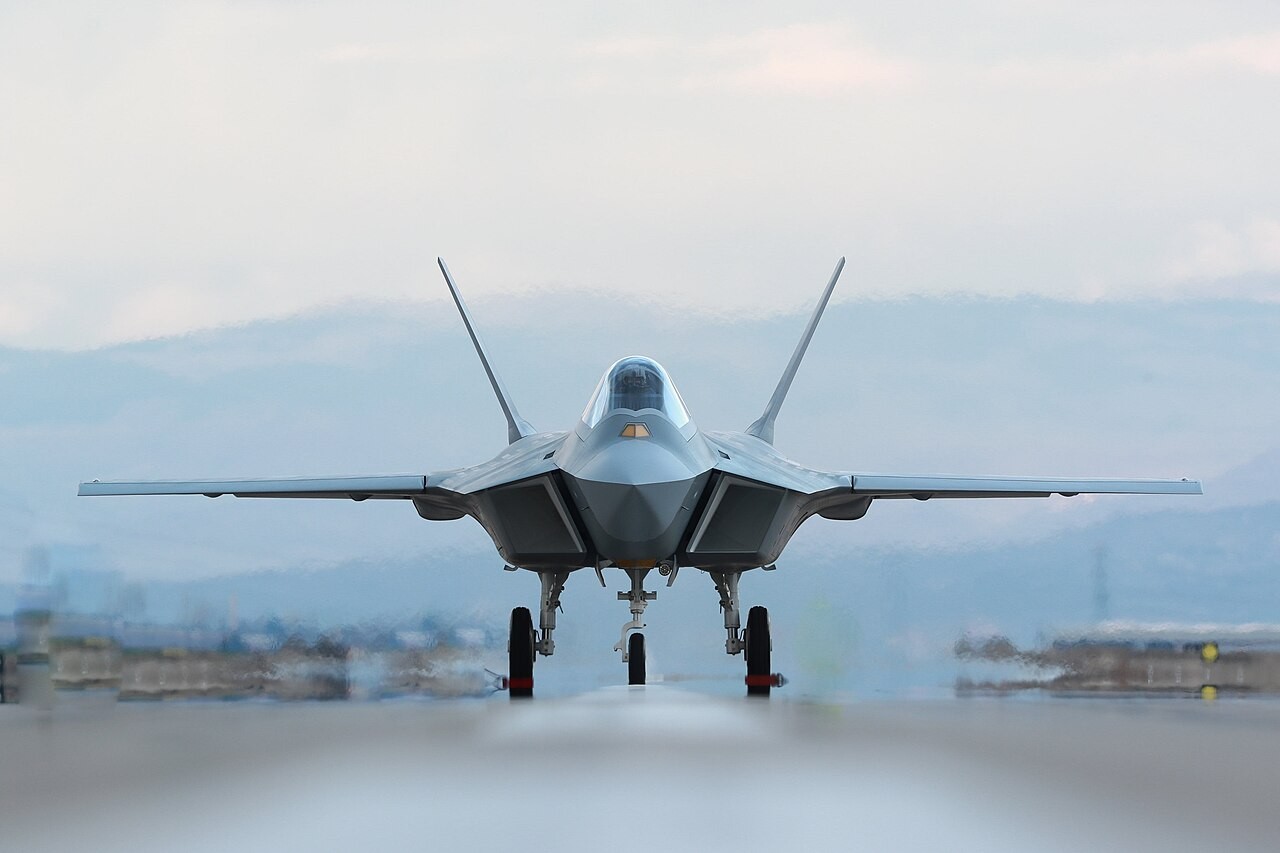
KAAN
The ‘KAAN’ is a prototype stealth fighter developed and produced by Turkish Aerospace Industries. Its first flight is set for 2024, and its current status is ‘flight testing and development’. The point at which we can divide its development status and performance is at the beginning of flight tests as part of Turkey’s next-generation fighter project. When looking at the KAAN alongside other stealth fighters and the experimental aircraft that paved the way, it’s important not to rely just on the similar paint schemes of variants; instead, checking the model name, operational entity, and mission is key to accurately placing it in context.
Cross-referencing the manufacturer’s description and operational agency data clarifies how the ‘KAAN’ has implemented its low-observable shape and developmental stage. The first flight of KAAN in 2024 marks the start of its technological development but does not imply immediate frontline deployment. The current status of KAAN is ‘flight testing and development’, noted separately to avoid confusion with operational aircraft, retired models, and those in production. The specific specifications of KAAN will also vary depending on armament, fuel composition, and modification type, so primary mission takes precedence over individual figures.
When comparing the ‘KAAN’ with the following items, let’s look in order at the number of engines, crew members, radars, electronic warfare equipment, and the locations of armaments both inside and outside the airframe. Development timelines can change, so it’s important to verify the stage names accurately. The ‘stealth fighters and the experimental aircraft that paved the way’ is not a ranking that praises the destructive power of the KAAN or determines a winner in a hypothetical engagement. The fundamental information necessary to understand the aviation technology and operators of the KAAN is prioritized from the connected manufacturer, military, and museum resources. The images of the KAAN utilized photos from Wikimedia Commons that can be traced through Wikipedia.
Cross-referencing the manufacturer’s description and operational agency data clarifies how the ‘KAAN’ has implemented its low-observable shape and developmental stage. The first flight of KAAN in 2024 marks the start of its technological development but does not imply immediate frontline deployment. The current status of KAAN is ‘flight testing and development’, noted separately to avoid confusion with operational aircraft, retired models, and those in production. The specific specifications of KAAN will also vary depending on armament, fuel composition, and modification type, so primary mission takes precedence over individual figures.
When comparing the ‘KAAN’ with the following items, let’s look in order at the number of engines, crew members, radars, electronic warfare equipment, and the locations of armaments both inside and outside the airframe. Development timelines can change, so it’s important to verify the stage names accurately. The ‘stealth fighters and the experimental aircraft that paved the way’ is not a ranking that praises the destructive power of the KAAN or determines a winner in a hypothetical engagement. The fundamental information necessary to understand the aviation technology and operators of the KAAN is prioritized from the connected manufacturer, military, and museum resources. The images of the KAAN utilized photos from Wikimedia Commons that can be traced through Wikipedia.
제작사 터키항공우주산업
국가 튀르키예
첫 비행 2024년
주요 역할 스텔스 전투기 시제기
상태 비행시험·개발
이미지 출처 Wikipedia/Wikimedia Commons · TAI TF Kaan
Stealth is not an invisible magic but a combination of design and operation that reduces detection probabilities against specific threats and angles. Shape, materials, internal armament, and radar management create performance, and the meaning of low observability changes when external armaments are added or mission conditions change.
When comparing experimental and active aircraft, let's not accept the first flight success as immediate operational readiness. The stages of prototype unveiling, flight testing, mass production, and field deployment are all distinct. Differentiating promotional messages from verifiable operational statuses can help one read next-generation fighter news more accurately. To fully understand stealth fighters and the experimental aircraft that paved the way for them, one must consider not only the aircraft specifications but also their operational state and mission systems.
When comparing experimental and active aircraft, let's not accept the first flight success as immediate operational readiness. The stages of prototype unveiling, flight testing, mass production, and field deployment are all distinct. Differentiating promotional messages from verifiable operational statuses can help one read next-generation fighter news more accurately. To fully understand stealth fighters and the experimental aircraft that paved the way for them, one must consider not only the aircraft specifications but also their operational state and mission systems.
한눈에 보기
10개
Hab Blue
록히드 스컹크웍스 · 미국 · 1977년 · 스텔스 기술실증기 · 시험 종료 · Wikipedia/Wikimedia Commons · Lockheed Have Blue
F-117 Nighthawk
록히드 · 미국 · 1981년 · 스텔스 공격기 · 퇴역 후 제한 시험 · Wikipedia/Wikimedia Commons · Lockheed F-117 Nighthawk
YF-23
노스럽·맥도널 더글러스 · 미국 · 1990년 · 차세대 전투기 시제기 · 시험 종료 · Wikipedia/Wikimedia Commons · Northrop YF-23
Boeing X-32
보잉 · 미국 · 2000년 · JSF 기술실증기 · 시험 종료 · Wikipedia/Wikimedia Commons · Boeing X-32
F-22 Raptor
록히드 마틴 · 미국 · 1997년 · 스텔스 제공 전투기 · 현역 · Wikipedia/Wikimedia Commons · Lockheed Martin F-22 Raptor
F-35 Lightning II
록히드 마틴 · 미국·국제 공동개발 · 2006년 · 스텔스 다목적 전투기 계열 · 현역 · Wikipedia/Wikimedia Commons · Lockheed Martin F-35 Lightning II
Chengdu J-20
청두항공공업집단 · 중국 · 2011년 · 스텔스 전투기 · 현역 · Wikipedia/Wikimedia Commons · Chengdu J-20
Sukhoi Su-57
수호이 · 러시아 · 2010년 · 스텔스 다목적 전투기 · 제한 운용·생산 · Wikipedia/Wikimedia Commons · Sukhoi Su-57
Shenyang FC-31
선양항공기공사 · 중국 · 2012년 · 스텔스 전투기 시제기 · 개발 계열 · Wikipedia/Wikimedia Commons · Shenyang FC-31
KAAN
터키항공우주산업 · 튀르키예 · 2024년 · 스텔스 전투기 시제기 · 비행시험·개발 · Wikipedia/Wikimedia Commons · TAI TF Kaan
#Fighter Jet#Military Aircraft#Aircraft#Aviation Technology#Low Observable Shape and Development Stage
이 포스팅은 쿠팡 파트너스 활동의 일환으로, 이에 따른 일정액의 수수료를 제공받습니다.
댓글 0
로그인 후 댓글을 작성할 수 있습니다.
첫 댓글을 남겨보세요.
이런 리스트는 어때요?


이런 리스트도 추천해요


🎲
여기서 멈추기엔 아쉽잖아?
다음에 뭘 볼지 고민하는 시간이 제일 아까워.
주사위가 대신 골라줄게 — 무슨 리스트가 튀어나올지는 굴려봐야 알지.
안 누르면… 평생 궁금하지 않겠어? 👀