Collection
Science
2026.09.11
The Legacy of Carrier-Based Fighters Changed by Runways Over the Sea
From Propeller Planes to Stealth Carrier Aircraft: Changes in Landing Methods and Missions
The flight deck of an aircraft carrier is short, mobile, and exposed to seawater and strong winds. Carrier-based fighters must fold their wings and enter narrow hangars, taking off via catapults or ski jumps, and returning through arresting wires or vertical landings.
This list traces the lineage of carrier-based fighters from the F4F Wildcat and F6F Hellcat to the F-14 and Sea Harrier, through to the Super Hornet and F-35C. It clearly distinguishes between active and retired aircraft, comparing their airframes, landing gear, and takeoff methods that differ from land-based models. To fully understand The Legacy of Carrier-Based Fighters Changed by Runways Over the Sea, one must also consider operational conditions and mission systems alongside aircraft specifications.
This list traces the lineage of carrier-based fighters from the F4F Wildcat and F6F Hellcat to the F-14 and Sea Harrier, through to the Super Hornet and F-35C. It clearly distinguishes between active and retired aircraft, comparing their airframes, landing gear, and takeoff methods that differ from land-based models. To fully understand The Legacy of Carrier-Based Fighters Changed by Runways Over the Sea, one must also consider operational conditions and mission systems alongside aircraft specifications.
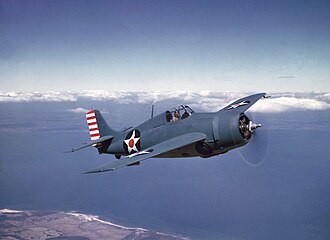
F4F Wildcat
The 'F4F Wildcat' is an American propeller carrier-based fighter developed and produced by Grumman. Its first flight was in 1937, and its current status is 'retired'. The most notable aspect of its appearance is that it served as the primary carrier-based fighter for the U.S. Navy during the early Pacific War. When observing the F4F Wildcat in The Legacy of Carrier-Based Fighters Changed by Runways Over the Sea, it is important not to rely solely on its similar paint scheme but to confirm the model name, operational unit, and mission to pinpoint its exact position.
By examining the wing and intake configurations, it becomes clearer how the 'F4F Wildcat' implemented aircraft carrier takeoffs and operations. The F4F Wildcat's first flight in 1937 marks the beginning of technological development, not an immediate deployment in combat. The current status of the F4F Wildcat is 'retired', and this distinction is necessary to avoid confusion with prototypes, retired aircraft, and active production models. The specific details of the F4F Wildcat also vary based on armament, fuel configuration, and upgrade types, so the primary mission takes precedence over single specifications.
When comparing the 'F4F Wildcat' with the next item, check the number of engines, crew, radar and electronic warfare capabilities, and armament order both inside and outside the aircraft. Do not judge superiority based on top speed alone; consider the entire mission. The Legacy of Carrier-Based Fighters Changed by Runways Over the Sea does not rank the F4F Wildcat’s destructive power or determine the victor of hypothetical engagements. The fundamental information needed to understand the aviation technologies and operators of F4F Wildcat is prioritized from connected manufacturer, military, and museum resources. The image of the F4F Wildcat uses aircraft photos that can confirm the original lineage via Wikimedia Commons through Wikipedia.
By examining the wing and intake configurations, it becomes clearer how the 'F4F Wildcat' implemented aircraft carrier takeoffs and operations. The F4F Wildcat's first flight in 1937 marks the beginning of technological development, not an immediate deployment in combat. The current status of the F4F Wildcat is 'retired', and this distinction is necessary to avoid confusion with prototypes, retired aircraft, and active production models. The specific details of the F4F Wildcat also vary based on armament, fuel configuration, and upgrade types, so the primary mission takes precedence over single specifications.
When comparing the 'F4F Wildcat' with the next item, check the number of engines, crew, radar and electronic warfare capabilities, and armament order both inside and outside the aircraft. Do not judge superiority based on top speed alone; consider the entire mission. The Legacy of Carrier-Based Fighters Changed by Runways Over the Sea does not rank the F4F Wildcat’s destructive power or determine the victor of hypothetical engagements. The fundamental information needed to understand the aviation technologies and operators of F4F Wildcat is prioritized from connected manufacturer, military, and museum resources. The image of the F4F Wildcat uses aircraft photos that can confirm the original lineage via Wikimedia Commons through Wikipedia.
제작사 그러먼
국가 미국
첫 비행 1937년
주요 역할 프로펠러 함재 전투기
상태 퇴역
이미지 출처 Wikipedia/Wikimedia Commons · Grumman F4F Wildcat
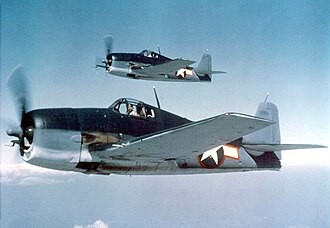
F6F Hellcat
The 'F6F Hellcat' is an American propeller carrier-based fighter developed and produced by Grumman. Its first flight was in 1942, and its current status is 'retired'. The key aspect from an operational viewpoint is its powerful engine and shipboard operational capabilities that replaced the F4F. When looking at the F6F Hellcat in The Legacy of Carrier-Based Fighters Changed by Runways Over the Sea, do not rely solely on its similar paint scheme but confirm the model name, operational unit, and mission to accurately determine its position.
Reading the mission description from official documents clarifies how the 'F6F Hellcat' implemented aircraft carrier takeoffs and operations. The F6F Hellcat's first flight in 1942 marks the beginning of technological development, not an immediate deployment in combat. The current status of the F6F Hellcat is 'retired', and this distinction is necessary to avoid confusion with prototypes, retired aircraft, and active production models. The specific details of the F6F Hellcat also vary based on armament, fuel configuration, and upgrade types, so the primary mission takes precedence over single specifications.
When comparing the 'F6F Hellcat' with the next item, check the number of engines, crew, radar and electronic warfare capabilities, and the order of armament placement both inside and outside the aircraft. It is important not to refer to prototypes and active aircraft as the same state. The Legacy of Carrier-Based Fighters Changed by Runways Over the Sea does not rank the destructive power of the F6F Hellcat or determine the victor of hypothetical engagements. The fundamental information needed to understand the aviation technologies and operators of the F6F Hellcat is prioritized from connected manufacturer, military, and museum resources. The image of the F6F Hellcat uses aircraft photos that can confirm the original lineage via Wikimedia Commons through Wikipedia.
Reading the mission description from official documents clarifies how the 'F6F Hellcat' implemented aircraft carrier takeoffs and operations. The F6F Hellcat's first flight in 1942 marks the beginning of technological development, not an immediate deployment in combat. The current status of the F6F Hellcat is 'retired', and this distinction is necessary to avoid confusion with prototypes, retired aircraft, and active production models. The specific details of the F6F Hellcat also vary based on armament, fuel configuration, and upgrade types, so the primary mission takes precedence over single specifications.
When comparing the 'F6F Hellcat' with the next item, check the number of engines, crew, radar and electronic warfare capabilities, and the order of armament placement both inside and outside the aircraft. It is important not to refer to prototypes and active aircraft as the same state. The Legacy of Carrier-Based Fighters Changed by Runways Over the Sea does not rank the destructive power of the F6F Hellcat or determine the victor of hypothetical engagements. The fundamental information needed to understand the aviation technologies and operators of the F6F Hellcat is prioritized from connected manufacturer, military, and museum resources. The image of the F6F Hellcat uses aircraft photos that can confirm the original lineage via Wikimedia Commons through Wikipedia.
제작사 그러먼
국가 미국
첫 비행 1942년
주요 역할 프로펠러 함재 전투기
상태 퇴역
이미지 출처 Wikipedia/Wikimedia Commons · Grumman F6F Hellcat
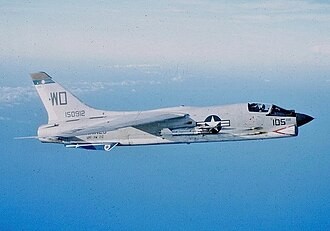
F-8 Crusader
The 'F-8 Crusader' is an American supersonic carrier-based fighter developed and produced by Vought. Its first flight was in 1955, and its current status is 'retired'. This aircraft is characterized by its variable-sweep wing, which augments visual landing and low-speed characteristics. When observing the F-8 Crusader in The Legacy of Carrier-Based Fighters Changed by Runways Over the Sea, do not simply rely on its similar paint scheme but also confirm the model name, operational unit, and mission to accurately determine its position.
Placing the first flight year and current status together makes it clearer how the 'F-8 Crusader' implemented aircraft carrier takeoffs and operations. The first flight of the F-8 Crusader in 1955 marks the beginning of technological development, not immediate deployment in combat. The current status of the F-8 Crusader is 'retired', and this distinction is necessary to avoid confusion with prototypes, retired aircraft, and active production models. The specific details of the F-8 Crusader also vary based on armament, fuel configuration, and upgrade types, so the primary mission takes precedence over single specifications.
When comparing the 'F-8 Crusader' with the next item, check the number of engines, crew, radar and electronic warfare capabilities, and the order of armament placement both inside and outside the aircraft. Check the differences between export models and operational modifications of various countries. The Legacy of Carrier-Based Fighters Changed by Runways Over the Sea does not rank the destructive power of the F-8 Crusader or determine the victor of hypothetical engagements. The fundamental information needed to understand the aviation technologies and operators of the F-8 Crusader is prioritized from connected manufacturer, military, and museum resources. The image of the F-8 Crusader uses aircraft photos that can confirm the original lineage via Wikimedia Commons through Wikipedia.
Placing the first flight year and current status together makes it clearer how the 'F-8 Crusader' implemented aircraft carrier takeoffs and operations. The first flight of the F-8 Crusader in 1955 marks the beginning of technological development, not immediate deployment in combat. The current status of the F-8 Crusader is 'retired', and this distinction is necessary to avoid confusion with prototypes, retired aircraft, and active production models. The specific details of the F-8 Crusader also vary based on armament, fuel configuration, and upgrade types, so the primary mission takes precedence over single specifications.
When comparing the 'F-8 Crusader' with the next item, check the number of engines, crew, radar and electronic warfare capabilities, and the order of armament placement both inside and outside the aircraft. Check the differences between export models and operational modifications of various countries. The Legacy of Carrier-Based Fighters Changed by Runways Over the Sea does not rank the destructive power of the F-8 Crusader or determine the victor of hypothetical engagements. The fundamental information needed to understand the aviation technologies and operators of the F-8 Crusader is prioritized from connected manufacturer, military, and museum resources. The image of the F-8 Crusader uses aircraft photos that can confirm the original lineage via Wikimedia Commons through Wikipedia.
제작사 보우트
국가 미국
첫 비행 1955년
주요 역할 초음속 함재 전투기
상태 퇴역
이미지 출처 Wikipedia/Wikimedia Commons · Vought F-8 Crusader
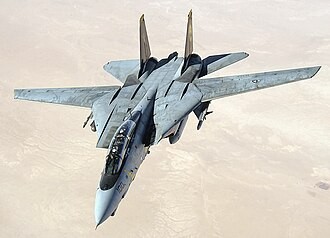
F-14 Tomcat
The 'F-14 Tomcat' is an American variable-sweep fleet air defense fighter developed and produced by Grumman. Its first flight was in 1970, and its current status is 'retired; operated by Iran'. When observing the F-14 Tomcat in The Legacy of Carrier-Based Fighters Changed by Runways Over the Sea, do not rely solely on its similar paint scheme but confirm the model name, operational unit, and mission to accurately determine its position.
By checking the cockpit count and armament arrangement, it becomes clearer how the 'F-14 Tomcat' implemented aircraft carrier takeoffs and operations. The F-14 Tomcat's first flight in 1970 marks the beginning of technological development, not an immediate deployment in combat. The current status of the F-14 Tomcat is 'retired; operated by Iran', and this distinction is necessary to avoid confusion with prototypes, retired aircraft, and active production models. The specific details of the F-14 Tomcat also vary based on armament, fuel configuration, and upgrade types, so the primary mission takes precedence over single specifications.
When comparing the 'F-14 Tomcat' with the next item, check the number of engines, crew, radar and electronic warfare capabilities, and the order of armament placement both inside and outside the aircraft. Distinguish between promotional statements and actual unit placements. The Legacy of Carrier-Based Fighters Changed by Runways Over the Sea does not rank the destructive power of the F-14 Tomcat or determine the victor of hypothetical engagements. The fundamental information needed to understand the aviation technologies and operators of the F-14 Tomcat is prioritized from connected manufacturer, military, and museum resources. The image of the F-14 Tomcat uses aircraft photos that can confirm the original lineage via Wikimedia Commons through Wikipedia.
By checking the cockpit count and armament arrangement, it becomes clearer how the 'F-14 Tomcat' implemented aircraft carrier takeoffs and operations. The F-14 Tomcat's first flight in 1970 marks the beginning of technological development, not an immediate deployment in combat. The current status of the F-14 Tomcat is 'retired; operated by Iran', and this distinction is necessary to avoid confusion with prototypes, retired aircraft, and active production models. The specific details of the F-14 Tomcat also vary based on armament, fuel configuration, and upgrade types, so the primary mission takes precedence over single specifications.
When comparing the 'F-14 Tomcat' with the next item, check the number of engines, crew, radar and electronic warfare capabilities, and the order of armament placement both inside and outside the aircraft. Distinguish between promotional statements and actual unit placements. The Legacy of Carrier-Based Fighters Changed by Runways Over the Sea does not rank the destructive power of the F-14 Tomcat or determine the victor of hypothetical engagements. The fundamental information needed to understand the aviation technologies and operators of the F-14 Tomcat is prioritized from connected manufacturer, military, and museum resources. The image of the F-14 Tomcat uses aircraft photos that can confirm the original lineage via Wikimedia Commons through Wikipedia.
제작사 그러먼
국가 미국
첫 비행 1970년
주요 역할 가변익 함대방공 전투기
상태 퇴역·이란 운용
이미지 출처 Wikipedia/Wikimedia Commons · Grumman F-14 Tomcat
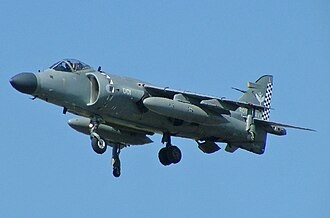
Sea Harrier FRS.1
The 'Sea Harrier FRS.1' is a British short takeoff and vertical landing carrier-based fighter developed and produced by British Aerospace. Its first flight was in 1978, and its current status is 'retired'. When comparing with other aircraft of the same generation, the notable points are its ski-jump takeoff and vertical landing from small aircraft carriers. In The Legacy of Carrier-Based Fighters Changed by Runways Over the Sea, do not rely solely on its similar paint scheme for the Sea Harrier FRS.1, but confirm the model name, operational unit, and mission to accurately determine its position.
By contrasting land and sea operational conditions, it becomes clearer how the 'Sea Harrier FRS.1' implemented aircraft carrier takeoffs and operations. The Sea Harrier FRS.1's first flight in 1978 marks the beginning of technological development, not an immediate deployment in combat. The current status of the Sea Harrier FRS.1 is 'retired', and this distinction is necessary to avoid confusion with prototypes, retired aircraft, and active production models. The specific details of the Sea Harrier FRS.1 also vary based on armament, fuel configuration, and upgrade types, so the primary mission takes precedence over single specifications.
When comparing the 'Sea Harrier FRS.1' to the next item, check the number of engines, crew, radar and electronic warfare capabilities, and the order of armament placement both inside and outside the aircraft. The range can vary based on mission conditions and load configurations. The Legacy of Carrier-Based Fighters Changed by Runways Over the Sea does not rank the destructive power of the Sea Harrier FRS.1 or determine the victor of hypothetical engagements. The fundamental information needed to understand the aviation technologies and operators of the Sea Harrier FRS.1 is prioritized from connected manufacturer, military, and museum resources. The image of the Sea Harrier FRS.1 uses aircraft photos that can confirm the original lineage via Wikimedia Commons through Wikipedia.
By contrasting land and sea operational conditions, it becomes clearer how the 'Sea Harrier FRS.1' implemented aircraft carrier takeoffs and operations. The Sea Harrier FRS.1's first flight in 1978 marks the beginning of technological development, not an immediate deployment in combat. The current status of the Sea Harrier FRS.1 is 'retired', and this distinction is necessary to avoid confusion with prototypes, retired aircraft, and active production models. The specific details of the Sea Harrier FRS.1 also vary based on armament, fuel configuration, and upgrade types, so the primary mission takes precedence over single specifications.
When comparing the 'Sea Harrier FRS.1' to the next item, check the number of engines, crew, radar and electronic warfare capabilities, and the order of armament placement both inside and outside the aircraft. The range can vary based on mission conditions and load configurations. The Legacy of Carrier-Based Fighters Changed by Runways Over the Sea does not rank the destructive power of the Sea Harrier FRS.1 or determine the victor of hypothetical engagements. The fundamental information needed to understand the aviation technologies and operators of the Sea Harrier FRS.1 is prioritized from connected manufacturer, military, and museum resources. The image of the Sea Harrier FRS.1 uses aircraft photos that can confirm the original lineage via Wikimedia Commons through Wikipedia.
제작사 브리티시 에어로스페이스
국가 영국
첫 비행 1978년
주요 역할 단거리·수직이착륙 함재 전투기
상태 퇴역
이미지 출처 Wikipedia/Wikimedia Commons · British Aerospace Sea Harrier
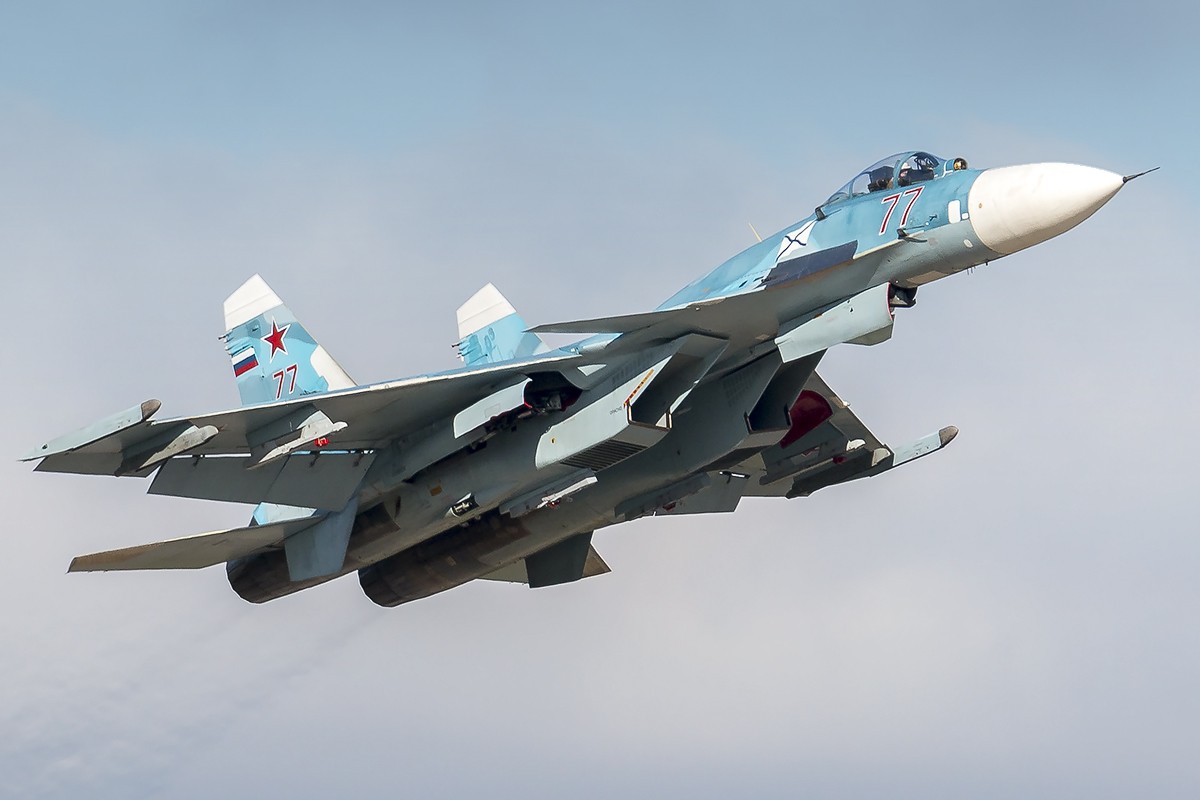
Su-33
The 'Su-33' is a medium carrier-based fighter developed and produced by Sukhoi in Russia. Its first flight was in 1987, and its current status is 'limited operation'. The key features prioritized by the designers are its foldable wings, reinforced landing gear, and ski-jump takeoff. When observing the Su-33 in The Legacy of Carrier-Based Fighters Changed by Runways Over the Sea, do not rely solely on its similar paint scheme; also confirm the model name, operational unit, and mission to accurately determine its position.
Examining the roles of sensors and data links clarifies how the 'Su-33' implemented aircraft carrier takeoffs and operations. The Su-33's first flight in 1987 marks the beginning of technological development, not an immediate deployment in combat. The current status of the Su-33 is 'limited operation', and this distinction is necessary to avoid confusion with prototypes, retired aircraft, and active production models. The specific details of the Su-33 also vary based on armament, fuel configuration, and upgrade types, so the primary mission takes precedence over single specifications.
When comparing the 'Su-33' with the next item, check the number of engines, crew, radar and electronic warfare capabilities, and the order of armament placement both inside and outside the aircraft. Armament compatibility requires contracts and integration tests to realize actual capabilities. The Legacy of Carrier-Based Fighters Changed by Runways Over the Sea does not rank the destructive power of the Su-33 or determine the victor of hypothetical engagements. The fundamental information needed to understand the aviation technologies and operators of the Su-33 is prioritized from connected manufacturer, military, and museum resources. The image of the Su-33 uses aircraft photos that can confirm the original lineage via Wikimedia Commons through Wikipedia.
Examining the roles of sensors and data links clarifies how the 'Su-33' implemented aircraft carrier takeoffs and operations. The Su-33's first flight in 1987 marks the beginning of technological development, not an immediate deployment in combat. The current status of the Su-33 is 'limited operation', and this distinction is necessary to avoid confusion with prototypes, retired aircraft, and active production models. The specific details of the Su-33 also vary based on armament, fuel configuration, and upgrade types, so the primary mission takes precedence over single specifications.
When comparing the 'Su-33' with the next item, check the number of engines, crew, radar and electronic warfare capabilities, and the order of armament placement both inside and outside the aircraft. Armament compatibility requires contracts and integration tests to realize actual capabilities. The Legacy of Carrier-Based Fighters Changed by Runways Over the Sea does not rank the destructive power of the Su-33 or determine the victor of hypothetical engagements. The fundamental information needed to understand the aviation technologies and operators of the Su-33 is prioritized from connected manufacturer, military, and museum resources. The image of the Su-33 uses aircraft photos that can confirm the original lineage via Wikimedia Commons through Wikipedia.
제작사 수호이
국가 러시아
첫 비행 1987년
주요 역할 중형 함재 전투기
상태 제한 운용
이미지 출처 Wikipedia/Wikimedia Commons · Sukhoi Su-33
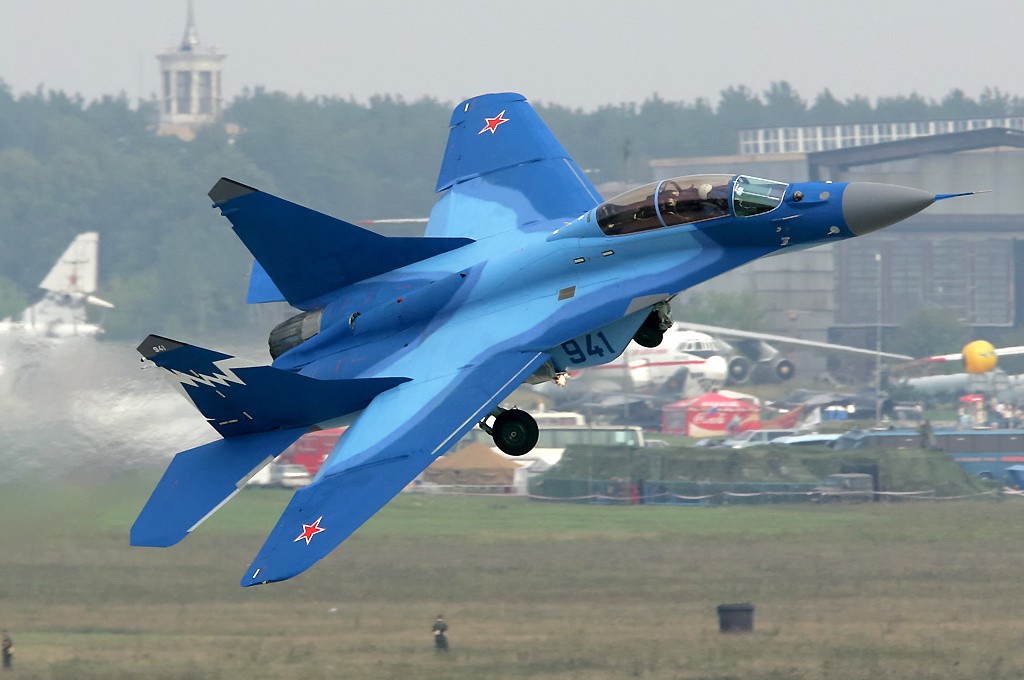
MiG-29K
The 'MiG-29K' is a multipurpose carrier-based fighter developed and produced by Mikoyan in Russia. Its first flight was in 1988, and its current status is 'active'. The distinguishing feature of the mission equipment is that it is a carrier variant of the MiG-29, equipped with foldable wings and a landing hook. When examining the MiG-29K in The Legacy of Carrier-Based Fighters Changed by Runways Over the Sea, do not rely solely on its similar paint scheme; also confirm the model name, operational unit, and mission for accurate positioning.
Looking into maintenance and redeployment environments expands the understanding of how the 'MiG-29K' implemented aircraft carrier takeoffs and operations. The MiG-29K's first flight in 1988 denotes the beginning of technological development, not immediate combat deployment. The current status of the MiG-29K is 'active', and this distinction is necessary to avoid confusion with prototypes, retired aircraft, and active production models. The specific details of the MiG-29K also vary based on armament, fuel configuration, and upgrade types; thus, the primary mission takes precedence over single specifications.
When comparing the 'MiG-29K' with the next item, check the number of engines, crew, radar and electronic warfare capabilities, and the placement order of armament both inside and outside the aircraft. A name alone does not guarantee stealth capabilities in all directions. The Legacy of Carrier-Based Fighters Changed by Runways Over the Sea does not rank the destructive power of the MiG-29K or determine the victor of hypothetical engagements. The fundamental information needed to understand the aviation technologies and operators of the MiG-29K is prioritized from connected manufacturer, military, and museum resources. The image of the MiG-29K uses aircraft photos that can confirm the original lineage via Wikimedia Commons through Wikipedia.
Looking into maintenance and redeployment environments expands the understanding of how the 'MiG-29K' implemented aircraft carrier takeoffs and operations. The MiG-29K's first flight in 1988 denotes the beginning of technological development, not immediate combat deployment. The current status of the MiG-29K is 'active', and this distinction is necessary to avoid confusion with prototypes, retired aircraft, and active production models. The specific details of the MiG-29K also vary based on armament, fuel configuration, and upgrade types; thus, the primary mission takes precedence over single specifications.
When comparing the 'MiG-29K' with the next item, check the number of engines, crew, radar and electronic warfare capabilities, and the placement order of armament both inside and outside the aircraft. A name alone does not guarantee stealth capabilities in all directions. The Legacy of Carrier-Based Fighters Changed by Runways Over the Sea does not rank the destructive power of the MiG-29K or determine the victor of hypothetical engagements. The fundamental information needed to understand the aviation technologies and operators of the MiG-29K is prioritized from connected manufacturer, military, and museum resources. The image of the MiG-29K uses aircraft photos that can confirm the original lineage via Wikimedia Commons through Wikipedia.
제작사 미코얀
국가 러시아
첫 비행 1988년
주요 역할 다목적 함재 전투기
상태 현역
이미지 출처 Wikipedia/Wikimedia Commons · Mikoyan MiG-29K
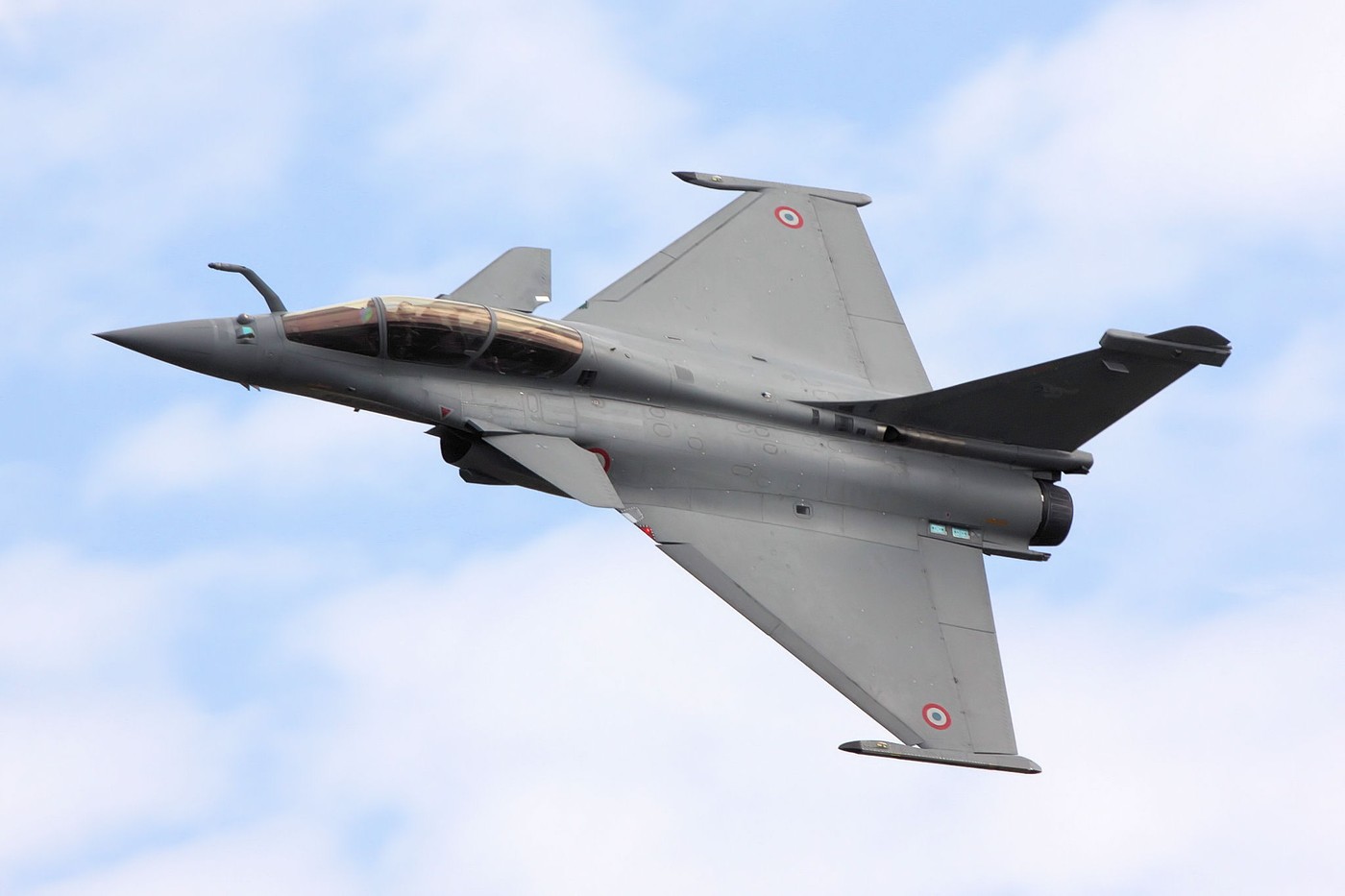
Rafale M
The 'Rafale M' is a multipurpose carrier-based fighter developed and produced by Dassault Aviation in France. Its first flight was in 1991, and its current status is 'active'. A significant change in the aircraft lineage is its ability to implement catapult and arrested landings while maintaining high commonality with its land-based variant. When observing the Rafale M in The Legacy of Carrier-Based Fighters Changed by Runways Over the Sea, do not rely solely on its similar paint scheme but confirm the model name, operational unit, and mission to accurately determine its position.
Comparing previous and subsequent models makes it clearer how the 'Rafale M' implemented aircraft carrier takeoffs and operations. The Rafale M's first flight in 1991 marks the beginning of technological development, not an immediate deployment in combat. The current status of the Rafale M is 'active', and this distinction is necessary to avoid confusion with prototypes, retired aircraft, and active production models. The specific details of the Rafale M also vary based on armament, fuel configuration, and upgrade types, so the primary mission takes precedence over single specifications.
When comparing the 'Rafale M' to the next item, check the number of engines, crew, radar and electronic warfare capabilities, and the order of armament placement both inside and outside the aircraft. Carrier-based fighters should be viewed in conjunction with their takeoff and landing systems on aircraft carriers. The Legacy of Carrier-Based Fighters Changed by Runways Over the Sea does not rank the destructive power of the Rafale M or determine the victor of hypothetical engagements. The fundamental information needed to understand the aviation technologies and operators of the Rafale M is prioritized from connected manufacturer, military, and museum resources. The image of the Rafale M uses aircraft photos that can confirm the original lineage via Wikimedia Commons through Wikipedia.
Comparing previous and subsequent models makes it clearer how the 'Rafale M' implemented aircraft carrier takeoffs and operations. The Rafale M's first flight in 1991 marks the beginning of technological development, not an immediate deployment in combat. The current status of the Rafale M is 'active', and this distinction is necessary to avoid confusion with prototypes, retired aircraft, and active production models. The specific details of the Rafale M also vary based on armament, fuel configuration, and upgrade types, so the primary mission takes precedence over single specifications.
When comparing the 'Rafale M' to the next item, check the number of engines, crew, radar and electronic warfare capabilities, and the order of armament placement both inside and outside the aircraft. Carrier-based fighters should be viewed in conjunction with their takeoff and landing systems on aircraft carriers. The Legacy of Carrier-Based Fighters Changed by Runways Over the Sea does not rank the destructive power of the Rafale M or determine the victor of hypothetical engagements. The fundamental information needed to understand the aviation technologies and operators of the Rafale M is prioritized from connected manufacturer, military, and museum resources. The image of the Rafale M uses aircraft photos that can confirm the original lineage via Wikimedia Commons through Wikipedia.
제작사 다쏘 아비아시옹
국가 프랑스
첫 비행 1991년
주요 역할 다목적 함재 전투기
상태 현역
이미지 출처 Wikipedia/Wikimedia Commons · Dassault Rafale
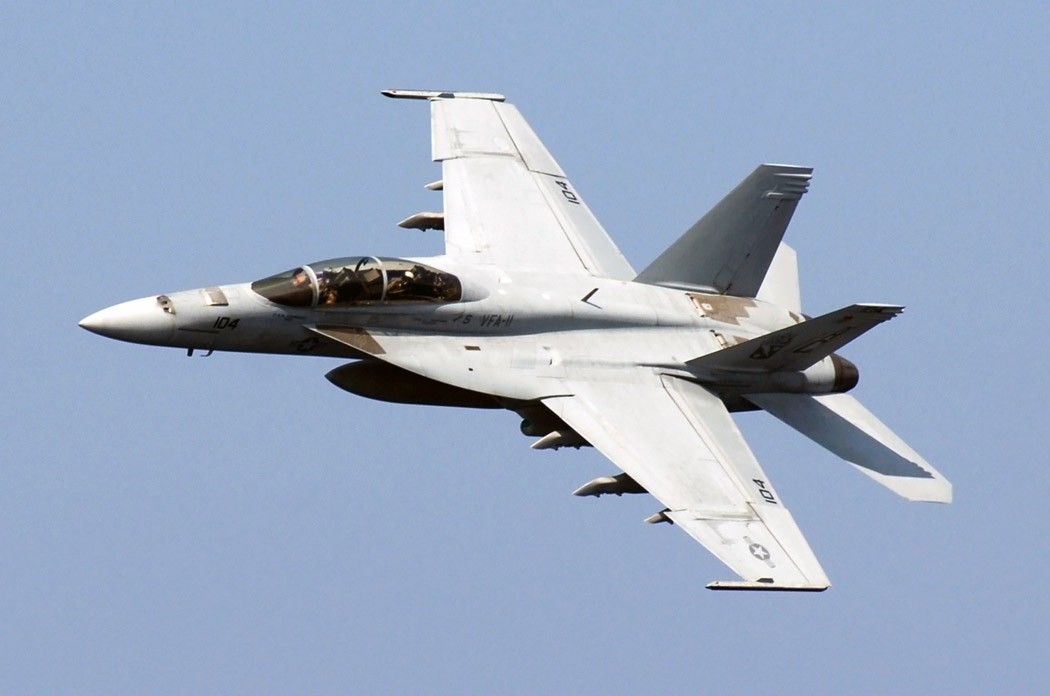
F/A-18E/F Super Hornet
The ‘F/A-18E/F Super Hornet’ is a carrier-based strike fighter developed and produced by Boeing. It made its first flight in 1995 and is currently active. To understand its operational use, it’s important to note that it performs various missions for carrier air wings, including fleet air defense, strike missions, and aerial refueling. When viewing the lineage of carrier-based fighters changed by the aircraft carrier runway, don’t just rely on the similar paint schemes of variants; check the model designation, the operational entity, and the missions to pinpoint its correct position.
When separating external and internal weapon configurations, it becomes clearer how the ‘F/A-18E/F Super Hornet’ implements carrier takeoff and operation. The first flight of the F/A-18E/F Super Hornet in 1995 marked the beginning of technology development, but it doesn't mean immediate operational deployment. The current status of the F/A-18E/F Super Hornet is ‘active,’ and the reason for specifying this is to avoid confusing it with prototype, retired, or in-production aircraft. The detailed specifications of the F/A-18E/F Super Hornet vary according to armament, fuel configuration, and upgrade types, so the primary mission is prioritized over single figures.
When comparing the ‘F/A-18E/F Super Hornet’ with the following items, let’s look sequentially at the number of engines, crew size, radar and electronic warfare systems, and where the weapons are mounted inside and outside the airframe. Retired aircraft also have operational experiences that are worth examining for the next generation. The ‘aircraft carrier lineage changed by the runway’ is not about praising the destructive power of the F/A-18E/F Super Hornet or ranking it to determine a winner in hypothetical confrontations. The essential information needed to understand the aviation technology and operator of the F/A-18E/F Super Hornet is prioritized from the associated manufacturer, military, and museum resources. Images of the F/A-18E/F Super Hornet use aircraft photographs that can be verified through Wikimedia Commons via Wikipedia.
When separating external and internal weapon configurations, it becomes clearer how the ‘F/A-18E/F Super Hornet’ implements carrier takeoff and operation. The first flight of the F/A-18E/F Super Hornet in 1995 marked the beginning of technology development, but it doesn't mean immediate operational deployment. The current status of the F/A-18E/F Super Hornet is ‘active,’ and the reason for specifying this is to avoid confusing it with prototype, retired, or in-production aircraft. The detailed specifications of the F/A-18E/F Super Hornet vary according to armament, fuel configuration, and upgrade types, so the primary mission is prioritized over single figures.
When comparing the ‘F/A-18E/F Super Hornet’ with the following items, let’s look sequentially at the number of engines, crew size, radar and electronic warfare systems, and where the weapons are mounted inside and outside the airframe. Retired aircraft also have operational experiences that are worth examining for the next generation. The ‘aircraft carrier lineage changed by the runway’ is not about praising the destructive power of the F/A-18E/F Super Hornet or ranking it to determine a winner in hypothetical confrontations. The essential information needed to understand the aviation technology and operator of the F/A-18E/F Super Hornet is prioritized from the associated manufacturer, military, and museum resources. Images of the F/A-18E/F Super Hornet use aircraft photographs that can be verified through Wikimedia Commons via Wikipedia.
제작사 보잉
국가 미국
첫 비행 1995년
주요 역할 함재 전투공격기
상태 현역
이미지 출처 Wikipedia/Wikimedia Commons · Boeing F/A-18E/F Super Hornet
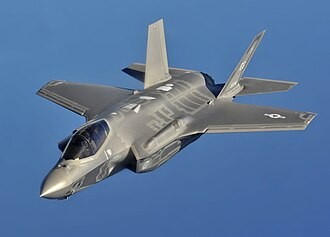
F-35C Lightning II
The ‘F-35C Lightning II’ is a stealth carrier-based fighter developed and produced by Lockheed Martin as part of a U.S. and international joint development program. It made its first flight in 2010 and is currently active. A significant point to note in terms of development status and performance is that it has large wings and reinforced landing gear tailored for U.S. Navy aircraft carrier operations. When viewing the lineage of carrier-based fighters transformed by the runway, don’t just rely on the similar paint schemes of variants; you need to check the model designation, the operational entity, and the missions for accurate positioning.
Cross-referencing manufacturer descriptions and operational agency data clarifies how the ‘F-35C Lightning II’ implements carrier takeoff and operation. The first flight of the F-35C Lightning II in 2010 marked the start of technology development, but it does not directly signify operational deployment. The current status of the F-35C Lightning II is ‘active,’ and the reason for specifying this is to avoid confusion with prototype, retired, or in-production aircraft. The detailed specifications of the F-35C Lightning II also vary based on armament, fuel configuration, and upgrade types, so the primary mission is prioritized over single figures.
When comparing the ‘F-35C Lightning II’ with the following items, let’s look sequentially at the number of engines, crew size, radar and electronic warfare systems, and where the weapons are mounted inside and outside the airframe. Development timelines can change, so it's essential to verify the stage names accurately. The ‘aircraft carrier lineage changed by the runway’ is not about praising the destructive power of the F-35C Lightning II or ranking it to determine a winner in hypothetical confrontations. The essential information needed to understand the aviation technology and operator of the F-35C Lightning II is prioritized from the associated manufacturer, military, and museum resources. Images of the F-35C Lightning II use aircraft photographs that can be verified through Wikimedia Commons via Wikipedia.
Cross-referencing manufacturer descriptions and operational agency data clarifies how the ‘F-35C Lightning II’ implements carrier takeoff and operation. The first flight of the F-35C Lightning II in 2010 marked the start of technology development, but it does not directly signify operational deployment. The current status of the F-35C Lightning II is ‘active,’ and the reason for specifying this is to avoid confusion with prototype, retired, or in-production aircraft. The detailed specifications of the F-35C Lightning II also vary based on armament, fuel configuration, and upgrade types, so the primary mission is prioritized over single figures.
When comparing the ‘F-35C Lightning II’ with the following items, let’s look sequentially at the number of engines, crew size, radar and electronic warfare systems, and where the weapons are mounted inside and outside the airframe. Development timelines can change, so it's essential to verify the stage names accurately. The ‘aircraft carrier lineage changed by the runway’ is not about praising the destructive power of the F-35C Lightning II or ranking it to determine a winner in hypothetical confrontations. The essential information needed to understand the aviation technology and operator of the F-35C Lightning II is prioritized from the associated manufacturer, military, and museum resources. Images of the F-35C Lightning II use aircraft photographs that can be verified through Wikimedia Commons via Wikipedia.
제작사 록히드 마틴
국가 미국·국제 공동개발
첫 비행 2010년
주요 역할 스텔스 함재 전투기
상태 현역
이미지 출처 Wikipedia/Wikimedia Commons · Lockheed Martin F-35 Lightning II
The evolution of carrier-based fighters has been about creating faster aircraft while also finding safe operational methods on the deck. Foldable wings, reinforced landing gear, variable sweep wings, and vertical landings are all different solutions to the spatial constraints over the sea.
Next, look for the landing hook, wing folding lines, and enlarged wings in the aircraft photos. Even within the same F-35 designation, the takeoff methods differ between the A, B, and C models, while the Rafale M's structure is not entirely the same as its land-based variant. It becomes clearer when viewing not only the aircraft but also the aircraft carrier's catapult and ski jump methods. To fully grasp The Legacy of Carrier-Based Fighters Changed by Runways Over the Sea, one must consider not just the specs but also operational conditions and mission systems.
Next, look for the landing hook, wing folding lines, and enlarged wings in the aircraft photos. Even within the same F-35 designation, the takeoff methods differ between the A, B, and C models, while the Rafale M's structure is not entirely the same as its land-based variant. It becomes clearer when viewing not only the aircraft but also the aircraft carrier's catapult and ski jump methods. To fully grasp The Legacy of Carrier-Based Fighters Changed by Runways Over the Sea, one must consider not just the specs but also operational conditions and mission systems.
한눈에 보기
10개
F4F Wildcat
그러먼 · 미국 · 1937년 · 프로펠러 함재 전투기 · 퇴역 · Wikipedia/Wikimedia Commons · Grumman F4F Wildcat
F6F Hellcat
그러먼 · 미국 · 1942년 · 프로펠러 함재 전투기 · 퇴역 · Wikipedia/Wikimedia Commons · Grumman F6F Hellcat
F-8 Crusader
보우트 · 미국 · 1955년 · 초음속 함재 전투기 · 퇴역 · Wikipedia/Wikimedia Commons · Vought F-8 Crusader
F-14 Tomcat
그러먼 · 미국 · 1970년 · 가변익 함대방공 전투기 · 퇴역·이란 운용 · Wikipedia/Wikimedia Commons · Grumman F-14 Tomcat
Sea Harrier FRS.1
브리티시 에어로스페이스 · 영국 · 1978년 · 단거리·수직이착륙 함재 전투기 · 퇴역 · Wikipedia/Wikimedia Commons · British Aerospace Sea Harrier
Su-33
수호이 · 러시아 · 1987년 · 중형 함재 전투기 · 제한 운용 · Wikipedia/Wikimedia Commons · Sukhoi Su-33
MiG-29K
미코얀 · 러시아 · 1988년 · 다목적 함재 전투기 · 현역 · Wikipedia/Wikimedia Commons · Mikoyan MiG-29K
Rafale M
다쏘 아비아시옹 · 프랑스 · 1991년 · 다목적 함재 전투기 · 현역 · Wikipedia/Wikimedia Commons · Dassault Rafale
F/A-18E/F Super Hornet
보잉 · 미국 · 1995년 · 함재 전투공격기 · 현역 · Wikipedia/Wikimedia Commons · Boeing F/A-18E/F Super Hornet
F-35C Lightning II
록히드 마틴 · 미국·국제 공동개발 · 2010년 · 스텔스 함재 전투기 · 현역 · Wikipedia/Wikimedia Commons · Lockheed Martin F-35 Lightning II
#Fighter Jet#Military Aircraft#Aircraft#Aviation Technology#Aircraft Carrier Takeoff and Landing Operations
이 포스팅은 쿠팡 파트너스 활동의 일환으로, 이에 따른 일정액의 수수료를 제공받습니다.
댓글 0
로그인 후 댓글을 작성할 수 있습니다.
첫 댓글을 남겨보세요.
이런 리스트는 어때요?


이런 리스트도 추천해요


🎲
여기서 멈추기엔 아쉽잖아?
다음에 뭘 볼지 고민하는 시간이 제일 아까워.
주사위가 대신 골라줄게 — 무슨 리스트가 튀어나올지는 굴려봐야 알지.
안 누르면… 평생 궁금하지 않겠어? 👀