
Collection
Indoor Plants
2026.10.02
Fragrant Indoor Plants Whose Scent Comes Alive When You Brush the Leaves
Real herbs and fragrant plants where sunlight and airflow come before scent strength
Fragrant plants aren't like indoor air fresheners that keep a whole room scented. Choosing gets easier when you separate herbs whose scent grows stronger when you brush their leaves from plants whose flowers and flower stalks are fragrant too. This list explains the scent and care differences of 8 plants, identified by their actual scientific names.
The word "indoor" in the title doesn't mean they thrive in dark spots. Most need a bright window or a sunny balcony, and mint and basil have different water needs from rosemary and thyme. Size and watering vary by variety, pot, and season, so go by the plant's actual condition rather than fixed numbers or days of the week.
The word "indoor" in the title doesn't mean they thrive in dark spots. Most need a bright window or a sunny balcony, and mint and basil have different water needs from rosemary and thyme. Size and watering vary by variety, pot, and season, so go by the plant's actual condition rather than fixed numbers or days of the week.
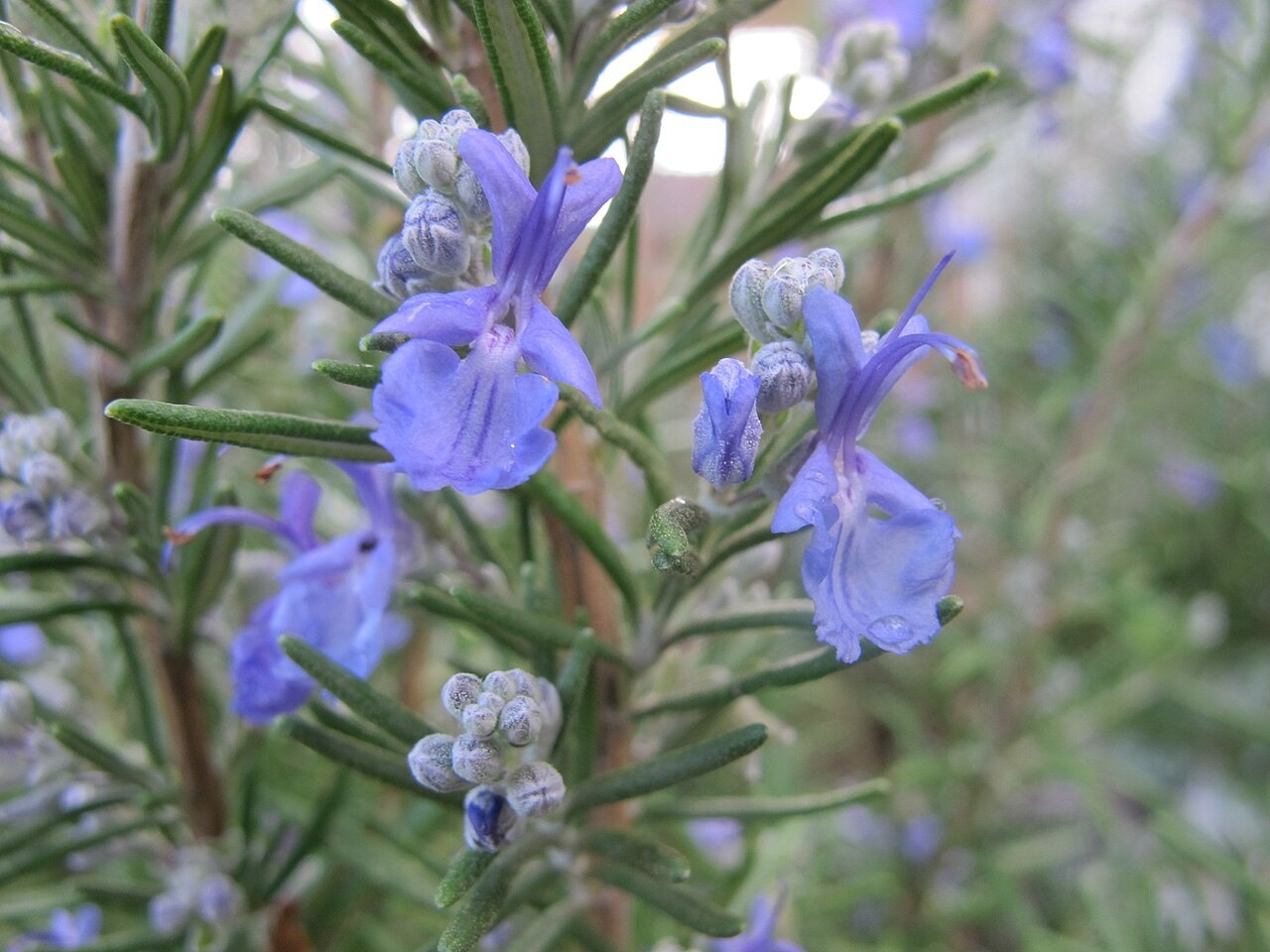
Rosemary
Rosemary (Salvia rosmarinus) is an evergreen shrub whose needle-shaped leaves give off a fragrance. Its scent stands out when you brush or bruise the leaves, so rather than setting it in a dark room like an air freshener, you need to give it a spot with plenty of sunlight.
Well-draining soil and good airflow are important, and it struggles in conditions where the soil stays wet for a long time. Just because the leaves are thin doesn't mean giving it a little water every day is the right approach. The basic routine is to check how dry the soil in the pot is, water thoroughly, and then get rid of any standing water.
Well-draining soil and good airflow are important, and it struggles in conditions where the soil stays wet for a long time. Just because the leaves are thin doesn't mean giving it a little water every day is the right approach. The basic routine is to check how dry the soil in the pot is, water thoroughly, and then get rid of any standing water.
학명 Salvia rosmarinus
빛 하루 여러 시간의 강한 햇빛
물주기 배수 좋은 흙이 마른 뒤 충분히 급수
관리 포인트 실내의 빛 부족과 무거운 흙, 통풍 없는 과습을 피한다
정보 확인일 2026-10-18
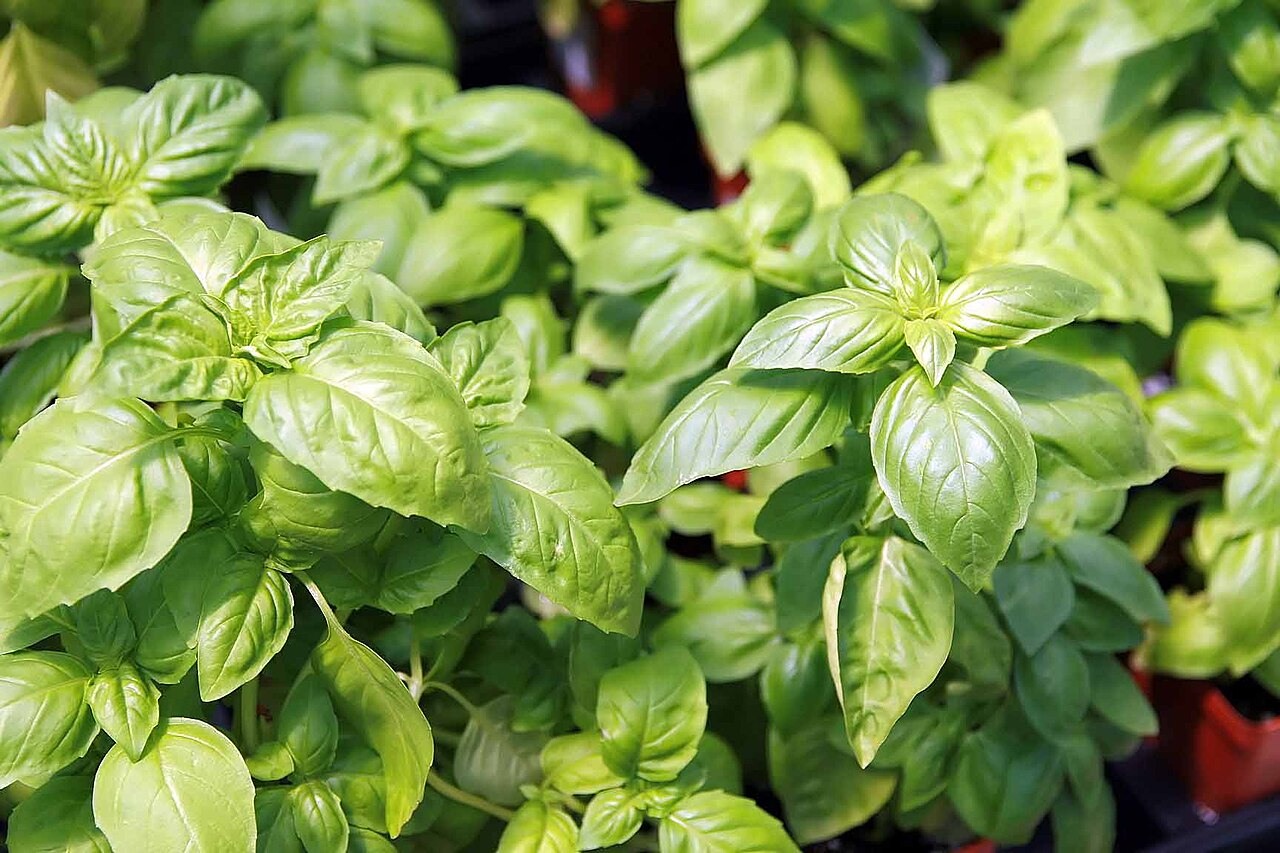
Sweet Basil
Sweet basil (Ocimum basilicum) is an herb grown for its soft, fragrant leaves. It prefers sunlight and warmth, and its watering needs differ from rosemary and thyme, which do well when the soil stays dry for a while.
The key is good drainage without letting the soil dry out too much. Trimming the stem tips and flower buds at the right time helps it branch out. If you plan to use the leaves in food, choose a plant that was sold as edible and whose pesticide history you can check.
The key is good drainage without letting the soil dry out too much. Trimming the stem tips and flower buds at the right time helps it branch out. If you plan to use the leaves in food, choose a plant that was sold as edible and whose pesticide history you can check.
학명 Ocimum basilicum
빛 매우 밝은 빛과 충분한 직사광
물주기 겉흙이 마르기 시작하면 급수
관리 포인트 저온에 약하고 꽃대가 올라오면 잎 생산이 줄 수 있어 목적에 맞게 정리한다
정보 확인일 2026-10-18
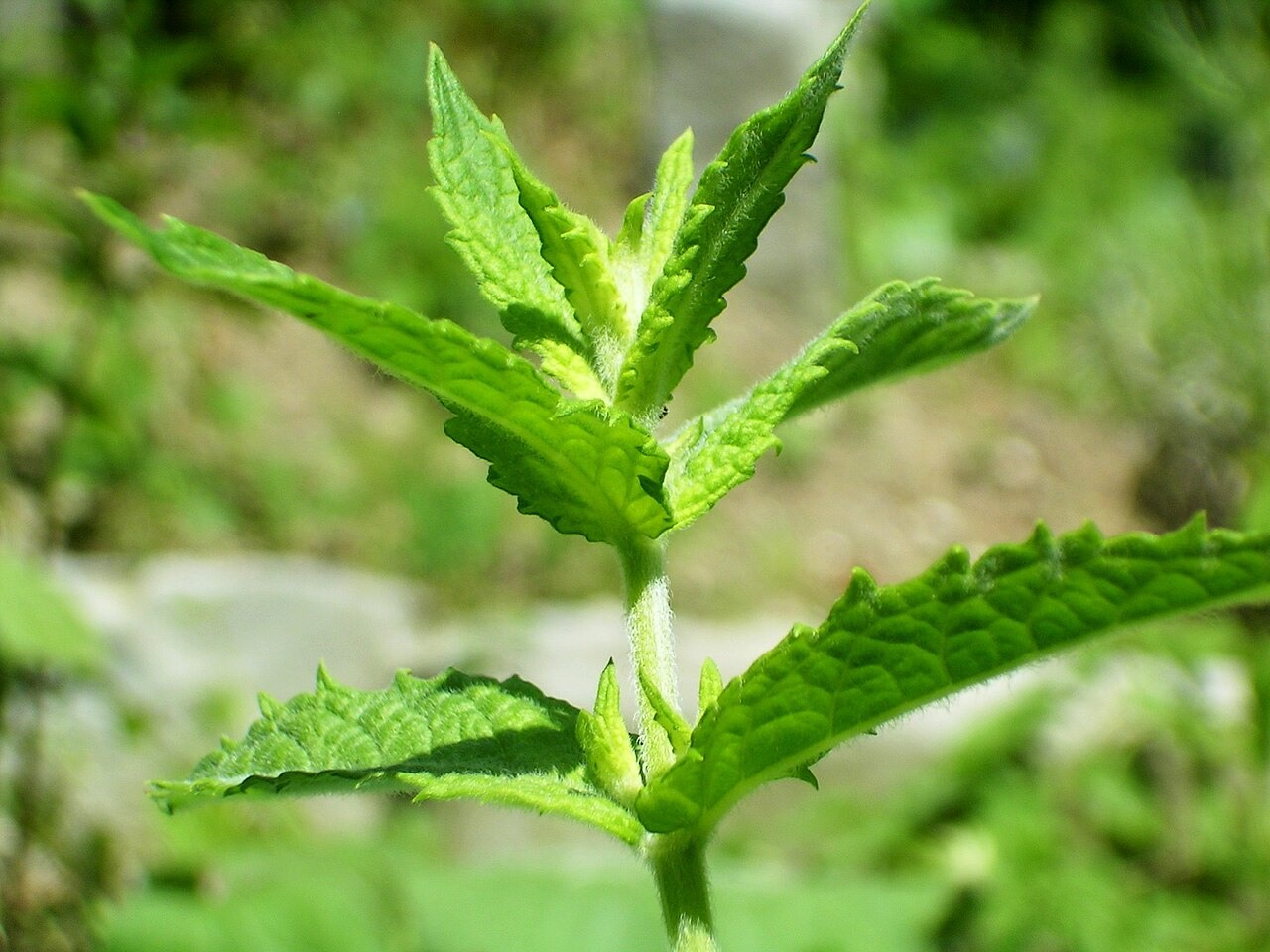
Spearmint
Spearmint (Mentha spicata) is a perennial herb known for its fragrant leaves and fast-spreading stems. It loves sunlight but also tolerates partial shade, and it prefers soil that's moist yet well-draining rather than dry.
It can spread through stems that touch the soil and through underground stems, so if you plant it in the same pot as other herbs, it tends to take over the space. Growing it in its own pot makes it easier to keep the spread in check. Liking water doesn't mean it's fine to leave water sitting in the saucer all the time.
It can spread through stems that touch the soil and through underground stems, so if you plant it in the same pot as other herbs, it tends to take over the space. Growing it in its own pot makes it easier to keep the spread in check. Liking water doesn't mean it's fine to leave water sitting in the saucer all the time.
학명 Mentha spicata
빛 밝은 빛과 일부 직사광
물주기 흙의 적절한 수분 유지, 배수와 물고임 관리
관리 포인트 다른 식물을 침범하기 쉬워 단독 화분에 심고 과밀 줄기를 솎는다
정보 확인일 2026-10-18
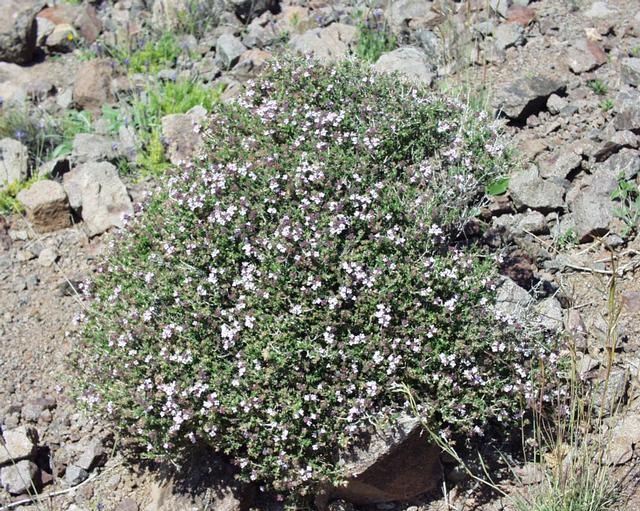
Common Thyme
Common thyme (Thymus vulgaris) is a low-growing herb with small fragrant leaves and stems that turn woody. It prefers strong sunlight and well-draining soil, so even though it's in the same mint family as mint, it needs a different watering routine.
Avoid conditions where wet soil lingers or where airflow between the leaves gets blocked. When trimming, leave the leafy parts so new growth can continue. Height and spread vary by variety and pruning, so it's more accurate to plan space around how the plant actually grows in its pot than around a fixed indoor size.
Avoid conditions where wet soil lingers or where airflow between the leaves gets blocked. When trimming, leave the leafy parts so new growth can continue. Height and spread vary by variety and pruning, so it's more accurate to plan space around how the plant actually grows in its pot than around a fixed indoor size.
학명 Thymus vulgaris
빛 강한 햇빛
물주기 흙이 충분히 마른 뒤 급수
관리 포인트 고온다습한 실내와 물고임을 피하고 줄기 안쪽 통풍을 확보한다
정보 확인일 2026-10-18
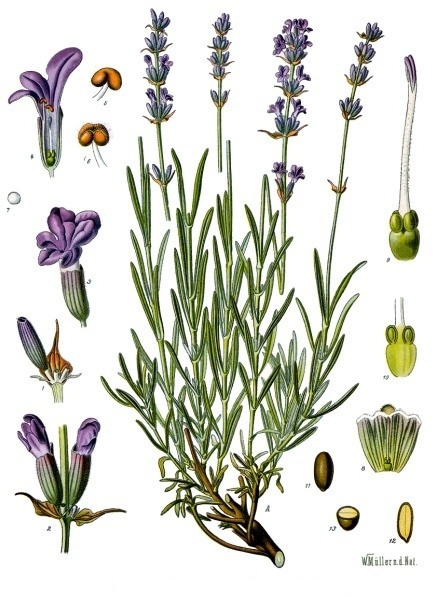
English Lavender
English lavender (Lavandula angustifolia) is a shrub whose scent you can enjoy not just from its flowers but also from its leaves and dried flower stalks. You can still enjoy the foliage when it's not in bloom, but it's hard to think of it as a plant that keeps flowering in a dark room.
It needs plenty of sunlight and excellent drainage, so watch out for root damage from overwatering. Hot, humid spots with poor airflow are bad for growing it long-term. Rather than watering mechanically on set dates, adjust based on how dry the soil is, and if you're keeping it indoors, it's important to first make sure it gets enough sun.
It needs plenty of sunlight and excellent drainage, so watch out for root damage from overwatering. Hot, humid spots with poor airflow are bad for growing it long-term. Rather than watering mechanically on set dates, adjust based on how dry the soil is, and if you're keeping it indoors, it's important to first make sure it gets enough sun.
학명 Lavandula angustifolia
빛 하루 6시간 안팎의 강한 햇빛
물주기 흙이 충분히 마른 뒤 뿌리에 급수
관리 포인트 한국의 습한 여름과 통풍 부족에 약하므로 실내 장기 재배 조건을 신중히 본다
정보 확인일 2026-10-18
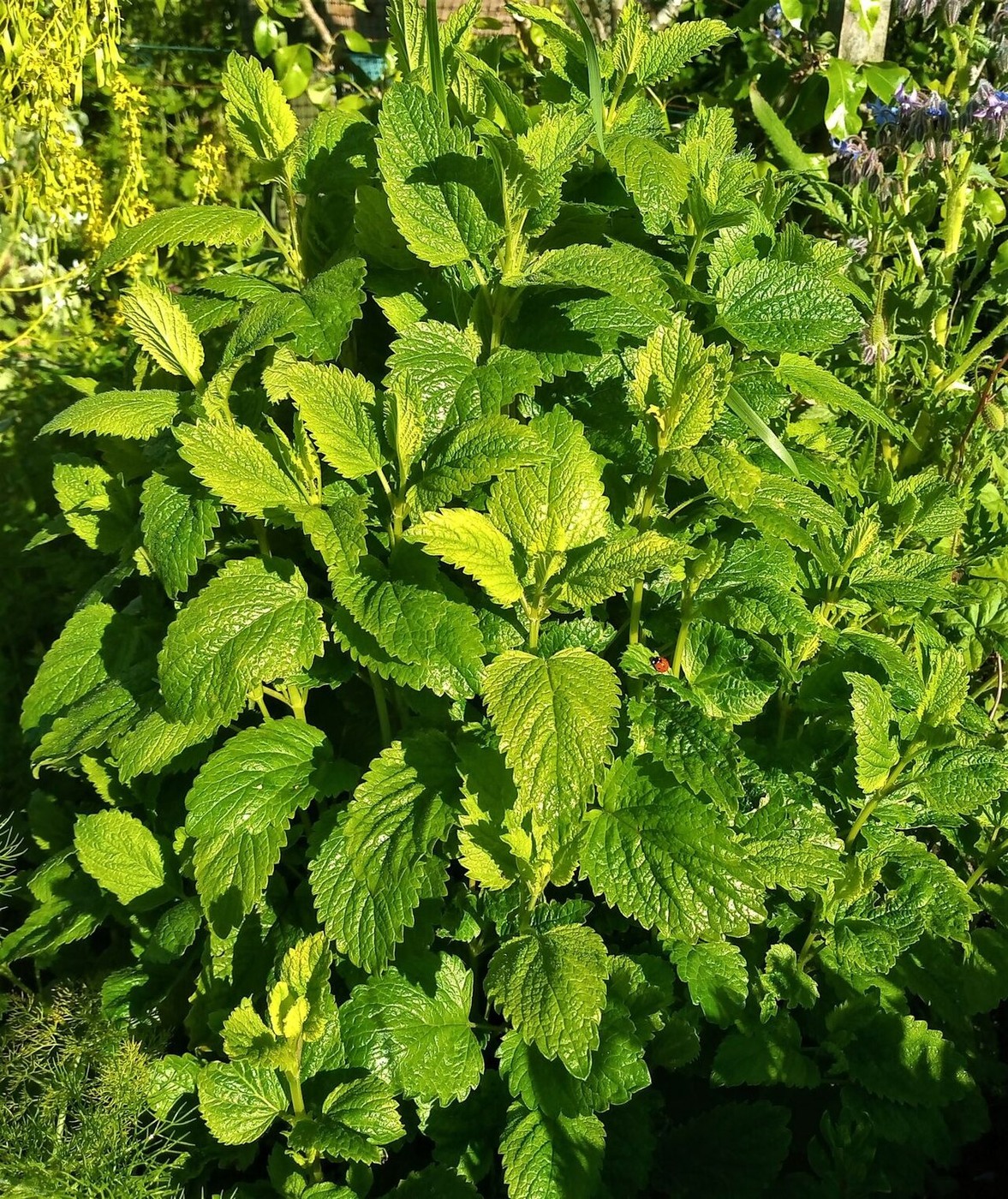
Lemon Balm
Lemon balm (Melissa officinalis) is a perennial herb whose wrinkled leaves release a lemony scent when you touch them. It adapts to anything from full sun to partial shade, but indoors a bright spot helps it keep its fragrance and leaves.
It spreads easily through underground stems and seeds, so keeping it in a separate pot and cutting back stems after flowering makes the spread easier to control. Make sure the soil drains well and water according to how dry it is. We didn't stretch its lemon scent into claims of healing effects or a guarantee that no bugs will ever appear.
It spreads easily through underground stems and seeds, so keeping it in a separate pot and cutting back stems after flowering makes the spread easier to control. Make sure the soil drains well and water according to how dry it is. We didn't stretch its lemon scent into claims of healing effects or a guarantee that no bugs will ever appear.
학명 Melissa officinalis
빛 밝은 빛과 오전 직사광
물주기 겉흙이 마르기 시작하면 급수
관리 포인트 빠른 번식과 꽃씨 확산을 막으려면 단독 화분에서 전정한다
정보 확인일 2026-10-18
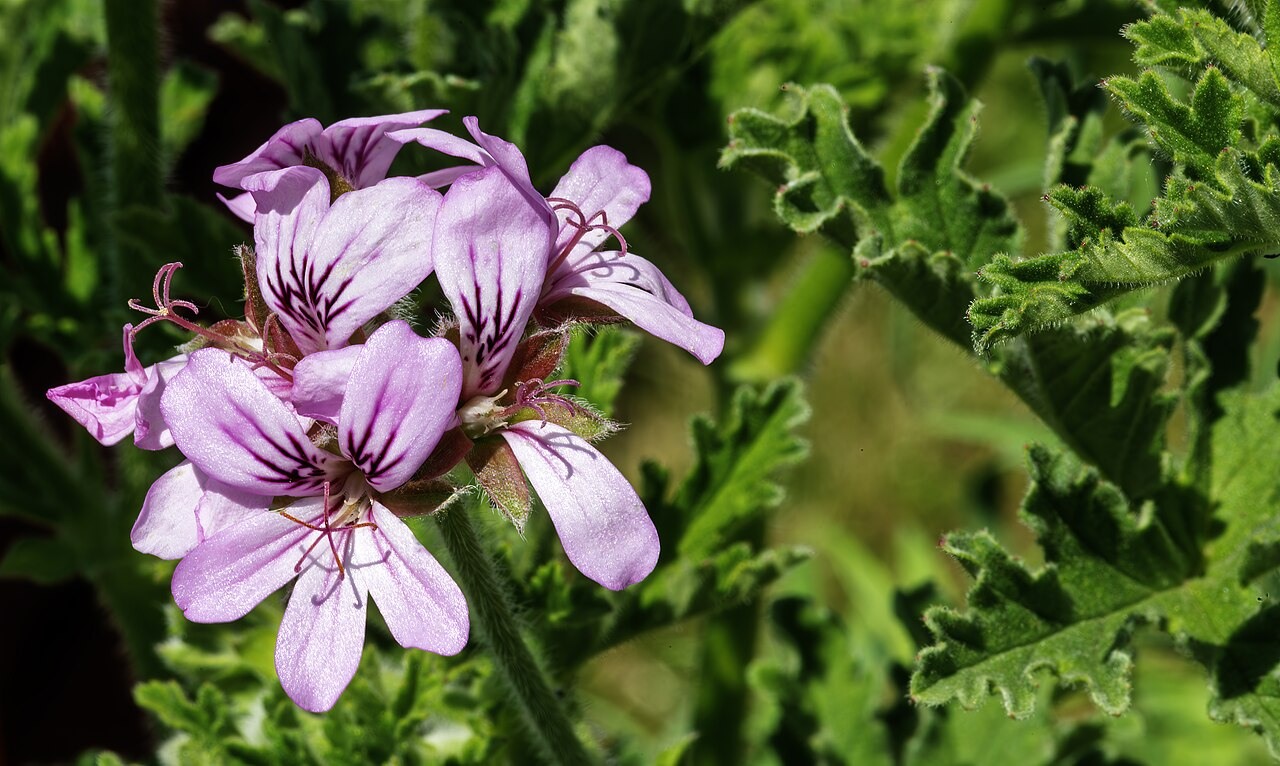
Scented Geranium
Scented geranium is the name for Pelargonium plants that release a fragrance when you brush their leaves and stems. This entry is based on Pelargonium graveolens, known for its rose-like scent, but not every scented geranium on sale is the same species or has the same fragrance.
Give it sunlight and well-draining soil, and protect it from cold and overwatering. Don't assume it's edible just because of the trade name geranium. Pelargonium plants call for caution if pets eat them, so keep it somewhere they can't nibble the leaves.
Give it sunlight and well-draining soil, and protect it from cold and overwatering. Don't assume it's edible just because of the trade name geranium. Pelargonium plants call for caution if pets eat them, so keep it somewhere they can't nibble the leaves.
학명 Pelargonium graveolens
빛 매우 밝은 빛과 일부 직사광
물주기 겉흙이 충분히 마른 뒤 급수
관리 포인트 과습과 냉해를 피하고 반려동물의 섭취를 막는다
정보 확인일 2026-10-18
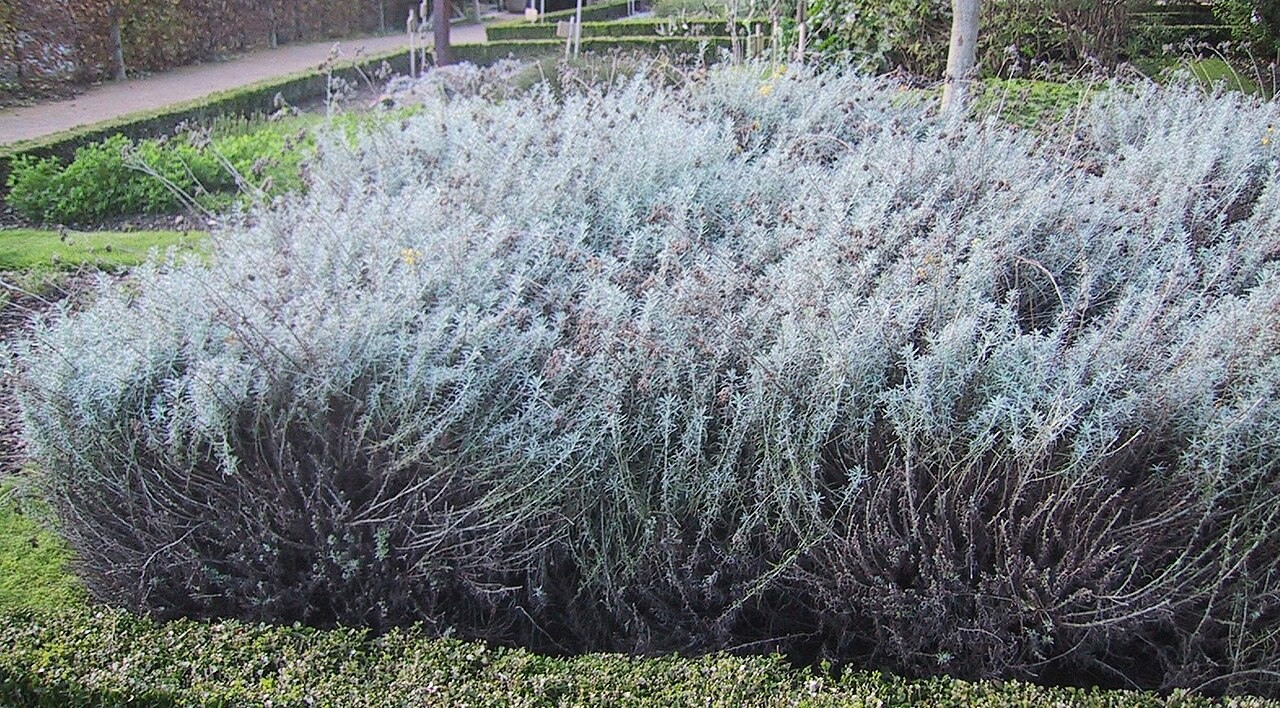
Curry Plant
The curry plant (Helichrysum italicum) is a shrub whose thin silver-gray leaves give off a scent reminiscent of curry. Don't mistake it for an ingredient in curry powder or for the curry leaf plant just because the scents are similar.
It prefers sunny, well-draining spots and should be kept out of conditions where the soil stays wet. A bright balcony and a dark indoor shelf offer very different growing conditions. On this list, we introduce it as a plant to enjoy for its scent and leaves, and we don't recommend adding it to your cooking based on its name alone.
It prefers sunny, well-draining spots and should be kept out of conditions where the soil stays wet. A bright balcony and a dark indoor shelf offer very different growing conditions. On this list, we introduce it as a plant to enjoy for its scent and leaves, and we don't recommend adding it to your cooking based on its name alone.
학명 Helichrysum italicum
빛 강한 햇빛
물주기 흙이 거의 마른 뒤 급수
관리 포인트 요리에 쓰는 카레가루 원료와는 다르며 습한 흙과 밀폐된 실내를 피한다
정보 확인일 2026-10-18
It's better to pick your spot first, then choose a plant that suits that light and watering routine. Don't care for plants that can't tolerate soggy soil for long the same way as those that are sensitive to drying out.
Even with edible herbs, if a plant was sold as an ornamental and you don't know its pesticide history, it's best not to use it in food. Scented geraniums in particular shouldn't be judged by their trade name alone for their exact species or whether they're edible, and you should keep them where pets can't eat the leaves.
Even with edible herbs, if a plant was sold as an ornamental and you don't know its pesticide history, it's best not to use it in food. Scented geraniums in particular shouldn't be judged by their trade name alone for their exact species or whether they're edible, and you should keep them where pets can't eat the leaves.
At a glance
8 items
Rosemary
하루 여러 시간의 강한 햇빛2026-10-18
Sweet Basil
Ocimum basilicum매우 밝은 빛과 충분한 직사광겉흙이 마르기 시작하면 급수
Spearmint
Mentha spicata밝은 빛과 일부 직사광2026-10-18
Common Thyme
Thymus vulgaris강한 햇빛흙이 충분히 마른 뒤 급수
English Lavender
하루 6시간 안팎의 강한 햇빛2026-10-18
Lemon Balm
밝은 빛과 오전 직사광겉흙이 마르기 시작하면 급수2026-10-18
Scented Geranium
매우 밝은 빛과 일부 직사광겉흙이 충분히 마른 뒤 급수2026-10-18
Curry Plant
강한 햇빛흙이 거의 마른 뒤 급수2026-10-18
As part of the Coupang Partners program, this post may earn a commission from qualifying purchases.
Comments 0
Log in to leave a comment.
Be the first to comment.
How about these lists?


You might also like


🎲
Not ready to stop here?
Wondering what to read next is the biggest waste of time.
Let the dice decide — you won't know what pops up until you roll.
If you don't press it… won't you wonder forever? 👀
