Collection
Crime Case History
2026.09.15
The Escape Story Between Fact and Legend
How to Read the Gaps in Cold Cases and Memoirs
Escape stories can become dramatically altered through personal recollections, films, and novels, often straying from the factual record. Some cases, like the missing persons from Alcatraz, have outcomes that remain uncertain, while others, like 'Papillon', spark ongoing debates about the author's actual experiences. It’s important not to treat 'mystery' and 'fiction' as synonymous.
This article separates the confirmed starting points and final actions, the claims of those involved, and counterarguments from later researchers. Instead of forcing a conclusion, it marks what can be verified through documents and what still resides in the realm of storytelling. When examining these events, it’s necessary to remember that contemporaneous reports and records created by judicial bodies were drafted for different purposes.
This article separates the confirmed starting points and final actions, the claims of those involved, and counterarguments from later researchers. Instead of forcing a conclusion, it marks what can be verified through documents and what still resides in the realm of storytelling. When examining these events, it’s necessary to remember that contemporaneous reports and records created by judicial bodies were drafted for different purposes.

1962 Alcatraz Escape Incident
The 1962 Alcatraz Escape
The 1962 Alcatraz escape occurred in June 1962 at the United States federal penitentiary in Alcatraz. Three inmates vanished from the island prison, marking the beginning of one of America’s most famous unsolved escape cases. Key figures involved include Frank Morris, John Anglin, and Clarence Anglin. It’s easy to overlook context when simply comparing this escape to others, given the differing political, war, and judicial environments of the time. This article does not recreate the facility's vulnerabilities or guide specific escape routes but rather outlines the events confirmed by public records.
The most crucial conclusion in official records after the incident is that the 'status and outcome remain unconfirmed'. The FBI closed its investigation in 1979, but the U.S. Marshals continued to handle the missing persons case, and no evidence confirming survival has ever emerged. Early reports and later retrospectives sometimes provide different numbers or actions, so priority was given to final investigative results, verdicts, and institutional records. In cases where life status or outcome remains unverified, speculation is not presented as fact, and in cases where recapture has been confirmed, distinctions are made regarding that time and subsequent judicial handling.
This case continues to be discussed because it exemplifies the need to read separate from the legends and cinematic portrayals, focusing instead on investigative records and unconfirmed facts from the time. If escapes are consumed as adventure or hero tales, the experiences of correctional staff, citizens, victims of crimes during escapes, war prisoners, and political victims can be obscured. The linked materials serve as a starting point to confirm the basic facts of the case, and when watching films or dramas, dividing between created scenes and verified conclusions is preferred. Please note that there are differences in date and designation styles between countries, so original institutional documents are also presented.
The most crucial conclusion in official records after the incident is that the 'status and outcome remain unconfirmed'. The FBI closed its investigation in 1979, but the U.S. Marshals continued to handle the missing persons case, and no evidence confirming survival has ever emerged. Early reports and later retrospectives sometimes provide different numbers or actions, so priority was given to final investigative results, verdicts, and institutional records. In cases where life status or outcome remains unverified, speculation is not presented as fact, and in cases where recapture has been confirmed, distinctions are made regarding that time and subsequent judicial handling.
This case continues to be discussed because it exemplifies the need to read separate from the legends and cinematic portrayals, focusing instead on investigative records and unconfirmed facts from the time. If escapes are consumed as adventure or hero tales, the experiences of correctional staff, citizens, victims of crimes during escapes, war prisoners, and political victims can be obscured. The linked materials serve as a starting point to confirm the basic facts of the case, and when watching films or dramas, dividing between created scenes and verified conclusions is preferred. Please note that there are differences in date and designation styles between countries, so original institutional documents are also presented.
발생 시기 1962년 6월
국가·지역 미국
수감 시설 알카트라즈 연방교도소
관련 인물 프랭크 모리스·존 앵글린·클래런스 앵글린
최종 결과 생사와 도달 여부 미확인

1937 Call-Rol Alcatraz Disappearance
The 1937 Disappearance of Cole and Law
The disappearance of Cole and Law occurred in December 1937 at the United States federal penitentiary in Alcatraz. Two inmates vanished during severe weather, prompting extensive searches by authorities around the island. Key figures involved include Theodore Cole and Ralph Law. Just as with the other escape cases, it's easy to miss context when simply comparing the success or failure due to different political, war, and judicial environments. This article does not recreate the facility's vulnerabilities or guide specific escape routes, instead focusing only on events confirmed by public records.
The most significant conclusion in official records after the incident is that the 'whereabouts after escape remain unconfirmed'. Drowning was officially suggested as a possibility, but no bodies were found, leaving the fates of the two individuals unresolved. Early reports and later retrospectives sometimes record numbers or actions differently, so final investigative results and judicial records were prioritized. In cases where life status or outcome remains unverified, speculation is not presented as fact, and in cases where recapture has been confirmed, distinctions are made regarding that time and subsequent judicial handling.
This incident is still mentioned today as it represents an earlier unsolved case that contributed to the Alcatraz mythos. If escapes are consumed as adventure or hero tales, the experiences of correctional staff, citizens, victims of crimes during escapes, war prisoners, and political victims can be obscured. The linked materials serve as a starting point to confirm the basic facts of the case, and when watching films or dramas, dividing between created scenes and verified conclusions is preferred. Please note that there are differences in date and designation styles between countries, so original institutional documents are also presented.
The most significant conclusion in official records after the incident is that the 'whereabouts after escape remain unconfirmed'. Drowning was officially suggested as a possibility, but no bodies were found, leaving the fates of the two individuals unresolved. Early reports and later retrospectives sometimes record numbers or actions differently, so final investigative results and judicial records were prioritized. In cases where life status or outcome remains unverified, speculation is not presented as fact, and in cases where recapture has been confirmed, distinctions are made regarding that time and subsequent judicial handling.
This incident is still mentioned today as it represents an earlier unsolved case that contributed to the Alcatraz mythos. If escapes are consumed as adventure or hero tales, the experiences of correctional staff, citizens, victims of crimes during escapes, war prisoners, and political victims can be obscured. The linked materials serve as a starting point to confirm the basic facts of the case, and when watching films or dramas, dividing between created scenes and verified conclusions is preferred. Please note that there are differences in date and designation styles between countries, so original institutional documents are also presented.
발생 시기 1937년 12월
국가·지역 미국
수감 시설 알카트라즈 연방교도소
관련 인물 시어도어 콜·랠프 로
최종 결과 도주 뒤 행방 미확인
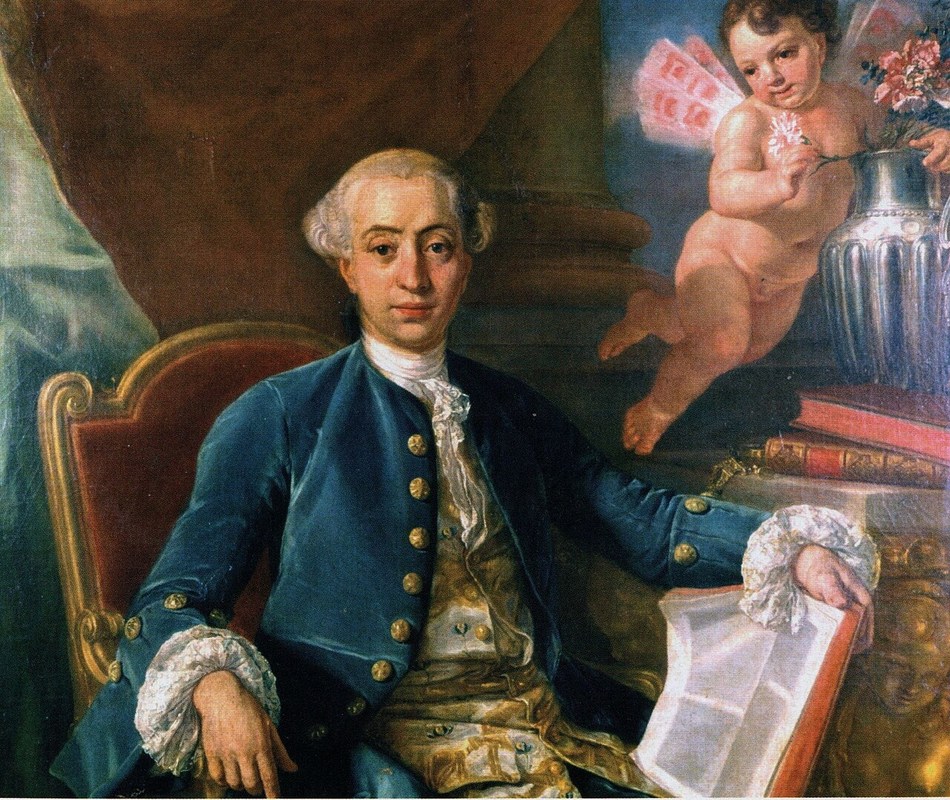
Giacomo Casanova's Escape from Piombino
The Escape of Giacomo Casanova from the Piombi
The escape of Giacomo Casanova took place in November 1756 at the Piombi prison of the Doge's Palace in the Republic of Venice. Casanova was imprisoned by Venetian authorities and later detailed his escape experience in his memoirs. The key figure in this case is Giacomo Casanova. Given the differing political, war, and judicial environments, it's easy to miss context when simply comparing this escape to others based on success or failure. This article does not recreate the facility's vulnerabilities or guide specific escape routes, focusing solely on events confirmed by public records.
The most crucial conclusion in official records after the incident is 'movement across Europe after the Venice escape'. After leaving Venice, he traveled between various European cities, and the story of his escape became widely known combined with his adventurer image. Early reports and later recollections sometimes note different numbers or actions, so the final investigative outcomes and judicial records were prioritized. In cases where life status or outcome remains unverified, speculation is not presented as fact, and in cases where recapture has been confirmed, distinctions are made regarding that time and subsequent judicial handling.
This incident still merits discussion today, as the personal recollections can be valuable sources but may include elements of self-presentation that require critical comparison with administrative records. If escapes are consumed as adventure or hero tales, the experiences of correctional staff, citizens, victims of crimes during escapes, war prisoners, and political victims can be obscured. The linked materials serve as a starting point to confirm the basic facts of the case, and when watching films or dramas, dividing between created scenes and verified conclusions is preferred. Please note that there are differences in date and designation styles between countries, so original institutional documents are also presented.
The most crucial conclusion in official records after the incident is 'movement across Europe after the Venice escape'. After leaving Venice, he traveled between various European cities, and the story of his escape became widely known combined with his adventurer image. Early reports and later recollections sometimes note different numbers or actions, so the final investigative outcomes and judicial records were prioritized. In cases where life status or outcome remains unverified, speculation is not presented as fact, and in cases where recapture has been confirmed, distinctions are made regarding that time and subsequent judicial handling.
This incident still merits discussion today, as the personal recollections can be valuable sources but may include elements of self-presentation that require critical comparison with administrative records. If escapes are consumed as adventure or hero tales, the experiences of correctional staff, citizens, victims of crimes during escapes, war prisoners, and political victims can be obscured. The linked materials serve as a starting point to confirm the basic facts of the case, and when watching films or dramas, dividing between created scenes and verified conclusions is preferred. Please note that there are differences in date and designation styles between countries, so original institutional documents are also presented.
발생 시기 1756년 11월
국가·지역 베네치아 공화국
수감 시설 두칼레 궁전 피옴비 감옥
관련 인물 자코모 카사노바
최종 결과 베네치아 탈출 후 유럽 각지 이동
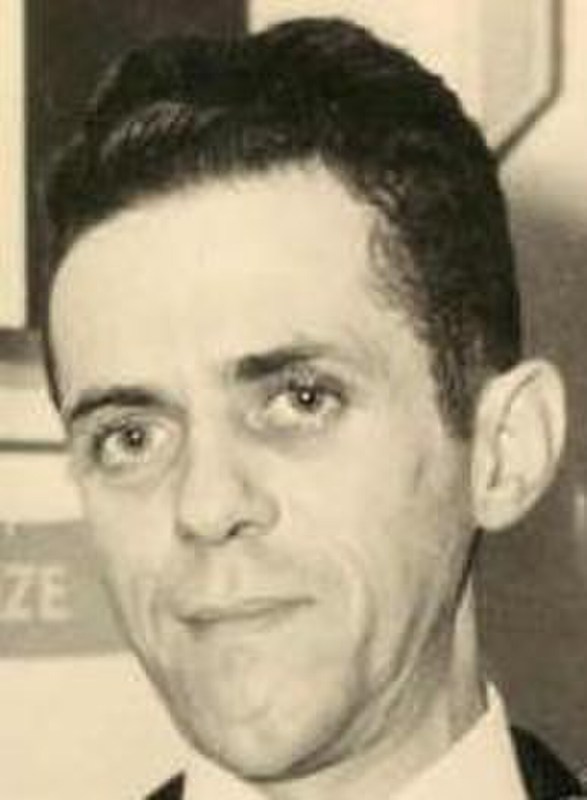
René Belbenoit's Devil's Island Escape
The Escape of René Belvénouille from Devil's Island
The escape of René Belvénouille took place in 1935 in the French penal colony of French Guiana. Sent to the penal colony, Belvénouille documented his escape after several attempts, eventually leaving the region. The key figure involved is René Belvénouille. Given the differing political, war, and judicial environments, it's easy to miss context when simply comparing this escape to others based on success or failure. This article does not recreate the facility's vulnerabilities or guide specific escape routes, instead focusing only on events confirmed by public records.
The most significant conclusion in official records after the incident is 'residence in the USA and publication of memoirs'. He published his experiences in a book in America, worldwide spreading the image of Devil's Island. Early reports and later retrospectives sometimes have discrepancies in numbers or actions, so final investigative results and judicial records were prioritized. In cases where life status or outcome remains unverified, speculation is not presented as fact, and in cases where recapture has been confirmed, distinctions are made regarding that time and subsequent judicial handling.
This incident is still mentioned today because there’s a need to distinguish between the dramatic scenes of the bestselling memoir and the independently verified reality of the colonial penal system. If escapes are consumed as adventure or hero tales, the experiences of correctional staff, citizens, victims of crimes during escapes, war prisoners, and political victims can be obscured. The linked materials serve as a starting point to confirm the basic facts of the case, and when watching films or dramas, dividing between created scenes and verified conclusions is preferred. Please note that there are differences in date and designation styles between countries, so original institutional documents are also presented.
The most significant conclusion in official records after the incident is 'residence in the USA and publication of memoirs'. He published his experiences in a book in America, worldwide spreading the image of Devil's Island. Early reports and later retrospectives sometimes have discrepancies in numbers or actions, so final investigative results and judicial records were prioritized. In cases where life status or outcome remains unverified, speculation is not presented as fact, and in cases where recapture has been confirmed, distinctions are made regarding that time and subsequent judicial handling.
This incident is still mentioned today because there’s a need to distinguish between the dramatic scenes of the bestselling memoir and the independently verified reality of the colonial penal system. If escapes are consumed as adventure or hero tales, the experiences of correctional staff, citizens, victims of crimes during escapes, war prisoners, and political victims can be obscured. The linked materials serve as a starting point to confirm the basic facts of the case, and when watching films or dramas, dividing between created scenes and verified conclusions is preferred. Please note that there are differences in date and designation styles between countries, so original institutional documents are also presented.
발생 시기 1935년
국가·지역 프랑스령 기아나
수감 시설 프랑스 유형 식민지
관련 인물 르네 벨브누아
최종 결과 미국 도착 후 체류, 회고록 출간
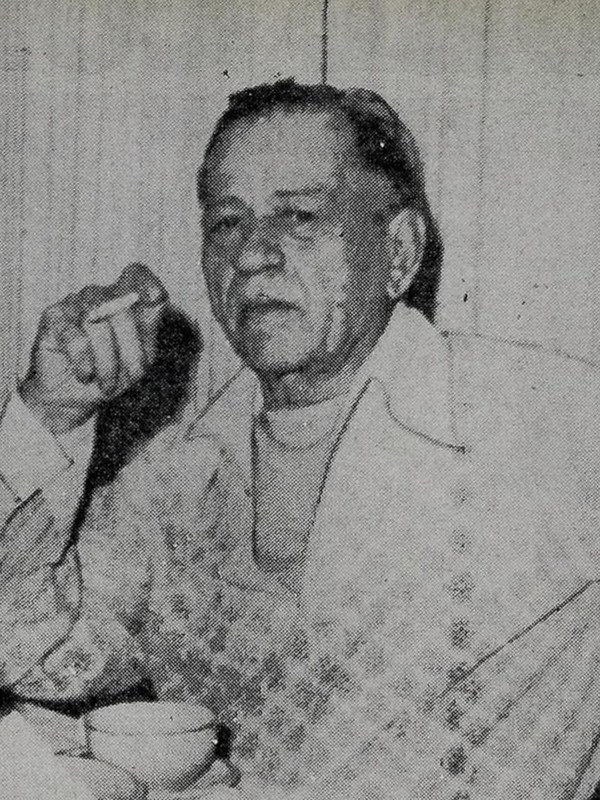
Henri Charrière's Papillon Story
Henri Charrière's Papillon story took place in the 1940s in the French penal colony of French Guiana and Venezuela. Henri Charrière gained international fame through his memoir Papillon, detailing his escapes and survival in the penal colony. The key figure involved is Henri Charrière. Given the differing political, war, and judicial environments, it's easy to miss context when simply comparing this escape to others based on success or failure. This article does not recreate the facility's vulnerabilities or guide specific escape routes, instead focusing only on events confirmed by public records.
The most crucial conclusion in official records after the incident is 'settlement in Venezuela with some disputes over memoir content'. While he settled in Venezuela, debates among researchers continue regarding whether various events in his book reflect his actual experiences. Early reports and later recollections sometimes have discrepancies in numbers or actions, so the final investigative results and judicial records were prioritized. In cases where life status or outcome remains unverified, speculation is not presented as fact, and in cases where recapture has been confirmed, distinctions are made regarding that time and subsequent judicial handling.
This incident continues to be referenced today as a fitting case to distinguish between the claim of factual events and literary reconstruction. If escapes are consumed as adventure or hero tales, the experiences of correctional staff, citizens, victims of crimes during escapes, war prisoners, and political victims can be obscured. The linked materials serve as a starting point to confirm the basic facts of the case, and when watching films or dramas, dividing between created scenes and verified conclusions is preferred. Please note that there are differences in date and designation styles between countries, so original institutional documents are also presented.
The most crucial conclusion in official records after the incident is 'settlement in Venezuela with some disputes over memoir content'. While he settled in Venezuela, debates among researchers continue regarding whether various events in his book reflect his actual experiences. Early reports and later recollections sometimes have discrepancies in numbers or actions, so the final investigative results and judicial records were prioritized. In cases where life status or outcome remains unverified, speculation is not presented as fact, and in cases where recapture has been confirmed, distinctions are made regarding that time and subsequent judicial handling.
This incident continues to be referenced today as a fitting case to distinguish between the claim of factual events and literary reconstruction. If escapes are consumed as adventure or hero tales, the experiences of correctional staff, citizens, victims of crimes during escapes, war prisoners, and political victims can be obscured. The linked materials serve as a starting point to confirm the basic facts of the case, and when watching films or dramas, dividing between created scenes and verified conclusions is preferred. Please note that there are differences in date and designation styles between countries, so original institutional documents are also presented.
발생 시기 1940년대 주장
국가·지역 프랑스령 기아나·베네수엘라
수감 시설 프랑스 유형 식민지
관련 인물 앙리 샤리에르
최종 결과 베네수엘라 정착, 회고 내용 일부 논쟁
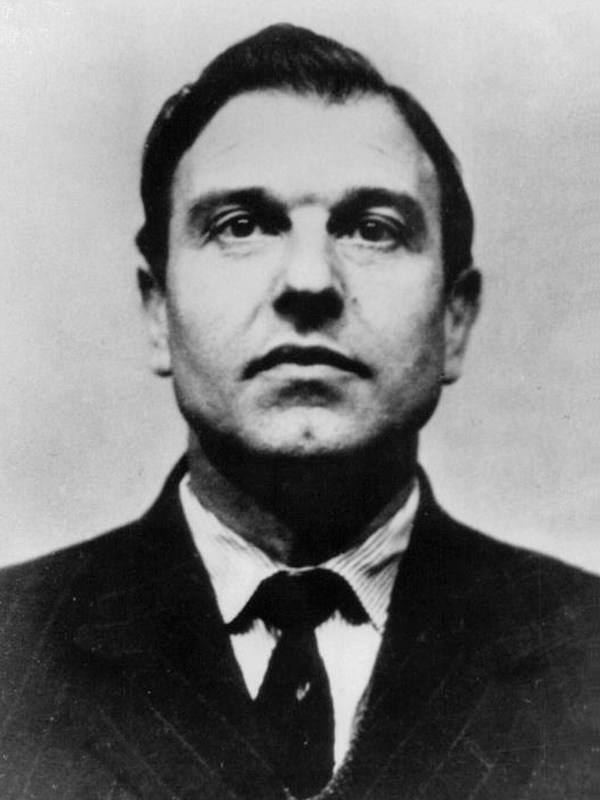
George Blake's Escape from Wormwood Scrubs
George Blake's Wormwood Scrubs Escape
George Blake's Wormwood Scrubs escape occurred in October 1966 at Wormwood Scrubs prison in the UK. Sentenced to a long term for activities on behalf of the Soviet Union, George Blake escaped from the London prison and left the UK. The key figure involved is George Blake. Given the differing political, war, and judicial environments, it's easy to miss context when simply comparing this escape to others based on success or failure. This article does not recreate the facility's vulnerabilities or guide specific escape routes, instead focusing only on events confirmed by public records.
The most significant conclusion in official records after the incident is 'movement to the Soviet Union, never recaptured'. He settled in the Soviet Union and did not return until his death in 2020, while his conviction remained upheld in the UK. Early reports and later retrospectives sometimes have discrepancies in numbers or actions, so the final investigative results and judicial records were prioritized. In cases where life status or outcome remains unverified, speculation is not presented as fact, and in cases where recapture has been confirmed, distinctions are made regarding that time and subsequent judicial handling.
This case continues to be referenced today because the ideological evaluations during the Cold War vary, yet it’s essential to separate the legal facts about the escape and espionage activities. If escapes are consumed as adventure or hero tales, the experiences of correctional staff, citizens, victims of crimes during escapes, war prisoners, and political victims can be obscured. The linked materials serve as a starting point to confirm the basic facts of the case, and when watching films or dramas, dividing between created scenes and verified conclusions is preferred. Please note that there are differences in date and designation styles between countries, so original institutional documents are also presented.
The most significant conclusion in official records after the incident is 'movement to the Soviet Union, never recaptured'. He settled in the Soviet Union and did not return until his death in 2020, while his conviction remained upheld in the UK. Early reports and later retrospectives sometimes have discrepancies in numbers or actions, so the final investigative results and judicial records were prioritized. In cases where life status or outcome remains unverified, speculation is not presented as fact, and in cases where recapture has been confirmed, distinctions are made regarding that time and subsequent judicial handling.
This case continues to be referenced today because the ideological evaluations during the Cold War vary, yet it’s essential to separate the legal facts about the escape and espionage activities. If escapes are consumed as adventure or hero tales, the experiences of correctional staff, citizens, victims of crimes during escapes, war prisoners, and political victims can be obscured. The linked materials serve as a starting point to confirm the basic facts of the case, and when watching films or dramas, dividing between created scenes and verified conclusions is preferred. Please note that there are differences in date and designation styles between countries, so original institutional documents are also presented.
발생 시기 1966년 10월
국가·지역 영국
수감 시설 웜우드 스크럽스 교도소
관련 인물 조지 블레이크
최종 결과 소련으로 이동, 재체포되지 않음
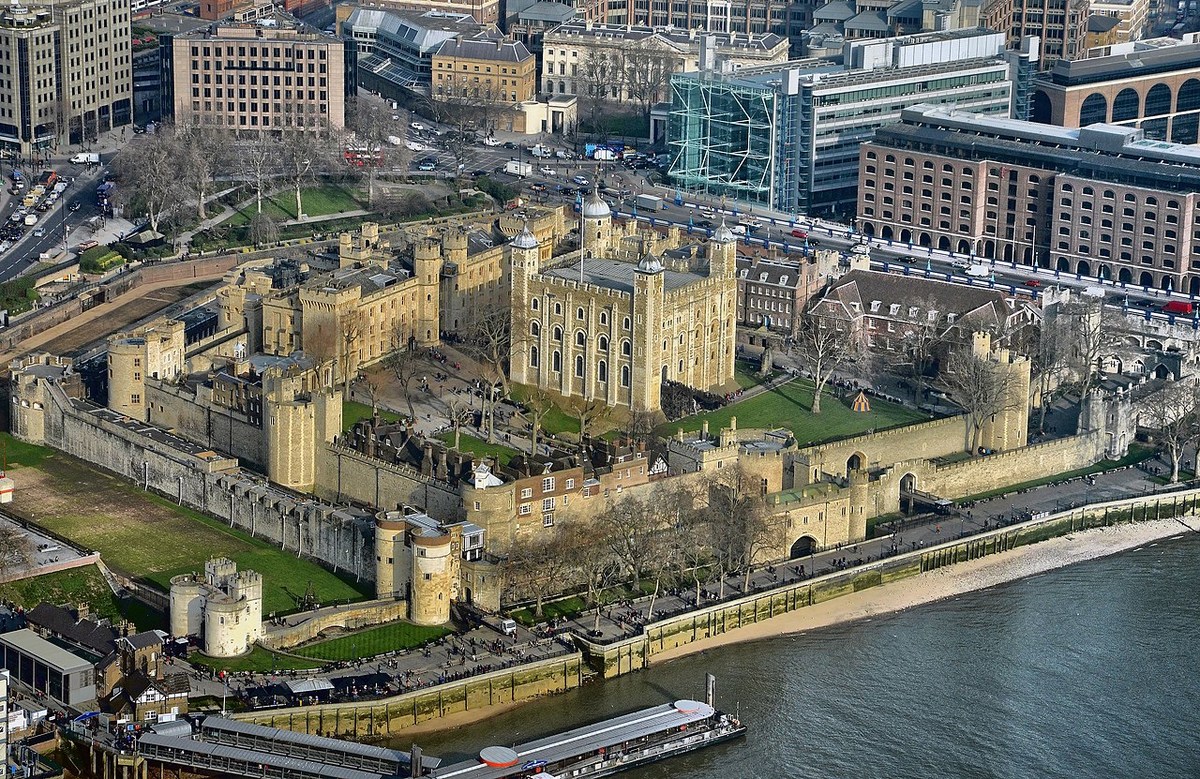
John Gerard's Escape from the Tower of London
John Gerard's Tower of London Escape
John Gerard's Tower of London escape occurred in October 1597 at the Tower of London in the Kingdom of England. A Jesuit priest during the period of religious persecution, John Gerard escaped his imprisonment at the Tower and continued living in hiding. The key figure involved is Jesuit priest John Gerard. Given the differing political, war, and judicial environments, it's easy to miss context when simply comparing this escape to others based on success or failure. This article does not recreate the facility's vulnerabilities or guide specific escape routes, instead focusing only on events confirmed by public records.
The most significant conclusion in official records after the incident is 'departure from England to the European continent'. He subsequently left England and recorded his experiences, providing materials that detail the religious conflicts and prison conditions of the time. Early reports and later retrospectives sometimes have discrepancies in numbers or actions, so the final investigative results and judicial records were prioritized. In cases where life status or outcome remains unverified, speculation is not presented as fact, and in cases where recapture has been confirmed, distinctions are made regarding that time and subsequent judicial handling.
This incident is still referenced today because reading later dramatic recounts in the context of the Catholic suppression and state power renders the significance clearer. If escapes are consumed as adventure or hero tales, the experiences of correctional staff, citizens, victims of crimes during escapes, war prisoners, and political victims can be obscured. The linked materials serve as a starting point to confirm the basic facts of the case, and when watching films or dramas, dividing between created scenes and verified conclusions is preferred. Please note that there are differences in date and designation styles between countries, so original institutional documents are also presented.
The most significant conclusion in official records after the incident is 'departure from England to the European continent'. He subsequently left England and recorded his experiences, providing materials that detail the religious conflicts and prison conditions of the time. Early reports and later retrospectives sometimes have discrepancies in numbers or actions, so the final investigative results and judicial records were prioritized. In cases where life status or outcome remains unverified, speculation is not presented as fact, and in cases where recapture has been confirmed, distinctions are made regarding that time and subsequent judicial handling.
This incident is still referenced today because reading later dramatic recounts in the context of the Catholic suppression and state power renders the significance clearer. If escapes are consumed as adventure or hero tales, the experiences of correctional staff, citizens, victims of crimes during escapes, war prisoners, and political victims can be obscured. The linked materials serve as a starting point to confirm the basic facts of the case, and when watching films or dramas, dividing between created scenes and verified conclusions is preferred. Please note that there are differences in date and designation styles between countries, so original institutional documents are also presented.
발생 시기 1597년 10월
국가·지역 잉글랜드 왕국
수감 시설 런던탑
관련 인물 예수회 사제 존 제라드
최종 결과 잉글랜드를 떠나 유럽 대륙으로 이동
The 1937 and 1962 disappearances at Alcatraz do not prove survival merely based on the absence of bodies. The books by Casanova, Bellvue, and Charière are valuable testimonies yet also narratives shaped with the reader in mind. Just because we read critically doesn’t mean we must dismiss everything as false.
Good historical reading starts with acknowledging the unknown. By comparing official records, contemporaneous reports, and the timing and purpose of memoirs, we can understand the process of how escape legends were born. It's also essential to remember that the reports and court records from those times, along with retrospectives from later generations, were prepared with different aims.
Good historical reading starts with acknowledging the unknown. By comparing official records, contemporaneous reports, and the timing and purpose of memoirs, we can understand the process of how escape legends were born. It's also essential to remember that the reports and court records from those times, along with retrospectives from later generations, were prepared with different aims.
한눈에 보기
7개
1962 Alcatraz Escape Incident
1962년 6월 · 미국 · 알카트라즈 연방교도소 · 프랭크 모리스·존 앵글린·클래런스 앵글린 · 생사와 도달 여부 미확인
1937 Call-Rol Alcatraz Disappearance
1937년 12월 · 미국 · 알카트라즈 연방교도소 · 시어도어 콜·랠프 로 · 도주 뒤 행방 미확인
Giacomo Casanova's Escape from Piombino
1756년 11월 · 베네치아 공화국 · 두칼레 궁전 피옴비 감옥 · 자코모 카사노바 · 베네치아 탈출 후 유럽 각지 이동
René Belbenoit's Devil's Island Escape
1935년 · 프랑스령 기아나 · 프랑스 유형 식민지 · 르네 벨브누아 · 미국 도착 후 체류, 회고록 출간
Henri Charrière's Papillon Story
1940년대 주장 · 프랑스령 기아나·베네수엘라 · 프랑스 유형 식민지 · 앙리 샤리에르 · 베네수엘라 정착, 회고 내용 일부 논쟁
George Blake's Escape from Wormwood Scrubs
1966년 10월 · 영국 · 웜우드 스크럽스 교도소 · 조지 블레이크 · 소련으로 이동, 재체포되지 않음
John Gerard's Escape from the Tower of London
1597년 10월 · 잉글랜드 왕국 · 런던탑 · 예수회 사제 존 제라드 · 잉글랜드를 떠나 유럽 대륙으로 이동
이 포스팅은 쿠팡 파트너스 활동의 일환으로, 이에 따른 일정액의 수수료를 제공받습니다.
댓글 0
로그인 후 댓글을 작성할 수 있습니다.
첫 댓글을 남겨보세요.
이런 리스트는 어때요?


이런 리스트도 추천해요


🎲
여기서 멈추기엔 아쉽잖아?
다음에 뭘 볼지 고민하는 시간이 제일 아까워.
주사위가 대신 골라줄게 — 무슨 리스트가 튀어나올지는 굴려봐야 알지.
안 누르면… 평생 궁금하지 않겠어? 👀