Collection
Crime Case History
2026.09.15
People Who Disappeared All at Once: Mass Escapes Around the World
Large-scale Events Intertwined with War, Conflict, and Crime
A single escape and a mass escape involving dozens or hundreds of people have completely different backgrounds and implications. We clarified the legal and historical distinctions by categorizing attempts at returning war prisoners, collective actions during political conflicts, and conspiracies in regular prisons under one list. The larger the scale, the greater the loss of life and community disruption following the escape.
We don't just rank them based solely on the number of people involved. We look at how many left the facility, how many were recaptured, if there were fatalities or additional crimes, and what questions the incidents raised about penal systems and wartime criminal investigations. It's also essential to remember that reports and judicial records from the time, as well as later reflections, were written for different purposes and might reflect varying perspectives.
We don't just rank them based solely on the number of people involved. We look at how many left the facility, how many were recaptured, if there were fatalities or additional crimes, and what questions the incidents raised about penal systems and wartime criminal investigations. It's also essential to remember that reports and judicial records from the time, as well as later reflections, were written for different purposes and might reflect varying perspectives.
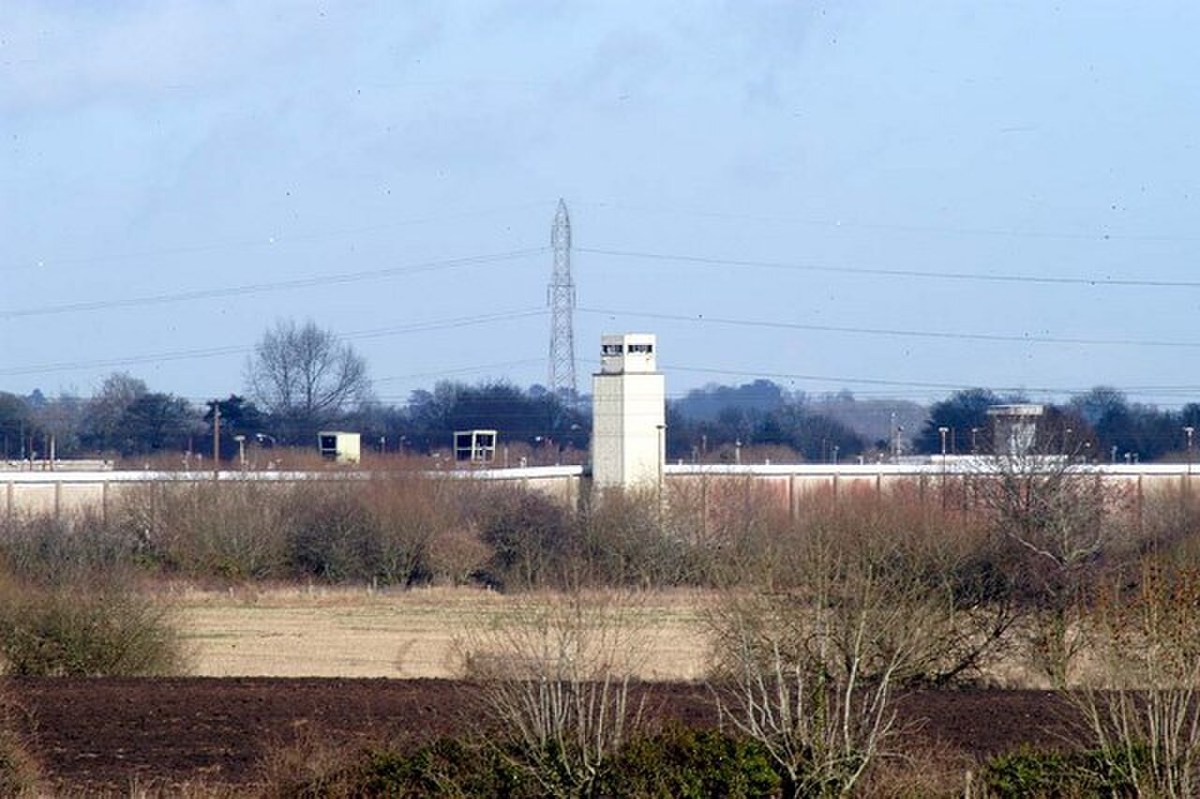
Maze Prison Mass Escape
The Maze Prison mass escape occurred on September 25, 1983, at HM Maze Prison in Northern Ireland. 38 individuals escaped from a high-security facility during the Northern Ireland conflict, marking the largest prison break in British correctional history. The individuals involved were 38 IRA prisoners. Given the differing political, wartime, and judicial contexts, a simple comparison of success with other escape incidents might overlook important contextual details. This article does not replicate the facility's vulnerabilities or provide specific escape routes; instead, it organizes the event's scope as confirmed by public records.
The most significant conclusion from official records after the event is 'many recaptured, some long-term fugitives.' One correctional officer lost their life during the escape, and extensive investigations and recaptures followed, ensuring the incident is remembered alongside the violence of the conflict. Since initial reports and later reflections might record numbers or actions differently, priority was given to final investigation results and judicial records. In cases where survival or successful escape could not be confirmed, speculation was not stated as fact, and confirmed recaptures were differentiated based on timing and post-judicial processes.
The reason this incident is still discussed today is because it should be viewed not just as a tale of heroism, but also within the context of human casualties and the political climate of the Northern Ireland conflict. If we consume stories of escape as daring feats or hero tales, we risk erasing the experiences of correctional staff, citizens, victims of crimes committed while on the run, and political prisoners and victims. The linked materials serve as a starting point to confirm the basic facts of the incident, and when watching films or dramas, it's better to separate fictional scenes from documented endings. Dates and names may differ by country, so original agency materials are presented alongside.
The most significant conclusion from official records after the event is 'many recaptured, some long-term fugitives.' One correctional officer lost their life during the escape, and extensive investigations and recaptures followed, ensuring the incident is remembered alongside the violence of the conflict. Since initial reports and later reflections might record numbers or actions differently, priority was given to final investigation results and judicial records. In cases where survival or successful escape could not be confirmed, speculation was not stated as fact, and confirmed recaptures were differentiated based on timing and post-judicial processes.
The reason this incident is still discussed today is because it should be viewed not just as a tale of heroism, but also within the context of human casualties and the political climate of the Northern Ireland conflict. If we consume stories of escape as daring feats or hero tales, we risk erasing the experiences of correctional staff, citizens, victims of crimes committed while on the run, and political prisoners and victims. The linked materials serve as a starting point to confirm the basic facts of the incident, and when watching films or dramas, it's better to separate fictional scenes from documented endings. Dates and names may differ by country, so original agency materials are presented alongside.
발생 시기 1983년 9월 25일
국가·지역 북아일랜드
수감 시설 HM 메이즈 교도소
관련 인물 IRA 수감자 38명
최종 결과 다수 재검거, 일부 장기 도피
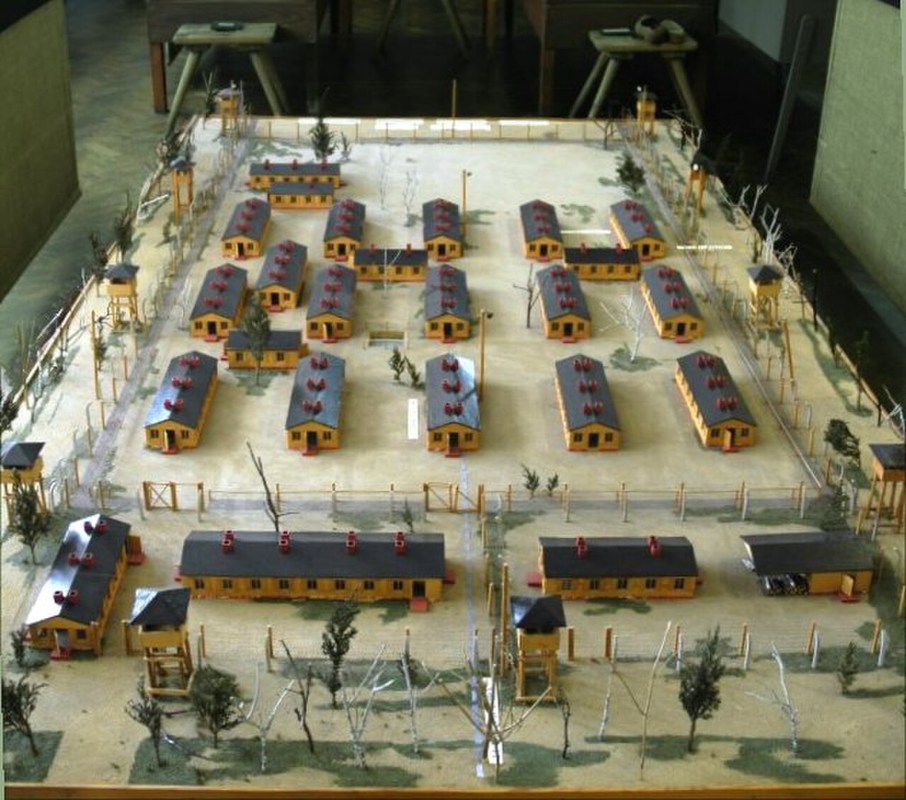
Stalag Luft III Great Escape
The Great Escape from Stalag Luft III took place in March 1944 at the Stalag Luft III prisoner camp in Nazi Germany. During World War II, 76 Allied prisoners escaped from the camp, leading to a large-scale manhunt. The individuals involved were 76 Allied air force prisoners. Given the differing political, wartime, and judicial contexts, a simple comparison of success with other escape incidents might overlook important contextual details. This article does not replicate the facility's vulnerabilities or provide specific escape routes; instead, it organizes the event's scope as confirmed by public records.
The most significant conclusion from official records after the event is '73 recaptured, 50 killed, 3 reached safety.' Only three reached safety, while 50 recaptured prisoners were killed by the Gestapo, becoming subjects of post-war war crime trials. Since initial reports and later reflections might record numbers or actions differently, priority was given to final investigation outcomes, verdicts, and agency records. In cases where survival or successful escape could not be confirmed, speculation was not stated as fact, and confirmed recaptures were differentiated based on timing and post-judicial processes.
The reason this incident is still discussed today is because it should be viewed not just as an adventure story popularized by mainstream media, but also centered on the ensuing massacre and the issues of international humanitarian law. If we consume stories of escape as daring feats or hero tales, we risk erasing the experiences of correctional staff, citizens, victims of crimes committed while on the run, and political prisoners and victims. The linked materials serve as a starting point to confirm the basic facts of the incident, and when watching films or dramas, it's better to separate fictional scenes from documented endings. Dates and names may differ by country, so original agency materials are presented alongside.
The most significant conclusion from official records after the event is '73 recaptured, 50 killed, 3 reached safety.' Only three reached safety, while 50 recaptured prisoners were killed by the Gestapo, becoming subjects of post-war war crime trials. Since initial reports and later reflections might record numbers or actions differently, priority was given to final investigation outcomes, verdicts, and agency records. In cases where survival or successful escape could not be confirmed, speculation was not stated as fact, and confirmed recaptures were differentiated based on timing and post-judicial processes.
The reason this incident is still discussed today is because it should be viewed not just as an adventure story popularized by mainstream media, but also centered on the ensuing massacre and the issues of international humanitarian law. If we consume stories of escape as daring feats or hero tales, we risk erasing the experiences of correctional staff, citizens, victims of crimes committed while on the run, and political prisoners and victims. The linked materials serve as a starting point to confirm the basic facts of the incident, and when watching films or dramas, it's better to separate fictional scenes from documented endings. Dates and names may differ by country, so original agency materials are presented alongside.
발생 시기 1944년 3월
국가·지역 나치 독일 점령지
수감 시설 스탈라그 루프트 III 포로수용소
관련 인물 연합군 공군 포로 76명
최종 결과 73명 붙잡힘, 50명 살해, 3명 안전지대 도달
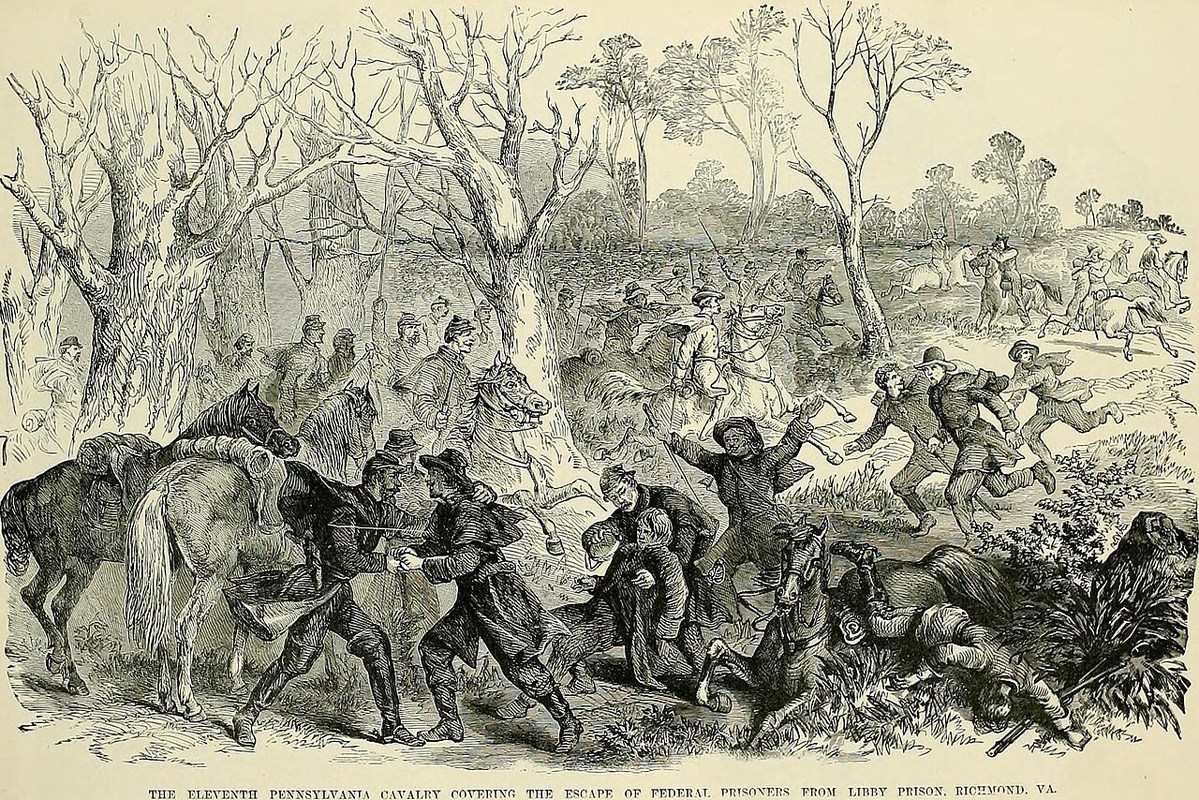
Libby Prison Escape
The Libby Prison escape occurred in February 1864 at Libby Prison in the Confederate South. During the American Civil War, 109 Union officers vanished from the Richmond facility, creating a significant shock in wartime prisoner management. The individuals involved were 109 Union officers. Given the differing political, wartime, and judicial contexts, a simple comparison of success with other escape incidents might overlook important contextual details. This article does not replicate the facility's vulnerabilities or provide specific escape routes; instead, it organizes the event's scope as confirmed by public records.
The most significant conclusion from official records after the event is '59 reached Union lines, 48 recaptured, 2 drowned.' Official records indicate that 59 reached the Union front, 48 were recaptured, and two lost their lives during the escape. Since initial reports and later reflections might record numbers or actions differently, priority was given to final investigation results and judicial records. In cases where survival or successful escape could not be confirmed, speculation was not stated as fact, and confirmed recaptures were differentiated based on timing and post-judicial processes.
The reason this incident is still discussed today is that it should not be viewed merely through the lens of an ordinary escape, but understood within the context of wartime laws and prisoner treatment. If we consume stories of escape as daring feats or hero tales, we risk erasing the experiences of correctional staff, citizens, victims of crimes committed while on the run, and political prisoners and victims. The linked materials serve as a starting point to confirm the basic facts of the incident, and when watching films or dramas, it's better to separate fictional scenes from documented endings. Dates and names may differ by country, so original agency materials are presented alongside.
The most significant conclusion from official records after the event is '59 reached Union lines, 48 recaptured, 2 drowned.' Official records indicate that 59 reached the Union front, 48 were recaptured, and two lost their lives during the escape. Since initial reports and later reflections might record numbers or actions differently, priority was given to final investigation results and judicial records. In cases where survival or successful escape could not be confirmed, speculation was not stated as fact, and confirmed recaptures were differentiated based on timing and post-judicial processes.
The reason this incident is still discussed today is that it should not be viewed merely through the lens of an ordinary escape, but understood within the context of wartime laws and prisoner treatment. If we consume stories of escape as daring feats or hero tales, we risk erasing the experiences of correctional staff, citizens, victims of crimes committed while on the run, and political prisoners and victims. The linked materials serve as a starting point to confirm the basic facts of the incident, and when watching films or dramas, it's better to separate fictional scenes from documented endings. Dates and names may differ by country, so original agency materials are presented alongside.
발생 시기 1864년 2월
국가·지역 미국 남부연합
수감 시설 리비 교도소
관련 인물 북군 장교 109명
최종 결과 59명 북군 진영 도달, 48명 재검거, 2명 익사

Texas Seven Escape and Pursuit
Texas Seven Escape and Manhunt
The Texas Seven escape and manhunt occurred in December 2000 at John B. Connally Unit in the United States. After seven individuals escaped from the Texas prison, a large-scale investigation spanned several states. The individuals involved were seven inmates. Given the differing political, wartime, and judicial contexts, a simple comparison of success with other escape incidents might overlook important contextual details. This article does not replicate the facility's vulnerabilities or provide specific escape routes; instead, it organizes the event's scope as confirmed by public records.
The most significant conclusion from official records after the event is '6 apprehended, 1 dead.' A police officer was killed during the manhunt, leading to the capture of six individuals through the United States' wanted broadcasts and tips, while one committed suicide. Since initial reports and later reflections might record numbers or actions differently, priority was given to final investigation outcomes and judicial records. In cases where survival or successful escape could not be confirmed, speculation was not stated as fact, and confirmed recaptures were differentiated based on timing and post-judicial processes.
The reason this incident is still discussed today is due to the additional crimes committed during the escape and the impact of citizen reports on the manhunt, rather than the escape itself. If we consume stories of escape as daring feats or hero tales, we risk erasing the experiences of correctional staff, citizens, victims of crimes committed while on the run, and political prisoners and victims. The linked materials serve as a starting point to confirm the basic facts of the incident, and when watching films or dramas, it's better to separate fictional scenes from documented endings. Dates and names may differ by country, so original agency materials are presented alongside.
The most significant conclusion from official records after the event is '6 apprehended, 1 dead.' A police officer was killed during the manhunt, leading to the capture of six individuals through the United States' wanted broadcasts and tips, while one committed suicide. Since initial reports and later reflections might record numbers or actions differently, priority was given to final investigation outcomes and judicial records. In cases where survival or successful escape could not be confirmed, speculation was not stated as fact, and confirmed recaptures were differentiated based on timing and post-judicial processes.
The reason this incident is still discussed today is due to the additional crimes committed during the escape and the impact of citizen reports on the manhunt, rather than the escape itself. If we consume stories of escape as daring feats or hero tales, we risk erasing the experiences of correctional staff, citizens, victims of crimes committed while on the run, and political prisoners and victims. The linked materials serve as a starting point to confirm the basic facts of the incident, and when watching films or dramas, it's better to separate fictional scenes from documented endings. Dates and names may differ by country, so original agency materials are presented alongside.
발생 시기 2000년 12월
국가·지역 미국
수감 시설 존 B. 코널리 교도소
관련 인물 수감자 7명
최종 결과 6명 체포, 1명 사망
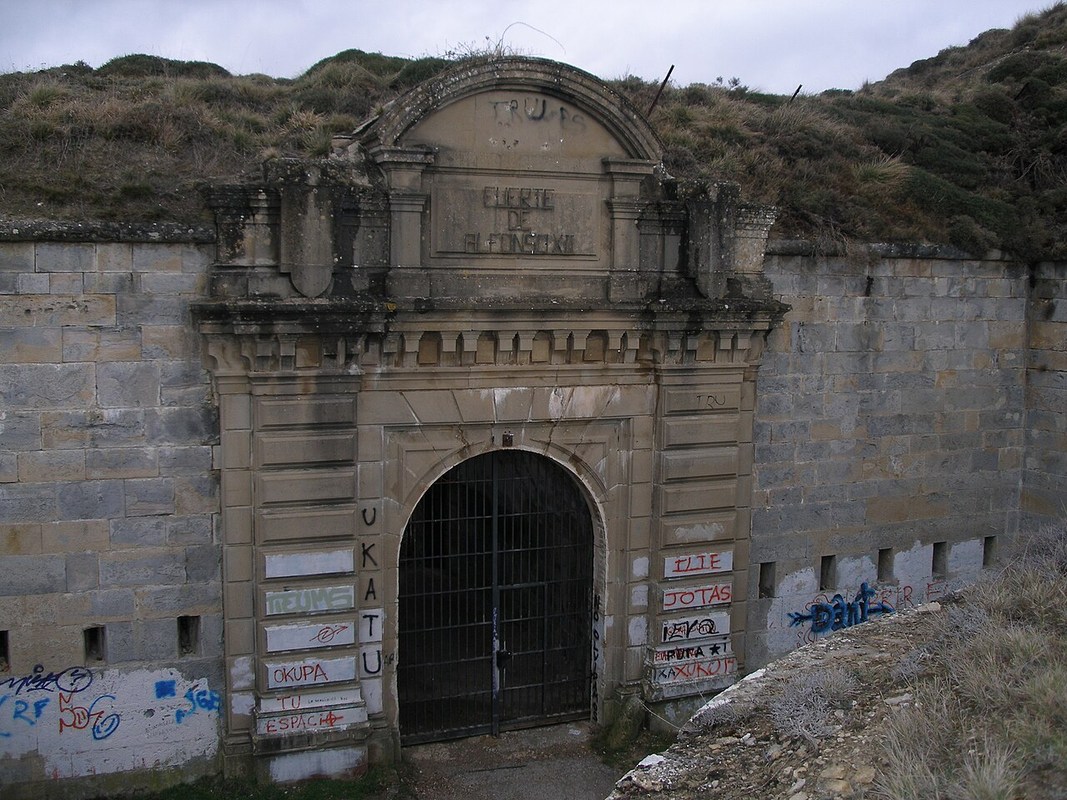
San Cristobal Fortress Mass Escape
San Cristóbal Fortress Mass Escape
The San Cristóbal Fortress mass escape occurred in May 1938 at the San Cristóbal Fortress prison in Spain. During the Spanish Civil War, 795 prisoners held at the fortress escaped en masse, scattering towards the border. The individuals involved were 795 Republican prisoners. Given the differing political, wartime, and judicial contexts, a simple comparison of success with other escape incidents might overlook important contextual details. This article does not replicate the facility's vulnerabilities or provide specific escape routes; instead, it organizes the event's scope as confirmed by public records.
The most significant conclusion from official records after the event is 'most recaptured or dead, 3 reached France.' According to records from the Navarra government, most were captured or lost their lives during the pursuit, with only three reaching France. Since initial reports and later reflections might record numbers or actions differently, priority was given to final investigation results and judicial records. In cases where survival or successful escape could not be confirmed, speculation was not stated as fact, and confirmed recaptures were differentiated based on timing and post-judicial processes.
The reason this incident is still discussed today is due to the tragic nature that emphasizes the scale of state violence and the victims, rather than just the successful escapees. If we consume stories of escape as daring feats or hero tales, we risk erasing the experiences of correctional staff, citizens, victims of crimes committed while on the run, and political prisoners and victims. The linked materials serve as a starting point to confirm the basic facts of the incident, and when watching films or dramas, it's better to separate fictional scenes from documented endings. Dates and names may differ by country, so original agency materials are presented alongside.
The most significant conclusion from official records after the event is 'most recaptured or dead, 3 reached France.' According to records from the Navarra government, most were captured or lost their lives during the pursuit, with only three reaching France. Since initial reports and later reflections might record numbers or actions differently, priority was given to final investigation results and judicial records. In cases where survival or successful escape could not be confirmed, speculation was not stated as fact, and confirmed recaptures were differentiated based on timing and post-judicial processes.
The reason this incident is still discussed today is due to the tragic nature that emphasizes the scale of state violence and the victims, rather than just the successful escapees. If we consume stories of escape as daring feats or hero tales, we risk erasing the experiences of correctional staff, citizens, victims of crimes committed while on the run, and political prisoners and victims. The linked materials serve as a starting point to confirm the basic facts of the incident, and when watching films or dramas, it's better to separate fictional scenes from documented endings. Dates and names may differ by country, so original agency materials are presented alongside.
발생 시기 1938년 5월
국가·지역 스페인
수감 시설 산크리스토발 요새 감옥
관련 인물 공화파 수감자 795명
최종 결과 대부분 재검거 또는 사망, 3명 프랑스 도달

Orsongville Prison Escape
Orsainville Prison Escape
The Orsainville prison escape occurred in June 2014 at Orsainville Detention Center in Canada. Three inmates disappeared with external assistance from a facility near Quebec City, leading to a nationwide manhunt. The individuals involved were three inmates. Given the differing political, wartime, and judicial contexts, a simple comparison of success with other escape incidents might overlook important contextual details. This article does not replicate the facility's vulnerabilities or provide specific escape routes; instead, it organizes the event's scope as confirmed by public records.
The most significant conclusion from official records after the event is 'all recaptured about two weeks later.' Police apprehended all three individuals in a Montreal location approximately two weeks later, prompting an investigation into the assistance and facility management. Since initial reports and later reflections might record numbers or actions differently, priority was given to final investigation results and judicial records. In cases where survival or successful escape could not be confirmed, speculation was not stated as fact, and confirmed recaptures were differentiated based on timing and post-judicial processes.
The reason this incident is still discussed today is that it serves as a relatively recent example of how fast alerts and widespread investigations concluded a mass escape. If we consume stories of escape as daring feats or hero tales, we risk erasing the experiences of correctional staff, citizens, victims of crimes committed while on the run, and political prisoners and victims. The linked materials serve as a starting point to confirm the basic facts of the incident, and when watching films or dramas, it's better to separate fictional scenes from documented endings. Dates and names may differ by country, so original agency materials are presented alongside.
The most significant conclusion from official records after the event is 'all recaptured about two weeks later.' Police apprehended all three individuals in a Montreal location approximately two weeks later, prompting an investigation into the assistance and facility management. Since initial reports and later reflections might record numbers or actions differently, priority was given to final investigation results and judicial records. In cases where survival or successful escape could not be confirmed, speculation was not stated as fact, and confirmed recaptures were differentiated based on timing and post-judicial processes.
The reason this incident is still discussed today is that it serves as a relatively recent example of how fast alerts and widespread investigations concluded a mass escape. If we consume stories of escape as daring feats or hero tales, we risk erasing the experiences of correctional staff, citizens, victims of crimes committed while on the run, and political prisoners and victims. The linked materials serve as a starting point to confirm the basic facts of the incident, and when watching films or dramas, it's better to separate fictional scenes from documented endings. Dates and names may differ by country, so original agency materials are presented alongside.
발생 시기 2014년 6월
국가·지역 캐나다
수감 시설 오르생빌 구치소
관련 인물 수감자 3명
최종 결과 약 2주 뒤 모두 재체포

Mountjoy Helicopter Escape
The Mountjoy helicopter escape occurred in October 1973 at Mountjoy Prison in Ireland. Inmates with external assistance escaped from the Mountjoy Prison in Dublin, leading to international recognition. The individuals involved were three IRA prisoners. Given the differing political, wartime, and judicial contexts, a simple comparison of success with other escape incidents might overlook important contextual details. This article does not replicate the facility's vulnerabilities or provide specific escape routes; instead, it organizes the event's scope as confirmed by public records.
The most significant conclusion from official records after the event is 'all three later recaptured.' Investigations by Irish authorities ensued, and the three were apprehended at different times, with the incident remaining a symbol of the conflict era. Since initial reports and later reflections might record numbers or actions differently, priority was given to final investigation results and judicial records. In cases where survival or successful escape could not be confirmed, speculation was not stated as fact, and confirmed recaptures were differentiated based on timing and post-judicial processes.
The reason this incident is still discussed today is due to the need to recognize not just the ingenuity of the escape, but also the contexts of kidnapping victims and political violence during that era. If we consume stories of escape as daring feats or hero tales, we risk erasing the experiences of correctional staff, citizens, victims of crimes committed while on the run, and political prisoners and victims. The linked materials serve as a starting point to confirm the basic facts of the incident, and when watching films or dramas, it's better to separate fictional scenes from documented endings. Dates and names may differ by country, so original agency materials are presented alongside.
The most significant conclusion from official records after the event is 'all three later recaptured.' Investigations by Irish authorities ensued, and the three were apprehended at different times, with the incident remaining a symbol of the conflict era. Since initial reports and later reflections might record numbers or actions differently, priority was given to final investigation results and judicial records. In cases where survival or successful escape could not be confirmed, speculation was not stated as fact, and confirmed recaptures were differentiated based on timing and post-judicial processes.
The reason this incident is still discussed today is due to the need to recognize not just the ingenuity of the escape, but also the contexts of kidnapping victims and political violence during that era. If we consume stories of escape as daring feats or hero tales, we risk erasing the experiences of correctional staff, citizens, victims of crimes committed while on the run, and political prisoners and victims. The linked materials serve as a starting point to confirm the basic facts of the incident, and when watching films or dramas, it's better to separate fictional scenes from documented endings. Dates and names may differ by country, so original agency materials are presented alongside.
발생 시기 1973년 10월
국가·지역 아일랜드
수감 시설 마운트조이 교도소
관련 인물 IRA 수감자 3명
최종 결과 세 명 모두 이후 재검거
The 76 individuals from Stalag Luft III and the 109 from Libby Prison were all prisoners in wartime, but their eras and outcomes were different. Maze and the Texas Seven represent entirely different contexts of political conflict and common crime. Even if the numbers are the same, their meanings cannot be simply compared.
To understand large-scale incidents, we need to include not just the successful escapees but also those who were recaptured or died, as well as the correctional staff, residents, and communities affected. This list serves as a starting point for interpreting outcomes and responsibilities rather than just focusing on scale. When examining incidents, we must keep in mind that reports and judicial records from that time, as well as later reflections, were created with different aims. Examining the costs borne by victims, correctional staff, and local communities alongside the sensational aspects of the escapes changes the meaning of the events.
To understand large-scale incidents, we need to include not just the successful escapees but also those who were recaptured or died, as well as the correctional staff, residents, and communities affected. This list serves as a starting point for interpreting outcomes and responsibilities rather than just focusing on scale. When examining incidents, we must keep in mind that reports and judicial records from that time, as well as later reflections, were created with different aims. Examining the costs borne by victims, correctional staff, and local communities alongside the sensational aspects of the escapes changes the meaning of the events.
한눈에 보기
7개
Maze Prison Mass Escape
1983년 9월 25일 · 북아일랜드 · HM 메이즈 교도소 · IRA 수감자 38명 · 다수 재검거, 일부 장기 도피
Stalag Luft III Great Escape
1944년 3월 · 나치 독일 점령지 · 스탈라그 루프트 III 포로수용소 · 연합군 공군 포로 76명 · 73명 붙잡힘, 50명 살해, 3명 안전지대 도달
Libby Prison Escape
1864년 2월 · 미국 남부연합 · 리비 교도소 · 북군 장교 109명 · 59명 북군 진영 도달, 48명 재검거, 2명 익사
Texas Seven Escape and Pursuit
2000년 12월 · 미국 · 존 B. 코널리 교도소 · 수감자 7명 · 6명 체포, 1명 사망
San Cristobal Fortress Mass Escape
1938년 5월 · 스페인 · 산크리스토발 요새 감옥 · 공화파 수감자 795명 · 대부분 재검거 또는 사망, 3명 프랑스 도달
Orsongville Prison Escape
2014년 6월 · 캐나다 · 오르생빌 구치소 · 수감자 3명 · 약 2주 뒤 모두 재체포
Mountjoy Helicopter Escape
1973년 10월 · 아일랜드 · 마운트조이 교도소 · IRA 수감자 3명 · 세 명 모두 이후 재검거
이 포스팅은 쿠팡 파트너스 활동의 일환으로, 이에 따른 일정액의 수수료를 제공받습니다.
댓글 0
로그인 후 댓글을 작성할 수 있습니다.
첫 댓글을 남겨보세요.
이런 리스트는 어때요?


이런 리스트도 추천해요


🎲
여기서 멈추기엔 아쉽잖아?
다음에 뭘 볼지 고민하는 시간이 제일 아까워.
주사위가 대신 골라줄게 — 무슨 리스트가 튀어나올지는 굴려봐야 알지.
안 누르면… 평생 궁금하지 않겠어? 👀