
Collection
Crime Case History
2026.09.15
Longer Pursuits and Re-arrests After Escape
Events Read Through Time of Search and Final Verdict
There are incidents where the search that follows after escaping is remembered longer than the actual moment of escape. The pursuit through mountainous areas, big cities, and across borders left a heavy burden not only on the police but also on residents and the media. This article follows the Clinton Correctional Facility case, the Texas Seven, and the Joaquín Guzmán case up to their final outcomes.
Initial reports often mix speculation with misinformation. Thus, instead of just listing the duration of the search in an interesting manner, I organized confirmed outcomes such as arrest, death, and judgment, while separating additional victims that occurred during the escape and internal assistance investigations. It's also worth remembering that when looking at these events, the reports at the time, judicial records, and later retrospectives were written for different purposes.
Initial reports often mix speculation with misinformation. Thus, instead of just listing the duration of the search in an interesting manner, I organized confirmed outcomes such as arrest, death, and judgment, while separating additional victims that occurred during the escape and internal assistance investigations. It's also worth remembering that when looking at these events, the reports at the time, judicial records, and later retrospectives were written for different purposes.
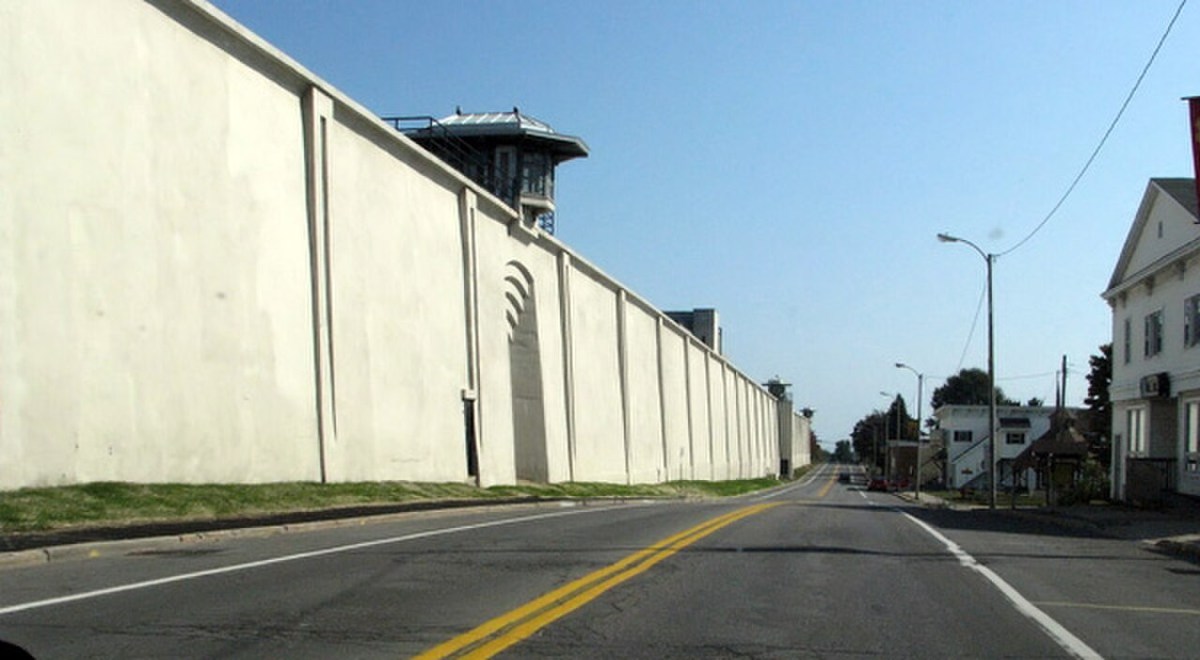
Clinton Prison Escape
Clinton Correctional Facility Escape
The Clinton Correctional Facility escape occurred in June 2015 from a facility in the U.S. Two inmates went missing from a prison in northern New York, leading to a prolonged search focused on forested and border areas. The individuals involved were Richard Matt and David Sweat. Considering the different political, war, and judicial environments of the time, comparing this escape incident solely to others regarding success might overlook important context. This piece does not recreate the facility's vulnerabilities or provide specific routes; it only organizes the scope of events confirmed by public records.
The most significant conclusion from official records after the incident is 'Matt deceased, Sweat arrested.' About three weeks later, Matt died during an encounter with the police, and Sweat was apprehended with gunshot wounds, with internal collusion being investigated. Initial reports during the search and later retrospectives may have differing figures or accounts, so priority was given to final investigation results, verdicts, and institutional records. Cases where survival or location were unconfirmed did not express guesswork as facts, and even confirmed re-arrests were distinguished by their timing and subsequent judicial treatment.
The reason this event is still mentioned today is that it revealed fundamental issues with internal control in modern correctional facilities, community alerts, and the burden of long-term searches. If escapes are romanticized as adventures or heroic tales, the experiences of correctional staff and citizens, victims of crimes during flight, war prisoners, and political victims could be erased. The linked material serves as a starting point to verify the basic facts of the incident, and when watching movies or dramas, it is advisable to differentiate created scenes from verified endings. Dates and names may vary based on national notations, so original institutional documents are also provided.
The most significant conclusion from official records after the incident is 'Matt deceased, Sweat arrested.' About three weeks later, Matt died during an encounter with the police, and Sweat was apprehended with gunshot wounds, with internal collusion being investigated. Initial reports during the search and later retrospectives may have differing figures or accounts, so priority was given to final investigation results, verdicts, and institutional records. Cases where survival or location were unconfirmed did not express guesswork as facts, and even confirmed re-arrests were distinguished by their timing and subsequent judicial treatment.
The reason this event is still mentioned today is that it revealed fundamental issues with internal control in modern correctional facilities, community alerts, and the burden of long-term searches. If escapes are romanticized as adventures or heroic tales, the experiences of correctional staff and citizens, victims of crimes during flight, war prisoners, and political victims could be erased. The linked material serves as a starting point to verify the basic facts of the incident, and when watching movies or dramas, it is advisable to differentiate created scenes from verified endings. Dates and names may vary based on national notations, so original institutional documents are also provided.
발생 시기 2015년 6월
국가·지역 미국
수감 시설 클린턴 교정시설
관련 인물 리처드 맷·데이비드 스웨트
최종 결과 맷 사망, 스웨트 체포

Texas Seven Escape and Pursuit
The Texas Seven escape and subsequent pursuit occurred in December 2000 at the John B. Connally Unit in Texas. Seven inmates escaped in a group, leading to a large-scale investigation that spanned multiple states. The individuals involved were the seven inmates. Given the varied political, war, and judicial contexts, drawing simple comparisons with other escape incidents that differed in success would miss important context. This piece does not recreate the facility's vulnerabilities or provide specific routes; it only organizes the scope of events confirmed by public records.
The most significant conclusion from official records after the incident is '6 captured, 1 deceased.' During the escape, a criminal incident resulted in the death of a police officer, and after a broadcast and tips in the U.S., six were captured while one took his own life. Initial reports during the search and later retrospectives may have differing figures or accounts, so priority was given to final investigation results, verdicts, and institutional records. Cases where survival or location were unconfirmed did not express guesswork as facts, and even confirmed re-arrests were distinguished by their timing and subsequent judicial treatment.
The reason this event is still mentioned today is that it allows for an examination of the impact of additional crimes committed during the escape and the role of citizen tips in the pursuit, rather than merely the escape itself. If escapes are romanticized as adventures or heroic tales, the experiences of correctional staff and citizens, victims of crimes during flight, war prisoners, and political victims could be erased. The linked material serves as a starting point to verify the basic facts of the incident, and when watching movies or dramas, it is advisable to differentiate created scenes from verified endings. Dates and names may vary based on national notations, so original institutional documents are also provided.
The most significant conclusion from official records after the incident is '6 captured, 1 deceased.' During the escape, a criminal incident resulted in the death of a police officer, and after a broadcast and tips in the U.S., six were captured while one took his own life. Initial reports during the search and later retrospectives may have differing figures or accounts, so priority was given to final investigation results, verdicts, and institutional records. Cases where survival or location were unconfirmed did not express guesswork as facts, and even confirmed re-arrests were distinguished by their timing and subsequent judicial treatment.
The reason this event is still mentioned today is that it allows for an examination of the impact of additional crimes committed during the escape and the role of citizen tips in the pursuit, rather than merely the escape itself. If escapes are romanticized as adventures or heroic tales, the experiences of correctional staff and citizens, victims of crimes during flight, war prisoners, and political victims could be erased. The linked material serves as a starting point to verify the basic facts of the incident, and when watching movies or dramas, it is advisable to differentiate created scenes from verified endings. Dates and names may vary based on national notations, so original institutional documents are also provided.
발생 시기 2000년 12월
국가·지역 미국
수감 시설 존 B. 코널리 교도소
관련 인물 수감자 7명
최종 결과 6명 체포, 1명 사망
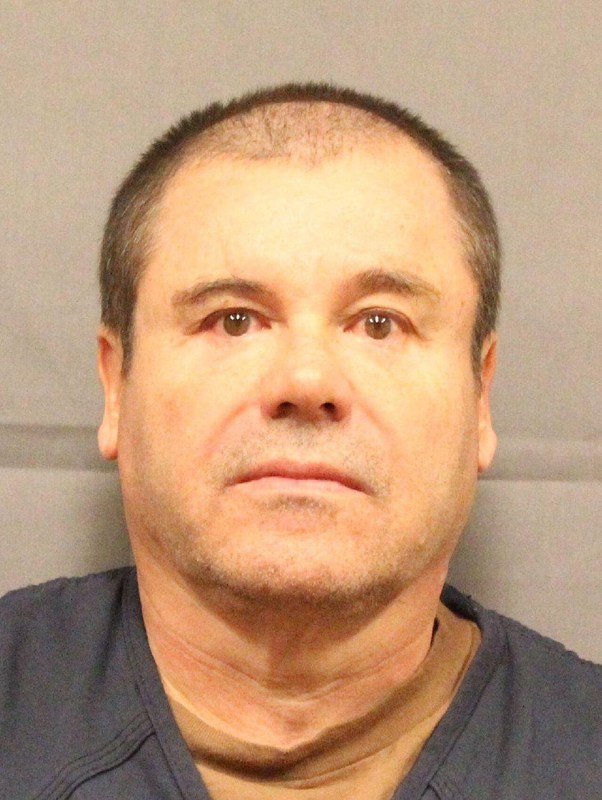
Joaquín Guzmán 2015 Escape
Joaquín Guzmán's 2015 escape occurred in July 2015 from the Altiplano Federal Penitentiary in Mexico. Drug cartel leader Joaquín Guzmán disappeared from a high-security facility in Mexico, becoming the target of an international manhunt. The individual involved is Joaquín Guzmán. Given the differing political, war, and judicial environments, making simple comparisons with other escape incidents regarding success could overlook crucial context. This piece does not recreate the facility's vulnerabilities or provide specific routes; it only organizes the scope of events confirmed by public records.
The most significant conclusion from official records after the incident is 're-arrest in January 2016.' Mexican authorities captured him again in January 2016, and he was later extradited to the U.S., where he received a life sentence and additional terms. Initial reports during the search and later retrospectives may have differing figures or accounts, so priority was given to final investigation results, verdicts, and institutional records. Cases where survival or location were unconfirmed did not express guesswork as facts, and even confirmed re-arrests were distinguished by their timing and subsequent judicial treatment.
The reason this event is still mentioned today is that it illustrates how the financial power and corruption risks of large criminal organizations can pressure correctional security. If escapes are romanticized as adventures or heroic tales, the experiences of correctional staff and citizens, victims of crimes during flight, war prisoners, and political victims could be erased. The linked material serves as a starting point to verify the basic facts of the incident, and when watching movies or dramas, it is advisable to differentiate created scenes from verified endings. Dates and names may vary based on national notations, so original institutional documents are also provided.
The most significant conclusion from official records after the incident is 're-arrest in January 2016.' Mexican authorities captured him again in January 2016, and he was later extradited to the U.S., where he received a life sentence and additional terms. Initial reports during the search and later retrospectives may have differing figures or accounts, so priority was given to final investigation results, verdicts, and institutional records. Cases where survival or location were unconfirmed did not express guesswork as facts, and even confirmed re-arrests were distinguished by their timing and subsequent judicial treatment.
The reason this event is still mentioned today is that it illustrates how the financial power and corruption risks of large criminal organizations can pressure correctional security. If escapes are romanticized as adventures or heroic tales, the experiences of correctional staff and citizens, victims of crimes during flight, war prisoners, and political victims could be erased. The linked material serves as a starting point to verify the basic facts of the incident, and when watching movies or dramas, it is advisable to differentiate created scenes from verified endings. Dates and names may vary based on national notations, so original institutional documents are also provided.
발생 시기 2015년 7월
국가·지역 멕시코
수감 시설 알티플라노 연방교도소
관련 인물 호아킨 구스만
최종 결과 2016년 1월 재체포
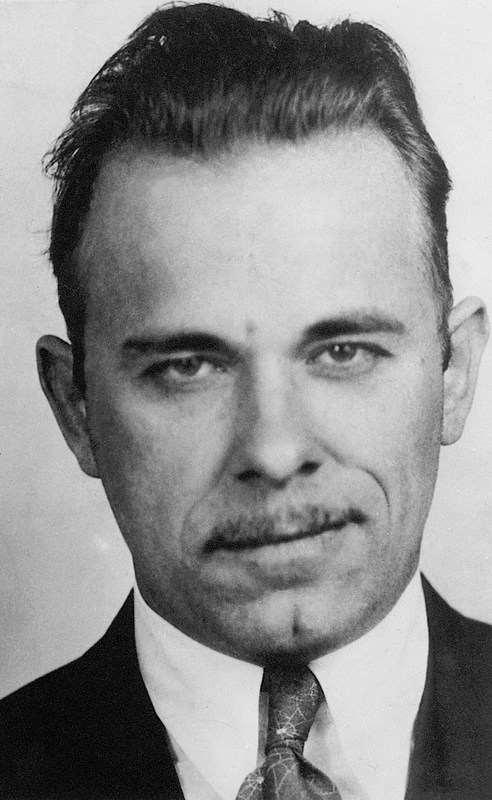
John Dillinger Crown Point Escape
The John Dillinger Crown Point escape occurred in March 1934 at the Lake County Jail in the U.S. Bank robber John Dillinger became a key target of a federal investigation after escaping from an Indiana facility. The individual involved is John Dillinger. Given the differing political, war, and judicial environments, drawing simple comparisons with other escape incidents regarding success would miss important context. This piece does not recreate the facility's vulnerabilities or provide specific routes; it only organizes the scope of events confirmed by public records.
The most significant conclusion from official records after the incident is 'died in an FBI operation in July of the same year.' The relocation of the escape vehicle out of primary surveillance prompted federal jurisdiction investigations, and he died months later in Chicago. Initial reports during the search and later retrospectives may have differing figures or accounts, so priority was given to final investigation results, verdicts, and institutional records. Cases where survival or location were unconfirmed did not express guesswork as facts, and even confirmed re-arrests were distinguished by their timing and subsequent judicial treatment.
The reason this event is still mentioned today lies in distinguishing exaggerated folklore from FBI records, which contextualizes the expansion of federal investigative authority in the 1930s. If escapes are romanticized as adventures or heroic tales, the experiences of correctional staff and citizens, victims of crimes during flight, war prisoners, and political victims could be erased. The linked material serves as a starting point to verify the basic facts of the incident, and when watching movies or dramas, it is advisable to differentiate created scenes from verified endings. Dates and names may vary based on national notations, so original institutional documents are also provided.
The most significant conclusion from official records after the incident is 'died in an FBI operation in July of the same year.' The relocation of the escape vehicle out of primary surveillance prompted federal jurisdiction investigations, and he died months later in Chicago. Initial reports during the search and later retrospectives may have differing figures or accounts, so priority was given to final investigation results, verdicts, and institutional records. Cases where survival or location were unconfirmed did not express guesswork as facts, and even confirmed re-arrests were distinguished by their timing and subsequent judicial treatment.
The reason this event is still mentioned today lies in distinguishing exaggerated folklore from FBI records, which contextualizes the expansion of federal investigative authority in the 1930s. If escapes are romanticized as adventures or heroic tales, the experiences of correctional staff and citizens, victims of crimes during flight, war prisoners, and political victims could be erased. The linked material serves as a starting point to verify the basic facts of the incident, and when watching movies or dramas, it is advisable to differentiate created scenes from verified endings. Dates and names may vary based on national notations, so original institutional documents are also provided.
발생 시기 1934년 3월
국가·지역 미국
수감 시설 레이크 카운티 구치소
관련 인물 존 딜린저
최종 결과 같은 해 7월 FBI 작전 중 사망
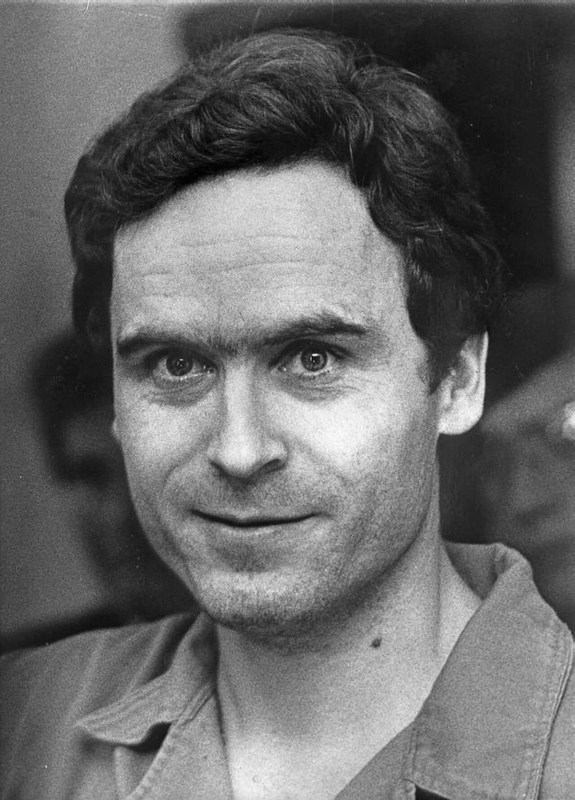
Ted Bundy 1977 Escapes
Ted Bundy 1977 Sequential Escapes
Ted Bundy's 1977 sequential escapes occurred in June and December of 1977 at the Colorado courthouse and the Garfield County Jail in the U.S. Serial killer Ted Bundy escaped twice during his trial and detention, leading to pursuits across multiple states. The individual involved is Ted Bundy. Given the different political, war, and judicial environments at the time, making simple comparisons with other escape incidents in terms of success can overlook important context. This piece does not recreate the facility's vulnerabilities or provide specific routes; it only organizes the scope of events confirmed by public records.
The most significant conclusion from official records after the incident is 're-arrest in February 1978, later execution of death penalty.' After his second escape, he committed crimes in Florida and was arrested in 1978, leading to a trial and execution. Initial reports during the search and later retrospectives may have differing figures or accounts, so priority was given to final investigation results, verdicts, and institutional records. Cases where survival or location were unconfirmed did not express guesswork as facts, and even confirmed re-arrests were distinguished by their timing and subsequent judicial treatment.
The reason this event is still mentioned today is that it emphasizes not to glorify criminals as clever fugitives, but to focus on the damage caused by their escapes and the failures of judicial processes. If escapes are romanticized as adventures or heroic tales, the experiences of correctional staff and citizens, victims of crimes during flight, war prisoners, and political victims could be erased. The linked material serves as a starting point to verify the basic facts of the incident, and when watching movies or dramas, it is advisable to differentiate created scenes from verified endings. Dates and names may vary based on national notations, so original institutional documents are also provided.
The most significant conclusion from official records after the incident is 're-arrest in February 1978, later execution of death penalty.' After his second escape, he committed crimes in Florida and was arrested in 1978, leading to a trial and execution. Initial reports during the search and later retrospectives may have differing figures or accounts, so priority was given to final investigation results, verdicts, and institutional records. Cases where survival or location were unconfirmed did not express guesswork as facts, and even confirmed re-arrests were distinguished by their timing and subsequent judicial treatment.
The reason this event is still mentioned today is that it emphasizes not to glorify criminals as clever fugitives, but to focus on the damage caused by their escapes and the failures of judicial processes. If escapes are romanticized as adventures or heroic tales, the experiences of correctional staff and citizens, victims of crimes during flight, war prisoners, and political victims could be erased. The linked material serves as a starting point to verify the basic facts of the incident, and when watching movies or dramas, it is advisable to differentiate created scenes from verified endings. Dates and names may vary based on national notations, so original institutional documents are also provided.
발생 시기 1977년 6월·12월
국가·지역 미국
수감 시설 콜로라도 법원·가필드 카운티 구치소
관련 인물 테드 번디
최종 결과 1978년 2월 재체포, 이후 사형 집행

Pascal Payet 2007 Escape
Pascal Payet's 2007 escape occurred in July 2007 from the Grasse Prison in France. Pascal Payet, who previously had a history of escapes in France, again left the prison with external assistance. The individual involved is Pascal Payet. Given the different political, war, and judicial environments of the time, making simple comparisons with other escape incidents regarding success could overlook crucial context. This piece does not recreate the facility's vulnerabilities or provide specific routes; it only organizes the scope of events confirmed by public records.
The most significant conclusion from official records after the incident is 're-arrest in Spain the same year.' Following international collaborative investigations, he was captured in Spain and returned to France, with investigations into his accomplices continuing. Initial reports during the search and later retrospectives may have differing figures or accounts, so priority was given to final investigation results, verdicts, and institutional records. Cases where survival or location were unconfirmed did not express guesswork as facts, and even confirmed re-arrests were distinguished by their timing and subsequent judicial treatment.
The reason this event is still mentioned today serves as an instance of how repeated escapes have changed responses to facility design as well as external threats and criminal networks. If escapes are romanticized as adventures or heroic tales, the experiences of correctional staff and citizens, victims of crimes during flight, war prisoners, and political victims could be erased. The linked material serves as a starting point to verify the basic facts of the incident, and when watching movies or dramas, it is advisable to differentiate created scenes from verified endings. Dates and names may vary based on national notations, so original institutional documents are also provided.
The most significant conclusion from official records after the incident is 're-arrest in Spain the same year.' Following international collaborative investigations, he was captured in Spain and returned to France, with investigations into his accomplices continuing. Initial reports during the search and later retrospectives may have differing figures or accounts, so priority was given to final investigation results, verdicts, and institutional records. Cases where survival or location were unconfirmed did not express guesswork as facts, and even confirmed re-arrests were distinguished by their timing and subsequent judicial treatment.
The reason this event is still mentioned today serves as an instance of how repeated escapes have changed responses to facility design as well as external threats and criminal networks. If escapes are romanticized as adventures or heroic tales, the experiences of correctional staff and citizens, victims of crimes during flight, war prisoners, and political victims could be erased. The linked material serves as a starting point to verify the basic facts of the incident, and when watching movies or dramas, it is advisable to differentiate created scenes from verified endings. Dates and names may vary based on national notations, so original institutional documents are also provided.
발생 시기 2007년 7월
국가·지역 프랑스
수감 시설 그라스 교도소
관련 인물 파스칼 파예
최종 결과 같은 해 스페인에서 재체포

Daniel Khalife Wandsworth Escape
Daniel Khalife's Wandsworth escape occurred in September 2023 from HM Wandsworth Prison in the UK. A defendant vanished from the London Wandsworth Prison, triggering a nationwide alert and large-scale police search. The individual involved is Daniel Khalife. Considering the different political, war, and judicial environments at the time, making simple comparisons with other escape incidents regarding success could overlook crucial context. This piece does not recreate the facility's vulnerabilities or provide specific routes; it only organizes the scope of events confirmed by public records.
The most significant conclusion from official records after the incident is 'arrest about 75 hours later, followed by a guilty verdict.' About 75 hours later, he was captured in West London and later received a guilty verdict on charges related to espionage and escape. Initial reports during the search and later retrospectives may have differing figures or accounts, so priority was given to final investigation results, verdicts, and institutional records. Cases where survival or location were unconfirmed did not express guesswork as facts, and even confirmed re-arrests were distinguished by their timing and subsequent judicial treatment.
The reason this event is still mentioned today is that it is a modern case combining real-time citizen tips with urban searches, necessitating a distinction between confirmed verdicts and initial estimations. If escapes are romanticized as adventures or heroic tales, the experiences of correctional staff and citizens, victims of crimes during flight, war prisoners, and political victims could be erased. The linked material serves as a starting point to verify the basic facts of the incident, and when watching movies or dramas, it is advisable to differentiate created scenes from verified endings. Dates and names may vary based on national notations, so original institutional documents are also provided.
The most significant conclusion from official records after the incident is 'arrest about 75 hours later, followed by a guilty verdict.' About 75 hours later, he was captured in West London and later received a guilty verdict on charges related to espionage and escape. Initial reports during the search and later retrospectives may have differing figures or accounts, so priority was given to final investigation results, verdicts, and institutional records. Cases where survival or location were unconfirmed did not express guesswork as facts, and even confirmed re-arrests were distinguished by their timing and subsequent judicial treatment.
The reason this event is still mentioned today is that it is a modern case combining real-time citizen tips with urban searches, necessitating a distinction between confirmed verdicts and initial estimations. If escapes are romanticized as adventures or heroic tales, the experiences of correctional staff and citizens, victims of crimes during flight, war prisoners, and political victims could be erased. The linked material serves as a starting point to verify the basic facts of the incident, and when watching movies or dramas, it is advisable to differentiate created scenes from verified endings. Dates and names may vary based on national notations, so original institutional documents are also provided.
발생 시기 2023년 9월
국가·지역 영국
수감 시설 HM 완즈워스 교도소
관련 인물 다니엘 칼리프
최종 결과 약 75시간 뒤 체포, 이후 유죄 판결
Most long-term pursuits ended in re-arrest, but the damage that occurred in between cannot be reversed. The Ted Bundy case exemplifies the clearest reason why escapes should not be portrayed as 'brilliant.' The Texas Seven also center around the murders committed during their flight.
Modern cases emphasize the importance of digital tips and extensive collaboration, but accurate identification and safety of innocent citizens must also be considered. When reading about the incidents, make sure to check not only arrest news but also subsequent trials and investigations by correctional institutions. It's essential to keep in mind that the reports, judicial records, and later retrospectives were written for different purposes. Evaluating the costs borne by victims and correctional staff, along with the community, rather than merely the sensationalism of the escape process alters the significance of the events.
Modern cases emphasize the importance of digital tips and extensive collaboration, but accurate identification and safety of innocent citizens must also be considered. When reading about the incidents, make sure to check not only arrest news but also subsequent trials and investigations by correctional institutions. It's essential to keep in mind that the reports, judicial records, and later retrospectives were written for different purposes. Evaluating the costs borne by victims and correctional staff, along with the community, rather than merely the sensationalism of the escape process alters the significance of the events.
한눈에 보기
7개
Clinton Prison Escape
2015년 6월 · 미국 · 클린턴 교정시설 · 리처드 맷·데이비드 스웨트 · 맷 사망, 스웨트 체포
Texas Seven Escape and Pursuit
2000년 12월 · 미국 · 존 B. 코널리 교도소 · 수감자 7명 · 6명 체포, 1명 사망
Joaquín Guzmán 2015 Escape
2015년 7월 · 멕시코 · 알티플라노 연방교도소 · 호아킨 구스만 · 2016년 1월 재체포
John Dillinger Crown Point Escape
1934년 3월 · 미국 · 레이크 카운티 구치소 · 존 딜린저 · 같은 해 7월 FBI 작전 중 사망
Ted Bundy 1977 Escapes
1977년 6월·12월 · 미국 · 콜로라도 법원·가필드 카운티 구치소 · 테드 번디 · 1978년 2월 재체포, 이후 사형 집행
Pascal Payet 2007 Escape
2007년 7월 · 프랑스 · 그라스 교도소 · 파스칼 파예 · 같은 해 스페인에서 재체포
Daniel Khalife Wandsworth Escape
2023년 9월 · 영국 · HM 완즈워스 교도소 · 다니엘 칼리프 · 약 75시간 뒤 체포, 이후 유죄 판결
이 포스팅은 쿠팡 파트너스 활동의 일환으로, 이에 따른 일정액의 수수료를 제공받습니다.
댓글 0
로그인 후 댓글을 작성할 수 있습니다.
첫 댓글을 남겨보세요.
이런 리스트는 어때요?


이런 리스트도 추천해요


🎲
여기서 멈추기엔 아쉽잖아?
다음에 뭘 볼지 고민하는 시간이 제일 아까워.
주사위가 대신 골라줄게 — 무슨 리스트가 튀어나올지는 굴려봐야 알지.
안 누르면… 평생 궁금하지 않겠어? 👀
