Collection
Crime Case History
2026.09.15
Escape Records That Even Islands and Fortresses Couldn’t Stop
Events and History of Isolated Detention Facilities
Islands surrounded by the sea and fortresses with thick walls have long been symbols of detention facilities where escape was difficult. However, there are actual records of escapes or disappearances at Alcatraz, the Tower of London, and Colditz Castle. While the appearance of these facilities may seem similar, the situations of political prisoners, war captives, and ordinary inmates varied significantly.
This list goes beyond the dramatic appearance of these locations to explore what purpose the facilities served in different eras. Unverified survival stories are not assumed to be facts, and events with large-scale casualties take precedence over the scope of damage. When examining incidents, it is important to remember that reports from the time, judicial records, and later reflections were created for different purposes.
This list goes beyond the dramatic appearance of these locations to explore what purpose the facilities served in different eras. Unverified survival stories are not assumed to be facts, and events with large-scale casualties take precedence over the scope of damage. When examining incidents, it is important to remember that reports from the time, judicial records, and later reflections were created for different purposes.
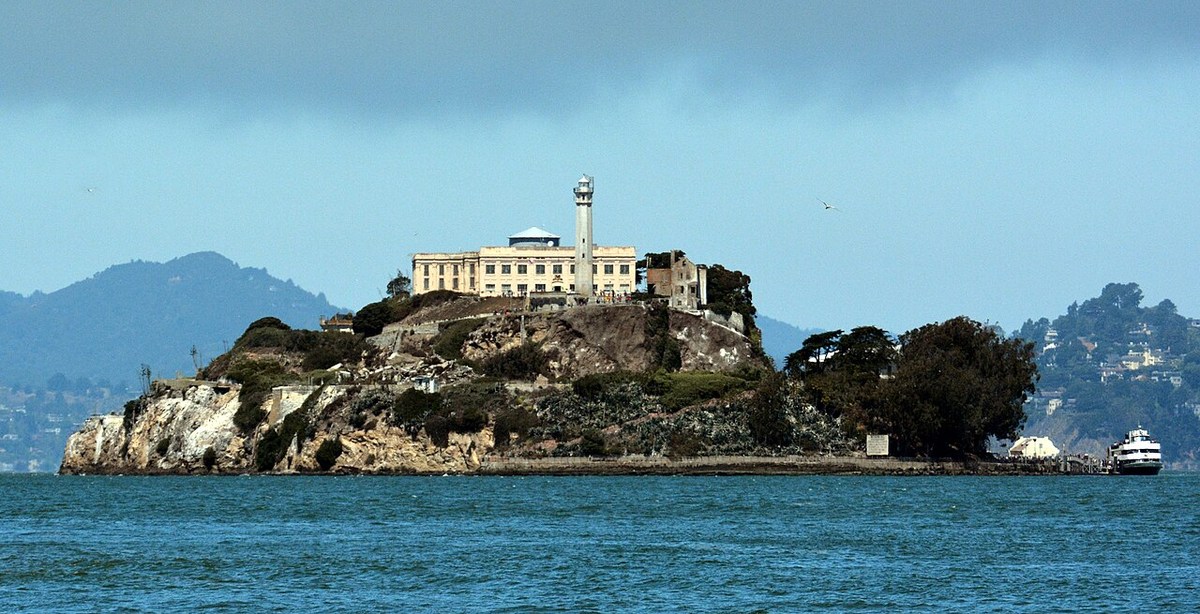
The Alcatraz Escape in 1962
The 1962 Alcatraz Escape
The 1962 Alcatraz Escape occurred in June 1962 at the Alcatraz Federal Penitentiary in the United States. Three inmates disappeared from the island prison, marking the start of one of the most famous unsolved escape cases in American criminal history. The individuals involved were Frank Morris, John Anglin, and Clarence Anglin. Given the differing political, war, and judicial environments, it’s easy to overlook context when simply comparing this escape with others based on success. This article summarizes only the scope of events verified by public records without reproducing the facility's vulnerabilities or providing specific escape routes.
The most important conclusion from official records following the incident is 'unknown status of life and whether they reached safety.' The FBI concluded its investigation in 1979, but the federal marshal’s office continued to handle the missing persons case, and no evidence confirming their survival emerged. Early news reports and later reflections sometimes recorded different numbers or trajectories, so priority was given to final investigation results and institutional records. In cases where life status or safety could not be confirmed, speculation was not presented as fact, and re-arrests that were confirmed were distinguished from that point onward and subsequent judicial processing as well.
The reason this case is still mentioned today is that it serves as a representative example of how to distinguish between the drama of movies and legend, and the actual investigative records and unverified facts of the time. Consuming escape stories as adventures or hero tales can erase the experiences of correctional staff, citizens, victims of crimes during the escape, as well as war captives and political victims. The linked resources serve as entry points to verify the basic facts of the incident, and when watching movies or dramas, it’s preferable to distinguish between fictional scenes and verifiable outcomes documented in records. Dates and names may vary by country, so original agency materials are also presented.
The most important conclusion from official records following the incident is 'unknown status of life and whether they reached safety.' The FBI concluded its investigation in 1979, but the federal marshal’s office continued to handle the missing persons case, and no evidence confirming their survival emerged. Early news reports and later reflections sometimes recorded different numbers or trajectories, so priority was given to final investigation results and institutional records. In cases where life status or safety could not be confirmed, speculation was not presented as fact, and re-arrests that were confirmed were distinguished from that point onward and subsequent judicial processing as well.
The reason this case is still mentioned today is that it serves as a representative example of how to distinguish between the drama of movies and legend, and the actual investigative records and unverified facts of the time. Consuming escape stories as adventures or hero tales can erase the experiences of correctional staff, citizens, victims of crimes during the escape, as well as war captives and political victims. The linked resources serve as entry points to verify the basic facts of the incident, and when watching movies or dramas, it’s preferable to distinguish between fictional scenes and verifiable outcomes documented in records. Dates and names may vary by country, so original agency materials are also presented.
발생 시기 1962년 6월
국가·지역 미국
수감 시설 알카트라즈 연방교도소
관련 인물 프랭크 모리스·존 앵글린·클래런스 앵글린
최종 결과 생사와 도달 여부 미확인
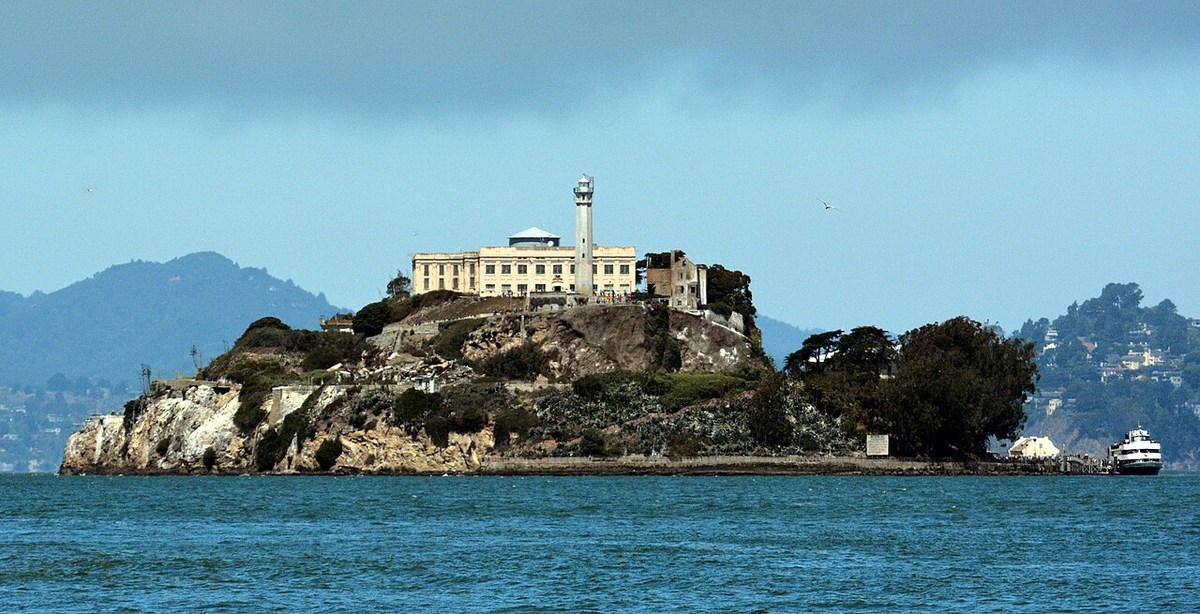
The Disappearance of Theodore Cole and Ralph Roe in 1937
The 1937 Disappearance at Alcatraz
The 1937 Disappearance at Alcatraz took place in December 1937 at the Alcatraz Federal Penitentiary in the United States. Two inmates vanished during severe weather, prompting a large-scale search by authorities around the island. The individuals involved were Theodore Cole and Ralph Roida. Given the differing political, war, and judicial environments, it’s easy to overlook context when simply comparing this escape with others based on success. This article summarizes only the scope of events verified by public records without reproducing the facility's vulnerabilities or providing specific escape routes.
The most important conclusion from official records following the incident is 'unknown whereabouts after the escape.' Officially, the possibility of drowning was heavily discussed, but no bodies were identified, leaving the fates of the two men unresolved. Early news reports and later reflections sometimes recorded different numbers or trajectories, so priority was given to final investigation results and institutional records. In cases where life status or safety could not be confirmed, speculation was not presented as fact, and re-arrests that were confirmed were distinguished from that point onward and subsequent judicial processing as well.
The reason this case is still mentioned today is that it illustrates the origin of the Alcatraz myth as an unsolved case that predates the 1962 incident on the same island. Consuming escape stories as adventures or hero tales can erase the experiences of correctional staff, citizens, victims of crimes during the escape, as well as war captives and political victims. The linked resources serve as entry points to verify the basic facts of the incident, and when watching movies or dramas, it’s preferable to distinguish between fictional scenes and verifiable outcomes documented in records. Dates and names may vary by country, so original agency materials are also presented.
The most important conclusion from official records following the incident is 'unknown whereabouts after the escape.' Officially, the possibility of drowning was heavily discussed, but no bodies were identified, leaving the fates of the two men unresolved. Early news reports and later reflections sometimes recorded different numbers or trajectories, so priority was given to final investigation results and institutional records. In cases where life status or safety could not be confirmed, speculation was not presented as fact, and re-arrests that were confirmed were distinguished from that point onward and subsequent judicial processing as well.
The reason this case is still mentioned today is that it illustrates the origin of the Alcatraz myth as an unsolved case that predates the 1962 incident on the same island. Consuming escape stories as adventures or hero tales can erase the experiences of correctional staff, citizens, victims of crimes during the escape, as well as war captives and political victims. The linked resources serve as entry points to verify the basic facts of the incident, and when watching movies or dramas, it’s preferable to distinguish between fictional scenes and verifiable outcomes documented in records. Dates and names may vary by country, so original agency materials are also presented.
발생 시기 1937년 12월
국가·지역 미국
수감 시설 알카트라즈 연방교도소
관련 인물 시어도어 콜·랠프 로
최종 결과 도주 뒤 행방 미확인
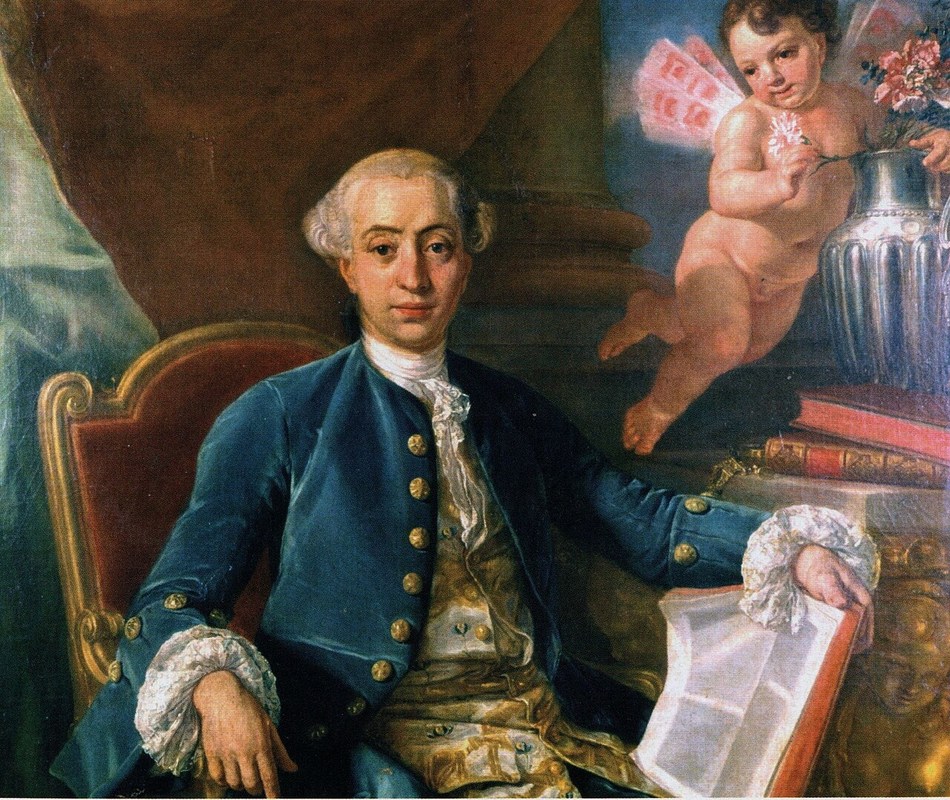
Giacomo Casanova's Escape from Piombi
The Escape of Giacomo Casanova from Piombi
The Escape of Giacomo Casanova from Piombi occurred in November 1756 at the Piombi Prison of the Doge's Palace in the Republic of Venice. Casanova was imprisoned by the Venetian authorities and later detailed his escape experience in his memoirs. The individual involved was Giacomo Casanova. Given the differing political, war, and judicial environments, it’s easy to overlook context when simply comparing this escape with others based on success. This article summarizes only the scope of events verified by public records without reproducing the facility's vulnerabilities or providing specific escape routes.
The most important conclusion from official records following the incident is 'movement across Europe after escaping from Venice.' He left Venice and traveled to various cities in Europe, and the story of his escape became widely spread, intertwined with his adventurer image. Early news reports and later reflections sometimes recorded different numbers or trajectories, so priority was given to final investigation results and institutional records. In cases where life status or safety could not be confirmed, speculation was not presented as fact, and re-arrests that were confirmed were distinguished from that point onward and subsequent judicial processing as well.
The reason this case is still mentioned today is that while the individual's memoir is an important source, it may contain self-presentation, requiring critical comparison with administrative records. Consuming escape stories as adventures or hero tales can erase the experiences of correctional staff, citizens, victims of crimes during the escape, as well as war captives and political victims. The linked resources serve as entry points to verify the basic facts of the incident, and when watching movies or dramas, it’s preferable to distinguish between fictional scenes and verifiable outcomes documented in records. Dates and names may vary by country, so original agency materials are also presented.
The most important conclusion from official records following the incident is 'movement across Europe after escaping from Venice.' He left Venice and traveled to various cities in Europe, and the story of his escape became widely spread, intertwined with his adventurer image. Early news reports and later reflections sometimes recorded different numbers or trajectories, so priority was given to final investigation results and institutional records. In cases where life status or safety could not be confirmed, speculation was not presented as fact, and re-arrests that were confirmed were distinguished from that point onward and subsequent judicial processing as well.
The reason this case is still mentioned today is that while the individual's memoir is an important source, it may contain self-presentation, requiring critical comparison with administrative records. Consuming escape stories as adventures or hero tales can erase the experiences of correctional staff, citizens, victims of crimes during the escape, as well as war captives and political victims. The linked resources serve as entry points to verify the basic facts of the incident, and when watching movies or dramas, it’s preferable to distinguish between fictional scenes and verifiable outcomes documented in records. Dates and names may vary by country, so original agency materials are also presented.
발생 시기 1756년 11월
국가·지역 베네치아 공화국
수감 시설 두칼레 궁전 피옴비 감옥
관련 인물 자코모 카사노바
최종 결과 베네치아 탈출 후 유럽 각지 이동
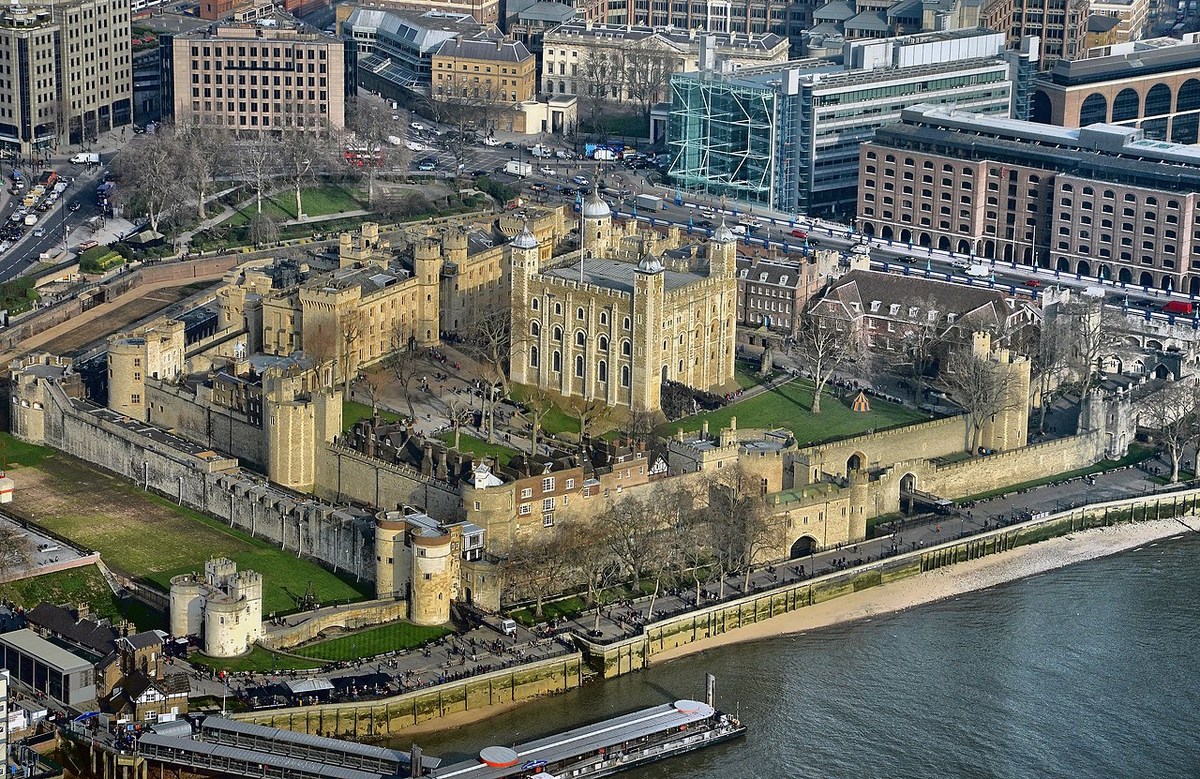
John Gerard's Escape from the Tower of London
The Escape of John Gerard from the Tower of London
The Escape of John Gerard from the Tower of London took place in October 1597 in the Kingdom of England. Jesuit priest John Gerard escaped from imprisonment at the Tower of London and continued to live in hiding during a time of religious persecution. The individual involved was Jesuit priest John Gerard. Given the differing political, war, and judicial environments, it’s easy to overlook context when simply comparing this escape with others based on success. This article summarizes only the scope of events verified by public records without reproducing the facility's vulnerabilities or providing specific escape routes.
The most important conclusion from official records following the incident is 'movement from England to the European continent.' He left England and documented his experiences, providing materials that convey the religious conflicts and detention conditions of the time. Early news reports and later reflections sometimes recorded different numbers or trajectories, so priority was given to final investigation results and institutional records. In cases where life status or safety could not be confirmed, speculation was not presented as fact, and re-arrests that were confirmed were distinguished from that point onward and subsequent judicial processing as well.
The reason this case is still mentioned today is that understanding the dramatic accounts of the later periods within the context of Catholic persecution and state power brings clarity to its significance. Consuming escape stories as adventures or hero tales can erase the experiences of correctional staff, citizens, victims of crimes during the escape, as well as war captives and political victims. The linked resources serve as entry points to verify the basic facts of the incident, and when watching movies or dramas, it’s preferable to distinguish between fictional scenes and verifiable outcomes documented in records. Dates and names may vary by country, so original agency materials are also presented.
The most important conclusion from official records following the incident is 'movement from England to the European continent.' He left England and documented his experiences, providing materials that convey the religious conflicts and detention conditions of the time. Early news reports and later reflections sometimes recorded different numbers or trajectories, so priority was given to final investigation results and institutional records. In cases where life status or safety could not be confirmed, speculation was not presented as fact, and re-arrests that were confirmed were distinguished from that point onward and subsequent judicial processing as well.
The reason this case is still mentioned today is that understanding the dramatic accounts of the later periods within the context of Catholic persecution and state power brings clarity to its significance. Consuming escape stories as adventures or hero tales can erase the experiences of correctional staff, citizens, victims of crimes during the escape, as well as war captives and political victims. The linked resources serve as entry points to verify the basic facts of the incident, and when watching movies or dramas, it’s preferable to distinguish between fictional scenes and verifiable outcomes documented in records. Dates and names may vary by country, so original agency materials are also presented.
발생 시기 1597년 10월
국가·지역 잉글랜드 왕국
수감 시설 런던탑
관련 인물 예수회 사제 존 제라드
최종 결과 잉글랜드를 떠나 유럽 대륙으로 이동

Aery Neve Escape from Colditz
The Escape of Airey Neave from Colditz
The Escape of Airey Neave from Colditz took place in January 1942 at the Colditz Castle prisoner of war camp in Nazi Germany. British Army officer Airey Neave managed to escape from the Colditz POW camp and reached neutral Switzerland. Individuals involved were Airey Neave and Anthony Luteyn. Given the differing political, war, and judicial environments, it’s easy to overlook context when simply comparing this escape with others based on success. This article summarizes only the scope of events verified by public records without reproducing the facility's vulnerabilities or providing specific escape routes.
The most important conclusion from official records following the incident is 'return to the UK after reaching Switzerland.' He returned to Britain, participated in military intelligence work, and later entered politics after the war. Early news reports and later reflections sometimes recorded different numbers or trajectories, so priority was given to final investigation results and institutional records. In cases where life status or safety could not be confirmed, speculation was not presented as fact, and re-arrests that were confirmed were distinguished from that point onward and subsequent judicial processing as well.
The reason this case is still mentioned today is that viewing it alongside the context of war prisoners' returns and later reflections reveals a historical significance that transcends mere adventure stories. Consuming escape stories as adventures or hero tales can erase the experiences of correctional staff, citizens, victims of crimes during the escape, as well as war captives and political victims. The linked resources serve as entry points to verify the basic facts of the incident, and when watching movies or dramas, it’s preferable to distinguish between fictional scenes and verifiable outcomes documented in records. Dates and names may vary by country, so original agency materials are also presented.
The most important conclusion from official records following the incident is 'return to the UK after reaching Switzerland.' He returned to Britain, participated in military intelligence work, and later entered politics after the war. Early news reports and later reflections sometimes recorded different numbers or trajectories, so priority was given to final investigation results and institutional records. In cases where life status or safety could not be confirmed, speculation was not presented as fact, and re-arrests that were confirmed were distinguished from that point onward and subsequent judicial processing as well.
The reason this case is still mentioned today is that viewing it alongside the context of war prisoners' returns and later reflections reveals a historical significance that transcends mere adventure stories. Consuming escape stories as adventures or hero tales can erase the experiences of correctional staff, citizens, victims of crimes during the escape, as well as war captives and political victims. The linked resources serve as entry points to verify the basic facts of the incident, and when watching movies or dramas, it’s preferable to distinguish between fictional scenes and verifiable outcomes documented in records. Dates and names may vary by country, so original agency materials are also presented.
발생 시기 1942년 1월
국가·지역 나치 독일
수감 시설 콜디츠성 포로수용소
관련 인물 에어리 니브·안토니 루테인
최종 결과 스위스 도달 후 영국 귀환
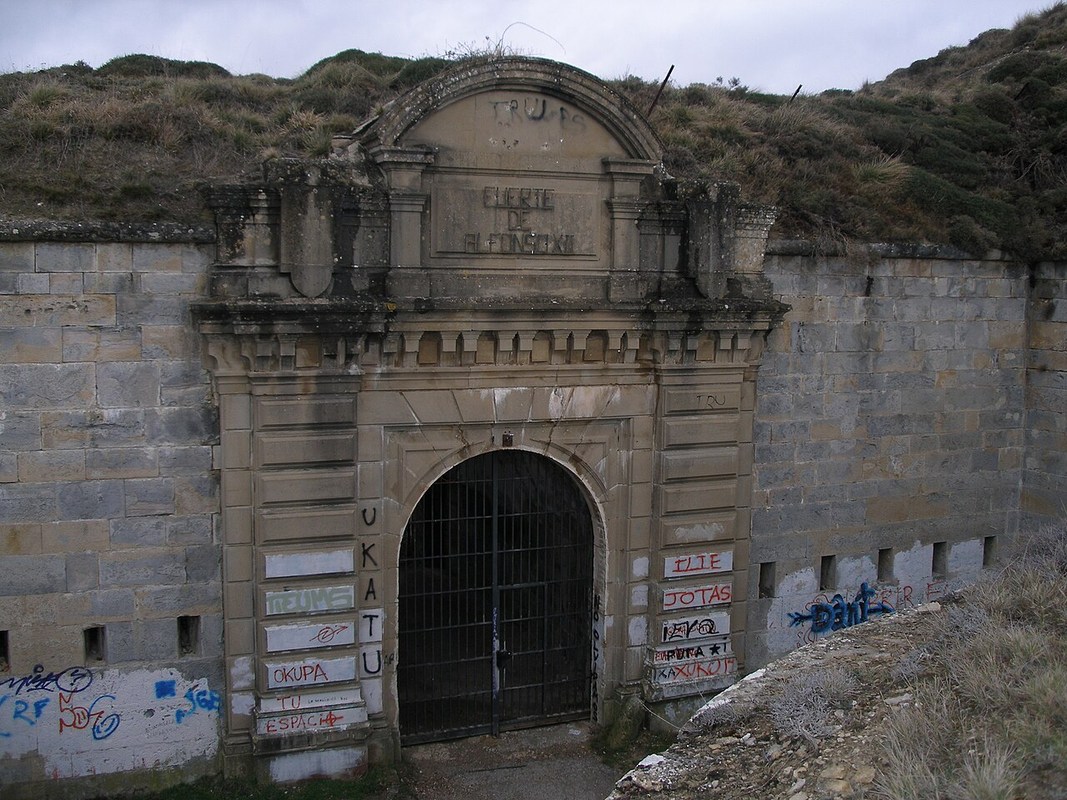
Mass Escape from San Cristóbal Fortress
The Mass Escape from San Cristobal Fortress
The Mass Escape from San Cristobal Fortress occurred in May 1938 at the prison of San Cristobal Fortress in Spain. During the Spanish Civil War, 795 people imprisoned at San Cristobal Fortress collectively escaped, scattering in the direction of the border. The individuals involved were 795 Republican detainees. Given the differing political, war, and judicial environments, it’s easy to overlook context when simply comparing this escape with others based on success. This article summarizes only the scope of events verified by public records without reproducing the facility's vulnerabilities or providing specific escape routes.
The most important conclusion from official records following the incident is 'most were re-arrested or died, with 3 reaching France.' According to data from the Navarre government, most were captured or lost their lives during the pursuit, with only three reaching France. Early news reports and later reflections sometimes recorded different numbers or trajectories, so priority was given to final investigation results and institutional records. In cases where life status or safety could not be confirmed, speculation was not presented as fact, and re-arrests that were confirmed were distinguished from that point onward and subsequent judicial processing as well.
The reason this case is still mentioned today is that it is a tragic event that should be remembered for the scale of state violence and the victims rather than the number of successful escapees. Consuming escape stories as adventures or hero tales can erase the experiences of correctional staff, citizens, victims of crimes during the escape, as well as war captives and political victims. The linked resources serve as entry points to verify the basic facts of the incident, and when watching movies or dramas, it’s preferable to distinguish between fictional scenes and verifiable outcomes documented in records. Dates and names may vary by country, so original agency materials are also presented.
The most important conclusion from official records following the incident is 'most were re-arrested or died, with 3 reaching France.' According to data from the Navarre government, most were captured or lost their lives during the pursuit, with only three reaching France. Early news reports and later reflections sometimes recorded different numbers or trajectories, so priority was given to final investigation results and institutional records. In cases where life status or safety could not be confirmed, speculation was not presented as fact, and re-arrests that were confirmed were distinguished from that point onward and subsequent judicial processing as well.
The reason this case is still mentioned today is that it is a tragic event that should be remembered for the scale of state violence and the victims rather than the number of successful escapees. Consuming escape stories as adventures or hero tales can erase the experiences of correctional staff, citizens, victims of crimes during the escape, as well as war captives and political victims. The linked resources serve as entry points to verify the basic facts of the incident, and when watching movies or dramas, it’s preferable to distinguish between fictional scenes and verifiable outcomes documented in records. Dates and names may vary by country, so original agency materials are also presented.
발생 시기 1938년 5월
국가·지역 스페인
수감 시설 산크리스토발 요새 감옥
관련 인물 공화파 수감자 795명
최종 결과 대부분 재검거 또는 사망, 3명 프랑스 도달
Rene Belbenoit's Escape from Devil's Island
The Escape Story of René Belvinois from Devil's Island
The Escape Story of René Belvinois from Devil's Island occurred in 1935 in French Guiana, a French penal colony. René Belvinois, who was sent to the French Guiana penal colony, recorded that he left the area after several attempts. The individual involved is René Belvinois. Given the differing political, war, and judicial environments, it’s easy to overlook context when simply comparing this escape with others based on success. This article summarizes only the scope of events verified by public records without reproducing the facility's vulnerabilities or providing specific escape routes.
The most important conclusion from official records following the incident is 'arriving in the US, staying there, and publishing memoirs.' He published a book about his experiences in America, which globally spread the image of Devil's Island. Early news reports and later reflections sometimes recorded different numbers or trajectories, so priority was given to final investigation results and institutional records. In cases where life status or safety could not be confirmed, speculation was not presented as fact, and re-arrests that were confirmed were distinguished from that point onward and subsequent judicial processing as well.
The reason this case is still mentioned today is that it is important to distinguish the dramatic scenes from his bestselling memoir from the independently verified realities of the penal colony system. Consuming escape stories as adventures or hero tales can erase the experiences of correctional staff, citizens, victims of crimes during the escape, as well as war captives and political victims. The linked resources serve as entry points to verify the basic facts of the incident, and when watching movies or dramas, it’s preferable to distinguish between fictional scenes and verifiable outcomes documented in records. Dates and names may vary by country, so original agency materials are also presented.
The most important conclusion from official records following the incident is 'arriving in the US, staying there, and publishing memoirs.' He published a book about his experiences in America, which globally spread the image of Devil's Island. Early news reports and later reflections sometimes recorded different numbers or trajectories, so priority was given to final investigation results and institutional records. In cases where life status or safety could not be confirmed, speculation was not presented as fact, and re-arrests that were confirmed were distinguished from that point onward and subsequent judicial processing as well.
The reason this case is still mentioned today is that it is important to distinguish the dramatic scenes from his bestselling memoir from the independently verified realities of the penal colony system. Consuming escape stories as adventures or hero tales can erase the experiences of correctional staff, citizens, victims of crimes during the escape, as well as war captives and political victims. The linked resources serve as entry points to verify the basic facts of the incident, and when watching movies or dramas, it’s preferable to distinguish between fictional scenes and verifiable outcomes documented in records. Dates and names may vary by country, so original agency materials are also presented.
발생 시기 1935년
국가·지역 프랑스령 기아나
수감 시설 프랑스 유형 식민지
관련 인물 르네 벨브누아
최종 결과 미국 도착 후 체류, 회고록 출간
Fortress-style prisons could not guarantee safety through physical isolation alone. Additionally, the fact that an escapee left the facility did not necessarily mean freedom or survival. At San Cristobal, hundreds fell during the pursuit, and the fates of the missing at Alcatraz remain unconfirmed.
When traveling to these locations or viewing photographs, let’s also consider the history of detention, war, and religious persecution behind their beautiful landscapes. The criteria that distinguish heroic tales from tragedies are the outcomes, damages, and the records that remain. It is also necessary to keep in mind that reports from that time, judicial records, and later reflections were written with different purposes in mind. Instead of focusing on the sensationalism of escape processes, examining the costs borne by victims, correctional staff, and local communities can change the significance of the events.
When traveling to these locations or viewing photographs, let’s also consider the history of detention, war, and religious persecution behind their beautiful landscapes. The criteria that distinguish heroic tales from tragedies are the outcomes, damages, and the records that remain. It is also necessary to keep in mind that reports from that time, judicial records, and later reflections were written with different purposes in mind. Instead of focusing on the sensationalism of escape processes, examining the costs borne by victims, correctional staff, and local communities can change the significance of the events.
한눈에 보기
7개
The Alcatraz Escape in 1962
1962년 6월 · 미국 · 알카트라즈 연방교도소 · 프랭크 모리스·존 앵글린·클래런스 앵글린 · 생사와 도달 여부 미확인
The Disappearance of Theodore Cole and Ralph Roe in 1937
1937년 12월 · 미국 · 알카트라즈 연방교도소 · 시어도어 콜·랠프 로 · 도주 뒤 행방 미확인
Giacomo Casanova's Escape from Piombi
1756년 11월 · 베네치아 공화국 · 두칼레 궁전 피옴비 감옥 · 자코모 카사노바 · 베네치아 탈출 후 유럽 각지 이동
John Gerard's Escape from the Tower of London
1597년 10월 · 잉글랜드 왕국 · 런던탑 · 예수회 사제 존 제라드 · 잉글랜드를 떠나 유럽 대륙으로 이동
Aery Neve Escape from Colditz
1942년 1월 · 나치 독일 · 콜디츠성 포로수용소 · 에어리 니브·안토니 루테인 · 스위스 도달 후 영국 귀환
Mass Escape from San Cristóbal Fortress
1938년 5월 · 스페인 · 산크리스토발 요새 감옥 · 공화파 수감자 795명 · 대부분 재검거 또는 사망, 3명 프랑스 도달
Rene Belbenoit's Escape from Devil's Island
1935년 · 프랑스령 기아나 · 프랑스 유형 식민지 · 르네 벨브누아 · 미국 도착 후 체류, 회고록 출간
이 포스팅은 쿠팡 파트너스 활동의 일환으로, 이에 따른 일정액의 수수료를 제공받습니다.
댓글 0
로그인 후 댓글을 작성할 수 있습니다.
첫 댓글을 남겨보세요.
이런 리스트는 어때요?


이런 리스트도 추천해요


🎲
여기서 멈추기엔 아쉽잖아?
다음에 뭘 볼지 고민하는 시간이 제일 아까워.
주사위가 대신 골라줄게 — 무슨 리스트가 튀어나올지는 굴려봐야 알지.
안 누르면… 평생 궁금하지 않겠어? 👀