
Collection
Crime Case History
2026.09.15
Famous Prison Breaks Around the World Revisited Through Records
The Complexities and Outcomes of Cases More Intricate Than Movies
Prison breaks are depicted in movies as intricate battles of wits, but actual records reveal human casualties, protracted investigations, and systemic failures. From the unsolved case at Alcatraz to mass escapes by war prisoners, we've gathered instances from different eras and legal statuses.
Each entry does not provide instructions on how to replicate the escape methods. Instead, it focuses on when and where the incidents occurred, who was involved, and what conclusions were reached after investigations. It's also important to remember that news reports, judicial records, and later retrospectives were created for different purposes, and thus may differ. By examining the costs borne by victims, correctional staff, and local communities rather than just the sensationalism of the escape, the meaning of these cases shifts.
Each entry does not provide instructions on how to replicate the escape methods. Instead, it focuses on when and where the incidents occurred, who was involved, and what conclusions were reached after investigations. It's also important to remember that news reports, judicial records, and later retrospectives were created for different purposes, and thus may differ. By examining the costs borne by victims, correctional staff, and local communities rather than just the sensationalism of the escape, the meaning of these cases shifts.
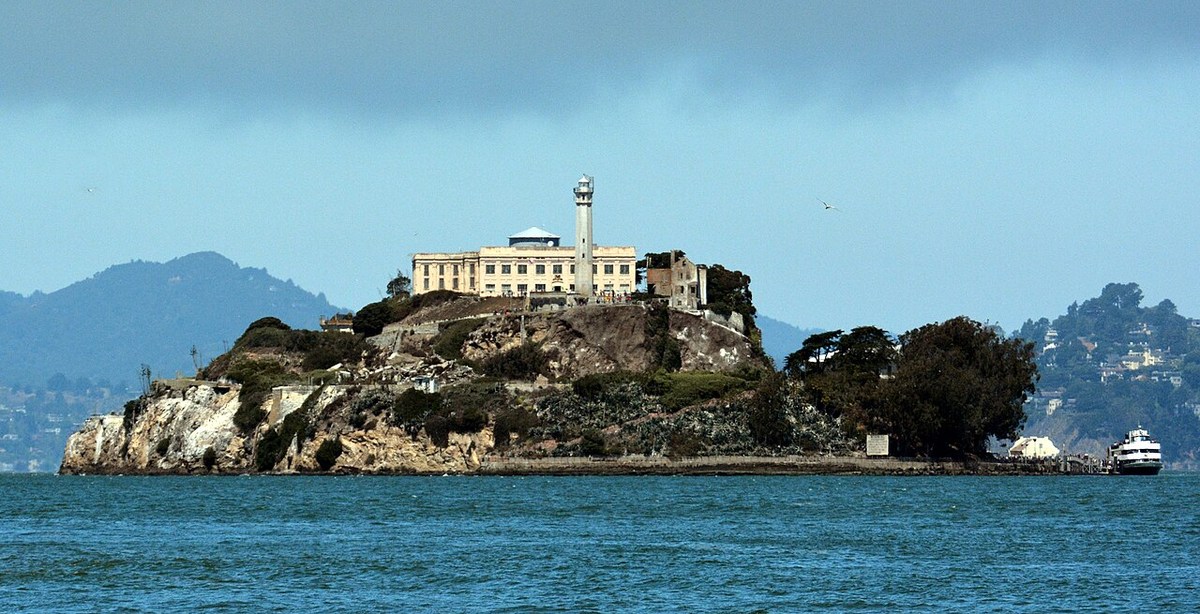
1962 Alcatraz Escape Incident
The Alcatraz Escape of 1962
The Alcatraz Escape of 1962 took place in June 1962 at the Alcatraz Federal Penitentiary in the United States. The escape began when three inmates vanished from the island prison, marking one of the most famous unsolved escape cases in American criminal history. The key figures involved are Frank Morris, John Anglin, and Clarence Anglin. Given the differing political, wartime, and judicial contexts, it's easy to overlook the nuances by simply comparing this escape with others based solely on their success or failure. This article does not recreate vulnerabilities of the facility or provide specific escape routes, but summarizes the confirmed scope of the incident through public records.
The most important conclusion in official records following the event is the 'uncertainty of life or death and whether they reached safety.' The FBI closed its investigation in 1979, while the U.S. Marshals Service continued to handle the missing persons case, and no conclusive evidence of survival has emerged. Initial news reports and later retrospectives may contain different numbers or details, so I focused on reading the final investigative results and judicial records. In cases where life, death, or reaching safety was unconfirmed, speculation was not presented as fact, and where recapture was confirmed, distinctions were made regarding the timing and subsequent judicial proceedings.
This case is still mentioned today as it serves as a representative example of the need to separate investigative records and unconfirmed facts from the myths of film and legend. If prison breaks are consumed as adventures or heroic tales, the experiences of correctional staff, civilians, crime victims during the escape, and political prisoners can be erased. The linked materials serve as a starting point for confirming the basic facts of the case, and when watching films or dramas, it's best to distinguish between fictional scenes and outcomes verified by documents. There are differences in dates and names due to country-specific notation, and original institutional materials are presented alongside.
The most important conclusion in official records following the event is the 'uncertainty of life or death and whether they reached safety.' The FBI closed its investigation in 1979, while the U.S. Marshals Service continued to handle the missing persons case, and no conclusive evidence of survival has emerged. Initial news reports and later retrospectives may contain different numbers or details, so I focused on reading the final investigative results and judicial records. In cases where life, death, or reaching safety was unconfirmed, speculation was not presented as fact, and where recapture was confirmed, distinctions were made regarding the timing and subsequent judicial proceedings.
This case is still mentioned today as it serves as a representative example of the need to separate investigative records and unconfirmed facts from the myths of film and legend. If prison breaks are consumed as adventures or heroic tales, the experiences of correctional staff, civilians, crime victims during the escape, and political prisoners can be erased. The linked materials serve as a starting point for confirming the basic facts of the case, and when watching films or dramas, it's best to distinguish between fictional scenes and outcomes verified by documents. There are differences in dates and names due to country-specific notation, and original institutional materials are presented alongside.
발생 시기 1962년 6월
국가·지역 미국
수감 시설 알카트라즈 연방교도소
관련 인물 프랭크 모리스·존 앵글린·클래런스 앵글린
최종 결과 생사와 도달 여부 미확인
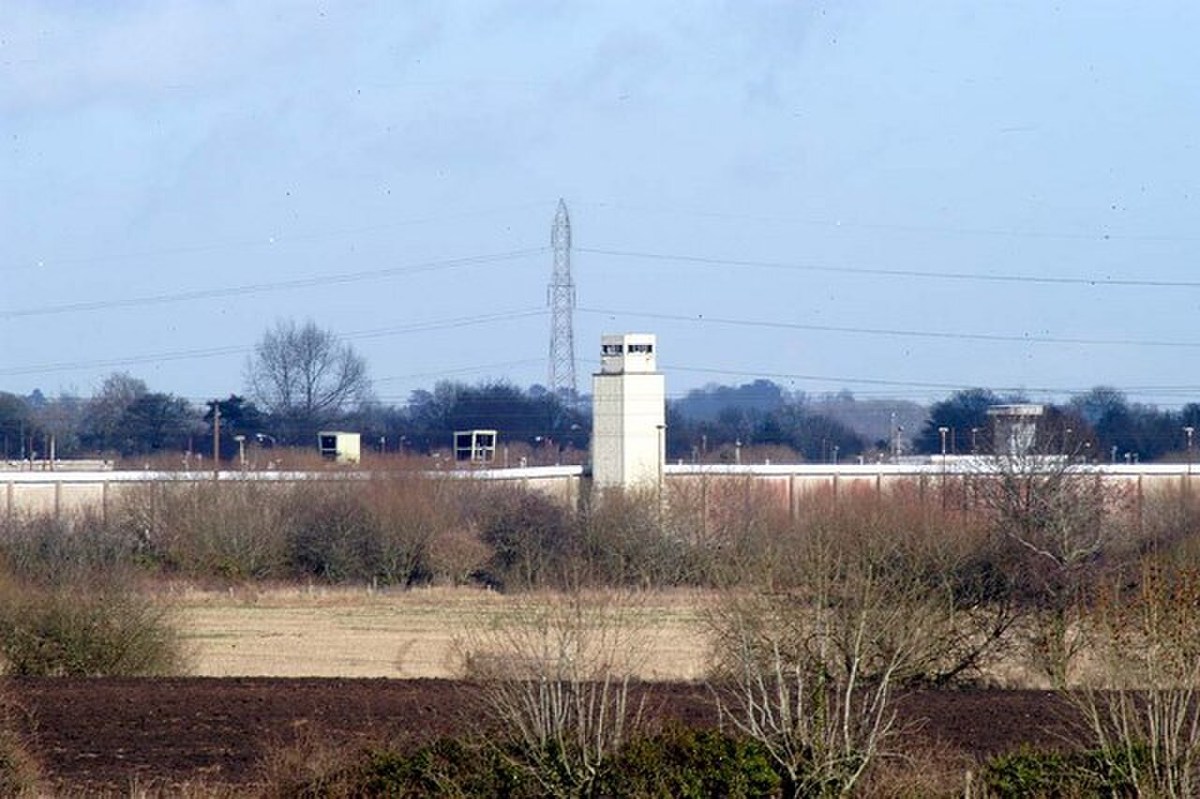
Maze Prison Mass Escape
The Maze Prison Mass Escape occurred on September 25, 1983, at HM Maze Prison in Northern Ireland. During the Troubles, 38 individuals escaped from this high-security facility, marking the largest prison break in British correctional history. The key figures involved were 38 IRA prisoners. Given the differing political, wartime, and judicial contexts, it's easy to overlook the nuances by simply comparing this escape with others based solely on their success or failure. This article does not recreate vulnerabilities of the facility or provide specific escape routes, but summarizes the confirmed scope of the incident through public records.
The most important conclusion in official records following the event is 'many recaptured, some long-term evasion.' During the escape, one guard was killed, and extensive investigations led to numerous recaptures, intertwining the event with the violence of the conflict. Initial news reports and later retrospectives may contain different numbers or details, so I focused on reading the final investigative results and judicial records. In cases where life, death, or reaching safety was unconfirmed, speculation was not presented as fact, and where recapture was confirmed, distinctions were made regarding the timing and subsequent judicial proceedings.
This case is still mentioned today because it is essential to view the human toll and the political context of the Troubles alongside mere numerical heroics. If prison breaks are consumed as adventures or heroic tales, the experiences of correctional staff, civilians, crime victims during the escape, and political prisoners can be erased. The linked materials serve as a starting point for confirming the basic facts of the case, and when watching films or dramas, it's best to distinguish between fictional scenes and outcomes verified by documents. There are differences in dates and names due to country-specific notation, and original institutional materials are presented alongside.
The most important conclusion in official records following the event is 'many recaptured, some long-term evasion.' During the escape, one guard was killed, and extensive investigations led to numerous recaptures, intertwining the event with the violence of the conflict. Initial news reports and later retrospectives may contain different numbers or details, so I focused on reading the final investigative results and judicial records. In cases where life, death, or reaching safety was unconfirmed, speculation was not presented as fact, and where recapture was confirmed, distinctions were made regarding the timing and subsequent judicial proceedings.
This case is still mentioned today because it is essential to view the human toll and the political context of the Troubles alongside mere numerical heroics. If prison breaks are consumed as adventures or heroic tales, the experiences of correctional staff, civilians, crime victims during the escape, and political prisoners can be erased. The linked materials serve as a starting point for confirming the basic facts of the case, and when watching films or dramas, it's best to distinguish between fictional scenes and outcomes verified by documents. There are differences in dates and names due to country-specific notation, and original institutional materials are presented alongside.
발생 시기 1983년 9월 25일
국가·지역 북아일랜드
수감 시설 HM 메이즈 교도소
관련 인물 IRA 수감자 38명
최종 결과 다수 재검거, 일부 장기 도피
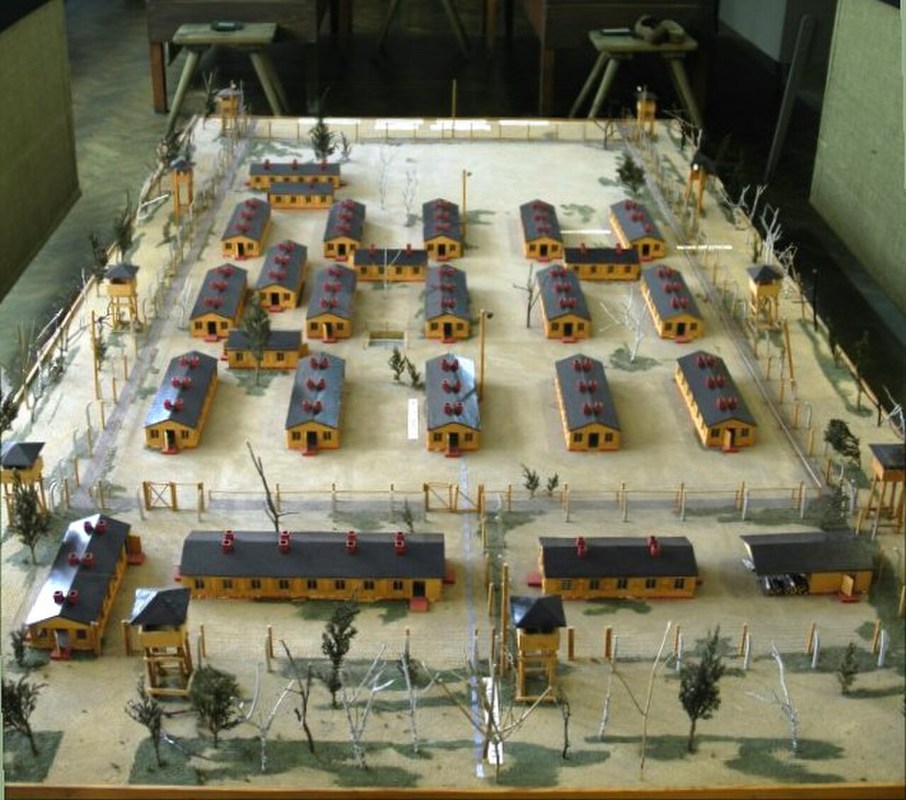
Stalag Luft III Great Escape
The Great Escape from Stalag Luft III
The Great Escape from Stalag Luft III took place in March 1944 at the POW camp in Nazi Germany. During World War II, 76 Allied prisoners escaped from the camp, triggering a large-scale hunt. The key figures involved were 76 Allied airmen prisoners. Given the differing political, wartime, and judicial contexts, it's easy to overlook the nuances by simply comparing this escape with others based solely on their success or failure. This article does not recreate vulnerabilities of the facility or provide specific escape routes, but summarizes the confirmed scope of the incident through public records.
The most important conclusion in official records following the event is '73 recaptured, 50 executed, 3 reached safety.' Only three men reached safety, while among those recaptured, 50 were executed by the Gestapo and later became subjects of post-war war crime trials. Initial news reports and later retrospectives may contain different numbers or details, so I focused on reading the final investigative results and judicial records. In cases where life, death, or reaching safety was unconfirmed, speculation was not presented as fact, and where recapture was confirmed, distinctions were made regarding the timing and subsequent judicial proceedings.
This case is still mentioned today because, unlike the adventure tales portrayed in popular films, it must center on the massacre and international humanitarian law issues that followed the escape. If prison breaks are consumed as adventures or heroic tales, the experiences of correctional staff, civilians, crime victims during the escape, and political prisoners can be erased. The linked materials serve as a starting point for confirming the basic facts of the case, and when watching films or dramas, it's best to distinguish between fictional scenes and outcomes verified by documents. There are differences in dates and names due to country-specific notation, and original institutional materials are presented alongside.
The most important conclusion in official records following the event is '73 recaptured, 50 executed, 3 reached safety.' Only three men reached safety, while among those recaptured, 50 were executed by the Gestapo and later became subjects of post-war war crime trials. Initial news reports and later retrospectives may contain different numbers or details, so I focused on reading the final investigative results and judicial records. In cases where life, death, or reaching safety was unconfirmed, speculation was not presented as fact, and where recapture was confirmed, distinctions were made regarding the timing and subsequent judicial proceedings.
This case is still mentioned today because, unlike the adventure tales portrayed in popular films, it must center on the massacre and international humanitarian law issues that followed the escape. If prison breaks are consumed as adventures or heroic tales, the experiences of correctional staff, civilians, crime victims during the escape, and political prisoners can be erased. The linked materials serve as a starting point for confirming the basic facts of the case, and when watching films or dramas, it's best to distinguish between fictional scenes and outcomes verified by documents. There are differences in dates and names due to country-specific notation, and original institutional materials are presented alongside.
발생 시기 1944년 3월
국가·지역 나치 독일 점령지
수감 시설 스탈라그 루프트 III 포로수용소
관련 인물 연합군 공군 포로 76명
최종 결과 73명 붙잡힘, 50명 살해, 3명 안전지대 도달
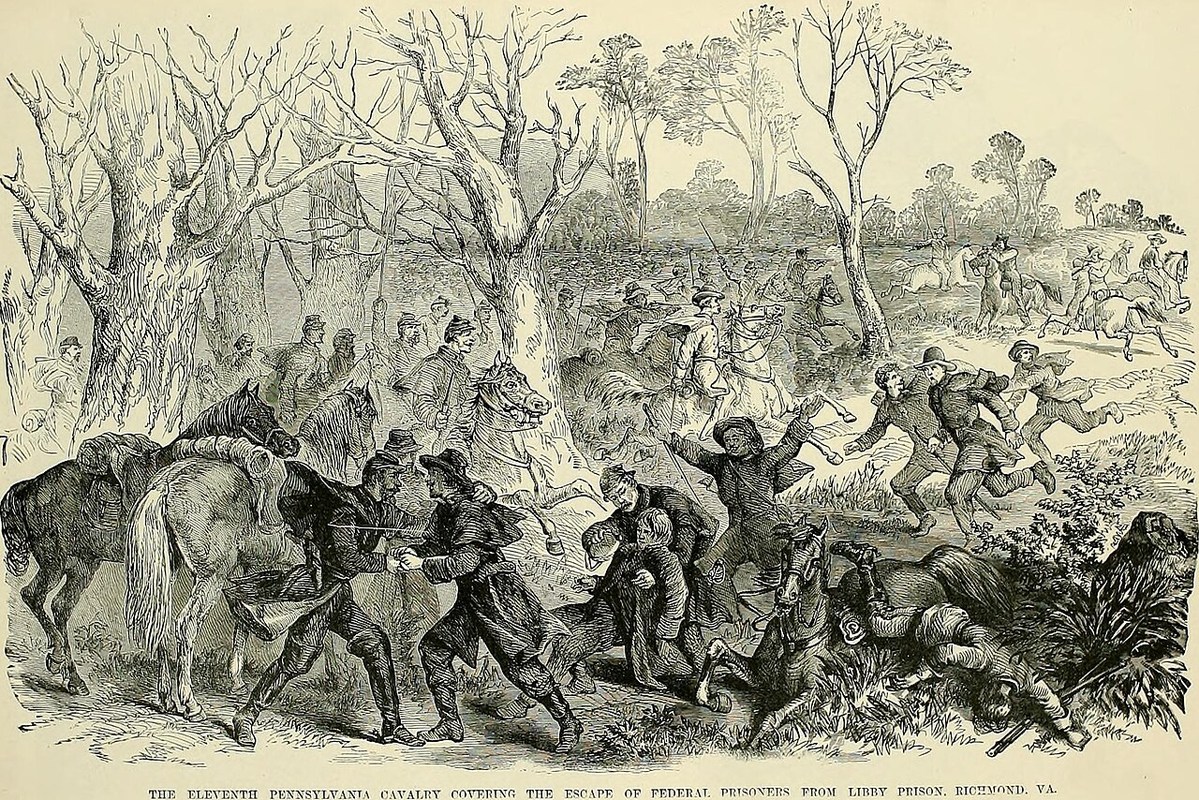
Libby Prison Escape
The Libby Prison Escape
The Libby Prison Escape occurred in February 1864 at Libby Prison in the Confederate South. During the American Civil War, 109 Union officers vanished from the Richmond facility, causing a significant shock to wartime prisoner management. The key figures involved were 109 Union officers. Given the differing political, wartime, and judicial contexts, it's easy to overlook the nuances by simply comparing this escape with others based solely on their success or failure. This article does not recreate vulnerabilities of the facility or provide specific escape routes, but summarizes the confirmed scope of the incident through public records.
The most important conclusion in official records following the event is '59 reached the Union lines, 48 recaptured, 2 drowned.' Records indicate that 59 reached the Union front, 48 were recaptured, and two lost their lives during their escape. Initial news reports and later retrospectives may contain different numbers or details, so I focused on reading the final investigative results and judicial records. In cases where life, death, or reaching safety was unconfirmed, speculation was not presented as fact, and where recapture was confirmed, distinctions were made regarding the timing and subsequent judicial proceedings.
This case is still mentioned today because it should not be viewed simply through the lens of common criminal escapes, but must be understood within the context of wartime law and prisoner treatment. If prison breaks are consumed as adventures or heroic tales, the experiences of correctional staff, civilians, crime victims during the escape, and political prisoners can be erased. The linked materials serve as a starting point for confirming the basic facts of the case, and when watching films or dramas, it's best to distinguish between fictional scenes and outcomes verified by documents. There are differences in dates and names due to country-specific notation, and original institutional materials are presented alongside.
The most important conclusion in official records following the event is '59 reached the Union lines, 48 recaptured, 2 drowned.' Records indicate that 59 reached the Union front, 48 were recaptured, and two lost their lives during their escape. Initial news reports and later retrospectives may contain different numbers or details, so I focused on reading the final investigative results and judicial records. In cases where life, death, or reaching safety was unconfirmed, speculation was not presented as fact, and where recapture was confirmed, distinctions were made regarding the timing and subsequent judicial proceedings.
This case is still mentioned today because it should not be viewed simply through the lens of common criminal escapes, but must be understood within the context of wartime law and prisoner treatment. If prison breaks are consumed as adventures or heroic tales, the experiences of correctional staff, civilians, crime victims during the escape, and political prisoners can be erased. The linked materials serve as a starting point for confirming the basic facts of the case, and when watching films or dramas, it's best to distinguish between fictional scenes and outcomes verified by documents. There are differences in dates and names due to country-specific notation, and original institutional materials are presented alongside.
발생 시기 1864년 2월
국가·지역 미국 남부연합
수감 시설 리비 교도소
관련 인물 북군 장교 109명
최종 결과 59명 북군 진영 도달, 48명 재검거, 2명 익사
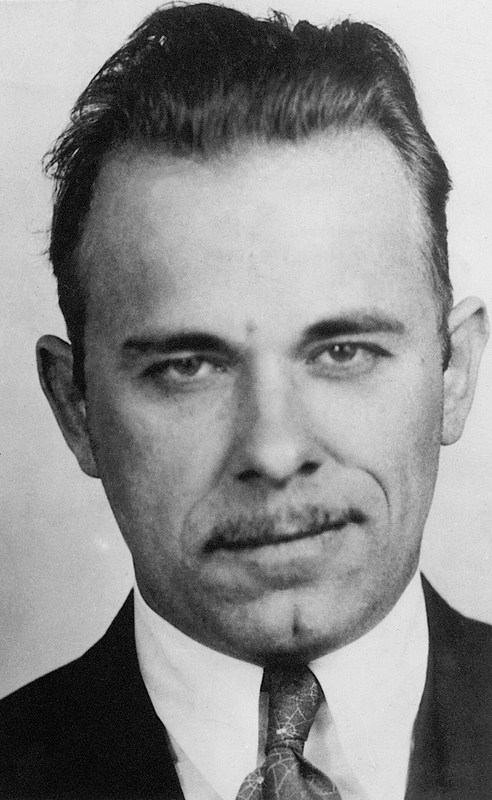
John Dillinger's Crown Point Escape
John Dillinger's Crown Point Escape took place in March 1934 at the Lake County Jail in Indiana, USA. Bank robber John Dillinger became a key target of federal investigations after he broke out of the Indiana jail. The key figure involved is John Dillinger. Given the differing political, wartime, and judicial contexts, it's easy to overlook the nuances by simply comparing this escape with others based solely on their success or failure. This article does not recreate vulnerabilities of the facility or provide specific escape routes, but summarizes the confirmed scope of the incident through public records.
The most important conclusion in official records following the event is 'died in an FBI operation in July of the same year.' The transfer of the getaway car outside the main perimeter triggered a federal investigation, leading to his death in Chicago months later. Initial news reports and later retrospectives may contain different numbers or details, so I focused on reading the final investigative results and judicial records. In cases where life, death, or reaching safety was unconfirmed, speculation was not presented as fact, and where recapture was confirmed, distinctions were made regarding the timing and subsequent judicial proceedings.
This case is still mentioned today because distinguishing between exaggerated civilian legends and FBI records reveals the context of the expansion of federal investigative authority in the 1930s. If prison breaks are consumed as adventures or heroic tales, the experiences of correctional staff, civilians, crime victims during the escape, and political prisoners can be erased. The linked materials serve as a starting point for confirming the basic facts of the case, and when watching films or dramas, it's best to distinguish between fictional scenes and outcomes verified by documents. There are differences in dates and names due to country-specific notation, and original institutional materials are presented alongside.
The most important conclusion in official records following the event is 'died in an FBI operation in July of the same year.' The transfer of the getaway car outside the main perimeter triggered a federal investigation, leading to his death in Chicago months later. Initial news reports and later retrospectives may contain different numbers or details, so I focused on reading the final investigative results and judicial records. In cases where life, death, or reaching safety was unconfirmed, speculation was not presented as fact, and where recapture was confirmed, distinctions were made regarding the timing and subsequent judicial proceedings.
This case is still mentioned today because distinguishing between exaggerated civilian legends and FBI records reveals the context of the expansion of federal investigative authority in the 1930s. If prison breaks are consumed as adventures or heroic tales, the experiences of correctional staff, civilians, crime victims during the escape, and political prisoners can be erased. The linked materials serve as a starting point for confirming the basic facts of the case, and when watching films or dramas, it's best to distinguish between fictional scenes and outcomes verified by documents. There are differences in dates and names due to country-specific notation, and original institutional materials are presented alongside.
발생 시기 1934년 3월
국가·지역 미국
수감 시설 레이크 카운티 구치소
관련 인물 존 딜린저
최종 결과 같은 해 7월 FBI 작전 중 사망
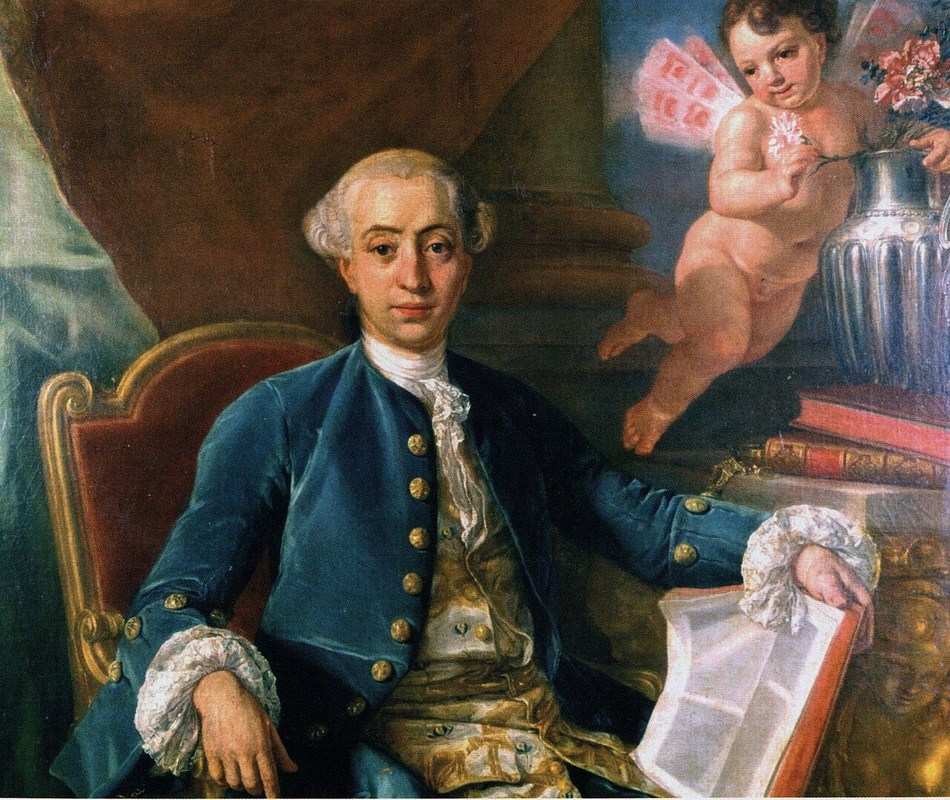
Giacomo Casanova's Escape from Piombi
Giacomo Casanova's Escape from Piombi occurred in November 1756 at the Piombi Prison in the Republic of Venice. Casanova was imprisoned by the Venetian authorities and later detailed his escape in his memoirs. The key figure involved is Giacomo Casanova. Given the differing political, wartime, and judicial contexts, it's easy to overlook the nuances by simply comparing this escape with others based solely on their success or failure. This article does not recreate vulnerabilities of the facility or provide specific escape routes, but summarizes the confirmed scope of the incident through public records.
The most important conclusion in official records following the event is 'traveling across Europe after escaping Venice.' He left Venice and traveled among various European cities, and the story of his escape became widely known, combining with his image as an adventurer. Initial news reports and later retrospectives may contain different numbers or details, so I focused on reading the final investigative results and judicial records. In cases where life, death, or reaching safety was unconfirmed, speculation was not presented as fact, and where recapture was confirmed, distinctions were made regarding the timing and subsequent judicial proceedings.
This case is still mentioned today because, while the individual's memoirs are important historical sources, they may contain self-dramatization that should be critically compared against administrative records. If prison breaks are consumed as adventures or heroic tales, the experiences of correctional staff, civilians, crime victims during the escape, and political prisoners can be erased. The linked materials serve as a starting point for confirming the basic facts of the case, and when watching films or dramas, it's best to distinguish between fictional scenes and outcomes verified by documents. There are differences in dates and names due to country-specific notation, and original institutional materials are presented alongside.
The most important conclusion in official records following the event is 'traveling across Europe after escaping Venice.' He left Venice and traveled among various European cities, and the story of his escape became widely known, combining with his image as an adventurer. Initial news reports and later retrospectives may contain different numbers or details, so I focused on reading the final investigative results and judicial records. In cases where life, death, or reaching safety was unconfirmed, speculation was not presented as fact, and where recapture was confirmed, distinctions were made regarding the timing and subsequent judicial proceedings.
This case is still mentioned today because, while the individual's memoirs are important historical sources, they may contain self-dramatization that should be critically compared against administrative records. If prison breaks are consumed as adventures or heroic tales, the experiences of correctional staff, civilians, crime victims during the escape, and political prisoners can be erased. The linked materials serve as a starting point for confirming the basic facts of the case, and when watching films or dramas, it's best to distinguish between fictional scenes and outcomes verified by documents. There are differences in dates and names due to country-specific notation, and original institutional materials are presented alongside.
발생 시기 1756년 11월
국가·지역 베네치아 공화국
수감 시설 두칼레 궁전 피옴비 감옥
관련 인물 자코모 카사노바
최종 결과 베네치아 탈출 후 유럽 각지 이동
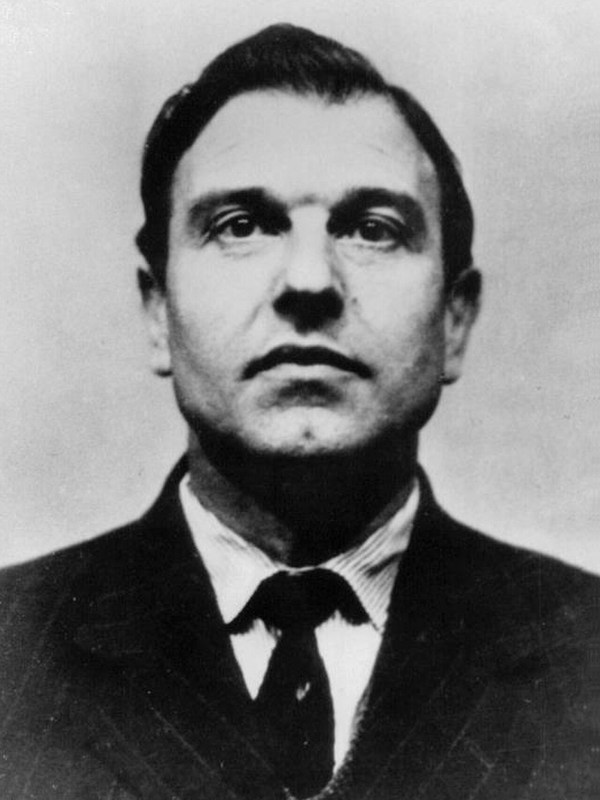
George Blake's Escape from Wormwood Scrubs
George Blake's Wormwood Scrubs Escape
George Blake's Wormwood Scrubs Escape occurred in October 1966 at Wormwood Scrubs Prison in the UK. Accused of working for the Soviet Union, George Blake escaped from the London prison and left the UK. The key figure involved is George Blake. Given the differing political, wartime, and judicial contexts, it's easy to overlook the nuances by simply comparing this escape with others based solely on their success or failure. This article does not recreate vulnerabilities of the facility or provide specific escape routes, but summarizes the confirmed scope of the incident through public records.
The most important conclusion in official records following the event is 'moved to the Soviet Union, not recaptured.' He settled in the Soviet Union and did not return until his death in 2020, while his conviction remained in the UK. Initial news reports and later retrospectives may contain different numbers or details, so I focused on reading the final investigative results and judicial records. In cases where life, death, or reaching safety was unconfirmed, speculation was not presented as fact, and where recapture was confirmed, distinctions were made regarding the timing and subsequent judicial proceedings.
This case is still mentioned today because, while the ideological evaluations of the Cold War vary, the legal facts regarding the escape and spy activities need to be viewed separately. If prison breaks are consumed as adventures or heroic tales, the experiences of correctional staff, civilians, crime victims during the escape, and political prisoners can be erased. The linked materials serve as a starting point for confirming the basic facts of the case, and when watching films or dramas, it's best to distinguish between fictional scenes and outcomes verified by documents. There are differences in dates and names due to country-specific notation, and original institutional materials are presented alongside.
The most important conclusion in official records following the event is 'moved to the Soviet Union, not recaptured.' He settled in the Soviet Union and did not return until his death in 2020, while his conviction remained in the UK. Initial news reports and later retrospectives may contain different numbers or details, so I focused on reading the final investigative results and judicial records. In cases where life, death, or reaching safety was unconfirmed, speculation was not presented as fact, and where recapture was confirmed, distinctions were made regarding the timing and subsequent judicial proceedings.
This case is still mentioned today because, while the ideological evaluations of the Cold War vary, the legal facts regarding the escape and spy activities need to be viewed separately. If prison breaks are consumed as adventures or heroic tales, the experiences of correctional staff, civilians, crime victims during the escape, and political prisoners can be erased. The linked materials serve as a starting point for confirming the basic facts of the case, and when watching films or dramas, it's best to distinguish between fictional scenes and outcomes verified by documents. There are differences in dates and names due to country-specific notation, and original institutional materials are presented alongside.
발생 시기 1966년 10월
국가·지역 영국
수감 시설 웜우드 스크럽스 교도소
관련 인물 조지 블레이크
최종 결과 소련으로 이동, 재체포되지 않음
The more famous the case, the more films and memoirs tend to fill in the gaps of the facts. Unresolved aspects, like the survival of the three men from Alcatraz, remain cold cases, while confirmed casualties in events like the Stalag Luft III escape should be central to the narrative.
Comparing events from different eras reveals the evolving responsibilities of correctional facilities, the legal status of war prisoners, and the roles of investigative agencies. Let's utilize this list as a starting point, reading verifiable records first before the captivating anecdotes. It's also essential to remember that news reports, judicial records, and later retrospectives were created for different purposes and thus may differ. By considering the costs borne by victims, correctional staff, and local communities, rather than just the sensationalism of the escape, the meaning of these cases shifts.
Comparing events from different eras reveals the evolving responsibilities of correctional facilities, the legal status of war prisoners, and the roles of investigative agencies. Let's utilize this list as a starting point, reading verifiable records first before the captivating anecdotes. It's also essential to remember that news reports, judicial records, and later retrospectives were created for different purposes and thus may differ. By considering the costs borne by victims, correctional staff, and local communities, rather than just the sensationalism of the escape, the meaning of these cases shifts.
한눈에 보기
7개
1962 Alcatraz Escape Incident
1962년 6월 · 미국 · 알카트라즈 연방교도소 · 프랭크 모리스·존 앵글린·클래런스 앵글린 · 생사와 도달 여부 미확인
Maze Prison Mass Escape
1983년 9월 25일 · 북아일랜드 · HM 메이즈 교도소 · IRA 수감자 38명 · 다수 재검거, 일부 장기 도피
Stalag Luft III Great Escape
1944년 3월 · 나치 독일 점령지 · 스탈라그 루프트 III 포로수용소 · 연합군 공군 포로 76명 · 73명 붙잡힘, 50명 살해, 3명 안전지대 도달
Libby Prison Escape
1864년 2월 · 미국 남부연합 · 리비 교도소 · 북군 장교 109명 · 59명 북군 진영 도달, 48명 재검거, 2명 익사
John Dillinger's Crown Point Escape
1934년 3월 · 미국 · 레이크 카운티 구치소 · 존 딜린저 · 같은 해 7월 FBI 작전 중 사망
Giacomo Casanova's Escape from Piombi
1756년 11월 · 베네치아 공화국 · 두칼레 궁전 피옴비 감옥 · 자코모 카사노바 · 베네치아 탈출 후 유럽 각지 이동
George Blake's Escape from Wormwood Scrubs
1966년 10월 · 영국 · 웜우드 스크럽스 교도소 · 조지 블레이크 · 소련으로 이동, 재체포되지 않음
이 포스팅은 쿠팡 파트너스 활동의 일환으로, 이에 따른 일정액의 수수료를 제공받습니다.
댓글 0
로그인 후 댓글을 작성할 수 있습니다.
첫 댓글을 남겨보세요.
이런 리스트는 어때요?


이런 리스트도 추천해요


🎲
여기서 멈추기엔 아쉽잖아?
다음에 뭘 볼지 고민하는 시간이 제일 아까워.
주사위가 대신 골라줄게 — 무슨 리스트가 튀어나올지는 굴려봐야 알지.
안 누르면… 평생 궁금하지 않겠어? 👀
