Collection
Science
2026.09.11
The Modern Fighter Jet as the Face of Air Superiority Missions
Real aircraft implementing stealth, long-range detection, and agility in different ways
The air superiority capability of modern fighter jets is not determined by maneuverability alone. It must involve sensors and data links that allow for first detection and first strike, shapes that reduce detectability, the capacity to carry long-range missiles, and a maintenance system that allows for repeated sorties.
This list gathers actual examples from stealth aircraft like the F-22 and J-20 to non-stealth designs like the F-15EX, Typhoon, and Rafale. Instead of grouping them at the same operational stage, it shows different choices that create air superiority by indicating their operational, production, and development status. To fully understand the modern fighter jet as the face of air superiority missions, one must consider not only the aircraft specifications but also the operational conditions and mission systems.
This list gathers actual examples from stealth aircraft like the F-22 and J-20 to non-stealth designs like the F-15EX, Typhoon, and Rafale. Instead of grouping them at the same operational stage, it shows different choices that create air superiority by indicating their operational, production, and development status. To fully understand the modern fighter jet as the face of air superiority missions, one must consider not only the aircraft specifications but also the operational conditions and mission systems.
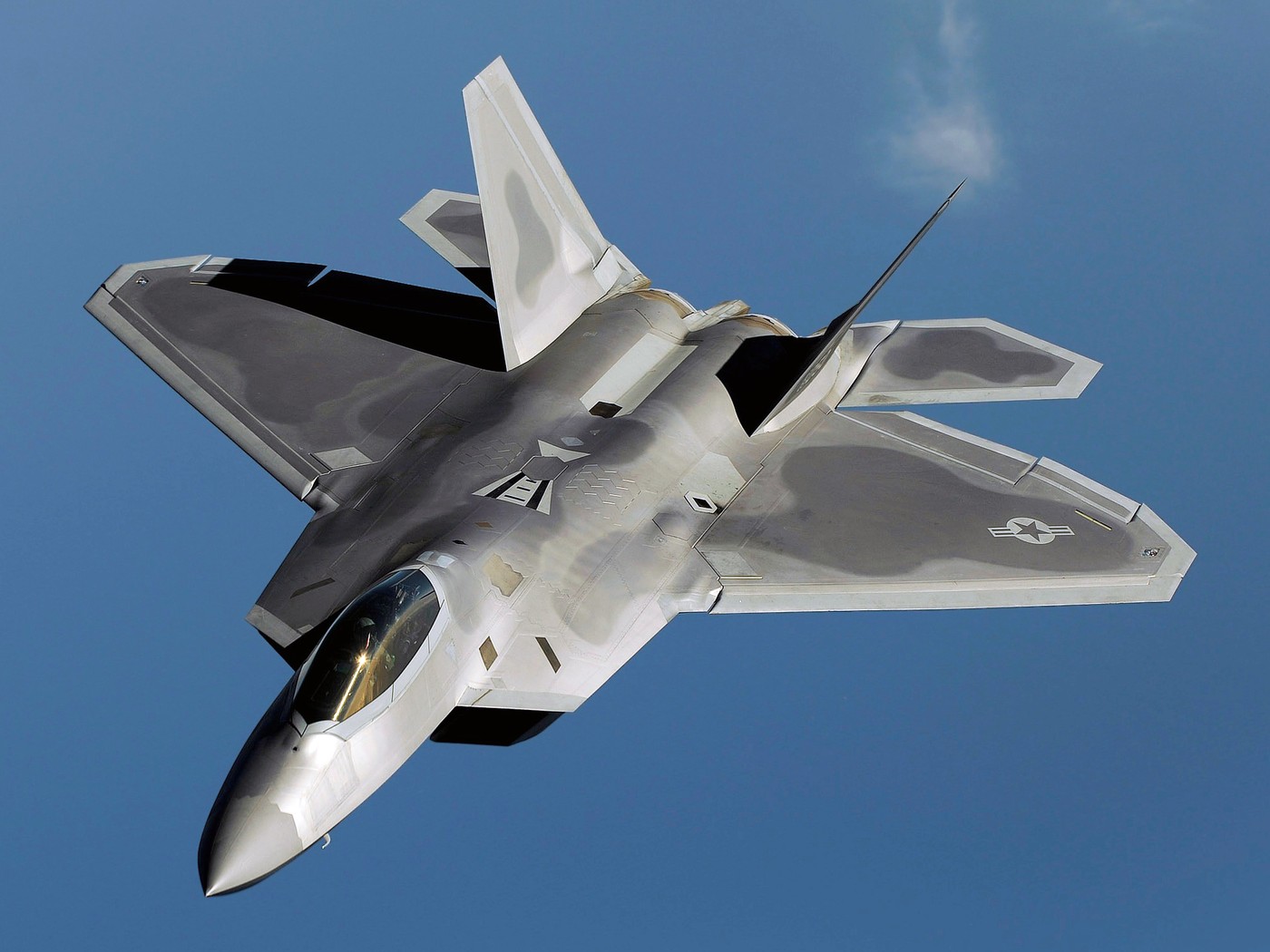
F-22 Raptor
'F-22 Raptor' is a stealth air superiority fighter developed and produced by Lockheed Martin. Its first flight was in 1997, and its current status is 'in service.' The first aspect to notice in its appearance is the combination of stealth, supersonic cruising, and sensor fusion. When looking at the F-22 Raptor as the face of air superiority missions, don’t just rely on similar paint schemes of variants but also check its designation, operator, and mission to pinpoint its exact role.
Examining the wing and intake placements makes it clearer how the 'F-22 Raptor' implements its design choices to secure air superiority. The F-22 Raptor’s first flight in 1997 marked the beginning of its technology development, but it doesn’t mean immediate operational deployment. Its current status is 'in service,' and this clarification helps avoid confusion with prototype, retired, and production aircraft. The detailed specifications of the F-22 Raptor also vary according to armaments and fuel layouts, so prioritizing the main mission over single data points is essential.
When comparing the 'F-22 Raptor' with the following items, look sequentially at the number of engines, crew size, radar and electronic warfare systems, and where armaments are mounted inside and outside the aircraft. Avoid deciding superiority based on a single maximum speed; instead, consider the entire mission. The modern fighter jets as the face of air superiority missions is not intended to glorify the might of the F-22 Raptor or rank winners of hypothetical engagements. The basic information necessary to understand the aviation technology and operator of the F-22 Raptor is prioritized through connected manufacturer, military, and museum sources. The image of the F-22 Raptor uses a photo from Wikimedia Commons via Wikipedia for reference.
Examining the wing and intake placements makes it clearer how the 'F-22 Raptor' implements its design choices to secure air superiority. The F-22 Raptor’s first flight in 1997 marked the beginning of its technology development, but it doesn’t mean immediate operational deployment. Its current status is 'in service,' and this clarification helps avoid confusion with prototype, retired, and production aircraft. The detailed specifications of the F-22 Raptor also vary according to armaments and fuel layouts, so prioritizing the main mission over single data points is essential.
When comparing the 'F-22 Raptor' with the following items, look sequentially at the number of engines, crew size, radar and electronic warfare systems, and where armaments are mounted inside and outside the aircraft. Avoid deciding superiority based on a single maximum speed; instead, consider the entire mission. The modern fighter jets as the face of air superiority missions is not intended to glorify the might of the F-22 Raptor or rank winners of hypothetical engagements. The basic information necessary to understand the aviation technology and operator of the F-22 Raptor is prioritized through connected manufacturer, military, and museum sources. The image of the F-22 Raptor uses a photo from Wikimedia Commons via Wikipedia for reference.
제작사 록히드 마틴
국가 미국
첫 비행 1997년
주요 역할 스텔스 제공 전투기
상태 현역
이미지 출처 Wikipedia/Wikimedia Commons · Lockheed Martin F-22 Raptor
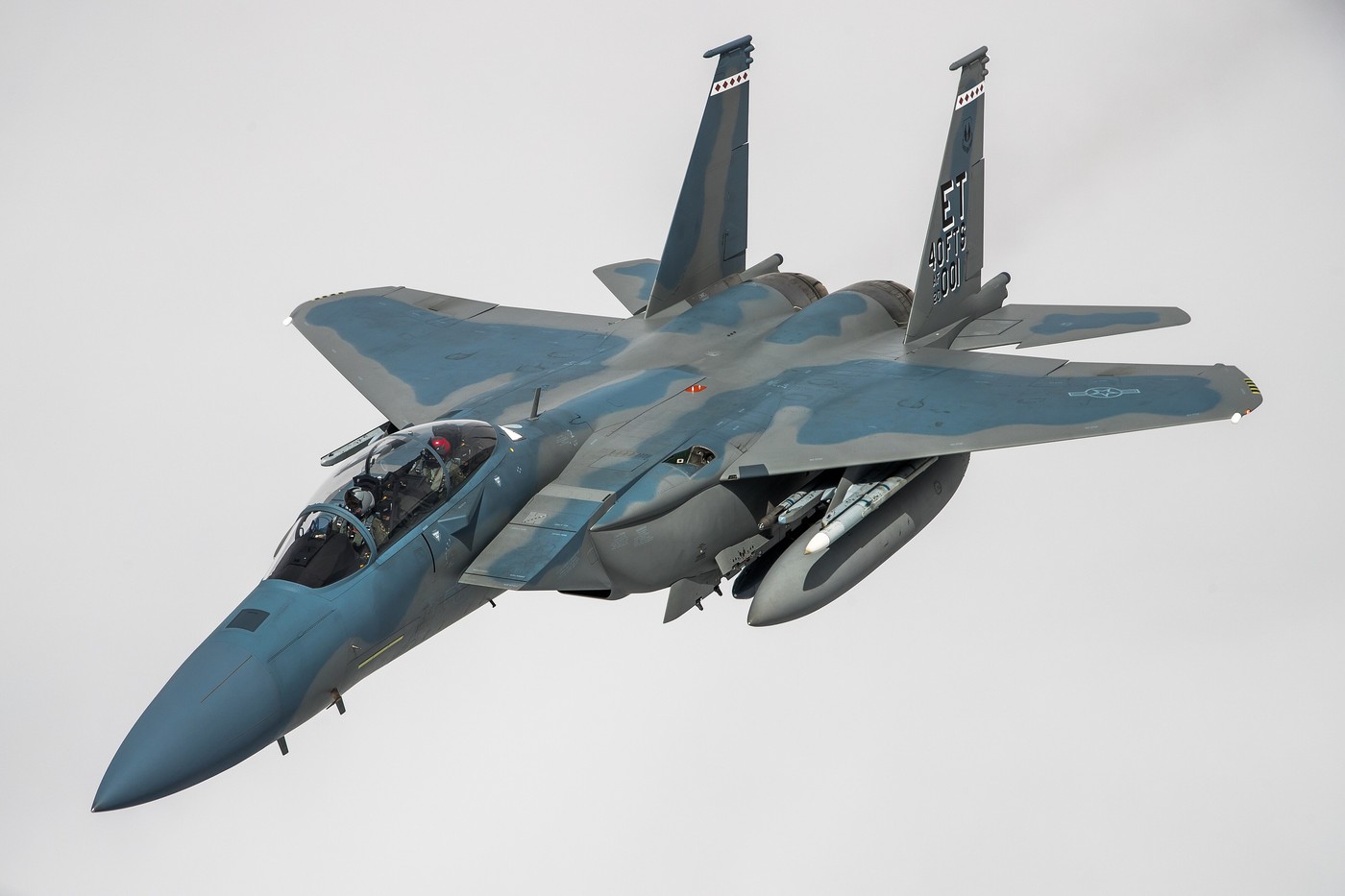
F-15EX Eagle II
'F-15EX Eagle II' is a multi-role fighter developed and produced by Boeing. Its first flight was in 2021, and its current status is 'in the process of fielding.' The key operational perspective is the large payload and open mission system that expands the F-15 lineage. When looking at the F-15EX Eagle II as the face of air superiority missions, don’t just rely on similar paint schemes of variants but also check its designation, operator, and mission to pinpoint its exact role.
Reading the official mission descriptions clarifies how the 'F-15EX Eagle II' implements its design choices to secure air superiority. The first flight of the F-15EX Eagle II in 2021 marked the start of technology development, but it does not imply immediate operational deployment. Its current status is 'in the process of fielding,' and this distinction helps avoid confusion with prototype, retired, and production aircraft. The detailed specifications of the F-15EX Eagle II also vary according to armaments and fuel layouts, so prioritizing the main mission over single data points is essential.
When comparing the 'F-15EX Eagle II' with the following items, look sequentially at the number of engines, crew size, radar and electronic warfare systems, and where armaments are mounted inside and outside the aircraft. It’s important not to refer to prototype and operational aircraft in the same condition. The modern fighter jets as the face of air superiority missions is not intended to glorify the might of the F-15EX Eagle II or rank winners of hypothetical engagements. The basic information necessary to understand the aviation technology and operator of the F-15EX Eagle II is prioritized through connected manufacturer, military, and museum sources. The image of the F-15EX Eagle II uses a photo from Wikimedia Commons via Wikipedia for reference.
Reading the official mission descriptions clarifies how the 'F-15EX Eagle II' implements its design choices to secure air superiority. The first flight of the F-15EX Eagle II in 2021 marked the start of technology development, but it does not imply immediate operational deployment. Its current status is 'in the process of fielding,' and this distinction helps avoid confusion with prototype, retired, and production aircraft. The detailed specifications of the F-15EX Eagle II also vary according to armaments and fuel layouts, so prioritizing the main mission over single data points is essential.
When comparing the 'F-15EX Eagle II' with the following items, look sequentially at the number of engines, crew size, radar and electronic warfare systems, and where armaments are mounted inside and outside the aircraft. It’s important not to refer to prototype and operational aircraft in the same condition. The modern fighter jets as the face of air superiority missions is not intended to glorify the might of the F-15EX Eagle II or rank winners of hypothetical engagements. The basic information necessary to understand the aviation technology and operator of the F-15EX Eagle II is prioritized through connected manufacturer, military, and museum sources. The image of the F-15EX Eagle II uses a photo from Wikimedia Commons via Wikipedia for reference.
제작사 보잉
국가 미국
첫 비행 2021년
주요 역할 중무장 다목적 전투기
상태 전력화 중
이미지 출처 Wikipedia/Wikimedia Commons · Boeing F-15EX Eagle II
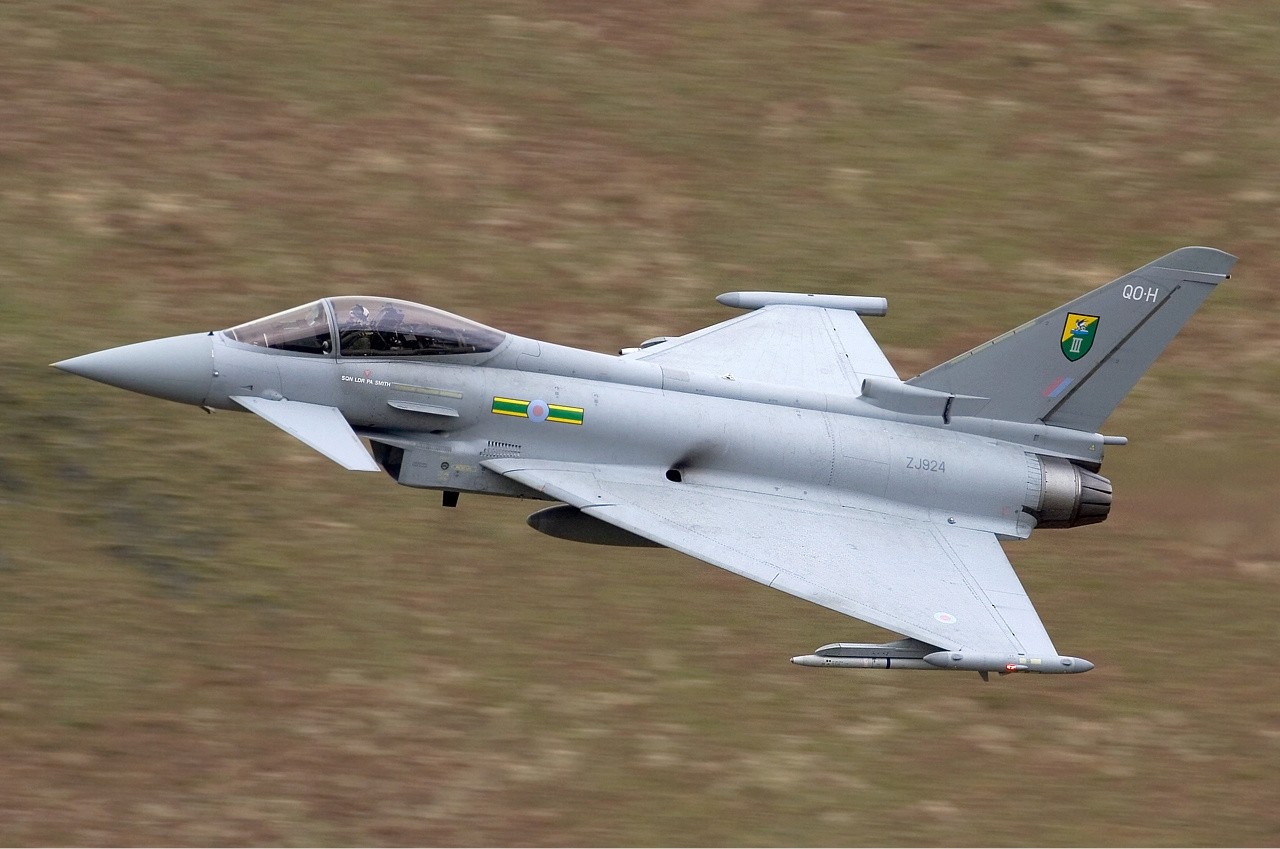
Eurofighter Typhoon
'Eurofighter Typhoon' is a multi-role fighter developed and produced by the Eurofighter consortium comprising four European countries. Its first flight was in 1994, and its current status is 'in service.' The differentiating features of this aircraft include a delta wing and canard, and twin-engine design for high maneuverability. When looking at the Eurofighter Typhoon as the face of air superiority missions, don’t just rely on similar paint schemes of variants but also check its designation, operator, and mission to pinpoint its exact role.
If we place the first flight year alongside the current status, it becomes clearer how the 'Eurofighter Typhoon' implements its design choices to secure air superiority. The first flight of the Eurofighter Typhoon in 1994 marked the beginning of technology development, but it doesn’t imply immediate operational deployment. Its current status is 'in service,' and this clarification helps avoid confusion with prototype, retired, and production aircraft. The detailed specifications of the Eurofighter Typhoon also vary according to armaments and fuel layouts, so prioritizing the main mission over single data points is essential.
When comparing the 'Eurofighter Typhoon' with the following items, look sequentially at the number of engines, crew size, radar and electronic warfare systems, and where armaments are mounted inside and outside the aircraft. Make sure to differentiate between export versions and modifications by operating countries. The modern fighter jets as the face of air superiority missions is not intended to glorify the might of the Eurofighter Typhoon or rank winners of hypothetical engagements. The basic information necessary to understand the aviation technology and operator of the Eurofighter Typhoon is prioritized through connected manufacturer, military, and museum sources. The image of the Eurofighter Typhoon uses a photo from Wikimedia Commons via Wikipedia for reference.
If we place the first flight year alongside the current status, it becomes clearer how the 'Eurofighter Typhoon' implements its design choices to secure air superiority. The first flight of the Eurofighter Typhoon in 1994 marked the beginning of technology development, but it doesn’t imply immediate operational deployment. Its current status is 'in service,' and this clarification helps avoid confusion with prototype, retired, and production aircraft. The detailed specifications of the Eurofighter Typhoon also vary according to armaments and fuel layouts, so prioritizing the main mission over single data points is essential.
When comparing the 'Eurofighter Typhoon' with the following items, look sequentially at the number of engines, crew size, radar and electronic warfare systems, and where armaments are mounted inside and outside the aircraft. Make sure to differentiate between export versions and modifications by operating countries. The modern fighter jets as the face of air superiority missions is not intended to glorify the might of the Eurofighter Typhoon or rank winners of hypothetical engagements. The basic information necessary to understand the aviation technology and operator of the Eurofighter Typhoon is prioritized through connected manufacturer, military, and museum sources. The image of the Eurofighter Typhoon uses a photo from Wikimedia Commons via Wikipedia for reference.
제작사 유로파이터 컨소시엄
국가 유럽 4개국
첫 비행 1994년
주요 역할 다목적 전투기
상태 현역
이미지 출처 Wikipedia/Wikimedia Commons · Eurofighter Typhoon
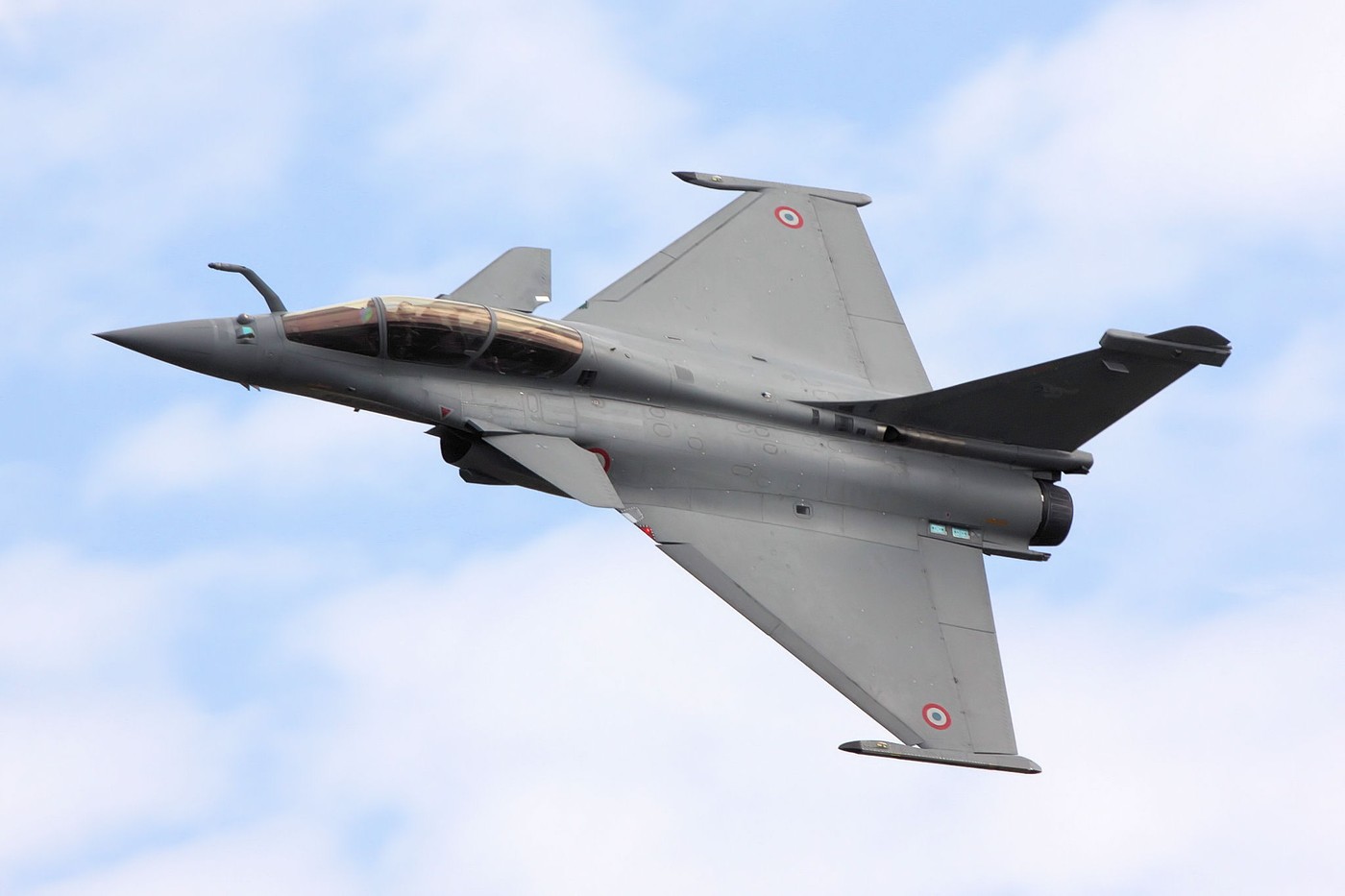
Dassault Rafale
'Dassault Rafale' is a multi-role fighter developed and produced by Dassault Aviation. Its first flight was in 1986, and its current status is 'in service.' The notable aspect when viewing pictures and specifications is its mission versatility, which includes both land and naval operational types. When looking at the Dassault Rafale as the face of air superiority missions, don’t just rely on similar paint schemes of variants but also check its designation, operator, and mission to pinpoint its exact role.
By checking the number of cockpits and armament arrangements, it becomes clearer how the 'Dassault Rafale' implements its design choices to secure air superiority. The first flight of the Dassault Rafale in 1986 marked the beginning of technology development, but it does not imply immediate operational deployment. Its current status is 'in service,' and this clarification helps avoid confusion with prototype, retired, and production aircraft. The detailed specifications of the Dassault Rafale also vary according to armaments and fuel layouts, so prioritizing the main mission over single data points is essential.
When comparing the 'Dassault Rafale' with the following items, look sequentially at the number of engines, crew size, radar and electronic warfare systems, and where armaments are mounted inside and outside the aircraft. It’s crucial to differentiate between promotional phrases and the actual deployment of units in service. The modern fighter jets as the face of air superiority missions is not intended to glorify the might of the Dassault Rafale or rank winners of hypothetical engagements. The basic information necessary to understand the aviation technology and operator of the Dassault Rafale is prioritized through connected manufacturer, military, and museum sources. The image of the Dassault Rafale uses a photo from Wikimedia Commons via Wikipedia for reference.
By checking the number of cockpits and armament arrangements, it becomes clearer how the 'Dassault Rafale' implements its design choices to secure air superiority. The first flight of the Dassault Rafale in 1986 marked the beginning of technology development, but it does not imply immediate operational deployment. Its current status is 'in service,' and this clarification helps avoid confusion with prototype, retired, and production aircraft. The detailed specifications of the Dassault Rafale also vary according to armaments and fuel layouts, so prioritizing the main mission over single data points is essential.
When comparing the 'Dassault Rafale' with the following items, look sequentially at the number of engines, crew size, radar and electronic warfare systems, and where armaments are mounted inside and outside the aircraft. It’s crucial to differentiate between promotional phrases and the actual deployment of units in service. The modern fighter jets as the face of air superiority missions is not intended to glorify the might of the Dassault Rafale or rank winners of hypothetical engagements. The basic information necessary to understand the aviation technology and operator of the Dassault Rafale is prioritized through connected manufacturer, military, and museum sources. The image of the Dassault Rafale uses a photo from Wikimedia Commons via Wikipedia for reference.
제작사 다쏘 아비아시옹
국가 프랑스
첫 비행 1986년
주요 역할 옴니롤 전투기
상태 현역
이미지 출처 Wikipedia/Wikimedia Commons · Dassault Rafale
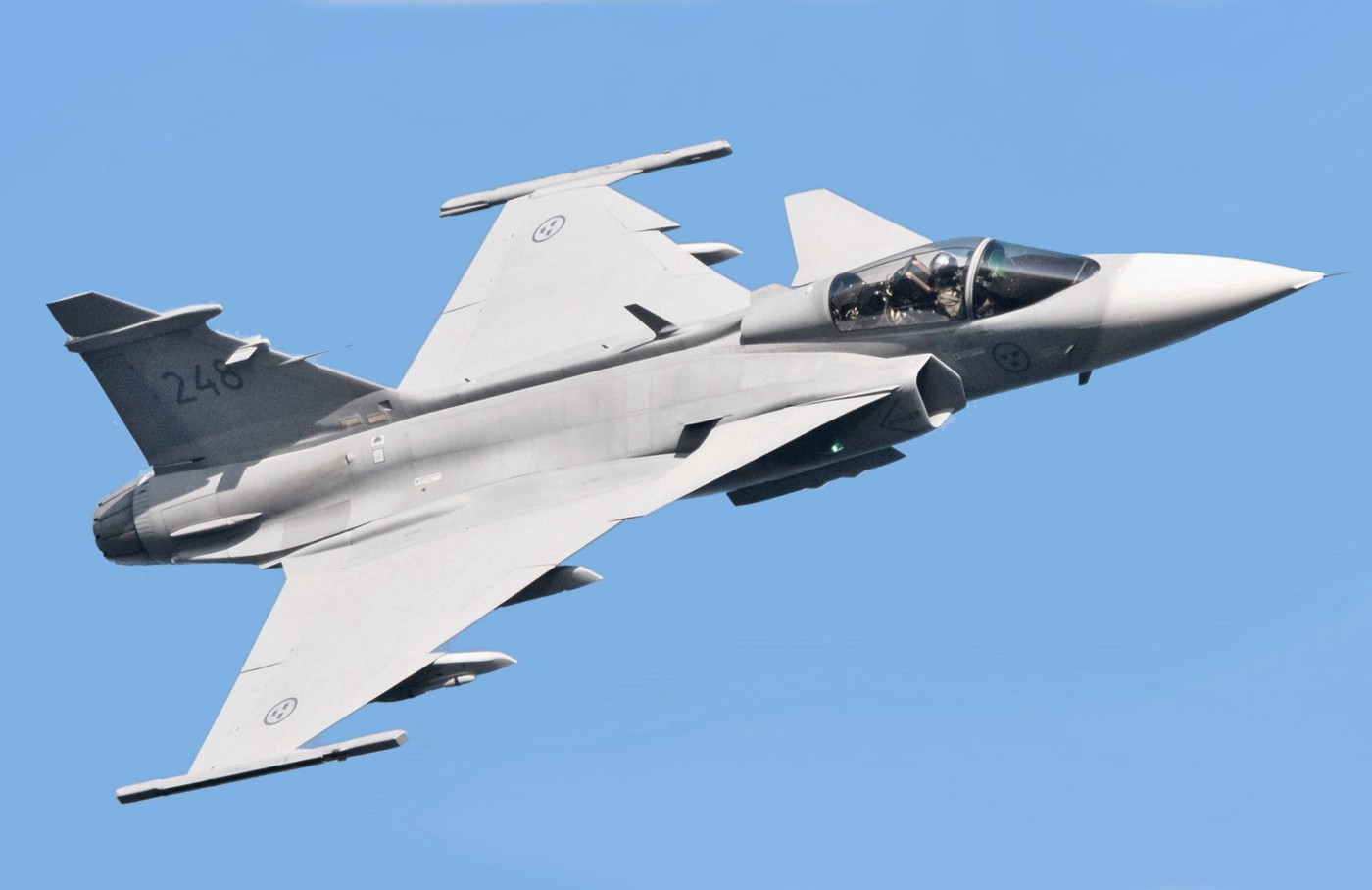
Saab Gripen E
'Saab Gripen E' is a lightweight multi-role fighter developed and produced by Saab. Its first flight was in 2017, and its current status is 'in the process of fielding.' The points of comparison with similarly generation aircraft focus on a design considering dispersed operations and rapid ground re-deployment. When looking at the Saab Gripen E as the face of air superiority missions, don’t just rely on similar paint schemes of variants but also check its designation, operator, and mission to pinpoint its exact role.
Contrasting land and maritime operational conditions makes it clearer how the 'Saab Gripen E' implements its design choices to secure air superiority. The first flight of the Saab Gripen E in 2017 marked the beginning of technology development, but it does not imply immediate operational deployment. Its current status is 'in the process of fielding,' and this clarification helps avoid confusion with prototype, retired, and production aircraft. The detailed specifications of the Saab Gripen E also vary according to armaments and fuel layouts, so prioritizing the main mission over single data points is essential.
When comparing the 'Saab Gripen E' with the following items, look sequentially at the number of engines, crew size, radar and electronic warfare systems, and where armaments are mounted inside and outside the aircraft. The range may vary depending on mission conditions and payload configurations. The modern fighter jets as the face of air superiority missions is not intended to glorify the might of the Saab Gripen E or rank winners of hypothetical engagements. The basic information necessary to understand the aviation technology and operator of the Saab Gripen E is prioritized through connected manufacturer, military, and museum sources. The image of the Saab Gripen E uses a photo from Wikimedia Commons via Wikipedia for reference.
Contrasting land and maritime operational conditions makes it clearer how the 'Saab Gripen E' implements its design choices to secure air superiority. The first flight of the Saab Gripen E in 2017 marked the beginning of technology development, but it does not imply immediate operational deployment. Its current status is 'in the process of fielding,' and this clarification helps avoid confusion with prototype, retired, and production aircraft. The detailed specifications of the Saab Gripen E also vary according to armaments and fuel layouts, so prioritizing the main mission over single data points is essential.
When comparing the 'Saab Gripen E' with the following items, look sequentially at the number of engines, crew size, radar and electronic warfare systems, and where armaments are mounted inside and outside the aircraft. The range may vary depending on mission conditions and payload configurations. The modern fighter jets as the face of air superiority missions is not intended to glorify the might of the Saab Gripen E or rank winners of hypothetical engagements. The basic information necessary to understand the aviation technology and operator of the Saab Gripen E is prioritized through connected manufacturer, military, and museum sources. The image of the Saab Gripen E uses a photo from Wikimedia Commons via Wikipedia for reference.
제작사 사브
국가 스웨덴
첫 비행 2017년
주요 역할 경량 다목적 전투기
상태 전력화 중
이미지 출처 Wikipedia/Wikimedia Commons · Saab JAS 39 Gripen
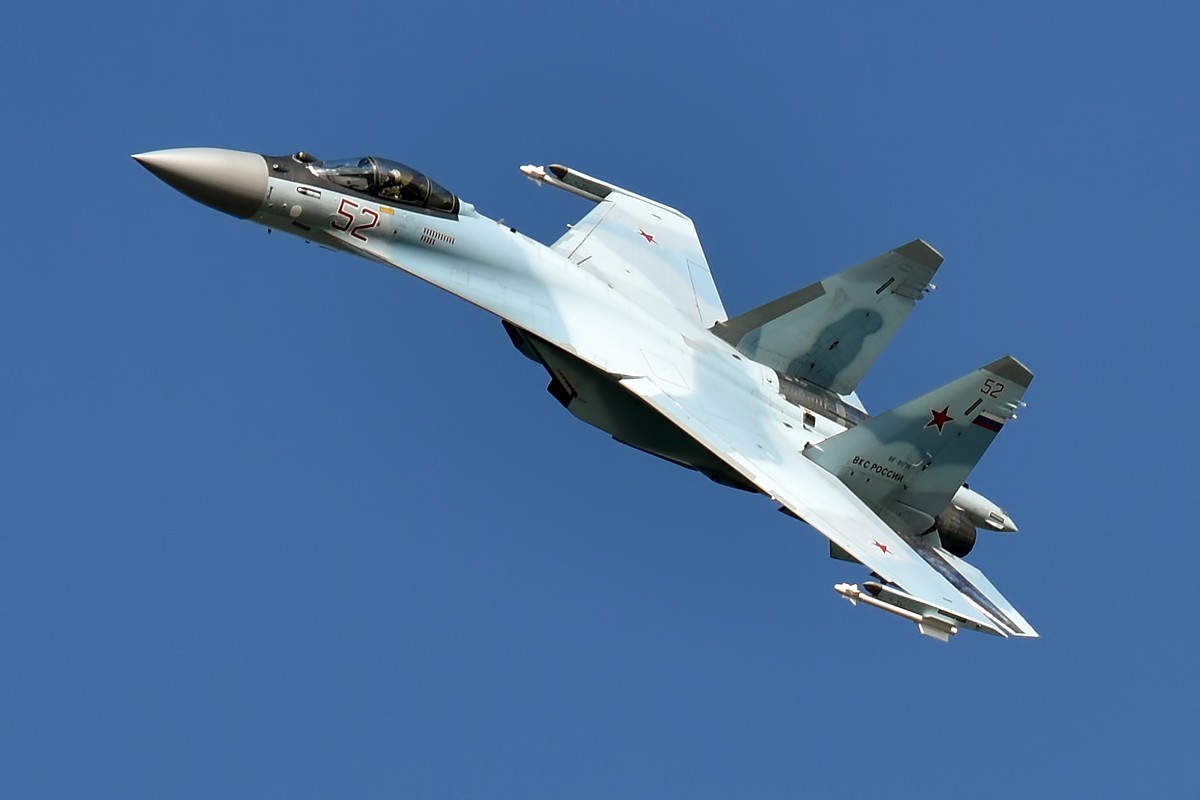
Sukhoi Su-35S
'Sukhoi Su-35S' is a medium multirole fighter developed and produced by Sukhoi. Its first flight was in 2008, and its current status is 'in service.' The prioritized values of the designer include thrust vectoring and high fuel and armament carrying capacity. When looking at the Sukhoi Su-35S as the face of air superiority missions, don’t just rely on similar paint schemes of variants but also check its designation, operator, and mission to pinpoint its exact role.
By examining the roles of sensors and data links, it becomes clearer how the 'Sukhoi Su-35S' implements its design choices to secure air superiority. The first flight of the Sukhoi Su-35S in 2008 marked the beginning of technology development, but it does not imply immediate operational deployment. Its current status is 'in service,' and this clarification helps avoid confusion with prototype, retired, and production aircraft. The detailed specifications of the Sukhoi Su-35S also vary according to armaments and fuel layouts, so prioritizing the main mission over single data points is essential.
When comparing the 'Sukhoi Su-35S' with the following items, look sequentially at the number of engines, crew size, radar and electronic warfare systems, and where armaments are mounted inside and outside the aircraft. Armament compatibility must pass through contracts and integration tests to realize actual capabilities. The modern fighter jets as the face of air superiority missions is not intended to glorify the might of the Sukhoi Su-35S or rank winners of hypothetical engagements. The basic information necessary to understand the aviation technology and operator of the Sukhoi Su-35S is prioritized through connected manufacturer, military, and museum sources. The image of the Sukhoi Su-35S uses a photo from Wikimedia Commons via Wikipedia for reference.
By examining the roles of sensors and data links, it becomes clearer how the 'Sukhoi Su-35S' implements its design choices to secure air superiority. The first flight of the Sukhoi Su-35S in 2008 marked the beginning of technology development, but it does not imply immediate operational deployment. Its current status is 'in service,' and this clarification helps avoid confusion with prototype, retired, and production aircraft. The detailed specifications of the Sukhoi Su-35S also vary according to armaments and fuel layouts, so prioritizing the main mission over single data points is essential.
When comparing the 'Sukhoi Su-35S' with the following items, look sequentially at the number of engines, crew size, radar and electronic warfare systems, and where armaments are mounted inside and outside the aircraft. Armament compatibility must pass through contracts and integration tests to realize actual capabilities. The modern fighter jets as the face of air superiority missions is not intended to glorify the might of the Sukhoi Su-35S or rank winners of hypothetical engagements. The basic information necessary to understand the aviation technology and operator of the Sukhoi Su-35S is prioritized through connected manufacturer, military, and museum sources. The image of the Sukhoi Su-35S uses a photo from Wikimedia Commons via Wikipedia for reference.
제작사 수호이
국가 러시아
첫 비행 2008년
주요 역할 중형 다목적 전투기
상태 현역
이미지 출처 Wikipedia/Wikimedia Commons · Sukhoi Su-35
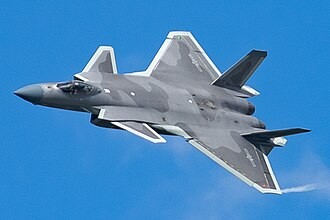
Chengdu J-20
'Chengdu J-20' is a stealth fighter developed and produced by Chengdu Aircraft Industry Group. Its first flight was in 2011, and its current status is 'in service.' Clues for reading mission equipment point to a large low-observable aircraft equipped with canards and internal weapon bays. When looking at the Chengdu J-20 as the face of air superiority missions, don’t just rely on similar paint schemes of variants but also check its designation, operator, and mission to pinpoint its exact role.
Expanding to maintenance and re-deployment environments makes it clearer how the 'Chengdu J-20' implements its design choices to secure air superiority. The first flight of the Chengdu J-20 in 2011 marked the beginning of technology development, but it does not imply immediate operational deployment. Its current status is 'in service,' and this clarification helps avoid confusion with prototype, retired, and production aircraft. The detailed specifications of the Chengdu J-20 also vary according to armaments and fuel layouts, so prioritizing the main mission over single data points is essential.
When comparing the 'Chengdu J-20' with the following items, look sequentially at the number of engines, crew size, radar and electronic warfare systems, and where armaments are mounted inside and outside the aircraft. The term stealth does not automatically imply evading detection from all directions. The modern fighter jets as the face of air superiority missions is not intended to glorify the might of the Chengdu J-20 or rank winners of hypothetical engagements. The basic information necessary to understand the aviation technology and operator of the Chengdu J-20 is prioritized through connected manufacturer, military, and museum sources. The image of the Chengdu J-20 uses a photo from Wikimedia Commons via Wikipedia for reference.
Expanding to maintenance and re-deployment environments makes it clearer how the 'Chengdu J-20' implements its design choices to secure air superiority. The first flight of the Chengdu J-20 in 2011 marked the beginning of technology development, but it does not imply immediate operational deployment. Its current status is 'in service,' and this clarification helps avoid confusion with prototype, retired, and production aircraft. The detailed specifications of the Chengdu J-20 also vary according to armaments and fuel layouts, so prioritizing the main mission over single data points is essential.
When comparing the 'Chengdu J-20' with the following items, look sequentially at the number of engines, crew size, radar and electronic warfare systems, and where armaments are mounted inside and outside the aircraft. The term stealth does not automatically imply evading detection from all directions. The modern fighter jets as the face of air superiority missions is not intended to glorify the might of the Chengdu J-20 or rank winners of hypothetical engagements. The basic information necessary to understand the aviation technology and operator of the Chengdu J-20 is prioritized through connected manufacturer, military, and museum sources. The image of the Chengdu J-20 uses a photo from Wikimedia Commons via Wikipedia for reference.
제작사 청두항공공업집단
국가 중국
첫 비행 2011년
주요 역할 스텔스 전투기
상태 현역
이미지 출처 Wikipedia/Wikimedia Commons · Chengdu J-20
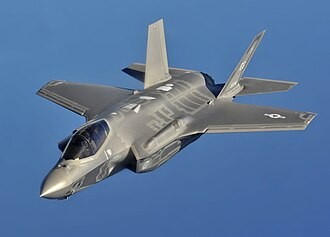
F-35A Lightning II
'F-35A Lightning II' is a stealth multi-role fighter developed and produced by Lockheed Martin as part of a U.S. and international cooperative program. Its first flight was in 2006, and its current status is 'in service.' An important change in aircraft lineage is the integration of sensor information shared with the pilot and allied forces. When looking at the F-35A Lightning II as the face of air superiority missions, don’t just rely on similar paint schemes of variants but also check its designation, operator, and mission to pinpoint its exact role.
Comparing previous and subsequent models makes it clearer how the 'F-35A Lightning II' implements its design choices to secure air superiority. The first flight of the F-35A Lightning II in 2006 marked the beginning of technology development, but it doesn’t imply immediate operational deployment. Its current status is 'in service,' and this clarification helps avoid confusion with prototype, retired, and production aircraft. The detailed specifications of the F-35A Lightning II also vary according to armaments and fuel layouts, so prioritizing the main mission over single data points is essential.
When comparing the 'F-35A Lightning II' with the following items, look sequentially at the number of engines, crew size, radar and electronic warfare systems, and where armaments are mounted inside and outside the aircraft. Aircraft carriers must be examined alongside the aircraft and carrier landing systems. The modern fighter jets as the face of air superiority missions is not intended to glorify the might of the F-35A Lightning II or rank winners of hypothetical engagements. The basic information necessary to understand the aviation technology and operator of the F-35A Lightning II is prioritized through connected manufacturer, military, and museum sources. The image of the F-35A Lightning II uses a photo from Wikimedia Commons via Wikipedia for reference.
Comparing previous and subsequent models makes it clearer how the 'F-35A Lightning II' implements its design choices to secure air superiority. The first flight of the F-35A Lightning II in 2006 marked the beginning of technology development, but it doesn’t imply immediate operational deployment. Its current status is 'in service,' and this clarification helps avoid confusion with prototype, retired, and production aircraft. The detailed specifications of the F-35A Lightning II also vary according to armaments and fuel layouts, so prioritizing the main mission over single data points is essential.
When comparing the 'F-35A Lightning II' with the following items, look sequentially at the number of engines, crew size, radar and electronic warfare systems, and where armaments are mounted inside and outside the aircraft. Aircraft carriers must be examined alongside the aircraft and carrier landing systems. The modern fighter jets as the face of air superiority missions is not intended to glorify the might of the F-35A Lightning II or rank winners of hypothetical engagements. The basic information necessary to understand the aviation technology and operator of the F-35A Lightning II is prioritized through connected manufacturer, military, and museum sources. The image of the F-35A Lightning II uses a photo from Wikimedia Commons via Wikipedia for reference.
제작사 록히드 마틴
국가 미국·국제 공동개발
첫 비행 2006년
주요 역할 스텔스 다목적 전투기
상태 현역
이미지 출처 Wikipedia/Wikimedia Commons · Lockheed Martin F-35 Lightning II
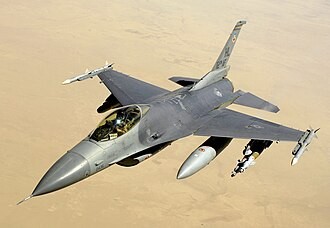
F-16 Block 70/72
'F-16 Block 70/72' is a single-engine, multi-role fighter jet developed and produced by Lockheed Martin in the United States. Its first flight was in 2023, and it is currently in the 'production and deployment' stage. The key to understanding its operational use is the modernization of legacy airframes through AESA radar and new electronic warfare systems. When you see the F-16 Block 70/72 as a modern fighter jet that symbolizes air superiority missions, don't rely solely on the paint scheme of similar variants; also check the model name, operating entity, and mission to get an accurate understanding of its position.
Dividing between external and internal armament conditions clarifies how the 'F-16 Block 70/72' executes design choices to secure air superiority. The first flight of the F-16 Block 70/72 in 2023 marks the beginning of technical development but does not immediately imply active deployment. Its current state of 'production and deployment' is emphasized to avoid confusion with prototype, retired, or in-production aircraft. The detailed specifications of the F-16 Block 70/72 can vary based on armament, fuel configurations, and upgrade versions, so the primary mission takes precedence over single figures.
When comparing the 'F-16 Block 70/72' with the following items, look at the number of engines, crew capacity, radar and electronic warfare equipment, and where the armament is mounted both inside and outside the aircraft, in that order. Retired aircraft also offer valuable operational experiences for the next generation. The 'modern fighter jet that symbolizes air superiority missions' does not serve to glorify the destructive power of the F-16 Block 70/72 or decide the victor of virtual engagements. The essential information needed to understand the aviation technology and operators of the F-16 Block 70/72 prioritizes materials linked to the manufacturer, military, and museum sources. Images of the F-16 Block 70/72 used aircraft photos that can confirm the original lineage via Wikimedia Commons through Wikipedia.
Dividing between external and internal armament conditions clarifies how the 'F-16 Block 70/72' executes design choices to secure air superiority. The first flight of the F-16 Block 70/72 in 2023 marks the beginning of technical development but does not immediately imply active deployment. Its current state of 'production and deployment' is emphasized to avoid confusion with prototype, retired, or in-production aircraft. The detailed specifications of the F-16 Block 70/72 can vary based on armament, fuel configurations, and upgrade versions, so the primary mission takes precedence over single figures.
When comparing the 'F-16 Block 70/72' with the following items, look at the number of engines, crew capacity, radar and electronic warfare equipment, and where the armament is mounted both inside and outside the aircraft, in that order. Retired aircraft also offer valuable operational experiences for the next generation. The 'modern fighter jet that symbolizes air superiority missions' does not serve to glorify the destructive power of the F-16 Block 70/72 or decide the victor of virtual engagements. The essential information needed to understand the aviation technology and operators of the F-16 Block 70/72 prioritizes materials linked to the manufacturer, military, and museum sources. Images of the F-16 Block 70/72 used aircraft photos that can confirm the original lineage via Wikimedia Commons through Wikipedia.
제작사 록히드 마틴
국가 미국
첫 비행 2023년
주요 역할 단발 다목적 전투기
상태 생산·전력화 중
이미지 출처 Wikipedia/Wikimedia Commons · General Dynamics F-16 Fighting Falcon
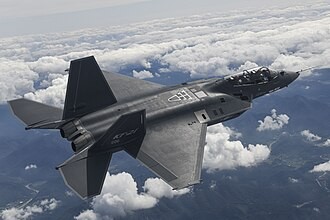
KF-21 Boramae
'KF-21 Boramae' is a 4.5-generation multi-role fighter jet developed and produced by Korea Aerospace Industries in South Korea. Its first flight was in 2022, and it is currently in the 'development and production transition' stage. The point to be noted regarding its development status and performance is that it is being developed on the premise of a domestic AESA radar and gradual performance enhancements. When you see the KF-21 Boramae as a modern fighter jet that symbolizes air superiority missions, don't rely solely on the paint scheme of similar variants; also check the model name, operating entity, and mission to get an accurate understanding of its position.
Cross-referencing the manufacturer's description and operational agency data provides a clearer picture of how the 'KF-21 Boramae' implements design choices to secure air superiority. The first flight of the KF-21 Boramae in 2022 marks the beginning of technical development but does not immediately imply active deployment. Its current state of 'development and production transition' is emphasized to avoid confusion with prototype, retired, or in-production aircraft. The detailed specifications of the KF-21 Boramae can also vary based on armament, fuel configurations, and upgrade versions, so the primary mission takes precedence over single figures.
When comparing the 'KF-21 Boramae' with the following items, look at the number of engines, crew capacity, radar and electronic warfare equipment, and where the armament is mounted both inside and outside the aircraft, in that order. Development schedules may change, so make sure to verify the exact stage names. The 'modern fighter jet that symbolizes air superiority missions' does not serve to glorify the destructive power of the KF-21 Boramae or decide the victor of virtual engagements. The essential information needed to understand the aviation technology and operators of the KF-21 Boramae prioritizes materials linked to the manufacturer, military, and museum sources. Images of the KF-21 Boramae used aircraft photos that can confirm the original lineage via Wikimedia Commons through Wikipedia.
Cross-referencing the manufacturer's description and operational agency data provides a clearer picture of how the 'KF-21 Boramae' implements design choices to secure air superiority. The first flight of the KF-21 Boramae in 2022 marks the beginning of technical development but does not immediately imply active deployment. Its current state of 'development and production transition' is emphasized to avoid confusion with prototype, retired, or in-production aircraft. The detailed specifications of the KF-21 Boramae can also vary based on armament, fuel configurations, and upgrade versions, so the primary mission takes precedence over single figures.
When comparing the 'KF-21 Boramae' with the following items, look at the number of engines, crew capacity, radar and electronic warfare equipment, and where the armament is mounted both inside and outside the aircraft, in that order. Development schedules may change, so make sure to verify the exact stage names. The 'modern fighter jet that symbolizes air superiority missions' does not serve to glorify the destructive power of the KF-21 Boramae or decide the victor of virtual engagements. The essential information needed to understand the aviation technology and operators of the KF-21 Boramae prioritizes materials linked to the manufacturer, military, and museum sources. Images of the KF-21 Boramae used aircraft photos that can confirm the original lineage via Wikimedia Commons through Wikipedia.
제작사 한국항공우주산업
국가 대한민국
첫 비행 2022년
주요 역할 4.5세대 다목적 전투기
상태 개발·양산 이행
이미지 출처 Wikipedia/Wikimedia Commons · KAI KF-21 Boramae
By comparing ten aircraft, it becomes clear that there isn’t just one answer for air superiority fighters. The F-22 focuses on low observability and supersonic cruising, while the F-15EX prioritizes payload and an open architecture, and the Gripen E emphasizes distributed operations.
When revisiting aircraft of interest, it’s essential to look at the overall flow of detection, identification, engagement, and return rather than a single figure like maximum speed. If the development stages and support systems of operating countries differ, the roles can vary even if the specifications are similar. It's important to cultivate the habit of confirming the type and status of information from connected manufacturers and operational institutions first. To fully understand modern fighter jets as the face of air superiority missions, one must consider not only the aircraft specifications but also the operational conditions and mission systems.
When revisiting aircraft of interest, it’s essential to look at the overall flow of detection, identification, engagement, and return rather than a single figure like maximum speed. If the development stages and support systems of operating countries differ, the roles can vary even if the specifications are similar. It's important to cultivate the habit of confirming the type and status of information from connected manufacturers and operational institutions first. To fully understand modern fighter jets as the face of air superiority missions, one must consider not only the aircraft specifications but also the operational conditions and mission systems.
한눈에 보기
10개
F-22 Raptor
록히드 마틴 · 미국 · 1997년 · 스텔스 제공 전투기 · 현역 · Wikipedia/Wikimedia Commons · Lockheed Martin F-22 Raptor
F-15EX Eagle II
보잉 · 미국 · 2021년 · 중무장 다목적 전투기 · 전력화 중 · Wikipedia/Wikimedia Commons · Boeing F-15EX Eagle II
Eurofighter Typhoon
유로파이터 컨소시엄 · 유럽 4개국 · 1994년 · 다목적 전투기 · 현역 · Wikipedia/Wikimedia Commons · Eurofighter Typhoon
Dassault Rafale
다쏘 아비아시옹 · 프랑스 · 1986년 · 옴니롤 전투기 · 현역 · Wikipedia/Wikimedia Commons · Dassault Rafale
Saab Gripen E
사브 · 스웨덴 · 2017년 · 경량 다목적 전투기 · 전력화 중 · Wikipedia/Wikimedia Commons · Saab JAS 39 Gripen
Sukhoi Su-35S
수호이 · 러시아 · 2008년 · 중형 다목적 전투기 · 현역 · Wikipedia/Wikimedia Commons · Sukhoi Su-35
Chengdu J-20
청두항공공업집단 · 중국 · 2011년 · 스텔스 전투기 · 현역 · Wikipedia/Wikimedia Commons · Chengdu J-20
F-35A Lightning II
록히드 마틴 · 미국·국제 공동개발 · 2006년 · 스텔스 다목적 전투기 · 현역 · Wikipedia/Wikimedia Commons · Lockheed Martin F-35 Lightning II
F-16 Block 70/72
록히드 마틴 · 미국 · 2023년 · 단발 다목적 전투기 · 생산·전력화 중 · Wikipedia/Wikimedia Commons · General Dynamics F-16 Fighting Falcon
KF-21 Boramae
한국항공우주산업 · 대한민국 · 2022년 · 4.5세대 다목적 전투기 · 개발·양산 이행 · Wikipedia/Wikimedia Commons · KAI KF-21 Boramae
이 포스팅은 쿠팡 파트너스 활동의 일환으로, 이에 따른 일정액의 수수료를 제공받습니다.
댓글 0
로그인 후 댓글을 작성할 수 있습니다.
첫 댓글을 남겨보세요.
이런 리스트는 어때요?


이런 리스트도 추천해요


🎲
여기서 멈추기엔 아쉽잖아?
다음에 뭘 볼지 고민하는 시간이 제일 아까워.
주사위가 대신 골라줄게 — 무슨 리스트가 튀어나올지는 굴려봐야 알지.
안 누르면… 평생 궁금하지 않겠어? 👀