Collection
Science
2026.09.11
A New Look at the Light of the Universe with Space Telescopes
Different Eyes of the Orbital Observatory Showing the Universe Beyond Visible Light
A space telescope is not just a ground-based telescope in orbit. Instead of capturing wavelengths blocked by the atmosphere and avoiding distortion and weather, it must handle new constraints like power, cooling, and communication.
This list compares how the observational wavelengths and scientific questions have changed from Hubble to IXPE. Even when observing the same universe, the subjects revealed by visible light, infrared, X-rays, and gamma rays are entirely different. By also considering the orbit and cooling methods of each instrument, we can gain a better understanding of the process that generates the observational results. By examining the actual mission data and instrument structures of space telescopes that have reinterpreted the light of the universe, you can understand the reasons behind their different choices more concretely.
This list compares how the observational wavelengths and scientific questions have changed from Hubble to IXPE. Even when observing the same universe, the subjects revealed by visible light, infrared, X-rays, and gamma rays are entirely different. By also considering the orbit and cooling methods of each instrument, we can gain a better understanding of the process that generates the observational results. By examining the actual mission data and instrument structures of space telescopes that have reinterpreted the light of the universe, you can understand the reasons behind their different choices more concretely.
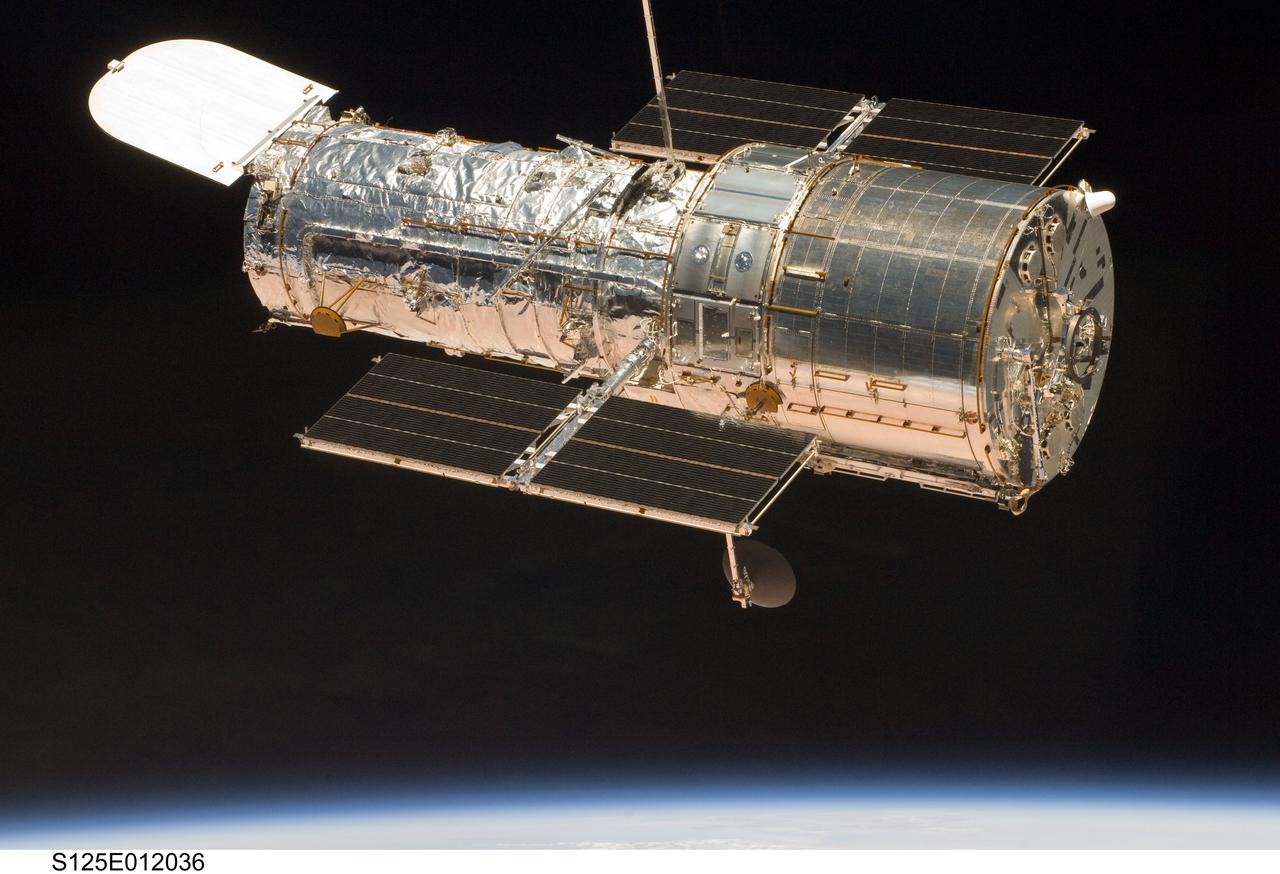
Hubble Space Telescope
When looking at the ‘Hubble Space Telescope’, the first thing to check in this list is its design, rather than its records. This spacecraft was launched aboard a space shuttle and has been an orbital telescope continuing deep space observations through servicing missions. NASA and ESA launched it on April 24, 1990, targeting low Earth orbit as a visible, ultraviolet, and near-infrared telescope. With these four pieces of information, we can discern the historical position and actual mission scope of the ‘Hubble Space Telescope’ that isn't obvious from its name alone.
The most interesting aspect of the ‘Hubble Space Telescope’ is its large mirror and structure that allows for long-term observations through repeated maintenance. When viewing the ‘Hubble Space Telescope’, it’s essential to compare how the information changes when the observation location shifts. The mission status of the ‘Hubble Space Telescope’ is ‘operational’, and for instruments that have ended their missions, one should read their remaining data and subsequent technologies, while operational devices should be viewed in the context of expanded tasks from the original plans. This perspective shows that the ‘Hubble Space Telescope’ is not just a mere record holder but a tool that has solved specific problems.
In the flow of the list, it’s worth looking at the ‘James Webb Space Telescope’ next. Comparing the visible, ultraviolet, and near-infrared capabilities of the ‘Hubble Space Telescope’ with the infrared capabilities of the ‘James Webb Space Telescope’, we can confirm that the telescope designs tailored for observational wavelengths were refined through a series of trial and error across multiple missions. The official page for the ‘Hubble Space Telescope’ provides detailed information about launch details, mission progress, and onboard instruments, so it's safe to refer to the latest updates for ongoing missions where dates and statuses change.
The most interesting aspect of the ‘Hubble Space Telescope’ is its large mirror and structure that allows for long-term observations through repeated maintenance. When viewing the ‘Hubble Space Telescope’, it’s essential to compare how the information changes when the observation location shifts. The mission status of the ‘Hubble Space Telescope’ is ‘operational’, and for instruments that have ended their missions, one should read their remaining data and subsequent technologies, while operational devices should be viewed in the context of expanded tasks from the original plans. This perspective shows that the ‘Hubble Space Telescope’ is not just a mere record holder but a tool that has solved specific problems.
In the flow of the list, it’s worth looking at the ‘James Webb Space Telescope’ next. Comparing the visible, ultraviolet, and near-infrared capabilities of the ‘Hubble Space Telescope’ with the infrared capabilities of the ‘James Webb Space Telescope’, we can confirm that the telescope designs tailored for observational wavelengths were refined through a series of trial and error across multiple missions. The official page for the ‘Hubble Space Telescope’ provides detailed information about launch details, mission progress, and onboard instruments, so it's safe to refer to the latest updates for ongoing missions where dates and statuses change.
운영기관 NASA·ESA
발사일 1990-04-24
형식 가시광·자외선·근적외선 망원경
목표 지구 저궤도
임무 상태 운용 중
이미지 자료 NASA Image Library · Hubble Space Telescope released from Atlantis
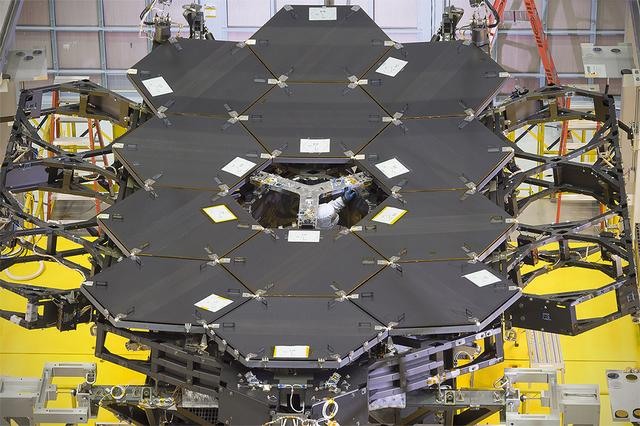
James Webb Space Telescope
When examining the ‘James Webb Space Telescope’, the starting point for understanding this instrument is the conditions demanded by its mission. This spacecraft is a large telescope designed to observe the early universe, star and planet formation, and exoplanet atmospheres in infrared. NASA, ESA, and CSA launched it on December 25, 2021, targeting the Sun-Earth L2 as an infrared space telescope. With these four pieces of information, we can discern the historical position and actual mission scope of the ‘James Webb Space Telescope’ that isn't obvious from its name alone.
The most interesting aspect of the ‘James Webb Space Telescope’ is its segmented primary mirror and massive sunshield that assist with ultra-cold observations. When viewing the ‘James Webb Space Telescope’, it's helpful to find the devices that maintain its position towards its target and the layout of its communication components in the official photos. The mission status of the ‘James Webb Space Telescope’ is ‘operational’, and for instruments that have ended their missions, one should refer to their remaining data and subsequent technologies, while active instruments should be read in the context of expanded tasks from their original plans. This way, we can see that the ‘James Webb Space Telescope’ is not just a record holder but a tool that has resolved specific problems.
Following the flow of the list, it’s worth looking at the ‘Chandra X-ray Observatory’ next. By comparing the infrared capabilities of the ‘James Webb Space Telescope’ with the X-ray capabilities of the ‘Chandra X-ray Observatory’, we can confirm that the designs tailored for observational wavelengths were refined through a series of trial and error across multiple missions. The official page for the ‘James Webb Space Telescope’ provides detailed information about launch details, mission progress, and onboard instruments, so it's safe to refer to the latest updates for ongoing missions where dates and statuses change.
The most interesting aspect of the ‘James Webb Space Telescope’ is its segmented primary mirror and massive sunshield that assist with ultra-cold observations. When viewing the ‘James Webb Space Telescope’, it's helpful to find the devices that maintain its position towards its target and the layout of its communication components in the official photos. The mission status of the ‘James Webb Space Telescope’ is ‘operational’, and for instruments that have ended their missions, one should refer to their remaining data and subsequent technologies, while active instruments should be read in the context of expanded tasks from their original plans. This way, we can see that the ‘James Webb Space Telescope’ is not just a record holder but a tool that has resolved specific problems.
Following the flow of the list, it’s worth looking at the ‘Chandra X-ray Observatory’ next. By comparing the infrared capabilities of the ‘James Webb Space Telescope’ with the X-ray capabilities of the ‘Chandra X-ray Observatory’, we can confirm that the designs tailored for observational wavelengths were refined through a series of trial and error across multiple missions. The official page for the ‘James Webb Space Telescope’ provides detailed information about launch details, mission progress, and onboard instruments, so it's safe to refer to the latest updates for ongoing missions where dates and statuses change.
운영기관 NASA·ESA·CSA
발사일 2021-12-25
형식 적외선 우주망원경
목표 태양-지구 L2
임무 상태 운용 중
이미지 자료 NASA Image Library · By the Dozen: NASA's James Webb Space Telescope Mirrors
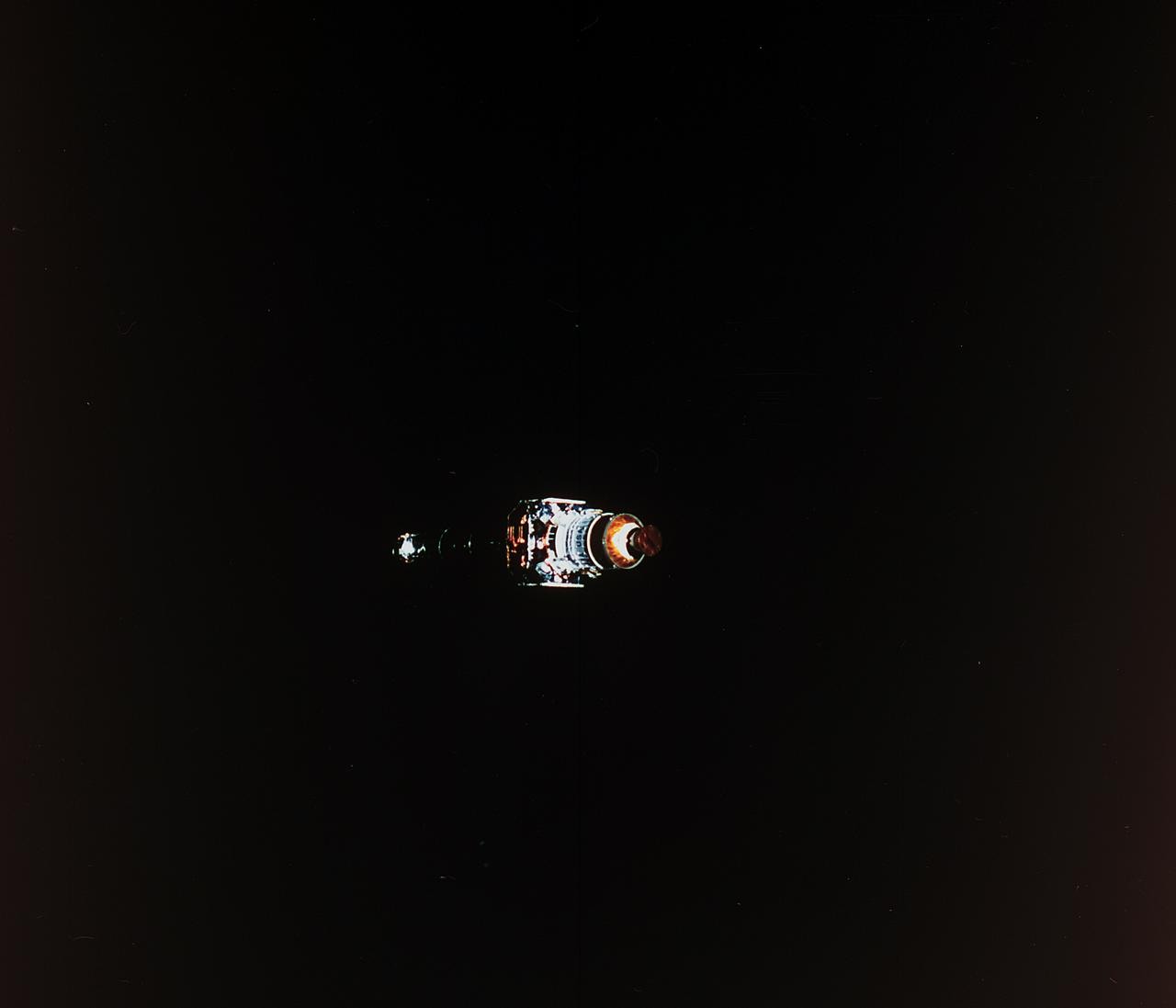
Chandra X-ray Observatory
When examining the ‘Chandra X-ray Observatory’, it’s easy to overlook parts related to the choice of this instrument when only focusing on its achievements. This spacecraft is designed to observe high-energy astrophysical phenomena such as black holes and supernova remnants using X-rays. NASA launched it on July 23, 1999, targeting a highly elliptical Earth orbit as an X-ray space telescope. With these four pieces of information, we can discern the historical position and actual mission scope of the ‘Chandra X-ray Observatory’ that isn't obvious from its name alone.
The most interesting aspect of the ‘Chandra X-ray Observatory’ is its overlapping mirrors that gather X-rays coming in at oblique angles. When viewing the ‘Chandra X-ray Observatory’, placing it alongside other instruments from the same era reveals the priorities of propulsion, power, and observational equipment. The mission status of the ‘Chandra X-ray Observatory’ is ‘operational’, and for instruments that have ended their missions, one should refer to their remaining data and subsequent technologies, while active instruments should be read in the context of expanded tasks from their original plans. This perspective shows that the ‘Chandra X-ray Observatory’ is not just a record holder but a tool that has solved specific problems.
Following the flow of the list, it’s worth looking at the ‘Spitzer Space Telescope’ next. By comparing the X-ray capabilities of the ‘Chandra X-ray Observatory’ with the infrared capabilities of the ‘Spitzer Space Telescope’, we can confirm that designs tailored for observational wavelengths were refined through a series of trial and error across multiple missions. The official page for the ‘Chandra X-ray Observatory’ provides detailed information about launch details, mission progress, and onboard instruments, so it's safe to refer to the latest updates for ongoing missions where dates and statuses change.
The most interesting aspect of the ‘Chandra X-ray Observatory’ is its overlapping mirrors that gather X-rays coming in at oblique angles. When viewing the ‘Chandra X-ray Observatory’, placing it alongside other instruments from the same era reveals the priorities of propulsion, power, and observational equipment. The mission status of the ‘Chandra X-ray Observatory’ is ‘operational’, and for instruments that have ended their missions, one should refer to their remaining data and subsequent technologies, while active instruments should be read in the context of expanded tasks from their original plans. This perspective shows that the ‘Chandra X-ray Observatory’ is not just a record holder but a tool that has solved specific problems.
Following the flow of the list, it’s worth looking at the ‘Spitzer Space Telescope’ next. By comparing the X-ray capabilities of the ‘Chandra X-ray Observatory’ with the infrared capabilities of the ‘Spitzer Space Telescope’, we can confirm that designs tailored for observational wavelengths were refined through a series of trial and error across multiple missions. The official page for the ‘Chandra X-ray Observatory’ provides detailed information about launch details, mission progress, and onboard instruments, so it's safe to refer to the latest updates for ongoing missions where dates and statuses change.
운영기관 NASA
발사일 1999-07-23
형식 X선 우주망원경
목표 고타원 지구 궤도
임무 상태 운용 중
이미지 자료 NASA Image Library · History of Chandra X-Ray Observatory
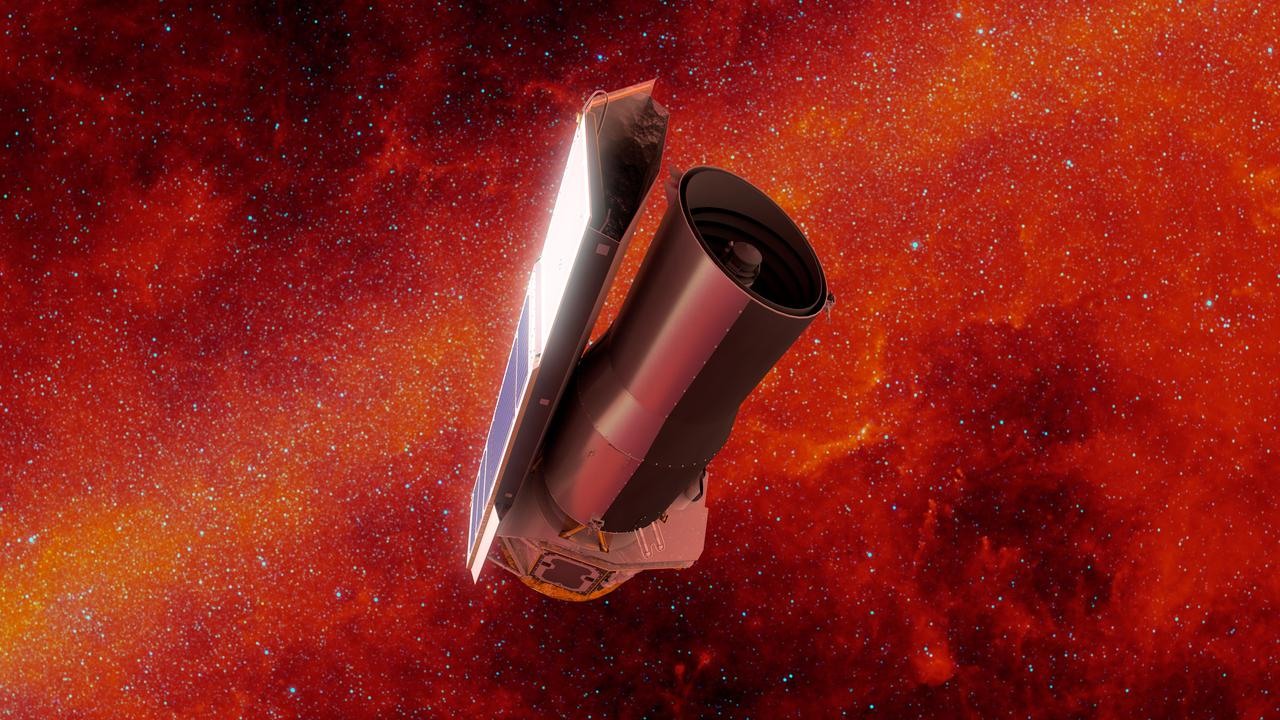
Spitzer Space Telescope
When examining the ‘Spitzer Space Telescope’, comparing generations based on launch date reveals clear changes. This spacecraft is an infrared space telescope designed to observe star formation areas obscured by dust and cold celestial bodies. NASA launched it on August 25, 2003, targeting a solar-centered orbit as an infrared space telescope. With these four pieces of information, we can discern the historical position and actual mission scope of the ‘Spitzer Space Telescope’ that isn't obvious from its name alone.
The most interesting aspect of the ‘Spitzer Space Telescope’ is its operation that extended its mission beyond the depletion of coolant, still using available wavelengths. When looking at the ‘Spitzer Space Telescope’, check the communication distance and mission duration first to clearly understand the reasons behind the choice of antennas and power. The mission status of the ‘Spitzer Space Telescope’ is ‘mission complete’, and for instruments that have ended their missions, one should refer to their remaining data and subsequent technologies, while active instruments should be read in the context of expanded tasks from their original plans. This perspective shows that the ‘Spitzer Space Telescope’ is not just a record holder but a tool that has solved specific problems.
In the flow of the list, it’s worth looking at the ‘Kepler Space Telescope’ next. By comparing the infrared capabilities of the ‘Spitzer Space Telescope’ with the exoplanet-hunting capabilities of the ‘Kepler Space Telescope’, we can confirm that designs tailored for observational wavelengths were refined through a series of trial and error across multiple missions. The official page for the ‘Spitzer Space Telescope’ provides detailed information about launch details, mission progress, and onboard instruments, so it's safe to refer to the latest updates for ongoing missions where dates and statuses change.
The most interesting aspect of the ‘Spitzer Space Telescope’ is its operation that extended its mission beyond the depletion of coolant, still using available wavelengths. When looking at the ‘Spitzer Space Telescope’, check the communication distance and mission duration first to clearly understand the reasons behind the choice of antennas and power. The mission status of the ‘Spitzer Space Telescope’ is ‘mission complete’, and for instruments that have ended their missions, one should refer to their remaining data and subsequent technologies, while active instruments should be read in the context of expanded tasks from their original plans. This perspective shows that the ‘Spitzer Space Telescope’ is not just a record holder but a tool that has solved specific problems.
In the flow of the list, it’s worth looking at the ‘Kepler Space Telescope’ next. By comparing the infrared capabilities of the ‘Spitzer Space Telescope’ with the exoplanet-hunting capabilities of the ‘Kepler Space Telescope’, we can confirm that designs tailored for observational wavelengths were refined through a series of trial and error across multiple missions. The official page for the ‘Spitzer Space Telescope’ provides detailed information about launch details, mission progress, and onboard instruments, so it's safe to refer to the latest updates for ongoing missions where dates and statuses change.
운영기관 NASA
발사일 2003-08-25
형식 적외선 우주망원경
목표 태양 중심 궤도
임무 상태 임무 종료
이미지 자료 NASA Image Library · Spitzer Space Telescope (Illustration)
Kepler Space Telescope
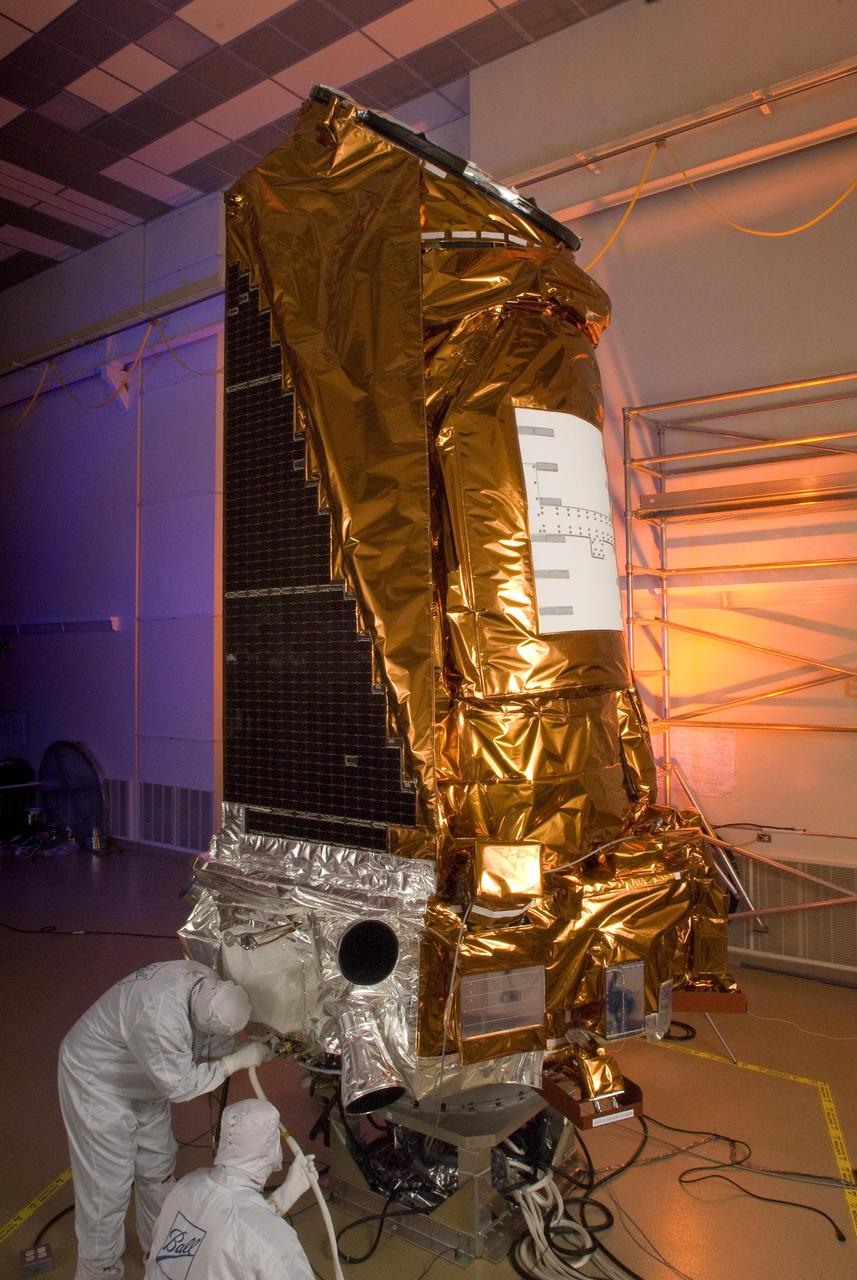
When examining the ‘Kepler Space Telescope’, although the name may be familiar, its actual role becomes evident only when considering its mission objectives and orbit together. This spacecraft is a telescope that measured the periodic dimming of starlight to find thousands of exoplanet candidates. NASA launched it on March 7, 2009, targeting a solar-centered orbit as an exoplanet-hunting telescope. With these four pieces of information, we can discern the historical position and actual mission scope of the ‘Kepler Space Telescope’ that isn't obvious from its name alone.
The most interesting aspect of the ‘Kepler Space Telescope’ is its transit observation method, which allows it to stare at a wide field of stars for extended periods. When examining the ‘Kepler Space Telescope’, if it’s currently operational, review how the latest results differ from the original goals. The mission status of the ‘Kepler Space Telescope’ is ‘mission complete’, and for instruments that have ended their missions, one should refer to their remaining data and subsequent technologies, while active instruments should be read in the context of expanded tasks from their original plans. This perspective shows that the ‘Kepler Space Telescope’ is not just a record holder but a tool that has solved specific problems.
Following the flow of the list, it’s worth looking at ‘TESS’ next. By comparing the exoplanet-hunting capabilities of the ‘Kepler Space Telescope’ with the all-sky exoplanet survey capabilities of ‘TESS’, we can confirm that designs tailored for observational wavelengths were refined through a series of trial and error across multiple missions. The official page for the ‘Kepler Space Telescope’ provides detailed information about launch details, mission progress, and onboard instruments, so it's safe to refer to the latest updates for ongoing missions where dates and statuses change.
The most interesting aspect of the ‘Kepler Space Telescope’ is its transit observation method, which allows it to stare at a wide field of stars for extended periods. When examining the ‘Kepler Space Telescope’, if it’s currently operational, review how the latest results differ from the original goals. The mission status of the ‘Kepler Space Telescope’ is ‘mission complete’, and for instruments that have ended their missions, one should refer to their remaining data and subsequent technologies, while active instruments should be read in the context of expanded tasks from their original plans. This perspective shows that the ‘Kepler Space Telescope’ is not just a record holder but a tool that has solved specific problems.
Following the flow of the list, it’s worth looking at ‘TESS’ next. By comparing the exoplanet-hunting capabilities of the ‘Kepler Space Telescope’ with the all-sky exoplanet survey capabilities of ‘TESS’, we can confirm that designs tailored for observational wavelengths were refined through a series of trial and error across multiple missions. The official page for the ‘Kepler Space Telescope’ provides detailed information about launch details, mission progress, and onboard instruments, so it's safe to refer to the latest updates for ongoing missions where dates and statuses change.
운영기관 NASA
발사일 2009-03-07
형식 외계행성 탐색 망원경
목표 태양 중심 궤도
임무 상태 임무 종료
이미지 자료 NASA Image Library · The Kepler Spacecraft
TESS
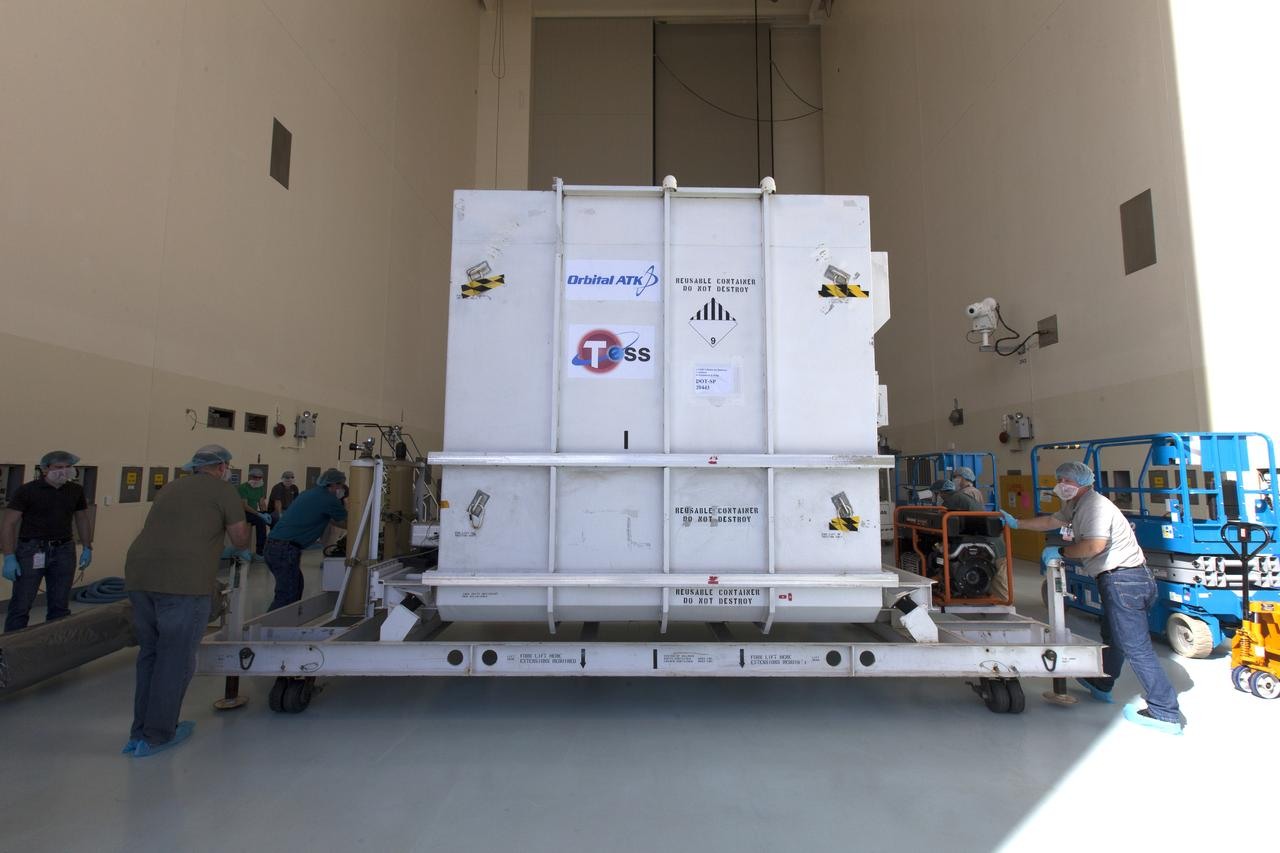
When examining ‘TESS’, the decisive scene of its mission starts with hardware tailored to its objectives. This spacecraft is designed to scan bright nearby stars widely to find suitable exoplanet candidates for follow-up observations. NASA launched it on April 18, 2018, targeting an elliptical Earth orbit as an all-sky exoplanet survey satellite. With these four pieces of information, we can discern the historical position and actual mission scope of ‘TESS’ that isn't obvious from its name alone.
The most interesting aspect of ‘TESS’ is its method of breaking the sky into sections and taking repeated images with four cameras. When reading mission data for ‘TESS’, let’s follow not only the success scenes but also the procedures that mitigated risks. The mission status of ‘TESS’ is ‘operational’, and for instruments that have ended their missions, one should refer to their remaining data and subsequent technologies, while active instruments should be read in the context of expanded tasks from their original plans. This perspective shows that ‘TESS’ is not just a record holder but a tool that has solved specific problems.
Following the flow of the list, it’s worth looking at the ‘Fermi Gamma-ray Space Telescope’ next. By comparing the all-sky exoplanet survey capabilities of ‘TESS’ with the gamma-ray capabilities of the ‘Fermi Gamma-ray Space Telescope’, we can confirm that designs tailored for observational wavelengths were refined through a series of trial and error across multiple missions. The official page for ‘TESS’ provides detailed information about launch details, mission progress, and onboard instruments, so it's safe to refer to the latest updates for ongoing missions where dates and statuses change.
The most interesting aspect of ‘TESS’ is its method of breaking the sky into sections and taking repeated images with four cameras. When reading mission data for ‘TESS’, let’s follow not only the success scenes but also the procedures that mitigated risks. The mission status of ‘TESS’ is ‘operational’, and for instruments that have ended their missions, one should refer to their remaining data and subsequent technologies, while active instruments should be read in the context of expanded tasks from their original plans. This perspective shows that ‘TESS’ is not just a record holder but a tool that has solved specific problems.
Following the flow of the list, it’s worth looking at the ‘Fermi Gamma-ray Space Telescope’ next. By comparing the all-sky exoplanet survey capabilities of ‘TESS’ with the gamma-ray capabilities of the ‘Fermi Gamma-ray Space Telescope’, we can confirm that designs tailored for observational wavelengths were refined through a series of trial and error across multiple missions. The official page for ‘TESS’ provides detailed information about launch details, mission progress, and onboard instruments, so it's safe to refer to the latest updates for ongoing missions where dates and statuses change.
운영기관 NASA
발사일 2018-04-18
형식 전천 외계행성 탐색위성
목표 고타원 지구 궤도
임무 상태 운용 중
이미지 자료 NASA Image Library · TESS Spacecraft Arrival
Fermi Gamma-ray Space Telescope
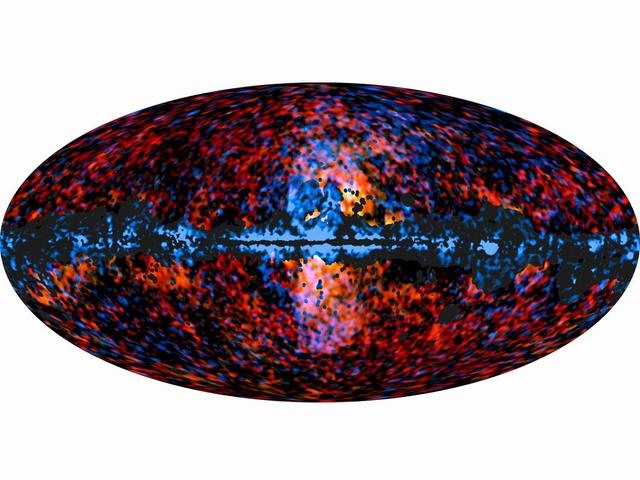
When examining the ‘Fermi Gamma-ray Space Telescope’, this spacecraft embodies the questions that needed to be addressed at the time. It is a telescope designed to observe high-energy phenomena such as gamma-ray bursts, pulsars, and active galactic nuclei with a wide field of view. NASA launched it in collaboration with the U.S. Department of Energy and international partners on June 11, 2008, targeting low Earth orbit as a gamma-ray telescope. With these four pieces of information, we can discern the historical position and actual mission scope of the ‘Fermi Gamma-ray Space Telescope’ that isn't obvious from its name alone.
The most interesting aspect of the ‘Fermi Gamma-ray Space Telescope’ is the equipment that performs wide-sky surveillance alongside real-time alerts for explosive events. When viewing the ‘Fermi Gamma-ray Space Telescope’, it’s insightful to examine the sequence of equipment usage after arriving at objectives to understand the design intentions. The mission status of the ‘Fermi Gamma-ray Space Telescope’ is ‘operational’, and for instruments that have ended their missions, one should refer to their remaining data and subsequent technologies, while active instruments should be read in the context of expanded tasks from their original plans. This perspective shows that the ‘Fermi Gamma-ray Space Telescope’ is not just a record holder but a tool that has solved specific problems.
In the flow of the list, it’s worth looking at ‘IXPE’ next. By comparing the gamma-ray capabilities of the ‘Fermi Gamma-ray Space Telescope’ with the X-ray polarization observatory capabilities of ‘IXPE’, we can confirm that designs tailored for observational wavelengths were refined through a series of trial and error across multiple missions. The official page for the ‘Fermi Gamma-ray Space Telescope’ provides detailed information about launch details, mission progress, and onboard instruments, so it's safe to refer to the latest updates for ongoing missions where dates and statuses change.
The most interesting aspect of the ‘Fermi Gamma-ray Space Telescope’ is the equipment that performs wide-sky surveillance alongside real-time alerts for explosive events. When viewing the ‘Fermi Gamma-ray Space Telescope’, it’s insightful to examine the sequence of equipment usage after arriving at objectives to understand the design intentions. The mission status of the ‘Fermi Gamma-ray Space Telescope’ is ‘operational’, and for instruments that have ended their missions, one should refer to their remaining data and subsequent technologies, while active instruments should be read in the context of expanded tasks from their original plans. This perspective shows that the ‘Fermi Gamma-ray Space Telescope’ is not just a record holder but a tool that has solved specific problems.
In the flow of the list, it’s worth looking at ‘IXPE’ next. By comparing the gamma-ray capabilities of the ‘Fermi Gamma-ray Space Telescope’ with the X-ray polarization observatory capabilities of ‘IXPE’, we can confirm that designs tailored for observational wavelengths were refined through a series of trial and error across multiple missions. The official page for the ‘Fermi Gamma-ray Space Telescope’ provides detailed information about launch details, mission progress, and onboard instruments, so it's safe to refer to the latest updates for ongoing missions where dates and statuses change.
운영기관 NASA·미 에너지부·국제협력기관
발사일 2008-06-11
형식 감마선 우주망원경
목표 지구 저궤도
임무 상태 운용 중
이미지 자료 NASA Image Library · Galactic Haze seen by Planck and Galactic Bubbles seen by Fermi
IXPE
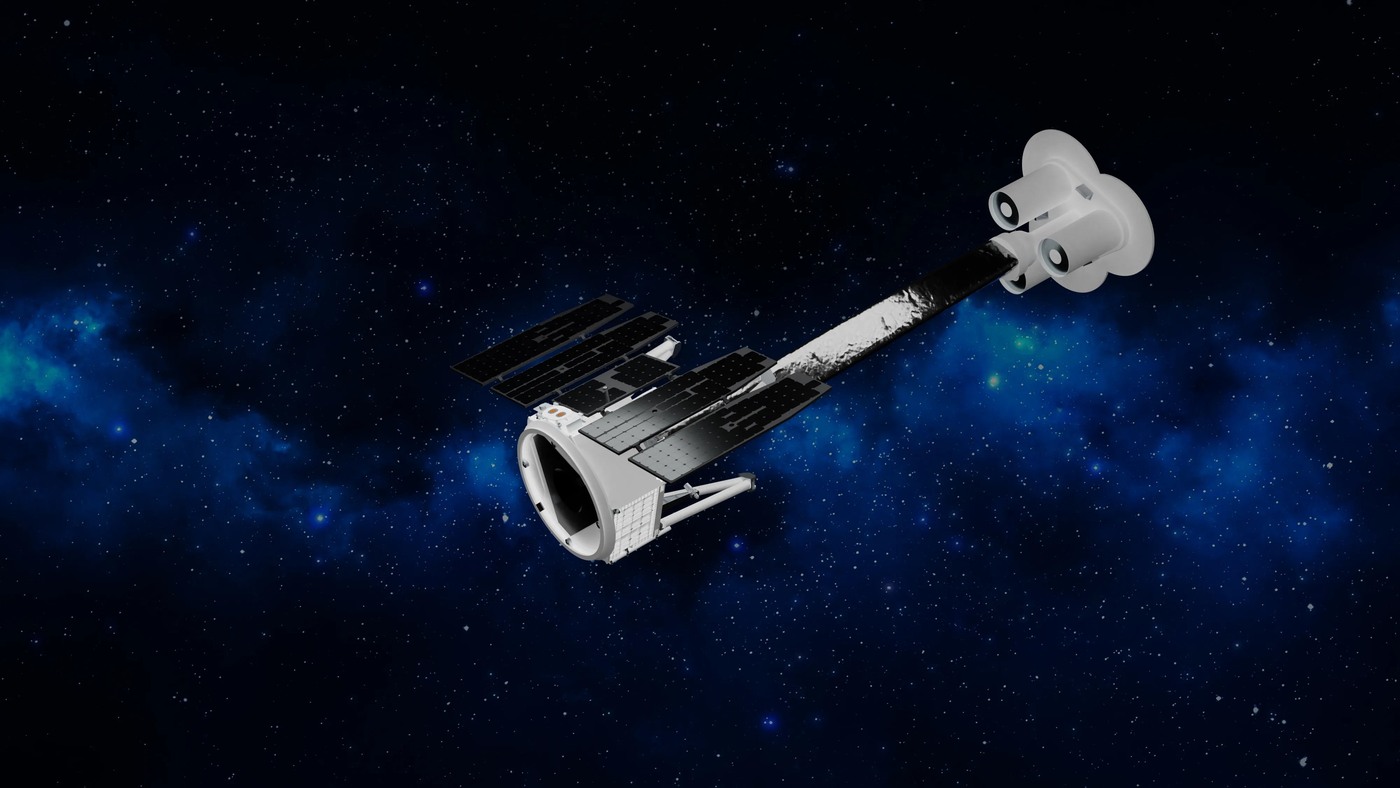
When examining ‘IXPE’, the observational results arise from a design that allocates limited power and communication resources. This spacecraft measures the polarization of X-rays coming from black holes and neutron stars to study magnetic fields and geometry. NASA and ASI launched it on December 9, 2021, targeting low Earth orbit as an X-ray polarization observatory. With these four pieces of information, we can discern the historical position and actual mission scope of ‘IXPE’ that isn't obvious from its name alone.
The most interesting aspect of ‘IXPE’ is its method of reading the directionality of X-rays using three telescopes. When looking at ‘IXPE’, if the mission has concluded, it’s worthwhile to verify the final operational methods and the remaining data. The mission status of ‘IXPE’ is ‘operational’, and for instruments that have ended their missions, one should refer to their remaining data and subsequent technologies, while active instruments should be read in the context of expanded tasks from their original plans. This perspective shows that ‘IXPE’ is not just a record holder but a tool that has solved specific problems.
In the flow of the list, it’s worth looking back at the ‘Hubble Space Telescope’. By comparing the X-ray polarization capabilities of ‘IXPE’ with the visible, ultraviolet, and near-infrared capabilities of the ‘Hubble Space Telescope’, we can confirm that designs tailored for observational wavelengths were refined through a series of trial and error across multiple missions. The official page for ‘IXPE’ provides detailed information about launch details, mission progress, and onboard instruments, so it's safe to refer to the latest updates for ongoing missions where dates and statuses change.
The most interesting aspect of ‘IXPE’ is its method of reading the directionality of X-rays using three telescopes. When looking at ‘IXPE’, if the mission has concluded, it’s worthwhile to verify the final operational methods and the remaining data. The mission status of ‘IXPE’ is ‘operational’, and for instruments that have ended their missions, one should refer to their remaining data and subsequent technologies, while active instruments should be read in the context of expanded tasks from their original plans. This perspective shows that ‘IXPE’ is not just a record holder but a tool that has solved specific problems.
In the flow of the list, it’s worth looking back at the ‘Hubble Space Telescope’. By comparing the X-ray polarization capabilities of ‘IXPE’ with the visible, ultraviolet, and near-infrared capabilities of the ‘Hubble Space Telescope’, we can confirm that designs tailored for observational wavelengths were refined through a series of trial and error across multiple missions. The official page for ‘IXPE’ provides detailed information about launch details, mission progress, and onboard instruments, so it's safe to refer to the latest updates for ongoing missions where dates and statuses change.
운영기관 NASA·ASI
발사일 2021-12-09
형식 X선 편광 관측선
목표 지구 저궤도
임무 상태 운용 중
이미지 자료 NASA Science · IXPE spacecraft
When looking at the eight space telescopes in succession, a good observatory is not determined solely by the size of its mirror. It’s essential that the detector matches the target wavelength, along with temperature, orbit, and data processing methods, to achieve scientific results.
Choose an interesting celestial object and compare how Hubble, Webb, and Chandra each represent it. By confirming whether the differences in color are due to simple corrections or actual differences in the observed wavelengths, you can more accurately read the process by which images of the universe are completed from data. By examining the actual mission data and instrument structures of space telescopes that have reinterpreted the light of the universe, you can understand the reasons behind their different choices more concretely.
Choose an interesting celestial object and compare how Hubble, Webb, and Chandra each represent it. By confirming whether the differences in color are due to simple corrections or actual differences in the observed wavelengths, you can more accurately read the process by which images of the universe are completed from data. By examining the actual mission data and instrument structures of space telescopes that have reinterpreted the light of the universe, you can understand the reasons behind their different choices more concretely.
한눈에 보기
8개
Hubble Space Telescope
NASA·ESA · 1990-04-24 · 가시광·자외선·근적외선 망원경 · 지구 저궤도 · 운용 중 · NASA Image Library · Hubble Space Telescope released from Atlantis
James Webb Space Telescope
NASA·ESA·CSA · 2021-12-25 · 적외선 우주망원경 · 태양-지구 L2 · 운용 중 · NASA Image Library · By the Dozen: NASA's James Webb Space Telescope Mirrors
Chandra X-ray Observatory
NASA · 1999-07-23 · X선 우주망원경 · 고타원 지구 궤도 · 운용 중 · NASA Image Library · History of Chandra X-Ray Observatory
Spitzer Space Telescope
NASA · 2003-08-25 · 적외선 우주망원경 · 태양 중심 궤도 · 임무 종료 · NASA Image Library · Spitzer Space Telescope (Illustration)
Kepler Space Telescope
NASA · 2009-03-07 · 외계행성 탐색 망원경 · 태양 중심 궤도 · 임무 종료 · NASA Image Library · The Kepler Spacecraft
TESS
NASA · 2018-04-18 · 전천 외계행성 탐색위성 · 고타원 지구 궤도 · 운용 중 · NASA Image Library · TESS Spacecraft Arrival
Fermi Gamma-ray Space Telescope
NASA·미 에너지부·국제협력기관 · 2008-06-11 · 감마선 우주망원경 · 지구 저궤도 · 운용 중 · NASA Image Library · Galactic Haze seen by Planck and Galactic Bubbles seen by Fermi
IXPE
NASA·ASI · 2021-12-09 · X선 편광 관측선 · 지구 저궤도 · 운용 중 · NASA Science · IXPE spacecraft
이 포스팅은 쿠팡 파트너스 활동의 일환으로, 이에 따른 일정액의 수수료를 제공받습니다.
댓글 0
로그인 후 댓글을 작성할 수 있습니다.
첫 댓글을 남겨보세요.
이런 리스트는 어때요?


이런 리스트도 추천해요



🎲
여기서 멈추기엔 아쉽잖아?
다음에 뭘 볼지 고민하는 시간이 제일 아까워.
주사위가 대신 골라줄게 — 무슨 리스트가 튀어나올지는 굴려봐야 알지.
안 누르면… 평생 궁금하지 않겠어? 👀