
Collection
Science
2026.09.10
Ten Spacecraft That Brought Mars Closer to Us
From the First Close-Up Photos to the Search for Signs of Life: Key Moments in Mars Exploration
Mars exploration has not been completed in a single success. Spacecraft that take pictures while passing by, orbiters that create maps, landers that stay in one place, and rovers that drive around have filled each other's gaps.
From Mariner 4 to Perseverance, both landing technology and scientific questions have evolved together, revealing a collaboration structure that helps today's rovers operate through data transmitted by older orbiters. "Ten Spacecraft That Brought Mars Closer to Us" gathers ten actual spacecraft based on the interaction between orbital observation and landing/driving. The items are arranged to reflect changes in mission approaches rather than their launch years, and only verified information from operating agencies' official records has been used. A comparison basis is noted separately with each item description.
From Mariner 4 to Perseverance, both landing technology and scientific questions have evolved together, revealing a collaboration structure that helps today's rovers operate through data transmitted by older orbiters. "Ten Spacecraft That Brought Mars Closer to Us" gathers ten actual spacecraft based on the interaction between orbital observation and landing/driving. The items are arranged to reflect changes in mission approaches rather than their launch years, and only verified information from operating agencies' official records has been used. A comparison basis is noted separately with each item description.
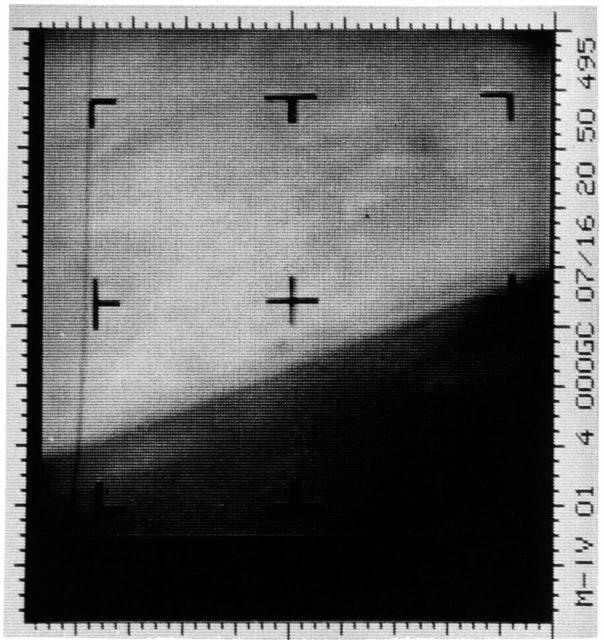
Mariner 4
When examining 'Mariner 4', the first thing to check in this list is its design rather than its records. This spacecraft was the first to send close-up photos of Mars back to Earth, showing the planet's surface in actual terrain. Launched by NASA on November 28, 1964, it was aimed at Mars as a flyby mission. By considering these four pieces of information together, one can distinguish 'Mariner 4's' historical context and the true scope of its mission, which isn't obvious from the name alone.
The most interesting aspect of 'Mariner 4' is the way it saved photos during a short passage time and transmitted them slowly. When viewing 'Mariner 4', it's beneficial to find the configuration of the device maintaining orientation towards its target and the arrangement of its communication department in official photos. The mission status of 'Mariner 4' is 'mission complete,' and for the terminated craft, one should read the remaining data and subsequent technologies, while for the operational craft, this should be viewed in the context of expanded tasks from the initial plan. This shows that 'Mariner 4' was not just a record holder but a tool that solved specific problems.
In terms of the list's progression, it is worth checking out 'Viking 1' next. A comparison between 'Mariner 4's' Mars flyby mission and 'Viking 1's' orbiter and lander confirms that the collaboration of orbiter and surface missions has been built up through multiple trials rather than a single invention. More detailed information about 'Mariner 4' can be found on its official page, so for ongoing missions where dates and statuses may change, it's safer to check the latest announcements alongside.
The most interesting aspect of 'Mariner 4' is the way it saved photos during a short passage time and transmitted them slowly. When viewing 'Mariner 4', it's beneficial to find the configuration of the device maintaining orientation towards its target and the arrangement of its communication department in official photos. The mission status of 'Mariner 4' is 'mission complete,' and for the terminated craft, one should read the remaining data and subsequent technologies, while for the operational craft, this should be viewed in the context of expanded tasks from the initial plan. This shows that 'Mariner 4' was not just a record holder but a tool that solved specific problems.
In terms of the list's progression, it is worth checking out 'Viking 1' next. A comparison between 'Mariner 4's' Mars flyby mission and 'Viking 1's' orbiter and lander confirms that the collaboration of orbiter and surface missions has been built up through multiple trials rather than a single invention. More detailed information about 'Mariner 4' can be found on its official page, so for ongoing missions where dates and statuses may change, it's safer to check the latest announcements alongside.
운영기관 NASA
발사일 1964-11-28
형식 화성 플라이바이 탐사선
목표 화성
임무 상태 임무 종료
이미지 자료 NASA Image Library · First TV Image of Mars
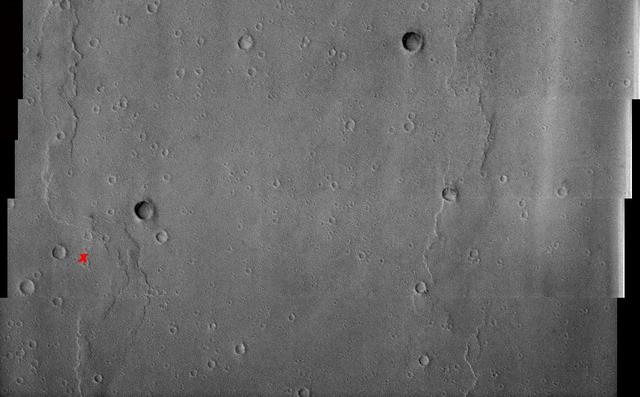
Viking 1
When examining 'Viking 1', the starting point for understanding this craft is the conditions required by its mission. This spacecraft is a composite spacecraft that performed both Mars orbital observations and the United States' first successful Mars landing. Launched by NASA on August 20, 1975, it was aimed at Mars as an orbiter and lander. By considering these four pieces of information together, one can distinguish 'Viking 1's' historical context and the true scope of its mission, which isn't obvious from the name alone.
The most interesting aspect of 'Viking 1' is the collaboration where the orbiter chose the landing site and relayed communications. When viewing 'Viking 1', placing it alongside spacecraft from the same era reveals the priority of propulsion, power, and observation equipment. 'Viking 1's' mission status is 'mission complete,' and for the terminated craft, one should read the remaining data and subsequent technologies, while for the operational craft, this should be viewed in the context of expanded tasks from the initial plan. This shows that 'Viking 1' was not just a record holder but a tool that solved specific problems.
In terms of the list's progression, it's worth checking out 'Mars Pathfinder' next. A comparison between the orbiter and lander of 'Viking 1' and the lander and rover of 'Mars Pathfinder' confirms that the collaboration of orbiter and surface missions has been built up through multiple trials rather than a single invention. More detailed information about 'Viking 1' can be found on its official page, so for ongoing missions where dates and statuses may change, it's safer to check the latest announcements alongside.
The most interesting aspect of 'Viking 1' is the collaboration where the orbiter chose the landing site and relayed communications. When viewing 'Viking 1', placing it alongside spacecraft from the same era reveals the priority of propulsion, power, and observation equipment. 'Viking 1's' mission status is 'mission complete,' and for the terminated craft, one should read the remaining data and subsequent technologies, while for the operational craft, this should be viewed in the context of expanded tasks from the initial plan. This shows that 'Viking 1' was not just a record holder but a tool that solved specific problems.
In terms of the list's progression, it's worth checking out 'Mars Pathfinder' next. A comparison between the orbiter and lander of 'Viking 1' and the lander and rover of 'Mars Pathfinder' confirms that the collaboration of orbiter and surface missions has been built up through multiple trials rather than a single invention. More detailed information about 'Viking 1' can be found on its official page, so for ongoing missions where dates and statuses may change, it's safer to check the latest announcements alongside.
운영기관 NASA
발사일 1975-08-20
형식 궤도선·착륙선
목표 화성
임무 상태 임무 종료
이미지 자료 NASA Image Library · 1st Manned Lunar Landing and 1st Robotic Mars Landing Commemorative Release: Viking 1 Landing Site in Chryse Planitia - Visible Image
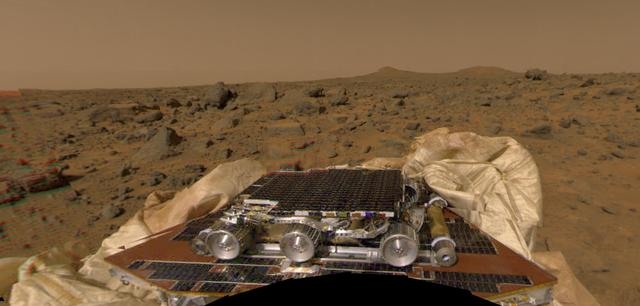
Mars Pathfinder
When examining 'Mars Pathfinder', there is a crucial aspect regarding the selection of the craft that can easily be overlooked if only focusing on its achievements. This spacecraft is a low-cost technology demonstration mission that proved airbag landing and operated the Sojourner rover. Launched by NASA on December 4, 1996, it was aimed at Mars as a lander and rover. By considering these four pieces of information together, one can distinguish 'Mars Pathfinder's' historical context and the true scope of its mission, which isn't obvious from the name alone.
The most interesting aspect of 'Mars Pathfinder' is the structure where the lander and the small mobile robot share roles. When viewing 'Mars Pathfinder', checking the communication distance and mission duration first reveals the reasoning behind the selection of antenna and power. 'Mars Pathfinder's' mission status is 'mission complete,' and for the terminated craft, one should read the remaining data and subsequent technologies, while for the operational craft, this should be viewed in the context of expanded tasks from the initial plan. This shows that 'Mars Pathfinder' was not just a record holder but a tool that solved specific problems.
In terms of the list's progression, it's worth checking out '2001 Mars Odyssey' next. A comparison between 'Mars Pathfinder's' lander and rover and '2001 Mars Odyssey's' Mars orbiter confirms that the collaboration of orbiter and surface missions has been built up through multiple trials rather than a single invention. More detailed information about 'Mars Pathfinder' can be found on its official page, so for ongoing missions where dates and statuses may change, it's safer to check the latest announcements alongside.
The most interesting aspect of 'Mars Pathfinder' is the structure where the lander and the small mobile robot share roles. When viewing 'Mars Pathfinder', checking the communication distance and mission duration first reveals the reasoning behind the selection of antenna and power. 'Mars Pathfinder's' mission status is 'mission complete,' and for the terminated craft, one should read the remaining data and subsequent technologies, while for the operational craft, this should be viewed in the context of expanded tasks from the initial plan. This shows that 'Mars Pathfinder' was not just a record holder but a tool that solved specific problems.
In terms of the list's progression, it's worth checking out '2001 Mars Odyssey' next. A comparison between 'Mars Pathfinder's' lander and rover and '2001 Mars Odyssey's' Mars orbiter confirms that the collaboration of orbiter and surface missions has been built up through multiple trials rather than a single invention. More detailed information about 'Mars Pathfinder' can be found on its official page, so for ongoing missions where dates and statuses may change, it's safer to check the latest announcements alongside.
운영기관 NASA
발사일 1996-12-04
형식 착륙선·로버
목표 화성
임무 상태 임무 종료
이미지 자료 NASA Image Library · Color Mosaic of Rover & Terrain
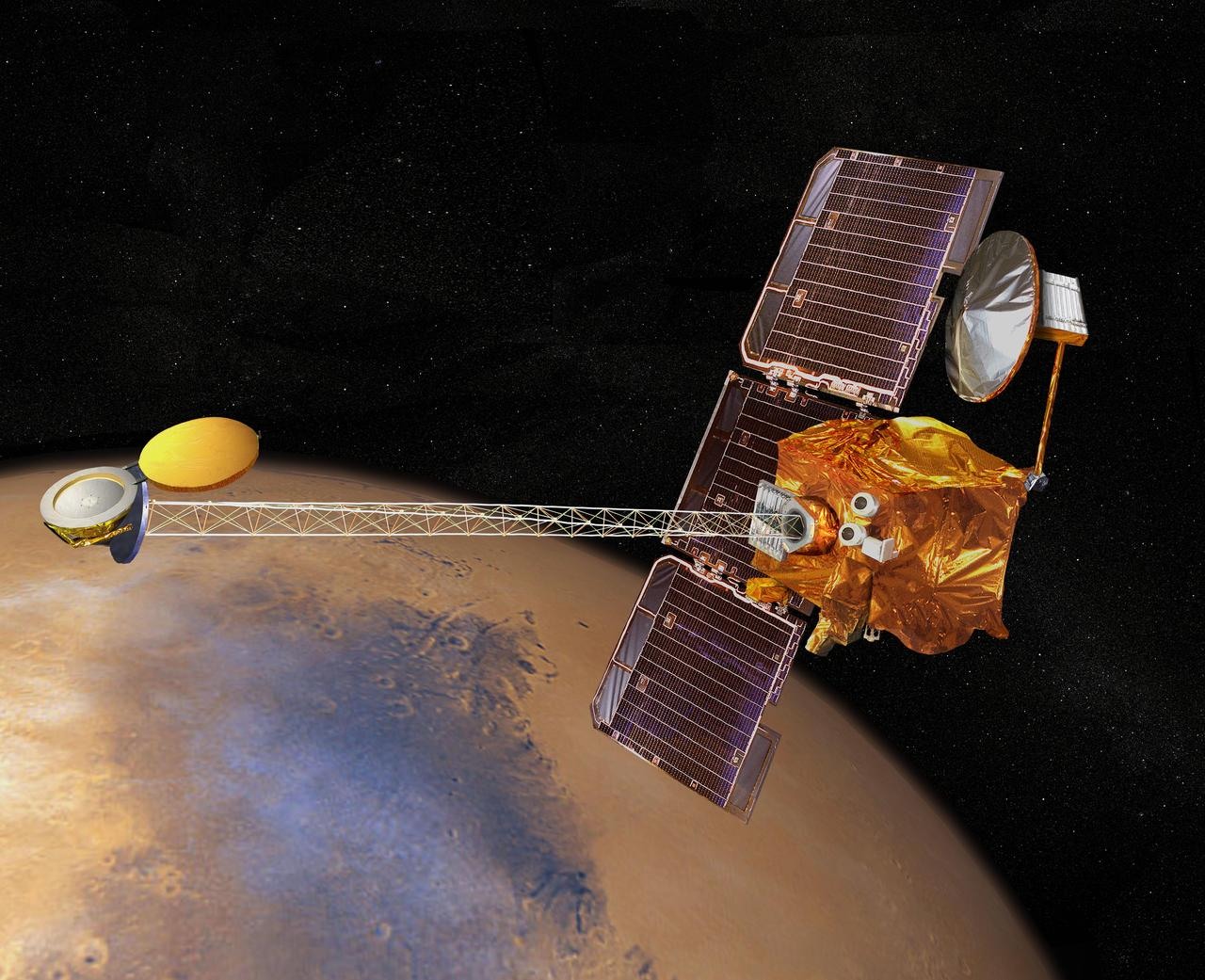
2001 Mars Odyssey
When examining '2001 Mars Odyssey', comparing the generations before and after the launch date reveals distinct changes. This spacecraft is an orbiter that mapped the elements and minerals of the Martian surface and found evidence of ice beneath the surface. Launched by NASA on April 7, 2001, it was aimed at Mars as an orbiter. By considering these four pieces of information together, one can distinguish '2001 Mars Odyssey's' historical context and the true scope of its mission, which isn't obvious from the name alone.
The most interesting aspect of '2001 Mars Odyssey' is its role in simultaneously performing scientific observations and relaying communications for ground rovers. When viewing '2001 Mars Odyssey', it's worth checking the latest results and how the original goals have changed if it is still operational. '2001 Mars Odyssey's' mission status is 'active mission,' and for terminated craft, one should read the remaining data and subsequent technologies, while for the operational craft, this should be viewed in the context of expanded tasks from the initial plan. This shows that '2001 Mars Odyssey' was not just a record holder but a tool that solved specific problems.
In terms of the list's progression, it's worth checking out 'Mars Express' next. A comparison between '2001 Mars Odyssey's' Mars orbiter and 'Mars Express's' Mars orbiter confirms that the collaboration of orbiter and surface missions has been built up through multiple trials rather than a single invention. More detailed information about '2001 Mars Odyssey' can be found on its official page, so for ongoing missions where dates and statuses may change, it's safer to check the latest announcements alongside.
The most interesting aspect of '2001 Mars Odyssey' is its role in simultaneously performing scientific observations and relaying communications for ground rovers. When viewing '2001 Mars Odyssey', it's worth checking the latest results and how the original goals have changed if it is still operational. '2001 Mars Odyssey's' mission status is 'active mission,' and for terminated craft, one should read the remaining data and subsequent technologies, while for the operational craft, this should be viewed in the context of expanded tasks from the initial plan. This shows that '2001 Mars Odyssey' was not just a record holder but a tool that solved specific problems.
In terms of the list's progression, it's worth checking out 'Mars Express' next. A comparison between '2001 Mars Odyssey's' Mars orbiter and 'Mars Express's' Mars orbiter confirms that the collaboration of orbiter and surface missions has been built up through multiple trials rather than a single invention. More detailed information about '2001 Mars Odyssey' can be found on its official page, so for ongoing missions where dates and statuses may change, it's safer to check the latest announcements alongside.
운영기관 NASA
발사일 2001-04-07
형식 화성 궤도선
목표 화성
임무 상태 활성 임무
이미지 자료 NASA Image Library · Artist Concept of Mars Odyssey

Mars Express
When examining 'Mars Express', even though the name is familiar, its actual role can only be understood by looking at its goals and orbit together. This spacecraft is Europe's first Mars mission and has been investigating the atmosphere, surface, and subsurface for an extended period. Launched by ESA on June 2, 2003, it was aimed at Mars as an orbiter. By considering these four pieces of information together, one can distinguish 'Mars Express's' historical context and the true scope of its mission, which isn't obvious from the name alone.
The most interesting aspect of 'Mars Express' is its observations using radar to investigate structures below the surface. When viewing 'Mars Express', it's beneficial to follow not only the successful outcomes in the mission data but also the processes that reduced risks. 'Mars Express's' mission status is 'extended mission,' and for terminated craft, one should read the remaining data and subsequent technologies, while for the operational craft, this should be viewed in the context of expanded tasks from the initial plan. This illustrates that 'Mars Express' was not merely a record holder but a tool that solved specific problems.
In terms of the list's progression, it's worth checking out 'Mars Reconnaissance Orbiter (MRO)' next. A comparison between 'Mars Express's' Mars orbiter and 'Mars Reconnaissance Orbiter's' high-resolution Mars orbiter confirms that the collaboration of orbiter and surface missions has been built up through multiple trials rather than a single invention. More detailed information about 'Mars Express' can be found on its official page, so for ongoing missions where dates and statuses may change, it's safer to check the latest announcements alongside.
The most interesting aspect of 'Mars Express' is its observations using radar to investigate structures below the surface. When viewing 'Mars Express', it's beneficial to follow not only the successful outcomes in the mission data but also the processes that reduced risks. 'Mars Express's' mission status is 'extended mission,' and for terminated craft, one should read the remaining data and subsequent technologies, while for the operational craft, this should be viewed in the context of expanded tasks from the initial plan. This illustrates that 'Mars Express' was not merely a record holder but a tool that solved specific problems.
In terms of the list's progression, it's worth checking out 'Mars Reconnaissance Orbiter (MRO)' next. A comparison between 'Mars Express's' Mars orbiter and 'Mars Reconnaissance Orbiter's' high-resolution Mars orbiter confirms that the collaboration of orbiter and surface missions has been built up through multiple trials rather than a single invention. More detailed information about 'Mars Express' can be found on its official page, so for ongoing missions where dates and statuses may change, it's safer to check the latest announcements alongside.
운영기관 ESA
발사일 2003-06-02
형식 화성 궤도선
목표 화성
임무 상태 연장 임무
이미지 자료 NASA Image Library · Mars Express Seen by Mars Global Surveyor
Mars Reconnaissance Orbiter (MRO)
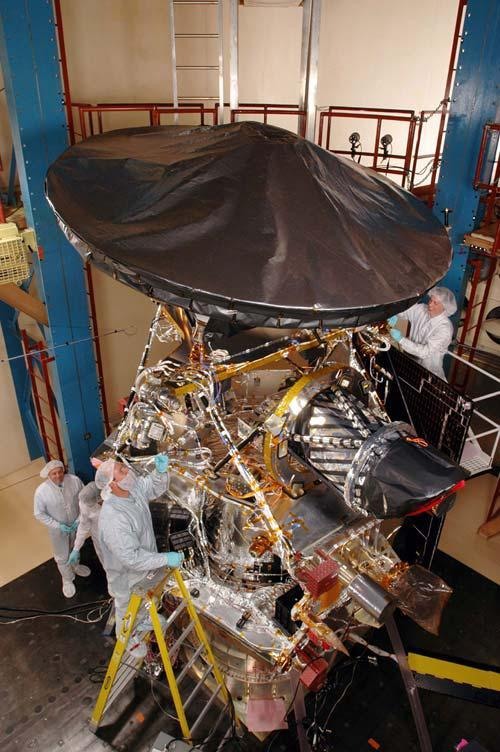
When examining 'Mars Reconnaissance Orbiter (MRO)', the decisive scenes of its mission began with hardware tailored to its purpose. This spacecraft is an orbiter that closely observed Mars topography and potential landing sites with its high-resolution camera and radar. Launched by NASA on August 12, 2005, it was aimed at Mars as a high-resolution orbiter. By considering these four pieces of information together, one can distinguish 'Mars Reconnaissance Orbiter (MRO)'s' historical context and the true scope of its mission, which isn't obvious from the name alone.
The most interesting aspect of 'Mars Reconnaissance Orbiter (MRO)' is its ability to capture high-resolution images across a broader area and relay communications. When viewing 'Mars Reconnaissance Orbiter (MRO)', it's insightful to observe the sequence of equipment usage after arriving at its target. 'Mars Reconnaissance Orbiter (MRO)'s' mission status is 'active mission,' and for terminated craft, one should read the remaining data and subsequent technologies, while for the operational craft, this should be viewed in the context of expanded tasks from the initial plan. This indicates that 'Mars Reconnaissance Orbiter (MRO)' was not just a record holder but a tool that resolved specific issues.
In terms of the list's progression, it's worth checking out 'Curiosity' next. A comparison between 'Mars Reconnaissance Orbiter (MRO)' and 'Curiosity's' Mars rover confirms that the collaboration of orbiters and surface missions has been built up through multiple trials rather than a single invention. More detailed information about 'Mars Reconnaissance Orbiter (MRO)' can be found on its official page, so for ongoing missions where dates and statuses may change, it's safer to check the latest announcements alongside.
The most interesting aspect of 'Mars Reconnaissance Orbiter (MRO)' is its ability to capture high-resolution images across a broader area and relay communications. When viewing 'Mars Reconnaissance Orbiter (MRO)', it's insightful to observe the sequence of equipment usage after arriving at its target. 'Mars Reconnaissance Orbiter (MRO)'s' mission status is 'active mission,' and for terminated craft, one should read the remaining data and subsequent technologies, while for the operational craft, this should be viewed in the context of expanded tasks from the initial plan. This indicates that 'Mars Reconnaissance Orbiter (MRO)' was not just a record holder but a tool that resolved specific issues.
In terms of the list's progression, it's worth checking out 'Curiosity' next. A comparison between 'Mars Reconnaissance Orbiter (MRO)' and 'Curiosity's' Mars rover confirms that the collaboration of orbiters and surface missions has been built up through multiple trials rather than a single invention. More detailed information about 'Mars Reconnaissance Orbiter (MRO)' can be found on its official page, so for ongoing missions where dates and statuses may change, it's safer to check the latest announcements alongside.
운영기관 NASA
발사일 2005-08-12
형식 고해상도 화성 궤도선
목표 화성
임무 상태 활성 임무
이미지 자료 NASA Image Library · Orbiter Near Final Configuration
Curiosity
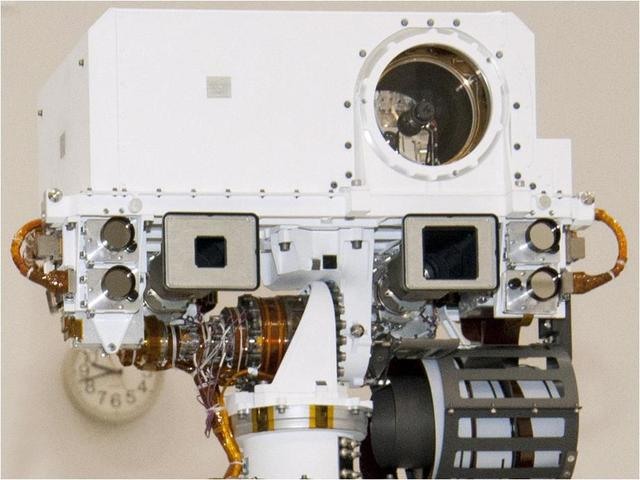
When examining 'Curiosity', this spacecraft embodies the questions that needed to be addressed at the time. This vehicle-sized rover investigates whether Mars had environments suitable for microbial life in the past. Launched by NASA on November 26, 2011, it was aimed at Gale Crater as a Mars rover. By considering these four pieces of information together, one can distinguish 'Curiosity's' historical context and the true scope of its mission, which isn't apparent from the name alone.
The most interesting aspect of 'Curiosity' is the combination of the sky crane landing and the mobile chemistry laboratory. If you are examining 'Curiosity' and the mission has ended, there is value in reviewing the final operation style and the remaining data. 'Curiosity's' mission status is 'active mission,' and for terminated craft, one should read the remaining data and subsequent technologies, while for the operational craft, this should be viewed in the context of expanded tasks from the initial plan. This reinforces that 'Curiosity' was not just a record holder but a tool that addressed specific problems.
In terms of the list's progression, it's worth checking out 'MAVEN' next. A comparison between 'Curiosity's' Mars rover and 'MAVEN's' Mars atmospheric orbiter confirms that the collaboration of orbiters and surface missions has been built up through multiple trials rather than a single invention. More detailed information about 'Curiosity' can be found on its official page, so for ongoing missions where dates and statuses may change, it's safer to check the latest announcements alongside.
The most interesting aspect of 'Curiosity' is the combination of the sky crane landing and the mobile chemistry laboratory. If you are examining 'Curiosity' and the mission has ended, there is value in reviewing the final operation style and the remaining data. 'Curiosity's' mission status is 'active mission,' and for terminated craft, one should read the remaining data and subsequent technologies, while for the operational craft, this should be viewed in the context of expanded tasks from the initial plan. This reinforces that 'Curiosity' was not just a record holder but a tool that addressed specific problems.
In terms of the list's progression, it's worth checking out 'MAVEN' next. A comparison between 'Curiosity's' Mars rover and 'MAVEN's' Mars atmospheric orbiter confirms that the collaboration of orbiters and surface missions has been built up through multiple trials rather than a single invention. More detailed information about 'Curiosity' can be found on its official page, so for ongoing missions where dates and statuses may change, it's safer to check the latest announcements alongside.
운영기관 NASA
발사일 2011-11-26
형식 화성 로버
목표 게일 분화구
임무 상태 활성 임무
이미지 자료 NASA Image Library · Head of Mast on Mars Rover Curiosity
MAVEN
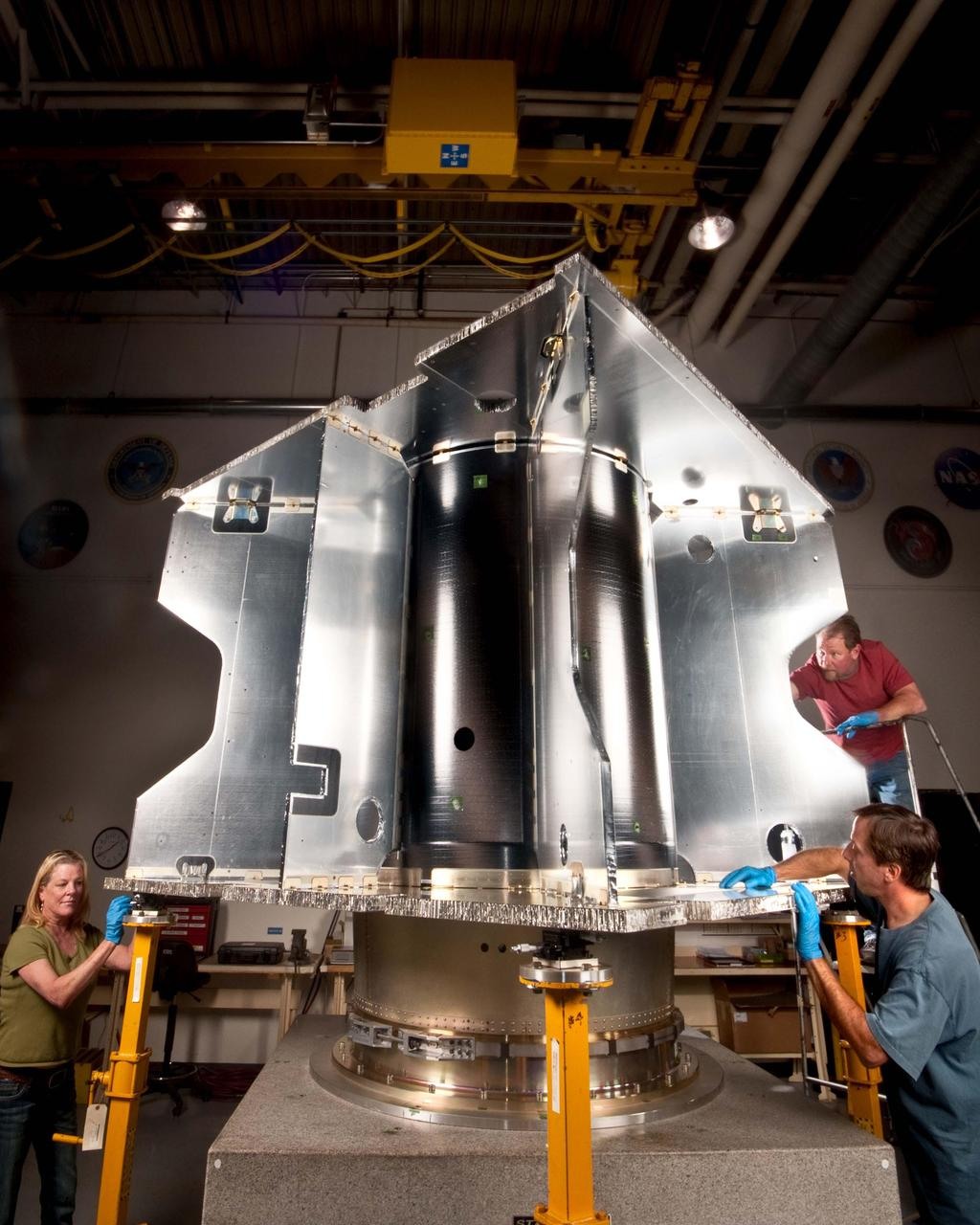
When examining 'MAVEN', behind the observational results lies a design that allocated limited power and communications. This spacecraft is an orbiter that has investigated the interaction between Mars' upper atmosphere and solar wind for over 11 years, with NASA declaring the end of its mission on June 3, 2026. Launched by NASA on November 18, 2013, it was aimed at Mars' upper atmosphere as a Mars atmospheric orbiter. By considering these four pieces of information together, one can distinguish 'MAVEN's' historical context and the true scope of its mission, which isn't clear from the name alone.
The most interesting aspect of 'MAVEN' is its observations that directly crossed the intersection between the upper atmosphere and solar wind, illuminating the process of atmospheric loss. When examining 'MAVEN', it is beneficial to consider what equipment was allocated power and mass rather than just the size of the craft. 'MAVEN's' mission status is 'mission complete,' and for the terminated craft, one should read the remaining data and subsequent technologies, while for the operational craft, this should be viewed in the context of expanded tasks from the initial plan. This illustrates that 'MAVEN' was more than just a record holder but a tool that solved specific issues.
In terms of the list's progression, it's worth checking out 'InSight' next. A comparison between 'MAVEN's' Mars atmospheric orbiter and 'InSight's' stationary Mars lander confirms that the collaboration of orbiters and surface missions has been built up through multiple trials rather than a single invention. More detailed information about 'MAVEN' can be found on its official page, so for ongoing missions where dates and statuses may change, it's safer to check the latest announcements alongside.
The most interesting aspect of 'MAVEN' is its observations that directly crossed the intersection between the upper atmosphere and solar wind, illuminating the process of atmospheric loss. When examining 'MAVEN', it is beneficial to consider what equipment was allocated power and mass rather than just the size of the craft. 'MAVEN's' mission status is 'mission complete,' and for the terminated craft, one should read the remaining data and subsequent technologies, while for the operational craft, this should be viewed in the context of expanded tasks from the initial plan. This illustrates that 'MAVEN' was more than just a record holder but a tool that solved specific issues.
In terms of the list's progression, it's worth checking out 'InSight' next. A comparison between 'MAVEN's' Mars atmospheric orbiter and 'InSight's' stationary Mars lander confirms that the collaboration of orbiters and surface missions has been built up through multiple trials rather than a single invention. More detailed information about 'MAVEN' can be found on its official page, so for ongoing missions where dates and statuses may change, it's safer to check the latest announcements alongside.
운영기관 NASA
발사일 2013-11-18
형식 화성 대기 궤도선
목표 화성 상층대기
임무 상태 임무 종료
이미지 자료 NASA Image Library · Primary Structure for MAVEN Spacecraft
Insight
InSight
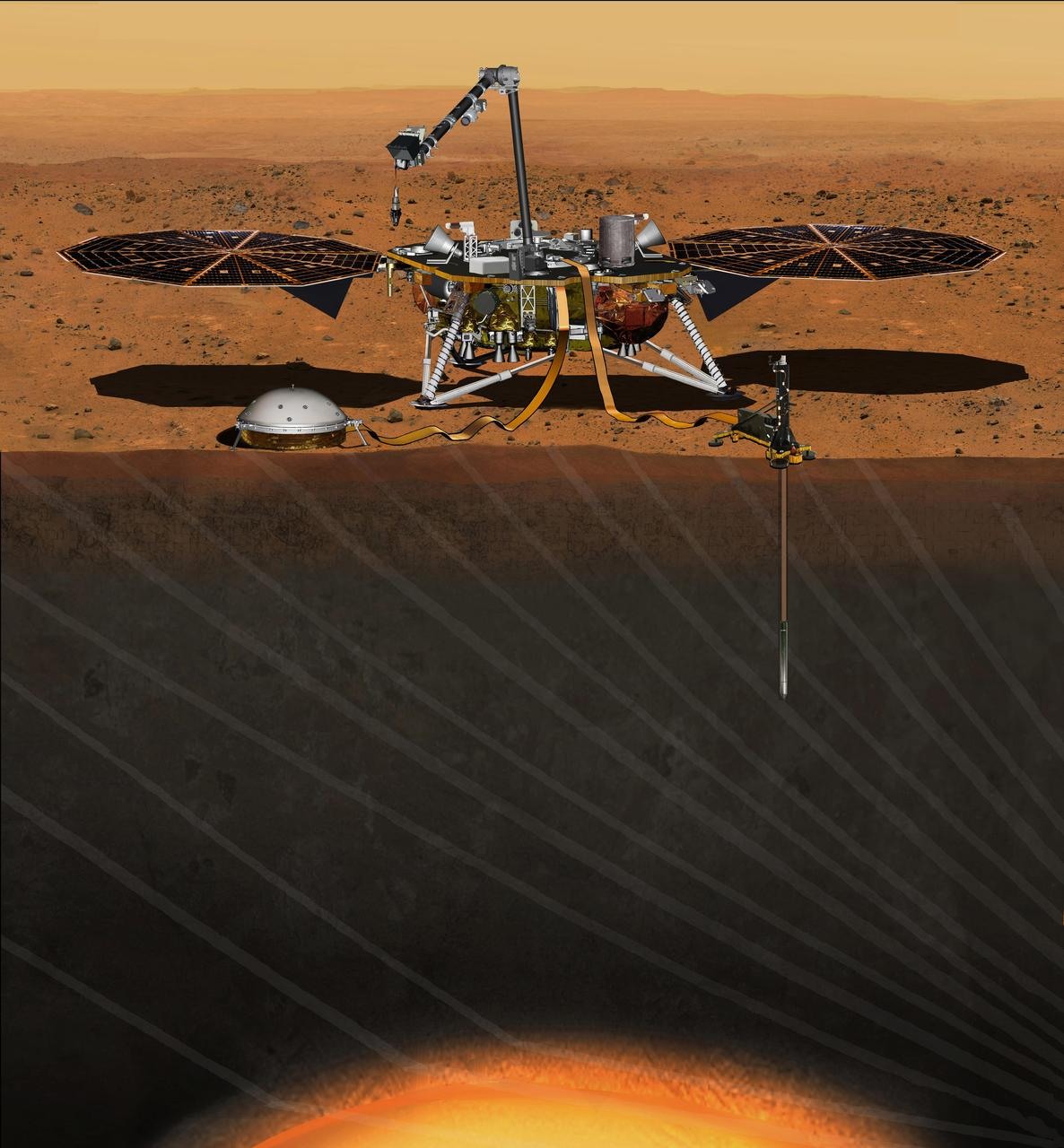
When examining 'InSight', the distinguishing feature that sets it apart from similar spacecraft can be found in its mission trajectory. This stationary lander measured Mars' seismic activity and internal heat to study the planet's internal structure. Launched by NASA on May 5, 2018, it was aimed at Elysium Planitia as a stationary Mars lander. By considering these four pieces of information together, one can distinguish 'InSight's' historical context and the true scope of its mission, which isn't obvious from the name alone.
The most interesting aspect of 'InSight' is its strategy of measuring minute vibrations at a single point over an extended period instead of moving around. When analyzing 'InSight', linking the structures in the photos to the list of onboard equipment helps to make the mission objectives clearer. 'InSight's' mission status is 'mission complete,' and for the terminated craft, one should read the remaining data and subsequent technologies, while for the operational craft, this should be viewed in the context of expanded tasks from the initial plan. This illustrates that 'InSight' was not just a record holder, but a tool that resolved specific issues.
In terms of the list's progression, it's worth checking out 'Perseverance' next. A comparison between 'InSight's' stationary Mars lander and 'Perseverance's' Mars rover confirms that the collaboration of orbiters and surface missions has been built up through multiple trials rather than a single invention. More detailed information about 'InSight' can be found on its official page, so for ongoing missions where dates and statuses may change, it's safer to check the latest announcements alongside.
The most interesting aspect of 'InSight' is its strategy of measuring minute vibrations at a single point over an extended period instead of moving around. When analyzing 'InSight', linking the structures in the photos to the list of onboard equipment helps to make the mission objectives clearer. 'InSight's' mission status is 'mission complete,' and for the terminated craft, one should read the remaining data and subsequent technologies, while for the operational craft, this should be viewed in the context of expanded tasks from the initial plan. This illustrates that 'InSight' was not just a record holder, but a tool that resolved specific issues.
In terms of the list's progression, it's worth checking out 'Perseverance' next. A comparison between 'InSight's' stationary Mars lander and 'Perseverance's' Mars rover confirms that the collaboration of orbiters and surface missions has been built up through multiple trials rather than a single invention. More detailed information about 'InSight' can be found on its official page, so for ongoing missions where dates and statuses may change, it's safer to check the latest announcements alongside.
운영기관 NASA
발사일 2018-05-05
형식 고정식 화성 착륙선
목표 엘리시움 평원
임무 상태 임무 종료
이미지 자료 NASA Image Library · Artist Concept of InSight Lander on Mars
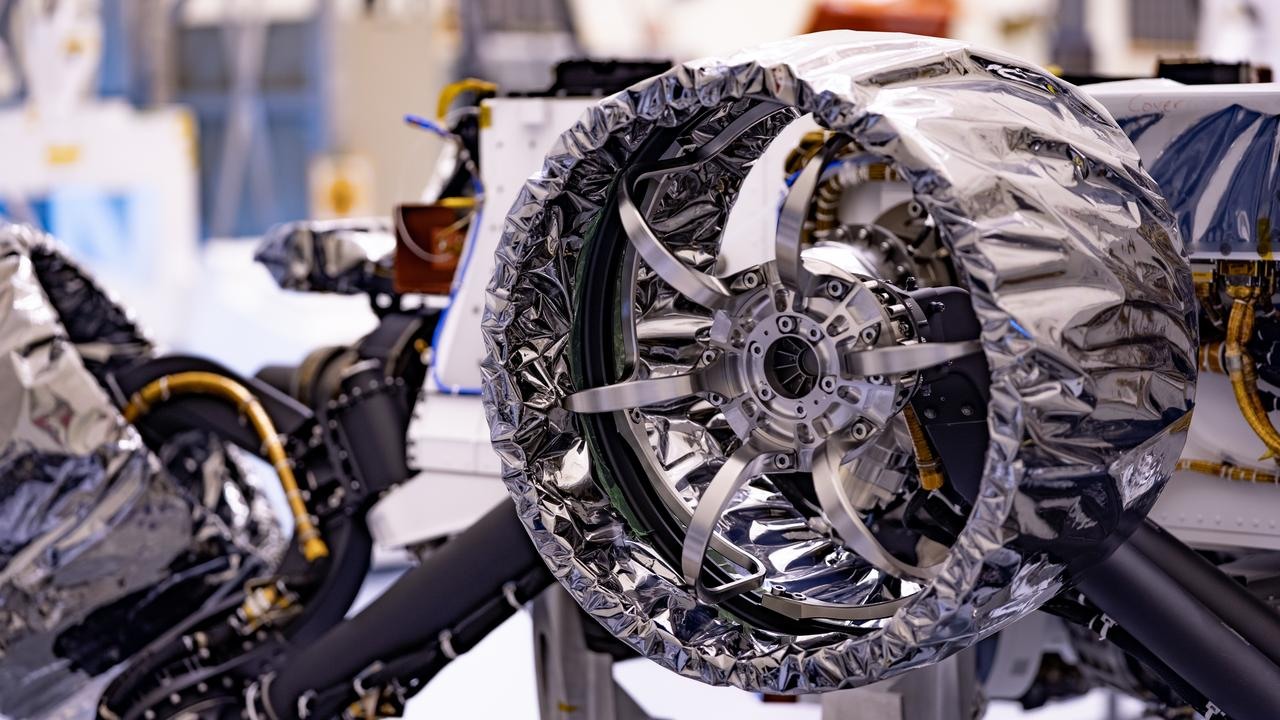
Perseverance
When examining ‘Perseverance’, the value of this rover lies not in its impressive records, but in the standards it sets for future missions. This spacecraft is a rover designed to search for traces of ancient microbial life and to store rock samples for potential return to Earth. Launched by NASA on July 30, 2020, it aims to explore craters on Mars. By looking at these four pieces of information together, we can discern ‘Perseverance’s’ historical position and the actual scope of its mission, which wouldn’t be apparent from its name alone.
The most intriguing aspect of ‘Perseverance’ is its precision landing and sample core collection and storage system. When observing ‘Perseverance’, it's key to compare how the information changes depending on the observing position. The mission status of ‘Perseverance’ is ‘Active Mission’, and for completed missions, one should focus on the data left behind and the follow-up technologies, while for ongoing missions, it’s important to consider tasks that extend beyond the initial plans. This shows that ‘Perseverance’ is not just a record holder, but a tool that has solved specific problems.
In the flow of this list, it’s worth examining in conjunction with ‘Mariner 4’. By comparing the Mars rover ‘Perseverance’ with the Mars flyby spacecraft ‘Mariner 4’, we can confirm that the collaboration between orbital and surface missions has accumulated through multiple trials and errors rather than just a single invention. On ‘Perseverance’s’ official page, you can find more detailed information about the launch details, mission progress, and instruments onboard, so for ongoing missions with changing dates and statuses, it’s best to check the latest updates together.
The most intriguing aspect of ‘Perseverance’ is its precision landing and sample core collection and storage system. When observing ‘Perseverance’, it's key to compare how the information changes depending on the observing position. The mission status of ‘Perseverance’ is ‘Active Mission’, and for completed missions, one should focus on the data left behind and the follow-up technologies, while for ongoing missions, it’s important to consider tasks that extend beyond the initial plans. This shows that ‘Perseverance’ is not just a record holder, but a tool that has solved specific problems.
In the flow of this list, it’s worth examining in conjunction with ‘Mariner 4’. By comparing the Mars rover ‘Perseverance’ with the Mars flyby spacecraft ‘Mariner 4’, we can confirm that the collaboration between orbital and surface missions has accumulated through multiple trials and errors rather than just a single invention. On ‘Perseverance’s’ official page, you can find more detailed information about the launch details, mission progress, and instruments onboard, so for ongoing missions with changing dates and statuses, it’s best to check the latest updates together.
운영기관 NASA
발사일 2020-07-30
형식 화성 로버
목표 예제로 분화구
임무 상태 활성 임무
이미지 자료 NASA Image Library · Mars 2020 Perseverance Rover Wheels
The role of Mars spacecraft continues to influence the design and site selection for the next generations even after their missions have ended. The Viking lab, the Pathfinder's airbag, and Curiosity's sky crane solved different risks.
Connecting an orbiter and a surface spacecraft together sheds more light on Mars exploration. Let's take a look at how mapping, communication, and on-site analysis connect in pairs like MRO and Perseverance, and Odyssey and Curiosity. Additional detailed materials and images for each mission can be found in the links of "Ten Spacecraft That Brought Mars Closer to Us." When new exploration results are published, maintaining the standard that orbital observation and landing/driving have complemented each other allows the list to remain coherent.
Connecting an orbiter and a surface spacecraft together sheds more light on Mars exploration. Let's take a look at how mapping, communication, and on-site analysis connect in pairs like MRO and Perseverance, and Odyssey and Curiosity. Additional detailed materials and images for each mission can be found in the links of "Ten Spacecraft That Brought Mars Closer to Us." When new exploration results are published, maintaining the standard that orbital observation and landing/driving have complemented each other allows the list to remain coherent.
한눈에 보기
10개
Mariner 4
NASA · 1964-11-28 · 화성 플라이바이 탐사선 · 화성 · 임무 종료 · NASA Image Library · First TV Image of Mars
Viking 1
NASA · 1975-08-20 · 궤도선·착륙선 · 화성 · 임무 종료 · NASA Image Library · 1st Manned Lunar Landing and 1st Robotic Mars Landing Commemorative Release: Viking 1 Landing Site in Chryse Planitia - Visible Image
Mars Pathfinder
NASA · 1996-12-04 · 착륙선·로버 · 화성 · 임무 종료 · NASA Image Library · Color Mosaic of Rover & Terrain
2001 Mars Odyssey
NASA · 2001-04-07 · 화성 궤도선 · 화성 · 활성 임무 · NASA Image Library · Artist Concept of Mars Odyssey
Mars Express
ESA · 2003-06-02 · 화성 궤도선 · 화성 · 연장 임무 · NASA Image Library · Mars Express Seen by Mars Global Surveyor
Mars Reconnaissance Orbiter (MRO)
NASA · 2005-08-12 · 고해상도 화성 궤도선 · 화성 · 활성 임무 · NASA Image Library · Orbiter Near Final Configuration
Curiosity
NASA · 2011-11-26 · 화성 로버 · 게일 분화구 · 활성 임무 · NASA Image Library · Head of Mast on Mars Rover Curiosity
MAVEN
NASA · 2013-11-18 · 화성 대기 궤도선 · 화성 상층대기 · 임무 종료 · NASA Image Library · Primary Structure for MAVEN Spacecraft
Insight
NASA · 2018-05-05 · 고정식 화성 착륙선 · 엘리시움 평원 · 임무 종료 · NASA Image Library · Artist Concept of InSight Lander on Mars
Perseverance
NASA · 2020-07-30 · 화성 로버 · 예제로 분화구 · 활성 임무 · NASA Image Library · Mars 2020 Perseverance Rover Wheels
이 포스팅은 쿠팡 파트너스 활동의 일환으로, 이에 따른 일정액의 수수료를 제공받습니다.
댓글 0
로그인 후 댓글을 작성할 수 있습니다.
첫 댓글을 남겨보세요.
이런 리스트는 어때요?


이런 리스트도 추천해요


🎲
여기서 멈추기엔 아쉽잖아?
다음에 뭘 볼지 고민하는 시간이 제일 아까워.
주사위가 대신 골라줄게 — 무슨 리스트가 튀어나올지는 굴려봐야 알지.
안 누르면… 평생 궁금하지 않겠어? 👀
