Collection
Science
2026.09.11
The Spacecraft That Closely Observed Solar Explosions
Solar Observation Mission That Helped Understand Solar Wind, Corona, and Magnetic Storms
The sun rises every day, but it's a challenging star to observe. We need to block its intense light while also capturing the faint structures of the corona, the rapidly changing magnetic fields, and the solar winds heading towards Earth.
This collection gathers spacecraft with different locations and equipment for observing the sun, from SOHO to Solar Orbiter. Comparing the views obtained from Earth’s orbit, L1, and the solar center makes it clear why a single spacecraft cannot answer all questions about space weather and why a network of observation is necessary. Examining real mission data and the configurations of the spacecraft that closely observed solar explosions will provide a clearer understanding of the reasons behind their different choices.
This collection gathers spacecraft with different locations and equipment for observing the sun, from SOHO to Solar Orbiter. Comparing the views obtained from Earth’s orbit, L1, and the solar center makes it clear why a single spacecraft cannot answer all questions about space weather and why a network of observation is necessary. Examining real mission data and the configurations of the spacecraft that closely observed solar explosions will provide a clearer understanding of the reasons behind their different choices.
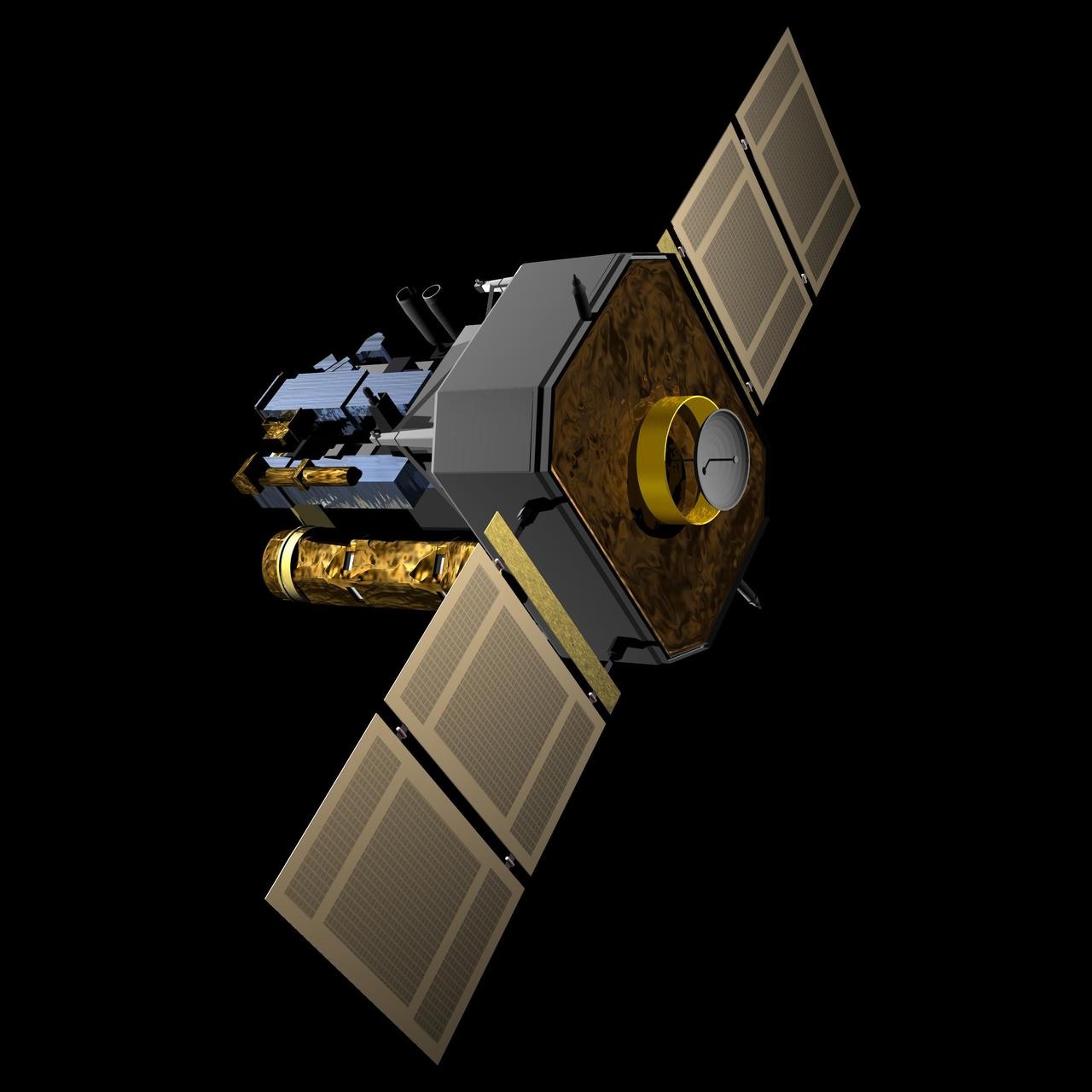
SOHO
When exploring ‘SOHO’, this spacecraft encapsulated the questions it needed to answer at the time. This spacecraft has been observing the solar interior, corona, and solar wind from a single point for a long time. Launched by ESA and NASA on December 2, 1995, it aimed for the solar-Earth L1 position as a solar and heliospheric observatory. By examining this information together, we can distinguish SOHO’s historical position and actual mission scope that is not evident just from its name.
The most interesting aspect of ‘SOHO’ is its position almost uninterruptedly watching the sun from L1. When examining ‘SOHO’, it's key to compare how the information changes when the observation location varies. The mission status of ‘SOHO’ is ‘operational’, and the data left behind by ended missions and the extended tasks of currently operational missions should be considered. This shows ‘SOHO’ was not just a keeper of records but a tool that solved specific problems.
Following the flow of the list, it’s worth looking at ‘TRACE’ next. Comparing ‘SOHO’s solar and heliospheric observations with ‘TRACE’s solar transition region observatory reveals that the position of observing the sun and space weather observations have accumulated from many missions rather than a single invention. The official SOHO page provides more detailed information on the launch, mission progress, and equipment, so it’s safe to check for the latest announcements regarding missions still in progress that change dates and statuses.
The most interesting aspect of ‘SOHO’ is its position almost uninterruptedly watching the sun from L1. When examining ‘SOHO’, it's key to compare how the information changes when the observation location varies. The mission status of ‘SOHO’ is ‘operational’, and the data left behind by ended missions and the extended tasks of currently operational missions should be considered. This shows ‘SOHO’ was not just a keeper of records but a tool that solved specific problems.
Following the flow of the list, it’s worth looking at ‘TRACE’ next. Comparing ‘SOHO’s solar and heliospheric observations with ‘TRACE’s solar transition region observatory reveals that the position of observing the sun and space weather observations have accumulated from many missions rather than a single invention. The official SOHO page provides more detailed information on the launch, mission progress, and equipment, so it’s safe to check for the latest announcements regarding missions still in progress that change dates and statuses.
운영기관 ESA·NASA
발사일 1995-12-02
형식 태양·태양권 관측선
목표 태양-지구 L1
임무 상태 운용 중
이미지 자료 NASA Image Library · SOHO Spacecraft Artist Concept
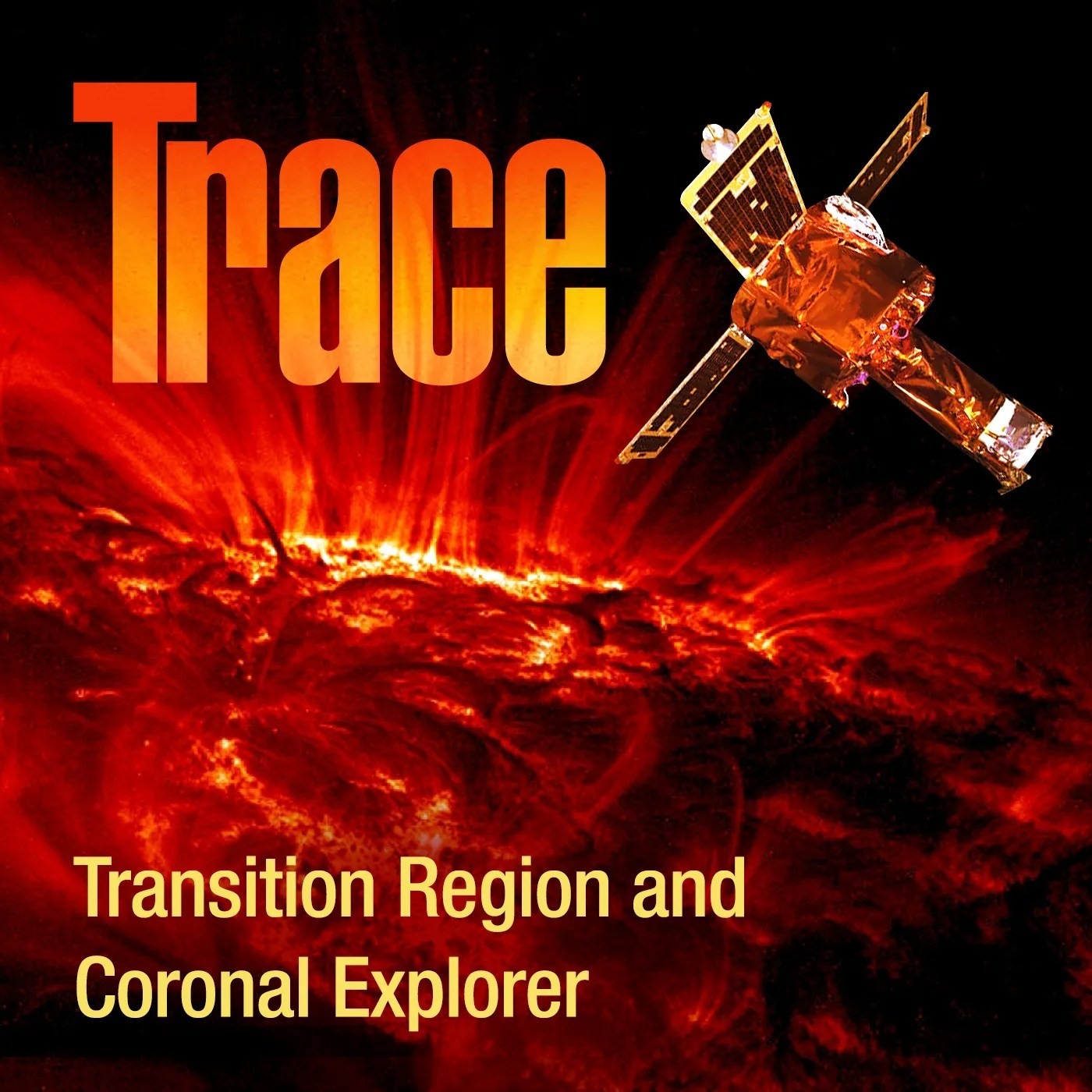
TRACE
When exploring ‘TRACE’, the design behind the observations reflects the limitations of power and communication allocation. This spacecraft is a satellite that observed the transition region connecting the solar photosphere to the corona in high resolution. Launched by NASA on April 2, 1998, it aimed for a low Earth orbit as a solar transition region observatory. By examining this information together, we can distinguish ‘TRACE’s historical position and actual mission scope that is not evident just from its name.
The most interesting aspect of ‘TRACE’ is its ability to rapidly capture fine magnetic structures in different temperature zones. When looking at ‘TRACE’, it’s helpful to find the device maintaining posture toward the target and the layout of the communication department in the official images. The mission status of ‘TRACE’ is ‘mission completed’, and the data left behind by ended missions and the extended tasks of currently operational missions should be considered. This indicates that ‘TRACE’ was not just a keeper of records but a tool that solved specific problems.
Continuing in the list, it’s worth looking at ‘STEREO’ next. Comparing ‘TRACE’s solar transition region observatory with ‘STEREO’s twin sun observatories shows that the position of observing the sun and space weather observations have accumulated from many missions rather than a single invention. The official TRACE page provides more detailed information on the launch, mission progress, and equipment, so it’s safe to check for the latest announcements regarding missions still in progress that change dates and statuses.
The most interesting aspect of ‘TRACE’ is its ability to rapidly capture fine magnetic structures in different temperature zones. When looking at ‘TRACE’, it’s helpful to find the device maintaining posture toward the target and the layout of the communication department in the official images. The mission status of ‘TRACE’ is ‘mission completed’, and the data left behind by ended missions and the extended tasks of currently operational missions should be considered. This indicates that ‘TRACE’ was not just a keeper of records but a tool that solved specific problems.
Continuing in the list, it’s worth looking at ‘STEREO’ next. Comparing ‘TRACE’s solar transition region observatory with ‘STEREO’s twin sun observatories shows that the position of observing the sun and space weather observations have accumulated from many missions rather than a single invention. The official TRACE page provides more detailed information on the launch, mission progress, and equipment, so it’s safe to check for the latest announcements regarding missions still in progress that change dates and statuses.
운영기관 NASA
발사일 1998-04-02
형식 태양 전이영역 관측위성
목표 지구 저궤도
임무 상태 임무 종료
이미지 자료 NASA Science · TRACE spacecraft
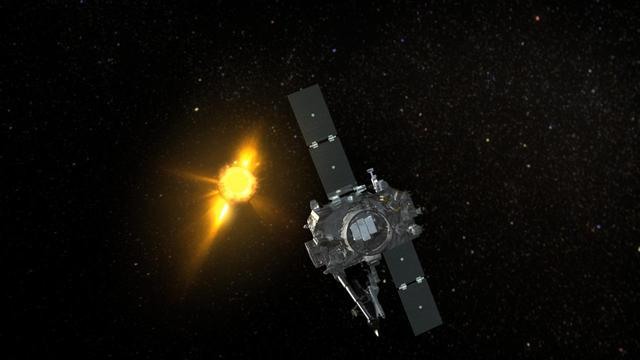
STEREO
When exploring ‘STEREO’, characteristics that distinguish it from similar spacecraft can be found in its mission trajectory. This spacecraft is a twin mission that made three-dimensional observations of the sun from different positions, with A operational and B having completed its mission on October 17, 2018. Launched by NASA on October 25, 2006, it aimed for a solar central orbit as twin sun observatories. By examining this information together, we can distinguish ‘STEREO’s historical position and actual mission scope that is not evident just from its name.
The most interesting aspect of ‘STEREO’ is the process of merging images from two viewpoints to read the eruption directions, continuing observations even after one spacecraft’s termination. When viewing ‘STEREO’, placing it alongside contemporary spacecraft reveals the priorities for propulsion, power, and observation equipment. The mission status of ‘STEREO’ is ‘STEREO-A operational; STEREO-B completed’, and the data left behind by completed missions and the extended tasks of currently operational missions should be considered. This indicates that ‘STEREO’ was not just a keeper of records but a tool that solved specific problems.
Continuing in the list, it’s worth looking at ‘Hinode’ next. Comparing ‘STEREO’s twin sun observatories with ‘Hinode’s solar observatory shows that the position of observing the sun and space weather observations have accumulated from many missions rather than a single invention. The official STEREO page provides more detailed information on the launch, mission progress, and equipment, so it’s safe to check for the latest announcements regarding missions still in progress that change dates and statuses.
The most interesting aspect of ‘STEREO’ is the process of merging images from two viewpoints to read the eruption directions, continuing observations even after one spacecraft’s termination. When viewing ‘STEREO’, placing it alongside contemporary spacecraft reveals the priorities for propulsion, power, and observation equipment. The mission status of ‘STEREO’ is ‘STEREO-A operational; STEREO-B completed’, and the data left behind by completed missions and the extended tasks of currently operational missions should be considered. This indicates that ‘STEREO’ was not just a keeper of records but a tool that solved specific problems.
Continuing in the list, it’s worth looking at ‘Hinode’ next. Comparing ‘STEREO’s twin sun observatories with ‘Hinode’s solar observatory shows that the position of observing the sun and space weather observations have accumulated from many missions rather than a single invention. The official STEREO page provides more detailed information on the launch, mission progress, and equipment, so it’s safe to check for the latest announcements regarding missions still in progress that change dates and statuses.
운영기관 NASA
발사일 2006-10-25
형식 쌍둥이 태양관측선
목표 태양 중심 궤도
임무 상태 STEREO-A 운용·STEREO-B 종료
이미지 자료 NASA Image Library · NASA STEREO-A Spacecraft Observing a very Active Sun Artist Concept
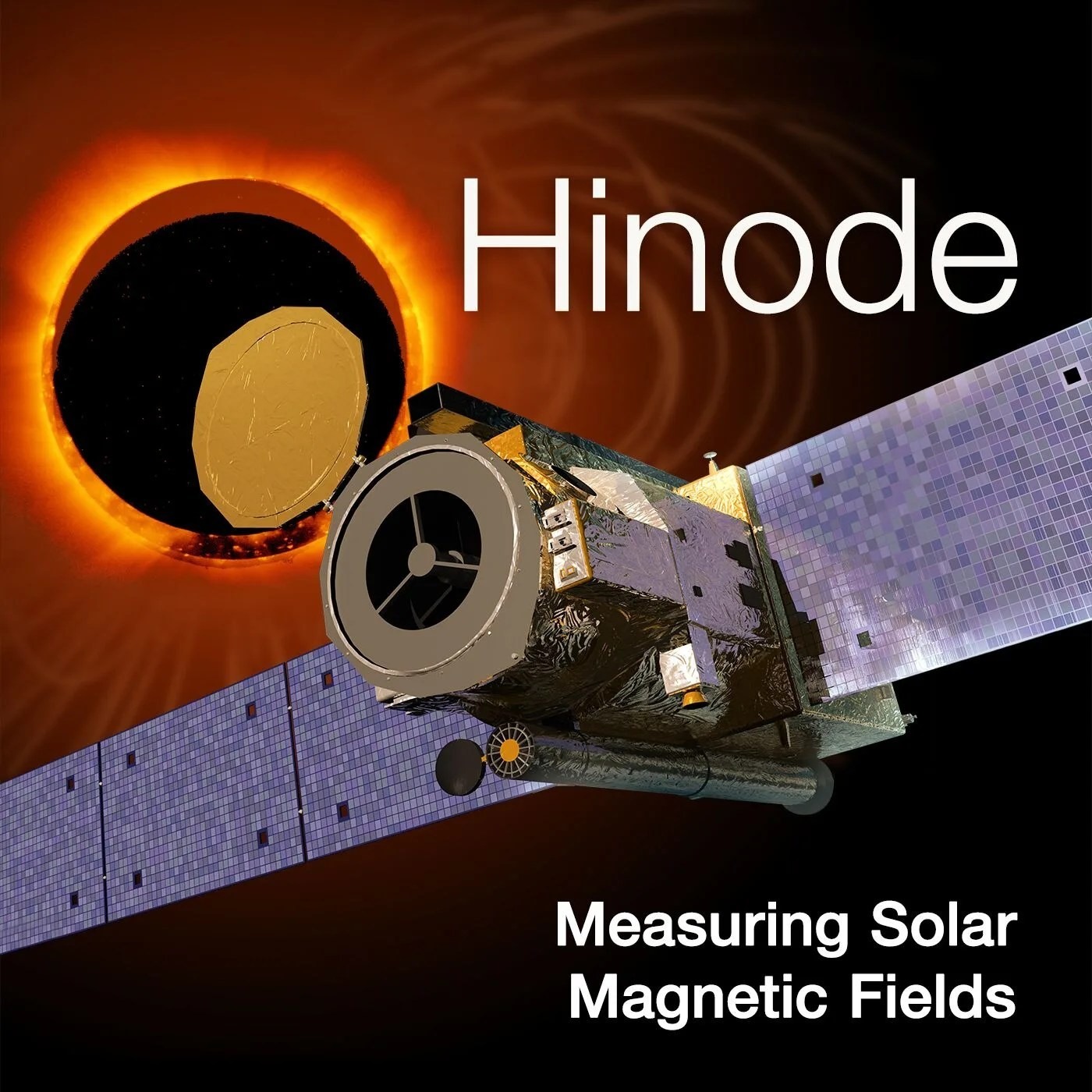
Hinode
When exploring ‘Hinode’, the value of this spacecraft lies more in the standards it left for future missions than in splendid records. This spacecraft is a satellite that observes the solar magnetic field and corona heating processes using optical, X-ray, and extreme ultraviolet instruments. Launched on September 22, 2006, by JAXA, NASA, and international cooperation agencies, it aimed for a solar synchronic Earth orbit as a solar observatory. By examining this information together, we can distinguish ‘Hinode’s historical position and actual mission scope that is not evident just from its name.
The most interesting aspect of ‘Hinode’ is the observations connecting the magnetic fields and hot plasma with three types of telescopes. When viewing ‘Hinode’, first confirming the communication distance and mission duration clarifies the reasons behind the choice of antennas and power supply. The mission status of ‘Hinode’ is ‘operational’, and the data left behind by completed missions and the extended tasks of currently operational missions should be considered. This indicates that ‘Hinode’ was not just a keeper of records but a tool that solved specific problems.
Continuing in the list, it’s worth looking at the ‘Solar Dynamics Observatory (SDO)’ next. Comparing ‘Hinode’s solar observatory with the ‘Solar Dynamics Observatory (SDO)’ shows that the position of observing the sun and space weather observations have accumulated from many missions rather than a single invention. The official Hinode page provides more detailed information on the launch, mission progress, and equipment, so it’s safe to check for the latest announcements regarding missions still in progress that change dates and statuses.
The most interesting aspect of ‘Hinode’ is the observations connecting the magnetic fields and hot plasma with three types of telescopes. When viewing ‘Hinode’, first confirming the communication distance and mission duration clarifies the reasons behind the choice of antennas and power supply. The mission status of ‘Hinode’ is ‘operational’, and the data left behind by completed missions and the extended tasks of currently operational missions should be considered. This indicates that ‘Hinode’ was not just a keeper of records but a tool that solved specific problems.
Continuing in the list, it’s worth looking at the ‘Solar Dynamics Observatory (SDO)’ next. Comparing ‘Hinode’s solar observatory with the ‘Solar Dynamics Observatory (SDO)’ shows that the position of observing the sun and space weather observations have accumulated from many missions rather than a single invention. The official Hinode page provides more detailed information on the launch, mission progress, and equipment, so it’s safe to check for the latest announcements regarding missions still in progress that change dates and statuses.
운영기관 JAXA·NASA·국제협력기관
발사일 2006-09-22
형식 태양관측위성
목표 태양동기 지구궤도
임무 상태 운용 중
이미지 자료 NASA Science · Hinode spacecraft
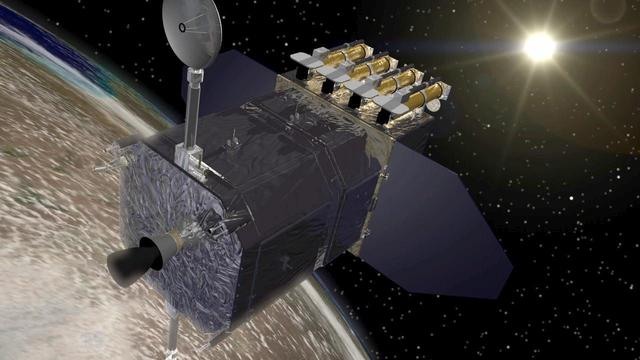
Solar Dynamics Observatory (SDO)
When exploring ‘Solar Dynamics Observatory (SDO)’, what to check first in this list is its design rather than just its records. This spacecraft is a satellite that photographs the solar disk at rapid intervals and multiple wavelengths to track activity changes. Launched by NASA on February 11, 2010, it aimed for a geosynchronous orbit as a solar observatory. By examining this information together, we can distinguish ‘SDO’s historical position and actual mission scope that is not evident just from its name.
The most interesting aspect of ‘SDO’ is its continuous production of high-resolution full-disk images. When looking at ‘SDO’, if it is currently operational, we should also check how the latest results differ from the initial goals. The mission status of ‘SDO’ is ‘operational’, and the data left behind by completed missions and the extended tasks of currently operational missions should be considered. This indicates that ‘SDO’ was not just a keeper of records but a tool that solved specific problems.
Continuing in the list, it’s worth looking at ‘IRIS’ next. Comparing ‘Solar Dynamics Observatory (SDO)’ with ‘IRIS’s solar spectroscopic observatory shows that the position of observing the sun and space weather observations have accumulated from many missions rather than a single invention. The official SDO page provides more detailed information on the launch, mission progress, and equipment, so it’s safe to check for the latest announcements regarding missions still in progress that change dates and statuses.
The most interesting aspect of ‘SDO’ is its continuous production of high-resolution full-disk images. When looking at ‘SDO’, if it is currently operational, we should also check how the latest results differ from the initial goals. The mission status of ‘SDO’ is ‘operational’, and the data left behind by completed missions and the extended tasks of currently operational missions should be considered. This indicates that ‘SDO’ was not just a keeper of records but a tool that solved specific problems.
Continuing in the list, it’s worth looking at ‘IRIS’ next. Comparing ‘Solar Dynamics Observatory (SDO)’ with ‘IRIS’s solar spectroscopic observatory shows that the position of observing the sun and space weather observations have accumulated from many missions rather than a single invention. The official SDO page provides more detailed information on the launch, mission progress, and equipment, so it’s safe to check for the latest announcements regarding missions still in progress that change dates and statuses.
운영기관 NASA
발사일 2010-02-11
형식 태양관측위성
목표 지구 동기궤도
임무 상태 운용 중
이미지 자료 NASA Image Library · Solar Dynamics Observatory Artist Concept
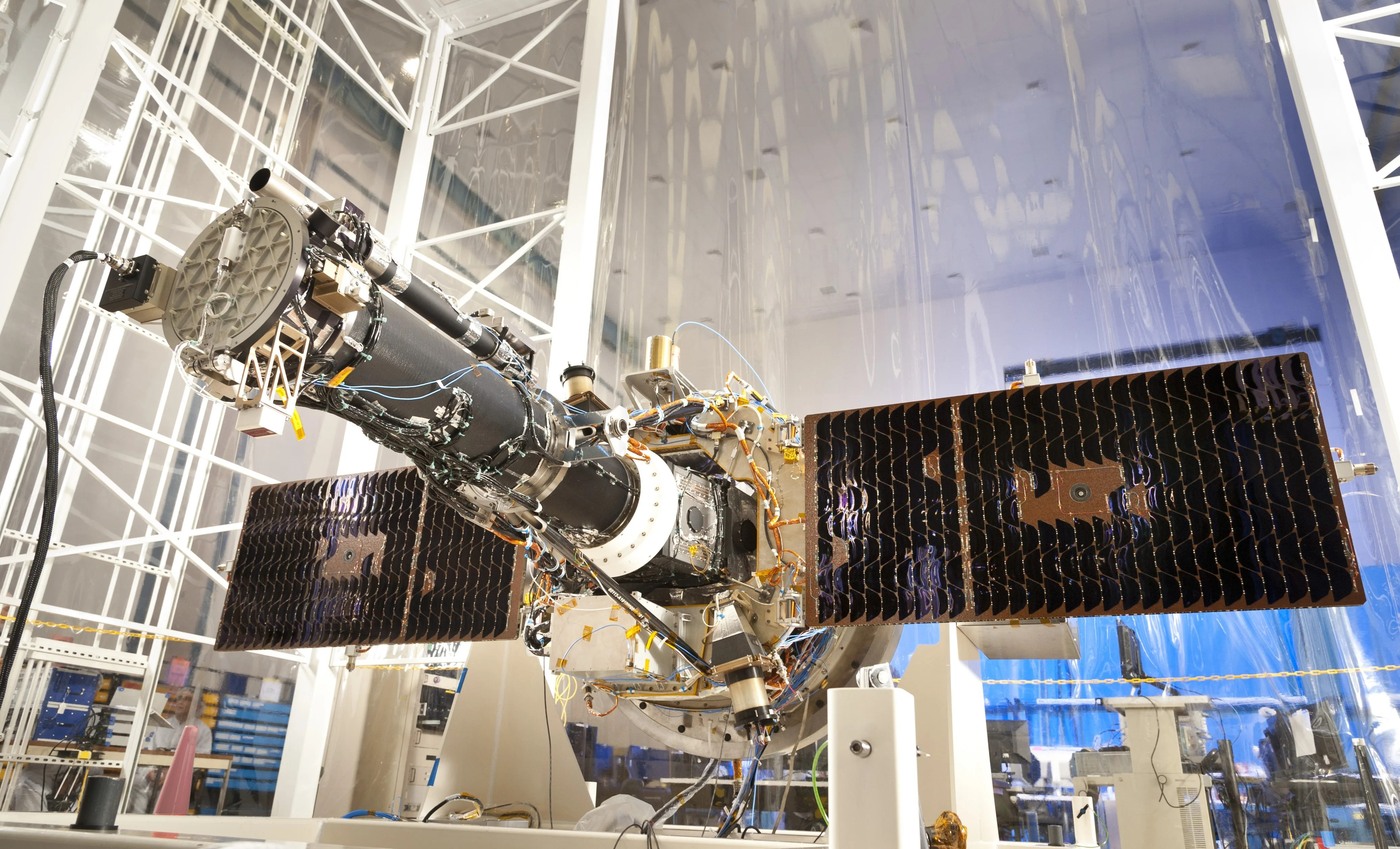
IRIS
When exploring ‘IRIS’, the starting point for understanding this spacecraft lies in the conditions required by its mission. This spacecraft is a satellite that studies the processes of energy and material movement in the sun's lower atmosphere through spectroscopic imaging. Launched by NASA on June 28, 2013, it aimed for a low Earth orbit as a solar spectroscopic observatory. By examining this information together, we can distinguish ‘IRIS’s historical position and actual mission scope that is not evident just from its name.
The most interesting aspect of ‘IRIS’ is its method of precisely reading the spectrum from small areas to estimate speed and temperature. When evaluating ‘IRIS’, let's not only follow the successful scenes of the mission but also the procedures that reduced risks. The mission status of ‘IRIS’ is ‘operational’, and the data left behind by completed missions and the extended tasks of currently operational missions should be considered. This indicates that ‘IRIS’ was not just a keeper of records but a tool that solved specific problems.
Continuing in the list, it’s worth looking at ‘DSCOVR’ next. Comparing ‘IRIS’s solar spectroscopic observatory with ‘DSCOVR’s space weather and Earth observation spacecraft confirms that the position of observing the sun and space weather observatory has accumulated through various missions rather than a single invention. The official IRIS page provides more detailed information on the launch, mission progress, and equipment, so it’s safe to check for the latest announcements regarding missions still in progress that change dates and statuses.
The most interesting aspect of ‘IRIS’ is its method of precisely reading the spectrum from small areas to estimate speed and temperature. When evaluating ‘IRIS’, let's not only follow the successful scenes of the mission but also the procedures that reduced risks. The mission status of ‘IRIS’ is ‘operational’, and the data left behind by completed missions and the extended tasks of currently operational missions should be considered. This indicates that ‘IRIS’ was not just a keeper of records but a tool that solved specific problems.
Continuing in the list, it’s worth looking at ‘DSCOVR’ next. Comparing ‘IRIS’s solar spectroscopic observatory with ‘DSCOVR’s space weather and Earth observation spacecraft confirms that the position of observing the sun and space weather observatory has accumulated through various missions rather than a single invention. The official IRIS page provides more detailed information on the launch, mission progress, and equipment, so it’s safe to check for the latest announcements regarding missions still in progress that change dates and statuses.
운영기관 NASA
발사일 2013-06-28
형식 태양 분광관측위성
목표 지구 저궤도
임무 상태 운용 중
이미지 자료 NASA Science · IRIS spacecraft
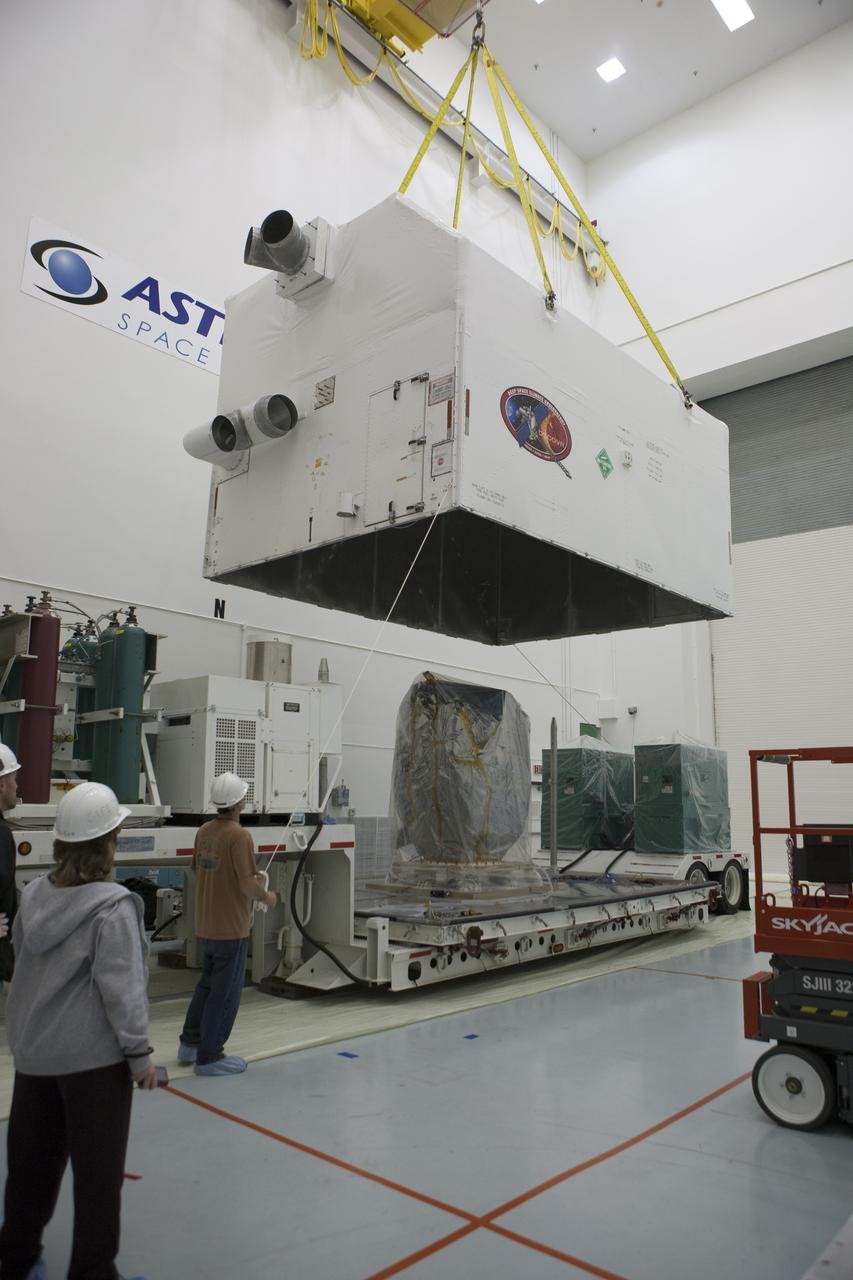
DSCOVR
When exploring ‘DSCOVR’, one part that can easily be overlooked when considering its achievements is the choices made in its design. This spacecraft is an observational satellite that measures solar wind early and captures the full sunlit side of Earth. Launched by NOAA, NASA, and the U.S. Air Force on February 11, 2015, it aimed for the solar-Earth L1 position as a space weather and Earth observation spacecraft. By examining this information together, we can distinguish ‘DSCOVR’s historical position and actual mission scope that is not evident just from its name.
The most interesting aspect of ‘DSCOVR’ is the warning time for solar wind detection at L1 before reaching Earth. When looking at ‘DSCOVR’, we should observe the sequence of how equipment was used after arriving at the target to understand its design. The mission status of ‘DSCOVR’ is ‘operational’, and the data left behind by completed missions and the extended tasks of currently operational missions should be considered. This suggests that ‘DSCOVR’ was not just a keeper of records but a tool that addressed specific problems.
Continuing in the list, it’s worth looking at ‘Solar Orbiter’ next. Comparing ‘DSCOVR’s space weather and Earth observation spacecraft with ‘Solar Orbiter’s near-solar spacecraft illustrates how the positioning of solar observation and space weather has been accumulated through various missions rather than a single invention. The official DSCOVR page provides more detailed information on the launch, mission progress, and equipment, so it’s safe to check for the latest announcements regarding missions still in progress that change dates and statuses.
The most interesting aspect of ‘DSCOVR’ is the warning time for solar wind detection at L1 before reaching Earth. When looking at ‘DSCOVR’, we should observe the sequence of how equipment was used after arriving at the target to understand its design. The mission status of ‘DSCOVR’ is ‘operational’, and the data left behind by completed missions and the extended tasks of currently operational missions should be considered. This suggests that ‘DSCOVR’ was not just a keeper of records but a tool that addressed specific problems.
Continuing in the list, it’s worth looking at ‘Solar Orbiter’ next. Comparing ‘DSCOVR’s space weather and Earth observation spacecraft with ‘Solar Orbiter’s near-solar spacecraft illustrates how the positioning of solar observation and space weather has been accumulated through various missions rather than a single invention. The official DSCOVR page provides more detailed information on the launch, mission progress, and equipment, so it’s safe to check for the latest announcements regarding missions still in progress that change dates and statuses.
운영기관 NOAA·NASA·미 공군
발사일 2015-02-11
형식 우주기상·지구관측선
목표 태양-지구 L1
임무 상태 운용 중
이미지 자료 NASA Image Library · DSCOVR Spacecraft Arrival, Offload, & Unpacking
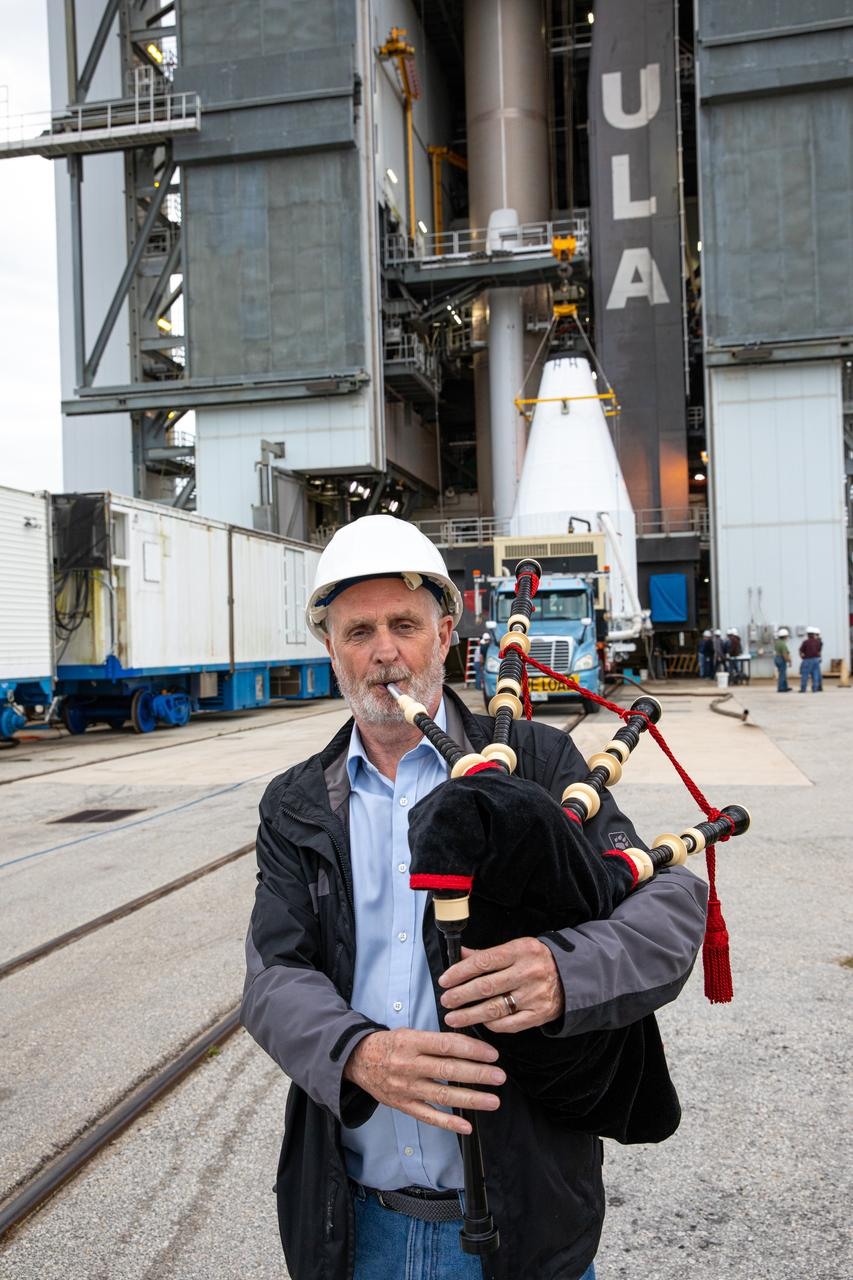
Solar Orbiter
When exploring ‘Solar Orbiter’, comparing generational shifts based on its launch date reveals clear changes. This spacecraft combines remote observations and in-situ measurements near the sun and examines high-latitude regions. Launched by ESA and NASA on February 10, 2020, it aims for a near-solar orbit. By examining this information together, we can distinguish ‘Solar Orbiter’s historical position and actual mission scope that is not evident just from its name.
The most interesting aspect of ‘Solar Orbiter’ is its orbit that allows prolonged tracking of surface changes while moving with the sun. When looking at ‘Solar Orbiter’, if it’s a completed mission, it’s worthwhile to check how the last operating method and the data left behind. The mission status of ‘Solar Orbiter’ is ‘operational’, and the data left behind by completed missions and the extended tasks of currently operational missions should be considered. This indicates that ‘Solar Orbiter’ was not just a keeper of records but a tool that solved specific problems.
Following the flow of the list, it’s worth looking at ‘SOHO’ next. Comparing the Solar Orbiter’s near-solar orbit with ‘SOHO’s solar and heliospheric observatory illustrates how the position for solar observation and space weather has been built upon many missions rather than a single invention. The official Solar Orbiter page offers more detailed information on the launch, mission progress, and equipment, so it’s advisable to refer to the latest updates for ongoing missions that may have changing dates and statuses.
The most interesting aspect of ‘Solar Orbiter’ is its orbit that allows prolonged tracking of surface changes while moving with the sun. When looking at ‘Solar Orbiter’, if it’s a completed mission, it’s worthwhile to check how the last operating method and the data left behind. The mission status of ‘Solar Orbiter’ is ‘operational’, and the data left behind by completed missions and the extended tasks of currently operational missions should be considered. This indicates that ‘Solar Orbiter’ was not just a keeper of records but a tool that solved specific problems.
Following the flow of the list, it’s worth looking at ‘SOHO’ next. Comparing the Solar Orbiter’s near-solar orbit with ‘SOHO’s solar and heliospheric observatory illustrates how the position for solar observation and space weather has been built upon many missions rather than a single invention. The official Solar Orbiter page offers more detailed information on the launch, mission progress, and equipment, so it’s advisable to refer to the latest updates for ongoing missions that may have changing dates and statuses.
운영기관 ESA·NASA
발사일 2020-02-10
형식 태양 근접 궤도선
목표 태양
임무 상태 운용 중
이미지 자료 NASA Image Library · Solar Orbiter Spacecraft Lift and Mate
Solar observation spacecraft emphasize cooperation from different positions rather than focusing on a single hero. Satellites capturing the surface and corona, probes passing directly through the solar wind, and spacecraft detecting particles before they reach Earth all observe the same event in succession.
Let's choose one case of a solar explosion and compare SDO images with SOHO's coronagraph and DSCOVR's field measurements in chronological order. By understanding the differences between the light observed during eruptions and the actual arrival of particles, the flow of how space weather forecasts are created also becomes clearer. Examining real mission data and the configurations of the spacecraft that closely observed solar explosions will provide a clearer understanding of the reasons behind their different choices.
Let's choose one case of a solar explosion and compare SDO images with SOHO's coronagraph and DSCOVR's field measurements in chronological order. By understanding the differences between the light observed during eruptions and the actual arrival of particles, the flow of how space weather forecasts are created also becomes clearer. Examining real mission data and the configurations of the spacecraft that closely observed solar explosions will provide a clearer understanding of the reasons behind their different choices.
한눈에 보기
8개
SOHO
ESA·NASA · 1995-12-02 · 태양·태양권 관측선 · 태양-지구 L1 · 운용 중 · NASA Image Library · SOHO Spacecraft Artist Concept
TRACE
NASA · 1998-04-02 · 태양 전이영역 관측위성 · 지구 저궤도 · 임무 종료 · NASA Science · TRACE spacecraft
STEREO
NASA · 2006-10-25 · 쌍둥이 태양관측선 · 태양 중심 궤도 · STEREO-A 운용·STEREO-B 종료 · NASA Image Library · NASA STEREO-A Spacecraft Observing a very Active Sun Artist Concept
Hinode
JAXA·NASA·국제협력기관 · 2006-09-22 · 태양관측위성 · 태양동기 지구궤도 · 운용 중 · NASA Science · Hinode spacecraft
Solar Dynamics Observatory (SDO)
NASA · 2010-02-11 · 태양관측위성 · 지구 동기궤도 · 운용 중 · NASA Image Library · Solar Dynamics Observatory Artist Concept
IRIS
NASA · 2013-06-28 · 태양 분광관측위성 · 지구 저궤도 · 운용 중 · NASA Science · IRIS spacecraft
DSCOVR
NOAA·NASA·미 공군 · 2015-02-11 · 우주기상·지구관측선 · 태양-지구 L1 · 운용 중 · NASA Image Library · DSCOVR Spacecraft Arrival, Offload, & Unpacking
Solar Orbiter
ESA·NASA · 2020-02-10 · 태양 근접 궤도선 · 태양 · 운용 중 · NASA Image Library · Solar Orbiter Spacecraft Lift and Mate
이 포스팅은 쿠팡 파트너스 활동의 일환으로, 이에 따른 일정액의 수수료를 제공받습니다.
댓글 0
로그인 후 댓글을 작성할 수 있습니다.
첫 댓글을 남겨보세요.
이런 리스트는 어때요?


이런 리스트도 추천해요


🎲
여기서 멈추기엔 아쉽잖아?
다음에 뭘 볼지 고민하는 시간이 제일 아까워.
주사위가 대신 골라줄게 — 무슨 리스트가 튀어나올지는 굴려봐야 알지.
안 누르면… 평생 궁금하지 않겠어? 👀