
Collection
Science
2026.09.10
Ten Spacecraft That Approached Asteroids and Comets Directly
Space probes that interpreted small celestial bodies through flybys, landings, collisions, and sample returns
Asteroids and comets are small, irregular, and have weak gravitational fields, requiring navigation methods that are completely different from landing on a planet. Thus, spacecraft have tested flybys, orbital maneuvers, collisions, dust collection, and sample returns.
From Galileo's accidental visits to asteroids to DART's intentional collision, and from OSIRIS-REx’s sample return to ongoing missions like Lucy and Psyche, we can see the evolution of small body research extending into planetary defense. ‘Ten Spacecraft That Approached Asteroids and Comets Directly’ compiles a list based on the different approaches chosen to investigate small celestial bodies. The items are arranged to reflect the changes in mission methods over the years rather than just the launch dates, and only information verified by official records from the operating organizations has been included. The criteria for comparison are noted separately in each item description.
From Galileo's accidental visits to asteroids to DART's intentional collision, and from OSIRIS-REx’s sample return to ongoing missions like Lucy and Psyche, we can see the evolution of small body research extending into planetary defense. ‘Ten Spacecraft That Approached Asteroids and Comets Directly’ compiles a list based on the different approaches chosen to investigate small celestial bodies. The items are arranged to reflect the changes in mission methods over the years rather than just the launch dates, and only information verified by official records from the operating organizations has been included. The criteria for comparison are noted separately in each item description.
Galileo
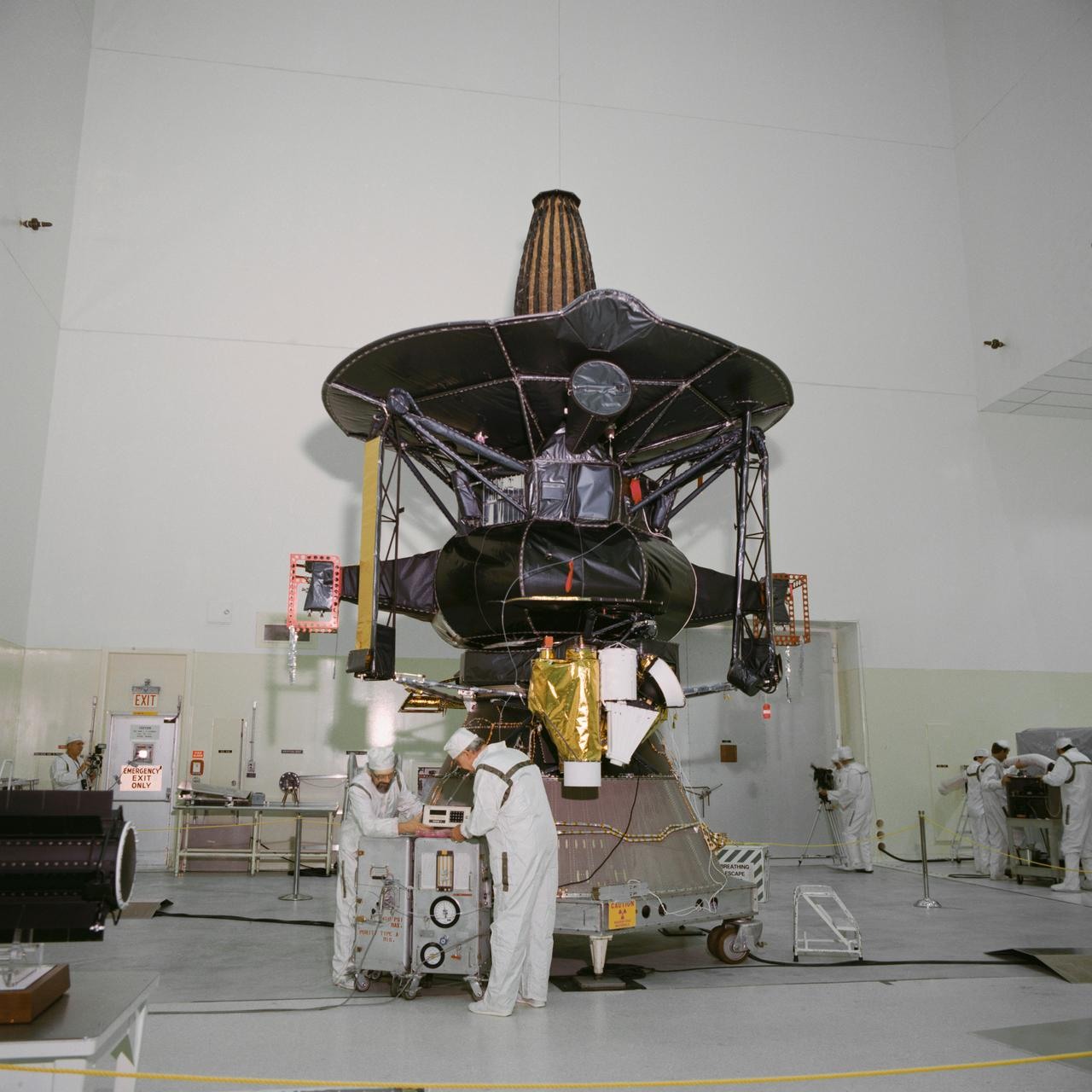
When reviewing ‘Galileo’, the first thing to check in this list is the design more than the records. This spacecraft opened the door to asteroid exploration by making close observations of Gaspra and Ida on its way to Jupiter. Launched by NASA on October 18, 1989, it targeted Gaspra and Ida as a flyby probe. By considering these four pieces of information together, you can distinguish the historical context and actual mission scope of ‘Galileo’ that is not revealed by its name alone.
The most interesting aspect of ‘Galileo’ is how it added an asteroid flyby to its main mission path. When viewing ‘Galileo,’ it’s beneficial to see how power and mass were allocated to different instruments rather than just the size of the gas. The mission status of ‘Galileo’ is ‘Mission Completed.’ For the completed spacecraft, you should read the remaining data and subsequent technologies, while for the operational spacecraft, focus on the tasks that have expanded from the initial plan. This way, it becomes evident that ‘Galileo’ was not just a record holder but a tool that solved specific problems.
Following the flow of the list, it’s worthwhile to consider ‘NEAR Shoemaker’ next. Comparing the flyby probe of ‘Galileo’ with the asteroid orbiter of ‘NEAR Shoemaker’ confirms that various approaches to small bodies have accumulated through multiple missions’ trial and error rather than just a single invention. The official page of ‘Galileo’ provides more detailed information on launch details, mission progress, and onboard equipment, so it’s safest to check for updates when the date or status changes in ongoing missions.
The most interesting aspect of ‘Galileo’ is how it added an asteroid flyby to its main mission path. When viewing ‘Galileo,’ it’s beneficial to see how power and mass were allocated to different instruments rather than just the size of the gas. The mission status of ‘Galileo’ is ‘Mission Completed.’ For the completed spacecraft, you should read the remaining data and subsequent technologies, while for the operational spacecraft, focus on the tasks that have expanded from the initial plan. This way, it becomes evident that ‘Galileo’ was not just a record holder but a tool that solved specific problems.
Following the flow of the list, it’s worthwhile to consider ‘NEAR Shoemaker’ next. Comparing the flyby probe of ‘Galileo’ with the asteroid orbiter of ‘NEAR Shoemaker’ confirms that various approaches to small bodies have accumulated through multiple missions’ trial and error rather than just a single invention. The official page of ‘Galileo’ provides more detailed information on launch details, mission progress, and onboard equipment, so it’s safest to check for updates when the date or status changes in ongoing missions.
운영기관 NASA
발사일 1989-10-18
형식 플라이바이 탐사선
목표 가스프라·이다
임무 상태 임무 종료
이미지 자료 NASA Image Library · STS-34 Galileo processing at KSC's SAEF-2 planetary spacecraft facility
NEAR Shoemaker
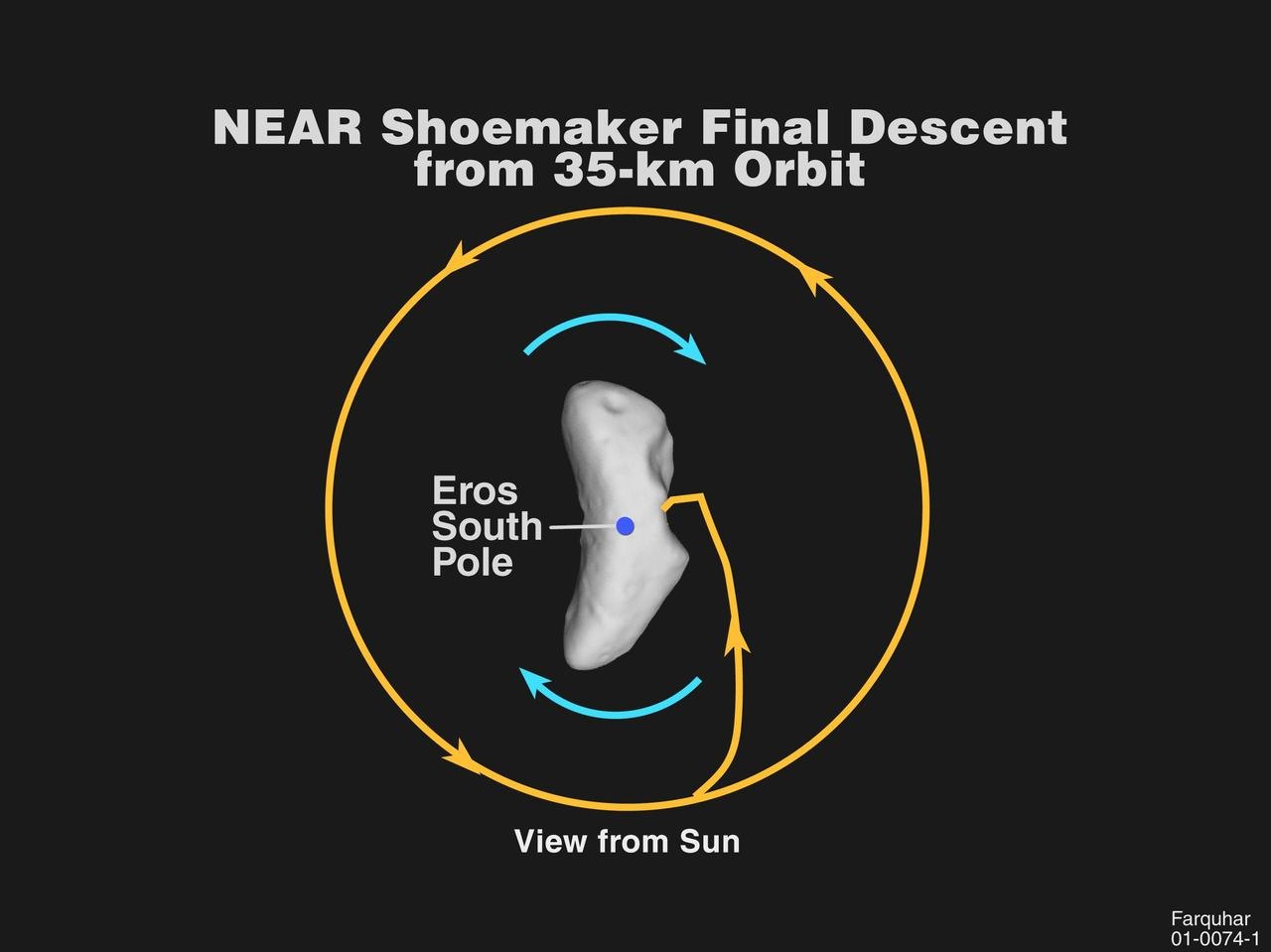
When examining ‘NEAR Shoemaker’, the point of departure for understanding this spacecraft is the conditions required by its mission. This spacecraft orbited asteroid Eros and achieved a surface landing by the end of its mission. Launched by NASA on February 17, 1996, it targeted Eros as an asteroid orbiter. Considering these four pieces of information together allows you to distinguish the historical context and actual mission scope of ‘NEAR Shoemaker’ that is not revealed by its name alone.
The most interesting aspect of ‘NEAR Shoemaker’ is its technology that enabled stable orbital flight around an irregular small body. When viewing ‘NEAR Shoemaker’, connecting the structures in the photos with the list of onboard instruments helps accurately interpret the mission objectives. The mission status of ‘NEAR Shoemaker’ is ‘Mission Completed.’ For the completed spacecraft, you should read the remaining data and subsequent technologies, while for the operational spacecraft, focus on the tasks that have expanded from the initial plan. This way, it becomes clear that ‘NEAR Shoemaker’ was not just a record holder but a tool that addressed specific problems.
Following the flow of the list, it’s worthwhile to look into ‘Stardust’ next. Comparing the asteroid orbiter of ‘NEAR Shoemaker’ with the comet sample return mission of ‘Stardust’ confirms that various approaches to small bodies have accumulated through multiple missions’ trial and error rather than a single invention. The official page of ‘NEAR Shoemaker’ provides more detailed information on launch details, mission progress, and onboard equipment, so it’s safest to check for updates when the date or status changes in ongoing missions.
The most interesting aspect of ‘NEAR Shoemaker’ is its technology that enabled stable orbital flight around an irregular small body. When viewing ‘NEAR Shoemaker’, connecting the structures in the photos with the list of onboard instruments helps accurately interpret the mission objectives. The mission status of ‘NEAR Shoemaker’ is ‘Mission Completed.’ For the completed spacecraft, you should read the remaining data and subsequent technologies, while for the operational spacecraft, focus on the tasks that have expanded from the initial plan. This way, it becomes clear that ‘NEAR Shoemaker’ was not just a record holder but a tool that addressed specific problems.
Following the flow of the list, it’s worthwhile to look into ‘Stardust’ next. Comparing the asteroid orbiter of ‘NEAR Shoemaker’ with the comet sample return mission of ‘Stardust’ confirms that various approaches to small bodies have accumulated through multiple missions’ trial and error rather than a single invention. The official page of ‘NEAR Shoemaker’ provides more detailed information on launch details, mission progress, and onboard equipment, so it’s safest to check for updates when the date or status changes in ongoing missions.
운영기관 NASA
발사일 1996-02-17
형식 소행성 궤도선
목표 에로스
임무 상태 임무 종료
이미지 자료 NASA Image Library · NEAR Shoemaker Path
Stardust
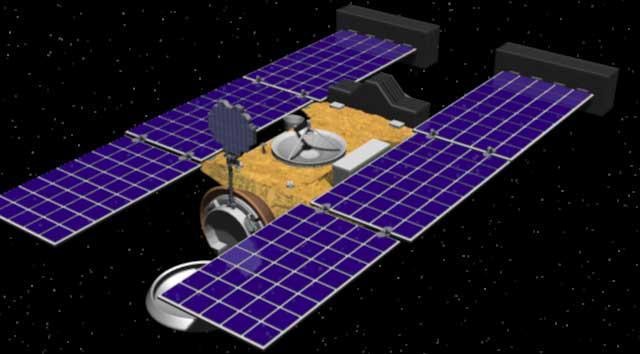
When examining ‘Stardust’, an aspect that can be easily overlooked when considering just the achievements relates to the spacecraft's selection. This spacecraft was the first to collect comet dust and bring it back to Earth. Launched by NASA on February 7, 1999, it targeted Comet Wild 2 as a sample return mission. By considering these four pieces of information together, you can distinguish the historical context and actual mission scope of ‘Stardust’ that isn’t revealed by its name alone.
The most interesting aspect of ‘Stardust’ is the method of capturing high-speed particles with minimal damage using aerogel. When viewing ‘Stardust’, it’s essential to compare how the information obtained varies as the observational position changes. The mission status of ‘Stardust’ is ‘Mission Completed.’ The completed spacecraft should be interpreted based on the remaining data and subsequent technologies, while for the operational spacecraft, focus on the tasks that have expanded from the initial plan. This way, it can be seen that ‘Stardust’ was not just a record holder but a tool that solved specific problems.
Following the flow of the list, it’s worthwhile to consider ‘Deep Impact’ next. Comparing the comet sample return mission of ‘Stardust’ with the impactor/flyby of ‘Deep Impact’ confirms that various approaches to small bodies have accumulated through multiple missions’ trial and error rather than a single invention. The official page of ‘Stardust’ provides detailed information on launch details, mission progress, and onboard equipment, so it’s safest to check for updates when the date or status changes in ongoing missions.
The most interesting aspect of ‘Stardust’ is the method of capturing high-speed particles with minimal damage using aerogel. When viewing ‘Stardust’, it’s essential to compare how the information obtained varies as the observational position changes. The mission status of ‘Stardust’ is ‘Mission Completed.’ The completed spacecraft should be interpreted based on the remaining data and subsequent technologies, while for the operational spacecraft, focus on the tasks that have expanded from the initial plan. This way, it can be seen that ‘Stardust’ was not just a record holder but a tool that solved specific problems.
Following the flow of the list, it’s worthwhile to consider ‘Deep Impact’ next. Comparing the comet sample return mission of ‘Stardust’ with the impactor/flyby of ‘Deep Impact’ confirms that various approaches to small bodies have accumulated through multiple missions’ trial and error rather than a single invention. The official page of ‘Stardust’ provides detailed information on launch details, mission progress, and onboard equipment, so it’s safest to check for updates when the date or status changes in ongoing missions.
운영기관 NASA
발사일 1999-02-07
형식 혜성 시료 귀환선
목표 빌트 2 혜성
임무 상태 임무 종료
이미지 자료 NASA Image Library · Stardust Spacecraft Artist Concept
Deep Impact
When examining ‘Deep Impact’, clear changes emerge when comparing generations based on the launch date. This spacecraft was designed to collide with a comet, revealing internal materials through observation. Launched by NASA on January 12, 2005, it targeted Comet Tempel 1 as an impactor/flyby mission. By considering these four pieces of information together, you can distinguish the historical context and actual mission scope of ‘Deep Impact’ that is not revealed by its name alone.
The most interesting aspect of ‘Deep Impact’ is the experiment that investigated the composition below the surface using an artificial collision. When viewing ‘Deep Impact’, it is beneficial to locate the device maintaining posture towards the target and the arrangement of the communication system in the official images. The mission status of ‘Deep Impact’ is ‘Mission Completed.’ For the completed spacecraft, you should read the remaining data and subsequent technologies, while for the operational spacecraft, focus on the tasks that have expanded from the initial plan. This way, it can be seen that ‘Deep Impact’ was not just a record holder but a tool that addressed specific problems.
Following the flow of the list, it’s worthwhile to consider ‘Dawn’ next. Comparing the impactor/flyby of ‘Deep Impact’ with the orbiters of ‘Dawn’ confirms that various approaches to small bodies have accumulated through multiple missions’ trial and error rather than just a single invention. The official page of ‘Deep Impact’ provides detailed information on launch details, mission progress, and onboard equipment, so it’s safest to check for updates when the date or status changes in ongoing missions.
The most interesting aspect of ‘Deep Impact’ is the experiment that investigated the composition below the surface using an artificial collision. When viewing ‘Deep Impact’, it is beneficial to locate the device maintaining posture towards the target and the arrangement of the communication system in the official images. The mission status of ‘Deep Impact’ is ‘Mission Completed.’ For the completed spacecraft, you should read the remaining data and subsequent technologies, while for the operational spacecraft, focus on the tasks that have expanded from the initial plan. This way, it can be seen that ‘Deep Impact’ was not just a record holder but a tool that addressed specific problems.
Following the flow of the list, it’s worthwhile to consider ‘Dawn’ next. Comparing the impactor/flyby of ‘Deep Impact’ with the orbiters of ‘Dawn’ confirms that various approaches to small bodies have accumulated through multiple missions’ trial and error rather than just a single invention. The official page of ‘Deep Impact’ provides detailed information on launch details, mission progress, and onboard equipment, so it’s safest to check for updates when the date or status changes in ongoing missions.
운영기관 NASA
발사일 2005-01-12
형식 충돌체·플라이바이선
목표 템펠 1 혜성
임무 상태 임무 종료
이미지 자료 NASA Image Library · Deep Impact Spacecraft First Glimpse of Comet Hartley 2
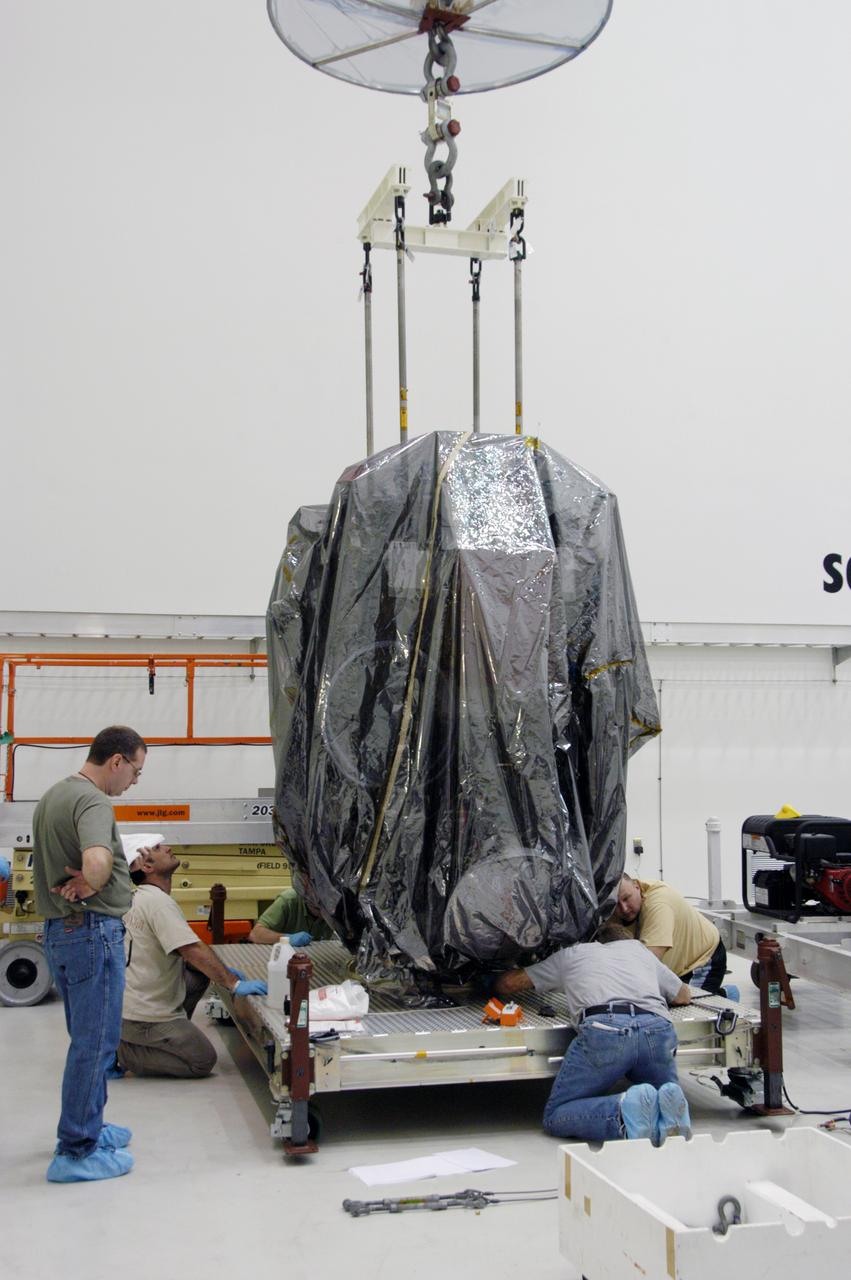
Dawn
When reviewing ‘Dawn’, although the name is familiar, the actual roles are revealed when you look at the objectives and orbits together. This spacecraft successively entered the orbits of two different bodies, Vesta and Ceres. Launched by NASA on September 27, 2007, it targeted Vesta and Ceres as an asteroid/dwarf planet orbiter. By considering these four pieces of information together, you can distinguish the historical context and actual mission scope of ‘Dawn’ that is not evident from its name alone.
The most interesting aspect of ‘Dawn’ is its ability to achieve the orbital insertion for both targets using ion engines. When you view ‘Dawn’, placing it alongside contemporaneous spacecraft shows the priorities in propulsion, power, and observational equipment. The mission status of ‘Dawn’ is ‘Mission Completed.’ For the completed spacecraft, you should read the remaining data and subsequent technologies, while for the operational spacecraft, focus on the tasks that have expanded from the initial plan. This way, it becomes evident that ‘Dawn’ was not just a record holder but a tool that solved specific problems.
Following the flow of the list, it’s worth looking into ‘OSIRIS-REx’ next. Comparing the asteroid/dwarf planet orbiter of ‘Dawn’ with the sample return mission of ‘OSIRIS-REx’ validates that various approaches to small bodies have been accumulated through multiple missions’ trial and error rather than a single invention. The official page of ‘Dawn’ provides detailed information on launch details, mission progress, and onboard equipment, so it’s safest to check for updates when the date or status changes in ongoing missions.
The most interesting aspect of ‘Dawn’ is its ability to achieve the orbital insertion for both targets using ion engines. When you view ‘Dawn’, placing it alongside contemporaneous spacecraft shows the priorities in propulsion, power, and observational equipment. The mission status of ‘Dawn’ is ‘Mission Completed.’ For the completed spacecraft, you should read the remaining data and subsequent technologies, while for the operational spacecraft, focus on the tasks that have expanded from the initial plan. This way, it becomes evident that ‘Dawn’ was not just a record holder but a tool that solved specific problems.
Following the flow of the list, it’s worth looking into ‘OSIRIS-REx’ next. Comparing the asteroid/dwarf planet orbiter of ‘Dawn’ with the sample return mission of ‘OSIRIS-REx’ validates that various approaches to small bodies have been accumulated through multiple missions’ trial and error rather than a single invention. The official page of ‘Dawn’ provides detailed information on launch details, mission progress, and onboard equipment, so it’s safest to check for updates when the date or status changes in ongoing missions.
운영기관 NASA
발사일 2007-09-27
형식 왜행성·소행성 궤도선
목표 베스타·세레스
임무 상태 임무 종료
이미지 자료 NASA Image Library · Dawn Spacecraft Processing
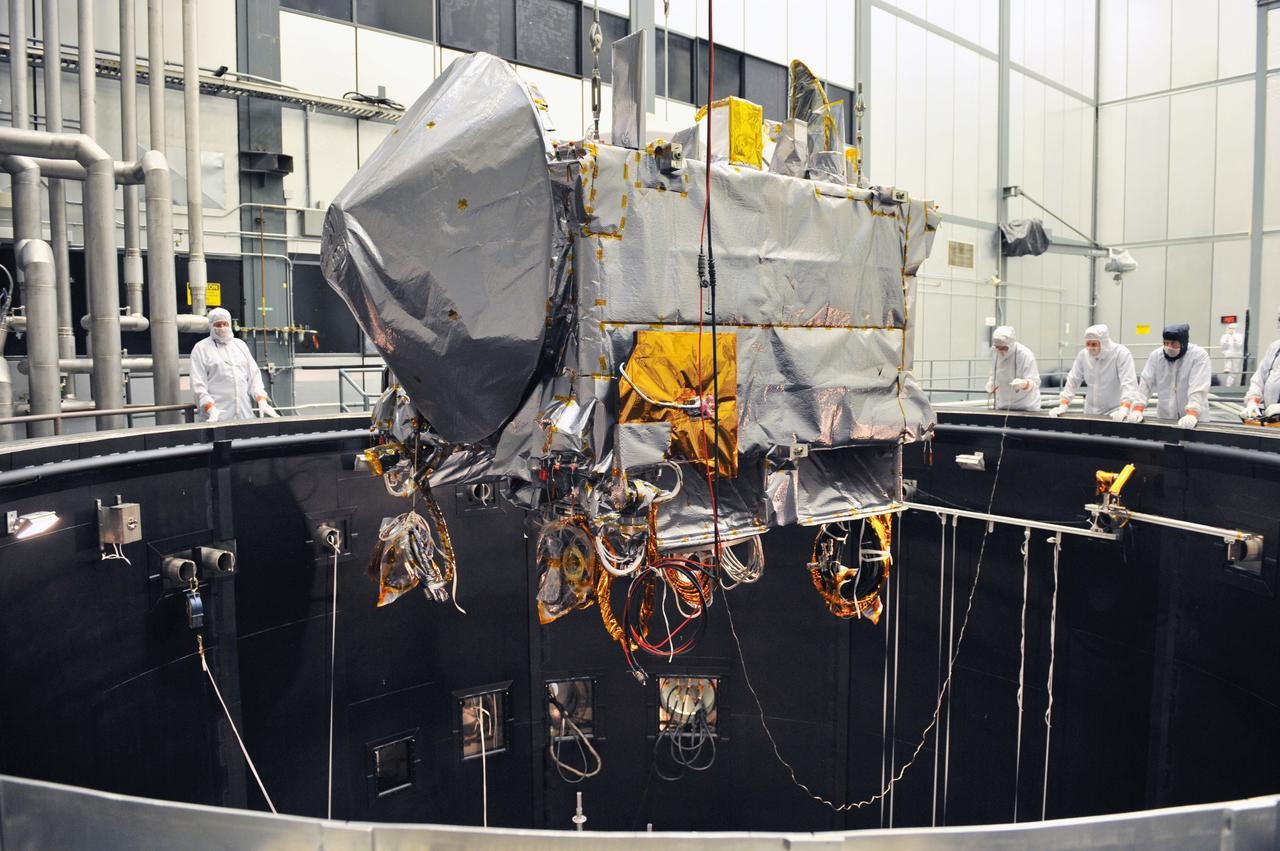
OSIRIS-REx
When examining ‘OSIRIS-REx’, the pivotal moment of the mission began with the hardware tailored to its objectives. This spacecraft delivered samples from Bennu to Earth and will continue by exploring Apophis as OSIRIS-APEX. Launched by NASA on September 8, 2016, it targeted Bennu and Apophis as a sample return mission. By considering these four pieces of information together, you can identify the historical context and actual mission scope of ‘OSIRIS-REx’ that is not revealed by its name alone.
The most interesting aspect of ‘OSIRIS-REx’ is the method of collecting surface samples through brief contact, returning only the capsule. When viewing ‘OSIRIS-REx’, confirming the communication distance and mission duration first makes the reasons for the selection of antennas and power very clear. The mission status of ‘OSIRIS-REx’ is ‘Active Extended Mission.’ For the completed spacecraft, you should read the remaining data and subsequent technologies, while for the operational spacecraft, focus on the tasks that have expanded from the initial plan. This way, it becomes clear that ‘OSIRIS-REx’ was not just a record holder but a tool that addressed specific issues.
Following the list’s flow, it’s worth considering ‘Lucy’ next. Comparing the asteroid sample return mission of ‘OSIRIS-REx’ with the multi-asteroid flyby of ‘Lucy’ confirms that various approaches to small bodies have accumulated through multiple missions’ trial and error rather than a single invention. The official page of ‘OSIRIS-REx’ provides detailed information on launch details, mission progress, and onboard equipment, so it’s safest to check for updates when the date or status changes in ongoing missions.
The most interesting aspect of ‘OSIRIS-REx’ is the method of collecting surface samples through brief contact, returning only the capsule. When viewing ‘OSIRIS-REx’, confirming the communication distance and mission duration first makes the reasons for the selection of antennas and power very clear. The mission status of ‘OSIRIS-REx’ is ‘Active Extended Mission.’ For the completed spacecraft, you should read the remaining data and subsequent technologies, while for the operational spacecraft, focus on the tasks that have expanded from the initial plan. This way, it becomes clear that ‘OSIRIS-REx’ was not just a record holder but a tool that addressed specific issues.
Following the list’s flow, it’s worth considering ‘Lucy’ next. Comparing the asteroid sample return mission of ‘OSIRIS-REx’ with the multi-asteroid flyby of ‘Lucy’ confirms that various approaches to small bodies have accumulated through multiple missions’ trial and error rather than a single invention. The official page of ‘OSIRIS-REx’ provides detailed information on launch details, mission progress, and onboard equipment, so it’s safest to check for updates when the date or status changes in ongoing missions.
운영기관 NASA
발사일 2016-09-08
형식 소행성 시료 귀환선
목표 베누·아포피스
임무 상태 활성 연장 임무
이미지 자료 NASA Image Library · NASA's OSIRIS-REx Spacecraft In Thermal Vacuum Testing
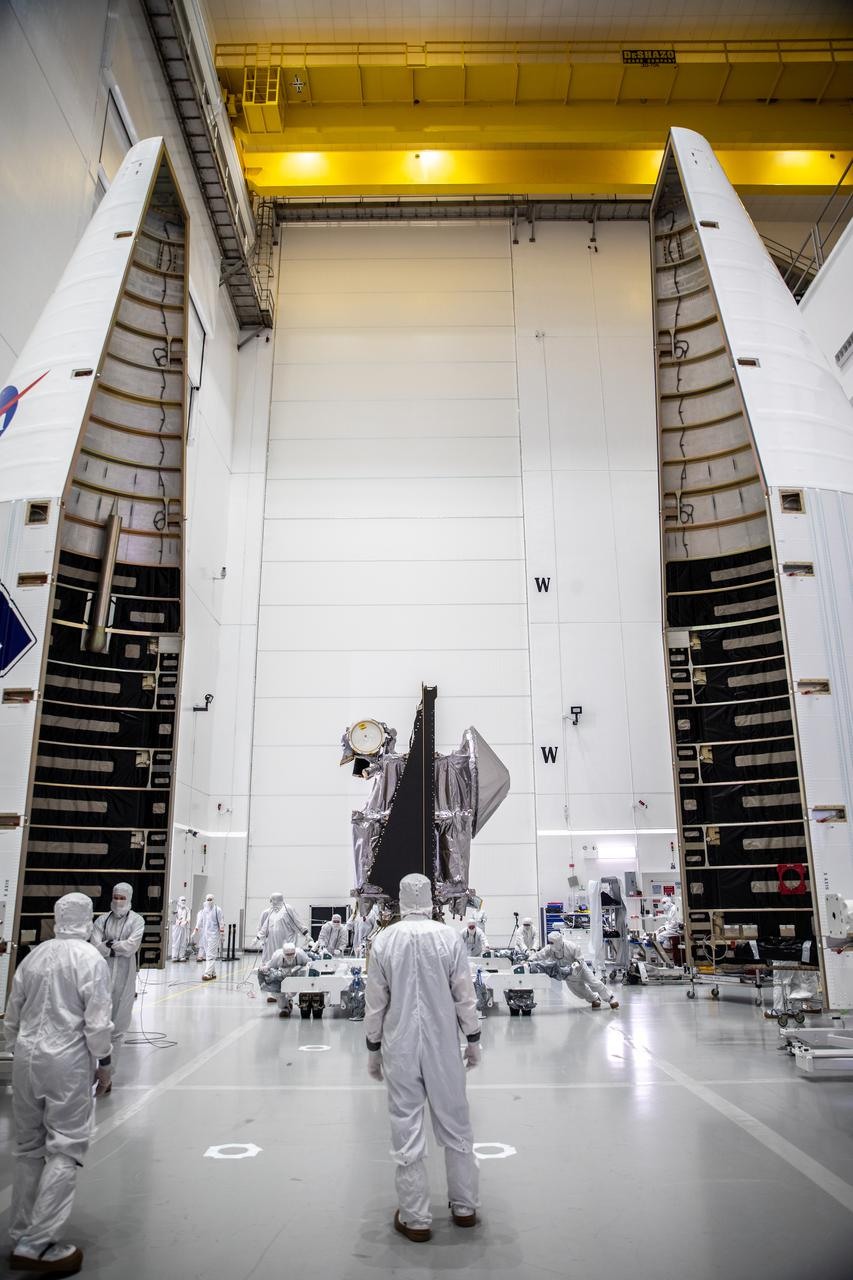
Lucy
When reviewing ‘Lucy’, the questions that needed to be addressed at the time are embodied within the spacecraft. This spacecraft is designed to successively visit several Jupiter Trojan asteroids to investigate the diversity of early solar system materials. Launched by NASA on October 16, 2021, it targeted the Jupiter Trojan group as a multi-asteroid flyby mission. By considering these four pieces of information together, you can distinguish the historical context and actual mission scope of ‘Lucy’ that isn’t revealed by its name alone.
The most fascinating aspect of ‘Lucy’ is its complex gravity-assist trajectory that connects multiple targets with one spacecraft. When viewing ‘Lucy’, if it is currently operational, also observe how the latest results differ from the initial objectives. The mission status of ‘Lucy’ is ‘Active Mission.’ For the completed spacecraft, you should read the remaining data and subsequent technologies, while for the operational spacecraft, focus on the tasks that have expanded from the initial plan. This way, it becomes clear that ‘Lucy’ was not just a record holder but a tool that solved particular problems.
Following the flow of the list, it’s worth looking into ‘DART’ next. Comparing the multi-asteroid flyby of ‘Lucy’ with the planetary defense impactor of ‘DART’ confirms that various approaches to small bodies have been accumulated through several missions’ trial and error instead of one single invention. The official page of ‘Lucy’ provides detailed information on launch details, mission progress, and onboard equipment, so it’s safest to check for updates when the date or status changes in ongoing missions.
The most fascinating aspect of ‘Lucy’ is its complex gravity-assist trajectory that connects multiple targets with one spacecraft. When viewing ‘Lucy’, if it is currently operational, also observe how the latest results differ from the initial objectives. The mission status of ‘Lucy’ is ‘Active Mission.’ For the completed spacecraft, you should read the remaining data and subsequent technologies, while for the operational spacecraft, focus on the tasks that have expanded from the initial plan. This way, it becomes clear that ‘Lucy’ was not just a record holder but a tool that solved particular problems.
Following the flow of the list, it’s worth looking into ‘DART’ next. Comparing the multi-asteroid flyby of ‘Lucy’ with the planetary defense impactor of ‘DART’ confirms that various approaches to small bodies have been accumulated through several missions’ trial and error instead of one single invention. The official page of ‘Lucy’ provides detailed information on launch details, mission progress, and onboard equipment, so it’s safest to check for updates when the date or status changes in ongoing missions.
운영기관 NASA
발사일 2021-10-16
형식 다중 소행성 플라이바이선
목표 목성 트로이군
임무 상태 활성 임무
이미지 자료 NASA Image Library · Lucy Spacecraft Move from WPC to Airlock
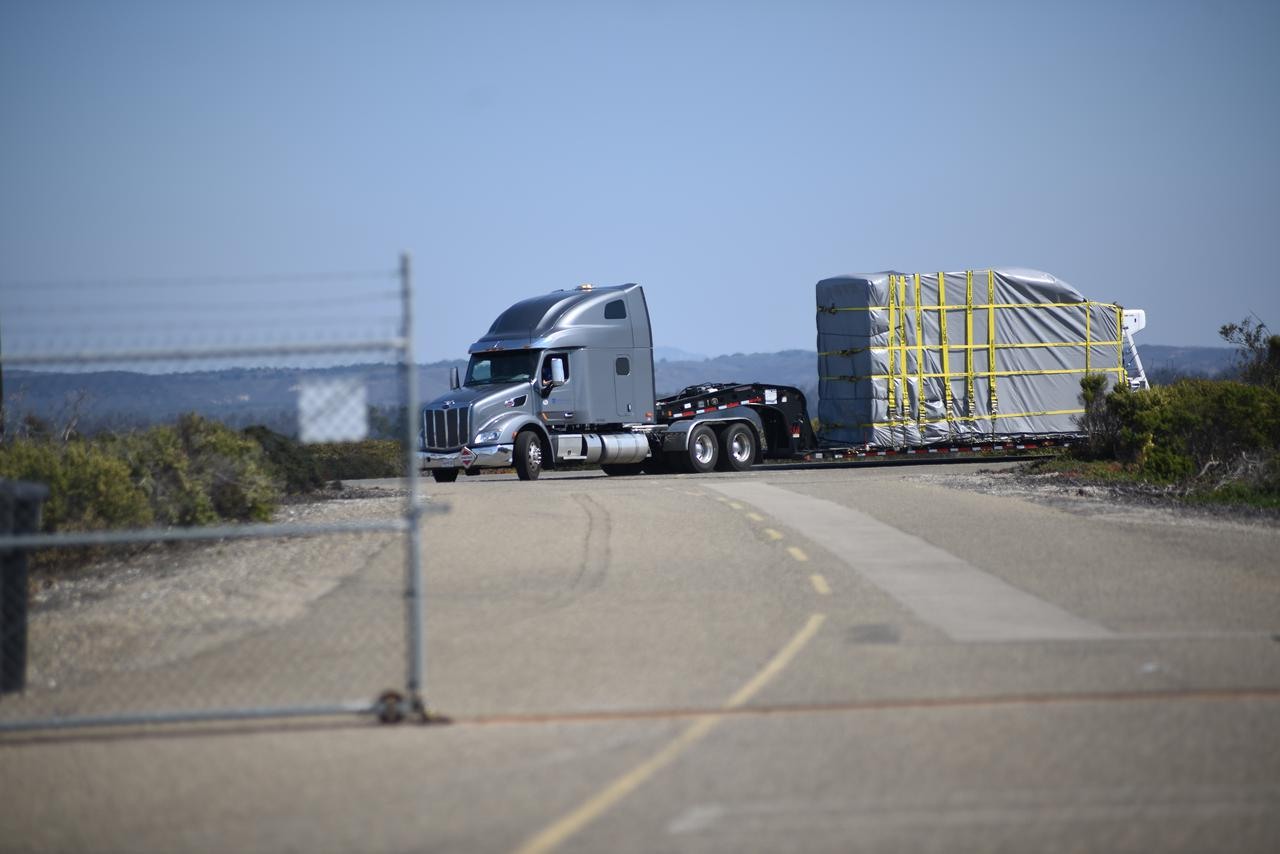
DART
When reviewing ‘DART’, the design behind the observational results involves constraints on power and communication distributions. This spacecraft was the first to test planetary defense technology by impacting an asteroid’s moonlet to change its orbital period. Launched by NASA on November 24, 2021, it targeted Dimorphos as a planetary defense impactor mission. By considering these four pieces of information together, you can distinguish the historical context and actual mission scope of ‘DART’ that isn’t revealed by its name alone.
The most interesting aspect of ‘DART’ is the kinetic impact experiment that causes a change in speed rather than mere observation. When looking at ‘DART’, follow not just the scenes of success but also the procedures that reduced risks when reading the mission data. The mission status of ‘DART’ is ‘Mission Completed.’ For the completed spacecraft, you should read the remaining data and subsequent technologies, while for the operational spacecraft, focus on the tasks that have expanded from the initial plan. This way, it becomes clear that ‘DART’ was not just a record holder but a tool that addressed specific problems.
Following the flow of the list, it’s worthwhile to consider ‘Psyche’ next. Comparing the planetary defense impactor of ‘DART’ with the asteroid orbiter of ‘Psyche’ validates that various approaches to small bodies have been accumulated through several missions’ trial and error rather than a single invention. The official page of ‘DART’ provides detailed information on launch details, mission progress, and onboard equipment, so it’s safest to check for updates when the date or status changes in ongoing missions.
The most interesting aspect of ‘DART’ is the kinetic impact experiment that causes a change in speed rather than mere observation. When looking at ‘DART’, follow not just the scenes of success but also the procedures that reduced risks when reading the mission data. The mission status of ‘DART’ is ‘Mission Completed.’ For the completed spacecraft, you should read the remaining data and subsequent technologies, while for the operational spacecraft, focus on the tasks that have expanded from the initial plan. This way, it becomes clear that ‘DART’ was not just a record holder but a tool that addressed specific problems.
Following the flow of the list, it’s worthwhile to consider ‘Psyche’ next. Comparing the planetary defense impactor of ‘DART’ with the asteroid orbiter of ‘Psyche’ validates that various approaches to small bodies have been accumulated through several missions’ trial and error rather than a single invention. The official page of ‘DART’ provides detailed information on launch details, mission progress, and onboard equipment, so it’s safest to check for updates when the date or status changes in ongoing missions.
운영기관 NASA
발사일 2021-11-24
형식 행성방어 충돌선
목표 디모르포스
임무 상태 임무 종료
이미지 자료 NASA Image Library · DART Spacecraft Arrival
Psyche
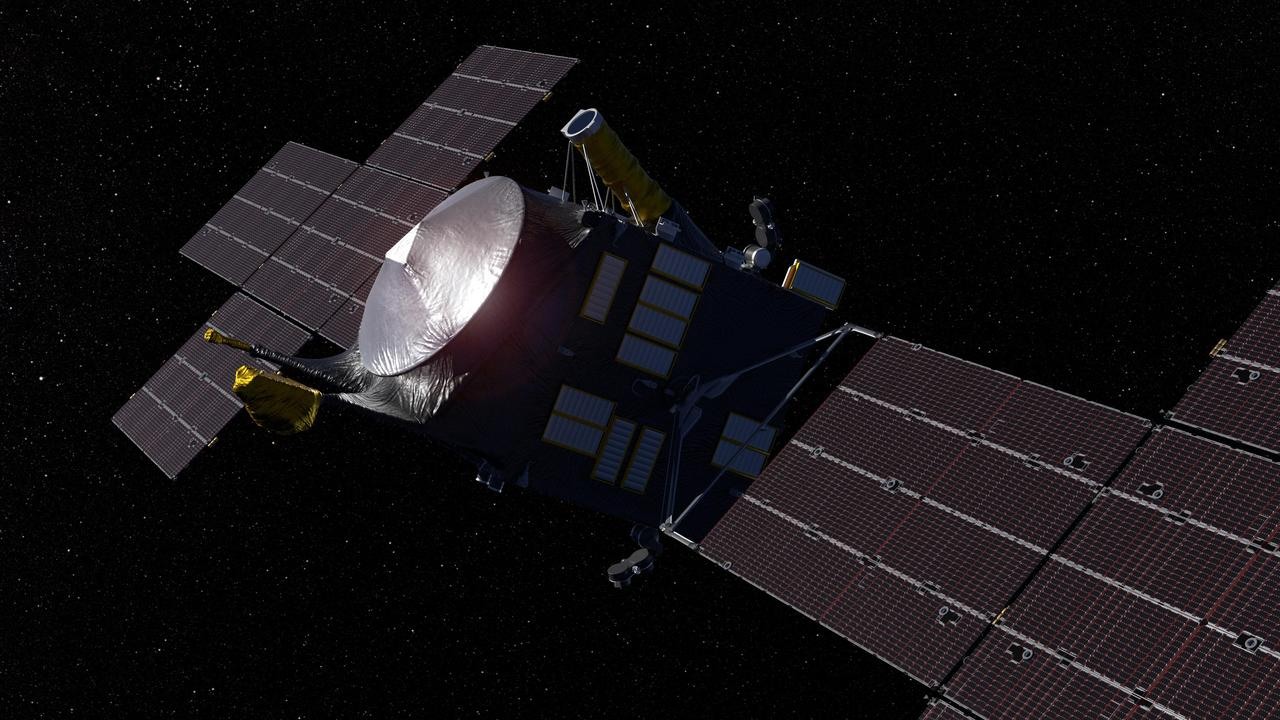
When examining ‘Psyche’, the distinctive features that differentiate it from similar spacecraft can be found in its mission trajectory. This spacecraft is in motion to investigate the metal-rich asteroid Psyche. Launched by NASA on October 13, 2023, it targets 16 Psyche as an asteroid orbiter. By considering these four pieces of information together, you can distinguish the historical context and actual mission scope of ‘Psyche’ that is not revealed by its name alone.
The most interesting aspect of ‘Psyche’ is its approach of gradually increasing speed using solar electric propulsion toward distant objectives. When viewing ‘Psyche’, examining the order in which instruments are used after arrival at the target clarifies the design choices. The mission status of ‘Psyche’ is ‘Active and Cruising.’ For the completed spacecraft, you should read the remaining data and subsequent technologies, while for the operational spacecraft, focus on the tasks that have expanded from the initial plan. This way, it becomes evident that ‘Psyche’ was not just a record holder but a tool that addressed specific problems.
Following the flow of the list, it’s worthwhile to investigate ‘New Horizons’ next. Comparing the asteroid orbiter of ‘Psyche’ with the Kuiper Belt flyby of ‘New Horizons’ confirms that various approaches to small bodies have accumulated through multiple missions’ trial and error rather than a single invention. The official page of ‘Psyche’ provides detailed information on launch details, mission progress, and onboard equipment, so it’s safest to check for updates when the date or status changes in ongoing missions.
The most interesting aspect of ‘Psyche’ is its approach of gradually increasing speed using solar electric propulsion toward distant objectives. When viewing ‘Psyche’, examining the order in which instruments are used after arrival at the target clarifies the design choices. The mission status of ‘Psyche’ is ‘Active and Cruising.’ For the completed spacecraft, you should read the remaining data and subsequent technologies, while for the operational spacecraft, focus on the tasks that have expanded from the initial plan. This way, it becomes evident that ‘Psyche’ was not just a record holder but a tool that addressed specific problems.
Following the flow of the list, it’s worthwhile to investigate ‘New Horizons’ next. Comparing the asteroid orbiter of ‘Psyche’ with the Kuiper Belt flyby of ‘New Horizons’ confirms that various approaches to small bodies have accumulated through multiple missions’ trial and error rather than a single invention. The official page of ‘Psyche’ provides detailed information on launch details, mission progress, and onboard equipment, so it’s safest to check for updates when the date or status changes in ongoing missions.
운영기관 NASA
발사일 2023-10-13
형식 소행성 궤도선
목표 16 프시케
임무 상태 활성·순항 중
이미지 자료 NASA Image Library · Psyche Spacecraft (Artist's Concept)
New Horizons
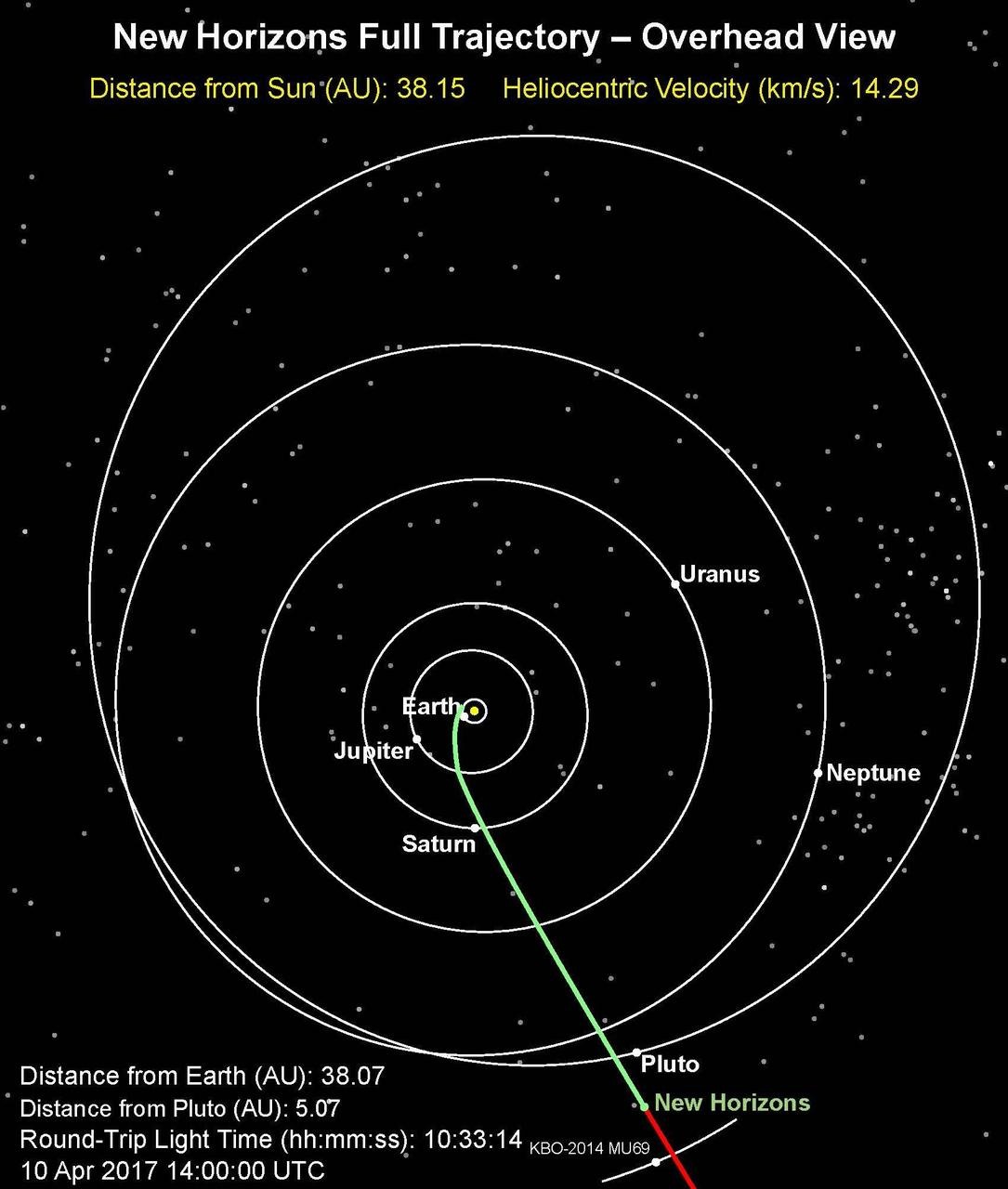
When reviewing ‘New Horizons’, its value lies in the standards left for future missions rather than just impressive records. This spacecraft conducted a close observation of the Kuiper Belt object Arrokoth after Pluto, showcasing the features of small celestial bodies. Launched by NASA on January 19, 2006, it targeted Arrokoth as a Kuiper Belt flyby mission. By considering these four pieces of information together, you can distinguish the historical context and actual mission scope of ‘New Horizons’ that isn’t revealed by its name alone.
The most fascinating aspect of ‘New Horizons’ is its autonomy in executing observation commands quickly without a pre-existing map. When viewing ‘New Horizons’, for completed missions, it is worthwhile to verify the last operational methods and the data left behind. The mission status of ‘New Horizons’ is ‘Extended Mission.’ For the completed spacecraft, you should read the remaining data and subsequent technologies, while for the operational spacecraft, focus on the tasks that have expanded from the initial plan. This way, it can be seen that ‘New Horizons’ was not just a record holder but a tool that addressed specific problems.
Following the flow of the list, it’s worthwhile to consider ‘Galileo’ next. Comparing the Kuiper Belt flyby of ‘New Horizons’ with the flyby probe of ‘Galileo’ confirms that various approaches to small bodies have accumulated through multiple missions’ trial and error rather than just a single invention. The official page of ‘New Horizons’ provides detailed information on launch details, mission progress, and onboard equipment, so it’s safest to check for updates when the date or status changes in ongoing missions.
The most fascinating aspect of ‘New Horizons’ is its autonomy in executing observation commands quickly without a pre-existing map. When viewing ‘New Horizons’, for completed missions, it is worthwhile to verify the last operational methods and the data left behind. The mission status of ‘New Horizons’ is ‘Extended Mission.’ For the completed spacecraft, you should read the remaining data and subsequent technologies, while for the operational spacecraft, focus on the tasks that have expanded from the initial plan. This way, it can be seen that ‘New Horizons’ was not just a record holder but a tool that addressed specific problems.
Following the flow of the list, it’s worthwhile to consider ‘Galileo’ next. Comparing the Kuiper Belt flyby of ‘New Horizons’ with the flyby probe of ‘Galileo’ confirms that various approaches to small bodies have accumulated through multiple missions’ trial and error rather than just a single invention. The official page of ‘New Horizons’ provides detailed information on launch details, mission progress, and onboard equipment, so it’s safest to check for updates when the date or status changes in ongoing missions.
운영기관 NASA
발사일 2006-01-19
형식 카이퍼대 플라이바이선
목표 아로코스
임무 상태 연장 임무
이미지 자료 NASA Image Library · Nap Time for New Horizons: NASA Spacecraft Enters Hibernation
The ten missions to small celestial bodies are more interesting for their differences in approach rather than the targets they observed. The same spacecraft might slowly enter orbit, touch a surface for just a few seconds, or collide completely with a target.
For example, let’s compare Stardust and OSIRIS-REx, which brought back samples, with Deep Impact and DART, which chose to collide. Depending on whether the desired information is compositional analysis, internal exposure, or orbital alteration, the final moments of the spacecraft will differ. In the link for ‘Ten Spacecraft That Approached Asteroids and Comets Directly,’ you can check additional details and images for each mission. When new exploratory results are released, adding them to the list while maintaining the criteria of different approaches selected for investigating small celestial bodies will ensure a consistent flow.
For example, let’s compare Stardust and OSIRIS-REx, which brought back samples, with Deep Impact and DART, which chose to collide. Depending on whether the desired information is compositional analysis, internal exposure, or orbital alteration, the final moments of the spacecraft will differ. In the link for ‘Ten Spacecraft That Approached Asteroids and Comets Directly,’ you can check additional details and images for each mission. When new exploratory results are released, adding them to the list while maintaining the criteria of different approaches selected for investigating small celestial bodies will ensure a consistent flow.
한눈에 보기
10개
Galileo
NASA · 1989-10-18 · 플라이바이 탐사선 · 가스프라·이다 · 임무 종료 · NASA Image Library · STS-34 Galileo processing at KSC's SAEF-2 planetary spacecraft facility
NEAR Shoemaker
NASA · 1996-02-17 · 소행성 궤도선 · 에로스 · 임무 종료 · NASA Image Library · NEAR Shoemaker Path
Stardust
NASA · 1999-02-07 · 혜성 시료 귀환선 · 빌트 2 혜성 · 임무 종료 · NASA Image Library · Stardust Spacecraft Artist Concept
Deep Impact
NASA · 2005-01-12 · 충돌체·플라이바이선 · 템펠 1 혜성 · 임무 종료 · NASA Image Library · Deep Impact Spacecraft First Glimpse of Comet Hartley 2
Dawn
NASA · 2007-09-27 · 왜행성·소행성 궤도선 · 베스타·세레스 · 임무 종료 · NASA Image Library · Dawn Spacecraft Processing
OSIRIS-REx
NASA · 2016-09-08 · 소행성 시료 귀환선 · 베누·아포피스 · 활성 연장 임무 · NASA Image Library · NASA's OSIRIS-REx Spacecraft In Thermal Vacuum Testing
Lucy
NASA · 2021-10-16 · 다중 소행성 플라이바이선 · 목성 트로이군 · 활성 임무 · NASA Image Library · Lucy Spacecraft Move from WPC to Airlock
DART
NASA · 2021-11-24 · 행성방어 충돌선 · 디모르포스 · 임무 종료 · NASA Image Library · DART Spacecraft Arrival
Psyche
NASA · 2023-10-13 · 소행성 궤도선 · 16 프시케 · 활성·순항 중 · NASA Image Library · Psyche Spacecraft (Artist's Concept)
New Horizons
NASA · 2006-01-19 · 카이퍼대 플라이바이선 · 아로코스 · 연장 임무 · NASA Image Library · Nap Time for New Horizons: NASA Spacecraft Enters Hibernation
이 포스팅은 쿠팡 파트너스 활동의 일환으로, 이에 따른 일정액의 수수료를 제공받습니다.
댓글 0
로그인 후 댓글을 작성할 수 있습니다.
첫 댓글을 남겨보세요.
이런 리스트는 어때요?


이런 리스트도 추천해요


🎲
여기서 멈추기엔 아쉽잖아?
다음에 뭘 볼지 고민하는 시간이 제일 아까워.
주사위가 대신 골라줄게 — 무슨 리스트가 튀어나올지는 굴려봐야 알지.
안 누르면… 평생 궁금하지 않겠어? 👀
