Collection
Science
2026.09.11
Spaceships Bringing Pieces from Other Worlds to Earth
Decisive moments of sample return missions from lunar dust to asteroid rocks
There's a significant difference between observing another celestial body and bringing a piece of it back to Earth for laboratory analysis. It requires not only collection devices, ascent vehicles, and return capsules, but also meticulous procedures to store samples so that they do not mix with Earth materials.
This list gathers actual spaceships that have returned samples from the Moon, solar winds, comets, and asteroids. By comparing the astronaut-collected samples of Apollo with fully automated probes and examining collection methods that vary based on the mission objectives like drills, aerogels, and gas jets, we reveal the complexity of return missions. Checking the actual mission data and structure of spaceships that brought pieces from other worlds to Earth allows for a more in-depth understanding of the reasons behind various choices.
This list gathers actual spaceships that have returned samples from the Moon, solar winds, comets, and asteroids. By comparing the astronaut-collected samples of Apollo with fully automated probes and examining collection methods that vary based on the mission objectives like drills, aerogels, and gas jets, we reveal the complexity of return missions. Checking the actual mission data and structure of spaceships that brought pieces from other worlds to Earth allows for a more in-depth understanding of the reasons behind various choices.
Apollo 11
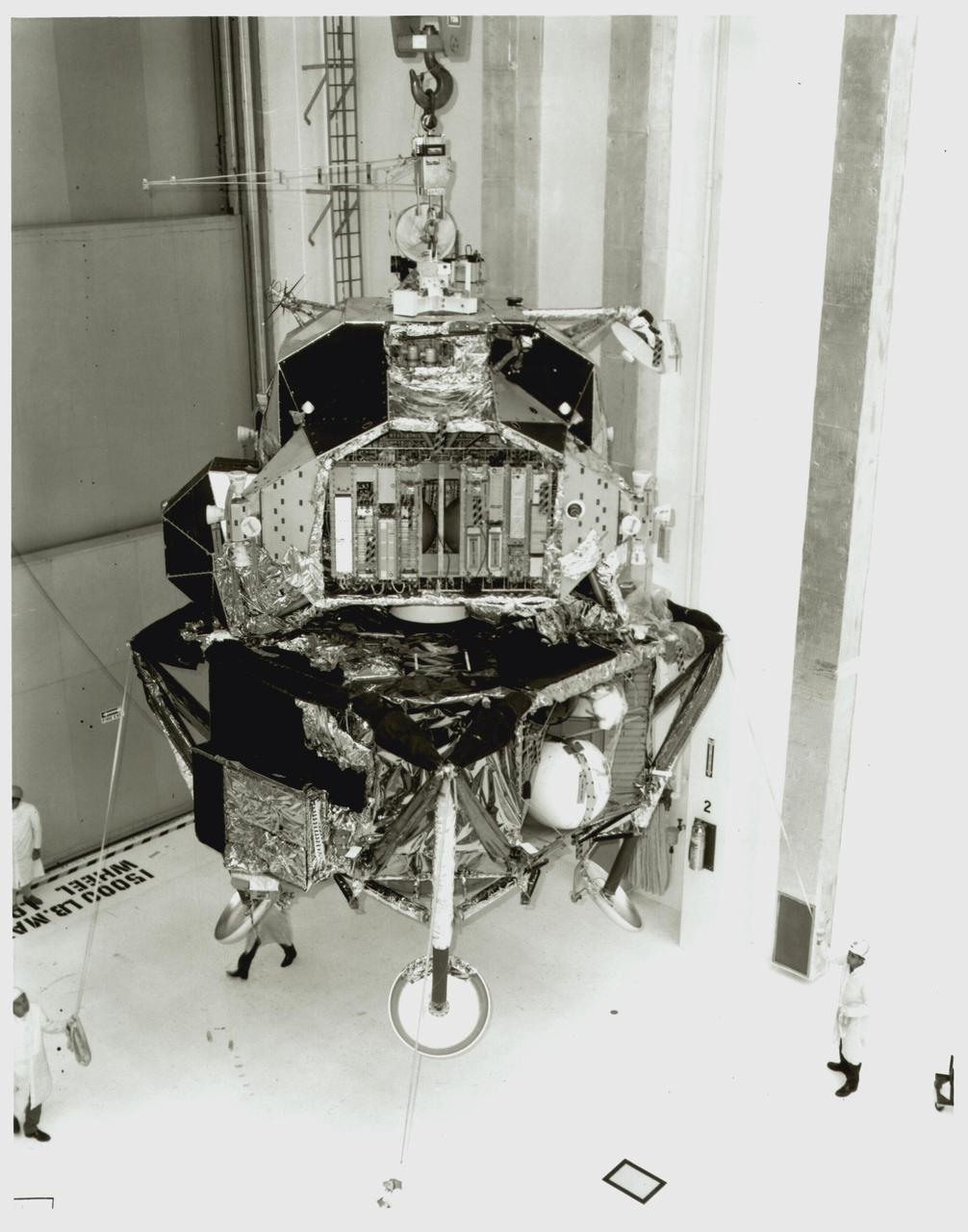
When examining ‘Apollo 11’, one aspect that is often overlooked amidst its achievements is the choice of gases. This spaceship is renowned for bringing back rock and soil samples from the first human landing on the Moon. Launched by NASA on 1969-07-16, it aimed to collect samples from the lunar surface. By looking at these four pieces of information together, we can distinguish the historical context and the actual scope of the mission that the name ‘Apollo 11’ alone does not reveal.
The most fascinating part of ‘Apollo 11’ is the process by which crew members transferred samples to the ascent and command modules. It is essential to compare how information changes based on different observation perspectives during the Apollo 11 mission. The mission status of ‘Apollo 11’ is ‘mission complete’, where the concluded spacecraft carries the data and follow-up technologies left behind, while operational spacecraft should be interpreted through the lens of expanded tasks from the original plan. Thus, it becomes evident that ‘Apollo 11’ was not merely a record holder but a tool that solved specific problems.
In the flow of the list, it is worthwhile to examine ‘Luna 16’ next. Comparing the crewed lunar sample return of ‘Apollo 11’ with the unmanned lunar sample return of ‘Luna 16’ reveals how the process of protecting collected materials to return them to Earth was built upon many missions' trial and error rather than a single invention. The official page of ‘Apollo 11’ provides more detailed launch information, mission progress, and onboard equipment, so it’s advisable to refer to the latest updates while tracking the evolving status of ongoing missions.
The most fascinating part of ‘Apollo 11’ is the process by which crew members transferred samples to the ascent and command modules. It is essential to compare how information changes based on different observation perspectives during the Apollo 11 mission. The mission status of ‘Apollo 11’ is ‘mission complete’, where the concluded spacecraft carries the data and follow-up technologies left behind, while operational spacecraft should be interpreted through the lens of expanded tasks from the original plan. Thus, it becomes evident that ‘Apollo 11’ was not merely a record holder but a tool that solved specific problems.
In the flow of the list, it is worthwhile to examine ‘Luna 16’ next. Comparing the crewed lunar sample return of ‘Apollo 11’ with the unmanned lunar sample return of ‘Luna 16’ reveals how the process of protecting collected materials to return them to Earth was built upon many missions' trial and error rather than a single invention. The official page of ‘Apollo 11’ provides more detailed launch information, mission progress, and onboard equipment, so it’s advisable to refer to the latest updates while tracking the evolving status of ongoing missions.
운영기관 NASA
발사일 1969-07-16
형식 유인 달 시료 귀환선
목표 달
임무 상태 임무 종료
이미지 자료 NASA Image Library · Apollo 11 Lunar Module
Luna 16
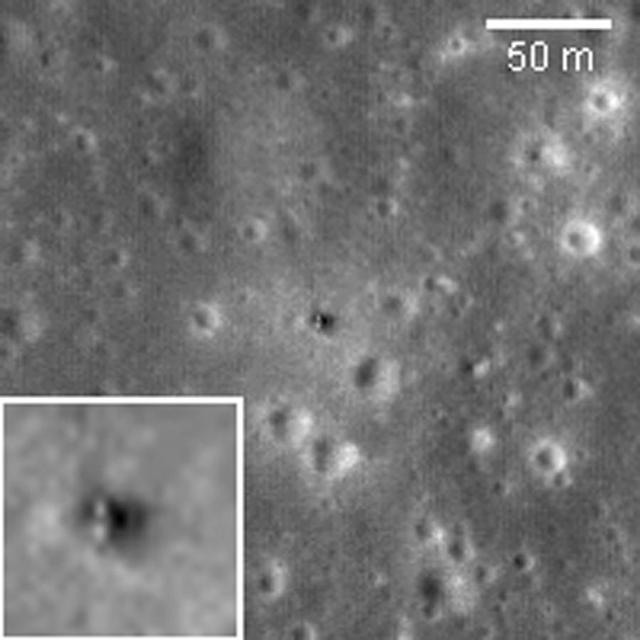
When examining ‘Luna 16’, a clear transformation can be seen when comparing generations based on its launch date. This spacecraft was the first robotic sample return mission to collect lunar soil and send it back to Earth without human intervention. Launched by the Soviet space program on 1970-09-12, it targeted the Moon as its objective. Looking at these four pieces of information together allows for distinguishing the historical context and actual scope of the mission that the name ‘Luna 16’ alone does not reveal.
One of the most intriguing aspects of ‘Luna 16’ is its mission, which involved the automated connection of the drill, ascent stage, and return capsule. When viewing ‘Luna 16’, it is helpful to look for the positioning of the device that maintained the aim towards the target and the layout of the communication equipment in the official photos. The mission status of ‘Luna 16’ is ‘mission complete’, where the concluded spacecraft carries the data and follow-up technologies left behind, while operational spacecraft should be interpreted through the lens of expanded tasks from the original plan. Thus, it becomes evident that ‘Luna 16’ was not merely a record holder but a tool that solved specific problems.
In the flow of the list, examining ‘Genesis’ next is worthwhile. Comparing the unmanned lunar sample return of ‘Luna 16’ with the solar wind sample return of ‘Genesis’ confirms that the process of protecting collected materials to return them to Earth was built upon many missions' trial and error rather than a single invention. The official page of ‘Luna 16’ provides more detailed launch information, mission progress, and onboard equipment, so it’s advisable to refer to the latest updates while tracking the evolving status of ongoing missions.
One of the most intriguing aspects of ‘Luna 16’ is its mission, which involved the automated connection of the drill, ascent stage, and return capsule. When viewing ‘Luna 16’, it is helpful to look for the positioning of the device that maintained the aim towards the target and the layout of the communication equipment in the official photos. The mission status of ‘Luna 16’ is ‘mission complete’, where the concluded spacecraft carries the data and follow-up technologies left behind, while operational spacecraft should be interpreted through the lens of expanded tasks from the original plan. Thus, it becomes evident that ‘Luna 16’ was not merely a record holder but a tool that solved specific problems.
In the flow of the list, examining ‘Genesis’ next is worthwhile. Comparing the unmanned lunar sample return of ‘Luna 16’ with the solar wind sample return of ‘Genesis’ confirms that the process of protecting collected materials to return them to Earth was built upon many missions' trial and error rather than a single invention. The official page of ‘Luna 16’ provides more detailed launch information, mission progress, and onboard equipment, so it’s advisable to refer to the latest updates while tracking the evolving status of ongoing missions.
운영기관 소련 우주 프로그램
발사일 1970-09-12
형식 무인 달 시료 귀환선
목표 달
임무 상태 임무 종료
이미지 자료 NASA Image Library · Luna 16
Genesis
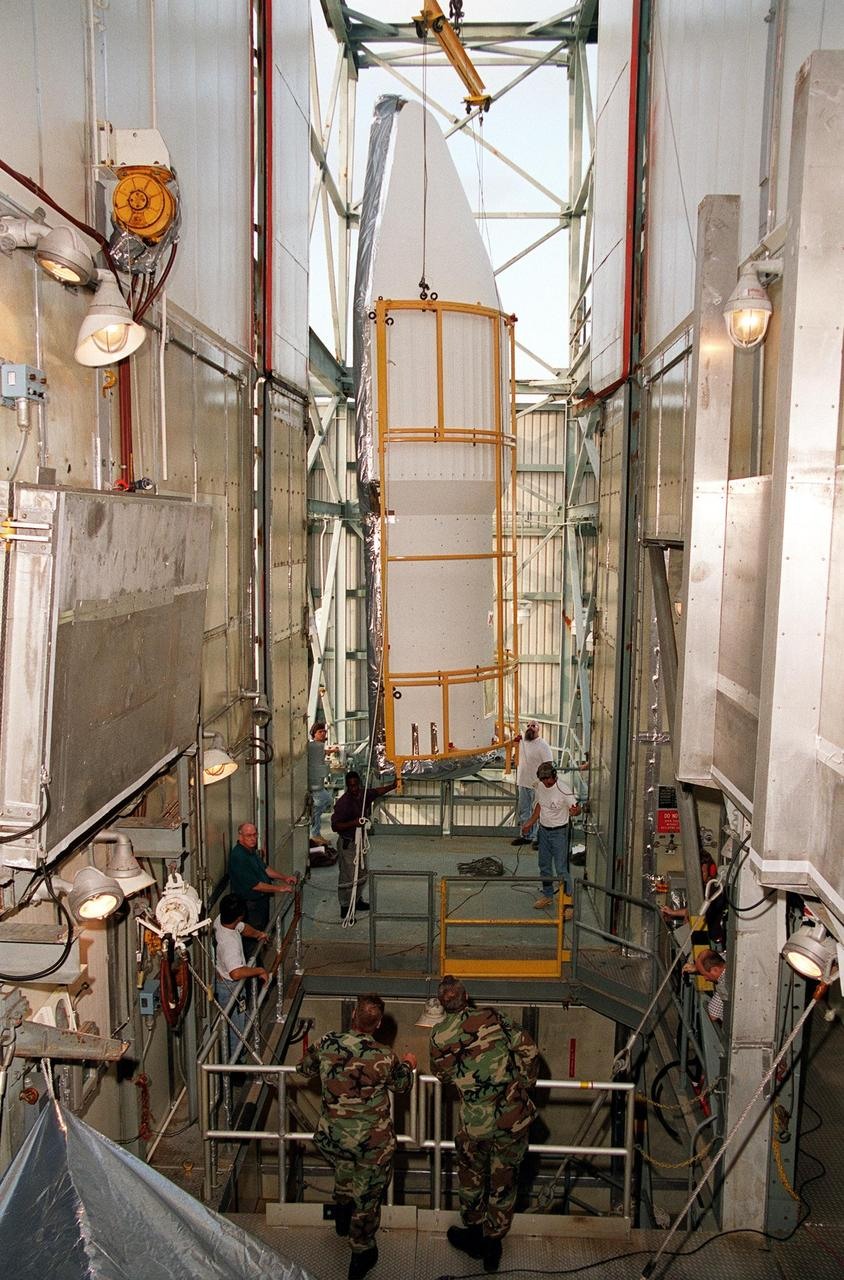
When examining ‘Genesis’, the name may be familiar, but understanding its actual role requires considering both its objectives and trajectory. This spacecraft collected solar wind particles and brought them back to Earth on collection plates. Launched by NASA on 2001-08-08, it targeted the Sun-Earth L1 point as its objective. Looking at these four pieces of information together allows for distinguishing the historical context and actual scope of the mission that the name ‘Genesis’ alone does not reveal.
One of the most captivating aspects of ‘Genesis’ is the method of collecting extremely few particles into high-purity materials for analysis. When considering ‘Genesis’, placing it alongside spacecraft from the same era highlights the priorities in propulsion, power, and observation equipment. The mission status of ‘Genesis’ is ‘mission complete’, where the concluded spacecraft carries the data and follow-up technologies left behind, while operational spacecraft should be interpreted through the lens of expanded tasks from the original plan. Thus, it becomes evident that ‘Genesis’ was not merely a record holder but a tool that solved specific problems.
In the flow of the list, examining ‘Stardust’ next is worthwhile. Comparing the solar wind sample return of ‘Genesis’ with the comet sample return of ‘Stardust’ confirms that the process of protecting collected materials to return them to Earth was built upon many missions' trial and error rather than a single invention. The official page of ‘Genesis’ provides more detailed launch information, mission progress, and onboard equipment, so it’s advisable to refer to the latest updates while tracking the evolving status of ongoing missions.
One of the most captivating aspects of ‘Genesis’ is the method of collecting extremely few particles into high-purity materials for analysis. When considering ‘Genesis’, placing it alongside spacecraft from the same era highlights the priorities in propulsion, power, and observation equipment. The mission status of ‘Genesis’ is ‘mission complete’, where the concluded spacecraft carries the data and follow-up technologies left behind, while operational spacecraft should be interpreted through the lens of expanded tasks from the original plan. Thus, it becomes evident that ‘Genesis’ was not merely a record holder but a tool that solved specific problems.
In the flow of the list, examining ‘Stardust’ next is worthwhile. Comparing the solar wind sample return of ‘Genesis’ with the comet sample return of ‘Stardust’ confirms that the process of protecting collected materials to return them to Earth was built upon many missions' trial and error rather than a single invention. The official page of ‘Genesis’ provides more detailed launch information, mission progress, and onboard equipment, so it’s advisable to refer to the latest updates while tracking the evolving status of ongoing missions.
운영기관 NASA
발사일 2001-08-08
형식 태양풍 시료 귀환선
목표 태양-지구 L1
임무 상태 임무 종료
이미지 자료 NASA Image Library · KSC-01pp1179
Stardust
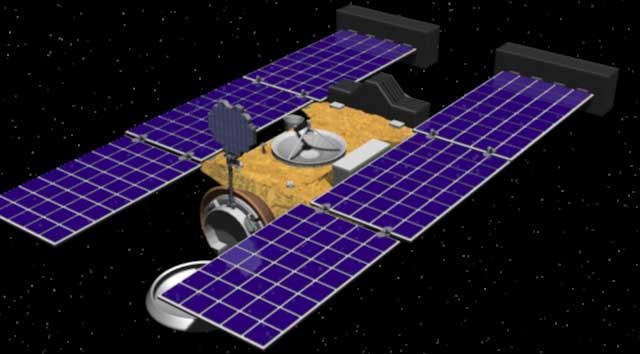
When examining ‘Stardust’, the critical moments of the mission start from hardware designed for specific purposes. This spacecraft was the first to collect comet dust into aerogels and bring it back to Earth. Launched by NASA on 1999-02-07, it aimed for Comet Wild 2 as its target. Looking at these four pieces of information together allows for distinguishing the historical context and actual scope of the mission that the name ‘Stardust’ alone does not reveal.
The most intriguing aspect of ‘Stardust’ is the aerogel that decelerated high-speed dust without breaking it. When examining ‘Stardust’, checking the communication distance and mission duration first clarifies the reasons behind the choice of antenna and power sources. The mission status of ‘Stardust’ is ‘mission complete’, where the concluded spacecraft carries the data and follow-up technologies left behind, while operational spacecraft should be interpreted through the lens of expanded tasks from the original plan. Thus, it becomes evident that ‘Stardust’ was not merely a record holder but a tool that solved specific problems.
In the flow of the list, examining ‘Hayabusa’ next is worthwhile. Comparing the comet sample return of ‘Stardust’ with the asteroid sample return of ‘Hayabusa’ confirms that the process of protecting collected materials to return them to Earth was built upon many missions' trial and error rather than a single invention. The official page of ‘Stardust’ provides more detailed launch information, mission progress, and onboard equipment, so it’s advisable to refer to the latest updates while tracking the evolving status of ongoing missions.
The most intriguing aspect of ‘Stardust’ is the aerogel that decelerated high-speed dust without breaking it. When examining ‘Stardust’, checking the communication distance and mission duration first clarifies the reasons behind the choice of antenna and power sources. The mission status of ‘Stardust’ is ‘mission complete’, where the concluded spacecraft carries the data and follow-up technologies left behind, while operational spacecraft should be interpreted through the lens of expanded tasks from the original plan. Thus, it becomes evident that ‘Stardust’ was not merely a record holder but a tool that solved specific problems.
In the flow of the list, examining ‘Hayabusa’ next is worthwhile. Comparing the comet sample return of ‘Stardust’ with the asteroid sample return of ‘Hayabusa’ confirms that the process of protecting collected materials to return them to Earth was built upon many missions' trial and error rather than a single invention. The official page of ‘Stardust’ provides more detailed launch information, mission progress, and onboard equipment, so it’s advisable to refer to the latest updates while tracking the evolving status of ongoing missions.
운영기관 NASA
발사일 1999-02-07
형식 혜성 시료 귀환선
목표 빌트 2 혜성
임무 상태 임무 종료
이미지 자료 NASA Image Library · Stardust Spacecraft Artist Concept
Hayabusa
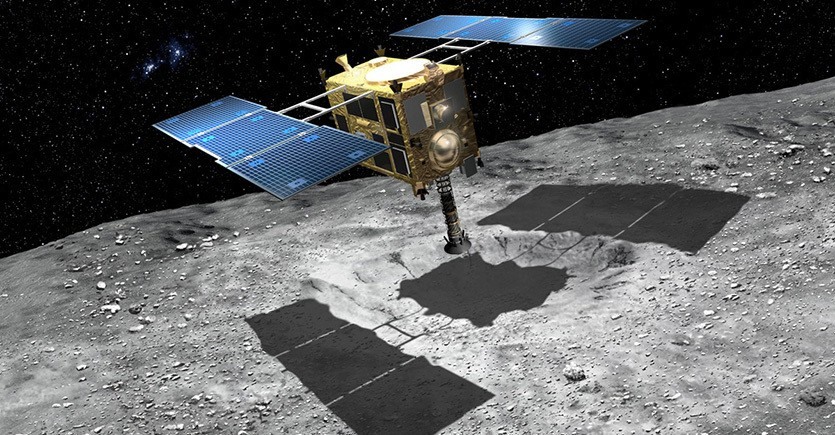
When examining ‘Hayabusa’, this spacecraft embodied the questions that needed to be solved at the time. It completed the first mission to bring back surface materials from an asteroid and was Japan’s pioneering explorer. Launched by JAXA on 2003-05-09, it targeted the asteroid Itokawa. Looking at these four pieces of information together allows for distinguishing the historical context and actual scope of the mission that the name ‘Hayabusa’ alone does not reveal.
The most interesting aspect of ‘Hayabusa’ is the navigation that successfully delivered the return capsule despite overcoming malfunctions and communication failures. If ‘Hayabusa’ is still operational, it's worth checking how the latest results have diverged from the original objectives. The mission status of ‘Hayabusa’ is ‘mission complete’, where the concluded spacecraft carries the data and follow-up technologies left behind, while operational spacecraft should be interpreted through the lens of expanded tasks from the original plan. Thus, it becomes evident that ‘Hayabusa’ was not merely a record holder but a tool that solved specific problems.
In the flow of the list, examining ‘Hayabusa2’ next is worthwhile. Comparing the asteroid sample return of ‘Hayabusa’ with that of ‘Hayabusa2’ confirms that the process of protecting collected materials to return them to Earth was built upon many missions' trial and error rather than a single invention. The official page of ‘Hayabusa’ provides more detailed launch information, mission progress, and onboard equipment, so it’s advisable to refer to the latest updates while tracking the evolving status of ongoing missions.
The most interesting aspect of ‘Hayabusa’ is the navigation that successfully delivered the return capsule despite overcoming malfunctions and communication failures. If ‘Hayabusa’ is still operational, it's worth checking how the latest results have diverged from the original objectives. The mission status of ‘Hayabusa’ is ‘mission complete’, where the concluded spacecraft carries the data and follow-up technologies left behind, while operational spacecraft should be interpreted through the lens of expanded tasks from the original plan. Thus, it becomes evident that ‘Hayabusa’ was not merely a record holder but a tool that solved specific problems.
In the flow of the list, examining ‘Hayabusa2’ next is worthwhile. Comparing the asteroid sample return of ‘Hayabusa’ with that of ‘Hayabusa2’ confirms that the process of protecting collected materials to return them to Earth was built upon many missions' trial and error rather than a single invention. The official page of ‘Hayabusa’ provides more detailed launch information, mission progress, and onboard equipment, so it’s advisable to refer to the latest updates while tracking the evolving status of ongoing missions.
운영기관 JAXA
발사일 2003-05-09
형식 소행성 시료 귀환선
목표 이토카와
임무 상태 임무 종료
이미지 자료 NASA Science · Hayabusa mission image
Hayabusa2
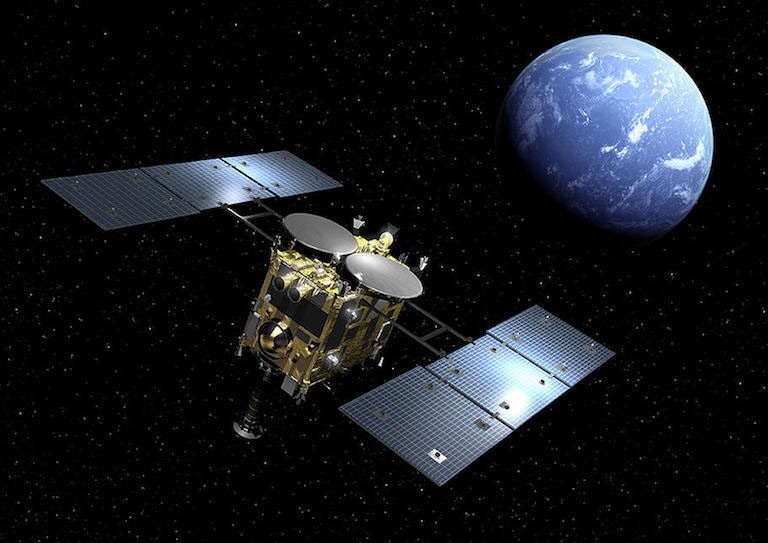
When examining ‘Hayabusa2’, the design reflects the limited power and communication allocated behind its observational outcomes. This spacecraft not only returned samples from the surface of Ryugu and the surrounding artificial impact crater but also proceeded to explore another asteroid. Launched by JAXA on 2014-12-03, it targeted the asteroid Ryugu. Looking at these four pieces of information together allows for distinguishing the historical context and actual scope of the mission that the name ‘Hayabusa2’ alone does not reveal.
The most intriguing aspect of ‘Hayabusa2’ is the method of collecting samples from separate points after exposing underground material with the impactor. When reading the mission data of ‘Hayabusa2’, it’s important to follow not just the successful moments but also the procedures taken to mitigate risks. The mission status of ‘Hayabusa2’ is ‘extended mission’, where the concluded spacecraft carries the data and follow-up technologies left behind, while operational spacecraft should be interpreted through the lens of expanded tasks from the original plan. Thus, it becomes evident that ‘Hayabusa2’ was not merely a record holder but a tool that solved specific problems.
In the flow of the list, examining ‘OSIRIS-REx’ next is worthwhile. Comparing the asteroid sample return of ‘Hayabusa2’ with that of ‘OSIRIS-REx’ confirms that the process of protecting collected materials to return them to Earth was built upon many missions' trial and error rather than a single invention. The official page of ‘Hayabusa2’ provides more detailed launch information, mission progress, and onboard equipment, so it’s advisable to refer to the latest updates while tracking the evolving status of ongoing missions.
The most intriguing aspect of ‘Hayabusa2’ is the method of collecting samples from separate points after exposing underground material with the impactor. When reading the mission data of ‘Hayabusa2’, it’s important to follow not just the successful moments but also the procedures taken to mitigate risks. The mission status of ‘Hayabusa2’ is ‘extended mission’, where the concluded spacecraft carries the data and follow-up technologies left behind, while operational spacecraft should be interpreted through the lens of expanded tasks from the original plan. Thus, it becomes evident that ‘Hayabusa2’ was not merely a record holder but a tool that solved specific problems.
In the flow of the list, examining ‘OSIRIS-REx’ next is worthwhile. Comparing the asteroid sample return of ‘Hayabusa2’ with that of ‘OSIRIS-REx’ confirms that the process of protecting collected materials to return them to Earth was built upon many missions' trial and error rather than a single invention. The official page of ‘Hayabusa2’ provides more detailed launch information, mission progress, and onboard equipment, so it’s advisable to refer to the latest updates while tracking the evolving status of ongoing missions.
운영기관 JAXA
발사일 2014-12-03
형식 소행성 시료 귀환선
목표 류구
임무 상태 연장 임무
이미지 자료 NASA Science · Hayabusa2 mission image
OSIRIS-REx
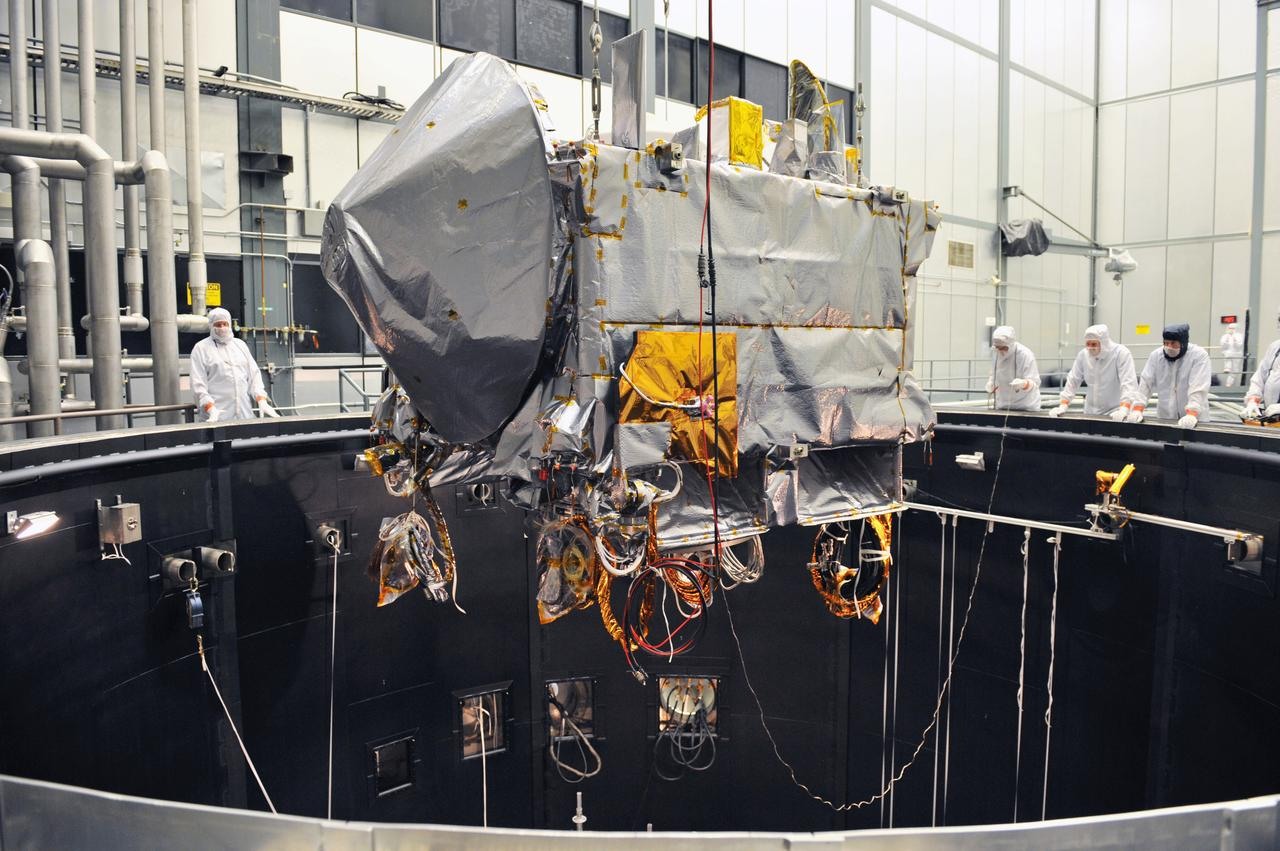
When examining ‘OSIRIS-REx’, distinguishing features that set it apart from similar spacecraft can be found in its mission trajectory. This spacecraft briefly touched the surface of Bennu to collect samples and delivered a return capsule in 2023. Launched by NASA on 2016-09-08, it targeted the asteroid Bennu. Looking at these four pieces of information together allows for distinguishing the historical context and actual scope of the mission that the name ‘OSIRIS-REx’ alone does not reveal.
The most fascinating aspect of ‘OSIRIS-REx’ is the device that uses nitrogen gas to lift surface materials for collection. Observing ‘OSIRIS-REx’ involves looking closely at the order in which equipment was used after arriving at the target, which sheds light on the design rationale. The mission status of ‘OSIRIS-REx’ is ‘extended mission’, where the concluded spacecraft carries the data and follow-up technologies left behind, while operational spacecraft should be interpreted through the lens of expanded tasks from the original plan. Thus, it becomes evident that ‘OSIRIS-REx’ was not merely a record holder but a tool that solved specific problems.
In the flow of the list, examining ‘Chang'e 5’ next is worthwhile. Comparing the asteroid sample return of ‘OSIRIS-REx’ with that of the unmanned lunar sample return of ‘Chang'e 5’ confirms that the process of protecting collected materials to return them to Earth was built upon many missions' trial and error rather than a single invention. The official page of ‘OSIRIS-REx’ provides more detailed launch information, mission progress, and onboard equipment, so it’s advisable to refer to the latest updates while tracking the evolving status of ongoing missions.
The most fascinating aspect of ‘OSIRIS-REx’ is the device that uses nitrogen gas to lift surface materials for collection. Observing ‘OSIRIS-REx’ involves looking closely at the order in which equipment was used after arriving at the target, which sheds light on the design rationale. The mission status of ‘OSIRIS-REx’ is ‘extended mission’, where the concluded spacecraft carries the data and follow-up technologies left behind, while operational spacecraft should be interpreted through the lens of expanded tasks from the original plan. Thus, it becomes evident that ‘OSIRIS-REx’ was not merely a record holder but a tool that solved specific problems.
In the flow of the list, examining ‘Chang'e 5’ next is worthwhile. Comparing the asteroid sample return of ‘OSIRIS-REx’ with that of the unmanned lunar sample return of ‘Chang'e 5’ confirms that the process of protecting collected materials to return them to Earth was built upon many missions' trial and error rather than a single invention. The official page of ‘OSIRIS-REx’ provides more detailed launch information, mission progress, and onboard equipment, so it’s advisable to refer to the latest updates while tracking the evolving status of ongoing missions.
운영기관 NASA
발사일 2016-09-08
형식 소행성 시료 귀환선
목표 베누
임무 상태 연장 임무
이미지 자료 NASA Image Library · NASA's OSIRIS-REx Spacecraft In Thermal Vacuum Testing
Chang'e 5
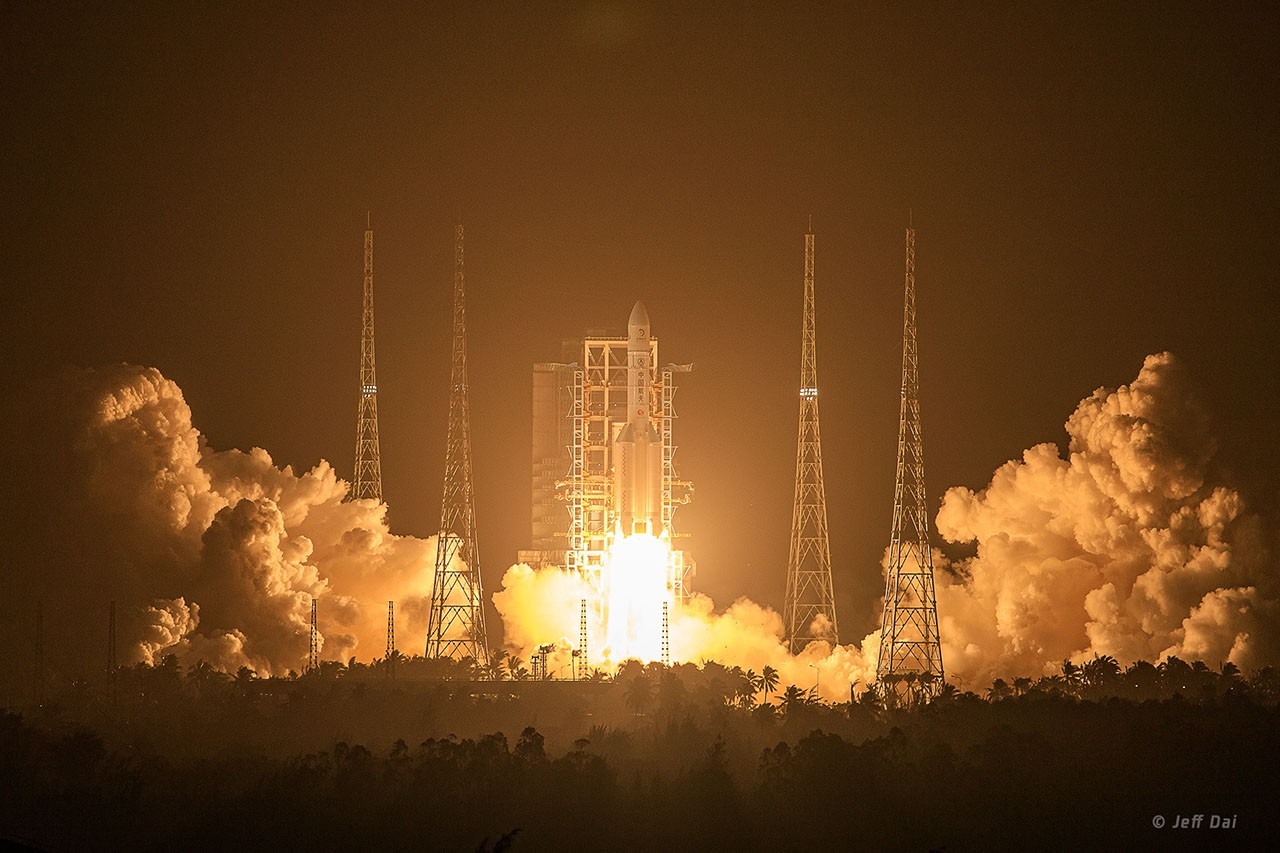
When examining ‘Chang'e 5’, the value of this spacecraft lies more in the benchmarks it set for future missions than in its splendid records. This spacecraft is a Chinese probe that collected samples from a relatively young volcanic region on the Moon and brought them back to Earth. Launched by CNSA on 2020-11-23, it targeted the Moon as its objective. By examining these four pieces of information together, we can distinguish the historical context and actual scope of ‘Chang'e 5’, which the name alone does not reveal.
One of the most interesting aspects of ‘Chang'e 5’ is the automatic docking structure between the ascent and return vehicles in lunar orbit. If the mission of ‘Chang'e 5’ is concluded, it is worthwhile to check the final operational methods and the data left behind. The mission status of ‘Chang'e 5’ is ‘mission complete’, where the concluded spacecraft carries the data and follow-up technologies left behind, while operational spacecraft should be interpreted through the lens of expanded tasks from the original plan. Thus, it becomes evident that ‘Chang'e 5’ was not merely a record holder but a tool that solved specific problems.
In the flow of the list, examining ‘Apollo 11’ next is worthwhile. Comparing the unmanned lunar sample return of ‘Chang'e 5’ with the crewed lunar sample return of ‘Apollo 11’ confirms that the process of protecting collected materials to return them to Earth was built upon many missions' trial and error rather than a single invention. The official page of ‘Chang'e 5’ provides more detailed launch information, mission progress, and onboard equipment, so it’s advisable to refer to the latest updates while tracking the evolving status of ongoing missions.
One of the most interesting aspects of ‘Chang'e 5’ is the automatic docking structure between the ascent and return vehicles in lunar orbit. If the mission of ‘Chang'e 5’ is concluded, it is worthwhile to check the final operational methods and the data left behind. The mission status of ‘Chang'e 5’ is ‘mission complete’, where the concluded spacecraft carries the data and follow-up technologies left behind, while operational spacecraft should be interpreted through the lens of expanded tasks from the original plan. Thus, it becomes evident that ‘Chang'e 5’ was not merely a record holder but a tool that solved specific problems.
In the flow of the list, examining ‘Apollo 11’ next is worthwhile. Comparing the unmanned lunar sample return of ‘Chang'e 5’ with the crewed lunar sample return of ‘Apollo 11’ confirms that the process of protecting collected materials to return them to Earth was built upon many missions' trial and error rather than a single invention. The official page of ‘Chang'e 5’ provides more detailed launch information, mission progress, and onboard equipment, so it’s advisable to refer to the latest updates while tracking the evolving status of ongoing missions.
운영기관 CNSA
발사일 2020-11-23
형식 무인 달 시료 귀환선
목표 달
임무 상태 임무 종료
이미지 자료 NASA Image Library · NASA Science APOD · Chang'e 5 Mission Launch
The final scene of a sample return mission is the capsule's landing, but the science begins from that point. Sealed particles can be re-analyzed with microscopes and spectrometers for decades, providing data for future instruments.
Let's compare the collection sites and storage methods of Apollo samples with those of the samples from Bennu and Ryugu. Even if the amount collected is small, if the geological context and contamination management are accurate, the value increases. Exploring everything from collection devices to curation procedures on the official mission pages makes the list appear more multidimensional. By checking the real mission data and structure of spaceships that brought pieces from other worlds to Earth, we can gain a clearer understanding of the reasons behind different choices.
Let's compare the collection sites and storage methods of Apollo samples with those of the samples from Bennu and Ryugu. Even if the amount collected is small, if the geological context and contamination management are accurate, the value increases. Exploring everything from collection devices to curation procedures on the official mission pages makes the list appear more multidimensional. By checking the real mission data and structure of spaceships that brought pieces from other worlds to Earth, we can gain a clearer understanding of the reasons behind different choices.
한눈에 보기
8개
Apollo 11
NASA · 1969-07-16 · 유인 달 시료 귀환선 · 달 · 임무 종료 · NASA Image Library · Apollo 11 Lunar Module
Luna 16
소련 우주 프로그램 · 1970-09-12 · 무인 달 시료 귀환선 · 달 · 임무 종료 · NASA Image Library · Luna 16
Genesis
NASA · 2001-08-08 · 태양풍 시료 귀환선 · 태양-지구 L1 · 임무 종료 · NASA Image Library · KSC-01pp1179
Stardust
NASA · 1999-02-07 · 혜성 시료 귀환선 · 빌트 2 혜성 · 임무 종료 · NASA Image Library · Stardust Spacecraft Artist Concept
Hayabusa
JAXA · 2003-05-09 · 소행성 시료 귀환선 · 이토카와 · 임무 종료 · NASA Science · Hayabusa mission image
Hayabusa2
JAXA · 2014-12-03 · 소행성 시료 귀환선 · 류구 · 연장 임무 · NASA Science · Hayabusa2 mission image
OSIRIS-REx
NASA · 2016-09-08 · 소행성 시료 귀환선 · 베누 · 연장 임무 · NASA Image Library · NASA's OSIRIS-REx Spacecraft In Thermal Vacuum Testing
Chang'e 5
CNSA · 2020-11-23 · 무인 달 시료 귀환선 · 달 · 임무 종료 · NASA Image Library · NASA Science APOD · Chang'e 5 Mission Launch
이 포스팅은 쿠팡 파트너스 활동의 일환으로, 이에 따른 일정액의 수수료를 제공받습니다.
댓글 0
로그인 후 댓글을 작성할 수 있습니다.
첫 댓글을 남겨보세요.
이런 리스트는 어때요?


이런 리스트도 추천해요


🎲
여기서 멈추기엔 아쉽잖아?
다음에 뭘 볼지 고민하는 시간이 제일 아까워.
주사위가 대신 골라줄게 — 무슨 리스트가 튀어나올지는 굴려봐야 알지.
안 누르면… 평생 궁금하지 않겠어? 👀