Collection
Science
2026.09.11
Orbital Life Created by Space Stations and Supply Ships
Connecting the Lives of Crew Members and Orbital Laboratories
A space station is not just a spacecraft that launches once and is done. For astronauts to live there, water, food, experimental equipment, and propellant must continue to arrive, and old equipment and waste need to be safely disposed of.
This list combines Skylab, Mir, and the ISS along with the real supply ships that supported them. By comparing different supply methods, such as automatic docking, robotic arm capture, return capsules, and atmospheric reentry incineration, we can see how closely the daily routine of an orbital laboratory is tied to Earth logistics. By examining the actual mission data and vehicle structures of the supply spacecraft that keep the space station alive, we can understand more concretely the reasons behind different choices.
This list combines Skylab, Mir, and the ISS along with the real supply ships that supported them. By comparing different supply methods, such as automatic docking, robotic arm capture, return capsules, and atmospheric reentry incineration, we can see how closely the daily routine of an orbital laboratory is tied to Earth logistics. By examining the actual mission data and vehicle structures of the supply spacecraft that keep the space station alive, we can understand more concretely the reasons behind different choices.

Skylab
When examining 'Skylab', the name may be familiar, but its actual role becomes clear only when considering both its objectives and its orbit. This spacecraft was the United States' first space station and served as an orbital laboratory for solar observation and long-duration stay experiments. Launched by NASA on May 14, 1973, it targeted low Earth orbit as a space station. By looking at these four pieces of information together, one can distinguish 'Skylab's' historical position and actual mission scope that cannot be revealed by the name alone.
The most fascinating aspect of 'Skylab' is the design that utilized the upper part of the launch vehicle as a wide working and living space. When reading through mission data for 'Skylab', it's helpful to follow not only the successful scenes but also the procedures that reduced risks. The mission status of 'Skylab' is 'Mission Complete,' and for the completed vehicle, focus should be on the data left behind and subsequent technologies, while operational vehicles should be understood around tasks that have expanded from the initial plan. Thus, it is evident that 'Skylab' was not just a mere record holder but a tool that solved specific problems.
In the flow of the list, it is worthwhile to look at 'Mir' next. Comparing 'Skylab's' space station with 'Mir's' modular space station, we can confirm that the operations of orbital habitation and supply were built up through trials and errors of multiple missions rather than a single invention. You can check 'Skylab's' official page for launch information, mission progress, and onboard equipment in more detail, so it's safer to look at the latest announcements for missions that are ongoing as dates and statuses change.
The most fascinating aspect of 'Skylab' is the design that utilized the upper part of the launch vehicle as a wide working and living space. When reading through mission data for 'Skylab', it's helpful to follow not only the successful scenes but also the procedures that reduced risks. The mission status of 'Skylab' is 'Mission Complete,' and for the completed vehicle, focus should be on the data left behind and subsequent technologies, while operational vehicles should be understood around tasks that have expanded from the initial plan. Thus, it is evident that 'Skylab' was not just a mere record holder but a tool that solved specific problems.
In the flow of the list, it is worthwhile to look at 'Mir' next. Comparing 'Skylab's' space station with 'Mir's' modular space station, we can confirm that the operations of orbital habitation and supply were built up through trials and errors of multiple missions rather than a single invention. You can check 'Skylab's' official page for launch information, mission progress, and onboard equipment in more detail, so it's safer to look at the latest announcements for missions that are ongoing as dates and statuses change.
운영기관 NASA
발사일 1973-05-14
형식 우주정거장
목표 지구 저궤도
임무 상태 임무 종료
이미지 자료 NASA Image Library · View of the Skylab space station cluster photographed against black sky

Mir
When examining 'Mir', the decisive moments of its mission began with hardware tailored to its purpose. This spacecraft was a station that conducted long-term human stays and international cooperation by sequentially assembling multiple modules. Launched by the Soviet/Russian space program on February 20, 1986, it aimed for low Earth orbit as a modular space station. Looking at these four pieces of information together can help distinguish 'Mir's' historical position and actual mission scope that are not immediately apparent from the name alone.
The most interesting aspect of 'Mir' is how it expanded its functionality by increasing the number of modules in orbit. When observing 'Mir', it helps to see the sequence in which equipment was used after achieving the aim. The mission status of 'Mir' is 'Mission Complete,' and for the completed vehicle, focus should be on the data left behind and subsequent technologies, while operational vehicles should be understood around tasks that have expanded from the initial plan. This shows that 'Mir' was not merely a record holder, but a tool that resolved specific issues.
In the flow of the list, it is worthwhile to look at the 'International Space Station (ISS)' next. Comparing 'Mir's' modular space station with the multinational 'International Space Station (ISS)' confirms that the operations of orbital habitation and supply were built up through the trials and errors of multiple missions rather than a single invention. You can check 'Mir's' official page for launch information, mission progress, and onboard equipment in more detail, so it's safer to look at the latest announcements for ongoing missions where dates and statuses change.
The most interesting aspect of 'Mir' is how it expanded its functionality by increasing the number of modules in orbit. When observing 'Mir', it helps to see the sequence in which equipment was used after achieving the aim. The mission status of 'Mir' is 'Mission Complete,' and for the completed vehicle, focus should be on the data left behind and subsequent technologies, while operational vehicles should be understood around tasks that have expanded from the initial plan. This shows that 'Mir' was not merely a record holder, but a tool that resolved specific issues.
In the flow of the list, it is worthwhile to look at the 'International Space Station (ISS)' next. Comparing 'Mir's' modular space station with the multinational 'International Space Station (ISS)' confirms that the operations of orbital habitation and supply were built up through the trials and errors of multiple missions rather than a single invention. You can check 'Mir's' official page for launch information, mission progress, and onboard equipment in more detail, so it's safer to look at the latest announcements for ongoing missions where dates and statuses change.
운영기관 소련·러시아 우주 프로그램
발사일 1986-02-20
형식 모듈형 우주정거장
목표 지구 저궤도
임무 상태 임무 종료
이미지 자료 NASA Image Library · Mir space station as seen from STS-63 Discovery
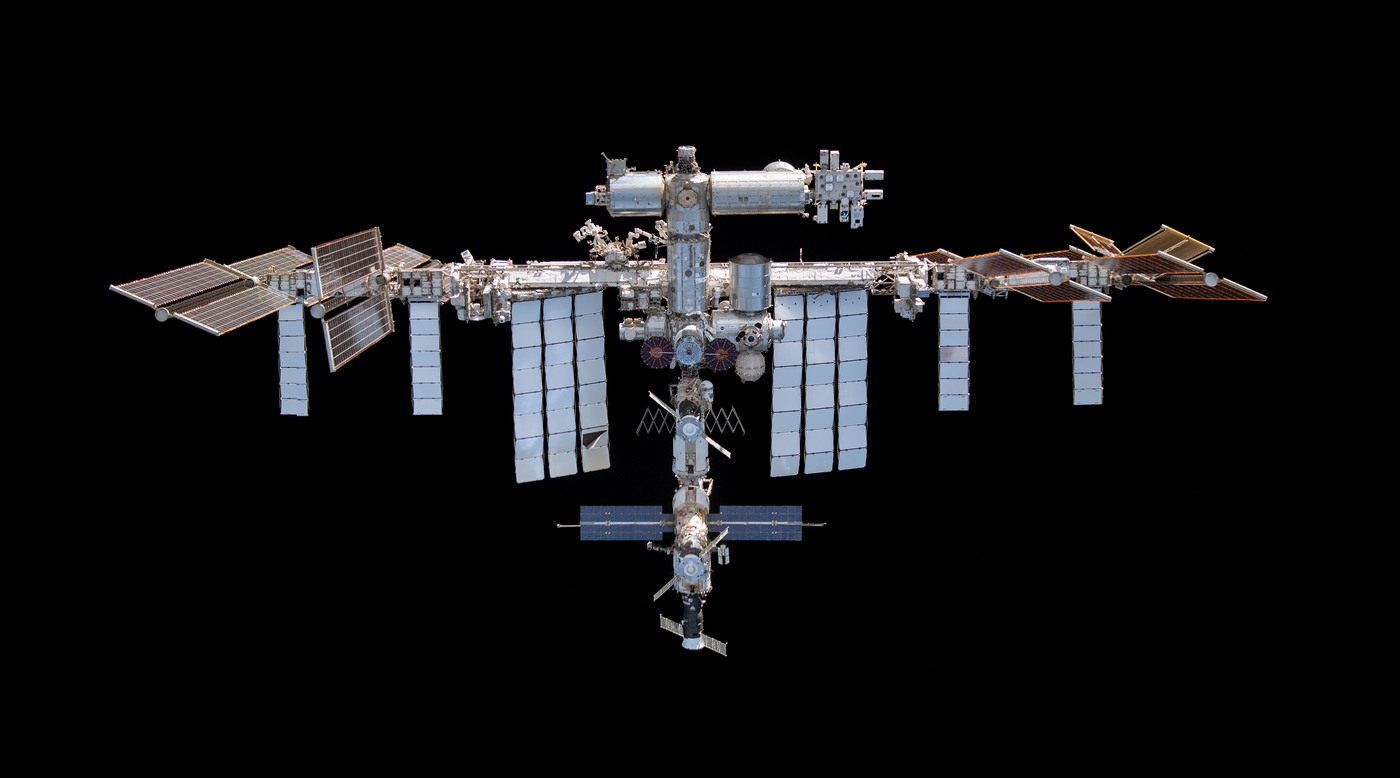
International Space Station (ISS)
When examining 'International Space Station (ISS)', this spacecraft embodies the questions that needed to be addressed at the time. This spacecraft is a large orbital laboratory where multiple countries assemble modules for continuous crewed research. Launched on November 20, 1998, by NASA, Roscosmos, ESA, JAXA, and CSA, it targets low Earth orbit as an international space station. By looking at these four pieces of information together, we can distinguish 'International Space Station (ISS)'s' historical position and actual mission scope that are not immediately apparent from the name alone.
The most intriguing aspect of 'International Space Station (ISS)' is its operating structure that connects power, habitation, and experimental modules by country. When reviewing the 'International Space Station (ISS)', if the mission has been completed, it's worth checking the last operational methods and data left behind. The mission status of 'International Space Station (ISS)' is 'Operational,' and for completed vehicles, effort should be directed towards the data left behind and subsequent technologies, while operational vehicles should be understood around tasks that have expanded from the initial plan. This makes clear that the 'International Space Station (ISS)' was not just a record holder but a tool that resolved specific issues.
In the flow of the list, it’s worth examining 'Progress Cargo Ship' next. Comparing the multinational 'International Space Station (ISS)' with 'Progress Cargo Ship', an uncrewed cargo spacecraft, confirms that the operations of orbital habitation and supply were built up through trials and errors of multiple missions rather than a single invention. You can check the official page of the 'International Space Station (ISS)' for launch information, mission progress, and onboard equipment in more detail, so it's safer to look at the latest announcements for ongoing missions where dates and statuses change.
The most intriguing aspect of 'International Space Station (ISS)' is its operating structure that connects power, habitation, and experimental modules by country. When reviewing the 'International Space Station (ISS)', if the mission has been completed, it's worth checking the last operational methods and data left behind. The mission status of 'International Space Station (ISS)' is 'Operational,' and for completed vehicles, effort should be directed towards the data left behind and subsequent technologies, while operational vehicles should be understood around tasks that have expanded from the initial plan. This makes clear that the 'International Space Station (ISS)' was not just a record holder but a tool that resolved specific issues.
In the flow of the list, it’s worth examining 'Progress Cargo Ship' next. Comparing the multinational 'International Space Station (ISS)' with 'Progress Cargo Ship', an uncrewed cargo spacecraft, confirms that the operations of orbital habitation and supply were built up through trials and errors of multiple missions rather than a single invention. You can check the official page of the 'International Space Station (ISS)' for launch information, mission progress, and onboard equipment in more detail, so it's safer to look at the latest announcements for ongoing missions where dates and statuses change.
운영기관 NASA·Roscosmos·ESA·JAXA·CSA
발사일 1998-11-20
형식 다국적 우주정거장
목표 지구 저궤도
임무 상태 운용 중
이미지 자료 NASA · International Space Station in 2021
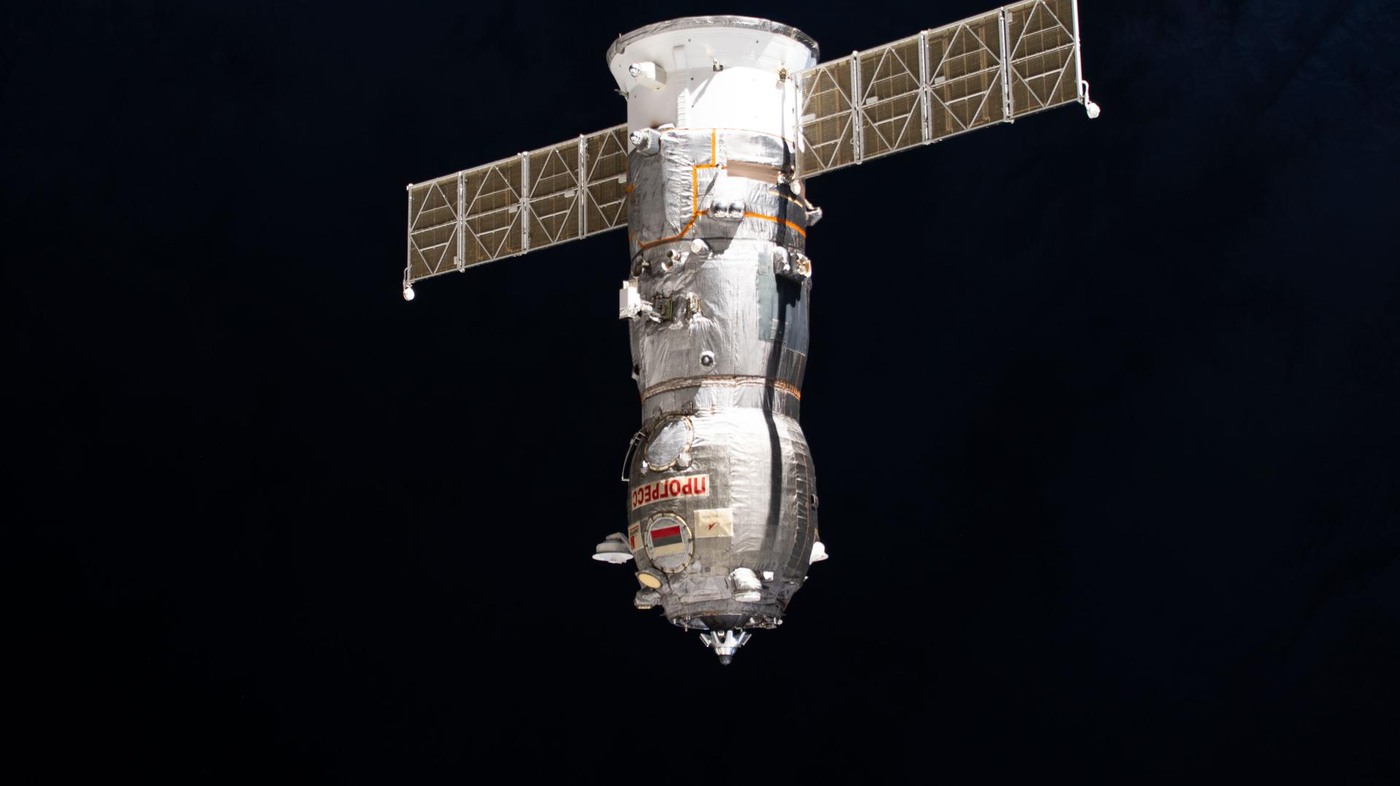
Progress Cargo Ship
When examining 'Progress Cargo Ship', the limited power and communication allocation behind the observations reveal its design. This spacecraft is an unmanned supply vessel series that has transported fuel, materials, and gases to Salyut, Mir, and the International Space Station. Launched by Roscosmos on January 20, 1978, it targets the space station as an uncrewed cargo spacecraft. By looking at these four pieces of information together, we can distinguish the historical position and actual mission scope of 'Progress Cargo Ship' that are not apparent from the name alone.
The most interesting aspect of 'Progress Cargo Ship' is its operation of burning waste upon delivering cargo back to the atmosphere. When observing 'Progress Cargo Ship', it is more beneficial to see how power and mass were allocated to various equipment rather than just the size of the vehicle. The mission status of 'Progress Cargo Ship' is 'In Operation,' and for completed vehicles, focus should be on the data left behind and subsequent technologies, while operational vehicles should be understood around tasks that have expanded from the initial plan. This illustrates that 'Progress Cargo Ship' was not just a record holder but a tool that resolved specific issues.
In the flow of the list, it is worthwhile to look at 'European Automated Transfer Vehicle (ATV)' next. Comparing the unmanned 'Progress Cargo Ship' with the unmanned 'European Automated Transfer Vehicle (ATV)' confirms that the operations of orbital habitation and supply were built up through trials and errors of multiple missions rather than a single invention. You can check 'Progress Cargo Ship's' official page for launch information, mission progress, and onboard equipment in more detail, so it’s safer to view the latest announcements for ongoing missions where dates and statuses change.
The most interesting aspect of 'Progress Cargo Ship' is its operation of burning waste upon delivering cargo back to the atmosphere. When observing 'Progress Cargo Ship', it is more beneficial to see how power and mass were allocated to various equipment rather than just the size of the vehicle. The mission status of 'Progress Cargo Ship' is 'In Operation,' and for completed vehicles, focus should be on the data left behind and subsequent technologies, while operational vehicles should be understood around tasks that have expanded from the initial plan. This illustrates that 'Progress Cargo Ship' was not just a record holder but a tool that resolved specific issues.
In the flow of the list, it is worthwhile to look at 'European Automated Transfer Vehicle (ATV)' next. Comparing the unmanned 'Progress Cargo Ship' with the unmanned 'European Automated Transfer Vehicle (ATV)' confirms that the operations of orbital habitation and supply were built up through trials and errors of multiple missions rather than a single invention. You can check 'Progress Cargo Ship's' official page for launch information, mission progress, and onboard equipment in more detail, so it’s safer to view the latest announcements for ongoing missions where dates and statuses change.
운영기관 Roscosmos
발사일 1978-01-20
형식 무인 화물 우주선
목표 우주정거장
임무 상태 계열 운용 중
이미지 자료 NASA Image Library · The Progress 94 cargo spacecraft from Roscosmos
European Automated Transport Vehicle (ATV)
European Automated Transfer Vehicle (ATV)
When examining 'European Automated Transfer Vehicle (ATV)', the feature that distinguishes it from similar spacecraft can be found in its mission route. This spacecraft is Europe's automated docking supply ship that carries large cargo and raises the station's orbit. Launched by ESA on March 9, 2008, it targets the International Space Station as an unmanned cargo spacecraft. By considering these four pieces of information together, we can distinguish the historical position and actual mission scope of 'European Automated Transfer Vehicle (ATV)' that cannot be seen through the name alone.
The most interesting aspect of 'European Automated Transfer Vehicle (ATV)' is its combined functionality of cargo delivery, propellant supply, and orbit elevation. When observing 'European Automated Transfer Vehicle (ATV)', connecting the structural images in the photos with the list of onboard equipment allows for a more accurate interpretation of the mission's purpose. The mission status of 'European Automated Transfer Vehicle (ATV)' is 'Program Complete,' and for completed vehicles, focus should be on the data left behind and subsequent technologies, while operational vehicles should be understood around tasks that have expanded from the initial plan. This highlights that 'European Automated Transfer Vehicle (ATV)' was not just a record holder but a tool that solved specific issues.
In the flow of the list, it is worthwhile to look at 'HTV (H-II Transfer Vehicle)' next. Comparing the unmanned 'European Automated Transfer Vehicle (ATV)' with the unmanned 'HTV (H-II Transfer Vehicle)' confirms that the operations of orbital habitation and supply were built up through trials and errors of multiple missions rather than a single invention. You can check 'European Automated Transfer Vehicle (ATV)'s official page for launch information, mission progress, and onboard equipment in more detail, so it’s safer to check the latest announcements for ongoing missions where dates and statuses change.
The most interesting aspect of 'European Automated Transfer Vehicle (ATV)' is its combined functionality of cargo delivery, propellant supply, and orbit elevation. When observing 'European Automated Transfer Vehicle (ATV)', connecting the structural images in the photos with the list of onboard equipment allows for a more accurate interpretation of the mission's purpose. The mission status of 'European Automated Transfer Vehicle (ATV)' is 'Program Complete,' and for completed vehicles, focus should be on the data left behind and subsequent technologies, while operational vehicles should be understood around tasks that have expanded from the initial plan. This highlights that 'European Automated Transfer Vehicle (ATV)' was not just a record holder but a tool that solved specific issues.
In the flow of the list, it is worthwhile to look at 'HTV (H-II Transfer Vehicle)' next. Comparing the unmanned 'European Automated Transfer Vehicle (ATV)' with the unmanned 'HTV (H-II Transfer Vehicle)' confirms that the operations of orbital habitation and supply were built up through trials and errors of multiple missions rather than a single invention. You can check 'European Automated Transfer Vehicle (ATV)'s official page for launch information, mission progress, and onboard equipment in more detail, so it’s safer to check the latest announcements for ongoing missions where dates and statuses change.
운영기관 ESA
발사일 2008-03-09
형식 무인 화물 우주선
목표 국제우주정거장
임무 상태 프로그램 종료
이미지 자료 ESA · ATV-5
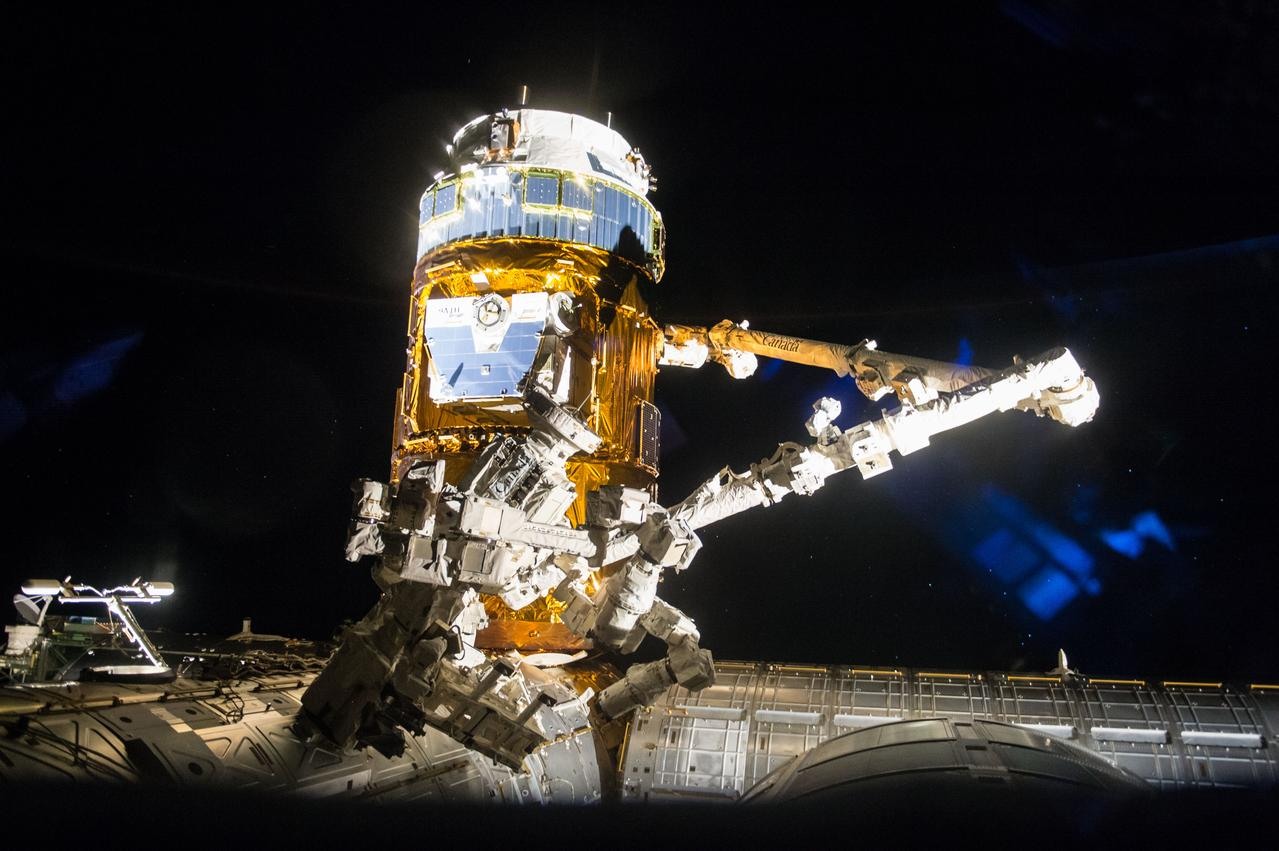
Kounotori HTV
HTV (H-II Transfer Vehicle)
When examining 'HTV (H-II Transfer Vehicle)', the value of this vehicle lies in the criteria it set for subsequent missions rather than in flashy records. This spacecraft is Japan's supply vehicle that carries both pressurized and unpressurized cargo, captured by a robotic arm. Launched by JAXA on September 10, 2009, it targets the International Space Station as an unmanned cargo spacecraft. Looking at these four pieces of information together can help distinguish 'HTV (H-II Transfer Vehicle)'s' historical position and actual mission scope that are not immediately apparent from the name alone.
The most interesting aspect of 'HTV (H-II Transfer Vehicle)' is its structure that transported large external cargo on an exposed pallet. When observing 'HTV (H-II Transfer Vehicle)', it is crucial to compare how the information changes when the observation position differs. The mission status of 'HTV (H-II Transfer Vehicle)' is 'Program Complete,' and for completed vehicles, focus should be on the data left behind and subsequent technologies, while operational vehicles should be understood around tasks that have expanded from the initial plan. This confirms that 'HTV (H-II Transfer Vehicle)' was not just a record holder but a tool that resolved specific issues.
In the flow of the list, it is worthwhile to examine 'Cygnus' next. Comparing the unmanned 'HTV (H-II Transfer Vehicle)' with the unmanned 'Cygnus' confirms that the operations of orbital habitation and supply were built up through trials and errors of multiple missions rather than a single invention. You can check 'HTV (H-II Transfer Vehicle)' official page for launch information, mission progress, and onboard equipment in more detail, so it’s safer to check the latest announcements for ongoing missions where dates and statuses change.
The most interesting aspect of 'HTV (H-II Transfer Vehicle)' is its structure that transported large external cargo on an exposed pallet. When observing 'HTV (H-II Transfer Vehicle)', it is crucial to compare how the information changes when the observation position differs. The mission status of 'HTV (H-II Transfer Vehicle)' is 'Program Complete,' and for completed vehicles, focus should be on the data left behind and subsequent technologies, while operational vehicles should be understood around tasks that have expanded from the initial plan. This confirms that 'HTV (H-II Transfer Vehicle)' was not just a record holder but a tool that resolved specific issues.
In the flow of the list, it is worthwhile to examine 'Cygnus' next. Comparing the unmanned 'HTV (H-II Transfer Vehicle)' with the unmanned 'Cygnus' confirms that the operations of orbital habitation and supply were built up through trials and errors of multiple missions rather than a single invention. You can check 'HTV (H-II Transfer Vehicle)' official page for launch information, mission progress, and onboard equipment in more detail, so it’s safer to check the latest announcements for ongoing missions where dates and statuses change.
운영기관 JAXA
발사일 2009-09-10
형식 무인 화물 우주선
목표 국제우주정거장
임무 상태 프로그램 종료
이미지 자료 NASA Image Library · HTV-6 at Dawn
Cygnus
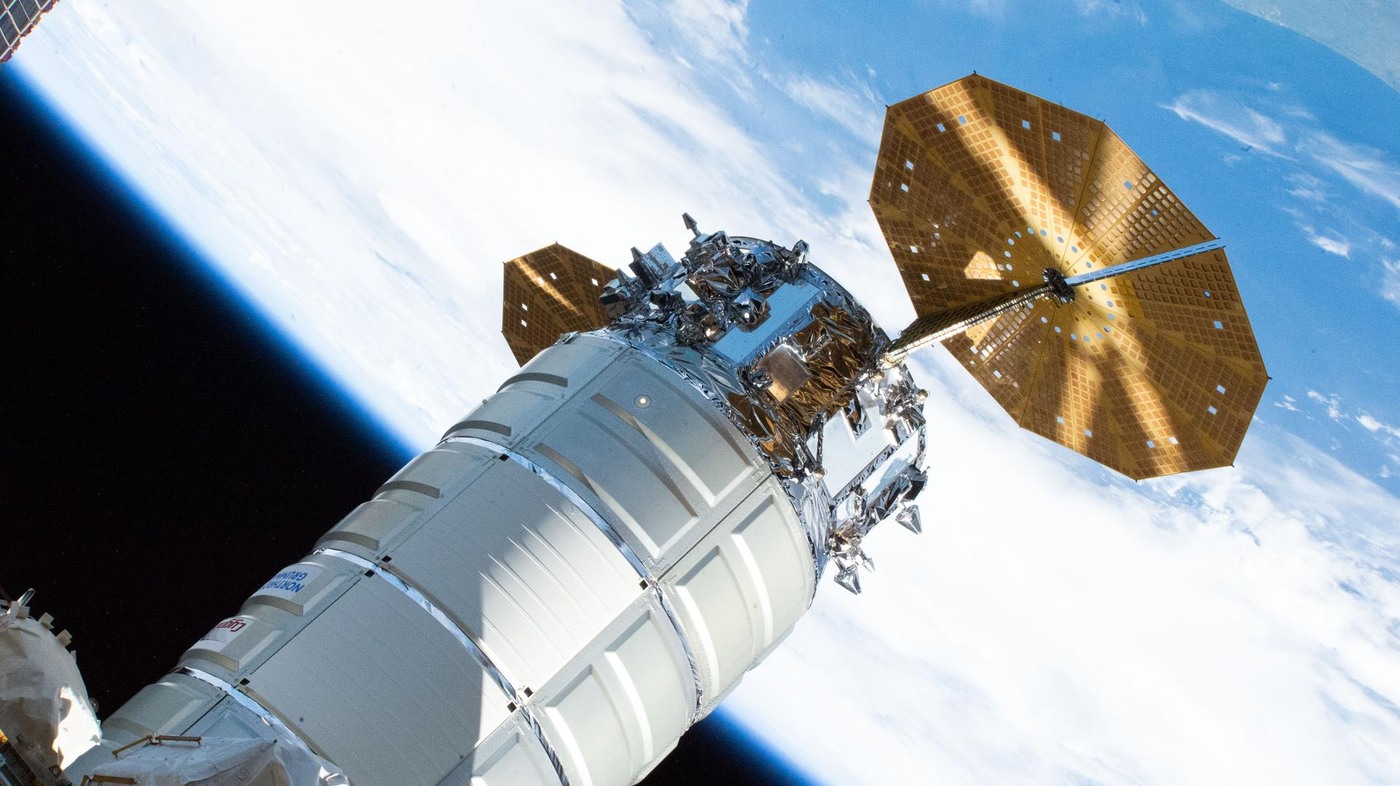
When examining 'Cygnus', the first thing to check in this list is the design rather than the records. This spacecraft is a cargo ship transporting research equipment and supplies in a commercial resupply program. Launched by Northrop Grumman and NASA on September 18, 2013, it targets the International Space Station as an unmanned cargo spacecraft. By looking at these four pieces of information together, we can distinguish 'Cygnus's' historical position and actual mission scope that are not immediately apparent from the name alone.
The most interesting aspect of 'Cygnus' is the operational procedure wherein the station's robotic arm captures and docks it. When observing 'Cygnus', it’s good to look for the positioning devices and communication setups that maintain orientation towards the target in official photos. The mission status of 'Cygnus' is 'Operational,' and for completed vehicles, focus should be on the data left behind and subsequent technologies, while operational vehicles should be understood around tasks that have expanded from the initial plan. This indicates that 'Cygnus' was not just a record holder but a tool that addressed specific challenges.
In the flow of the list, it is worthwhile to look at 'Cargo Dragon' next. Comparing the unmanned 'Cygnus' with the reusable cargo capsule 'Cargo Dragon' confirms that the operations of orbital habitation and supply were built up through trials and errors of multiple missions rather than a single invention. You can visit 'Cygnus' official page for launch information, mission progress, and onboard equipment in more detail, so it’s safer to check the latest announcements for ongoing missions where dates and statuses change.
The most interesting aspect of 'Cygnus' is the operational procedure wherein the station's robotic arm captures and docks it. When observing 'Cygnus', it’s good to look for the positioning devices and communication setups that maintain orientation towards the target in official photos. The mission status of 'Cygnus' is 'Operational,' and for completed vehicles, focus should be on the data left behind and subsequent technologies, while operational vehicles should be understood around tasks that have expanded from the initial plan. This indicates that 'Cygnus' was not just a record holder but a tool that addressed specific challenges.
In the flow of the list, it is worthwhile to look at 'Cargo Dragon' next. Comparing the unmanned 'Cygnus' with the reusable cargo capsule 'Cargo Dragon' confirms that the operations of orbital habitation and supply were built up through trials and errors of multiple missions rather than a single invention. You can visit 'Cygnus' official page for launch information, mission progress, and onboard equipment in more detail, so it’s safer to check the latest announcements for ongoing missions where dates and statuses change.
운영기관 Northrop Grumman·NASA
발사일 2013-09-18
형식 무인 화물 우주선
목표 국제우주정거장
임무 상태 운용 중
이미지 자료 NASA Image Library · Northrop Grumman’s Cygnus XL cargo spacecraft
Cargo Dragon
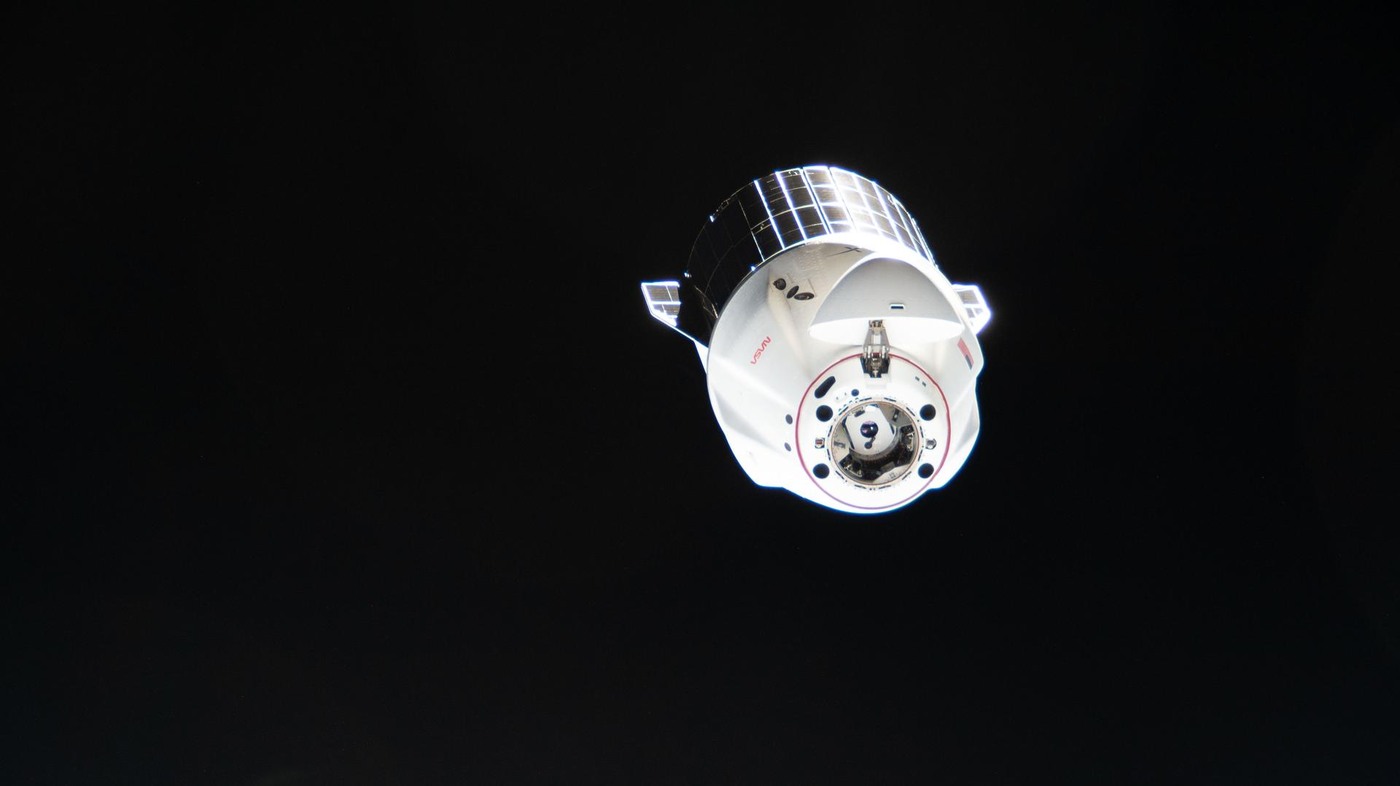
When examining 'Cargo Dragon', the starting point for understanding this vehicle lies in the conditions required by its mission. This spacecraft is a reusable supply capsule that sends cargo into space and brings back experimental samples to Earth. Launched by SpaceX and NASA on December 8, 2010, it targets the International Space Station as a reusable cargo capsule. By looking at these four pieces of information together, we can distinguish 'Cargo Dragon's' historical position and actual mission scope that are not immediately apparent from the name alone.
The most interesting aspect of 'Cargo Dragon' is its capability to transport downbound cargo through atmospheric reentry and ocean recovery. When observing 'Cargo Dragon', placing it side by side with contemporaneous vehicles highlights the priorities of propulsion, power, and observational equipment. The mission status of 'Cargo Dragon' is 'Operational,' and for completed vehicles, focus should be on the data left behind and subsequent technologies, while operational vehicles should be understood around tasks that have expanded from the initial plan. This makes clear that 'Cargo Dragon' was not merely a record holder, but a tool that solved specific issues.
In the flow of the list, it’s worth examining 'Skylab' next. Comparing the reusable cargo capsule 'Cargo Dragon' with 'Skylab's' space station confirms that the operations of orbital habitation and supply were built up through trials and errors of multiple missions rather than a single invention. You can check 'Cargo Dragon's' official page for launch information, mission progress, and onboard equipment in more detail, so it's safer to look at the latest announcements for ongoing missions where dates and statuses change.
The most interesting aspect of 'Cargo Dragon' is its capability to transport downbound cargo through atmospheric reentry and ocean recovery. When observing 'Cargo Dragon', placing it side by side with contemporaneous vehicles highlights the priorities of propulsion, power, and observational equipment. The mission status of 'Cargo Dragon' is 'Operational,' and for completed vehicles, focus should be on the data left behind and subsequent technologies, while operational vehicles should be understood around tasks that have expanded from the initial plan. This makes clear that 'Cargo Dragon' was not merely a record holder, but a tool that solved specific issues.
In the flow of the list, it’s worth examining 'Skylab' next. Comparing the reusable cargo capsule 'Cargo Dragon' with 'Skylab's' space station confirms that the operations of orbital habitation and supply were built up through trials and errors of multiple missions rather than a single invention. You can check 'Cargo Dragon's' official page for launch information, mission progress, and onboard equipment in more detail, so it's safer to look at the latest announcements for ongoing missions where dates and statuses change.
운영기관 SpaceX·NASA
발사일 2010-12-08
형식 재사용 화물 캡슐
목표 국제우주정거장
임무 상태 운용 중
이미지 자료 NASA Image Library · A SpaceX Dragon cargo spacecraft departs from the International Space Station
Looking at both the station and the supply ships, we see that the core of space habitation lies more in repeatable operations than in the launch itself. The cargo space, docking method, and return capability can change the mission costs and experimental plans.
Let’s compare things like Progress and Cygnus, which are incinerated after their mission, with capsules like Dragon that bring samples back. Even for the same supply mission, the design can change depending on whether there are items that need to be returned to Earth. Official links also provide actual cargo for each mission, so it's safe to view the latest announcements together with ongoing missions where dates and statuses change.
Let’s compare things like Progress and Cygnus, which are incinerated after their mission, with capsules like Dragon that bring samples back. Even for the same supply mission, the design can change depending on whether there are items that need to be returned to Earth. Official links also provide actual cargo for each mission, so it's safe to view the latest announcements together with ongoing missions where dates and statuses change.
한눈에 보기
8개
Skylab
NASA · 1973-05-14 · 우주정거장 · 지구 저궤도 · 임무 종료 · NASA Image Library · View of the Skylab space station cluster photographed against black sky
Mir
소련·러시아 우주 프로그램 · 1986-02-20 · 모듈형 우주정거장 · 지구 저궤도 · 임무 종료 · NASA Image Library · Mir space station as seen from STS-63 Discovery
International Space Station (ISS)
NASA·Roscosmos·ESA·JAXA·CSA · 1998-11-20 · 다국적 우주정거장 · 지구 저궤도 · 운용 중 · NASA · International Space Station in 2021
Progress Cargo Ship
Roscosmos · 1978-01-20 · 무인 화물 우주선 · 우주정거장 · 계열 운용 중 · NASA Image Library · The Progress 94 cargo spacecraft from Roscosmos
European Automated Transport Vehicle (ATV)
ESA · 2008-03-09 · 무인 화물 우주선 · 국제우주정거장 · 프로그램 종료 · ESA · ATV-5
Kounotori HTV
JAXA · 2009-09-10 · 무인 화물 우주선 · 국제우주정거장 · 프로그램 종료 · NASA Image Library · HTV-6 at Dawn
Cygnus
Northrop Grumman·NASA · 2013-09-18 · 무인 화물 우주선 · 국제우주정거장 · 운용 중 · NASA Image Library · Northrop Grumman’s Cygnus XL cargo spacecraft
Cargo Dragon
SpaceX·NASA · 2010-12-08 · 재사용 화물 캡슐 · 국제우주정거장 · 운용 중 · NASA Image Library · A SpaceX Dragon cargo spacecraft departs from the International Space Station
이 포스팅은 쿠팡 파트너스 활동의 일환으로, 이에 따른 일정액의 수수료를 제공받습니다.
댓글 0
로그인 후 댓글을 작성할 수 있습니다.
첫 댓글을 남겨보세요.
이런 리스트는 어때요?


이런 리스트도 추천해요




🎲
여기서 멈추기엔 아쉽잖아?
다음에 뭘 볼지 고민하는 시간이 제일 아까워.
주사위가 대신 골라줄게 — 무슨 리스트가 튀어나올지는 굴려봐야 알지.
안 누르면… 평생 궁금하지 않겠어? 👀