Collection
Indoor Plants
2026.10.02
Creating a Small Forest in a Glass Jar with Terrarium Plants
Real Small Plants Chosen by Humidity, Growth Rate, and Ventilation Method
A terrarium is not just a decoration of small plants in a glass container, but a mini environment with limited moisture and air. For closed types with lids, it's suitable for species that prefer high humidity and grow slowly, while open containers are better for species that require more ventilation. Mixing succulent and moisture-loving plants in one container makes it difficult to match the watering needs of either side.
This list covers eight plants with relatively small leaves and forms, such as Selaginella kraussiana, Pilea involucrata, Ficus pumila, Peperomia caperata, Cryptanthus bivittatus, Soleirolia soleirolii, Begonia bowerae, and Hemionitis arifolia. By checking the final size, pruning frequency, condensation, and ventilation requirements together, you can select the right container type. Planning the entrance size, drainage layer, and spacing between plants can help prevent overcrowding in your small forest.
This list covers eight plants with relatively small leaves and forms, such as Selaginella kraussiana, Pilea involucrata, Ficus pumila, Peperomia caperata, Cryptanthus bivittatus, Soleirolia soleirolii, Begonia bowerae, and Hemionitis arifolia. By checking the final size, pruning frequency, condensation, and ventilation requirements together, you can select the right container type. Planning the entrance size, drainage layer, and spacing between plants can help prevent overcrowding in your small forest.
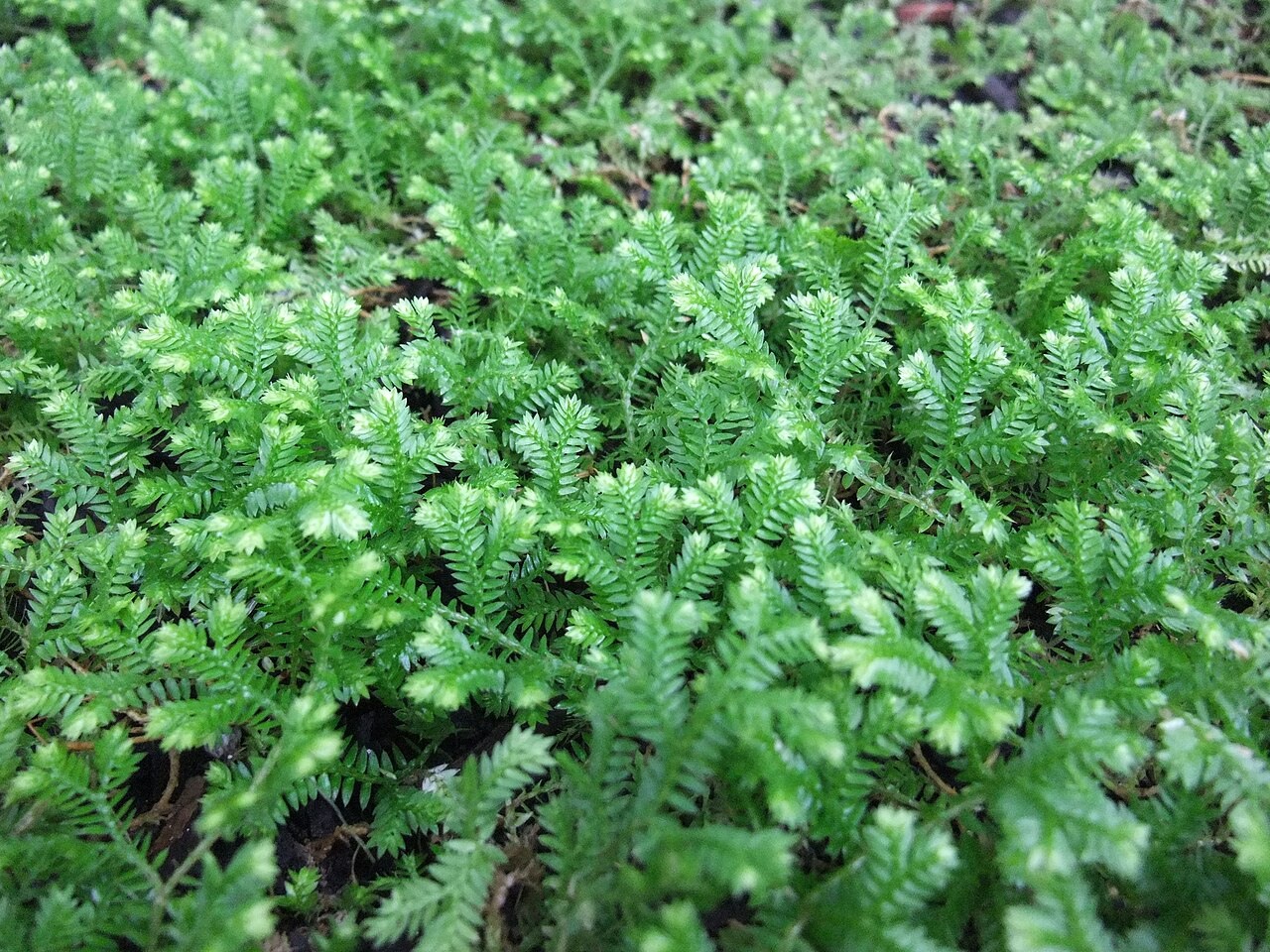
Selaginella kraussiana
This is a type of spikemoss with very small overlapping leaves that densely covers the ground. The benchmark for Selaginella kraussiana in this list is whether humidity and growth rate are balanced in a small glass container. First, understand its scientific name as 'Selaginella kraussiana' and ensure the light conditions are 'medium indirect light.' The starting point for selection is whether you can recreate these two conditions at home in a small glass container.
After introducing it, observe the watering condition 'keep moisture evenly without soaking.' The expected size is '5-15cm tall, spreading quickly sideways,' and the final care point is 'it is sensitive to drying and spreads quickly, so it should be trimmed before covering other plants.' It's safer to adjust it gradually without making drastic changes and to document the responses.
After introducing it, observe the watering condition 'keep moisture evenly without soaking.' The expected size is '5-15cm tall, spreading quickly sideways,' and the final care point is 'it is sensitive to drying and spreads quickly, so it should be trimmed before covering other plants.' It's safer to adjust it gradually without making drastic changes and to document the responses.
학명 Selaginella kraussiana
빛 중간 간접광
물주기 배지가 마르지 않도록 고르게 유지하되 물에 잠기지 않게 함
예상 크기 높이 5~15cm, 옆으로 빠르게 퍼짐
관리 포인트 건조에 약하고 빠르게 번지므로 다른 식물을 덮기 전에 잘라낸다
관리 정보 확인 https://plants.ces.ncsu.edu/find_a_plant/?q=Selaginella%20kraussiana
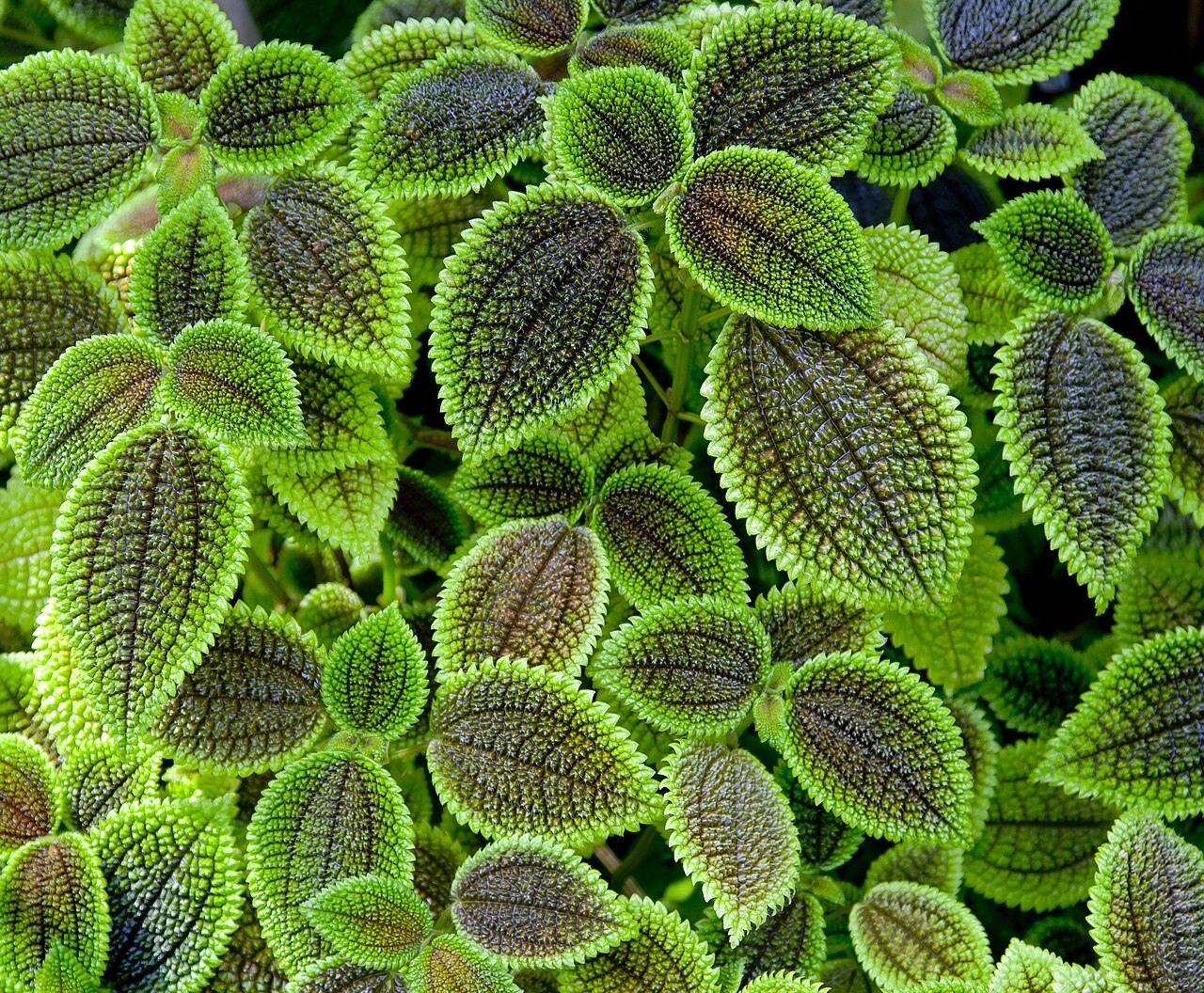
Pilea involucrata
Pilea involucrata is a plant that creates a sense of depth even in small containers with its concave leaf surfaces and bronze veins, and ensuring balanced humidity and growth rate in a small glass container is particularly important with a light requirement of 'bright indirect light.' Before choosing a spot, verifying its scientific name 'Pilea involucrata' allows for distinguishing aesthetically pleasing placements and those where the plant can thrive.
During maintenance, avoid initial pitfalls by noting the management point 'prune to prevent leaves from touching the glass in a closed environment and check for mold.' When it comes to watering, 'provide small amounts before the surface dries' and check the expected size 'about 15-30cm' to determine if changes are temporary or signals that the environment is not suitable. Comparing changes over several days is useful rather than relying on just one measurement.
During maintenance, avoid initial pitfalls by noting the management point 'prune to prevent leaves from touching the glass in a closed environment and check for mold.' When it comes to watering, 'provide small amounts before the surface dries' and check the expected size 'about 15-30cm' to determine if changes are temporary or signals that the environment is not suitable. Comparing changes over several days is useful rather than relying on just one measurement.
학명 Pilea involucrata
빛 밝은 간접광
물주기 겉면이 마르기 전에 소량 급수
예상 크기 약 15~30cm
관리 포인트 밀폐 환경에서 잎이 유리에 닿지 않도록 전정하고 곰팡이를 살핀다
관리 정보 확인 https://plants.ces.ncsu.edu/find_a_plant/?q=Pilea%20involucrata
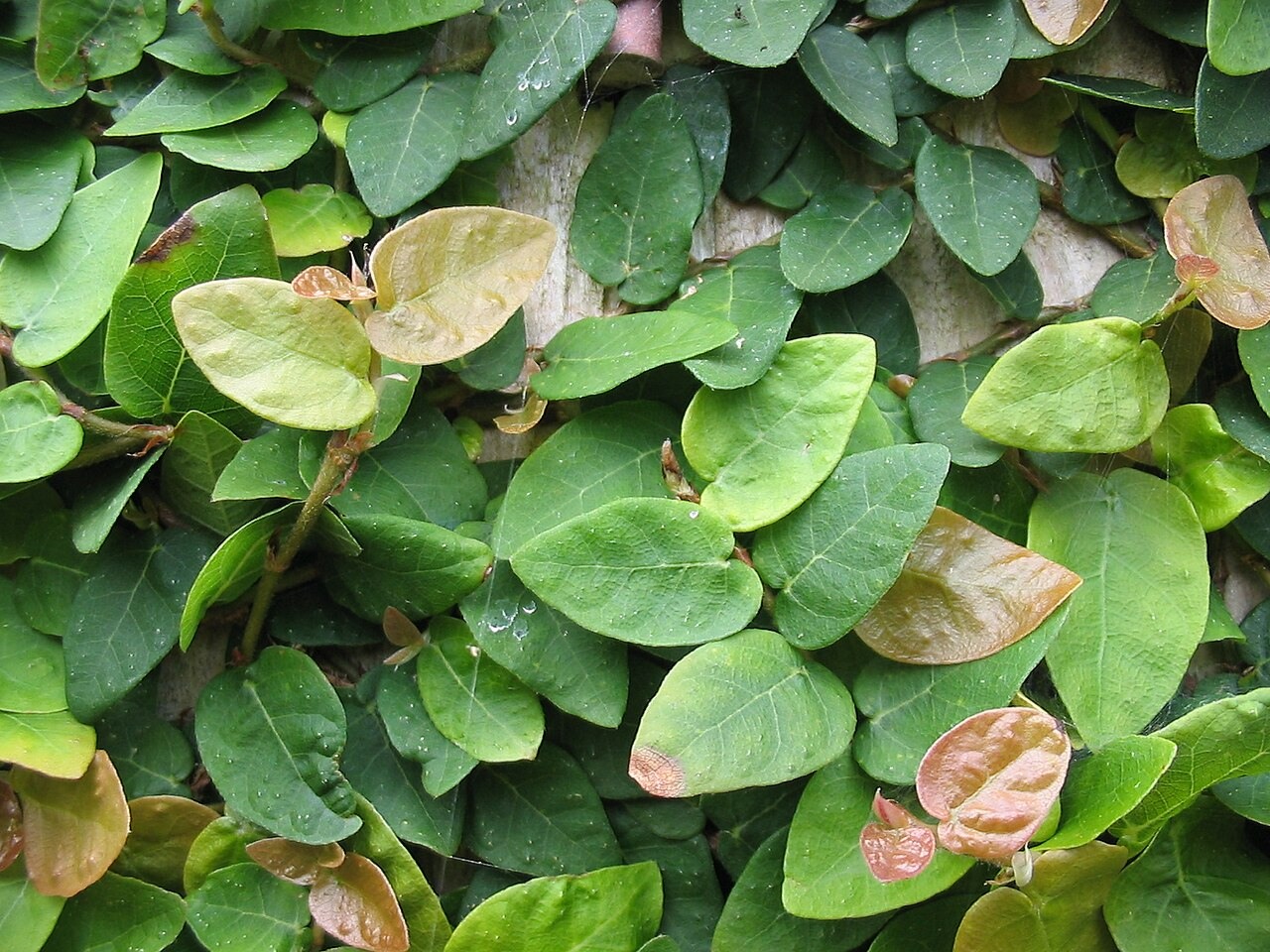
Ficus pumila
Choosing based on whether humidity and growth rate are balanced in a small glass container highlights the advantages of Ficus pumila. It is a fig tree species with small leaves that spreads quickly across surfaces. The basic requirements are its scientific name 'Ficus pumila' and the watering condition 'water when the substrate is slightly dry.' If humidity and growth rate are unbalanced in a small glass container, discrepancies may manifest in new growth even when the appearance seems fine.
Manage it under 'bright indirect light,' and consider the expected size 'vines extend long and require regular pruning' in your spatial planning. Particularly, the management point 'frequently trim due to strong adhesive roots and rapid growth in small containers' is something to check immediately after purchase. Remember that seasonal changes will affect drying speed and light angle, so prioritize actual responses over a fixed calendar.
Manage it under 'bright indirect light,' and consider the expected size 'vines extend long and require regular pruning' in your spatial planning. Particularly, the management point 'frequently trim due to strong adhesive roots and rapid growth in small containers' is something to check immediately after purchase. Remember that seasonal changes will affect drying speed and light angle, so prioritize actual responses over a fixed calendar.
학명 Ficus pumila
빛 밝은 간접광
물주기 배지가 살짝 마르면 급수
예상 크기 덩굴은 길게 뻗어 지속적인 전정 필요
관리 포인트 강한 부착근과 빠른 성장을 고려해 작은 용기에서는 자주 다듬는다
관리 정보 확인 https://plants.ces.ncsu.edu/find_a_plant/?q=Ficus%20pumila
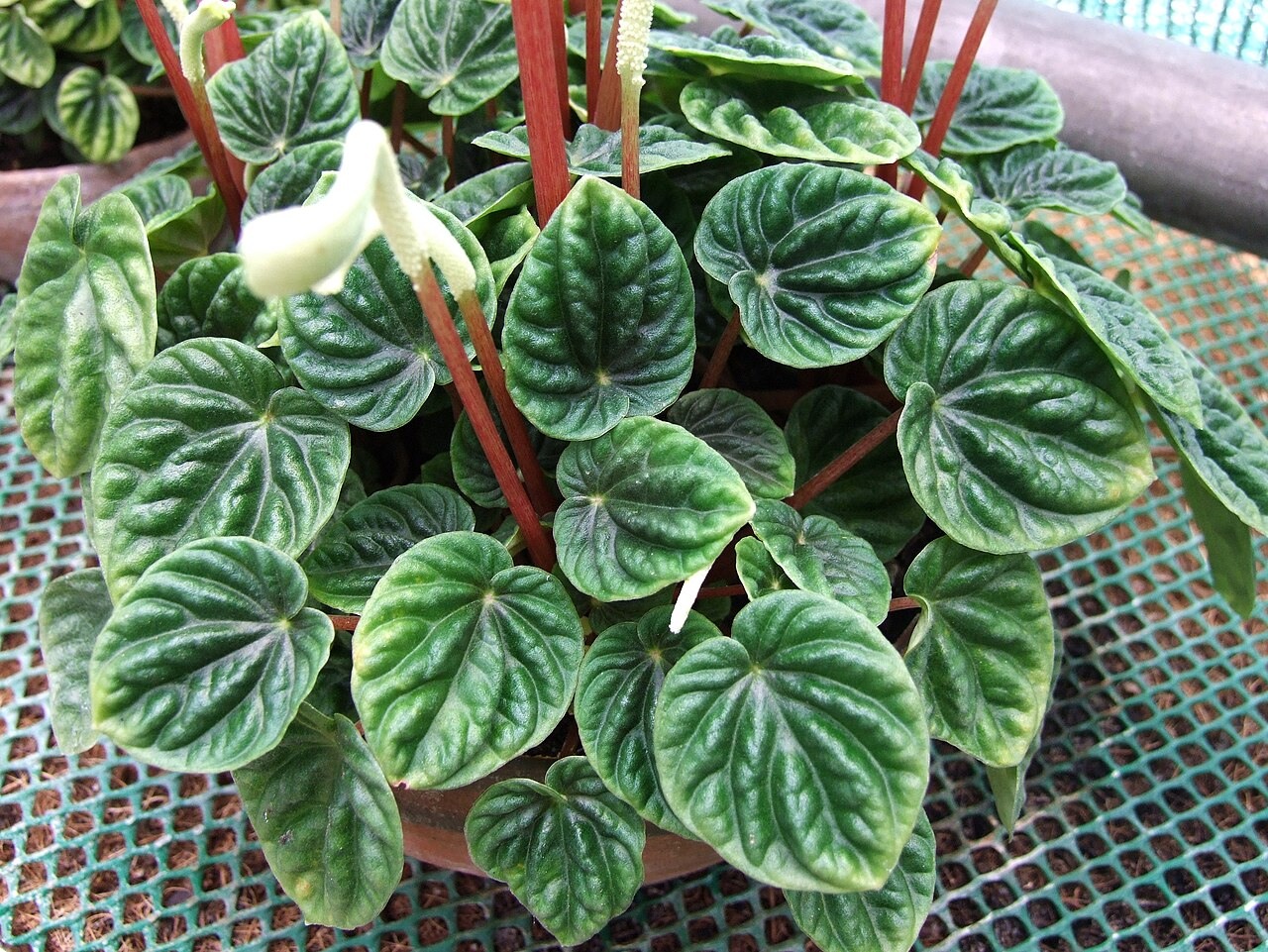
Rippled Peperomia
Peperomia caperata
This is a type of small peperomia with crinkled, heart-shaped leaves that cluster like a low rosette. The reason for including Peperomia caperata in this list is that it provides a clear basis for comparing whether humidity and growth rate are balanced in a small glass container. At the purchasing stage, compare the expected size 'about 15-25cm' with its scientific name 'Peperomia caperata' to determine if the space and size are compatible.
Once at home, establish a baseline with bright indirect light, and confirm each time that the watering strategy is 'water in small amounts once the top surface dries.' Remembering the management point 'keep in a well-ventilated container rather than a closed one to avoid leaf saturation' can help reduce common maintenance errors. If issues arise while checking whether humidity and growth rate are balanced in a small glass container, go back through the most recently altered factors of light, moisture, and temperature before adding fertilizers or treatments.
Once at home, establish a baseline with bright indirect light, and confirm each time that the watering strategy is 'water in small amounts once the top surface dries.' Remembering the management point 'keep in a well-ventilated container rather than a closed one to avoid leaf saturation' can help reduce common maintenance errors. If issues arise while checking whether humidity and growth rate are balanced in a small glass container, go back through the most recently altered factors of light, moisture, and temperature before adding fertilizers or treatments.
학명 Peperomia caperata
빛 밝은 간접광
물주기 배지 윗부분이 마른 뒤 소량 급수
예상 크기 약 15~25cm
관리 포인트 밀폐 과습보다 통풍 있는 용기에 두고 잎 중심에 물이 고이지 않게 한다
관리 정보 확인 https://plants.ces.ncsu.edu/find_a_plant/?q=Peperomia%20caperata
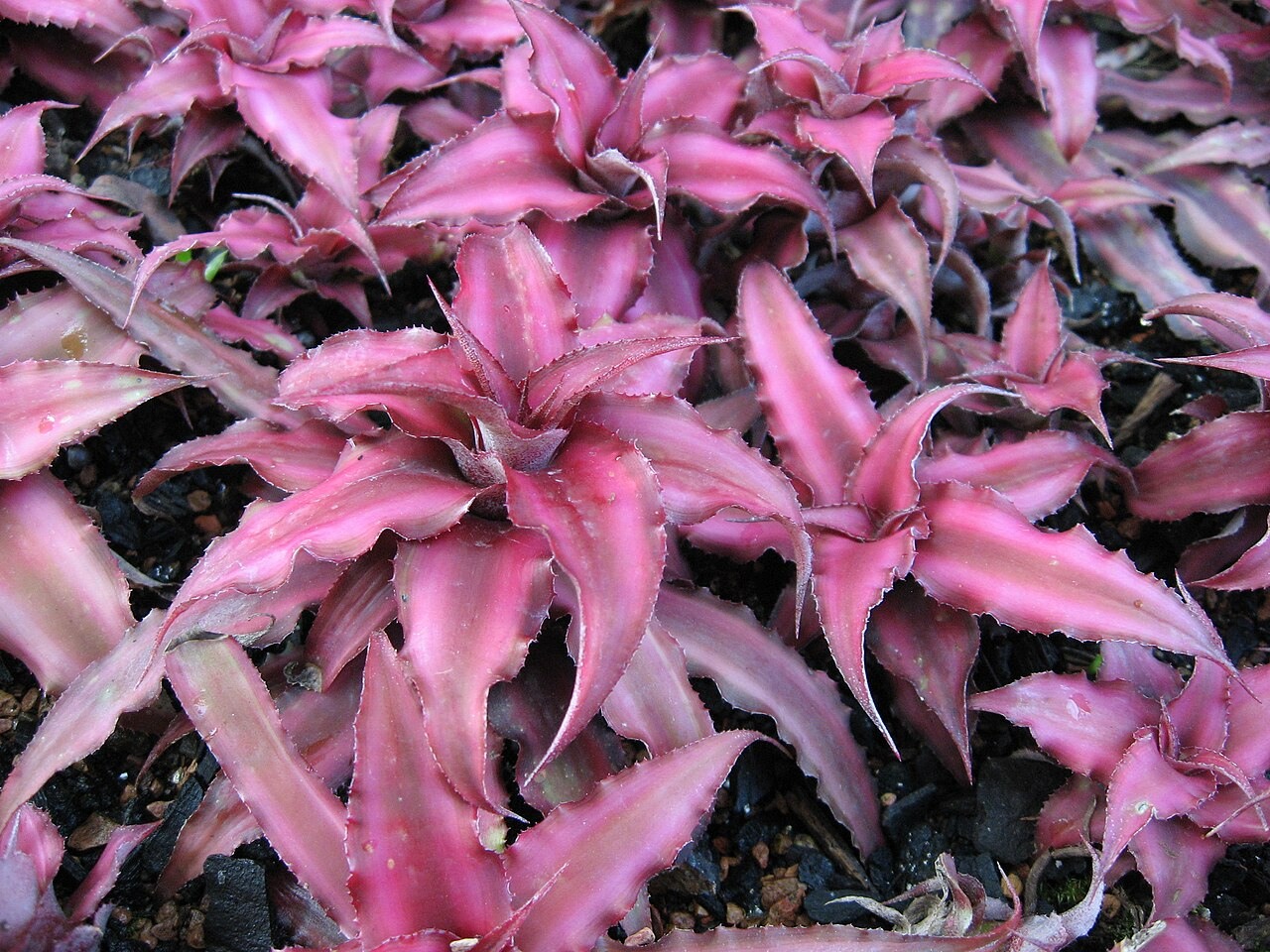
Cryptanthus bivittatus
For Cryptanthus bivittatus, the main focus should be whether its living conditions match the setup rather than overly elaborate descriptions. This small bromeliad is characterized by star-shaped leaves with stripes emerging. The watering condition here, 'water when the substrate starts to dry and avoid pooling water in the center,' is something to check regularly, while the management point 'avoid poor ventilation and low temperatures and ensure the adult size does not exceed the container opening' defines a boundary to prevent failures. By also considering whether humidity and growth rate are balanced in a small glass container, it becomes clearer how it differs from other candidates.
Before placement, confirm the scientific name 'Cryptanthus bivittatus,' and check for light conditions 'bright indirect light' before use or maintenance. Reflecting the expected size 'about 10-20cm' will help you arrange the surrounding items and pathways without issue. When checking if humidity and growth rate are balanced in a small glass container, applying small changes first and observing the next reactions before adjustments is the safest approach.
Before placement, confirm the scientific name 'Cryptanthus bivittatus,' and check for light conditions 'bright indirect light' before use or maintenance. Reflecting the expected size 'about 10-20cm' will help you arrange the surrounding items and pathways without issue. When checking if humidity and growth rate are balanced in a small glass container, applying small changes first and observing the next reactions before adjustments is the safest approach.
학명 Cryptanthus bivittatus
빛 밝은 간접광
물주기 배지가 마르기 시작하면 급수하고 중심부 물은 오래 고이지 않게 함
예상 크기 약 10~20cm
관리 포인트 통풍 부족과 저온을 피하고 성체 폭이 입구보다 커지지 않는지 확인한다
관리 정보 확인 https://plants.ces.ncsu.edu/find_a_plant/?q=Cryptanthus%20bivittatus
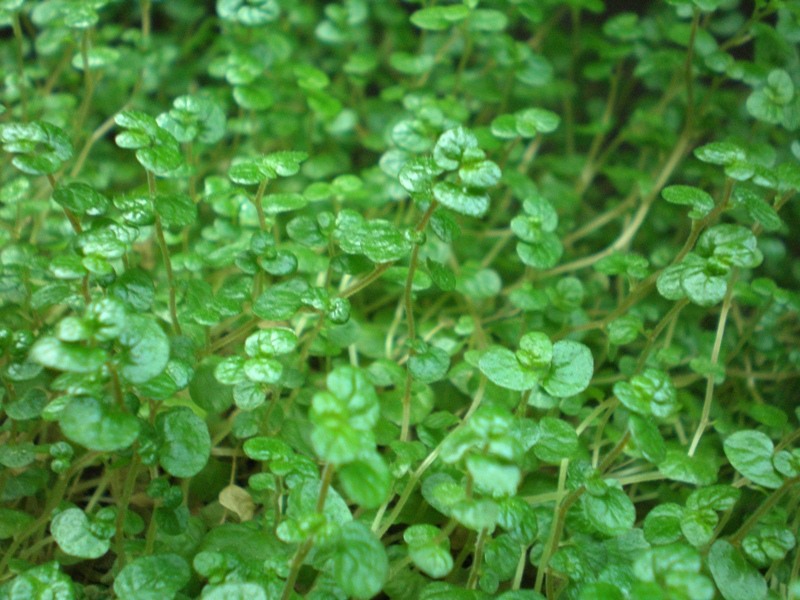
Soleirolia
Soleirolia soleirolii
If you're curious about whether humidity and growth rate are balanced in Soleirolia, consider these three points: first, its scientific name 'Soleirolia soleirolii'; second, the light requirement 'medium to bright indirect light'; and third, the expected size '5-15cm tall, spreading wide.' This plant, with its small round leaves attaching to thin stems, spreads like a soft cushion. The conditions for checking humidity and growth rate balance are interconnected, so simply meeting one condition won’t yield the same results.
For observation, use watering 'keep the substrate evenly moist' as your guideline, and if any issues occur, exclude the management point 'sensitive to drying and overheating, and if overcrowded, inner stems can rot, so thin them out.' While ensuring humidity and growth rate are balanced in a small glass container, try not to change placements or care methods repeatedly while adapting to a new environment. Confirming each cause one by one will ensure that the management standards are sustainable for the next season.
For observation, use watering 'keep the substrate evenly moist' as your guideline, and if any issues occur, exclude the management point 'sensitive to drying and overheating, and if overcrowded, inner stems can rot, so thin them out.' While ensuring humidity and growth rate are balanced in a small glass container, try not to change placements or care methods repeatedly while adapting to a new environment. Confirming each cause one by one will ensure that the management standards are sustainable for the next season.
학명 Soleirolia soleirolii
빛 중간에서 밝은 간접광
물주기 배지를 고르게 촉촉하게 유지
예상 크기 높이 5~15cm, 옆으로 넓게 번짐
관리 포인트 마름과 과열에 약하고 과밀해지면 안쪽 줄기가 무를 수 있어 솎아낸다
관리 정보 확인 https://plants.ces.ncsu.edu/find_a_plant/?q=Soleirolia%20soleirolii
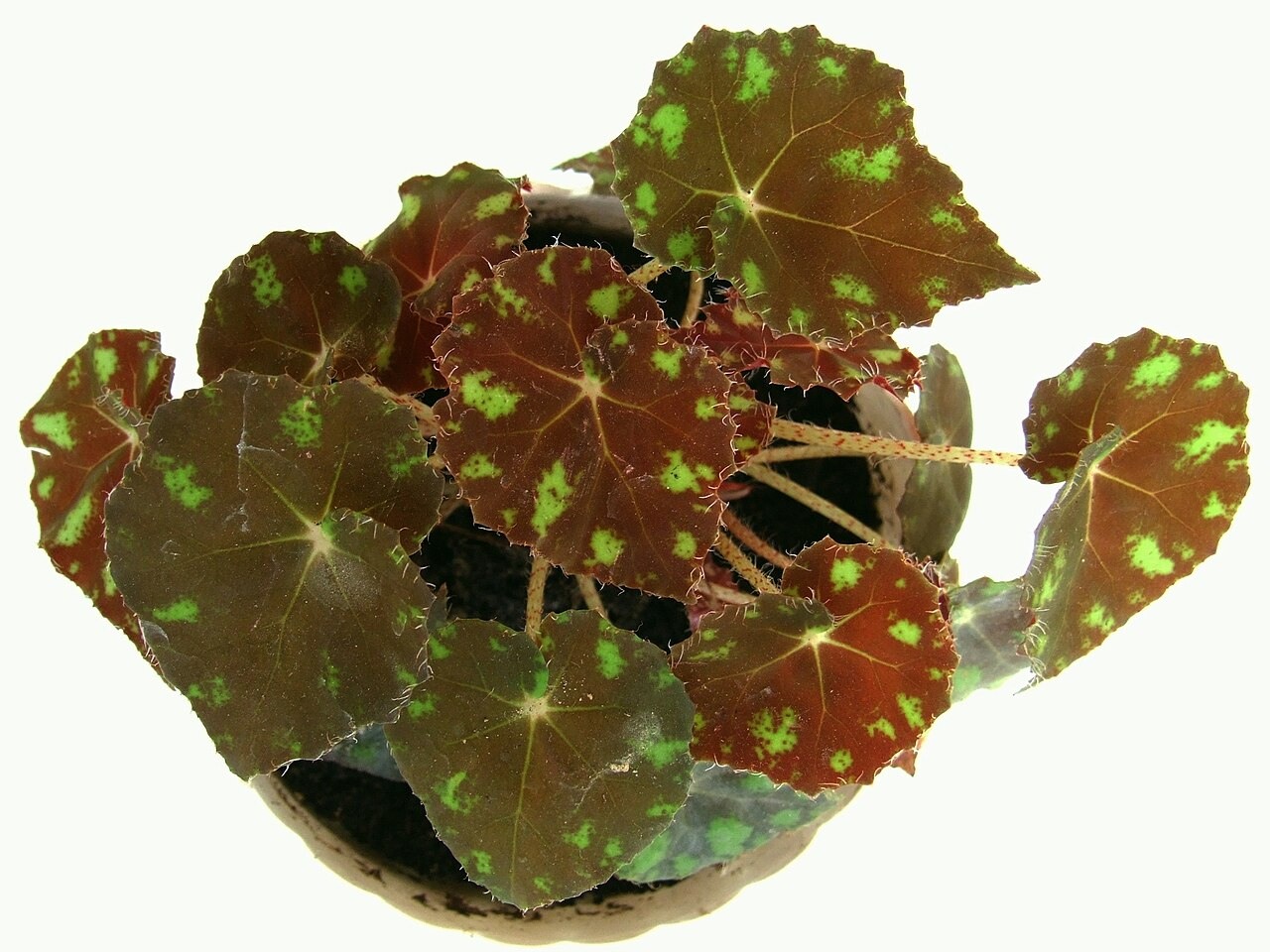
Eyelash Begonia
Begonia bowerae
This species has small asymmetrical leaf edges covered with hair and a dense pattern spreading, making it a rhizomatous begonia. Begonia bowerae has comparative value in evaluating whether humidity and growth rate are balanced in a small glass container. Not knowing the management point 'place it in a container that allows intermittent ventilation rather than constant condensation' might lead to discomfort outweighing its advantages; thus, take caution in understanding this first. Next, check its scientific name 'Begonia bowerae' to see if it fits your home's environment.
In the maintenance phase, consider the expected size 'about 15-30cm' while ensuring there is space, and match the light to 'bright indirect light.' The watering strategy 'water directly into the soil when the surface begins to dry' serves as a practical clue for assessing the plant's condition. When checking whether humidity and growth rate are balanced in a small glass container, observing the new leaves and roots emerging, as well as their drying speed, will provide more accurate feedback than relying on sale photos.
In the maintenance phase, consider the expected size 'about 15-30cm' while ensuring there is space, and match the light to 'bright indirect light.' The watering strategy 'water directly into the soil when the surface begins to dry' serves as a practical clue for assessing the plant's condition. When checking whether humidity and growth rate are balanced in a small glass container, observing the new leaves and roots emerging, as well as their drying speed, will provide more accurate feedback than relying on sale photos.
학명 Begonia bowerae
빛 밝은 간접광
물주기 겉흙이 마르기 시작하면 흙에 직접 급수
예상 크기 약 15~30cm
관리 포인트 잎이 계속 젖는 밀폐형보다 간헐적으로 환기하는 용기에 둔다
관리 정보 확인 https://plants.ces.ncsu.edu/find_a_plant/?q=Begonia%20bowerae
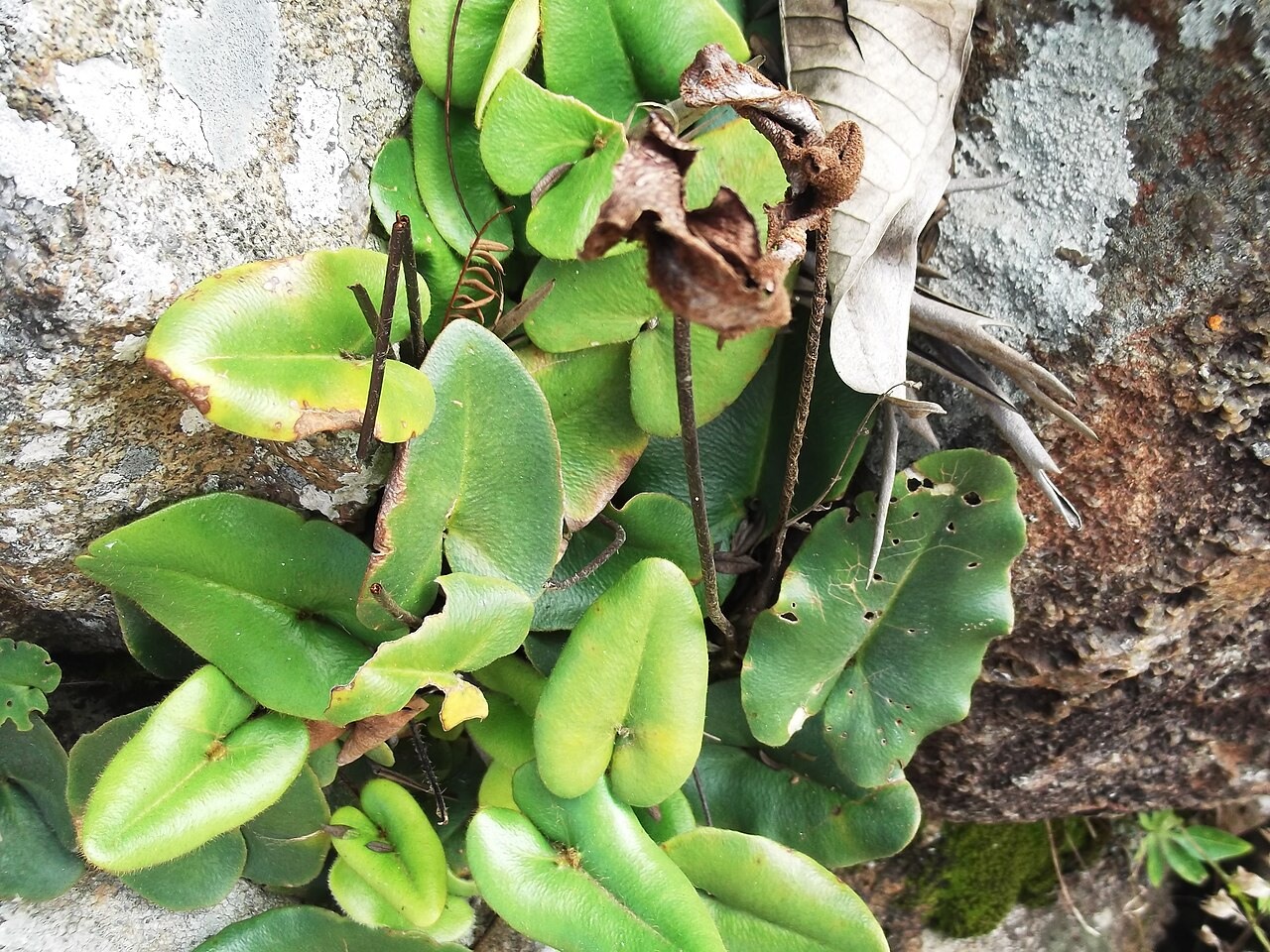
Heart Fern
Hemionitis arifolia
Before selecting Hemionitis arifolia, ask yourself if humidity and growth rate are balanced in a small glass container. This small fern features simple, heart-shaped leaves rising on black petioles. Its expected size is 'about 15-30cm,' so determining a spot based solely on current size may require relocating it later. To ensure balance, the light requirement 'medium indirect light' should align with your maintenance habits.
After deciding on placement and usage, routinely compare the scientific name 'Hemionitis arifolia' with the watering condition 'keep the substrate moist but avoid standing water.' Finally, by not overlooking the management point 'avoid dry winds and direct sunlight, and leave room for new leaves to spread,' you can prevent sudden damage more easily. When checking if humidity and growth rate are balanced in a small glass container, review the water, light, and temperature records from the past week whenever changes occur.
After deciding on placement and usage, routinely compare the scientific name 'Hemionitis arifolia' with the watering condition 'keep the substrate moist but avoid standing water.' Finally, by not overlooking the management point 'avoid dry winds and direct sunlight, and leave room for new leaves to spread,' you can prevent sudden damage more easily. When checking if humidity and growth rate are balanced in a small glass container, review the water, light, and temperature records from the past week whenever changes occur.
학명 Hemionitis arifolia
빛 중간 간접광
물주기 배지를 촉촉하게 유지하되 고인 물은 피함
예상 크기 약 15~30cm
관리 포인트 건조한 바람과 직사광을 피하고 새잎이 펼쳐질 공간을 남긴다
관리 정보 확인 https://plants.ces.ncsu.edu/find_a_plant/?q=Hemionitis%20arifolia
If you see water droplets inside the glass all day, it might indicate excessive moisture. Open the lid briefly for ventilation and remove any rotten leaves with tweezers. Conversely, if there's no condensation at all and leaf tips are drying out, it's more accurate to check the actual moisture of the substrate and how tightly the lid seals, rather than just increasing the misting amount.
Terrariums are small, so changes happen quickly. If the leaves keep touching the glass walls, mold can develop easily, so it’s a good idea to trim the branches without damaging the growth points. Window sills that get direct sunlight can heat up like a greenhouse and should be avoided. When planting different species together, prioritize matching humidity and light requirements over just finding a pretty combination.
Terrariums are small, so changes happen quickly. If the leaves keep touching the glass walls, mold can develop easily, so it’s a good idea to trim the branches without damaging the growth points. Window sills that get direct sunlight can heat up like a greenhouse and should be avoided. When planting different species together, prioritize matching humidity and light requirements over just finding a pretty combination.
At a glance
8 items
Selaginella kraussiana
중간 간접광
Pilea involucrata
밝은 간접광겉면이 마르기 전에 소량 급수약 15~30cm
Ficus pumila
Ficus pumila밝은 간접광배지가 살짝 마르면 급수
Rippled Peperomia
밝은 간접광약 15~25cm
Cryptanthus bivittatus
밝은 간접광약 10~20cm
Soleirolia
중간에서 밝은 간접광배지를 고르게 촉촉하게 유지
Eyelash Begonia
Begonia bowerae밝은 간접광약 15~30cm
Heart Fern
중간 간접광약 15~30cm
As part of the Coupang Partners program, this post may earn a commission from qualifying purchases.
Comments 0
Log in to leave a comment.
Be the first to comment.
How about these lists?


You might also like


🎲
Not ready to stop here?
Wondering what to read next is the biggest waste of time.
Let the dice decide — you won't know what pops up until you roll.
If you don't press it… won't you wonder forever? 👀