
Collection
Indoor Plants
2026.10.02
Starting New Plants from One Pot: A Beginner's Guide to Plant Propagation
Distinguishing between stem cuttings, offsets, and leaf cuttings in companion plant propagation methods
Plant propagation isn't just about sticking cuttings in water. Vining plants need nodes that can develop roots; for plants like bromeliads and Pilea, established offsets can be separated; while succulents are safer to propagate after allowing leaf or stem cut ends to dry. Cutting from areas not suited for the species can lead to weeks of waiting without roots forming, or worse, rotting.
This guide brings together eight species perfect for observing the propagation process, including Strobilanthes dyerianus, Hoya, Pilea, bromeliads, Peperomia, jade plants, Monstera, and Fittonia. Each item comes with recommended propagation areas as well as guidance on light, water, care for mother plants, and important considerations. To increase the success rate of propagation, it's crucial first to select the correct parts from healthy mother plants with clean tools, and to match the season and temperature rather than simply creating as many cuttings as possible.
This guide brings together eight species perfect for observing the propagation process, including Strobilanthes dyerianus, Hoya, Pilea, bromeliads, Peperomia, jade plants, Monstera, and Fittonia. Each item comes with recommended propagation areas as well as guidance on light, water, care for mother plants, and important considerations. To increase the success rate of propagation, it's crucial first to select the correct parts from healthy mother plants with clean tools, and to match the season and temperature rather than simply creating as many cuttings as possible.
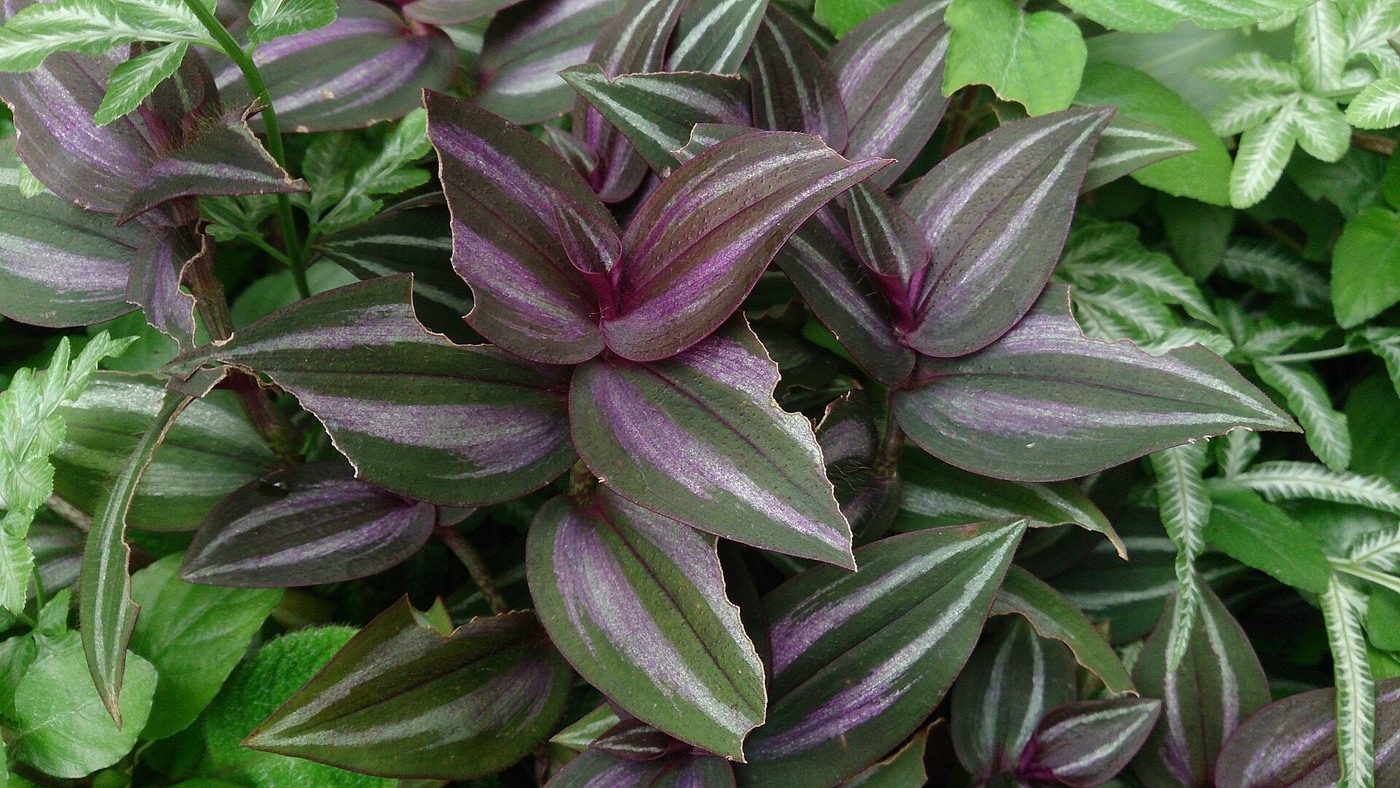
Spotted Purple Tradescantia
Strobilanthes dyerianus
This plant has clear nodes and a quick rooting process, making it perfect for observing stem cuttings. The criteria for seeing Strobilanthes dyerianus in this guide are differing starting points for propagation like cuttings, offsets, and divisions. First, understand its scientific name as 'Tradescantia zebrina' and check if it thrives in bright indirect light. The key point to consider is whether you can recreate those two conditions in your home for the propagation method of cuttings, offsets, or divisions.
Once obtained, water the cuttings in either water or moist soil while ensuring the mother plant is watered only when the surface soil dries out. Aim for '2 to 3 healthy nodes per cutting' and keep in mind that 'stem node cuttings, water propagation, or soil cuttings' should not involve drastic changes to the environment all at once; instead, record responses and adjust accordingly.
Once obtained, water the cuttings in either water or moist soil while ensuring the mother plant is watered only when the surface soil dries out. Aim for '2 to 3 healthy nodes per cutting' and keep in mind that 'stem node cuttings, water propagation, or soil cuttings' should not involve drastic changes to the environment all at once; instead, record responses and adjust accordingly.
학명 Tradescantia zebrina
빛 밝은 간접광
물주기 삽수는 물 또는 촉촉한 용토에서 시작하고 모주는 겉흙이 마르면 급수
예상 크기 삽수 한 개에 건강한 마디 2~3개 확보
주제별 핵심 줄기 마디 삽목·물꽂이 또는 흙삽목
관리 정보 확인 https://plants.ces.ncsu.edu/find_a_plant/?q=Tradescantia%20zebrina
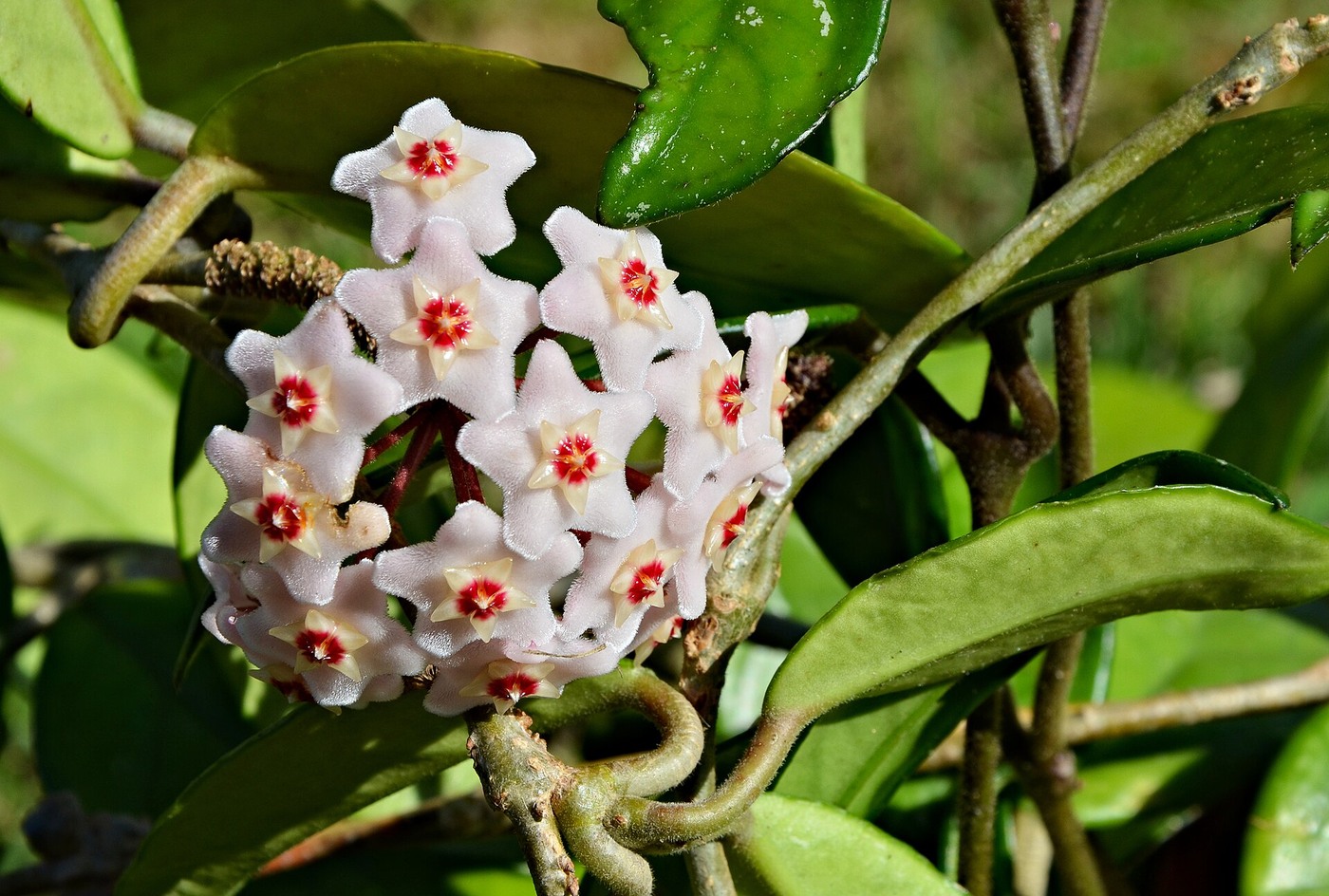
Hoya carnosa
Hoya carnosa requires not just leaves but also stem nodes to grow into new vines, and in terms of different starting points for propagation like cuttings, offsets, and divisions, bright indirect light is especially important. Confirm the scientific name 'Hoya carnosa' before selecting a location to distinguish between an aesthetically pleasing position for visibility and a suitable spot for the plant's survival.
In management, avoid focusing on the 'stem node propagation' aspect first. Next, assess the watering instruction 'keep the propagation medium moist without over-saturating' along with the expected size 'using stems that include one or two pairs of leaves' to determine whether changes are temporary or signals of unsuitable conditions. Comparing changes over several days rather than just one measurement will be helpful.
In management, avoid focusing on the 'stem node propagation' aspect first. Next, assess the watering instruction 'keep the propagation medium moist without over-saturating' along with the expected size 'using stems that include one or two pairs of leaves' to determine whether changes are temporary or signals of unsuitable conditions. Comparing changes over several days rather than just one measurement will be helpful.
학명 Hoya carnosa
빛 밝은 간접광
물주기 삽목 용토를 축축하지 않게 유지
예상 크기 잎 한두 쌍과 마디가 포함된 줄기 사용
주제별 핵심 줄기 마디 삽목
관리 정보 확인 https://plants.ces.ncsu.edu/find_a_plant/?q=Hoya%20carnosa
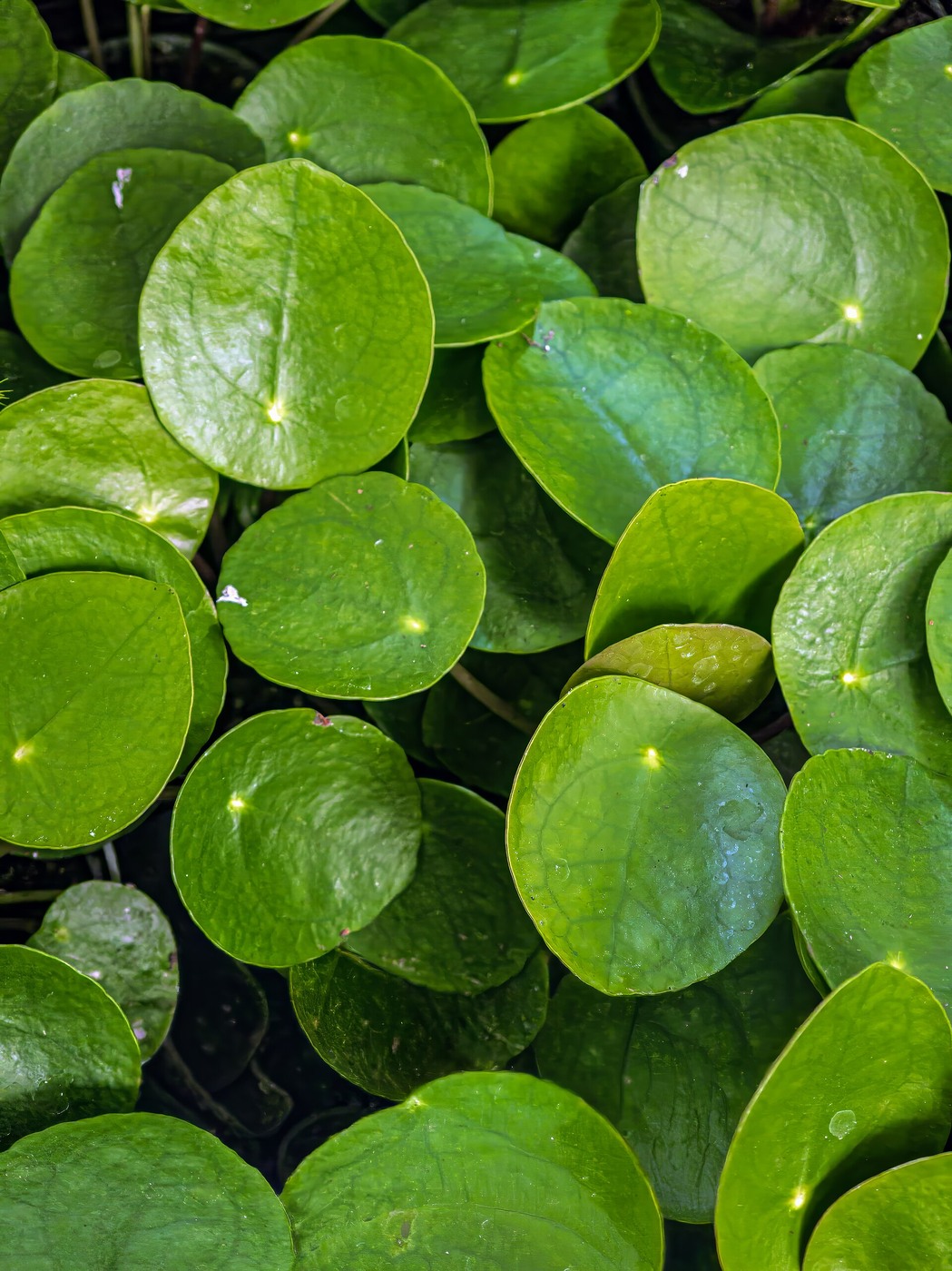
Pilea peperomioides
The strengths of Pilea peperomioides become clear when focusing on differing starting points for propagation like cuttings, offsets, and divisions. It's easy to separate offsets from around the mother plant to grow in new pots. The basic condition is the scientific name 'Pilea peperomioides,' and the watering technique is 'water when the soil in the small pot starts to dry following separation.' If the two conditions don't align, differences can emerge in new growth even when the outer appearance seems fine.
Manage it in bright indirect light and integrate into your space planning by expecting offsets to be 'of a manageable size and with their own roots before separating.' It's particularly important to note the key points for 'offset separation with roots or stem offset cuttings' right after purchase. Differences in seasonal conditions can lead to variations in dying speed and light angles even in the same space, necessitating attention to actual reactions over a fixed calendar.
Manage it in bright indirect light and integrate into your space planning by expecting offsets to be 'of a manageable size and with their own roots before separating.' It's particularly important to note the key points for 'offset separation with roots or stem offset cuttings' right after purchase. Differences in seasonal conditions can lead to variations in dying speed and light angles even in the same space, necessitating attention to actual reactions over a fixed calendar.
학명 Pilea peperomioides
빛 밝은 간접광
물주기 분리 후 작은 화분의 흙이 마르기 시작하면 급수
예상 크기 자구가 다루기 좋은 크기와 자체 뿌리를 만든 뒤 분리
주제별 핵심 뿌리 달린 자구 분리 또는 줄기 자구 삽목
관리 정보 확인 https://plants.ces.ncsu.edu/find_a_plant/?q=Pilea%20peperomioides
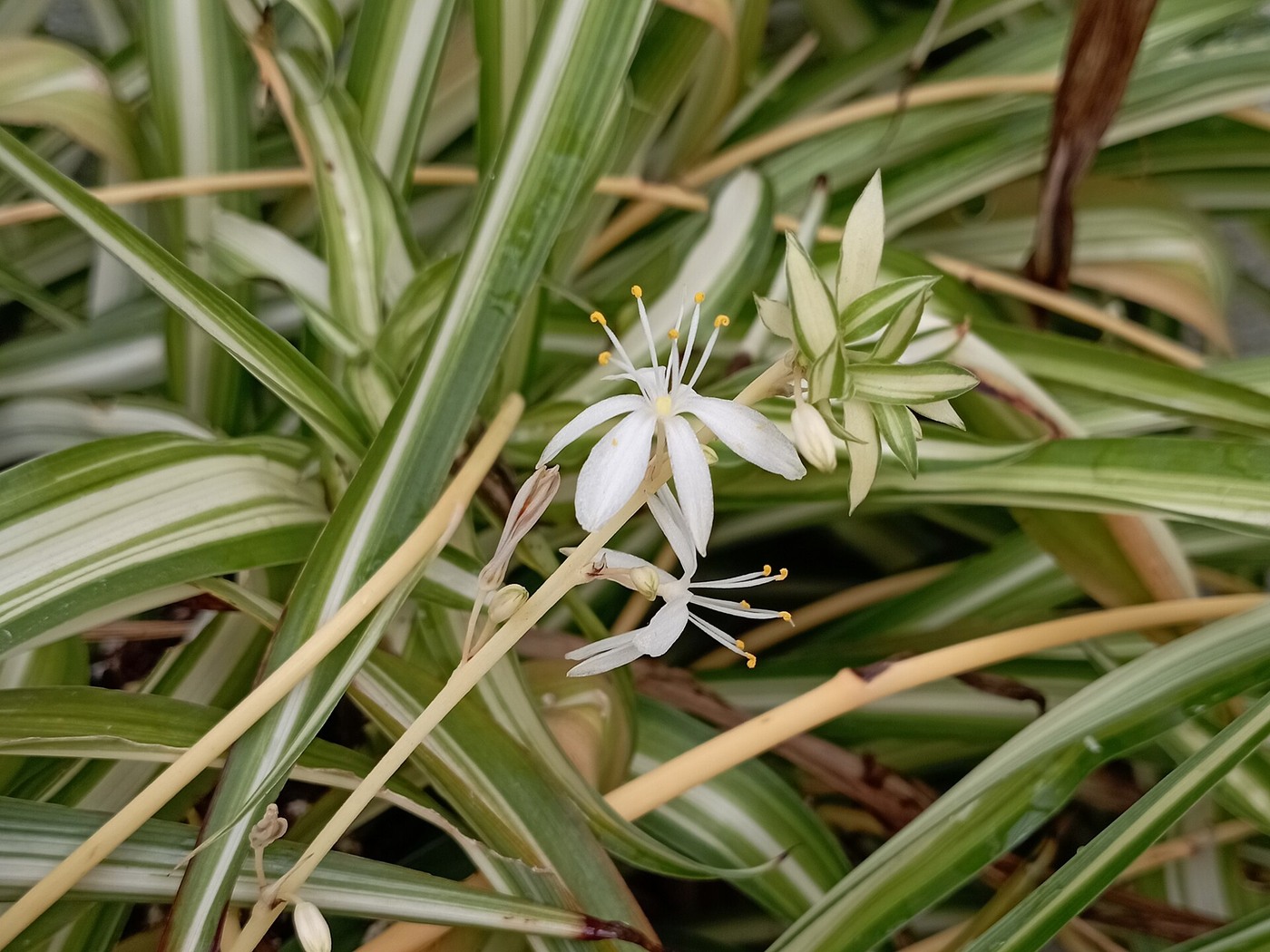
Spider Plant
Bromeliad
With pups that form at the end of long flower stems, Bromeliads are easy to identify for propagation timing. The reason for including Bromeliads in this guide is to facilitate a specific comparison of differing starting points for propagation like cuttings, offsets, and divisions. During the purchase phase, compare the expected size, 'selecting offsets where leaves and root zones are sufficiently visible,' with its scientific name 'Chlorophytum comosum' to judge whether the position and size are right.
Once at home, use bright indirect light as a base while confirming weekly that watering should be 'not allowing the medium to fully dry out until roots are established.' Keeping in mind topics like 'offset division and pressure' will help reduce typical management mistakes. If issues arise, check the recent adjustments in light, water, and temperature before adding fertilizers or treatments.
Once at home, use bright indirect light as a base while confirming weekly that watering should be 'not allowing the medium to fully dry out until roots are established.' Keeping in mind topics like 'offset division and pressure' will help reduce typical management mistakes. If issues arise, check the recent adjustments in light, water, and temperature before adding fertilizers or treatments.
학명 Chlorophytum comosum
빛 밝은 간접광
물주기 자구의 뿌리가 자리 잡을 때까지 용토를 완전히 말리지 않음
예상 크기 잎과 뿌리 원기가 충분히 보이는 자구 선택
주제별 핵심 자구 포기나누기·압조
관리 정보 확인 https://plants.ces.ncsu.edu/find_a_plant/?q=Chlorophytum%20comosum
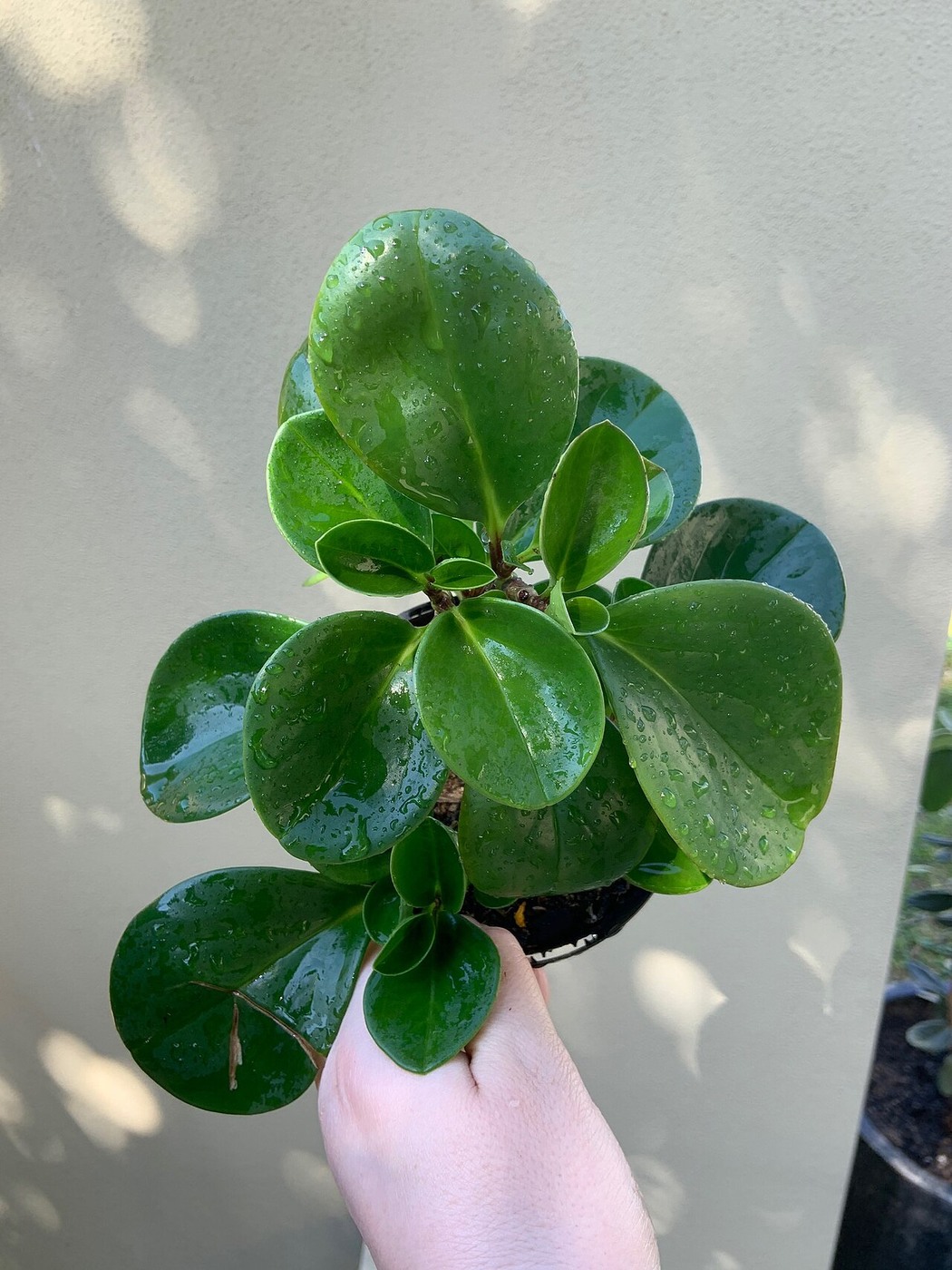
Peperomia obtusifolia
The key point for Peperomia obtusifolia lies in whether it's aligned with daily living conditions rather than any flashy details. This small plant allows for trying different styles of stem cuttings with its thick leaves and stems. During this time, aim for water conditions that 'keep the cut ends slightly moist without becoming mushy'—something to routinely monitor—and the core concept of 'stem cuttings or leaf cuttings' is a boundary for avoiding failure. Considering the propagation starting points can clarify differences from other options.
Before placement, check the scientific name 'Peperomia obtusifolia' and ensure conditions like light (bright indirect sunlight) are properly reviewed before use or management. Expected size, 'stem cuttings should include nodes while leaf cuttings should use healthy leaf stalks,' should also guide your decisions on surrounding items and paths in the space. Starting dynamically with small changes and observing responses before making further adjustments is the safest method.
Before placement, check the scientific name 'Peperomia obtusifolia' and ensure conditions like light (bright indirect sunlight) are properly reviewed before use or management. Expected size, 'stem cuttings should include nodes while leaf cuttings should use healthy leaf stalks,' should also guide your decisions on surrounding items and paths in the space. Starting dynamically with small changes and observing responses before making further adjustments is the safest method.
학명 Peperomia obtusifolia
빛 밝은 간접광
물주기 절단면이 무르지 않도록 통기성 용토를 가볍게 촉촉하게 유지
예상 크기 줄기 삽수는 마디를 포함하고 잎 삽수는 건강한 잎자루 사용
주제별 핵심 줄기 삽목 또는 잎자루가 있는 잎꽂이
관리 정보 확인 https://plants.ces.ncsu.edu/find_a_plant/?q=Peperomia%20obtusifolia
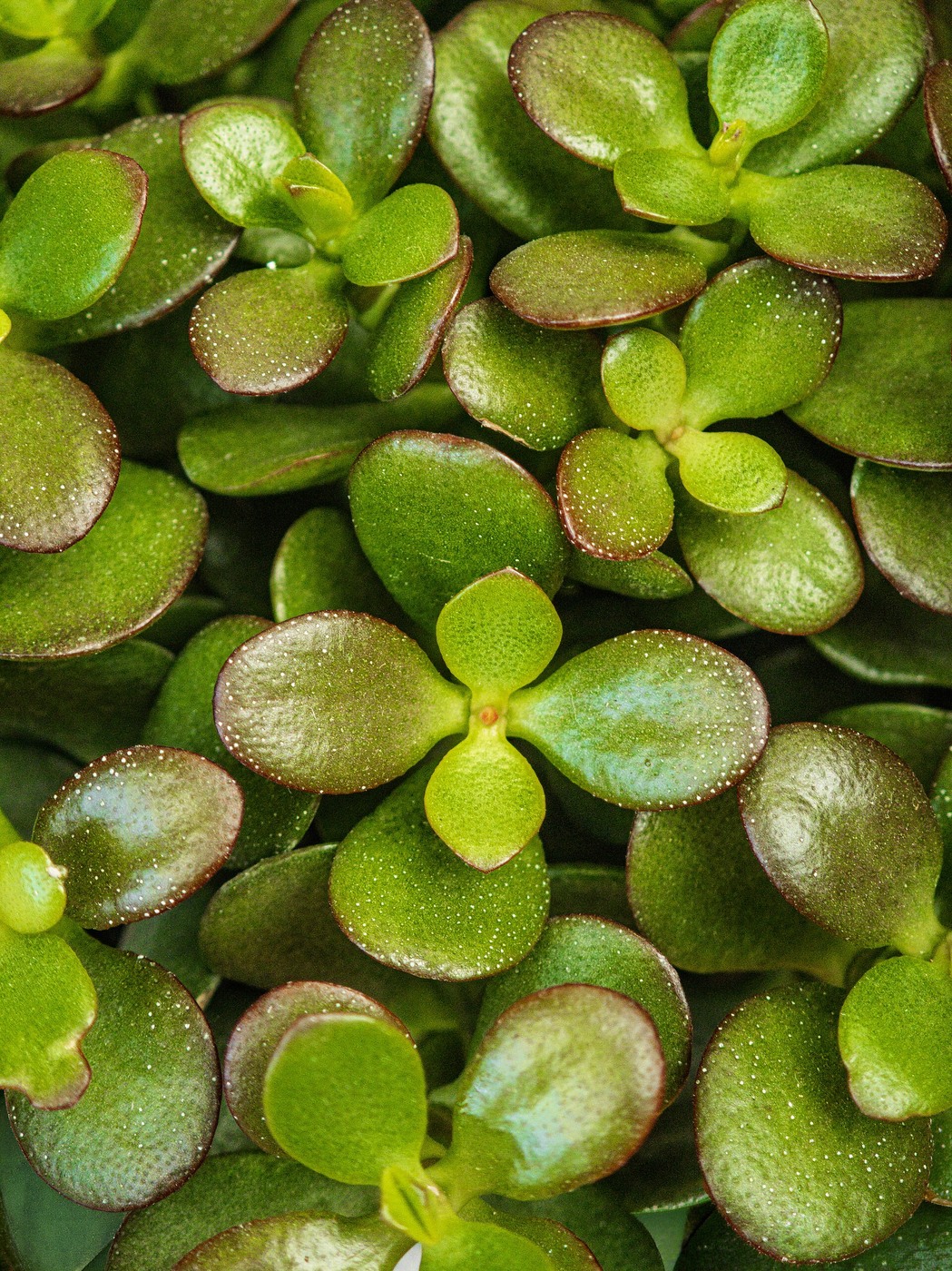
Jade Plant
If you're curious about differing starting points for propagation like cuttings, offsets, and divisions, let's look at three key components of Jade Plant. First is the scientific name 'Crassula ovata', second is light requirement of 'very bright indirect light', and third is the expected size 'selecting plump leaves or non-woody stems without damage.' This succulent can be propagated after drying healthy leaf or stem cutting ends. These conditions interact with one another, so satisfying just one won’t yield the same results.
For observation, use watering instructions of 'plant after the cut surfaces have healed and maintain a dry medium for an extended period' as a standard. If issues arise, start by excluding key propagation methods like 'leaf cuttings or stem cuttings.' While adjusting to the new environment, avoid making multiple changes to placement and care practices at once. This way, you can confirm root causes for any subsequent seasons’ reproducible management criteria.
For observation, use watering instructions of 'plant after the cut surfaces have healed and maintain a dry medium for an extended period' as a standard. If issues arise, start by excluding key propagation methods like 'leaf cuttings or stem cuttings.' While adjusting to the new environment, avoid making multiple changes to placement and care practices at once. This way, you can confirm root causes for any subsequent seasons’ reproducible management criteria.
학명 Crassula ovata
빛 매우 밝은 간접광
물주기 절단면이 아문 뒤 심고 용토가 마른 상태를 길게 유지
예상 크기 통통하고 상처 없는 잎 또는 목질화되지 않은 줄기 선택
주제별 핵심 잎꽂이 또는 줄기 삽목
관리 정보 확인 https://plants.ces.ncsu.edu/find_a_plant/?q=Crassula%20ovata
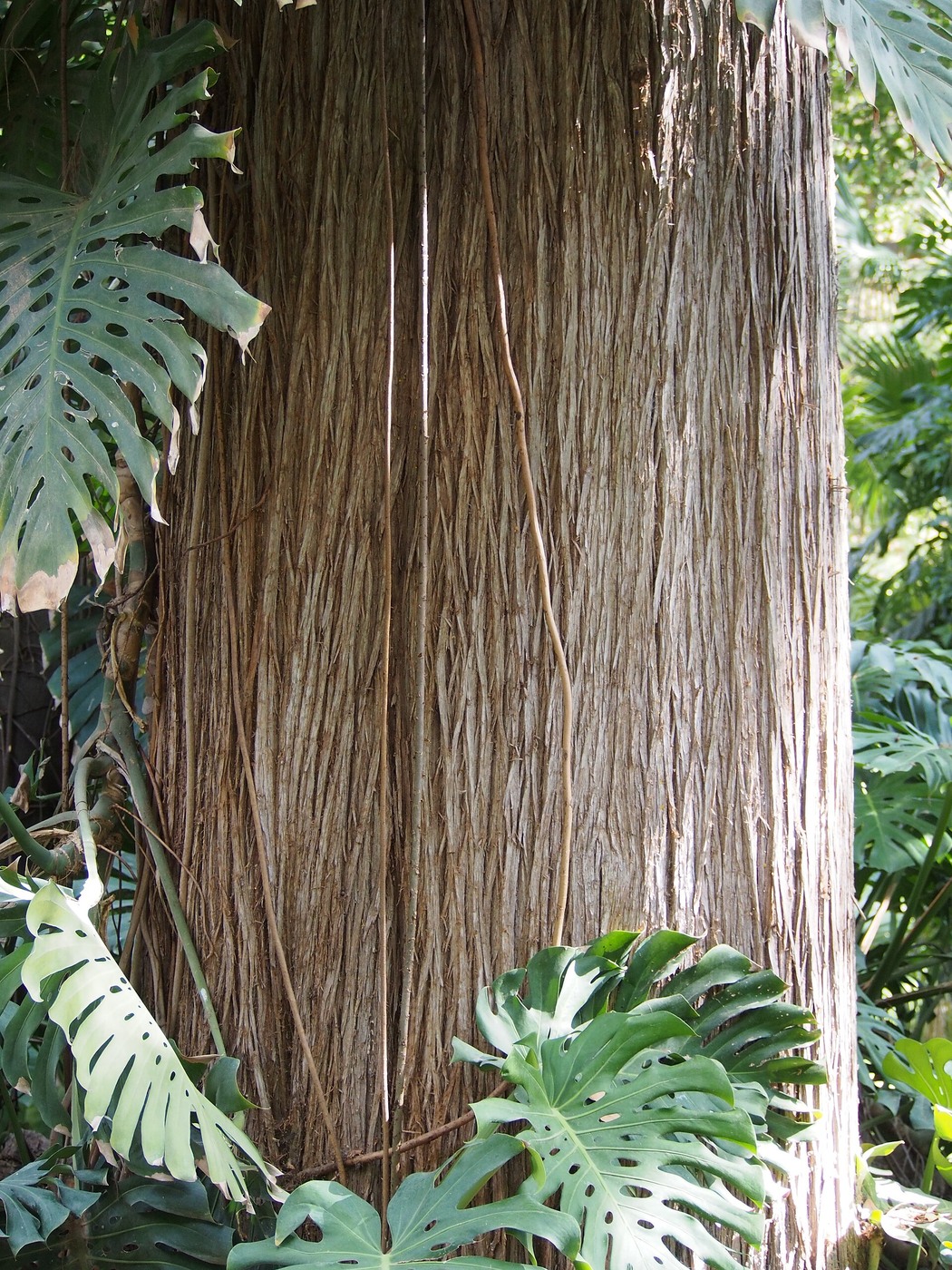
Monstera
A large vining plant, Monstera can sprout new roots and leaves from stem cuttings that include nodes and aerial roots. Monstera serves as a valuable point of comparison when determining differing starting points for propagation like cuttings, offsets, and divisions. Be aware of essential topics such as 'stem node cuttings, water propagation, or soil cuttings' beforehand to prevent inconveniences from overshadowing the advantages. Then, confirm if the scientific name 'Monstera deliciosa' aligns with your home environment.
During upkeep, leave enough space by consideration of the expected size, 'ensuring at least one node with new buds and healthy leaves' and manage lighting to provide 'bright indirect light'. The watering strategy
During upkeep, leave enough space by consideration of the expected size, 'ensuring at least one node with new buds and healthy leaves' and manage lighting to provide 'bright indirect light'. The watering strategy
학명 Monstera deliciosa
빛 밝은 간접광
물주기 물꽂이 물을 정기적으로 교체하거나 통기성 용토를 일정하게 유지
예상 크기 새눈이 있는 마디 하나 이상과 건강한 잎 확보
주제별 핵심 줄기 마디 삽목·물꽂이 또는 용토 삽목
관리 정보 확인 https://plants.ces.ncsu.edu/find_a_plant/?q=Monstera%20deliciosa
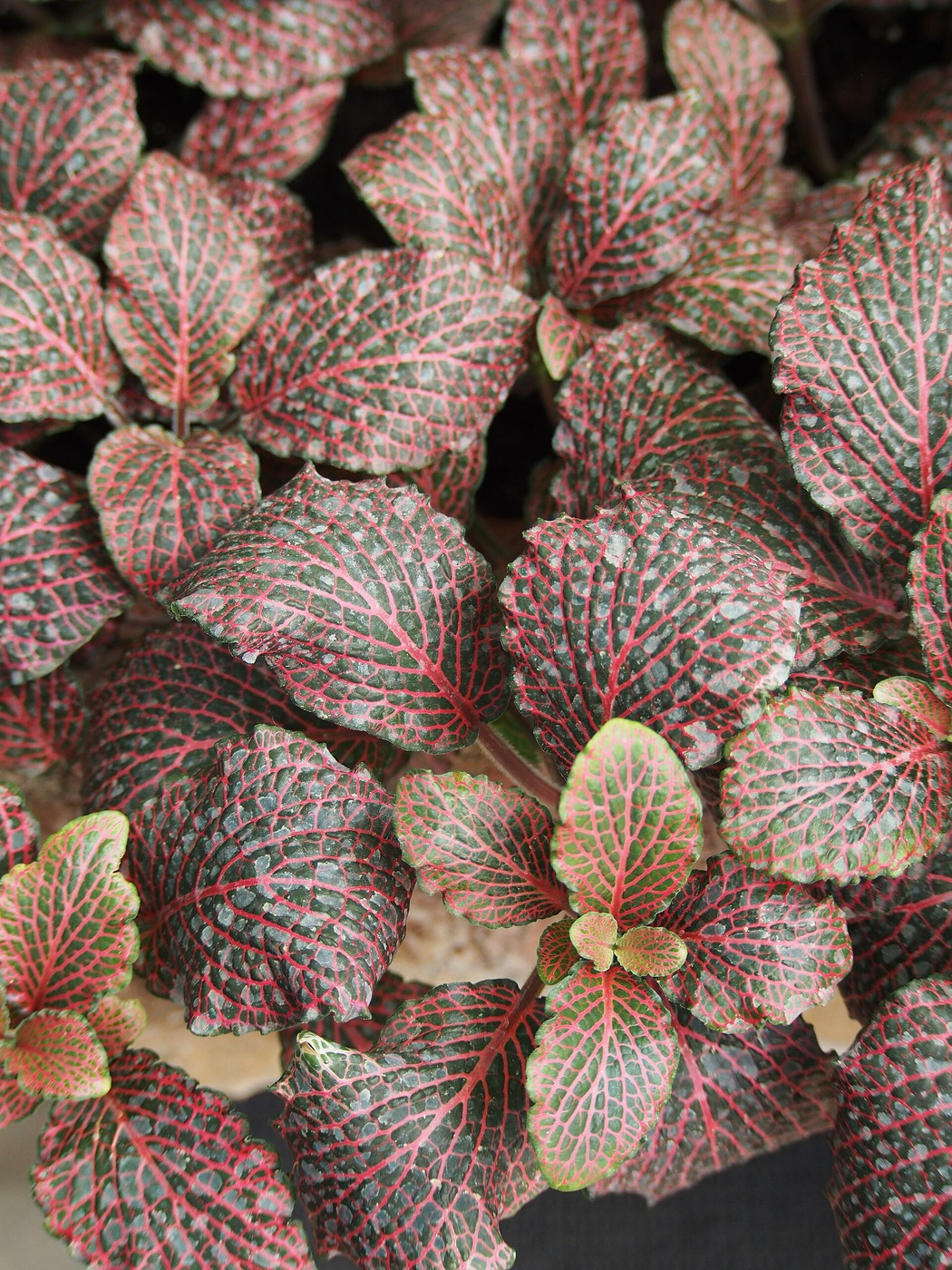
Pithonia
Fittonia
Before selecting Fittonia, let’s ask the questions around different starting points for propagation like cuttings, offsets, and divisions. With slender stems that root easily, it's well-suited for observing propagation even in small, enclosed environments. Choose stems that include 'two or three pairs of leaves and a node' to ensure that if you select based on current size, you might need to relocate later. The light requirement of 'bright indirect light' should align with your management habits.
After deciding on your placement and usage, regularly compare the scientific name 'Fittonia albivenis' and watering directive of 'keeping the area around cuttings evenly moist while avoiding waterlogging.' Finally, keeping an eye on the key point of 'stem node cuttings' will help prevent sudden damage. When changes occur, review your recent week’s records for water, light, and temperature.
After deciding on your placement and usage, regularly compare the scientific name 'Fittonia albivenis' and watering directive of 'keeping the area around cuttings evenly moist while avoiding waterlogging.' Finally, keeping an eye on the key point of 'stem node cuttings' will help prevent sudden damage. When changes occur, review your recent week’s records for water, light, and temperature.
학명 Fittonia albivenis
빛 밝은 간접광
물주기 삽수 주변을 고르게 촉촉하게 유지하되 물고임은 피함
예상 크기 잎 두세 쌍과 마디를 포함한 줄기 선택
주제별 핵심 줄기 마디 삽목
관리 정보 확인 https://plants.ces.ncsu.edu/find_a_plant/?q=Fittonia%20albivenis
Water propagation makes it easy to observe root changes, but plants often need adjustment when moving from water to a soil environment, while soil cuttings can maintain moisture more stably while reducing transplant steps. Regularly change the water in transparent containers and ensure the leaves are not submerged; soil cuttings require good drainage and airflow. If roots have barely formed, don't immediately pot them into a large container, as excess moisture can linger.
Plants that are propagated can also carry diseases and pests from the mother plant, so it's important to examine the undersides of leaves and stems before cutting. Rare or variegated varieties may not retain their patterns depending on the propagation method, and protected or commercially contracted species require separate verification of propagation rights. To start, try propagating just one or two cuttings to observe how quickly they root in your home's temperature and light conditions.
Plants that are propagated can also carry diseases and pests from the mother plant, so it's important to examine the undersides of leaves and stems before cutting. Rare or variegated varieties may not retain their patterns depending on the propagation method, and protected or commercially contracted species require separate verification of propagation rights. To start, try propagating just one or two cuttings to observe how quickly they root in your home's temperature and light conditions.
At a glance
8 items
As part of the Coupang Partners program, this post may earn a commission from qualifying purchases.
Comments 0
Log in to leave a comment.
Be the first to comment.
How about these lists?


You might also like


🎲
Not ready to stop here?
Wondering what to read next is the biggest waste of time.
Let the dice decide — you won't know what pops up until you roll.
If you don't press it… won't you wonder forever? 👀
