Collection
Indoor Plants
2026.10.02
Winter Care for Houseplants Before Turning on the Heating
A Comparison of How Different Plants React to Low Temperatures, Dry Air, and Short Days
Although winter indoors may seem warm, it's the season when plants face simultaneous challenges of insufficient light, cold window panes, and dry heating winds. A common mistake is watering them on the same schedule as in summer, even as their growth rate slows and the soil takes longer to dry. Checking the temperature next to the window at night, the sunlight during the day, and the moisture levels within the pot separately is essential to determine the causes of leaf drop.
This list compares the winter reactions of different plants, including Ficus lyrata (Fiddle Leaf Fig), Goeppertia orbifolia (Calathea Orbifolia), Nephrolepis exaltata (Boston Fern), Monstera deliciosa (Monstera), Phalaenopsis amabilis (Orchid), Dracaena trifasciata (Snake Plant), Cyclamen persicum (Cyclamen), and Kalanchoe blossfeldiana (Kalanchoe). Tropical foliage needs to be protected from cold drafts, ferns are sensitive to dry heat, and cyclamen actually prefer cooler temperatures. The key is to manage each pot with a tailored watering schedule instead of applying the same rules for all.
This list compares the winter reactions of different plants, including Ficus lyrata (Fiddle Leaf Fig), Goeppertia orbifolia (Calathea Orbifolia), Nephrolepis exaltata (Boston Fern), Monstera deliciosa (Monstera), Phalaenopsis amabilis (Orchid), Dracaena trifasciata (Snake Plant), Cyclamen persicum (Cyclamen), and Kalanchoe blossfeldiana (Kalanchoe). Tropical foliage needs to be protected from cold drafts, ferns are sensitive to dry heat, and cyclamen actually prefer cooler temperatures. The key is to manage each pot with a tailored watering schedule instead of applying the same rules for all.
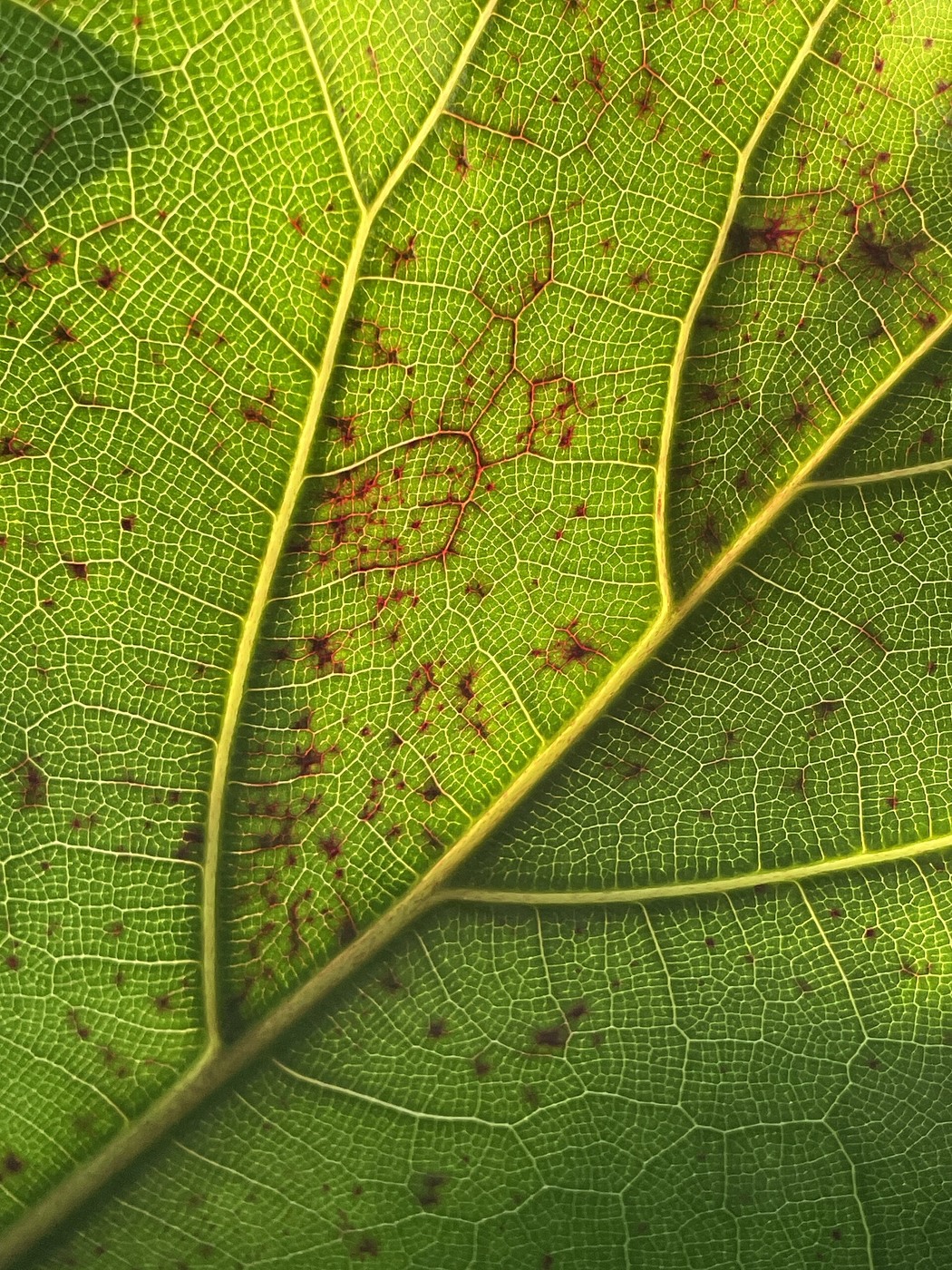
Fiddle-leaf Fig (Ficus lyrata)
Ficus lyrata (Fiddle Leaf Fig)
This plant is characterized by its large leaves and upright growth, but it is sensitive to cold drafts and drastic changes in position. The criteria for evaluating Ficus lyrata in this list are its reactions to short days, dry heating, and cold window conditions in winter. First, understand the scientific name 'Ficus lyrata,' and ensure the light is as 'bright indirect light as possible even in winter.' The starting point for making your selection is whether these two conditions can be recreated in your current home.
After bringing it home, observe the watering technique of 'watering with lukewarm water once the soil inside is dry.' The expected size is ‘over 2 meters indoors,’ and the final management point is ‘making sure leaves do not touch cold glass and avoiding placement right in front of a heater,’ so it’s best to adjust gradually while keeping track of any reactions.
After bringing it home, observe the watering technique of 'watering with lukewarm water once the soil inside is dry.' The expected size is ‘over 2 meters indoors,’ and the final management point is ‘making sure leaves do not touch cold glass and avoiding placement right in front of a heater,’ so it’s best to adjust gradually while keeping track of any reactions.
학명 Ficus lyrata
빛 겨울에도 가능한 한 밝은 간접광
물주기 흙 안쪽이 마른 것을 확인한 뒤 미지근한 물로 급수
예상 크기 실내에서 2m 이상 가능
관리 포인트 차가운 유리에 잎이 닿지 않게 하고 난방기 바로 앞을 피한다
관리 정보 확인 https://plants.ces.ncsu.edu/find_a_plant/?q=Ficus%20lyrata
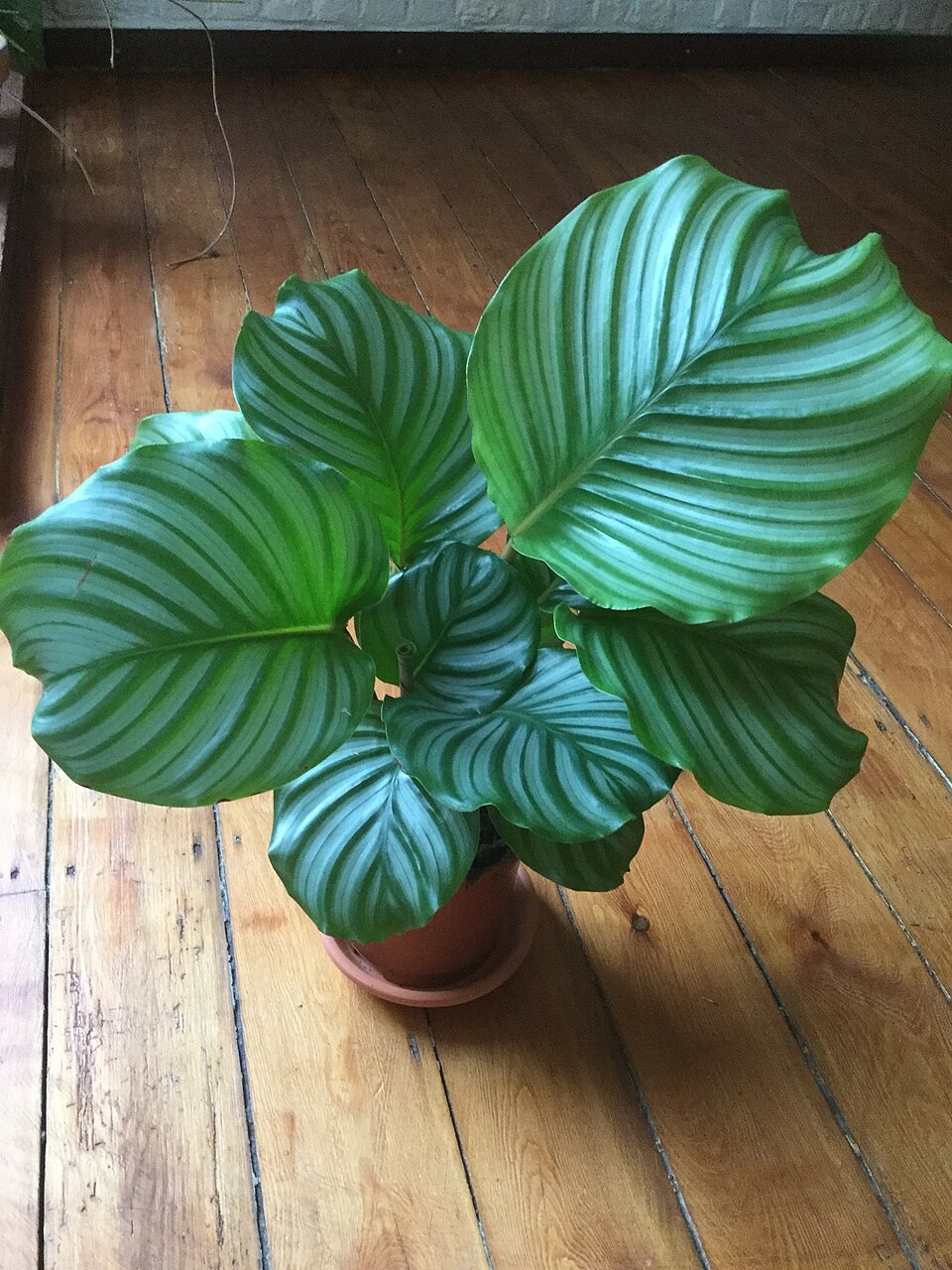
Calathea Orbifolia
Goeppertia orbifolia (Calathea Orbifolia)
Goeppertia orbifolia is a tropical plant that is sensitive to humidity, featuring broad, round leaves with silver stripes. Regarding reactions to short days, dry heating, and cold window conditions in winter, the importance of providing 'medium to bright indirect light' becomes clear. Before deciding on its position, verify the scientific name 'Goeppertia orbifolia' to distinguish between aesthetically pleasing locations and spots where the plant can thrive.
When caring for it, first avoid the management point noted: 'stay away from cold drafts and dry hot winds, and avoid water with high salinity.' Next, if the soil surface is slightly dry, water it, and it’s important to prevent it from becoming completely dry while keeping the expected size at about '60-100cm'. Comparing changes over a few days can be useful in determining whether a temporary change is a sign of an unsuitable environment.
When caring for it, first avoid the management point noted: 'stay away from cold drafts and dry hot winds, and avoid water with high salinity.' Next, if the soil surface is slightly dry, water it, and it’s important to prevent it from becoming completely dry while keeping the expected size at about '60-100cm'. Comparing changes over a few days can be useful in determining whether a temporary change is a sign of an unsuitable environment.
학명 Goeppertia orbifolia
빛 중간에서 밝은 간접광
물주기 겉흙이 살짝 마르면 급수하고 완전 건조를 피함
예상 크기 약 60~100cm
관리 포인트 찬바람과 건조한 열풍, 염류가 많은 물을 피한다
관리 정보 확인 https://plants.ces.ncsu.edu/find_a_plant/?q=Goeppertia%20orbifolia
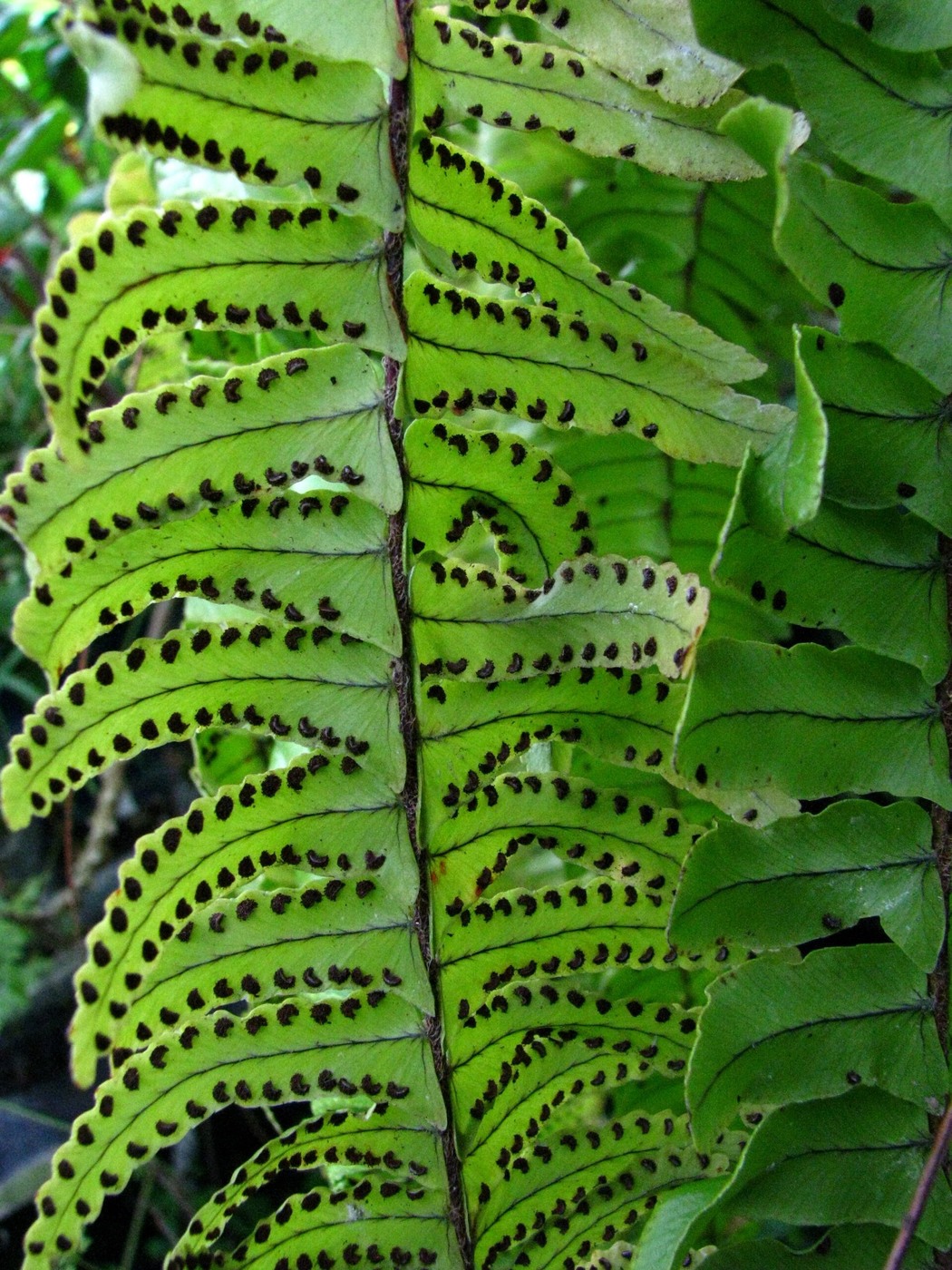
Boston Fern
Nephrolepis exaltata (Boston Fern)
When considering winter responses to short days, dry heating, and cold window conditions, the advantages of Nephrolepis exaltata become evident. Its finely divided leaves spread lushly and respond quickly to dry air. The basic condition is the scientific name 'Nephrolepis exaltata,' and the watering method is 'do not let the soil dry completely, but empty any standing water.' If the two conditions do not match during winter reactions to short days, dry heating, and cold window conditions, differences in new growth may manifest even if the appearance seems fine.
Manage in 'medium indirect light' and take into account the expected size of 'approximately 60-120cm' in your space planning. Pay particular attention to the management point ‘avoid drafts from heaters and check for mites on the undersides of dry leaves’ from the moment you purchase it. During the winter reactions to short days, dry heating, and cold windows, keep in mind that as the seasons change, the rate of drying and the angle of light will vary even in the same spot, making it essential to prioritize actual responses over a fixed calendar.
Manage in 'medium indirect light' and take into account the expected size of 'approximately 60-120cm' in your space planning. Pay particular attention to the management point ‘avoid drafts from heaters and check for mites on the undersides of dry leaves’ from the moment you purchase it. During the winter reactions to short days, dry heating, and cold windows, keep in mind that as the seasons change, the rate of drying and the angle of light will vary even in the same spot, making it essential to prioritize actual responses over a fixed calendar.
학명 Nephrolepis exaltata
빛 중간 간접광
물주기 흙을 완전히 말리지 않되 받침 물은 비움
예상 크기 잎이 약 60~120cm 퍼짐
관리 포인트 난방기 바람을 피하고 마른 잎 안쪽의 응애를 살핀다
관리 정보 확인 https://plants.ces.ncsu.edu/find_a_plant/?q=Nephrolepis%20exaltata
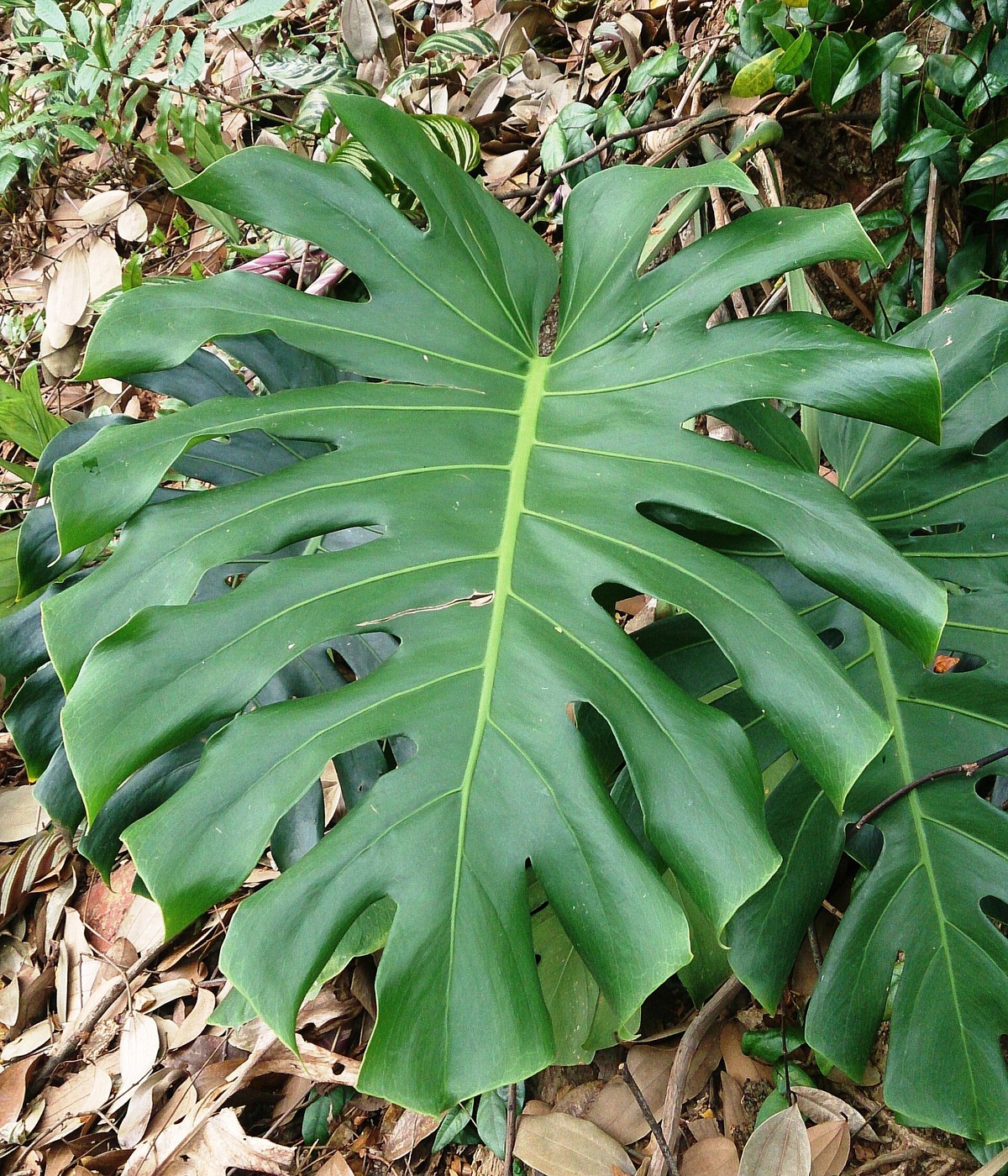
Monstera
Monstera deliciosa (Monstera)
This tropical climbing plant is known for its large split leaves and aerial roots. Monstera is included in this list because it is easy to compare its specific reactions to short days, dry heating, and cold window conditions during winter. When purchasing, first compare the expected size ‘over 2 meters with support’ with its scientific name ‘Monstera deliciosa’ to decide if the placement and size will match.
Once at home, base care on 'bright indirect light,' but also check the watering method, which is to 'extend the watering interval as the soil dries slowly.' Remember the management point: ‘avoid cold combinations with wet soil and keep it out of reach of pets’ to reduce common care mistakes. If issues arise during the winter reactions to short days, dry heating, and cold windows, retrace the most recently changed factors among light, moisture, and temperature before adding fertilizers or pesticides.
Once at home, base care on 'bright indirect light,' but also check the watering method, which is to 'extend the watering interval as the soil dries slowly.' Remember the management point: ‘avoid cold combinations with wet soil and keep it out of reach of pets’ to reduce common care mistakes. If issues arise during the winter reactions to short days, dry heating, and cold windows, retrace the most recently changed factors among light, moisture, and temperature before adding fertilizers or pesticides.
학명 Monstera deliciosa
빛 밝은 간접광
물주기 흙의 마름이 느려지는 만큼 급수 간격을 늘림
예상 크기 지지대와 함께 2m 이상 가능
관리 포인트 저온과 젖은 흙의 조합을 피하고 섭취하지 않게 둔다
관리 정보 확인 https://plants.ces.ncsu.edu/find_a_plant/?q=Monstera%20deliciosa
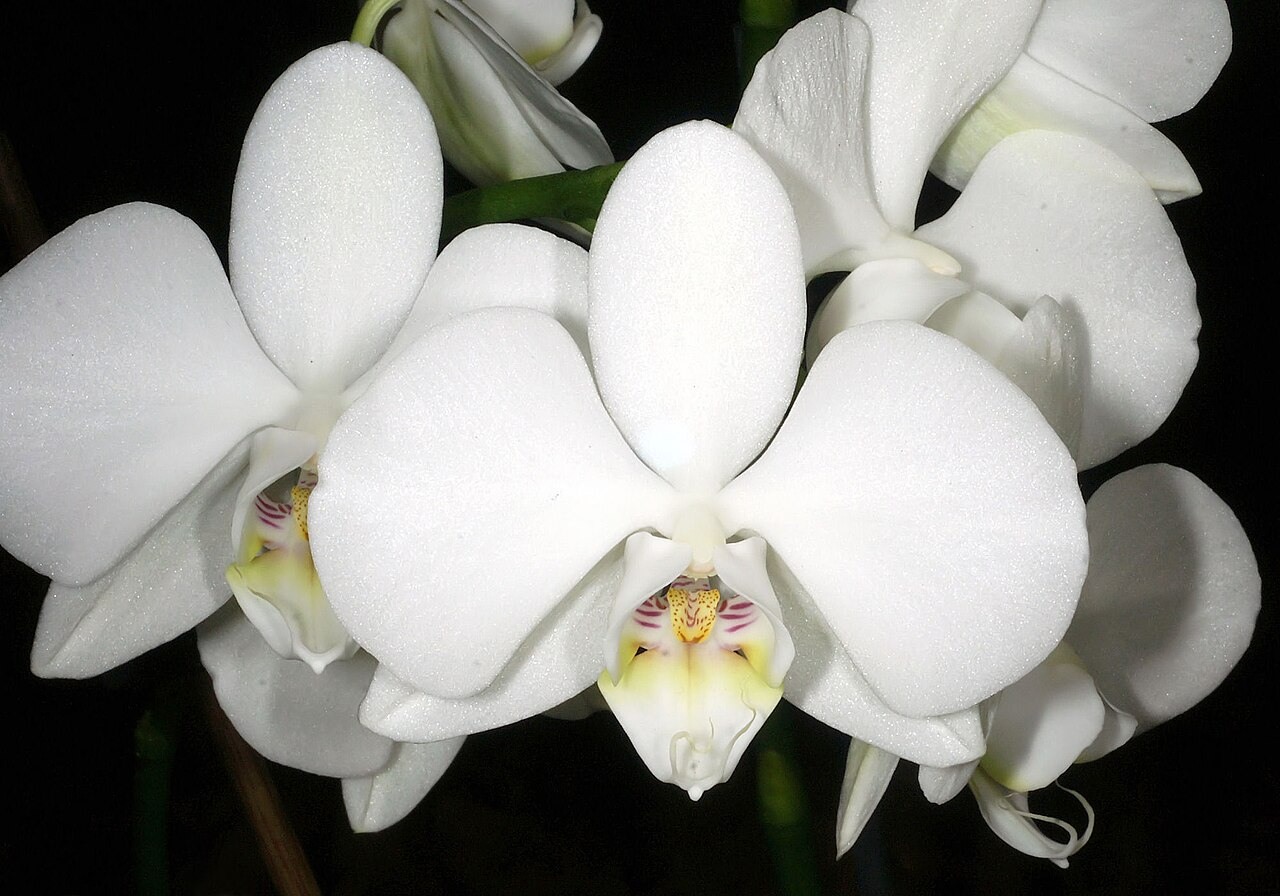
Phalaenopsis (Moth Orchid)
Phalaenopsis amabilis (Orchid)
The key to Phalaenopsis orchids lies in whether the living conditions match its needs rather than just the beauty of its flowers. This type of epiphytic orchid has thick leaves and long flower spikes that rise between aerial roots. During regular checks, observe that 'when the roots in the transparent pot turn a silvery gray, thoroughly soak it' is a habit that should always be followed. Be cautious about the management point: 'do not let water accumulate on the leaves and avoid exposure to cold temperatures and drafts from windows,' which helps prevent common failures. Considering winter reactions to short days, dry heating, and cold windows helps clarify differences from other candidates.
Before placing, verify the scientific name 'Phalaenopsis amabilis,' and when using or caring, check if light meets 'bright indirect light.' The expected size is 'leaf width of about 30-50cm,' which should help decide placement without obstructing movement. In winter reactions to short days, dry heating, and cold windows, applying small changes first and adjusting after observing responses is the safest approach.
Before placing, verify the scientific name 'Phalaenopsis amabilis,' and when using or caring, check if light meets 'bright indirect light.' The expected size is 'leaf width of about 30-50cm,' which should help decide placement without obstructing movement. In winter reactions to short days, dry heating, and cold windows, applying small changes first and adjusting after observing responses is the safest approach.
학명 Phalaenopsis amabilis
빛 밝은 간접광
물주기 투명 화분의 뿌리가 은회색으로 변하면 충분히 적셔 줌
예상 크기 잎 폭 약 30~50cm
관리 포인트 잎 중심에 물이 고인 채 저온을 맞지 않게 하고 찬 창문을 피한다
관리 정보 확인 https://plants.ces.ncsu.edu/find_a_plant/?q=Phalaenopsis%20amabilis
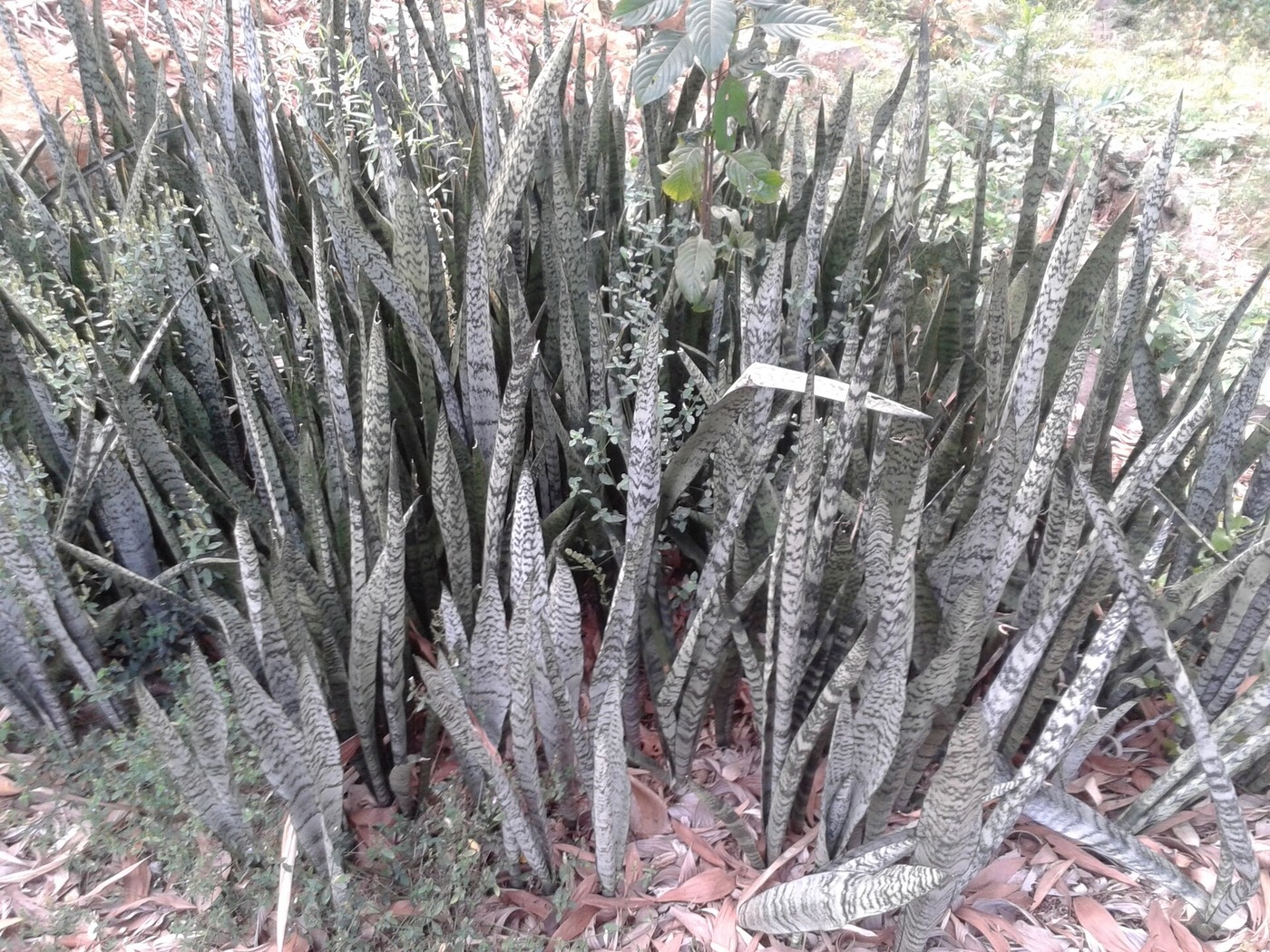
Sansevieria
Dracaena trifasciata (Snake Plant)
If you're wondering how Dracaena trifasciata (Snake Plant) responds in winter to short days, dry air from heating, and cold windowsills, look at three things. First, its scientific name, ‘Dracaena trifasciata’; second, its light, ‘bright indirect light’; and third, its expected size, ‘about 30–120cm’. It stores water in its thick, upright leaves, so it's a plant that calls for special caution against overwatering in winter. When it comes to winter reactions to short days, dry heating, and cold windowsills, these conditions affect one another, so getting just one of them right won't produce the same result.
When observing it, use the watering guideline ‘water thoroughly rather than in small amounts, after the soil has dried out completely’ as your standard, and if something goes wrong, rule things out starting with the care point ‘avoid wet soil in cold spots and keep pets from eating it’. With winter reactions to short days, dry heating, and cold windowsills, don't change its spot and care routine several times at once while it's adjusting to a new environment. With winter reactions to short days, dry heating, and cold windowsills, checking causes one at a time is what leaves you with care standards you can repeat next season too.
When observing it, use the watering guideline ‘water thoroughly rather than in small amounts, after the soil has dried out completely’ as your standard, and if something goes wrong, rule things out starting with the care point ‘avoid wet soil in cold spots and keep pets from eating it’. With winter reactions to short days, dry heating, and cold windowsills, don't change its spot and care routine several times at once while it's adjusting to a new environment. With winter reactions to short days, dry heating, and cold windowsills, checking causes one at a time is what leaves you with care standards you can repeat next season too.
학명 Dracaena trifasciata
빛 밝은 간접광
물주기 흙 전체가 충분히 마른 뒤 소량이 아닌 충분한 급수
예상 크기 약 30~120cm
관리 포인트 차가운 곳의 젖은 흙을 피하고 반려동물 섭취를 막는다
관리 정보 확인 https://plants.ces.ncsu.edu/find_a_plant/?q=Dracaena%20trifasciata
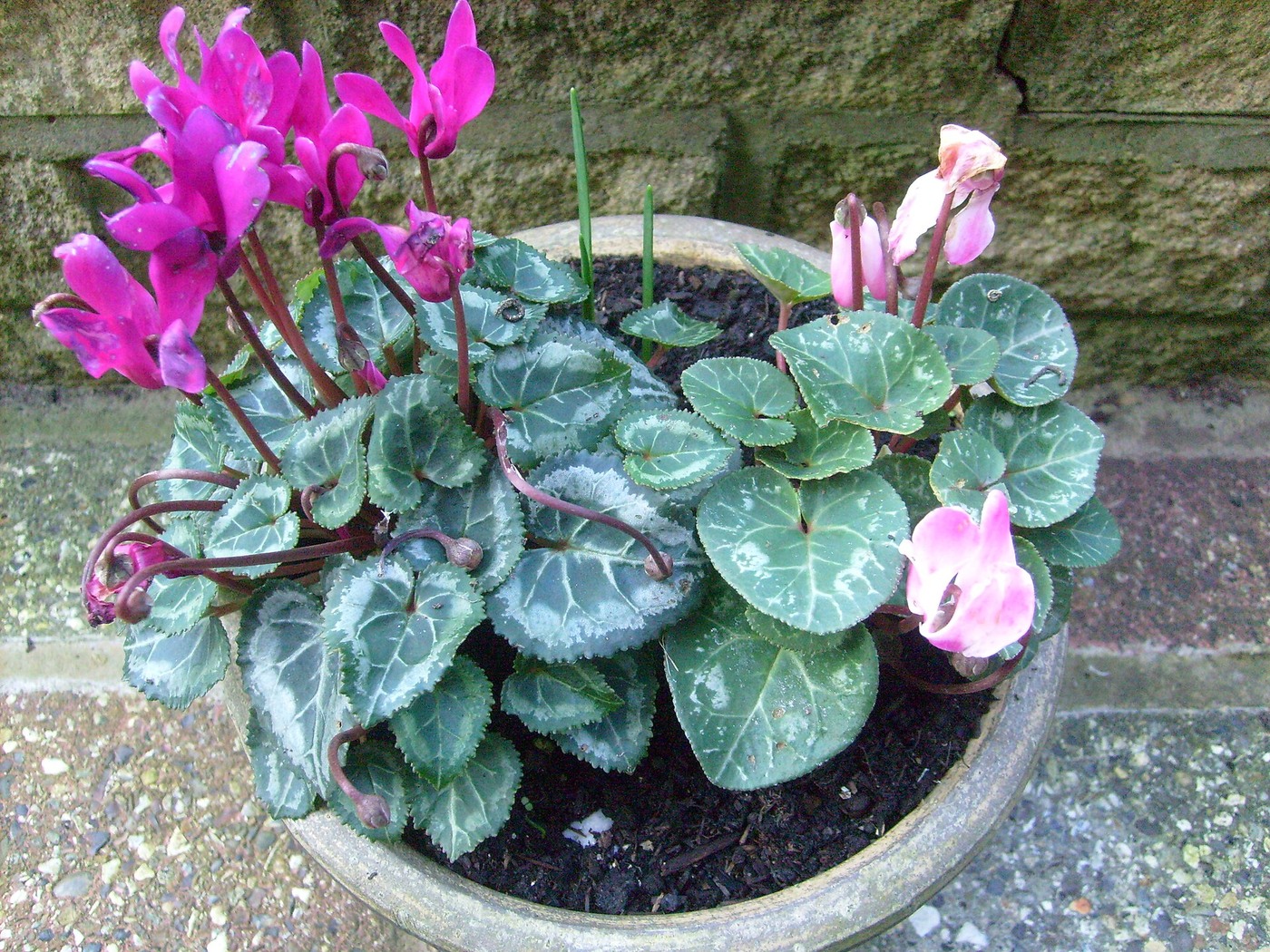
Cyclamen
Cyclamen persicum (Cyclamen)
This bulbous plant showcases its gorgeous petals on patterned leaves during the cool season. Cyclamen provides comparison value when judging its reactions to short days, dry heating, and cold window conditions in winter. Be cautious if you are unaware of the management point: 'avoid warm living areas and water accumulation around the bulbs while keeping it away from pets,' as inconveniences may overshadow advantages. Next, check the scientific name 'Cyclamen persicum' to see if it fits the home environment.
When maintaining, consider the expected size 'around 15-30cm' to leave space and ensure light is set to 'bright indirect light.' The watering technique of 'watering the edges or bottom of the pot, avoiding the bulb center' serves as a practical clue for assessing the plant's condition. Observing the growth of new leaves and roots and the rate of drying during the winter reactions to short days, dry heating, and cold windows will yield more accurate results than comparing with sales photos.
When maintaining, consider the expected size 'around 15-30cm' to leave space and ensure light is set to 'bright indirect light.' The watering technique of 'watering the edges or bottom of the pot, avoiding the bulb center' serves as a practical clue for assessing the plant's condition. Observing the growth of new leaves and roots and the rate of drying during the winter reactions to short days, dry heating, and cold windows will yield more accurate results than comparing with sales photos.
학명 Cyclamen persicum
빛 밝은 간접광
물주기 구근 중심을 피해 화분 가장자리나 저면으로 급수
예상 크기 약 15~30cm
관리 포인트 더운 거실과 구근의 물고임을 피하고 반려동물 섭취를 막는다
관리 정보 확인 https://plants.ces.ncsu.edu/find_a_plant/?q=Cyclamen%20persicum
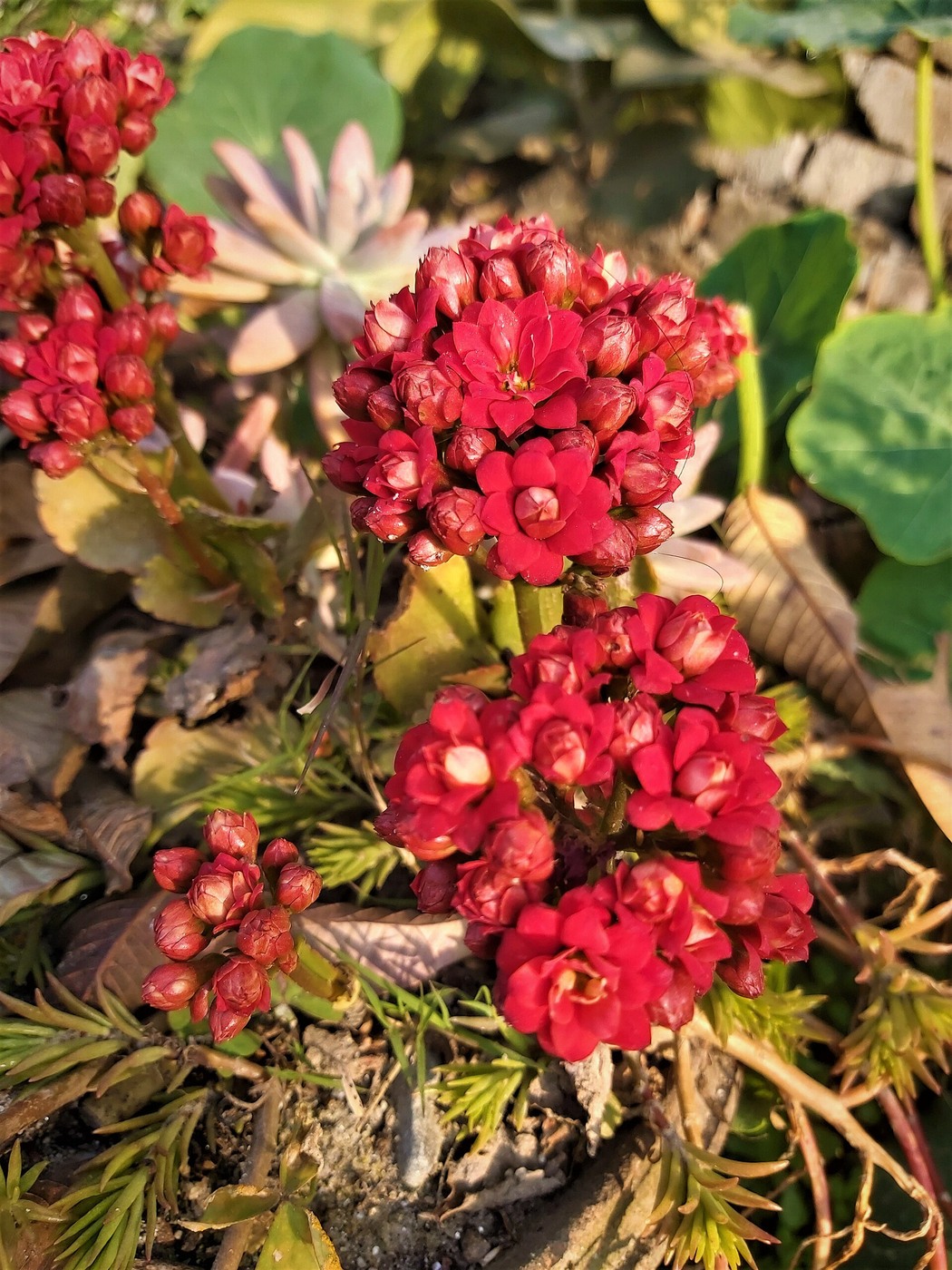
Kalanchoe
Kalanchoe blossfeldiana (Kalanchoe)
Before selecting Kalanchoe, ask yourself about its winter reactions to short days, dry heating, and cold window conditions. This succulent plant features small flowers clustered on its fleshy leaves, where short days impact flower bud formation. With an expected size of ‘about 20-45cm’, if you only consider its current size when deciding placement, you may need to move it later. The light requirement of 'very bright light and adapted sunlight' should match your care habits to thrive.
After deciding on placement or use, compare the scientific name 'Kalanchoe blossfeldiana' and the watering method of 'watering after the soil is adequately dry' regularly. Lastly, do not overlook the management point that ‘artificial light at night could affect flowering cycles and can be toxic to pets,’ as addressing this can easily prevent sudden damage. When changes occur, confirming the water, light, and temperature records from the past week is a good place to start.
After deciding on placement or use, compare the scientific name 'Kalanchoe blossfeldiana' and the watering method of 'watering after the soil is adequately dry' regularly. Lastly, do not overlook the management point that ‘artificial light at night could affect flowering cycles and can be toxic to pets,’ as addressing this can easily prevent sudden damage. When changes occur, confirming the water, light, and temperature records from the past week is a good place to start.
학명 Kalanchoe blossfeldiana
빛 매우 밝은 빛과 적응된 햇빛
물주기 흙이 충분히 마른 뒤 급수
예상 크기 약 20~45cm
관리 포인트 야간 인공조명이 개화 주기에 영향을 줄 수 있고 반려동물에게 독성이 있다
관리 정보 확인 https://plants.ces.ncsu.edu/find_a_plant/?q=Kalanchoe%20blossfeldiana
The starting point for winter care is monitoring temperature and soil moisture. Record how low the temperature gets next to the glass at night, whether the heater blows directly on the leaves, and how many days it takes for the soil to dry out. Even if you use a humidifier, it's essential to maintain ventilation to prevent leaves from staying wet or condensation forming on walls.
If you rush into repotting or using strong fertilizers during a period of halted growth, it might put more strain on the roots rather than help them recover. However, do not postpone immediate reactions to issues like root rot or pests just because of the season. As spring approaches and new leaves and root activity are observed, gradually increase water and fertilizer without making abrupt environmental changes to ensure a smooth transition into the growing season.
If you rush into repotting or using strong fertilizers during a period of halted growth, it might put more strain on the roots rather than help them recover. However, do not postpone immediate reactions to issues like root rot or pests just because of the season. As spring approaches and new leaves and root activity are observed, gradually increase water and fertilizer without making abrupt environmental changes to ensure a smooth transition into the growing season.
At a glance
8 items
Fiddle-leaf Fig (Ficus lyrata)
Ficus lyrata실내에서 2m 이상 가능
Calathea Orbifolia
중간에서 밝은 간접광약 60~100cm
Boston Fern
중간 간접광잎이 약 60~120cm 퍼짐
Monstera
밝은 간접광지지대와 함께 2m 이상 가능
Phalaenopsis (Moth Orchid)
밝은 간접광잎 폭 약 30~50cm
Sansevieria
밝은 간접광약 30~120cm
Cyclamen
밝은 간접광약 15~30cm
Kalanchoe
매우 밝은 빛과 적응된 햇빛흙이 충분히 마른 뒤 급수약 20~45cm
As part of the Coupang Partners program, this post may earn a commission from qualifying purchases.
Comments 0
Log in to leave a comment.
Be the first to comment.
How about these lists?


You might also like


🎲
Not ready to stop here?
Wondering what to read next is the biggest waste of time.
Let the dice decide — you won't know what pops up until you roll.
If you don't press it… won't you wonder forever? 👀